

Ali Stroker is unstoppable. We fell in love with her while she was on The Glee Project but in recent years has made history as the first person in a wheelchair on Broadway in the 2015 production of Deaf West’s Spring Awakening... Read More
From the show: The Theatre Podcast with Alan Seales
Guests
Featured Shows
About
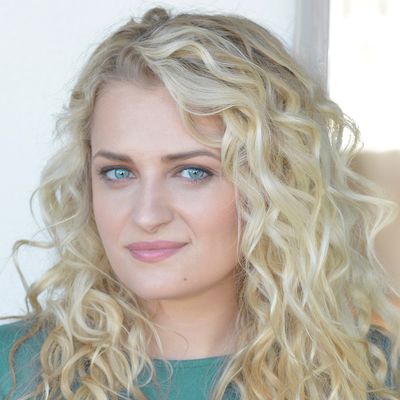
Ali Stroker is unstoppable. We fell in love with her while she was on The Glee Project but in recent years has made history as the first person in a wheelchair on Broadway in the 2015 production of Deaf West’s Spring Awakening. From a very young age, all Ali has wanted to do is perform after the acting bug bit her when she was cast in a neighborhood production of Annie. She was recently seen in the off-Broadway production of Oklahoma! at St. Ann’s Warehouse, and can be heard in the upcoming podcast, Loveville High (lovevillehigh.com). In this episode, she speaks about disability awareness, representation, education, how she positively overcomes the daily struggles, and why she actually doesn’t prefer being called an ‘inspiration’ to others.
Connect with Ali:
- Instagram: @alistroker
- Twitter: @alistroker
Connect with The Theatre Podcast:
- Support us on Patreon: Patreon.com/TheTheatrePodcast
- Twitter & Instagram: @theatre_podcast
- Facebook.com/OfficialTheatrePodcast
- TheTheatrePodcast.com
- Alan's personal Instagram: @alanseales
- Email me at feedback@thetheatrepodcast.com. I want to know what you think.
Thank you to our friends Jukebox The Ghost for our intro and outro music. You can find them on Instagram, Twitter, and Facebook @jukeboxtheghost or via the web via jukeboxtheghost.com.
A very special thanks to our patrons who help make this podcast possible!
Cheryl Hodges-Selden, Paul Seales, David Seales
If you would like to see your name in this show notes or get a shout out on the pod itself, visit ttp.fm/patreon to become a member and show your support!
Transcript
This transcript was automatically generated and might contain errors.
[0:00] Alan Seales: Hey, everyone. Alan here. I'm just cutting in real fast at the beginning to add a new section to the episodes here. I'm tentatively calling it the reflection section. If you hate the name, let me know. Feedback at thetheatrepodcast.com. The reflection section's purpose will be for me to kind of reflect on what you're about to hear, what I've taken away from the episode, things I've learned, things that changed me, things that changed my thought process. And the fun part about it is that you get to hear from producer Jillian Hockman.
[0:37] Jillian Hockman: Hi, everyone. I'm here.
[0:39] Alan Seales: She is here. She is real. Yeah, but she and I talk about this kind of stuff anyway. And then it occurred to us like, why don't we just let you hear it too?
[0:47] Jillian Hockman: Yeah.
[0:48] Alan Seales: So, we'll just dive right in. This interview you're about to hear with Ali Stroker was eye-opening to me in many different ways. And I actually want to first start with an apology to her. I introduced her in the episode as the first actress in a wheelchair to be on Broadway, but she's in fact the first person in a wheelchair to be on Broadway regardless of gender. So, I'm sorry, Ali. I'm sorry to everybody else listening as well. But the thing that sticks out to me, what she said to me that I still take with me is that she doesn't want to be seen as an inspiration. It's not that she doesn't like it, but she wants to just be like everyone else.
[1:31] Jillian Hockman: Yeah, I was listening to that. And what I really kind of took away from that is, yeah, she has to still keep living her life after you're done being inspired. She doesn't exist for your reflection or for your thought process of anything. She's a real person. She lives her day-to-day. Cool that you got something out of it, but that's not why she's here. And she, because I asked her, I was conflicted. I said, so you do or you don't want to be inspirational? And she goes, no, I can't help being an inspiration. I can't help being someone's inspirational motivation. And she quoted her dad and saying that, and I'm probably misquoting her here, that you can't control what people think of you, or what people say to you, but you can control how you react to that.
And so, she's always tried to remain strong. She's always tried to remain, I guess, true to who she wants to be. And if people find her inspirational or not, that's out of her control and she just chooses to live her life.
[2:38] Alan Seales: I like the way she also holds herself accountable and holds other people accountable. You get to choose how you react. And that ability to be accountable and to be cognizant of your own thoughts and feelings can really make a big difference in how you see the world.
[2:54] Jillian Hockman: Yeah. And that's what I've taken away, actually. We were recording this, you and I, right here a couple of days before you released the episode. Allie and I spoke about a month ago, and I've thought about that ever since. And I continually go back to it. And I'm always thinking that it's changed me. It changed the way that I kind of perceive negative experiences in my life ever since then. So, Allie, if you're listening, thank you for that.
[3:23] Alan Seales: She inspired you. And she didn't even mean to.
[3:26] Jillian Hockman: Oh, goodness. I don't know if she'd like that or not.
[3:28] Alan Seales: Thanks, Allie. You're the best. Probably. Cool. I guess that's it. We'll kick into the episode. Do you have anything else to add?
[3:35] Jillian Hockman: Thanks for listening, guys. Follow us on social media. We're at theatre underscore podcast on Twitter and Instagram, facebook.com slash official theatre podcast. If you have thoughts, feelings, want to tell us about your day, feedback at the theatre podcast.com. We would love to hear from you and enjoy. Enjoy the episode.
[4:06] Alan Seales: Welcome to the theatre podcast, intimate personal conversations with theater's biggest talents. I'm your host, Alan Seales. Today we have with us Ali Stroker, who first entered our hearts and minds when she became a contestant on The Glee Project in 2012, went on to have a starring role on Glee itself, and then in 2015, made history by becoming the first ever actress in a wheelchair to appear on a Broadway stage in the revival of Spring Awakening produced by Deaf West Theater, which was a phenomenal show, by the way, which was a company that also featured many prominent deaf actors. She was most recently starring in the off-Broadway production of Oklahoma as Ado Annie, in addition to being a co-chair of Women Who Care, as well as a co-founding member of Be More Heroic, which is an anti-bullying campaign. Thank you, Ali Stroker, for chatting with me today.
[5:00] Ali Stroker: Thank you for having me.
[5:01] Alan Seales: Thank you for being here. You do so much. You're so active, but I want to actually start, of course, as we always do on this podcast, with the humble beginnings of your origin story. You were a Jersey girl, yeah? Grew up around New York?
[5:14] Ali Stroker: Yes, I grew up in Ridgewood, New Jersey in Bergen County, like about 45 minutes outside of the city, and was lucky enough to be able to come to New York often as a kid and see theater.
[5:28] Alan Seales: And then you saw your first Broadway show at what age?
[5:31] Ali Stroker: I was in first grade. What is that, six?
[5:35] Alan Seales: So probably seven, I think. Seven?
[5:37] Ali Stroker: And I saw Beauty and the Beast, and it changed my life. I knew before that that I wanted to do theater.
[5:46] Alan Seales: Did you?
[5:47] Ali Stroker: Yeah. I was in a production of Annie in my backyard down at the Jersey Shore. Our neighbor had three kids and their oldest daughter, Rachel Antonoff, who actually is now a well-known fashion designer. She came home from Stage Door Manor and decided to direct a production of Annie with the neighborhood kids and cast me as Annie. And I remember watching the VHS like a thousand times and learning. And I think I kind of figured out how to do the role by imitating. And then we put up the show at the end of the summer and I was hooked. I was like, this is what I want to do.
[6:34] Alan Seales: Oh, so it was an actual... It wasn't like just kids getting into the backyard?
[6:39] Ali Stroker: Oh, no, no, no, no. The whole neighborhood was invited. We sold tickets, the sandpaper, the local newspaper came out. I mean, this was a big deal, Alan.
[6:48] Alan Seales: That's crazy.
[6:49] Ali Stroker: This was huge. No, it was not.
[6:50] Alan Seales: The Jersey Shore, huge.
[6:52] Ali Stroker: It truly changed my life because I talk a little bit about how theater is my passion, it's my hobby, it's my career. But I really also feel like it saved my life. I was injured in a car accident when I was two and paralyzed and use a wheelchair. And I think when I was introduced to theater, it felt like an outlet for me to express everything that I was feeling in a safe place. And it was the first time that I felt like I was up in front of people and I was being looked at and listened to for the reasons that I wanted to be. Because as a little girl in a wheelchair, a lot of people look and stare and feel bad for you. And that never felt good. And I was aware of that at a very young age. But being on stage and having people look at you and listen to you and applaud for you felt really powerful. And I just knew after that first experience, I wanted more and more and more.
[8:00] Alan Seales: That's really great. I think a lot of us take for granted, I guess, what we don't know what we don't know, if that makes sense. And this is, I don't know if this is going to come across as insensitive. But I kind of had my first experience with a lack of accessibility, especially in New York City. You just rolled your eyes.
[8:17] Ali Stroker: Yes. Yes, yes.
[8:18] Alan Seales: When I had my first child, and I have to push a stroller around, right? And just getting around everywhere, but like having to live this day to day. And then you were actually you said, you're late here to this interview, because like the weather is getting to you to like, everything just kind of like centers around that sometimes.
[8:50] Ali Stroker: Yeah, it's interesting. So I have lived in New York since 2005. So New York City is not like a new home for me. But I think what anyone can relate to whether you're walking around on two feet, or you're rolling around or using crutches, or you need a cane or however you get around New York, there are a lot of obstacles. And being in a chair, it's like you have to figure out your rhythm. And any sort of elements that throw you off your rhythm and your track is a test of patience. And I was talking about that actually today, that when my patience thins, the first place that I feel frustrated is at New York. Because this city has made huge strides to make the streets and the sidewalks accessible, but we still deal with like, subways not being accessible.
And so I get around a certain way, but you add rain into the picture, well, you can't hold an umbrella while you're pushing a wheelchair. So you get wet. And that's kind of a part of it. And it's charming for a few years. And then there are days where it ain't so charming. And it's so funny that you were saying like, you had this first experience when you had a child and had a stroller to deal with. I have so many moms like relate, and they're like, you know, either pushing down the street next to me or wherever. They're like, you know, I didn't realize how tricky this is until I had a baby and had like a stroller to use.
[11:05] Ali Stroker: And I think part of my perspective is like, I never blame people for not knowing what they don't know. Like I don't go around every day thinking about what it's like to be blind and get around New York City. I don't expect people to understand what it's like to get around in a chair. But something that I do love about New York is that people are always willing to help. And there's sort of this like team spirit that at least I feel and I look for in people because there are times that I do need help. And, you know, there are times that sometimes I fall out of my chair or whatever. And I'm never on the ground for more than three seconds before some New Yorker has me back up in my chair, checking to make sure I'm okay, picking up my bags, people asking if I need help up hills and ramps.
And I just am really fortunate to, I think, also be willing to accept help. That's a kind of vulnerable position to put yourself in sometimes. And I have a love-hate relationship with that as well, because sometimes needing help means having to articulate the kind of help that you need. And not everyone's a good listener. So sometimes dealing with somebody who thinks that they know how to help when really, actually, that kind of help is not as helpful. If this is making any sense, hope you're following.
[12:11] Alan Seales: It is. I think I'm good at picking up. Yeah. And I've actually struggled with this in my personal life, too. I'm a fixer. I'm a doer. And my wife has helped me out immensely with this particular skill, which is a learned skill, I think, for a lot of people is sometimes the best way to help is just to listen, not to try to just go out and fix it right away.
[12:35] Ali Stroker: Right. And that's, yeah, that's what I personally am always fighting that urge in myself to just go fix the stuff. Yeah. And I can say that I feel like every day I am challenged to figure things out for myself as far as how I'm going to make something work. But over the past few years, I've thought a little bit about that concept of making it work, because
[13:04] Ali Stroker: Sometimes I end up accommodating for other people more than I'm accommodating for myself. And that, I've had people in my life who I really love and respect help me sort of refocus that because growing up with a disability, you don't want to be a hassle. You don't want to make things more complicated for people. So a lot of times you will accommodate for them instead of asking what you want or what you need. And this has come up around accessibility in the theater world because theaters by law make it accessible for patrons, but they don't always make it accessible. The stages aren't always accessible. And I made a promise to myself after I finished doing Spring Awakening and becoming the first person in a wheelchair to be on Broadway to only perform in inaccessible venues for both patrons and actors.
And that has put me in a position of having to have conversations and having to say no. And it can be painful because at the end of the day, I'm a performer like anyone else, and I just want to perform. I want to do the job. But I also feel a social responsibility to set a certain standard that as a performer who has a disability that I'm not just saying, oh, no, it's fine if you don't have a ramp or you don't have a way for me to get on stage. I'll just be carried because I'm a 31-year-old woman, and I don't want to be carried on stage. I want to enter in my chair, which is my power. That's how I get around. And I think it's a statement to enter in your skin, literally. And my chair is a part of that.
So that's been a big learning kind of experience for me to trust that people will make the accommodations for me and that if they won't, then saying that I'm not available and that I won't do it is also making the right impact, maybe even stronger than if I was there performing. So that's kind of a new thing over the past three years that I've committed to but feel very clear about.
[15:42] Alan Seales: Have you ever said no to a contract and then they've said, oh, we'll accommodate. Can you please do this? Or has it always just kind of come back?
[15:49] Ali Stroker: Well, it has. So, for example, I am invited to do many speaking gigs all over the country. And in those speaking gigs, I sing and I talk about my experience being on Broadway. I talk about my experience going through school, living my life in a chair, being a woman, all parts. And at times, we've run into situations where they're like, oh, it's not accessible. And I'm very fortunate to have incredible representation who talks to them about what is needed. So I will either be a part of those conversations or not. And it's been a learning curve for my representatives as well to learn what it is that I need and also to guide and help people because if they're reaching out to me, they want me to come.
But sometimes they don't have the education or they don't know what kind of accommodations I would need or what is available out there. So it's that wearing two different hats of being an advocate, being an educator, and then also wanting to just be a performer. So sometimes I allow my representatives to do those conversations so that I get to show up and be the good guy, which is a privilege to have that representation. But I also am excited and eager to have conversations like that with people around accessibility because, like you said before, it's a world that you don't know unless you need to know.
[17:33] Alan Seales: Right. Yeah. I want to back up to college days. You went to NYU Tisch School, yeah, and studied dance despite not having use of your legs.
[17:46] Ali Stroker: Yes. So I studied drama and a part of the drama program was a dance component where I had to take dance class three times a week. And at the beginning of that, I was met with some hesitation from my teachers because, again, they had never had an experience working with somebody in a chair and they were nervous. They had fear because it was something they did not know. And after about a month, I was taking dance class and it worked out beautifully. And NYU has been such a supportive institution and they've been behind me 100 percent. But at the beginning, we had to have a lot of tough conversations about sometimes it's hard to hear what people are actually afraid of. And I appreciate how honest they were with me about what they were nervous about.
It was also a painful experience to be in because I, at 18, moving to New York and studying drama, all I wanted to do was be like everyone else. I wasn't quite ready to understand that not being like everyone else was going to be really rewarding. At the time, I was like, I want to just be treated like everyone else. And it's also difficult when you're in a position where you have to educate your educators. That is tricky. But what I do know is that it has helped me so much not wait for someone else to give me answers. Like in an audition, in a rehearsal, I have to, I use the term translate a lot, especially when it comes to movement, like how it will work in my body and in my chair. And I just automatically do it at this point in my life.
I don't wait for somebody else to tell me how. And the truth is, I'm the only one who knows how because I live it. And I have yet to work with a director in a chair. So, that will be really cool at some point to do that.
[20:11] Alan Seales: Do you want to direct? Have you thought about it?
[20:14] Ali Stroker: No, no thanks. My boyfriend's a director and I'll leave the directing to him. But I love to perform. And in many ways, I find myself in positions of giving ideas and collaborating a lot. And I appreciate that because in many ways, I don't know if someone else would come up with the ideas because back to what you said, like you don't know what you don't know.
[20:50] Alan Seales: And you can basically add choreographer to your resume now. You've been writing your own stuff.
[20:55] Ali Stroker: Yeah. The dance part is always really fun because dancing is always very specific to every body, to every performer. In my case, I have like this extra kind of piece to choreograph into, which is like my chair. And what I think is really beautiful about adding choreography with a performer in a chair is that it's another kind of vocabulary. Having wheels on stage is just like another texture to choreography, to dance, to movement, to the world. And I think this is sort of going off on a different tangent, but I think that we as artists have so much power in getting to expose a truth on stage for an audience that for two hours, for an hour and a half, for three hours, is just immersed into a world that might not be their own.
And in some ways forced to watch because, Alan, I can't tell you how many times I'm out in public and I can feel people resisting staring at me because socially we're taught not to stare, not to ask, not to point. But there's a lot of curiosity around disability. And at the theater, in movies, on television, you get to stare and watch and figure out why or how this person lives in the world or whatever world they're a part of. And I think we have so much power being able to do that because the only way that we move through discomfort is to expose ourselves and to educate ourselves. And it's astonishing to me how often there's this huge diversity movement and how often disability is not counted in it.
And I think part of that is the history of disability. And that goes back to the fact that the Americans with Disabilities Act was not passed until 1990. And so before that, it was not as an American with a disability, you did not have free, not free, let me reword that. As an American with a disability, you did not have equal rights. You did not have equal access to the world. You just didn't. Talk about accommodating for others. And so I have to remember that we're still at the beginning of this. And in many ways, people with disabilities used to not, they were not mainstreamed in schools. They didn't go to normal schools. They were not a part of mainstream life. And so there are still a lot of leftovers that we're trying to sort through to learn how to deal with disability.
And that brings me to another point that I want to talk about, which is this piece around how easy it is for an audience member or someone who is not disabled to quickly label disability as inspirational. And I have a lot of mixed feelings about that. Because I understand why someone is inspired by somebody who is doing something with a disability, doing it differently, maybe seen as having a limitation and still forging on. However, it feels like this really easy label to slap onto something involving somebody with a disability. And in many ways, it makes me feel further from feeling understood and seen. Because it feels cheap. It feels like, it feels so surface level. It's like, yeah, to you, I might be an inspiration here like grocery shopping.
But like for me, this is my everyday life. So for you to come up to me and tell me how inspiring I am, you're getting something out of that, that makes you feel good. But for me, it kind of jolts my day. Because this is my normal.
[26:07] Ali Stroker: And I know that a lot of my friends from the disabled community agree with me that it is at times infantilizing and makes you feel like, is this like just for your own benefit? Like, why am I not being seen as a citizen or just a human being who is equal? Like, it doesn't make you feel equal.
[26:38] But like, because it's inspiration and because it's like positive, you then, it feels acceptable and I'm just wanting to call it out.
[26:52] Well, would you call yourself an activist though? Because you do a lot of, like speaking, as you said. And so, I would consider it some sort of activism in a sense, the Women Who Care, your co-chair, which supports United Cerebral Palsy of New York City.
[27:09] Yeah. And then the Be More Heroic anti-bullying campaign. So, I guess I'm conflicted about where you stand because, I can be conflicted in my understanding because you said in one hand, you don't want to be told you're inspirational, but it seems to me through your speaking that you're trying to inspire.
[27:29] So, I cannot control how other people see me. And that was like a lesson I had to learn very, very young. That like, I'm not going to be able to tell people what I am and am not to them.
[27:46] Like, and that's for anybody, right? Like, we don't have control over other people's opinions. All we have control over is our response and how we lead, or as I like to say, how we are hosting our party. And so, in many ways, I think part of why I speak and why I am involved in all of this different outreach, you know, programs for people who need support is because my driving force is that I have been given so much support and so much love and so much encouragement.
[28:33] And I feel like I am in a position to give back. And selfishly, it makes me feel good that I have something to give, even if I'm seen as someone who maybe at times needs help.
[28:52] And, you know, when I speak, what I talk about is a lot of this concept that my dad has taught me around E plus R equals O, which is the events of our lives plus our response equals the outcome.
[29:10] Now, you don't often have a lot of control over the events of your life, but you have 100% control over your response. So, the outcome is in your hands. And so many of us move through our lives feeling like we have no control over the smallest things. But we do. And living with a disability has taught me that I do not have control over being able to walk, being able to feel 70% of my body.
[29:40] But I do have control over the way I want to move through the world, the way I see the world and how I want to treat other people. So, whether that's inspiring or not, I can't control it. I just like to bring it up because I think that it makes people think.
[29:54] I think it makes us think beyond just what America feeds us around disability like with the Paralympics and the Special Olympics, and the inspiring music and the clips. Like, what else? Like, I'm disabled, but I'm also a lot of other things.
[30:15] And I just like something that I just feel across the board is that people are quick to just say that they're inspired. But what else? What else? And again, like, I can't control what else. And maybe it's not as positive, so maybe I don't want to hear it.
[30:37] However, I do think that the only way that we progress is by looking inside of ourselves and actually listening and observing what we feel around new things. And for many people, disability is new.
[31:01] Yeah. Yeah. I wish more people would talk about it. I think there's a push these days to talk about mental health, specifically.
[31:05] Yeah. And I think that mental health, part of why it's being discussed is because it's something that we can't see on the outside. Well, people are afraid of it.
[31:14] Of course, it's something that we don't know and we can't see. In America, it seems to be a thing for me with Americans. Like, other people from the country that I talk to have, there's less of a stigma from what I'm finding out. But like saying, oh, yeah, I went to therapy. My therapist is talking to me about this, blah, blah, blah. That is hugely taboo in this country.
[31:36] Yeah. Yeah. I mean, I, some of the closest people in my life have, you know, issues with mental health. And I have had issues at times in my life with mental health. And I don't feel like I am as articulate around that subject. But I do know that it's something or at least something that when people are much more likely to have compassion and reach out when it's something that they can see.
[32:11] And if they can't, then they just assume whatever. Like if you fall out of a chair, it's easy to help you back up.
[32:20] Right. But if you're having a panic attack and somebody can't see that or whatever you're, whatever the mental health experience is, there's not as much compassion around it. So, um, yeah.
[32:35] Hmm. Did you have any role models growing up? I guess any old role models that you had?
[32:45] Did you have any role models growing up? I guess any, well, I guess one side of it, who were your role models in general, but did any of the role models have disabilities?
[32:57] No, I did not have any role models with disabilities. And in some ways that was on purpose. And in some ways it wasn't. So growing up, um, I was not immersed into the disabled community.
[33:16] Um, there was one other student in my grade who had a disability or a physical disability. He had cerebral palsy. Um, my brother has a traumatic brain injury from the car accident that we were in. So we both grew up with, um, special needs and, um, but it wasn't until I was 18 and moved out to LA that I got to know some people from the community.
[33:38] And I think the reason that I didn't, first of all, like the internet, social media thing, like it wasn't just easy to find people like me, like it is now, like you can go on Instagram and find other women that are my age in chairs and reach out and be connected and follow them and, um, and, and be exposed and, and look up and, and all that kind of stuff, which you think is so cool and so amazing.
[34:11] But I think there was also fear for me that I wanted as a kid to so badly be like everyone else that being a part or having role models with disabilities in some ways didn't make me feel like I was like everyone else.
[34:27] And it took me a long time to be able to like look in the mirror and really like what I see. And when you have friends in chairs, when you have role models in chairs, it's like looking in the mirror all the time. And it was really scary to, um, see that.
[34:47] It took me a long, it's been a long journey to become comfortable and confident in my skin. I have not always been like this at all. But I think that I also found people from my community at the time that I was ready and needed it.
[35:11] Yeah. So outside of being in a chair, what defines you? What is your personality like?
[35:13] Oh, that's a fun question. What am I like? Well, I am. It is perked up a lot. Yeah. Well, this is fun because in interviews often I am talking and advocating about disability and sometimes I feel like that's the first thing and it's just fun to not always have to do that.
[35:36] So me, so I'm a really positive, um, upbeat person. I love to cook. I love food. Yeah. Um, yeah, I love it. I love to eat out. I love to, my boyfriend and I cook a lot. Um, I love, um, giving gifts and, um, I love my friends and my family and, um, I love traveling. I love the beach and I love to swim. It's like one of my favorite things.
[36:05] Um, and what else? I am really outgoing and I love to chat. Alan, I can get on the phone and like talk for like three hours with my best friends.
[36:25] Um, and what else? I, I love to, um, I love to craft. Like I love to make cards and make scrapbooks. And, uh, I love to learn. I am doing all my favorites. I love to learn. Um, and I love my life. And I, sometimes I ask my mom, I'm like, have I always been like this?
[36:54] Like, what about, what was I like? She was like, yes, since you were a baby, you just like loved observing the world and you just like were really easy going. And like, I just said these big blue eyes and just like very even tempered.
[37:09] And, um, I'm stubborn and, um, I am loyal and protective and I love to dream. My mom's always told me that, like, I've always been a dreamer. I've always had these like big dreams that I've wanted to accomplish and have.
[37:40] And in some ways, those dreams might not have always been like everybody else's, like something growing up. Like I always wanted to like live in New York city. And like, I wanted to be able to be on my own and I have been able to do that, which has been so cool.
[37:58] And I never have taken my independence for granted because, um, I think like growing up and needing a lot of help, um, I used to dream and think about like, what, what is it going to take to not need this help? What is it going to take to be able to live in my own apartment and get up and shower and get dressed and go out and push and go into stores and open doors and all these little things that at this point in my life are just normal, but like took a long time to have the physical strength to like accomplish.
[38:35] So when I got there, I was like, I can take on the world. I can do anything. And, um, I've traveled to South Africa, three times doing a teaching program in Johannesburg with, um, uh, a, a nonprofit called Arts Inside Out.
[39:01] And, um, yeah. It works with children affected by HIV and AIDS. Yeah. And that's the other thing, like, I haven't always felt like I need to just help my community. Like, I.
[39:12] Ali Stroker: Every single human being has challenges and struggles. They just all look different. And so, you know, I have challenges, but that doesn't mean that I can't help other people who have other challenges or the same challenges as me and how much that has helped me literally like get out of your own head, get out of your own way and realize that you might be in a position of needing a lot of help or having a lot of challenges, but that doesn't mean you can't help somebody else. Yeah, I read your motto is make your limitations your opportunity. Yeah, I think that's very simply and brilliantly put. Yeah. Well, that's kind of how I was raised that, you know, this thing that people might see as your limitation, you can't blank.
You can't walk. You can't run. You can't play soccer. But I have this wheelchair and I can do really cool things in it and I can sing and all of a sudden you have this choice to either look at what you can do or what you can't do and looking at the things that you can do was sort of the only option growing up. I had really good parents and they just were like, we're gonna put all of our attention on what you can do and you might not be able to run down that soccer field, but you can sing and that was the gift you were given. And I say this all the time, but like for me singing is like running. Singing is like playing on the playground because there's no limitation. I don't have limitation with my voice. And so that's where I feel like I can be free.
[41:05] Alan Seales: Were they always supportive of your dreams and aspirations to be on Broadway?
[41:10] Ali Stroker: Yes. Yeah, always. Not only were they supportive, they were like you can and you will. And so when I got to college, I was like it's not a matter of if, it's just how and when. And that's how I feel about a lot of my dreams and goals. It's never been I've never been able to, it's never been I've never been like a like, oh like have a backup. No, that's not how I live my life. It's just how are we gonna make this happen? And being a dreamer, I think the challenge is to get clear on what I want and to actually move forward with my actions to achieve what I want because it's easy to dream, but to actually put things into action is the vulnerable, scary, hard part.
[41:59] Alan Seales: It's so hard for so many people.
[42:05] Ali Stroker: Yes, I know so many people that are like I can do these great things if I just had the time or if I just could make this happen or I'm like no just go out and do it.
[42:09] Alan Seales: Yes, but that is the fixer-doer in me, right?
[42:14] Ali Stroker: Exactly, right? You're gonna give them the answer, right? But the truth is everyone can talk about their dreams or even give advice about how to do their dreams or someone else's, but especially as I get older and want to create some of my own things, I realize oh this is a lot harder than talking about it or writing a list to actually move through because there's a lot of fear of whatever failure or being looked at as somebody who is wrong or is not doing something right, you know, all the bullshit. Yes, we could say, but maybe we're not allowed to say that on this podcast.
[43:02] Alan Seales: Whatever. We can say it. I have now made the rule we can say that. Sorry parents listening with your kids in the car, but that is how we roll here.
[43:15] Ali Stroker: The Glee Project, you made it to the final episode, placed second earning you an actual guest star on Glee. Was that a big turning point for you, I guess career-wise or personality-wise? Was that like what a moment where you're like, oh yeah, I can do this or it wasn't?
[43:36] Ali Stroker: No, The Glee Project was really cool because it was this amazing platform for me to not only perform and do what I love and what I'm good at, but also to share my story. And because of my wheelchair, I think that people were really curious, so I had this massive platform to sort of answer that question and get it out of the way because I think that there was a lot of curiosity. So it was really perfect. And as far as like as far as I got, that had just to do with the fact that I knew that this was something that I was meant to do. Like Glee from the first time I saw it, I was like, oh this is a world I don't have to invent, like this is a world I fit into and not just because there was a character in a wheelchair, but because it was musical theater and it was young people was my age group and it was celebrating the underdog and that is in some ways I think how the industry saw me as like somebody who was different but talented and had something to share.
So The Glee Project was just like a really perfect kind of break for me even though I had been performing since I was seven years old. So it wasn't like oh then I realized I could do this. Like I always knew I could do it. It was just like I sort of see my career as like every opportunity leads to the next and this was just a really big opportunity that got to open other doors.
[45:09] Alan Seales: Yeah, I enjoyed watching you on Glee. I watched a lot of Glee.
[45:14] Ali Stroker: Yeah, Glee is amazing and back in the day and Glee was so important to so many people because it was a platform where they were representing all kinds of people.
[45:24] Alan Seales: In Spring Awakening, did you know any ASL before you started?
[45:29] Ali Stroker: Alphabet and that was it, but I remember at the callback we had to learn the sign language for Purple Summer and just falling in love with it because it was another moment where I was like, oh my gosh, I can use my hands. Sign language, I'm not limited in doing this sign language. It's like a world that I can just fly in. So it was just sort of this perfect, again another perfect opportunity that came my way and also to be working with other people with disabilities and Deaf West and Michael Arden really saw what many people might see as a limitation as an opportunity to tell a story in a different way and that was like exactly the kind of thing that I was trying to do myself and I can hear and but I can't, you know, I can't push my wheelchair and sign so there were times when like my friends who were deaf were helping me on stage and then there were times that I was helping them and in so many ways it just felt like this natural world that I was just meant to be in and I'm so glad that that's how I made my Broadway debut because it was just like without sounding kind of corny, like it was really right on brand, like it was like the perfect right situation and Michael Arden is such a visionary and he really just really believed in me and everything that I could do from the beginning and those are the people that I like to work with, those people that are wanting to do something different because hiring somebody in a wheelchair is still considered different.
[47:19] Alan Seales: Did you know Michael before you started the production?
[47:24] Ali Stroker: Not well, no, I knew of him and he knew of me, but now he's like family and my boyfriend has worked with him since I'm Once on This Island and you know, yeah, on the family now.
[47:32] Alan Seales: So you mentioned your boyfriend a couple times. Yes. How do you identify sexually?
[47:38] Ali Stroker: I, it's a great question. I, today I don't know. I mean, I am so deeply in love with my boyfriend and feel like I'm in such a perfect partnership for myself and I have, I was in a relationship with a woman who now identifies as non-binary so like the way that I live my life, I am NOT that into like putting boxes around things, but I think I identify as bisexual because of this experience that I had before I started dating David, but I'm in a relationship now that I want for a very long time and he identifies as male and I identify as female. So I guess then it would be I'm heterosexual and so I guess I don't know. I mean, yeah, I guess I guess that's, I mean, it's strange for me to just say that I'm straight because of this experience before, but when being in a relationship that I feel so clear about, it's hard for me to be like I'm bisexual. I don't look at women anymore. I don't really, I'm not really looking for anybody else.
[49:11] Alan Seales: So we're not looking for other men either, right?
[49:15] Ali Stroker: That's right. Yeah, so I guess I don't know. I identify as being in love and that, you know, I'm not somebody who is that my attention is not taken by gender or sexual orientation. That's not like where my mind is at this point in my life and I'm so grateful for the experience that I had in my last relationship where we talked so much about gender and sexuality because of what they were going through. So anyway, yeah, it's, you know, all shades of gray. I think it's so important again. This is something else that people are afraid to talk about.
[50:10] Alan Seales: Mm-hmm.
[50:10] Ali Stroker: Is gender identification? Yeah, and whatnot. I mean, I would see Head Over Heels almost every night if I could. I'd love that show. Yeah, and the first character in a peppermint, right? Who is trained a first Broadway's first transgender actress who is playing a character? Who's the first non-binary character? Yeah, I'm Broadway and I think it's just, it's a conversation people need to have.
[50:38] Alan Seales: Absolutely, and I also have strong feelings about relationships and that, you know, David, I don't want to speak for him, but like I don't think he ever imagined being with somebody in a chair and you know, I never imagined before I was with him being with someone who now identifies as non-binary but who at the time identified as a woman. So, you know, I don't think relationships are ever the ones that we see in our heads. Like reality is so different.
[51:16] Ali Stroker: Mm-hmm.
[51:16] Alan Seales: And I wish that I at the time knew that if I continued to work on myself and like explore who I am and love who I am that I would then attract the right relationship for that time and I think that I have and I was fortunate enough to be in and am in a relationship now where there's so much respect and both of us honor each other for who we are so much that whether good things are coming up or bad things are coming up, we know how to support each other and you know, people change all the time. You don't know what life is bringing you. The only thing for certain in a relationship is change.
[52:05] Ali Stroker: Mm-hmm. So if you can begin to trust yourself in those situations, I think you can find peace in relationships. Are you attracted?
[52:44] Ali Stroker: He is creative, he is compassionate, he's sensitive, and he is extremely aware and articulate about his own feelings, opinions, and experiences. And for me, in a relationship, I have to be able to articulate what I feel, and I need to have a partner who can do the same. And he's also the hottest guy I've ever seen in my life, so that helps. But yeah, I feel differently about a relationship now at 31. I think depending on where you are in your life, certain things matter more, but at this point in my life, I feel so lucky to be in a relationship where both of us are accountable and are wanting to show up and be our best selves for each other.
[54:00] Alan Seales: I think that is a wonderful place to close us out here.
[54:04] Ali Stroker: Oh, great.
[54:05] Alan Seales: One more thing.
[54:06] Ali Stroker: Oh, yeah?
[54:07] Alan Seales: We didn't talk about Oklahoma.
[54:08] Ali Stroker: Oh, yeah.
[54:09] Alan Seales: Can I just say one thing?
[54:10] Ali Stroker: Yes, please.
[54:11] Ali Stroker: Okay. So, I have had the opportunity to play Ada O'Hanney in Oklahoma at St. Ann's Warehouse, and it was a production that changed my life because it was a role that I saw one way for a long time. And when I was given the opportunity to play it, I realized that it was many other things. And I got to give it my spin, and I love this character so much. And I think that Oklahoma, this specific production at St. Ann's Warehouse, has allowed people to see this musical in a very different way, and that turns me on.
[55:05] Alan Seales: How is it different from the standard production that people might know?
[55:10] Ali Stroker: It's a lot darker. It's a lot darker. You really hear the script, the book, the scenes. A lot of times Oklahoma's done where you don't really hear the lines, but you remember the music. And this specific production is slowed way down, and you really hear the scenes and the way that these people are talking stripped down. And I think that it reminds us that this American musical that we, in my opinion, have labeled as a happy, feel-good musical, has a lot of grit and a lot of darkness, just like our country has. We have a lot of good, and we have a lot of bad. It's not bad to look at the other parts. And right now in history, I think it is important to remember that we're made up of both, and that the only way that we can move forward and progress is by actually owning and taking accountability for both.
[56:20] Alan Seales: Well, I hope that everyone listening saw the production. It was extended once. Hopefully it will continue to have a revival later on down the line.
[56:32] Ali Stroker: Yeah, sold out. Hard to get, almost impossible to get tickets before it closed.
[56:38] Alan Seales: Can I ask you one question?
[56:41] Ali Stroker: Yeah.
[56:43] Alan Seales: Why did you start doing this?
[56:45] Ali Stroker: Why did I?
[56:46] Alan Seales: Yeah.
[56:48] Ali Stroker: I'm in love with knowledge these days.
[56:54] Alan Seales: And what about it?
[56:58] Ali Stroker: I think it just makes people... This is hard to articulate. No one's asked me this yet. For me, I'm in a place with my own mental health where I'm finally at 38 now, and just starting to be totally comfortable being vulnerable. And so, I feel like theater people are my people. I have my own background in musical theater from one of many past lives. And I got out of that scene for a while and missed it every day. I've known you for years, friends in the business who have gone on to do great things. And I'm just now starting to have these conversations, deeply vulnerable conversations with people in real life. And I was like, oh, I need more of this. And I wanted to consume it in podcasts that are having a resurgence.
And so, I was like, oh, I'll just start looking for this. And then I couldn't really find exactly what I was looking for. And so, I said, I'll just do it. And so, here we are talking and chatting about what makes these people that everyone listening may never have direct access to other than through a Playbill or through a YouTube video or something. And I want to bring your knowledge, bring your light, bring your energy to everybody listening right now as a way to find out who you really are. What were your challenges? What got you to where you are to make you this incredible person now that everybody is looking up to for inspiration, for lack of a better word?
[58:57] Alan Seales: Yeah.
[58:58] Ali Stroker: Okay, so I have a proposition for you.
[59:00] Alan Seales: What's that?
[59:01] Ali Stroker: That you mean you can say no, but can I interview you for an hour?
[59:07] Alan Seales: Yeah.
[59:08] Ali Stroker: Okay. Because something that happens a lot is I am in a position where people are asking me questions, but my favorite kind of conversations is when I get to ask questions back. So this is your show, so this can go in whatever way you want, but I think it would be cool since the show is closing soon to come back and I'll have a list of questions to ask you. And then if you want to air that or if you want to cut it up and put a piece of it at the end of each one, whatever you want. But I think whenever I'm listening to podcasts, you hear somebody in a position of asking the questions. And sometimes I think, why are they asking those questions? And why do they want to know what they want to know?
And I just have, for somebody who respects and loves theater so much and then is no longer involved with it, I think there are a lot of people out there that did theater for a long time and then let it go. And I have questions about what that's like, not because that's something that I specifically want to do, but what it feels like to allow that part of your life to not be your focus any longer.
[1:00:38] Alan Seales: Oh, wow.
[1:00:39] Ali Stroker: Yeah.
[1:00:40] Alan Seales: We're going to talk for a long time.
[1:00:41] Ali Stroker: Okay.
[1:00:42] Alan Seales: Let's do it.
[1:00:43] Ali Stroker: Okay.
[1:00:44] Ali Stroker: I'm going to write down some questions on my way out to CNNs right now. And you can tell me whether or not you want to see them or if you want to be surprised.
[1:00:51] Alan Seales: I want to be surprised.
[1:00:52] Ali Stroker: Okay, cool. Yeah, I don't like...
[1:00:54] Alan Seales: All right.
[1:00:55] Ali Stroker: Then fine. I'll see you again.
[1:00:57] Alan Seales: I'll see you again and we're doing this again.
[1:00:59] Ali Stroker: Yeah.
[1:01:00] Alan Seales: So I've got three standard questions that I ask everyone here.
[1:01:02] Ali Stroker: Oh, cool.
[1:01:03] Alan Seales: Okay. Very simply, what motivates you?
[1:01:05] Ali Stroker: I am motivated by creating representation for the younger generation so that they can see powerful people with disabilities in the world.
[1:01:27] Alan Seales: And what advice would you give to your younger self and younger people listening now starting out down a similar path?
[1:01:32] Ali Stroker: Everything you're unsure about yourself, every part of yourself that you're not sure people will love are the things that one day you're going to be so happy are a part of who you are and you will be loved for every flaw, every part of you that is different. As someone who was bullied as a kid, that's kind of making me cry here.
[1:02:14] Alan Seales: Last question.
[1:02:15] Ali Stroker: If you could only see one show for the rest of your life, but you could see it as many times as you want, what would you say?
[1:02:18] Ali Stroker: The Wiz.
[1:02:23] Alan Seales: Why?
[1:02:25] Ali Stroker: I love The Wiz.
[1:02:26] Alan Seales: Do you love it?
[1:02:27] Ali Stroker: I love The Wiz.
[1:02:28] Alan Seales: Fair.
[1:02:29] Ali Stroker: It was the first musical I ever did on a real stage.
[1:02:32] Alan Seales: Yeah?
[1:02:33] Ali Stroker: And I think The Wiz is a story that no matter where you are in your life, you can connect to some part of it. And I think the music is really rich and powerful and moving.
[1:02:59] Alan Seales: Wonderful.
[1:03:03] Ali Stroker: So on the internet, everyone can connect with you on Instagram and Twitter, at Ali Stroker, A-L-I Stroker, and that's it.
[1:03:13] Alan Seales: Yeah? No YouTubes?
[1:03:15] Ali Stroker: Yeah. No, no. I think social media is a really wonderful tool and I also think it's something that we abuse. So I have a very specific relationship with it that I'm trying to honor and not take advantage of, but it's really hard to stay in a clear place about social media and exposure. Maybe I'll come back another time and we can have an hour conversation about exposure. But we live in a world where everything's so overexposed. And so I love being able to connect with a lot of people. I also want to be known and seen for my work and not for my posts.
[1:04:03] Alan Seales: I really love that answer.
[1:04:07] Ali Stroker: Speaking of being known for your posts, yes, you could get more of me and the Theatre Podcast at Theatre underscore Podcast. Also on Instagram and Twitter, Facebook.com slash Official Theatre Podcast.
[1:04:19] Alan Seales: Are you on Facebook?
[1:04:20] Ali Stroker: Yes.
[1:04:21] Alan Seales: You are?
[1:04:22] Ali Stroker: What is your feed?
[1:04:23] Ali Stroker: Ali Stroker.
[1:04:24] Alan Seales: Facebook.com slash Ali Stroker.
[1:04:25] Ali Stroker: Yeah.
[1:04:26] Alan Seales: The Theatre Podcast dot com is how you can easily listen and subscribe and share and all those fun things that you have to do on the internet these days. And if you're listening on an app right now, just go and give a review. Please provide an honest review. I read them. I think they're important. I love the feedback. You can also email me feedback at The Theatre Podcast dot com. Please, questions, comments, concerns, anything. And the music you're hearing under you right now is from Jukebox the Ghost. Lovely friends who allowed us to use music for this podcast. Love them. Visit them at Jukebox the Ghost dot com. And again, Ali Stroker, thank you so much for this chat. This has been wonderful.
[1:05:08] Ali Stroker: Thank you so much, Alan.
© Broadway Podcast Network, All Rights Reserved