

Laura Osnes is a two-time Tony Award nominee for her roles as Bonnie in Bonnie & Clyde, and Cinderella in Roger’s and Hammerstein’s Cinderella. After winning NBC’s 2006 reality TV show You’re The One That I Want, she made her Broadway debut as Sandy in the 2007 revival of Grease... Read More
From the show: The Theatre Podcast with Alan Seales
Guests

Featured Shows
About
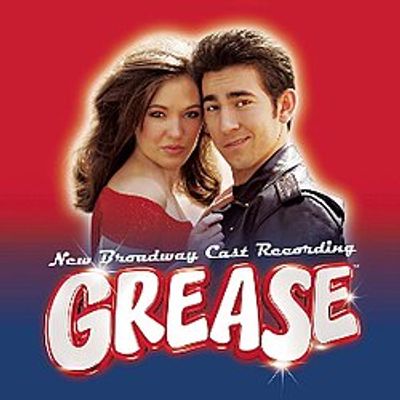
Laura Osnes is a two-time Tony Award nominee for her roles as Bonnie in Bonnie & Clyde, and Cinderella in Roger’s and Hammerstein’s Cinderella. After winning NBC’s 2006 reality TV show You’re The One That I Want, she made her Broadway debut as Sandy in the 2007 revival of Grease. Other Broadway credits include starring roles in South Pacific, Anything Goes, and most recently Bandstand. You can also see her on TV as Shirley McClaine in Fosse/Verdon, and the Hallmark movie In the Key of Love.
As a child growing up in Egan, Minnesota, a suburb of Minneapolis, Laura always gravitated towards music and theatrics. She listened to musical soundtracks and acted them out in her living room, danced competitively for 13 years, and started working professionally in Minneapolis when she was in middle school. After attending the University of Wisconsin for a year studying theater, she got offered a job as a performing apprentice at a theater in Minneapolis, and said “yes” to the opportunity. Instead of going back to school, Laura then found herself in Los Angeles competing on a reality TV show for a starring role in Grease, and shortly after, arrived in New York City for her Broadway debut.
Laura shares with us her thoughts on the culture shock she experienced upon moving to LA from Minnesota. As a self-declared introvert, she admits she most enjoys becoming a character onstage - transforming into someone else, and working with a cast of people. Laura says performing is the one thing she always wanted to do - the thing she knew she was always meant to do.
To watch the video version of this event, click here.
In this episode, we talk about:
- How she is spending her time during quarantine
- Why she Googles herself sometimes
- What the experience of filming her first Hallmark movie taught her
- Why she turned down the National Tour of Grease
- A day in the life of being a Tony nominee
- How she approaches creating her roles
- How she is keeping busy by teaching online classes
Connect with Laura:
- IG: @lauraosnes
- Twitter: @lauraosnes
- Laura teaches online master classes via A Class Act (@ AClassActNY) - Register here: https://aclassactny.com/virtual-classes/
- And Broadway Artists Alliance (@BAAofNYC) - Register here: https://www.broadwayartistsalliance.org
- Follow the Broadway Princess Party on IG at @bwayprincesspty and keep up to date with concert dates and new merch items here: www.broadwayprincessparty.com
- #RHGoesLive: Rodgers & Hammerstein’s #RHGoesPop initiative comes live to your living room via YouTube live stream performances with Bway stars, hosted by Laura Osnes! Subscribe to the R&H YouTube channel so you don’t miss an episode! https://youtu.be/AnkBNI1lMlM
Connect with The Theatre Podcast:
- Support us on Patreon: Patreon.com/TheTheatrePodcast
- Twitter & Instagram: @theatre_podcast
- Facebook.com/OfficialTheatrePodcast
- TheTheatrePodcast.com
- Alan's personal Instagram: @alanseales
- Email me at feedback@thetheatrepodcast.com. I want to know what you think.
Thank you to our friends Jukebox The Ghost for our intro and outro music. You can find them on Instagram, Twitter, and Facebook @jukeboxtheghost or via the web via jukeboxtheghost.com.
A very special thanks to our patrons who help make this podcast possible!
Cheryl Hodges-Selden, Paul Seales, David Seales
If you would like to see your name in this show notes or get a shout out on the pod itself, visit ttp.fm/patreon to become a member and show your support!
Transcript
This transcript was automatically generated and might contain errors.
[0:00] Alan Seales: Welcome to the Theatre Podcast, intimate personal conversations with theatre's biggest names. This episode is with one of Broadway's favorite princesses, Laura Osnes, and it was actually recorded 100% in front of a live worldwide audience on the internet as part of Broadway Podcast Network's Town Hall series of live events. To get more information about the BPN Town Hall series of events, you can visit bpn.fm slash broadway together. Now, Laura Osnes grew up in Minnesota and ended up putting herself on the map in New York after she won NBC's reality show, You're the One That I Want. While she put herself on the map on a national scale, it was a national reality competition, reality show competition, for those who don't know, and the winners, a man and a woman, would be the leads on a revival, in a revival of Grease on Broadway.
She was 21, I think, when she won the competition, and 22, I believe, when she started in Grease, and just, her career has just gone on and done really, really well since then. Two-time Tony nominee for her work in Bonnie and Clyde and for Cinderella. Bonnie and Clyde was a crazy short run, but arguably one of the best Frank Wildhorn shows ever written. If you agree or disagree, let me know. I'd love to know why, but her nomination came out months after the show closed, and so she wasn't even expecting it at all. It's really a crazy kind of story. She was recently seen on TV in Fosse Verdon and in the Hallmark movie, In the Key of Love. She's just been blossoming, and I've known her for years, and throughout her successes, she's just always stayed the same, a grounded, well-rounded, incredibly nice person.
Her success has never gone to her head, and I just think she's one of the greatest people that I've had the chance of interacting with. So, Laura, thank you for a wonderful interview. Thank you for being authentic. As always, before we get into the episode, I encourage everyone to visit me online at thetheaterpodcast.com. Don't forget to show support via Patreon at thetheaterpodcast.com slash Patreon, P-A-T-R-E-O-N. You can follow me on social media at Theater Underscore Podcast on Instagram and Twitter. Now, everyone, please enjoy this live episode with Laura Osnes. Here you go, one, two, three.
[2:22] Alan Seales: My guest today has been nominated for two Tony Awards for her performances in Roger and Hammerstein's Cinderella and Bonnie and Clyde. She made her Broadway debut in the 2007 revival of Grease after winning NBC's You're the One That I Want the year prior, and has gone on to be in many, many more shows including South Pacific and Anything Goes. She was most recently seen on the Broadway stage in Bandstand but was most recently seen on TV as Shirley MacLaine in Fosse Verdon and in the Hallmark Channel movie In the Key of Love. Laura Osnes, welcome to the very first live recording of The Theatre Podcast.
[2:58] Laura Osnes: Hey, Alan. Thanks so much for having me. I'm so excited to be here.
[3:01] Alan Seales: And who's in here? Who's in here? That's Lila?
[3:04] Laura Osnes: Yes. She's been joining for all of my virtual, you know, podcasts and appearances. It's been so awesome. She's loved having mommy around 24-7. It's been very special.
[3:16] Alan Seales: Are you keeping busy though? Like you're quarantined. You said you're not in the city at all.
[3:21] Laura Osnes: Yes, I'm very grateful. My husband and I have a house outside the city in Connecticut. And we actually were planning to come up here for a long weekend, literally two weeks ago, right before all of the craziness happened. And we were going to come up for the weekend with some friends and we ended up just staying here. We went grocery shopping and stocked up on a bunch of things and have actually been faring pretty well other than some underlying anxiety about like when we'll all get to work again. We've actually really been enjoying each other's company and playing a lot of games and reading and fishing and taking walks. We live by a state forest, so there's no one around. We were able to walk outside and get some fresh air and we're having movie nights and playing ping pong and really just trying to make the most of it.
And just, yeah, stay connected and cook. We've been cooking like crazy. It's been actually pretty special, pretty special time. I think we're all going to come out of this connected in a different way than we ever were before and being more grateful.
[4:29] Alan Seales: I agree. I totally agree. I mean, I think this is kind of a wake-up call for people too, to get their digital lives in order. Being a techie guy myself, I'm like, I was looking for a webcam the other day and a $70 webcam was like $300 on Amazon, so price gouging, not cool. Wow. We've been checking stock on Zoom and it's like gone up. I'm like everything's gone down and like Zoom and platforms like that have gone up because thank goodness we have technology like this in a time like this when we can't physically be together. We have FaceTime and Skype and YouTube Live and it's Marco Polo. I love that technology has been able to be this advanced so that even when we're quarantined, we can still connect.
[5:10] Laura Osnes: Yeah. Let's see. I want to play with this because we've got it. Ashley, is all of New York under a shelter in place or just New York?
[5:20] Alan Seales: New York's not really officially in a shelter in place or did that change today?
[5:25] Laura Osnes: I thought there is some kind of like lockdown situation. I mean, letting people go out for essentials is what I hear.
[5:32] Alan Seales: Yeah, right. So everybody who is not an essential worker is encouraged to stay home, whatever that means, but it's not technically, I don't think, a shelter in place yet.
[5:44] Laura Osnes: Right. Anyway, so you're doing like online master classes and everything too and stuff, right? So you're still keeping busy.
[5:52] Laura Osnes: I mean, in a way, it's not like I have anywhere to go, but I've been super grateful. A lot of the companies I typically work for, teaching master classes here and there, I teach a lot, have reached out to me and said that they're launching virtual online classes and have asked if I would be willing to teach and we'll see how it goes. I have my first one this Friday over Zoom. So I think like there are 10 students or so logging in and they're each going to sing from their living rooms and I'll get to critique them and help them work on acting their song and hopefully it'll be a great experience. I've done one-on-one coaching that way, but never in a group setting like this. So I have, yeah, like probably five or six classes through various companies coming up that I'm teaching. So if anyone is looking to still stimulate their skills and wants to work on honing that with me, I'm around for virtual classes, which is kind of cool.
[6:54] Alan Seales: Do people get digitally starstruck? Like if there are people who haven't met you, who haven't met you and you're like, oh my gosh, I'm about to have a face call with Laura Osnes or whatever, do you find that at all? Or is it sort of like, all right, we're in the business, we're all cool?
[7:03] Laura Osnes: That's so sweet. No, there is a little element to that because usually they are younger, typically like high school age or potentially like college age or prepping for college auditions and things like that. And what's cool about a platform like Skype or something like this, you do a digital class is that you're like, oh, I'm friends with this person. Like we're just chatting online. You know what I mean? So it's cool to be able to make that connection. And yeah, I think kids do get a little start, but by the end, I chat with them, I ask them questions, we get to know each other and hopefully they can ease up by the time they have to sing. But I always assure people, I am one of you. I am also going to auditions and I audition for colleges and I used to go to, you know, I've gone to cattle calls and it's like, I am one of you. I'm one with the artist. I'm not a casting director. I'm not here to critique you in that way. I'm here to give you just advice based on my own experience as a fellow artist.
[8:09] Alan Seales: Well, Becca beat me to the punch here. Where do we get these classes with you? How do we sign up?
[8:14] Laura Osnes: Great. Great. I just posted on my Insta story a few days ago. I'm teaching through a company called A Class Act for the next three Saturdays. This Saturday, the following Saturday and the Saturday after. Are you able to post any of that information on the podcast?
[8:29] Alan Seales: Absolutely. Yeah. Yeah. I'll include it in the description for the episode notes when this goes out in audio form and I'll edit this video description. Yeah. You send me what you want, we'll get it all out there.
[8:38] Laura Osnes: Amazing. So you can log on through there. I'll post on my Insta story over the next few days again. And then I'm also teaching with a company called Broadway Artists Alliance. And I think I'm doing that class March 31st and also April. Did I tell you April 8th or something like that? I think it's this Tuesday and next Wednesday. So, yeah. And I think it's all different age groups and hopefully there will be more. I think we're kind of waiting to see how well it goes and how well they sell. And then we can always add more over the next few weeks if you miss these two. I'm sure there will be more if they fill up quickly. Stay tuned to probably my Insta story. I'll be promoting and then you can put the link in the comments and description stuff too. That'd be amazing. Thank you.
[9:22] Alan Seales: No problem. And speaking of Insta stories though, I was looking at Broadway Princess Party on Instagram. Is Broadway at Broadway Princess P-R-T-Y, right? P-T-Y.
[9:33] Laura Osnes: P-T-Y. We had a hard time coming up with the handle because a lot of things were already taken. And we kind of think it looks like Broadway Princess Potty. But it was what works the best with how many letters we wanted to have. And anyway, pretend you see the R there.
[9:56] Alan Seales: For those who don't know, what is the Broadway Princess Party?
[10:00] Laura Osnes: The Broadway Princess Party is this super magical concert series I co-created with my friend and music director, Benjamin Rahala, who is an absolute dream. He's so, so wonderful. And it started as a one night concert at 54 Below five years ago. It'll be five years this August, so four and a half years ago. And it was tremendously popular. And 54 had us back for several more sold out shows over the next two years. And then we thought about trying to take it beyond New York City and thinking it was a concept with music and artists that all of America needed to see, not just New York. And so we started booking ourselves in small cabaret venues across the country, like two years ago. And then last year, started playing performing arts centers.
And it was really exciting and wonderful. And we just had such a great response of little girls and their parents and families and Comic-Con, Disney animation fans, Broadway fans all coming together and loving these classic Disney and theater princess songs.
[11:16] Alan Seales: The reason I bring it up is because, you know, we've got almost 30,000 followers on Instagram now. And with all the quarantine stuff that's happening, you're doing what, IGTV?
[11:21] Laura Osnes: So yeah, Broadway Princess Party has its own YouTube channel as well. And we've been posting videos on the YouTube channel since our inception long ago. And I know Ben during the quarantine has been uploading a lot more photos from the archives, or a lot more videos from the archives. And we're trying to, you know, keep people alive and entertained and happy as well on that platform, on our Broadway Princess Party Instagram. And yes, going live. We went live like for like half an hour every day, the first week of the quarantine, and are now gonna do a couple times a week.
[12:03] Alan Seales: Cool. Well, we were talking offline, you're gonna send me all that schedule. So I'll have it on the Broadway Podcast Network website. We're gonna put all this together. So it will be there. But about the whole princess stuff getting into, of course, some of the roles you're known for now, but I want to start at the very beginning. And you grew up in Minnesota?
[12:16] Laura Osnes: Yes, sir. That's it. What part of Minnesota? I'm from a suburb of Minneapolis called Egan, oddly enough. And now I'm like pals with Susan Egan going like, it is spelled differently. My town is called E-A-G-A-N. And yeah, I live about, if anyone's ever been to Minnesota, I live about 10 minutes like south of the airport and Mall of America.
[12:39] Alan Seales: Oh, that's not bad. So was there, I mean, there's a lot of theater up there. What, when did you first decide you're like, oh, I want to start singing and I want to get into this sort of life?
[12:42] Laura Osnes: Sure. I would think I always gravitated towards music and theatrics. I sang Castle on a Cloud from Les Mis and my kindergarten talent show. So I don't know, I always just gravitated towards it. I used to put on musical soundtracks and cast recordings and act them out in my living room, like Secret Garden, Les Mis, I even had Miss Saigon, Beauty and the Beast. Like, and I just, I would play all the characters and act them out. And I started taking dance lessons when I was five and I danced for like 13 years competitively, like growing up and did my first show in second grade. I played a munchkin in the Wizard of Oz. I did not play any lines. I was not a lullaby league, like not a featured munchkin, just like random munchkin number 92.
And I loved it so much. And I remember like looking up to Dorothy and thinking like, oh, like I want to do that someday. Like I want to be her. And I did, I got to play Dorothy twice in my youth and Minneapolis happens to be a really, really great theater town. My high school had a very high value on the arts. I played like Peter Pan in high school and got to fly. And I felt very fortunate to grow up in both a theater and a community that appreciated that.
[14:03] Alan Seales: Well, did you, was it your parents that kind of got you into it or, I mean, where did you first get the notion of there's a stage, this is a performance?
[14:07] Laura Osnes: You know, I grew up watching VHS tapes of West Side Story and Music Man and Singing in the Rain. So that's where I first got the concept of a musical. Yeah. I think for me, a lot of it, I did, my parents did take me to see theater a lot. You know, Minneapolis was a great touring city. There were a lot of tours that came through. And I remember going to see a lot of theater when I was little, but neither of my parents are theatrical at all. My dad is, was, is an optometrist and music.
[14:40] Laura Osnes: The musical, yes, plays guitar. We grew up singing in church, and we led the kids' worship at church. And so, he was musical. My mom used to play piano, and I would sing around it. But neither of them ever did theatre, even though they were musically inclined. So, and then my brother, my older brother is completely left-brained, does business and finance, and was never really into theatre at all. So, I don't really know how... If it's nature versus nurture, like, I, you know, how I got so into it, more into it than I, you know, than the rest of my family. I think my parents saw that it was a gift that I had, and something that I loved, and they always encouraged me, and were able to help give me those opportunities without ever forcing it upon me, which was really special.
I always tell kids when I'm teaching masterclasses, if their parents are there or whatever, like, thank you for believing in your kids, because I feel like I got to where I am, because my parents always said yes, and allowed that to happen for me, even though that wasn't the path that they necessarily had, or really, you know, thought I would have.
[15:49] Laura Osnes: Well, in high school, I guess high school is really where you decide. I mean, as soon as you get to high school, it's all of a sudden turning into, well, you got to decide what you really want to be in life, and you got to take all the classes they're going to put you into the college you want that makes the choices for the rest of your career. And there's a lot of, looking back, especially as a parent now, it's really weird to me to have that much pressure on you at such an undeveloped age. I mean, just to figure out where you're going. But was there ever a time when you didn't want to do it, or, you know, you ever want to do optometry, or, you know, your brother went into business? Obviously, like, there's that side of things.
[16:27] Laura Osnes: To be honest, I, again, I, like, when I was five years old, I was like, I want to be on Broadway. And I think I'm maybe a rare case of it's the one thing I've always wanted to do and feel like I was put on the planet to do it. It was like it was a long tunnel, and Broadway was at the end, and I was going to get there, like, no matter what, like, that was like my dream. The great thing about that is that I never questioned it. And everything I did in my youth kept steering me towards that path. I was a very good student in school, but I didn't really enjoy it. I was, I remember always thinking, like, I can't wait till the day that I can just sing and act and do shows and not have to also read tons of books and write long papers and, like, do math problems.
Like, even in middle school, like, I started working professionally in Minneapolis in middle school. So I would, like, go do shows downtown that had, like, you know, matinees and then, like, show up to school when I could. And I had a very kind of unique childhood. I started doing post-secondary classes in high school, which means I only had to go to college in the morning, and then I would leave, like, midday. And two days a week, I would go to a college campus and take two classes there that counted towards high school credit and was, like, ahead, but also freed up my schedule so that I could go do shows more often. And it was I just I knew what I wanted to do. And that's it's the one thing that I that I just had my heart set on forever.
And so there was, you know, there was something very special about that, but also means I'm not good at anything else. Like, this is the one thing that I, like, always studied and always had a passion for and just drove for it and was determined. But it makes my some I sometimes wish I was I had a skill set in other things, but I don't really because this is what I always just studied and had had my, you know, had my heart go after.
[18:15] Laura Osnes: But I also felt is that a lot of people feel like they need to have a backup plan. And I feel like if you have a backup plan, you're going to end up doing it. Yes, I mean, to each his own. And I know there's a lot of different schools of thought about that. But for me, it was like, I put all my eggs in this one basket because I knew it was what I was put on the planet to do. And if you're not that certain about it, maybe you don't. Maybe you're like, I'm good at this and I'm good at this. I like this and I like this. And cool. But I I was like, this is the one thing I want to do and I'm going to put all my eggs in that basket and go for it. So I'm super grateful.
[18:49] Laura Osnes: Real quick, there's a there's a question from Megan. What's the first musical you remember seeing? Oh, my gosh. Oh, like in Minnesota, I like we I went to see like the high school shows. But I remember when I was probably like the big like the first like impactful one is I actually saw a tour of Miss Saigon. I was probably way too young to see it. But what my parents did was we drew there were it was me, my brother and I, two stepsisters and very Cinderella of me. Don't worry, they were nice. We put because we couldn't afford to take all four kids to the show. We put names in the hat and we drew and we drew and one of the kids got to go see the show. And I fortunately got drawn. And I think I was probably I was probably like eight.
But I got to go see Miss Saigon at the touring show. And I remember being like floored, like flabbergasted. It was like that was the first like huge, you know, Broadway caliber production. And I was so moved by it. And I was like, that's what I want to do. And I want to sing like that. And I, you know, singing with an orchestra and having the story, you know, that real and that impactful. I mean, I even I remember my mom explains the meaning of it a little bit to me. So I wasn't completely blind going in. But I remember that being very impactful.
[20:17] Alan Seales: That's interesting. I think one of my first shows that I saw was was Chicago, which obviously was probably not age appropriate for me either. So, you know, whatever. Great parents. We probably saw a lot of things we shouldn't have when we were there.
[20:31] Laura Osnes: I know. I know. But I did grow up to like you said earlier with like the movies, you know, I did grow up watching the Rodgers and Hammerstein movie, like Sound of Music and The Wizard of Oz. I was obsessed with The Wizard of Oz. I grew up with like the Mary Martin, Peter Pan. What else? Yeah, like Singing in the Rain, White Christmas, you know, all of those kind of classic movie musicals that all the Disney movies even, you know. The animated Little Mermaid and Beauty and the Beast. And it was like, I want to sing like that. I'm going to I want to do that.
[21:04] Alan Seales: Well, you know, looking at the Disney stuff and and you played Cinderella. So you're like lumped into this category of princesses now. And very few people get to be able to say that. But were you actively I mean, is your voice naturally more prone to being that like floating soprano? Or what is it like a shitload of work that got you there? You know, like some people just naturally have it or, you know.
[21:29] Laura Osnes: No, I think where my voice lives is that like mixi soprano place. Like that's the place that's easy for me. The Rodgers and Hammerstein, like Disney sound I can do. The belt thing I learned. That's that's the one I like learned over time and have grown to feel more confident with. But that's not where I live. I think, you know, that's the one that I'm like, oh, I have to think about it. Oh, I always feel a little more like strained or tired. When I knew it was funny when I was Googling you for this. One of the top Google, you ever Google yourself, by the way? Do you ever use it because I'm a scrapbooker? Like I love photos and memories and reminiscing. I've always I've like used to I always make scrapbooks for shows and things like that.
So on occasion, I like need to find a specific picture of something and I will Google. And I have a I have one fan site that uploads like HD pictures from things I've done. And I always go there and like save the pictures on the Internet. And I'm like, thank you, somebody for like finding this, buying this or whatever, acquiring this in HD so that like I can enjoy it for my sake of my memories.
[22:34] Alan Seales: Oh, well, the one of the questions that comes up when I put your name was does Laura Osnes really sing, which I'm like, why? Why would she not? You know, I thought it was just odd. But the answer is not a yes or no. It's it's a paragraph expose about how effortless your soprano voice is, which is just funny to me. So just put in your name. It's, you know, Google has like the top four questions about you. And one of them is like, do you really think so? Yes, of course you really think I do. It's funny. Like what?
[23:06] Laura Osnes: Well, I feel like with the Hallmark movies this past year, I found a new audience with like Hallmark TV fans that maybe weren't necessarily Broadway fans or knew, you know, knew me before that. And I sing in both those movies. So I bet that I'm guessing that's probably where that came from, where they're like, is she actually? Oh, right. Just Google, Google me. And then like zillions of videos come up from like, of course. But I'm guessing that's probably that's maybe that new audience who from my Broadway.
[23:36] Alan Seales: Well, maybe Melissa Swanson here wants to know, will you be starring in more Hallmark movies?
[23:43] Laura Osnes: I would love to star in more Hallmark movies. I have to be honest. All production has stopped, you know, for everything right now. But I'm I had such a great time filming. I learned so much. I kind of challenged myself to, I think, get out of my comfort zone. I think I've always been a little bit like camera shy, so to speak, or just fear of the unknown. Like I know I know what to do when I'm on stage. And I know that like, you know, how to handle that and auditions that way. But the auditioning for camera and acting for camera is actually like a completely different thing. And just because I haven't had very much experience doing it, I was very nervous going into it. But Hallmark was a very safe space to get to learn and play. And I had a really, really great time and I would love to do more. Yes.
[24:31] Alan Seales: Well, they keep calling me. Hopefully they will. Yeah. But I'm going to let's rewind again back to 2006, which is you're the one that I want. Yeah. Oh, goodness. I guess we can credit that was with launching the Broadway career. Right. So you're the one that I want. An NBC reality competition show where the winner gets to be on Broadway in the Grease and the revival of Grease that happened in 2007. And you were 21 when you won that. Right.
[25:02] Laura Osnes: Mm hmm. So, yeah, that was a good old days. Twenty one. And I guess. OK, so you I was reading that you didn't finish college. You went to college and then you got some jobs. And then so you just didn't finish. Right.
[25:17] Laura Osnes: Yeah, I I went to school for one year and in Wisconsin and study theater. I actually I looked at schools all over the country and could only really see myself at two colleges. I was fortunate enough to visit a bunch of the schools I was looking at and just I just got a feel. I got a piece or not piece like in my heart about like I belong here. I don't belong here. So I only applied to the two schools I got excited about. And that was Cincinnati Conservatory and the University of Wisconsin, Stevens Point. And I didn't get in at Cincinnati and I did at Stevens Point. So I went to Stevens Point and I loved it. Actually, they have a really, really strong triple threat program. And I was close or closer to home being in Minnesota.
And then I ended up getting offered a job interning at a theater that I grew up working at in Minneapolis to be in all the shows for a year and get paid to be like. They call it a performing apprentice at the Children's Theater Company in Minneapolis. And that year I met my husband doing a show. Good thing I took that year off and I had planned to go back to school. I was like, I'll take a year off. I just thought that I I was paying a lot of money to learn in a classroom. And I thought I could get paid to learn on the job, taking that yearlong internship. And I plan to go back to school. But I was auditioning in Minneapolis and ended up booking the role of Sandy in a dinner theater production of Grease in Minnesota the following fall.
And so I was like, OK, again, I'm getting paid to do what I was going to school for. I just booked a job playing a lead. And so I ended up taking that job. And then the Grease reality show happened. So I just I never went back to school because I ended up winning that show, which brought me to New York when I was 21.
[27:02] Alan Seales: That's that's a story I hear a lot, actually, is that people leave college. The people who haven't finished college is because they've gotten the opportunity to do what to do on the job, what college would have taught them. So like one of the lucky few that is actually able to do that. And you're you're creating the opportunity that I guess the college would otherwise give you. So you're just one step ahead, I guess. But you're the one that I want. Tell me about I mean, tell me about that, because I feel like at a young age, early 20s, you feel like you own the world anyway. And then so you go through you feel like, well, at least I did early 20s. I was like, I'm invincible. I'm going to go to spring break during a coronavirus and I'm not going to get it.
Right? Like these guys and and. I've talked to a lot of people who in their early 20s have made their Broadway debuts, and then all of a sudden it's years and years and years before their next gig, and they have this huge reality check. So first off, I guess my question is, you know, you're the one that I want. Was that easier or harder than your typical Broadway audition now? And then I guess after that, did you did you have some sort of expectation at that point that the jobs would just keep flowing naturally?
[28:15] Laura Osnes: Great question. I feel like going through the reality show Ringer was definitely tricky and weird, but I also feel grateful that I like didn't know better. You know what I mean? Like I was 21 and I was like, I don't know what a typical like Broadway audition is like I didn't, you know, I was naive in that way. And it was probably good that I was like, I deserve to be treated a certain way or like, you know, I feel like now I would not be morbid. I don't want to be deep on anything, but I was like, oh, we were all just young and and looking for a break, you know? And like willing to do anything. So but I did feel with the Greece reality show, I always felt and I've said this in other interviews before, I have always felt that like I was I was supposed to do that, like the the doors open and the stars aligned for everything to work out for me to like fly to L.A. and audition for that.
Like I was doing a show at the time and I wrote a letter to my director asking if I was in Greece in Minnesota at the time. And I wrote a letter to the director asking permission to take the weekend off the show so that I could fly to L.A. and audition for this reality show. And like.
[29:20] Laura Osnes: Theater people don't call out, like understudies don't go on that often. Like it's not typical. And he said, yes, you should go. And it was like, okay. And I had, because I kept making it on past the next levels, I had to call him like, you know, every night and be like, so I made it. I have to stay three more days to sing for the next level. I was worried about ruining my reputation with that theater. And, um, at the time, cause I was kind of leaving them high and dry, especially when I ended up making it to the top six and having to move to LA to compete, you know, on, on TV every week. Like the director's daughter took over for me in the show for the last like two months of the run. Um, but I always had like this piece that I was like supposed to be there and it, it did kind of, yeah, put you through the ringer.
Like it's a lot of stress singing on national television when I was 21 and, you know, we got like spray tans and our makeup done, you know, being like, you know, the little girl from Minnesota, my nickname on the show was small town Sandy. So at first I was like, Minneapolis isn't a small town. Like, you know, I've been doing theater since forever. Um, but I think that nickname actually helped to make me relatable to middle America. And I think I ended up working in my favor for all the people who were watching and voting. Um, but when, when we ended up winning, I think I was comforted by the fact that the process of putting on a show was the same on Broadway. Like that I had been doing my whole life, like five weeks of rehearsal and then performances.
Like the rehearsal process was very similar. The cast camaraderie was very similar. Like that feeling, except there's just more money behind it. I remember, you know, walking to 42nd street studios and like looking out over Times Square, like during our Grease rehearsals. And I was just like, is this happening? Like my dream came true. Um, but I did take it very seriously, you know, saying you're on top of the world and all of that. I, I, I knew that that gift that I had been given, I didn't want to take lightly and not be wise about it. Like I valued my reputation and I knew that that door had opened and I didn't want to squander it. So I took my job very seriously. My, when I was 21, I never got sick during that year in Grease.
I took very good care of myself and my body. So I never had to call out. I did take my week vacation because I was required to, but those, that's the, those eight performances were the only performances I missed that whole year because I, I wanted to establish a good reputation so that I could continue living my dream. Um, and I guess after, as far as using that as a launching pad, I was offered to do the Grease tour, um, after my year long run, cause they had plans to bring in Ashley Spencer, actually, who was my runner up on the show and she to replace on Broadway. So Max and I did a year and then they had plans to bring in our runners up to replace us. And so they offered me the tour and I actually decided not to go because I was like, I think I need to use this momentum to stay in the city and start auditioning for other things to move on from this and figure out what the next step is because I knew I wanted to make a career of this, um, and not just be like a one hit reality show wonder girl.
[32:45] Alan Seales: That’s very, I want to say old soul of you. Have you ever been told that you have an old soul?
[32:50] Laura Osnes: Yeah. You're very, like you're, you're very introspective and very like calculated. And I'm, and I'm, I'm wondering where that comes from. Uh, I mean, part of it, I think I'm, uh, I'm grateful. I had my husband, I got married at a young age. So right before I moved to New York, between winning the reality show and moving to New York to start rehearsals for Grease, my husband and I got married. So we were dating during the reality show. So I got married at 21 and part of, you know, nowadays people would be like, Oh my gosh, I had no idea. Not even nowadays, even back then it was, you know, young for people to get married, but we, we knew again, I had just such a piece about it. And I was like, I don't want to go to New York alone.
Like at least let me bring my person. So, um, the timing kind of worked out perfectly and we were able to, you know, move to New York together. And Nate has been an amazing sounding board and rock for me. All of this later 13 year wedding anniversary. Wow. 13. I mean, that's, that's good for anybody, but especially people who got young married at a young age. Is he from a small town too?
[33:53] Laura Osnes: He's from Minnesota. He's from another suburb of Minneapolis. Oh, wow. Corner suburbs of the cities. Um, but we met doing a show together that year after I took off school. Yeah. Yeah. I mean, one of the questions we have, uh, Megan, again, was there any sort of culture shock moving from Minnesota to LA and then later to New York? Um, and I guess, so you and, and your husband went through that together, which was nice. You had each other, but I mean, you're coming into New York after Minnesota, which isn't, I mean, it's not a small town itself, but compared to everything small ish.
[34:21] Laura Osnes: Completely much smaller than New York, so to speak, especially at my tender young age. Um, but yeah, LA was, LA was weird because like I said, it was like that culture, especially the reality show thing of like spray tans and getting my makeup done for the first time. And like, you know, that stuff I had never been like exposed to. Um, and then moving to New York, I had visited New York several times and I knew that I did love that city. And like, I was like, I can get down with this. Like I knew what to expect a little bit more. Um, but I think the main thing that was the culture shock was all of the press that came along with being in a Broadway show and especially winning a reality show and having that sort of kind of overnight fame for that season of my life.
Um, doing interviews and photo shoots and all that kind of stuff. Cause when you start a show in Minnesota, like sure, you have maybe like one interview and like one photo shoot for the, you know, the program cover if you're lucky or for the newspaper or whatever. Um, but Broadway is kind of a continual press junket. And so I think that for me, learning how to conduct myself during interviews and, um, yeah, feeling, feeling comfortable doing that and, you know, photo shoots and stuff was, I think the most surprising thing.
[35:38] Alan Seales: You've, you've kind of alluded to that a couple of times now that, that, you know, being in large groups is not your forte and, you know, or, you know, being on camera or, well, I take that back being on stage, being in character is where you're most comfortable. But I hear that a lot from people who are inherently shy because otherwise you're not quite sure like where to put your hands or where to stand or how to tilt your head. And like, it's all this, this self-absorption of, of being critical. Is that like, is that just somebody put in the comments, Scorpio traits? Is that just you being you? Is that you being you? Or is that like, you know, does that come from somewhere? Cause you know, I could get into a relationship with my parents, you know, and we'd go in a completely different direction with this podcast.
[36:26] Laura Osnes: Sure, sure, sure. Um, you know, I have to be honest. I think, I don't know if any of that has stemmed from my parents. I feel like I'm, I'm con they never pushed me into anything or really, I think they saw that I was good at this and I loved it and always supported it. Um, but never really pushed me into it. I, I do feel like at, at my core, I'm an introvert. And so I can be in large groups and I can turn it on for like an hour. And then literally when it's been 61 minutes, I'm like, Nate, we have to go. If I'm like at an event with my husband, like I can do it for an hour. And then I kind of hit my peak and I'm like, I need to go home. So it is, it's interesting. It's like now, and I've learned even with concerts and stuff where I have to like be myself, which is, you know, terrifying.
Like people will pay to watch me and even like, like hear me talk. I is that entertaining? Like, that's the most vulnerable thing is to be yourself and, um, be available and open in that way. Um, but I've gained more confidence in myself in that way over the years doing concerts and things like that, where I have had to be myself. But my favorite thing is becoming someone else, is stepping into someone else's shoes and getting to play a character and, and work with a cast of people and having, having players, you know, to interact with, um, is still my first love.
[37:50] Alan Seales: I completely, completely understand. I get that. It's, it's when you feel like speaking for myself, when you feel like you don't belong, being told who to be gives you a home immediately. I totally, totally get that. That's what drives a lot of people to theater. It's like, it's an escape and I love my life. I'm actually really grateful for my life. I enjoy being Laura, but it's also, um, we're all storytellers too. You know, it's like we, we do it to fulfill ourselves and as a bonus, we get to fulfill the hundreds of people watching us. Um, it's very, it's a very special and unique career and job and responsibility that I feel like we have been given as artists and it's very rewarding. So I guess going, you know, talking about rewarding and, and the press circuit, I mean, you've been nominated for two Tony, Tonys and got the month leading up to the Tony awards is insane between nominations and awards because, I mean, you basically like, are you given a heads up at all of like, Hey, you're being considered or, you know, because basically you have to clear all of, of May. And when you're doing a show at the time, you're like, you're running on fumes to get you through.
[39:08] Laura Osnes: Yeah. Yeah. Cause after the nominations, then there's like the next day is the meet the nominees press lunch. And then there's junket after press thing after junket, after junket, after lunch and whatever. And then you're still doing your eight shows a week. And, and then when it comes up to Tony time, you're getting up at five, six in the morning to get to the plate, to get to a radio city or whatever it is to do your rehearsals. So you like it's insane. I'm getting like anxiety right now.
[39:38] Laura Osnes: Um, yes. For those of you that don't know, um, it's the moment you wait your entire life for, and then never want it to have, like Cinderella Tony day for me was I think the most stressful day of my entire life, like more than my wedding, more than like anything more than what's going on in the world right now. Like obviously, um, the, that day in particular, I, well, first of all, my first Tony nomination was for Bonnie and Clyde and the show had closed earlier. So I wasn't doing eight shows a week. And you said, do you have any sort of like, did they tell you you're being considered? Um, a lot of times there are other, well, I mean, every year there are other awards leading up to the Tony's there's like the drama desk, there's the outer critics circle, there's the drama league award.
And if you've been nominated for those things, it's likely you'll be nominated for a Tony for Bonnie and Clyde. I had not been nominated for any of those other things. So I had no idea I was going to be nominated for a Tony award. I was not awake watching the things. I, it was a complete surprise. I woke that morning because the, also the, the announcements are at like 8:00 AM, like what actor is up at 8 AM. So I woke to from a call from my agent and I was like, why is him calling me at eight in the morning? And I didn't answer. I shut it off. It was a text and he said, call me now, exclamation point, exclamation point. And then it like clicked. And I was like, Oh, this is, this is the day that the nomination and my heart started to pound.
I called him back and he was like, Laura, you've just been nominated for a Tony award. And I was like screaming, crying. My dog was going crazy. My husband and I are in bed. So that was very, very special and so cool to get to, you know, be, become Bonnie again for that Tony award season after the show had closed. And Jeremy was also nominated for Newsies and Frank Wildhorn was nominated for the music for Bonnie and Clyde. So we all kind of got to share in that season together and remember, you know, the show we did that was not a critical success and only lasted two months and yet was being still honored and remembered, which was very special. But I also knew I wasn't going to win that year because Audra was nominated in my category.
So I was like, I know I'm not going to win. So I was able to just kind of freely enjoy just being a nominee and soaking in, going to all of the luncheons and not having eight shows a week to do. So that was like kind of an amazing first Tony experience because there was no pressure and like all just, you know, joy of even being a part of it. And then the year I was nominated for Cinderella was kind of another story. I did, I had been nominated for Outer Critics Circle and the Drama League and the Drama Desk and I ended up winning the Drama Desk award, which made me suddenly think, could I, I might freaking win this Tony award. Am I going to win? You know, because I just, that was almost more pressure.
You start to put that pressure on yourself and everyone around you believes in you and wants you to win. I remember when I didn't win, Patina Miller won that year for her incredible performance in Pippin. And it was, I remember you can watch the clip of when they don't announce my name on the awards. And it's like relief comes over me. Cause at least, cause when you win, then you have to get up and like give a speech, which is also more stressful. That's, that's truly being yourself. You know, so it was almost like, oh good. I can just, now I can enjoy it instead of be stressed about winning. But I remember feeling like I let everyone else down more than I let myself down. Like I personally wasn't like, I must win this for my own self-assurance. It was more, I more felt like I let down all the people who were rooting for me.
[43:30] Alan Seales: Well, that's an interesting way of looking at it. Yeah. I can, I'd see that. And it's, that's tough when you are, when you're putting that extra pressure on yourself to please others, I guess, you know, that speaks to why you kind of like the stage too. You're giving others, you're making, you're giving to others, making them feel good and taking them on a journey, right? It's a, it's a bit of self-pleasure to be able to give that gift to others. So completely get that. I mean, we love the fans. You're the, they're the ticket buyers, my fans.
[43:59] Laura Osnes: It's been a big part of my life. I've been a big part of my family, my, you know, all of the network of people that voted for me, you know what I mean, on the Grease show were also rooting me on for Tony season. And, you know, my dad's office staff back home in Minnesota, like, you know, everyone knew that I was nominated and everybody was tuning in. And, you know, you just think of all those people that, you know, like, oh, I'm sorry, you know, I didn't win for you. But that day, I do remember that day. It was a lot. It was like early Radio City, you know, rehearsal, and then back to the theater for a matinee performance of Cinderella. And then into my red carpet look. So post show, you're like sweaty and gross.
And you have a team of people trying to get your hair to look good and your makeup to, you know, look good to walk the red carpet for the Tony Awards. Then we went back to I got ready backstage at Radio City, changing into the costume to perform during the awards back as Cinderella, and then getting back into your red carpet look, hair, makeup, everything, to just wait to see if they're going to call your name because you're nominated for Best Actress in a Musical, which is the end. You know what I mean? It's the end. And so, yeah, it was a lot of back and forth and stress and nerves. But I'm like, I can survive that. I can survive anything. And I do hope it happens again. But it was a very stressful day.
Now you know to expect. But yeah, I mean, I've said it before on the podcast that Broadway is the Olympics of theater. It's the best of the best. And it takes a certain amount of discipline and a certain amount of focus to really to be the best. So you're on stage in general on Broadway. So you're in the elite. But then winning the Tony or getting nominated at the very minimum is just like the cream rising to the crop. So I mean, you've always got that on your title now. I mean, that's how you're introduced. Two-time Tony nominee Laura Osnes, right? So it's there and don't take it for granted. That's my advice.
[45:54] Laura Osnes: Thank you very much for saying that. Thanks for just appreciating that because I think a lot of people are just like, oh, it's so glamorous. And it is glamorous. And like I said, it is the moment that you wait your entire childhood for to be at the Tonys and live through that. But it does take a certain constitution like mentally, emotionally, spiritually, however, you're able to ground yourself amidst all of that. You kind of need to be strong to do it well.
[46:23] Alan Seales: Do you have a routine that you do to like to keep yourself focused and really because like Desi Oakley, Christina Alvado, I've talked with them. They have such hardcore meditation routines.
[46:32] Laura Osnes: Yeah. I'm inspired by that and by both of those gals, honestly. You know, I have to be honest. I've always been, for me, my faith has been something that's important to me. So, you know, I grew up having that kind of foundation to kind of build on, whether it's like just a moment of prayer in the mornings or I really actually like to stretch and like do like yoga, even if it's like in my living room, just to kind of center myself and just be quiet and take care of my body. But I have to be honest, I don't have like a regimented I must do this in order to calm myself down or prepare for an audition or whatever. Like I'm not I'm not quite that regimented in things, but I just find that breathing helps so much.
A lot of folks ask, like, how do you calm your nerves before an audition or a show? I'm like, just take three deep breaths like it literally slows your heart rate down. Drink water, say a little prayer, give it up, whatever, you know, however you look. And I'm like also zooming out. I feel like getting perspective on a moment and going like actually this audition or this performance for the Tony Awards or this Tony speech or whatever is going to be over in 10 minutes or by tomorrow or whatever it is. So it's like zooming out and getting just perspective on the day we put so much weight on these on these things. And I feel like knowing that we're going to survive them like tomorrow will come and it will be over is just kind of a good thing to remember.
[48:00] Laura Osnes: Oh, yeah, it's a good I guess that's being more mindfulness than being more mindful than I guess practicing. But yeah, I gosh, for me, I'm just mindful and I just have the foundation. And like I said, like I'm an old soul. I just try to think about that way and just kind of stay grounded. It's easy to make this career your life. And our I mean, my our life revolves around my schedule a lot of the time and at the end of the day and even throughout this virus and the thing that everyone's facing. It's like you realize what's actually important. And yes, we still love our art and love what we do. But there is a life in a world outside of that that is important to ground yourself in. Because this can be fleeting and I may not have my voice forever.
Or I mean, you know, I think about that. I'm like if I if I were to lose my voice or something like it's become my identity like I would be so sad. But I also have to know deep down that my identity is not in what I do. It's not it's not just in my voice. Like I am a human and a person and a wife and a daughter and a friend outside of just being an actress, you know?
[49:16] Alan Seales: Yeah, well, that's good. I you are such an old soul. You have a level of perspective that I mean, most people twice your age still don't have. So, you know, you probably live many lives if that if you believe in all of that. I wanted to touch real quick on on Bandstand and Bonnie and Clyde and then I would get to a couple of questions that people have asked that I think are fun. But the two of them, I mean, Bonnie and Clyde especially had someone told me yesterday that like she thinks it's it's Frank Wildhorn's best show he's ever written. But it only lasted like after previews, it only lasted like 30 days.
[49:53] Laura Osnes: So yeah, and it did. Yeah, so it did. It did well in La Jolla. Right. And which wasn't considered the out of town. And then it went to Florida for the out of town. And a bunch was changed. What happened from in from your perspective? Like, why do you think it didn't catch on?
[50:11] Laura Osnes: I think, yeah, we did two. Yeah, essentially two out of towns before coming to Broadway. So it was a part of the show was a part of my life for like three years investing in it before it finally came. The show did change a lot from there was like six new songs, I think, between I figure if it's between La Jolla and Oslo or Oslo and Broadway. But it's I think part of the thing with Bonnie and Clyde was the timing. We started previews November 1st and opened December 1st, which is kind of a death sentence. No pun intended. Because the show January is the slowest month on Broadway. Hands down. If you're going to close, everyone closes January 6th. Like that's always like the first, you know, week in January.
No one wants to spend money because Christmas just happened. There's no one traveling because everyone's going back to their lives from holiday travels. So it's a slow month on Broadway as it is. And I don't think we were given quite enough time to establish ourselves and get word of mouth out there. And the people that are coming to New York on their holiday vacation and wanting to spend money aren't going to they aren't going to see a show about two murderers. They're coming to see the Rockettes and something uplifting for the holiday season. And so I think had we opened in the summer and tried to and had enough time to develop word of mouth before that January time into, you know, make it through the spring Tony season, or had we waited till after the holidays and opened, you know, February, March, April, I think we would have been better off.
And obviously you can't say what if or, you know, we should have, would have, could have, like a lot of times it comes down to when theaters are open and, you know, that things that are outside of our control. So it's just, it's too bad that that's what happened. But I kind of think that was the main thing because the people that did come really liked it. And now it's become, you know, it has a cult following. Now everyone loves it and knows that and wishes they could have seen it, but we couldn't, we didn't have enough time to establish word of mouth, to get enough pre-sales to last us through January and February.
[52:23] Alan Seales: Yeah. And Bandstand 2 was shorter. I loved that show. It was, it was for you too, especially it was a role that was a bit of a departure from your normal, like ingenue-y sort of stuff. And it was, it was still an ingenue role, but it had so many, the character was so complex that Julia, Julia Trojan, yeah, it was just this complex character that you brought to the stage. And, and I wanted to see so much more of it. I was so sad when I heard it was closing.
[52:47] Laura Osnes: Thank you. Thanks for saying that. I thought the same thing. I loved that role and I was so excited and thought it again would be a show that would be recognized for being artful and, you know, telling a story that really needed to be told. And I thought Andy Blankenbuehler's choreography and directorial work were genius. He is an absolute genius. Um, and Corey Cotts performance was absolutely brilliant and we just couldn't, I don't know if it was the marketing on that show. I think part of it was marketing. I think people didn't know what it was. Um, and it was actually like our voice on Twitter was like, come swing with us at bandstand. And I was like, this show is so much deeper than that.
There's so much more happening. And again, the people that saw it were like gobsmacked and were just like, Oh my gosh, I didn't know I was going to feel so many things. Um, and we had veterans coming to the show that just, you know, their feedback was like, for the first time I felt proud, you know, to be a vet and to serve our country. And we were just like, thank you. That's who we're telling the story for. Um, and we wanted to tell, tell their story. So truthfully the cast got so close because we talked with real vets and heard their stories and brought that into the show every night. And, um, I don't know. Yeah, I don't know. It's, that's the thing about Broadway is sometimes great shows close and weird shows run forever because there's someone behind it just pouring money into it.
It just, there's no kind of rhyme or reason, especially in this, this season that we're in a lot of times people think some casting will sell a show and that doesn't always work. Or, you know, if you're a jukebox musical, then people know what you are and that doesn't always work. I just, the hard thing with bandstand was that it was a completely original musical. It wasn't based on a book, a movie, nothing. And we didn't have movie stars in it. And so no one knew what it was. And I feel like that's where we maybe couldn't quite get the momentum to run within five and a half months. That's hard. It's hard in general. I mean, you see a trend right now of, of the things that are lasting are based on, based on stories that you know already are based on movies that you know already.
And, and while there's a place for that, I personally think it's a little bit too much. I'd like to see it swinging back in the other direction. You've got beautiful shows like, like Bandstand and last season, The Prom. I mean, absolutely nothing against any of the other shows. It was a competitive season last year, but my God, The Prom had such a heartfelt message. And, and I mean, again, coming down to marketing, like you, you stand in line for tickets and what do you, what are you going to buy tickets for? Something that you've heard, that you heard is good and you know is good if you're never seen a show for the first time or like, how do you, do you open with, what's that show about? Oh, it's a show about two lesbians. All right. You know, Midwestern. I'm not going to go see that. It's, oh, but there's so much more to it.
[55:37] Laura Osnes: Exactly. It's so tricky. It's yeah, that's it. It's like the tourists that come and don't know, it's like, what are they going to go see? The Lion King or the show they've never heard of, you know, and Lion King is amazing. Like that's fantastic, but you're right. And same with Bandstand, there were 13 new musicals that, that season and, you know, Dear Evan Hansen. And, and the thing, the thing is there are some good new original works that are lasting like Dear Evan Hansen, obviously Hamilton, Pokemon, right. Obviously, you know, there are some original things that have found their place and I'm, that's incredible. But yeah, I agree. I wish, I wish there was a way to applaud new original works and help get the word out there about, about those shows and that tourists and theater goers weren't so drawn to going to see like Pretty Woman, for example, just because they know the movie, you know.
[56:36] Alan Seales: Right. I totally agree. I think, I just want to pop up a comment real quick. It's not a, it's not a question, but Ani, so cool to hear I handed in my BA thesis on Bonnie and Clyde, the musical last week. I would actually love to know, I guess it's the, the Laura Ostas production.
[56:53] Laura Osnes: Yeah, I so yeah, Ani put more, put, tell us more. What are you, what were you doing? But anyway, let me see another question here. Yes. And Ana again, maybe says, how do you usually prepare for a role?
[57:07] Laura Osnes: Oh, you know, it really depends for someone like Bonnie in Bonnie and Clyde, she is a real human that existed. And so there is research to be done and books to read and photos to look up. And that was really fun for me because yeah, there was, there's history there and she's an actual human. So reading about her and getting kind of firsthand accounts. And yeah, looking at the pictures, like I remember my stand, I had my hand on my hip a lot as Bonnie, because literally the two pictures that exist of her, she has her hand on her hip and who knows if she's still like that all the time. But I was like, that was the vision. That's the posture that she's going to have, which is just, was just kind of special.
And then with something like South Pacific and Bandstand that took place during his times in history, maybe aren't based on an exact, you know, an exact true story, but based on a historical time, still doing research. My grandma was a nurse in the war right after World War II.
[58:05] Alan Seales: Oh, no kidding.
[58:06] Laura Osnes: Yeah. So I remember I had a picture of my grandma in her nursing uniform in my dressing room at South Pacific. And then my husband's grandma actually was a singer in a swing band in the fifties with her husband. And so I had a picture of her in their band in my dressing room at Bandstand. So, and, you know, had done that research about the time period in the war. And again, we talked to veterans and, you know, getting as much research, doing theater in a period is, is like a history class, doing that research. You know, people are like, do you have advice on playing Bonnie? And I'm like, read the books, do the research.
[58:40] Laura Osnes: It's not about belting a D. It's about doing the research and becoming the character. I love things like that, where there's resources out there. And nowadays, there are so many resources. It's not just a book you can read. There's YouTube, and there's the internet, and even Wikipedia will help you learn things, and photos that can be searched. For something like, let's see, Grease, or even Cinderella, there's a little bit of a preconceived notion as to what people think those roles are, Sandy and Cinderella. For me, it was about bringing truth to what's on the page, and not trying to mimic someone's performance or copy, but bring myself and be truthful. Um, so that's how I kind of approached those.
And, you know, you realize that you can't please everybody. You know, everyone's going to want Olivia Newton-John when they see Grease. And then I walk out in a brunette wig, and people are like, she's not Sandy. And I'm like, you guys, just wait. Just let me, let me act a minute. Let me sing for a minute and bring truth to who this character is. And it shouldn't matter what color her hair is. And same with Cinderella. A lot of people were like, why isn't she blonde? I'm like, I'm not Disney Cinderella. I'm Rodgers and Hammerstein Cinderella. And our script was rewritten, you know, for this particular production. And just wait, just let us tell our story. Let us share our story first and bring the words from the page to life.
[1:00:10] Alan Seales: Did, uh, somebody, Al wants to know, did Olivia or Travolta ever come see the show?
[1:00:16] Laura Osnes: Yes, Olivia Newton-John did. And, um, she was a, uh, I don't think John Travolta came, at least while the, at least while I was in the show. Um, but Olivia Newton-John was also a guest on the TV reality show. So I met her, she was a guest judge. So I met her during that as well.
[1:00:35] Alan Seales: Did she, did she give you any constructive feedback?
[1:00:39] Laura Osnes: She's like, I would have done that differently. She came backstage and signed my, like, I had a little like guest book journal backstage and she was like from one Sandy to another. And she signed it Olivia Newton-John. And so I was like, ah, now I do that when kids come up to me and they're like, I played Cinderella in my high school production. I'm like from one Cinderella to another, I totally stole that.
[1:01:00] Alan Seales: That's, that's cute. I mean, you're, yeah, you're, you're like, those moments are what people look back on. And I, I've interviewed some people who have been in shows with, now have come to Broadway and have been in their, are in shows with the people who they stagedored, you know, 20 years ago. And it's just, it's, it's made their life. It's literally made their life.
[1:01:22] Laura Osnes: Same. I remember my first like Broadway crush was Matthew Morrison. I saw him in Hairspray when I was in high school and I have a picture with him at the stage door. And I, we actually never did South Pacific together, but we are friends and know each other. We've done concerts and events and things together. And my husband has photographed him a few times and, you know, I, I think I have told him this story, but I was like, I saw you in Hairspray and it was like, it was like the first teen, like butterflies I felt, you know what I mean? Like that, that first like crush. And so, yeah, it's crazy to be like, wait, I used to look, I'd even like Sutton, I saw Sutton in Thoroughly Modern Millie.
And like, she inspired me to do this. I saw Kelly O'Hara in Light in the Piazza and then, you know, less than five years later, replaced her in a Broadway show at the same theater. Like, what is my life? Like that was a huge kind of crazy pinch me moment for me. And then, yeah, I got to do a show. I did Anything Goes with Sutton. So I got to, and now I'm traveling with Broadway Princess Party. I'm business partners with Susan Egan, who was Belle in Beauty and the Beast, the voice on Beauty and the Beast soundtrack that I listened to and acted out in my living room growing up. Yeah, it's, it's really wild. It's, and I just, I'm so grateful for the incredible artists that, yeah, I used to look up to that now are my peers.
[1:02:44] Alan Seales: Well, I love this comment. Thank you very much. You're a great example for everyone in musical theater. Hope everyone okay, is okay over there. Hope everyone is okay over there. Cheers all the way from Portugal.
[1:02:57] Laura Osnes: Portugal. Hi, Portugal. Thanks for tuning in. Thank you so much. I can't, what is, see, what's incredible about this, I have to say, is that we're going to reach a whole new audience, people who, like, I'm, you know, I was just on earlier today with Jeremy Jordan. We were on yesterday, Jeremy and I, with Seth Radetsky's broadcast, and people across the globe are going to get to tune in and see, hopefully, their favorite Broadway performers singing from their living rooms. Like, art still travels, music still translates and reaches people. And I feel like what you're doing, too, it's just, it's reaching people in a whole new way than we've been able to really do before, especially now.
[1:03:43] Alan Seales: That's why I started this. Thank you. I mean, this is why I started it. I think of, like, my ideal listener is the kid in Midwest, middle America, who may not have the means or the funds or the opportunity or whatever it is to ever make it to either coast, to get into business. And they just love that home that they find, embodying somebody else in the form of storytelling and singing and to be able to talk to people like you and tell and hear your stories. And it's inspiring to me because I want it to be inspiring to everybody else. So, again, thank you. But we are past our 61 minutes, so I think you're going to turn into an introverted pumpkin here soon.
[1:04:21] Laura Osnes: So, this feels like a small group, even though it's a big group, and there's probably lots of people tuning in. It just feels like we're just having a little conversation.
[1:04:30] Alan Seales: That's the point.
[1:04:34] Laura Osnes: Okay. Well, let me see if there's any more comments then that I want to get. Let's see. What's your favorite vocal warm up?
[1:04:47] Alan Seales: Oh, okay.
[1:04:47] Laura Osnes: For me, honestly, and again, I do like to warm up. I'm not regimented about it. I don't need to wail before I go out. I love to hum. And the me vowel, me, gets that forward sound that helps with my mix. I rarely will yell and belt before I go on stage for anything. I kind of warm up my mix in my head voice and then a lot of times the show that I'm doing kind of warms me up so that by the time I have to belt big, I'm definitely warm. Yeah. The me vowel are my favorites. I used to make up fun things to do just in conversation. It got cold and we're like, oh, it's sweater weather. So, then we started warming up to sweater weather.
[1:05:38] Alan Seales: Yeah. Sweater weather and of course, what's the yellow leather, red leather, whatever.
[1:05:43] Laura Osnes: That part. Those are more like tongue twisters. Those are like, get your mouth working.
[1:05:47] Alan Seales: Yeah. Red leather, yellow leather. It took me a long time to get that one and now I'm fairly good at it.
[1:05:52] Laura Osnes: Well, let's wrap up with my three standard closing questions. I ask everybody on every episode. The first one is what motivates you?
[1:06:07] Alan Seales: Oh my gosh.
[1:06:07] Laura Osnes: What motivates me? I think for me, so many things actually came to my mind and I think for me, it's the underlying thing that I was called to do this. I don't want to say I do it for other people. I do it because in my core, I love it and it fulfills me and there's that gift. There's that inner, that voice that I'm like, I must share this. I must let this out, I guess. That's the main thing.
[1:06:38] Alan Seales: Which is interesting to me as someone who is introverted, so you want to share, but you're afraid to?
[1:06:45] Laura Osnes: Not afraid to. I think it's more like if I'm in big groups of people, I will never be the one, or at least after an hour, I will never be the one to dominate conversation and things like that. I will agree and play along and I can be on for a while, but it's not like I'm so shy or so introverted. I know how to turn it on when I need to, but I recharge when I'm alone. It's not like I'm so shy. Maybe I used to be, but I've definitely gained enough confidence in who I am that I can obviously do what I do. There is something that just the minute you set foot on stage, it's like, oh, I'm alive. I come to life. I feel most fulfilled. Again, I love getting to work with other people. I love getting to collaborate and be creative in that way.
[1:07:34] Alan Seales: Yeah, totally.
[1:07:34] Laura Osnes: Okay. Second question is, what advice would you give to your younger self and younger people listening now starting out down a similar path? The three things I always say are be patient. There were several things that did not go my way until they finally did, and one of them was Grease. I did not get Grease at community theater when I was in high school, and then four years later won a national competition to play Sandy and Grease on Broadway. Just hold your horses. Just calm down. Take those moments of rejection with humility and grace. Learn that lesson and go, okay, it's not my time. My time will come. That has happened to me countless times. I didn't get Dorothy and the Wizard of Oz at community theater when I was going to ninth grade.
In fact, my best friend did. It was down between me and my best friend, Nicole, and Nicole got it, and I was heartbroken. I wept for two days, but I was in the ensemble, and I supported her. I was the best Emerald City dancer that I could be. Then my senior year of high school got cast to play Dorothy in a professional production in Minneapolis and was nominated for an award for it. It was a life-changing moment. I just go, be patient. Your time will come. Keep working hard. Then be yourself, which sounds really cliche, but I feel like the minute you try to be what you think they want you to be or you try to be someone else, it's not genuine. If you can walk in the room owning the gifts that you have and who you are as an individual, that's what makes you unique. That's what makes you stand out and makes you... These people want to work with you.
[1:09:28] Alan Seales: Yes.
[1:09:28] Laura Osnes: Know that there's no five-step plan to follow. Hey, buddy. A lot of people are like, how do you get to Broadway? It's not the three-step plan. I went to college for one year, and then I left school and won a reality show that got me on Broadway. Good luck. Do that. You know what I mean? It's like everybody has a very, very different story. Learning to listen to your heart and plow your own path to success or whatever that means for you is really important in this business. I think that is very wonderful.
[1:10:02] Alan Seales: Yeah, just waiting and being yourself, bringing yourself to every audition because what makes you you is what makes you unique.
[1:10:15] Laura Osnes: So final question then is if you can only see one show for the rest of your life, but you can see it as many times as you want, what show would you see?
[1:10:19] Oh my gosh. Part of me goes back to Light in the Piazza because it was one of my favorites, and I just think it's so rich and beautiful, and who wouldn't want to listen to that music? I feel like there would always be something new to see, and those performances were epic. Kelly and Victoria Clark and Matt Morrison. It's Matt Morrison, yeah. So that was my first because that's when people ask what my favorite musical is, that's always one of them. And then maybe Newsies actually because I saw Newsies I think six times because I always had friends in it, and I would go, and when my friends went on as understudies, I would go and see them. I was there for opening night, I was there for closing night, and I never got sick of it. So maybe Newsies.
[1:11:01] Alan Seales: All right, well we can, let's see, what are all the things we need to plug? So your online master classes, we're going to put the link to get all of that in the show notes.
[1:11:07] Laura Osnes: Yeah, follow me in my stories. If they're happening, I will post about them frequently. So that's awesome, thank you. And Broadway Princess Party on Instagram is bwayprincesspty.
[1:11:25] Alan Seales: And then, oh, we didn't talk about RH Goes Live. Talk about that real quick.
[1:11:30] Laura Osnes: Oh yeah, so Jeremy Jordan and I today launched a new web series with Rodgers and Hammerstein called RH Goes Live that is based on our RH Goes Pop that we launched last year, which is amazing Broadway artists putting their contemporary spin on classic Broadway tunes. So Jeremy launched that series last year with a beautiful rendition of Oh What a Beautiful Morning. If you haven't seen it, please look at it. You will be the better for it. Your life will likely be changed. It's so, so beautiful. And then we have several other artists that have recorded music videos of their versions of contemporary R&H songs over the last year, and we're hoping to get a lot of those artists on now live. I don't know if we'll be doing it maybe every other week or maybe once a week during this quarantine.
I think we have to kind of figure out how it works. But hoping to have people sing acoustic versions of their contemporary versions of the R&H classics from their living room. And I'm hosting the series, so I'm super excited about it.
[1:12:30] Alan Seales: Very cool. Alright, so we'll have all the information, all of that information will be in the show notes for, we'll add it to this YouTube video so you can come back and we'll update the YouTube video in the show notes for this episode when it comes out. And then you can get more of me at thetheaterpodcast.com. You can find me on Instagram at theater underscore podcast. And on Twitter, facebook.com slash official theater podcast. And thank you to jukebox the ghost for the intro and outro music that will be added when this is turned into an audio only podcast and Laura Astis. Thank you very much.
[1:13:00] Laura Osnes: Thank you. Most of all, this has been such a good chat.
[1:13:05] Alan Seales: Thank you, Alan. Thanks for having me. Take care, everybody. Stay safe. Bye, everyone.
[1:13:15] Laura Osnes: Take a deep breath, make the world a little colorful.
© Broadway Podcast Network, All Rights Reserved