

We've been very vocal about the 'isms' that are rampant in this world, and more specifically in theatre. This episode will discuss that again as it relates to anti-semitism, the erasure of our history, and the damage it can do... Read More
From the show: Theatre Geeks Anonymous Podcast by Ebony Vines and Pamela Shandrow
Featured Shows
About
We've been very vocal about the 'isms' that are rampant in this world, and more specifically in theatre. This episode will discuss that again as it relates to anti-semitism, the erasure of our history, and the damage it can do. While both Ebony and Pamela try to be sensitive while talking about these issues, we also understand they can be triggering, but feel they are important enough to sit in a bit of discomfort for the sake of HOPE and HEALING.
Transcript
This transcript was automatically generated and might contain errors.
[0:03] Ebony Vines: Welcome.
[0:05] Pamela Shandrow: To Theatre Geeks Anonymous.
[0:07] Ebony Vines: The podcast about Broadway flops, scandals, and new work.
[0:11] Pamela Shandrow: Now we'll take a break from our usual episodes to bring you this intermission sode.
[0:18] Ebony Vines: So, um, we're gonna do this episode's gonna be, um, an intermission.
[0:25] Pamela Shandrow: Okay.
[0:26] Ebony Vines: There's a lot to talk about.
[0:28] Pamela Shandrow: I'm not, I just am going along with what you're saying.
[0:35] Ebony Vines: No, there is a lot to talk about. There is a lot to talk about.
[0:38] Pamela Shandrow: And I will actually, I'm gonna preface this because it's kind of interesting. Um, all of the stuff that you have sent me today and over the last couple of weeks of the things that you're wanting to talk about in this episode and then in the next intermission episode as well, kind of tie into an idea that my dad texted me maybe like two weeks ago. He texted me, he was like, "Hey Pamela, you know what? You and Ebony should do an episode about how people are acting within the audience because it's truly atrocious, the behaviors that are going on." But he thought about it because when we went to go, oh, so I was home in January, home in Illinois. And my dad and I and my niece Trinity and then a friend went to St. Louis to see the musical Six, which was amazing.
It was so good, and I want to see it again, and hopefully it won't be incredibly expensive for the remainder of its time on stage so that I can go see. But the entire musical, the girl sitting directly behind me and like maybe two seats over, was singing to every song.
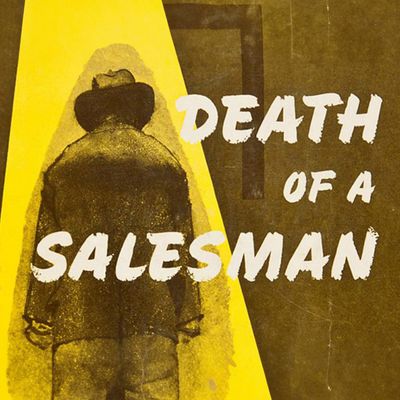
[1:49] Ebony Vines: And I literally was like, I, you know, I glanced back to, you know, to like make it, uh, make it clear that I was aware that she was doing that and I was frowning upon it, and she just kept doing it, and it was like, this is not a concert. I did not spend this kind of money to listen to you sing these songs. I want to hear the people on stage. It was maddening. And so, like, I was talking with my dad about that, and he was like, "Oh, I think it's like going to a concert." And I was like, "Dad, if I was going to a concert, I would expect that people around me would be singing along with the people on stage. I'm not at a concert, I'm at a show. There's a certain level of decorum that you're supposed to have, but like now there are stories everywhere coming out. There was a story about Death of a Salesman where a woman who was completely drunk decided to stand up in the middle of the show and get combative with...
[2:39] Pamela Shandrow: Oh, I can't remember the man's name right now.
[2:41] Ebony Vines: Wendell.
[2:43] Pamela Shandrow: Wendell Pierce. Thank you.
[2:44] Ebony Vines: Yeah. Wendell Pierce decided to get combative with him, and he was so gracious with her and just kind of like made sure that, you know, once she was gone, that, you know, he kind of calmed things down and then started the show again. But like, how awful would that be as an audience member and also as a person on stage to be, you know, like, uh, uh, uh, like affronted with that kind of behavior? And then you've got the people that are on their cell phones all the time and that are talking during the show. I just saw a TikTok from the perspective of a man on stage saying that there was a woman in the audience that was talking on her cell phone throughout the show.
[3:25] Pamela Shandrow: Let's talk about that for a minute though, because, yeah, the Wendell Pierce situation, uh, Death of a Salesman has since closed. Um, but he, I was on, I think I was visiting my family while it happened, and so I come back and I see it, you know, my Broadway briefing and like any other places I saw it. Um, I was just like, oh man.
[3:58] Ebony Vines: Like what is going on? Seriously.
[4:02] Pamela Shandrow: It, it's, it's so, it's, it was really bad.
[4:08] Ebony Vines: Yeah, it was really extra like so disruptive. The show had to be stopped.
[4:14] Pamela Shandrow: And Wendell was in a very intense scene. The police had to come in and like escort her out. I mean, it was really horrible.
[4:23] Ebony Vines: It really was. And he was, I mean, he was a real MVP, VIP, you know what I mean? He was like, he handled it with the most amount of kindness, like, uh, I mean generosity, and um, it made me sad also because I, I man, Death of a Salesman, I saw it, it was so good. I mean, I didn't see it this time, but it is such a wonderful show. And this particular production, what was so moving about it was that, you know, this time you have this underlying idea of, you know, when we talk often about, um, systemic racism.
[5:15] Pamela Shandrow: Yeah.
[5:16] Ebony Vines: And you have this man who's been working in this company for X amount of years, and those younger than him who happened to be, you know, white are also getting like they're moving up in the ranks, they're getting these promotions, and he's been sort of like the mainstay, like working, you know, his butt off, and um, then just sort of gets thrown away. It had a whole other aspect to it that I think in this day and time, um, makes it much more relevant, um, than, you know, especially right now. We need another play about white people feeling, um, ostracized, you know, and right, you know, when we're dealing with it, when they're the ones that set the system up in the first place.
[6:15] Pamela Shandrow: I mean, the whole reason Willie, the whole reason Willie Lohman in the original production is being cast out of his position within the company is because a white man set up that company in order to do just that very thing.
[6:29] Ebony Vines: Right, right.
[6:29] Pamela Shandrow: Mm-hmm.
[6:30] Ebony Vines: And if you're too old, if you can't keep up, that all of that stuff. That's all patriarchal and that's all systemic racism, right?
[6:37] Pamela Shandrow: It totally.
[6:38] Ebony Vines: And so, and so it's ageism, it's like all those things, and also this production factors in race in a way that like other productions in the past have not. Um, so then it's just like so sad that like the woman was of color and doing this, and we feel, you know, it's a thing that like most white people, I don't know if that, I don't know if they feel it in this way, but like we definitely as people of color, it's like when one person, one of us does something, the rest of us feel the weight of it, because then it's like we're all looked through the lens of like, well, so and so did such and such, and so then they begin to see you and think that like you're gonna act in the same way.
[7:27] Pamela Shandrow: And so we're just like constantly dealing with this, and there's like a collective shame that happens, and it was just like, you know, it was just like really, ma'am, really.
[7:39] Ebony Vines: I think, um, speaking as a white woman in this world, we have something similar, but maybe not the same in that, and this is happening quite a lot, quite more frequently than I think anything has. And this will kind of lead into what else we're talking about today. But there have been a lot of instances in the very recent past of white women using their tears and their privilege against black people, and sometimes getting those black people killed.
[8:11] Pamela Shandrow: That's right.
[8:12] Ebony Vines: And that I think, you know, if you are a person that is trying to be an ally, and I'm saying that about myself, like I want to be an ally, I want that as much as possible, but I don't know that I can really call myself an ally yet. Like it's a weird kind of, you know, middle ground. But the people like me that are trying, that do have empathy and compassion and want for all of us to have this equity, yeah. Um, you know, it's like one person does that, and then you almost feel like, are we ever gonna get out of this? Like, is there anything I can do as one person to do, and it's like to combat all of these other things that are happening, all of these other people that are so vocal about their distrust and their hate for other people.
[9:07] Pamela Shandrow: Yeah, I've, I on the other side of that, as being, you know, a woman of color, I would, there are times when I'm like, oh good, are we ever going to get from underneath this system? And I've just come to this conclusion that like things are different than they were when my mom and dad were young and my mom was being bussed into schools, so at least that's not happening anymore.
[9:45] Ebony Vines: And yeah, so I'm like, things are definitely different. Are they where we want them? Absolutely not.
[9:51] Pamela Shandrow: But no, but it's that like, you know how people talk about life being a journey every single day we make a better choice.
[10:06] Ebony Vines: Yeah.
[10:07] Pamela Shandrow: Even if it's, you know, we're one person, but if many one persons are making different choices every day, then that's a huge amount of people making different better choices every day.
[10:23] Ebony Vines: And so it can feel insurmountable. I have gotten severely depressed in times. I mean, just so deeply depressed, but I also feel like, you know what? I can't change everyone. I can just do what I can do, and that's a lot. You know, I mean, I especially in 2020, I was like, I just remember one, like one week, I was on, woo, girl, your girl was on the struggle bus. She was on struggle street. Okay. She was on both. And um, out of that, like came the think tank for theatrical innovation, which I, you know, started with a couple of friends, and we've been having these conversations, and those conversations have led people to make like different better choices and to create work that's more IDEA and just like change their way of working.
[11:25] Pamela Shandrow: And it's like that affects more people than just me, right?
[11:32] Ebony Vines: Like that's more people than just me that are affected that I could never reach because I'm just one person. But if I sit down and I'm willing to have like these difficult conversations, these insightful conversations, conversations that stretch myself and my thinking and other people and their thinking, then like that's huge. And then they go and make those small different choices, and those small different choices affect other people, and it just keeps going and going, right?
[12:00] Pamela Shandrow: And so it's given me a lot of hope because yes, like the jerks are loud, and we're about to talk about some jerks that were super loud and obnoxious.
[12:11] Ebony Vines: Yeah.
[12:12] Pamela Shandrow: But you know, it's like I then think about like all the folks that condemned the actions of the loud obnoxious people. There were like so many organizations that came out against this type of speak.
[12:26] Ebony Vines: And so I was like, you know what? Yes, there's always gonna be somebody that is wretched. What do you, you know? It's just, it's the way the world is, but yeah, there's a lot of people who aren't, and um, a lot of people who are trying and they're working on themselves and working on changing the way that they think and move through the world, and I just have to, I just, I know that that changes things again because we're not where my parents were when they were, you know, younger than me.
[13:03] Pamela Shandrow: I suppose if you look on the timeline of things, nothing ever happens overnight, it always happens over the course of decades or centuries.
[13:12] Ebony Vines: So yes, I'm glad that you feel hopeful. Maybe I'm just kind of in a depressive state at this point, but it's but I can't.
[13:20] Pamela Shandrow: It's totally understandable, yeah.
[13:22] Ebony Vines: It's, it really is understandable, and um, you know, it if we, well, let's we might as well get into it. The next topic um is gonna be about these anti-Semitic protests that happened at the first preview of Parade.
[13:39] Pamela Shandrow: I'll be honest in saying I was not the least bit surprised that it happened, and one of the things that I feel like has been one of the things that's happened over these last few years as people who are bigoted feel, um, you know, very free to express themselves, is that we see who they are.
[14:05] Ebony Vines: Yeah, and so now instead of like, and I've used this analogy many, many times, and you all have heard me say it, but it's like we now see all the roaches, so now we can like pull out the raid or whatever we need to, you know, to eradicate this.
[14:22] Pamela Shandrow: Because if it just continues to hide, then you're like, you know, people really thought before Trump got elected that we were in an anti-racist country.
[14:34] Ebony Vines: This is so hilarious that people thought that. Um so in seeing things like this, it then says, oh, this is why shows like Parade are important. Because literally young people don't know the history. Like the yeah, you know, Pamela, you're gonna describe Parade and all of that, but like this is actual living history, okay? Like there are people still alive from this situation that happened. It was not that long ago. And so many people don't know about it. In fact, like anecdotally, I have a dear friend who grew up in the town where this happened, grew up not knowing it had happened until they were in like high school, and they only had one teacher that addressed it.
[15:27] Pamela Shandrow: Wow.
[15:27] Ebony Vines: It's like this. They didn't talk about it at all in my school. We didn't hear about this case at all.
[15:33] Pamela Shandrow: Same.
[15:34] Ebony Vines: Same. And I and and you know, this person was like, I just had the one teacher, and I said, Some of us didn't have the one. It's it's just that, like, you know, these things happen, have happened, and people are so uneducated about our recent history, um, you know, that they then really they don't know how bad it can get. And us not understanding our history really puts us in a difficult space where we begin to repeat it.
[16:00] Pamela Shandrow: 100%.
[16:09] Ebony Vines: And that's why shows like Parade and Leopoldstadt, which is open right now, and then last uh uh last year, 2022, the play Camp Siegfried, which a lot of people don't know about the ne the Nazi camps that we had just here in like Connecticut and different parts of New York. People don't know about these.
[16:38] Pamela Shandrow: Listen, this was in our own backyard.
[16:41] Ebony Vines: Okay. This is not like only Germany. Right. Okay. This is also here. And you need to know and it's been here. I guess that's just it. It's like it it what yes, of course it's in Germany, and yes, of course, it was happening all over the world, but but where did all of the Americans that live here today come from?
[17:01] Pamela Shandrow: Right.
[17:02] Ebony Vines: We came from all of those other places, and we just brought our biases with us.
[17:07] Pamela Shandrow: That's right, and as well as the people that we then oppressed. Like it's it's so, you know, you look at it, and I I this is what infuriates me right now.
[17:16] Ebony Vines: Yeah.
[17:17] Pamela Shandrow: Ron DeSantis, down in Florida, has decided to make it his life's mission before becoming president in his own mind to make it his life's mission to decimate any amount of knowledge about other people within his own state.
[17:34] Ebony Vines: Yeah.
[17:35] Pamela Shandrow: He's banning books left and right, and it's literally now uh an an illegal thing to have any books in your classroom, and a teacher that has a book that is not approved can be arrested and charged for that. So now all of these teachers are taking out all of the books just to be on the safe side, right? So now you don't have any past knowledge because you can't read books.
[18:06] Ebony Vines: Within the internet within the technology that is given to them at school. You've got parents that are probably just as biased as Ron DeSantis that aren't going to go into any detail with their children. So you've got this entire generation of people that is has not only essentially condoned the oppression of hundreds of years worth, right? But now they are oppressing their own children's generation.
[18:34] Pamela Shandrow: That's right.
[18:34] Ebony Vines: By not allowing them to know whether the history is. And if we don't know our history, we are doomed to repeat it. And how often do we hear that phrase, especially now?
[18:44] Pamela Shandrow: That's right.
[18:45] Ebony Vines: I was listening to um a podcast this week, and this um gentleman who was a professor at Harvard, and he has some data that's like seems to be controversial. Um, but what I found Yeah, I I I'll send you the podcast and you can sort of listen to it and sort of understand why. But but you know, one of the things he he he said, which I was like, I mean, there's a lot he said that I was like very interested in and agreed with, and some of it I didn't. Um, but one of the big things he said was like, we've got to stop saying that our kids are too fragile and can't handle our history, right? Like, we have to stop saying we need to shield them from the truth of this country. If sweet little Ruby Brown could walk into a segregated school no longer as a child and be yelled at by adults and children alike, and still be able to be brave enough to do that, then white children are gonna be fine, they're gonna be fine, they're gonna be fine, and they're gonna learn some things and they'll survive.
[20:00] Pamela Shandrow: But you know, I too, and like I guess I maybe it's because I grew up in a family that I did that was so accepting of everybody around us. Yeah, but when I was learning about slavery, when I was learning about the oppression of other races and and also like disabled people and you know, LGBTQ at the time, you know, uh to me it never made me feel bad, it just gave me permission to do better.
[20:31] Ebony Vines: That's right. Does that make sense?
[20:33] Pamela Shandrow: It does make sense, and I I mean, like, that's kids are you you know, there's that song from South Pacific, you have to be carefully taught because kids don't like immediately come in with a negative bias, right? They are taught how to be negatively biased.
[20:52] Ebony Vines: Like, I I so vividly remember as a little girl having this friend when I was probably about four or five years old, and she was white, and she like we played on the bus every like going to school, coming from school every day, hand clapping for forever. And her sister was always trying to pull her away from me.
[21:13] Pamela Shandrow: Yeah, and I was the only black kid.
[21:16] Ebony Vines: Oh, it's miserable. Mm-hmm. It took me many years to understand like why she because I was, you know, I I'm a little goody two shoes, have been for so much of my life. It's not like I was like some negative influence. And so I always like I was a bit confused about why that happened.
[21:35] Pamela Shandrow: Sure.
[21:35] Ebony Vines: And I didn't tell my parents because I didn't understand it. Yeah. I just noticed it. And um I was and then as an adult, I'm like, oh right. I see.
[21:50] Pamela Shandrow: Yeah, but but she and I had no concept of you know, any of that. Like she it was just I was her friend.
[21:59] Ebony Vines: Well, no, of course not. Uh but that that's the thing, right? Is that like in teaching children that yes, that friend you have is so lovely, and like this is their history, and how can you love them even better? That's what's actually that's what people are trying to do.
[22:24] Pamela Shandrow: Right.
[22:24] Ebony Vines: It's not, you know, and and so I don't know. I just it's concerning. But Pamela, I do want to ask you to give a synopsis of Parade because we know for a fact we have like middle schoolers who listen.
[22:39] Pamela Shandrow: Definitely.
[22:40] Ebony Vines: So this we have this is a real education for them to understand that this thing actually happened and not that long ago.
[22:48] Pamela Shandrow: Yeah. And and I also do want to point out we did a full episode about this. So after you listen to this, you can go back and listen to that as well.
[22:56] Ebony Vines: Yeah, and I'll go into like much more detail, but like the Cliff's note version of Parade is you've got Leo Frank and Lucille Frank. They are Jewish married couple in uh Marietta, Georgia in 19 in the early 1900s. This uh this exact moment happened in 1913. Happened is Mary Fagan was going in a day, she was, I think, 14, 12 or 14, I think she was 14. Going into work at her pencil factory job.
[23:24] Pamela Shandrow: Oh, thank you.
[23:25] Ebony Vines: Uh pencil factory job, pencil factory that Leo Frank owned to go and pick up her paycheck for that week. She then was discovered dead in the basement of that pencil factory. Almost immediately, Leo Frank was accused. I mean, there was another man that was working in the in the pencil factory as well that was also accused. He just happened to be a man of color. Then he was quickly, you know, said, no, you didn't do it, and Leo Frank was pinpointed. So he was falsely accused. He was essentially prosecuted in the paper by the media more than anything else. And there was a lot of like bias going on behind the scenes within the judicial system as well, which led to him being convicted of this crime in 1913.
It basically life in prison, right? Except that he didn't make it to life in prison because a couple of years after he was convicted, uh, Lynch mob decided they're just gonna go to the jail, take him out, and kill him because they wanted the justice that they wanted and they weren't going to wait for it. But decades later, on death on his deathbed, a man that was intrinsically tied to both the pencil factory and to the Leo Frank case came out with the information that it was actually another man named Jim Conley that worked also at the pencil factory that had indeed murdered Mary Fagan. Uh and he was I there's something in the musical, it's very clear that that uh the governor and Jim Conley are kind of like you know, shaking hands behind the scenes about Jim, you know, putting evidence towards Leo Frank.
I'm not sure if that happens in real life, but it is there was clear evidence against Jim Conley when there wasn't against Leo Frank, and yet Leo Frank was still convicted of this crime. So that in a nutshell is Parade and also kind of a little bit more of the backstory of Leo Frank.
[25:28] Pamela Shandrow: Now, this came out, I believe, in 98, 97. I can't recall exactly.
[25:33] Ebony Vines: Okay. I bought this CD almost as soon as it came out, and I was this was like my junior year in high school. Listen to that thing on repeat. I loved it, right? But I was again more fascinated with the true crime aspect of it than anything else. So in this, you know, fledgling internet era, I was like looking up everything I could about Leo Frank and just falling down rabbit hole after rabbit hole. Through my research, it was perfectly clear to me that there was an injustice done, a horrible injustice done, right? But it wasn't so clear to them, and apparently it's not so clear to people today because on the opening preview of Parade uh on February 23rd, uh, there was a group of people, anti-Semitic people, that were protesting the show.
[26:26] Pamela Shandrow: Mm-hmm.
[26:27] Ebony Vines: I did not understand this because I saw the headline, but I was like, what are they protesting? Like the show itself? Like, I don't I don't understand. Like, what is a bigot protest, right? What do you do? Hold a sign up that says we don't like Jews? Like, but that's not what it was. It's it's this group of people. And if I can come across the name of that group, I will let you know. Oh, wait, I think I have it. Oh, it's called the National National Socialist Movement. It's a far-right white supremacist group. These people have been in existence since the lynching of Leo Frank. They are people that will every time Leo Frank's name comes up, will be there to protest the idea that he is innocent because they don't believe he is.
One of the people that is a member of this group and was also protesting Parade coming to the theater in the initial show of 1998 and also of today's production, uh, is Mary Fagan's great niece who truly believe and this is very difficult, right? Because she her her relative was the one who was murdered, but even she truly believes that this man committed this crime. So even she is like protesting this, the just the idea of him being innocent put in a show has just riled this group up so much.
[27:51] Pamela Shandrow: Yeah. It it reminds me of um the jogger from uh the Central Park 5, the exonerated five, because she, even though another man confessed to the assault and his DNA proves that these five young men had nothing to do with it, she still has decided to believe that they did it.
[28:18] Ebony Vines: Well, and it's it's kind of like what's happening, you know, with with everything that's coming out right now with the election being rigged and with you know Leo Frank being innocent. Like the proof is right in front of them, but nobody's choosing to believe that proof. They're just doubling down on the fact that that must be a lie. And it's crazy to me. But it also kind of makes sense in that if you believed this wholeheartedly, if you truly believe all of this that is in your heart and mind to believe, and suddenly someone says, No, actually it's not, and here's the proof. What are you supposed to do with that? Like your whole world is gonna implode.
[29:01] Pamela Shandrow: Total.
[29:02] Ebony Vines: Yeah, yeah. That's really that's really true. Um I mean, again, all I'm all I'm going to say repeatedly is that with what happened at the opening preview for Parade and what we've seen in the news over the last few years, this show absolutely needs to be there. Leopold Stat absolutely needs to be there. Um, I honestly hope Camp Siegfried is able to come back because I didn't get a chance to see it, and um a lot of people don't know about those camps. I only found out about those camps back in like 2017 when my brother was gonna work on Long Island, and I was like just curious about where he the city he was gonna be doing construction in, and found out like Hitler Street had only been taken away like a year or two before he was gonna be there. There was still a Hitler Street by where the camps have been.
[30:19] Pamela Shandrow: Uh explain for the people that don't know what are these camps that you're referring to.
[30:23] Ebony Vines: So there were um there were uh if anybody has seen JoJo Rabbit, you'll have a little bit of a uh understanding. Now JoJo Rabbit, of course, takes place in Germany, but the premise of that movie is basically there's this little boy who is a part of these youth camps, and these youth camps basically teach white supremacy and um all of the Nazi ideals that Hitler um held to throughout his reign. And so uh in the US there were several of these camps as well that popped up during the period of time where Hitler was rising to power and the Nazis and the Communist Party over there were sort were rising to power. And um there were several up in like through Long Island and Connecticut, and Camp Siegfried was one that was on Long Island.
Um the town that my brother was in had one as well. I'll be honest in saying I don't remember the name of that one. It could have actually been Camp Siegfried, but they did have a Hitler Street. He was there in 2019. Um and the Hitler Street had just been taken down in like 2017.
[31:50] Pamela Shandrow: That is I I I am I'm amazed at this information because I grew up and I feel like you couldn't say Hitler. Like if you you unless you were talking about the historical relevance of it. Like if y these are these are words that you just don't say.
[32:11] Ebony Vines: Right. And so to have a whole street.
[32:14] Pamela Shandrow: Mm-hmm.
[32:15] Ebony Vines: I I j I'm up I'm appalled.
[32:18] Pamela Shandrow: Yeah.
[32:19] Ebony Vines: Yeah. And it's funny because when I found that out, I I a few weeks later, I was up in Long Island um at a friend's house with his parents and and stuff, and um we were chit chatting, and I, you know, told him what I had found, and it was not far from his house.
[32:42] Pamela Shandrow: Really?
[32:42] Ebony Vines: You know, and he was totally shocked.
[32:45] Pamela Shandrow: Oh my gosh.
[32:46] Ebony Vines: So he didn't even know.
[32:47] Pamela Shandrow: No.
[32:49] Ebony Vines: Um, and it it was like it was still like, you know, I told him what town he was like, yeah, that's right. And I I'm not in Long Island very much, so I don't actually know, you know, the location of like how close or far we were, but he knew exactly where the town was, and I was like, oh yeah, and that will only came down in 2017. It's just like mind blowing. You know what I mean? It's it's that it was so recent. But this is why I say and said at the beginning of this episode, like recent history.
[33:19] Pamela Shandrow: Yeah.
[33:19] Ebony Vines: You know, because we think it's so far out. And I'm talking I'm telling you about something that was only about what, like five, six years ago.
[33:29] Pamela Shandrow: Mm-hmm.
[33:30] Ebony Vines: Five years, yeah. You know, so if you have a five or six-year-old kid, there was still a Hitler street when they were born. I think anything anything like this that was finally called out in the 2000s.
[33:46] Pamela Shandrow: Yeah.
[33:47] Ebony Vines: Is to is too it was too late. Too a little too late. This was a year we started our podcast that the street just got changed.
[33:56] Pamela Shandrow: Yeah.
[33:58] Ebony Vines: Um, so that's uh uh friends, you know, we're gonna we're gonna talk more about Parade um in the follow-up episode to what shows are upcoming, but this episode is like really just devoted to some things that are happening in the world and as that pertains to theater and um social issues, and so we absolutely, of course, had to talk about this. And uh like I said, the response is like a lot of people have come out against it. You know, Mayor Eric Adams took to the stage to denounce what happened, like every single union has come out against it. Um the producers made a statement against it. Um and so did Jason Robert Brown came to then also Ben Platt took to Instagram and did uh a video which he doesn't do very often, um and and talked about it, you know, and it's it's not surpr it's wild but not surprising.
[35:08] Pamela Shandrow: Yeah, you know, and I guess that's the that's the saddest part to me is that it's not surprising.
[35:14] Ebony Vines: Yeah. You know, so long we've been talking about wanting diversity on stage, not for diversity's sake, but because that's what's normal. That's what the world looks like, and that's the mirror that theater should show us, right? But I think I think the same about the ideals and values of the people of the human existence of the humans that live in this world all together, that there should be an equity, not for equity's sake, but because that's just how it is. That if you're a person and I'm a person, that's where we meet in the middle.
[35:50] Pamela Shandrow: Right.
[35:50] Ebony Vines: Mm-hmm. Mm-hmm. Mm-hmm. Yep. I will I do want to read something really quickly about from the Jason Robert Brown.
[35:58] Pamela Shandrow: Please do what he wrote.
[36:00] Ebony Vines: It's really, I mean, there's a lot in it that's really interesting. Uh so if you I don't know where you found it, but if you can, if you want to give that information, it's definitely worth a read.
[36:11] Pamela Shandrow: It so for I get Broadway briefing every weekday, and so they send a list of like, you know, uh articles that happen.
[36:20] Ebony Vines: So that's where I found it.
[36:23] Pamela Shandrow: Um but it's on Jason Robert Brown's website, and I believe it's like a blog post, right?
[36:31] Ebony Vines: Okay. It seems like it. I mean that's how it's written. Yeah, it I definitely so Pamela read it because my computer would not load it. So uh and so, but what I could see from the web address was that it was Jason Robert Brown's, you know, personal his website. So if you all just go to his website and I think it's just Jason Robert Brown.com, um, you can go to the blog post and you'll find it.
[36:59] Pamela Shandrow: Yeah.
[37:00] Ebony Vines: Right. So what I want to read is towards the end of it, and I will be editing this for language, but uh Jason Robert Brown, this is these are his words. He says, I feel terrible that audience members who are waiting in line to see our show on Broadway may be accosted by neo-Nazis. I can't believe I'm writing that sentence. But I'll tell you the truth. I'm glad the A-holes showed up. I'm glad they feel threatened enough to emerge into the light and show their faces. I suspect they don't particularly know or care about the case. They just want to yell out the words Jew and pedophile. They won't really engage with you. They can't. Everything they could tell you about Leo Frank and the case has been decisively debunked over and over again. No legitimate conversation about the murder of Mary Fagan will end with you believing that Leo Frank was guilty.
[37:53] Pamela Shandrow: Mm-hmm.
[37:55] Ebony Vines: This facts on facts. It's true. Well, and and I will just uh because when I was searching Leo Frank on the internet in 1998, all of the information that came up was factual. It was, you know, newspaper clippings and um transcripts from the court case, like all of that was the stuff that I was coming into contact with. Today's internet is not that internet. Today's internet allows for anybody and everybody to put whatever opinion they want on on the web, right? And for anybody to read it. And there are white nationalist groups like this one who put up information on the internet that is not true. And if you are not doing your due diligence in trying to research and make sure that that is an accurate portrayal of what is going on, then you will be misled. So I want to I want to suggest that you go and look up these cases because the uh Emmett Till case and the Central Park 5 exonerated 5 case and the legal. Also watch Till.
[39:01] Pamela Shandrow: Oh, totally.
[39:02] Ebony Vines: I I want you to look up that information and to absorb it because we can only move forward. We can only do better by knowing where we come from, right?
[39:13] Pamela Shandrow: Yeah, that's right.
[39:13] Ebony Vines: But I also just want just a word of caution in that if you are reading something, make sure that you look it up further. Just fall down the rabbit hole a little bit. Make sure that what you're reading is factual and true.
[39:26] Pamela Shandrow: Yeah.
[39:28] Ebony Vines: Facts on facts.
[39:32] Pamela Shandrow: Yes, and uh so we are going to pivot.
[39:42] Ebony Vines: Uh, but please, as always, we we love if you uh email us um or you want to tweet um at us uh and continue this discussion further. I mean, to be honest, like we're not going to engage with neo-Nazis. So if a neo-Nazi hears this, uh you'll get no answer from us because Black in the meat. I don't have time for for you.
[40:09] Pamela Shandrow: No.
[40:09] Ebony Vines: Um and that's well, there's some I don't care what anybody thinks. I have no time. There's no, you can't talk to these people.
[40:16] Pamela Shandrow: No, and my time on earth is too precious to waste on you.
[40:20] Ebony Vines: So peace.
[40:23] Pamela Shandrow: Um I'd rather love.
[40:29] Ebony Vines: Uh, and so speaking of education, I feel like this is a a decent pivot since we were talking about the things that are happening um in Florida. Is the Museum of Broadway is offering educational curriculum to student groups that come uh to visit. So they will offer um thing they'll also offer curriculum for before you get there, and then they'll also offer some um for while the student groups are there. And that's some of the themes that will be available are the making of a Broadway show, musical theater as a genre, and I love this one. Identity politics on stage, retelling history on stage.
[41:14] Pamela Shandrow: Yes, right.
[41:16] Ebony Vines: Um, and then of course adaptations and rewriting for theater. So yeah, which is what they essentially did with Death of a Salesman, not necessarily rewriting, but it was a retelling of the story from a different point of view.
[41:30] Pamela Shandrow: Mm-hmm.
[41:31] Ebony Vines: Yep. Diversity-wise.
[41:33] Pamela Shandrow: Right.
[41:34] Ebony Vines: It's really great. So um that's very exciting. And um the lesson plans will be age appropriate, and it's it's wonderful. This is like a really wonderful edition. Um that like I'm happy there's a Museum of Broadway, and I'm also happy that they are offering like educational workshops and resources for school groups.
[41:57] Ebony Vines: This is wonderful.
[41:58] Pamela Shandrow: Totally.
[41:59] Ebony Vines: And I wanna go.
[42:00] Pamela Shandrow: Do you want to go to the museum with me?
[42:01] Ebony Vines: Yeah, yeah.
[42:02] Pamela Shandrow: Yeah, I absolutely do.
[42:04] Ebony Vines: I absolutely do.
[42:06] Pamela Shandrow: Uh so we're gonna do that and go to parade because we also are scheduling that.
[42:11] Ebony Vines: Mm-hmm.
[42:12] Pamela Shandrow: Cool be excited.
[42:18] Ebony Vines: Uh okay, and so then also like he continuing to go with that theme. There's an article in the Financial Times. Um, and it's specifically about Lynn Manuel.
[42:34] Pamela Shandrow: Easy for you to say.
[42:35] Ebony Vines: I know. Usually it is. I cannot believe I chuffed up that. That's wild.
[42:42] Pamela Shandrow: It just rolls off your tongue.
[42:43] Ebony Vines: I know. Usually it does. Um, and it's specifically about Lynn Manuel Miranda's um w working the way that he's been working uptown to make sure that like the arts community uptown is being seen within their own community, right? Instead of having to always go downtown to midtown to be seen.
[43:08] Pamela Shandrow: Um and so, you know, most of us sort of know that this this began, you know, specifically with him trying to sort of rebuild um spaces up there for things to be seen with the 175th Street like Palace Theater, which I've been to several times. It's absolutely gorgeous, totally incredible.
[43:29] Ebony Vines: Um, and so he was working on that even before Hamilton. Like he was literally writing Hamilton and and and doing that, and then there is uh every summer, and to be honest, as a New Yorker, it's sad. I didn't even really know this is happening, but in my defense, New York City has so many things going on, I literally can't keep up.
[43:54] Pamela Shandrow: And so I'm only feeling fifty percent terrible.
[43:58] Ebony Vines: Um because I just can't see everything. But there's a thing every summer called the Uptown Art Stroll.
[44:07] Pamela Shandrow: And it's been happening since 2003.
[44:12] Ebony Vines: And so now we're at the 20 year mark. And it's now it went from like being one or two days to now it's like a month-long celebration.
[44:22] Pamela Shandrow: Cool.
[44:23] Ebony Vines: Um and it happens in Northern Manhattan's West Harlem, Washington Heights, and Inwood as well.
[44:30] Pamela Shandrow: Um and it's like my old neighborhood.
[44:34] Ebony Vines: Sure is.
[44:35] Pamela Shandrow: Sure is. And I I have I have friends up in uh in Wood who will just be like, yeah, we saw Lynn at the grocery store.
[44:44] Ebony Vines: Um and so the Miranda family's been working with NOMA, which is the Northern Manhattan Arts Alliance for several years, um, to do this.
[44:58] Pamela Shandrow: And this sort of this sort of deals with the thing that like Pamela and I talk a lot about, and my friends and I talk a lot about, which is also about accessibility.
[45:08] Ebony Vines: Right. And accessibility is like many pronged, right? Like I'm also very interested in accessibility as it pertains to people with disabilities and chronic illnesses, and I'm extremely concerned about our lack of attention to this, uh, especially after COVID, and how you know there was such hope about us understanding um that we need to make space more accessible for people who are immunocompromised, and instead we are just like pretending like COVID never happened or isn't happening right now, you know.
[45:43] Pamela Shandrow: And so that's normal.
[45:45] Ebony Vines: People got vaccinated, so we're fine.
[45:47] Pamela Shandrow: Well, but a lot of people didn't.
[45:49] Ebony Vines: No, I know. I'm sarcastic.
[45:51] Pamela Shandrow: Yeah, right.
[45:53] Ebony Vines: Right. You know? And um so I like I'm very concerned about that. And as I continue to, you know, sort of put on my producing hat. I'm trying to be very aware of like, am I creating spaces that are like safe for immunocompromised people and also like just accessible for individuals whose like mobility or different things um are our barriers to them coming to the theater.
[46:25] Pamela Shandrow: So I I look forward to having some control um over like spaces I create, but I wish other people who have spaces that they create would also pay attention to this.
[46:36] Ebony Vines: Because I have friends who've like legitimately stopped going to the theater because they just can't.
[46:42] Pamela Shandrow: That's sad.
[46:43] Ebony Vines: It is well it's because it's also like you look at the the amount of vast resources that these producers and theater owners have and that they aren't doing anything with them in order to make it physically accessible for people.
[46:58] Pamela Shandrow: We're we also have an issue with it being financially accessible.
[47:02] Ebony Vines: Yeah yeah uh yeah which is my biggest complaint. It's a it's a huge issue and it's also I mean it's another one that like Lynn took into consideration when when he when Hamilton happened, you know that's why they had those $10 um uh it was $10 Wednesdays where it's like all of the students throughout all five boroughs, it was like $10 they had to pay to come see a show with their schools.
[47:30] Pamela Shandrow: Oh nice, yeah.
[47:32] Ebony Vines: And so I believe that's still happening as far as I know. Please somebody tell me if I'm wrong, and it is no longer happening, but it was in conjunction with the uh Rockefeller uh foundation.
[47:47] Pamela Shandrow: And so, you know, he's trying to make Broadway more accessible.
[47:51] Ebony Vines: He's also trying to create spaces for people in his a neighborhood to show their art and make it so that again it's not one day, it's like month long, and they don't have to, you know, only be accepted downtown to be able to show off the work that they're doing.
[48:07] Pamela Shandrow: And so this is like super, this is really exciting. I'm continuously proud of him, um, even though I don't know him for anything.
[48:19] Ebony Vines: And um well, I think that's a testament to how accessible he is.
[48:23] Pamela Shandrow: Right, right.
[48:24] Ebony Vines: Mm-hmm. And he does he does say in this article, I try to make myself available to everyone.
[48:30] Pamela Shandrow: Yeah.
[48:30] Ebony Vines: Oh, I loved that. So, um, because part of it had to do with Steven Sondheim. Steven Sondheim did the same thing, like he would reach out to uh fledgling or new composers, lyricists, show writers, yes, and give them critiques and try to uplift them and try to support them in whatever way that he could.
[48:50] Pamela Shandrow: And Lynn Manuel said in that interview that he wants to do the same thing now that Stephen Sondheim is gone and not no longer able to do that. He wants to step in and do that for younger creators now.
[49:03] Ebony Vines: Yeah, he did he did say that, and I have friends with like letters they got from Steven that are framed and like in their homes and stuff because he was so kind.
[49:13] Pamela Shandrow: Yeah, he was really kind.
[49:15] Ebony Vines: Um well, Tick Tick Boom has a whole plot sequence about that.
[49:19] Pamela Shandrow: Right.
[49:19] Ebony Vines: Steven Sondheim reaches out to Jonathan Larson, leaves him a voicemail on his answering machine that said, Hey, this is what I think you need. Want to give me a call and we can chat about it. Like he he's, you know, he was accessible too.
[49:29] Pamela Shandrow: He was.
[49:32] Ebony Vines: He was. And that in the movie, that was one of his last two performances was doing his own voicemail.
[49:40] Pamela Shandrow: Um I know it's like this little nugget for all of us.
[49:47] Ebony Vines: Um the other one was, well, I'm not gonna spoil it if folks haven't seen the movie yet yet, but there's another movie he's in, which was also one of his last performances, and also one of the last times my other favorite human was on screen.
[50:05] Pamela Shandrow: Um all right, so next thing we want to talk about is this is the last I this is gonna be the last thing for this episode, which is probably pretty long already. Um, and this one this is the reopening of La Mama.
[50:21] Ebony Vines: It's an off off Broadway um sort of incubator for new work. And it went through a couple of years of renovation, and uh it got reopened with Andre DeShield's MCing because I mean it was one of his artistic homes when he was coming up.
[50:41] Pamela Shandrow: Um and it was so fun to like watch the video and see like the whole neighborhood just sort of come out and all these different people, you know, like different uh ethnic backgrounds, ages, like everybody's all over the place, and they were ringing bells, which um the woman who founded it, like that's that's what she would do.
[51:05] Ebony Vines: Um, I think it was when a new show started, and so when they opened it, that's what they all did. Like you'll see in the video, they're all like ringing bells. It was uh Pix Eleven, which is a news resource we have up here in New York City, um, did a story on them, and they were showing that, and it was just so delightful.
[51:25] Pamela Shandrow: And uh unfortunately, we've sort of had this string of new work incubators close in in New York City.
[51:35] Ebony Vines: Um so, you know, due to funding, uh COVID, so many different situations where they just couldn't stay open. And and honestly, like, not even just the last three years, like it's been over large portions of time, even before you know, Pamela and I were here, or before we were born.
[51:57] Pamela Shandrow: You know, I have friends who are older than me and were here like in the 80s, and they talked about just all these different like little um theaters and basements and stuff where they were able to create things that eventually became you know sort of classics of the stage, and you know, so the fact that La Mama was able to have this revitalization and be able to like come back and offer space to people to create new work is really exciting.
[52:31] Ebony Vines: Um, and also adds a lot of hope. You know, we started this episode on a lot of frustration about what's happening, but you know, it also comes back to you know, I wanted us to end with looking at all the wonderful things that people are trying to do because yes people are doing great things they are trying to open up spaces they are trying to open up um opportunities and so just like I said at the beginning of this episode if if even if every one of us decides in the morning we're gonna make a better choice yeah then that better choice will influence other people you know they'll be affected by that and that just keeps going and going going it's like sort of a little bit of that like pay it forward idea and so um yeah friends there's there's a lot of cause for hope there's a lot of cause for despair but like you know it starts with you just making better smarter more inclusive more equitable choices uh so that spaces become better for everyone so um so that's it that was good was nice it was good I hope you guys felt the same way yeah and as always you know like hit us up on the emails on the socials uh wherever you like and um you know too like if you want more information on these specific you know like Leo Frank and that whole story and things like that.
[54:19] Pamela Shandrow: Like, we're happy to whatever we know or whatever links we can send you, or you know, if you're interested in knowing also about the street and Camp Siegfried and these other camps that were up here.
[54:33] Ebony Vines: I also have a great story about one town called Southington, Connecticut in called Southington, which was in Connecticut, that absolutely said no to somebody trying to build a neo Nazi camp up there.
[54:46] Pamela Shandrow: Wow.
[54:47] Ebony Vines: And it's a wonderful story, and there's a documentary about it. And so again, more cause for hope. So if anybody's interested in knowing more about that, I'm like happy to offer that. You know, how to email us.
[54:59] Pamela Shandrow: And that's it.
[55:01] Ebony Vines: All right. If nothing else, all of the lights have been turned on. Nobody's gonna be hiding in the shadows anymore.
[55:06] Pamela Shandrow: That's right.
[55:07] Ebony Vines: Amen.
[55:11] Pamela Shandrow: Thanks for listening, friends.
[55:13] Ebony Vines: Yes, thank you.
[55:14] Pamela Shandrow: Bye.
[55:15] Ebony Vines: Bye.
[55:18] Pamela Shandrow: Thank you for listening to our podcast, Theater Geeks Anonymous.
[55:24] Ebony Vines: You can follow us on Instagram and Twitter at T G A Fay.
[55:30] Pamela Shandrow: And on Facebook at Theater Geeks Anonymous.
[55:33] Ebony Vines: Don't forget to rate, review, and subscribe to the Theater Geeks Anonymous podcast.
[55:39] Pamela Shandrow: On the Broadway Podcast Network and all your favorite podcast listening apps.
[55:43] Ebony Vines: Your intermission sode has now concluded.
[55:46] Pamela Shandrow: Shut up, sit down and turn off your cell phones.
[55:49] Ebony Vines: Or we'll tell Patty Lapone.
© Broadway Podcast Network, All Rights Reserved