

Mei Ann Teo, theatre, film maker, and Associate Artistic Director of New Work at Oregon Shakespeare Festival, stops by the podcast to give Harrow and Meghan a master class in civically minded art, church skits as artistic awakenings, queer plays written by “straight” identifying teens, liberation as a way to subvert the grand narrative and the life changing moment that set them on the path to being a devised theater creator... Read More
From the show: Thesis on Joan
Featured Shows

About
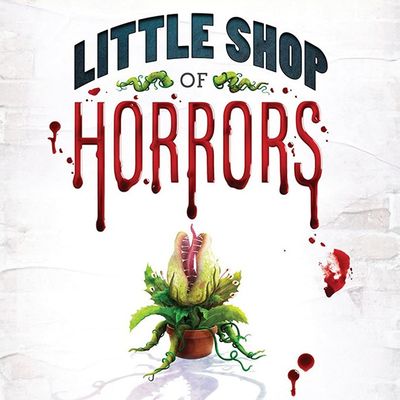
Mei Ann Teo, theatre, film maker, and Associate Artistic Director of New Work at Oregon Shakespeare Festival, stops by the podcast to give Harrow and Meghan a master class in civically minded art, church skits as artistic awakenings, queer plays written by “straight” identifying teens, liberation as a way to subvert the grand narrative and the life changing moment that set them on the path to being a devised theater creator. She shares more about the unique way that Oregon Shakespeare Festival @OSFashland is approaching the artistic director role and how we need to all come to terms with our addiction to producing Shakespeare. Most importantly they blow our mind by teasing the queer camp Little Shop of Horrors of our dreams that we’re unapologetically thirsty for.
Meghan and Harrow talk about the New York Times article “As Broadway Returns, Shows Rethink and Restage Depictions of Race” and share some upcoming work from previous guests.
You can find a full transcript of this episode here.
Article Discussed
Action of the Ep:
Check out our previous guests’ creative projects!
- Luciernagas with National Queer Theater at the 14th St. Y November 11-30th - written by prior guest Javier Rivera DeBruin
- Chicken and Biscuits on Broadway through January 2, 2022- sound design by prior guest Twi McCallum
- “Wait, Is This a Date?” - new podcast hosted by prior guest Drew Gregory
- August Wilson’s Seven Guitars at Arena Stage in DC November 26-December 26th featuring prior guest Lady Dane Figueroa Edidi as Ruby
- Mirrors by prior guest Azure D. Osborne-Lee premiering virtually on November 10, 2021
- Maybe Burke in Maybzgiving: A Queernucopia at 54 Below November 23, 2021
Mei Ann Teo: Website | Instagram
Queer Culture Recs:
Queer Gives:
- The Jean Moye Dark Fund - Learn More & Donate
Episode Credits:
- Edited by Meghan Dixon
Thesis on Joan:
Transcript
This transcript was automatically generated and might contain errors.
[0:07] Harrow: Welcome back to Thesis on Joan, queers.
[0:09] Meghan Dixon Thesis: Today we're sitting down with Mei Ann Teo.
[0:13] Harrow: Thesis on Joan is a podcast dedicated to amplifying voices from the LGBTQ+ community in the New York performing arts scene and examining the industry from a queer perspective.
[0:24] Meghan Dixon Thesis: Join us as we sit down with groundbreaking theatre folk, from Brooklyn cabaret performers to people backstage and on Broadway.
[0:32] Harrow: For many queers, theatre has been an escape.
[0:34] Meghan Dixon Thesis: This podcast looks to have open conversations on where we've come from and where we're heading as a community while queering the canon along the way.
[0:47] Harrow: So how's it going, Meghan?
[0:50] Meghan Dixon Thesis: This week has been a little hectic for me, but I am really glad to be here with you and to check in and, you know, talk about some queer theatre shit.
[1:00] Harrow: Yeah, I know if we don't talk to each other for like a week and a half, I'm like, oh, we have so much to catch up on.
[1:09] Meghan Dixon Thesis: Yeah.
[1:10] Harrow: Um, one thing I wanted to catch up on was the article that came out.
[1:14] Meghan Dixon Thesis: We are recording this on the 26th, and it came out this past weekend, um, October 23rd, I think in like the Sunday New York Times.
[1:23] Harrow: And it's about how the title is "As Broadway Returns, Shows Rethink and Restage Depictions of Race."
[1:31] Meghan Dixon Thesis: And it basically goes through a bunch of long-running Broadway shows and things that they have updated and changed in the past few months as they prepare.
[1:41] Harrow: I know I'm already, you can already tell from my tone, my thoughts on some of this.
[1:45] Meghan Dixon Thesis: As, uh, things they've changed as they look to reopen.
[1:48] Harrow: Um, but I know you got a chance to read it, so I just wanted to kind of check in on how this felt to read this article and things that stood out to you.
[1:58] Meghan Dixon Thesis: Yeah, I think like all the changes are good to make to the shows, but they're just so small and cosmetic that like I especially like a Lion King, like how do you, you can't fix that?
[2:15] Harrow: Like you can't fix that this white woman, you know, um, appropriated all this culture from black folks and made a bunch of money and made herself famous doing that.
[2:27] Meghan Dixon Thesis: And you know, you can't really just change a couple of phrases around and take out the word monkey and say, like, hey, we fixed that.
[2:35] Harrow: It's so cosmetic, and it's, and to your point too with like Julie Tamore, and then it's like the Book of Mormon team is just like a bunch of white dudes who put this show together, you know.
[2:46] Meghan Dixon Thesis: It's like, I guess my question is like, is it worth even bringing back this stuff at all?
[2:54] Harrow: Like, I get, I mean it's a commercial industry, right?
[2:57] Meghan Dixon Thesis: And we keep thinking about that, but it feels like band-aids on something that's just not necessary or appropriate, never was, but now everyone's kind of on the same page about it.
[3:09] Harrow: Um, well hopefully.
[3:11] Meghan Dixon Thesis: I’m like, why are we even bringing it back?
[3:13] Harrow: Yeah.
[3:14] Meghan Dixon Thesis: I don't know.
[3:14] Harrow: I feel like in all these discussions, uh, the artists bring up or the producers or whatever bring up like, oh, we thought about should we even exist anymore?
[3:23] Meghan Dixon Thesis: But then we decided, yes, we should.
[3:26] Harrow: Uh, and I'm not sure why.
[3:29] Meghan Dixon Thesis: Yeah.
[3:30] Harrow: Mm-hmm.
[3:30] Meghan Dixon Thesis: The one line that like really infuriated me having pulled it out.
[3:35] Harrow: My note says, "The hell is this?"
[3:39] Meghan Dixon Thesis: They were talking about Book of Mormon actors, and it's a black actors are increasingly willing to speak up.
[3:46] Harrow: I'm like, I'm sure they were always willing, but before they were like, I'm gonna lose my job because not everyone's on the same side as me.
[3:53] Meghan Dixon Thesis: And it's just like I hated the switching it over to like, oh well, finally black people are speaking up about this.
[4:01] Harrow: Right.
[4:02] Meghan Dixon Thesis: It's like that isn't, that has never been the problem.
[4:07] Harrow: Yeah.
[4:07] Meghan Dixon Thesis: And this also reminds me, because the article also talks about Hamilton about the non-binary actor who's suing, uh, the production because of the harassment they experienced from other actors, and it's just like it's so, I feel like, um, taking advantage of otherness is so pervasive in the theater industry, whether it's race, gender, ability, you know, size, like that's just such a norm.
[4:38] Harrow: And only now, yeah, are people able to kind of speak up about that without fear of losing their jobs.
[4:45] Meghan Dixon Thesis: But there's, I think there's still that huge fear of that.
[4:49] Harrow: Mm-hmm.
[4:50] Meghan Dixon Thesis: And it comes back to like who's holding the money and who's buying the tickets for commercial shows.
[4:55] Harrow: Like Mei Ann, who we're about to talk to on this episode, talks about how it's inevitable that your audience ends up being a lot of like cishet white people, typically older white people.
[5:09] Meghan Dixon Thesis: And I feel like the changes that are being made are like just enough for them to feel okay about still seeing these shows.
[5:16] Harrow: You know, but not enough to like actually bring up important issues or change minds and yeah, I don't know.
[5:25] Meghan Dixon Thesis: It's, and they talk a lot about like the idea of shows being frozen which I've always had a big problem with anyway because I feel like it kills the point of theater, right?
[5:25] Harrow: The like beauty of it is like it is living, breathing, changing and freezing things is just for the benefit of reviews and I don't know, it got me thinking like have people been hiding behind the well we have to freeze the show idea for not making like real changes to harmful material?
[6:02] Meghan Dixon Thesis: Sure.
[6:02] Harrow: Yeah, I remember when they like changed Avenue Q when, you know, George Bush wasn't president anymore.
[6:10] Meghan Dixon Thesis: Like there has, there is a history of changing things, uh, when it's convenient and right, yeah, and you, this article also talks about Jagged Little Pill and the creative team going back and doing rewrites and it's like if you are revisiting the show for that, why are you not revisiting, you know, the character of Joe and making them non-binary again and why are, yeah, ugh, like the opportunity was, is there, it's still, yeah, yeah, this article just like so many articles are just one big commercial anyway and this one was like so obviously like you could almost feel the like editor paid for by like banner around it, you know, like being like we're okay now, um, and it's, I don't know, it felt like kind of sinister to me is my takeaway from it.
[7:04] Meghan Dixon Thesis: And I don't want shows to be so easily given the like you're fine stamp of approval.
[7:11] Harrow: The checklist we've done it.
[7:13] Meghan Dixon Thesis: We're now equitable and diverse.
[7:16] Harrow: Yeah.
[7:17] Meghan Dixon Thesis: What have they done to Book of Mormon to even salvage it?
[7:20] Harrow: Yeah.
[7:21] Meghan Dixon Thesis: Like you have to redo that entire show.
[7:25] Harrow: Yeah, I think it said it like it now centers the people of Uganda and not, it's not about the white missionaries.
[7:31] Meghan Dixon Thesis: And I'm like, did you cut the whole like first hour of the show?
[7:37] Harrow: Right.
[7:38] Meghan Dixon Thesis: Yeah.
[7:38] Harrow: A comical white savior narrative is still a white savior narrative.
[7:42] Meghan Dixon Thesis: It's just, it needs, it's made its money.
[7:46] Harrow: It can go its way now, you know.
[7:48] Meghan Dixon Thesis: Yeah.
[7:49] Harrow: And I was, um, what show was I watching?
[7:55] Meghan Dixon Thesis: Uh, oh, The L Word.
[7:57] Harrow: Oh, I meant to text you about this anyway, because I finally finished it.
[8:01] Meghan Dixon Thesis: Oh god.
[8:03] Harrow: I was like, oh god, this is like what's gonna happen to Sex in the City too, where it's like all these people of color they're adding to the like ensemble are just gonna get shat on because it's still just about the central white people.
[8:18] Meghan Dixon Thesis: Uh, and it's so frustrating.
[8:21] Harrow: Yeah.
[8:22] Meghan Dixon Thesis: And it's, you can't fix that.
[8:24] Harrow: It's just, that's it was created from white supremacy, created centering white people, and unless you like completely push those people to the side, like it's not gonna be fixed.
[8:36] Meghan Dixon Thesis: Just throw it out.
[8:37] Harrow: Basically, can I just talk about how I saw Laura Benanti at 54 Below?
[8:42] Meghan Dixon Thesis: Yes.
[8:43] Harrow: So this is the second like live in-person show I've seen since the pandemic, and we got, uh, Wicked 54 Below.
[8:51] Meghan Dixon Thesis: Yeah.
[8:52] Harrow: And I only went because we got press tickets through our podcast.
[8:56] Meghan Dixon Thesis: So I want to talk about this.
[8:57] Harrow: Um, 54 Below, you know, it wasn't a specifically queer thing, but I love Laura Benanti, so I want to go see her, and oof, this is not the way I want to go back to theater, folks.
[9:08] Meghan Dixon Thesis: Like, I am meeting, like it was their diamond series.
[9:12] Harrow: So all I looked on the website, all the tickets were 300 to 400 and included like a three-course meal.
[9:18] Meghan Dixon Thesis: So, of course, like your audience is all old white people.
[9:21] Harrow: So I get there, and my friend Ryan's with me, and you know, um, I had just like my regular outfit on of like a t-shirt and like nicer pants, and I had a bunch of uh bags with me because I had a show the next day for work.
[9:37] Meghan Dixon Thesis: So I had like some materials with me, and like ooh, the front of house guy, he just like looked me up and down and he was displeased.
[9:45] Harrow: Uh, and then when he saw my name on the list and saw I was a press ticket, he like immediately changed his tune, gave me a place to like put my stuff.
[9:53] Meghan Dixon Thesis: Um, but yeah, as soon as we walked into that space, like I felt immediately stared at and like very much the center of attention just because we were so different.
[10:03] Harrow: Um, I had like bad bathroom experiences where like women coming into the bathroom saw me and like literally like jumped back to look at the door.
[10:15] Meghan Dixon Thesis: It was rough, and it was, yeah, um, that is not the kind of theater I want to go back to.
[10:22] Harrow: Um, and I don't, I think I don't really like those kind of spaces either because you're so seen and the house is so small, you're all kind of looking at each other, and that is not the kind of space I want to be seen in.
[10:35] Meghan Dixon Thesis: Um, yeah, so Laura is lovely.
[10:38] Harrow: She's very great, had a very great concert.
[10:40] Meghan Dixon Thesis: Uh, loved everything about it.
[10:41] Harrow: Well, she had some fat jokes that I was very cringy at.
[10:45] Meghan Dixon Thesis: Um, so if you're unfortunate.
[10:47] Harrow: Yeah, Laura, please cut the fat jokes from your show.
[10:49] Meghan Dixon Thesis: Don't do it anymore.
[10:50] Harrow: You don't need it.
[10:50] Meghan Dixon Thesis: Yeah.
[10:51] Harrow: Um, have we, have we not learned?
[10:54] Meghan Dixon Thesis: Okay.
[10:56] Harrow: I'm not gonna go on that.
[10:56] Meghan Dixon Thesis: Um, so yes, she is such a beautiful singer, she's so funny and talented.
[11:02] Harrow: Uh, she had amazing backup performers as well.
[11:05] Meghan Dixon Thesis: Um, but yeah, it was not, it was not a very welcoming or friendly experience.
[11:11] Harrow: I don't know.
[11:12] Meghan Dixon Thesis: Yeah.
[11:13] Harrow: Not fun.
[11:16] Meghan Dixon Thesis: Did Ryan enjoy the show?
[11:18] Harrow: Yeah, and Ryan didn't know who Laura was.
[11:20] Meghan Dixon Thesis: So they got an amazing intro to them, to Laura, and like also does a lot of cabaret work.
[11:28] Harrow: Uh, so, and oh, a lot of like one-person shows.
[11:31] Meghan Dixon Thesis: So I think it was great for them to see um, uh, a version of that, and all the banter was great.
[11:38] Harrow: Research.
[11:40] Meghan Dixon Thesis: Yeah, yeah.
[11:42] Harrow: Well, we have some things that are might be more exciting to see coming up.
[11:49] Meghan Dixon Thesis: So this gets us into our action of the ep.
[11:51] Harrow: Uh, it's a little different this week.
[11:53] Meghan Dixon Thesis: We, uh, we really want to promote all of our prior guests.
[11:56] Harrow: They have a bunch of work coming up that looks awesome.
[12:00] Meghan Dixon Thesis: So, uh, if you can go see it, uh, we highly encourage this.
[12:03] Harrow: Um, and here's a little taste of what's coming.
[12:07] Meghan Dixon Thesis: Yeah.
[12:08] Harrow: So first, I think, I mean I'm excited about all of them, but I think I'm especially excited about this one because it's like a combo of previous guests, right?
[12:16] Meghan Dixon Thesis: Um, Javier De Bruin, Javi, uh, has their show, uh, Luciernagas, uh, being produced with National Queer Theater.
[12:25] Harrow: It's gonna be at the 14th Street Y, uh, this month.
[12:28] Meghan Dixon Thesis: So November 11th through the 30th.
[12:31] Harrow: Tickets are on sale.
[12:33] Meghan Dixon Thesis: I think they start at $25.
[12:35] Harrow: Um, just like from what we know of Javi's work, I'm so excited to check this out.
[12:40] Meghan Dixon Thesis: I think this is one I'm definitely gonna try to go to in person.
[12:42] Harrow: Yeah, we should set a date.
[12:44] Meghan Dixon Thesis: Um, and then Twi McCallum, who was on recently, uh, their Broadway debut on Chicken and Biscuits is on Broadway through January 2nd, 2022.
[12:55] Harrow: And this is theater adjacent.
[12:57] Meghan Dixon Thesis: They mention theater occasionally, but Drew Gregory has a new podcast with Christina Tucker, and it's called "Wait, is this a date?"
[13:05] Harrow: And it's all about queer dating and queer sex, and um, it's really funny and it's worth checking out.
[13:11] Meghan Dixon Thesis: Lady Dane Figueroa Edidi is gonna be playing Ruby in August Wilson's Seven Guitars at Arena Stage in DC, and that's November 26th through December 26th.
[13:22] Harrow: And Azure D. Osborne-Lee's play Mirrors, the long-anticipated Mirrors, is premiering virtually on November 10th, 2021.
[13:31] Meghan Dixon Thesis: Um, it's also playing in person at the parody productions awards ceremony.
[13:36] Harrow: Uh, but you can find out more. We'll put a link in the show notes to find out uh how to stream that online.
[13:43] Meghan Dixon Thesis: Yeah, so check those folks out. I'm very excited to see some of that.
[13:48] Harrow: Mei Ann Teo is a queer immigrant from Singapore making theater and film at the intersection of artistic, civic, and contemplative practice. Their critically acclaimed work has been seen at the Bushwick Star, The Shed, Shakespeare's Globe, Wooly Mammoth, Theatre Works Hartford, Belgium's Festival of the Liege, the Edinburgh Fringe, Beijing International Festival, among others. They are the associate artistic director of new work at Oregon Shakespeare Festival.
[14:15] Meghan Dixon Thesis: Well, welcome to Thesis on Joan, Mei Ann. I'm so happy to welcome you here.
[14:21] Mei Ann Teo: Thank you so much. Thrilled to be here.
[14:24] Meghan Dixon Thesis: And we always start out with our guests sharing their name, pronouns, and anything else you'd like to share about how you identify.
[14:30] Mei Ann Teo: Oh, thank you. Uh, I’m Mei Ann Teo. Uh, they and she pronouns. And um, I learned this from my friend El Bay. Uh, they're like, I like they and she used in rotation. So, like, preferably like even in a sentence. And the way that they broke it down was so brilliant, right? They're like, sometimes in some spaces, I'm like, don't trust the she. And then sometimes, do you know what I mean? Like, like she broke it down so brilliantly, and I learned so much from them about that, and I learned how much that made me feel so seen. Um, so they and she in rotation is delicious. Thank you very much. And also, like either one, whenever I feel really already safe in the space with a they and a she. Thank you very much here.
[15:21] Um, I what else do I want to say about myself? I'm a Singaporean immigrant. I feel really alive right now. It feels really alive when, like, you know, there are refugees at the doorstep that folks are turning away. I feel so alive to not have been born on this soil, and just to, you know, and I'm not at all comparing my experience of immigration here to refugees. It's just so alive what we consider home, what we can consider home, and the borders that separate us, right now. I'm just really thinking about that, about the interconnectedness of our experience and how humanity is dead set on not allowing interconnectedness to happen. You know, it's like it's it's such a it's so alive in me.
[16:17] Um, I am a theater maker and a filmmaker and an artist. Um, I'm an educator, um and a director, advisor, dramaturg, um, a cultural producer, um a daughter, um a sibling, um and I think I also want to say that like I'm deeply thinking about what it means to identify as anything. Like, like uh what am I gonna say that might be like, oh yes, I'm in that small subset and I am with you. And what can I say that connects more of us together? Um, that we all have common experience. So what about identity is like dividing us and connecting us? Um yeah, I'm just gonna sit with that for a moment.
[17:27] Harrow: Thanks for asking.
[17:28] Meghan Dixon Thesis: Oh, yeah. Thank you for such a thoughtful answer. Um, and thinking about your work, uh, it you've said it exists at this intersection of artistic and civic and contemplative practice. And can you share how those practices intersect with what you do?
[17:45] Mei Ann Teo: Yeah, I mean, you know, as an artist, I am deeply excited about the form and how the form can uh paradigm shift us into understanding something new with the content that that to me should be civically minded, right? So the artistry for me is like, what is it now that we're inside of? What is this experience that is going to be burned inside of our soul? Um, that was something that I remember one of my favorite teachers, Robert Woodrow said to me. He was like, I don't just want to make a play. I'll go and see a play. And like left and they're like, I went to the theater. He was like, I want to make something that that is burned inside someone's mind forever. And that's the work he makes. He literally makes that work. And I remember the work that he has burned inside my brain because that's his intention, right?
[18:52] So for me, I think my intention is like, how do I make form and how do I look at the form of something or the design of something that is like that that the metaphor and the layers of metaphor are so rich that it connects to people on multiple levels, um, where it's a visceral experience, and it it um resonates on many levels and lasts. So that's artist artistic, civic. Um I am like only interested in work that uh contemplates um is progressive of who we are right now as citizens to each other, as global citizens to each other, as like being in community with each other, of how we even name a community, of how we name what we vote for, who gets to vote, all of those things. Like I I I I just feel like how we are to each other is civic mightness, and then that could be you know legal constructs, but it's certainly much more about um human being to human being, and then the contemplative practice, um, it's the thing that saves me.
It is is truly um um uh quite simply what is like being present with what is, what is it now, what is it now if that's in the rehearsal room, and I'm like, oh wow, something's happening in the rehearsal room that's really hard and problematic. How can we be with what is not to um soothe it over, but to understand and to have more understanding of what that is, and to be able to make decisions to act from a place of understanding, you know.
[20:52] So I think about like art and activism, right? So like um activism to me is asking people to act, and art to me is asking people to be awake. So making art and activism to me is making actions that are from an awakened state. And and how that in itself can be um different from what we're actually asked to do. Buy, buy, buy this, buy this, buy this, buy this. You're gonna feel better if you buy this, if you buy this, if you buy this, right? How can we shift that paradigm to making decisions from an awakened state to be with each other better? Um in beautiful paradigm shifting ways.
[21:45] Meghan Dixon Thesis: I like need to just awaken state that like tattooed on my arm, just be like, oh, that that was like so beautiful. Thank you for sharing that.
[21:56] Um, you kind of answered this already with the the way that your work comes together, but is there anything else you'd like to share about common themes that run through your work?
[22:08] Mei Ann Teo: I mean, you know, I am so grateful to all of those, all of the artists that I've collaborated with who have taught me so much. Like, I I just am so deeply grateful because it expands it expands my soul. So I think the common theme is like what is gonna expand my soul now. Like that's that's what my work is about, you know, for me, and and um I I'm uh it all comes down to um going deeper and understanding more, and yeah, that's it can it can be truly about anything, I think, in terms of this idea of like what themes run through your work. Umly I think it is about liberation. I think it is about you know, I I think about how I came from I I grew up in two very oppressive ideologies, uh, or systems of ideology.
[23:21] So I was grew up in Singapore, and then I also grew up as a as a very conservative Christian. And those two, you know, taught me how like this is how what you do to be a good citizen, and you know, this is a country that's still it's illegal to have gay sex, and then um I remember being nine years old and uh praying for my sister's salvation because she was drinking a can of Coca-Cola because Coke, co coke has caffeine, and caffeine is a gateway drug. Wow.
[23:53] Mei Ann Teo: So being inside of those things and and starting to like you know, do church skits where I was always cast, not as Jesus or as Mary, no, no, no, no. I was Lucifer. That's always I was always Lucifer, star from birth, queer for birth, queer from birth. And I type that. And people would be like, oh my god, you made him so funny. And I was like, great, you know, yeah, yeah. But the thing is, I was always always like, okay, well, why like why was did he even have a choice? Right? Like, I was actually like theater became the practice where I could like um empathize with the scourge of the earth. And those that were marginalized or possibly forced into a demonized position. Um and that became something so uh sweet to me, like delicious, like oh, this is so profoundly amazing to see something in a different way, and then my work from then was very much documentary theater.
[25:13] Um there's there's a lot that that I did from there where I was like listening to people to subvert the grand narrative, right? And what is that but liberation? Like, what is that? I never actually thought about it that way. I've said this before, I've been like, okay, da-da-da, grand narrative, blah, blah, blah. But I actually never put together that that is liberation, and that feels like it goes hand in hand with awakening, you know. I mean, you gotta that's called, yeah. I mean, you're not gonna get to your liberation without acting in an awakened state.
[25:46] Meghan Dixon Thesis: Yeah.
[25:48] Mei Ann Teo: And then thinking about your ensemble creation, uh, including the program at Pacific Union College that focuses uh uh focuses on ensemble creation rooted in personal and communal history. What first drew you to that kind of work?
[26:04] Mei Ann Teo: You know, I was in Singapore and I was doing I was in high school, and um it was such a gift to be a part of this program. Theater studies and drama was the program. I was one of the first in Singapore for um what they call junior college. I was about 17 and 18 years old, like you know, junior and senior in in high school here, and it meant a lot to me to be a part of that because at that point in time I was still a very staunch Semite Avenist. And I had the teachers actually made me ask permission from the rest of the students if I could do the course because it would affect when they could rehearse. And if they don't rehearse Friday night or perform Friday night or Saturday, because Santa Avenists like, you know, obey the Sabbath, the Jewish Sabbath, um, I would not be able to pursue this line of study.
And they took it very seriously. And I can remember that moment. I was under a tree, and I was waiting for my classmates who I barely knew, we'd only known each other for maybe six weeks, um, decide my what would be the trajectory of my life.
[27:13] Mei Ann Teo: Because if I didn't do theater there, I wouldn't be able to do theater, and I would be like a, I don't know, I would be like history and math. Nothing wrong with that, but yeah. Yeah, I just totally nothing wrong with that. But for me, oh and and I remember when they said yes. I mean, I actually think of that moment as like that is the moment where my life changed, right? I can name the different places for you where my life changed, and that's one of those moments. And we learned in that course to make devised theater together. And so we had to come together and go, okay, well, what matters to us now? What it wasn't like what play will we do now? What will we stage? Are we going to do Trojan women?
You know, much to do about nothing. I mean, that also happened. But it was actually asking us what is burning in you right now that you have to find out about and that we would do it through the act of making theater. So theater was not just a gym for empathy, which I love actually, I love when people talk about that, but it was a place where we could construct a new reality, a new world, and I think of that as like anything that I make is an anthropological wonder to itself, right? It's just that's new thing. So that was something that was where I actually started to understand personal communal history because we were making from our personal and communal history. We as Singaporean kids were going, what does freedom mean?
What does aging mean in a place where you see a lot of older people as the ones who are cleaning up after everyone else in the food courts? Like, what does that mean? What does it mean that parents will always live with their children? It's not separate in the way it is here. Like, what does that mean to us and what does that make us? So it was deeply contemplative, making new work and devising new work like that, and it really taught me that by for and about, right? Or by us, for us, and about us to tease out more understanding of where we have been and what we are grappling with and holding in our hands, and also going, well, does that need to change? Or what might we envision? Is this where we're supposed to be what is supposed to so that was how I learned how to do theater like that is at the very core of my being you know theater schmearder I don't know but when but when it has action like that and it gives it the room for that Glory B Glory B that's pretty radical for that age right I feel like that's things that people usually encounter a little bit later in their theater practice and study.
[30:26] Harrow: Are you still in touch with any of those people from that program?
[30:30] Mei Ann Teo: Oh yes oh oh yeah beautiful and actually my friend oh my god okay so like uh Carol Swell and ho was we we had gone through the program but we never made anything together and we were both straight then okay so I'm like so like at that point in time we we like got through the program we're like we've never worked together we should totally work together we'll make some together and we like found the script and it was like we're doing the script and we're like this is not great. This is not a great script what are we doing? And then we're like maybe we should write a piece together. Okay let's do it and then we this is really embarrassing. Oh my gosh we can always got it later if you don't want it okay okay so we we decided to write a script about these two women who were old maids sure we were 18 our old maid age was 28 I'm embarrassed by my 18-year old self.
I'm gonna smack them upside down my head. Okay, so like it's an 18. So we're like, okay, they're 28, and they're like, like, all the men they're dating are really terrible, blah blah blah. And so they're like, oh, we should try being lesbians, and then this is gold. Just like as an experiment. Yeah. And like, there's there's like one who's like smarter, they're named Helen and Marge, and one's smarter, and once like not so smart, I was the not so smart one, and um, and you know, they would like go to like lesbian clubs together, and then the bedroom scene was really, really painful. And then, but charming, charming, and then they realized that they were like really good at being like in companions, right?
That like deep friendship and love is like so much more intimate than the imagined romantic realities that we've been forced into believing in. And so, um, yeah, we made that. And when we when we returned to it when we were like 30, and we were we're both not married. And now we're older than that, and we're like, oh my god, the fact that we did that was absolutely ridiculous. Should do a rewrite, yeah. Okay, we looked at it and I was like, I think we should leave this. Yeah, because now I'm super queer and I'm like fluid, and like blah duh. And she keeps having these like terrible experiences with men, and I keep telling her, I was like, you know, the minute you go fluid, it's just gonna be so much easier, and she's like, you know, you're just so much more liberated, and I'm not liberated just yet. And I'm like, yeah, I want to help you. Yeah. Never too late. Never. Yeah. Never.
[33:36] Harrow: So switching over, congrats on your new role as associate artistic director at Oregon Shakespeare. It's so exciting. And it's also exciting that it's a very different approach to this role. I think outside of what theater folks would traditionally think of as artistic director role. Can you share more about how this is like a collaborative process and what that means?
[33:59] Mei Ann Teo: Yeah, I mean, I think Nataki Garrett is a visionary, and I remember her taking over that job and thinking, okay, uh, she's got the hardest job at American Theater. She has the hardest job. And then I was like, there's no one I want to succeed more than her. And then she released this these new jobs, and I was like, wait, wait, wait, wait, wait. What? So just naming it's a it's a three associate artistic director structure, right? And so one of them is the director of artistic programming, which is Everen Odgkin, um, director of innovation and strategy, Scarlett Kim, and director of new work. That's that's me. Um, and so the three of us really work um with also Alice Holden, the director of production, and Nataki and so many other and phenomenal people to sort of envision what is the next uh life of OSF, right?
Through the pandemic with this team, all three of us are immigrants. Are you kidding me? Never seen, never ever been in a structure that was so like deeply connected to the world and the perspectives of the world in that way. Um, so that to me is really like exciting. I feel like I learned from them a lot. Um and I also feel like um my job from being an artistic director at musical theater factory, it has really it built me to be in a place where director of new work, I just have much more understanding of the the field as a whole. Um as an experimental theater maker, I didn't know that much about musicals until I did that job at MTF. And now I just have a much more wide perspective of work that's done.
And I also want to name that like I have never worked in a literary office, and I've never applied to or been even tempted to apply to like a director of new play development. Like that's even though I don't develop a lot of new plays, I I've never actually wanted to to um apply for those jobs. And the fact that Nataki's saying director of new work is a big shift, and it's out it's it's I was like, Do you really mean this? I mean, you like the job description was dope, you know, it's like really talking about moving it from tech centric stuff and like you know, it's just like pushing all that so that like the job description was great. I was like, okay, yes. My dad was like, did do they know you and did they write it because they want you?
And I'm like, it feels like that. No, but it feels like that. Thank you. Um, and and and the thing is is that it came out on the press release. So there's a public record that I can hold, you know, too. That that my that that my actually my um I feel like my job is to change the field and the pipeline of how we think about art, um, think about plays, think about theater experiences. I think like that's my job is to know who's doing the things that are pushing the form, who's doing new processes, how do we um provide more resources to folks who are making outside of the three weeks of rehearsal, tech, how many previews, uh like how can we actually um support work that has always been marginalized outside the system of American theater, which is very much about um um the playwright.
Um it that's all wrapped up in uh you mentioned in an interview recently that you're kind of focusing on um how colonization and subverting the form and content can like influence this new programming. Um can you share more about how that connects to the works that you're looking for?
[38:02] Mei Ann Teo: Yeah, I mean, you know, the middle name, OSF is Shakespeare. Right? Yep. And I find it really fascinating that um I'm someone who's actually said no to directing Shakespeare in my home country because I'm not terribly interested in uh continual perpetuation um of like Shakespeare as like God. Teaching to the choir. Yeah, yeah. And I will say that like the my um um uh it this is not new at OSF. It's I think that the like former folks who have been in the literary departments have actually said, Do we still do Shakespeare? Do we need to? This is this is it's so powerful to be in an organization with the middle name of Shakespeare that is so progressive and has a history of being progressive. And also people are still like, are you not gonna do Shakespeare?
It's like we're doing Shakespeare. We don't only do Shakespeare, let's keep going, right? So to me, it's really about how are we thinking about the Shakespeare, who gets to do it, what is it actually saying now, right? And and what does it actually mean to do it? Um, I personally am working on a show right now that's about to be on a uh go on a national tour. It's Madeleine Sayett's Where We Belong. Um it was a premiered uh one version of it premiered at Shakespeare's Globe in London. And she is a Mohegan theater maker who um is deeply grappling with the loss of her language or the continued near loss of her language that and and continued need to reclaim the language and revive the language amidst a history where she loved Shakespeare and became a Shakespeare scholar, right?
So the tensions between that are so profound, and I find myself actually working in a lot of Shakespeare's spaces, but like being able to be a part of the work that is subverting that and helping people understand the tool that Shakespeare was used at um to assimilate um and and quite literally rip out uh the Mohegan language and other native tongues um for control and assimilation. So, you know, the work that I'm doing as an artist, as someone who's like deeply looking, is is how are we interrogating what we continue to be addicted to?
[40:51] Mei Ann Teo: Right? Because we're addicted to that. We're like, oh, I love the poetry. Oh, I know the story. Oh, I want to—I don't know why we want to see Juliet die again. I don't, I don't, I don't, I don't get it. All right, it's like okay, right? Like, um, how are we continuing to buy into that? And what are we—what every time we do it, how can we really actually look at it? And you know, for me to be honest, it's not enough to put like queer bodies and bodies of color and be like, yay, that's good. I think we have a responsibility to again awaken state understanding what this text is and what it means to us today, and not just do it because it's Shakespeare. And not to say like artists always do that, but I feel like they'll get produced if they do the Shakespeare, right?
Like, like, like my career has not been made by doing Shakespeare, and it was um, I could have done that, and I didn't want to. I care about new work because I think that new work and the art that people are making right now, the structures of storytelling that they are formatting right now is like re-shifting the matrix. It's not just getting stuck in it, but they're trying to imagine new ways of getting out of these, you know, built-in narratives that we're supposed to follow in some way, shape, or form.
[42:08] Mei Ann Teo: And thinking about your work, pre-OSF, you presented in many different venues and festivals around the world, and do you feel that your work is experienced differently depending on where it's being produced? Yeah, I think so. I'm not—okay, my answer does not mean to be coy. I'm just gonna—I'm just gonna name that like I do not mean to be coy by this. I think every night is different and every place is the same. I don't mean to be coy; it's a both-and, right? So like if I do a work and then it like goes to China, people are responding to it like—the performance changes every night because it's alive, right? It's live performance, and there are systems that the Chinese audience is responding to versus the American audience and how they're responding to things.
The frame is different, so of course, yes, it's different, and they're also responding to the same human need for longing to be less lonely, to mourn their mothers, to grieve. I think it's like always very different and always the same.
[43:49] Mei Ann Teo: I did a piece called Labyrinth, and I did it in China and other places in varying degrees of production. But one of the things is an immersive participatory piece. But um, it's an exercise that I do in performance and outside performance. It's like a large piece of paper on the ground, and people are invited in silence to step around that piece of paper and write down the thing that is most burning on their heart. Right. And so, you know, I've done this with high school students, I've done this with college students in different places in China and Singapore and in the US, and I've done it with audiences, and I can tell you that the—there are differences where like high school students tend to care more about whether or not people like them, like en masse, like there's just like much more of those things, and those things would arise up, you know, everywhere, everywhere.
And then the thing that runs through it is people always wonder about suffering, and they always wonder about the future, and they always wonder about the thing that or person that they're grieving, um, and there's always a deep sense of um how do I deal with uncertainty? Right, it's always present.
[45:25] Meghan Dixon Thesis: I don't think that was quite at all. Thank you.
[45:28] Mei Ann Teo: No, I'm trying to think of what I would write down on that piece of paper. I don't think it would change every day though.
[45:36] Meghan Dixon Thesis: What is it today?
[45:37] Mei Ann Teo: Oh, let's do that. What is it today? Oh man. I mean, I am a high school teacher, so right now I'm just like, how are we all gonna get safely through the year? I feel like that's what's on my mind constantly. But yeah, that was different than what it was probably like three weeks ago, right? So yeah, I think for me it's like how do we get people the resources they need? Like there's so much exuberant wealth and there's so much need, and how do we make sure people have what they need to thrive? And you know, we're just—we're not set up for that at all. We're set up for the opposite, and it's just—it's every day it just feels like so infuriating that it's in the system.
[46:31] Meghan Dixon Thesis: And this kind of goes back to our conversation we were just having, because I guess we're all kind of one audience. But we wanted to ask if you had a particular audience in mind when you are creating. Is there a group or individuals that you're creating for?
[46:52] Mei Ann Teo: I don't think there used to be, and I think there is now. Um, I've learned so much from my collaborators, right? Um, one of the first, I guess, professional shows I directed um, many years ago, Brian Bain and his lyrics from lockdown. He had such incredible experience. It's the same degrees as Obama, and he was locked up twice for uh, you know, being a black man in the wrong place at the wrong time. Both times, of course, he's innocent. And so he talks frequently about his experiences, and the show was really made out of that being, you know, um, in that situation. And I remember working with him on something, and he's like, Man, I'm not making this for white people. And I was like, tell me what—and I started to understand that the framework that I was operating on was the experience that should be innocent until proven guilty, and that his experience as a black man in America was guilty until proven innocent, right?
And so that very framework was like, I had to understand that in order to like shift. And he would—he'd be like, any black person in the audience will understand that that frame is the truth, and if I shift that, they will not recognize it. And that they're the most important people that I am talking to, right?
[48:32] Mei Ann Teo: So uh, I feel like that's always the thing, you know. Same thing when I'm working with Maddie, I'm like, who—like how do we handle the fact that most audiences are cis, white and straight? How do we—how do we—how do we do that? Right? And it's about access, it's about you know, all of those things. And I remember when she said, like, the most important audience member for me is the 16-year-old Mohegan Youth, because this is what I needed to hear then, right? And so I think like with every piece that I'm doing, if it's for me, or if I'm making it, or if it's like who I'm—I'm always asking them, who are you making for? And then I'm directing according to that. I'm holding to their vision and their impulse. And then if it's something that I'm making, I think that's something I have to do too.
[49:25] Mei Ann Teo: Oh my goodness. Oh, I'm making a piece right now. And I think that's something that's actually something. Thank you. This is so—hey, Thesis on Joan. We're here for you. Therapy. Who is my audience that I'm creating for? You know, and I have to say, I'm making a show right now at TDM Theater Dance and Media at Harvard. And they basically said, do whatever you want. You make whatever you want, you do whatever you want. And I was like, oh, amazing. So my friend Troy Anthony and I are making a piece about our friendship. We're teaching a class called Theater Making Through Contemplation and Relationship. And we're making um a piece about that in order to understand um anti-blackness in POC communities and um what that means for him as a black man growing up in uh queer black man growing up in Kentucky and me as a queer Singaporean.
Um, like both of us were subtly abonus. What? And and just sort of like unpacking the last, you know, 20 months of me going back to Singapore and understanding the global anti-blackness everywhere, and just sort of piecing together those stories with um um an Alice Walker uh essay. Um, so when I'm doing that and I'm in the class, they specifically asked me to come in because they have 40% Asian students in their concentration.
[50:58] Meghan Dixon Thesis: Wow.
[50:59] Mei Ann Teo: Right? That's huge.
[51:00] Meghan Dixon Thesis: At Harvard.
[51:01] Mei Ann Teo: At Harvard. You know, you know that half of these kids are not telling their parents they're also concentrated. I'm like, you know, doing, you know, economics and history and maths. But I—but I—but I'm in there and I hear them. And I hear how—I hear they're how they're talking about how they're growing up and everything. And I'm just like, wow, that's so beautiful to be in that room, to like be with my younger selves. I mean, they were like way smarter than I ever was, you know, like or I ever will be. Like that's—try not trying to like compare myself to these students at all. They're way smarter. Um, but you know, even even the moment of come of—of me—of them asking me about gender, about why I use they and she pronouns and being—and me being able to speak about it, and then our first year of class, one of them came out.
They were like, I've never really said this before. Um, you know, when—what—I've never—I've never said it, but I'm really thinking about they, them, and it feels really good to me. And so uh thank you if you use it. Uh, it's good. And then, you know, later on, Troy looked at me and he was like, shit, like they just came out. That's so—what? And I feel like maybe that's what I'm making for. Like I'm making for people, I'm making about understanding what it—what I needed to do to come out to be liberated. And hopefully, just like how so many students of mine or artists that I have been in conversation with and everything have given me the courage to be liberated, it's almost like passing it on.
Right. So that's the audience I have in mind. Those that are seeking liberation. And you know, like, because God knows I certainly received that from my collaborators and the artists that um I've been so grateful to be in community with.
[53:16] Meghan Dixon Thesis: That's so heartwarming to hear. Thank you.
[53:19] Harrow: I think that your fan club should also be called those seeking liberation.
[53:32] Mei Ann Teo: I'll buy a hat that does that.
[53:34] Harrow: Yeah. Um, so speaking of the AAPI community, you're one of the organizers for this group that's uh also has a very long name, and it's the women trans femme non-binary AAPI diasporic artist group. And that's been meeting over the past couple years. I've been following along. Um, can you share what that space has been like for you and what do you hope that community will become?
[53:58] Mei Ann Teo: Absolutely. I mean, I just want to shout out Haruna Lee and Aya Ogawa. Um, this group came from um their community building and engagement uh through Suicide Forest, um that premiered at Bushwick Star. Really extraordinary work that they did. And I remember the inaugural potluck, right?
[54:22] Mei Ann Teo: Um, and how beautifully it was facilitated to be in that space to like have our bodies move through an imagined map of the world together to see how we were born all across the world and how we've all gathered here now from like oh diaspora, it was incredibly moving, and also really good cooks hang out there like really like that potluck uh slammed so yum.
[54:57] Mei Ann Teo: Um so I I just loved it for that, and they would continue to have these potlucks and would continue to go, and I would say that the space you don't you don't know what it means until the shit goes down, and then it is revealed why it was there all the time, right? That's like chosen family right there, and I remember when the shootings in Atlanta where those women were shot and the way in which we invited to gather, and it felt like an organic holding because we had continued to gather across the pandemic and across, you know, it wasn't just like we're we're gathering in times where we think we might need each other, but by the time we needed each other, we were there and we had built those connections.
[56:04] Mei Ann Teo: So um we just recently met in person. We had a we finally were able to many meet in person at a potluck in Prospect Park. It was it was really deeply moving to be together again. And there's always someone new there. So like there are like a lot of us are like, oh hi. And there's always someone new that like got the thing but lives in Chicago and it could like zoom online, but then now they're in New York for um the weekend. And the folks that are there really come from, you know, all sorts of artistic practices.
[56:45] Mei Ann Teo: Um so it feels, you know, when you think of a group like women, trans non-binary, AAPI diasporic artist group, you know as well. They're all going to be the same. It could not be it could not be more beautifully um diverse in uh just how many kinds of people fit into that very small category. So to me, it's like, oh, okay, this is what it's like. You know, we talk about like the monolith of Asian. So like it is really the expansion of monolith of Asian in a way that is unimaginable to um most people's comprehension of that.
[57:38] Harrow: That's awesome. I um have I've been on the emails for the events and I haven't been able to make any of them, and I I hope to the next one. Um, and I was supposed there was one on I think AAPI sexuality around Suicide Forest, and I was like all set to go to that, and then the pandemic happened, so I'm looking forward to more and more events.
[58:00] Mei Ann Teo: Me too. We're gonna jump over to a section we call Queering the Canon. And you've we already talked about our Shakespeare thoughts, right? But even beyond Shakespeare, you've done a lot of classical reimagining or classical staging in the past. Is there a show that you would like to queerly reimagine or one that you may have already queerly reimagined and would like to share with us?
[58:27] Mei Ann Teo: So the visionary Hanna Sharif at St. Louis Rep before the pandemic was like, Mei Ann, I think I would like you to do Little Shop of Horrors.
[58:39] Harrow: Yeah, I wanted to talk about this. I'm so glad it's coming up.
[58:42] Mei Ann Teo: And I was like, what? I was like, okay, I'm a weirdo. I'm just letting you know, you know, it was my first like big regional reach out. I was like, they want, oh, and I was like, I I wonder if this whole like MTF artistic director has duped enough people to make them think that like I'm a musical theater director, which I'm not, like I'm a music theater director. I don't have a ton of musicals under my belt. It's it's not been a priority. I I love music theater, right? So I was like, okay, okay, here we go.
[59:14] Mei Ann Teo: And then I talked to Amelia, um, the associate artistic director, and she's like, Oh, we invited you because we've been fans of how you think about like you as an artist. I was like, okay, great. Well, I hope you like this idea. But the so the idea is it's like you're at queer camp, and already on board.
[59:41] Harrow: Yeah.
[59:43] Mei Ann Teo: And people are like, oh my god, let us have the bars. And people are like, okay, let's do it like a live puppet film. So excited about this. I tend to be someone who just loves excess in some ways. Like I'm either a minimalist or I'm like excess. I'm like, it's not just the plant, it's also the characters and the way in which they can react to each other and like all of that. So I I tend to love like that kind of thing.
[1:00:11] Mei Ann Teo: And you know, I was like, what are these, you know, the three? Why are the chorus? Who are they? And I was like, what if they're like bogies? You know, like what like I was really inspired by A Strange Loop. And I was like, John Michael Lyle, oh my god, so funny, you know, and then like there's the older queer who's like, I'm so over this, you know, like it's just like how how can we like infuse that? Um, and and I just saw that. I was like, this is this is the world I want to live in. Do you know what I mean?
[1:00:45] Mei Ann Teo: Like Diana O as the plant. Yes. What like do you know what I mean? Like I was like, oh, like definitely, you know, um, I just I at this point am not interested in in things that uh are not queer, right? And this and and and I I would say the what I mean by that is queer is an active state of resisting the cis hetero patriarchy white supremacist reality that we're in, so everyone is queer. How much they know it, how much they understand that the activation of queer will save us all is different. Right?
[1:01:38] Mei Ann Teo: So that's what I mean by queer. And so to me, everything should be queered. All the canon should be queered. And if you're not queering it, you're actually perpetuating the cis heteronormative, patriarchy, white supremacist um soup that we have been swimming in.
[1:01:55] Harrow: Love that.
[1:01:57] Meghan Dixon Thesis: I love that definition of queer too. I feel like Diana O also shared that in her uh their lingerie play as well.
[1:02:03] Mei Ann Teo: Yes!
[1:02:03] Meghan Dixon Thesis: I was a dramaturg on that.
[1:02:05] Mei Ann Teo: Oh, I'm in that.
[1:02:06] Meghan Dixon Thesis: Oh wow.
[1:02:07] Mei Ann Teo: That makes a lot of sense.
[1:02:08] Meghan Dixon Thesis: And they taught me that.
[1:02:10] Mei Ann Teo: Absolutely. Beautiful. I love it. Amazing.
[1:02:13] Mei Ann Teo: Um the changing to our queer culture recs. Uh, is there any queer culture that you're currently consuming? Could be like books, movies, events.
[1:02:23] Mei Ann Teo: Yeah, I wanna highly recommend a book that I recently got as a gift from my partner. And it's called Eye to Eye Photographs, Eye to Eye Portraits with Lesbians, Photographs by Jeb J E B. And I remember it was shared on social media by Alexis Pauline Gumbs, and I like looked at those photos and I wept, and then I got it for her for one of our anniversaries, and it was beautiful.
[1:02:59] Mei Ann Teo: Um also Queer Art Forum is have uh happening right now. Uh, Queer Art is having a film uh series at uh the IFC right now. Uh Roxanne Gay is presenting at one of them. I was like, That's amazing. So awesome. So that's that's also happening that I'm really excited about.
[1:03:20] Mei Ann Teo: I just read uh on her email uh newsletter she just sent out a week blog of her dog's uh dietary habits.
[1:03:29] Harrow: Oh, I started reading that already.
[1:03:31] Mei Ann Teo: Yeah.
[1:03:32] Harrow: It's so good.
[1:03:34] Mei Ann Teo: Content I need.
[1:03:34] Harrow: Yeah.
[1:03:37] Mei Ann Teo: So good.
[1:03:38] Mei Ann Teo: And then um before we wrap up our last section we call Queer Gives. We like to shout out a mutual aid fund, an organization, a person who's doing great work in the community. Is there someone, some group that you would like to share with us for people to follow and support?
[1:03:55] Mei Ann Teo: I do. Yeah, I want to shout out the Gene Moy Dark Fund, and that's a fund set up by Mia Witherspoon, who is a tremendous artist. Um and what she's doing, it's it's in it's in honor of her um named after her grandmother, but it's for uh a safe retreat space for black trans women, um, and how um powerful uh a space to actually be able to rest uh might be and as as a place of rest and artist retreat.
[1:04:28] Mei Ann Teo: So um um I think she's uh sponsored by Bax um there, but the Gene Moy Dark Fund by Nia Witherspoon is what I'd love to highlight and looked up.
[1:04:38] Harrow: Awesome.
[1:04:39] Meghan Dixon Thesis: And we'll share that on our social media and ask uh folks to donate as well. Um and then finally, how can folks follow you online?
[1:04:48] Mei Ann Teo: Oh, um. Um, I guess I'm on Insta.
[1:04:54] Harrow: I don't have to follow you if you don't want them to.
[1:04:57] Mei Ann Teo: I'm not I'm not, I'm not like that. I don't I barely post. I'm yeah, cool.
[1:05:04] Harrow: How can we how can we find Little Shop though?
[1:05:06] Mei Ann Teo: Yeah. Oh my god. That's that's gonna be done later on. Later on. We we're it's gonna happen. But like, yeah, I'm really excited about that production.
[1:05:17] Harrow: Okay, amazing. That's like field trip worthy. Like, gotta check that out for sure.
[1:05:23] Meghan Dixon Thesis: Amazing.
[1:05:25] Mei Ann Teo: Oh.
[1:05:26] Harrow: No, well, thank you so much, Mei Ann. This was this is wonderful.
[1:05:29] Mei Ann Teo: And um, I feel like I need to like print out the transcript of this and go back and highlight things.
[1:05:34] Harrow: Yeah, that's felt like they're graduate.
[1:05:37] Mei Ann Teo: Yeah.
[1:05:38] Harrow: Yeah, your students are very lucky to have you, that's for sure.
[1:05:43] Meghan Dixon Thesis: Thanks so much for listening. If you like what you heard, please rate and review us and share us with your friends.
[1:05:48] Harrow: We'd love to hear from you if you have any queer culture recommendations or other ideas about how to clear the canon. You can call us and leave us a voicemail at 845-445-9251, or email us at thesisonjoan at gmail.com.
[1:06:04] Meghan Dixon Thesis: And you can follow us on social. We're on Instagram and Twitter at thesis on Joan.
[1:06:10] Harrow: Until next time, keep it queer.
[1:06:12] Meghan Dixon Thesis: Not that it'd be that hard for y'all to do.
[1:06:25] Harrow: Thank God she's going to rehab though.
[1:06:27] Meghan Dixon Thesis: Yeah, hopefully.
[1:06:29] Harrow: Yeah, that'll be a whole thing.
[1:06:31] Meghan Dixon Thesis: Yeah. Did you finish the season?
[1:06:33] Harrow: Mm-hmm.
[1:06:33] Meghan Dixon Thesis: Oh, I'm just so I'm so annoyed they're back to Bett and Tina. Like, why?
[1:06:37] Harrow: I know.
[1:06:40] Meghan Dixon Thesis: Like who even cares? Also, don't push Rosie out of the show.
[1:06:45] Harrow: Yeah.
[1:06:46] Meghan Dixon Thesis: And like your only butch character, and you make her seem like kind of like a bumbling, like not as good as Bet Porter person.
[1:06:55] Harrow: Like, yeah, like not smart, not competent, like can't hang.
[1:06:59] Meghan Dixon Thesis: And I'm like in like the only character, like right? The only character who's like not a size four or six, like yeah.
[1:07:09] Harrow: Yep.
[1:07:09] Meghan Dixon Thesis: It's like Rosie was covering a lot of uh a lot of groups there, and it was she was like the new Max, just like not as extreme as Max, but yeah, that was upsetting.
[1:07:22] Harrow: And then yeah, Bet is just me. I'm like, Bet, you can't get away with this kind of behavior anymore of just treating people you supposedly care about like garbage.
[1:07:32] Meghan Dixon Thesis: Yeah, Bet was kind of a little rude.
[1:07:34] Harrow: Yeah, it made me love Gigi so much because she oh hail, just do a spin off with Gigi. Like that's it.
[1:07:41] Meghan Dixon Thesis: Like that's all we need. She's so beautiful and confident and like she has the like type A personality of Bet, but she's kind and she cares about people.
[1:07:53] Harrow: Yeah, yeah.
© Broadway Podcast Network, All Rights Reserved