

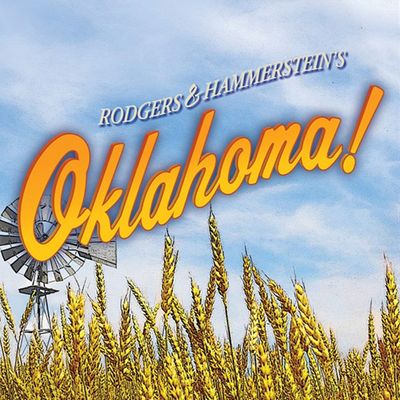
Artist, Activist, and Self-Proclaimed Sister to thee people Sis joins us from the road as she wrapped up playing Ado Annie in the National tour of Oklahoma! We talk about how Ado Annie has been with her for years, execution and expectations when it comes to revivals, and theatre as a mirror to realize the world that we’ve created... Read More
From the show: Thesis on Joan
Featured Shows
About
Artist, Activist, and Self-Proclaimed Sister to thee people Sis joins us from the road as she wrapped up playing Ado Annie in the National tour of Oklahoma! We talk about how Ado Annie has been with her for years, execution and expectations when it comes to revivals, and theatre as a mirror to realize the world that we’ve created. We find out why now is the time for Sis to be Elle Woods, discuss the challenges of creating your own work as a marginalized creator, not being OK with the state of theater, the lasting effects of the Trans March on Broadway, and the dangers of conflating experiences of trans folx. Sis is hands down the most excited we’ve ever had a guest get for Queer Culture Recs - let’s just say we should all have the best of both worlds.
- The Next Generation Project: Website | Instagram | Twitter
- Our Offering
- The Open House Project
Queer Culture Recs:
Queer Gives:
- Next Generation Project - Donate
Episode Credits:
- Edited by Meghan Dixon
Thesis on Joan:
Transcript
This transcript was automatically generated and might contain errors.
[0:07] Harrow: Hello, welcome back, Queers.
[0:10] Harrow: This is season three, episode 10, an interview with Sis.
[0:16] Harrow: Thesis on Joan is a podcast dedicated to amplifying voices from the LGBTQ community in the New York performing arts scene and examining the industry from a queer perspective.
[0:26] Harrow: Join us as we sit down with groundbreaking theater folks, both on stage and behind the curtain.
[0:32] Harrow: For many queers, theater has been an escape.
[0:35] Harrow: And this podcast looks to have open conversations on where we've come from and where we're headed as a community while queering the canon along the way.
[0:45] Harrow: Hello, queers.
[0:46] Harrow: We are so excited to bring you our third interview of the fall.
[0:50] Harrow: Today we are talking to Sis.
[0:52] Harrow: And just to note that while we're having our interview, a friend of Sis is setting up a table in the background.
[0:59] Harrow: So you might hear a little construction noise, and also at one point the friend makes a guest interjection.
[1:06] Harrow: So that's what's happening there.
[1:08] Sis: Sis is an artist, activist, and sister to the people.
[1:12] Sis: Being from Houston, Texas, Sis has always dreamt big with a mission in life of franchising the disenfranchised.
[1:19] Sis: She loves changing the narrative.
[1:20] Sis: From organizing protests to performing across America, Sis does it all.
[1:25] Sis: Other TV credits include Pose and The Last OG.
[1:28] Harrow: To learn more about Sis, you can follow her on Instagram and Twitter at You Can Call Me Sis and check out her organizations, The Next Generation Project, and The Open House Project.
[1:39] Harrow: You can also catch her as Ado Annie across America in the Broadway National Tour of Oklahoma.
[1:44] Harrow: So when we talked to Sis, she was just wrapping up the tour.
[1:48] Harrow: So we'll hear more about that now.
[1:50] Harrow: All right. Well, welcome to the podcast, Sis.
[1:53] Harrow: We have, I'm not lying, we've been talking about wanting to have you on the podcast for I think like the whole time we've had this show.
[2:01] Harrow: So like the last three years.
[2:02] Sis: Oh my god.
[2:04] Sis: Yeah.
[2:04] Harrow: We're so thrilled you're here today.
[2:07] Harrow: Um, and we always like to start with having our guests share their names, pronouns, and anything else you want to share with us on how you identify.
[2:15] Sis: Um, my name is Sis, and everything is in the title.
[2:19] Sis: It is in the title.
[2:21] Sis: I don't like say I like I'm like it is like everything is in the title.
[2:26] Sis: Like literally, this is uh how look, y'all gotta let me know how much I can go off and stay on track.
[2:32] Harrow: Yeah, do what as much as you want.
[2:34] Sis: Well, it it's just like I doing Oklahoma and like just like the year, and like also like I Googled myself and I'll never do it again after this.
[2:44] Sis: But like somebody was like, somebody like pe enough people have Googled is Sis a man, and like it is it's like now permanently in my like Google search.
[2:58] Sis: And my thing is like now tell me what bitch you know named Sis is a man.
[3:02] Sis: You know what I mean?
[3:04] Sis: Like imagine a bitch named Sis being a man.
[3:06] Sis: And so like, but also just like when people ask my pronouns or just like generally, and I know like people don't I I can't expect everybody to like know of me or whatever, and I don't, but like after a certain point, I'm just like, okay, let's use our brains, babe.
[3:22] Sis: You know what I mean?
[3:23] Sis: Like, yeah, I'm I'm getting jaded.
[3:25] Harrow: You have every right to be.
[3:28] Sis: No, that's that's real.
[3:30] Harrow: Yeah.
[3:31] Harrow: Uh and speaking of the Oklahoma tour, you're on this national tour.
[3:35] Harrow: It's been almost a year now.
[3:37] Harrow: Has and you are Ado Annie.
[3:40] Harrow: Uh, and how has your character and performance of Ado Annie uh evolved over the last year that you've been on the tour?
[3:49] Sis: Um, I think that, you know, I've made so many discoveries.
[3:53] Sis: Like doing the tour this past year, I think there are a lot of um discoveries I made.
[3:58] Sis: Like last night, I think I've been doing this for a year and we have four weeks left, and I finally understood Ado Annie's plight from beginning to end.
[4:08] Sis: And I think like even in All or Nothing, I didn't really I I never really connected All or Nothing to Can't Say No, but I think it you have to do it, especially with those golden age musicals.
[4:21] Sis: You have to like really re-clarify the character for yourself because these people were written, even though like Ado Annie is me to a T and so similar to me, like she was written, you know, eighty-nine years ago.
[4:32] Sis: So like I finally connected my Can't Say No to All or Nothing and like I like literally was just like, oh hell yeah.
[4:41] Sis: Like it felt good because I feel like I did my job, like as a performer performing this role, like it all came together and I feel like I'm done.
[4:49] Sis: You know, I feel like okay.
[4:50] Sis: Um, so that was a cool moment.
[4:52] Sis: But yeah, there's a lot of just you know, there's a lot that she's evolved because I've evolved as a person.
[4:56] Sis: I think a lot of my like just femininity and just like my understanding of myself as a woman and my understanding of myself as a human and how I relate to the world, and a lot of cle a lot of those clarities I had, you know, at the beginning, but she has evolved in my growing.
[5:13] Sis: And you know, I I got cast at twenty-three and I auditioned for this show.
[5:20] Sis: My first time auditioning for this production was the Broadway production when I was twenty-one.
[5:28] Sis: And so like I auditioned for the show when I was twenty-one.
[5:31] Sis: I got cast at twenty-three.
[5:33] Sis: And um, you know, and now I'm twenty-five.
[5:37] Sis: And so I think like that's been a long time.
[5:41] Sis: And like just purely with the song specifically, like the song is what was my transitional anthem because when I began to transition in college, um, and this was much and socially, um, like, and and but and transitioning, when I say that, I don't want to mean like trans, being being trans, like transitioning as a human being, growing and evolving into the person that I was supposed to be, um, or supposed to become.
[6:10] Sis: Can't Say No was begin to be my anthem.
[6:13] Sis: We had did it when I was a junior and I played Carnes.
[6:17] Sis: Um, and I would always know that that wasn't when Know came into my life.
[6:22] Sis: When Can't Say No came into my life when we were doing when when me and my friends went to our friend's high school to go see Oklahoma, and we were in college and we went to his high school to see Oklahoma.
[6:33] Sis: And I was like, this eats.
[6:35] Sis: Like the girls be hating on Oklahoma, but this is fantastic.
[6:39] Sis: And it was this the crazy thing about it was this high school production, and it was like eight hundred kids in it, like um, and it was really good.
[6:47] Sis: And I'll never forget, I'll never forget the girl who came out to play Ado Annie, and she sang Can't Say No, and my mouth was on the floor, and she rem recognized, but she she remembered me.
[7:01] Sis: Reminded me, yeah.
[7:02] Sis: I think you said I don't literally go to the back of the teaching.
[7:09] Sis: Yeah, she reminded me so much of Hannah.
[7:13] Sis: Like, she reminded me literally of Hannah Montana.
[7:17] Sis: Or Miley Cyrus's Hannah Montana.
[7:19] Sis: Let me be very clear.
[7:21] Sis: Um, and and I think I identified with her so much in that, and just like it was like I think a spark.
[7:28] Sis: And and so then, you know, we did it, and I love that song.
[7:31] Sis: And um, and then I be I put it the song in my rep and I began to sing, and I ate it up every single time.
[7:31] Sis: And Can't Say No is what got me my agents, like it just really like did it for me because you know, I don't know if y'all went to musical theater school, but you know, people who go to musical theater school, the whole like plight of going to musical theater school for those four years is like finding your song, and it's about finding the song that nobody else has ever heard.
[7:57] Sis: You're in the library, like looking through those song books, like dusting off these, you know, musicals that nobody has ever heard from.
[8:04] Sis: I remember my first cabaret song, and it was um it was Clap Yo Hands from OK the Musical, and it was like I was like, oh yeah, I'm the baddest bitch because I found this song.
[8:16] Sis: Um, but I'm I'm going wrong.
[8:19] Sis: Right, right.
[8:20] Sis: So when you heard a bitch like me sing it, the girls are gods.
[8:23] Sis: Um, but anyways, I don't know where I went with all that, but anyway, so yeah, so yeah, so then I went to this was one of my first New York auditions that I like waited outside for, and I like wore these overalls, and I was like, yeah, like I'm gonna go to this audition.
[8:41] Sis: And I'll never forget it was Kelsey, it was Destiny, and it was the first time I had ever auditioned in New York for a black woman, and I was like, oh, and like I waited and I got seen and I went in there and sang Can't Say No.
[8:51] Sis: And girl, that was a mess.
[8:54] Sis: It wasn't bad, it was just like, what are you doing?
[8:57] Sis: Um, and that was in I think that was the beginning of 2018 and 2019 and then something got in my eye oh my god.
[9:04] Sis: Um and then so that happened and then you know everything else happened and I auditioned for the show again in 2020 at the beginning of 2020 is when I auditioned for the tour for the first time.
[9:16] Sis: And this is before the pandemic so then I got a call back and then auditioned for within the pandemic then didn't hear anything for a year.
[9:24] Sis: They went back to audition process with the role.
[9:26] Sis: So I have been with this sound in this character for a long time.
[9:29] Sis: So I have evolved a lot.
[9:31] Sis: I think that Ado Annie was my she brought me into my womanhood.
[9:40] Harrow: That is a long journey with the show and then like going from the first time you saw it at a high school and this production is so different right um I have to tell you like I had the the like joy of seeing it in the first few weeks when it was on Broadway and I can't went to a Sunday matinee and it was clearly like the church group buses who did not realize this was gonna be different.
[10:01] Harrow: And I was like this is that this is my favorite part was watching them watch the show the the dream ball like confused a lot of people um in a wonderful way.
[10:12] Harrow: But our question is how have audiences across the country been receiving it and also what do you think like this version of the show it exposes in the original material?
[10:24] Sis: Um I you know it's been difficult I will say that I think like I think that I think that America as a like place and as a community and I say that quote air quote air quote air quote people have expectations.
[10:44] Sis: Like everybody has expectations for everything and everyone.
[10:47] Sis: And I think that's the crux, right?
[10:49] Sis: Like that is our issue in life socially, like everything we do is like if you place an expectation on something or someone, you are going to fall short.
[11:00] Sis: You and the person.
[11:01] Sis: Because allow you must allow people to come to you as they are.
[11:07] Sis: And sometimes that is not off the cusp.
[11:10] Sis: That is after allowing them to show you who they are.
[11:14] Sis: You know what I mean?
[11:15] Sis: And I think this production of Oklahoma really flips everything on its head.
[11:19] Sis: And I think about this often during the show, seeing these like, you know, older white folks who come to the show and they're upset and angry.
[11:25] Sis: And it's just like, y'all don't even like this shit.
[11:28] Sis: And and that's the T.
[11:29] Sis: Is like it's not Daniel Fish's direction that y'all don't like.
[11:34] Sis: Y'all don't like this show.
[11:49] Sis: And y'all don't like what it represents.
[11:51] Sis: Because also you don't like yourselves.
[11:53] Sis: And and and we are putting a mirror just like what Cabaret did.
[11:57] Sis: We're putting that mirror in in your face for you to look back at yourself and you're like, oh shit.
[12:03] Sis: And you're gagged.
[12:05] Sis: But this is the world you created.
[12:07] Sis: You know?
[12:08] Sis: So, you know, I think that's the thing with Oklahoma.
[12:10] Sis: And I think that's why this reception of this piece is so weird because this white man took this piece of theater that everybody loves, that especially like that group of folks loved and flipped it on its head and showed them who they are and reared its little nasty head, and now the girls are gagged.
[12:27] Sis: And I think that's why this production ruffles feathers.
[12:33] Harrow: Yeah, that makes a lot of sense.
[12:38] Harrow: And and going from like this really established production, right?
[12:42] Harrow: Like one of the the early musicals that put uh you know plot to songs, uh, and thinking about like a lot of the original work you've done.
[12:50] Harrow: So you've created, directed, and starred in productions like Our Offering, which was uh a virtual production, and then you had a show at 54 Below called Sisgendered.
[13:00] Harrow: Um, do you have a preference between doing original work or existing work?
[13:05] Sis: Um, yeah, I think yeah, like I think that I mean, I think that for me, I um I don't want to be a part of any machine, and I don't want to be a part of any game, and that's really hard in the grand scheme of like this industry and just the way the world works right now, and I think that I'm consistently trying to find innovative and evolving ways to be a part of this industry and to be and to exist as a human being doing all the things that I want to do, and so that's what I'm kind of doing right now because like for example, speaking on it as like I love Legally Blonde, and like I think that there's no better time than right now to for me to be Elle Woods, and like I want to produce a production, and I want to be in a production, right?
[14:01] Sis: But we haven't really like we've seen it before with like producers and you know stars, but like I want it to be good. Like I don't want it, it's not gonna be some you know thing. I want to create a piece of art and a creator piece of theater that's like special and like changes the American musical landscape or revives it in a way that we've never seen before, and like you know, we've seen like these musicals with white people have black people in them and feature black people, but like I want to transcend the text and turns in the story of like of Elle Woods, right. And like make it so that like black people can truly see themselves in this communal way, you know what I mean. And I think like that's the beauty of Elle Woods, is like she is this person that everybody can see themselves in, but people choose not to because she is this way, and we've seen it so long, you know, on this white woman because you know, back back back in the day, 20 years ago, when it was everybody, you know, in the was waiting their turn for representation, right.
[15:08] Sis: And waiting their turn for their stories to get told, and like you know, white women's stories for the most part have always been told, but like you know, the plight of feminism generally, right, and who leads that movement, and um I hope this is making sense. I'm trying to like to pinpoint it, but basically what I'm saying is like we finally not we, but like I think there was a story finally created to transcend the plight of the white woman of the American white woman, right? And like show that she can be nuanced, and so I feel like there this is a perfect time to take a moment if we're not going to do it, which we are like there are a lot of stories being created by like black trans women specifically, and definitely want to highlight in platform and amplify them first.
But if we are in a time period now where we are showcasing pure existence and allowing people to just live and showcase the nuances and transcend the stories of black trans women, like I want to do that with Elle Woods because I see myself in her, you know, she's this girl that people did not think was worth much, and because of who she was and where she came from, people you know talked down to her, and people treated her like nothing. So she had to curate this life for her that began to fall in on herself, and then she was challenged and she met the challenge, and she became the bitch that she always knew she was. But people doubted her, so she didn't know, you know. And I feel like that's me, you know, and I want to tell that story, and so I think that for me that's beautiful, but also creating your own work is beautiful.
But also creating your own work is very hard, and this is my thing that like pisses me off when it comes to this conversation is like stop telling marginalized folks and folks with nuance identities to create their own work because bitch, that is hard as fuck, and you can't do shit like that without a budget, you can't do shit like that without a platform, you can't do shit like that without a college fucking degree, like, yeah, you can, but like you know, like there are connections that have to be had and shit have to be in place for you to put something up.
[17:09] Sis: Like, thank you all so much for bringing up our offering. But like, a lot of people don't know about it, and like a lot of people, you know, in the a lot of plays and theater work was created in the pandemic, and literally our offering was created by a group of people, over 30 people were involved with our offering, and in the theater community, in you know, like my community from Houston, like just everywhere, like organizers and you know, just like kids made this thing that we wanted to see, but I feel like our offering was maybe you know ahead of its time because like people don't talk about it you know what I mean and like we can go we can talk about like oh was it good or what is it bad which I I don't think it was bad like it wasn't bad like objectively it wasn't bad but I I bring that up to say like you know well maybe people you know if the if the rebuttal was like well maybe people won't talk about it because it was bad but it wasn't but what I'm saying is like this was the special thing that like we all got together and did and and everybody was a part of and we centered those who needed to be centered you know from now moving forward and kind of showed theater like what we wanted it to be but because we didn't have producers on our side like certain things and and we can talk about the things in the pandemic that had producers on their side and that had you know white people wanting to spend money specifically ratatouille you know what I mean like if we're gonna talk about it like we had these and there are other projects you know and we had and and if I sound better then I sound better but like you know we had projects that had funding and you know and you know I'm not gonna say that our didn't have funding because we did and we do have people interested and there are you know producers interested you know but the it's just very difficult you know to be a marginalized creator and to be a black trans woman trying to make way for herself in an industry where people are people don't get you and people don't understand and then you have you know you have white people who who don't understand, and then you have people in your communities who don't understand what you're trying to do.
And you just kind of have to forge this path for yourself and just live in this world of um I'm just gonna blaze this shit, you know, and I think that that's for me. So I think it's hard. I think both are very hard because it's either be a part of the institution in the machine or not, and I think that people try to get to that answer really easily, and I'm glad that I have had the life experience that I do, especially from these past four years, because I've learned so much. Like, sis in 2020 is not the same cis, you know, that I am now, and and that's what life is about. It's like growing and learning, and I think that I have learned so much about that, and you know, so I can't really say right now um what I prefer.
Um, I I don't want to be a part of the machine. I know that I think after Oklahoma, I've learned a lot about the future, and I think that for me to be a part of a conglomerate like this in a show in a professional production Broadway or otherwise, there will take it would take a lot for me to do it, and it would also take a lot for um it would just be it would have to be something very special, like legally blind. Um, and like legally blind is something I want to create myself, and I want to revive that shit myself, so like you know, I just don't want to do anything else unless I have a producing credit on it, and like a real producing credit. So, yeah, and I wish everyone could have seen our faces. I was gonna say Harrow and I are both like, Yes, give us this legally blonde. We'll come back to that.
[20:54] Sis: Do you want to explain more about what uh our offering is, like what the project was and how people could still interact with it now? Yeah, um, so our offering was a I I forget what we called it, but it was really special, like what we called it. But it was like it was I would say it was definitely a product of its time. So to tell y'all the story of our offering and how it like came to be is um during the pandemic, I I am a like director at heart, like I am I love directing. Like I wouldn't say I'm a director first because I do love performing, but like I am a director, like um, and so I hadn't done it been able to do it in a while because of one the pandemic, but also just like once I left college, I had to kind of focus on performing and get my name out there and stuff.
So um I was like, I want to direct this like virtual production of our town because like when I was uh in high school, our town was this very special show to me that I never got to do because my dad was a terrible person, is a terrible person, and um I never got to do it, uh but I got cast the stage manager, all this couldn't couldn't form the role. Um, and so I wanted to do our town and I was like, I know the people that I want to do it, and I want to do this like big community production online and get like people from Broadway and get people for in my community and like people I went to college with and like make this big ass conglomerate production. Like and I'm I'm big about aligning people with their dreams and aligning people with like connection um and community and like that's what open house project is about specifically, but like yeah, talk we'll talk about it later.
But um, I wanted to do this thing and so we I went to go talk about getting the rights to do it and just like clearing, you know, clearing making sure everything was clear on the back end so that I couldn't get in trouble. And like the estate, Thornwilder's estate was like, no, we don't want any virtual productions of this show to happen. And like that was such a testament of like the time and and just like theater generally, just like how gate kept it is, and just like you can't even just like put on a fucking play that a man wrote 60 years ago. You know what I mean? Like, you can't, like, there are so many like blockades in the way of people like me creating, and so once again, when people say, you know, just create your own work, like, bitch, what the fuck?
Like, like, you don't know what the fuck you're saying, you know. Um, but long story short, we couldn't do it. And I was like, Hell no. Like, I've never been one to take no for an answer. So I was like, no, I'm not taking that. And so I put out a tweet and was like, who wanna write a play? And I um just talked to a lot of people I knew and was like, let's do this. And we were like, we wanna make a response to our town and like talk about everything that our town as a play made us feel in the way of a theater kit, not like in the way of like a human, because as a human I I can look at our time like this, but like as a theater kid and somebody who likes the work and and like stories like that, you know.
I wanted to I wanted to have a show inspired by it, and so we did it, and so our t our offering was this this product of its time project that was this virtual theater experience, um, that we created in the pandemic. Um, and we put it out on um on uh we we did it live on YouTube and we filmed it like over like the course of like June or July of July, and it came out August 23rd on Sunday, and I'll never forget that day, and that was like my Broadway debut. Like, I felt like I had created this play and you know put it out into the world, and like that was out I'll never again well maybe again but like I'll nothing in the world can compare to that feeling and like that is what I felt like I had worked my whole life for you know to create this thing with people that I love and put it out into the world this beautiful thing.
And so I hope that answered what it was but it was this play and it's on YouTube. You can go watch it. Um and I really am proud of it. And we'll make sure we have the link so pe people can go watch it and keep the conversation going just like you said, you know we want people to keep talking about it and knowing that it's out there.
[25:21] Sis: And you've already touched on this quite a bit but we wanted to circle back to something that um you said I think it's on your website. You you describe yourself as an artist, activist and self-proclaimed sister to the people. So how do you see these aspects of yourself feeding your growth as an artist whether that's directing acting all the different aspects of your art. I think that like for me and this is kind of really what Oklahoma helped me like figure out and and I don't know if people are gonna like this in oh well like and I've I I even have guilt sometimes feeling this but like I am an entertainer down. Like if you've been to one of my concerts if you went to 25 or been to gender like I like the room and I like the space and I like to be in the mix and I like how it feels when people are with you on your journey and entertained by you.
And so I think like that as a performer, that's always number one. Like that is gonna be my why with taking jobs. You know what I mean? And I think with Oklahoma, it's been very difficult to navigate that because the show is so such such art. And there's ways, you know, to to do it, and I'm thankful that I am playing AWNE because I have more than a lot more other people in the show to be able to, you know, the be the performer. Um, and there's just so much, I just have so much to learn generally about like theater and performance and the work, you know, um, and you can't do that with one contract. But so I say that to say, like, right now, like I have so much to learn, but also what I've navigated right now in this moment is like I love to perform, and I like the freedom of that.
Um, and so I think that that's where the artist active assists to the people, not the performance part, but like the the part about like connecting and engaging with people on a like mutual level, that's where all of that lives, and that's what being assistant to the people is, and that's what being the advocate and the activist lives, and that's what being you know the artist lives like I want my art to connect, and so as a director specifically, one of my main um themes of direction is relatability because that's what I if you I want you to be able to relate to something. So, like the way I set set up if I have to direct a living room scene, the way I execute the blocking of the living room, the way I set the living room, you know, what what is in the kitchen, what is sitting there, like what what are the props, things like that are all gonna be reminiscent of how I view it.
So you might get some that's all we mean, you might get some Hina Montana, you might get some the Parkers. Like there's a lot of everything that fuels me as an artist will be executed in my work, you know, and so I think that it's all of just about relatability and engagement and entertainment, and I think that the advocacy and the activist part is just like I want niggas to do right and I want shit to be what it needs to be for people like me to be in the room because the room works for white people. And majority and and and the crazy part about it is majority of the times it doesn't work for white people, but white people are not gonna stand up and say that it doesn't work for them. So and I'm not gonna advocate more than for myself than for white folks, but but you know, I'm not gonna get okay with I'm not gonna be okay with just whatever.
And I'm not gonna be okay with the okey joke. And I don't think that because I'm young in the industry, I have to endure harm and trauma to get to the golden statue or the golden prize, and I'm not interested in playing anybody's game. I'm gonna win because I'm a winner, you know, and I think that this industry just has really ha has it fucked up. Just like where it comes from and you know, egos and all of that. And I think it's just like l allow people to be special. Everybody is, like just a l so allow that, but you know, everybody wants to feel on top, and it seems for a lot of people the only way to do that is being on top of somebody else, and that's just not true. Um, so I think like that's where my advocacy and not just in the entertainment industry, but just in life, it's like I want shit to be right.
And if I get a whiff that something is wrong, then I'm gonna speak up. And that's just who I am as a human being, and that's who I am as a person, and you know, it's second in my artistry advocacy, but it's first it as me.
[29:49] Sis: And I've always been like that. And, you know, this time has been difficult and just like being, you know, advocating an activist, like in the theater space more specifically, and then going to do this show within it in the industry has been difficult, you know, and like my fear was that like I didn't want ever want people to feel like, oh like sis gave up, you know, or or you know, it was performance, it was performative, or it was this, it was that, you know, um and it's just difficult. It's difficult. Um so yeah. I hope that I said that. Yeah. And and we're a little over a year out from the trans march on Broadway that you organized last year. And so in that vein, um what do you what lasting impacts have you seen for the industry or yeah there aren't a lot.
There aren't a lot but there are more than we could count before of specifically black trans femmes, specifically trans folks, specifically people that look like me in the industry now in the industry now, sorry, but performing currently and I'm not going to take credit for anything but I'm gonna say that I was a part of doing the work. And a lot at that time there was a lot of people, people specifically in my community, who looked down on me and basically were like, you know, what do you think you're doing? Like, you don't you like who are you? You don't, you know what I mean? And and and it was kind of very much like girlby, you know what I mean. But now I see the fruits of the labor, and I'm like, huh.
Now who now who was walking down Times Square with the with the with the loud speaker talking about putt trans people on Broadway. You know what I mean? And like I'm not, you know, it it it's it's a it's a hard thing because I also like I also'm just like I don't ever want to be a mean girl, I don't ever want to be a nasty girl, that's not my brand. I want to be a sister to the people, and that's a sister to everybody, but bitches try it. Um, but I think I've put in a lot of work and I put in a lot of hard work in my advocacy, and I think that it's coming to fruition, and I think we're seeing it in a lot of ways, and not taking credit for anybody's journey at all. I'm just saying that, like, I was in the street, you know what I mean, and when people were doubting it and when people were not interested.
Um, and I also carried my message through. I this through this whole contract through this whole you know year. I haven't stopped. Um, and so you know, I think that for me, that's been the most beautiful part is to see these people thriving in this industry and seeing me thrive in this industry because also a month after I was doing Oklahoma, you know what I mean? And mind you, like I knew about Oklahoma a month before the Trans Watch on Broadway. Um, but like, you know, it it worked, and people, you know, say that stuff like that doesn't work, and it did. March on Broadway, Trans Watch on Broadway, the whole conversation of the world, a lot of it worked. People don't give a fuck anymore. So we're seeing a comeback of bullshit, but it worked.
Um, and so I think like that's been my you know, biggest thing. I think another thing is just like the hardest thing for me to watch is like people not caring and people that I like watched their faces while I was speaking at this marches, and people who showed up to these marches and protests, seeing them fall back and go back on what they promised and going back on what they stood for at a time. Um I think that's the most I'll say hurtful. It's just definitely a slap in the face, you know what I mean? It's like it's definitely like you you could have fooled me, you know, and now I know better. I know that like my future and the future of people I love and respect and want to see on top does not rely on somebody's integrity because people have none.
Um so you know, I I've just grown in that way, and I've also grown in a way of like and and I I shouldn't say this. I we can always edit it out later. So let me not let me grow, but you know, well, it it's just you know, I you know but now after this ex after the experiences I've had and the experience in this industry is I'm like maybe trans people don't need to be here. Maybe black people don't need to be here, you know what I mean? Like because that's real. You know what I mean? What's the point? If it's just gonna be harm, like maybe we're good, you know? And it and I think it's also based on the person, right? Like, this is not we can't just like put identities, but like, you know, I think that it's like the it depends on what you want, and that's what I've learned is like as a black trans woman myself, like being in the entertainment industry, in specifically the theater industry, because they're all different.
Um, what what is my why for being here? And what is the point and the purpose? And you know, it's hard with Oklahoma, especially like I feel like I think my biggest thing with Oklahoma, and and maybe this is me being too young, and this is me being too like trying to trying to get or want something before it has time to sit, is like when we say, like, you know, sis is one of the first black open black openly black trans women to be have a lead on a national tour and lead a national tour in this way. What does that mean? And like, yes, we can say it in all the most students in which we can say it, but like what does that mean for her as a person, right? And like take away the identity in the way of the like sis being a black trans woman, but this is the first time in the history of theater where we are seeing this success in this way, and we are seeing stories being told in this way, and it's just like I want my shit for it, you know, and and and not to a part where I'm like, maybe I'm too young to see it right now, but it's just like you know that was a struggle.
That wasn't like, you know, I wasn't just given this role. Like, like I am actually a really good Ada'Annie. Like, like Ada O'Annie is me, and so that's why I'm playing the role. And so I think what in our ways of seeing like all these like black trans women and like trans people specifically get cast, or like black people get cast and stuff, you know. We have to remember that, like, like, for example, Emily, Emily and Phantom, like, no, Emily is like Christine Dia to a T in the way of like she is the best bitch for the role. And she happens to be this dark-skinned black woman. Sorry, not to call her a bitch. Sorry, I mean just like you know, but like she is a dark-skinned black woman, and that's beautiful.
But in it, not but in addition to she is amazing and stellar in the role. And so we have to remember the talent, and we have to remember the work that it had to be to be to be the first. And I don't think we do that. And especially in my case, like I feel like the it's it's just been trans-centered in the sense of like oh yeah, Sistin Hennessy on the Oklahoma National Tour. Sure. But like remember that when you but be mindful of that, you know. And I think a lot of the times when I do interviews for Oklahoma, there's a lot of frustration that gets caused within me because they'll ask me, like, how is it with Hennessy? And I'm like, what are you asking me? Like, what do you want to know? Um, because you're asking this black trans woman what her connection to this white trans man is, and at the end of the day, you're trying to other me more than I'm othering myself because imagine asking a black woman what it's like in the workspace with a white man, you know what I mean?
And like, not to say hennesy is a problem or anything, but I'm just saying, like, you know, so that's not the conversation, yeah. Right, that's not the conversation we need to be highlighting, you know what I mean? And I understand why people do it, but then it's like my success and my um what is that word? My success and my like journey gets conflated to transness because there's another person here who happens to be white who you can talk about being trans about. And I'm like, that's not what I want to talk about. That's not what I'm interested in. Because especially not this angle. Talk about my journey of like if you and if you want to talk about my trans journey of not my trans journey, but like the the the parts that have to do with me being trans getting here, you know, because that is important to the story, then let's talk about that.
But don't conflate it because this is two different things are happening. Trans men have existed, you know, in this industry in a in a different way. Um, and I don't I want to be very mindful of not like conflating like experiences because there's a lot that a visibility that is very difficult for trans men to you know to have, you know and it is just different. So I don't want to speak on anybody's experience, but what I'm talking about specifically is just like don't conflate my experience as a black trans woman to a white trans man, and don't conflate my experience here in that way either, but because the world is so, and this is what we're talking about, you know, before we started recording because the world is so interested in exploiting trans folks right now, um, and getting those stories, that's what's happening, and so you know it it just it's a great time to be alive, but it's also a very difficult time.
Um, and so I think like I don't even remember the question, child. What what are we talking about? What like how did I get we were talking about like the lasting impact of the trans march on Broadway in the industry, which I think the stuff is. Yeah, yeah. Well, no, I was just gonna say, and to finish it up, it is I think that like what I was advocating for, but we have to be mindful of the ass. I'm advocating for allowing trans people to exist in these spaces, so that means welcoming into these spaces, providing them with the resources to exist in these spaces, and allowing them to just be in these spaces, and that ask is not what came to fruition, and I'm not speaking for all trans folks, I'm speaking for myself, and so now how do I figure out how to do that as a trans creator, as a trans artist, as a human, as a because also you have to be mindful that, like, yes, the trans stuff is right here, but I'm so worried about being black in America, you know what I mean, and so those go hand in hand for me, and so everything is just exists, you know, at once in that way.
Um, I'm so worried about being plus size, I'm so worried about being dark skin, you know what I mean? Like, there's a lot that I have to, you know, navigate there, and so now I have to figure out because I feel like it is my my work to do that, you know, how to do that, and also how to keep my my mission, you know, and and then as a performer, how to continue that as and be an artist and advocate because when you're a performer, you're in a space where people aren't trying to have you advocate all the damn time, you know what I mean? Because there's you know, work to do, but and that's an air quotes, but like, you know, it's gotta be right, and so you know, I think that like I s I I said it, you know, I'm seeing a lot of the work um and the advocacy of me specifically come to fruition, and I'm happy with that, but now, you know, we have to supplement it with making sure that trans people are gonna be in these rooms and black folks are gonna be in these rooms, they're safe and they're not right now.
And so we've been we did this big diversity push and haul and now we're unsafe. And so now it's just like, wait, what was the point of us being here if we were just gonna get harmed? I was better off broke at home. Hmm.
[31:29] Harrow: Yeah, and I'm sure there's a lot of people who would like to thank you for all the advocacy and the work and being in the streets that you've done to get us to the point where we people are more in the rooms more, uh, and hopefully, you know, others can can really step up to help make it safer.
[42:51] Sis: People and people have. Yeah, I I you know, it's just hard people have, but you know, it's always the the negativity that's the loudest, you know, and sometimes you respond to that before you respond to the people who see you. And that's sure, you know, you forget that.
[43:07] Harrow: Yeah, I feel like that's human nature.
[43:09] Sis: So in line with your advocacy work, 'cause you're doing so much and you're also the founder of the organization the next generation. Can you tell us about the mission of what you're doing and what kind of work you're doing?
[43:21] Sis: Yeah, the next so the j the next generation project was another, you know, product of its time. Uh it's an organization that was created to provide mental health and self care resource to black and brown trans folks, and you know, in the time of doing that, you know, our biggest fundraising push that we had were the Black Lives, Black Trans Live uh Matter shirts and I was we had a big push for that and that was our main like, you know, way of getting incoming donations and you know, a lot of people were interested in advocacy at that time, so a lot of people were donating. Um and so that's one thing that has been very hard for me to like keep up because we don't have a lot of funds to pay people so like a lot of the organizations right now that's you know how they are running is because they either have physical sponsors and you know they are able to pay staff and stuff like that but I don't it's just me and a couple of my friends who disperse money and give out money and you know things like this and it's like we have to like be mindful of where our time lies especially with you know things you know of people people of those people my friends and people who are helping you know they have work and they have you know things that they have to get done and so next generation project is I'm this tour ends in October and my my main goal is to get that back on a tweet you know and 'cause in the in the what is that word in the another organization I started was Open House Project um to create accessibility for theater um and theater makers and so I've kind of been trying to you know just navigate both of them and my mission is still strong with Next Generation Project but we're just trying to figure out ways to you know get more money because we don't want to give out all our money and then we can't there's nothing we can do you know anymore.
[45:07] Sis: So we're trying to figure out how to, you know, keep the, there's just a lot of like logistics, you know.
[45:15] Sis: So you know, if that's Next Generation has been on, you know, pause right now because we need help. We need, you know, people who have, you know, the time to sit and really, you know, do it and we need more opportunities to raise funds and more opportunities to, you know, exist as an organization in the way that we want to.
[45:41] Sis: So that's what Next Generation Project is.
[45:44] Harrow: We were planning to shout out Next Generation for our queer gives where we asked the listeners to donate. So how could folks donate and support Next Generation?
[45:52] Sis: Um, if you go to our website, uh we are tg.org, there should be a donation page and everything is there, so yeah.
[46:00] Harrow: Great. We will link to it so people have that information. Um and keep us posted. We'll let folks know as new things are happening.
[46:08] Harrow: Um and also looking ahead to the future, you have your own series coming out soon on Broadstream. We would love to hear more about that and also any other projects you would like to share or are allowed to share.
[46:21] Sis: Yeah, I mean, so right now, so this is y'all can't speak about it to anyone. But um, um, so yes, Living for Sis is coming out um November 1st. It should be coming out November 1st. These dates won't matter if it's after the fact, but Living Because is coming out very soon. I'm very excited about that. And then I recently filmed an episode of American Horror Story season 11, which I'm very excited about. Uh yeah, so I'm very excited about that. You know, the tour is coming to an end.
[46:57] Harrow: I love American Horror Stories.
[46:59] Sis: Yeah, yeah. This season is great.
[47:00] Sis: The season's gonna be great. I'm really excited for it. Um and there's just, you know, a lot of stuff on the horizon. So I'm really excited to just continue to do the work and continue to do all the things we want to do.
[47:13] Harrow: Incredible. Thank you. I wanna jump to our final sections that we do with every guest. Uh the first one is called Queering the Canon, which you've kind of already answered. Uh, what is another existing musical character you would like to perform as? And I know Elle Woods is the big one. Is there another one out there that you have a dream about?
[47:35] Sis: Um I always do this, but I really would love to do the Lion in The Wiz. I would love to play the Lion in The Wiz.
[47:42] Harrow: Wait, there hasn't been a, I'm trying to think. Has when was the last time The Wiz was like done?
[47:45] Sis: The last time The Wiz was done was like The Wiz Live. Um and then there was a production um at Tuts. And I know about Tuts because I'm from Houston, but um Alison Daniel, who is in um 1776 right now on Broadway, she played the Lion in The Wiz, um at Tuts. And um, but yeah, I and and it's interesting just the idea of, you know, my Lion because I think, I think and and that's the thing too, is like it's really trying to figure out and I'm allowing myself to do this much more of just like I trained in musical theater, I trained to be a storyteller and I wanna just do it. And like being the Lion, if I were to play the Lion, that's when I think the, like if we had to put a label on it, that's where the gender nonconformity and that, you know, everything would come out because like I would just wanna be the Lion, you know what I mean, and what that means, and so like there's gonna be a lot of aspects about me that like would exist and that I would be happy to.
And I think that's the thing also is like putting, you know, people with diverse gender identities in these experiences is like that's the cool part of storytelling, is we get to see how people navigate this stuff and all utilizing all the tools that they have available to them. So I would love to play the Lion and showcase that.
[49:08] Sis: I don't know, I think I'm still like I'm excited for both of those, but I feel like the Legally Blonde needs to happen like urgently.
[49:14] Harrow: I know. Like someone needs to do that very soon.
[49:17] Sis: I know. So um thanks for putting that out there. Um so our next question is for our queer culture recs. So outside of theater, what is your queer culture indulgence? This could be a book, a TV show, a movie, an event you've been to. Doesn't even have to be queer to everyone, it could just be queer to you. What would you like to recommend?
[49:41] Sis: I also have a question that kind of goes along with this.
[49:45] Harrow: But go ahead. I feel like you have something to say.
[49:48] Sis: I don't know.
[49:49] Sis: Um I wanted to ask you if you think Hannah Montana is queer.
[49:57] Sis: Oh my god!
[50:01] Sis: Oh my god!
[50:08] Sis: Okay, that was everything I needed. I literally was about to say Hannah Montana.
[50:18] Harrow: I need to know. I need to know this from you.
[50:20] Sis: Okay, but wait. So I literally was about to say to answer that question, I was like looking crazy because I was like, um Hannah Montana. Like that is the answer to that question.
[50:30] Harrow: But wait, what was your question?
[50:32] Sis: Well, I just heard Hannah Montana and freak. What was that? That is nuts? That is fucking nuts. You do you follow me on Twitter?
[50:38] Harrow: No, you just mentioned it earlier, and I was like, we need to come back to Hannah Montana.
[50:42] Sis: Okay, because I talk about this a lot, but okay, great.
[50:46] Sis: Okay, well, I, I said okay, what is your question?
[50:49] Harrow: Well, I just want to know if you think it's queer, it sounds like yes, and how do you think it's like a queer culture?
[50:57] Sis: I don't just, okay, let me, and I think this is why that conversation was difficult. And, and people might be like, bitch, I what, what does queer mean? Like, like I, I really am like I, I'm, I'm working on myself, I'm trying to figure this out. But I don't know to me, I couldn't like should it like, you know, like things are things, you know what I mean? And so I think for me, speaking for myself by Hannah Montana is like, and the way Hannah Montana actually, I think is one of the most perfect television shows to ever exist. I think like, you know, there is That's So Raven, and it is a perfect TV show, but, but they're, they sit on a fine line for me, and this is why they, they are at top one and they teeter totter at top one.
Um Hannah Montana as a plot, as a script, as a just as a thing, is such a perfect example of just like wow. They took this little girl, they took this little white girl, and they said, You are a star. You are Hannah Montana, you are the biggest teen pop sensation in the world. And so guess what the fuck happened? She became that. And I think that with Hannah Montana, if we're talking about it in a way of transness, for me, when I looked at Hannah Montana, it was this teen by day, pop star by night. And it had nothing to do with transgender, but just like you had to exist as this one thing while being Hannah Montana. Like you had, like Miley said, like, like, and I like I can say it better, but like it was for me, it just really changed my life because like other than the femininity and the aspect that I related to her on a gender basis, but just like the fact that like we all have so many facets of ourselves that like can manifest and showcase in a multitude of ways um if given the opportunity to and like just like Elle Woods is like this little white girl was given the opportunity to be both a regular small town girl from Tennessee, but also the biggest teen pop sensation in the world, and like crazy, it's just crazy, and like um I wish I had the better words to equate exactly what I'm trying to say, but I think for me, like that just changed me, and it gave me access and the ability to be like you can be both, you can be all of these things, like you can exist anywhere you want to be, and you know, go for it.
You can, that's what I was getting to. You can have the best of both worlds, and who said, who said, like, you know, I can't be Superman, I said like that's, and and so when you, I think like giving a child that and like, you know, laying that foundation and that path for a child is like you can, you can be sis, bitch, and like that's what happened. Um and so I think Hannah Montana is a special piece of, you know, media for me, and so that's what I would, you know, recommend watch Hannah Montana, um, because it's, it's just crazy, it's just really nuts how, you know, it happened, and there's, there's always a story that I love from Hannah Montana is that there when they were filming the pilot, uh Disney and like Disney Channel, the offices, they were like, Hey, we're gonna film this like pilot, like bring your kids, and we're gonna make posters and give y'all posters and stuff like that, and y'all just gotta go crazy while we film, and like for, and and like it was fake, like it was like these, these couples of couple of songs that they filmed for the TV show, you know, for the whole season one, and nobody knew who this little girl was.
It was just like Miley Cyrus being Hannah Montana with this wig on, doing this core at this concert, and then they had all these kids from, you know, people who Disney Channel, like Disney Channel families and stuff like that, who work for Disney Channel, just brought their kids and they filmed this TV show, and like literally this girl became famous as fuck for being Hannah Montana, and like it's crazy, you know, and I think it's very beautiful, and so that is, you know, that that is something that's such a big part of who I am today and my transition and just like the way I look at life.
[55:14] Harrow: So, yeah, you can be, you can be anything.
[55:17] Harrow: Amazing. Thank you so much for sharing that. That would, I need to like go back and rewatch it now after hearing like your take on it.
[55:25] Sis: I feel like I appreciate it a lot more now.
[55:27] Harrow: Yeah, I think I've only seen one or two episodes.
[55:30] Sis: Oh my god.
[55:32] Harrow: Yeah, I'll have to go back and watch the whole thing.
[55:35] Sis: And when you watch it, when you watch it, think about it like this too. So Miley Stewart as the character had two people that kept her to it was Hannah Montana and it was Lily. And if you think about it, the show is about Lily. The show, if you watch it from beginning to end and even watch the movie, the show is about Lily's experience of this happening and like her acceptance of this person being her best friend, and that's why like true friend is important, one in a million is important. Like, you, it just like if you have to look at it, like they were really, I don't know if anything was intentional, but like when you look at the show, like I want to do a case study one day in Hannah Montana, but like if you look at it from beginning to end, it was about Lily.
Like the first episode is about Lily finding out she's Hannah, and the second episode, the last episode is about Miley having to figure out if she's gonna choose Hannah over Lily, and she chooses Lily by going to Harvard, and like it's like nuts.
[56:28] Harrow: That's so great. I'm really excited to watch it now.
[56:31] Sis: It's like well thought out.
[56:33] Sis: Because Lily is her real life. Lily is her, like Lily is like just life, and so the just like the show, which is like the main thing is like is she gonna pick being, you know, Hannah Montana, the teen pop sensation, or just a girl? And like Lily is the connection to that, and Hannah is the pop sensation, and that's what the whole movie is about.
[56:54] Sis: It's just like ah, I love it, I love it, and we must go. We must end this call, but yes, it's so good. I'm gonna hand pick episodes and make Carol watch them.
[57:04] Harrow: Okay, okay.
[57:05] Sis: You must watch the episode where Robbie Ray gets hurt. You must watch that one where she tries to go to Florida without him because Michaela, who's played by Selena Gomez, is performing at the One Worlds foundation thing. Also the Jonas Brothers episodes.
[57:22] Harrow: It also sounds super queer that Hannah chooses a girl at the end too over her like stardom, so that totally came with my queer dar for me.
[57:35] Sis: She okay, but mind you, she literally like makes out with a boy right before she chooses Lily at the airport. So just want to be, but you know, by bisexual queen. Polly, Polly, bisexual, I think it's there.
[57:52] Harrow: Um, so finally Sis, how can our listeners uh follow you on social media and on the internet?
[57:58] Sis: Um, you can follow me at you can call me sis with a you, not a while you on Instagram and Twitter and TikTok and um and Venmo. Oh and you know, just hang out. There's a lot of Sis, you know, content about to come. It's just we'll take over as my good girl Rachel's Eclair loves to say. Um and it's happening.
[58:29] Harrow: Thank you so much for being here. This was so much fun. And good luck with the rest of the tour, and uh we'll see you soon.
[58:37] Sis: Thank you. I'll talk to y'all later.
[58:41] Harrow: Thanks for listening. If you like, please rate and review us and share us with your friends. So excited to hear your queer culture recommendations or any of your ideas on how we could queer the canon. You can call us.
[58:53] Sis: Yes, actually call us and leave us a voicemail at 845-445-9251, or send us an email at thesisonjoan at gmail.com.
[59:05] Harrow: Until next time, keep it queer.
[59:08] Sis: Not that it'd be that hard for y'all to do.
[59:18] Meghan Dixon Thesis: You said I know.
[59:21] Harrow: I was like, I know.
[59:23] Meghan Dixon Thesis: I think we're on a little bit of a delay here.
[59:25] Harrow: Oh, okay, okay, okay. Sorry.
[59:28] Meghan Dixon Thesis: Uh but I'm sure it looked awkward.
[59:31] Harrow: Apologies.
[59:31] Meghan Dixon Thesis: No, it didn't look awkward. It was just like, yep.
© Broadway Podcast Network, All Rights Reserved