

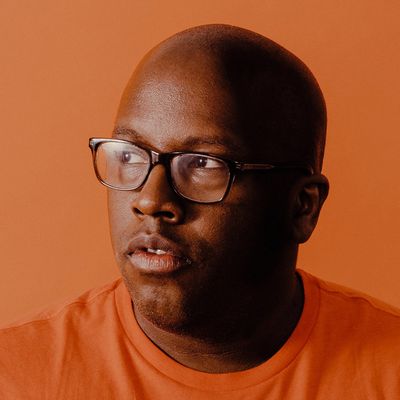
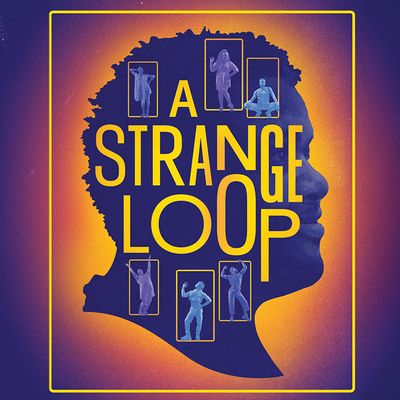
Hosts chat with two-time Tony nominated playwright, composer, and lyricist, Michael R. Jackson, creator of the Pulitzer Prize winning musical A Strange Loop which is up for 11 Tony awards!.. Read More
From the show: Thesis on Joan
Guests
Featured Shows
About
Hosts chat with two-time Tony nominated playwright, composer, and lyricist, Michael R. Jackson, creator of the Pulitzer Prize winning musical A Strange Loop which is up for 11 Tony awards! They discuss how A Strange Loop developed into an all Black queer and trans cast that manifested themselves to Broadway, how choreographer Raja Feather Kelly turns up the volume on people, queering religiosity, and the ongoing beef with the cast and a certain actor. Jackson also gets into what he hopes audiences are thinking about when seeing the show, what it feels like to now be a gatekeeper, the horror musical he’s currently working on, and advice for the next generation of artists.
A full transcription of this episode is available through this link.
Michael R Jackson: Website | Instagram | Twitter
Creator References
Queer Culture Recs:
Queer Gives:
Episode Credits:
- Edited by Harrow Sansom
Thesis on Joan:
Transcript
This transcript was automatically generated and might contain errors.
[0:00] Harrow Sansom Thesis: Hi y'all, welcome back to season three, episode three of Thesis on Joan.
[0:11] Harrow Sansom Thesis: Thesis on Joan is a podcast dedicated to amplifying voices from the LGBTQ community in the New York performing arts scene and examining the industry from a queer perspective.
[0:21] Harrow Sansom Thesis: Join us as we sit down with groundbreaking theater folks, both on stage and behind the curtain.
[0:27] Harrow Sansom Thesis: For many queers, theater has been an escape, and this podcast looks to have open conversations on where we've come from and where we're headed as a community while queering the canon along the way.
[0:38] Harrow Sansom Thesis: Hi, this is Harrow, pronouns they/them, and I'm here to introduce our next episode.
[0:45] Harrow Sansom Thesis: We had the incredible pleasure and honor of talking to Michael R. Jackson, and you are about to hear that interview in just a minute.
[0:54] Harrow Sansom Thesis: And a heads up that we recorded this interview with Michael right before he was nominated for all the Tonys for A Strange Loop.
[0:54] Harrow Sansom Thesis: So congratulations, A Strange Loop. They have the most Tony nominations with 11, including for Michael, including Best Musical, including for our other former guest, L. Morgan Lee.
[1:12] Harrow Sansom Thesis: We are so excited for all of them. Congratulations. And we can say, you know, we knew him before.
[1:20] Harrow Sansom Thesis: Michael R. Jackson is the author of the 2020 Pulitzer Prize and the New York Drama Critics Circle winning A Strange Loop. Other awards include a New Professional Theater Festival Award, a Jonathan Larson Grant, a Lincoln Center Emerging Artist Award, an ASCAP Foundation Harold Adamson Award, a Whiting Award, the Helen Merrill Award for Playwriting, an Outer Critics Circle Award, a Dramadisc Award, an Obi Award, an Antonio Award, a Fred Ebb Award, and a Wyndham Campbell Prize.
[1:52] Harrow Sansom Thesis: He is an alum of Page 73's 173 Writers Group and the Dramatist Guild Fellowship Program. And TV includes Boots Riley's upcoming Amazon series, I'm a Virgo.
[2:05] Harrow Sansom Thesis: Awesome. Well, welcome, Michael.
[2:12] Michael R. Jackson: Thank you. I'm happy to speak with you.
[2:10] Harrow Sansom Thesis: We are so excited to have you with us on Thesis on Joan. Uh and yeah, happy to that you're here.
[2:12] Michael R. Jackson: Thank you.
[2:13] Harrow Sansom Thesis: And we always like to start with our guests sharing their names, pronouns, and anything else you would like to share about how you identify.
[2:21] Michael R. Jackson: My name is Michael R. Jackson. I use pronouns he, him, his, and I identify as a playwright, composer, and lyricist.
[2:30] Harrow Sansom Thesis: Awesome. Uh so we previously had the great and good L. Morgan Lee on the podcast to start our second season. And she was sharing...
[2:38] Michael R. Jackson: Yeah. We love her.
[2:41] Harrow Sansom Thesis: Uh and what an uh and she was sharing like what an incredible experience it was to be part of A Strange Loop, and the process felt really safe and collaborative as a performer. And what has it been like for you to collaborate with Black queer folks and trans folks on this journey of A Strange Loop? And can you tell us a little more about the early shift to cast the show with all Black and queer and trans performers?
[3:07] Michael R. Jackson: Yeah, so um, so originally when I first started working on A Strange Loop, it had two distinct forms before it became A Strange Loop. But so the initial thing was a monologue that I wrote right after undergrad called Why I Can't Get Work, which was just a one-man monologue about a young Black man walking around New York, wondering why life was so terrible, and sort of cycling through the various areas of his life that he was not happy with. And then it uh once I started writing music and putting it into the monologue a couple of years later, it turned into a one-man show that I performed called Fast Through Town, which was essentially the same format, but except this time with little song moments that I wrote to punctuate the monologue.
And then after that, it transitioned into the piece A Strange Loop, which was more of a quote unquote book musical, although probably more what used to be called a concept musical, I think. Because that was sort of my touchstone were things like Company or A Chorus Line. And that it was actually we did a reading, a book reading of it without the music that you had Usher, the Black gay protagonist at the center of it, but I had white actors in it who played lots of characters, and also, you know, I think John Andrew Morrison, who's sort of like the oldest cast member of the show, he did like the mom character and things like that. And then when I wanted to do another reading of it with the music a couple years after that, I called Stephen Brackett, who um was had directed some concerts of mine, including concerts that had the song periodically in it that John Andrew sang.
And Steven, and I asked him if he would direct a reading of the whole musical just for me so I could see what I had, um, including the music. And he read the script because he had he'd only heard some of the songs, and then he read the script, and he was so moved by John Andrew's portrayal of the mother that he suggested to me, what if we cast the piece with all Black gay men, which is what it was at that time. Um, and so we did a reading of it, and it was still rough, you know, whatever, but it was like really exciting to see all these folks tell this sort of story. And this was like pre the opening number was intermission song, but it used to have totally different lyrics, and it did not have Big Black and Queer Ass American Broadway show in it at all. That came much later.
[6:16] Michael R. Jackson: And so then when we did, so then in 2015, we was our next version of it. So that was 2012. 2012 was me and Steven. Then 20 years ago, right, then 2015, and the monologue was 2003. Wow. Right. So then uh Musical Theater Factory's Shekinah Nathack, founding artistic director of Musical Theater Factory, approached me about uh he was starting the Musical Theater Factory, which is a musical theater development hub free from the pressures of commercial and critical success to develop new musicals. Nothing like it exists anywhere, really. And he said is there anything I was working on? I was like, well, I've had this musical I've been kind of messing around with on and off over the years, brought it into the writers' group, got some feedback.
Chiquina thought that I should do a residency. So we spent two weeks. I cast it with everyone. That was when I met L. Morgan. Amazing. And uh, though I met her pre-transition, and um we did the show as it was cast at that time, and then uh we did uh then I got a bunch of little bites after that um to do little pieces of it or whatever and some other stuff at the Musical Theater Factory, and then we did a big splashy concert in 2016 at 54 Below, and that sort of really got I think the industry was kind of like began to be like, oh, what is this musical? And then Playwrights Horizons uh sponsored a reading of it in November of 2016, four days after Trump was elected. Wow. Oh my god. And then, but that actually weirdly, I think helped us in a strange way because my producer Barbara um was like very rattled by the election and also excited by the piece and afraid of, and she felt like there was something she could maybe do to help it along.
And at first she, you know, and also Michael Walk up from H73 felt similarly because but he was H73 is an organization that um helped writer playwrights get their first off-Broadway productions, and Barbara's a commercial theater producer, and so they together started going around seeing we were trying to them and my then agent were trying to see if anybody would do the show, and no one would do it. And so Barbara, as she famously said, she said, I got mad, and so she decided to auction it. And then um that helped us, you know, get we did another reading of it like nine months after that initial playwrights one. And that's when Playwrights Horizons decided to do it. Um and then once, and then there was another year to the production from that point.
And in that year, like I was doing we were doing more developing, tweaking, fixing. I think we did another workshop, a good movement workshop, and that all the stuff. And then the Playwrights Horizons sent us to like a little retreat, so that me, Steven, uh Brackett, Raja Feather Kelly, my choreographer, and also my then orchestrator Darius Smith before he passed away. Um we were doing some work on the show, and I had been tinkering with the opening number. I was just like, something is not right. Because also the thing, I'm sorry, this is a long story, but it's a long way of answering your original question. A lot longer for you to live it than to tell us it's right. Um was that so we so the thing I forgot that I left out was that when like white actors were in the piece, I had not defined the thoughts at all.
Like they were I called them like changelings and I had all these weird little names for them, so I didn't know what they were, and so somewhere toward closer to the playwrights production, uh, or to the playwrights first reading, the Trump one, uh, they became the thoughts. And then when we did the little retreat, I was like, something's not like right. Like the opening number was totally fine as it was, but I was like, something's like not totally telling us what this event is, and suddenly it like dawned on me that like they were he was writing, he was like trying to figure out whether he was how he could write the musical within the musical and that's when it turned into Big Black and Queer Ass American Broadway Show because I and I rewrote the whole opening number lyrically from top to bottom and the only thing that stayed was how many minutes to the inner end of the commission.
[11:02] Michael R. Jackson: Oh my gosh. But like but so to answer your original question about what does it feel like to work with like queer folks gay trans etc non-binary etc um it feels incredible because it feels like a like what a great what an important and incredible population of people to put in a musical but also the rewriting that opening number with those folks in mind sort of manifested the idea that it would go to Broadway before it ever went to Broadway before he even went to off-Broadway. Even though that wasn't what I was trying to do but that's what artistically me and the character Usher was trying like thinking in our minds like that that's what he was writing. And so it was so cool to me that like that is a in that big splashy you know vision of a dream is Black and queer folks.
Right. And that's that's what's so it's so thrilling to me about you know when I go to the show and watch them sing that opening number every night is that like wow, like they made they made that happen in a weird way.
[12:29] Harrow Sansom Thesis: Oh amazing. And you mentioned Raja Feather Kelly. We're huge fans of Raja Feather Kelly's work. Can you share more about how working with Raja helped bring like the queerness of the show to life?
[12:42] Michael R. Jackson: Yeah, because Raja is such a like Raja's not just like your standard choreographer. Raja is like an observer of human behavior, and he always says that he takes human behavior and he puts it, he turns up the volume and turns up the heat and and puts it to account. So like he's just he takes what's already sort of naturally in people and he like figures out how to turn it into something bigger than what it is. And that's so cool. It's not just like doing everything on like a kick, you know, or a three or whatever you know, choreographers do. He like he it's truly like uh it's almost like he's making little movies out of people like out of every person, you know, their own little movie that they're in that you could track their whole, you could track each of the thoughts throughout the whole from beginning to end, because Raja has like observed what's special about the person embodying that character and that set of characters, and he like figures out how to thread them through.
[13:53] Michael R. Jackson: It's really he's really quite a genius.
[13:55] Harrow Sansom Thesis: That's so cool.
[13:56] Michael R. Jackson: Yeah, I mean that's a good reason to go back at least six more times, so thank you.
[14:00] Harrow Sansom Thesis: That's what I was just gonna say. Like focus on like another thought and like their track and where they start and where they end up and what they do and all that.
[14:07] Michael R. Jackson: Oh, amazing. Um, and so in a strangely the your musical is demanding this shift to a big black, queer ass American Broadway. And then what creatives do you dream of bringing to Broadway with you to like make this to also manifest this dream?
[14:24] Michael R. Jackson: Uh Troy Anthony is someone whose music I quite like. Um and he is kind of like a fierce black gay man who I think that people would enjoy hearing his work on the Broadway stage. Um C.A. Johnson is a playwright whose plays I quite quite quite like and I would love to see some of her work on the stage. My friend Keeley Gibson um is someone whose work I really admire and I think that that his work should be seen. It's so many people, like everyone. I want to bring them all.
[15:09] Harrow Sansom Thesis: Yes.
[15:10] Michael R. Jackson: And CA was a guest in our first season. So uh definitely agree with that.
[15:13] Harrow Sansom Thesis: Yeah, yeah, yeah. But we can link to all those folks too, so our listeners can find out more about their work.
[15:20] Michael R. Jackson: Yes. And in your musical, in A Strange Loop, it's about kind of an outsider looking into the industry. And now that your show is up to be potentially nominated for the Tonys and other awards, the gatekeepers are now required to see your show. So what do you hope that they are taking away from this?
[15:40] Michael R. Jackson: But also I'm one of the gatekeepers, weirdly.
[15:43] Harrow Sansom Thesis: Ooh, say more.
[15:44] Michael R. Jackson: I'm a Tony voter.
[15:45] Harrow Sansom Thesis: Right.
[15:47] Michael R. Jackson: I'm also a Tony voter, so I'm weirdly also a gatekeeper.
[15:51] Harrow Sansom Thesis: How does that feel?
[15:52] Michael R. Jackson: Yeah. Um stressful.
[15:56] Michael R. Jackson: It's a lot to do, too.
[15:58] Harrow Sansom Thesis: It is a lot to do.
[15:59] Michael R. Jackson: I think I when I first got um that privilege, I was much more excited about it than I am now. Because now it just means you have to go and watch everything and have an opinion and cast the vote, and it's very political and also time consuming.
[16:19] Harrow Sansom Thesis: Yeah.
[16:19] Michael R. Jackson: But sorry, but that's that's not really what you were asking. I mean, now the gatekeepers outside of me have to although I guess I'm not a gatekeeper, I'm not a Tony nominator. I'm just a voter. So the nominators are the ones who like say whether it's will get nominated for a Tony. I just vote once with whatever they decide. So I'm like a mini gatekeeper.
[16:45] Harrow Sansom Thesis: Gatekeeper Junior.
[16:46] Michael R. Jackson: You're the second gate.
[16:49] Harrow Sansom Thesis: I'm the second second guard.
[16:52] Michael R. Jackson: But what are you hoping those folks are taking away as they're considering nominations?
[16:56] Michael R. Jackson: Um to be honest, like the thing I always I've been telling people when I'm asked about just in general, what I want audiences to take away from the show, or what I hope that they're thinking about, I hope they're thinking about themselves. The show is about being a person. And so I hope that through Usher people think about them like what it means to be a person and maybe and what it means for other people to be a someone else to be a person. And all the sort of complexities and the nuances and the specificities of that. Um that so I hope that like the the Tony people that they see the value in that, that that's moving to them in some way or or that it's worth recognizing.
[17:30] Michael R. Jackson: Yeah thank you and you've described A Strange Loop as emotionally biographical can you speak to the tradition of queer creatives drawing from emotional experience and and does that inform your other writing?
[17:30] Michael R. Jackson: Um, I mean I don't have like an academic answer to that I can only speculate that because you you don't hear I mean now you do but like historically you have not heard as many stories from black queer people sort of affirming that identity in their work that like and and as a result of that it means that you don't we don't those stories are not necessarily out there that many of us just in a in a a desire to be both mis to be represented but also I would say to be not misrepresented to that we like have to tell the stories of our lives um just to there's some sort of record um of of what we lived through and what we our thoughts were and what we our points of contention were and where we came from and all of that uh so that's certainly something I wanted to do I I I felt you know I felt unseen unheard I felt misunderstood um and so I I began writing what would become A Strange Loop in a in a an attempt to to try to become duly noted for an experience that I knew was not insignificant in some way, even if I felt insignificant.
[17:30] Michael R. Jackson: Um and so I think that's important. I that's certainly how I come through. And there's a second part to that question. How does it inform your other writing?
[19:40] Michael R. Jackson: Um I mean I think that I've always been a pretty personal writer, no matter what I'm doing. And so there's always gonna be a little bit of me in anything that I do. It's not necessarily gonna be, I mean, A Strange Loop is like so specifically about quote unquote me, like not just me, Michael R. Jackson, but like the concept of me or I. Um, so it's not like everything else I do is that, but like my next piece, for example, I think if I if I were a dramaturg, I would say, oh, A Strange Loop is about me or I. And White Girl in Danger is about we're about being a part of a s of a racial group or class, a class within a racial group. Or that's part of what it's about. And so there's so certainly there's a uh personal connection to that, but that's it's a different sort of angle than what A Strange Loop is about.
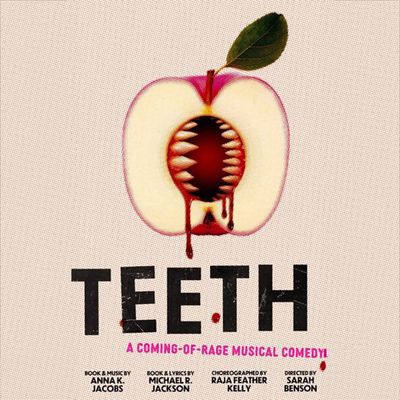
[20:39] Michael R. Jackson: And then I have like another musical I'm working on called Teeth with my collaborator Anna K. Jacobs, and that's like about you know a lot of female issues of which I'm not female, so that's part of why the reason why I was collaborating with Anna on it. But there's a thing inside of it that's about sort of like religious sexual repression, and that's very much a part of my story. And that's what I connected to when we decided to adapt the film into the stage version. So there's always gonna be a little bit of of the personal and to some degree or another in whatever I do. Um it's just it depends, but the angle is gonna change.
[21:22] Harrow Sansom Thesis: We didn't have a question about it, but in in the future, I definitely want to talk more about Teeth because there needs to be more horror musicals. So it's just my take.
[21:32] Michael R. Jackson: This is the one where like there's teeth in a vagina, right?
[21:35] Michael R. Jackson: Yes, absolutely. Correct, vagina dentata.
[21:38] Harrow Sansom Thesis: Amazing.
[21:40] Michael R. Jackson: I mean, I yeah, I cannot wait for that. So I'm thrilled to hear that y'all are still working on it. That's great.
[21:46] Michael R. Jackson: So also going back to A Strange Loop, um, you mentioned in a recent interview that quote, church is the first place that you learned theater. So, how did you queer the form of gospel uh for A Strange Loop for those scenes that are gospel-driven?
[22:02] Michael R. Jackson: Well, you know, in A Strange Loop, part of the project of it, part of the project for the trench loop is trying to for an audience create the experience of what it is to be Usher, like what it feels like, and part of what it feels like to be Usher is to be in a religious environment and both like be, you know, thrilled by like the musicality of it and the sort of passion inside of that, but also to be persecuted for his sexuality and that for both of those things to be in concert. And so I guess you could say I queered the sort of religiosity by creating uh an event wherein the audience is invited to clap along to a really um negative message about AIDS. And in so doing that, they're given a choice.
So they don't have to do it, but some do and they realize and they they stop or they they start doing it and they stop, some don't start at all. They're all looking to their neighbors to for a cue as to what's allowed. Some are getting angry at the choices others have made, some don't care, some are, you know, they're everybody has a different point of entry into that particular moment when they're clapping along to the song "AIDS is God's Punishment." And that for me is the queer experience of what it's like to be in particularly, or specifically for me, a Baptist church, but in any sort of evangelical or Pentecostal church where there's like beautiful music and sort of uh hateful ideology operating at the same time. And that seems pretty queer to me.
[24:02] Harrow Sansom Thesis: Yeah. I was saying we talked about this for like maybe 45 minutes yesterday.
[24:07] Michael R. Jackson: This clapping moment specifically.
[24:10] Harrow Sansom Thesis: And I always want like to be very clear about that. I have no judgment whatsoever about what anyone in the audience chooses to do. I believe in the theater that everybody is allowed to have their own authentic response, including walking out. And so for me, I just I like that the show invites people to respond what however feels right to them. That that's really uh for me a very powerful moment, and it is A Strange Loop. It is what that it feels like if you are like a queer person in a church where where there's like hateful ideology. And I and I have I I will say this to the day I die. I do not judge anybody's response to that song at all.
[24:58] Michael R. Jackson: For and then we'll move on from the clapping part. The for the clapping, was that something that you wrote into the script, or was that something that uh came from like directors?
[25:07] Michael R. Jackson: Um that is definitely I did write that into the script. I don't think I knew whether the audience would do it or not, but I did write into the script.
[25:17] Harrow Sansom Thesis: Yeah.
[25:18] Michael R. Jackson: And it feels like you're you're like breaking the rules of what happens in church and and thinking about rules. Um were there any that you had to like give yourself permission to break with the show while you were working on it, and then also when it was almost closer to to finished?
[25:37] Michael R. Jackson: Um I don't know that I had to give myself permission to break rules because in a weird way I was trying to like follow them. I like I whole the whole time I was working on it, I was like, what does Usher want? He has to want something. There's gotta be an I want song somewhere. Like I definitely followed that. Like that's real. And I was like, there has to be rising stakes, there has to be like I I wanted to create something that had dramatic integrity that wasn't because I because that's why I didn't do the like fast food town version where I was um I was doing it because I was like, oh, that's just like a cabaret act or like a one-man show. And I have respect for those things, but that isn't what I wanted it to be.
I wanted to feel like it was an actual musical. Whatever that I mean, I knew it was gonna be not a conventional musical, but like I wanted to feel like you wondered what was gonna happen. Um and so as far as breaking the rules, I guess like breaking the rules in terms of content, language. Um I've always, you know, I've been writing not necessarily uh theater, but I've been writing words since you know I was like 11 years old, like fiction, poetry, whatever. And I've always been a bit of a saucy writer. Um, so that's always come with with me. But like I and I and I guess trying to push the boundaries of form for sure. Like I knew, but I also knew, but I was also in conversation with other musicals that I love.
[27:13] Michael R. Jackson: So there's it's a little yin and yang, I suppose, with that of trying to sort of push the boundaries of the forum, but also to celebrate it. It's a big black and queer ass American Broadway show. It's not a big black and queer ass American anti-Broadway show. It's like Broadway, Brazzle Dazzle. I love that stuff. And then also we've been following on Instagram, we've been following on Twitter. We've seen a lot of notable fellow Broadway folks coming to see the show and some stars. So is there anyone in particular that you are excited to have come see the show? And we have to ask, has Liz Fair seen it? Is there plans for that?
[27:54] Harrow Sansom Thesis: So wait, do you mean are there people who I'm excited who have come to see it or people who I want to come see it? If you want to shout out some folks who have already seen it, that would be great. And then any uh people that you hope will come see.
[28:05] Michael R. Jackson: And you mean like Broadway people specifically or could be Broadway, could be more mainstream celebrities. Um whatever. Alan Cumming, one of our co-producers, came and seen the show it. Um Patty Murin, who the cast has this weird, funny little fake beef with. Um she came inside. That was something that the Gan like with them, like I only heard about it after the fact, and I was like, that's so weird, but anyway, she came inside. We're gonna look into that. Um yeah, it you'll find it. It's all love. It's all it's all it's totally all love. It's just it's a funny, weird thing that I was I when I heard about it, I was like, uh, okay. Um also some Tally Sessions came last night, I think, or two nights ago.
So Andre de Shield's been. Oh, I've got a shield. Oh, that's right. Andrea de Shields came to open it. Oh, right, opening night. Audrey Shields was there. Lilius White was there, Leshans was there. So it was really great to have those. Like they're like kind of the grand dames and elder statesmans of uh theater, and uh, and so I was happy to have them in the mix. Uh Queen Latifa was there. Wow, oh my gosh. Tandy Burris from Real House of Atlanta was there. Uh Stacy Abrams was there, although I didn't know I didn't I didn't see her, but she was there.
[29:34] Harrow Sansom Thesis: Oh my gosh. I just started reading a new book about Buffy the Vampire Slayer, and the first section is an interview with Stacey Abrams about Buffy, and I lost my mind.
[29:43] Michael R. Jackson: Oh, yeah, apparently she apparently she's like a big like not just Buffy, but she also wrote like these like romance novels.
[29:51] Harrow Sansom Thesis: Oh she said she's a good Star Trek fan too.
[29:54] Michael R. Jackson: Yeah, and she she was on Star Trek recently. Like whatever one of the Star Trek that's on, I don't know on what channel or whatever, but she was on. Yeah. Um a lot of like a fair amount of people have come. Liz Fair has not seen the show, but she is very aware of it. Um I met her in 2019 during the playwrights run, and I had a beautiful conversation with her backstage at one of her concerts, and it was really, really awesome. She's a really really c wonderful person.
[30:27] Harrow Sansom Thesis: That's great to hear. Uh so Strange Loop is partnered with GLAAD and the Hedrick Martin Institute to increase access to the show for queer youth. And what does it mean to you to have these folks coming to the show and what has their response been?
[30:42] Michael R. Jackson: It's been really wonderful to have like young, queer folks coming to the show, some of whom are like, you know, theater students or and some who aren't. Um and they just to hear them express like that the sh what the show means to them. I remember being like a younger person and like not in like the first time I saw something that really meant something to me. It's like an it's it's great, like to have something that like you get excited about that like kind of makes your heart race a little bit. And so if my if I was able to make something that was that for somebody else, that like I could die happy, that like that they have something that they can feel good about. There's so it's so there's so few things in the world sometimes that you can feel good about that like if a piece of art can and music can be that for like a young person, then God.
[31:38] Harrow Sansom Thesis: Yeah. Is there anything that you you wish that that the the next generation of musical theater creators could have that maybe you didn't what would that be?
[31:48] Michael R. Jackson: Well it's weirdly something that I had but didn't realize that I had which was fearlessness and a sense of of risk taking um I you know I didn't I do I do worry about some of the young young artists today just because of the state of the world the culture is so much is about sort of um what is that thing that they do for chip for babies where they put the locks on everything? Baby proof baby proofing I feel like there's a lot of baby proofing for young artists and I feel that that is a mistake and that we should not baby proof so much. I understand that everybody has their own feelings about quote unquote safety but I but I do think that art needs to be about exploration and freedom and I sometimes feel like young artists are not being um given the tools to be free in their art and that so that's something that I really strongly strongly would like to offer with like all kinds of compassion to artists is that to to be fearless and to take risks and to be free.
[33:14] Harrow Sansom Thesis: Great advice. Thank you. And we're moving to a part of our show we call Queering the canon. It's when we think about a play or a musical from theater history that we would like to change and make queer. So is there a work that you would personally like to either see queered or write the queer adaptation yourself?
[33:35] Michael R. Jackson: Huh. Um I think that I would like to see the queer version of what? Like maybe. I mean, I feel like so many things I like already are queer. So what would I want? So I think maybe I would queer something like um oh I queer like an August Wilson play. Like uh I queer like um fences.
[34:09] Harrow Sansom Thesis: How would you queer fences? I want to hear more.
[34:10] Michael R. Jackson: I don't know. Maybe like Troy and the Sun would like buck or something. I don't know. I'm just making I'm not saying that because I thought deeply. I'm not saying that because I thought deeply about this. But I used to always so like when you're when I was a young playwright, like in undergrad, I would write the same things like over and over again. And I was constantly writing, and I kind of it weirdly did it in a strange loop. I was constantly writing about fathers and sons like who would have sex or who would accidentally have sex or like wanted to have sex or there was sexual tension or whatever. Like there could be something to like doing that in fences. I don't know how I d again I have not thought this through on any level, but I think especially just because August Wilson is such a like straight man in his work, you know, and the men are like straight men, that like it would be cool to queer that somehow. I don't know how I would do it.
[35:12] Harrow Sansom Thesis: Yeah. The tension's there though. I don't think it'll be hard for you to add.
[35:16] Michael R. Jackson: Yeah, no, like the speech that the son gives to in fences where he's like, you know, Dad, you don't like me. Yeah. I want you to like me, you know. And he's like, why do I have to like you? Right. Yeah. Um there. It's a great gem. I don't think his I don't think it's the state would like stand for that, but you just asked me the question and I answered it.
[35:38] Harrow Sansom Thesis: No, that's what it's here for.
[35:40] Michael R. Jackson: Right. Yeah. I love a queer rose too.
[35:42] Harrow Sansom Thesis: Oh, yes. Make them all gay.
[35:46] Michael R. Jackson: So our next section is the queer culture rec. So outside of theater, what's your queer culture indulgence? It could be like TV, books, uh, an event.
[35:56] Michael R. Jackson: So I this is not gonna be a satisfactory answer, but because I'm not watching any queer or any outwardly queer culture stuff right now, but I am watching um Murder She Wrote.
[36:10] Harrow Sansom Thesis: Oh, that's queer.
[36:11] Michael R. Jackson: Quite a lot. So, all right, so if that's where like I just I love it. I love like I start I never watched it as a kid. My mom watched it, but I started watching it at some point during the lockdown or whatever, and it is and I can I basically as much as I can I watch an episode every night before bed, and it is so good. It's so good. And it and it is weirdly queer too, because there's all these amazing one of the things that's so amazing about it is that there's these like incredible guest stars of either pe golden age sort of people who in like 1985, 86, whatever, they were either like golden age people from like a long time ago who were like doing like like uh like uh I mean I don't it wasn't he wasn't one of the people but like somebody like Lillian Gish as like an old woman on Murr she wrote would be on there. Again I don't think he he wasn't one of the guests but someone like that. But then also it will be people who now are very old much younger on there so it would be like you'd see like Kate Malgrew.
[37:22] Harrow Sansom Thesis: Oh wow.
[37:23] Michael R. Jackson: Or like or like Donna Pescow or like just some random like some person you're like oh my god that's a young Anne Nira. Uh huh like I just watched an episode with Anne Nira and it's like that and it's just and you watch that plus Angela Lansbury is like in the middle of it and it's just it's the pleasures of it are just boundless and endless.
[37:46] Harrow Sansom Thesis: I haven't seen it since I was a kid but I I should revisit that's awesome.
[37:50] Michael R. Jackson: I think everyone should watch it it's so good.
[37:53] Harrow Sansom Thesis: Is it very like uh Scooby Doo like you it kind of hits the same beats every time or every episode is exactly the same.
[38:00] Michael R. Jackson: I mean in terms of like there's a murder Jessica is just happens to be in town or it's in Tabacode and there's a murder we think it's one person we think it's another person but really it's this other person. And Jessica figures it out. But that's part of one of the many pleasures of it. It's not draining your energy the way these binge watches do because it has a beginning a middle and an end and then the next episode is as if the episode before it did not happen.
[38:31] Harrow Sansom Thesis: I absolutely love it.
[38:33] Michael R. Jackson: Mm-hmm we love a tie-up.
[38:35] Harrow Sansom Thesis: That's great. And then uh one of our last sections for queer gives. So we like to ask folks if there's a charitable organization, a mutual aid fund, or um another group that you'd like to shout out for us to uplift and support.
[38:49] Michael R. Jackson: Um I'm always trying to encourage people to give money to the musical theater factory just because I owe so much to them for giving me like my initial little hub to work on a strange loop. And there's not a lot of organizations that uh support the development of new musicals, and so any time I can do that, I would encourage people to give resources to the musical theater factory.
[39:17] Harrow Sansom Thesis: Awesome. And how can folks follow you? Follow for updates on what you're doing next.
[39:22] Michael R. Jackson: Uh, you can you can follow me at um on Twitter at the Living MJ, as in Michael R. Jackson, The Living MJ, on Instagram at the Liddy Michael Jackson. My website is www.theldymichaeljackson.com. I'm I'm pretty contactable.
[39:40] Harrow Sansom Thesis: Well, thank you so much for being here with us.
[39:42] Michael R. Jackson: Thanks for having me.
[39:43] Harrow Sansom Thesis: Thank you again.
[39:44] Michael R. Jackson: Thank you. Of course, I was happy to speak with you.
[39:47] Harrow Sansom Thesis: Thanks for listening. If you like, please follow, rate, and review us, and share us with your friends. You can find us on Instagram and Twitter at Thesis on Joan. We love to hear your queer culture backs and ideas for clearing the canon. Send us an email at thesis on joan at gmail.com or leave us a voicemail at 845-445-9251. Come back for more interviews, fun, queer content, recommendations, and discussions on current theater. Until next time, keep it queer. Not that it'd be that hard for y'all to do.
[40:23] Michael R. Jackson: Can I ask? Did you and forgive me if you've said this before, but did you actually work at the Lion King?
[40:28] Harrow Sansom Thesis: I did. I ushered there for four years.
[40:30] Michael R. Jackson: Oh wow. I I worked I sold merch there for a summer.
[40:33] Harrow Sansom Thesis: Oh wow. That was in tw 2008.
[40:37] Michael R. Jackson: That was probably right when I got fired.
[40:39] Harrow Sansom Thesis: Oh wow.
© Broadway Podcast Network, All Rights Reserved