

Join Meghan and Harrow as they sit down with Tony Award winning producer extraordinaire Sally Cade Holmes as she navigates producing in the age of digital theater... Read More
From the show: Thesis on Joan
Featured Shows

About
Join Meghan and Harrow as they sit down with Tony Award winning producer extraordinaire Sally Cade Holmes as she navigates producing in the age of digital theater. We talk about our mutual love of drag kings, why strong female characters in musicals are probably queer, Harrow's go-to fourth date spot in 2014-2015, the need for queer mentors, and living in the discomfort in 2020.
Support Sally Cade!
Instagram - @sally_cade
Pickle the dog - @pick1e__
Sally Cade Projects:
Gender And Family Project - @GenderAndFamilyProject
Support Justice!
Queer Gives - Marsha P. Johnson Institute
Support Us!
Instagram - @thesisonjoan
Twitter - @thesisonjoan
Email us at thesisonjoan at gmail dot com
Queer Culture Recs from Sally Cade:
The Jungle Upstairs - @thejungleupstairs
Additional Mentions:
Junior Mintt - @juniormintt
Lou Henry Hoover - @LouHenryHoover
Switch n' Play - @SwitchnPlay
Transcript
This transcript was automatically generated and might contain errors.
[0:07] Harrow: Hey everyone, welcome to Thesis on Joan.
[0:10] Meghan: I'm Meghan, she/her.
[0:13] Harrow: Thesis on Joan is a podcast dedicated to amplifying voices from the LGBTQ+ community in the New York performing arts scene and examining the industry from a queer perspective.
[0:24] Meghan: Join fanqueers and theater professionals, me and Harrow, as we sit down with groundbreaking theater folk, from Brooklyn cabaret performers to people backstage and on Broadway.
[0:34] Harrow: For many queers, theater has been an escape.
[0:37] Meghan: This podcast looks to have open conversations on where we've come from and where we're headed as a community while queering the canon along the way.
[0:47] Harrow: Today we're so excited to be sitting down with someone whose work you can see on Broadway, Off-Broadway, and beyond.
[0:52] Meghan: Theater producer extraordinaire Sally Cade Holmes.
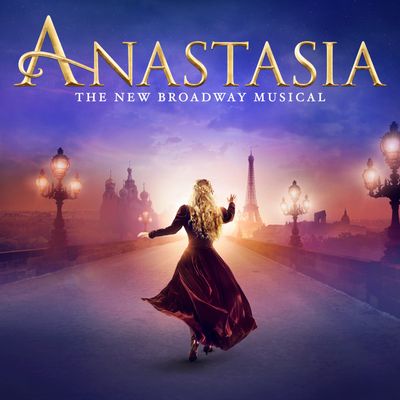
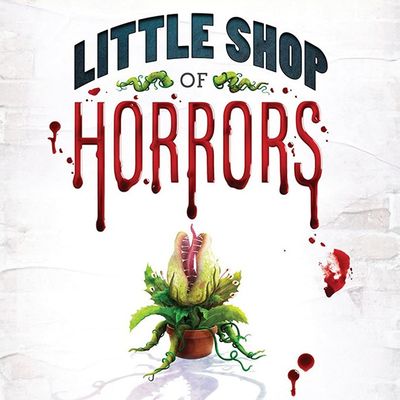
[1:01] Harrow: Sally Cade Holmes is a Tony Award-winning producer committed to making challenging and innovative entertainment with broad appeal. Her Broadway credits include Hadestown, The Inheritance, Frankie and Johnny, The Claire de Lune, and Anastasia. Her Off-Broadway credits include Little Shop of Horrors and Puffs, or Seven Increasingly Eventful Years at a Certain School of Magic, which we worked on together. Sally Cade also works at the Oregon Shakespeare Festival as a New York City line producer for their Play On initiative. Additionally, she spent five years as the associate producer at Tom Curtihy Productions. Prior to that, she served as the producing associate at Williamstown Theater Festival.
Other companies that she's collaborated with include Rattlestick Playwrights Theater, the Theater at Boston Court, Keen Company, Speakeasy Stage Company, Sanse Productions, and Theater Works USA. She is an associate member of the Broadway League and Women's Project Theater Lab Mentor. Welcome, Sally Cade.
[1:57] Sally Cade Holmes: Thanks for being here. We try and ask all of our guests to introduce themselves with their name and their pronouns and however you want to share of how you identify.
[2:08] Sally Cade Holmes: Cool. My name is Sally Cade Holmes. My pronouns are she, her, hers. I identify as a lesbian or queer person. Depends on the day.
[2:22] Meghan: Nice. Understand that. So where have you been since the Broadway shutdown? And how have you been keeping busy since that all happened?
[2:31] Sally Cade Holmes: Oh yeah. I am sequestered up in Washington Heights. I'm very happy I stayed in the city in a lot of ways. A lot of it feels like a lot of my colleagues have left and gone to stay with their family or just gotten out of the city. And it feels like just a kind of a seismic moment to be here. So I'm really happy that I stayed. I'm sequestered with my dog, Pickle. He's great company. Our conversations get longer and longer by the day. He hasn't started talking back yet. I think that'll be a red flag when it does.
[3:12] Harrow: I'm surprised that you just don't read his mind and you know.
[3:16] Sally Cade Holmes: It happens.
[3:18] Harrow: Uh yeah, it does. He has very soulful eyes that you can read.
[3:24] Meghan: Now we need to like how old is Pickle? What kind of dog is he?
[3:27] Sally Cade Holmes: Well, Pickle is just over a year old. He's a mix between an Australian Shepherd and a poodle. He's amazing. He is on Instagram, at Pickle, but the L is a one. So, like if you want to find him, immediately going to follow after this.
[3:45] Meghan: Yes, me too. And also, I literally got a mini Australian Shepherd puppy two days ago.
[3:51] Sally Cade Holmes: How are you recording this?
[3:54] Meghan: My girlfriend is full-time babysitting in the other room because psychopath, but like the cutest thing ever. She's so beautiful.
[4:01] Sally Cade Holmes: Quarantine has made Pickle have some separation anxiety issues now because he has been with me, like non-stop. So I go down to do my laundry, and it's like I've left to go to Calcutta and never return. Like oh, poor Pickle.
[4:19] Meghan: But like I'm gonna have the same anxiety Pickle has when we all have to go back to that. So yeah. And as far as, yeah, as far as work goes, I've been, you know, all of my shows are paused. So I think like all of us, we've been getting really scrappy, and I've been thinking a lot about like what makes theater theater, and I've been hesitant to ascribe that word to what I'm doing right now on Zoom and on all of these other platforms because I'm not sure it actually is, but I'm having fun creating it, and I'm having fun exploring new modes of storytelling.
[5:00] Meghan: That's awesome. Are any of those projects coming up or that you want to share what they are?
[5:05] Sally Cade Holmes: Oh my gosh, yes. So I did with Play On Shakespeare, which is an organization I work with, they did 10 what we called first reads sessions. So it emulated like the first time a company sits around the table and reads a script. So the stakes are supposed to be low, it's supposed to be discussion-based. And we did several of Shakespeare's plays. It was really cool. And then another one that I'm doing is actually a digital gala for the Gender and Family Project. It's called Night of a Thousand Genders. It's coming up in September. Follow Gender and Family Project on social media, and everybody should tune in because it's going to be spectacular.
[5:51] Meghan: That sounds awesome. Yeah, more jumping into your producer work. When did you realize you wanted to be a producer? And was that a role that you sought out? Or did you feel it like kind of fall into it out of necessity?
[6:04] Sally Cade Holmes: Yeah, no, I did not seek it out. I didn't know it was a thing. I so I went to university and I was a theater generalist. That's in air quotes, because I didn't know what that was. Nobody knew what that was. They were just like, I went to the University of Evansville, love them. But they were like, We want you to go here. I don't think they thought I was good enough to be a BFA actor, so I was like, I want to go there, but can I be in the musicals and still be a generalist? And they were like, sure. So I studied a little bit of everything in undergrad, and I also got a minor in religious studies. So I kind of came out of school with this kind of broad idea of storytelling and how to make theater.
And when I got to New York, I thought I wanted to be an actor still, so I auditioned a lot and then realized that was not for me. I'm a bit too much of a control freak to do what those miraculous humans do on a daily basis. Actors, I salute you. And at the same time, I had started a theater company with some friends, and there wasn't really a role for me in the show that we were doing. So I was like, well, I'll just do everything else that needs to get done. And on opening night, I had kind of like a meltdown, being like, I don't know what I've done. I can't touch anything on stage that I built. And my friend who was a scenic designer was like, shut up. You are the reason you were like the glue that held everything together.
It was at that moment that I was like, I think that might be my superpower, and I think it might be called producing. So then I kind of dove in headfirst to that. And I thought the only path was in the nonprofit world for a long time. So my word for producing at that point was I want to be an artistic director. So I kind of explored that. And then I fell into the commercial world and I got really, really passionate and excited about it. Yeah, so that's how I definitely fell into it. I don't know that it was like out of necessity. I think I discovered it and then discovered it's what I love to do.
[8:28] Harrow: It's like you have the power inside you all along.
[8:32] Sally Cade Holmes: I never knew.
[8:32] Harrow: Yeah, which I think is a problem though. I feel as though I'm kind of on this crusade to introduce producing in higher education as like a field of study, because I think that I mean, look, the people who are producers are fairly homogenous looking. And that's because I had the privilege to kind of flounder for a bit and find this career path that I love desperately. But if it were presented as an option earlier on, and we actually had support systems in place to train producers, I think it would open up a lot of potential for different and necessary and urgent voices to be included.
[9:18] Meghan: 100%. And especially like it's, I don't know, I want to say, yeah, I'll say courageous to go into commercial producing because it's like scares me shitless sometimes to think about like the risk. And so, like you, a lot of times when I think of producing, it's like this is clearly a nonprofit role. So having the ability to learn producing in a commercial sense too is even more rare than like kind of learning that path, the artistic director.
[9:46] Sally Cade Holmes: And I got completely like right place, right time. I was afforded the opportunity to do an internship at Williamstown Theater Festival, which led the next summer to me being the associate producer there, which led to me meeting my friend and mentor Tom Curtihy, where I worked for five years, and he's still very much like my mentor and dear friend. But that's just because I was where I was when I was. And I feel like a lot of that is attributed to my privilege. And I want, I feel like we should figure out how to crack that open a little bit.
[10:25] Meghan: Yeah, absolutely. Would you still be interested in going the artistic director route? Or are you pretty solidly in commercial theater?
[10:34] Sally Cade Holmes: Here's the thing. I found commercial theater and I fell in love with it, and I fell in love with this idea and the structure that I start a company whose only mission is to do that one piece of art. Like that to me is so exciting. Rather than, you know, a nonprofit, you have your mission, and that's great, and you have to serve your mission, and every piece of art has to serve that mission. But I think to me, I like that model of like, I'm going to focus on this one piece. I'm gonna do everything in my power to make this one piece what it needs to be. As far as audience goes, I am passionate about telling stories that are definitively entertaining, but that like pull at the little inside brain strings of audiences to make them question themselves or their inherent bias or who they are 12 hours later, 12 years later, you know, like so.
I want to do that to as many humans as possible. And Broadway is the biggest stage, commercial theater is the biggest stage, touring productions are the biggest stage to do that. So those are all of the reasons I just really love it.
[11:58] Harrow: I love that through line of the idea that the work that you're interested in is something that's gonna really stick with you. Do you have like some examples specifically from the shows you worked on of like kind of those inherent messages or meanings?
[12:12] Sally Cade Holmes: Yeah. So like I feel like Anastasia was my first Broadway show. I was a fan of it. I was just a fan of the property forever since I was a kid watching the cartoon. Um, and I'm sorry, the animated film, not the whole proof. Yes. Please. And I feel like that show in particular, I feel like it didn't get enough love, but I feel as though it was inviting all of these young people in to see this show, where the main character chooses her own destiny in a way that is not choosing the princess role. Um, and I think that is actually kind of subversive in a lot of ways, or it can be deconstructed as subversive. Not a lot of people did that. Um, but that's how I that's how it resonated with me. And I think that's how the cartoon resonated with me when I was a kid.
Even though she does go away with her love interest, she is like shunning something else that is, you know, something that little girls are taught to want to be a princess. Um, so that's one way. Like it's overtly entertaining, but I hope that in the back of people's mind they're deconstructing it even in a subconscious way to do that. And Hades Town, good lord. It's, you know, you go, you have a blast, and then hopefully, like in the next week, you're like, oh, was that about the unraveling of capitalism and the problems with the rust belt? And like, you know what I mean? Um that's so those are those are a couple of examples of what I hope my work does.
[13:56] Meghan: Yeah, well, just based on those two, yes, successful. And also, I know Holly and I are both such big fans of Puffs. I mean, I got to like work on it, and it's just like talk about something that seems like frivolous entertainment, and then at the end, you're like, man, they got me with a message.
[14:13] Sally Cade Holmes: Yeah. Oh. Oh, I was a mess every time I saw that show. My dear friend from University of Evansville, actually, Kristen McCarthy Parker is a director of Puffs. And we have a Zoom call right after this, actually.
[14:28] Meghan: Oh man, I didn't realize that's how you got involved with Puffs was through Chris.
[14:32] Sally Cade Holmes: It was through a lot of ways. So I knew about it through Kristen. And then I met with the lead producers, and they were looking for producers to come on when they were transferring over to New World Stages. And I was like, me, me, I will, I will help. Um Kristen's awesome. She's one of those directors that I'm like always looking for name. I'm like, whatever she does, I know I'm gonna like really love.
[14:57] Meghan: Oh my gosh, yeah. I think you kind of answered my question. Holly, do you want to jump to the next one?
[15:03] Holly: Uh are there some artistic collaborators you found to be champions of queer voices, especially? And have there been any cultural shifts in how LGBTQ people are able to access theater spaces safely?
[15:18] Sally Cade Holmes: Oh, there's so much to unpack. Um I mean, yes and no. Uh I feel that we're having this conversation, and we have to like acknowledge the underlying fact that cis gay men rule the industry. So, like in that way, it is a very queer friendly space. And like I, as a cis gay woman, have been very welcomed in. And, you know, in a lot of ways, you know, I know the role that I play as a minority in that context. And I love it. And yet it comes with challenges and it comes with things that I think hopefully we're all looking into right now, especially in this moment of revolution and Black Lives Matter, like the fact that intersectionality has to be the way forward. I don't know that it's been that. Actually, it has not been that. I will say that. So we know it has. So in that way, I'm really excited for the future if everybody does their work, which they better. So, yes and no, that's my answer there.
[16:48] Sally Cade Holmes: And then, you know, like the artistic collaborators who have been champions of queer voices, like like Tom Curthy is my mentor and has taught me, like, I was he is a champion of the LGBT center in New York. So I was there when Hillary Clinton said baskets of deplorables. Like I was there, I was able to meet Edie Windsor like he opened so many doors for me to understand the queer community in the city. Um and then, you know, we did a reading series at the center and did it specifically curated for their constituents. So in that way, like he is a fantastic champion of queer work. Uh and then, you know, the nonprofits that are in their mission doing the work of bringing LGBT, you know, stories to the forefront. But you're right, still a long way to go.
[17:44] Meghan: Yeah, and I do think it's a I think there's a shift, I think there's a shift happening. Um do you feel like that is coming from a heartfelt place or more of a oh this is being demanded of us and now we have to show our receipts kind of place?
[18:00] Sally Cade Holmes: Does it matter? I think eventually, yeah. I feel like a lot of it does matter. Yeah. Yeah. I mean, I think that I think that if the people who will be in power eventually are able to, you know, continue to ask those questions. I do think that the younger generation of theater professionals are asking these questions. Yeah, like all of my colleagues are true, at least as far as I know, are truly looking inwards and unpacking what we have inherited. Um and I have hope for the future. And you know what? If I'm keeping those receipts, like I will read them to you if that is required.
[18:51] Sally Cade Holmes: Well, yeah, I think there is like a sense of whatever gets it started, but hoping that eventually it's a genuine, but also like so many things in theater, this is terrible to say, I'm like, sometimes we just have to wait for like the next wave of people to have the jobs.
[19:06] Sally Cade Holmes: I think it's I think it's both. I think it's both, yeah. Yeah, yeah. I mean, the people who have been holding the power for so long, just they have enough money, you know, you can step aside, you can have your voice heard. And and uh that doesn't mean I'm not going to fight to also get them to see, you know what I mean, to to ask the right questions and also. And also uh play it strategically, right? Like just being strategic about when and how the questions are asked to get them to see. That's my I'm from the South, and that's just what you have to do to effectual change long term. Find your way in and then point out what's wrong.
[19:54] Sally Cade Holmes: Yeah, and and in a way that mirrors the type of work that I do. Like, come on in, see my really entertaining show. I hope it changes you on a DNA level. Like you won't even realize it until it has. I mean, I enjoy a lot of the same privileges as oh my gosh, sorry, a giant turkey just walked in front of my window. That's nuts.
[20:21] Meghan: Okay.
[20:24] Sally Cade Holmes: It's two and a half feet tall.
[20:27] Meghan: Okay.
[20:29] Sally Cade Holmes: That has to be the title of this episode.
[20:34] Meghan: Oh my god, it's so big.
[20:36] Sally Cade Holmes: Wow. Where are you?
[20:38] Sally Cade Holmes: I'm at my girlfriend's mom's house in North Carolina. And I'll be back in the heights this weekend, but whoa boy, I hope the dog isn't out in the back. Um let me text a warning right now. No once in a lifetime podcast occurrence. But yeah, oh, I remember what I was gonna say. Um, but like having the same privilege as someone that's often welcomed into the conversation. I think that's something I often challenge myself with is like you're in the room now, so try to be brave enough to say something about it because there's a lot of people that aren't in this room yet, and they need you to talk.
[21:14] Meghan: So yeah, same.
[21:16] Sally Cade Holmes: Yeah, it's been a journey of like trying to find my voice, and I think I get into a lot of spaces because of that model minority myth, and yeah, just being able to stand up to people in power is so hard.
[21:29] Meghan: Yes, and we are and I do feel I have been conditioned not to do that, to like follow the rules and to you know be uh be the person that you know your parents wanted you to be, and blah blah blah blah blah, and it's actively seeking to poke that in the face and be like, no, I'm not gonna do that. I am gonna speak up. I am going to break these rules um in a way that furthers the greater good, because that's what we want. That's what I need to wake up every day and be like, break the rules for the greater good. That'll be my new mantra.
[22:08] Sally Cade Holmes: Or mine is mine is actually in this moment, like live in discomfort. Own the discomfort because that is like that is how we grow. That is how we unpack our internal bullshit. Can we cuss on the show?
[22:24] Meghan: Yes, yeah.
[22:25] Sally Cade Holmes: Okay. Um, like that is just I might I need I need to get a like tattooed on my forehead. I will say quarantine has made me like desperately want more tattoos. Do you have any?
[22:39] Meghan: I do. I hope my mom doesn't listen to this though because she doesn't know about it. Um I do have one. Yeah, it is actually it's tied to a question you're gonna ask. Um, which it's it's it's like not a basic Peter Pan tattoo. Like it actually is very thought out and based on one of the original illustrations, and like it's not a Disney silhouette of the children flying. Um but yeah, anyway, we'll get to that eventually.
[23:13] Sally Cade Holmes: All right, I cannot wait for the reveal. Good setup.
[23:17] Meghan: Oh my god. Um so we talked about Kristen a little bit, but is there some like dream directors or writers that you would eventually like to work with or produce their work who you haven't had a chance yet?
[23:33] Sally Cade Holmes: All of them, no. Okay, so I made a list because I'm a Capricorn and I came in prepared. Uh okay. So at the top of the list is my dear friend Danetta Lavinia Graves, who is a spectacular playwright and creator and storyteller and performer. Um she is also from South Carolina. She is a black woman, and I am just obsessed with her voice. I'm obsessed with how I've told her this before, and we haven't, we need to like go get drinks and like actually unpack it, but like how similar our experiences were growing up and how different.
[24:14] Sally Cade Holmes: Um anyway, I'm obsessed with her work. We were in the women's project uh lab together, and yet I've never produced anything of hers. So I really want to work with Daneta. It's time. It is time. Um, I'm also obsessed with the drag performer Junior Mintt. Do y'all know Junior Mintt?
[24:35] Meghan: I don't think I do.
[24:37] Sally Cade Holmes: I'm Googling it now because I'm embarrassed I don't. She is spectacular. And I did, I produced this thing. Oh my gosh, it wasn't. I I need to update my bio. I produced Nubia, which is um eventually going to be a drag tour with some spectacular queens from Drag Race. Um and Junior Mintt actually came to just help out. And she's a friend of a friend. And uh I have since like followed her on Instagram and just become obsessed with her voice and everything she says. And um, so yeah, she's on my list. I'm I'm really interested in how to like queer not only the content that we produce on stage, but also the form. So, like, what is theater look like if it's you know, it's commercial, but it's not in a Broadway space? Like, what is the Brooklyn drag of Broadway look like? What is uh, you know, like that, those type of questions, and that informs kind of the artists that I am excited about. Um I I I do love drag performers.
[25:48] Sally Cade Holmes: I uh I'm also I don't know much, but I'm obsessed with drag kings, and like that the performance and like why they aren't why they don't have as much notoriety as drag queens and the inherent like patriarchal notions behind that and uh yada yada yada, but um I don't know this person, but I follow them on Instagram and I love them. But there's this drag king named Lou Henry Hoover, who is so cool. Um I want to work with them.
[26:24] Meghan: Googling again.
[26:26] Sally Cade Holmes: Yeah, Megan is really following. Um my gosh. Lou Henry Hoover is a spectacular dancer and like a dandy of drag king. And they perform drag with their wife, Kitten LaRue, I think. So it's Kitty and Lou. Anyway, whatever. I love them. Um, I love them. Do you know of any Drag King shows in the city? Because I've tried to find them and haven't had much luck.
[26:50] Meghan: They're all in Brooklyn.
[26:51] Sally Cade Holmes: Yeah.
[26:52] Meghan: Yeah. So we've gone to Switch and Play before, Holly and I.
[26:57] Sally Cade Holmes: But that's kind of like I don't know if you saw my face light up when you said drag king, though. I'm just like, I could I could lose a day just like looking at Drag King Instagrams.
[27:07] Meghan: It's yeah.
[27:09] Sally Cade Holmes: Um really is like not as public as it. I I don't I don't know why it's not kind of naturally well, I'm sure there are many ways why we could discuss it, but with drag queens being so popular, it's like you think it would at least come up a little bit more often that it's I never hear people talk about drag kings.
[27:27] Sally Cade Holmes: Yeah, for a while I had this uh I think like bad way of explaining it that I think is wrong, and I think it actually has significantly more deep seated causes. But for a while, I was like, well, in drag queenery, which is a term I just made up, it's like it's it's people putting on something that is societally um seen as more fabulous than whatever they were. Uh and in drag kingery, because of because of stereotypical masculinity, it's almost like going in the opposite direction. Um, but now that we're all playing with what is feminine what is masculine like I feel like the the the can has been opened and there's so much wonderful possibility yeah I love the like drag kings that are also very glam like they have the their moments of like almost like gore and glam yeah it's a lot of there's a lot of there's a lot of gore too in drag kinggery um there was I saw did y'all ever go to you know hot rabbit right yeah there was a there was a drag king situation at the last hot rabbit I was at situation it's like just fill in whatever you imagine that to be it was great that's awesome I've been starting to follow like uh Korean queer bars on Instagram and they do a lot of drag king shows it's very exciting okay y'all there is this is not Korea this is Japan but it made me think of this there is a company that is all women who do do you are you've all you know about it y'all already know about it okay so it's all women and they perform like traditional musical theater but it's all women I saw their Chicago yes where it was here it was hi in Japan Holly I knew you then too I should have like brought you along.
[29:46] Sally Cade Holmes: It was like an off thing. Like my one of my friends got a ticket to it and I went, it was incredible. It's they did Chicago, like the musical Chicago. It was at Lincoln Center. And they do this like whole like heart throb review moment at the end where like all the drag like the kid well they're not drag kings. They're just performers playing male roles. And they come out and like women throw flowers because there was a lot of women from Japan in the audience I'm guessing are followers of the this uh theater troop and they were throwing flowers and like screaming they are rock stars.
[30:08] Meghan: They are rock stars.
[30:23] Sally Cade Holmes: I heard somebody went over to see a show there that company show in Japan and it was I mean it was like they had to stop the show because of the w biological woman playing uh or I should say assigned female at birth woman playing um one of the guy characters like it what the house was torn down.
[30:49] Meghan: Our friendship is over that you did not tell me about that but I'm gonna I'm I'm gonna like check my own receipts and go back and see when that was I'm hoping it was before I knew you because I feel really bad.
[31:03] Sally Cade Holmes: Um the kakarazuka review I just looked it up that's who they are um but yeah like spend a day on YouTube with them.
[31:12] Meghan: It's pretty and it's really cool because they they actually sing the parts too so you have these like you rarely get to hear like a baritone like woman singing all I care about is love right that's what we need.
[31:27] Sally Cade Holmes: It is it is what we need why don't we have it here.
[31:30] Meghan: Yeah, it's crazy.
[31:32] Sally Cade Holmes: Wow. I'm so mad I don't know about this, but I will educate myself for sure.
[31:37] Meghan: Yeah.
[31:37] Sally Cade Holmes: Take some time with it.
[31:38] Meghan: Yeah.
[31:38] Sally Cade Holmes: We just have we just have Mary Martin and Kathy Rigby as Peter Pan.
[31:44] Meghan: They didn't start it.
[31:45] Sally Cade Holmes: This is before all that, I think.
[31:47] Meghan: It goes back a long time.
[31:48] Sally Cade Holmes: Oh yeah, yeah, yeah.
[31:51] Meghan: Sally Cade, why why do you think you're drawn to drag?
[31:55] Sally Cade Holmes: Why do I think I'm drawn to drag? Uh I don't know. I I I don't know. I just I think it's magical. I think it's it's magic in the way that when you're a kid and you're watching theater, you're like, how is all of this happening? It is the most incredible thing I've ever seen. And I feel similarly when I watch drag.
[32:19] Meghan: Also when I saw Darren Brown's secret.
[32:22] Sally Cade Holmes: Different, but my mind was blown. Good testament to why like theater has to be live and experienced in person. That's for sure.
[32:31] Meghan: Yeah.
[32:32] Sally Cade Holmes: Same with uh same. I mean, I I love a lot a live drag show too because it I don't know, there's this energy.
[32:39] Sally Cade Holmes: Oh, also another reason I love drag, and I found this through working with the Queens of Nubia. They are so they have to be so radically themselves and so unapologetically, like could um who they are at all times. Maybe at least that's how they present. And I find that to be so refreshing, and like it allows just being around drag queens and drag kings, makes me feel like I am able to do that. Like I have to be radically myself, or I will get steamrolled. That's usually what happens.
[33:21] Meghan: Wow, that's amazing.
[33:23] Sally Cade Holmes: Uh, are there other theater artists in drag or in theater that make you feel seen and represented?
[33:30] Meghan: Uh and and if not, like what do you want to see then?
[33:34] Sally Cade Holmes: Yeah. Uh I mean, I think that this is probably true for a lot of queer folk. Like that moment when Beth Malone stepped on stage in Fun Home.
[33:48] Meghan: I was a pu I was just a puddle in circle on the square in the square.
[33:54] Sally Cade Holmes: I was like heaving, sobbing. And I think it was this moment where I was like I have never like I I present as pretty femme, but I was still seeing a part of me presented so clearly and so unapologetically that it it like shook me to my core.
[34:21] Meghan: And that's the most visceral like version of that that I've ever experienced.
[34:28] Sally Cade Holmes: I mean just like embarrassing embarrassing cry. Nothing happened.
[34:34] Meghan: Nothing had happened yet.
[34:37] Sally Cade Holmes: Yeah right that should be like a project it's like pictures of yourself during fun home like and we would all just have a different moment where we're just like sobbing there was like a time there's like a colleague of mine sitting next to me that I was with my girlfriend at the time and we had we went to see it and I was like preparing myself for this experience.
[35:00] Meghan: And then, of course, some like professional connection was two seats down.
[35:03] Sally Cade Holmes: And I was like, oh damn we're about they're about, they're about to say a whole nother side.
[35:12] Meghan: Oh man.
[35:13] Sally Cade Holmes: That was on Broadway when I was single. And it's uh was kind of like my go-to like fourth date.
[35:22] Meghan: So we know, oh my god, we know, we know Holly's game.
[35:27] Sally Cade Holmes: Oh my god. One time uh we were doing standing room, and like you stand and you kind of lean on the bar behind the seats, and she had like no idea about the show or the comic and wasn't familiar with it at all.
[35:40] Meghan: And like as the show went on and got more and more intense, she started like backing up from the bar, like further and further away from me.
[35:49] Sally Cade Holmes: By the end of the show, she was like up against the back wall.
[35:54] Meghan: Oh my gosh.
[35:56] Sally Cade Holmes: Couldn't engage.
[35:57] Meghan: Yeah.
[35:57] Sally Cade Holmes: Oh my god.
[35:58] Meghan: So how did that work out?
[36:00] Sally Cade Holmes: Uh I mean, we're not together now, but um, but yeah, yeah, and I just it is uh kind of inexcusable that it took until I was almost 30 to have that moment, right?
[36:18] Sally Cade Holmes: Yeah, like I think I think that's wrong. And I think we should fix that. Um and from what I can tell, the work in development is looking towards a you know more accurate picture of our world. Uh I hope. And I I know I know that the my peers and I think our peers, that's what that's what we're interested in is work that is actually representative of the world we live in.
[36:55] Meghan: Right. I know I'm always grateful that not only was it so well received by like just people in our community, but like all the accolades it got and the attention it got outside. I think Fun Home opened a lot of doors for people and I hope it continues to.
[37:11] Sally Cade Holmes: Yeah. Great. It's the name of this podcast. These are the things. Yeah, here we are. Here we are. Yeah. I'm trying to if I were I want to come on again and come up with another answer to that though. So I get so it's not just about fun home.
[37:27] Meghan: No, I'm totally fine. It's usually just about fun home. So no shame. Um you already talked a little bit about um your connection with Tom and your relationship working with him. But are there any other queer mentors in the theater that um you could name or were there any producers um who kind of led the way for you?
[37:51] Sally Cade Holmes: Uh all of the producers I've worked with for the most part have been cis gay men. So like if you are a queer person who isn't a cis gay man, please get at me. I would love to be mentored by you. That would be spectacular. Um I am very lucky. Uh but I also, you know, you like Lisa Crohn said, you have to see it to be it. And I'm paraphrasing, I'm sure she said it better than that. But I would love to see more. And and if it takes just me like becoming that and being that for somebody else, fine. Um and moments like this, like I I feel as though Megan and Holly, you are now my mentors, and we are going to take over the industry.
[38:44] Meghan: It'll be great.
[38:45] Sally Cade Holmes: Sounds like a plan. Mostly just talking about all women Japanese productions in Turkey. So yeah, that's our platform.
[38:52] Meghan: There you go. So now agreed. And if you find those queer producers out there, please send them our way because we all know who they are either. I mean, I know who some are. I'm just they're not mentoring me yet.
[39:05] Sally Cade Holmes: But they will maybe uh you said in a recent playbill interview that you wanted to create work that is overtly entertaining and all your projects go beyond that, and you've talked about that already a little bit. But what what do you think keeps queer people, especially from allowing themselves to be entertained and to experience joy?
[39:28] Sally Cade Holmes: Yeah. That is a big thing. Oh my gosh. Well, if we're I feel like, and I've thought about this a lot in this very moment, as I'm seeing a lot of my ally straight friends, like grapple with Black Lives Matter and their place in the system of white supremacy that exists. Like, oh my gosh, but they're only straight people on stage. So, like, where am I within this thing? Like, I I am dealing with all of this other stuff inside of me. Um, so I think that, but I also like when I said overtly entertaining, it was what we were talking about before. It's like, I want it to, I want Joe Six Pack from Peoria to be able to come in, see my show, love it, and have that little question nagging at him, you know. Um, so that uh and and you know, like the queers love a big musical number, but I do think if if the show is kind of surface level, it leaves something to be desired sometimes. But you know, sometimes sometimes you just love a good tap number. I don't know.
[41:08] Meghan: I do.
[41:14] Sally Cade Holmes: We can have all those things, yeah.
[41:16] Meghan: Yeah, yeah. We still need to get rid of tap, that's for sure.
[41:21] Sally Cade Holmes: I I tap danced for a long time.
[41:24] Meghan: Yeah, me too. I love it.
[41:26] Sally Cade Holmes: No, do we need to go to a tap class?
[41:28] Meghan: I'm so scared. I want to go to like one in far out Brooklyn because I don't I don't want any Broadway people to see.
[41:37] Sally Cade Holmes: Do you know about Ballez?
[41:40] Meghan: What?
[41:41] Sally Cade Holmes: It's a queer ballet company, and they do like open classes for all levels of people, and you dance to like David Bowie and Beyoncé, and it's like not about technique at all. It's just like, do it feels good to your body. It's so much fun.
[41:57] Meghan: Where is this magical?
[42:01] Sally Cade Holmes: It's in Brooklyn. They have classes in Brooklyn. Um, but they do have online classes too that you could just do in your house with your dog.
[42:08] Meghan: Oh my god.
[42:09] Sally Cade Holmes: Yeah.
[42:09] Meghan: Pickle's definitely queer. He can join.
[42:12] Sally Cade Holmes: Pickle so love it. We'll send you the link. I'm very excited about this.
[42:17] Sally Cade Holmes: As we've been discussing, there is a sad lack of leadership. Uh leader producers who are identify as queer LGBTQ plus. Um, how are you trying to kind of pave the way or mentor some up and coming producers? I know it's a goal of yours because you said it earlier in the podcast. Um, kind of what what are you thinking are the next steps to help make that happen?
[42:40] Sally Cade Holmes: Uh I I mean, I think it's seeing leaders who are a diverse suave of our community. Um so seeing more trans producers, seeing more queer women producers, like I think that's important. Uh and I think that as we're building our leadership teams, it is necessary to think that way. Um I also just like because I can control who I talk to. I like to think in the macro and then realize, okay, I can't change that by myself. It has to be like a massive systemic shift. And then I immediately am like, okay, what can I effectuate? And so for me, I will answer any email from a young producer. Like that is my that is my oath, my solemn oath. Um you heard it here. I I I I will call you. I like it might take me a little while, but I just think that's how it has to happen, especially knowing that like there's no formal way to do this, um, to be a producer. So I don't know. Those are my macro and micro answers.
[44:06] Meghan: Yeah. So baby producers get at Sally Cade.
[44:09] Sally Cade Holmes: Yeah. Find me on Instagram, Sally Undersorcade. Besides like uh besides not seeing folks like them in leadership roles, what are some other barriers that you think our community is still facing?
[44:26] Meghan: Oh, Megan.
[44:28] Sally Cade Holmes: Uh I think there is we don't have time.
[44:32] Meghan: Yeah.
[44:33] Sally Cade Holmes: I I think I think you know how we've all been talking about how the moderate liberal is actually the bane of actual change. Uh I think theater is in that place. Like everybody is well-meaning, everybody is looks good on paper, everybody uh has the right politics, but are they actually looking inside themselves and like changing? Um so I I don't know how to do that other than continue to ask questions that like elicit responses. Um but but that's that's a thing I worry about. Um I think that that is a barrier for people because if it doesn't, you know, if we just keep with the status quo, it's gonna it's gonna look the same, and that's not acceptable.
[45:43] Meghan: Yeah, I think there's a long held belief with many who work in theater that we're already more progressive or doing better work than like the the rest of the world air quotes. Um but what is that actually benefiting? We gotta exam and that stuff. And even if even if the numbers look one way one year, like we uh don't rest on our laurels, y'all.
[46:09] Sally Cade Holmes: Like that we have mm mm. And I think really looking at the numbers in terms of budgets and where we're putting our money behind what we're saying and committing.
[46:20] Meghan: Exactly.
[46:21] Sally Cade Holmes: Yeah. Which which all comes back to like the necessity of individuals to look inside themselves and and look at how they operate within the system, which is hard to make people do.
[46:34] Meghan: Like it's easier to say, we've created an equity, diversity and inclusion office.
[46:40] Sally Cade Holmes: You know what I mean? That's easier than saying, I participate in a white supremacist structure. Here is what I am doing to fight against that. I'll let y'all know when you know I have an idea to help that.
[46:57] Meghan: Right. We'll just keep living in the discomfort until then.
[47:03] Sally Cade Holmes: Oh my gosh, should we should we three get matching tattoos?
[47:06] Meghan: Yeah. I love that.
[47:08] Sally Cade Holmes: As soon as quarantine's over.
[47:12] Meghan: So Sally Cade, in our emails, you mentioned that you wrote a paper in college on queer disconstruction of women characters in musical theater. Please tell us more. What did you talk about? Who are these characters?
[47:26] Sally Cade Holmes: Okay. So in Stacey Wolf's book, A Problem Like Maria, I wrote, it was probably a really bad paper because I was so invested in the ideas that she was espousing that I like didn't add anything to it. I was just like, this is my life. Everything makes sense now. I understand why I love theater. I had a crush on Nellie Forbush. I Maria and the Sound of Music, Total Les, like it uh Peter Pan, duh. My gosh, when Nellie does honey bun, I was always obsessed with that. It's kind of I'm gonna wash that man right out of my hair is a uh impeccably queer. Um I basically just took this amazing book that everyone should read and wrote it and turned it in.
[48:19] Sally Cade Holmes: Um, but no, it was talking about how a lot of these characters, especially like the strong woman, like if you're looking at it in the terms of like a hetero viewer, it's just like a strong woman character who, you know, falls in love, but you know, is different than is other somehow.
[48:41] Sally Cade Holmes: Um, and I think within that othering, uh, like Nellie Forbush is she's she doesn't need a man, she's gonna wash a man right out of her hair. Maria is uh, you know, in the sound of music. She is living amongst all women in a nunnery and is like a tomboy. And then, like, um, I mean, there are a million examples. I'm only talking about the Mary Martin ones, I guess. Um, or even like Gelinda and Alphaba. Like that relationship, soups queer. And uh as uh I that's just like an entryway into theater for a lot of people. Um yeah, that was my first Broadway show.
[49:26] Meghan: Did you think they were soups queer?
[49:28] Sally Cade Holmes: Oh hell yeah. And then I read the book like four times. Oh yeah. So it was like it was like a dog whistle to the little queer babies. Mm-hmm.
[49:39] Sally Cade Holmes: Um and then a funny story. So uh at opening, I told you guys this in an email, but at opening of Frankie and Johnny, um, it was I mean, it was very star-studded. And you know, Audra was there and Michael Shannon was there, and you know, Sarah Jessica Parker was there, blah, blah, blah, blah, blah. I was I was beside myself nervous to introduce myself to Stacey Wolf. Like she was there, I was not okay. I like walked up to her at Sardi's. I can talk, I'm not scared of talking to famous people. My voice got shaky, and I was like, I don't think you realize how important like your book was very important to me.
[50:26] Meghan: How did she react?
[50:27] Sally Cade Holmes: She was freaked out, I'm sure. She was like, Who is this? Oh my gosh. We need her to be our mentor.
[50:37] Meghan: I know. Y'all should definitely have her on the show. She and her wife Jill Dolan, I think they're married. Um, incredible academics talking about the stuff that we're interested in.
[50:48] Harrow: Oh, that's great.
[50:49] Sally Cade Holmes: Yeah. I need to read both of her books. I keep seeing the for good one everyone's been reading.
[50:54] Meghan: Yeah, I've read that one. It's great.
[50:57] Sally Cade Holmes: Yeah. And you wrote this paper in a pre-Fun Home World. So what would be what's like different about it now, looking back at these, like what's changed for the strong female character, and I guess what hasn't at the same time.
[51:10] Sally Cade Holmes: I don't think. I mean, when you look at the history of Broadway, you still associate a Broadway musical with a kinky boots, a big thing. You know what I mean? Like Fun Home, Fun Home changed the landscape in a lot of ways. And I think that the trend is for a smaller imaginative show, like a come from away, like a Hades Town, like uh a band's visit. Um, all of those are, you know, kind of creating this momentum. But when you look back, it's still Oklahoma and MAME and you know, Hello Dolly, and all of these. So for so I I feel like in the future it may shift to be a little more um like overtly queer, but as we're looking back at the canon, it requires deconstruction.
[52:05] Sally Cade Holmes: And I think that's the big change. Like in the future, it might not require as much deconstruction as there's more diversity in creative teams, um, people writing about queer women, um, people writing about trans folk and GNC folk, but looking back, you just you gotta figure out where you fit.
[52:30] Meghan: Was that book written before the color purple too?
[52:34] Sally Cade Holmes: Uh, that's a great question. Um I don't know the answer to that.
[52:38] Meghan: Yeah. I don't know when yeah.
[52:41] Sally Cade Holmes: Yeah, I feel like that show even was pretty straightwashed, and the the relationship between those two women were just kind of passed right over the separate.
[52:51] Meghan: Yeah, and it was yeah, it's kind of like it's not named overtly.
[53:00] Sally Cade Holmes: Oh my god. I saw I saw Cynthia Revo.
[53:04] Meghan: Oh yes.
[53:05] Sally Cade Holmes: I'm not okay. I'm still I'm still not okay.
[53:10] Meghan: But you're right. So like it is straight watch. Like I remember, I think I texted you, Holly, after I left it. I'm like, this is gay.
[53:18] Sally Cade Holmes: I had no idea because I had never seen the movie, I never read the book. I that was my first time seeing the show. So speaking of books, our culture wreck. So outside of theater, do you have any queer culture indulgences that you want to share?
[53:33] Sally Cade Holmes: Do I ever? And do I ever have a list? Um, okay, here we go. I'll try to go through this fast. So I'm I'm an Instagram person. Like I I enjoy following people. I have recently found this account called The Jungle Upstairs, and it's this very adorable lesbian couple who just like have a lot of beautiful plants, and it's just their lesbian life and their plants, and uh I indulge. That's number one.
[54:02] Sally Cade Holmes: Number two. Uh I I know, I know it's tricky, I know whatever, but drag race and all of its capacities, I do love it. I I say this to your viewership. We must demand more trans and gender nonconforming people on that show. Um, but I still love it. Uh okay, so that's number two.
[54:28] Sally Cade Holmes: Number three. I love indulging in queer spaces. Like, take me to Henrietta Hudson, take me to Cubby Hole. Like, it feels I just I just like it a lot. Um that's number three.
[54:47] Sally Cade Holmes: Number four, I have some podcasts. Okay, so really into queerology right now, which is a podcast about queer theology. We love it. We love to see it. I also love making gay history because we gotta know where we came from. Um those are my podcasts right now. I have 17 others. But and then my last one, my last cultural indulgence is the US women's national team, the soccer team. Just anything they do, anything they say, anything they want.
[55:20] Meghan: You're preaching to the choir.
[55:21] Sally Cade Holmes: I I will, I will, I I that is I'll do anything. And in my house, we were referring to Ashlyn and Allie's wedding as the royal wedding for a long time now. The photos, the photos made me weep. It's insane. Um they're pushing out the content through quarantine. Thank God for that. Allie Krieger's brother is an Instagram influencer and he loves theater. And uh he came to see, I think he came to see The Inheritance, and I was like, I must take it backstage if for no other reason to like be one degree of separation from Allie Krieger.
[55:58] Meghan: You're like, things are coming up about your sister. Does she need a friend? I'll move. I'll move to Florida. Totally cool. I promise I'm not creepy. Not weird. Not weird at all.
[56:16] Sally Cade Holmes: So Sally Cade, where can folks find you online? I know you mentioned your Instagram already, but where else?
[56:21] Sally Cade Holmes: Yeah. Um, my Instagram is at Sally underscore Kade. And uh you can go to my website. So as I said, if you email me, I will answer you. And I have a contact thing on my website at Zallycade Holmes.com. Uh and yeah, that's how you can find me. I I would say my Twitter, but I'm never on there. I'm never on there. It would be a lie. I'm not gonna lie to the people.
[56:48] Meghan: Kind of a dark place all the time.
[56:50] Sally Cade Holmes: Yeah, I the only reason I get on there is if I like hear an explosion near my home. I'm like, is anyone tweeting about this?
[57:02] Meghan: Yeah.
[57:02] Sally Cade Holmes: Wait, we never found out about your tattoo.
[57:05] Meghan: Oh, oh yeah. It's it's uh it's Peter Pan.
[57:09] Sally Cade Holmes: It's the origin, yeah, it's on my side. It's fine, it's whatever.
[57:14] Meghan: Is it a silhouette of Peter Pan? Or no, it's the one of the illustration plates from the JM Berry original book. It is a like the little title placard at the bottom with like elements of the illustration within it. It's it's not it's tiny. I need to make it bigger, but you know, it's nice. It was my first one.
[57:40] Sally Cade Holmes: Yeah, and after quarantine, we're all getting matching ones.
[57:43] Meghan: Yeah, we'll start planning.
[57:45] Sally Cade Holmes: Yeah, we're all getting matching sleeves. Live in just live in discomfort. Just like it wouldn't work. We'll find a way to get it on our knuckles.
[57:54] Meghan: Yeah, just several layers of letters.
[57:56] Sally Cade Holmes: Yeah, I think that's gonna look really cool.
[57:59] Meghan: Yeah. Quarantine promises.
[58:03] Sally Cade Holmes: Yeah. All right. Thank you so much for talking with us today.
[59:08] Meghan: Oh my gosh, it was so my pleasure. Any t I will nerd out about queer stuff at give at any any chance.
[59:17] Sally Cade Holmes: Thank you. We will take advantage of that.
[59:20] Meghan: Yeah, thank you again.
[59:21] Sally Cade Holmes: Yeah.
[59:28] Meghan: This week for Queer Gibbs, we're excited to uplift and donate to the Marcia P. Johnson Institute. The Marsha P. Johnson Institute protects and defends the human rights of black transgender people by organizing, advocating, creating an intentional community to heal, developing transformative leadership, and promoting black trans collective power.
[59:39] Harrow: That's okay. Turkeys in the back. Be careful.
[59:41] Meghan: Yeah, they're scary looking. That thing is huge.
[59:45] Sally Cade Holmes: Um my gosh. They can be our mascot. You know, they it was almost the national bird of the United States.
[59:48] Sally Cade Holmes: You can support the Marsha P. Johnson Institute by becoming a member or gifting a membership at Marsha P dot org, which grants you access to their events and programming designed to empower and serve the black trans community. You can also make a donation at MarshaP.org slash donate.
[59:53] Harrow: Oh yeah. Didn't Benjamin Franklin want the turkey?
[59:55] Sally Cade Holmes: Yeah, he was big on turkeys. I mean it yeah. I I feel like they could be interchangeable. That could work.
[1:00:01] Meghan: Um I don't remember what I was gonna say. Um, it was about privilege, as it should be.
[1:00:07] Harrow: Um turkey really for me.
[1:00:11] Meghan: Is there really a turkey there? Were you just like, oh, I don't want to talk about my privilege? That's gonna be my new strategy. Just like, oh shit.
© Broadway Podcast Network, All Rights Reserved