

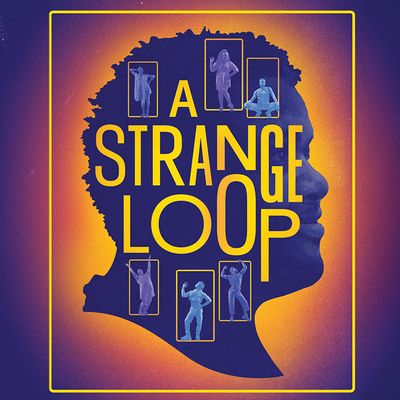
In this episode, Jose speaks to Rona Siddiqui, the Music Director of A Strange Loop. A composer first, as she tells Jose, Siddiqui talks about what it was like to interpret Michael R. Jackson's award-winning music and the elements she played with in both the Off-Broadway and Broadway cast recordings... Read More
From the show: Token Theatre Friends
Featured Shows
About
In this episode, Jose speaks to Rona Siddiqui, the Music Director of A Strange Loop. A composer first, as she tells Jose, Siddiqui talks about what it was like to interpret Michael R. Jackson's award-winning music and the elements she played with in both the Off-Broadway and Broadway cast recordings. Siddiqui also speaks about the importance of honesty in storytelling and who she's looking forward to meeting at the Grammys, where the album is nominated for Best Musical Theater Album.
Transcript
This transcript was automatically generated and might contain errors.
[0:10] Rona Siddiqui: Welcome to Token Theatre Friends. I'm very excited to be talking to you today. So I don't think there's anyone really in, definitely not in New York and definitely not in the theater world who doesn't know A Strange Loop. But for those like two or three people who don't, do you want to tell them what the show's about and what you do in it?
[0:34] Rona Siddiqui: Okay. So A Strange Loop is a musical about a fat black queer man who's writing a musical about a fat black queer man who's writing a musical about a fat black queer man, etc. It takes you through his psychological journey as he is exploring—it's really, it's very meta—and it's about one's own self-perception and where one fits within the communities that they feel that they should be a part of, but maybe have been ostracized from.
[1:14] Rona Siddiqui: And I am the music director and music supervisor.
[1:21] Rona Siddiqui: Okay, so I love the show so much. Like, unfortunately, I didn't get to see it on Broadway, but I don't think that there's ever been anything even remotely close to A Strange Loop on Broadway, like ever. So, I mean, this is like a very vague question, I guess, but like how does it feel to be, you know, making history like every night when you're there with the orchestra and you're directing that show that's so beautiful and so interesting, so groundbreaking and so life-changing, I would say.
[1:54] Rona Siddiqui: I would agree with that. I feel extremely lucky to have been a part of this journey. I don't consider myself a music director; I'm a writer first. And so when I take on music directing projects, I have to feel really strongly about them and about how they can inform me and my own writing process. I admire Michael R. Jackson so much, and you know, read this script and was just like, oh, like you said, there's nothing else like this ever. And I said, this is either going to be the most spectacular flop, you know, most panned hated thing ever put up, or it will be game-changing. And either way, I want to be a part of this. Um, and then now, and I honestly never could have imagined when we started developing this at Playwrights Horizons Off-Broadway that we would be here with a Pulitzer and a Tony and heading into the Grammys. And you know, like this year has been the most insane year of my life because of A Strange Loop.
[3:05] Rona Siddiqui: That's really fabulous, though. Congratulations.
[3:08] Rona Siddiqui: Thank you. Are you excited about meeting anyone? Like someone from E. I'm sorry, but are you excited about meeting anyone at the Grammys?
[3:16] Rona Siddiqui: I mean, I'm just going in like Lizzo, I don't know. Like it would be amazing to meet, you know, any fellow musicians and people who are like at that level of the game would be insane. But even just, you know, the celebrities that have passed through the show on Broadway has been crazy. You know, we had this interview with Trevor Noah a couple of weeks ago, and I was just like, what is my life right now? Sitting on a stage with Trevor Noah.
[3:51] Rona Siddiqui: I would call that the good life.
[3:53] Rona Siddiqui: So you're in touch on the fact that you're a writer and a composer first. So I really wanted to ask you that, you know, because like technically, like I don't even really know the difference. Like, you know, what does it mean to you? Like, what is your work, so to speak, when you have your composer head on? And what's the job of a director? I don't—there's probably a lot of people who don't necessarily know that.
[4:20] Rona Siddiqui: Right. That makes sense. Um, if you are the writer, composer, you're the creator. It's all coming from your own brain, and you're the one that's putting pen to paper, and then it goes out into the ether and other people interpret it and bring it to life. So that's the writer. And then the music director is the person who receives that—the score, the dots on the page—and then interprets them, figures out what they mean and how to get everybody around you to be on the same page with that interpretation. So the actors, the musicians, and even, you know, even your fellow creative team, the director and the choreographer may not understand certain things musically, and it's your job to say, oh, actually, we have these measures here because they mean this. And so therefore, maybe we could do this, you know, like, you know, and so it's that kind of conversation that's always going on. So one is creative, really creative, and one is more interpretive.
[5:25] Rona Siddiqui: How do you know when you've cracked the code, so to speak? Like when you get, you know, to work on A Strange Loop, how do you know where to start? Because it really sounds overwhelming, I would say.
[5:38] Rona Siddiqui: It totally is overwhelming. Like in the first developmental workshop I did, I didn't even have a lot of prep time. And I told Michael, I was like, I'm not gonna have a lot of time to do look at this before, so I'm really gonna be working on it as I'm teaching it with the working with the actors. He's like, no problem. And so you're sitting there and you're hearing these words, and they're honest and vulnerable and it could be perceived as offensive, and you know, and your mind is spinning. It's like, how—what is the intent here? And then you have to stop and say, okay, if the intent is this, how do we get here? How do we make sure that the audience understands that this is the intent? Um, that's really the fun part, honestly.
You know, and then you're trying things, you're like, okay, this is—we need to make this feel, you know, honest. And that's the whole goal is the honesty of it has to be the thing that carries us through. And anytime you make a choice, you're like, oh, you know, it would be really funny if we said this word like this, and you try it, and you're like, no, no. It's cheap. You know, like, and you can feel it. And that's like if your eye is always on the honest storytelling, then you know when you've made a mistake, you know, and then you can just be like erase, you know, try again.
[6:59] Rona Siddiqui: And what is it like then to compose something? You know, like do you suddenly get that you re-k enrollment where you start just like writing something that came to you from the news or whatever? Like, is music directing a little bit more liberating in the sense that you know maybe less stressful? Like you don't have to be dealing with, you know, whether the muse is gonna show up or not.
[7:23] Rona Siddiqui: I think, you know, as a writer, we are trained that you kind of have to push through and not wait for the muse. You know, if you have this belief that it's always in you or that you're allowed to write something crappy, and that's kind of how you find the juice or find the real thing that you want to say, but you can't—you can't ever say, oh well, today's not the day. You just still have to like power through and be like, I'm gonna write something really bad today, and that's gonna be fine. And it leads you to the next thing. So there's something liberating about that. That's what's liberating, not always saying what I have to write today and it has to be perfect. Um, and I definitely think there's more freedom for me in writing than in music directing, because at the end of the day, in music directing, it's somebody else's vision, and you're beholden to that, and so that's confining. And there's some—there's something fun about that too. And then, and I do enjoy that collaborative process, but it's less like anything goes.
[8:39] Rona Siddiqui: So, what would you say if there is such a thing as the traditional day of writing for you? What does it look like? Do you have any rituals that you follow? Do you work at a certain time of day? Do you not work on, I don't know, like days that start with, I don't know, like F or M or something?
[8:58] Rona Siddiqui: I wish I were a morning person, Jose. I'm really bad in the mornings. It's just like I will just sit there and stare at my computer and drink coffee and play games on my phone, and you know, and then there's meetings, and so like the early to midday is usually pretty bad. And then I kind of really get flowing and feel like I want to sit down at around, you know, five, and I want to write in the evening and the night, which is difficult when you're music directing a show that performs at night. So I'll be like, I'm ready to write. Oops, time to get on the subway and go to A Strange Loop, you know. So it's been a little challenging while I've been doing A Strange Loop, but I've been doing—I’ve had deadlines, so it's just like you don't feel like writing at 11 a.m., but you're going to, you know, it's just that thing.
[9:53] Rona Siddiqui: So I really love about A Strange Loop is that it really, um, and I hope this makes sense. I feel like it really sonically captures what it's like to be in New York. It's just this like, you know, I don't know, like animal, I guess, of like genres and like obviously, you know, musical theater, but there's also like so many different genres that you bring in and not in like obvious ways, but just like little moments here and there, and it does feel like you're just like walking in Times Square. So how did you pull that up? You know, what were some of the things that you wanted to include to make sure that the show felt and sounded like New York City?
[10:39] Rona Siddiqui: Oh, that's such an interesting question. I kind of never thought of it in terms of New York specifically, but I think that's great because Michael has lived in New York for a very long time. And so his influences are coming from all different places. And it takes place in New York. And there is a frenetic energy in New York. And there's also a frenetic energy in Usher's mind. The Usher is our protagonist.
[11:22] Rona Siddiqui: So you've got these kind of awesome grooves, and then you have different instruments that kind of come and go are woven throughout. You've got, you know, saxophone, which everybody kind of, I think, uh, you know, associates with that New York Times Square kind of sound, a Broadway sound. Um, and there's moments where you have just like organ swells, and you're just like, whoa, you know, and it's powerful, um, and it propels you and it makes you feel awe and fear, you know, like—and so all of those things are things that you feel in New York. Uh, but I just think it has like the pacing of the show is fast, and I think that is probably the most, you know, the element that lends itself the most to feeling like New York.
[12:07] Rona Siddiqui: I was listening to the—and I think you notice the New York sound, especially when you are not in New York. So I was interested in so like, yeah, I felt like I was in a subway. I mean, it definitely sets you up with intermission song. I mean, that it really feels, yeah, New York.
[12:23] Rona Siddiqui: Yeah. So I was gonna say that exactly, like you know, I was like, okay, what a second, did I suddenly just like show up in Times Square? But how did you know how did you go into the path of music? When did you discover that music was your thing?
[12:24] Rona Siddiqui: Um, so when I was like four, my sister was six and started taking piano lessons, and she would just sit down, you know, practice her little thing, and then she would leave the piano, and then I would go to the piano and just play whatever she played. And my parents were just like, what? You know, so then they started me in piano lessons at four, and I never looked back. So I don't know—I don't know why, it just—I loved music right out of the womb.
[13:15] Rona Siddiqui: But it's like you kind of—I mean, is it fair to say or is this reductive to say that you communicate, I guess, through the piano? Like are there things that you only know how to say with music that you wish you could say with, you know, words?
[13:30] Rona Siddiqui: Hmm. I think it's the most beautiful puzzle and challenge of my life is to use both words and music in conjunction to express things that otherwise couldn't be expressed. Um, it's my greatest joy to be able to try and do that. I love—I love music and I love words so much. Like I'm also like the most, you know, annoying word nerd person, you know, I love all the word games and stuff. Um, yeah, so and then when one can't suffice, you can lean totally on the other, or vice versa, and it's just finding that like perfect balance all the time. It's—yeah, it's awesome.
[14:17] Rona Siddiqui: How do you know when you've got the piece that you're writing then? Like, how do you know when everything just came together? How do you not write the same piece forever? Because like you could be adding and, you know, removing it and tinkering with it forever.
[14:32] Rona Siddiqui: Like, how do you like wrap it and release it to the world? I mean, usually you have the help of other people around you that are saying it's time, you know, or you when you share it and you see the reactions and or you get the feedback, it really is like I just don't think I can just do it by myself in terms of knowing that. I definitely need the feedback of dramaturgs, directors, audiences, smart friends to say to me, yeah, you know, this isn't working or this is working, and you need to move it to the next level now. So it's definitely a group endeavor for me.
[15:20] Jose: Would you say that you discover new things about the show like every night when you're connecting?
[15:28] Rona Siddiqui: For sure, for sure. There's I mean, even just like culturally, A Strange Loop is so rich. And there will be like words and phrases that will be like, wait, I thought this meant this. Wait, I thought this meant this. And then we're all like on our phones, like Googling, like, what does you know this, you know, random thing mean? And it's super fun. Or somebody will say, oh, I interpreted this to mean that just the interpretations that people can walk away with for moments, that's when you know you really have a great piece of art. I mean, I've literally played the show 400 times, I would say between off-Broadway, DC, and Broadway, it's got to be 400 times, and to still be able to discover things at this point is incredible.
[16:23] Jose: So if you just like play it like if you were like a sleepwalker, you would totally play the show probably just from like muscle memory, right?
[16:30] Rona Siddiqui: Yeah, well actually that's scary, Jose, because sometimes my brain will just be like, oh, let's think about this other thing you did today, and I will get through a song and be like, I don't remember playing that. And that's like terrifying. It's terrifying because, you know, like my job is also if something happens, if an actor misses a verse or if something, you know, anything happens, I have to be so on my toes and ready to be like 37 go, you know, like to communicate to the band, you know, and so like you have to be on it. You cannot just be like lunch was so delicious today. You know, like you can't do that.
[17:09] Jose: I mean, you've been with the show forever basically, so this is the rare show I think that Doc cast recording off-Broadway and also on Broadway. So what opportunities like did each version of the album afford?
[17:19] Rona Siddiqui: For sure, for sure. I felt like for me I could be more exacting with the Broadway album. And because it, you know, I have I had lived in it for so much longer that there was a lot more that I understood and could shape. And we had different things happening orchestrationally that I was able to say, hey, you know, there's this opportunity for us to make this feel a little more raw, this or a little more balanced, or a little more, you know, any, you know, that we just we had that opportunity with the Broadway album that maybe we didn't have with the off-Broadway album where we had fewer musicians. It was just an incredible opportunity. And I'm just so, so proud of what I'm proud of both of them, honestly.
But this Broadway album, it just felt so the process felt so satisfying. I felt like everybody was on the same page, you know, just like we know this, we know what Michael was trying to say, and we can all execute this. We all come in to do this job, and it just felt really, really good.
[18:40] Jose: I mean, now that your album is, you know, like next to so many classic albums that have won or having nominated for the Grammy, like what are some of the most, you know, like out of the canon of like incredible legendary cast recordings, which ones are some of your favorites? So you're like, I can't believe mine like sitting with all of these guys now.
[19:02] Rona Siddiqui: Oh my gosh. You know, like there's just there's so many. I grew up on a lot of the old, the huge orchestra ones, you know, like the old West Side Story and the old Guys and Dolls, and all of those were the ones that in my mind were just like legendary. But then, you know, of the contemporary ones, you know, like Passing Strange and oh my god, Spring Awakening. Like Spring Awakening is actually one of my favorite contemporary musical theater albums that I listen to. So, you know, if you're thinking of kind of the more rock canon that we fit into, those are the ones that Spring Awakening, Passing Strange. Love those.
[19:47] Jose: Is there a piece of music or like song that you love that you, I don't know, that's like the most perfect thing that you've heard that you wish that you had either come up with it or that you could pick the brain of the people who compose it and who sing it, for instance?
[20:06] Rona Siddiqui: Hmm. Well, obviously, Sondheim, it's like where do you even start? There's too many moments. And I think, you know, I have Marilee on my brain because I just went to see it, and I can't get those songs out of my head right now. And it's just kind of thinking about certain lyrics. I'm just like, and he's got these like triplicate rhymes, and each one has such specificity, and each one lands so hard, and it's like that's what you aspire to. That every word and every note has so much specificity in it. That's the goal. That's always Sondheim is the goal. Not to sound like Sondheim, to use the tools, to use the skill, you know, yeah.
[21:05] Jose: Right, right, right. So like reinvent to like make a new hat, basically.
[21:08] Rona Siddiqui: Right. Yeah, it's not about mimicry, yeah.
[21:12] Jose: So I love when I saw it off-Broadway, A Strange Loop is a kind of show that also like brings audience members that aren't usually welcome into theater. And I wonder if you had like any favorite or very memorable exchanges that you've had with people who've seen the show and then talk to you about what it meant to them.
[21:36] Rona Siddiqui: Yeah, the reactions are so strong when people come out of the theater. They really feel like they have taken Usher's journey. And I will reiterate that Usher is a fat Black queer man. And that when I say everybody has it, you know, like it doesn't matter who you are and what your specific demographics are. People find themselves relating to this character because everybody knows what it feels like to not be accepted fully for who you are. And so I have just had people from all walks of life just weep in my arms after the show and then go on to say, you know, this has changed my life, and I'm gonna think about this in a different way. And I will get messages from, you know, weeks after people have seen the show saying they're still thinking about the show. This is a normal occurrence.
[22:43] Jose: Can you talk about what it's like to incorporate pieces of your life into a piece like your piece, Sonny Vina Tales of a Hafghan? Like if it, I don't know, it's I'm always so amazed and so in awe of people like you obviously and like Michael who brings parts of their life and put them on stage for people to just be and to be with.
[23:14] Rona Siddiqui: Very brave, I think. It's extremely challenging to not only put your own story and vulnerabilities up in front of people, but in our cases maybe you're also putting your family members up like that as well. And so that was one of the things that struck me about A Strange Loop and the way Michael presented his family. And I knew in Salamadina Tales of a Hafghan that I had not gone there yet. And there were but I knew I had to. I knew there were certain things that in order to tell the story I wanted to tell about myself, I was going to have to bring in my family. And I love my family very much. I would never want to do anything to hurt my family. So my piece is mostly very comedic. Fast-paced sketch comedy, sitcom, vaudeville, like it really moves fast and it's used in a lot of different styles.
But there are moments where I finally had to say, all right, let's talk about, you know, what coming from like an Afghan or Asian background, what effect that had on my brother who was not able to pursue a career in the arts. Or let's talk about how generationally the women in my mom's Italian family told each generation, it's your job to be pleasant and be nice and take care of people and not make noise and not take up space. And so to tell those kinds of stories, using the people that I love and respect the most on the planet, it was tricky. It's and it remains tricky. I just did a concert of it last month, and I was like nervous to share it with them. There were certain elements that they hadn't seen yet.
And I was just like remembering when Michael's parents first came to see A Strange Loop for the first time, and I was so nervous for that. And we all came out into the lobby after just to see their just to meet them and see their reaction, and all I remember was they were just beaming with pride. They were laughing and they were just in command of the whole space and just overjoyed that they could share that moment with their son. And that moment was something that helped me push through that they could see the bigger picture, you know, of what Michael was doing.
[25:56] Jose: And so they look like kids made a hat, right?
[25:59] Rona Siddiqui: Exactly. Exactly. I wonder if you could pick, maybe this isn't a fair question because you know you're a musician, but if you could pick an instrument that would be like your motif and like the score of you and the universe, what would the instrument be?
[26:18] Rona Siddiqui: It would have to be, even if you took away words, it would have to be the voice. I think the voice, the way its flexibility, the way it vibrates in our chambers, the way it can evoke any emotion, it's the ultimate invulnerability. It's what it's being able to use it has been one of the biggest challenges of my life both literally and metaphorically, so that will forever be my instrument.
[26:24] Jose: That's really beautiful. Thank you for sharing that. What would you share with, you know, young people and students who don't know that they can share their voice? Like what would you tell them? Like how can they go for it?
[26:24] Rona Siddiqui: A Strange Loop is proof that your story matters and people want to hear it and people can relate to it because you're human and you have a perspective on the world that nobody else does. Present, future, past, only you have your perspective, and that makes it beautiful and valid and worth sharing.
[26:24] Jose: So, do you want to tell people where they can, I mean again like they can probably just go in the internet, but where can they go see the show? Where can't they find the album? And are you doing any performances of your own pieces in the upcoming months?
[28:11] Rona Siddiqui: Yeah, so come see A Strange Loop at the Lyceum Theater in New York. We are open until January 15th, so that gives you less than a month. So get those tickets. You're not gonna want to miss it. You can buy the album, you can stream it on any of the platforms. And then I have one of my shows is opening at the New Victory in February called Hip Hop Cinderella. So that's also on 42nd Street in Manhattan. So come see that. And yeah, that's what's happening.
[28:50] Jose: Well, thank you so much, Rona. Happy holidays and happy new year, and break all the legs.
[28:56] Rona Siddiqui: Hey, thank you, and happy holidays to you.
[28:58] Rona Siddiqui: Thank you so much.
[28:59] Rona Siddiqui: Bye bye.
[29:00] Rona Siddiqui: Bye.
© Broadway Podcast Network, All Rights Reserved