

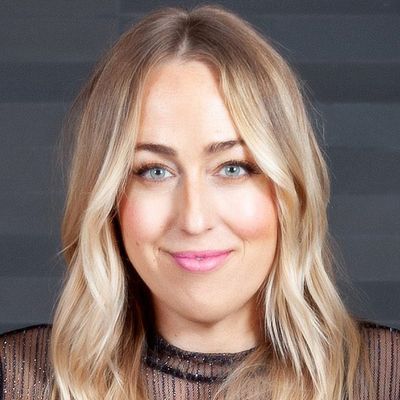
This week on Was it Chance, we're joined by Lyndsay Rush, the poet behind the viral Instagram account @maryoliversdrunkcousin. With her debut collection A Bit Much, Lyndsay has been making readers laugh and think about the big questions of life... Read More
From the show: Was It Chance?
Guests
About
This week on Was it Chance, we're joined by Lyndsay Rush, the poet behind the viral Instagram account @maryoliversdrunkcousin. With her debut collection A Bit Much, Lyndsay has been making readers laugh and think about the big questions of life. From body image to aging to whether or not to have kids, Lyndsay tackles it all with her signature blend of humor, honesty, and a healthy dose of female empowerment. Tune in as we chat with Lyndsay about her journey from comedy writing to poetry, and how she's built a community of women who celebrate their true selves, weirdness and all.
Connect with Lyndsay on Instagram, TikTok, or her website, and grab a copy of her book A Bit Much.
- Make sure to follow this podcast everywhere you find podcasts, leave a rating and a review, and slip into our Instagram DMs at @wasitchance.
- More about Heather via @heather_vickeryandco on Instagram, @Braveheather on TikTok, and listen to The Brave Files
- More about Alan via @theatre_podcast on Instagram and listen to The Theatre Podcast with Alan Seales
Episode Takeaways:
- The humorous origin of her username "Mary Oliver's Drunk Cousin"
- Lyndsay's non-traditional career path from comedy writing to copywriting to branding
- Her journey deconstructing from evangelical Christianity and the "rage" she experienced
- How Lyndsay uses humor and joy to tackle big topics like body image and aging
- The surprising story of publishers competing for her work after she went viral
- Lyndsay's advice: embracing your weirdness is key to building a loyal community
- The distinction between Lyndsay and her persona, "Mary Oliver's Drunk Cousin"
- Lyndsay's acceptance of failure as part of the creative process
- The humorous discussion about conspiracy theories
Transcript
This transcript was automatically generated and might contain errors.
[0:00] Lyndsay Rush: In a way, I do think Mary Oliver's drunk cousin is a I do use that as a persona. There is a lot of misconception about that all poetry is autobiographical, and obviously a lot of it is, but poetry falls in the fiction category. And so there is some distance between me and the writing sometimes. Some of it, you know, it mixes. Uh some of it is more hyperbolic or more extreme than maybe I feel that kind of stuff. But I think I would tell poets that there's room for humor, and that humor really, really can help enlighten and educate, and that we should use it more everywhere.
[0:49] Heather Vickery: Hey folks, welcome to Was It Chance, the podcast about embracing opportunity and taking intentional risk for your creative life. I'm Heather Vickery.
[0:56] Alan Seales: And I'm Alan Seales. Heather and I started off as two perfect strangers who met by chance and embraced opportunity. Listen in as we chat with other successful people about the risks they've taken to put themselves on a path to creative success.
[1:10] Heather Vickery: I'm getting very spitbally here saying that line this morning. Put the path to creative. Very daffy duck of me. Um, okay. It's been a morning already, folks. We are glad you're here. And it's a good thing we have the guests that we have today. I feel like I've been saying that a lot lately. Anyway, um, today we have good guests.
[1:35] Alan Seales: We do have really good guests. That's the takeaway. Great senses of humor. And today we have the hilarious and also quite heartwarming Lyndsay Rush joining us.
[1:45] Heather Vickery: And y'all may know her as Mary Oliver's drunk cousin. She's um, I mean, every time I see your username pop up, Lyndsay, it just brings me joy. So thank you. I'm curious about it, but I just thank you. Uh Lyndsay's a poet who's been making us laugh and think on Instagram and threads. Her debut collection, A Bit Much, which if you were watching us live, you would see me holding up, but you're not, you're listening, is a must-read for anyone who loves humor, honesty, and a healthy dose of female empowerment. I'm so excited to chat with Lyndsay about her journey from comedy to writing poetry and how she's built this community of women who celebrate their true selves. Lyndsay, welcome to Was It Chance.
[2:29] Lyndsay Rush: Welcome. Thanks, guys. So I'm excited and terrified.
[2:35] Heather Vickery: Are you one of those people who can who can just spit out haikus like like you can I know people that are like, yeah, here's a haiku.
[2:44] Lyndsay Rush: I just made it up on the spot. I can do a haiku. You'll have a special place in your brain. You can do a haiku on the spot. You can count the uh you can do it. I do have to count on my fingers, but I realized quickly was a haiku once. Um the intro to the real world where people stop. Hold on. Find out what happens when people stop being polite and start getting real. It's a haiku. Wow. Although I've had some people debate me on if being, being it's too big. Stop being. Also then that changes it. If being, I was going bing. I'm making being more like being one. Being. I'm stretching it. But it to in my heart, that's a haiku.
[3:31] Heather Vickery: How many times is your jaw drop when you say being? Bing. Being being.
[3:34] Lyndsay Rush: Well, I have a Midwest accent, so I don't even know how that affects things.
[3:39] Heather Vickery: Right.
[3:40] Lyndsay Rush: Yeah, and if you're southern, you do you can't do haiku.
[3:42] Heather Vickery: Yeah.
[3:42] Lyndsay Rush: Baying. Because they're they're southern. Baying, cause everything got an extra accent.
[3:47] Heather Vickery: Yeah.
[3:47] Lyndsay Rush: Haikus must be hurt. Haikus are hard in the South. I live in Nashville now. I should I should really investigate that.
[3:53] Heather Vickery: You should go out. Do it. Do it like a Billy on the street style.
[3:56] Lyndsay Rush: Uh yeah.
[3:57] Heather Vickery: Read this. And then I'll be back.
[3:59] Lyndsay Rush: Lindsay on the street. Counting the not a haiku. It's gonna get a measure.
[4:02] Heather Vickery: No, no, yeah. Where are you from? You cannot do haikus. Great. Now that we've lost all the things.
[4:09] Lyndsay Rush: That I follow called Haiku Feels. And she posts a one-word prompt every morning, and then you can write your haiku underneath it.
[4:17] Lyndsay Rush: And for a while I did it. It was like my wordle. I did it every day.
[4:20] Heather Vickery: That's cute.
[4:21] Lyndsay Rush: I don't do anything on a consistent basis usually, so that dropped. So yeah.
[4:26] Lyndsay Rush: It was fun while it lasted. Every once in a while I'll be like, I'm feeling a haiku, and then I'll go find it. I need to flex my haiku muscle. I'm feeling the itch.
[4:37] Heather Vickery: Cause I am not a professional poet like you are. So let's let's talk about you. Segway segue.
[4:43] Lyndsay Rush: Segue.
[4:44] Heather Vickery: Um I need to know how you got your handle.
[4:47] Lyndsay Rush: I uh I love Mary Oliver. She's amazing. I love you. You're amazing. You're different. Um tell us the how the origin story of Mary Oliver's drunk cousin, please.
[4:57] Lyndsay Rush: So gosh, I'm so glad I still like it because it is one of those jokes that could have had a life outside of itself, and I ended up you know when you like make a little joke once and then it be it catches on, and you're like, ooh, I didn't like that, but I do love it still, thank goodness. Uh I when I started my Instagram account for poetry specifically, I had only been dabbling in the genre for like three months, maybe.
[5:21] Lyndsay Rush: And I just knew I didn't want to put it on my personal Instagram. It just felt too tied to, you know, it's like old high school friends and my aunts and uncles and stuff. So I I was like, I need to start a dedicated account, and I need people to understand immediately what they're in for. So I knew I wanted it to be a joke so that people knew this was sort of humorous, tongue-in-cheek poetry.
[5:43] Lyndsay Rush: And I felt like it would help people if I connected to a well-known person. And Mary Oliver is iconic, and especially for her attention to detail, and I feel like she takes small things and derives deeper meaning from them. But of course, she's like out in the wilderness every day. She was out in the wilderness every day, being like the geese and these like the reeds and stuff. And I am like, have you guys had Doritos? Or like, what does it mean to share potato chips with someone?
[6:06] Lyndsay Rush: So I thought I'm like her drunk cousin. And I don't typically love uh alcohol jokes. I think they're sort of low-hanging fruit. But I was like, everyone can think of like their drunk cousin, and if you can't, you are probably the drunk cousin. Um I was the the runner-up that I tell everyone was gonna be dollar store Mary Oliver, but I I wanted Mary Oliver's name to come first in the handle, and now I can always tell when bots are trying to pitch me like brand partnerships because it'll be like hello Mary, and I'm like, Oh, you don't know why I get I get Vickery all the time.
[6:45] Lyndsay Rush: Yeah, and I'm like, you're not trying very hard. Like we're out see ya. So that's a long-winded story, and then it really caught on. And I was worried that people would think it was a parody account, like I was just taking her poetry and and writing it in modern day funny ways. And I have I did do that once in the book, but you know, it's not a parody account, and people understood people are smart, you guys. Did you know that?
[7:10] Alan Seales: Well, some people, some people may uh roughly about half the country. A little less. Depends on the year, maybe a little less. Or it could be Starlink. I don't know. I I have turned into a conspiracy theorist in the last week. So I don't know what to tell you.
[7:28] Heather Vickery: Well, I mean, okay, but go ahead. Go ahead. I do want to know though, not like what's a light. Do you have any like innocent, harmless conspiracy theories that you like? Any lighthearted ones?
[7:38] Lyndsay Rush: I love hearing what people are like. Maybe that's true. Like birds are fake.
[7:41] Alan Seales: No, I just wait.
[7:43] Lyndsay Rush: What's pigeons? People think pigeons are government pigeons.
[7:46] Alan Seales: Yeah, pigeons are fake.
[7:47] Lyndsay Rush: Pigeons are pigeons are government spies. My oldest daughter has a pigeon account on Instagram.
[7:54] Lyndsay Rush: She just takes pictures of pigeons and posts them.
[7:56] Alan Seales: So she's a planet called.
[8:00] Lyndsay Rush: She's a government spy.
[8:02] Alan Seales: Yeah.
[8:02] Lyndsay Rush: Yeah, yeah. Your daughter's got something she needs to tell you.
[8:06] Lyndsay Rush: That could be true. She probably has lots of things she needs to tell me. Did you guys ever hear the one about that Avril Lavigne is actually dead and her body double has been performing?
[8:21] Alan Seales: That one is so funny to me.
[8:22] Lyndsay Rush: I've heard that. Let's see, there's there's lizard people conspiracy theory.
[8:25] Alan Seales: What's that one again?
[8:27] Lyndsay Rush: That there are that there are aliens, lizards from space who have come and are living on our planet in human form.
[8:33] Lyndsay Rush: And they are influencing, they have infiltrated and have influenced our government.
[8:37] Alan Seales: Wow.
[8:38] Lyndsay Rush: I'm not that crazy. I just think we need a fucking recount in the swing states. That's all.
[8:44] Heather Vickery: Alan and I are like, but is it a little one?
[8:47] Alan Seales: Like uh not a state. Did 11,000 votes, just like an actual hand recount?
[8:53] Lyndsay Rush: That's it.
[8:56] Heather Vickery: Oh.
[8:57] Alan Seales: And that's where we are, folks. If you don't like it, we're not the show for you.
[9:01] Lyndsay Rush: Yeah, go ahead.
[9:01] Alan Seales: Bye bye.
[9:03] Lyndsay Rush: Let's see. Oh, there's there's a oh god, there's Wikipedia disc conspiracy theory.
[9:07] Alan Seales: I just wikipedia disc.
[9:08] Lyndsay Rush: Uh there's a whole film about it. They're called Reptilians.
[9:12] Alan Seales: That's the name for the lizard aliens.
[9:15] Lyndsay Rush: Yeah, yeah, yeah. The idea of reptilians are popular is by David Icke, a conspiracy theorist who claims shape-shifting reptilian aliens control Earth by taking on human form and gaining political power to manipulate human societies.
[9:28] Alan Seales: Wow.
[9:29] Lyndsay Rush: This is real.
[9:30] Alan Seales: Wow.
[9:31] Lyndsay Rush: I mean, the conspiracy is real. I totally believe this now. Just because I read it online.
[9:35] Lyndsay Rush: That's that's how information works on the information super highway of the internet. We whatever is on there is true.
[9:40] Alan Seales: I get all my news from TikTok. Is that bad?
[9:44] Lyndsay Rush: You can't affect it.
[9:44] Alan Seales: I do too.
[9:45] Lyndsay Rush: Yeah, no. If it's not from under the desk news, I'm not interested.
[9:48] Lyndsay Rush: Shout out V.
[9:50] Lyndsay Rush: Yeah. My older, my nine-year-old came home yesterday and said, Hey, did you know the government has one dodo bird left and they're keeping it, but it's a conspiracy theory.
[9:50] Alan Seales: One dodo bird.
[10:02] Lyndsay Rush: Just one.
[10:04] Alan Seales: Just one.
[10:05] Lyndsay Rush: I was like, did you see that on YouTube? Like, yeah, okay. Now we had we need to have a talk.
[10:10] Lyndsay Rush: We need to work on the parental controls on the YouTube.
[10:14] Heather Vickery: Okay, okay. Dodo bird conspiracy theory.
[10:17] Lyndsay Rush: Lindsay, you came up with this, people got it right away because it roughly uh about half the country is smart. And um, like, and then what happened?
[10:26] Lyndsay Rush: So you can you just tell let's go back. Let's hear a little bit about before Mary Oliver's drunk cousin. Like, like what's your background story?
[10:34] Lyndsay Rush: And this shows, of course, about taking intentional risk for creative success. Which you did in your username, so we've already got that covered. Um, but yeah, tell us.
[10:41] Lyndsay Rush: So I can stay. We can keep talking.
[10:43] Lyndsay Rush: You can stay.
[10:43] Alan Seales: Yes, I'll get I did a little begging to get Lyndsay on the show.
[10:49] Lyndsay Rush: I was like, please.
[10:52] Lyndsay Rush: I'm I'm an easy sell. I'm like, sure, I'll gab, I'll yep.
[10:56] Lyndsay Rush: So let's see. My little backstory.
[11:01] Lyndsay Rush: So I've been a writer professionally for most of my adulthood. I did not study it in college.
[11:09] Lyndsay Rush: I studied, y'all, bless. I studied film and Spanish, not Spanish cinema. Those are my I double majored in and not even like filmmaking, film history.
[11:20] Lyndsay Rush: What a w no offense to anyone who has made a career out of film history, but there probably aren't a lot of people. Um and I could have, I really should have pursued Spanish.
[11:30] Lyndsay Rush: Anyway, I think I knew I liked storytelling and language, but I did not realize I could just do English. I should have just studied English.
[11:35] Lyndsay Rush: English, creative writing degree could have worked. Imagine journalism, amazing.
[11:42] Lyndsay Rush: Um unheard of. So I when I went when I graduated from college, I just moved with friends to Chicago and just took the first job offered to me.
[11:50] Lyndsay Rush: And I was a um I was an assistant at a stock brokerage firm. So I helped traders on the floor like keep up with their certifications and stuff.
[11:58] Lyndsay Rush: Like money stock, like absolutely not my bag. But it was it paid well and it let me live in a city with my friends.
[12:06] Lyndsay Rush: And so I I did that for like four years and then quit because I was like, what am I doing with my life? I was 25, and y'all, the year I quit, 2008.
[12:16] Lyndsay Rush: Who knew what was gonna happen there? Months before the recession. I was and I remember telling my dad, I was like, How hard could it be? I'll find another job. Cue the whole collapse.
[12:28] Lyndsay Rush: Um so then I started a blog called Do you are you guys arrested development fans at all? Do you remember that?
[12:35] Lyndsay Rush: I called it Bob Loblaw's job blog, and which is a reference to their lawyer's website, and I just would post my like my misadventures of finding work and being an intern and being a um temp, and then that became my portfolio.
[12:52] Lyndsay Rush: And from there, I was like, wait, that's sort of copywriting when I would be like making up funny titles for things.
[12:59] Lyndsay Rush: And so I self-and then I became a copywriter, and then I started a branding agency 10 years ago with my best friend.
[13:06] Lyndsay Rush: And so that's been like my job job. And in the meantime, I would write satire articles and comedy pieces, and so I just was sort of like I couldn't write, and people believed me.
[13:16] Lyndsay Rush: Wait, tell us. What's a what's a brand, a brand company? What is it?
[13:19] Lyndsay Rush: Branding agency, like we we launch um like brands, like a company who doesn't have a name or a tagline or any product descriptions or anything, and they need a presence.
[13:29] Lyndsay Rush: So you start a company and you're like, this is good. And they're like, How do I tell people it's good? We're like, we'll do it for you.
[13:34] Lyndsay Rush: And so we do it using um humor and delight, because we think that's how people remember things.
[13:40] Lyndsay Rush: So humor is the long, long story long. Humor has been the through line the whole time in my career. So when I started dabbling in poetry, sort of accidentally during COVID, I was like, what if I could just take some of my jokes and add more of a backstory to them, give them a little more depth?
[13:58] Lyndsay Rush: And I made it up as I went and people liked it. And then truly, it was one of those annoying stories where like literary agents were in my DMs, and then I had to like field those. I fielded those calls, picked an agent, and then we sold the book like a few months later. It all happened really, really fast.
[14:18] Alan Seales: How long ago was that?
[14:20] Lyndsay Rush: So we sold the book in 2022.
[14:23] Alan Seales: No, 2023, a year ago.
[14:26] Lyndsay Rush: What year is it? Is it 2025?
[14:29] Alan Seales: Not yet.
[14:30] Lyndsay Rush: 2024. Because what is happening? Let's not rush it because when we get there, we're fucked. So we're gonna say project 2024.
[14:38] Alan Seales: Project 24 for now.
[14:42] Lyndsay Rush: Yeah, so it all happened. So launch my Instagram account in uh 2022, sell the book 2023, book comes out 2024. Absolutely matters.
[14:53] Alan Seales: What was your like following like when you first launched the social media account?
[15:00] Lyndsay Rush: Yeah, it so I would post every and you know, a lot of this is what Instagram was then. You know, it changes so much that algorithm. This the hack at the time was just post all the time. Back then, Instagram was like, sure, that seems like a good reason to show your stuff to people.
[15:16] Alan Seales: Yeah, post every day.
[15:17] Lyndsay Rush: Yeah, so I posted every day and it grew pretty fast. Um, and then I wrote the piece that is inspired, the title for this book that's called She's a Bit Much, and it had a lot of celebrity reshares, one of whom was Michelle Pfeiffer, which is why I dedicated the book to Michelle Pfeiffer.
[15:34] Alan Seales: I'm glad you said that because I didn't know. You said you know why. I was like, but I don't, Lyndsay, I don't know why.
[15:39] Lyndsay Rush: Exactly. I was like, anyone who remembers will feel really in on the joke, and anyone who doesn't will be like, why did you dedicate you guys when NPR interviewed me? That's what she chose as the as the title of the interview.
[15:51] Alan Seales: What why Lyndsay Rush dedicated her poetry book to Michelle Pfeiffer?
[15:56] Lyndsay Rush: I was like, that's so embarrassing and awesome. So to me, any opportunity to be dumb and be funny is I will take it. And that was a good one.
[16:05] Alan Seales: Did Michelle reach out to thank you for the extra publicity?
[16:08] Lyndsay Rush: You know, she should have. She has sent she has shared two of my poems on her main feed. And I'm pretty sure she runs the account because it's like not very like glossy or tailored. It's very minute for Michelle Pfeiffer. I'm not a hater. I love Michelle Pfeiffer.
[16:23] Alan Seales: No, I know.
[16:24] Lyndsay Rush: I'm just saying she's got the time.
[16:26] Alan Seales: Yeah, she's got she's got the time.
[16:28] Lyndsay Rush: And but she does not, her DMs are closed. We have not gotten in touch with her. So every chance I have, I say Michelle, if you're listening.
[16:35] Alan Seales: I want to give you a.
[16:39] Lyndsay Rush: She's like a little bit creepily. Catwomaning? Like she's like Yeah, she's catwomaning through through that Christmas tree that needs a cat climbing through it behind you.
[16:47] Alan Seales: That's weird.
[16:48] Lyndsay Rush: I identify with the a bit much because I've always been a bit much. So that's a it's um it's an attractive statement.
[16:57] Alan Seales: It really that was probably like the real turning point in in my poetry career was that poem because it took, you know, for people listening who aren't familiar with it, it took a phrase that is typically intended to make people feel like they're being too much and that they should be smaller and quieter and softer.
[17:16] Lyndsay Rush: And I list a bunch of things that are universally beloved that are a bit much to kind of just sort of turn that phrase on its head, and it was just so resonant with women, especially, because I think that's who that's usually targeted towards to be like, oh wait, like what if a bit much is a compliment?
[17:34] Lyndsay Rush: And y'all, I just had someone DM me yesterday, the eighth, eighth or ninth person who has gotten that tattooed on their body a bit much to like fully reclaim it for themselves. And I it's just been one of the most special small parts of it.
[17:49] Alan Seales: Well, you could start a cult then.
[17:51] Lyndsay Rush: I've already got eight or nine people. That's next. And we're gonna we're gonna wear like one pieces that are in the color of the book, like teal.
[17:58] Alan Seales: Good, good.
[17:59] Lyndsay Rush: So you're easily stuck out of of videos, yeah, because it's that green color.
[18:03] Alan Seales: Yeah, there's a great branding ad there, really.
[18:06] Lyndsay Rush: We go back to that whole like sort of 40s synchronized swimmer look.
[18:09] Alan Seales: Yeah, let's do that.
[18:12] Lyndsay Rush: Out of the water, was that a thing in the 40s?
[18:16] Alan Seales: We're gonna take a quick break. Stay tuned for more of the episode.
[18:20] Lyndsay Rush: And now we're back. Guys, I would I am very I used to be very gullible because I grew up evangelical Christian. So like I've been I know cults, so I could start one.
[18:31] Alan Seales: Wait, okay, so can you share a little bit of your deconstruction story?
[18:35] Lyndsay Rush: I hadn't anticipated that. That's not in my list of questions.
[18:38] Lyndsay Rush: Yeah, I so there's there's a section in the book that is called When the Monster Turns Out to Be Three Dogs in a Trench Coat. And it's basically my rage section. And I call it Epiphanies because I wanted so the book is divided by moods or emotions.
[18:53] Lyndsay Rush: So basically, either how you're feeling or how you want to feel, because that's how I read poetry. You know, you sort of pick it up and leaf through. So I thought, I love feelings, I love emotions. Let's um divide the book that way.
[19:03] Lyndsay Rush: And so that whole section, there's a lot of stuff about my faith, or la lack of faith, deconstruction, and my experience specifically from a uh perspective of being a woman and purity culture and motherhood and just all of that.
[19:24] Lyndsay Rush: So I I was like in that religion pretty intensely until I was 26. So like I stuck with it. I didn't like, you know, go off to college, and then I was like, wait, there's a whole world out there. I went off to college and I was like, I'm saving myself for marriage and Jesus is the real deal.
[19:39] Lyndsay Rush: But then I joined disority and I and I was drinking, I was like, this is fun, but I thought I could do both. And then I just really was like, this doesn't seem like love to me.
[19:51] Lyndsay Rush: And so it just it was a very non-stressful like follow way. Like something like I feel like I had an epiphany.
[19:57] Alan Seales: Look, it fell out.
[20:00] Lyndsay Rush: Your epiphany fell out.
[20:02] Alan Seales: My epiphany fell out of my hole.
[20:03] Lyndsay Rush: My hair.
[20:04] Alan Seales: Oh wow. See, y'all are getting a little taste of what was cut out because so help me God, Alan. You have to cut all of that out from the city.
[20:11] Lyndsay Rush: That should be that needs to be the blooper section at the end is us talking about our holes.
[20:16] Alan Seales: We should do that at some point.
[20:17] Lyndsay Rush: Okay, I'll put I'll put whole bloopers.
[20:19] Alan Seales: We'll talk about our holes, everybody.
[20:21] Lyndsay Rush: An extra episode drop of some bloopers.
[20:23] Alan Seales: We probably have a roll everyone to the end.
[20:25] Lyndsay Rush: Oh my gosh. And if they're all dirty, they should be called bloopers, like B-L-U-E, like blue comedy.
[20:30] Alan Seales: That's all like dirty stuff.
[20:32] Lyndsay Rush: That's a free idea.
[20:35] Alan Seales: But also, she's a branding.
[20:38] Lyndsay Rush: So also hire obedient agency if you're launching a company.
[20:41] Alan Seales: And the mascot could be a cat.
[20:43] Lyndsay Rush: Yeah.
[20:43] Alan Seales: Blue purr.
[20:44] Lyndsay Rush: Cute.
[20:46] Alan Seales: That's the second cat reference, catwoman reference.
[20:49] Lyndsay Rush: See Michelle Pfeiffer, where are you?
[20:50] Alan Seales: Wait, are you guys cat people? Is this something we need to talk about?
[20:53] Lyndsay Rush: Yes.
[20:54] Alan Seales: He's not a cat.
[20:55] Lyndsay Rush: He is not a cat person.
[20:55] Alan Seales: He's a cat.
[20:56] Lyndsay Rush: I am. I grew up with cats. I love cats. I would have cats if 50% of my family wasn't allergic to them.
[21:01] Alan Seales: Okay, fair enough.
[21:02] Lyndsay Rush: I like cats just fine, but I don't like pet hair and I don't like changing litter.
[21:05] Alan Seales: That's how I feel about my dog, too. I love my dog and he's snuggly, but I don't like like having to worry about feeding him and walking him and cleaning up his poop.
[21:13] Lyndsay Rush: But at least he doesn't go to the bathroom inside.
[21:15] Alan Seales: That's my thing.
[21:15] Lyndsay Rush: He does not.
[21:16] Alan Seales: He does not. And I do all of those things. For those listening, I do all of those things to care for him, but also I don't really like it.
[21:24] Lyndsay Rush: Well, that's the shitty part, pun intended, of looking after animals is you have to clean their poo-poo.
[21:31] Alan Seales: Looking after anything.
[21:33] Lyndsay Rush: Well, that's what right. I have four kids.
[21:35] Alan Seales: Like four are maxed out.
[21:37] Lyndsay Rush: Although two of them are are young adults now.
[21:39] Alan Seales: And I don't have to use the kids.
[21:40] Lyndsay Rush: So they poop by themselves.
[21:42] Alan Seales: They poop by themselves on their own.
[21:44] Lyndsay Rush: But still, I'm like my caregiving well is empty.
[21:48] Alan Seales: Yeah.
[21:48] Lyndsay Rush: Beyond my kids. It's always filled for my kids, but beyond that, like I don't have it.
[21:51] Alan Seales: It's empty.
[21:52] Lyndsay Rush: Except for your conspiracy theory time.
[21:55] Alan Seales: Except for that.
[21:55] Lyndsay Rush: That's my me time.
[21:57] Alan Seales: That's my me time on TikTok right now.
[22:00] Lyndsay Rush: What is this?
[22:04] Alan Seales: I'm going off the deep end.
[22:05] Lyndsay Rush: See you.
[22:06] Alan Seales: That's a shirt.
[22:07] Lyndsay Rush: Yeah.
[22:08] Alan Seales: Here's the difference between us and them.
[22:10] Lyndsay Rush: I have to say this is like we at least go.
[22:13] Alan Seales: I think I've lost my fucking mind.
[22:16] Lyndsay Rush: Yeah.
[22:16] Alan Seales: Because I really kind of think there could be something going on.
[22:20] Lyndsay Rush: And if I'm wrong, I will say that.
[22:22] Alan Seales: That's the difference between us and them.
[22:24] Lyndsay Rush: You're not gonna storm anything.
[22:26] Alan Seales: I'm not storming anything.
[22:28] Lyndsay Rush: We're talking about the reptilians again, right?
[22:29] Alan Seales: Yeah.
[22:29] Lyndsay Rush: Humans and reptilians.
[22:30] Alan Seales: Yes.
[22:31] Lyndsay Rush: Yeah, that's it.
[22:31] Alan Seales: We're talking about her teenage pigeon daughter.
[22:35] Lyndsay Rush: Teenage your daughter is a teenage pigeon.
[22:40] Alan Seales: That is friends with a lizard person.
[22:41] Lyndsay Rush: Wait, what are they called? They're not called lizard people or reptilian.
[22:44] Alan Seales: Thank you.
[22:44] Lyndsay Rush: Reptilian.
[22:45] Alan Seales: I'm so sorry to any reptilians listening.
[22:48] Lyndsay Rush: I also think you deserve bodily autonomy and your your rights should be protected.
[22:59] Lyndsay Rush: I really, really needed this conversation after this past week. I have not laughed. There has been no laughing laughter for a week.
[23:08] Alan Seales: Oh wow.
[23:10] Lyndsay Rush: So that's how I left the church, guys.
[23:13] Alan Seales: That's how, how we were talking about.
[23:18] Lyndsay Rush: Like your familial relationships. Has that come along with you?
[23:25] Lyndsay Rush: So my little brother is a youth pastor.
[23:29] Alan Seales: Sorry for your little brother, but red flag.
[23:31] Lyndsay Rush: Ouch.
[23:32] Alan Seales: No, that's fair.
[23:33] Lyndsay Rush: Um but he's like one of the good ones, I think.
[23:37] Alan Seales: Okay, okay.
[23:38] Lyndsay Rush: But like it is a bit, you know, I think for me, and this is something I was grappling with this morning on the phone with my sister.
[23:44] Lyndsay Rush: So I would say like 60% of us are not churchy anymore, and then my mom and my brother are still pretty uh religious.
[23:51] Alan Seales: And I was sort of like, I the last thing I want to do, if I grew up in a very black and white thinking of like I'm right and you're wrong, is I don't want to find myself just doing that with a different set of beliefs.
[24:04] Lyndsay Rush: Um of course we all feel that way. Like we do feel like what what is true is true.
[24:09] Alan Seales: So I'm trying to figure out how to remain open and have relationships with those people in my life who especially this week.
[24:18] Lyndsay Rush: I mean, it's just so so hard. But I feel like I have uh uh obligation almost because I have some privilege being white and cis het woman to keep those people to show those people my lived experiences and why, you know, because otherwise they won't know anybody who anyway.
[24:37] Lyndsay Rush: Sorry to take it so serious, but it that has been my experience with leaving the church has been I don't want to just be dogmatic and closed off in a different way because that's just another side of that coin even though that's that is such muscle memory to me because I grew up that way for so long that it's just like oh I'm vehemently like everyone else is so wrong and I I'll have these moments where I'm like wow I'm being that same way that I was just for a different thing.
[25:06] Alan Seales: Yeah I don't know it's hard.
[25:09] Lyndsay Rush: I'm glad you shared that because I struggle with that as well.
[25:13] Alan Seales: Um and you we've got a question it's hard like I do think so I'm a cis white woman I'm just not a straight cis white woman and we do have this privilege that if we care we need to use and so you too Alan right like we all need to be in rooms where we can have conversations that can move the needle that other people can't get into the room on.
[25:38] Lyndsay Rush: The queer side of me though is just really fucking pissed off at anybody who could vote to strip me and my family of our rights or my black friends or my Latino friend like whatever.
[25:52] Alan Seales: And I feel I'm feeling very in that line of like if you voted against me, I don't fucking want you.
[26:02] Lyndsay Rush: Like just go away.
[26:03] Alan Seales: Yeah.
[26:04] Lyndsay Rush: And it doesn't fix anything and I'm really glad there are people like you who are doing something but for right now I just I'm like I gotta be out.
[26:10] Alan Seales: Right.
[26:10] Lyndsay Rush: And you you can only do what feels safe and like fruitful to you.
[26:16] Alan Seales: So, like, because there is part, you know, and as a woman, parts of my safety and rights are at risk.
[26:23] Lyndsay Rush: Just in a it's all just like variant degrees. You know what I mean?
[26:26] Alan Seales: Like, so I think with whatever capacity we can, we can try.
[26:31] Lyndsay Rush: And then we also can be like, no.
[26:33] Alan Seales: I mean, it's just like conflict is so uncomfortable.
[26:36] Lyndsay Rush: I tried to have this conversation with my brother, not to really, we don't, I don't want to get in the weeds on this, but about the idea of abortion and when does life begin.
[26:45] Alan Seales: And like the bot his interpretation of the Bible and morality say one thing that he feels very, very passionate about.
[26:53] Lyndsay Rush: And my lived experience and autonomy see it in a totally different way.
[26:58] Alan Seales: And so I'm trying to read a lot more about how to how do you go beyond that?
[27:04] Lyndsay Rush: Like you're not gonna argue someone out of something that feels super super deep in their heart.
[27:08] Alan Seales: But can you find some common sense things of going, okay?
[27:11] Lyndsay Rush: Well, if lawmakers are making those decisions, they're very vague, and then doctors are put in this legal, you know, and the implications of other things, and like so, but then you're just like those conversations have to be in safe spaces with people you know very well because it's not gonna happen in a comment section, and it's not gonna happen.
[27:27] Alan Seales: I'm not gonna be able to change someone's mind with like a kick-ass viral TikTok.
[27:31] Lyndsay Rush: May I mean maybe, and the people that are trying should keep trying. But to me, I'm like, if I can keep having conversations with my brother about my lived experience and my friends and how this is impacting us, maybe that will help.
[27:42] Lyndsay Rush: Absolutely. It's uncomfortable. I think the answer lies in I don't want to tell somebody else how to believe and how to behave. And I don't want them to tell me how to believe and how like you can believe whatever you want to believe. If you don't believe in abortion, don't have one, right? Their job isn't to police everyone else. And to me, that's where things really meet. Like, I don't, it's okay to believe whatever you believe. I fight for people to believe whatever they believe. Right, that's right. That's what yes, we can move on, but we're I that's that's the um interesting uh line I straddle as having a lot of people in my family who are in that world. So it's been a and everyone in my sisters and I have all taken different stances.
My little sister is like, I'm not going to Christmas, you know, and everyone just has to do whatever they need to do for a little bit and grieve and breathe and then, you know, storm something and demand a recount with your conspiracy theories. I'm not storming. I'm just calling my representatives.
[28:42] Alan Seales: You're just brainstorming.
[28:46] Lyndsay Rush: That's all storming. So speaking of arrested development. Yeah. So bot blah blah job blog. So the money is in the banana stand. How much can a banana cost, Michael? Ten dollars? Oh, I love that show. Oh god, one of my favorite ones. Okay, so like coming out of the cult, coming out of the religion, coming out of all this uh seriousness, like I know a lot uh people similarly that have turned to comedy to deal with past lives like this. Is that sort of where you went? Because if you like you don't laugh, you cry.
[29:18] Alan Seales: Yeah.
[29:19] Lyndsay Rush: And it's like, you know, I think I have a poem in here that talks about, you know, if comedy is tragedy plus time, it's like one maybe one day we'll laugh about all of this. And that one was about the pandemic. But I really I think about this a lot. One of my fears when this book came out, because my whole thing is joy and delight, was that people were going to think I was being dismissive or like veering into toxic positivity, you know? Because I'm like, find the Julia. Like, I just that would be my worst fear, right? You know, your book's about to come out, and you're like, oh my gosh, people are gonna think I'm a hack. That's just like some, you know, dove chocolate rapper saying. Um but the way that I defend my point of view is that I feel like I'm trying to remind people of hope, which does not look away from the hard thing.
It just says, and yet, like, what else is the alternative? Like, this is going we look at the hard and we still try to find a way to move forward. So that's what that's my that's my hope with the joy and humor. But it is the I see the world through humor, so it makes sense that that is it has just helped me process things so much. If I can, I feel like a poem is done when it either has an absurd title, uh a punchline at the end, at least one of those two things. Something that would make someone roll their eyes.
[30:44] Lyndsay Rush: For example, there's a very serious I have a hard time being earnest. I don't know if you've figured that out. Um there's a video. I like those movies too with the earnest goes. Those are the worst movies. I wasn't allowed to watch them growing up, and I'm actually glad. That's the one thing I was sheltered from. Same, same thing. I would have loved to read the babysitter's club, but I'm super glad I didn't read Ernest or watch Ernest. But there's a poem in my book called Cracks of Light that is about going through a hard time. And I asked my editor, I was like, last minute, I was like, let's call it butt cracks of light. And she was like, why? It's not about buttons. I was like, I was like, I just need something funny in there.
And she was like, We're not doing that. So wait. That is a perfect. I mean, even if I'm just I didn't win. She was right. Oh, yeah. That one I left is but just know if you read it in my heart, it's butt cracks of light every time. But yeah, no, there's you've got the mind of a 12-year-old. There are great titles. It's Mum's the word, M-U-M. Uh-huh. How lovely to be a woman. I'm just randomly. Oh, I'll tell you my favorite ridiculous one I won. The easy way. There's one about um leaving my faith, and it's called resurrectile dysfunction.
[31:57] Alan Seales: Is it that one I won?
[32:00] Lyndsay Rush: Yeah. They're all they're a chip off the old narcissist. That's about my dad. So I just love very silly titles. And I love the jaywalking one. I posted it last night. This is so great. I was today. Let's harness the confidence of a white man jaywalking. No rush, no little apologetic jog, just the unrepentant bliss of getting from where we are to where we need to be. And I'm like, yeah, that's me for the next four years. I have noticed, I remember when I wrote that, I watched two women cross the crosswalk. I was driving, and like they were like, ooh, am I going? And then as they got their turn, they would every woman would do a little jog or like a wave of thank you. And then like men would cross the crosswalk and just be like, This is my right, this is my crosswalk.
I'm not even looking up. You don't mean a what is a car? What's a car gonna do to me? And I was like, that's the energy I would like to harness it. That's it. And then I ran him over with my car, and that's why I'm calling in from jail.
[33:05] Heather Vickery: Well, okay, but uh what I love. This is perfect. This is a nice segue, though, because what I love is that you tackle really big topics like body image, aging, whether or not somebody should have children, and you do it in a way that is so engaging and funny. But like, but like how does that work for you? Does it just come to you? Is it easy? And also, I really want to know how you deal with trolls because they've got to be off the hook.
[33:33] Lyndsay Rush: No, you guys knock on wood, knock on this book. I have no trolls. None. What? I don't even get I mean sometimes so much so that one when she's a bit much went viral, I had one guy, one man say something like she sounds like a drag, or like she sounds like a loser, like the she in the poem. And it was so new to me to have a troll that I went to his open account and wrote like a diss track, and it was called like he's a bit much, and like used all, but it was like loving. I used all examples of things he was doing, like cliff jumping, or like he had like this huge Sunday, and I was like, He's a bit much, like jumping off a cliff and not knowing a field land, like all this stuff to be like oh good for you.
Like I was like very sweet to like show him the point. So that's how that's how much energy I put into my one harmless troll. Um so far, so far, so good. And you know, with the with this last week with the election, as I've been a little more vocal about sort of where I stand, there have been some a few people being like, no way, this is the best, like, but very just very just like I'm like, you didn't even try that hard to be a troll. They're just so and I always try my like thing so far is if I'm either gonna write a diss track poem about them, or I'll be like, ooh, yikes, that's something interesting to say out loud. I'll just do very lighthearted or like, ooh, I think you're on the wrong account. We're like really nice to each other around here.
[35:06] Alan Seales: Yeah.
[35:06] Lyndsay Rush: Because it's very then they feel really embarrassed if you let what they said echo. Um have you written a diss track about diss tracks like Drake and Kendra Clemar, like what's going on with this?
[35:18] Lyndsay Rush: A distract diss track. Wow, that's like um inception diss track.
[35:22] Alan Seales: Right.
[35:23] Lyndsay Rush: Yeah. Right. I'll write it down. I want I want to. You're like write it on the spot. Yeah. Write it down. Write it down and I'll send it as a voice note and we'll we'll edit it in. You guys, when I I got to record the audiobook of the book, uh like with my voice, which they usually let poets do. Um, and so that was some of the first times I've said certain things out loud. Like I'm reading like resurrectile dysfunction. I was like, wow. Um did they let you laugh? Because my favorite is when people read their own shit and they laugh at themselves.
[35:52] Lyndsay Rush: They let they like kept in a few giggles, and you can hear in my voice when I'm smiling for sure. Um but hold on, what was that? Oh, the publisher wanted to make like a little um reel. They were like filmed asking me questions like how did it feel today? And blah blah. One of the questions they were like, write um improvise a poem right now about how you're feeling. And I just look in the camera and I go, no. And I did drop out of improv school. So I that's what I said. I'm a dropout, I'm not legally allowed to improvise. I didn't finish the class. So they said absolutely not. I didn't finish clown school, therefore I cannot clown. But you know, you guys are funny. You if someone's just like be funny, like there's nothing worse than someone being like, ah, funny guy, eh? And you're like, no, no.
[36:41] Alan Seales: Yeah, nothing.
[36:42] Lyndsay Rush: There was an old improv teacher of mine. There's an improv teacher of mine that told the s similar story, and he uh would always answer that with I'm a potato. That was it. And then everyone was like, we're never asking that guy to say a thing again.
[36:58] Alan Seales: Yeah, that's it.
[36:58] Lyndsay Rush: That's it. And then how many times can we hear him say he's a potato before it gets really old? We're gonna take a quick break. Stay tuned for more of the episode.
[37:12] Alan Seales: And now we're back. All right. So you shared earlier that you you started this account, Mary Oliver's drunk cousin, and all very quickly it got a following, and then people were approaching you to write a book. Did you get to have like a little like a little what words are challenging for me right now? Uh contest for like who's gonna pay you the most money.
[37:35] Lyndsay Rush: Like, oh, like did it go to auction, you mean?
[37:38] Alan Seales: Auction? Yeah. It's been a long fucking week. So it went it was down to two publishers. It was very exciting. It was very much like I the the only part of the book process that felt like the movies was that part. Everything else was sucked so bad. Um except for like touring. I loved writing the book, and I loved selling the book, promoting the book and designing it and all the nuance was just like, oh, this is so it was just so tedious and so detailed. Um so yeah, it g it came down to two publishers, and they we had them sort of like going against each other. It was fun.
[38:20] Lyndsay Rush: That is fun.
[38:21] Alan Seales: Yeah. We know who won.
[38:22] Lyndsay Rush: And now you know who won St. Martin's. And the next book, when there is a next book that we're working on, this the way it works is they have like first right of refusal. So the publisher I'm working with now will be like yeah, yeah yay or nay, and then if they say nay, then we put it out to whoever. And we're also thinking about turning She's a Bit Much the poem into a kid's book for little girls. So that's the like to help girls learn that message earlier that they can be loud and bossy and take up a bunch of space. Uh so that is really exciting too. So be prepared for more promo to children.
[38:59] Alan Seales: Can't wait to just be in doctrine the children.
[39:06] Lyndsay Rush: Hey kids, I'm a potato! And then they just they're like New York Times bestseller. She used the craziest strategy in the game. She was a potato. The publishing world had never seen it.
[39:17] Heather Vickery: Oh, that might make the trolls come out. If you start telling little girls that they should stand up and and trust themselves and believe in their power and love their bodies and question authority, that might make the trolls come out.
[39:29] Lyndsay Rush: Heather, it sort of sounds like you want me to have trolls.
[39:32] Heather Vickery: Um, I just really want to watch you handle them like some sort of superhero.
[39:37] Lyndsay Rush: Oh, I'm so fragile, I'll die.
[39:40] Heather Vickery: Do you handle it like the Wendy's account? It's like snark right there.
[39:44] Lyndsay Rush: Yeah. I like that you have to just sort of be spicy. Maybe I'll hire like um a Gen Z intern.
[39:51] Alan Seales: That's what you need.
[39:52] Lyndsay Rush: That's like to just like field them all and be like, these are our brand guidelines. Don't go past here, but always do this, and then they can just do it on my behalf. Yeah. You know, I will say it's sort of hard for try I feel like I'm sort of in a safety net of like, I'm just this artist trying to like poetry is so appealing to me because you are leaving some things up to interpretation. It's not about you're not like saying things decisively necessarily. You're going, Maybe I meant that. What did you feel about that? Like it's art, it's up for interpretation. So I think it's tricky. I feel like I've got all the trolls that are like, ah, because you're like, you're gonna come onto an artist's page who's trying to bring joy into the world and tell her you disagree. Like, so what? Like, I think it just is sort of makes them look yeah.
[40:40] Alan Seales: I don't know.
[40:41] Lyndsay Rush: I think that's true. We had a guest last year, or was it earlier this year, Rashawn Brown, who who is a spoken word poet. And I think that's the difference in just written and spoken word, because with spoken word, there isn't as much interpretation because you're putting the emphasis and the energy, it lands where it lands. Um, and I love both of them. I am a big, I'm a big poetry fan. I wrote some poetry when I was younger to Alan's shock and awe when I mentioned that in the interview with Rashad. Not as good as as yours, Lyndsay. I feel like we we all I wrote poetry when I was little too. Like, I just think it's so it's just so cute that I don't know, I love words so much, so I'm always like, it's so cute that we want to play with words that we want to like mix things around and have double entendres and have deeper meaning with words.
[41:30] Lyndsay Rush: I love language.
[41:32] Alan Seales: Well, good puns, I mean, dad jokes aside, good puns are incredibly fun to listen to.
[41:38] Lyndsay Rush: Yes, when they're good, they're great.
[41:40] Alan Seales: I think puns get such a bad rap because obviously there are lazy puns, those are, you know, but like when it's right, it's right.
[41:49] Lyndsay Rush: And like so many studies say that like that's how we remember things, you guys. Like, we absolutely learn things through songs and rhymes and wordplay and double meaning to be able to go, oh, that's that. Like, when I watched my nieces and nephews start to learn like joke, not or not knock knock jokes, but like setup and punchline when they're like, Why did the this this? And then they realize that like bear and bear have di sound the same but have different meanings? Like it's so fucking cute.
[42:18] Alan Seales: You're like, yeah.
[42:19] Lyndsay Rush: Yeah, yeah.
[42:21] Alan Seales: I actually, I read joke books to my kids for bedtime sometimes because like pun books.
[42:25] Lyndsay Rush: Yeah.
[42:25] Alan Seales: But get me the pun books for a gift for some occasion and then ask me to read it to them. I'm like, all right, let's do this.
[42:33] Lyndsay Rush: I put jokes in my daughter, my youngest still gets love notes in her lunchbox. She's in sixth grade, and they're jokes, and I got um knock knock jokes. I bought them off of Amazon. I hate to admit that. But anyway, where else are you fucking supposed to get those things? What if I just like hung up like I was that like oh yeah, you shop at Amazon? Couldn't be me. That's how I feel about myself when I shop at Amazon.
[42:56] Alan Seales: But anyway, I was looking through them and I'm like, these are so dumb. I can't put these in her lunchbox because they were all knock knock jokes off of names.
[43:05] Lyndsay Rush: And she laughed her ass off. She was like, Oh my god, my friends and I, we love these. Like I was like, Okay, mom, we are cracking up.
[43:12] Alan Seales: Okay, all right, whatever works, that is great. Whatever gives us a little bit of respite.
[43:20] Lyndsay Rush: So you're writing, you got another book coming out. I mean, at some point you're planning on another book.
[43:26] Alan Seales: Um, and you're running your branding business.
[43:29] Lyndsay Rush: Yeah, I'm just real relaxed, you guys. And I'm chasing my 15-month-old. I did also I had my baby in the my book in the same I wrote the book the same year I had my son. So I turned in my manuscript the day before I went into the hot like final manuscript the day before I went to the hospital and had Dawson.
[43:47] Alan Seales: No pressure, yeah.
[43:49] Lyndsay Rush: And then you had to promote it and all that stuff with a newborn.
[43:51] Alan Seales: Yeah, well, no, by the time it was a year later, so the manuscript was a year when the book like came out. Book stuff takes so long, but still, trying to like tour and do different things with the one-year-old. I was like, oh, this is not the deal.
[44:05] Lyndsay Rush: So hopefully for the next book, I'll have a what will it be? Three or something because books take so long. And I can just don't tell me otherwise.
[44:13] Alan Seales: By three, everything will be super easy.
[44:16] Lyndsay Rush: Say nothing.
[44:18] Alan Seales: Just different.
[44:22] Lyndsay Rush: Alan's like hiding his face. He was like, Alan, how many kids do you have?
[44:26] Alan Seales: Two.
[44:27] Lyndsay Rush: And I and I got the snip. I’m out.
[44:28] Alan Seales: Yeah.
[44:30] Lyndsay Rush: I'm out at one, you guys. This is enough for me.
[44:33] Alan Seales: This is wild.
[44:37] Lyndsay Rush: Yeah, my two. I uh I asked Chat GPT to write some punny jokes about brand agencies. I'm let's see.
[44:46] Alan Seales: I love this because I'm always like, they're not coming for my job. We need a pun for the title of this episode for sure.
[44:54] Lyndsay Rush: Most of these are pretty terrible. So Chat GPT, you let me down. Um, let's see. Why did the brand agency break up with their logo? It just wasn't making the mark anymore.
[45:04] Alan Seales: Oh, that's good.
[45:05] Lyndsay Rush: That's fine. Why don't brand agencies ever go to concerts? They're tired of hearing pitches all day.
[45:11] Alan Seales: Oh Chat GPT.
[45:14] Lyndsay Rush: Uh how many brand strategists does it take to change a light bulb? Just one to rebrand it as a luminous experience.
[45:20] Alan Seales: Hey, that's pretty good.
[45:22] Lyndsay Rush: You could use that one, Lyndsay.
[45:24] Alan Seales: Yeah.
[45:24] Lyndsay Rush: I'll take it. Next time you just visit my homepage. That's what it'll say. It's you know, the re it's like a rebrand that makes me laugh. Is we don't call it pleather anymore, we call it vegan leather.
[45:35] Alan Seales: So branding works, guys. We just make anything sound. Actually, and there is a slight difference in the materials, but like you don't hear anyone say pleather anymore, but it's fake leather. We're just like, oh, it's vegan leather. And you're like, hmm.
[45:46] Alan Seales: She cares about leather.
[45:48] Lyndsay Rush: So I can eat it?
[45:48] Alan Seales: Yeah.
[45:49] Lyndsay Rush: Like when I say vegan, I think eating.
[45:54] Alan Seales: Yeah, non-animal.
[45:56] Lyndsay Rush: I've never heard that in the term.
[45:57] Alan Seales: You've never heard of vegan leather?
[45:58] Lyndsay Rush: I say just say faux leather.
[46:00] Alan Seales: You know, you strike me as someone who wears a lot of vegan leather pants.
[46:03] Lyndsay Rush: I don't know. This is so surprising.
[46:08] Alan Seales: Now you know.
[46:10] Lyndsay Rush: What do you get for the guy who has everything? Vegan leather.
[46:13] Alan Seales: Vegan leather pants.
[46:19] Lyndsay Rush: I do like vegan leather gloves. Give me a whole outfit. I want a vegan leather jumpsuit in the color of your book and so I can get the tattoo and join the cult.
[46:28] Alan Seales: Thank you.
[46:28] Lyndsay Rush: Yeah. Yes. I do have to do I want it to be like a cult slash MLM, which is sort of the same thing, but like to join my when you join my cult, you have to pay me, and then you have to find six friends to pay me. And then I'm still working on the terms, but I just I want to make money off of cool. We're working on it. I'm gonna be honest about my cult. I'm gonna say this. I'm starting this for me to be rich.
[46:52] Alan Seales: It's a cult.
[46:54] Lyndsay Rush: And I want free babysitting. You have to babysit and you have to pay me money to watch my kid.
[46:59] Alan Seales: Yeah.
[47:00] Lyndsay Rush: Pay me. That's how this works. Easy.
[47:02] Alan Seales: So speaking of arrested development. Um you've built this community, you've built this whole brand.
[47:11] Lyndsay Rush: It's a brand identity. You've created this brand identity online. So for people, maybe they have a podcast, maybe it's called Was It Chance. This is all hypothetical. What advice would you give to these people who are trying to like start a community and stay true to their voice?
[47:27] Lyndsay Rush: It's a great question. I Good. I feel like I really do feel like the more you are your weirdest, most specific self, the more you will find people who are who like it, who either are exactly like it or who really enjoy it. Because anytime I've tried to water myself down, it one feels gross and then two doesn't resonate. So the dump truly the dumber I am online, the better. The more it grows because I think there's something refreshing for people about being yourself. That sounds so cheesy, but that's like what a bit much is all about. It's like let's own it and yeah.
[48:12] Alan Seales: Yeah, I think that's it.
[48:13] Lyndsay Rush: Be real.
[48:14] Alan Seales: I'm gonna start posting dad jokes.
[48:16] Lyndsay Rush: There you go.
[48:16] Alan Seales: Come on.
[48:17] Lyndsay Rush: I think that you should. They are awful.
[48:19] Alan Seales: They are all awful.
[48:20] Lyndsay Rush: But you should you should post them.
[48:22] Alan Seales: I agree. I mean, Lyndsay just said the dumber you are, the dumber. So I say I say do it. What is a cow called when it goes dancing? A milkshake.
[48:31] Lyndsay Rush: That's great. Wait, I have a vegan dad joke. Uh hold on.
[48:36] Alan Seales: I was vegan once.
[48:38] Lyndsay Rush: It was a missed steak.
[48:43] Alan Seales: I mean, I read that one. What does Batman put in his soda?
[48:48] Lyndsay Rush: Hold on, hold on.
[48:49] Alan Seales: Justice.
[48:49] Lyndsay Rush: Oh, that's good. I never sometimes I feel like I could guess them and then I wouldn't have done that. I was like, penguin juice. I was like, what's I was trying to think about.
[48:58] Alan Seales: Penguin what?
[48:59] Lyndsay Rush: Penguin juice what? I was gonna say penguin juice, but I don't know. I was trying to think of Batman characters.
[49:05] Alan Seales: Yes.
[49:05] Lyndsay Rush: Uh Mr. Freeze.
[49:06] Alan Seales: I wanna know if Mary Oliver's drunk cousin was a whole person and not just you.
[49:13] Lyndsay Rush: A pole person?
[49:14] Alan Seales: A whole person.
[49:16] Lyndsay Rush: Her own. Alter ego person.
[49:19] Alan Seales: Okay, okay. And she could give any poet, dead or alive, a piece of advice. What would it be?
[49:24] Lyndsay Rush: Oh my goodness. Or a piece of her mind. Well, I think in a way, I do think Mary Oliver's drunk cousin is a I do use that as a persona. Yeah. There is, I think I there's a lot of a lot of misconception about that all poetry is autobiographical. And obviously a lot of it is, but poetry falls in the fiction category, like in publishing. Um and so there is some distance between me and the writing sometimes. Some of it, you know, it mixes. Uh some of it is more hyperbolic or more extreme than maybe I feel that kind of stuff. But I think, and I'm certainly not the first to do it, but I think I would tell poets, I can't think of a specific one I would tell anything specific, except to say that there's room for humor and that humor really, really can help enlighten and educate, and that we should use it more everywhere.
[50:24] Alan Seales: I mean, listen, one of my favorites, it's right up here. This is my poetry shelf right here. I'm gonna put you right up there after I'm finished reading it.
[50:31] Lyndsay Rush: Um Dorothy Parker, oh, it's the name of the piece, but might as well die, is how it ends. Like I she's not she's so iconic, and she was so dark, and she did um end her own life, and that's tragic, and I'm not. But there's a lot of humor in in all of that. I mean, I feel like um I mean Emily Dickinson had some humor too. I mean, there's lots of poets who have who use wry ness and clever, obviously, wordplay is a huge thing, but like maybe I mean absurdity or silliness or playfulness.
[51:05] Alan Seales: Yeah.
[51:05] Lyndsay Rush: Speaking of that, did you watch Dickinson? Have you seen it?
[51:08] Alan Seales: That's the newest show they made, right?
[51:11] Lyndsay Rush: With um, what's her name?
[51:13] Alan Seales: It's a few years old, but yeah.
[51:14] Lyndsay Rush: I watched season one.
[51:15] Alan Seales: That's what reminded me of her.
[51:17] Lyndsay Rush: It's so good. It's so good.
[51:18] Alan Seales: It's beautiful.
[51:20] Lyndsay Rush: What's that actress? She was in um bunny pitch perfect.
[51:24] Alan Seales: Pitch perfect too.
[51:26] Lyndsay Rush: No, the other one.
[51:28] Alan Seales: Reba Wilson?
[51:29] Lyndsay Rush: No, she's has brown hair. She's also a singer.
[51:32] Alan Seales: Yeah, it's not Selena Gomez.
[51:35] Lyndsay Rush: I know who you're talking about. I can't think of her name. Because I've watched all of it. I've actually watched the whole series twice.
[51:39] Alan Seales: What they did with it, Alan, you would probably like it.
[51:42] Lyndsay Rush: Haley Steinfeld.
[51:43] Alan Seales: Haley Steinfeld.
[51:45] Lyndsay Rush: They like pieces of the poetry come out onto the screen, like it in glow in the dark or neon or whatever. Death is his own character.
[51:54] Alan Seales: Death is my favorite character in the entire show.
[51:56] Lyndsay Rush: Cause she had this relationship with Death and all of her poetry, right? But they've modernized it. So everything is old. The costumes are old, the sets are like old civil war time, but the music is modern, the language that they use is modern.
[52:13] Alan Seales: It's fucking brilliant.
[52:14] Lyndsay Rush: It's brilliant. Were they doing that before Bridgerton did that?
[52:18] Alan Seales: Yes.
[52:18] Lyndsay Rush: I thought so.
[52:19] Alan Seales: Yes.
[52:20] Lyndsay Rush: That show came out before Bridgerton. It was very, very cool. It's fantastic. What's it all about for people?
[52:28] Alan Seales: Is it Apple TV?
[52:29] Lyndsay Rush: I think it's one. Yeah, I think it's what it's either Apple TV or Max.
[52:33] Alan Seales: Talk about a rebrand. I can't believe they're making us call it Max, not HBO, Max or HBO.
[52:37] Lyndsay Rush: We're talking about terrible rebrands. Can we talk about formerly known as X?
[52:42] Alan Seales: Twitter.
[52:42] Lyndsay Rush: Twitter Twitter.
[52:43] Alan Seales: Chitter.
[52:44] Lyndsay Rush: Twitter, how do you pronounce X?
[52:46] Alan Seales: Twitter?
[52:47] Lyndsay Rush: I feel like I see people write about it as X W I T G.
[52:51] Alan Seales: I do love threads though, you guys.
[52:53] Lyndsay Rush: Shitter's great.
[52:54] Alan Seales: I mean, I like threads too. I just joined Blue Sky though, because I think I'm gonna have to get off of meta products, all of them.
[53:02] Lyndsay Rush: Oh Blue Sky's good. Listen, after Zuck congratulated the president elect and said I can't wait to work with your administration. I was like, this is gonna turn into a hotbed of hell of stealing information, of misinformation without any checks and balances. And I instantly, like I whatever. I've I was in human design, I have a spleenic authority, and my spleen was like, get the fuck out of here. I was like, I gotta go run.
[53:31] Alan Seales: But it's hard to do because I have this whole bit, you know, I'm a business owner and I uh it's you have all I have all these platforms and I have all of these community members, and I don't want to lose everybody, but also I don't gonna lose myself.
[53:44] Lyndsay Rush: Fight the trolls.
[53:46] Alan Seales: Oh, that's a word.
[53:46] Lyndsay Rush: I don't, but I don't want to lose myself. Maggie Smith, speaking of poets, had a post yesterday that said her she's writing her own project 25. Do they call it Project 2025 or Project 25?
[53:57] Alan Seales: 2025.
[53:58] Lyndsay Rush: Project 2025. And she was saying rule one is no self-abandonment. And that sort of sounds like what you're saying.
[54:01] Alan Seales: Oh, I love that.
[54:03] Lyndsay Rush: I need to go find that.
[54:04] Alan Seales: Yeah, I want to read that. Is she gonna publish it?
[54:06] Lyndsay Rush: She should. I don't know. She just I think she's posting it. It was like a sticky note of her writing it. I think she's posting um she that was rule one. It was yesterday. So I'm hoping she's gonna keep posting more.
[54:17] Alan Seales: Yeah, I love that. Actually, that reminds me. So when I wrote my book, it's called Fuck Fearless for the nobody can see because we're not live, and we probably won't show this clip, but it's right behind me, guys. Hey, here's my book.
[54:26] Lyndsay Rush: Um, I wrote a lot of fresh content, but I also pulled and edited and revised some past you know, blog posts and things that I've done.
[54:36] Alan Seales: How much of a bit too much did you have done? And how much of it did you write fresh?
[54:40] Lyndsay Rush: So they that was an interest that was like a term in our contract, and each publisher had a different approach to it. But this one was 70% new. So I could keep 30% of stuff that was previously published, aka on Instagram. Because they wanted, of course, this is like the hardest thing. They want me to keep growing that platform. A platform is a large reason why they wanted the book. So they're like, you gotta keep some of those fan favorites up there and keep posting while while you're while man, Nashville and me.
[55:26] Lyndsay Rush: Um so I had to like keep that growing while while you guys at the same time at the same time as I was writing stuff for the book and not being able to post it, which I'm such an instant gratification person.
[55:39] Heather Vickery: Me too.
[55:39] Lyndsay Rush: That was how I grew my account because I was just like, eh, let's throw this at the wall and see if anyone likes it. The minute I wrote it, I would put it up. Like, I mean, I would like tinker and edit, but most of the time I'd be like, this is gold. And sometimes it was and sometimes it wasn't. You I think you need a little bit of delusion to be an artist, a little bit or a lot, right? You need audacity and delusion to sort of um I posted a poem yesterday that's called Braggadoce Bret Braggadocious with the most this?
[56:07] Alan Seales: Yeah.
[56:07] Lyndsay Rush: And it's all about being high on your own supply. So I'm like, yes, thank you. That self-love is a hell of a drug. Um I had to write all this stuff for the book while writing new stuff for the Instagram, et cetera. So and there was a hundred and forty-four poems total.
[56:23] Alan Seales: Wow.
[56:23] Lyndsay Rush: So if you do the math, which I won't and can't, 70% of those were brand new, and I wrote them in eight months, seven months.
[56:31] Alan Seales: Wow. Well, so what's your writing process?
[56:34] Lyndsay Rush: It's different with poetry, I think, than like a novel, but yeah.
[56:40] Alan Seales: Thank you.
[56:41] Lyndsay Rush: I knew he was a good one. Carry the one for us.
[56:43] Alan Seales: Yeah.
[56:43] Lyndsay Rush: I 100.8 specifically. I can't I only since it's not my like job job, I only do it when I want to do it.
[56:54] Alan Seales: Yeah.
[56:55] Lyndsay Rush: And even with the book, I had a ton of drafts and stuff I had never fit like a lot of incomplete stuff I could revisit. And I also wanted to think about other parts of my life that I had not yet written about. Because I usually write when something feels immediate or urgent in my brain, either something painful, something joyful, something true. And so my process is like I will think of a I'll hear a expression or a turn of phrase or a word and think about how that could be the opposite. Something will come into my brain and I'll literally have to stop what I'm doing. My husband's always like, oh, here we go. Because I'll stop in my tracks and get my notes out. And so I'll usually have like a skeleton of something.
And then some mornings if I if I have extra time, I'll just open my d my doc and just look and be like, what more could I tinker with there? But yeah, that's basically it. I usually do from like I don't we don't start our agency stuff till 10 in the morning because we why take all the risk of running your own business if you can't start what you want. I have and tea on my phone until 10 a.m. Right. Don't fuck with me. We always joke, like if Allie, my business partner calls me at like 945, I'm like, what are you doing at the crack of dawn? Like business. So we try to say, I think we're we, whichever way it works, we say that we like open on west coast hours and close on east coast hours, whatever it makes to be the least amount of work.
So usually our nanny gets here at eight. So from eight to ten is when I write, when I do book stuff, promotion stuff, reels, my newsletter, all that stuff. And then I start working for the man, aka myself at 10.
[58:26] Alan Seales: The woman.
[58:27] Lyndsay Rush: The woman. The wool man.
[58:30] Alan Seales: I love that. So what kind of intentional risk do you think you might take next? Like what's can you give us any insider scoop on what's coming next?
[58:40] Lyndsay Rush: Well, I have I think I'm going to this feels like a business risk, not a creative risk. I am gonna start taking brand partnerships on my Instagram, which is a risk to monetize it.
[58:53] Alan Seales: Yeah, it is.
[58:54] Lyndsay Rush: Um which feels like a risk to my community, but I've realized that I can't dedicate time to putting all of putting fresh content for free while also writing new books and running an agency. So I sort of have to justify I need that 8 to 10 a.m. to sort of be fruitful. So and I'm gonna be very picky and I'm gonna just do it really dumb. So we'll see. I've I have like two that I'm gonna do for uh this winter. So that's sort of a a risk. And I've I've put out some things, some stories and telling people that I'm gonna do it and just saying, and I was like, how would that, how would you feel? And like my DMs were flooded with just get that bread, like get that quantum girl like that. Right?
[59:40] Alan Seales: Yeah, I mean I'm here for it. Make your money.
[59:42] Lyndsay Rush: Yeah, so that is sort of I it does feel like you're like in my brain. I'm always like, it is not a sellout, but like I don't know, that's just the system we are in. Like, you know, why do why do accounts that grow suddenly stop doing the thing that make made them grow? I haven't quite answered that for myself yet. And I am gonna I still put up new content, and maybe I never will. But it'll either work or it won't, and then I'll stop and then I'll figure something else out. But like the only other thing to do with that would be to like teach, and I don't give it, I have no idea how I even do this. The idea I have a poem in here called M heck yes, I have an MFA major freaking attitude because I'm like, I don't know what the fuck I'm doing, and I don't even want to tell myself how to do it.
I certainly don't want to tell you how to do it. That sounds so boring. But lots of like lots of creatives make a ton of money teaching other people how to do what they do, and to me, that's the same they're using their online presence and and clout to get clients just in a different way.
[01:00:48] Alan Seales: Absolutely.
[01:00:49] Lyndsay Rush: So it's sort of how you see it. I mean, it's gross. I wish I could just I wish I could just eat potato chips and like hang out and write dumb jokes it into the world and not and have everybody be happy and have rights. But fucking too. But here we are. We're just in a hellscape. And the seventh gates of hell have now opened. So I've been calling myself a poet fluencer or uh uh poet salesman. So I'm still working on that. That needs poet fluencer doesn't roll off the tongue, which is sort of why I like it, because it's so dumb. So we'll figure we'll see.
[01:01:25] Alan Seales: An insta-poet.
[01:01:26] Lyndsay Rush: Insta poet. But that exists.
[01:01:28] Alan Seales: Yeah, that just means people who are posting their in their poetry online.
[01:01:33] Lyndsay Rush: Poets. What's another word for a salesman? We'll workshop. We'll work shop. We'll do some we'll do some market studies.
[01:01:38] Alan Seales: Okay. We're gonna take a quick break. Stay tuned for more of the episode.
[01:01:43] Lyndsay Rush: And now we're back. So how are you trying all this stuff? Obviously, things are working, some are not, but what is your overall relationship with failure?
[01:01:53] Lyndsay Rush: It's a great question. I feel like I'm two in a row. Two good questions. I feel like two.
[01:01:57] Alan Seales: I know.
[01:01:57] Lyndsay Rush: I think that's just what I say when I need a second. Um, but it is. I am pretty used to it. And I I think you can't be a person. I I joked on Threads the other day that it was like, you can't hurt my feelings. I post poetry online. Like, but you can actually hurt my feelings. It's very easy. Please don't try. Uh but I've I don't know. I I think being an entrepreneur, you fail a ton because you're just like, does anyone want this? And then sometimes people are like, no. So it does feel like a muscle that the more you do it. I don't for me personally, I don't think it ever gets easier, but at least you know it's part of the deal. Because I'm again what the question I ask myself a lot is what's the alternative? The alternative is to not do it or not try, and that is much more painful to me than failing.
[01:02:46] Alan Seales: I like it.
[01:02:47] Lyndsay Rush: I like that too. Will you accept this answer?
[01:02:49] Alan Seales: I will accept the answer.
[01:02:51] Lyndsay Rush: You're stroking your chin like that.
[01:02:52] Alan Seales: I mean, it's just part of it.
[01:02:53] Lyndsay Rush: That's exactly what I'm saying. And the alternative.
[01:02:59] Alan Seales: Okay. All right, Mary Oliver's cousin, drunk cousin.
[01:03:03] Lyndsay Rush: Thank you.
[01:03:03] Alan Seales: Lindsay.
[01:03:04] Lyndsay Rush: So I do I have had people say, like, are you actually related to her? And I'm like, but I am a drunk. But I am just drunk right now. We do though. We call my community, we call ourselves cousins, which I do think is fun. Someone else came up with that. I was like, what do we call ourselves? And they were like, we're all cousins. I was like, yeah. Well drunk cousins, yeah. Trying to get through the family reunion barbecue. When you said you either know who the drunk cousin is, or if you don't, it probably means you're the drunk.
[01:03:33] Alan Seales: Like, I can't think of anyone who's ruined a wedding. And you're like, babe, it's you.
[01:03:37] Lyndsay Rush: It's you, it's you. You were trying to do the cha-cha slide real good.
[01:03:44] Alan Seales: Oh, can you tell folks where they can find you and follow along? And just, I mean, y'all, you want to do it because everybody needs a laugh like this.
[01:03:54] Lyndsay Rush: And Lyndsay's offering them on the dailies. So yes, you know what? The laughs are free, and then just use my promo codes when they pop up. Don't you want whiter teeth, guys? Um, so you can find me at Mary Oliver's Drunk Cousin on TikTok threads and Instagram. And you guys, my so my name is Lyndsay Rush, and my first name is spelled weird L-Y-N-D-S-A-Y. Thanks, mom. And so my brother-in-law, as a joke, bought me like a really bland URL. Because we were joking one day about squatting on URLs. Like, who who bought like milk.com and blah blah. And we were uh we were being drunk cousins late one night over Christmas, and we he was like, We need to buy bread.com because someday someone's gonna want that.
We could someone had already bought bread.com, but he got me for my birthday this year, the bread.net. And that is that redirects to my personal website. So if you want to go to the bread.net, that will pop you up to my uh website for all book announcements, and you can buy digital prints and hear about my events and all that stuff.
[01:05:02] Alan Seales: That's awesome. Well, if you come back to Chicago, which is where I am, let's grab a drink and become Chicago.
[01:05:08] Lyndsay Rush: Yeah.
[01:05:09] Lyndsay Rush: My favorite, my beloved, my home. I'd love to come to Chicago.
[01:05:13] Alan Seales: Well, if you come to New York, we can hang out.
[01:05:15] Lyndsay Rush: Hell yeah.
[01:05:16] Alan Seales: You guys, you guys are in two of the best cities.
[01:05:19] Lyndsay Rush: It's true.
[01:05:20] Alan Seales: Yep.
[01:05:20] Lyndsay Rush: Arguably, yes.
[01:05:23] Alan Seales: Thank you so much for letting me be a super fan stalker and saying yes to coming on the show is great. And I needed this so much. Thank you. And just, you know, email me at Mary Alver's Drunk Cousin Gmail.com if you want to join the cult. Because I feel like I've got you guys pretty close.
[01:05:38] Lyndsay Rush: But it just finds six reptilians. 100,000. What is the currency of a reptilian?
[01:05:45] Alan Seales: Oh my gosh, right?
[01:05:47] Lyndsay Rush: Rep Reptcoins? Zards?
[01:05:51] Alan Seales: Sards?
[01:05:55] Lyndsay Rush: Cost you six SARS.
[01:05:58] Alan Seales: Wow.
[01:05:59] Lyndsay Rush: Get in SARS now, because it's digital currency.
[01:06:01] Alan Seales: Yeah, it's a new it's the new crypto.
[01:06:03] Lyndsay Rush: Yeah.
[01:06:03] Alan Seales: Yeah.
[01:06:04] Lyndsay Rush: Yeah.
[01:06:04] Alan Seales: Sorry.
[01:06:05] Lyndsay Rush: Sorry.
[01:06:05] Alan Seales: So much.
[01:06:08] Lyndsay Rush: Oh God. You guys are the best. Thank you for having me.
[01:06:12] Lyndsay Rush: And in the native tongue of our reptilian brethren.
[01:06:25] Alan Seales: So much fun. I have not laughed that hard in a long time, but especially not in the last week. So I like her advice for hypothetical us of lean into your dumbness. She said, do you guys when we stopped recording? She goes, You are both so dumb. This is the most dumb conversation I've had in a long time, and I mean that in the best way possible.
[01:06:49] Heather Vickery: Yep.
[01:06:49] Alan Seales: I took that as a compliment right away.
[01:06:53] Heather Vickery: Yeah. So fun. Years of growing up being told I was y weird. I always I'm like, thank you. I reframe that in a positive way. You're weird. Thanks. Glad I'm not normal. You'll remember me. It was great. It was so great. And the book is great, a bit much from somebody who was also a bit much. I mean, it is it's funny, but it's thought provoking and a little bit provocative. And y'all should definitely get this anthology of poetry from Lyndsay Rush.
[01:07:23] Alan Seales: It's so good.
[01:07:24] Heather Vickery: Yeah. She she is my type of humor. She'd get me into poetry.
[01:07:30] Alan Seales: You two are perfect for each other. Get the book. Um check the show notes. We have everything in there. Let us know.
[1:07:41] Heather Vickery: How can they do that?
[01:07:42] Alan Seales: Oh yeah. Let us know what they think.
[01:07:46] Heather Vickery: Yeah. Uh let's see. You can write us at wasitchance podcast at gmail.com. We're on Instagram, threads, and TikTok at was it chance. So hit us up, tag us in your stories, and let us know what's your favorite poem. Let us know what makes you weird. And I think an acceptable answer is I listen to your podcast, Alan Heather. That's what makes me weird.
[01:08:09] Alan Seales: It could work.
[01:08:10] Heather Vickery: It could work. Hey, listen, y'all. We have like 19 followers on TikTok. So if you are over there, could you just go follow Was It Chance? It hurts my ego every time I won't see it.
[01:08:23] Alan Seales: Nineteen's better than 18.
[01:08:26] Heather Vickery: That's true. And you gotta start somewhere.
[01:08:28] Alan Seales: That's right. But uh, I'm just saying, you know, I would really appreciate it if you could just go give us a little follow. And a little boost. Um, it was a lot of fun. We will keep bringing you fun, cool, unique guests. We love this. We love what we're doing, we love connecting with you. And you've been listening to Was It Chance, the podcast about embracing opportunity and taking intentional risk for your creative life. I'm Heather Vickery.
[01:08:51] Alan Seales: And I'm Alan Seales.
[01:08:56] Heather Vickery: Bye, y'all.
[01:08:57] Alan Seales: Bye bye.
© Broadway Podcast Network, All Rights Reserved