

You’re in for a treat today as we chat with not one but two fantastic guests: Jen Ponton and Deborah Unger are incredibly talented performers who’ve built remarkable careers in theatre, film, and television... Read More
From the show: Was It Chance?
Guests
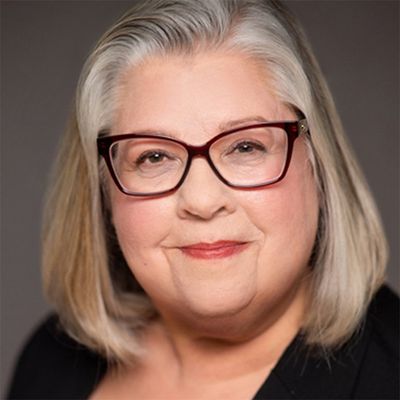

About
You’re in for a treat today as we chat with not one but two fantastic guests: Jen Ponton and Deborah Unger are incredibly talented performers who’ve built remarkable careers in theatre, film, and television. Their paths intertwined fifteen years ago during an old-school teleconference with a performance coach. The episode explores their individual journeys and the enduring power of their collaborative relationship.
Their upcoming show Maiden Mother Crone features their two solo shows: Jen's autobiographical solo show, Sugarcoated, and Deborah's deeply personal play, The Longer My Mother is Dead, the More I Like Her.
Jen and Deborah share their experiences navigating the challenges and triumphs of the entertainment industry, offering invaluable insights into building a career on your own terms. From Jen's powerful advocacy for body positivity and her work combating fatphobia to Deborah's evolution from musical comedy to critically acclaimed film and theater, this is a conversation brimming with inspiration and resilience. Learn how these two remarkable women have taken control of their narratives and built their own tables in a demanding industry.
Connect with Deborah and Jen to follow their incredible journey.
- Make sure to follow this podcast everywhere you find podcasts, leave a rating and a review, and slip into our inbox by emailing wasitchancepodcast@gmail.com
- More about Heather via her website and connect with her on LinkedIn, YouTube, and BlueSky. Listen to The Brave Files
- More about Alan via @theatre_podcast on Instagram and listen to The Theatre Podcast with Alan Seales
Key Episode Takeaways:
- Building Your Own Table: Instead of passively waiting for opportunities, Jen and Deborah actively created their own paths,
- Authentic Storytelling's Power: Both Sugarcoated and The Longer My Mother is Dead... demonstrate the profound impact of honest, vulnerable storytelling.
- Resilience and Overcoming Obstacles: The episode details the numerous challenges faced by both women, from navigating the complexities of the entertainment industry to confronting personal struggles and societal biases (like fatphobia).
- The Value of Collaboration and Mentorship: The long-standing relationship between Jen and Deborah illustrates the immense value of collaborative partnerships and mentorship.
- Body Positivity and Challenging Societal Norms: Jen's outspoken advocacy for body positivity and her fight against fatphobia in Hollywood provides an important platform for discussion.
- Artistic Evolution and Reinvention: Deborah's journey showcases the transformative power of artistic evolution and reinvention.
- The Unique Demands of Solo Performance: Both women discuss the unique creative, emotional, and logistical demands of creating and performing solo shows.
Transcript
This transcript was automatically generated and might contain errors.
[0:09] Heather Vickery: Hi everyone.
[0:10] Alan Seales: Welcome to Was It Chance, the podcast about embracing opportunity, taking attentional risk.
[0:16] Heather Vickery: Fuck your creative life.
[0:19] I'm Heather Vickery.
[0:20] Alan Seales: I can't get through it because he makes all these stupid ass faces constantly.
[0:24] Heather Vickery: Now this is just one of those running jokes that I love.
[0:27] Alan Seales: All right. Uh and I'm Alan Seales.
[0:29] Heather Vickery: Heather and I started off as two perfect strangers who met by chance and embraced opportunity.
[0:33] Alan Seales: So now you, the listener, get to listen in as we chat with other successful people about the risks they've taken to put themselves on a path to creative success.
[0:42] Heather Vickery: Yes!
[0:42] Alan Seales: Success.
[0:43] You the listener get to listen in.
[0:45] Heather Vickery: You the listener, get to listen.
[0:46] Not watch.
[0:47] Alan Seales: Well, maybe on Spotify.
[0:48] Heather Vickery: Yeah, you can watch.
[0:49] Alan Seales: Yeah.
[0:49] Heather Vickery: You the listener can watch with your eyes closed.
[0:51] Then you're listening again.
[0:54] Alan Seales: It's been a month.
[0:57] Heather Vickery: It's the fourth.
[0:57] Alan Seales: It's been a month.
[0:58] Heather Vickery: Hey, Alan, who's with us today?
[1:00] Alan Seales: May the fourth be with you.
[1:01] Heather Vickery: Oh yeah, that's right.
[1:02] Alan Seales: But it's not May.
[1:03] Heather Vickery: No, February.
[1:04] Alan Seales: May the fourth.
[1:04] Heather Vickery: Yeah.
[1:05] Alan Seales: I just oh we have we have two guests today.
[1:09] Heather Vickery: Double trouble.
[1:10] Alan Seales: Double trouble.
[1:30] Heather Vickery: Jen Ponton and Deborah Unger.
[1:30] Alan Seales: Uh uh Ponton.
[1:30] Heather Vickery: Did I say that?
[1:30] Alan Seales: I was like, you can't read.
[1:30] Heather Vickery: Jen Ponton.
[1:30] Alan Seales: Ponton.
[1:30] That's exactly what you're doing.
[1:30] Heather Vickery: I just it's a throwaway.
[1:30] Alan Seales: Ponton.
[1:30] Yeah, it's a throwaway.
[1:30] Heather Vickery: Perfect.
[1:30] Alan Seales: Okay.
[1:30] Heather Vickery: Yeah, you throw away, you throw away the line.
[1:28] That was makes comedy great.
[1:29] Alan Seales: Okay.
[1:30] Jen Ponton and Deborah Unger.
[1:31] So we uh have two guests, Jen Ponton and Deborah Unger, two powerhouse creators whose work exemplifies the transformative power of storytelling.
[1:39] Heather Vickery: So Jen is a dynamic actor, writer, activist, and she is known for her roles in 30 Rock, The Unbreakable Kimmy Schmidt, Orange is the New Black, and her TEDx talk on Hollywood's fat phobia problem.
[1:52] Alan Seales: And now Heather, pass it to you.
[1:53] Heather Vickery: Oh, she passed it to me.
[1:54] Alan Seales: I know we said, let's share it because there's two of them.
[1:56] Heather Vickery: We don't do two guests very often.
[1:58] Deborah Unger is a versatile performer with a career-spanning film, television, theater, appearing in Gotham, Birdman, and Motherless Brooklyn.
[2:08] Alan Seales: Together, their work in Maiden Mother Crone.
[2:11] Heather Vickery: And I'm excited to even talk about the title because I'm in my crone era.
[2:14] Alan Seales: Challenges connect and inspire audiences, proving that theater has the power to transform both creators and viewers alike.
[2:22] Heather Vickery: Very cool. Friends, welcome to Was It Chance.
[2:26] Jen Ponton: Thanks.
[2:27] Deborah Unger: We're so excited to be here.
[2:29] Heather Vickery: We need to get that like little air horn sound.
[2:32] Alan Seales: Do we can it be different?
[2:33] Heather Vickery: You know what? That sound makes me think of Kelly Clarkson, who makes that sound with her mouth all the time and it annoys the shit out of me.
[2:39] Deborah Unger: Oh, was that?
[2:39] Jen Ponton: And I love Kelly.
[2:40] I'm a big Kelly fan.
[2:41] Deborah Unger: I'm not mad at Kelly, but why is she?
[2:44] Jen Ponton: Why is she doing it?
[2:45] I don't know.
[2:46] Deborah Unger: Why does anyone have a nervous tick?
[2:47] Maybe because they're nervous.
[2:48] Jen Ponton: What's what could be our nervous tick?
[2:50] Deborah Unger: She does it when she's excited.
[2:52] Jen Ponton: That's how she feels like.
[2:53] My nervous tick is fuck.
[2:57] Heather Vickery: Okay, okay, that's it.
[2:58] Every time after we introduce everyone, we all have to go.
[3:01] One, two, three.
[3:06] Alan Seales: One, two, three.
[3:11] Heather Vickery: To which I respond, oh shut up.
[3:15] Alan Seales: Right.
[3:16] Heather Vickery: When you did that, and I really thought I was gonna spew it all over the microphone.
[3:24] Alan Seales: Well, so tell me, tell me.
[3:26] Heather Vickery: You said you're in your mother maiden crone phase, Heather.
[3:29] So what is the title?
[3:30] Just the crone part.
[3:31] Deborah Unger: I mean, okay, so listen, maybe you don't know this, but that is that explain that to me path that all women go down.
[3:38] Heather Vickery: And I really want to hear Jen and Deborah talk about it.
[3:41] But you start as a maiden, and then maybe you're a mother, but even if you don't birth someone, there's a mothering phase.
[3:48] There's a mother hen caregiving phase, and then there's the crone phase.
[3:54] And I just it's funny, I just had this conversation with my 20-year-old daughter.
[3:57] I was like, I turned 50 and I feel fully ready to embrace the crone phase.
[4:02] And they were always the coolest ones in the fairy tales, anyway.
[4:06] Deborah Unger: They're the smart ones.
[4:08] Heather Vickery: Yeah.
[4:09] Jen Ponton: Yes, ma'am.
[4:10] No shit.
[4:14] Heather Vickery: Oh my gosh.
[4:15] I am so I have so many questions.
[4:18] And for both of you, and we're balancing asking two different people.
[4:22] Alan Seales: We don't normally do this, but I'm really excited to have you here together.
[4:26] Heather Vickery: Let's just talk about how you came up with that title.
[4:29] Jen Ponton: It was Jen.
[4:30] Deborah Unger: It was uh it was my idea uh as you know, uh as a little tarot nut job myself, and me too, yeah, right?
[4:39] Jen Ponton: Like my show feels so witchy.
[4:41] Deborah Unger: Deb's show feels so witchy, and there is crony, yeah.
[4:46] Jen Ponton: And like both of our shows are really about unlearning a lot of things that um that girls that women are supposed to be, and about the multitudes that women and the women who are around us contain.
[5:00] Deborah Unger: And so it felt really appropriate because my show sort of like boots me all the way out of maiden, and I never became a mother.
[5:09] Jen Ponton: So in my own way, even at 40, I'm like, I'm fully crone, fully into crone, and Deb's show, interestingly, um, you know, has has gone out of maiden and is a real fight between mother and crone the whole way, and finally, um, you know, and finally there's like this beautiful moment at the end where there's understanding and like a bridging of the gap.
[5:34] Deborah Unger: Um, but I just had like the three card spread in my head for so long, and I was like, I don't know, this sort of feels like this sort of feels like the unifying cabaret title of both of our pieces together.
[5:49] Jen Ponton: And I love the three-card spread vision of that.
[5:52] Deborah Unger: Sorry, didn't mean to—
[5:52] Jen Ponton: No, no, that's okay.
[5:55] Deborah Unger: But if you see the graphic where it says Maiden Mother Crone, you also see there's a big X over mother.
[6:03] Jen Ponton: Yeah.
[6:04] Deborah Unger: I love that.
[6:05] I'm a deck person.
[6:06] Jen Ponton: I co-created this deck of manifestation cards.
[6:08] Deborah Unger: Oh, create great cards.
[6:10] Jen Ponton: They're so cool.
[6:11] Deborah Unger: They're so much fun.
[6:13] Jen Ponton: My favorite product.
[6:14] Deborah Unger: Send them a deck.
[6:15] Jen Ponton: I would or as they as they say in New Zealand, show them your dick.
[6:22] Heather Vickery: Wow.
[6:28] Jen Ponton: I know.
[6:28] Heather Vickery: I want to come.
[6:29] Jen Ponton: I really do.
[6:30] Deborah Unger: I really do want to come to the show, but I like to do it.
[6:32] Jen Ponton: It was a really big dick, Heather.
[6:35] Deborah Unger: Have you been waiting for that?
[6:37] Jen Ponton: Have you been just holding that for years?
[6:42] Deborah Unger: I've been holding that up.
[6:43] Jen Ponton: I've been holding his computer.
[6:45] Deborah Unger: I've been thinking about your dick for a long time.
[6:51] Alan Seales: And there is one.
[6:52] Heather Vickery: And she never made another one ever again.
[6:58] Jen Ponton: We have a sibling-like relationship here where he does the most annoying fucking things, and I just laugh and nod my head.
[7:05] Alan Seales: Like, okay.
[7:06] Jen Ponton: Making Heather laugh is genuinely one of my favorite things to do in my life.
[7:10] Heather Vickery: She's got a contagious laugh.
[7:12] Jen Ponton: That's nice.
[7:13] Alan Seales: We open with it almost always because he does something stupid and I laugh.
[7:17] Heather Vickery: But yeah, yeah.
[7:19] Alan Seales: You mean I'm awake?
[7:19] Jen Ponton: Yeah.
[7:20] Alan Seales: Uh the stupid.
[7:23] Heather Vickery: Yeah.
[7:24] Alan Seales: This is gonna be a fun video too, because all you can see is just light hitting me, which is lovely when I'm working, but not when I'm recording.
[7:30] Jen Ponton: Have you heard about blinds?
[7:32] Deborah Unger: They're a relatively new invention.
[7:33] Alan Seales: I don't have them up here.
[7:34] Heather Vickery: I know, I know.
[7:35] Alan Seales: You should check them out.
[7:37] Heather Vickery: Stop telling me what you want.
[7:39] Jen Ponton: She needs that D.
[7:40] Heather Vickery: I do.
[7:40] Jen Ponton: I need to get it.
[7:41] Heather Vickery: She does need that D.
[7:43] Jen Ponton: Because I'm a lesbian.
[7:44] Heather Vickery: But the vitamin D is a yes.
[7:48] Alan Seales: So here's my vitamin D.
[7:51] Heather Vickery: I want to thank you.
[7:52] Alan Seales: I have a little light.
[7:53] Heather Vickery: Yeah, yeah, yeah.
[7:54] Alan Seales: Well, sad, yeah.
[7:55] Jen Ponton: So mother turn it on.
[7:57] Alan Seales: Maiden Mother Crone is a show that you guys have put together.
[8:02] Heather Vickery: So uh tell us the journey of uh like how did you meet and then where did the whole thing start?
[8:08] Deborah Unger: Of like chance, yeah, and was it chance?
[8:10] Jen Ponton: Totally.
[8:11] Deborah Unger: How did you totally faded um meat cute?
[8:16] Jen Ponton: We have a full-on meet cute.
[8:17] Deborah Unger: Really?
[8:18] Jen Ponton: Yeah.
[8:19] Deborah Unger: Explain it, explain it.
[8:20] Jen Ponton: It started because we were both we both signed up uh for this uh uh woman who was coaching actors on uh connecting with industry people and publicity and you know getting an agent and all that fun crap that nobody tells you you have to do when you decide to become an actor.
[8:42] Deborah Unger: And um uh this was you know, back in the pre-technology days, and so our meetings were on a telephone trunk call.
[8:51] Jen Ponton: Wow.
[8:51] Deborah Unger: They were actually teleconference, and you had a lot on for and saying, but like this, not with the the spaceship in the middle of the conference table.
[9:02] Jen Ponton: Right.
[9:02] Deborah Unger: And um the way she worked the class was each week you would switch off and have another partner who would be your support partner for the week.
[9:11] Jen Ponton: And you would talk every day and you know, do the assignments and all that stuff.
[9:16] Deborah Unger: And uh Jen and I didn't get paired up until the final week.
[9:22] Jen Ponton: And um, and someone had dropped out, and so there was actually, she said, would you take a third person in your pot?
[9:27] Deborah Unger: And we said, Oh, sure.
[9:29] Jen Ponton: Well, you know, we got rid of her pretty quick.
[9:32] Deborah Unger: She just was she just was not like on the same wavelength or mind train that we were.
[9:40] Jen Ponton: But Jen and I were just like, hey, I like you.
[9:43] Deborah Unger: Do you like me?
[9:45] Jen Ponton: Better like me.
[9:50] Deborah Unger: Oh shit, I do.
[9:51] Jen Ponton: That's good.
[9:54] Deborah Unger: And um that began our journey.
[9:57] Jen Ponton: That was about 15 years ago.
[10:00] Deborah Unger: And we've just been entangled in one another's lives since then and are very happy for it, very happy for it.
[10:07] Alan Seales: We're this is like uh, if not the first or second person I get to thank or will thank uh when when and if and when and when let's just say when I get any kind of award.
[10:19] Deborah Unger: There you go.
[10:20] Alan Seales: Yeah.
[10:20] Deborah Unger: Oh it'll be up there, and it'll be up there.
[10:23] Jen Ponton: Alan, how's it feel to be somebody who who is gonna be thanked when she wins an award?
[10:27] Alan Seales: Marvelous, because I know it's gonna happen.
[10:30] Jen Ponton: I love I'll make her cup up on the stage with me.
[10:33] Alan Seales: Oh okay.
[10:34] Heather Vickery: Okay, well, so can we just very briefly have each of you sort of share your journey to being an actor?
[10:42] Like what what were the intentional risks you took?
[10:45] What were the choices that you made?
[10:47] All of that cool stuff that sort of got you to that teleconference call.
[10:51] Jen Ponton: What about you, Jen?
[10:53] So for me, I had um, you know, I was one of those kids who like right, right out of the gate, I was like, I want to do this.
[11:01] I want to be on Broadway, I don't be on TV, I want to be in movies, I want to make people laugh, I want to sing, I want to do all this.
[11:07] And um, I grew up in a really rural area of Jersey where there were no arts connections.
[11:13] So I didn't really get to like do plays until high school.
[11:17] But once I caught that, I mean, there was absolutely no looking back.
[11:21] And I did get a theater degree for whatever that's worth.
[11:25] Deborah Unger: Me too.
[11:26] Jen Ponton: It's worth nothing.
[11:28] Deborah Unger: Nothing, but it's all good.
[11:30] Jen Ponton: Not saying you shouldn't do it, yo.
[11:31] I'm not saying that for other people.
[11:32] Deborah Unger: Or maybe you know college.
[11:35] Jen Ponton: I don't know.
[11:35] It's kind of hard.
[11:37] Deborah Unger: Um I don't think it matters as much these days.
[11:41] Jen Ponton: Exactly.
[11:41] But um, but once I got out of college, I, or even right before I was just rabid to try and figure out what the life of a working actor was like, because I don't come from a family of artists or performers.
[11:56] So um I was, you know, I was off to the races, I was on all the list serves, I was at open calls at five o'clock in the morning.
[12:04] I mean, I just did everything.
[12:07] I did shows at St. Mark's Place, you know, uh at 11 p.m. on a Tuesday, right?
[12:11] Like the whole nine, I spent years and years hustling hustling.
[12:17] And um that that happened for about four years before I found the coach that Debbie mentioned.
[12:25] Jen Ponton: Um, and I was just, you know, sort of in a place of like throwing spaghetti everywhere at the walls.
[12:31] And I was like, well, I'm having fun, but also it would be really nice if I could get an agent.
[12:31] It would be really nice if I could start like truly auditioning for TV and film.
[12:40] Like it happened sometimes, but it was really hard to figure out what I had to do.
[12:45] Deborah Unger: And so I signed up for this course that put me in touch with Deb.
[12:51] Jen Ponton: And um, and really both our careers took off in a whole new direction after that because we had both had a lot of success and establishment in theater and uh and on stage, but it really helped catapult us into the burgeoning film and TV market that New York has become.
[13:13] Alan Seales: How'd you find that coach?
[13:15] Deborah Unger: She was a really good marketer, and uh there's a place called Actors Connection, which does all kinds of um classes and workshops and uh and like one-on-one meetings, and she had she would hold, you know, a free seminar where she'd give you a couple of really applicable, um, easy to enact little tidbits of wisdom.
[13:38] Deborah Unger: And then of course, she'd end with the pitch of like, hey, and if you want to do the bigger course, like here, end of day today, you can get this big discount. And she was really a wonderful person and such a great energy and so smart and um and just didn't didn't feel sleazy at all, didn't you know, make your skin crawl and make you like want to run into the bathroom.
[14:01] Jen Ponton: Yeah.
[14:02] Deborah Unger: So um, so it was a really easy yes at that time. And then and then Deb and the and other dear friends of ours that it connected us to, like, so worth it for all the success and all the business know-how, and then the community on top of it.
[14:19] Jen Ponton: I love that.
[14:20] Deborah Unger: Yeah, we actually uh created a group. Um it started because uh Jen said, Oh, I know how to do a one sheet, you know, to advertise yourself. And and we said, Oh, tell me how to do that. And and so we decided to have like an hour or two meetup at another friend's house to learn how to do a one sheet, and Jen's a great graphic designer as well.
[14:43] Deborah Unger: And so she sort of led it, and I I don't know, about a dozen people came. It might have been that many. It was like 12 or 15 people, and we had one asshole who tried to dominate the whole thing, so we just ignored him.
[14:57] Jen Ponton: There's always one.
[14:58] Deborah Unger: Yep, I'm glad he left early. Yay, and but eight of us kind of bonded, and we started meeting weekly every Friday, and it would be between two and five hours, and we did this for a year, and then the two guys dropped out, and so now it was just six women, and we six women continued to meet.
[15:23] Deborah Unger: Um, I think we pr met intensely for like a year or two years, right?
[15:27] Jen Ponton: Oh, longer than that, Debbie, longer than that. I think we didn't start not seeing each other regularly until maybe 2017.
[15:39] Deborah Unger: Okay. So so by that time we had just established this bond because we pushed each other in the kindest way, but whatever year where you were stuck, uh it it it because it happened to our friend Catherine, whose house it was, she was sitting in one of the chairs and she was saying, Well, I'm 40, I'm ugly. We're like, are you kidding me? You are so wrong. Get back into the business. You're gorgeous. And who gave you that shit idea?
[16:12] Jen Ponton: And she sort of kept shrinking back and back into the chair and piled on top of her telling how wonderful she was. And so uh that turned out to be a terminology that we created called, Oh, are you gonna get shared today? Yeah, you are and um but but there for some cosmic reason was an innate trust, and we would allow the others to push us, and it worked in the most wonderful way, and so we I think it was seven years, and about in seven years, we kind of quit making sure we were doing it on a regular basis, or the oh geez, the massive email chains that were going around, you know.
[16:56] Jen Ponton: Um, but that seven years, um I don't know, Jen, what would you say? I mean, it's it's probably the foundation for most things that I do now because it not only gave me lots of information that other people had on how to do and approach things or how to feel and how to deal with the ick feelings, you know, the business, but it made me uh certain of myself, I think.
[17:24] Deborah Unger: What'd you say, Jen?
[17:26] Jen Ponton: First of all, that's a great joke. It made me certain of myself, I think.
[17:32] Deborah Unger: Oh, come on. Ain't nothing certain of taxes and debts.
[17:37] Jen Ponton: So, you know. I mean, I'm used to say I don't have to do anything but pay taxes and debts.
[17:41] Deborah Unger: Right.
[17:41] Jen Ponton: Yeah, I'm really, really confident.
[17:44] Deborah Unger: Right?
[17:44] Jen Ponton: Right? Isn't that true?
[17:49] Deborah Unger: But we still lean on there. There are now three of us who state in the business.
[17:54] Jen Ponton: Us and Catherine.
[17:55] Deborah Unger: Yeah, we're the core. The three of us are the core. And if anything comes up, the first thing is either text or call, Jen or Catherine. That's the first thing because I know they'll help me get my head put back on straight. And I can't tell you how valuable that is.
[18:11] Deborah Unger: And I COVID kind of really screwed the pooch on that for people. Um but you know, if if anything comes out of any interview we do, it must be the message that you must connect with people and throw away the piranhas and keep the ones you can trust and cling on to those ones you trust because they're the ones that are gonna, you know, keep you from thinking bad things on a Saturday night when no one's calling you.
[18:43] Jen Ponton: Connect with real people. That's like my whole goal for this year. Not that I don't, I'm not doing that, but like in person, like the people I can touch and put my hands on in my own community because we get so easily lost in an online world.
[18:56] Deborah Unger: And I have a virtual business, so I can do that. I can work from anywhere with anyone, which is great. We're gonna take a quick break. Stay tuned for more of the episode.
[19:07] Jen Ponton: And now we're back. It was after the election, like the day after you guys are woo-woo. So I'll just go all the way in. Like the the download, the message that was so loud and clear was get out into your community and be with people in person.
[19:23] Deborah Unger: You have to touch school.
[19:24] Jen Ponton: And isn't that what theater's all about?
[19:26] Deborah Unger: Yes.
[19:27] Jen Ponton: Yeah, I mean, that's what I missed most about COVID was the inability to sit in a giant space with a room full of strangers and all go on the same emotional journey.
[19:38] Deborah Unger: That's what you miss the most during COVID.
[19:40] Jen Ponton: During COVID, not about COVID.
[19:44] Deborah Unger: No.
[19:44] Jen Ponton: No.
[19:45] Deborah Unger: Not at all.
[19:46] Jen Ponton: So so Deborah, will you just give us the quick rundown of like how you ended up in that teleconference? Like your own.
[19:54] Deborah Unger: Oh, same thing.
[19:59] Deborah Unger: Oh, at the time I was I was making a short film. And um what I got from what Dallas was pitching was about doing PR and getting the word out. And I'm like, yes, I want the world to see my 10 minute film, which turned out to be 18. But I actually went out to California to do her workshop because I couldn't wait. That was the journey that started for me.
[20:24] Deborah Unger: But but in terms of theater and this piece, I'm an army brat and um something between my personality and having to move a whole lot from the age of zero to eighteen. The storyteller in me was always prominent. And maybe because that was my way to connect. First time I moved, I was six weeks old. Oops, you know, and then a year after that we moved, and two years after that we moved, and two years after that we moved, and two years after that we moved, and a year, and then one, and then three, and then two, and then three, you know, and and then my dad retires from the army the same month that I graduate from high school.
[21:04] Jen Ponton: So it's not funny, but wow.
[21:07] Deborah Unger: Yeah, no, right. So um, along the way, including the year that he was away in Korea, I think that's when it really the storytelling really kicked in, and that's when I started writing. I wrote a little series about a caveman and his dog.
[21:24] Jen Ponton: Oh I still have it in a spiral steno.
[21:28] Deborah Unger: Did he name the dog?
[21:30] Deborah Unger: I can't remember the names right now, but I could go look them up. You know, you got us in the footlocker with a lot of stuff. And um, and that was that, and that was how I would connect with people, you know. It's like, oh great, we're moving again. I have to make new friends again because uh people under 40. When I grew up, a long distance phone call was a luxury.
[21:50] Jen Ponton: Yeah, yeah.
[21:55] Deborah Unger: Yeah, oh yeah, you you just didn't it was like uh all right, everybody gather round, we're gonna call Aunt Tessie in Pittsburgh now, and we'll that's that's it for the year, you know. And so um the only way you could communicate was writing letters, which I did a lot, but other than that, it was like, damn, if you don't want to feel like a bozo until you get adjusted to the new place, go out and tell someone a story.
[22:23] Deborah Unger: And I did this in the fourth grade, as a matter of fact, my mother in her very gentle way said, Go out and make some friends, and so and take your sister with you. Get out of here, and and she and my sister is two and a half years older than me, and she's like my complete opposite. Everything where I'm wow, she's like, don't look at me.
[22:45] Jen Ponton: So um, I'm fourth grade, right? And I go outside and there happen to be a huge play field across the street from the apartments that we were uh housed in, quartered in. And so I go out and I see some girl on a teeter-totter, and I walk up to her and I say, Hi, I'm Debbie. I just moved here. You want to be friends? So that's how you get a dad.
[23:04] Deborah Unger: And she's all well, you know, she's an army kid too, so she understands I turn around and say, Oh yeah, this is my sister, she's shy. Of course, that made her shrivel and go back home. You know, that's always the direction I pointed because that was where I found comfort and connection. And so it was just logical by the time I, you know, uh hit high school that I decided to be an actor.
[23:29] Jen Ponton: Well, you said that the writing gave you that connection though, right? So where did the switch come to actually want to perform versus just write and create uh in the because connecting in real time is always better than writing for me.
[23:44] Deborah Unger: Writing kind of lets me get my yayas out. I use it like as a dump to clear my mind because it's really noisy up there. Um but the whole point of writing is so that it can be spoken and and told to people and connect. And then I wrote a play about car safety in high school.
[24:05] Jen Ponton: A play.
[24:07] Deborah Unger: Yes, well, I was asked to do it, so I did. And uh my friend who is now my my longtime friend from from high school, he owned a roadrunner, so we made out of cardboard a roadrunner for him to you know be on the stage in and I love that. Just you know, all that kind of stuff like that.
[24:28] Deborah Unger: So um and then I when I came to New York, I got frustrated because you know, you don't get cast in the things you want to get cast, and I came here to be a musical comedy star, of course. And um things weren't happening, so I'm like, well, oh, we can say it. So fuck that. I'll write my own shit. And I started doing cabaret shows.
[24:49] Jen Ponton: So um I think that's the writing supported me in doing that. And then, you know.
[24:56] Deborah Unger: So Mother Maiden Chrome brings together these very personal stories as solo plays. And I'm curious what drew you to the solo performance format. Is that like your thing, your specialty, or is this a little bit different?
[25:10] Jen Ponton: And connection has come up a number of times with both of you. And so how does this solo format help you connect with audiences?
[25:19] Deborah Unger: Ooh, uh, well is not my specialty. Although I suppose the argument could be made, do either of you know what forensics is?
[25:30] Jen Ponton: Like yes, we've all seen CSI.
[25:32] Deborah Unger: Yeah, CSI, currency.
[25:34] Jen Ponton: Yeah, not this forensics.
[25:37] Deborah Unger: Did you know? Okay, so is it like investigating to figure out all the details to use to figure out the in fact if I want to get really nerdy with you, I'll tell you that it's called forensic science because you have to be really eloquent and you have to orate in front of a court. So they called the science after the public speaking part of it. Anyway, I did a lot of forensics. I love that fact that's legit.
[26:03] Deborah Unger: Um so I I did a a ton I loved forensics all through high school, and that really was it was individual competitors, so you did you basically went up there with a script, uh with a play with a 10-minute cut of a play, and you played all the different characters yourself. So I do have the skill set, but I didn't seek out solo performance because I never knew what I would want my solo show to be. You know, I sort of tried my hand at it a couple times in my like early 20s, and nothing felt moving.
[26:37] Jen Ponton: So Sugarcoated did not start as a solo show. It began as a much needed, like Deb said, giant vat of memoir that was just containing the rubble of my life as I came out and as I completely pressed the boom button on a very long established like Stepford wife life. Um, and so the memoir was like, well, there's a book in this, and this is also just like my mental health jar. And um, and so like a year and a half ago, I was uh I was talking with a friend who does audiobooks, and she was asking me about my book, and I told her, and she like grabbed my arm, and she's like, Jen, this is a solo show. And I don't know why it hadn't occurred to me before that, because similarly to what Deb's saying, I also love I love the family connection aspect of a play of being a cast member that lights me up, that makes me very happy.
Um, I'm an only child too, so like I wanted to be around other people so badly. And I never um, and so I didn't really see the draw of solo work. But after a pandemic, it was like, well, maybe this is actually a way in which I can, in addition to everything else, like safeguard performing a little bit because you don't have to worry about an entire cast infecting each other, and you don't have to worry about like a huge amount of money going into a big production and a ton of investors, and like at the end of the day, that's not this production. All Deb and I really need is like a light and a mic, right? I mean, at the end of the day, this could not even a mic. No, not for you. Yeah. You can project.
So old school. So, you know, like it's it's definitely had its perceived pros and cons of like, well, I guess I'll miss like having people to act with and having like a little cast family. But also, what a cool thing for me to just kind of be able to re-jigger and maybe bring it, you know, to other cities and like I can still do the play kind of no matter what. Um, and then as Deb and I were on a call with our friend Catherine, as we were having a little goose flocking, as we call them, I we were both respectively lamenting. I was like, oh, producing alone is hard. And Deb was like, uh, the festival circuit is frustrating. And I was like, what are we doing? Debbie, your show is so beautiful, and it actually works really well with my show.
Why don't we do this like a cabaret would, where we're both, you know, in residence together under an umbrella, and then we technically have cast members and we get to like do it together. We get to be in the dressing room together. We get to have this, you know, kind of like family experience to a certain extent. But um, you know, still still work through this um a show, our respective shows that I think we could do um and finagle for a lot of different spaces and a lot of different budgets, and it it felt like the best idea I had ever had. To date, too. There'll be so many more. So many more.
[30:20] Alan Seales: So then so you you decide to put this together and walk us through the steps of like getting this onto a stage and and we are here, so obviously you're doing your own marketing, you're doing your advertising. Like what did how did that all come to be?
[30:34] Jen Ponton: I gotta tell you, I am so grateful that we're now right before tech, which means Deb and I both basically get to hand everything off to the to the people around us. Um, because I do not love producing it is very stressful. Nobody answers your emails. Um and when you hire someone, they go, okay, but do I really have to do all of that job? Yes, I'm paying your ass. You have to do your job. Well, that's the problem. Pay the rest of them, not just their ass. It's um it's so initially um I was working at I was working at securing all this maybe like two months before Debbie was fully on board. And it was like yelling into a void. It was true, it was the most dispiriting thing of all time because they were like, there are, you know, it's not even like it's a theater putting me on, right?
It's not them saying we select your play and we're gonna produce your play. It's like I will give you money to let me do my play. And I'm sending these emails like will you take money I don't have to make my play and just like nothing tumbleweeds just the the great void vibrating back at you and I'm like oh my god and our producer Alex was was um was with me at that juncture too and she's like it's summer and I'm like but nothing works anymore like it's it's like it's in post zone um and then finally the flea was one of my top choices and it looked like I wasn't going to be able to get the dates that I wanted but by the time Deb was on board they had exactly this chunk of February and I was like I think I think the flea is it so um they've been really wonderful from jump in terms of like being super responsive holding our hands being very forthcoming it is so much information spread out through roughly 5,000 emails and it's just impossible to keep all the threads together and sort out you know who knows what and the amount of um cat herding is yeah that's a producer's job oh my lord oh my god yeah it's uh it's significant um so that has been more stressful than fun but what has been really nice has been to um you know collect a really competent and capable team.
Like I knew from jump, Deb and I as the performers lock tight we're both working with directors that we've worked with before who like understand and love us and the pieces lock tight. Alex was so worried she wasn't gonna be able to be a producer, but as she's stepped into it, I'm like, thank God for you. Thank God she's in natural, yeah. She's really and she actually produces for herself. I think she never thought of herself as a producer. She thought of herself as the person who got uh she does these fabulous burlesque shows called Bounce House. And um she's producing. I mean, she's exactly what she's doing, and she she truly is a natural, she's the mother part of a maiden mother crone. Okay, so she's the mother hen component.
She's hurting us, and and and and we finally said, yes, please take it. It's your time. And she's like, you got it. You know, and she's working it all now, taking it off our backs, but in and with the most kindness, and she's uh I'm really looking forward to her becoming one of my best friends because sh I love her. She's one, you know.
[34:40] Deborah Unger: Yeah, she's great. Um, and anyone who will take their clothes off in public and has the nickname the titties from Jersey City is gonna be a friend of mine.
[34:51] Jen Ponton: Mine too. I have a problem with that.
[34:53] Deborah Unger: That one's for sure.
[34:54] Jen Ponton: I have a problem with that, though.
[34:55] Deborah Unger: It needs to be the titties from Jersey Cities.
[34:57] Jen Ponton: It's gotta completely run.
[34:58] Deborah Unger: It's gotta be more than one Jersey City.
[35:00] Jen Ponton: Then I'm on board.
[35:01] Deborah Unger: As soon as you unveil your nether region, Alan, you'll have the right to say that.
[35:05] Alan Seales: All right. We're doing this.
[35:07] Jen Ponton: Oh, okay. So you have these two really beautiful.
[35:23] Deborah Unger: Sometimes I have the neighbors over. We all we all get on my dick.
[35:30] Jen Ponton: We'll get a nice Bobby on there this day and on my dick is really big dark dick.
[35:37] Deborah Unger: Oh my God.
[35:38] Jen Ponton: Your dick treated.
[35:41] Deborah Unger: It's pressure treated.
[35:43] Jen Ponton: It can take a lot of way in here.
[35:45] Deborah Unger: Yeah, it was.
[35:47] Jen Ponton: Dragon chairs crossed.
[35:49] Deborah Unger: Dragon cheese and people stomping on it all night long.
[35:52] Jen Ponton: You know.
[35:54] Deborah Unger: Okay. See. Now I'm gonna be the motherhead.
[35:59] Jen Ponton: Both of your shows are very no, no, it's good. It's fun. Are very autobiographical. So I'd love for you each to kind of give a give us a little bit of a taste of we've got sugar coated, right? And and Deborah, my notes aren't in front of me, so I just the longer my mother is dead, the more I've done it.
[36:16] Deborah Unger: The longer my mother's dead.
[36:17] Jen Ponton: That's right. It is actually really right here. And I just thought, well, maybe it's about the longer her mother is dead. I forget what it's all there. Um so what were these processes like creating these stories and what's it like telling them? And just give us a little a little snippet.
[36:34] Jen Ponton: Uh for me, um, for me, the the creation of everything once I had the once I had the container in mind of like, oh, this is a solo show, it came together really quickly. And there was so much of it I hadn't I hadn't written, but it was like I had all these memoir essays, right? Uh and and the process of my coming out was literal hell. Like Dante's inferno level, um absolute uh total trauma, the tower fully collapsing, and also like a mushroom cloud of uh really women. Plus during COVID. During COVID. Oh, so that's you you came out recently then. I didn't come out till I was 38, so I feel like Yeah, I was 36 when I was officially out. And um, and 38 by the time I started this memoir. We're gonna take a quick break. Stay tuned for more of the episode.
[37:33] Alan Seales: And now we're back.
[37:35] Jen Ponton: So I had all these pieces that were, you know, like reflecting on moments of um where it should have been obvious, where I wish I had come out, where I wish I had had more freedom, where I could see how ways of being controlled and manipulated were keeping me fully in the closet. And I I drove home after seeing this woman who told me that it should be a solo show, and I was just like, oh, right. So all these really fun moments, and then these really hard essays, and then some more beautiful moments, and I know exactly what it is. And I was uh we were on strike, so um, I all I had to do was just sit in my pajamas and write every morning. So I would, you know, bound downstairs and like open it up and fill in all the missing areas.
And I think I had my first draft within a month um just of like writing all day, every day. And it was very long at that point, it was probably much closer to like an hour and a half uh performance time, if not longer. Uh but yeah, it all just kind of like spilled forth from me, and I was able to call, and I made endless drafts, endless drafts. Um still going because I just cut uh of uh a shit ton more the other night. Um, but yeah, it it was all really quick and very intuitive once I knew the container that it really was. And um, and even though it's seen a lot of different forms and amalgamations, it's like it it's all been pretty much the same thing.
[39:17] Deborah Unger: What about you, Deb? Um, mine's been slightly longer journey. Yeah, that's what my notes say. 15 years. 15 years, and and that started after she was dead. Um, the mom. Um the mom. And um I had the mom, and and before the mom was dead, um, I had you know gone to therapy for 13 years, and so I worked on some stuff. Um there's a lot more stuff than just mom. So um uh she dies, and so now it's just me and my sister, and my sister is not someone who I've ever really been connected to.
[39:55] Deborah Unger: Like she could she's never come to see me in a show. Um she was all about her life and her three kids and her husband, and that is fine, you know, that is just fine. But so sort of, you know, I um the only time we connected and commiserated about my mom was the period of time from when my dad died to when mom died, and then about a year after, because um, as my mom said, I'm making you executor, because you know your sister has things to do, she has three children, you don't. It's like, oh yeah, because I don't have kids all the life. Thank you, mom. Love you so stinking much. But after I got that all handled, which she was happy to turn over to me, then we drifted apart to where we'd always been.
So it was me and this leftover mother voice in my head yelling at me anytime I did something that I knew she would have disapproved of. So I started writing it. And and for me, you know, Jen said she never uh did the solo show thing. When I got my MFA in acting, in order to get that degree, you had to choose, write, produce, and perform a one-person show, or you didn't get your degree. So I had experience early on, and I really liked it.
[41:15] Deborah Unger: You like that pressure of doing it all yourself.
[41:17] Heather Vickery: Well, it tracks with what you told us about when you were younger.
[41:19] Deborah Unger: Yeah, yeah. Yes, yeah. I like being up there, and you know, there's the thing that makes theater different from TV and film is that you can be the driver. And if what you've got going is good and the audience relates to it, you can guide them. I was gonna say manipulate them, but you can take that audience where you want them to go, and you can, you know, once you have the skills as an actor, you can do that with your body, with your voice, with what you don't say, with what you hide, with what you show. And there is no drug in the world that is as good as when you know you have the audience right here.
[41:19] Jen Ponton: Yeah, I agree.
[42:07] Deborah Unger: Yeah, and and yeah, and it can never happen like that again. Never, I love that feeling. Ever, ever, ever. And that is so unique and precious. And uh, it's a big responsibility, but you know, and I feel a little irpy right before I go on. Oh my god, what I'm gonna do out there. But once I'm there and I get locked in with the audience, then it's just us, it's just us, and for that period of time, we are together in this thing.
[42:44] Deborah Unger: Yeah, and I've been in Jen will attest to this because she came to the reading. Um this isn't just about mothers and daughters. This is about anyone that you were supposed to love and probably did, but had a hard time admitting it. And and how do you deal with the wounds and the scars and the pieces that got chopped off of you in the course of being with this person that said they loved you and you said you loved them, you know. How do you do that?
[43:18] Jen Ponton: Yeah, um, and so I can now at my age get all philosophical about it, you know, but it's really an amazing thing to hear as you're standing up there blabbing blabbing away, hearing the reaction in the audience to say something, hear someone go, oh, and then you're you know, my mom did that. Oh my god, that's just like and um yeah, there's a big reaction about it, just as they're um I haven't seen Jen in performance yet, but I'm sure she's gonna have the same reaction with her audiences because uh it's it's about just as this isn't just about mothers and daughters for her, it's not just about coming out and being queer, it's about being suppressed and being kept from being who you truly are, and in this world and these times, brothers and sisters, it's even worse. So to be able to kind of cloister up with someone for an hour and feel free about that, they're getting their money's worth.
[44:28] Deborah Unger: Absolutely, and and everyone's got a story either directly or uh their friends or uh parents are so complicated, and you and you say you love them like you don't you choose your friends, you don't choose your family, and you love your family because you have to, but oh god it's so complicated.
[44:49] Heather Vickery: And I will say, being the only one in the room who is is a mother, Alan has kids, but he's not their mother.
[44:55] Alan Seales: I'm a five-year could be a real mother, you don't know that could be, could be, could be.
[44:59] Heather Vickery: Yeah, you haven't seen my deep.
[45:04] Alan Seales: Do you know?
[45:07] Heather Vickery: No, but it's it's a very interesting like hearing you all say this. Yes, I agree completely, and I have sort of that same complicated relationship with my mom, and I am a mother, and sometimes often my relationships with I have four daughters are complicated, and then you start to see things from both perspectives. Now, what makes I think me different than my own mother is when I gain more perspective. A, a it's made me a lot more patient with her and a lot more understanding from her perspective, but also I go, Oh, I fucked that up. And I apologize to my kids. This thing I did. I thought I was doing the right thing, but my motivations were maybe off. I wanted it to be perfect. I want whatever it was.
It doesn't matter. I'm really sorry that that harmed you. Really sorry. That's the best I can do, right? But my mom would have never installed it. I love her. Hi, if you're listening. I know she doesn't listen. Um I just she would never come back and say, I've been thinking about this. And I really made a mistake there. But I do that to the best of my ability. And I think that makes the difference. But it's wild to be in the middle of both perspectives.
[46:23] Jen Ponton: Oh my God. No, Heather, you're so right. Like how tacit, how much of a tacit agreement is it that just adults don't have to apologize to children? Right. Like any authority, any member of authority. And like a child remembers when an adult takes accountability. They remember it. And you know, what Deb had with her mom, I had with my dad. Um, and like, oh yeah, just an absolute bull in a China shop, no sense of compassion, empathy, anything. Um, and I think my partner and I were just talking about this the other day. Like, what would it feel like to be a kid and to have your feelings acknowledged and your experience validated and to have your parent just say, oh, I'm so sorry. I reflected on this. I messed up. Life changing. All of a sudden, that child is not gonna be a serious hope so like I really hope so. I mean, I make daily apologies for stupid shit.
[47:23] Deborah Unger: Sure.
[47:23] Jen Ponton: Um, but bigger ones that that are which both things, you know, my my parents didn't do. I hope so. I hope that they can gain the perspective as they grow older that like nobody's perfect. One of my favorite quotes is um I've never been this version of me mothering this version of you. And I never will be again. We're all just trying to fucking figure it out.
[47:50] Deborah Unger: I love that. That's beautiful.
[47:51] Jen Ponton: Actually, and I I try that with my kids too. I try to be so uh apologetic when after the fact, if I'm if I'm upset, because there's so many things as an adult that get you angry, and then you come home and they're being themselves, they're being kids. They're like, dad, dad, dad, dad, and like, what do you want? You know, like you've got all your own shit going on, right?
[48:15] Deborah Unger: Right, right, right.
[48:15] Jen Ponton: Like, I'm not like I just for the record, I've never yelled at them like that.
[48:19] Alan Seales: He's he's never yelled at them like that. He's a great dad.
[48:21] Jen Ponton: And and but like in my head, that's what I'm feeling, right? And I'm like, guys, I just need you know, the second anyway. But I go I try to go back afterwards and say, I'm sorry, this is what's going on. Like I try to explain it to them literally of like work is causing me problems, uh, I'm having conflicts with my mother, with my friends or whatever it is, right? And acknowledge to them that I am sorry, it was an accident. I didn't make it make I didn't I yeah, acknowledge the feelings, didn't want to make them feel bad if I did, and explain that there are other things in life that were affecting me, and you know, like showing them that I'm human.
[49:01] Heather Vickery: Okay. First of all, I hear that and I think it's great, but I'm actually curious to hear from from Jen and Deborah's perspective what the feedback I've gotten from my older kids. I have two young adult daughters, is we just want the apology. It doesn't matter why. Because they see that in other ways. If you're communicating and talking in other ways, they know things are stressful with work or with parents because you're talking about them. When they've been hurt, they don't want an excuse as to why you've hurt them. They just want an apology.
[49:33] Jen Ponton: And I that's right.
[49:34] Heather Vickery: Yeah. I think we want to justify because we don't want to be in trouble for having hurt them.
[49:40] Jen Ponton: Well, because you don't want to be wrong.
[49:43] Heather Vickery: You don't want to be wrong. And that's what apologizing, you know, in the grossest, largest sense is I fucked up. I was wrong, and I and you were right, and I took it out on you. And I was wrong and I was wrong. And nobody wants to be wrong, you know. And and being a parent is such a weird dichotomy of having to be, you know, the dictator and the nurturer at the same time. And it's I I can't even, I would have been in jail if I'd had children because they would have just tossed me in there, you know, for you can't do that either. You can't let your children run around naked and uh spouting poetry, or you can't lock them in a room because you're just tired of their little screechy voices.
[50:30] Deborah Unger: You can let them run around naked and spout poetry, but you cannot lock them in a room, not outside the house.
[50:35] Alan Seales: Oh yeah, not outside the house, maybe just in the part, yeah.
[50:38] Deborah Unger: Yes, my kids go around naked all the time. Poetry never, never poetry on poetry in this house.
[50:47] Jen Ponton: But Jen and I have had some discussions about this because um, well, you know, when I um I knew stuff about her mom for a long time, and just because I give people names, I'm a weirdo that way, I always would refer to her mother as mom Ponton. And then comes the day I finally meet her mom in the flesh, and I am calling her mom Ponton to her face. And um it no, no, no, she she enjoys. And they are exactly one year apart.
[51:21] Jen Ponton: Oh and then she found out I was the same age as her, and she said, You cannot call me Mom Ponton anymore.
[51:28] Deborah Unger: And I said, Oh shit, what am I gonna acquire then?
[51:33] Jen Ponton: That's funny.
[51:34] Deborah Unger: That's the relationship I knew her for.
[51:37] Jen Ponton: Oh, that cracks me up. Relationships are so complicated. Relationships with ourselves are complicated. And I feel like the one thing that will make things less complicated is owning our own shit, not putting it on other people, fucking apologizing. And and so that actually leads me, Jen. So much of your work tackles and your and your activism, fat phobia and body positivity, and again, our relationship with ourselves and self-compassion and how we put ourselves out into the world. So I would love for you to just sort of, you know, share a little bit of that journey with us. How I mean I know that that's impacted sugar coated, but also so much of what you've done, and how does that kind of tie in to everything?
[52:25] Jen Ponton: Oh, in huge ways, in huge ways, because you know, the real nexus of it is in the late 80s, being a round, soft child of two thin adults, but specifically my father was abhorrent. I think my father, um, I think my late father had a lot. I mean, he he definitely I know he had a lot of trauma. I think he had an eating disorder. I know for absolute certain that he was incredibly um incredibly unkind, judgmental against fatness in general.
[53:08] Jen Ponton: When he quit smoking at the age of 60 and he finally put on like five pounds, he was devastated. I mean, he was wrecked the way you'd think that like an actress in a soap opera would be; it was messed up. And so my mother was not as deleterious. She was a bit more just like, you know, this is like the feminine age of dieting. But for my father, it was so much more personal. It was such a sense of like disgust and rejection. And I think that that really was at the nexus of my relationship with my body when I myself developed disordered eating when I myself was, you know, going through a lot of like self-mutilation as a kid. Yeah. And then high school and college were so freeing socially, but also you're growing into a young woman, and you're like, oh God, I really have to abide by these rules, and I want people to think I'm pretty and oh God, this is prom and it's 1998, and there are no dresses above a size 14, and I'm already like stacked, right?
So I mean, it would and my mother did her best but didn't know; she was a thin person from a thin family and didn't know. Like I never went to Lane Bryant; I didn't even know what Lane Bryant was until my senior year of college, right? Like just no idea, no scaffolding. And so, you know, all of that, all those negative practices persisted through high school, through college, even though I did like myself more because I felt like I finally had people in my life who valued me. But I was like, oh no, the only thing that's really wrong with me is that I'm fat, and that's gonna devastate me. And then in college, right, like only getting cast as mothers and the crotchety old neighbor and like all this re-affirmation of like you do not have the body to do what you want to do. There are no roles for you. And then to emerge from college looking like this, I mean, I look like this at 40. When I was 22, I looked like I was 10 years old. It was crazy.
[55:38] Deborah Unger: Well, and I just have to interrupt you because I've been watching you now for about an hour, and you are so gorgeous and you glow. I wish, well, you hopefully watch this on Spotify or yeah, Spotify. I mean, you just, you glow; you radiate joy, and I'm imagining this was a journey for you, and it's a journey you're ashamed of, but I just wanted to tell you that it shows.
[56:01] Jen Ponton: Yeah, absolutely. And I was like instantly, my breath was taken away with just how gorgeous you are as soon as we got on camera.
[56:08] Deborah Unger: It's very kind. I just want to say thank you. It makes me very anxious, but I appreciate it.
[56:15] Jen Ponton: Sorry. That's very sweet. I literally thought the same thing. I didn't know how to say it as like a cis white man in the right.
[56:25] Deborah Unger: Right, because it's creepy when you say it.
[56:27] Jen Ponton: Right, right. Heather, you say if you say it in a Kiwi accent.
[56:31] Deborah Unger: It's right.
[56:33] Jen Ponton: Yeah. So I think you're really hot, and you know, if you just want to come over and show you my dick, you can just come. Like, you know, we do it cards though, and they're gonna shuffle them. And it really is amazing because as long as I've known Jen, when she walks in a room, everybody goes, yeah, you can't talk her because of her energy and her joy and the smile on her face. And you know, it's like fuck you people who made up these rules because you're rotten people.
[57:13] Deborah Unger: I work for those people.
[57:15] Jen Ponton: I've worked—oh, okay, I worked in fashion; they are assholes, and they're intolerant, you know.
[57:27] Deborah Unger: Yeah, they really are. And now, so now how they mess us up. I'm sorry, Jen, let me get back to you. Now how they mess us up is everybody has a different size clothing for the size it's supposed to be.
[57:42] Jen Ponton: I, you know, especially the ones who intentionally have smaller sizes, yes. I went to buy some bras, and I bought three of them, and all three have a different size. It's like, people, you can only measure your ribs in one way. Why are you having my daughter? Why is one of thirty-six and one of forty? I don't get it. My daughters are all shaped very differently. And some of them are voluptuous, and some of them are quite stick thin. The thinner ones like to shop at Brandy Melville, which is bad fast fashion; you shouldn't do it, but whatever. Brandy, do you guys know Brandy Melville? I officially feel so old, right? First of all, it's a dude from the UK who started it, so I don't know where the name came from.
Fairly decent quality. However, they don't have sizes. It's all one size fits all. Guess what size it fits though? The four. Yeah, or the two. Yeah, like it's the tall skinny ones. It does not fit. So my other more voluptuous child, who's built more like me, it's humiliating, and it's frustrating. And her sisters are always like, oh, let's go to Brandy. And she just—it's all of the shit that you were just talking about. And she's not fat. She's not; she's just a different build. She's just built differently.
[59:13] Jen Ponton: Yeah, it gets even worse when you do get into the larger sizes because those idiots assume that if you're fat, you're tall. So I go and try on a pair of pants, and the crotch is halfway down my clock. Right, or a brand will make petites, but they won't make petite plus sizes. Like they'll stop at a size 14 because, you know, five foot three doesn't mean anything except don't make the crotch too long. Don't make the lines too long. Yeah, you know, and it just isn't there. And it was like, uh, I can't wear this. I look like I'm wearing seven diapers. What is going on?
[59:50] Deborah Unger: So we're gonna take a quick break. Stay tuned for more of the episode.
[59:56] Jen Ponton: And now we're back. My internal work lately has been about like not looking in the mirror and hating what I see because there's a—then you turn 50, and then things move into different places that they weren't before, and it doesn't make sense, and you haven't changed your diet, but your body changed—all just crazy fucking shit. Okay, so but Jen, let's talk about the activism part of like, so basically the cliffs notes are all terrible up until like the age of 23. I get through college, and then I'm auditioning for roles, and I'm like, cast me as the old neighbor. And they're like, you look 12. What? You can't play the old neighbor, and also you can't be the ingenue. But what I found, and I wish I could remember the connective tissue that got me there. What I found was remember blog rings? Do you remember? Like there might be like a cluster of blogs.
[1:00:52] Jen Ponton: Um, blog rings? Yeah.
[1:00:54] Deborah Unger: And I've never heard of it called a community of blogs.
[1:00:57] Jen Ponton: Like all communities.
[1:01:01] Deborah Unger: And this blog ring was called the phadosphere. And it was all these authors from different backgrounds, and it was a good thing. Oh, it was a good thing. It was an empowering—no, no, it's a good thing. It is a reclamation. Like I reclaimed the word fat because I think it's a descriptive word and it's accurate, but I don't think of it with any negativity attached to it. And neither did these folks. And so all these people who like went on to be prolific educators, intellectuals, thought leaders, authors, everything, were writing basically, and it was just this massive takedown of why we perceive fatness the way that we do, exactly whose money is invested in us believing that it's inherently unhealthy.
All of the medical community sort of being in on it in terms of like selling weight loss drugs, and that the diet industry is like the most prolifically money-making industry in the entire world. All of—and destructive, most destructive—so destructive. And so I got to basically learn about bodily sovereignty and the theory of health at every size, which has been the real north star of my own activism in fat liberation of just like no, we all bodies are meant to be different, and just because somebody looks like this does not mean any of these qualities are part and parcel of them. And it also doesn't actually indicate their level of health, and also their health is not your business at all.
[1:02:48] Deborah Unger: Right. The same thing really care what someone's interior decorating looks like.
[1:02:54] Jen Ponton: Well, that's my friend that I co-created my deck with because I couldn't do a Kiwi accent. Rachel is fat. And she tells a story. She used to be a teacher that a third grader came up to her and said, um, you're fat, and she said, I am. Does that make you feel a certain way? Oh millions. I like that. As my kids would say, you got burned. But I love that, right? And it doesn't mean that she doesn't—hasn't been and doesn't go on the same journey as you. But I like, yeah. What's that? Yes, and that affects you how? And kids, like, you know, kids will learn from their grown-ups, but also kids are just gonna notice stuff like that. So she probably did have connective thoughts because she'd been taught that socially. But like if a kid just notices you're fat and they just say it, it doesn't have to be correct.
[1:03:48] Jen Ponton: Yeah, and I don't think that my friend Rachel was like defensive about it. No, I think she's just a very thoughtful person, and she put it back on, yep, that's it. That's a correct statement.
[1:03:58] Deborah Unger: Yeah. How does that process? I love that. I love that. Are there any great resources for anybody who's watching or listening—watching? Now I've decided we're watching. Um, I'm watching. Who want to like have more access to this bodily sovereignty, health at every size platform?
[1:04:18] Jen Ponton: Oh my god, infinitely. Well, now that now that I myself am a crone, right? Technology has already changed so wildly. Of course. Who knows if that even exists in a footprint somewhere in like the way back machine? But I do know that there are so many people on socials for however long socials exist. You know, like Kate Harding, Lindy West, Samantha Erby, Leslie Kinzel, a woman named Marianne Kirby who goes—Roxanne Gay. Roxanne Gay, yes, beautiful example. I mean, there are so many people who are regularly speaking. There are all kinds of medical professionals too, whether they are fat or whether they are just aligned with health at every size, who try and do, you know, positive unlearning education and help recenter you in a place of like wellness and actually listening to your body and healing all of the emotional stuff instead of just trying to get smaller. So I think if you just, you know, do some searching on the video apps, you'll find really good stuff. And then there's just a wealth of books by the people that I mentioned as well.
[1:05:38] Deborah Unger: I love that. Thank you. Now I'm gonna have to go back and listen and write down all those. Some of them I know. I'm an avid reader. So we can add them all, add them all to the show notes.
[1:05:43] Jen Ponton: Add them all to the show notes. We can tag them all. I love that.
[1:05:50] Deborah Unger: But what I would say to fools who would say, well, you're so fat, why aren't you? I'd say, well, you know, in other cultures outside of America, it's a sign of wealth, you asshole. Because if you were poor, you didn't have enough food to get fat, you know. And I mean, Victorian England and probably every country in the African continent, it was always a sign of wealth and stability and prosperousness and all that.
[1:06:19] Alan Seales: So it almost feels like it was a uniquely American weirdness until, of course, the British came up with Twiggy, and then it all just went down the crowd.
[1:06:33] Alan Seales: Although lately I kind of wish they'd won the revolutionary war, but that's a NSO.
[1:06:40] Alan Seales: Only if Jonathan Groff is George the Third.
[1:06:44] Alan Seales: I don't know.
[1:06:46] Alan Seales: So both of you have had these incredibly diverse careers across film, TV, theater. And I'm curious, A, I have a two-part question. What is your favorite project you've done that's not stage? And how do you stay open to all of these new opportunities that are, you know, all over the place and embrace chance and opportunity? So, Jen, how about you go first?
[1:07:08] Jen Ponton: Oh, and this actually ties in your last question. My favorite project I've ever done that was not on stage was the show Dietland. Diet, because of the nature of Dietland, it is a beautiful and entertaining way to like for someone to get dematrixed, basically, about diet culture.
[1:07:27] Alan Seales: And where can we watch this?
[1:07:30] Jen Ponton: So it was on AMC, and then for a while it was on Hulu, and now it's wherever you can watch AMC stuff. So for me, that's personally prime. It's definitely streaming in the ether. Dietland is phenomenal. And that was so fun because it was so upending of a lot of tropes and a lot of biases, like there were trans characters, there were so many queer characters, there were really candid conversations about racial privilege. Um, there were and um yeah, it was it was fascinating and really beautiful. Um, and it kind of just like it took everything down with it, in my estimation. So that's a great show and sort of a great like opening course to like start unlearning a bunch of bullshit that you are so much better off without.
[1:08:25] Alan Seales: And then what was the second part of the question, Helly?
[1:08:28] Jen Ponton: Just sort of how do you stay open to all of these different diverse opportunities? How do you embrace sort of those chance opportunities?
[1:08:37] Jen Ponton: Well, I think not being afraid to self-generate at this point is wonderful. Because, you know, kind of as a general rule as an actor, you're a little bit of a like willow in the wind, especially post pandemic, especially, especially post strikes. Like uh for us, our you know, our industry is mainly TV and film, and it has just been decimated. Like it's not, it's still twitching, but it's rough. And so there's, you know, this sense of always having to be ready to jump or and and and be like, how hi, as soon as you know, they want you, they need you. Um, and I think that the connection to that, that sense of like, yes, I'll do anything you want, has gotten really thin because it's we've seen The Wizard of Oz at this point, and he sucks.
[1:09:33] Jen Ponton: And um so now it's like, well, why would I sign on to do your crappy thing where I'm probably going to have to self report and not be put up and also only make $300 because you're doing scale and there will be no residuals when instead I could take this play that's really meaningful to me and go it and do it on my own somewhere, you know, you know, and like because now there's just there's no there there. So I think, you know, staying open to like fun collaborations and and to stay hopeful and open to things getting better in the industry. I do think that's a long arc of justice, but yeah, I love that.
[1:10:19] Jen Ponton: I yeah, I think mostly it's like all right, so what power do you have? What creativity do you want to grab by the horns and like tell your own stories and gather a bunch of friends and go do it together? Like now that there is now that there is no wizard of oz. How do we how do we reframe this?
[1:10:38] Alan Seales: I love that. Don't wait for a seat at the table, create your own table.
[1:10:42] Jen Ponton: Yeah.
[1:10:43] Deborah Unger: Also, we have to put a lot of the wizards in jail because of what they did.
[1:10:46] Jen Ponton: We really do.
[1:10:47] Alan Seales: I know that we're quickly running out of time. I wish we could talk forever. What's your favorite non-stage project?
[1:10:56] Deborah Unger: Uh it has to be Gotham.
[1:10:58] Alan Seales: It has to be Gotham. Um, so just real quick, where can we connect with you both on social media? How can we do that? And how can people come to the show?
[1:11:05] Jen Ponton: Yeah.
[1:11:07] Jen Ponton: Oh, uh people can come to the show by going to Maiden Mother Crone Show.com.
[1:11:15] Jen Ponton: Or tigerurl.com front slash mother maiden crone.
[1:11:21] Jen Ponton: That's harder to remember. Um, but we can make sure you have both links to put in the show notes. Look at the show notes.
[1:11:27] Deborah Unger: Um we also have at maiden mother crone show on Instagram, and I'm directly Jen Ponton on Instagram for as long as that exists.
[1:11:38] Deborah Unger: And I'm on I am Deborah Hyphenunger.com, but also for the show, I have a website called Dead Momtalking.com.
[1:11:46] Jen Ponton: Oh, I like that.
[1:11:48] Alan Seales: Yeah.
[1:11:49] Alan Seales: So love. Thank you both so much. I wish we had like six more hours where we could just stand on my deck and have a nice drink.
[1:11:58] Jen Ponton: Have a nice Bobby.
[1:11:59] Jen Ponton: Have a nice Bobby on my deep.
[1:12:00] Alan Seales: You guys are amazing.
[1:12:05] Alan Seales: That was fun.
[1:12:07] Alan Seales: Jen and Deb, Debbie and Jen, Jennifer and Deborah. They both have like multiple names.
[1:12:11] Alan Seales: I don't think that Jen does.
[1:12:14] Deborah Unger: No, Jenny.
[1:12:15] Deborah Unger: Nowhere have I seen Jennifer written anywhere.
[1:12:18] Jen Ponton: She's not Jenny.
[1:12:19] Jen Ponton: Nor Jenny.
[1:12:20] Alan Seales: Yeah.
[1:12:20] Alan Seales: So Jen, my bad. She's Jen.
[1:12:22] Alan Seales: You know, whatever.
[1:12:23] Heather Vickery: See, Alan likes to decide for you.
[1:12:25] Alan Seales: Well, let's come over.
[1:12:27] Alan Seales: You know where we can all hang out?
[1:12:29] Heather Vickery: On Made.
[1:12:34] Alan Seales: But it started as a deck of cards and then it moved on to like a patio.
[1:12:39] Alan Seales: It was always a dick.
[1:12:40] Heather Vickery: It was always a D.
[1:12:43] Heather Vickery: You hear what you want to hear, Heather.
[1:12:47] Alan Seales: You do keep my life fun.
[1:12:48] Heather Vickery: And I think they enjoyed us.
[1:12:50] Heather Vickery: I do.
[1:12:51] Heather Vickery: I hope so.
[1:12:53] Heather Vickery: Yeah.
[1:12:53] Heather Vickery: I'd love I love that that the people like that that just are like, I'm gonna do this. We're gonna work together. I'm gonna hang out with my friends and my pals, and we're gonna make great stuff and hope other people like it. That's that's like I mean, that's the kind of the crux of what you and I are literally doing right now.
[1:13:09] Alan Seales: 100%.
[1:13:11] Heather Vickery: That was my favorite thing. It was like I was trying to fit into all of these boxes, and none of the boxes fit, and there weren't a lot of opportunities, and I was like, well, fuck it. I'll just make my own opportunity.
[1:13:21] Heather Vickery: Make your own box.
[1:13:22] Heather Vickery: And I'm like, yeah, that's literally the story of my life, and I love that they're doing that, and I love that that was the message. I was like, if you see, you know, younger artists, what do you want them to know? Like just fucking create the thing you want to create, and then you have to, you know, meet people and put it out there, and networking's important. But do the thing that you love.
[1:13:39] Heather Vickery: Do the I mean if you enjoy doing it, then it's not I this is so cliche, and and people hear it all the time. People say it all the time. But literally, it's like if you love what you do, then it's never work, right? So if you enjoy doing it, and you just happen to have make something that other people love to watch or listen to or experience, and you can make some money off of it, then you're gonna have fun. You just you're gonna expand your creativity and be a happier person.
[1:14:07] Alan Seales: I mean, that's the whole like you and I, especially you, but both of us with podcasting, right? Is we put a lot of time into this, but we you put more time into it now than I do.
[1:14:21] Heather Vickery: I'm sorry.
[1:14:23] Alan Seales: No, it's for your face, your face was like I felt shamed by the deer and headlights looks no.
[1:14:30] Heather Vickery: I'm so tired.
[1:14:31] Heather Vickery: I'm so tired right now.
[1:14:33] Heather Vickery: I there it's just been a long week. My it's not deer and headlights, it's it's part of my brain is like time to nap, dude.
[1:14:39] Heather Vickery: Time to it is time to I know.
[1:14:41] Alan Seales: But but the point is we love doing this together.
[1:14:44] Alan Seales: We love the people that we meet. It's very cool.
[1:14:47] Heather Vickery: Yeah, and I love Jen and Deb.
[1:14:50] Heather Vickery: Be rah.
[1:14:52] Heather Vickery: Maiden Mother Crone.
[1:14:55] Heather Vickery: I didn't know what a crone was. I had to look it up.
[1:14:56] Alan Seales: You did not know, but we all told you because we were all like, hello, meet your three crones for the day.
[1:15:02] Heather Vickery: I was like, wait a second. This is like Crone Village.
[1:15:05] Heather Vickery: I'm stepping into love my crone era.
[1:15:09] Heather Vickery: She's smart, she doesn't give a single fuck about anything.
[1:15:14] Heather Vickery: And if you don't like what she has to say, like that's your problem, man.
[1:15:19] Deborah Unger: Yep.
[1:15:20] Deborah Unger: Not mine.
[1:15:20] Deborah Unger: What is is he's crone g uh generally uh for female presenting people, or can a man be a crone too?
[1:15:26] Deborah Unger: What is it?
[1:15:27] Deborah Unger: What is it?
[1:15:27] Heather Vickery: I feel like men are always crones, or at least they can't.
[1:15:32] Heather Vickery: I already know more than you do.
[1:15:34] Heather Vickery: I already don't give a fuck what you say.
[1:15:38] Heather Vickery: So gonna do my own thing.
[1:15:40] Alan Seales: So like it's mansplaining and crone splaining.
[1:15:45] Alan Seales: Is that is that kind of what we're going for here?
[1:15:47] Heather Vickery: Man, I wish this had come up during our conversation yesterday.
[1:15:52] Heather Vickery: I would have loved to hear Jen and Deborah's response to this.
[1:15:56] Alan Seales: Let me let me crone explain it to you.
[1:15:58] Heather Vickery: All right.
[1:15:58] Heather Vickery: I'm gonna we need to do that with each other.
[1:16:00] Heather Vickery: We'll crone splain.
[1:16:01] Alan Seales: We can crow yeah, that could be a whole new segment of the show.
[1:16:06] Alan Seales: And now we crone splain.
[1:16:08] Alan Seales: Yeah, and now it's time for crone splaining.
[1:16:11] Alan Seales: Don't know what that is? Heather's gonna tell you.
[1:16:12] Heather Vickery: Oh, wait.
[1:16:14] Heather Vickery: I okay.
[1:16:15] Heather Vickery: I'm gonna do I'm gonna write it out.
[1:16:17] Heather Vickery: You guys want to hear it?
[1:16:18] Heather Vickery: Listeners, if you've stuck with us this long.
[1:16:23] Heather Vickery: Do you want to was it chance crone splaining segment?
[1:16:27] Heather Vickery: Is that a yes, please?
[1:16:29] Alan Seales: Well, how can they let us know?
[1:16:31] Heather Vickery: They can let us know by emailing us at wasitchancepodcast@gmail.com.
[1:16:37] Heather Vickery: Connecting with us on TikTok, was it chance pod?
[1:16:40] Alan Seales: I think it's was it chance pod.
[1:16:42] Heather Vickery: Pretty sure.
[1:16:43] Heather Vickery: Uh uh if Alan's checking Instagram, you can suggest on Instagram.
[1:16:51] Heather Vickery: I personally, Heather, I left all of the meta platforms.
[1:16:56] Heather Vickery: But you can try.
[1:16:58] Heather Vickery: Oh, we have a new way.
[1:16:59] Heather Vickery: We have a LinkedIn page.
[1:17:01] Heather Vickery: And Blue Sky.
[1:17:02] Heather Vickery: Which has very little on it, but we're growing it.
[1:17:04] Alan Seales: Yeah.
[1:17:05] Alan Seales: So you can connect with us on LinkedIn.
[1:17:06] Heather Vickery: And you're on Blue Sky.
[1:17:08] Alan Seales: I am on Blue Sky.
[1:17:09] Heather Vickery: I'm on Blue Sky too, actually, personally.
[1:17:11] Heather Vickery: I was on Blue Sky years ago and forgot I had it.
[1:17:13] Alan Seales: Wait for Rails?
[1:17:13] Heather Vickery: Why are we not connected?
[1:17:14] Alan Seales: You're my bestie.
[1:17:14] Heather Vickery: Why are you?
[1:17:15] Heather Vickery: Because I still haven't logged into Blue Sky since I signed up.
[1:17:18] Alan Seales: Well, that's really like two years ago.
[1:17:20] Heather Vickery: I think you would like it actually.
[1:17:22] Heather Vickery: It's like Twitter was in the early days.
[1:17:24] Alan Seales: Yeah.
[1:17:25] Heather Vickery: That's what they said about threads.
[1:17:26] Alan Seales: I love threads.
[1:17:28] Heather Vickery: I miss threads.
[1:17:29] Heather Vickery: I don't miss Instagram or Facebook, but I miss threads.
[1:17:31] Alan Seales: So you're we we a couple episodes ago, let's see, we we were talking about threads.
[1:17:37] Heather Vickery: It's the friends you make on threads, but so blue skins doesn't really that doesn't that sounds inappropriate.
[1:17:43] Alan Seales: You are yeah, yeah.
[1:17:45] Alan Seales: Although most of my threads are also on Blue Sky, and I even have a whole list because on Blue Sky you can sort it by lists of threads pals.
[1:17:55] Heather Vickery: So I can find all of the people who I talk to on threads and talk to them on Blue Sky.
[1:17:59] Heather Vickery: Can we call them SkyDaddy?
[1:18:00] Alan Seales: Sure.
[1:18:01] Heather Vickery: It's kind of like Sky Daddy.
[1:18:04] Heather Vickery: But Skyfriends.
[1:18:05] Alan Seales: I like it.
[1:18:06] Alan Seales: All right.
[1:18:06] Alan Seales: Let's go with some Skyfriends.
[1:18:10] Heather Vickery: But we would love to hear from you.
[1:18:12] Heather Vickery: We would love to hear your ideas if you have anyone that you think would be a great guest on the show.
[1:18:17] Heather Vickery: How are you out taking intentional risk?
[1:18:20] Heather Vickery: Listen, folks, you have been listening to Was It Chance. The podcast about taking intentional risk for your creative success.
[1:18:30] Alan Seales: And wait, embracing opportunity.
[1:18:32] Heather Vickery: That's in there somewhere.
[1:18:33] Alan Seales: Oh.
[1:18:33] Alan Seales: Taking intentional risk and creating opportunity.
[1:18:36] Heather Vickery: I don't what?
[1:18:37] Alan Seales: The podcast about taking welcome.
[1:18:40] Alan Seales: You've been listening to Was It Chance, the podcast about taking intentional risk for your creative life.
[1:18:44] Heather Vickery: I'm Heather Vickery.
[1:18:46] Alan Seales: Yeah.
[1:18:46] Alan Seales: That's what I sort of say.
[1:18:47] Alan Seales: Then you corrected me.
[1:18:48] Heather Vickery: I got it wrong the first time.
[1:18:51] Alan Seales: I know.
[1:18:51] Alan Seales: My bad.
[1:18:52] Heather Vickery: So I'm the crone and he's the mansplainer.
[1:18:55] Alan Seales: But yeah, but he does come around.
[1:18:57] Alan Seales: He does say I got it wrong.
[1:18:58] Heather Vickery: Which gives you props because lots of dudes don't do that.
[1:19:01] Alan Seales: I love to say I'm wrong.
[1:19:03] Alan Seales: One of the best feelings, actually.
[1:19:05] Heather Vickery: I love you.
[1:19:05] Heather Vickery: I'm so glad you're my friend.
[1:19:07] Alan Seales: Thank you.
[1:19:07] Alan Seales: Love you too.
[1:19:09] Alan Seales: Feels good to say I'm wrong.
[1:19:10] Heather Vickery: Sound like learn me, bitches.
[1:19:11] Heather Vickery: Learn me.
[1:19:12] Heather Vickery: Crone me, crone all over me.
[1:19:17] Alan Seales: And on that note.
[1:19:18] Alan Seales: Woo!
[1:19:19] Alan Seales: Bye, folks.
[1:19:20] Alan Seales: We'll talk to you soon.
© Broadway Podcast Network, All Rights Reserved