

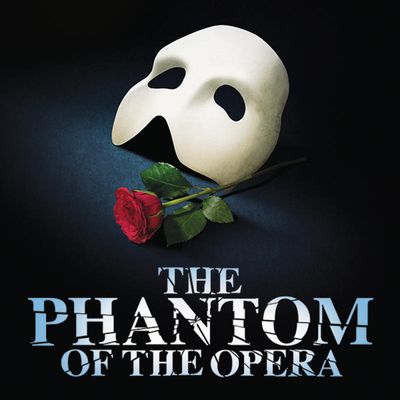
We head to the opera and chat to Andy and David about a Phantom friend of theirs!.. Read More
From the show: We Are Theatre
Featured Shows
About
We head to the opera and chat to Andy and David about a Phantom friend of theirs!
Transcript
This transcript was automatically generated and might contain errors.
[0:00] Josh Mitchell: In the spirit of reconciliation, we are theatre and theatrically allowed acknowledges the traditional custodians of country throughout Australia and their connections to land, sea and community.
[0:10] Josh Mitchell: We pay our respects to their elders, past, present, and extend that respect to all Aboriginal and Torres Strait Islander peoples today.
[0:22] Josh Mitchell: Hello and welcome back to the We Are Theatre Podcast. Uh I am here with David and Andy from Phantom the Opera, currently here in Australia. And this is one of those shows that I've been wanting to cover for ages because it is such an iconic show in the musical theatre realm. Uh Andy, David, welcome.
[0:44] Andy Morton: Thank you.
[0:45] Josh Mitchell: Um what I want to do just before we jump into the show, Andy. Do you want to start this one off? Um, how did you get into performing and being on stage? What was your kind of journey to being where you are today?
[0:58] Andy Morton: Gosh, it's in the deep distant past, but um it was. It started at school, of course, when I was nine, started school plays, and then started uh when I went to high school, there was plays with music, and then I was extremely lucky um in that in my little hometown of Shelterbourne in Dorset, which is in South West England, they used to put on opera on every summer with professional singers and professional orchestra, and we the school kids and the people of the town, we provide the chorus. And I did that for five or six years, and that was a real falling in love with opera thing. Um, which was, you know, just the way the cards fell for me, which was really great. Bearing in mind, of course, the Phantom of the Opera is not an opera. And then from there I went to Gil uh to university and I kept singing, did lots of musical theatre, went to Guildhall, did lots of singing there, and just worked my way through that way. Um amazing.
[2:01] Josh Mitchell: Um David, how did you get to where you are now?
[2:05] David Whitney: Yeah, well, it's even more in the dim, distant past than Andy being slightly his senior. Um so last century, sometime last century, I um yeah, same thing. Interest um sparked at school, obviously. Um and a sort of interest in mainstream theatre, but also I always you know loved musicals and um, you know, I went to NIDA um as soon as I finished school and then yeah, just sort of kept going from there. Um working in musicals, but also in um in film and TV and um straight theatre. So yeah, but musicals and and actually latterly opera too, strangely, or operetta, which again isn't really the real thing, but had a little bit of um experience with um the Merry Widow and things like that at um Opera Australia. So yeah, it's been a long journey, but a very satisfying one, and very happy to be back in Phantom of the Opera.
[2:58] Josh Mitchell: Speaking of that, it's a great segue. Um, how what was everyone's introduction to Phantom as a show? How did you guys first was it viewing it or was it being in it? What was your first introduction as um a person to Phantom and the Opera?
[3:15] Andy Morton: I first I was taken to it in 1986, I think, by my mother, uh who uh was so annoyed that she'd come very late to Cats that she was decided she was going to get Phantom right on time and got very early tickets, and we actually saw Michael Crawford doing Phantom. Um and I think I don't think it was Sarah Brightman, I think it was the she was off. Busy with busy with the Lord. Um and uh but um yeah, so it was very very early days I first saw Phantom. Um and I have some memories of it of course and we got the tape it was the tape in those days and I listened to it endlessly endlessly um and I always you know I did Les Mis and things like that in my career and other musicals but I always missed Phantom which is odd with my opera background you think I'd be I'd be in it but I never quite had the opportunity and didn't think I ever would and here I am um yes I also had the cassette the double cassette um of Phantom and uh and listened to it and then I was um I was lucky enough to be cast in it um about 18 months into the original Australian production so I wasn't in the original original cast but then about 18 months in um they were looking for a replacement monsieur Andre and um I auditioned and um as part of that audition I you know was going to Melbourne and I got to see the show didn't have to pay for it which was wonderful um because you couldn't get a ticket in those days as you can't these days either it was it was a sellout and um as we luckily are too at Opera House.
But so I got to see it then um with the and watching it with the mind that I was going to be in it and hopefully playing that role which indeed I did get and then spent six months during the initial Melbourne season playing Monsieur Andre um opposite a wonderful actor um Louis Fayander who was um a great Australian actor who'd had a wonderful West End leading man career and then came back here and we were the two managers just for six months and then again, four years later we came and um we did the end of Sydney um after it played in Sydney something like three and a half years, just incredible, mind-blowing. So we we did the final stint of that. Um and now I get to come back, that's you know, 25 years later, and strangely I'm playing the older manager. I don't I don't know how that's happened, but strange it is. I don't know how to do it. Um but very happily um playing Monsieur Firmin now opposite my partner in crime, Monsieur Morton.
[5:48] Josh Mitchell: It's almost like you're reading my notes, because my next question is who are your characters? Do you want to give us a bit of insight as to who you are on stage in this show? We'll start with you, David.
[6:00] David Whitney: Um gosh, if only we knew who we were. No, um I um yes, so I'm Monsieur Firmin, who's the um the thing with the managers is it's it's um they're very much a double act, but they're very individual within that. Um they um Monsieur Firmin is more the business end of the partnership, um, and perhaps less interested in the art, more interested in the box office. Um so and I suppose the the sterner and more serious of the two. Um he's he's a fun character to play, because of course, as soon as you you had all that that what you consider sternness and authority, it's immediately undermined as soon as we step on stage by people paying no attention to us, and then of course the phantom upending the whole proceeding and you know insisting that it's his theatre, not ours.
So for a character like Firmin, that's incredibly angering and befuddling. Um and it's quite fun to play that sense that he's he's he's got a great self sense of his self-importance, which um is you know ridiculous, really, because he has absolutely no control over anything. Um, so I think that's that's a picture of, you know, and that's probably why I'm playing it, because I have very little control over things too.
[7:15] Andy Morton: Yeah, it was very interesting because the wonderful director, uh, the American director Seth Sklar-Heim, who uh was directing us through this revival of the Lawrence Connor uh you know remake of Phantom, which is what this is, he said to us about the second day of rehearsal, he said, listen, everyone, you've been cast for who you are already. Stop working so hard trying to be someone else just for yourselves. And this is about 10 minutes after he told me that not only was I interested in the ballet girls, but that Monsieur Andre was interested in the ballet boys as well. I'm like, hang on a minute. Uh that's a bit cheeky. Um, so uh yes, uh that was fun. So we don't have to work too hard, do we, David? I'm playing sort of over the top, slightly flouncy, arty, right-up himself, aristocratic sounding chap with a moustache. Um, so yeah, just turn up, really. It's great. Whack on some different clothes, jump out on stage, yeah. Even worse, no makeup required whatsoever.
[8:19] David Whitney: Yes.
[8:20] Josh Mitchell: Um a fun one for you guys. How would you summarize your characters' relationships with the Phantom in one word?
[8:29] Andy Morton: One word, God.
[8:31] David Whitney: Yeah.
[8:33] Andy Morton: Hmm. On the spot, I know, but um well, as I say, I'm sort of befuddled by him, but that doesn't quite put it strongly enough because ultimately, you know, we're we're ruined by him. Um it is hard to put it into one word because we we actually do we did put you know a few minutes of thought into trying to make some sort of journey of the of our relationship with with him from being not terrified but uh bemused or amused even initially, particularly in the first manager scene, where we just you know, I say this is a joke, and you say, Oh, you know, it's we don't take it seriously, we don't take him seriously. And the progression then, um, and I can certainly see I hope I'm doing the same, but I can see it in Andy's performance, which is very funny.
Of this, this you know, person who is supremely confident in the opening and by the end is just completely destroyed by everything that this this um man is doing to us. Um it's very funny too. It's the the rug is um pulled out from underneath us completely.
[9:31] Andy Morton: Is that one word?
[9:33] David Whitney: Yeah, look. Several because we don't have anything to do much with a phantom. We meet him once on stage when he walks into the masquerade scene and hands us the score of his new opera. Um, and that's the only time we actually get it to meet him, other than that he's a voice in our heads almost. He's just like the letters we get from him, and this this presence was one of the reasons it's such a brilliant piece, really, is that the the phantom is more in people's minds, as all good ghosts are, you know, and he only has like 17 minutes on stage, I think the phantom throughout the whole piece. He's just this presence. Um as David says, that that's just far more enriching dramatically than actually having someone there all the time, because what our minds create, of course, is far more fantastical and terrifying than the truth. Um, so yeah, we're just gonna meet him once, and um he's uh Josh Piterman, it's a fantastic, fantastic phantom that we got.
[10:32] Andy Morton: Um, and we just cower really in front of his might, don't we? And then he makes the whole stage burst into flame and we whimper off. I mean, I must say though, in this production, as opposed to the original Hal Prince production, he is he's more of an earthly presence. There was a certain sense in the original production of him being mysterious and ethereal. Um but this he's very much a living man. We endow him with ghost-like qualities and spectre-like qualities. But in fact, and there are bits plotted into this where you see the man, he's sort of disguised as the stage hand, shady in the shadows hanging around, whereas in the original production, he really was just this voice and this presence, which gave him a magic but made it much less real.
Um, the whole emphasis of this production, Lawrence Connor's production, as directed by Seth Star Hein, our director, is um is that it's much more real and tangible and set within a theater. So um all the interplay between people is much more based on a reality of trying to, you know, affect each other as actors, etc. as characters. Um the manager's office, for example, is in the original productions just in a big black void, yeah. Um and the movement in it is is more abstract to put it kindly. Um this it's very it's it's in a you know a working office. There are working props, there are, and the interactions between us all during the manager scene and Primadonna are very much based on you know normal human re-interaction, albeit singing, but um still, it's it's much more directed and targeted that sense.
[12:18] David Whitney: Yeah, I think this musical also isn't you know, we in one of those unique places where um it has had that much time to go through several adaptations and different forms of the production. What do you think it is about Phantom that makes it still a staple in many theatre realms, like we've just heard about it closing on Broadway after 32 years? Like not many shows make it that long.
[12:46] Andy Morton: I think I think like what do you think? It's astonishingly long-lived. I mean, especially as one of the originals, you know, way back when musical theatre was exploding onto the scene and becoming this the driver behind the rebirth of the West End and Broadway, really. Um fundamentally, it's down to Andrew Lloyd Webber's stupendous score. Um, the man can write tunes, and at this period of his life, they were just pouring out of him, uh, really, and you just go from fantastic melody to fantastic melody, and it's that's what drives any great piece of musical theatre, along with um a really strong uh tight uh book, you know, the story, and some fantastic um libretto, some fantastic poetic, um expressive words to sing to these great tunes, and once you've got those things, really I think it's astonishing, it's taken this long for a new production, actually.
And I think it's testament to what Andrew Lloyd Webber wrote and created that you're getting this almost operatic style, let's redo it in a different way, and it has the depth to have a re-examination of itself as a piece of drama, and it took that. It was amazing.
[14:06] David Whitney: It's really good, Andy. I know I completely agree with all of that. I mean, it's the score, it's the it's the romance, I suppose, of the story. Um, even though he's a psychopathic, you know, murderer, um, our hero, but somehow, you know, that that tale of I suppose it's beauty and the beast in a sense, too. That's a it's a classical romantic tale. Um, there's a great deal of of um sort of merged eroticism within the piece too. Um, all his longings, and then you know, because it's set in the Victorian period where all that sexuality was very much repressed, and so that there's sort of echoes of that throughout the period uh and throughout the production. Um, so I yeah, I think all those things, it's you know, it's and it's beautiful to look at.
Um absolutely beautiful. I mean, the costumes we're using still the original costume designs of Maria Björnson, and they're just beautiful, beautiful period costumes. Um, and it's a very spectacular production. Ours probably well, a different sort of spectacular from the original production. We've got this huge, moving, revolving set and pyrotechnics for days. I've never seen so many explosions. It's like you know, New Year's Eve on Sydney Harbour uh production. Um, it's it's quite astonishing, really. So, you know, there's spectacle, there's romance, there's a wonderful score, it's all those sorts of things.
[15:31] Andy Morton: Yeah, the romance wonderful performances from uh course from everyone. But but the romance, this new production, the romance is is brought to the fore by the casting. It seems very deliberate. Um, for example, that the Carlotta, who's this sort of caricature of a operatic soprano, who's normally very much the antidote to Christine's beauty and youth and freshness and musical theatre sound, but actually Giuseppina who's playing her just fantastic is younger and much more of a threat to Christine. They're much more equal. Um, and the same's true of Raul the Count, who's Christine's love interest and the Phantom. The Phantom is not an older man by any stretch of the imagination. Look at Josh Peterman, young, virile, good looking chap, apart from the disfigurement. So it's a much more intimate and fresh take on that romantic story, uh, which makes it much more live, I think.
[16:32] David Whitney: Yeah. I that is a really interesting thought there. I hadn't thought of it that way, like looking at all the different aspects that you can look at. You look at ages, it's not something that I picked up on until you just mentioned it there. That's that's very interesting. Um, getting to sit in a rehearsal room, um, David, for your third time in this show, Andy, getting to see this production come together um and end up where it is now. What were some of the kind of highlight moments in a rehearsal room for you guys, kind of seeing things come together to what it is before all the glitz and the glam went together?
[17:13] David Whitney: Uh well, for me it was it was just fascinating to see the different decisions, as Andy was speaking about, having a new production where different choices are made or different emphases uh are made, and it was fascinating to see. Of course, that's what a great idea to do it in that particular way, as opposed to the way that it was done in the original. Um, there's bits of the original that are brilliant decisions too, but it's really interesting when you see a particular interpretation just subtly change how the piece works. So I think that was the most enjoyable part of the rehearsal process for me. Plus, actually, I mean, as a replacement when I did it originally in 1992, I didn't really have a rehearsal process because I had you know a week.
The two managers, you know, Lewis and I had, you know, sort of a week with the choreographer and the director, sort of by ourselves, really, and then we're just sort of put in. So this was much nicer to sort of create it organically from the ground up.
[18:11] Andy Morton: Thank you. And it was a fascinating period for me because I actually haven't been on stage for 10 years. Um I've been directing operas for 10 years. And um, I turned up, actually, I turned up two days late because I was sick, which didn't help. And uh it was I was it was quite daunting, I have to say, um, to be surrounded by all these people who had been in the musical theatre world in Australia, about which I knew very little, to be honest, having come from England 10 years ago as well. Um, and I suppose just begging his presence, the when the nicest thing for me was actually working with David, because um obviously we're on stage the whole time together, and uh it was uh a wonderful pretend not to hear this, David, but it was just so wonderful to be with somebody so professional and so nice and welcoming and helpful, and uh I really felt very supported um to be in the presence of the great David Whitney.
Um, and just and and and to be honest, we get on like a house on fire because we both have the same filthy sense of humour. Um and uh and that's great, and and we very quickly, you know, built up a rapport, which I think, from what I've heard, really comes over on stage. That these are two guys who um have uh a good time uh together and a whale of a time while working hard.
[19:34] David Whitney: Yes. And I think that comes over very very well. But the whole cast um and the whole team were very welcoming and lovely and there's a lovely bunch of people actually and it's been that's been the nicest thing really is is finding myself myself in this world and swimming not sinking which has been great.
[19:53] Andy Morton: Thank you for that Andy I'll give you the um the 50 bucks later on another unique thing apart uh another unique thing in regards to the Sydney season that you guys have just done is doing Phantom of the Opera in an opera house um which is also very unique here in Australia let alone other parts of the world as well so what was that like getting to kind of put that into a space where it was kind of almost designed to be um from a story perspective as well um when you like yeah I I felt like I I saw it on Broadway a couple of years ago and then moving into the opera house I felt like it kind of just had a different sense of gravitas to it with the way it kind of just sat in that space.
[20:45] David Whitney: So what's it like on stage for you guys to put that into that area as well um I mean it it's I mean the opera house is it's a strange beast because as we all know the history of it the that theatre where we are the Joan Sutherland Theatre was was not, it wasn't the original intention that that was going to be the grand theatre for for opera.
[21:08] David Whitney: So it's um it's got its limitations backstage, let's put it that way. So it's it's a tricky exercise, first of all, to fit the thing onto that stage, onto a very tiny stage. The job our crew do is extraordinary. There because all the sets, which change abundantly behind the revolve, um, they're all either hanging up there and they've got to move them within seconds, and it's quite a jigsaw puzzle backstage. So there's that practical aspect of it. The thing I find most exciting though is looking out to the audience because the sense of occasion that they feel being at the opera house is is just wonderful to watch. Um, and we see them, we see them after the show, and they've you know bought the beautiful program and you know, the merchandise.
And there's a real sense with this audience that it's it's an event um at the opera house. And that is what I find most exciting. The um I always come out and look at the monitor with our conductor, and I could see the audience behind him before the show starts. And the sense of anticipation and excitement um for these people for our audience who've paid a lot of money, let's you know, be frank, to see this at the opera house. Um it's it, you know, it it's our job, therefore, to deliver a wonderful show, which I think we do, but it's we get a lot back from the amount that they uh have invested in it as an event coming to this iconic building.
[22:30] Andy Morton: Yeah.
[22:31] David Whitney: And that must I reiterate that thing about the set. I mean, they're literally hanging the set from the rafters backstage to get it out of the way and then bringing it in and unloading it, putting more set, putting it back up the rafters and bringing the new set on like that. And of course, the other piece of set which is fantastic is the the famous chandelier, the character that no one ever mentions. And the Opera House have I think done a fantastic job because it's such an iconic building, and the of course the chandelier is not behind the stage, it's in the auditorium. So I think there were some discussions, which because it was quite tricky to persuade this the opera house that this was absolutely crucial, and that the chandelier had to be there.
And of course, in the original production, the chandelier is there and swings down and into onto the stage. And oh, chandelier doesn't do that. Straight down, boom, uh with fireworks flying off. It is the best chandelier, I think, ever. It's really spectacular as it comes in at the end of Act One. It's it's a real tour. A tour de force. There's no other way to describe it. Oh, what a relief. So that's one of the things you forget to. I mean, Andy and I have worked in that, or Andy, not on stage, but but as a director has worked in that theatre a lot, and I've worked in that theatre in recent years a lot. And you sort of it one doesn't take it for granted. But when you've got people like our our director Seth from New York and Nina, the choreographer, so excited that they are making their debut as as directors and creative people on the stage at the Sydney Opera House.
Um, you it's easy for us to sort of take for granted the the amount of um kudos that comes with that, and and um it's it's an extraordinary privilege, really, which we have to remember. And we have the best dressing rooms in the world. We are lucky enough to inhabit these dressing rooms that look out over the water, and we can just sit there on a matinee day looking at the sails and the boats, and the it's just extraordinary. Yes, so we're very, very lucky people. One of a kind.
[24:43] Josh Mitchell: Um so let's strip it back to individually um favorite moments. So I'm gonna get you to pick two. One where you're on stage and physically in the scene, and then one maybe you're in the wings or don't have much participation, and you kind of get that moment to sit back and watch something happen. Um, what would be your two favorite moments in this behemoth of the show?
[25:15] Andy Morton: Okay, well, I've got one or two. Um my favorite, one of my favorite moments is the moment when we've just arrived, actually. These managers have just bought the opera and bought the theatre, and they're walking into a rehearsal, which is of Hannibal, to be introduced as the new owners. And obviously, um the phantom drops something from the roof, and the lead lady Carlotta runs off, and um, we're left with no singer until someone says, This girl from the chorus can sing, the ballet girl can sing it, and we're like, What? A chorus girl? That's what he says, and there's this fantastic moment where they're going, let her sing for you, and I, as the new artistic director, have to decide whether to let her sing.
And it's the power of this moment is just sitting on this moment, everyone's looking at you, and you're going, Am I gonna let this girl sing? And I could just end the evening there by going, No, but the power of that is just fantastic. No. End of show. Um, but of course, I say yes, and very well, and she sings, and that's my favorite moment because we've got this just gorgeous Christine called Amy Manfred who sings. And every time she starts singing, think of me, think of me fondly. And it gives me goosebumps because of the moment, because of this emerging voice. She starts off very nervously. And it just beautiful, spun web of vocal gorgeousness comes flying out of her. And it just gets me every time. And she's just amazing. And I turn to David and we go on with the show. Bang. Should we all right? She's on, you know. She's on, yeah. That's that's one of my favorite moments on stage.
[27:03] David Whitney: Yeah.
[27:04] Andy Morton: Yeah. Um, I think well, I as I mentioned before, I do I do love second managers, which um is just so much fun to play. It's when everything's just falling apart, and we're bickering. We don't bicker with each other, which I quite like. The the two managers sort of retain a united front, but we're bickering with everybody. The bit where Andy quietly, it's not part of the screen, but he tells poor Carlotta to go over there and sit in the corner. And the the transition of that from his him adoring Carlotta at the very beginning of the play to oh, go away, you silly thing at the end. It's just I I love that disintegration of everything. I just think it's and it's it's great fun to play, sometimes too much fun, but um it's but it and but it's all there on in the score.
That's the great thing. The score provides us with the means to do that. We don't actually have to do anything but sing the score, um, which is which is great. Um so that's my favorite moment on the stage, I think. Um off stage, I get to sit there in this production the the boxes revolve on and off, the the theatre boxes, and I get pre set in one of them to revolve on quite early. Um while Amy's singing wishing wishing you were somehow here again and then that goes into the three of them singing I don't even know what it's called but that um three of them which which has as a new part um Blake Bardin's Raoul has a glorious vocal part as the three of them meet at um her her father's graveside so it's Blake Josh and Amy singing and I'm sitting in the box waiting to be re revolved on and so I can't see anything I'm in a black void but I can just listen to the three leads singing just brilliantly together they are so strong they are so consistent vocally they're extraordinary they just and it's I mean they're very well cast because it's there's no reaching they uh they are nailing it every single show um and it's it's wonderful to listen to and that's a real privilege to sit there and just listen to them you know do their stuff it's pretty impressive because because for me that same moment I'm in the auditorium because I have to come round and go into the auditorium for that moment so I've already slipped in and I'm actually watching that as a member of the audience yeah uh getting that very same trio and seeing all the fire flaming around and um so I get I get a grandstand view of that before I trot down but it's absolutely right it's it's a musical highlight when the three of them let rip it's just full throated it's glorious absolutely glorious yeah I remember sitting there um and just feel like my body kind of just went full goosebumps and I was like yeah that's the vocal performance and a half right there.
[29:46] Josh Mitchell: It's fantastic um yeah, just listening to all you even Masquerade is one of my favorite moments and just that powerful just gives me tingles thinking about. But thank you so much, Andy and David for joining us. That kind of wraps things up for us here. So anyone listening home, if you haven't gotten a chance to see this in Sydney, um are the tickets still available or is it sold out?
[30:17] David Whitney: I was hearing rumors it was pretty much sure sure you can get one if you really want one.
[30:22] Andy Morton: Yeah there may be the odd the odd one in Sydney but we then do have you know quite a long Melbourne season um from um november through till mid-February I think we haven't put the or till late January anyway at this point and then maybe till mid February um at the State Theatre in um at the Arts Center which will also look glorious in so it's another beautiful theater but bigger um more seats so um that's definitely you know a place to see it and Melbourne's you know Melbourne's a a great theatre town in terms of supporting musicals so we're hoping for another sell out down there.
[30:57] Josh Mitchell: Yeah Sydney Ciders who go for a weekend away there you go see everything that's down in Melbourne as well but if you want more info on tickets you can go to au dot thephantomofheopa.com for all the updates and ticket info there we will be back very soon with a brand new episode of the We Are theatre podcast thank you Andy and David for joining us and we will see you next time thanks guys bye bye.
© Broadway Podcast Network, All Rights Reserved