

For more than three decades Christine Ebersole has dazzled on stage, screen, in television series, concert appearances, recordings and on and on... Read More
From the show: When Lightning Strikes!
Guests

Featured Shows


About
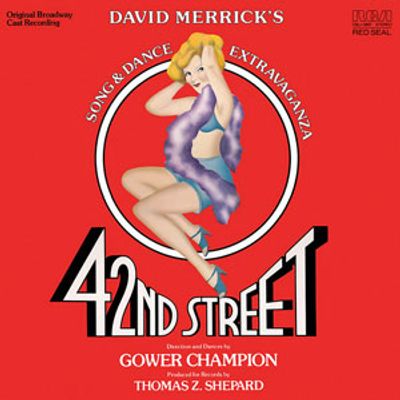
For more than three decades Christine Ebersole has dazzled on stage, screen, in television series, concert appearances, recordings and on and on. A two-time Tony winning actress, her eclectic career includes everything from joining the cast of Saturday Night Live to being in the films The Wolf Of Wall Street, Amadeus and Tootsie to starring on Broadway playing Dorothy Brock in 42nd Street, captivating audiences in the dual role of ”Little” Edie Beale/Edith Bouvier Beale in Grey Gardens and playing Elizabeth Arden in War Paint. Ebersole is currently starring as Bob’s mom Dottie in the CBS hit comedy, Bob Hearts Abishola. The second season premieres November 16, 2020.
This episode was recorded September 21, 2020.
Produced in part by the Broadway Podcast Network.
Transcript
This transcript was automatically generated and might contain errors.
[0:00] Jeryl Brunner: From Shakespeare to Schwartz, from Fossey to Alvin Ellie, from Santham to Burelis, from McNally to Faye. It happened to the greats, it still happens every day. When lightning strikes is the moment you know. When lightning strikes, where your mentor goes, you can stand in tellure, do whatever you like. You'll never forget the moment when lightning strikes.
[0:25] Jeryl Brunner: Hi, this is Jeryl Brunner, and you're listening to When Lightning Strikes, where we talk about the heart-thumping, tingly mic drop moment that led you to becoming an artist. And to borrow from New York Times critic Stephen Holden, Christine Ebersole contains multitudes.
[0:47] Jeryl Brunner: In over three decades, this two-time Tony-winning actress has dazzled on stage and screen in television series, concert appearances, recordings, and on and on and on. Her eclectic career includes everything from joining the cast of Saturday Night Live to being in the films The Wolf of Wall Street, Amadeus, and Tootsie, to starring on Broadway playing Dorothy Brock in 42nd Street, to the dual role of “Little” Edie Beale and Edith Bouvier Beale in Grey Gardens, to playing Elizabeth Arden in War Paint. And that's just a very small sampling of her Broadway credits. Christine is currently starring as Bob's mom, Dottie, in the CBS hit comedy Bob Hearts Abishola.
[1:41] Jeryl Brunner: And I just want to say one more thing. New York theater critic Ben Brantley said, watching her, one feels as though they are taking a masterclass from Sir Lawrence Olivier. And from her performance in Grey Gardens, Brantley also wrote, Christine Ebersole embodies a once living figure of, shall we say, distinctive style with a radiant conviction and finesse that turn surface mimicry into fine-grained portraiture. Welcome, Christine. How are you?
[2:15] Christine Ebersole: Wow. I'm good. Quite an introduction.
[2:26] Jeryl Brunner: Well, I've been geeking out on you since I, um, 42nd Street. I mean, I remember, you know what they say, you remember very specific performances of your Grey Gardens and War Paint and all and on.
[2:46] Christine Ebersole: Yeah, I sometimes I'll see a piece of theater, or when we were going to theater, I'll see a piece because of the artist, you know, or the director. And I always think, oh, I want to see a Christine Ebersole piece. So it's really a delight to have you. So can we talk about your lightning strikes moment when you knew you had to be an artist? Like when I know you grew up in Illinois.
[3:12] Christine Ebersole: Yeah. Well, I think my father decided for me. He said he claimed from the first day he laid eyes on me in the hospital that I was gonna grow up to be a great dramatic actress. So I say, no pressure. You know, no pressure. That was his idea, you know. But it in that it, I don't know. I think it was when, um, there's no real one defining moment, but I think I know I had a teacher at the American Academy, I'm sorry, at McMurray College in Jacksonville, Illinois, that said, don't stay here, you have to go to New York.
[3:53] Jeryl Brunner: Really?
[3:58] Christine Ebersole: Yeah. Well, let's just talk about one of the first times you were on stage. Do you remember, you know, when you were a kid and on stage?
[4:05] Christine Ebersole: Well, there was a def, I guess there was another defining moment, sort of. I mean, all roads were leading to it, I think, but it doesn't really occur to you in the moment. But I re, I, you know, I grew up playing the violin, and I played violin from the time I was eight years old until I was 15. And I was in the, at 15, I was in the orchestra playing for the school production of Finian's Rainbow. And I, there was a defining moment there because I was so taken with what was happening up on the stage that I played the violin when there was no music playing. I was, you know, during a non-musical moment on the stage. And much to the chagrin of the conductor who gave me like, you know, the evil eye. But it was that I knew then that I didn't want to be in the orchestra pit. I wanted to be up on stage doing what Betsy Miller was doing, who was playing the star role, you know, in Rainbow.
[5:12] Christine Ebersole: So the following year that I was, um, auditioned for Guys and Dolls, the production that the high school was doing at the time, and I auditioned for Sarah, the part of Sarah, and I lost the part to Linda Nissanov because I was too tall. So Linda Nissanov got the part, but I was in the chorus. I sang tenor in the chorus. I was a mission doll, so I mean, that was, you know, those little things of that's how it all began. But it began before that because, you know, growing up, I remember I would take things to the hilt. Like I remember this very distinctly, but like I was about five years old and I, it's so crazy, I sat in a chair in the kitchen and I sat up there the entire day. And if I had to go to the bathroom, I would just crawl on my arms, you know, and my, because my legs weren't working.
And so I would crawl my way up to the bathroom or whatever it was, get myself up on the seat and, you know, do my thing. But my, I just remember like my mother being very, like, tolerant. You know, she just was, she would just kind of do her, whatever work she had to do in the kitchen. She was like, I just work around me, you know.
[5:12] Christine Ebersole: So, but I mean, and I remember like once, like in third grade, I thought that I wanted to be a pioneer because we were studying pioneers in third grade. But I wanted to be a pioneer, so I slept, my parents let me do it. It's so crazy, but I slept out on a sled in this kind of room that was kind of cold, you know. But I was like sleeping on the sled because that's what I'm sure I imagine that's what the pioneers did. You know, it wasn't real co, they didn't have like cozy, cushy mattresses, you know what I mean? That slept on hay or something. So I just like slept on a sled, and I remember like writing a letter to somebody because in those days you'd write letters. And I remember like, you know, in Illinois where I grew up, it was so freezing cold.
I mean, it was just the winters were absolutely unbearable. So I remember like taking out this like wool scarf that was like a, it was big at the time because I was not full grown, but it was like this big shawl, and that was my winter coat that I would use to like go outside.
[7:54] Christine Ebersole: I'm just, you know, so I think it was obviously in the blood. And my parents were real, my parents didn't go, what the heck are you doing? You know, they just were like, all right, you're a pioneer. Great, all right. How's it going for you? You know, sleeping on a sled.
[8:12] Jeryl Brunner: Well, this is like you were like a one-woman Strasberg kind of sense memory.
[8:18] Christine Ebersole: Strasberg studio, like you're your own actor studio. You know, that you had those tools that you knew how to train yourself.
[8:29] Christine Ebersole: But I wasn't even, I never occurred to me that I was gonna be an actor. I just wanted to embody those things.
[8:34] Christine Ebersole: Oh, yeah. And then the other one was, um, the Von Trapp family because they, before they did Sound of Music, they had a movie out called the Von Trapp Family Singers, and oh my gosh, it was at the Holiday Theater, and of course it was like a quarter to, in my day, to go to the Holiday Theater. And I just would watch that movie over and over again, and then I would get it. My dad had been traveling, so he had brought knapsacks back from Switzerland or wherever he was traveling. So I would put these backpacks on my back and run around the backfields behind us. I loved to go on wandering. He would be one of the Trapp Family Singers, you know. That was before that was the actual musical.
[9:22] Christine Ebersole: But when I was a child, I wanted to be a nurse, actually. I was gonna be a nurse. That's what I wanted to do. I wanted to be a nurse.
[9:31] Jeryl Brunner: So how did you end up in drama school?
[9:34] Christine Ebersole: Uh, well, uh, when I was at, when I was in college, well, you know, I mean in high school, I, you know, sort of began the wheels started turning, I think. But then when I was in college, um, I remember speaking on the phone with my mother, uh, you know, where it became time to declare a major. And I thought, well, you know, maybe I'll just go into social work, or maybe I'll be a social worker, or maybe I'll, you know, be a lawyer or something like that, and do something like that. And my mother said, no, no, get into music, get into acting. I mean, so both of my theaters were like, I don't know, maybe they sensed it or saw it or something.
[10:16] Christine Ebersole: There is actually, I actually have a recording of, um, that my father, you know, he had this fascination with, uh, reel-to-reel. Of course, in those days it was reel-to-reel tape recorders. Yeah. And, um, he had this fascination with recording, and he would re, you know, do these recordings of, uh, you know, the family during special occasions. And I remember this one that he, um, transferred to, to, uh, tape, you know, cassette tape at the time. Um, it was, uh, Christmas Eve of 1956, and, uh, you know, it's, you can hear it on the recording. My father's like sounding like, you know, Edward R. Murrow. It's like, you know, it's Christmas Eve 1956, and mother is at the piano singing, playing Christmas carols, and the kids are singing, and Papa's about to join them.
And so my mother's at the piano and she's, and all, you know, I've got three brothers, there's four children all together, and, uh, I was the youngest of four, and my mother's playing the piano, and the kids are all singing, and they're singing, they're singing Jingle Bells, we're all singing Jingle Bells.
[11:25] Christine Ebersole: And my mother says, now let Christy sing the chorus. Now, just Christy. You ready, Christy? And so my brother goes, sing, and my mother's playing Jingle Bells, and I sing. I'm three years old, and I'm singing Jingle Bells completely on pitch.
[11:43] Christine Ebersole: So that was an indicator, you know, that I that I was that was a gift from God. So um, you know, maybe they saw that. I don't know. And I and I think it was also trying, you know, living vicariously through my father because he was very, you know, he was a very dramatic, you know, larger than life kind of a kind of a character. And I think he was a frustrated actor, but you know, had a family to support and everything, and and was uh, you know, um made money as an as an engineer. He became an engineer. That's how my parents met in college after the after the war. And um and my mother was the rehearsal pianist at the Methodist Church. She grew up on a farm in Pennsylvania, and she was the, you know, she played piano and she was the rehearsal pianist at the Methodist Church.
And so, and so she taught all of the children how to sing harmony through the Methodist hymnal. And uh, so we'd all gather around the the uh piano and she would teach us all harmony at a very young age. And then we all had to take instruments, you know, that was just required in the family. Everybody had to play an instrument. That's what she just did back in those days. And so I chose, I actually wanted to play the flute, but uh they I guess they had enough flute players, so uh I had to give go to my second choice, which was the violin. So that's how I ended up playing the violin, you know, in third grade because and then I also played the piano too because we were, you know, we all in the family, we all were required to play an instrument.
[13:14] Jeryl Brunner: So that was in your genes, but then I love how your parents encouraged that piece of you, not only nurture them. And I love that you're teaching that you had all these wonderful people who are nurturing you along the way, like the teacher who said go to New York.
[13:37] Christine Ebersole: They were just guys, yeah. Yeah, you can't stay here, you gotta go to New York. So, do you remember when you first got to New York what your impression was and what what your take was of the big city?
[13:47] Christine Ebersole: You know, um that was it, that was another thing because I had a dish I was a girlfriend of mine who was down visiting me at the at the at McMurray College, um, a friend of mine who had left the school, sent me out of the blue um a brochure for the American Academy of Dramatic Arts, and so it was just kind of sitting on my desk in my dorm room, and my girlfriend who was visiting me, um, you know, saw the brochure there, and she said, You gotta fill this out. I'm not letting you leave this room until you fill this out. I mean, so it's like the everybody was like hiring me, like like what's the word, like ushering me along the way. I it wasn't even something that I was like, I've got to do this in my life, you know.
It was like, okay, all right, sure, we'll do that. And then I um auditioned regionally for the American Academy, and the regional um person who was you know vetting people to uh audition for the academy said, I'm gonna send in my highest recommendation. So I got accepted to the American Academy, and I went to New York when I was 20 years old, and I stayed at this place called um the um East End Hotel for Women. And it was it was kind of like the barbazon, you know, back in the and it was $46 a week, which included two meals a day. And it was, and it was kind of like it was like a kind of a halfway house for Happy Dale, you know what I'm saying? That was going on as the same time, you know.
[15:23] Christine Ebersole: So it's just like for everybody that's observant, and I guess I could say that about myself that you know, observing is is part of a big part of what it takes to be an actor, you know, because you're observing somebody's behavior, and you're sort of like bringing it into yourself and kind of then you know, giving your interpretation of it. So um, but there there was this, it was like women were on one floor and men were on another floor, and so I shared, I shared a room with my uh college roommate who had graduated, she was two years older than me, and so she had graduated from from McMurray College and she was coming back to New York. So we were we sh we shared this room together, and there was a sink in the room, and there was like a bathroom down the hall, and there was there was this woman.
Oh my god, she was so great. She was such a great character, you know. She was like um she just was she lived down the hall, God knows what her story was. But you know, she goes, I spoke to Mayor Lindsay the other day, and um, you know, she's like, you know, she's all of a sudden like really good friends with the mayor. Um and uh, you know, he's she he's he's giving her the scoop on what's going on, and she would mesh she would have her shoes like very, very easily lined up, and you know, it just you knew that she wasn't you know all there, but I mean, but at the same time, you weren't frightened by her. She just she just was like, wow, this is like an amazing character, you know. You know, I could add it to the roster of pioneer women, and you know, all these eclectic characters that you gathered all interest for a couple of months while I went to the American Academy.
[17:03] Christine Ebersole: And then yeah, and then ultimately you got was it very soon after that you got Angel Street? Was that your first Broadway?
[17:11] Christine Ebersole: I was I was, you know, I I had gotten an agent at which was very unusual at the time at the American Academy, because uh I was doing a play in my second year, and you had to be asked back to your second year, and I got a scholarship, which was really nice, um, the second year, but I was doing a play called The Robesart Affair, which was about the young Queen Elizabeth the First. So it was like the 1500s, whatever. And so there was written by this guy named Francis Letton, who was a teacher at the school, and he was the playwright, and so he was represented by this woman named Lucy Kroll. So she came to see the play, and she was taken by my performance and wanted to represent me. So this was uh very unusual, you know.
I mean, because she had a her her clients were like you know, Ruby D and Aussie Davis and all kinds of stuff, and so she wanted to take me on. So she introduced me after I graduated in 1975, and I was working as a waitress at the Lion's Rock, which was on 77th between first and second. And um, and I lied my way into that job too because I've never waited tables in my whole life. But I and so I you know, the guy there was this German, oh my god, he was so great. This German manager who always had this real tough exterior, you know. It's like, you know, he wouldn't suffer fools, but at the same time, you know, he's like, Oh, yeah, did you work before? I said, Well, uh, yeah, I worked at this place called the Steak and Brew in uh Chicago. So he hired me, and of course I didn't know what I was doing at all. And thankfully, the girls, you know, the waitresses that were there were very, very helpful to help me.
[18:52] Christine Ebersole: But anyway, so I was I was back from um working a shift, and previously uh Lucy Kroll had introduced me to this producer named Shepard Traub, who was producing uh this play called Angel Street on Broadway at the Lyceum Theater with Dina Merrill and Michael Allison, and Christine Andreas was playing the part that um it was based the move the Angel Street was the play, and the movie was gaslight with England Bergman. Oh, that was gaslight, yeah, based on Gaslight. Yeah, that came from the play Angel Street, Angel Street came first. Oh then, um, uh, that was Angela Lansbury's first film role. Yes. And so 19 years old, and she played the Cockney Maid Nancy. Yes. Paula, Paula. That he that I she introduced me to Shepard Trout.
Now that the part was already cast. It was already, you know, sewn up. So uh, but then what happened was after I met him, and then I was home, you know, from working a shift at the Lions Rock. That's when my agent called me and she said, darling, you're on Broadway. I was like, What? She's like, you know, that that I had got what happened was Christine Andreas went to do uh My Fair Lady with Rex Harrison, so she had to leave the show. So they needed a replacement. So I was the replacement. So that was when that was a very humbling experience because you know it was like, well, I go back to work, it's like, well, you know, I gotta leave you little people because the big great white way is calling.
And uh, so you know, they had to buy my equity card and everything. And I I was waiting tables and then on Broadway, and then the show closed after three weeks. So I was begging, you know, for the manager for my job back to that to me. And then it wasn't I mean, we won't go through your whole, but then and then the next one was on the 20th century, right?
[21:00] Christine Ebersole: It was like two a few years later. Well, it was a few years later, but in the meantime, I had done um I had gone to uh South Carolina to the South Carolina Arts Commission and did a uh new musical that my friend Mel Marvin had um written with Robert Montgomery called But a Green Pond. And it was based on um a a place in South Carolina, and uh so it was four characters, and we went down to uh South Carolina and toured the state of South Carolina in a in a station wagon. We would drive from place to place and then put on this play, and which was very, very controversial at the time because these four characters were uh two of them were living together, uh not married, and lived and there were people that had not ever seen a um a musical, a play, nothing. I mean it was uh, you know, we did it in a church basement's basements and places like that. I mean it was it was just it was very rudimentary, but it was an amazing experience, an amazing, amazing experience.
[22:06] Christine Ebersole: But that set you on the course of and then we um then we came in to uh to do it off Broadway at the Westside Arts Theater. Oh, okay. And that's when Clive Barnes, I remember so you know, I so distinctly that um, you know, it was the way it was set up at the Westside Arts Theater, they were like little cabaret tables. I don't know, in this bees, it was called the Chelsea West Side at the at the time. And uh I remember Clive Barnes was sitting um, you know, in a front row seat, and he was uh, you know, we identified him and uh he fell asleep. He fell asleep through the most of the show and gave us a good review. So I'm very happy about that. I guess these reaches were compatible. Sometimes it's with the show.
But you know, just you know, all these little lessons about like, you know, you can't you can't take it, you can't take reviews, um, what's the word, uh, to heart. Right. Because the good ones either. Because uh, you know, because as soon as you get as soon as you get a um a good review, you'll you'll be thrown off your high horse and thrown under the bus in the next one.
[23:21] Christine Ebersole: And that's happened to me. So it's like I hear you. I understand. Is it is this too woo-woo? Is it hard to describe how performing makes you feel? Well, when you would give when you were giving the accolades that the kind of I was like, wow, you know, but it really it kind of made me, and I'm gonna probably start to cry because it's so heartbreaking what's happening, you know, um around the world and yes, with these theaters being closed and everything, and I um you know, as much as uh you love, you know, you appreciate uh film, no, I'm gonna speak for myself. As much as I appreciate film and television and all that kind of stuff, there's no fulfillment or power, power and fulfillment, and as close to um a spiritual uh experience of a community with God that you get on the live stage, uh in front of a live audience, people shoulder to shoulder packed in there um and the audience is another invited character and uh it's that sense of fellowship and that sense of community and that sense of um of how a play or a musical can give you a transcend can transcend you can transcend the um the sorrows of the world in a way that's beautiful yeah and and and that that's been uh taken from us and now um it's not it's it's really like uh you know humpty dumpty sat on a wall humpty dumpty had a great fall all the king's horses and all the king's men couldn't put Humpty together again and that's that's the situation we're in right now and that's the truth it uh Humpty Dumpty is not going to be put back together again you're not gonna sit there with a thousand eggshells and go oh I got an eggshell over here let me see if it what it matches it's not gonna happen so the only way that the theater is gonna come back is to restore it to what happened before all this stuff happened uh that's the I mean you can't you can't have social distancing and you know masks and all of that other stuff going on and call it live theater can't do it you know I mean I know that I've friends of mine who a friend of mine who's a producer was asked to put a plastic shield in front on in front of the stage.
[26:31] Christine Ebersole: No, then you don't call it theater. Yes. Call it the freaking Twilight Zone because that's what it is. It's not theater. And so you know, and that's why I'm having this emotional response because it's in it's such it's theater is theater and opera and you know, clubs and nightclubs, and you know, those social gatherings when people are shoulder to shoulder and um you know cheering, you know, one another on, or you know, or gasping, or whatever the whatever the collected uh response is uh from an audience, um that is that is what it is is uh live theater, and that is what is healing, and that is what is transcending. And to uh put put in rubber dolls in between the seats, uh don't call it theater.
That's not what it is. So um, you know, so my heart is broken because of that. Um, and I know that um there's a there's a way just like just like um in the cement, the um the truth of nature and the truth of of God's creation, uh uh can, you know, what that time when when you see the little the the little tree that's poking up through the cement, the cracks in the cement. Yes, and that's really what what we have to look to and to hope for is that there's some place, whatever it is, if it's in if it's in um somebody's backyard or somebody's um uh you know, somebody builds a barn, you know, in a in a field somewhere that's not encumbered by uh the rules and regulations of uh of the cities and the world in that sense.
That there's there is going to be a revival, but it's not gonna come through trying to put back Humpty Dumpty. It's not gonna work. It's not, you know, it's gonna be a new it's gonna be the little palm tree that's crack that's coming through the cracks of the cement. That's what that's what it's gonna be. And so there's hope in that, but it's not gonna come through uh uh uh putting Humpty Dumpty back together. Is this that's it's all the all the king's horses and all the king's men aren't gonna do it. So I hear you.
[29:00] Jeryl Brunner: Yeah, but I'm full, I don't know. I'm a I'm an optimist that oh no, that's the optimistic place. Yes, and I agree with you. Yes, that it will happen. It will come back. And and in the meantime, I mean, you're on this wonderful series.
[29:19] Christine Ebersole: Yes. You want to talk about Bob Hearts Abishola?
[29:25] Jeryl Brunner: And Michola.
[29:26] Christine Ebersole: I love yeah, yeah, I love I I love the series so much, and your character, Dottie, Bob's mom is just delicious and complicated and tells it like it is and kind of fearless. I got hired by Chucky and he sat me down and said, listen, um, you know, in the fourth, around the fourth, fifth episode, uh, you know, we're gonna have a big shift. And I'm thinking, I'm thinking, okay, that's it. He heard me sing, so he's gonna make me. I know what I know it's gonna happen. He got we'll talk about it now, you know, tomorrow. So I had a day to think about it, and I'm thinking, okay, I got it. You know, he had me sing, you know, a cappella on the first episode. It was great, you know. So I I know it's gonna happen.
They're gonna, he's just waiting, you know, it's gonna shift and it's gonna be like Dottie Centric. I said, I know they're in Detroit. She's gonna be like a nightclub singer, and I'm gonna like I can see myself with the gowns and the nice false eyelashes and the soft lighting and everything at the mic. It's gonna be great. And I'm gonna, oh my god, this is gonna be so great. I'm gonna be a nightclub singer. This is gonna be so cool to be on the series. So the next day he comes back and he goes, she's gonna have a stroke. I was like, what?
[30:34] Jeryl Brunner: Oh boy.
[30:38] Christine Ebersole: Okay, so you didn't know.
[30:40] Jeryl Brunner: No.
[30:41] Christine Ebersole: So when you took on the role, you didn't know that she was going to have no.
[30:46] Jeryl Brunner: Oh, heavens no.
[30:48] Christine Ebersole: So what what do you like about her?
[30:52] Jeryl Brunner: What qualities do you like about her?
[30:55] Christine Ebersole: She's a tough cookie. Yeah. I mean, you know, oftentimes I'll say, Who had such a terrible mother to write me like this? You know, exactly. She's a terrible mother. Yes.
[31:07] Jeryl Brunner: But here we are in Hollywood.
[31:10] Christine Ebersole: Um, you know, I just first of all, I have to say, I absolutely love the cast. It's like the greatest cast of people that I could ever ask for or hope for. And I adore everyone. So I'm very blessed to be a part of this wonderful, wonderful group of you know, people and and the producers, and everyone is just top drawer, is my mother would say.
[31:39] Jeryl Brunner: And we haven't seen a lot of characters like this portrayed on no network television. Do you mind sharing your what the the premise is or I could say but you can probably explain it better that there's uh Bob and his siblings and you're the mother.
[31:55] Christine Ebersole: And you haven't, yeah.
[31:56] Jeryl Brunner: And you make compression socks.
[31:58] Christine Ebersole: Compression socks, yes. And uh my husband passed away and um and so he has a heart attack and goes to the hospital and he got five stints put in and he wakes up and there's this beautiful Nigerian nurse named Abishola and um and so he they fall in love and you know the rest is history, so it's it's kind of like this collision of cultures, you know.
[32:30] Jeryl Brunner: Yes, yes, and yeah, and it looks like you know, maybe they will end up together.
[32:36] Christine Ebersole: We don't there's it's been picked up for a second season.
[32:39] Jeryl Brunner: Yeah, yeah. Do you know when when you'll be shooting again or are uh is there can you this week?
[32:46] Christine Ebersole: We start this week. It's really exciting.
[32:49] Jeryl Brunner: No, I imagine you can't say what is going to happen, but what and here you've had some romance.
[32:55] Christine Ebersole: Now that's why we have to tune in.
[32:57] Jeryl Brunner: Yeah, yeah.
[32:58] Christine Ebersole: I don't know when it's gonna start back though. I'm excited for like when the actual air date is.
[33:04] Jeryl Brunner: I'm sure they have to get, you know, these uh episodes under the belt, you know.
[33:08] Christine Ebersole: Exact and you get to sing, you get you get to sing a lot of delightful which is so nice, you know, which is very sweet. You know, Chuck Chuck is uh very generous that way.
[33:21] Jeryl Brunner: And and what is it like for you because you're you play um someone with a stroke so convincingly um I know if you ever saw it online people are like did Christine really have a stroke and then I saw that I saw that when I was oh that's acting that's acting but what what how when you have a part like this or you know like uh uh you know or on Edie B how do you do you mind taking me through your process how that all works I mean I'm sure every character's different it goes back it it goes back like or the you know sleeping on the sled it's just sort of imagining what it's like yeah so you and I think it just comes from um you know the visual of like seeing it seeing people that have had strokes or uh you know just seeing what the physical manifestations are and then you imagine what those physical manus manifestations are I see I see what would you I know uh we we have to tune in but would you like for her to fall in love daddy of course yes of course everybody wants to be loved I know and everybody wants love I know and I love that she loves Abishola that they've bonded and she's a daughter I never had even though I have a daughter and I I also love I know you said you got hired but I love how eclectic you that the you've the breadth of roles you play when I think about that you're the same person who played you know Elizabeth Arden in War Paint and then Edie Beale DiCaprio's mother and live wall street.
[35:14] Christine Ebersole: Exactly, but is there a role you're aching to play? Is there a role that you think, "Oh God, I've got to tackle that," or it's yet to be written? I don't, I don't think in those terms. I mean, I would have loved to have done Gypsy, but I'm too old now. I couldn't have a seven-year-old, and like, you know, I mean, I do believe in miracles, but I mean, come on. So, but I think the ones that haven't been written, you know, I don't know. It's just like, I don't think like, "Oh my gosh, I'm dying to do this." It's kind of like the phone rings, somebody goes, "Oh wow, I've got this for you." "Oh, that looks amazing, yeah, let me check it out." So it's that kind of a, I'm at that stage in my life. When I was younger, you know, it was all, "I've got to play this role." Now it's like, "You know, that would be nice, sure, why not?"
[35:14] Jeryl Brunner: Is there something you wish you could tell that kid who was sleeping outside or that, you know, crazy or, you know, the kid who first moved to that Barbizon-esque hotel in New York, you know, was just trying to get the waitressing job? Is there something you wish you could tell that person, that Christine?
[35:14] Christine Ebersole: Well, I think that's just kind of life, isn't it? Things that you hold up as so important don't become as important when you get older and you've lived through it. Your priorities change. But no, there's nothing I would take back or change because that's like, it's the learning curve, you know? And do these roles, you know, do you sort of take them with you on your journey? You know, take the Edies and the Elizabeths? Do you take them?
[35:14] Jeryl Brunner: Well, there's maybe the dogs be, they're just kind of part of you because they emerged from you.
[35:14] Christine Ebersole: Yeah, they emerged from a part of me. So it's something to draw on in terms of, you know, the strength of their character, the fortitude of their character. You know, I think that just kind of speaks to life. You have to have fortitude because it's a jungle out there.
[35:14] Jeryl Brunner: It is, it is. But I also love, like, I think about how you've played in so many different genres as well. You know, and I think about Dinner at Eight and all the different, you know, current role present day. I love that one. Oh my God, that was such a, I love that one. That was really, I mean, as an audience member, it was so special. But how are you staying nourished during this very surreal time? How do you stay sane and together?
[35:14] Christine Ebersole: Oh well, I'm very grateful that my daughter is here with me. So I'm not alone. I don't envy those that are alone. So it's just, you know, how do we find fellowship and community with family, like-minded people? And my husband, we've had a lot of time that we've been able to be together.
[40:21] Jeryl Brunner: So that's because we have a home on the East Coast and an apartment. I have this apartment on the West Coast because of working out here, but we've literally lived in New Jersey for 21 years.
[40:32] Christine Ebersole: In Maplewood, right?
[40:33] Jeryl Brunner: The other one.
[40:33] Christine Ebersole: Yeah.
[40:35] Jeryl Brunner: And you've had a family, and that's also what's so wonderful is that you're a mom with several children.
[40:35] Christine Ebersole: Yeah, three children and seven pets.
[40:45] Jeryl Brunner: So it's, you know, Bill's been nicknamed Uncle Zookeeper.
[40:50] Christine Ebersole: Yeah, and my son Elijah just graduated from the American Academy of Dramatic Arts with a scholarship both years. So I'm thrilled for him.
[41:05] Jeryl Brunner: And you know, this is a very unique time to be starting out.
[41:10] Christine Ebersole: That's fantastic.
[41:11] Jeryl Brunner: What was that like for you when he said he wants to be an actor?
[41:29] Christine Ebersole: Well, I mean, he definitely has the talent, you know, the God-given talent. And so I think it's the question one must ask of oneself is, you know, the talent is a given, the commitment, you know, you have to really take stock of is your commitment.
[41:29] Jeryl Brunner: Yes.
[41:56] Christine Ebersole: I mean, but that's the way it is in life, isn't it?
[41:59] Jeryl Brunner: That's right, to anything if you want to succeed.
[42:01] Christine Ebersole: Yeah, what is it? So he really proved that his commitment when he went to the academy.
[42:07] Jeryl Brunner: That's fantastic. And he graduated last year.
[42:07] Christine Ebersole: Yeah.
[42:11] Jeryl Brunner: Do you give him advice? What kind of advice do you give him?
[42:15] Christine Ebersole: Well, it's really just kind of about, you know, fortitude and commitment and perseverance, yeah, and being willing to be, uh, to sleep outside. I keep thinking like your rosebud, that was your rosebud.
[42:36] Jeryl Brunner: It was, it was. It's my magic flyer or whatever it was. Nice being able to like recall these things, you know.
[42:45] Christine Ebersole: Yes, it makes a life, you know, exactly back on it because, you know, the future is uncertain, but it does become more certain in how we view it and how we manage it, you know.
[43:05] Jeryl Brunner: I mean, that's really kind of the hope is just to keep remembering the palm tree that has come through the cracks of the cement, and that's the truth.
[43:20] Christine Ebersole: Yes, the palm tree, that's the truth, yes, little palm tree that comes through the cracks of the cement, yes, and uh, or wherever you are in the world, if it's a pine tree or an oak tree or a mighty oak, yes, that comes from that little acorn that hopes that where it says, you know, you can't grow here, and that's, they're saying no, that what you said you can't grow here is a lie, and I'm showing you right now that I am the truth because I am coming through the cracks, yes.
[43:55] Jeryl Brunner: So, um, that's really the test is how we see it. As creative artists who are given gifts, that's what we focus on.
[43:55] Christine Ebersole: Yeah.
[44:10] Jeryl Brunner: Do you think it can be learned? Do you think people can learn it, or do you think it has to be a gift?
[44:17] Christine Ebersole: Well, you have to be a, you learn to be a good steward of your gift. That's where all the lessons, the violin lessons come in.
[44:17] Jeryl Brunner: Amen.
[44:28] Christine Ebersole: There you go. So even, yes, yeah. We have to learn about how to be a good steward of our gift.
[44:28] Jeryl Brunner: Yes.
[44:37] Christine Ebersole: That's why we take classes and we learn, you know, how to speak accents and how to make sure we get to places on time, and, you know, wear the appropriate clothing and have the appropriate haircuts and have the appropriate whatever.
[44:56] Jeryl Brunner: Yes, the manners and the demeanor and the goodwill that we bring wherever we go.
[45:05] Christine Ebersole: So those are things that we learn. But the gift is given.
[45:11] Jeryl Brunner: Ah, yes, which you have.
[45:14] Christine Ebersole: Well, thank you.
[45:15] Jeryl Brunner: We all have, everybody gets, we all get one.
[45:19] Christine Ebersole: Everybody's been given a gift. Everybody in the world, isn't that amazing?
[45:23] Jeryl Brunner: That's amazing. I love that.
[45:25] Christine Ebersole: Yeah, everybody. It's like when the gift of the magi, you know, when they all get the stranger and they got the gold and the frankincense and myrrh. Everybody got the gold and frankincense and myrrh.
[45:36] Jeryl Brunner: Everybody got it, but what just comes in these different, you know, forms.
[45:40] Christine Ebersole: So the question is, I was given the gift of singing. But how do you know your gift? Sometimes that's the question is what if you don't know it?
[45:40] Jeryl Brunner: That's just a rhetorical question.
[45:52] Christine Ebersole: Well, you gotta figure it out. But then what you do is you just tune in, tune in to yourself, tune in to what excites you.
[46:02] Jeryl Brunner: Yes, we all have the gift.
[46:05] Christine Ebersole: Oh, we all got one. We all got the gift.
[46:08] Jeryl Brunner: Oh, well, it's a gift to talk to you.
[46:11] Christine Ebersole: Yes, thank you.
[46:13] Jeryl Brunner: Thank you so much.
[46:20] Jeryl Brunner: The theme song was written by Tom McGovern. This episode was edited by Kyle Moore, and the talent was booked by Anna Strauss.
© Broadway Podcast Network, All Rights Reserved