

May this podcast be a resource for you as you discover more ways to pursue a career in this industry and sustain it through the many ups and downs that follow. You can always reach out to me on the website: contact.winmipodcast.com... Read More
From the show: Why I‘ll Never Make It
Guests
About
May this podcast be a resource for you as you discover more ways to pursue a career in this industry and sustain it through the many ups and downs that follow. You can always reach out to me on the website: contact.winmipodcast.com
Each week there’s audio that doesn't make it into the episode. You'll get these extra nuggets only on Instagram (@winmipodcast) as well as other insights and motivations.
Lastly, this podcast is supported through kind donations of listeners like you by buying me a coffee.
Music:
"Oldie Song" by David Szesztay is licensed under a Attribution-NonCommercial 3.0 International License.
"All Will See" by Hyson is licensed under a Attribution License.
Transcript
This transcript was automatically generated and might contain errors.
[0:06] Georgia Stitt: It has occurred to me that there are not many women who have written scores that I learned growing up. I'm only now starting to learn more music that was written by women.
[0:20] Patrick Oliver Jones: Hello, and welcome to Why I'll Never Make It, featuring insightful stories and conversations with fellow creatives on the realities of a career in the performing arts. I'm your host, Patrick Oliver Jones, and the website is WinMePodcast.com.
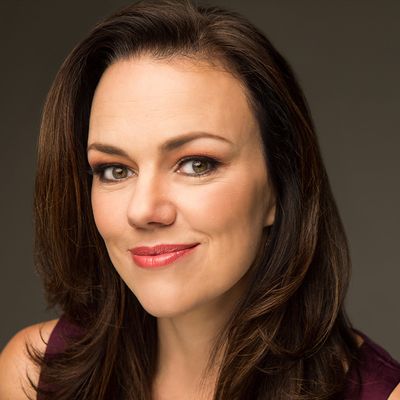
[0:38] Patrick Oliver Jones: Look at any playbill, and you will see hundreds of names that go into making just one production. From the producers to the designers, from the various directors and assistants to the technical staff, and of course, us actors. But all of it begins with the writer, the one who creates the words, the story, the music, the characters that we present on stage. My guest today, Georgia Stitt, is one of those creators.
[1:07] Patrick Oliver Jones: She is a composer and lyricist whose award-winning musicals include Big Red Sun, The Water, and Samantha Spade, Ace Detective, which won the National Youth Theater Outstanding New Musical Award in 2014. She is currently working on The Big Boom with Hunter Foster and is also preparing to release her third album later this year. Her first two albums featured a veritable Who's Who of Broadway stars singing her songs: Kelly O'Hara, Faith Prince, Titus Burgess, Brian Darcy James, Shoshana Bean, Kate Baldwin, and Lauren Kennedy, who was also on the podcast last season, and who directed me in Theodore Raleigh's production of Bridges of Madison County, a musical written by Georgia's husband, Jason Robert Brown.
[1:57] Patrick Oliver Jones: The two of them have also worked together on Waiting for Wings, a piece for orchestra and narrator that was commissioned by the Cincinnati Pops Orchestra and premiered in 2013. Now, I haven't even gotten into her work as a producer, music supervisor, pianist, orchestrator, vocal coach, music director, conductor. Needless to say, she lives and breathes music. I could spend the rest of this episode just listing all of Georgia's accomplishments, not to mention her role as mother and wife and founding director of Maestra, an activist organization for women musicians in theater, which we will talk more about in the next episode. So how does she do it all?
[2:41] Patrick Oliver Jones: She has the same 24 hours a day that I've got, yet I don't do a tenth of what she does. How is she able to accomplish so much?
[2:52] Georgia Stitt: Well, it's a balance, uh as everything is, it's a balance for me between uh being a parent and being present as a kid and trying to carve out time to write and time to take meetings and time to manage all the stuff that is in my career. But um, you know, I had a week at a writer's retreat and our family was in the Berkshires that week, and we were in LA for a little bit, which was part vacation, part work. Um, and then there are a lot of hours of saying to them, like, go read a book. I have to be at the piano for an hour.
[3:20] Patrick Oliver Jones: I imagine the balancing of your creative life and your family life is a juggling act all the time.
[3:26] Georgia Stitt: It is constant. It is, I would say the number one thing in my head. And all you know, my very close friends and collaborators know that when they send me a text message, it's like, okay, open the dreaded calendar and tell me if you're free, because the calendar is terrifying.
[3:40] Patrick Oliver Jones: Yeah.
[3:40] Georgia Stitt: Just uh, when are you free to do blah blah blah? And I think, oh, never, I'm never. But for you, I'll find the hour.
[3:47] Patrick Oliver Jones: Well, well, thank you for finding an hour.
[3:49] Georgia Stitt: Oh, I didn't mean it to sound that way. I and also I think this is me complaining about something that we all feel. This is part of me.
[3:54] Georgia Stitt: Oh, absolutely. A human or a New Yorker or an American or I don't know, whatever. That's part of the human condition is that we just are all juggling more than we used to, I think.
[4:02] Patrick Oliver Jones: With you and Jason, is it like tag team? Like you do this, I'll do that.
[4:05] Georgia Stitt: It's a lot of tag team. Um, yeah, very much. It's like school drop-offs, our tag team, and um and nights out, then it requires someone to be home with the kids. And so sometimes it's I'll go out with my friend to this thing, and you go out with your friend to that thing. And um, and then and then if you only exist that way, your relationship suffers because you're never doing things together.
[4:28] Patrick Oliver Jones: So there you go.
[4:30] Georgia Stitt: Uh so we we said we would make a joke about it. The washing machine broke yesterday, and there's a repairman in the next room. I chose this room because it would be isolated and quiet, and uh and you're gonna hear banging in the background. But you know what? The plumber's gotta do his job too.
[4:44] Patrick Oliver Jones: That's right.
[4:44] Georgia Stitt: Right. I've got to have clean clothes, right? Luxury problems.
[4:48] Patrick Oliver Jones: Right.
[4:48] Georgia Stitt: No, no, no, no, a washing machine is very vital in these days, especially the fact that you have it in the apartment, which is that's what I mean. That's the luxury which is a rarity in in New York.
[4:57] Patrick Oliver Jones: Yeah, I have to go down five flights of stairs and then go down into the basement.
[5:02] Georgia Stitt: So I guess it's six total flights.
[5:04] Patrick Oliver Jones: Yeah, well, that's your size.
[5:05] Georgia Stitt: Yeah, and then you carrying it back and forth the clothes. So I'm I'm saying very much. This is why you'll never make it.
[5:11] Patrick Oliver Jones: Because I have to travel so far.
[5:16] Georgia Stitt: Well, fortunately for us and you, the majority of our conversation was in the clear and noise-free. In fact, at the very end of this episode, I'll take you behind the scenes of some of the parts that had to be edited out. But much like this podcast, the process of composing music and lyrics involves a lot of editing and rewriting. And so I ask Georgia, how does she know when a song is ready?
[5:43] Georgia Stitt: When that editing and rewriting process is done.
[5:48] Georgia Stitt: Well, it's never ready and it's never finished. I mean, even things that are published or are or released on albums of mine, I think, oh, if I could go back now, I would change that, I would change that lyric. But the question of how do you know when it's ready, you start with an idea and you work on it as far as you can until you feel like I can't go any further until I hear this out loud. Um, and and that's when you either bring in actors or musicians, you know, you bring in people who can help you realize your thing, and they bring their insight and ask you questions about like, why would my character say this? Or I don't understand this beat, I don't understand how I get from here to here, and you start to recognize, oh, right, I haven't written that yet.
Or um, sometimes when I hear something read aloud, I realize that an actor has just been sitting there for a really long time, not doing anything. And I think, oh, I have neglected a character. That character needs to do more. But I like to work a long time before I get to that point because I think I have control issues and fear about I don't want to put work out that's bad. Like I don't want actors being like, ooh, this reading was horrible. Um, so I try to get it as far as I can before I open it up and and share with people. But you can never in theater, you can never be done until you start collaborating.
[7:04] Georgia Stitt: As a musician, I'd much prefer to play with other people, you know. It was very clear to me early on I was never gonna be a concert pianist. And I was sort of on that path at one point, and I thought, I just why would you want to go out by yourself and let people sit in the audience and judge you? Like so it was the fear that it was performance.
[7:23] Patrick Oliver Jones: Of course.
[7:23] Georgia Stitt: And then the minute I thought I opened up collaboratively and said, I'm playing for singers. Um they're watching the singer, they're not watching me. You know, I mean, of course, you don't want to play wrong notes and have people like draw to negative attention in any way, but I thought I can do really good work and not be the center, and that feels right for me. I like the spotlight on me as much as anyone who's in this business, but I don't want um I don't I don't want to be a soloist ever. So that's a very easy answer.
[7:51] Patrick Oliver Jones: So then you must have great respect for those of us who are the soloists and those who are in and in front of.
[7:51] Georgia Stitt: I do have respect for you, but I also recognize that you were dependent on your musicians too, musical theater actors. And in the audition room, there's the reader or there's the accompanist. Those are like the people that we are hanging on, be like, Yes, support me, help me through this audition. And and you've gotten to do some, you know, in your early days. I assume you don't do much uh audition.
[8:15] Georgia Stitt: Audition piano, no, I don't really do that anymore, but I did love it when I did it. It was a great way for me uh to learn the repertoire because I uh was a good sight reader, and so when I moved to New York, I got work pretty early on, um playing auditions for actors, and I was also coaching, so I would see the things that people brought in for coaching and start to get to know what people were using for auditions and how what a good cut was, and then playing auditions was great. And I there'd so many tricks. Like I remember an actor would put something down in front of me and say, Do you know this? And I thought, I'm not gonna say no. I'm gonna like it would fill you with panic if I said no, I don't that.
And I was like, Yeah, yeah, of course. Frantically scanning to see if there are any repeats or any cuts or like key changes or anything that I needed to catch. And I'd be like, and what's your tempo? And then they would they would give me another 10 seconds while they're having to process what's so that by the time they they're ready to work, I'm familiar enough to do it.
[9:07] Patrick Oliver Jones: See, for me as as an actor, I've at least prepared what I'm gonna do in the audition room. I can only imagine for the accompanist what it's like, even that can have its own fear of like, can I play this right?
[9:16] Georgia Stitt: Right.
[9:17] Georgia Stitt: Well, the higher up you go in the world of audition piano, by the time you're working at that, like playing in New York at the Broadway level, you're expected to know the rep. And the minute a show opens on Broadway, those pianists uh get the vocal selections and learn it. Like you wouldn't, I you know, I'm sure there are exceptions, but you wouldn't want someone to bring in something that's running that you don't know that you haven't at least been familiar with. You're listening to the cast albums, you're you know, just making sure that you're familiar with the rep. I remember when Light in the Piazza came out, just all of us pianists were frantically learning it because you're like, I don't want to be asked to sight read this.
[9:50] Patrick Oliver Jones: Right.
[9:51] Georgia Stitt: Right. Any audition room, I want to when someone says, Do you know what I want? The answer to be yes.
[9:55] Patrick Oliver Jones: Yeah.
[9:56] Georgia Stitt: It's just it's so musical and it's uh such sophisticated writing. And there are many composers that are that way, and that I think actors are told, I know actors are told, don't use this material in an audition. You know, I actually had a director tell me once. It's like, no, these writers, Sondheim, Jason, that they've been around long enough, they have material out there. Any pianist should be able to play the.
[10:13] Patrick Oliver Jones: Well, that's my point is that ultimately I wanted to be the kind of pianist who knew it, who who was not the one that messed up your audition.
[10:24] Patrick Oliver Jones: Now, what composers have inspired you in your own writing?
[10:28] Georgia Stitt: For many years, I answered this question by saying Frank Loesser, who I just think is wonderful. And um, when I was in college, I music directed a production of The Most Happy Fella, which was the first time I think I'd worked on such an integrated score where the the score was you know folksy and Italian and fun and then sort of light opera, you know, really sophisticated but also popular, and then moved in and out of scene and song like an opera. I really was amazed at that and thought this is the same person who wrote Guys and Dolls, which is a very different kind of show. I got pretty obsessed with how that works, how you move in and out of songs that way, and how you sustain something, an idea through a whole piece. And then in contemporary life, I certainly have learned a lot from Jason, even just as a musician, and Adam Guettel is totally inspiring as a composer.
[11:19] Georgia Stitt: But it has occurred to me that there are not many women who have written scores uh that I learned growing up. I'm only now starting to learn more music that was written by women, and of course, there's Janine Tesori, who is in my contemporary, but just a little bit ahead of me. You know, she was there first, she's a little bit older, but she um paved the way for me even to do this, you know.
[11:43] Georgia Stitt: I just told the story yesterday to somebody that when we talk about the golden era of musical theater, we're talking about the 30s, 40s, 50s, 60s, and um we'll talk about Maestra in a minute, but Maestra is an organization I started, and on the Maestra website, there is a timeline of musicals on Broadway that were written by women, and there is a gap between 1930 and 1970. There are almost none. There's Mary Rogers um in the mid-50s, and there are two other women that are like one-off shows that are not famous, you don't know them. And then there's nothing. Like there's a lot in the 1910s and 1900s, 1910s, like songwriters, and then there's nothing. And then in the 1970s, it opens up with Mickey Grant and Carol Hall and people, and then Janine Tesori has several shows. And now they're starting to be more, especially when you factor in people like Dolly Parton and Cyndi Lauper and Sara Bareilles and those.
[12:36] Georgia Stitt: Right from the pop world that are now coming in. But what we call the golden era of musical theater, there's really just Mary Rogers. A lot of the dance arrangers and the music copyists were women, but they weren't the composers. And so one of the things I'm interested in is like, what's the story there? Was there a glass ceiling? Like, what was the story of why those women didn't get to write shows?
[12:58] Georgia Stitt: Shoshana Greenberg is a playwright, librettist, and lyricist who is also a freelance journalist. And she helped with that Maestra timeline of women composers on Broadway. She found that in the early part of the 20th century, before that golden age of musical theater, that most shows on Broadway were either revues or musical comedies that incorporated songs from many different writers. And that format created a lot of opportunities for music by women to be heard. But once we get into the 30s and 40s, then almost no women can be found writing for musicals. Shoshana surmises that this is perhaps a decline due to the rise of the book musical, which is what led to fewer writers per show.
[13:48] Georgia Stitt: Or it could be to the Great Depression itself. Ticket sales plunged, causing theater owners like the Schuberts to file for bankruptcy. The Great Depression deeply affected the area, causing many theaters to shut down, some reopening as movie theaters, while others showcased live burlesque shows. And so the economic landscape was certainly at least a factor in what was going on in theater at the time. And it wasn't until 1959 when Mary Rogers wrote Once Upon a Mattress that a woman was writing for musical theater again. Mary Rogers was the daughter of Broadway legend and Titan Richard Rogers, and she will be the focus of this week's Broadway Pioneer. But even after the golden era of musical theater when women writers started to become more prevalent, it was still an uphill battle.
Lucy Simon, who wrote the musical The Secret Garden, says that theater used to be an old boys' club. Now that's changed some, yet look how few women composers have been to Broadway. Simon says, quote, women have to fight their way in, we're also perceived as being soft, whereas traditional musicals are perceived as tougher, so producers do what's safe. Simon says that one way to combat this is quote, do the best work you're capable of. Reach down into the center of who you are. The journey is so difficult, unless you enjoy it, don't start. Care about the journey, not about the product. If you can, collaborate with somebody who has already been there. Another composer who knows a lot about collaboration is Carol Hall, who is part of the writing team for Best Little Whore House in Texas.
She also believes another factor disadvantages women. Quote, we always want everybody to get along. We find it difficult when people fight tooth and nail for their turf. Women suffer from their instincts to make peace. I regret sometimes not holding my ground. If I had to do it over, I would be aggressive in a way which would have horrified my southern grandmother. I'd smile less. Unquote. But another playwright and activist, Ella Rose Cherry, takes a different approach. She says the solution can be found at the very beginning by getting more women to apply for grants and commissions from theater organizations. Outreach programs, classes, and workshops, theater organizations can do more to develop a new batch of women writers and composers.
Janine Tassori was such a composer who benefited from the Lehman Engel workshop at BMI, which has jumpstarted so many careers on Broadway. Tassori speculates that so few women compose musicals because they're taught only to interpret, not to create music. She says there's some risk taking involved, and music is part science, and so it stems from how few women go into the sciences. But she says it's all about persistence. She advises quote, nothing replaces studying the craft and perseverance and courage. See all kinds of work, learn to orchestrate, learn what different arrangers do. There are certain finite qualities of music, certain combinations of instruments. Study constantly. Put your own projects together and find people who can make them happen.
Unquote. And so, how is this activism? How has this push for more women's voices affected the kind of music Georgia writes? I'll tell you, it's changed my writing in recent years. Um, the very first cabaret I did in New York, I think it was at Birdland, um, when I was in my 20s, I still have postcards from a show that say Georgia Stitt, In and Out of Love. That was the name of my cabaret. Because they were all love songs. They were all about when I was happy when I was in love, and they were sad when I was not in love. And I put that up without any irony. I just, these are the songs, this is what I'm writing about. And now when I look back on that, I think that was all I knew to write about.
And I think when we think about musical theater songs for women, those were the roles. It's the wife, it's the girlfriend, it's the, you know, the songs that we wrote were about our relationship to men. You know, those are what women were asked to perform. And so I thought that was what was expected of me to write. And as I've gotten older, I think there are other things to write about. We are allowed to have opinions that are not about whether or not we're in love or our relationship to the men in our lives or the love interests in our lives. And so I've been more conscious about not doing that, about finding other things that are songworthy and making sure that I'm giving the actresses things to play that challenge them in different ways.
[18:51] Georgia Stitt: One of the issues I think is that men writing for women and their experience, there's often a disconnect. Do you see it the other way, women writing for men? Well, I don't even know if I'd say there's a disconnect because I don't think that men can't write women any more than I think women can't write men. And I think it is an interesting thing that's coming up in our conversation, especially as we talk about cultural appropriation and race and those sorts of things. That I also don't think, I don't think it's wise for like for the to say I can't write a black character because or I can't write I don't know, someone who's not me, because that's what writers do. At the core, your job as a writer is to imagine what someone else's experience is like.
I think the problem is inherent in the fact that if I write a black character and then I hire white directors and white dramaturgers and white set designers and put the whole team around is, you know, is not um then there's a problem that like why are we telling a story that is not our story? I actually think it was Tony Morrison that said um we have to be able to write. We have to be able to write other people's stories. Like that's what writing is. You have to be able to use your imagination. That is the whole point of writing. But there are times when the way someone says it, if a woman has written something, expressed something, and I hear it, I think, wow, I've never heard it expressed quite like that.
That hits me in a very personal way that I understand because she has lived something that I have lived, and not just stories about childbirth or stories about you know, the not just motherhood kind of things, but but in that vein. I was listening to um, I don't know if you've heard of the group Love Junkies, but they're uh a trio of women writers that come together every now and and one of their big songs was Girl Crush, and it's about Oh, I do know that yeah, yeah, yeah. Yeah, and so the basic gist of it, it's a woman having a girl crush on another woman because that woman is now with the man that she used to be with. And so it's a different take on that jealousy aspect whenever you lose a lover.
And I think that it's a viewpoint like that that can be very interesting from a woman's viewpoint that you know, as a man probably think about in that kind of way. Well, I think the whole point now, the whole conversation around this issue is we learn more and we grow more when we consider other people's viewpoints than our own. So if the canon is all white men telling us how we're supposed to feel about love or romance or ambition or wealth or anything, then that's a very limited perspective. And there were many, many great musicals written by those men. I'm not disparaging them at all. I'm just really excited in hearing um other people's voices on those same subjects. The novels that I've read, you know, deliberately looking for more diverse art authors just because I think I wasn't uh I wasn't taught these stories growing up.
There's a whole I just read somebody said um, this was one of those things that went by on social media that said privilege is when your experience is taught as the required subject and my experience is taught as an elective and I thought that's right when you think about the women's history classes or the you know all the all the races that we called minority classes and then European history is the thing that's required. And I think okay so I'm gonna make make a point that I'm reading and learning those things because they're part of our global history too. And those are the stories I'm interested in hearing in the theater as well. I think that's so important for us to be as well rounded and versed in these other stories and these other histories regardless of what race or gender or sexuality we bring to it.
I think we as artists we're trying to get an audience to see something differently. We're trying to express a certain story or message and I think the only way we can do that is if we have all these other stories around us so that we can best tell the story we want.
[22:28] Georgia Stitt: Mm-hmm. Yeah and to connect across that fourth wall to connect and make someone feel the same as a character who they may not actually be the same as. Yeah yeah. Now do now now some of your earlier work were you always composing or did it first start as a musician as an instrumentalist, and then you composing came out of that? I mean, earlier work in high school, I was a pianist first, you know, in high school. But I um I started composing in 15 or 16 years old in 10th grade, I think, summer camp. I took a composition elective. I went away to music camp as a pianist and took composition as an elective and thought, oh, I really like this, and came home and found a composition teacher and kept working and then applied to college as a composition major.
So I was always a composer. My degree, my undergraduate degree is in theory and composition, and then I got a master's in the NYU musical theater writing program. So I've always been a composer first. But when you're a 22-year-old composer who's new to the city, nobody's hiring you. Like there's no there's no way to make any money. And the marketable skill that I had was that I could play the piano and I could sight read, and I had studied conducting and I'd studied orchestration. And so I very quickly fell into the music director path. And I'd say for the first 10 years of my career, I made my money as a music director and I was composing on the side. And the pivot point for me was when I released my first album, which is called This Ordinary Thursday.
And um I paid for it myself. I mean, I hired a producer and I hired all these musicians and I paid for it myself. And over the time that it's been out, it has paid itself back. It you know, it was a worthy investment. But I think it just put me on the map as someone who wrote as opposed to that music director, that pianist. And it became my calling card. And I think people thought, oh, oh, you've taken up composing. And I thought, no, I was always doing this. Overnight sensation. I've been in the world. 20 years in the training. Yeah, exactly. In those early years in the 90s, there was um there still is a person named Joel Fram, who is a music director. He's actually the music supervisor of the incoming production of company, the Broadway production.
But in those days, um, we were all playing in the pits of Broadway and doing audition piano and coaching and all the things that music director people do. Um, and he started an organization called the New Voices Collective, and he said, There are so many people that are playing in the pits and trying to be conductors that are really secretly composers. And he put on concerts to showcase their music. And we all became peers and colleagues. We got to know each other and got to know each other's works, and we called on each other to sub, and it was this wonderful community. And we're all still friends, you know. Uh Joel lives in London part-time and in New York part-time. And so anytime he comes back to New York, we're like, I know we're old now, but let's do another new voices clip.
And I think he thinks, like, well, you don't have to, you've all established yourself as composer. I mean, it really was it was Steve Morzullo and Andrew Lippa and Jenny Gearing and um, oh gosh, so many people. It's interesting how our professional lives and our personal lives intersect. And one of those uh associate music directing that you did was parade. Yes, and that is where you and Jason met for the first time. That's right. Was it Love of Precise? Did you know, or was it uh very professional? And then over time, it was very professional. I'll tell you that um I was unavailable. I was in a relationship when I started the show, and so uh there was never the thought that I should uh be in a relationship.
And I think you know, he has told anecdotally, he's told people that part of the reason that he hired me, I had an engagement ring on, and he thought, Oh, great, she's not gonna be any trouble. She's got that life, and I've got this life. And I would say by tech rehearsals, we're like, oh god, trouble, trouble, trouble, trouble. And so then we uh yeah, broke up with my fiance and life goes on. And um, and then we were like, maybe we are having a tour romance, but then we got back, then it continued, you know, we liked each other's friends and we continued to work together, and it just grew from there. So it's interesting because certainly now in the me two generation and I have a teenage daughter.
I I just recently said to her, like, here are the all the reasons why it would be bad to date someone at work. Like, you know, and power imbalances and you know, and what happens if you have a romance and then you break up but you still have to work together. And I was like, but don't do what I did. Right. Which is exactly that. That's what every parent does. It's like, do what I say, not as I do or did. Right. All these is later and yeah, yeah. And it um, yeah, he was definitely the person that I was supposed to be with. And and we have now endured hurdles and many professional things, and um there's nobody I'd rather be on this journey with. Yeah, I've I imagine when when one of you's up, the other's down, and it's the back and forth to that you can both support each other through that.
Ideally. Well, people ask me about being married to another composer, and I you know, I don't I don't like to talk about it too much, but what I will say is um that when we are competing as composers or as uh your work time is more important than my work time or your event is more important than my event, then it's bad.
[27:32] Georgia Stitt: Um, and we have now spent many years navigating that and trying to figure out how to be supportive instead of competitive. But when it's really good is um it is that it's like we have a secret language. We both speak music and we are the first person that plays our thing for the other person. And that person, you know, he knows me so well that it'll be like, oh, I see what you did there, or I oh that I wouldn't have thought to do that, or and the idea that you have that kind of trust and um support from someone is invaluable. I kind of can't imagine not being married to a musician at this point, which is not was not on my bucket list of he must be a musician. I think that divides a lot of artists, you know, to be in a relationship with one or not, and people are in either camp. It's like, no, you should be with someone who knows you and can understand you, or know someone who's out of the business and can you know be that other world for you?
[28:24] Patrick Oliver Jones: Yeah.
[28:24] Georgia Stitt: And then and you've definitely found being in the same world and the same creative outlet has helped.
[28:30] Patrick Oliver Jones: I think, yes.
[28:31] Georgia Stitt: I mean, I at this point I can't imagine it being anything else, so it's hard to know. But um, it has its pros and cons, but the pros are really great. Now, I would assume that there are songs and maybe even whole musicals that you have that aren't quite finished, they've not seen the light of day. How do you know when a song has maybe run its course that maybe it's time to put it away, or do you keep kind of slugging on and keep going with it?
[28:59] Georgia Stitt: That's a really good question, and that's something that I'm dealing with presently. Um, I think it's really hard to put away a piece. For me, it's just this grieving of uh especially the score, like the songs, the you know, the what I love about this piece of writing that will never uh that will never get produced. And I think I always have in the back of my head, well, I'll put it on an album someday. That song will, you know, it'll stand alone. But there are certain songs that don't stand alone, you know, that are um so specific to they don't make any sense unless you've it's been set up this way and you think that really is gonna be a dead song. Like that's just the end of that. And it's sad.
So I tend to think I'm gonna keep working, I'm gonna keep working. But I've lately thought it is very much like a relationship that you have to all still want to be working. You know, you can't revive a relationship by yourself. If your partner says I'm out, you can't be like, no, you don't be out, still love me. Your partner's out. It doesn't really work like that. And I think that's really proving to be true. It's not just if both people aren't committed to it, if people aren't sometimes it's more than two people, or if you're not writing the same show anymore. And I think sometimes when you go through rewrite after rewrite after rewrite, one person is starting to see the piece in a new way.
And and now you've come to you're not writing the same show anymore. Um, and when when that happens, I think it's just this sort of tough self-love thing of okay, I my time will be better spent if I if I spend it on this new project than if I continue to try to fix this one. It's hard. You hope that the next tinkering will be what fixes it or what takes it to the next level. Or that someone will come in, like a producer or uh an actor or someone will come in and say, Oh, I get what you're doing. Um, what if you do blah blah blah, and suddenly that's the one idea that like makes it all ball into place. You're like, what if we're just one idea away and we've given up? But sometimes you know, like you know, especially if if you if you for me, if you've spent more than a year trying to like rehash something and you can't figure it out.
It's like, what what else could I have done in that year? And I assume that some of it comes in 30 minutes and others it takes three years. And so has there been like a trick, like I know if it happens immediately, this is probably a good thing, or if I have to work on it, then it's it's not really gonna make it.
[31:11] Georgia Stitt: I think sometimes if something comes quickly, uh, I know that I've put down basically my I what I call it my default music. Like there's if if you ask me just to go make up something at the piano, there are about four things I would do. My first impulse of improvisation would be one of four patterns. And sometimes I sit down and those turn into a song, and I'm like, oh look how easy that was. And then a few days later, I'm like, that's because that was your default music. You just wrote down your default music. Right. Um, and so uh for me it's uh an idea that I can't get out of my head before I even start writing, you know, uh either it's a lyrical phrase or a musical phrase or an idea about how I could make time work differently, or you know, those sorts of things get stuck in your head and you're trying to solve the problem so that by the time I get to the piano, it's already a good idea.
Um, and I think really a lot of it is about uh what when what's on deadline, how much time you have to do it. Do you have to turn something out very quickly? I've had to turn things around in 24 hours. Sometimes that that's its own motivation. Or if you have a lot of time to let something live, sometimes that's problematic too because you you never have to settle on it because there's no deadline. You can keep rewriting.
[32:20] Patrick Oliver Jones: Overthink it and yeah.
[32:21] Georgia Stitt: So when it comes to a piece is is ready and now you're orchestrating it, since you started as a pianist, is it difficult to get all 10, 15, however many instruments you have to write and write that out?
[32:32] Georgia Stitt: Orchestra, it's not difficult at all, it's just a different way of thinking, you know. And um, I did start as a pianist, but I as a composer I think more than a pianist. You know, when I'm writing it, I hear other instruments and a part of what you learn as an orchestrator, and that's something that I studied, you know, or textbooks for orchestrators, so you learn some of that, but then also having had my hands on the instruments, I know how they work. Um, but sometimes I hear something and I think, I mean, obviously this is gonna be for a string section, or obviously this is a solo clarinet, or obviously this is you know, whatever. And then I'm lucky when I get that instrumentation, but it everything about theater music on piano to me is a reduction of what it's ultimately gonna be.
[33:12] Patrick Oliver Jones: Right.
[33:12] Georgia Stitt: The piano is the shorthand. I uh very rarely do I write a theater score thinking that it's gonna live on piano.
[33:19] Patrick Oliver Jones: Mm-hmm.
[33:20] Georgia Stitt: Yeah, it was interesting. This past summer I did bridges, and that score reduced to piano is I mean, it's it's night and day from when we finally got the orchestra with it.
[33:29] Patrick Oliver Jones: Yeah and finally I was hearing things that were helping me as a singer that I never got in the piano.
[33:35] Georgia Stitt: That's right. And that must be when you've got a composer who's also the orchestrator as Jason is in in Bridges and as I try to be you know not always but off I I've orchestrated a few of my shows that you're thinking long scale. And then even if it is a different orchestrator than the composer then that communication is so important getting your original idea, translating your original idea all the way into the orchestra pit so that um because that is the goal is that it's serving what the actors are doing and the story that's being told.
[34:03] Patrick Oliver Jones: Yeah.
[34:03] Georgia Stitt: For a few years I had one of your songs in my audition book Air.
[34:06] Patrick Oliver Jones: Oh yeah it's hard.
[34:08] Georgia Stitt: Sorry.
[34:09] Patrick Oliver Jones: Right, right.
[34:09] Georgia Stitt: I mean the melody line was fairly easy but yeah the piano part I went to a music director friend of mine and I was like how can I get an audition cut out of this I'm not sure I would like to know if you were successful.
[34:19] Georgia Stitt: Well that that song is um a funny uh uh I I didn't write the music to that one I wrote the lyrics. Um Sam Davis wrote the music and that was that it came out of the New Voices collective because Sam that's where Sam and I knew each other. Um Sam had a bunch of melodies that he had written down and um never done anything with and we had a conversation and he said would you write lyrics to these melodies maybe it's an easy way for us to just write some songs.
[34:45] Patrick Oliver Jones: Yeah.
[34:46] Georgia Stitt: And so he emailed me these PDFs of just the melodies with I guess chord symbols. But because I am a musician a pianist I could play them and I could you know work them out. And so um I wrote lyrics and sent them back to him and then he wrote his piano accompaniment, which was different from the one that was in my imaginary accompaniment. Um, and it was done. And we both said it's the easiest collaboration we ever had in the world. We didn't even have a conversation about it. He was like, Here's a melody, and then I wrote back, here's a lyric, and he made it all fit together. And he goes, Here's sheet music to our song, and I played it and it was great. And there's done.
[35:17] Patrick Oliver Jones: Is it usually lyrics or music first?
[35:19] Georgia Stitt: I think that you're not. Individually, I tend to work. I think I am more lyric-driven. I write lyrics first, but I don't start writing music until I have a musical idea that goes with the lyrics. And usually by the time I have a section, like an A section or a B section of the lyric, I can already hear the music in my head. The lyrics have a rhythm to them, and and that to me conjures up a music. And by the time I go to the piano, I'm trying to find on the keyboard the music that's already in my head. I'm not making it up at the piano.
[35:45] Patrick Oliver Jones: And one of your many facets, I mean, you know, music director, composer, lyricist, is vocal coach. And this is actually an almost connection that we have because back in 2006, I was in Los Angeles auditioning for a little show called Grease.
[36:02] Georgia Stitt: You're the one.
[36:03] Patrick Oliver Jones: You're the one that I want.
[36:04] Georgia Stitt: I auditioned for it. I actually made it to the end and got in front of Kathleen Marshall and those other two men I can't remember, but they did say I was too old.
[36:11] Patrick Oliver Jones: Wow.
[36:11] Georgia Stitt: Yeah. I was like, I you were how old?
[36:13] Patrick Oliver Jones: Probably.
[36:15] Georgia Stitt: I had just done the show two years prior in Orlando. And most of us were late 20s, early 30s. So it was it was interesting.
[36:23] Patrick Oliver Jones: But but you know, how was that explained?
[36:25] Georgia Stitt: Well, I was the vocal coach on that show, which is why you're bringing it up. Um I am not a vocal coach anymore. And I think the reason that I am not is because the hours are so limited in the day now that I'm uh a parent and um and running an organization and doing my uh composing that if I want to have time to compose, then the available hours need to be mine writing and not mine with you know one after another singer. But I did love the years when I was vocal coaching. Um I would say in general, it's it's such an offshoot of music directing. It's part of the job of a music director is to be the vocal coach for everyone in the company, basically help everyone work through their music and learn why you're singing this and how does it work, and you know, and then when you when you take away the now I have to also prep the band and conduct the orchestra, we take that away and then start focusing on one person.
It's who is this person and what material is going to serve him best in um in his audition book, and you know, I enjoyed it, but it was um, but it it always felt like tangential to what I was supposed to be doing, which is either music directing or composing.
[37:27] Georgia Stitt: Yeah, but I did I do love the one-on-one relationship, and I do love helping people figure out how to get get the thing that they were trying to get. Either either like get the high note or make sense of this lyric or take a breath in the right place, or all those things.
[37:39] Patrick Oliver Jones: Yeah, because so much of a composer's job is to have a singer in mind and know what their voice can or can't do, and and make it fit that. Do you write with specific people in mind sometimes?
[37:49] Georgia Stitt: I do. Because I, you know, uh, you know what what the voices can do. I mean, I've written a few pieces for soprano that I can't sing, you know, and that's not my range. And um, and I used to write them in a lower key and then transpose them up, you know, knowing the limitations of a voice, but that those pieces are not as successful. What's really successful is when you conceive it on the voice of the person. So, you know, I work with Kate Baldwin a lot and I read a lot of things on her voice, and um, I've written a piece for Kelly O'Hara and Rebecca Lucre. I've written two songs for Rebecca Lucre. Once you imagine the person singing them, um, and you know what the instrument can do, just like as an orchestrator, you know what the instrument can do, then it you know what the limitations are, you know, like, oh, that's going to be too high, or this is gonna be the the most thrilling note, and so I'm gonna put the the climax of the piece in this register.
[38:37] Patrick Oliver Jones: Yeah, yeah.
[38:37] Georgia Stitt: So you're with a particular voice in mind, you know that money note. You know where where that sweet spot is.
[38:42] Patrick Oliver Jones: Yeah.
[38:42] Georgia Stitt: I love that. It's fun to do the listening and the research and you know, get to know the voice.
[38:47] Patrick Oliver Jones: Well, well, yeah, it's a it's certainly fun to listen to them, especially the three women you just mentioned.
[38:53] Georgia Stitt: That was a little name-jopy, wasn't it?
[38:54] Patrick Oliver Jones: Yeah.
[38:54] Georgia Stitt: No, no, no. I've what my very first professional musical was Kismet, starring Rebecca Lucer.
[39:00] Patrick Oliver Jones: Oh.
[39:00] Georgia Stitt: In Birmingham, Alabama, which is where I'm from.
[39:02] Patrick Oliver Jones: And you're also from the U.S.
[39:04] Georgia Stitt: I'm from the South, yeah.
[39:04] Patrick Oliver Jones: I grew up outside of Memphis.
[39:06] Georgia Stitt: So we're sort of neighbors.
[39:07] Patrick Oliver Jones: And it's interesting, you're named Georgia, but you were actually born in Georgia.
[39:11] Georgia Stitt: I was actually born in Georgia, yeah. It's a family name. I had a great aunt, Georgia, who's my mom's favorite aunt, and it was named after her. But it's a very southern thing to name you after your favorite great aunt. You know, of course.
[39:21] Patrick Oliver Jones: And um, yeah, it has it has been a very useful name because it's not too common.
[39:29] Patrick Oliver Jones: Well, as always, thank you for joining me and Georgia today as Women's History Month continues. On the next episode, we'll take a deep dive into Maestra Music, her organization that advocates for women musicians in theater.
[39:44] Patrick Oliver Jones: In that episode, I'll also talk about this week's Broadway pioneer, Mary Rogers. I'm your host, Patrick Oliver Jones. For questions or comments on today's episode, you can always reach out to me via email.
[39:56] Patrick Oliver Jones: Why I'll never make it at gmail.com. Now let's get together on the next episode as we continue to talk more about why I'll never make it with Georgia Stitt.
[40:09] Patrick Oliver Jones: Well, as I promised you, a little bonus behind the scenes. These are some of the clips that obviously got edited out of the episode due to the washing machine repairs that were going on during our interview.
[40:22] Georgia Stitt: Through it all, Georgia and I kept rolling with the punches, and we ended up with a great conversation. You never know when a piece is ready, and you never know when a piece is done.
[40:34] Georgia Stitt: Hello, that is my washing machine. Should we pause?
[40:37] Patrick Oliver Jones: Yeah, we should probably pause.
[40:41] Georgia Stitt: And now when I look back on that, I Hello.
[40:46] Patrick Oliver Jones: Just finished this thought.
[40:47] Georgia Stitt: Now when I look back on that, I think, um, and now when I look back on I love it.
[40:47] Patrick Oliver Jones: I love it.
[40:54] Georgia Stitt: I love that.
[40:56] Patrick Oliver Jones: We'll pause for a moment.
[40:57] Georgia Stitt: We'll let them finish the sheetrock.
[41:03] Patrick Oliver Jones: Well, that's oh, nice, nice and grindy.
© Broadway Podcast Network, All Rights Reserved