

Recorded live on March 26, 2023. This recording special guests from RAINN and Paige, led by Dr. Emily Bonistall Postel. Click here to watch the video: https://www.youtube.com/watch?v=TEj2pE6M758. National Sexual Assault Hotline (Available 24 hours): 1-800-656-4673... Read More
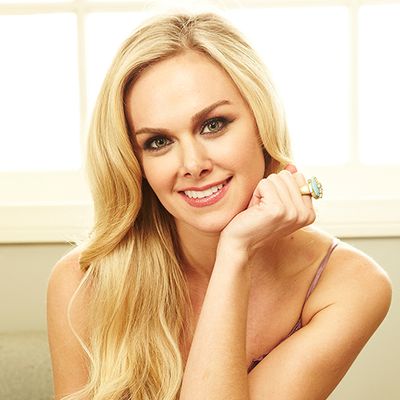
From the show: Women of Tomorrow with Laura Bell Bundy
Guests

About
Recorded live on March 26, 2023. This recording special guests from RAINN and Paige, led by Dr. Emily Bonistall Postel. Click here to watch the video: https://www.youtube.com/watch?v=TEj2pE6M758
National Sexual Assault Hotline (Available 24 hours): 1-800-656-4673
RAIN: rainn.org/about-rainn
The Rape, Abuse, and Incest National Network (RAINN) is the largest anti-sexual violence organization in the nation, operating multiple safety hotlines as well as sexual assault prevention programs, survivor aid programs, and work to bring perpetrators to justice.
Paige: paige.com
PAIGE empowers women through fashion. Founder Paige Adams-Geller uses her business both to support victims and raise awareness of sexual violence.
WomxnOfTomorrow.org
Womxn of Tomorrow Community & App is a sisterhood where we learn together, grow together, and impact the world together.
One home. One Sisterhood. Access to dozens of classes that allow you to learn from other women who are the best in their respective fields where we will examine the limited belief systems womxn have formed as a result of social inequalities.
Transcript
This transcript was automatically generated and might contain errors.
[0:13] Dr. Emily Bonistall Postel: Good evening, everyone. My name is Dr. Emily Bonistall Postel, and it is my honor to serve as the board president for the Women of Tomorrow Foundation. And I'm absolutely thrilled to be your host tonight for our Women of Tomorrow podcast episode on DENIM DAY. We have an absolutely great lineup, and that is because of the terrific panelists that we have. So let's, without further ado, bring everybody on in and we'll get started. Welcome everyone. Thank you so much for being here.
[0:43] Laura Bell Bundy: Hi. Thanks for watching.
[0:44] Shea Carter's's: Hi. Thank you so much for having us.
[0:47] Dr. Emily Bonistall Postel: Hi. So we've got a lot of great conversation queued up for tonight. But before we dive in, I do want to take a minute just to introduce each of you amazing human beings so that everybody knows who we've got on our podcast tonight. So Laura, I'm gonna go ahead and start with you. Laura Bell Bundy is a Tony nominated Broadway actress and Billboard Top Five recording artist. She is also the founder of the Women of Tomorrow Foundation and a National Women's History Museum Ambassador. After a career in entertainment for over 31 years, she chose to channel her artistry into activism with a focus on women's rights and equality. Her album Women of Tomorrow, co-written and co-produced by Shea Carter's and Jeremy Adelman, delves into the different issues that women are facing today.
It has over one million streams on Spotify and other streaming services and is in rotation on Sirius XM. The Companion Podcast on Broadway Podcast Network, which is where you'll be listening to this, dives deeper into the history of each issue and invites an expert to discuss how it impacts us today and how we can move forward. The Women of Tomorrow album and podcast have been featured in Forbes, Us Weekly, Huffington Post, American Songwriter, People Parade, and more. Welcome, Laura. Thank you for being here.
[2:06] Laura Bell Bundy: Happy to be here. Thank you so much.
[2:10] Laura Bell Bundy: Shay, who you just heard as the co-writer, producer, founder of the Women of Tomorrow album, has been a practicing yogi for over 15 years and has trained with some of the world's most renowned teachers.
[2:25] Laura Bell Bundy: She owns and operates a wellness sound healing business in Nashville called Inner Space, and she is a facilitator for a leading mental health facility known as OnSite Workshops.
[2:34] Laura Bell Bundy: Shay, thank you for being with us.
[2:35] Shea Carter's's: Thanks for having me.
[2:37] Shea Carter's's: Okay, next we have Amy Andradez, who serves as the National Sexual Assault Telephone Hotline Program Director for RAIN. RAIN, which is the Rape Abuse and Incest National Network, is the largest anti-sexual violence organization in the nation, operating multiple safety hotlines as well as sexual assault prevention programs, survivor aid programs, and they work to bring perpetrators to justice. Amy, we're thrilled to have you here tonight.
[3:05] Amy Andradez: Thank you for having me.
[3:07] Dr. Emily Bonistall Postel: Marlene, welcome, Marleni. We have Marlene Izquierdo, who was born in Guatemala and moved to Los Angeles with her parents at the age of 12. She became a ward of the court system at age 13, where she moved in and out of various foster homes for the next five years. After aging out of the system, she wanted to change the narrative of her story, and in 2011, she began working with the rape treatment center and Stewart House to share her story and hope to inspire others to disclose their own abuse and to raise awareness on sexual abuse. She is currently writing her first book about the power of surviving and healing, and she continues to be a strong advocate for sexual assault survivors, and she hopes to create a space for people to feel safe, vulnerable, and to experience healing. Thank you for joining us.
[3:51] Marlene Izquierdo: Thank you for having me.
[3:53] Dr. Emily Bonistall Postel: And certainly last but not least, we have Paige Adams Keller, who is the founder of Paige, a design powerhouse with men's and women's lifestyle collections sold in retailers in over 80 countries worldwide. Paige is all about empowering women through fashion. And as a survivor herself, Paige uses her business to support victims and raise awareness of sexual violence. She is a dedicated board member of the Rape Foundation, is a member of RAIN's National Leadership Council, and we are so humbled and grateful that she serves as a dedicated board member of the Women of Tomorrow Foundation. Thank you.
[4:26] Paige Adams Keller: Thank you. It's an honor.
[4:31] Dr. Emily Bonistall Postel: Well, we are here tonight to talk about DENIM DAY, right? So, what is DENIM DAY?
[4:37] Paige Adams Keller: Um, today is DENIM DAY, and the purpose is to spread awareness around sexual violence, to support survivors and to educate ourselves and others. The day was created by Peace Over Violence in response to the overturning of a 1998 rape conviction by the Italian Supreme Court. The court said that the jeans were so tight that the victim must have aided the perpetrator to remove them, and therefore the act was consensual. So today we wear denim to take a stand in solidarity with survivors, and we take a stand against victim blaming and other rape myths. So partnering with Paige for Sexual Assault Awareness and Prevention Month and DENIM DAY, it really is such a perfect fit for so many reasons. And one of the most profoundly special connections that I think that there is between Paige and DENIM DAY is because of the impact of sexual assault on how survivors view their body and can feel in their own bodies after an assault.
And as a lifestyle brand, Paige creates clothes that make you feel good and beautiful and comfortable in your own skin. So, Paige, if you can start our conversation off tonight, um, please just tell us more about the passion behind the commitment to all of this.
[5:43] Paige Adams Keller: Absolutely. It's um it really is an honor to be here, and this day is a sacred day for me in general. Um the beauty is that I was actually attacked in the workplace when I was on a modeling job and was a survivor, and ended up I had worked for a company for a long time and had a contract with this particular company and was eventually attacked by the owner of the company in the workplace, and I knew I needed to go find a place to go get help, and I didn't know what to do or where to go, and so in this crisis, um, I ended up calling the rape treatment center in Santa Monica, which is the first place that I actually went to go get help. And um, I'd never been to therapy before, I had never sought help for a previous rape that I'd had at the age of 16, and this was something that really like once I went to the rape treatment center and started the process, was something that actually became something that was life-changing, and what I say by this is the courage that it took for me to finally state what happened to me and the process that it took at the rape treatment center to get free therapy and get help, and then actually the ability to finally admit what happened to me when I was 16 years old and then go through the process of trying to heal through that, um, is what brought me to a place that actually helped give me my voice.
And that was actually the moment that everything changed for me. I decided that I had a 16-year-old stepdaughter at the time, and she had actually asked me if she should try to go into the entertainment industry and maybe make some money as a fit model and doing some of the work that I was doing at the time. And when she said that that's something that she wanted to do, that was the aha moment of like I would never let her go into the industry that I was just in, being treated the way that I was just treated. And if I would want to protect her with my life, I need to protect myself with my life. So I actually need to take on my attacker, and I need to get my voice and my strengths, and I need to make some changes in my life and help all the other women who had also been attacked or abused by this man.
And um that brought forward so much healing that when I got to another place in that process, I went and saw a life coach. And the life coach said to me, You love to empower women, you love fashion, you've worked in this industry for a long time. So, what would it look like if you were to start your own company and what would that, what would that mission be? And that was that moment where I knew that it was pivotal that I found my purpose and my passion that was going to be life changing for the rest of my life. I knew that I needed to create a safe work environment to help empower others, and I knew that I wanted the foundation of the brand to be denim. And I knew that I wanted to be a strong leader, empower women and men, and create that safe space.
And uh I put together the idea of what it would look like if I were to start my own company, and there was there's been really no looking back since then. So the foundation of the brand, not only being denim, was the mission statement that said, I want you to love your body, feel comfortable in your skin, and be comfortable in your genes, G-E-N-E-S, meaning genetically and in your genes. And uh that was really the catalyst of this movement for me. And I think that it's been the best decision I ever made in my life. And I thank the rape treatment center for finding my voice and helping me find my voice and getting me to this place to where I can make an impact and make changes and be an activist and help others learn and grow from my experience.
[9:59] Dr. Emily Bonistall Postel: That's beautiful. Thank you, and thank you so much for sharing. Thank you so much for sharing with us, Paige.
[10:00] Paige Adams Keller: Thank you.
[10:04] Dr. Emily Bonistall Postel: Um, and I love what you said about about genes and being a catalyst for change, right? And for activism, because so much of um the purpose of DENIM DAY, in addition to raising awareness and in addition to um to challenging victim blaming, is really at the heart, it's all about activism. It's about um after this decision was overturned, a group of women in the Italian parliament showed up and stood on the steps of the Italian Supreme Court in jeans in solidarity. And that small action has turned into a worldwide event. And one of the things that I think is so powerful about DENIM DAY is we so often feel disempowered. We feel like there's nothing that we can do. There's nothing that's gonna make a difference.
Wearing jeans activated change, right? And it and look at us now. Look at all of us here together tonight, um, celebrating this day and participating in this day because of a group of women who decided to engage in activism in the way that they could. Um, and that is really similar to the goals and the purpose of the Women of Tomorrow Foundation. So, Laura, um, can you sort of walk us through what the foundation is all about? Um, the goals of both the album, the foundation, the community. Tell us all about it.
[11:33] Laura Bell Bundy: I think I would know this by now. Um we started Women of Tomorrow, and I say we by me and my co-founder, Shea Carter's, who is here. Um I I brought her into uh the vision that was um activism through art. And uh I had this uh overwhelming feeling at the uh end of 2016 and the beginning of 2017 that I almost like I'd been struck by lightning, um, that my passion was to make sure that women were valued, women had equality, women were seen for how incredible and wonderful and uh how they birthed the human race and all of these things, but that I was noticing real gaps in our equality and real fears about our future.
[12:35] Laura Bell Bundy: And uh so it began with a concert of uh for women's rights and women's health. And uh, and that ended up being as an artist, um, I was going to make an album of that concert. And as a songwriter, I decided to make a uh an original album of songs where every song delved into a different issue that women are facing today. And uh, and that's when I brought my friend Shea Carter's into the mix. We'd been friends for a while, and she's a songwriter, but we'd never written together, and we were like, oh, is this gonna ruin the friendship? Um, which, but it didn't, it was actually the best songwriting session either of us had had. And uh, and we wrote this album, Women of Tomorrow, where every song delves into a different issue women are facing today.
Um, whether that's about equal pay or breaking the glass ceiling or the mental load of motherhood or uh or sexual assault or domestic violence. We we've we're trying to, and we're continuing to, as we write more songs, we've continued to write songs about beauty standards and things like that since we put the album out. Um, address these different issues in personal and poetic ways. Because I I believe um that uh the heart must be opened for the mind to change. And art has the ability, and so does comedy to be a heart opener. And um, we realized that well, we can while we can touch on these things in three and a half minutes, we don't necessarily have enough time to say everything we want to say about all of the issues.
And so um, when we began to put the album out, we also when we put the first single out, we also put our first podcast episode out with Broadway Podcast Network. Um, and with with the podcast, we delve into the issues, uh, we delve deeper into the issues that we are singing about on the album. And we talk about the history of those issues, um, and we invite a guest on to um help us reflect on how that impacts us today and how we can move forward. And then from there, we realized that we had women fired up from listening to the album, going to the concerts, um, uh, listening to the podcast, and we wanted to create a community uh where women could not only have a step-by-step plan to activate their activism through our uh classes and events, like we have female fight club every Tuesday at three, um, where we learn the facts before we fight.
Um, but also other things that women need, you know, what are the areas that women need support? And is that in trauma healing? So we have classes on trauma healing. We've we've got classes on personal growth, uh leadership, um, money, finance, yoga, meditation, Pilates, pelvic floor support, uh women's health. Um, we have one how to have happy hormones coming up. I mean, they're we're yeah, we're addressing all of these issues that we women in our community want. So if women are in our community, we have a little over a hundred at this point. Um whatever you want, you let us know. We'll find an expert in the field to help you through this thing. Because we believe when a woman feels empowered, mind, body, and spirit, and has the tools to have a successful life in all areas of life. That is the greatest form of resistance. And so while we want it's a sort of personal part of feeling empowered, right?
[16:47] Laura Bell Bundy: And um, and and this is why uh sexual assault is a huge issue. And if you look at back historically, which we have a lot of women's history classes, there were no laws against um this violence towards women. That even within a marriage, it wasn't until 1993 that it was illegal in all 50 states for uh for a spouse to be raped, and most likely that spouse was a woman. And and when we look at laws of coveture and how we began in this country, um women did not have any rights within those marriages. Um so we we like to reveal that we like to educate our community, and that's what we're here to do. We're here to educate and to support, and so that um so that we can rise together.
[17:50] Laura Bell Bundy: I love that. I love that. Thank you. And one of one of the things that we're rising about is sexual assault awareness and prevention. Um, and you mentioned that that was one of the songs on the album. So, Shay, if you can talk to us about Red Rover, about what that song is about, what that process was like. Um, give us a little bit of context and then we're gonna get to see it and hear it.
[18:14] Shea Carter's's: So, as we were writing the album and we were covering all these topics, we were covering equal pay, we were we were covering the um motherhood. We realized that we would be remiss to not cover sexual assault because it happens to most women in this country in some form or another. And I was so immensely moved by Chanel Miller's victim impact statement. Um, it really allowed the reader to be put in those shoes to think about the different steps of what a victim goes through that aren't just in a headline, they aren't in reading a quick article, they aren't in somebody else's perception of what happened to a victim, they were from her. Um a song about her story that was already so eloquently done.
And when I brought it to Laura, it we just both agreed, and so this song is really a testament to her bravery and her ability to speak in a way that I think so many women could relate to, and so many women whose voices have never been heard, I think can feel heard because of what she did, and so we were hoping to just again amplify that and allow women to feel seen in the song, to feel heard and to feel supported. And so we I had heard a song, um, a Doris Day song, because I'm a big Doris Day fan, and our album actually took a time that was very uh oppressive to women and kind of flipped it on its head. Our our uh the musicality is very 1950s and singing in the rain, sweeping instrumentals, and then the lyrics are very relevant to today.
And so I heard this Doris Day song that was a number one song at the time, and it was called A Guy is a guy. And as I listened to the lyrics, I was horrified. The song lyrics were about this girl, and this man is following her home, and she's never met him before, and he seems kind of strange, and he kisses her without her permission, and it's basically stalking and then assault. And the end of the song, when you think she's about to slap him, it's she marries the guy that's been shocking her. Her parents give her like say she should, or yes, her parents say she should, but the whole thing is wrapped in you know, a guy is a guy. That's what I is a guy. It's so disturbing. And so to think of that being a number one song and having women hear this and then having women be victimized and stalked and think it's normal, think it's flattering.
Um is a lot of the reason that we've seen this behavior continue and continue through generations. And so we actually sampled a beat from Doris Day, and that really helped us build this new song off of this old idea. So our song Red Rover, um, I'm really very proud of it. And I think we have a clip to play for you.
[21:48] ♪ Musical number ♪
[22:55] ♪ Musical number ♪
[24:53] Dr. Emily Bonistall Postel: It's amazing. It is so powerful and so beautiful and so heartbreaking and so poignant and so incredibly special, I think that you used your voice and your voices to amplify her voice and the voices of survivors who have been silenced, who, as you said, voices that have never been heard. But is one of the most powerful things I think in the song is the weaving in of the victim blaming, right? Which is such an important point of denim day. The weaving in of those rape myths that we have and the victim blaming. Um, and then at the very end where she says, "This is not my body, I don't know it anymore," right? Um, and I think with this week, with being denim day, it's also National Crime Victims Rights Week.
Um, and the theme this year is elevate survivor voices, engage and create change. And so often, so often after experiencing some type of crime victimization, specifically sexual assault, um, the impact of that is that survivors feel silenced. They feel as though their voice has been taken from them, their control has been taken from them. And so raising awareness and raising survivor voices, challenging myths and letting people know that they're not alone is so critical. And I just love the beautiful way that Red Rover does that. So thank you for using your voices and your artistry to be able to raise those voices and amplify other voices. And Paige, this is something that I want to thank you for doing as well, because you are a survivor who's doing this work to not only elevate your own voice, but to elevate other survivor voices, to engage folks in these conversations and to use your voice and your platform to create change.
And the change that you are helping to create is so important and has such a ripple effect, far greater than you will ever know. And in this way, you really are helping to provide the change and the healing to others that you received in times when you needed it most. So can you share with us more about the type of support and resources that have helped you on your own healing journey and what that's looked like?
[27:19] Paige Adams Keller: Absolutely. Thank you so much again. You know, it was a lot coming back for me in this particular moment because when I was first raped when I was 16 years old, I was in my hometown in the middle of nowhere here in Alaska. And there was absolutely no place to go for help. At that time, there was no internet, there were no resources locally. And then aside from that, um, I was actually Miss Teen Alaska at the time. And if I were to have gone to any public place to talk about what had happened to me, it would have been publicized and would have been out there in the media and it would have been a very uncomfortable situation for me. So everything made me scared and silenced. So for 13 years, I was silenced from that rape until I was attacked in the workplace in Los Angeles, which is when I finally went to the rape treatment center.
So the two things that I want to talk about today are what I wish I had and what I had as support. So back in the day, 16-year-old Paige would have wished she had RAIN as a resource, because RAIN is a national online hotline where anyone can go and get help and be anonymous and figure out where and what resources are available in your environment and in your area or through other venues. And that I wish I would have had at the time because it would have saved me 13 years of secrecy and 13 years of abusing myself and shaming and blaming myself. I suffered from eating disorder, I suffered from alcohol abuse, I suffered from many other things that were major stressors in my life. And until I had the resource of going to the rape treatment center in Santa Monica, which was a place I heard about through friends, that was safe, free, and a place that one person could go to and have everything that you needed taken care of under one roof.
That was what was life-changing and go get a medical exam, talk to a detective, meet with prosecutors that can help, like in any event, teach you how to go into trial if you need to go to take on your attacker and take you through the whole process in a safe environment under one roof. And that is where my journey began. I was able to go there, have free therapy for a year. I couldn't afford therapy at that time. I was an actress and model. I didn't have a big, um, you know, wasn't making a lot of money at that time and didn't know how to go to therapy or what therapy was even like. So being able to go and start talking about the process and having a free, safe space that allowed me to open up and talk about what I needed to do and trained me and helped me to figure out the next steps that would empower me, give me my voice, and change my life was the biggest blessing I'd ever had in my life.
And then I will tell you one other thing that's pretty amazing. And I don't know if Shay and I have had a chance to talk about this, but fast forward to when I was having relationship issues, even though I had already taken on my attacker and started my business and was finding my voice and learning how to empower others. I needed to go back and do some work again because the work never this trauma sometimes uh moves in waves. It comes and goes, and you can have PTSD and things can happen that trigger. And um hence being able to be intimate with someone. I felt like I had to drink to be able to be intimate with someone, and they needed to go back and deal with that trauma and figure out how to solve that problem.
And I actually went to On-Site and On-Site was one of the places where Shay worked, Shay is a leader in. Um, that I also got some extra help. So the resources that are here in front of us are the resources that I reached out to, and then that's actually how I met Lenny was through the rape treatment center. So um, she is someone that um I've been able to mentor and help um along the way. So that's a little bit of my history and the places that I've been able to go for help and the impact that they made in my life that was life-changing. Life-changing, I would not be where I am today if I hadn't taken those first steps in a safe environment that helped get me to the next level and get me to where I am today.
So I feel it, it is my purpose in life to be at a I think the success that I've had in my life, the reason why I've wanted it and I've been very driven was because I felt that the more successful I could become, the more I could pay it forward, and the bigger voice I might have to help. But if that's not necessarily you don't have to have that much success to have a big voice, so I think that's what's so important about the Women of Tomorrow and everything that they stand for and what we stand for. So um that's that's what I have to share today about my journey.
[32:45] Dr. Emily Bonistall Postel: Paige, what I'm really present to in the way that you just spoke about that is how after experiencing sexual assault, these feelings of being so alone and so isolated, and yet there were resources, there were places that were there and ready for you when you were ready to walk in the door. And I think that that's a really important message for survivors to hear that even if in this moment right now you feel like you have no support, if in this moment right now you feel completely isolated, like you are the only person that has gone through this. You're not, you're not alone, and there are people there who can support you. Um, and so Amy, I would love if you could share with us about the hotline about RAIN, the work that you all do, how you support survivors, um, anything that you want to share with the folks on our call tonight.
[33:40] Amy Andradez: Of course. First off, thank you so much for having me here. It's an honor to be sitting with all of you and Paige for sharing your story with us. So thank you. Um, so about RAIN. So we definitely align with everything that is being discussed here today. Our mission is to help survivors across and advocate for them. Um, RAIN is the, like Emily mentioned earlier, RAIN is the nation's largest anti-sexual violence organization. And it was founded in 1994. Um, we are the leading authority on sexual violence, and we do four things. One is support victims, two is educate the public, three is improve public policy and increase access to justice outcomes for survivors, and then we also help companies and other organizations improve the way they prevent and respond to sexual violence.
So we also operate um NSH, which is also known as the National Sexual Assault Hotline, and we operate both in English and Spanish. Um, and what we do within the hotline is that in conjunction with over 1,000 local sexual assault service providers, we work along with them. We provide services that have helped more than 4 million survivors and their loved ones since 1994. And within this um platform, what we do is that we support and offer uh support to survivors, confidential, free. It's available in Spanish and English, and we are available 24/7. We also have um access via online, so people can come and join us uh to chat with us online. We don't ask for any personal identity information, we don't ask for immigration status.
We basically just offer a listening ear to anyone who comes to our hotline via phone, via chat. And at times we also have resources on our webpage that people can also use on their own in case they are not ready to talk to someone. We do have our phone number as well in case that anyone who is on this call listening in wants to call our hotline, which is 1-800-656-HOPE, which is 4673. And then these conversations are survivor led. So we are support specialists, are here to listen, provide support and drive and let the visitor drive the conversation. We don't push our own agenda. This is a non-judgmental space. It is a safe space where you can just come and talk to us, share your story. Sometimes it's the first interaction for a survivor to come and talk to someone.
So it can be a little scary. That is normal. Um, and sometimes people are not ready, and that's okay. That is why we're here for anyone to come and share with us whenever they're ready. Our support specialists are trained to handle any type of conversation that comes in and provide resources. Um, that is from law enforcement, from forensic exams, coming on also as a rape kits. So we have a lot of resources both in Spanish and English that can be accessed for any survivor that comes on a hotline or via phone. So we do hope that anyone who does come to our services, uh, we are here. You're not alone, just like Emily mentioned, um, and we're always available for anyone who needs support and just needs a listening ear. We're always available.
[36:54] Dr. Emily Bonistall Postel: Thank you, Amy. Thank you for the work that you do. It is truly life-saving. Um, and I know that you know that, but I don't think you can hear it enough. So thank you again for the work that you do. The way that you described um the environment that you create, right? This safe place where people can be vulnerable, where they can be heard.
[37:17] Lenny: Um, I'm really uh it's it's amazing. Those are really the same words, Lenny, that you used in your bio, right? That you are looking to create spaces like that. Um and Paige mentioned uh this idea that healing is not linear, that our healing process comes and goes over time and where the way that we um the way that we feel and the way that we process and what that looks like is going to vary. There's no, you know, you don't you don't just go to therapy once and then like okay, your trauma's done. You know, it's I'm I'm done, I'm good. That's not how trauma works. That's not how healing works. Um and so Lenny, if you can just share with us your thoughts on on this. I know that this is something that um that you speak to, and and I'd love whatever it is that you'd like to share with us about it.
[38:02] Lenny: Yeah, of course. Thank you so much for having me too. Um, yeah, I started therapy at for the first time at 17. Um, and I went to Stewart House, which is uh part of the Rape Treatment Center. And I my family hadn't gone to therapy, we never talked about therapy. Um in the Latino community, it's talked, it's looked at as kind of a sign of weakness to seek for help. Why would strangers help you with their issues? So when I first went to therapy, it was mandatory, part of my foster care. Uh my counselor wanted me to do a year of therapy um to disclose abuse that I hadn't encountered when I was 13. Um, and it was very hard for me to disclose the abuse that I had gone through. It was also very it felt very awkward and foreign.
But when I started doing that, and it I did about a year and a half of therapy because my court case was coming very close. So they wanted me, they want they extended it for six months. Usually it's about a year. And I had put a lot of through my healing process, I one of the things that I worked on a lot with my therapist was just putting goals in front of myself to achieve them. And I set a lot of goals. I wanted to graduate, I wanted to get a full rank to college. I wanted to go to college. I didn't want to be homeless anymore. I had been experiencing homelessness for a few months. And I wanted to live abroad. I wanted to get a good paying job and I wanted to create a healthy, I wanted to be in a healthy environment in a healthy relationship with my partner.
And I did all of that. And I think through people encounter trauma, um, they deal with trauma in their own way. I think people would, you know, resort to alcohol or drugs or uh the eating disorders. And for me, it was work. It was work a lot. So I feel like through my working process, um, my healing process, I worked a lot and I forgot about the internal work because I was really focusing on the external work of achieving all the goals that I had set for myself. Um and then I think I got a point in my life when I was about 25. I was in a very healthy relationship. I had a really good career. I everything was going well. I had already graduated college, I had already lived abroad for half a year.
I never felt full. I felt like I wasn't able to be intimate with my partner at that time. So I was struggling emotionally a lot. Um I had really dark moments where I felt like I it was still my fault of a lot of things that had happened. Um and I started realizing like even though from the outside I looked very well put together and everybody was very inspired by me. And the inside I was I was letting myself rot. So I decided to take a break from my current relationship and I moved out. I I took care of myself and I went back to therapy. And that's when I think that was the first of me realizing that I had a cheat, I I had um I had a lot of anxiety and depression that I was covering up with a lot of work um and I wasn't taking care of myself.
And that was the start of me of my my second stage of healing. And I think that was uh pretty much taking care of realizing that I can't have a healthy relationship, I can't have a healthy sexual relationship. Um, I can't have friendships. I I struggle with making friends a lot because of just getting close to people. Um, and that's where I'm at right now. And and it took me, I think, years to realize that the work is never done. Um the work definitely starts with telling your story, but it's a constant thing that you have to work on. You're gonna encounter different stages as you go. I you know, I'm 29 right now, I'll be 30 this year. I'm looking forward to being a mom in a few years. I think once I get to that stage, I'm gonna have to uncover another layer of healing where it's gonna be very traumatic for me to be a mom because I didn't have I don't have a good relationship with my mom and my abuse have been at home.
So for me, it's very triggering how am I gonna be a good mom when I didn't have any good upbringing. Um, so that's another thing I'm gonna I'm gonna have to learn to do. Um, even marriage, that's another layer I'm gonna have to do. So one thing I I'm very adamant about, it's continuing to work on myself every day, trying to be with the best version I can and and realizing that, like Paige mentioned, healing comes in waves, and I have to embrace the highs and the lows. Every every part of my life will teach me something. Um, and you know, you I've gone through the hardest part, which was disclosing the abuse and everything else. It's not gonna be as hard as it's not gonna be easy, but it's not gonna be as hard as just opening up to people and just seeing what happened to you. And that's really the start of you starting your healing journey. Thank you for sharing all of that.
[42:34] Dr. Emily Bonistall Postel: So powerful, so so many powerful things in there, Lenny. And I'm just so grateful for your bravery in the way that you just own the space. Um, it's just beautiful. I want to thank you and Paige both for sharing about um the challenges and the difficulties that happen after experiencing sexual assault. Um, between the two of you, you talked about experiencing homelessness, about disordered eating, alcohol and drug abuse, struggling with intimacy, anxiety and depression. These are things that are very common reactions to experiencing sexual assault. It they're common reactions to experiencing trauma and victimization in general. And yet they are things that survivors often carry so much shame and so much guilt about, and they feel like it's something is wrong with them, that this is how they're they're coping or they're processing.
Um, and just hearing that that is a common reaction to experiencing this, and that those are things that other people go through can be so validating for survivors who are maybe hearing this for the first time. And I think what is what is important um for those folks who are not survivors who might be listening to this call, um, is to know that and to be supportive and to see that when there are people in your lives who are struggling with these kinds of things to show up for them, right? And so Amy, I would love if you could if you could share any other kinds of thoughts or suggestions or ways that people can show up first for survivors in their lives and ways that they can support them. Things that you all do, you know, maybe programs that you do with rain or just in general from your knowledge and experience. How can people show up better for survivors?
[44:33] Amy Andradez: That's a great question. So one of the things that I would definitely say is that providing listening ear. Sometimes I understand that we don't have all the contact, especially from a loved one's standpoint of you know, someone disclosing their abuse. So sometimes loved ones do struggle on how to support a survivor. So it could be helpful to read or find support like rain, reaching out to someone else who can guide a loved one on how to provide guidance for a survivor. Um also listening in, um, we have some resources for um loved ones like lean on me, which provides five module video training on how to support even minors when they have been abused, what type of therapy, what type of support a guardian or someone can provide to minors.
One of the things our brain also does is that we don't solely focus on one population, we focus on various populations. So we serve um men, women, um the elderly, the minors. Um, we you know have different genders that come in into our hotline. So it's getting educated, having support and guidance and reaching out to your tools and support across. Um, having a good support system does help survivors heal. However, just like it's been mentioned here before, healing is different for everybody. Everyone has a different time frame on healing, a different process in healing. So there isn't a right or wrong way on the healing process. Everyone's experience is unique in their own, so we can define their experiences because everyone has their own experience.
And we have to be open to that and be an open-minded to how to support an individual in that situation. Um, I would always again refer back to Rain for further resources because we have tons of resources on our webpage. So you don't necessarily need to talk to any of us if you don't feel comfortable. But there are a lot of um books, articles that we have that are available that are free that people can use and come to us for. Um, so I would definitely always encourage anyone who is interested in continuing to support survivors and learning, reaching out. There is no wrong question to ask on how to support someone who is going through such an experience. And give them time, um, give them compassion. We are human and we are trying to process our own experiences in our own way. So it's just coming from a lens of understanding.
[47:03] Dr. Emily Bonistall Postel: Thank you.
[47:04] Amy Andradez: Thank you.
[47:06] Dr. Emily Bonistall Postel: So that's a message to supporters, right? And I think um so much of sexual assault awareness and prevention month is heavy. It's about the statistics, it's about um how frequently this happens, it's about the impact, it's about, you know, all of these things that can feel so disempowering. Um, and Lenny and Paige, you both are kicking ass, if I can say that on this podcast. You are you, you are survivors, right? We've we've we've spoken about um, you know, victim and and survivor. And you both have shown tonight and in in your lives that there is life after sexual assault, that there is joy, there can be joy, there can be love, there can be hope after sexual assault. Um, and so I I would love to just open the space for the two of you to be able to um, you know, share any message with survivors who are listening tonight who maybe need that message of hope that in this moment they don't feel it.
Um and you know what it's like to to be in that moment and to feel like there's no hope and that there's there's you know, there's no there's no there will be no joy after this. Um what would you say to them? Lenny, I'll I'll let you go first and then Paige.
[48:26] Lenny: Um yeah, well, I I guess one of the things um I've been writing a lot. I've been journaling since I was 13. Um, and about two years ago, I started having this idea that I really wanted to write a book. Um it took me a year to start doing it uh and put together all my journals and everything. So I've been doing it for about a year now. Um it's nowhere near publishing, but I've been doing it a lot. And one of the things that keeps popping out that I keep writing is don't be ashamed of the crime that you didn't commit. And that's one of the things that I struggle with the most growing up. And I think as um like my mom was abused, my grandma was abused, uh for our family. It was like a chain that I needed to break.
I have two little sisters, and I make sure I was very involved in their lives to make sure that didn't happen again. Um, but even at 13, which was when the incident happened, I still didn't understand the effect that it would take on me until I think now. And that's one of the things that I continue to tell myself. I didn't commit the crime and I why should I be ashamed of that? Um, and I tell friends and uh I used to have a blog for a few years, um, and I would tell people that would come to me and ask me about my abuse or talk about their abuse, and I would always say that to them like, don't be ashamed because you didn't do anything wrong.
[49:44] Lenny: And I wanted, I also keep writing like learn from the unwanted trauma and choose to be well. Um, and it's I know it's hard and and sometimes it can be insensitive for people to tell there's like just choose to be well, just choose happiness and it's hard, it's really hard. But I think if you create really healthy habits for yourself, a healthy environment, um, you know, self-love, it's I'm happy now. Social media has taken on such a like love for self-love and it's pushing it out there for young girls to to to do it more. Um, but that's one of the things that I continue to work on myself. I continue to read, I continue to educate myself, I continue to uh have healthy, uncomfortable conversations with my with my boyfriend right now, um, things that are triggering.
Uh I also identify triggers as one of the things that took me a long time to identify is triggered things that trigger me. Um, and me leaving my current relationship for a period of time to learn those triggers because I didn't, I didn't know what those were, helped a lot to have a healthy relationship now, where if he does something that it's out of line, that he might not see it as out of line. But in my personal, he's invading my personal space for me to have a voice to tell him instead of yelling or or being mad at him or walking away for me to tell him, hey, this is a trigger for me, and it's bringing up things from the past for him to also be supportive in that in that way. Um, but one of the main things I would say just don't be ashamed of something that you didn't do, be able to be strong and come out and remember how strong you were, and you were strong throughout the process through through the abuse, you were strong after, and you're still strong now. That's just one thing that I think we have to remind ourselves and of course be kind to to ourselves that we're not gonna have good days every day.
[51:31] Paige Adams Keller: Yeah, thank you so much, Lenny. Um yes, it's very interesting how even a shift of terminology made a big difference in my life because um I had always felt ashamed and thought it was my fault, and though I did nothing wrong, and I had a stalker, and um would get telephone calls begging me to see this person, and it would repeatedly say, I don't want to see you, I don't want to get together with you. And literally that stalking process led to me giving in and saying, 'Yes, okay, I'll see you,' and then that's when I was attacked and raped. And so I blamed myself because I thought that I shouldn't have said, I will come see you, yes, I'll see you before I go away to go to college. And um, but changing the terminology from uh I'm a victim to I'm a survivor was a big mind change in the way that I viewed myself because it's like I am strong, I am resilient, I am a survivor, and getting rid of the shame and blame and getting to the point where I hit my own rock bottom where I needed to ask for help was life-changing in the sense that I always felt that I was kind of raised to be uh the perfect daughter and the perfect girl.
So I always thought if I had something that would look would make me look imperfect, then I was going to be a disappointment to my family or friends or community. And once I changed that mindset by actually asking for help and knowing that I couldn't do it alone anymore, that it was destroying me, and opening myself up with that vulnerability. I can't tell you how much overpowering beauty, kindness, and love that I've received. And then what I've always heard is let us love you until you love yourself. And being a part of that community with group therapy and therapy and friends and support groups and trauma centers and all of that, that has brought me to a place where I do love myself and I am proud of this vulnerability, and I am strong through this vulnerability.
[53:47] Paige Adams Keller: And the one thing I want to want to share, which I think is really important because sometimes I feel like, oh, I'm a I'm I'm a boss, I'm a leader. I have a company that has you know 300 plus people in it, and maybe today I shouldn't cry and show my vulnerability, and maybe that's not being a good boss. And this is what I got today from one of my team members at Page, who he actually is uh his name's Christopher, and he manages our Pacific Palisade store. This is what I woke up to this morning, and he said, I wanted to share this with you. I think it's brave. I think it's brave that you get up in the morning when your heart aches and life is messy, and you do not feel like being soft for the world.
I think it's brave that you continue to love and express and open your soul, despite the way you were treated in the past. I think it's brave that you keep going, that you keep believing in something more, something bigger, even when you may not know what you are hoping for. I think it is brave that you fight. I think it is brave that you choose every single day to move forward because that is what makes you strong. That is what makes you strong. And um I am so grateful that I have team members that appreciate that this has been a journey and that I do have a voice that is strong and brave. And for all of you other women who are here on this journey with me, I mean, that's pretty magical. That's pretty life-changing.
And I think that's really what it's about. Life is about connection, love, love learning to love yourself. And um, I feel like that's pretty freaking empowering. So to get these kinds of messages on a day like today, to be sitting here with Lenny, who works at Page, and being able to share our stories together. And I wouldn't, she wouldn't be working at Page if I wouldn't have had the beautiful ability to meet her at the rape foundation big charity event where she was the keynote speaker and shared her story, and that brought that connectivity to me. So, you know, that's what it is. Pay it forward, learn to love yourself and learn to give to others. And like I said before, the minute that I had the opportunity within my company to be able to do something to make a difference.
I reached out to Rain because I said earlier that's what I wish I had when I was younger a place like Rain to go to and so that's my connection to rain that I get to sit on the leadership council and that um I get to help so that that's really what I have to share. There's so much hope I have a full life beautiful family three beautiful granddaughters who I pray never have to go through what I'm going through or what I went through I mean what I went through. So there's so much hope so much love and so much support out there. So I think everybody did love me until I could love myself and I appreciate that.
[56:47] Lenny: Oh I love that. And now look at you loving all of these other people until they're ready to love themselves. So um as we are we're nearing the very end of our time together so um I thought I would share a few words that um I hope survivors know and then Laura and Shay I'll I'll pass it to you to kind of close this out and tell folks how they can get engaged with um with the community so uh Paige as you said there's hope. I hope survivors know that what happened to you was not your fault that you deserve to feel safe that you deserve to have your boundaries respected that you are worthy of the healing that you are worthy of love exactly as you are so thank you everyone for joining Laura Shay tell folks how they can get involved in the foundation and in the community how they can join the appallanny and paige for your courage and bravery tonight, uh sharing your story and being so vulnerable, and uh and Christopher for that message that made me almost weep to you.
Um these are hard things to talk about, and I know that there's uh you know when we we feel shame for something that we didn't do. Um it still feels hard to talk about. So thank you so much for your courage and vulnerability tonight. I honor you, and uh it you guys are are so inspiring, and I really do believe you are making a real impact uh in other people's lives. Um speaking of impact, we hope to make an impact in women's lives with women of tomorrow. Um you can check us out, women of tomorrow uh.org. And it's women spelled with an X, W O M X N of Tomorrow. If you identify as a woman, you are welcome. We have um 20 to 30 classes and events a month that are all virtual at this moment. We've had some in-person if you're in the New York area.
If you're in the Nashville area, there's in-person events, and then if you're in the LA area, I'm sure there will be some in-person events. Uh and they're in various areas. This month has been sponsored by Paige Denham. And this month, uh, we and we are not done with this month. So we still have we have an event tomorrow night. Um, we have the live journaling on Saturday. We have a lot of different events still going on. And if you um if you join Women of Tomorrow, you can watch anything we've done on demand. There are some classes that will not be available on demand because they're quite personal trauma healing classes, but we will have those again in the future if you're in need of that. We like to make sure that things are private for people, but any class like negotiation or yoga or meditation uh is available for you to catch. And anything that has to do with advocacy and activism around this subject or any other cause that you care about is available.
[1:00:20] Shea Carter's's: I don't know if you want to say anything, Shay. Um, we'd also like to offer a free month for everyone that's listening now. Not only are these issues really difficult to talk about, they're also really difficult to listen to. And often when something is uncomfortable, we can tune out. So I really want to acknowledge what it takes to talk about things like sexual assault, listen, gather new information and support. Um, women of Tomorrow is also about building a sisterhood. We hope that you come and you meet some of your new best friends in a safe environment. We hope we can introduce you to organizations that are beautiful, like Rain, like Chamber of Mothers, like the National Women's History Museum, all um aligned with us in giving women access to information because there is freedom in that, and there's a freedom in sisterhood and finding your tribe and finding women that resonate with you. And um, we would love to have all of everyone who's listening come and check us out. Thank you so much, everybody, for being here.
[1:01:23] Laura Bell Bundy: And I learned so much and I feel so inspired by your stories, by your vulnerability, by your activism. So thank you.
[1:01:34] Paige Adams Keller: Thank you so much. Honor to be a part of it. Thanks, everyone.
[1:01:38] Dr. Emily Bonistall Postel: Thanks, Dr. Emily.
[1:01:40] Amy Andradez: Thanks, Amy.
[1:01:42] Lenny: Thanks, Tanger.
[1:01:44] Paige Adams Keller: Thank you.
[1:02:00] ♪ Musical number: "Breaking That Glass Ceiling" — performed by Paige Adams Keller ♪
© Broadway Podcast Network, All Rights Reserved