

A candid conversation with Emmy Award winning news anchor turned Menopause Wellness Coach and advocate Tamsen Fadal and Writer/Actor/Speaker Tracy Dawson about the glorious discoveries midlife brings to us and how to prepare, eat, drink and function as you experience this stage in life... Read More
From the show: Women of Tomorrow with Laura Bell Bundy
Guests
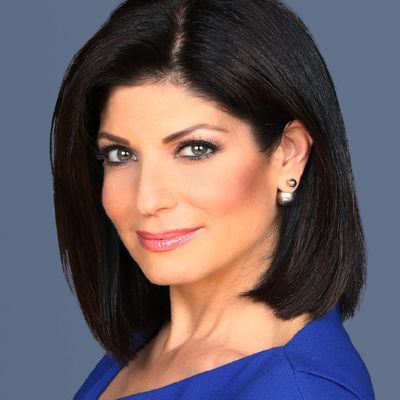
About
A candid conversation with Emmy Award winning news anchor turned Menopause Wellness Coach and advocate Tamsen Fadal and Writer/Actor/Speaker Tracy Dawson about the glorious discoveries midlife brings to us and how to prepare, eat, drink and function as you experience this stage in life.
Produced by Dori Berinstein and Alan Seales.
A proud member of the Broadway Podcast Network.
Transcript
This transcript was automatically generated and might contain errors.
[0:01] Tamsen Fadal: Welcome to the episode. Today, we're diving into the topic of menopause and what it really means for women.
[0:29] Tamsen Fadal: Menopause is often surrounded by stigma and misunderstanding, but it's a natural part of life that brings about significant changes.
[0:59] Tamsen Fadal: It's essential to talk about these changes openly, as they can affect every aspect of a woman's life, from physical health to emotional well-being.
[1:29] Tamsen Fadal: Many women feel unprepared for menopause, and that's why discussions like this are so important.
[1:49] Tamsen Fadal: We need to break the silence and educate ourselves and others about what to expect during this stage of life.
[2:09] Tamsen Fadal: It's not just about the physical symptoms; it's also about the emotional and psychological shifts that can occur.
[2:29] Tamsen Fadal: Understanding menopause can empower women to take control of their health and well-being.
[2:49] Tamsen Fadal: Today, I’m joined by Tracy Dawson, who has her own experiences and insights to share on this topic.
[3:09] Tamsen Fadal: Tracy, thank you for being here.
[3:29] Tamsen Fadal: Let's start by discussing some of the common misconceptions about menopause that you've encountered.
[3:49] Tamsen Fadal: It's crucial to address these misconceptions to help women feel more informed and less isolated.
[4:09] Tamsen Fadal: Many women think that menopause is just about hot flashes and mood swings, but there's so much more to it.
[4:29] Tamsen Fadal: It can affect sleep, libido, and even cognitive function, which is why awareness is key.
[4:49] Tamsen Fadal: What have you found to be the most surprising aspect of menopause in your journey?
[5:09] Tamsen Fadal: I think many women are shocked by how early perimenopause can start and how it can vary from person to person.
[5:29] Tamsen Fadal: It's important to recognize that every woman's experience is unique.
[5:49] Tamsen Fadal: And that’s why having conversations like this is so vital for sharing knowledge and support.
[6:09] Tamsen Fadal: Let's talk about some practical tips for managing symptoms. What advice do you have for women going through this transition?
[6:29] Tamsen Fadal: Nutrition, exercise, and mindfulness practices can play a significant role in easing symptoms.
[6:49] Tamsen Fadal: It's about finding what works best for you and being proactive about your health.
[7:09] Tamsen Fadal: Many women also find that connecting with others who are going through similar experiences can be incredibly helpful.
[7:59] Tamsen Fadal: Community support can make a big difference in navigating this life stage.
[8:19] Tamsen Fadal: So, Tracy, what has been your experience with community support during menopause?
[8:39] Tamsen Fadal: Have you found any particular groups or resources that have been beneficial?
[8:47] Tamsen Fadal: I think sharing stories and experiences can help normalize the conversation around menopause.
[9:07] Tamsen Fadal: It’s about creating a safe space for women to express their feelings and challenges.
[9:35] Tamsen Fadal: And that’s what we hope to achieve with this podcast—encouraging open dialogue.
[10:03] Tamsen Fadal: As we continue, let’s discuss some of the lifestyle changes that can help during this transition.
[10:31] Tamsen Fadal: What are some dietary changes that you recommend for women experiencing menopause?
[10:59] Tamsen Fadal: Nutrition can have a profound impact on how we feel during this time.
[11:27] Tamsen Fadal: It's essential to focus on a balanced diet rich in whole foods, healthy fats, and plenty of fruits and vegetables.
[11:56] Tamsen Fadal: Hydration is also crucial, as it can help alleviate some symptoms.
[12:24] Tamsen Fadal: And let’s not forget about the importance of regular exercise.
[12:25] Tamsen Fadal: It can boost mood, improve sleep, and help manage weight.
[12:26] Tamsen Fadal: What types of exercise do you find most beneficial during menopause?
[12:27] Tamsen Fadal: It’s all about finding what you enjoy and what fits into your lifestyle.
[12:28] Tamsen Fadal: And remember, it’s never too late to start making changes.
[12:57] Tamsen Fadal: In medical school, I learned about menopause for less than a month, and my training was 12 years.
[13:22] Tamsen Fadal: We learned a little bit more, but we had no menoPAUSE clinics. We probably maybe two to three percent of all of my OBGYN residency training was spent on menoPAUSE. Oh my gosh, virtually nothing about menoPAUSE at all. So I had to do all this research by myself and had to convince my colleagues that it's a really important topic to cover. I learned zero about menoPAUSE. I did not learn about menoPAUSE until I was 38 years old. How many hours did you learn about menoPAUSE in medical school? About zero. I gotta go lie down.
[14:03] Tamsen Fadal: And let me tell you who you're seeing there. You are seeing a sleep doctor. You are seeing a cardiologist. You are seeing, I think there's two OBGYNs there. You're seeing women that have now become menoPAUSE specialists, which is really incredible to me, menoPAUSE practitioners because they realize that there's such a need. I'm trying to think who else was in that one. And there's a scientist there actually who owns a telehealth company. A number of doctors. Sorry, you're seeing doctors. You're seeing doctors from all different walks of life there and in not learning, not getting educated, wanting, having to go and educate themselves. And so, you know, kudos to them for talking to us about it, but more so for being there and being out front and trying to figure out what we can all do about it together.
And this is the only way it raises our voices, is if there is somebody from everywhere speaking out about it and not being afraid. I mean, I didn't know I was going to speak out this loudly about it, you know, what had happened to me because I didn't even know what was happening. But I have met too many women to sit silent. Like I can't do it. I've heard so many stories and talked to so many women and have so many women in the community reach out to me that I can't be quiet about it anymore.
[15:22] Shea Carter: So what made you go to school? Or do you, Shae, do you have that question still burning?
[15:28] Tamsen Fadal: Yeah, because I heard this statistic that made me so upset and it was that one out of every ten women will be unable to work because their symptoms from menopause are so severe. And then that's not considered a disability. So your employer can let you go. They can't fire you because of this, but they can let you go because you're missing work because it's not considered a disability. I just saw something before I logged on tonight. I've studied this week from the Mayo Clinic. Mayo? Mayo? Mayo? Mayo's Clinic? Just kidding. Something like an estimated 1.8 billion dollars was lost for women's like the equivalent of the work time that they lose because of menopause. I guess that's a year. Like that's insane.
[16:08] Tamsen Fadal: Yeah, it's really startling, you know, and it's something a lot of employers are taking note and they're talking about now. There's a lot of companies out there educating employers. So I give it up to any employer who's even starting this conversation and listen, we have so many conversations to be had almost all at the same time. We've got to have the funding. We've got to have people who need hormones to be able to get them. If somebody is not able to get them or they can't afford them or they don't have access to them or, you know, somebody they don't get them paid for, it's very, very difficult. I know for a fact that I don't know that I'd be sitting here being able to talk to you like I am today if I did not decide to start hormone therapy.
And I don't know that I'd be able to work the way I'm working today if I didn't start hormone therapy. It was very necessary for me. I tried to go a non-hormonal route and it didn't take for me. That's not to say that, you know, hormones are for everybody. But for me it made a big difference. But the truth of the matter is, is we have to have the research so women know whether or not that's what they want in terms of their, you know, their choices and they have to be able to make an educated decision for themselves. So we need that research money first and then we have to have employers, you know, kind of take note of exactly what's going on. I mean the big concern with it in the workplace is you don't want to be, you know, you don't want to have that stigma either, you know, because menopause is associated with aging and a lot of people are still very afraid of those numbers.
I'm also very afraid of like having to take something for the rest of my life, which I know a lot of women are. And what I've wondered before is because menopause is, and correct me if I'm wrong in any of this, because again, it's so not talked about that we don't get to ask these questions and get these answers from our female communities. I went, menopause is a season of your life, right? There's an end to menopause. And so are you on hormones then relying on them for the rest of your life? Or do you just take them during the season and the transitional part of menopause?
[18:04] Tamsen Fadal: Well, it's not a season. It's actually, once you're in menopause, you're in menopause for the rest of your life. It means you're postmenopausal. It doesn't mean that you have the most severe of the symptoms. It doesn't mean you're gonna have the symptoms that you might have in perimenopause. And I've even noticed some of mine, you know, obviously there's the hormone aspect of it, but I've noticed a lot of mine not as severe as they were in the beginning. At the beginning, I couldn't sleep even a little bit. I had night sweats. I still get hot flashes from time to time, but that was a lack of estrogen. I've since, you know, the hormones have helped with that. So you're in menopause, you know, postmenopausal.
So you're perimenopausal up to the day after you haven't had your period for 12 months. And then after that day, that's menopause of the day. You're considered postmenopausal. That doesn't mean you take hormones the rest of your life. And there's still research that needs to be done with that. You know, some doctors, you know, there was a question of whether or not, I'm not a doctor. So I just want to make sure everybody knows that. But I've just done my share of research. But my understanding is that, you know, some people say you can take it up to 10 years. Some people say you can take it beyond that. Some people have done it longer. So I think it's up to every individual. And I think that that's something you have to discuss with a doctor that has been educated about this and is comfortable treating it.
It's not so much even is comfortable treating it. You want your doctor to feel comfortable. You wouldn't go into heart surgery with a doctor that didn't feel comfortable about treating it. You know, you don't want to go into this that way either.
[19:27] Tracy Dawson: It's interesting because like one of the things like that when I was younger and like still probably many people today, because there's so much like lack of knowledge is like you once I saw and it's exactly the opposite that it's exact. It's super individual and very individual. And and that is like really kind of it was surprised. Like it blew my mind, like how it's just like just like everybody's period and your menstruation is like super individual. It's just like your your your perimenopause, your menopausal period is all it's going to be individual as well, which is why it's like having that individual like that relationship with a doctor who can like walk you through it. And, you know, unfortunately, we have to do a lot of self-advocacy. And it's like it's like a beautiful thing that we can come together and share stories. But it's like it's we're just so far behind that it's like it's it's depressing. It's hard not to feel like like really pumped out.
[20:17] Tamsen Fadal: Well, I feel excited that we're talking about it, though, because two years ago, we really weren't. Some people were talking about it, you know, a lot of doctors that are menopause practitioners were talking about it, but I don't think there was enough people listening to them, you know, and I so I think I'm really I feel excited about that. And I also feel like this is a great time to thrive in life. You know, I feel very different than I did 10 years ago in my life. So I feel encouraged and I'm working on a book and that book is going to be about that is about thriving during this time. So you don't feel so much dread because I worry that, you know, young girls are coming up after us. I don't want them to feel afraid about getting to this point in their lives. I want them to see good examples of us feeling like we can power through anything. And it's not a matter of suffering through it, but we get through it because we know what we're dealing with.
[21:06] Tracy Dawson: Oh, I totally want to jump in with one more thing, because the thing is, is that I've also talked to women who are like, I didn't suffer through anything. I had no symptoms. And so it's important to recognize it's like that's possible. It's it's like it's like there's extreme cases, you know, and it's just like it is I had nothing but dread. Right. It's just so taboo. And you think like you're going to turn into a monster because like everybody said, that was the jokes in the films and the TV, too. Right now. Well, of course, like all media has made fun of it forever. You know, it's the it's a hot, sweaty, angry menopausal, you know, doesn't want to have sex, can't sleep woman. And that's not what I mean.
I'm here to tell you that's not what it is. And I go to these conferences and I talk to so many of these women. I interview so many. And there are these incredibly powerful, amazing women that have one mission. And that mission is to help other women like themselves and help the women that are coming up after them. And I think that's what's so important.
[21:58] Tamsen Fadal: Definitely. So thank you. So, you know, here, Shay and I are like here we're in this place. Well, it's not really our problem until it's our problem. You know, we we we sort of think, oh, our periods just stop. But that's not the first sign. And, you know, it's perimenopause. I would love to know the difference. I'm personally terrified. I'm getting night sweats. I wake up in a thinking I have a I feed myself now at least once every few weeks. And it often happens the week before my period. So and after I had my son, I literally had night sweats every single day for two weeks, twice through the night. So what tell us perimenopause, menopause, postmenopause, what what are the stages? What are the lengths of time and how can we prepare? What are our symptoms? Things like this?
[23:02] Tamsen Fadal: Well, I mean, again, it's everybody's individual. You know, some people will go through perimenopause. It could be seven years of different kinds of symptoms, right? Just different symptoms that pop up from time to time. Menopause, again, is after you haven't had your period for 12 months. But a lot of my experience, very heavy bleeding. So leading up to, you know, me being in menopause, now that I look back, I realized that I was I was having a period. I'd be like three weeks and then nothing for two months and then a week and then nothing. So everybody's is a little bit different for me personally. And a lot of women, some of the biggest issues that they deal with are the brain fog or the night sweats are the joint pain.
Joint pain is another one. Some women, you know, they've gained weight around the middle. I definitely had a difference in my body for sure. And, you know, brain fog, of course, the big one. I think a lot of women are cognizant of that now because a lot of them are working and they're they're maybe, you know, maybe aware of it. Maybe they're in a conference. They can't find the words. But that's, you know, perimenopause and menopause kind of, you know, it's all kind of blurred together because you go up to that one day and it's that one day is menopause. And then after that, you're postmenopausal. I still had a lot of symptoms that I dealt with postmenopausal that were very difficult. It's kind of the same, you know, it's the same thing in there.
And then and this is I would like a doctor to answer this over me. But my understanding is, is those symptoms will start to, you know, not be quite so severe. And so that's that's what you're looking at. But there's nothing to be afraid of. Just be afraid if you don't have the knowledge. That's what you're afraid of. And you've got the knowledge to get the knowledge. Because if you're going to a doctor that spent two hours.
[25:00] Tamsen Fadal: Well, I think that's where you have to be. You have to be your own advocate. You know, you have to be somebody that's you have to ask them if they're comfortable talking about hormones. You have to ask them if they're comfortable treating you non-hormonally. You have to ask them whether or not they, you know, they feel comfortable with somebody. You know, what do they say about somebody in menopause? Do they have, you know, if they don't have the knowledge that you have right now, then you need to find another doctor. Or if they're not willing to have that conversation with you, you have to find another, you know, find somebody else that you're comfortable with. And that's the most important thing.
[25:09] Tracy Dawson: I personally am like, I don't really have any perimenopausal symptoms, even though like with my age, I would guess that that's the time period that I'm that I'm in. And I mean, that's the only thing that I recognized really is like, like insane irritability. And I'm like, is that life? Like, because that could just be that's a symptom, right? But it's like it seems extra. So basically, I being the person that's like super the self-advocate, I was like online because I live in Los Angeles. And I want to know who are the best menopause doctors, because I was like, I want to have an appointment to get out in front of it. I'm so the person that wants to get out. So North American menopause society known as NAMS, N-A-M-S, has a menopause practitioner where you you can go in there and you can put your zip code in and you can find a menopause practitioner.
And if not, then there are also resources with telemedicine too. And telemedicine has skyrocketed recently. And that has really been helpful to women that are in places where they can't go to somebody and see them in person, but they can get some help from somebody that's knowledgeable. And so that's really important. I have I have those links over on Instagram. So if you if you need them, they're in my links. And I'm trying to add to those every day, just depending on what resources people need. So I'm in an event right now, so I have to get going because I've got to run inside of a room. But I wanted to be able to talk to you as long as possible.
[26:23] Shea Carter: Well, thank you so much for your time.
[26:29] Tamsen Fadal: So much. Thank you for caring. If there's anything else I can do or anything I can give you for your viewers and your listeners, I will send it over. Just tell me what they need. If they ask questions, I'm happy to try to answer whatever I can.
[26:43] Tamsen Fadal: You know, I think that the biggest thing that I learned is that we have to be our own advocates. We have to be our own advocates for our health, for our bodies, for our minds, and for our spirits. And that means asking questions, doing research, and not just accepting what we’re told.
[27:13] Tamsen Fadal: I think that’s a big part of it. And also, understanding that this is a natural part of life. It’s not something to be ashamed of. It’s not something to hide. It’s something to embrace and to talk about openly.
[27:19] Tamsen Fadal: I mean, I think that’s the biggest thing. We need to break the stigma around menopause and midlife.
[27:25] Tamsen Fadal: And I think that starts with conversations like this, where we can share our experiences and support each other.
[27:31] Tamsen Fadal: And I think it’s also about educating ourselves. We need to know what’s happening in our bodies and what we can do to support ourselves through this transition.
[27:37] Tamsen Fadal: There are so many resources available now, and I think it’s important to take advantage of them.
[27:40] Tamsen Fadal: Whether it’s reading books, listening to podcasts, or joining support groups, we have to be proactive in our approach to menopause.
[27:46] Tamsen Fadal: And I think that’s what’s so exciting about this time in our lives. We have the opportunity to redefine what it means to be a woman in midlife.
[27:52] Tamsen Fadal: We can embrace our power, our wisdom, and our experience.
[27:58] Tamsen Fadal: And we can support each other in that journey.
[28:04] Tamsen Fadal: So, I think it’s really about community and connection.
[28:10] Tamsen Fadal: And I think that’s what we’re doing here today.
[28:16] Tamsen Fadal: We’re creating a space for women to come together and share their stories.
[28:22] Tamsen Fadal: And I think that’s incredibly powerful.
[28:28] Tamsen Fadal: So, I’m really excited to be a part of this conversation.
[28:34] Tamsen Fadal: And I hope that it inspires other women to speak up and share their experiences as well.
[28:40] Tamsen Fadal: Because we need to hear each other’s voices.
[28:46] Tamsen Fadal: And we need to lift each other up.
[28:52] Tamsen Fadal: So, thank you for having me.
[28:58] Tamsen Fadal: I’m really looking forward to this discussion.
[29:04] Tamsen Fadal: And I hope that we can provide some valuable insights for women who are navigating this stage of life.
[29:10] Tamsen Fadal: Because it can be challenging, but it can also be incredibly rewarding.
[29:16] Tamsen Fadal: And I think that’s the message we want to share today.
[29:22] Tamsen Fadal: So, let’s dive in.
[29:28] Tamsen Fadal: What do you think, Tracy?
[29:34] Tamsen Fadal: I’d love to hear your thoughts on this.
[29:40] Tamsen Fadal: I know you have a lot of experience in this area as well.
[29:46] Tamsen Fadal: So, let’s get the conversation started.
[29:52] Tamsen Fadal: What do you think is the biggest misconception about menopause?
[29:58] Tamsen Fadal: I’d love to hear your perspective on that.
[30:04] Tamsen Fadal: Because I think there are a lot of myths out there that we need to address.
[30:10] Tamsen Fadal: And I think it’s important to set the record straight.
[30:16] Tamsen Fadal: So, what do you think?
[30:22] Tamsen Fadal: What’s the biggest misconception you’ve encountered?
[30:28] Tamsen Fadal: I’d love to hear your thoughts.
[30:34] Tamsen Fadal: And I think it’s important for us to share our experiences and insights.
[30:40] Tamsen Fadal: Because that’s how we can help each other.
[30:46] Tamsen Fadal: So, let’s keep the conversation going.
[30:52] Tamsen Fadal: I’m really excited to hear what you have to say.
[30:58] Tamsen Fadal: And I think this is going to be a great discussion.
[31:04] Tamsen Fadal: So, let’s dive in.
[31:10] Tamsen Fadal: What do you think, Tracy?
[31:16] Tamsen Fadal: I’d love to hear your perspective on this.
[31:22] Tamsen Fadal: Because I think it’s important for us to share our experiences.
[31:28] Tamsen Fadal: And that’s how we can support each other.
[31:34] Tamsen Fadal: So, let’s keep the conversation going.
[31:40] Tamsen Fadal: I’m really looking forward to hearing your thoughts.
[31:46] Tamsen Fadal: And I think this is going to be a great discussion.
[31:52] Tamsen Fadal: So, let’s dive in.
[31:58] Tamsen Fadal: What do you think, Tracy?
[32:04] Tamsen Fadal: I’d love to hear your perspective on this.
[32:10] Tamsen Fadal: Because I think it’s important for us to share our experiences.
[32:16] Tamsen Fadal: And that’s how we can support each other.
[32:22] Tamsen Fadal: So, let’s keep the conversation going.
[32:28] Tamsen Fadal: I’m really looking forward to hearing your thoughts.
[32:34] Tamsen Fadal: And I think this is going to be a great discussion.
[32:40] Tamsen Fadal: So, let’s dive in.
[32:46] Tamsen Fadal: What do you think, Tracy?
[32:52] Tamsen Fadal: I’d love to hear your perspective on this.
[32:58] Tamsen Fadal: Because I think it’s important for us to share our experiences.
[33:04] Tamsen Fadal: And that’s how we can support each other.
[33:10] Tamsen Fadal: So, let’s keep the conversation going.
[33:16] Tamsen Fadal: I’m really looking forward to hearing your thoughts.
[33:22] Tamsen Fadal: And I think this is going to be a great discussion.
[33:28] Tamsen Fadal: So, let’s dive in.
[33:34] Tamsen Fadal: What do you think, Tracy?
[33:40] Tamsen Fadal: I’d love to hear your perspective on this.
[33:46] Tamsen Fadal: Because I think it’s important for us to share our experiences.
[33:52] Tamsen Fadal: And that’s how we can support each other.
[33:58] Tamsen Fadal: So, let’s keep the conversation going.
[34:04] Tamsen Fadal: I’m really looking forward to hearing your thoughts.
[34:10] Tamsen Fadal: And I think this is going to be a great discussion.
[34:16] Tamsen Fadal: So, let’s dive in.
[34:22] Tamsen Fadal: What do you think, Tracy?
[34:28] Tamsen Fadal: I’d love to hear your perspective on this.
[34:34] Tamsen Fadal: Because I think it’s important for us to share our experiences.
[34:40] Tamsen Fadal: And that’s how we can support each other.
[34:46] Tamsen Fadal: So, let’s keep the conversation going.
[34:52] Tamsen Fadal: I’m really looking forward to hearing your thoughts.
[34:58] Tamsen Fadal: And I think this is going to be a great discussion.
[35:04] Tamsen Fadal: So, let’s dive in.
[35:10] Tamsen Fadal: What do you think, Tracy?
[35:16] Tamsen Fadal: I’d love to hear your perspective on this.
[35:22] Tamsen Fadal: Because I think it’s important for us to share our experiences.
[35:28] Tamsen Fadal: And that’s how we can support each other.
[35:34] Tamsen Fadal: So, let’s keep the conversation going.
[35:40] Tamsen Fadal: I’m really looking forward to hearing your thoughts.
[35:46] Tamsen Fadal: And I think this is going to be a great discussion.
[35:52] Tamsen Fadal: So, let’s dive in.
[35:58] Tamsen Fadal: What do you think, Tracy?
[36:04] Tamsen Fadal: I’d love to hear your perspective on this.
[36:10] Tamsen Fadal: Because I think it’s important for us to share our experiences.
[36:16] Tamsen Fadal: And that’s how we can support each other.
[36:22] Tamsen Fadal: So, let’s keep the conversation going.
[36:28] Tamsen Fadal: I’m really looking forward to hearing your thoughts.
[36:34] Tamsen Fadal: And I think this is going to be a great discussion.
[36:40] Tamsen Fadal: So, let’s dive in.
[36:46] Tamsen Fadal: What do you think, Tracy?
[36:52] Tamsen Fadal: I’d love to hear your perspective on this.
[36:58] Tamsen Fadal: Because I think it’s important for us to share our experiences.
[37:04] Tamsen Fadal: And that’s how we can support each other.
[37:10] Tamsen Fadal: So, let’s keep the conversation going.
[37:16] Tamsen Fadal: I’m really looking forward to hearing your thoughts.
[37:22] Tamsen Fadal: And I think this is going to be a great discussion.
[37:28] Tamsen Fadal: So, let’s dive in.
[37:34] Tamsen Fadal: What do you think, Tracy?
[37:40] Tamsen Fadal: I’d love to hear your perspective on this.
[37:46] Tamsen Fadal: Because I think it’s important for us to share our experiences.
[37:52] Tamsen Fadal: And that’s how we can support each other.
[37:58] Tamsen Fadal: So, let’s keep the conversation going.
[38:04] Tamsen Fadal: I’m really looking forward to hearing your thoughts.
[38:10] Tamsen Fadal: And I think this is going to be a great discussion.
[38:16] Tamsen Fadal: So, let’s dive in.
[38:22] Tamsen Fadal: What do you think, Tracy?
[38:28] Tamsen Fadal: I’d love to hear your perspective on this.
[38:34] Tamsen Fadal: Because I think it’s important for us to share our experiences.
[38:40] Tamsen Fadal: And that’s how we can support each other.
[38:46] Tamsen Fadal: So, let’s keep the conversation going.
[38:52] Tamsen Fadal: I’m really looking forward to hearing your thoughts.
[38:58] Tamsen Fadal: And I think this is going to be a great discussion.
[39:04] Tamsen Fadal: So, let’s dive in.
[39:10] Tamsen Fadal: What do you think, Tracy?
[39:16] Tamsen Fadal: I’d love to hear your perspective on this.
[39:22] Tamsen Fadal: Because I think it’s important for us to share our experiences.
[39:28] Tamsen Fadal: And that’s how we can support each other.
[39:34] Tamsen Fadal: So, let’s keep the conversation going.
[39:40] Tamsen Fadal: I’m really looking forward to hearing your thoughts.
[39:46] Tamsen Fadal: And I think this is going to be a great discussion.
[39:52] Tamsen Fadal: So, let’s dive in.
[39:58] Tamsen Fadal: What do you think, Tracy?
[40:05] Tamsen Fadal: You know, I think that the biggest thing that I learned through this process is that we have to be our own advocates. We have to be the ones that are asking the questions, that are doing the research, that are finding the right people to talk to, and that are not afraid to speak up about what we need.
[40:35] Tamsen Fadal: And I think that’s a huge part of this journey, is understanding that we are not alone in this. There are so many women going through the same thing, and we have to support each other. We have to lift each other up and share our experiences.
[40:56] Tamsen Fadal: I mean, I remember when I first started experiencing symptoms, I felt so isolated. I felt like I was the only one going through this, and it was really hard to talk about it. But once I started sharing my story, I realized how many women were in the same boat.
[41:17] Tamsen Fadal: And that’s why I think it’s so important to have these conversations, to break the stigma around menopause and midlife changes. We need to normalize it and make it a part of the conversation.
[41:43] Tamsen Fadal: And I think that’s what we’re doing here today. We’re opening up that dialogue and allowing women to feel comfortable talking about what they’re experiencing.
[42:03] Tamsen Fadal: And it’s not just about the physical symptoms; it’s about the emotional and mental aspects as well. There’s so much that changes during this time, and it’s important to acknowledge that.
[42:31] Tamsen Fadal: I think one of the biggest misconceptions is that menopause is just about hot flashes and night sweats. It’s so much more than that. It affects our mood, our energy levels, our relationships, and even our self-esteem.
[42:51] Tamsen Fadal: And that’s why it’s crucial to have a holistic approach to wellness during this time. We need to look at our diet, our exercise, our mental health, and how we can support ourselves through this transition.
[43:11] Tamsen Fadal: I’ve found that incorporating certain foods and practices into my routine has made a significant difference in how I feel. It’s about finding what works for you and being open to trying new things.
[43:31] Tamsen Fadal: And I think that’s where community comes in. Sharing tips, recipes, and experiences with other women can be incredibly empowering. We can learn so much from each other.
[43:59] Tamsen Fadal: And it’s also about being kind to ourselves. We have to give ourselves grace during this time. It’s okay to not have it all figured out, and it’s okay to ask for help.
[44:27] Tamsen Fadal: I think that’s a big part of the conversation too—understanding that it’s okay to lean on others and seek support when we need it.
[44:53] Tamsen Fadal: And that’s why I’m so passionate about this work. I want to help women navigate this stage of life with confidence and knowledge. We deserve to feel our best, no matter our age.
[45:03] Tamsen Fadal: And I think that’s the message we need to spread. We are not defined by our age or our symptoms; we are defined by our strength and resilience.
[45:13] Tamsen Fadal: So, let’s keep this conversation going. Let’s keep sharing our stories and supporting one another through this journey.
[45:39] Tamsen Fadal: Because at the end of the day, we are all in this together, and together we can make a difference.
[45:57] Tamsen Fadal: And I’m excited to see where this conversation leads us. I think there’s so much potential for growth and understanding.
[46:13] Tamsen Fadal: So, thank you for being a part of this, and let’s continue to empower each other as we navigate this stage of life.
[46:39] Tamsen Fadal: I really appreciate you all being here and being open to this discussion. It’s so important, and I’m grateful for the opportunity to share this space with you.
[46:49] Tamsen Fadal: And I hope that by sharing our experiences, we can inspire others to do the same.
[46:59] Tamsen Fadal: Let’s break the silence and start talking about menopause and midlife changes openly and honestly.
[47:17] Tamsen Fadal: Because the more we talk about it, the more we can help each other, and the more we can change the narrative around this stage of life.
[47:34] Tamsen Fadal: So, thank you for joining me today, and I look forward to continuing this conversation in the future.
[47:55] Tamsen Fadal: Remember, you are not alone, and together we can navigate this journey with strength and grace.
[48:16] Tamsen Fadal: Let’s keep lifting each other up and supporting one another as we embrace this new chapter in our lives.
[48:43] Tamsen Fadal: Thank you all for being here, and I can’t wait to see what we accomplish together.
[49:11] Tamsen Fadal: So, let’s keep the dialogue going, and let’s make sure that every woman feels empowered to share her story.
[49:25] Tamsen Fadal: Because that’s how we create change, and that’s how we support one another.
[49:46] Tamsen Fadal: Thank you again for being part of this important conversation. I’m looking forward to what’s next.
[50:07] Tamsen Fadal: And remember, you are strong, you are capable, and you are not alone.
[50:28] Tamsen Fadal: Let’s continue to embrace this journey together and support one another every step of the way.
[50:49] Tamsen Fadal: Thank you for joining me today, and I can’t wait to see where this conversation takes us.
[51:16] Tamsen Fadal: Together, we can make a difference and create a community of support and empowerment.
[51:27] Tamsen Fadal: So, let’s keep talking, let’s keep sharing, and let’s keep lifting each other up.
[51:48] Tamsen Fadal: Thank you for being here, and I look forward to our next conversation.
[51:59] Tamsen Fadal: Remember, you are not alone, and together we can navigate this journey with strength and grace.
[52:20] Tamsen Fadal: Thank you all for being part of this important discussion. Let’s keep the momentum going.
[52:41] Tamsen Fadal: I appreciate each and every one of you for being here and for being open to this conversation.
[53:08] Tamsen Fadal: Together, we can create a supportive community and empower one another as we embrace this new chapter in our lives.
[53:18] Tamsen Fadal: Thank you, and I can’t wait to continue this journey with you all.
© Broadway Podcast Network, All Rights Reserved