

2020 pulitzer prize winner in drama talks growing up around the Police and the current calls to abolish the police force. Produced by Dori Berinstein, edited by Alan Seales, music by Anthony Norman. A proud member of the Broadway Podcast Network... Read More
From the show: You Can't Say That!
Guests
Featured Shows
About
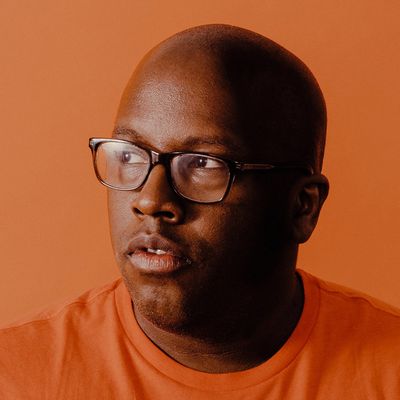
2020 pulitzer prize winner in drama talks growing up around the Police and the current calls to abolish the police force.
Produced by Dori Berinstein, edited by Alan Seales, music by Anthony Norman.
A proud member of the Broadway Podcast Network.
Transcript
This transcript was automatically generated and might contain errors.
[0:00] Tonya Pinkins: I'm Tonya Pinkins.
[0:01] Tonya Pinkins: Welcome back to part two of my conversation with Michael R. Jackson, 2020 Pulitzer Prize winner in Drama.
[0:07] Tonya Pinkins: You're listening to You Can't SAY THAT on the Broadway Podcast Network.
[0:15] Tonya Pinkins: So let's talk about self-loathing.
[0:18] Tonya Pinkins: Because that's when I that comes up for me all the time. Deep, deep self-loathing.
[0:22] Tonya Pinkins: Like whenever I do mushrooms or anything, like I go through hours of just self-loathing.
[0:29] Tonya Pinkins: And I don't try to resist it. I just go into it. You know, what is it for you?
[0:34] Michael R Jackson: I mean, I will say that like I feel like writing the show for me was living the show first because I've started writing it when I was 21.
[0:44] Michael R Jackson: Okay.
[0:49] Michael R Jackson: And I didn't finish writing it until I was 39, 38.
[0:54] Michael R Jackson: So cathartic. Like, so it's what I guess what I'm saying is that like the show from the very beginning when I started writing it was I didn't know I was writing a musical to begin with, because I wasn't.
[1:06] Michael R Jackson: It was just a monologue. But it was always about a young black gay man sort of walking through his life and his thoughts about himself and the world and trying to figure out what was wrong with him.
[1:19] Michael R Jackson: And it was, but I didn't know that formally that's what the story was.
[1:24] Michael R Jackson: Because I didn't know that in my own life, my problem was that I thought something was wrong with me.
[1:30] Tonya Pinkins: And there in fact was not anything wrong with me.
[1:32] Michael R Jackson: And you sure about that now?
[1:34] Michael R Jackson: I am because like I went through I like I went through so many years of struggle and writing and therapy and like friends and like and literally coming to this conclusion, oh, nothing's wrong with you.
[1:48] Michael R Jackson: It doesn't mean that I don't have like my up days and my down days, but that that core belief that I am not worthy is gone.
[1:58] Michael R Jackson: And I wonder where that comes from. Because like I feel like I know where it comes from for me because I grew up in a family that came up from Mississippi and Louisiana.
[2:05] Michael R Jackson: I can tell you where it came from—white people. So where'd yours come from?
[2:07] Michael R Jackson: I mean, mine came from you know, being born into a family that loved me deeply, but did not have the tools to support me emotionally in the world.
[2:18] Michael R Jackson: I mean, that was part of it. I mean, but like it was even before I knew I was gay, I was still like very sensitive and like soft, and like I watched soap operas every day, and like but everybody, all the black people watched soap operas.
[2:31] Michael R Jackson: No, but like not little black, not little black boys all the way through like high school into college, the football players, all the soap fans, all the basketball players, all the fans.
[2:41] Michael R Jackson: You know what I mean? Like, I like didn't like to go outside and play sports, I was into music and theater, I was very sensitive.
[2:47] Michael R Jackson: I would cry, you know, if something hurt my feelings, like, and my parents were just like they didn't know, and like and what and like once I did come out, like they didn't know how to support me emotionally at that time.
[3:00] Michael R Jackson: And so, and then on top of that, like I would get made fun of at school and told that I thought I was white or that I was a sissy, or that um just all the things I was fat, I had a lisp, I was like all just all the things like you know, that America says you don't get to be right, and then right that then, like you know, and then taking that into even when like I always tell people that like I grew up in a very interesting moment in the mid to late 90s where there were a ton of black gay boys around me, like at a moment when like people like Ellen were starting to come out, but like that was for white people and not for us.
[3:37] Michael R Jackson: And so, but we had this whole sort of underground thing where like boys were dating and sleeping with each other and all this stuff, but even that, I was like on the outside of it for the most part.
[3:46] Michael R Jackson: And so, like, but and I hungered, I wanted to be with those boys, and then I moved to New York, and then suddenly in New York, it's like white gays and then and the right the white racism of the gate triar the gateriarchy.
[3:58] Michael R Jackson: Right, because you got to be beat your body got to be hard and you got to work out 20 times a day.
[4:03] Michael R Jackson: And all those things contributed to this feeling that like I just am not enough.
[4:09] Michael R Jackson: You know, and then and then the creative, and like in school, like this play is like not relevant because it's not white, you know, all the all the bullshit, all of it, all of that contributed to this idea of like I am not enough.
[4:20] Michael R Jackson: And yet my writing was the thing that was a constant from since I was a little kid, and my music was a constant thing that I could go to for sustenance, and so I think that plus having like the presence of mind to seek out therapy many, many, many times over.
[4:20] Tonya Pinkins: What kind of therapist? What flavor was it?
[4:41] Michael R Jackson: I mostly did cognitive behavioral, but then the last major therapy I went into was just all therapy, which ended up being like really really useful for me because it was all about what's going on in your body, and like when you go and when you feel terrible, what does your body like where is the tension in your body exists?
[4:59] Michael R Jackson: And for me, it turned out it was all usually always in my stomach, like it would see I would seize up with I was like scared or sad or whatever, like my stomach would like seize up, and like, and so when we would I would work with my therapist at the time when we would talk about whatever was going on that week, and I would start getting emotional about something, she would be like, What's going on in your stomach right now?
[5:20] Michael R Jackson: And I'd have to stop and be like, Oh, it's tense or whatever, and she and we would tap it out, and like I'd tap on my body to like a phrase, and it would sort of bring it up and like sort of release it.
[5:33] Michael R Jackson: Like you'd have an emotional release from the tapping.
[5:35] Michael R Jackson: Yeah, I mean, sometimes yes, and sometimes no, but yeah, it was like very powerful because you'd say something, you'd be like, even though uh I hate my job, I completely and totally accept myself, even though my mother called me a faggot.
[5:55] Michael R Jackson: I know the mother didn't call me a faggot, but my mother called me a faggot.
[5:57] Michael R Jackson: I completely and totally accept myself.
[5:59] Michael R Jackson: You tap on a different place in your body, like whatever it was, like a phrase or phrases, and it would just bring stuff up out of you.
[6:05] Michael R Jackson: And I found that, and I didn't, and I always thought it was like corny when I first started doing it, but the more we did it, like it actually forced me to like recognize what like putting my body and my emotions together, and I found that to be a helpful thing while at the same time like writing and making music and being creative, and all of that I think helped me come to the realization that nothing was actually wrong with me that I was going through life, like searching for like this answer of why am I like this?
[6:37] Michael R Jackson: Why do I always feel this way? Why do I am I so sensitive?
[6:40] Michael R Jackson: Why does why does it hurt my feelings so bad when they reject me or this happens or that happens?
[6:46] Michael R Jackson: And like the answer was like, because you're a human and nothing is wrong with you.
[6:53] Michael R Jackson: And so that was, and the show was like circling was it's spinning its wheels for many years before I realized the formal structure of that that had to contain that realization.
[7:04] Tonya Pinkins: So I want to go back to this musical about white girls, right?
[7:08] Tonya Pinkins: What's the uh what's the premise of it?
[7:10] Michael R Jackson: So White Girl in Danger, it's not, it's actually not, it's not, it's it's called White Girl in Danger, but that's it's ironic.
[7:18] Michael R Jackson: Um what it is is like, so as I mentioned, I grew up on soap operas.
[7:23] Michael R Jackson: Like my great aunt Ruth used to watch me before I was old enough to go to school, and we would watch Young of the Restless at 12:30, Days of Our Lives at 1, Another World at 2, Santa Barbara at 3, and that was like, and I just grew up engrossed in these soap operas.
[7:41] Michael R Jackson: And the thing that I didn't realize at the time about doing that, because I then grew up, I didn't started watching them on my own.
[7:47] Michael R Jackson: I started recording them.
[7:48] Michael R Jackson: I came to New York actually with the dream of becoming the head writer of One Life to Live.
[7:53] Michael R Jackson: That's why I moved to I interned at All My Children where you used to work.
[7:58] Tonya Pinkins: What was I there?
[7:59] Michael R Jackson: No, you were no, this was uh because you were you I think you were gone by like the late 90s, or did you you came back though?
[8:06] Michael R Jackson: Like dropped me in every now and again, but like in the early like in the early days when you're there, I wasn't there, and I didn't start watching All My Children until college anyway.
[8:14] Michael R Jackson: But like I interned there.
[8:15] Tonya Pinkins: Um, what kind of black person are you who didn't watch All My Children?
[8:18] Michael R Jackson: I that was the number one black show in America.
[8:21] Tonya Pinkins: No, well, not even over YNR with Drusilla and then over YNR.
[8:26] Michael R Jackson: Interesting.
[8:28] Michael R Jackson: Okay.
[8:28] Michael R Jackson: I well, I just didn't.
[8:30] Michael R Jackson: I we we I was a Days of Our Lives boy in Another World, and then One Life to Live.
[8:35] Michael R Jackson: Anyway, um, so I like re the thing I didn't realize at the time when I was watching was that I was learning about story and that like in stories in like the in America, but certainly across the globe, we are taught that like is we're taught to prioritize is the white girl okay?
[8:58] Michael R Jackson: And like, and that was a thing that I realized that I was learning that that was sort of at the heart of like a lot of storytelling is the white girl okay is she you know and like she always played one two roles either she was the villainous or she was a victim and that both of these ideas of this white woman were always were happening not just in narrative fiction but like in American reality so like that's how you get someone like Carolyn Bryant a black man touched me on the next all my children do you know what I mean or like that or that woman who shot the woman who shot Terrence Crusher that performance that she gave she should have gotten a best scene stealer of Silver Digest award for that like hey what's most words in my light like Erica Kane is a Karen you know what I mean yeah and I've been so fascinated by what and like once I like sort of realized that anyway those are all like thematic realizations but the show what the show is about is um it's it's set in a sort of lifetime movie daytime TV universe not a set but the actual world of it so like in a town called all white like Pine Valley Land view but the name of the town universe world whatever is all white and are there all white people in it and it's no and so there's all white characters in it who were like they had their like throat problems and then there's a class of people called the black ground.
[10:31] Michael R Jackson: And black ground.
[10:32] Michael R Jackson: And the black ground are the characters who are just there to be day player underfied kind of people who live in the world in the realities of the all whites.
[10:40] Michael R Jackson: Who cook and clean and do all everything who do everything? And like one of the black rounds is this girl named Keisha, who decides she's got what it takes to be um a protagonist of her own all white story. So she sort of begs the writer of the universe to please let her be a protagonist, an all-white protagonist. And he like sort of strikes her with lightning, and he and the story begins to revolve around her. And like her hair slowly starts turning blonde, like over the course of the show. And and as and her main rivals are three all white girls named Negan, Megan, and Megan. And like uh she sort of she manages to like usurp their story, their like their their storylines from them. And when she does that, the story begins to revolve around this black girl at the center of an all-white story, but then there's a killer on the loose who's killing off all the all-white protagonists, and so the killer starts to go after her, and then the killer's identity is like a pole big shocker, and it's just this meditation on representation and stories and this idea of equity, diversity, and inclusion. Like what like what are what are some of the problems of that? Um, so have you seen Here Wolf?
[11:54] Tonya Pinkins: No, I haven't.
[11:55] Michael R Jackson: You gotta see Hair Wolf on HBO. It's um Mariama Diallo, amazing little short. Cara Young is in it.
[12:04] Tonya Pinkins: Oh, Cara Young, yes, you got to see Hare Wolf.
[12:07] Michael R Jackson: Okay, you're going to love it. Yeah, it's a little like 16 minute short film.
[12:12] Tonya Pinkins: Okay, I'll check it out.
[12:13] Michael R Jackson: But 12 minutes, maybe. But yeah, but it's like it's also it's also like a show that's a love letter to my love of soap operas. I love the form. I absolutely do, and I always have, and and I and I never got to be the head writer of When Light to Live. So for this show, it's kind of like my I got to get that out of my system. And it's like very it's like very funny, but it's also like dark and and crazy and and I'm excited about it.
[12:38] Tonya Pinkins: They must be wooing you to TV now.
[12:41] Michael R Jackson: Yes.
[12:42] Tonya Pinkins: Or I'm or yeah, I'm by hooker by crook. I'm gonna get there because I need some money.
[12:47] Michael R Jackson: Okay, so you want to go. You want to make that jump.
[12:50] Tonya Pinkins: I do want it. I mean, I don't ever want to not do theater, but I do want to actually be able to support myself and my family if I need to.
[12:58] Michael R Jackson: What kind of show? Give me a show that you would want to write on.
[13:01] Tonya Pinkins: Oh no, you want to create.
[13:03] Michael R Jackson: Well, it's funny because I haven't had any interviews to staff anything yet. And so I've only been working on pitching my own shows so far.
[13:12] Tonya Pinkins: Great. That's fantastic.
[13:13] Michael R Jackson: Um so like one show that I'm pitching, I'm not I can't get too into it, but like it's gonna be it's gonna be a show that's sort of like it just like this is us, there's dual timelines. Right. It's about uh a black man who for a lot of reasons ends up coming back to his hometown to teach at the high school that he went to 25 years earlier. It was like a black gay man, and like it's you're seeing like both timelines at the same time of him as like a young person because a friend of his dies um shockingly um of AIDS, and like you're you're sort of tracking how did all of this happen? Why did all these changes happen through this this one person's lens? And it's sort of ruthlessly based on my experience of like growing up with all these black gay teenagers in the mid to late 90s, which I just think is it was a whole other world.
It's a different world than where you come from, like that and I feel like people would be interested to to see the like the the the intrigue of that and the like the class differences in in like growing up in a city like Detroit is like I got very much saw high middle low within a black context right and so I'm I'm really interested to write a show that that uh shows that so this is gonna air during pride and this is you know I may not get a chance to talk to anybody else about something like this so when I think about gay pride and gay rights I think about it as the patriarchy we had all the gay the gay triarch the gay triarchy all these rich white men of them closeted they couldn't get out but they could give their money so that these you know that it's just really some of them are true supporters.
Right you know it's a weird kind of thing that it is still a patriarchal movement and for brown people for women even who are gay identified the movement is still a white male patriarch kind of movement.
[15:17] Michael R Jackson: Yeah it's it is I mean and that's like the reason why like I vacillate back and forth between gay and queer because to me to say that I'm gay sometimes just feels like a very specific capitalist identifying statement which does not really match my life or my politics and queer feels more like expansive of my sort of of my of my politics and of my artistic lens and so forth. Um but I it's hard. Like I don't I I don't enjoy going to like pride events and things like that. I remember like my most notable pride events was the first one I went to was when Hillary Clinton was running for Senate, and she just like popped up like waving around everybody and then disappeared. And then the next one I remember was when Anthony Wiener was like trying to run for re-election or something after his candle. Yes, and I yelled out, show us your dick.
[16:21] Michael R Jackson: Yeah, that'll get you inflected. Go over there and put a glory hole up. Right. And it was just like the whole, like I just have never really enjoyed it, except for like maybe if I just had like my actual friends around me and we're doing something that's just for us. But the like the corporate nature of it and the like the way in which it's not really um it's not really about black people or about people of color. You know, it's just it's it's it's so rooted in like a capitalist striving. Yeah, that is not that's just not what I'm interested in or about, and so I don't I feel very meh on it.
[17:04] Tonya Pinkins: Yeah. Tell me something. I mean, I want to know this about your parents. Did your parents even know what the Pulitzer was?
[17:10] Michael R Jackson: I don't know your parents' things like what I did. So well, I have to say this first. Everybody keeps at kept was asking me, are your parents coming to see the show? Are they gonna see the show? And I was like, Yeah, they're coming. And then they were like, What did they see it? What do they think? And I was like, they loved it. My parents, I have a recording somewhere, I have to find it on my computer, but my parents like held court in the lobby of Playwrights Horizons, just like beaming. Like they were so fucking proud of me. And they were so happy and they like loved, they just were so impressed by the show and by I mean, I don't think that they really got all of it, but like they just that their baby, because they know how long it's taken me. This is my first professional production.
[17:57] Tonya Pinkins: That's fantastic.
[17:58] Michael R Jackson: After 20 years in New York City. Nobody knows if you're too late. They only know if you're too early. Right. And so like they they just were like getting uh speeches about like Michael used to always just have a book in his hand. Michael used to just read. Always was reading. Like, you know what I mean? And like and then my mom was like, we didn't know much about the show. And there was one party should have told us about. I think I know what part that was. And but like they were just beaming and they were so happy because like they don't they're this is not their world. They don't even barely come to New York. Um and like and they just were so happy. So then like when the Pulitzer came, I called my mother and I was like, Mom, um, I have something to tell you.
I was like, and she's like, what, what? It's like I I won the Pulitzer. And my mom goes, what's that? And then I was like, I'm gonna send you the email. And then like when I said when I sent her the email, she like opened it while we were on the phone. She's like, oh my goodness, oh I'm proud of you. Like she then she got it, and my dad knew what it was, and like they just were so excited, and they've been like on like cloud nine for everything because they just had seen how hard, how many years I was like, there were so many times over the years where they were just like, what you gonna do with that? Because it just didn't, because there was and there was no way for me to explain how the business worked.
Because I mean their time they couldn't do what you did. Right, they couldn't, but like, but they also were the ones who, when I had a full scholarship to Michigan State and told them I wanted to go to expensive ass NYU, they're like, Well, we'll just take out a like gazillion dollar student parent plus loan for you to go because you because you that's what you want to do what you want to do, and like and we and we've seen you as a little kid writing and like because in when I was in middle school and high school, I like wrote and I was in literary magazines and I like would go to the Michigan Youth Arts Festival, and I got like my short stories published in little literary magazines for a hundred dollars or whatever.
And so they saw that it was something I was like good at and want to do, and so they made like a truly insane sacrifice for me. And so for to see the show thankfully, you know, be the success that it was and to be rewarded like on this level for them, like they're so happy, and I like seeing that in them.
[20:15] Tonya Pinkins: Yes, because I want that for them.
[20:18] Michael R Jackson: It's like they get to have something, and because it's not their life is not easy right now, they're retired, they're on a fixed income, they're older, they have various health problems, but they get to have go get to be a showrunner and just make their life easier. That's what I hope. That's what I'm I hope to do.
[20:35] Tonya Pinkins: I I'm standing in agreement, it's gonna happen.
[20:37] Michael R Jackson: Yeah, so what you know, 20 years is a long time. What how did you stay in it? What you know, what kept you going?
[20:44] Michael R Jackson: Um, well, I I the first I why didn't you quit and go back and work for the post office or be a police officer? Right. Um, well, I I luckily so the first I actually got a like writing job right out of grad school. And I mean, it was for a project that I should not have said yes to, and so I spent a lot of years just thinking because I'd come out of a program where you learn how to just collaborate and like do and do assignments, I just thought, oh, I can do anything because I've been trained in how to do this. What I didn't yet know then is that like musicals are like really a commitment and really hard.
[21:25] Michael R Jackson: And so you have to be really invested in what the story was. And this was not a story I was really invested in. And I spent like five years floundering on that. And like my advance ran out and everything. And then at that point, I had to like get temp jobs. I started ushering at the New Amsterdam Theater when The Lion King was there and Mary Poppins. So I ushered for five years. I did flyering for Rock of Ages, more temping. I took out credit card advances on like every credit card I could get them on. And then I got this job as a finance clerk at an ad agency, which I did that for five years. And it was like, that's where I also learned about racism in corporate America. I then got a job, I quit that job and I went to be an executive assistant at a nonprofit, which was not which is which is like a flip side of like like a mirror flip side of kind of racism in the world, but like from the NGO, yeah, like nice white lady running a nonprofit side, you know.
And like and that sort of thing, and but also just capitalism. I learned during that whole period of time, capitalism will squeeze everything out of you. It does not care about your little race or your little needs or your health care or your anything. It's a death system, it's cannibalistic, it will cannibalize itself. Exactly. So I learned that, and then you know, and I was writing throughout all of that, and I had various support artistic support systems like the Musical Theater Factory which Shakina Nabors had invited me and he was actually really key because he had invited me into MTF right as we it was as it was beginning and she was like do you have anything you're working on that's who introduced me to you right and I was like there I've had this musical I've been working on on and off and I brought it in and that sort of began the actual momentum to production because people sort of took note of it and like I started getting various developmental opportunities after doing a reading at MTF.
And so I had that but I was still working these horrible jobs and I just didn't give myself a plan B really that's I think that's the truth of it is that I was like I don't have anything else to fall back on. I can't be a police officer or work at the post office. I'm a writer and I'll just work these jobs and eat by and write and you love hopefully the writing the love of the writing is such that you're doing whatever you have to do to be able to do that because it's what you were here to do. So which is what I had already done like I took out this massive loan and my parents loan just so I could do it. Yeah. And so like that I you know if I can't make it you know if I can't make it there I can't make it anywhere. I don't know like I just I just kept at it because I didn't have a plan B.
[24:20] Tonya Pinkins: So right now you know we're in the midst of a pandemic an uprising as an artist what is your vision what do you see happening and not not like in a in a like how you're gonna make it if you were God, but what are you sensing is the evolution that we're happening? What do you see happening? What do you think's going happening right now?
[24:44] Michael R Jackson: Well, I mean, I feel I kind of feel like a lot of this I think there's a lot happening, obviously. And I think one piece of it is that is hinging on the election in November. Yeah. That like I feel like all the sort of chaos in some ways is spinning around that just as like as a psychic thing in our kind of like because we're just kind of like what are what how do we live in this world with this crazy man? Right, you know, daddy, daddy, daddy is like is like on a bender, you know, and like how do we like deal with that? And but then there's another part of it that I think I feel very much right now, like the chickens of neoliberalism are like coming home to rest in like a major, major, major way.
The ways in which the left slash Democratic Party, liberal whatever has failed us again and again and again and again and again and again, and now you know, people are like so desperate for anything to sustain them and to sustain us, and it's happening all over the world. You know, we're seeing neoliberalism like failing everywhere, whether it's in Brazil or in the UK or you know, and fascism on the rise, and fashion and fascism on the rise. Like, I think about places I think it's I always think it's interesting, like when people talk about Donald Trump being a dictator, and I'm like, well, he hasn't quite quite convinced the military to be on his side yet. Well, there was there's some rumor that that was what was happening this week.
He was about to do a military coup, and that's what brought Matt Mattis to speak. Right, but and uh, but I'm just like have not ever been certain that the military is fully ready, is like really ready to get behind him like that, in part because there's part of what we've been seeing with like the Republicans and conservatives who hate Trump or say they hate Trump is that what they don't like about him is that he deviates from their sort of collaboration with the Democrats on a lot of foreign policy and on certain issues. And like so I don't I'm not I'm I don't know, but like I don't I don't right now I don't see the military getting behind him the way, say they do like it what's happened in the Philippines or with Ukerte or like what's happening with Bolsonaro.
Like, but we we shall see. I mean, perhaps this uprising and this the economic insecurity that everyone's facing, all of that will force that to happen. But for now, I feel like neoliberalism is like the chickens of that are coming home to roost in lots and lots of different places.
[27:30] Michael R Jackson: Um I see uh I mean uh you know honestly, that's like as far as I've gotten in my like my crystal balling because it's just there's so much shit going on on the streets and yeah, watching these cops beat people down like Rodney King every night. Yeah, it's frightening. But it's like, but it's like interesting, it's like that we're watching people beat people down on the streets, but we're also seeing people like this whole debate about racism on Broadway. Like all of those things, like those two things are happening at the same time. And I'm like, Broadway is closed. Broadway is closed for a long time. Oh alone, and you can't burn it down, it might burn itself down with just because there's like no no one's going and there's no money.
And like that's part of what I've been I've been having a lot of angst around that conversation. I don't know how much in it you are. I'm not in and of it. Right, right. But it's just like, I'm like, why are we talking about racism on Broadway when there is no Broadway? When there's no Broadway, and like there's people dying in the streets, and and and very uncomfortably for some of these conversations, it feels like the people dying in the street is being used as a pivot to talk about racism on Broadway in our careers. And if that is a real thing, like I find that to be the these bourgeois politics that are part of neoliberalism that I find utterly disgusting, distasteful, immoral, and I've been struggling to like I've been subtweeting about it because I don't want to get into it because my rage is not free.
Because you mean like you somebody says something and then you say something, but they don't really know that they're you're talking about them. But like, I mean it's also I'm not very subtle, but like I just uh I just but I feel because I'm feeling like my rage is not free about that either. Like I'm trying to I actually care about what I well what I care about is like my safety and and and I want to tell and I do want to tell stories. I don't want to burn Broadway down. I want to take my story to Broadway. I think that me and my creative team and my producers that we've worked very hard to make something that like is is about people coming together to share this experience about a black queer man realizing that nothing's wrong with him.
I think that's a very powerful moving story, as you know, that's not someone dying in the street. Why, why can't why wouldn't we want to sell why wouldn't we want to share a story like that? Or a black woman not being raped and killed, you know, like whatever it is. Like no more poverty. We don't have to have the poverty porn all the time. Yeah, like Bell Hooks, I love what Bell Hooks said. That like if I never see a black woman raped and murdered in my light on screen, I will be happy. And she talks about the imagination as a space for liberty. And I'm just really down for that. You know, and like, and you and as a creator, as an artist, you can make whatever you want. It's a choice. You don't no one says it like you have to show people being killed and murdered on stage or something like that.
Well, I love horror movies, so I'm gonna tell you that. No, I do too. And I can have an idea when it's no, I just I think horror movies also are another thing that like can show us who we are. Exactly. Um, and like I have an idea for a horror movie as well that I gotta like finally sit my ass down to write. But it's been a pleasure, yeah.
[31:00] Michael R Jackson: But thank you, Tonya. It's been such a pleasure to talk to you.
[30:58] Tonya Pinkins: It's a pleasure.
[30:58] Michael R Jackson: We should just do it, you know, when we can actually break bread again. I look forward to that.
[31:03] Tonya Pinkins: Anyway, and enjoy the glows of being a Pulitzer Prize winner, and yeah, I look forward to seeing you on the other side.
[31:14] Michael R Jackson: Thank you.
[31:12] Tonya Pinkins: Likewise. Be well, be safe. You're listening to Tonya Pinkins. You can't say that on the Broadway Podcast Network.
[31:18] Tonya Pinkins: And that was my conversation with 2020 Pulitzer Prize winner in drama Michael R. Jackson.
[31:27] Tonya Pinkins: Thanks for listening to You Can't SAY THAT, the show Where You Can. I'm Tonya Pinkins. This is part of the Broadway Podcast Network, produced by Dori Berinstein and Alan Seales, edited by Derek Gunther, music by Anthony Norman, available wherever you get your podcast.
[31:45] Tonya Pinkins: And visit me on Twitter and Facebook and Instagram and let me know what you'd like to hear me talk about. For more information, visit bpn.fm forward slash YCST.
© Broadway Podcast Network, All Rights Reserved