

Part 1: Three time Tony Nominee and current star of Girl From the North Country, Marc Kudisch and I shared the broadway stage in George C Wolfe and Michael John LaChiusa’s Wild Party... Read More
From the show: You Can't Say That!
Guests
About
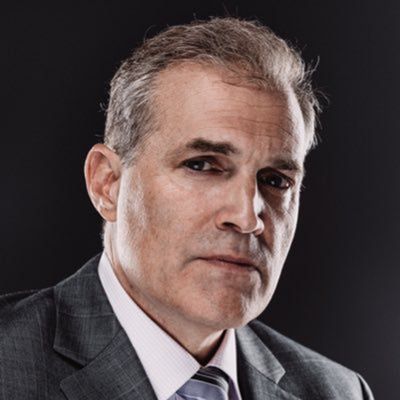
Part 1: Three time Tony Nominee and current star of Girl From the North Country, Marc Kudisch and I shared the broadway stage in George C Wolfe and Michael John LaChiusa’s Wild Party. Catch us reminiscing about the good , the bad and the ugly of theater, Gen Z’s and what it’s like to be Jewish but look like a Wasp Patriarch.
Produced by Dori Berinstein, edited by Alan Seales, music by Anthony Norman.
A proud member of the Broadway Podcast Network.
Transcript
This transcript was automatically generated and might contain errors.
[0:00] Tonya Pinkins: Hi. This is Tonya Pinkins, and you're listening to my podcast. You can't say that. It's the podcast where you can on the Broadway Podcast Network.
[0:15] Tonya Pinkins: Hey, this is Tonya Pinkins on You Can't SAY THAT on the Broadway Podcast Network in the new studios. I am looking out over Manhattan. I don't even know what direction I'm looking in. I don't know if I'm looking at, um, Queens or am I looking at Jersey, but it's a beautiful, beautiful view of Manhattan on an overcast day. And I'm so delighted to be in this new studio today with a dear old friend and colleague of mine. Not old in the sense that he's old, but that we have an old relationship, and he's about to star in a new Broadway musical that is moving from the public theater. And I want you to help me welcome Marc Kudisch.
[0:56] Marc Kudisch: Good morning.
[0:57] Tonya Pinkins: With that deep resonant voice. Yes. How are you this morning, Marc?
[1:01] Marc Kudisch: Old.
[1:02] Tonya Pinkins: Old. I'm old too. It's okay.
[1:04] Marc Kudisch: Yeah.
[1:05] Tonya Pinkins: So what what's going on with you right now?
[1:08] Marc Kudisch: We're in tech right now for a Girl From the North Country. Um. And it's great. And, uh, it's going to be at the Belasco Theater. And I've never done anything at the Belasco, have you?
[1:18] Marc Kudisch: Okay. I don't know. I can't remember. I've done 10 Broadway shows. I don't know what theaters I was at.
[1:23] Tonya Pinkins: Wow. No, but I've seen, I think, one or two shows at the Belasco, but I've never spent time in it.
[1:31] Marc Kudisch: It's gorgeous.
[1:32] Tonya Pinkins: How many seats?
[1:34] Marc Kudisch: I want to say, uh, between 1,000 and 1,100.
[1:38] Tonya Pinkins: It's big.
[1:39] Marc Kudisch: It's big, but you know, it's one of those great old theaters. It reminds me of the Booth. So it's very intimate, and the seats are very tight to the stage. And so it feels very small when you're on stage.
[1:51] Marc Kudisch: So it's, it a mez that comes pretty close.
[1:54] Tonya Pinkins: Yeah, the mez comes pretty close. There's a balcony above that. So, you know, it's one of those theaters that has height.
[1:59] Marc Kudisch: Yeah. But everything is pushed forward. So it's really nice. It's great for the theater. All of the, all I, I mean, all the lamps in the theater are original Tiffany.
[2:09] Tonya Pinkins: Whoa.
[2:10] Marc Kudisch: So it's gorgeous.
[2:12] Tonya Pinkins: It's beautiful.
[2:13] Marc Kudisch: No, and then, you know, and the backstage isn't bad. It's pretty nice. It's not like a rundown, and they must have had a lot of movie stars in there who had that in their contract to fix up their dressing rooms.
[2:23] Tonya Pinkins: Listen, you know how it is. I don't care what anybody thinks. The minute you go backstage, you realize Broadway is not glamorous.
[2:30] Marc Kudisch: Exactly. There are, but the, it was built in 1907, so it's an old theater, but the dressing rooms are actually pretty great. And there's a basement. Houdini, uh, spent a lot of time in that theater, and he had this great trick of a disappearing elephant.
[2:45] Marc Kudisch: So the basement of the theater is where they would hold the elephant. So we call it, it's called the elephant room.
[2:53] Tonya Pinkins: Wow.
[2:54] Marc Kudisch: And it's our green room now, and it's massive with like 40-foot ceilings.
[2:59] Tonya Pinkins: Oh my god.
[2:59] Marc Kudisch: So to be in a Broadway theater downstairs and to have that kind of space, head space, I've never experienced that before.
[3:06] Tonya Pinkins: That's kind of crazy.
[3:07] Marc Kudisch: Pretty amazing.
[3:08] Tonya Pinkins: No, it's beautiful. When I come, I want to go to the elephant room.
[3:10] Marc Kudisch: Yeah, and yeah, you have to, it's really, you're gonna be like, damn, this is nice.
[3:14] Tonya Pinkins: Okay. No, it's good. What street is the Belasco on?
[3:17] Marc Kudisch: It's on 44th between, um, Broadway and 6th, which is so nice.
[3:24] Tonya Pinkins: Oh, so it's on the other side.
[3:25] Marc Kudisch: Yeah, it's on the other side.
[3:26] Tonya Pinkins: It's on the other side.
[3:27] Marc Kudisch: Okay.
[3:27] Tonya Pinkins: So you don't get caught in the room. You know how it is when you come down.
[3:30] Marc Kudisch: Come out and you're just trapped.
[3:31] Tonya Pinkins: And you get caught in the river like a salmon.
[3:33] Marc Kudisch: And in this particular case, you do not.
[3:36] Tonya Pinkins: Excellent.
[3:37] Marc Kudisch: So it's really nice. And it's weird because you know how many years we've been doing this. But I'm like exploring what's on the other east side of Sixth Avenue.
[3:47] Tonya Pinkins: Not a lot.
[3:47] Marc Kudisch: No, there is.
[3:49] Tonya Pinkins: What is on the other side of, first of all, I didn't even put it together, but the Algonquin's right over there.
[3:54] Marc Kudisch: So the Algonquin room is right there.
[3:56] Tonya Pinkins: Uh-huh. What are you going to do there?
[3:57] Marc Kudisch: Well, I'm just saying, it's like The Players Club is over there. There's a lot of the restaurant, you know.
[4:02] Tonya Pinkins: Right.
[4:02] Marc Kudisch: Uh, uh, The Lambs, the Lambs is over there.
[4:06] Tonya Pinkins: And I was like, oh, that's right. The Lambs.
[4:07] Marc Kudisch: The Lambs is over there. I miss that theater very much.
[4:09] Tonya Pinkins: Yeah. But like there's a lot of like antique stores, and it's wild how the minute you cross Sixth Avenue, the personality changes like that.
[4:17] Marc Kudisch: Oh, yes.
[4:18] Tonya Pinkins: And there's also some really cool restaurants and, um, I mean I'll just let you know what I'm saying.
[4:22] Marc Kudisch: And diamonds.
[4:23] Tonya Pinkins: Well, yeah. Go up a couple, go up a couple streets.
[4:27] Marc Kudisch: And there's some diamonds, yeah.
[4:29] Tonya Pinkins: No, but it's nice. I mean, it's kind of cool. Like, uh, geez. Uh, I mean, I think I don't know how many theaters I've played in. But how many Broadway shows have you done?
[4:38] Marc Kudisch: This is 15.
[4:40] Tonya Pinkins: 15.
[4:41] Marc Kudisch: Oh, wow.
[4:42] Tonya Pinkins: Yeah. Impressive.
[4:43] Marc Kudisch: Yeah, you think learn. You think that's a good one. Name these 15 Broadway shows.
[4:47] Tonya Pinkins: No. Come on. I want to know what the 15 programs are.
[4:50] Marc Kudisch: I'm gonna look it up. If you don't name it, I'm gonna pull it up on my, you know them.
[4:53] Marc Kudisch: Uh, all right, all right, all right, all right, all right. Give me a minute. Give me a minute. Um, okay. Joseph.
[5:00] Marc Kudisch: Um, The Amazing Technicolor Right.
[5:02] Tonya Pinkins: Joseph and the Amazing Technicolor, uh, um, uh, raincoat cape.
[5:08] Marc Kudisch: Yeah, no, Joseph the Amazing Technicolor Dreamcoat.
[5:10] Tonya Pinkins: Dreamcoat.
[5:12] Marc Kudisch: Um, what was after that? Okay, Girl From the North Country.
[5:17] Tonya Pinkins: That's 15.
[5:18] Marc Kudisch: All right. If I go, no, I mean, yeah, but I mean it's Love Music?
[5:21] Tonya Pinkins: No, I didn't do Love Music. That was Michael.
[5:23] Marc Kudisch: Uh, uh, all right. So Joseph, um, I'm skipping. I, I, I, what am Oh, High Society.
[5:31] Marc Kudisch: That's why I couldn't remember. Um, and then after that was Scarlet Pimpernel, and then after that was The Wild Party.
[5:41] Tonya Pinkins: Okay.
[5:41] Marc Kudisch: And then I believe, no, I'm already, uh, wrong. Uh, Thoroughly Modern Millie, but I've skipped one already.
[5:49] Tonya Pinkins: Oh, uh, Bells Are Ringing.
[5:51] Marc Kudisch: Um, and then, uh, Assassins, The Apple Tree, um, Nine to Five, um, uh, Finding Neverland, um, uh, Hand to God, uh, uh, Great Society that I just did.
[6:11] Tonya Pinkins: You're just a little newbie, but not much experience.
[6:13] Marc Kudisch: Wait, and I'm skipping, I'm skipping two right now. What am I skipping?
[6:17] Tonya Pinkins: I don't even, Chitty Chitty Bang Bang.
[6:21] Marc Kudisch: Uh-oh, oh Brittany's got it. Brittany's got it. She's helping. What was the other one?
[6:27] Tonya Pinkins: Is it calling Hand to God?
[6:29] Marc Kudisch: We got Hand to God. I loved Hand to God. I don't know. There's another one thrown in there somewhere for good measure.
[6:35] Tonya Pinkins: Awesome. I can mean, I mean, you know, you're, you're kind of new, you're still learning. You still got some wonderful light.
[6:41] Marc Kudisch: Well, that was like a benefit-y thing.
[6:43] Tonya Pinkins: Oh.
[6:44] Marc Kudisch: You know, and then all of that, you know.
[6:46] Tonya Pinkins: And then right, all the times we're on a broadcast.
[6:48] Marc Kudisch: All of the other things. That's what people don't understand. Right? Like everybody thinks, oh, it must be so great. Oh, you know, you're only working a couple hours a night.
[6:56] Tonya Pinkins: No. And then when the award season is happening, then you're working on the whatever all of that happens. But I mean, just like you know how it is, because you're working during the day. The minute you get up, you show up, and the minute that you're out of, because you know, we're in tech right now, right? So that's 10 out of 12 days. And, uh, those are long days, you're putting the show together, you're getting all the technical aspects together, and then the minute you go into previews, for anyone who may not understand how all this works, you're doing five hours of rehearsal a day and performing at night.
[7:25] Marc Kudisch: So you're still doing 10 out of 12 days.
[7:27] Tonya Pinkins: Yeah. You know, you're just now you've got audience, which you're thankful for because there's finally that energy that's returning. And once you open, then you go into all of the awards stuff, which just tires you out because you're doing extracurricular activities. Breakfast, lunches, dinners, extra events, and press. As you know, the minute you get a show open, you begin working on other things because your day opens up. So you never stop working during the day. You just go to work on other things. And for whatever the reason is, and I think it's because people happen to be in town for the awards, that's when everybody wants to do readings, workshops, because they know everybody that they want to have come with the cash are available and in town.
[8:10] Tonya Pinkins: Right.
[8:11] Marc Kudisch: So it's intense up until, you know, mid-June.
[8:14] Tonya Pinkins: Right.
[8:15] Marc Kudisch: Right. Do you have any newbies like Gen Z's in your cast?
[8:18] Tonya Pinkins: I'm like, you know, I'm having some pet peeves with the Gen Z.
[8:21] Marc Kudisch: You know what? Okay, here's the thing. Here's the thing. No, because this is a very topical conversation, and I, and, and good. Let's talk about this. Because I think it's important. Seriously. I want to see. I'm serious. I have my pet peeves as well with Gen Z.
[8:35] Marc Kudisch: But what I'm realizing is, is part of it is a pet peeve with them, but part of it is, I believe it is, uh, a numbness of our own generation and, uh, a certain lack of an awareness and or a lack of understanding that they process incredibly differently than we do.
[8:55] Tonya Pinkins: Oh, clearly.
[8:56] Marc Kudisch: Yeah, but I part of that's on us.
[8:58] Tonya Pinkins: It just is.
[8:59] Marc Kudisch: It just is. They're so fragile.
[9:03] Tonya Pinkins: Here's the thing, and this is where I feel really bad for the Gen Zs, particularly. They've never known a world without social media or internet.
[9:12] Marc Kudisch: Ever, ever, ever.
[9:13] Tonya Pinkins: So how they receive information is selective. We had the opportunity when we were coming up to have a choice in how we received our information, and it was far less biased.
[9:24] Marc Kudisch: Biased it was. I'm not saying it wasn't, but you could read it in the paper, and you had to get it in like bytes because there wasn't this 24-hour cycle that was nonstop.
[9:35] Tonya Pinkins: Right.
[9:35] Marc Kudisch: If we wanted to learn something, we had to put forth the effort to go to the library or go to the place to get the information. So we were getting that information firsthand.
[9:45] Tonya Pinkins: With some effort.
[9:45] Marc Kudisch: We had to effort to get it too. But by doing that, we got it firsthand.
[9:51] Tonya Pinkins: Nowadays, all you have to do is Google.
[9:53] Marc Kudisch: And because of, you know, all of the optics of everything, it's reading how you're reading, and so it's giving you things selectively. And so they're being fed the information.
[10:05] Tonya Pinkins: And they're being led around on a leash.
[10:07] Marc Kudisch: Right. And because of the idea of social media, I mean, I think in some ways, like the 80s was this is a decade that will nurture sociopathic behavior. And this is not a slam, this is an observation.
[10:26] Tonya Pinkins: Okay.
[10:27] Marc Kudisch: The same way that I believe the 80s helped develop sociopathic behavior because it was so me-centric. And it sort of struck us without us realizing it. It hit us upside the head because suddenly you went from making 20 years to your retirement to 20 million overnight.
[10:46] Tonya Pinkins: And when that happened, it was an exciting time, like the 20s. No one knew what the consequence of those actions would be. We just followed it. And so it became very me, me, me, me, me, me, me, me, me, me.
[10:58] Marc Kudisch: And so the iconic, I can only speak like, you know, obviously my point of view is male. So from the male point of view, the iconic male went from someone who worked really hard and worked for the company and spoke for the, you know, company, went to Gordon Gecko Greed is good. Get in, get out, get mine.
[11:17] Tonya Pinkins: Right, exactly.
[11:19] Marc Kudisch: And so now you're, and then we were celebrating guys at 35 retiring on 40 million. And today, and I'm not saying that all of social media is bad, but clearly we're realizing the repercussion of social media because we have major issues with it.
[11:34] Tonya Pinkins: And I think it's so me-centric that everyone can literally be the star of their own movie in tiny bites.
[11:42] Marc Kudisch: Yeah, you can be the star of your own movie in tiny bites, and it's very, very a very, very narrow world, and it gives you this sense that you don't have to work very hard to become famous or become rich overnight.
[11:54] Tonya Pinkins: When even some of these kids who are making millions on these YouTube videos, they have whole staff that are videoing and cutting and editing, even to put this podcast together, the number of people that are involved to put it together. It's not like, oh, we'll just throw up some microphones and we'll talk, and then we'll just put it out on YouTube. It just, it's not that simple.
[12:10] Marc Kudisch: But this is my point, and that's why I say when I say sociopathic behavior, I want to be clear that I'm not talking about like someone going out like, you know, like killing people. But what I mean by that is, is that there is the potential for such a strong disconnect. People tweet, people text, they don't actually get on the phone and call.
[12:32] Tonya Pinkins: Well, they say that's why podcasts are having such a huge popularity is that people are missing the sound of dialogue, a good conversation.
[12:40] Marc Kudisch: And so they're paying or tuning in to hear other people have a conversation.
[12:45] Tonya Pinkins: They also say this is the last generation that will recognize their friends by the sound of their voice because people don't call each other anymore.
[12:52] Marc Kudisch: Well, exactly. You know, literally you can say to somebody, okay, do you know your best friend's, uh, phone number off the top of your head right now? Do you know it? Most people can't answer that, obviously, when we were coming up.
[13:02] Tonya Pinkins: I know my phone number from when I was a child.
[13:03] Marc Kudisch: Right, but I don't even know my kids' phone numbers.
[13:05] Tonya Pinkins: You know, I know my wife's cell number by heart. There are a couple of numbers I know, but nowadays it's something that we don't have to exercise anymore. It's given to people and it means that we're not working our brains.
[13:17] Marc Kudisch: I feel like we are handing over some quality of our brains to these computers and allowing them to think for us. And this is this huge device that can do so many things, and we are now turning it over, you know.
[13:28] Tonya Pinkins: Uh, well, I think a part of it as well is we're just exercising it in a different way. There's so much information and so much saturation that our brain has to switch over to absorb all of that. So we want someone or want something to assist us with those menial things because the information that's coming at us is coming at us in the now, right now.
[13:50] Marc Kudisch: You can know anything from anywhere in the world immediately now.
[13:54] Tonya Pinkins: You can, but you, uh, at the same time, you can know everything wrong right now.
[13:59] Marc Kudisch: Bingo because any point of view you want to hear, there is someone online who can speak very, uh, articulately and authoritatively about something, and every fact about it could be wrong.
[14:10] Tonya Pinkins: And that's why we love podcasts, because there's somebody else speaking our language.
[14:15] Marc Kudisch: And you can find somebody who is speaking specifically your language.
[14:18] Tonya Pinkins: Exactly. And that's where things become fantastic and also challenging. Um, and I think again, going back to Gen Z, so they're receiving information in this form and function. We were not brought up that way. That is not the way it is there, we can choose to use it or not, but we have the tools and the practice at other ways of getting our getting our information. Even just participating socially, we have other ways of doing it. They were never given that. And so it became clear to me that I think there's a certain sensitivity because so much information is coming so hard so fast, and in many ways in such a selective way.
[14:59] Tonya Pinkins: And we're living in a world now where emotionality has overridden actuality. I mean, that's just the facts. Oh my god, it's hard. That's just the facts. That's horrible. Actuality and fact. We are looking come on, let's be honest. The president is being impeached. No one is denying he didn't do illegal activity. They're not saying it's not illegal, they're saying it's not impeachable. And that's their pitch now. But that's always what the law has been. The law, you know, that's always what the law is. The law, as I will say, is what one white man will do for another white man on any given day of the week. And so they argue everything in the law is arguable, and they're making a strong argument, and if it convinces a judge or a jury, then that becomes the law. So it doesn't legality has no meaning under the law.
[15:46] Marc Kudisch: You're right. Well, we are now living in a lawless situation. It is clear now, it is official. We are now living in an in a lawless situation. We've always lived in one. We just have someone who is saying, I'm going to take down the mask and let you see the lawlessness you've been living in all along. I'm not going to pretend anymore.
[16:03] Tonya Pinkins: Well, but I think that in the past, too, I don't, you're right. That said, there at least were other there were more checks and balances to these things. Better pretense. There was better pretense. But there also was more, let's just say, watch dogging. You know, I'm not saying it wasn't happening, but there was definitely better watchdogging about it. Now we're in an environment which in some ways I think is really good. That as you say, it's out in the open. And it things are such, I'm, you know, sorry, with this White House administration, and frankly, with the Senate, things are such that they're saying it's okay. So officially, these people can really come out waving their flags.
[16:47] Marc Kudisch: Yeah. And in some ways, I think it's great because now everybody's out there. Now it's not just under the skin, it's just right out there, ladies and gentlemen, for everyone to see. And that's going to be in many ways, I think, a positive because the other side, and that's where I think the Gen Z sensitivity pops out. Because I think, look, we're handing them shit. We're handing, we're handing them a lot of stuff that they couldn't have had before if the work hadn't been put in. But look what we're hand, we're handing them shit. But you know what? They got more technology to do more and better than we ever did. They don't have to follow what we did. They can just wipe out what we did and start over the city.
[17:32] Tonya Pinkins: Yeah, but they also have or they have the technology to keep the denial rolling. I mean, technology is not necessarily the best thing.
[17:39] Marc Kudisch: But exactly. But it's been our choice. It was our choice. It was. It was our choice. This is the same shit that we said from the generation before us. And look where we are now. Yes, that's how I know I'm old. I'm complaining about the people coming up after me.
[17:51] Tonya Pinkins: Sure, and that's what I thought too. It's just like I guess this is what happens when you bitch about. But at the same time, like when we were doing The Great Society at Lincoln Center, um, which was uh, you know, part two to the LBJ presidency, and right after all the way, it's the great society, so it's voting rights and it's civil rights, and it's the Vietnam War and very touchy stuff, right? And the play had sensitive subject matter and a lot of bad language being thrown at a lot of people. And it was rough, and it was rough for the younger generation in the play to to have that language thrown at them on a nightly basis. And I get it. I I do. And and unfortunately, I not unfortunately, but I played a character that was not necessarily um liked by a certain sect of our systems.
[18:43] Marc Kudisch: Those are the best characters to play. The thing that's most interesting about playing a character, I played, you know, Mayor uh Daily from Chicago. Uh-huh. You know, and there was the Daily Dynasty, and he was the Pharaoh, and he was the kingmaker. And he made Chicago the modern Chicago it is today. And he ran his city like nobody else could run a city. And he was in the in the that 20th century, probably the most powerful mayor our country's ever seen. And he was one of the most powerful Democrats, and he was a Democrat. And a segregationist. And a segregationist. But when you listen to that man's mentality and the logic of why he ran the city, his point was look, you see anybody doing giving you any more.
And that on the bell curve, he was like, this is the best. That doesn't mean it's right. But like you said, it's a bunch of white men making these rules and promises. And you know, regardless, it's men making promises over women. And it was still better than the South because people were flocking up to Chicago for this jobs and the other thing.
[19:48] Tonya Pinkins: They were, but it was better than the South. But in some ways it wasn't because those people in the North were supposed to be those people that were the Democratic Party that were standing for equal rights. And and listen, MLK went from Selma, where shit was hard, and then he went to Chicago where shit was worse. And he met a roadblock named Richard Daly, and he got his ass thrown out of Chicago because he was not ready for big city politics that way. And he owned up to that. And then, of course, there was the Democratic uh, you know, congr you know convention of 1968, where there were the worst riots, where Daly come out came out on television saying shoot to kill. And this is a Democrat, right? Yeah, yeah. And everyone thought, well, that's the death of Daly. No. No. No, he kept, he held, he held that till he dropped dead in office. And then his son took it for a while. And then his son took it for longer than him.
[20:44] Marc Kudisch: Yeah. So, like, it's complicated. People do like the devil they do know. Right. And I think that was a part of it, was that people just sort of gave in to that, which is a danger of where we are now.
[20:55] Tonya Pinkins: Well, I think that this devil that we know feels like uh an honesty. I think the other devils just they that we were like it they look good and they say the right thing, and and it doesn't make sense. But then they're like, oh yeah, devil, cool, I got it. And it's comfortable because there is a a lack of a sham. Though I do think, from what I've heard, actually, some of my podcast guests, that our our current person holding the White House does just say whatever he needs to say to be sensational and get um attention, and it it doesn't necessarily have to reflect any values if he has any values.
[21:31] Marc Kudisch: You think I I have no idea, but I think people vastly underestimate his understanding of media and press. I think he does media like nobody does it. People are like, oh, he tweeted the wrong team state for the Super Bowl. I'm like, yeah, that was planned because look how much attention he got. They say he has he is the most famous person since the history of fame. He knows how to work it. He knows that whenever he says something wrong, it's an opportunity for people to talk about him, and there's no such thing as bad publicity.
[22:02] Tonya Pinkins: I think that's true. I think he is look, he is a classic sociopath. He is. He cares not for anyone except himself. His awareness goes no further than his own narcissism. I think he is incredibly selectively ignorant. I do not think he's a smart man. I do think he's savvy at social media through practice because he was reared by people that were sociopathic and that were. I mean, let's be honest, you know, his mentor was someone, Cohen was someone who understood the power of rhetoric over actuality. And he admires Hitler. Let's be real, you know, he admires any. And Goebbels said, you know, a lie told once is a lie, but a lie told a thousand times becomes the truth.
[22:49] Marc Kudisch: Of course. And it numbs you. And and clearly that's all a part of nar narcissism and vanity. And you have to have a lack of empathy for that. You have to do that.
[23:01] Tonya Pinkins: Well, I'm gonna say something very controversial. I suspect that it may be the so the sociopath who is going to be the evolutionary improvement on the planet. That that actually we sapians who have feelings and empathy, we are just gonna evolve out of existence because you know, our feelings and our empathy keep us from doing whatever's gonna just keep us surviving. And nature certainly supports the the animal that is willing to do what it takes to survive and ensure its lineage. I mean, with that being the case, the sociopath has it over us.
[23:31] Marc Kudisch: But I think that there are far less sociopaths than there are empaths.
[23:36] Tonya Pinkins: True, and the sociopaths will just use us as their cannon fodder and their servants and you know their soylent green. But also, okay, but also remember what happened, but but but also remember what happened in, you know, uh the late 17th, 18th centuries with the monarchy. They were overthrown, and it's happened multiple times. And this is where I go back to the Gen Z and I I have faith because I think it's going to be empty. That's why I think look, I learned a lot from those young cast members in great society. And I I became aware of things that I I've always thought of myself as someone that's aware and woke as much as that word bothers me. And I became aware of the fact there were a lot of things that I was unaware of.
[24:21] Marc Kudisch: Like what that we do view and process information, receive it and give it in very different ways that I'm uneducated in, and I think it is my responsibility to be better educated in it. It doesn't mean I have to agree with it, but the only way to understand something is to go to it, and then you can have a real conversation about it. I think I really do make an effort to understand the new technologies, and I don't think just because something is new, it's better. I think that they too could make the effort to understand why things were done the way they were done in the past because there's still validity in that too.
[25:02] Tonya Pinkins: I don't disagree with you. I will also say this you're a black woman. I am a Caucasian man. So there's difference. Now I say Caucasian, not white.
[25:12] Marc Kudisch: Good. Well, but also because I am a Caucasian, I am not white.
[25:17] Tonya Pinkins: And what do you mean when you say you're not white?
[25:19] Marc Kudisch: Well, I'm Jewish.
[25:21] Tonya Pinkins: Okay.
[25:22] Marc Kudisch: So to me, you know, like I am not a part of that. Um, let's just say that I want to be very careful about how I say this.
[25:36] Tonya Pinkins: Oh, you can say it.
[25:37] Marc Kudisch: No, I mean it because semantically I think it's important. Yeah, and I think the definition that when you get clear on definitions, I received discrimination growing up. Now you don't see it on my skin quick, and with me particularly, because I got light hair, I got blue eyes, I got a square jaw, Roman nose. I don't look like your typical Jewish person. But the minute people found out that I was Jewish, turned. And I grew up, you know, in the South. So I mean, I grew up with kids sitting behind me telling me I was going to hell every day, you know? Which I got used to. You know, uh, and you know, kids that I would get into fights with ended up becoming my best friends just because we got into a conversation about things.
And one of my best friends growing up was Catholic. So, you know, remember the first time I stayed over his house and I saw crosses on the walls, and I was like, What is that? You know, but the point is, you know, there's always the, you know, like now, now I think that there's a real awareness and a fierceness to the Gen Z generation, particularly in more ethnic community, and there should be, you know, and it and it's because of a recognition of something, but the the want, the desire, the ability, as there should be, to speak out about it and do something about it.
[26:55] Tonya Pinkins: And I think that there's a lot.
[26:56] Marc Kudisch: I appreciate that.
[26:57] Tonya Pinkins: So do I. And there's more room for like uh even, you know, just uh uh ethnic writers out there and directors out there and things that are happening out there. But I mean, I remember when we were working on the play, it was really tough because again, um Robert Schenken is brilliant man, uh, and he's a wonderful writer, and it's from a particular point of view, and it's tough. And I became really aware of what it was for for you know, these young uh black Americans to be representing very famous people, um, but to feel like it was from a particular point of view and how to handle that and bringing it forward on a stage, especially when we were dealing with riots and we were dealing with you know, language and the n-word being thrown left, right, and in between. And it it was really interesting to see how audiences responded to that and the kind of audience we were getting at Lincoln Center with that play.
[27:52] Marc Kudisch: When even I was like, Where's the youth? You know, where are the school groups? We can't afford to go there. Well, like, come on, man. We need a little color in these in this room right now, because you know, we're we're talking to people that you got it, you know it, but we need to or don't care because it's past their lives are past.
[28:10] Tonya Pinkins: Exactly. And then when we did have those school groups, it was just the best because you could see the young generation and the older generation, and then you could hear the younger generation laughing at things, and the older generation, you know, like looking and not being sure how to respond, and then the young generation sort of being aware that the older generation was sort of not necessarily appreciating how they were responding. And suddenly there was deep tension in the room, and I was like, and that's the play. Tension is our friend.
[28:40] Marc Kudisch: Yes, always in the theater.
[28:42] Tonya Pinkins: Exactly. And it's like, that's why we're doing this damn play to begin with. So the point is we're doing that, and everything's blowing up with with with the Ukraine and every it's 24 hour a day politics. And like, I mean, we had, you know, thankfully, you know, we're very happy that you know Lincoln Center sent it up for us, but like twice a month we were doing group therapy for the cast. Because we needed to, because we needed to talk about it.
[29:05] Marc Kudisch: Oh my God. That's gonna bring me to no, I gotta bring, I gotta ask you this. So and I have to say this as well, just before we move on. I will say this about the Gen Z generation. Like the the the young cast members that we and we had like six or seven people making their debut on Broadway in that play. Man, they're talented.
[29:23] Tonya Pinkins: Hi, this is Tonya Pinkins, and you've been listening to You Can't SAY THAT on the Broadway Podcast Network. That was part one of my conversation with Marc Kudisch. Come back for part two.
© Broadway Podcast Network, All Rights Reserved