

On Red Pilling America, Tonya Pinkins and Ciara Renée host a weekly conversation on politics and entertainment. We create a safe space to talk about the issues keeping everyone awake at night... Read More
From the show: You Can't Say That!
Guests

Featured Shows
About
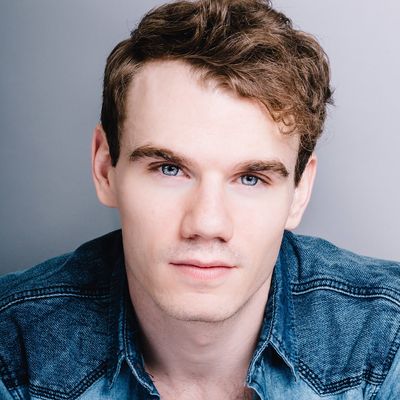
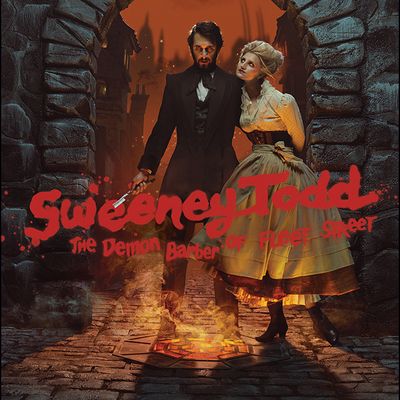
On Red Pilling America, Tonya Pinkins and Ciara Renée host a weekly conversation on politics and entertainment. We create a safe space to talk about the issues keeping everyone awake at night. This week's guests are Jay Armstrong Johnson of Quantico and PBS Sweeney Todd and Meagan Miller, acclaimed Opera singer.
More about Red Pilling America:
A thought-provoking series, featuring stellar guests, discusses democracy, American politics and our current socio-economic climate through the lens of Tonya's new socio-political horror film, RED PILL, which has received national coverage on Deadline, Playbill, and more. Guest stars include Metropolitan Opera star Meagan Miller, acclaimed actor Jay Armstrong Johnson, American civil rights leader Rashad Robinson, Hamilton stars Nik Walker, Paul Oakley Stovall, Jon Rua, Aladdin stars Telly Leung and Michael James Scott, actress and activist Joanna Carpenter and many more.
Red Pilling Of America takes place through Marissa Lynn Daniel Studios on Zoom. Proceeds will go towards the funding of Red Pill and to supporting actors during COVID-19. For more information and to enroll, visit, www.marissalynnstudios.com.
You Can't Say That is produced by Dori Berinstein and Alan Seales, edited by Derek Gunther, music by Cat Dail.
A proud member of the Broadway Podcast Network.
Transcript
This transcript was automatically generated and might contain errors.
[0:00] Tonya Pinkins: Hi, my name is Tonya Pinkins, and I'm the host of the podcast You Can't SAY THAT on the Broadway Podcast Network.
[0:07] Tonya Pinkins: This fall, I have a special treat for you.
[0:11] Tonya Pinkins: In honor of my debut feature film RED PILL, Marissa Lynn Daniels Studios has been hosting weekly conversations with my fellow Broadway colleagues and co-host Ciara Renée about the red pilling of America.
[0:27] Tonya Pinkins: These conversations create a safe space for us to talk about the things that are on our mind with an election and a global pandemic.
[0:37] Tonya Pinkins: So join us for the Red Pilling of America, a spotlight series every Saturday at 5 p.m.
[0:45] Tonya Pinkins: Or on the Broadway Podcast Network, You Can't SAY THAT, BPN.fm forward slash YCST.
[0:54] Tonya Pinkins: Join the conversation.
[1:01] Tonya Pinkins: We gotta say what's new for you.
[1:12] Tonya Pinkins: Thank you all for coming to our next in the lineup of Red Pill Talks.
[1:18] Tonya Pinkins: We are here with an amazing cast of people.
[1:22] Tonya Pinkins: First of all, let me just thank Marissa for producing this and coming up with this idea and supporting us, us artists, as we are in this crazy time that we're in, with Broadway being closed until May of 2021.
[1:39] Tonya Pinkins: Here we go, buckle up.
[1:41] Tonya Pinkins: Okay, but here we are.
[1:42] Tonya Pinkins: We are with some incredible creators.
[1:44] Tonya Pinkins: First and foremost of which is Tonya Pinkins, who has won just about every kind of award you could possibly win.
[1:51] Tonya Pinkins: Uh Tony, John Badesk, Clarence Derwin, OB Monarch, Lucille Lortel, LA Drama, Critics Circle, Audience Choice Award, all of the things, and been nominated a million times for everything else.
[2:00] Tonya Pinkins: She's also a brilliant, brilliant activist and speaker, and she's created so many opportunities for people.
[2:09] Tonya Pinkins: And now she's making this incredible socio-political horror film called RED PILL, which we will talk about just shortly.
[2:15] Tonya Pinkins: But I want you all also to know about the incredible guest artist that we have on today.
[2:20] Tonya Pinkins: First is Meagan Miller.
[2:22] Tonya Pinkins: She's an American soprano with an active international career in opera, recital, and concert.
[2:28] Tonya Pinkins: She's also been featured in the Metropolitan Opera's, I don't know how to say anything in German, but De Frau One Schatten, okay?
[2:37] Tonya Pinkins: Okay.
[2:39] Tonya Pinkins: So Meagan's the classiest person here, and she knows lots of languages and it's great.
[2:45] Tonya Pinkins: She's amazing.
[2:46] Tonya Pinkins: Um, we're very lucky to have you.
[2:47] Tonya Pinkins: Thank you for joining us.
[2:48] Tonya Pinkins: And we also have, of course, Jay Armstrong Johnson, who is a stage and screen star, known for his role on Quantico, as well as his turns in Broadway shows Phantom of the Opera and On the Town, as well as his, and I think maybe my favorite star turn is Anthony in PBS's Sweeney Todd.
[3:06] Tonya Pinkins: I loved you in that.
[3:08] Tonya Pinkins: Oh, the silky tones.
[3:09] Tonya Pinkins: Um, but I also just found out that Jay is creating a film.
[3:14] Tonya Pinkins: He's in, he's making his own film as well.
[3:17] Tonya Pinkins: Um, it's a visual Halloween album benefiting Broadway Cares Equity Fights AIDS.
[3:22] Tonya Pinkins: Um, will you tell us a little bit about that, Jay?
[3:25] Jay Armstrong Johnson: Yeah, um, first of all, I'm super excited to be here. Thank you for having me.
[3:29] Jay Armstrong Johnson: Um, these discussions are so important.
[3:31] Jay Armstrong Johnson: Um, but every year I've been doing a Halloween cabaret downtown in the West Village.
[3:37] Jay Armstrong Johnson: Um, and this year was our fifth anniversary, and we were teaming up with Broadway Cares to make it a Halloween event, their annual Halloween fundraising event.
[3:45] Jay Armstrong Johnson: And when COVID hit, we decided to turn our energies to the internet.
[3:50] Jay Armstrong Johnson: And so we are creating a visual album, translating our live cabaret into a film.
[3:55] Jay Armstrong Johnson: So think Beyoncé's Lemonade with a little Hocus Pocus twist.
[3:58] Jay Armstrong Johnson: But it's really fun.
[3:59] Tonya Pinkins: Oh, we love Hocus Pocus.
[4:06] Jay Armstrong Johnson: Oh, yeah.
[4:07] Jay Armstrong Johnson: Um, it'll be all over my socials.
[4:08] Jay Armstrong Johnson: It'll be all over Broadway Cares Equity Fights AIDS socials.
[4:11] Jay Armstrong Johnson: Um, and we launched the film on October 29th, and it should be on the internet for a while.
[4:16] Jay Armstrong Johnson: So donate to Broadway Cares and watch some really genius artists do some pretty brilliant work.
[4:21] Tonya Pinkins: Yes, yes, yes.
[4:23] Tonya Pinkins: Um, Broadway Cares as well as Actors Fund.
[4:26] Tonya Pinkins: Um, there's lots of organizations out there that are helping actors during this time.
[4:32] Tonya Pinkins: I know we all are in similar boats with each other and employment and unemployment and all the things, um, but it is pretty substantial the amount of people who are impacted and really not able to unless you're doing everything online, which you know we're all working on.
[4:50] Tonya Pinkins: But the Broadway community is definitely struggling, and since we're not coming back until May of 2021, at the very earliest, um, we're in it for the long haul.
[5:01] Tonya Pinkins: But okay, I wanted to try something a little bit different today.
[5:04] Tonya Pinkins: We haven't done this before, but um, I love that we have these incredible people joining us who are so intelligent and have such interesting perspectives, people that you know and love and who are very talented, and of course, Tanya and all of the things.
[5:18] Tonya Pinkins: So I love that we're having these conversations.
[5:21] Tonya Pinkins: Like you said, Jay, they're very important, and I just want to like create just a little bit of a space with everybody here.
[5:26] Tonya Pinkins: So if you would, you can join me, you could not.
[5:29] Tonya Pinkins: Uh it's open.
[5:30] Tonya Pinkins: You're allowed to do whatever you want on here.
[5:31] Tonya Pinkins: It's your money.
[5:34] Tonya Pinkins: But I just invite you to close your eyes for a second.
[5:38] Tonya Pinkins: And uh just take a deep breath in through your nose.
[5:45] Tonya Pinkins: Release it out through your mouth.
[5:48] Tonya Pinkins: Let's do that a couple more times.
[5:50] Tonya Pinkins: Deep breath in through your nose.
[5:55] Tonya Pinkins: And release it out through your mouth.
[6:00] Tonya Pinkins: One more time into your nose.
[6:06] Tonya Pinkins: And out through your mouth.
[6:12] Tonya Pinkins: Great.
[6:13] Tonya Pinkins: Thank you so much.
[6:15] Tonya Pinkins: I love to just center that way with anything that I do, but especially when we're gonna dive in and talk about topics that can be, you know, hot button red pill topics.
[6:28] Tonya Pinkins: So Tanya, why don't we talk a little bit about this film?
[6:32] Tonya Pinkins: Um, we're in the month of Halloween.
[6:35] Tonya Pinkins: We're in the horror month, I guess you could call it.
[6:38] Tonya Pinkins: It is also my birth month.
[6:40] Tonya Pinkins: So sometimes a little October 19th is my birthday.
[6:45] Tonya Pinkins: Libra.
[6:47] Tonya Pinkins: Um so uh I'm not a huge horror film buff.
[6:53] Tonya Pinkins: I definitely love horror films that have um a story and are saying something, which I think is definitely what you're accomplishing, Tanya.
[7:02] Tonya Pinkins: So why don't you tell everybody um a little bit about the film?
[7:07] Tonya Pinkins: Um, so it's called RED PILL, and RED PILL has a lot of different meanings in the world, and uh the log line of it is the eve of the 2020 election, a posse of progressives ride into red country armed with heart, humor, and naivete.
[7:25] Tonya Pinkins: They should have brought heavy artillery.
[7:28] Tonya Pinkins: And um it's really about the kind of the blue-red divide.
[7:35] Tonya Pinkins: And um I find sometimes that I feel much more in touch with America, the America that is America, than a lot of the people in the cities.
[7:49] Tonya Pinkins: And so some of my ideas about what's going on in my world.
[7:54] Tonya Pinkins: Um, you know, living in New York City, people kind of always treated me with a little bit of contempt and like I had two heads.
[8:01] Tonya Pinkins: But I was very clear that um our current president would win, and had felt pretty clear that um that he was gonna get re-elected as well.
[8:13] Tonya Pinkins: And so instead of even discussing that with people who were like, what a ridiculous, you know, how stupid of you, never.
[8:19] Tonya Pinkins: Um, I decided to just take my thoughts and ideas and create something funny and scary and entertaining.
[8:27] Tonya Pinkins: And we shot last Halloween.
[8:29] Tonya Pinkins: That was our the beginning of our shooting was last Halloween, and the movie itself and story starts on Halloween.
[8:37] Tonya Pinkins: And um, at the time that I wrote it, uh, when people were reading it, they were like, that is so far-fetched.
[8:43] Tonya Pinkins: And now the plot of the movie is just everyday news.
[8:49] Tonya Pinkins: So it's not a like.
[8:52] Tonya Pinkins: Okay.
[8:53] Tonya Pinkins: So yeah, I'm anxious to get it out.
[8:55] Tonya Pinkins: I'm here in Seoul, Korea working with an amazing editor and the South Koreans do horror like nobody.
[9:03] Tonya Pinkins: And so yeah, we're just now been sharing it, sharing cuts of it with people.
[9:08] Tonya Pinkins: And really fascinating the way the um response to it falls along gender, race, and cultural lines, what people like, what people find boring, what people find interesting, really specifically relates to their position in the American hierarchy.
[9:33] Tonya Pinkins: So I'm learning a lot about how to take critique and how to um really know when something needs to stay because even though it doesn't resonate with this particular audience, it's gonna resonate with that audience over there or another audience over there.
[9:50] Tonya Pinkins: So that's been a big part of the learning process as we've been sharing cuts with people.
[9:56] Tonya Pinkins: Do you feel like when you were creating this as opposed to now, when you first created it, did you think this is my audience?
[10:04] Tonya Pinkins: And now that you've gotten it to this point, are you like, oh, okay, I thought that was my audience, but it's actually this thing, and I want it to be this, or it feels you know what I mean?
[10:15] Meagan Miller: Do you feel like you have a specific understanding of who the audience you want it to be?
[10:21] Jay Armstrong Johnson: I think I always knew that it was gonna split people, that it was gonna be kind of like "Get Out," where people were gonna see different movies. Um, it is definitely a Black woman's perspective. And I'm part of a Black woman filmmaker collective, and it's, you know, it's some of the top people in the world, actually. And what's fascinating is listening to these people talk about how some shows that I love, they start tearing it apart from their perspective, being in the room and saying, you know, they bring us in the room because they say they want a diverse voice, and then they actually don't want our voice. It's like from the perspective of all these Black creatives, all of this creativity that we get out of Hollywood is "Get Out."
They've put white skin, you know, Black skins on white perspective. So there was kind of nothing that this group found was really, you know, um sacred in the sense that they really honored all of the arguments that the Black creatives wanted. And so far, um, the Black women looked at this have been like, yes, that's me. I know that's how I feel, that's what my life is like. And what that really means is nobody's listening to the Black woman. She's telling everybody there's a problem, and they're like, "Yeah, yeah, shut up. Yeah, you, yeah, uh-huh, you're so extreme. You're so extreme." So, uh, yeah, I knew that it would be something that Black women would relate to.
[11:57] Meagan Miller: Interesting. I also found when I was making my short film and still in the process of making it, um, but as I was showing a lot of my white male writer friends the script, they were very confused. And then anytime I showed it to a person of color, and especially a woman of color, she was like, "Oh, I cried, it was all the things." And I was like, I actually didn't, and I think that's me coming from a place of being mixed and also having light skin privilege and being in spaces with white people so often. I really honestly was like, no, like I relate to you guys so much. Like you must be able to relate to what I've gone through and been through. Like I literally had a little bit of a blinder on, and I was like, after showing it to different audiences, I was like, "Oh no, you don't see my experience or my perspective at all."
And you know, and obviously this is these are microcosms of macro issues and things like that, and this is anecdotal. But I was like, that really did stick out to me that there is this divide of experience of, you know, even just our country. It's like Black people experience it a different way than white people do, and women versus men and gay people versus straight people and trans versus, you know, like it's almost like living in completely separate realities. It's not as if like, yeah, things are a bit different or I like things a little differently or prefer things. It's like a different world, which is interesting and a little scary, I think.
[13:28] Jay Armstrong Johnson: Um, which I think we're all in this place now where we're coming to grips with how different things are for everyone. And I was wondering if Jay and Meagan, if you guys want to chime in now, like what are you sensing? What's the sense that you're getting? Do you feel like the divides are growing? Do you feel like they're coming to light? Do you feel like there's a chance to bridge them now finally because we're talking about it? Like, what's your sense you're getting?
[13:59] Meagan Miller: Well, for me, I have a lot of questions. You know, there was a lot of discussion during the Obama era, lancing the boil and let everything out, you know, all these hidden things that were under the surface are coming out. But I'm not sure if we should see it that way. I wonder if, you know, every bit of ugly discourse that happens doesn't lead to more emboldening of more discourse, you know. So is it more like neuroplasticity where we, you know, every time you do something, you become better at doing it. And you become less afraid to do it. So then if you get to spew your horrifying hate all the time, and other people hear it and feel comfortable doing the same, does it become then how we all are?
And does that become our habit and our level? Or, uh, is it very healthy to have this discussion all the time and really know what people are thinking? I mean, part of me says, like, we have to know the truth first. We can't have the silent majority, supposedly, where people are all afraid to vote, uh, afraid to talk about their vote, but then do what they want in the polls. Or only among trusted friends, you know, and then have a different face for everyone else. I have questions. I don't have the answer to that one, but I have a lot of questions. I'm observing with concern. But then also, you know, when someone really tells me the truth, at least I feel like I know where they are.
[15:34] Jay Armstrong Johnson: Right. I think a hidden truth is more dangerous than, you know, which I it kind of goes back to, I think was it Martin Luther King, he was like, you know, the KKK scares me less than the moderate, the white moderate, right? The person that I don't really know where they stand, at least with KKK, I know what they stand for, and I can plan accordingly, but for the person that is underneath the surface and not really telling, like, you know, nice to my face, but you know, nobody likes that. That's disconcerting. I don't know how to deal with that. That's confusing. And still with you, Meagan, I feel like the challenge is not that we would say what we say. I think the challenge is we have technology that actually magnifies and elevates the ugliest.
Um, I don't know if people have been watching "The Social Dilemma" and "Agents of Chaos," but the algorithm actually is magnifying the worst in us because it finds that it keeps people engaged with the platform. So I think we do have to consider that because of the fact that this technology is doing that. It is going for the ugly and the dark and making it appear to be much more than it is.
[16:51] Jay Armstrong Johnson: Yes, and I also know that advertising dollars these days are always going to the deepest connectors with certain topics. It's not the majority voice, it's the people who are most crazily involved that get supported.
[17:12] Jay Armstrong Johnson: Um, from an artist's perspective, it's like, well, okay, well, what am I doing? What art am I creating? Because I feel like all of the education I've put myself since quarantine has started and since Black Lives Matter has really come to the forefront. I thought that I was this woke-ass white guy. And I realized that no, I was actually born in the South, and I was raised by a bunch of racists. Um, and I have very deeply rooted racist ideals and ideas in me. And reading books and educating myself has made me say, okay, I was given this platform by Broadway, I was given this platform by ABC and "Quantico." How can I use my voice with my 40-something thousand followers to then create change, to then be a part of change, to start those hard conversations, to challenge my friends and my family that don't think that the Black Lives Matter movement is legitimate, you know.
So it's this idea of the media, and we as artists are a part of that media, and how the Black narrative has been given to us by the media since the earliest part of American media has been so twisted. Um, and I've learned a lot of that by watching things like "13th" and reading the books like "White Fragility" and like truly understanding what it means to have white privilege. So that's kind of where I am now. Um, this idea of the pendulum swinging so far this way. I mean, I can't tell you how many times my agents have told me, "No, you aren't getting that role, it's going ethnic," and so that was just something that I heard over and over and over again for the last five or six years of my career, and so that was the rhetoric that I used with friends, which I didn't even know that that kind of rhetoric was actually hurting my friends of color because they're saying, "Oh, okay, so then me getting the role, the reason is because of this.
Can you reframe that for me?" So I'm actually realizing that this rhetoric I've been fed by my agents and by the industry and by the arts as a whole is actually not helping, it's actually hurting the cause that we think is actually trying to be helping. So I'm confused right now, and I'm trying my best to do what I can with what I have to keep myself informed and to like challenge the friends and family that I grew up with in the deep fucking South.
[19:50] Tonya Pinkins: Let me ask you this, Jay. Um, because you know, right now we have a president who says that to talk about slavery is child abuse. Um, do you feel that this new education and awareness is harming you in any way?
[20:08] Jay Armstrong Johnson: Oh, absolutely not. It's making me uncomfortable for sure. Um, I am on edge more than I have been ever when it comes to these kinds of conversations. But maybe that's what the Black experience has been for 400 years. You know what I mean? So it's like all of a sudden I can have some empathy because I'm the one that's uncomfortable now, as opposed to an entire race of humans that have made themselves uncomfortable for my comfort, you know.
[20:36] Tonya Pinkins: It's it's it's not hurting me by any means, but it is absolutely challenging me and making me deeply uncomfortable.
[20:45] Jay Armstrong Johnson: Well, we appreciate you diving into the uncomfortable gray area that is learning something new.
[20:53] Meagan Miller: I mean, even just like a new skill, it's hard as an adult person to like learn a new thing and like not be great at it at first, right? And then you add in the fact that we're in this moment that we're in with the president and with you know, Black Lives Matter and with the pandemic, you add all of those social aspects on top of it, and also like cancel culture and you know, all the other things that to be wary of and afraid of, I suppose, you know, um, what the repercussions are of being incorrect.
[21:27] Tonya Pinkins: And which is why I think you know, we're having these conversations here. It's like, how else are you gonna know what is or isn't unless you go out there and you have the conversations, right? And I hope that, you know, with things like this and and just in general, like my hope with the conversations is that if we have them in a productive way with boundaries and goals in mind, then instead of us practicing being the worst thing, right? We might just open up potentialities for being a better thing, if that makes sense.
[22:03] Meagan Miller: And I want to say that like one of the things also in getting feedback on um red pill is that um I'm I'm so used to being uncomfortable that that's just a kind of normal place. So, like there's a place in the movie, there's a people are talking about their baby and whether it's gonna be a boy or a girl, and someone says, Well, it might be a they, and there's like, oh my god, that's right, it might be a they. And a bit of criticism that I got about it was like, you know, you're laughing when you say it might be a they, and that might offend trans people. And I'm like, okay, I can take them being offended and coming to me and talking to me about it. The point for me is that they're included. We're including that that is another perspective.
So I'm not gonna, I think for that person, they would have cut that out because of the risk of the confrontation, the discomfort of the confrontation. And I'm like, no, I'm gonna risk the confrontation because for me, I just want to include that perspective. And for these group of people, they is new for them. So it is like, whoa, a they, that's right. We might have a they child, you know.
[23:12] Tonya Pinkins: And I think I think that's the beauty of storytelling, right? It's not that we are at every moment gonna be 100% PC or 100%, you know, including everyone and 100% diverse and 100%, like that that is impossible and also not realistic, uh, like and not a realistic representation of what we experience in our everyday lives. We're telling stories about real human beings generally, or fantastical ones, but they have a basis in real humanity, right? Our core, uh, the things that really are our core, and you know, fear and sadness and anger and all those things. And on top of those things are the circumstances of people's upbringing, right? Like Jay said, like he came from a specific place, and that informed some of his behavior and some of his thought patterns and some of the way, you know, same for all of us.
We've all been informed by that and also the way that the world sees us. So if we just start taking everything away and not not ever risking anything or not ever just showing a part of the world that might not be the best or whatever, how boring is that gonna be? Right? Like we're trying to, we're trying to actually show all of the things and then we can have conversations about it. That's that's a story to me that I'm interested in is something that makes us ask questions and want to talk to each other about it.
[24:27] Meagan Miller: But as we've said, talking in in this time period has been difficult, especially with the algorithms making it so difficult just to even reach the people that you want to reach and talk to the people that you want to talk to. So one way that we use their voices is of course voting. And I want to talk about this. As we spoke a little bit before, Jay and Meagan, we were talking about the things that we're concerned about. And voting was one of those things. We want to be able to use our voices, but if we're yelling into an empty void or yelling into an echo chamber, or we're, you know, how do we know if we're really making any kind of impact? Um, and is it important to always make an impact with your voice, or can you just use it and know that you've used it? I don't know. So uh Meagan Ajay, I want to get your thoughts on, you know, what are your concerns around voting and the process and the usage of our voices.
[25:29] Meagan Miller: I'm very concerned right now. Um, you know, when I talk to friends and family, you know, there's just there's so many different types of propaganda coming to them about, you know, how they have to vote, you know. I'm gonna go stand in that line, and even if I catch COVID, it's gonna be worth it. You know, it's like you don't have to be so afraid. You could use the mail in system and you can trust it. You know, don't let all of this worry that has suddenly been created um, you know, disenfranchise you. And I I think it's pretty clear actually that our elections have been functional beforehand to some degree, because the amount of work going on to dismantle it means actually that our votes do count.
And that's what I've been trying to tell people. If they're working so hard to make us so afraid, then it actually must be power that we have. But I think a lot of people are believing it. And I think a lot of people um I want people feeling disgust for the process. I worry about people throwing up their hands about who the candidates are, um, thinking it's not worth it to expose themselves in one way or another, either to intimidation or to the sickness or even just the the inconvenience, or that they might mess up with their ballots. So I even try. What do I know? I don't have time for this. You know, and I know that there have been a lot of things. I think I mentioned in our discussion, I'm in Pennsylvania right now.
That's where I grew up in my father's home, is here. And um, you know, just in order to get my license renewed, my driver's license, I had to produce my original social security card. And it's such a barrier to do. And in order to do that, I actually had to go to a couple of different agencies. I had to pay some money, I had to ask about it, I had to have internet access, I had to have the desire and ability to do it. I had to have a car and someone to drive me because my license was expired. You know, it was a huge thing. And I just think to myself, wow, uh, and because I haven't voted here in an election before, I voted other places in previous elections. I'm gonna have to show ID in this state to do it.
So this is on its face discriminatory. There are so many blockades, and this is one of the easier states in which to vote. So it makes me furious. And um, and I kind of want to scream from a mountaintop. You know, everyone just go do it. Like if they're trying this hard to suppress your voice, then it means you have to scream louder.
[28:11] Jay Armstrong Johnson: I, you know, I was doing a little research on compulsory voting. Um the truth is, I feel like the best question is if if you weren't worried about everyone voting, like if you really cared about democracy and you wanted everyone's voice to be heard, right? Then you would just automatically register any 18-year-old to vote, right? Like it would just be an automatic as soon as you become an adult and you're you're eligible to vote, you would just become registered and you would do it. There are also, you know, there's more that goes into compulsory voting of like you have to do it. And if you don't do it for four elections, like in Belgium, if you don't do it for four elections, then you could be not able to vote for 10 years and you get a fine or whatever it is, but you have to at least show up.
And with that are, you know, other um things that make it easier, like it's a national holiday. And you know what I mean? So everyone gets off of work. So work is not something a barrier, because who can take off work just randomly all the time, you know, or if you do vote, you get a you get a voucher in some countries so that you can say, okay, I voted and now I can take off of work, whatever your job is, I can take off of work one day with this voucher because I voted, which is pretty cool. I mean, I'm I feel like if that system got implemented, we would have everybody voting, right?
[29:29] Meagan Miller: You're assuming that there was an intention for people to vote.
[29:32] Jay Armstrong Johnson: It wasn't.
[29:33] Meagan Miller: Exactly. Said it at the last um debate. This is not a democracy, it's a republic. And at the time of the constitution, people who own slaves got to vote. You know, if you had 180 slaves, you got to vote a hundred times because they counted as three-fifths of a person. That vote didn't go to the slave, it went to the owner. So that person got to vote 100 times because of their ownership of other human beings. So the system itself was designed to help a very privileged group of people.
[30:22] Tonya Pinkins: That was part one of this week's spotlight, The Red Pilling of America, with guests Meagan Miller and Jay Armstrong Johnson. Come back for part two and join us each week for another episode.
© Broadway Podcast Network, All Rights Reserved