

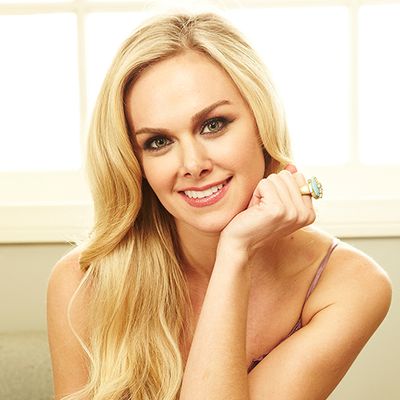
Multi-hyphenate Laura Bell Bundy on motherhood and health and the Red Pilling of American. Laura even has a song in my movie RED PILL. Make sure to listen to LBB's new musical podcast, Women of Tomorrow, that explores issues women are facing today via BPN.fm/wot... Read More
From the show: You Can't Say That!
Guests
About
Multi-hyphenate Laura Bell Bundy on motherhood and health and the Red Pilling of American. Laura even has a song in my movie RED PILL. Make sure to listen to LBB's new musical podcast, Women of Tomorrow, that explores issues women are facing today via BPN.fm/wot.
Produced by Dori Berinstein and Alan Seales, edited by Derek Gunther, music by Cat Dail.
A proud member of the Broadway Podcast Network.
Transcript
This transcript was automatically generated and might contain errors.
[0:00] Tonya Pinkins: My name is Tonya Pinkins, and you're listening to my podcast.
[0:04] Tonya Pinkins: You can't say that on the Broadway Podcast Network.
[0:08] Tonya Pinkins: We gotta speak too much.
[0:12] Tonya Pinkins: We've got a study on real for you.
[0:24] Tonya Pinkins: My next guest is, I mean, uh, triple threat is an understatement. She does everything. Broadway musicals. She's a recording artist, country western singer, she's a songwriter, she does movies, she does TV series, she's a wife, she's a mom. I want to hear how she gets it all done. And I read that she recently tested positive for COVID-19. So please welcome Laura Bell Bundy.
[0:58] Laura Bell Bundy: Hey, Tonya, thanks for having me.
[1:01] Tonya Pinkins: Hey, so tell me about COVID-19. What happened?
[1:05] Laura Bell Bundy: Well, uh, you know, I got that crazy crap. Um, don't know how I did my husband. Well, I they well, so we think they had it too, but when we went to do the antibody testing, uh, I was the only one who had the antibodies. So there's a chance that they didn't get it or that they had um a ver I think what happened is I took Chinese herbs to uh, you know, as as my form of medication. Um I started giving those to my husband right away. And I think that maybe not enough of the virus developed in his body. That the only the herbs were were fighting that off, and he didn't develop antibodies to fight that off. That's what I think. And then I actually think that children might actually be somewhat resistant to resistant to it. Um which is a relief because uh if this had been one of those situations that had been fatal for children, I I might have I might have lost my head.
[2:17] Tonya Pinkins: Yeah, wow. I mean, did you feel sick or yeah?
[2:23] Laura Bell Bundy: I mean, I felt I had a crazy, crazy headache. I couldn't kick the first day that I now know was my first day of symptoms. Okay. And um, and I had some chills that day, and like I just felt weird, you know. I was like, I just felt weird, like my heart was kind of racing. I felt a lot of anxiety. It was it was weird. And I had my um month, like my sorry, my weekly acupuncture appointment. Um, and when she took my pulse, she was like, How are you feeling today? And I was like, so weird. And I'm like, I have this headache, I can't kick. She was like, Okay. She's like, Do you are you have do you have chills? And I'm like, Yeah, and she goes, your pulse is kind of floating. And um, so she gave me a treatment, and then she sent me home with this these viral support herbs, which are kind of antiviral, and they had been developing these since they found out about COVID in December, and they have been doing their research about how the virus attacks the body.
Um, and they've been they were approaching it from a traditional Chinese medicine perspective, and um, and also dealing with like um the how it uh goes to the lungs, you know, and and Chinese medicine is all about like different meridians in the body. There's like a lung chi, there's a spleen chi, there's all these different so. So um I started taking she she sent me home with herbs and she said, if you get any more symptoms, uh you could start taking the herbs. And I'm like, like what? She said, like a sore throat. I said, okay. She said, but for now you can take broad spectrum, and broad spectrum is um like an just an anti flu, anti-cold kind of support formula that they make, which is similar to the right.
This is all that acupuncturist makes. Yes, yes, and that they sell. So then I I always have that broad spectrum. I mean, I don't leave the house without it. I'm all I always take that stuff. And um, so I was like, you know, I'll take a few broad spectrum. And then the next day I woke up and I had a bit of a sore throat. So I began like taking the viral support formula. And when I took it, I would notice like within a half hour, my symptoms were gone. But then a few hours later, my symptoms would come back. So it was like, okay, maybe I need to take more of this, the full dosage. And so for a few days I took it. I'm also like kind of freaked out. So I was taking like so much vitamin C, all of this stuff.
And then I began to notice the tightness in my chest. Um, and the like, oh my, that's so funny. She just texted me. My acupunctures. Um, but yeah, so I I had this tightness in my chest and a feeling like it was kind of hard. My my breathing was labored. This is when I knew something was wrong because I had never had that sensation in my life before. Ever. You know what it was like? You know, when you go on like a really hard run for the first time after you haven't been running in a really long time.
[5:36] Tonya Pinkins: Yeah, I don't run much, but that's that happens to me if I just walk.
[5:43] Laura Bell Bundy: So I I know the feeling. Or like if you go run in the cold weather and you get that like feeling in the chest, that's what it felt like, but just sitting down. And um, or I would be in the middle of a conversation, like this conversation with you, and I would notice like I was getting shortness of breath. So um and I at one point I had a little bit of coughing. It was a dry cough. And at the time, there wasn't a lot out there about people's symptoms.
[6:12] Tonya Pinkins: So what month were we in that you were doing this?
[6:15] Laura Bell Bundy: What'd you say?
[6:16] Tonya Pinkins: What month were you in when you were feeling this?
[6:19] Laura Bell Bundy: Well, the first symptom I had was March 12th.
[6:21] Tonya Pinkins: Okay.
[6:22] Laura Bell Bundy: And that was the day that my husband and I were like, let's just stay inside. Let's not go anywhere or do anything. Let's like kind of quarantine here. And the quarantine had not been called for yet. But we were like, let's just get off the streets. Um so which is fortunate. I'm glad that that was the case because I know that I wasn't really exposing anybody else to myself. Um and so, yeah, so I finally I ended up calling the doctor like six days in, and like something's weird. And um I when I went in, they first tested me for influenza just to make sure, because they can get that test within 10 minutes. And at the time, it took like five days to get results back from your COVID testing. Right. And because I have a pre-existing condition, I have a um a hole in my heart.
[7:16] Tonya Pinkins: Oh.
[7:17] Laura Bell Bundy: Well, it's repaired now, but I was born with it. And because I had the pre-existing heart condition, uh, they just wanted to make sure that, you know, they tested me, and you know, that there wasn't anything further that they needed to do. Um, so uh then I took the test. That was a Friday. Like maybe that was like Friday, March 19th or 20th. And the next two days I had no symptoms. And then that Monday morning I started to feel a little weird again, and that's when the doctor told me that I had it.
[7:54] Tonya Pinkins: And so what did he tell you to do? Like you're in a house with a husband and a child.
[7:58] Laura Bell Bundy: Right. He said, Well, you think you've had symptoms for now seven or eight, no, wait, ten days. So you're like, they probably have it. If they're gonna get it, they have it. So like you know, he said, you know, there are certain medications, you know, a Z pack has been known to help. They they were talking about the, you know, the anti-malaria drug, the hydrochlorone or uh w thing, and he said, I while I think they're only using that in the hospitals, and I said, Well, you know, he and he also said that the the worst symptoms come at like day nine. And and I said, Well, I think I'm past day nine at this point. And also, Tonya, I was not getting fevers. And I don't know if I would. Just been so different for everybody, you know.
[8:56] Tonya Pinkins: Right.
[8:57] Laura Bell Bundy: Yeah. I mean, I did lose, I ended up losing my sense of smell probably about a week in. Um, and so that, you know, that that's you know, that didn't really matter. It, you know, I that was probably good because I wasn't eating, you know, you're stuck in the house, and all you're doing is binge watching and eating stuff. That was probably a good thing. But uh, but yeah, so it was just um it was just kind of bizarre that uh, you know, what what do we do? What do we do? It's like I'm I'm here with my husband. That you know, clearly came in contact with it, that either you were sharing some immunity and some biome with your husband and your children and your child in some way, you know.
[9:47] Tonya Pinkins: Right, right. I yeah, I don't know. And I actually felt okay in terms of like I felt I felt like the only thing that I really wanted in my care of myself was an X-ray. I just wanted to see how like I had heard all these things about fibrosis on the lungs, and as a singer, that terrified me. Um I tried to get in to get an X-ray. And um no one would see me. So I was I had to go to the emergency room to get the x-ray. Of course, I didn't want to go because I was like, well, I have a baby at home. How long am I gonna be there? Is it gonna be a crazy there? Am I gonna expose other people? How are we handling this? Like, so I was very concerned. I got to the hospital, and there was not a soul in the waiting room.
Not a soul. Not a soul. They this is in Pasadena, California. They stopped me at the door. There was like a little stop sign, stop here. And the woman is like yelling from the inside of the uh like the front desk of the of the ER. Oh, why are you you know, why are you here? I was like, uh, well, I tested positive for COVID and I I'd like to get a chest x-ray. She's like, what's your name? I said, Laura Bell Bundy, what's your date of birth? Same address. Like she's yelling at me. Yelling at me from inside. Stop, where you are, you know, and then and then this nurse came over and he gave me uh check my blood pressure. Hazmat suit when they come over. Uh that guy was in, they were in a face mask and gloves.
And maybe, yeah, and that was it at the front desk. And he gave he took my temperature, he did my blood pressure, he, what else did he do? Oh, check my oxygen level, and then they gave me a mask to put over my mask, and they were like, put her in room 40. I mean, that's how fast. I didn't even wait. I went from the front door from not even being inside the hospital to being in a hospital room within five minutes.
[12:07] Tonya Pinkins: Wow.
[12:08] Laura Bell Bundy: And so I was like, whoa, this is so not what I expected at all. Like, I just, you know, I've after you're seeing on the media, how crazy it is, and there's not enough rooms for people, and I get in there, and the the nurse says to me, and the nurse wasn't a full hazmat suit with like a HEPA filter, and it was, you know, just um you were in contained in the movie or something, yeah, exactly. And they came in, they gave me the x-ray, they did an EKG, and they took blood work, and of course I didn't ask for the EKG or the blood work, but the doctor wanted me to, and my consultation with the doctor, even at the ER was over the phone. Okay. The ER doctor was in the other room calling me on the phone, and he's like, I'm not they're not risking him.
[12:59] Tonya Pinkins: Right.
[12:59] Laura Bell Bundy: But the nurses were the ones risking their lives coming in and doing the procedures and the blood work. And you know, the nurse I spoke to was like, I'm gonna get it, it's just a matter of time. And he wasn't living at home with his family, he was living in another apartment. Um and he said that the majority of the cases that he was seeing were mostly minor symptoms, and he said if testing had been widespread, that we would probably see that the fatalities were about the same as the flu.
[13:36] Laura Bell Bundy: Okay, but because we are uncertain who has had it and has not had it, how serious their case was, we can't do proper research.
[13:47] Tonya Pinkins: We don't really know the real numbers, yeah.
[13:50] Laura Bell Bundy: Um, and so how was your lungs when they did the x-ray?
[13:56] Tonya Pinkins: What's the word?
[13:58] Laura Bell Bundy: The lungs, yeah.
[14:07] Tonya Pinkins: Yes.
[14:57] Laura Bell Bundy: So I had um I had nothing on my lungs. So what they said that the it looked clear from an X-ray standpoint. Now I don't know if I needed like to get a CT scan to get a real full scope picture of what was going on. But um just uh the x-ray said I was fine. Um, and the blood work was interesting because that the EKG was fine too. The blood work did not show the presence of virus. Now this keep in mind this was like day twenty since the first, so I was no longer I did not have virus. The night before I went to the hospital to get all that done, I had a very scary night. I didn't I felt like I couldn't breathe, I was having back pain that was like moving around my back, I felt like a tightness in my chest.
And so what the blood work revealed is that I was inflamed. I had a lot of inflammation in the body. Even though there was not a presence of virus, there was a strong presence of inflammation in the body, and so when I spoke to the doctor, they called that a post viral response. And sometimes when the body is working so hard to fight something off, um, the reaction is inflammation. That's what that's kind of how our bodies respond. So and they said that sometimes the postviral response can be worse than the actual virus. Yeah, and this thing that the children in New York are getting is a kind of inflammatory response that's happening in children.
[16:29] Tonya Pinkins: Interesting.
[16:31] Laura Bell Bundy: Yeah, I didn't know about that. Yeah, they're calling it uh P P I M S or something like that, because I think like three children have died in New York, and it's this they it sort of looks like Kawasaki disease, but it's this inflammatory condition that um children are getting in New York City.
[16:49] Tonya Pinkins: Hmm. Oh my god. Well, you know, also I read an Yeah, oh I'm looking at this pediatric inflammatory multi-system syndrome.
[17:02] Laura Bell Bundy: Mm-hmm.
[17:04] Tonya Pinkins: Mm-hmm.
[17:07] Laura Bell Bundy: So you are very fortunate. I wonder if I have that. I'm gonna look that up. How old is your son?
[17:16] Laura Bell Bundy: My son is just turned a year old yesterday.
[17:19] Tonya Pinkins: Oh, he's a baby baby baby.
[17:22] Laura Bell Bundy: Yeah, he's a baby baby. And you know, you're also lucky because some people it attacks the heart instead of the lungs. So, you know, it's doing all kinds of things, and yeah, you're getting that your angels are looking out.
[17:36] Laura Bell Bundy: I felt very, very fortunate. Um the whole way through. Uh, very fortunate that I happened to be at the acupuncturist that day, that I was sent home with those herbs. Very fortunate that I was tested and that I had I was able to get access to a test. I mean, um, fortunate that, you know, the hospital situation. I was I've been so fortunate and also um just like ha that my son was okay, my husband was fine. Um, you know, what I don't know is I don't know like, you know, what are the what are the effects of this down the road for me? Will but nobody knows that.
[18:22] Tonya Pinkins: Yeah.
[18:23] Laura Bell Bundy: Yeah, I don't know that. What I ha what I am hearing though is that if you do have antibodies, that's like you have the vaccine.
[18:32] Tonya Pinkins: Yeah, don't buy that one because I'm friends with the head of Quest, who's down there in California, and he says the only thing that's like the vaccine is a neutralizing antibody, and they have still not located one.
[18:43] Laura Bell Bundy: Okay.
[18:44] Tonya Pinkins: There was uh a Boston Globe report um where they did tests on monkeys who had it, and then they exposed them again to the virus and they didn't get it. So I don't know. I mean, I not I'm not going out anywhere. I mean, I'm still nervous about it.
[19:01] Laura Bell Bundy: So Yeah.
[19:03] Tonya Pinkins: Yeah. So you mean if they offered you a big TV show tomorrow and you had to go on set, you're not going?
[19:09] Laura Bell Bundy: No.
[19:09] Tonya Pinkins: What do you?
[19:11] Laura Bell Bundy: I'm just asking. He said, you know, you talked about going to an acupuncturist. Is this holistic health model part of a larger spiritual practice?
[19:21] Laura Bell Bundy: I guess you could say so. Um I guess that's how I got into it in one way or the other, but but I'm all about holistic health. Like I I think it's all connected mind, body, and spirit. And I and I also I I really think that you know, there's different ways to approach healing. Um I think folk like we're all we are is just vibrational energy. And there is a healing modality that focuses on an energy meridian through the body, um that it can work and that it at least can assist. You know, I I used acupuncture throughout my entire pregnancy. Um I through my fertility treatments, everything. And I believe it helped me. I know it helped me mentally too and emotionally.
[20:18] Tonya Pinkins: Now, why were you having fertility treatments?
[20:21] Laura Bell Bundy: Well, because I I struggled in getting pregnant.
[20:24] Tonya Pinkins: Oh, okay. Were you older or just yeah?
[20:28] Laura Bell Bundy: I mean, I well, for well, it's not just older, like I I never had like an like a regular period. I I would get, you know, at one point I would get my period every two weeks, and then I wouldn't have a period for six months, and then and then, you know, as I got older, it got a little bit more regular. Um, but I would have like a 33-day cycle. So it was like every six weeks I'd get a period as opposed to every month. And so what I wanted to do was try to get that reg regulated. And I started to go to see uh traditional Chinese medicine doctor in acupunctureist, this woman named Brookness, who I've still with, um, to to help assist me in uh getting all of the all of that system regulated and on track.
[21:15] Laura Bell Bundy: And so what's amazing about what the work that she does is like she'll take an entire blood panel and a lab and then she'll look at those and say, okay, this is what Western medicine will say is acceptable, uh, and like you're not dying. And this is what, and then and then the range for which she looks at is like optimal health. And then to go, I'd like you to be in this range of optimal health. And so these are the herbs that I'm gonna give you to get you there, or the vitamin supplements, and it's not um it's not any prescription medication, which can in and of itself have a side effects that you then need other uh medications for. So my goal was to get off any prescription medication and only take herbs and nutritional supplements and diet and do and you know, so that's that's first and foremost. Diet and what you put in your body uh is very uh is what your body is made up of, made up of. You're putting, you know, you're gonna be.
[22:16] Tonya Pinkins: Yeah, I want to go back to this. Because when most people hear people say fertility, they think you had to go get injections and you're taking hormones. You meant you wanted to have your whole, you know, genital system, hormonal system ready for you to create a baby. You weren't talking about
[22:31] Laura Bell Bundy: No, I am talking about that. I did that. I did the acupuncture, I got things regular. And I could have stayed with it for a while, but I was 37 years old, and I thought, I want more than one kid. Okay. So I'm gonna freeze my eggs. And when I went to investigate freezing my eggs, I realized that it made the most sense since I was already married, to go ahead and make those embryos.
[23:00] Tonya Pinkins: Ah.
[23:01] Laura Bell Bundy: So I went ahead and made the embryos.
[23:03] Tonya Pinkins: How many you got? How many babies are you gonna have, Laura?
[23:07] Laura Bell Bundy: Well, I have 10 more in the freezer.
[23:11] Tonya Pinkins: Okay.
[23:14] Laura Bell Bundy: And I don't know what to do with all of them, but I got a big family.
[23:23] Tonya Pinkins: Are you a big family? Are you from a big family?
[23:27] Laura Bell Bundy: No, I mean, I'm I was my parents only child, but my father had uh two daughters from a previous marriage who are my half-sisters. Um, and now I have a bunch of step siblings as well, because you know, my parents' marriage didn't work out. They married other people with kids. Um, so I do have a big family, but I was kind of raised alone uh in many ways. So but I I want two. That's it. One per parent, and I felt lucky I felt lucky to have one. And um, and I I I quite frankly don't know how anybody has more than two. Um that's a very uh that's that's hard because it's hard to have one, and so uh anyway, I went ahead and I decided, you know, my husband and I were like, we kind of, you know, with with the career and everything that was going on, it was like, you know, this is kind of just a good time to get pregnant. Like let's just go make this happen.
[24:26] Laura Bell Bundy: I think that if I had stayed uh doing the the sort of natural fertility, that I eventually would have gotten pregnant. But I I was impatient. I was impatient and I wanted I wanted to just go ahead with it and it's it's funny because for so long I wasn't ready to have a kid I was focused on my career um and my creativity I was very concerned that I wasn't gonna be able to do this the things that I was doing with a child and and then I I kind of turned a corner where I was like I'm ready now and that moment that I was ready I was all I also became impatient it was interesting it's but I also trusted like it was gonna happen when it was supposed to happen but how long had you been married at this moment that you turned the corner and the impatience and the ready um we had been married almost a year okay and we had been we had been trying to get pregnant before we were married um we were just like yeah let's let's let's see what happens here yeah and and we were like well it's it's not really happening but all that time was like I was my body was everything was kind of coming together and getting um the system was the my periods and everything were getting more regular and everything was kind of balancing out my blood work and everything um in that time but it just felt like oh this is this is gonna be harder. And imagine, like if I don't freeze my eggs, and this is hard when I'm 37.
[26:23] Laura Bell Bundy: How are 30, 36? How hard is this going to be when I'm 40?
[26:30] Tonya Pinkins: No, that's real. See, I'm one of those people who when my men's started at nine and it came twice a month.
[26:37] Laura Bell Bundy: Oh my God.
[26:39] Tonya Pinkins: And that meant I didn't learn this until I was an adult, and I had conceived two children during my men's that I that I was ovulating twice a month. So I was having a men, and then I was ovulating during a mince.
[26:48] Laura Bell Bundy: Oh my god.
[26:56] Tonya Pinkins: Yeah. So I have four kids, two conceived during my mince.
[27:05] Laura Bell Bundy: Wow. You know, I've heard that. And I think it is it's kind it's that whole thing is very confusing too because for someone like me who had a fairly long cycle. Um, you know, it's like 30 some odd days. When the hell was I ovulating? And I and because my cycle was longer, I had less opportunity to get pregnant. So um, yeah, no, and it it is doing that what'd you say?
[27:38] Laura Bell Bundy: I had a 27-day cycle. I just would only have a few days off and it would start again, and then when I went to menopause, I would just bleed for 40, 60 days.
[27:48] Tonya Pinkins: Oh my god.
[27:49] Laura Bell Bundy: That happened to my mother. That's she ended up having to get a hysterectomy. But but we go through a lot as women. I think we do not talk about these things that these you these inherent things that we just our gender has to deal with.
[28:16] Tonya Pinkins: And we do, and we do it with um strength and courage, and we just take it on the chin and we keep going. Because we have to.
[28:26] Laura Bell Bundy: Nobody knows. You don't a woman doesn't walk down the street and you go, Oh, she must be on her beard. Like nobody, nobody listen, eight shows a week, eight shows a week. Doesn't matter what's going on. Exactly. Still had to do it with cramps, strep throat, a broken elbow, a broken toe. The show went on. Um there's no you sound like a kind of especially uniquely strong person. Tell me about I'm I'm very interested in pregnancy and birth. It's it's a real passion of mine. How was the pregnancy how birthed? Um, uh, you know, I was getting the fertility treatments um at least up to about 12 weeks for the through the first trimester, and I had at about eight and a half weeks, I started bleeding very heavily.
I was I had I had been directing this music video and I was heading into a an edit bay, and I went to the bathroom before I walked in, and I like had heavy, and I I thought I was miscarrying. Oh and I just panicked, total, total panic. And my manager was actually at the it because I was editing it in my manager's office, and I had just like I wasn't ready to tell people I was pregnant. So, so but I had for some reason she guessed I was. Like the week before, and I was like, I so I ran in and I told her what was going on, and she like drove me over to um the the set the center, Southern California Reproductive Center, which is where I was going, and they did an ultrasound and they said, you know, you're fine, the the embryo is fine, um, but you need to just relax, you need to really like not have a lot of activity.
And I'm I'm kind of like, how the things that I I was still trying to do, you know, yeah. Exactly. So I'm like, oh, I guess I gotta slow down. I mean, that's the one thing that is hard for me. Like my nickname is Energizer Bundy, like that is hard for me to slow down. And so I did what I thought was slowing down, and two weeks later it happened again. Wow. Um, and so like I wasn't exercising at all. I mean, nothing. I wasn't doing anything. And what what it was, it was a um uh like a like a cervical hematoma. Okay. And we don't know how I got it, but it turns out it never affected the embryo, the fetus, never affected it, but it just was like potentially what'd you say? Telling you to slow down.
Yeah, I guess it was telling me to slow down, but also like when you go through fertility treatments, um you have your period, and then you begin taking birth control, and then they begin giving you these shots, and so you skip cycles. And so there could be like leftover stuff going on when the baby gets implanted, when the when the embryo gets implanted, there could be extra stuff going on. Then that was what that was. And so it was just trying to come out. Got it to make space. And but it was terrifying. It was absolutely terrifying. And then even after the fertility treatments kind of um the the shots and everything, I came off of those. Um we had to slow down how much of the progesterone that I was coming off of because the progesterone, uh, when I when I stopped taking the progesterone, I would start to bleed.
So, you know, all that is really hard. I will tell you that I believe it is a full miracle that you make that that this baby comes out at the nine and a half month mark, or 10 months depending, that it's a full miracle if that baby is healthy, has all of their limbs. I mean, it and it in it and it's one of those things you're like holding your breath for that entire period. And I already felt I had no idea, you know, here was this human being that I never met before. That I had been responsible for for 10 months. Like, so there's just it's just an interesting feeling uh that you have. And then after that, I had crazy, I had had screw morning sickness. I had all damn day sickness. Um and I didn't really vomit.
I did a couple times, but it was mostly just like queasy. And if I ate something, I felt okay. But I I had I had motion sickness uh really bad. And that stopped about 17 weeks. At the 17 week mark, I was like good. At that point, it was gravy after that. Um till I got like, you know, super uncomfortable and thought he was like moving my ribs around. But other than that, I had a fairly good pregnancy. I was able to exercise again, everything was good and um and I gave uh birth naturally without drugs. Congratulations. Thank you. He didn't try to make you do C section, they didn't say, no, you should do a C-section. No, no. Uh I I had been doing my I had, you know, I again I'm into holistic care.
And with the exception of doing fertility treatments, everything else I did was natural. You know, I was I was still going to acupuncture and I was going to a chiropractor who specialized in pregnancy, um, who literally predicted the day I was going to have my baby. Um just by the what my hips look like and how open they were. I was getting like uterine massages to make sure uh his head was in the right place. Like I was I was reading all these books. I went to like this birthing class that was crazy. Um and I think there was I was terrified of a C-section. And then I I think that that b that put me on this road of trying to figure out how not to have one. Well, I actually do think it's the only way for some people, and it it's the best way for some people.
But for me, it wasn't something that I wanted. So I um I knew that if I had to if I would to do the epidural that I could slow down the labor, and if I slowed down the labor, they'd want to give me pitocin that would cut off my natural oxytocin, and I wanted that natural oxytocin, those love chemicals that come in when when you first see your child and also help healing postpartum. I wanted those.
[36:13] Tonya Pinkins: So keep going, honey. Tell us more.
[36:17] Laura Bell Bundy: Um so I I kind of I think from the classes that I took, I saw that there was the domino effect, the domino effect of you know, you can get an epidural, uh, but there's a a window that you want to get it in so that you're further far far enough along that it doesn't slow down too terribly your labor, um, and it doesn't send you into C-section. Um and then um then there's a point at which it's too late. But for me, I was like, you know what? I kind of was like having this feeling that women have birthed the human race. You're welcome, everyone. And they've been doing this for thousands and thousands and thousands and thousands of years. They've been doing this since the beginning of the human race.
And our bodies. However, and our bodies are made to give birth. Yes. It's incredible seeing what happens to the body. Yeah. Just witnessing your body grow the way it does, your hips open the way they do, everything changing to make it possible for you to bring in human life. And so there are positions you, you know, we we now we believe that a woman lies on her back with her legs up, and that's the best way to get the body out. Do you poop like that? No, you don't. I'm gonna tell you right now what my mother told me. She goes, I'm gonna tell you what it's like having a child. It's like it's like shitting a telephone pole. Yep, shit in a bowling ball is what I said. Yeah, okay. And so I'm not gonna do that lying on my back with my legs up.
I'm gonna do that squatting, which is the way that most people most women have given birth. So And the way we gave birth when men didn't even know they had anything to do with with babies. There was, you know, centuries wit before animal husbandry and men even knew that they had anything to do with the process at all. Right. Nobody knew that that sperm actually was, they didn't know what it, they didn't even know what the egg was. They didn't know what sperm was. They had all these beliefs that like women would do the moon dance and find themselves pregnant. You know, and then they would go behind a tree in private and start screaming, and a baby would come out. I mean, so I mean, there we we only know these things by because of science.
Um, but and even it just in the last century, even the research they did to figure out to to find birth control was was a window in to knowing what ovulation was. Um the work that that Margaret Sanger and the scientists, uh, what was his name? Um Pincus Pincus. He was a scientist and he was involved in and with other doctors figuring out what exactly the woman's body was doing every month. And well, there's actually a woman named um gosh, I'm gonna forget her name, Ann. Oh, it's gonna make me mad. But she most of the research that was done in the early part of the last century was on cadavers, and so even that corrected because she had um an upright MRI made and had live women go in there, and so she's got all this documentation and these 3D exhibits of what actually happens with the female, even our entire clitoral system and orgasmic system, because she said when she was in medical school, the way they were talking about it didn't match her felt experience of her body. So now the the information is changing because we're getting information from live women.
[40:18] Tonya Pinkins: Yeah, that I mean, that's that's so interesting. There's this great book called The Birth of the Pill that goes into a lot of s sort of the backstory and history of of us understanding women's bodies and understanding um childbirth and uh I mean pregnancy and everything. And I found it completely compelling and and so interesting. Um and it is and it is hard. It's like when you when a woman, when you as a woman are going through a specific experience in your body, but then you're having a man tell you what you should be feeling, and you're like, dude, you have no idea. Um so uh yeah, I mean, while you can study, you can't know from experience. And er, and I think you know, that that's that's the really the the big change.
You know, it's interesting too. I think some of the the reading I was doing was um what is her name? Ima May um Ida May, I know Ida May Gaskins. Yeah, Ida May Gaskins, that book about natural childbirth. And really, midwives delivered babies m before doctors did. Uh male doctors. I mean, they made childbirth more like surgery. And before it was midwives who were delivering babies. And now in the community that I travel in, there's a lot of women who are choosing to birth by themselves again.
[41:51] Laura Bell Bundy: Oh wow. Oh my god. I don't know if I would have survived that.
[41:57] Tonya Pinkins: A lot of a lot of women I know are choosing to birth by themselves in the community of midwives. My my midwife or my last child who I birthed in Mexico, I birthed four children at home. First underwater birth in New York City in 1987. Wow. How come you don't say no when you mean no? I'm Tonya Pinkins, and that was part one of my conversation with Laura Bell Bundy. Come back for part two on the Broadway Podcast Network.
© Broadway Podcast Network, All Rights Reserved