

No need for cute introductory copy here. This week we are simply honored that Tony Award winning composing team Stephen Flaherty and Lynn Ahrens (RAGTIME, ONCE ON THIS ISLAND, ANASTASIA) stopped by to discuss their beautiful musical A MAN OF NO IMPORTANCE... Read More
From the show: A Musical Theatre Podcast
Guests

Featured Shows

About
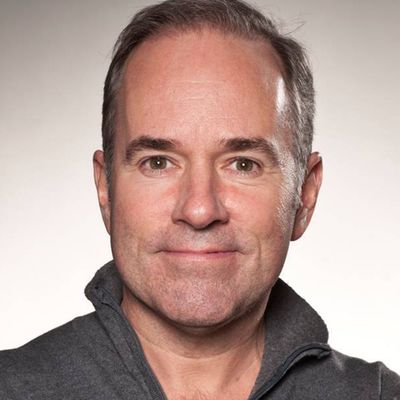
No need for cute introductory copy here. This week we are simply honored that Tony Award winning composing team Stephen Flaherty and Lynn Ahrens (RAGTIME, ONCE ON THIS ISLAND, ANASTASIA) stopped by to discuss their beautiful musical A MAN OF NO IMPORTANCE. Don't miss this fun and poignant conversation about the power of theatre, community, and Terrence McNally's Bloomingdale visits. Also, feel free to weigh in on whether you pronounce it "Salomay" or "Salohmee." ;)
Classic Stage Company's current revival of A MAN OF NO IMPORTANCE directed by John Doyle runs through December 18th. (Run! Don't walk!) Tickets and more information are available at classicstage.org
Be sure to share "A Musical Theatre Podcast" with your friends and, while you're at it, leave us a nice review and rating! For more great content follow us on Instagram, Twitter, and TikTok. We also have a TeePublic store where we donate all our profits to Broadway Cares/Equity Fights AIDS. Don't forget about PATREON! where for only $1 you support the regular show and receive bonus content including an upcoming Halloween special!
Most of all, thank you for being part of this podcasting community.
Thank you, Ralph.
Transcript
This transcript was automatically generated and might contain errors.
[0:00] Stephen Flaherty: You know, one of the wonderful things about the show is that by the end of it, people are, they just want Alfie Byrne to be happy. They want him to, they feel so much for him. And there's a, there's a wonderful gift to writers in having created a character and a story that is so, so moving and sympathetic to an ordinary man. And you just want everything to be right for him. And if you can carry that out of the theatre, you know, and remember it, then you're going to want things to be right for other people that you know, which is what we all have to do.
[0:52] Jeffrey Scott Parsons: Welcome everybody to A Musical Theatre Podcast, where we discuss the cultural and emotional impact of some of our favorite musicals in theatre history. My name is Jeffrey Scott Parsons. You can call me Jeff. Today we are covering the musical A Man of No Importance, which is dedicated to a very special friend of A Musical Theatre Podcast. His generosity has saved me many times, including when I've been out of town doing shows and sitting at his dining room table editing episodes. Mr. Ralph Johnson is one of the true treasures of the San Diego theatre world. And this, along with Ragtime, might I add, are two of his most favorite shows he's done, which is why I can think of no better listener request to cover today.
And furthermore, no greater guests for the episode than the composing team of both of those musicals. They are some of the greatest in the history of our entire art form. And I'm kind of overwhelmed that they're here. Everyone, please welcome composer Stephen Flaherty and lyricist Lynn Ahrens.
[1:53] Lynn Ahrens: Thanks for having us, Jeff. We're excited to be here.
[1:56] Jeffrey Scott Parsons: Thank you so much for being on here. And I'm pretty sure I got all of my crying out already, but I'm just giving a disclaimer. I'm kind of famous for crying on mic. But I need to hold it together because I need to tell you, and I know it's going to be futile, but I need to tell you how important your work is to me. You two, on top of writing with great intelligence and glorious melodies, are also, I mean, in my opinion, kind of responsible for keeping musical theatre tethered to humanity. Because when, well, I know, and I'm like, whoo, that's something to hold on your shoulders. But when everyone, well, not everyone, I'm speaking in gross generalities, but when so many around you were commenting at the art form, you guys were doing the art form. And I really appreciate that. And it spoke to my heart as a young kid growing up in the middle of Utah, finding an art form that really taught him about feeling and connecting to the world around him. So thank you.
[3:04] Stephen Flaherty: Oh, that's a beautiful introduction. I just have to say, Jeff, that's really so sweet.
[3:09] Lynn Ahrens: It's lovely.
[3:09] Stephen Flaherty: I mean it. I mean it.
[3:13] Lynn Ahrens: Honestly, speaking for myself, whenever I write music and put things out into the world, I always think of the person who's the listener out there in some state that I may never experience, that I may never meet. And I always think of this other person who's listening. Because I think I see myself in that. Because I grew up listening to show albums and studying scores. And I was like a real theater nerd kid. And my life was so impacted by musical theater recordings, things that I heard growing up. And it was very, very impactful. You know, I always think of that. So I guess I found you today. You're the guy I've been writing for, I guess.
[3:59] Jeffrey Scott Parsons: Amen. Amen. I mean, Willard, Utah, no way you went to that little farm town in the middle of Utah.
[4:05] Stephen Flaherty: But that's where I was. And it wasn't just me. Because I remember introducing my dad to Ragtime. And him driving in traffic. And I knew he would listen to Wheels of a Dream over and over again. Because it just sang to his little Republican heart in the purest way, right? It was something that brought us together. And then to be talking about this show, which is also just so emotional. So I actually want to dive right in and take everybody through your oeuvre, the shows that you've written, because it really comes at an interesting point in your career. Once again, gross generalities, but you got Lucky Stiff Off-Broadway, which is a funny, funny, intimate little show, followed by Once on this Island, which is a beautiful little show, but on Broadway.
Then you go to My Favorite Year, big, hilarious show, but also with a lot of heart. Ragtime, big show. Seussical, big show. And then here comes A Man of No Importance, which feels like almost a return to small theater, to intimate storytelling. That's kind of how I perceive it. But is that how it was for you all too?
[5:22] Lynn Ahrens: Well, after we did Ragtime with Terrence McNally, we knew we wanted to do another show together. We just didn't know what. And if you notice in the progression of our shows, if anybody is familiar with them, they sort of never repeat themselves. We've done everything from turn of the century America to just everywhere. Seussical, which is a fantasy, Once on this Island is set in the Caribbean. Lucky Stiff is set in England. You know, on and on. They're all different. The time periods are all different. The worlds are different. And we knew we wanted to do something with Terrence, and we just didn't know what. And he wanted to do something small. He said, let's just... Ragtime was so big and overwhelming. He said, it took too long. Let's do something small and it'll take a shorter time, which of course it didn't really.
[6:11] Stephen Flaherty: Oh my gosh, that's the irony of it all.
[6:14] Lynn Ahrens: You know, that's the irony. But, you know, he brought us a movie called A Man of No Importance and an Albert Finney movie, sort of unknown. And we loved it. We didn't know what to do with it. For about a year, we just flumped around and said, Terrence, it's meat and potatoes. It's just so simple and realistic. And we don't know what to do and how to make it a musical. And then he invented the character of Oscar Wilde, and he gave Alfie Byrne a sidekick, basically. So what that enabled us to do was to open Alfie's heart to his friend, Oscar Wilde, where he couldn't tell his secret to anybody else. So that was a little breakthrough on the show. And then the writing became easier. And, you know, we created this show that we all, I think, really, really loved. It's probably the most play-like of any of our shows. It has the most scene work in it, because Terrence wrote beautiful scenes. It's a beautifully written libretto.
[7:14] Stephen Flaherty: Yeah. And, you know, and here we are doing it again. It's a revival, you know, and we're getting another look at it. And we're getting to, you know, make a few little changes here and there, nothing dramatic, with a new, wonderful, amazing new cast. Our star has your last name, Jim Parsons. I mean, it's got to be a success.
[7:30] Lynn Ahrens: Yeah, I wish I could say we were related.
[7:36] Stephen Flaherty: Hey, you never know. You never know. Check Ancestry.com.
[7:40] Lynn Ahrens: There you go. There you go. So can you talk to us a little bit about this revival?
[7:46] Stephen Flaherty: Yeah. We're thrilled about it. You know, as Lynn said, it was a smaller show. It was always designed to be very intimate. We premiered it, believe it or not. I did the math the other day. We premiered it 20 years ago. That's not possible.
[8:04] Lynn Ahrens: It is possible. I know. We were five. We were five.
[8:11] Stephen Flaherty: 20 years ago at the 15 Newhouse Theater, which is a small space. It's probably like 299 seats at Lincoln Center. And it was the first of three of these very intimate, chamber-sized shows that we did. And we wanted to find the right home for it. And also, obviously, the right director. And John Doyle had directed not only one of Terrence's last musicals, he had directed The Visit with Chita Rivera, and the late, great Roger Reese, who was our original Alfie Byrne in the show, directed that on Broadway. But also, he directed Terrence's final play, which was called Fire and Air. That was a beautiful production that John Doyle directed at CSC, which is the classic stage company in New York City.
And it just sort of seemed like kismet, like it was all meant to be. And John was looking for his final season, because he had been the artistic director at CSC, and was looking for the perfect piece for his final bow at that particular space. And the idea that it's about intimate theater, and it's about friendship, and it's about one guy whose vision keeps this theater troupe together. Well, that's sort of John Doyle, isn't it? That's John Doyle.
[9:36] Lynn Ahrens: I know. And, you know, obviously, this is the first production that we've done, either do a revival of a piece that we've written with Terrence, with Terrence being here. And so, I think we both feel that he would love the production. He would love that it's in this home where his last play was performed, and with a director that he really respected and loved. So it's great, like returning to the roots. There's only one dressing room.
[10:10] Stephen Flaherty: So yeah, so Jim Parsons, who's a major star in Mayor Whittingham, they're sharing their dressing room with 14 others. It's wild.
[10:21] Lynn Ahrens: Don't bring your Emmys, kids, because there ain't no room for them.
[10:24] Stephen Flaherty: There's no room for their Emmys. It's like going back to our roots at Playwrights Horizons, because we did our first show there. Right now, Playwrights Horizons is this very big, glamorous facility that was built, you know, a few years ago. But when we worked there, it was a tiny, teeny little, you know, I won't use the word, but it was pretty bad.
[10:48] Lynn Ahrens: But a former burlesque house, we have to point out.
[10:50] Stephen Flaherty: Former burlesque house, and some other horrible thing, like I want to say, when you dissect live animals, whatever that's called, that they did that there.
[10:58] Lynn Ahrens: Oh, good heavens.
[10:59] Stephen Flaherty: Yeah, and—
[11:00] Lynn Ahrens: But not at the same time. There was not burlesque.
[11:02] Stephen Flaherty: You don't know that.
[11:03] Lynn Ahrens: There's a musical there, though. Am I right?
[11:05] Stephen Flaherty: There is. There is.
[11:06] Lynn Ahrens: That we know of.
[11:07] Stephen Flaherty: But you had to sign out a yellow pad, you know, because we couldn't afford to give them to you.
[11:13] Lynn Ahrens: I'm kind of upset.
[11:13] Stephen Flaherty: And stuff. And we're sort of back to that feeling, which is so delightful, you know.
[11:17] Lynn Ahrens: Especially for this piece.
[11:19] Stephen Flaherty: For this piece. I just wanted to add one thing, and it's about Terrence, really. Just to tell how this particular production came about, it just so happened right after Terrence passed that we both serve on the Dramatists Guild Council, which is the governing body, and we work on committees and that sort of thing. And I was on the Publications Committee, and they wanted to do an issue honoring Terrence. And so they asked me and Gretchen Cryer if we would guest edit it, and we said, of course, we'd love to do that. So I was thinking, what could we put in this issue, you know, like about Terrence and interviews about him and his influence and yada, yada, yada. And one of the ideas that came up was we would go to a lot of the people he'd worked with, and ask them to write a little couple lines, just a little line, and go to like 50 or 100 people, you know, actors, directors, producers, everybody, and have them say something about him and publish like a double page spread.
And I got the assignment of getting in touch with John Doyle, who I didn't really know. And I said, would you consider doing this? And he said, oh, I'd love to. I don't know if I can keep it to a paragraph, but I'll try. And he said, and by the way, do you have anything that you might think I would be writing?
[12:27] Jeffrey Scott Parsons: Welcome to A Musical Theatre Podcast. Today, we are honored to have the Tony Award-winning composing team Stephen Flaherty and Lynn Ahrens with us to discuss their beautiful musical, A MAN OF NO IMPORTANCE.
[12:57] Stephen Flaherty: Thank you for having us, Jeff. We're excited to be here.
[13:27] Lynn Ahrens: Yes, it's always a pleasure to talk about this show, especially with someone who appreciates its depth and meaning.
[13:53] Jeffrey Scott Parsons: A MAN OF NO IMPORTANCE has such a powerful message about community and acceptance. Can you share a bit about what inspired you to create this musical?
[14:13] Stephen Flaherty: The inspiration came from the play by Terrence McNally, which is a beautiful exploration of love and identity. We wanted to capture that essence in the musical.
[14:37] Lynn Ahrens: Absolutely. The themes of finding one's voice and the importance of community resonate deeply with us, and we felt it was essential to bring that to life through music.
[14:57] Jeffrey Scott Parsons: The character of Alfie is so relatable. What was your process in developing his story?
[15:17] Stephen Flaherty: Alfie is a character who feels like an outsider, and we wanted to portray his journey authentically. We drew from our own experiences and the experiences of those around us to create a character that people could connect with.
[15:37] Lynn Ahrens: And the music plays a crucial role in conveying his emotions. We wanted each song to reflect his inner struggles and triumphs.
[15:57] Jeffrey Scott Parsons: The revival at Classic Stage Company has been getting a lot of attention. What do you think makes this production stand out?
[16:17] Stephen Flaherty: John Doyle's direction brings a fresh perspective to the material. He has a unique way of highlighting the emotional core of the story.
[16:37] Lynn Ahrens: Plus, the cast is incredibly talented. Their performances breathe new life into the characters and the music.
[16:57] Jeffrey Scott Parsons: It's wonderful to see how the show continues to resonate with audiences. What do you hope people take away from A MAN OF NO IMPORTANCE?
[17:17] Stephen Flaherty: We hope they leave feeling a sense of connection and understanding. The power of theatre lies in its ability to bring people together.
[17:47] Lynn Ahrens: Yes, and we want them to feel inspired to embrace their true selves, just like Alfie does in the show.
[18:07] Jeffrey Scott Parsons: That's such a beautiful message. Speaking of messages, there's a lot of humor in the show as well. How do you balance the poignant moments with the lighter ones?
[18:27] Stephen Flaherty: It's all about finding the right moments to inject humor. We believe that laughter can be just as powerful as tears in storytelling.
[18:47] Lynn Ahrens: Exactly. Life is a mix of both, and we wanted to reflect that in the musical.
[19:07] Jeffrey Scott Parsons: The song "The Streets of Dublin" is such a standout moment. Can you tell us about its creation?
[19:27] Stephen Flaherty: That song captures the essence of Dublin and Alfie's longing for connection. It was a joy to write and really encapsulates the spirit of the show.
[19:47] Lynn Ahrens: And it sets the tone for the entire musical, showcasing the vibrant community that surrounds Alfie.
[20:17] Jeffrey Scott Parsons: It's such a beautiful piece. As we wrap up, what are your thoughts on the future of musical theatre?
[20:37] Stephen Flaherty: I believe that musical theatre will continue to evolve and adapt. There's always room for new stories and voices.
[20:57] Lynn Ahrens: Absolutely. The more diverse the stories we tell, the richer the art form becomes.
[21:27] Jeffrey Scott Parsons: Thank you both for sharing your insights today. It's been a pleasure discussing A MAN OF NO IMPORTANCE with you.
[21:47] Stephen Flaherty: Thank you, Jeff. We appreciate the opportunity to talk about our work.
[22:17] Lynn Ahrens: Yes, thank you! We hope everyone enjoys the revival.
[22:37] Jeffrey Scott Parsons: And to our listeners, be sure to check out A MAN OF NO IMPORTANCE at Classic Stage Company. You won't want to miss it!
[22:57] Stephen Flaherty: Run, don't walk!
[23:17] Lynn Ahrens: And remember to support your local theatre community.
[23:37] Jeffrey Scott Parsons: Thank you for joining us today on A Musical Theatre Podcast. We'll see you next time!
[23:57] Stephen Flaherty: Bye!
[24:17] Lynn Ahrens: Bye!
[24:55] Lynn Ahrens: On a tractor, and it's like 7, 6, 7 in the morning, and the sun's coming up, and he's on his tractor driving all by himself. And I mean, I was kind of a weirdo in my hometown, but I was surrounded by so many nice people that I didn't know how weird I was. But at the same time, when those are the blue-collar guys surrounding me, people who are probably practicing meditation on their tractor at 6:30 in the morning and just have no idea, it's like no wonder there was space for me in that community. And I feel like Robbie's that kind of guy. He's making space for artists and making space for sensitive souls, but he probably doesn't even realize that he's able to do it.
[25:40] Stephen Flaherty: Yes, I think that's right. I think that's absolutely right. Now, one day on the bus, just an ordinary day, Alfie's doing his readings to the passengers on the bus who are also the players in his little community theater. Whenever they are going on their trips, he'll read to them and also to the bus driver, so it's a real opportunity for them all to connect. During one of those trips, they have a new passenger that comes on, and her name is Adele Rice. When Alfie sees her, he realizes that she is somebody special to this community, and it's somebody that he's never had before in one of his shows, which is essentially like a young ingenue. He gets the idea that he is going to produce Oscar Wilde's play.
I always say Salome, but is it Salome? Anyway, not sure. And that she is going to play Salome. Now, this is a biblical story. She traditionally dances for King Herod and does the Dance of the Seven Veils, and then King Herod falls madly in love with her and says, "What do you want? I'll give you anything." And she says, "I want the head of John the Baptist." And so he serves her the head of John the Baptist on the silver platter. That's essentially the play. And you can imagine that a play with dirty dancing and the beheading of one of the most important people in the ministry of Jesus Christ is not going to probably play well in this church. But he, Alfie, believes that this is art. This is art, and it's going to benefit the community.
And because this young girl has shown up, that she is going to make it possible. She needs some convincing, but she finally agrees because she's never looked at herself this way. She's never thought of herself as being this kind of exotic princess. And Alfie convinces her that she can do it.
[27:49] Lynn Ahrens: We've also got Alfie's sister. Is it Lily?
[27:53] Stephen Flaherty: Lily.
[27:54] Lynn Ahrens: That's right. There's so many great characters, and also such funny characters, too. Lily being played in this production by Merritt Winningham, which is just like...
[28:04] Stephen Flaherty: Beyond.
[28:05] Lynn Ahrens: Beyond. She's amazing. Super wonderful. There's nothing, there's not a false bone in her body. You know, one of those actors who just embodies the role without any effort or artifice. She just becomes Lily.
[28:21] Stephen Flaherty: That's incredible. And she, Lily, has definitely put her life on hold for her brother, Alfie. And is this an Irish tradition? Is this a thing?
[28:32] Lynn Ahrens: It's not only an Irish tradition, but it's, well, even in my own family. I have a great aunt. And her role in the family was that she would take care of her mother, and she would take care of the family. And she never married, because that was sort of her position, what she was expected to do. So this is actually a very Irish thing. And obviously, I'm Irish Catholic, but from Pittsburgh. But those things, they have their beginnings.
[29:05] Stephen Flaherty: I know. Maybe the most fun number for me to write was the number that takes place at the top of Act Two, which was about confession. You know, which is about, like, here are my sins. Here's what I did. Here's why I'm a horrible person. And yet, within that context, which is so intense, I think that there's always humor. You know, because you're wondering, is that guy sleeping on the other side of that, you know, that little partition? And, you know, there are so many different emotions that anybody who's ever gone through that goes through. And, you know, just wanted to make sure I got that one right. And Lynn says, now tell me about this. And she, of course, thought all of us Catholics were so odd.
[29:46] Lynn Ahrens: No, no.
[29:46] Stephen Flaherty: We're crazy. I know. I know.
[29:50] Lynn Ahrens: Well, that was, I mean, we're 100% jumping to Act Two, but we got to do it. Because, so this scene in which Alfie's in confession, literally, I have written down right here, okay, who went through this? Like, which of you had actually gone through this? Because it's too perfect.
[30:07] Stephen Flaherty: Oh, Stephen's learning.
[30:08] Lynn Ahrens: It's too perfect.
[30:09] Stephen Flaherty: I went through it weekly. I went through it weekly. I do have to say, our original director, we got to do a shout out to him, Joe Mantello.
[30:16] Lynn Ahrens: Joe Mantello.
[30:17] Stephen Flaherty: This was his first musical that he had ever directed. This is, like, pre-Wicked. You know, he had, like, Wicked didn't exist. Yeah. And he had directed an opera of Terrence's, and Terrence brought him onto the show, and he was wonderful. And, you know, he's Italian Catholic, which is, like, a different strain. But it took us three completely different drafts, completely different takes to get that number right. And part of it was that he can't say, you know, what's on his mind, which is Robbie, and the fact that Robbie then, like, joins him in the confessional, and talks about freedom. The minute that Robbie Fay got in that confessional with him, all of a sudden, the song became a completely different kind of song. And, you know, it was super perfect.
[31:04] Lynn Ahrens: He's not literally in there. I mean...
[31:06] Stephen Flaherty: Right, right. To be clear.
[31:07] Lynn Ahrens: To be clear.
[31:08] Stephen Flaherty: He's in his mind. He's in his mind.
[31:10] Lynn Ahrens: Yeah.
[31:11] Stephen Flaherty: So many of these characters are speaking for Alfie at times.
[31:16] Lynn Ahrens: Correct.
[31:18] Stephen Flaherty: And that's an instance in which Robbie is. I was not raised Catholic, but my own form of confession involved a lot of rehearsal. Like, I, before I met with, like, my church leader to talk about my sexuality, like, I had rehearsed it in the mirror, just like Alfie.
[31:38] Lynn Ahrens: Like Alfie Berg.
[31:39] Stephen Flaherty: Yeah. And it was, to quote your show, it turned out to be dog shite. Like, it was a terrible experience. But I tried. I definitely tried. And that's what I love so much about your confession number is, like, how hard he's trying to...
[31:53] Lynn Ahrens: He's gonna try.
[31:54] Stephen Flaherty: To live those principles.
[31:56] Lynn Ahrens: I think with anything, it's just about the effort, the fact that you tried. And Lynn wrote this absolutely stunning lyric about, you should say, from Streets of Dublin, moving back, and it's about just having tried to get through a day. That's a big deal.
[32:14] Stephen Flaherty: Yeah, that Streets of Dublin is a song in Act One that Robbie sings, actually. And it gives insight into his character as a sort of a poet without, a poet who doesn't know it, you know. But there's, Stephen's talking about the end of that song. There are glasses to raise in the praise of surviving the day, you know. And I think that, you know, that's just another form of confession in a way. You know, it's just getting out, whatever it is, whether you have to get drunk to do it or get into a confessional, you can't keep it all inside forever.
[32:49] Lynn Ahrens: Keep it inside. I love, Brene Brown does so much great work on shame and what shame needs in order to exist. And it's always silence and isolation. As long as you are by yourself and you don't say it to anybody, the shame can't be released. And this whole musical is such a beautiful embodiment of releasing that shame because it's done artistically. And in the show itself, they are doing it by creating theater about his story.
[33:22] Stephen Flaherty: Right. That's right. And that's so cool. It's so great.
[33:25] Lynn Ahrens: Yeah. It's also really funny. So, a couple of these great songs here at the beginning are Lily's The Burden of Life, in which she talks about the great burden that is upon her shoulders.
[33:39] Stephen Flaherty: Yes.
[33:40] Lynn Ahrens: There's also a great song that she sings with her boyfriend, Mr. Carney, about books, about how books are polluting Alfie's mind.
[33:47] Stephen Flaherty: They're deadly. They're very bad. That's why the poor sod cooks, because he likes books.
[33:57] Lynn Ahrens: Because he likes books. I like that lyric a lot.
[34:01] Stephen Flaherty: So much of this great lyric writing also is, a lot of the humor is found in the dialect of it as well. Was that intentional? Did you know that like, oh, this is going to be even funnier because of the accent?
[34:15] Lynn Ahrens: Probably.
[34:17] Stephen Flaherty: Like art and books and cooks. I mean, it's just so, it's filled with beautiful things.
[34:22] Lynn Ahrens: The accent is funny, but I don't think I was thinking of the accent when I wrote it, but I was thinking of the characters for sure.
[34:29] Stephen Flaherty: Oh, for sure. And they're so dry and so withheld and so, you know, there's this emotion bubbling up inside them. John Doyle has done a wonderful thing in this production where they dance a little bit, which when I first saw it, my heart stopped because it was so, just for a second, they break into a little bit of romance and then it's over. And, you know, they're back to that, you know, hard core, dry, you know, relationship. And yeah, I mean, the accent is delicious. I think the Irish accent is my favorite accent of any accents ever. It's just beautiful. I could listen to it all day.
[35:12] Lynn Ahrens: I feel like I would use the F-bomb more if it was fake. Like, I feel like I would use that a lot more.
[35:19] Stephen Flaherty: Absolutely. And why not? They're going to try to bleep you and say, what is it? No, he didn't say that.
[35:25] Lynn Ahrens: No, I didn't say.
[35:26] Stephen Flaherty: He said it's something else. Yeah. It's a great, great language. And I guess I think I do as a lyricist, you know, we always channel bits and pieces of phrases into things, you know, like in Dessa Rose, I found the phrase, I might could do this. And it's a very southern idiom that I used in that show. And in the show, there are moments, I think, like that where, like the F word.
[35:50] Lynn Ahrens: Yeah.
[35:50] Stephen Flaherty: Yeah. Gosh, Lynn, it's like you know what you're doing or something.
[35:53] Lynn Ahrens: You know, I don't know. I just channel. I've been around the world, babe. You know, we just channel our characters and out comes something, hopefully.
[36:05] Stephen Flaherty: And there's something so beautiful about that, that lilting Irish quality, you know, that creates the show, that obviously it really influenced, you know, literally the shapes of the melody, which I think have this very graceful rise and fall that I tried to try to match and imitate in just what the sound of the language itself sounds like to me. So it's a very unique sound. And I don't think, I think the score really has its own identity, which is, you know, everything you wish and hope for when you set out to write a new musical.
[36:44] Lynn Ahrens: I love this culture that we're talking about, the Irish culture and traditions of their love of words and their deep-souled poetry. And then also kind of this, is it tight or just very practical, not too romantic?
[37:01] Stephen Flaherty: Not too romantic.
[37:02] Lynn Ahrens: Is also the culture that gave birth to Oscar Wilde? You know what I mean?
[37:06] Stephen Flaherty: I know. I know. Yeah.
[37:09] Lynn Ahrens: Yeah. John Doyle brings a lot. He's Irish by birth and by, you know, sort of genetically Irish, but he grew up in Scotland. But he said it's sort of the same, that there is, you know.
[37:21] Lynn Ahrens: When somebody – nobody will come up and hug you and kiss you when you walk in. They'll go, hello. He was never told, I love you, although he knew he was loved. It's that kind of thing. And he said when he first brought his then partner, now husband, to meet his family, one of his uncles walked over to his partner and said, welcome to you. And then he turned and walked away, and John said, that was huge. Wow. So, there's all of that. Take it as a victory. Take it as a victory, but it's all of that, you know, inner stuff that is not allowed out, which actually is great for a musical, because then they can sing. They can sing about it. They can sing about it, and they're allowed to let it out. Yeah.
[38:06] Stephen Flaherty: That's beautiful. Now, Oscar Wilde, of course, one of the great poets and playwrights. Recently, this is really – I just have to tell you this real fast. Recently, there was a local production of The Importance of Being Earnest that was done at a community theater. And, I mean, just really very similar to the St. Imelda Players, for sure. And there was this woman from the community who I had heard said that she walked out of the show, not because of the direction or the actors, they were great, but the script. Gosh, well, I mean. Like everyone's a critic, right? But I feel like in many instances, she belongs in the world of this town that somehow gave birth to a brilliant, genius, artistic mind like Oscar Wilde, but isn't really able to fully embrace what he has to say about his own culture. But Alfie does. Alfie's the one who gets it.
[39:11] Lynn Ahrens: He totally gets it. I went to Oscar Wilde's grave in Père Lachaise. Oh, it's wonderful. Absolutely beautiful cemetery. If you're ever in Paris, go to this place. It's like walking into a city of little cobblestone streets with every famous person you can imagine buried there, from Maria Callas to Colette to this one and that one. And Oscar Wilde's grave is there.
[39:35] Stephen Flaherty: Edith Piaf. I mean, you can't believe it. Each one is worth stopping at and visiting them. And Oscar's is covered with stickies and people come and leave him notes and thank yous and cards and flowers and ribbons. Also, there's lipstick kisses all over the stone. There are like a lot of big old red full mouth kisses all over his grave. And I think he would have loved that.
[40:01] Lynn Ahrens: Is that Oscar?
[40:02] Stephen Flaherty: Absolutely. And I mean, who knows even who had the lipstick on, right?
[40:07] Lynn Ahrens: Well, exactly.
[40:09] Stephen Flaherty: Yeah. Go from there. One of the other reasons that Alfie really connects to him is because Alfie is closeted and is lonely because he doesn't have somebody and doesn't feel like he can voice his feelings. But as he gets closer and closer to Robbie, his bus driver, these feelings are becoming harder and harder to ignore. I really love the juxtaposition of Robbie, who is living life and finds the poetry in the everyday and Alfie, who can't really live life authentically and who has thrown himself into theater and art and creating. And boy, that's confronting to me.
[40:54] Lynn Ahrens: No, it's very fertile and rich stuff to write about. And obviously, Alfie, just to love another man, the act of that, you could be thrown into the clink back in 1964, which is when this tale is set. And just to deal with the emotional life versus that particular society at that particular time, it's wonderful. And also, honestly, to bring that to life, you need an exceptional actor at the helm and at the center of your company. And we were lucky to have found Roger Reese originally, who is extraordinary in the role, and now Jim Parsons. And they're both very different, but they both have this quality of a real humanity and people just feel empathy for this person. And you want him to break through. You're rooting for him and just seeing the struggle and then him finally acting on what he knows he must do to find a way to go forward.
[42:09] Stephen Flaherty: One of the next big moments happens when Robbie invites Alfie out to go drink with him and his mates. And they go to this pub and Alfie is ordering his little cocktail and they're like, no, drink like a man. And he's like, okay. And I guess there's this tradition where a new person to the pub needs to sing a song. So, he sings this beautiful Irish song called Love's Never Lost. And Robbie's friends are like, who's this guy? He's kind of light in the loafers. And Robbie sticks up for him because he's like, no, he's my friend. Everything's cool. Everything's fine. While Alfie is at that pub, he runs into this guy who is kind of cruising him. You get the feeling that he's trying to hook up with him, which is very scary to Alfie, who has never acted on his homosexuality and probably would never open up his heart even to that because of his religion.
But it kind of has planted the seed that he yearns for connection. Personal question for you two, do you ever feel like you have had that you've lived more in your work than you have in your life? Have you ever had moments where you've had to sit yourself down and talk about that?
[43:29] Lynn Ahrens: I feel like I have and I haven't even done nearly as much as you, Elle.
[43:33] Stephen Flaherty: I don't know that I have had that.
[43:35] Lynn Ahrens: That's amazing.
[43:36] Stephen Flaherty: I don't know. I mean, my work is my life in a way. And I have a wonderful husband who is very involved in my work. And we also have a very wonderful life where show business doesn't necessarily enter into it, you know? Although it does.
[43:50] Lynn Ahrens: Sure. Whether you like it or not.
[43:54] Stephen Flaherty: Whether we like it or not. But yeah, I've never felt that. No, I can't say that I have.
[44:01] Lynn Ahrens: That's great.
[44:02] Stephen Flaherty: Well, I'm really on the other side of that coin. You know, it was I think I came to well, I came to New York City whenever I was 21, right out of school. And I think at that point, I had a lot of technique. And I knew how to write. But I had very little life experience. You know, I was really green. I was just this green kid, you know, from Pittsburgh, you know, who wrote show tunes, and that's who I was. And it took quite a while for who I was and what I did to come together, you know, because before then I was just writing stuff. But it wasn't really about myself. It wasn't about what I was feeling. And Lynn knows this, but when we were writing Once on this Island, which was at the height of the AIDS crisis in New York City, people were just dying left, right and center.
And it was a very, very dark time. And there, you know, and we started the project. And I thought, Oh, Timon has to keep the god of death, you know, at bay. Oh, how am I going to write that? That's, you know, and I and then guess what, you know, life gives you for better and worse, you know, what you need to be able to write that scene. And, you know, I was caring for a friend. And that literally became my own life. Like, how can I keep that demon of death at bay? And can love and positive energy help you get through what seems like an impossible situation, you know? And, you know, when you go through that, while you're writing something, you don't have the luxury of separating things, you know, and I and it just cracked me open, and it cracked my heart open, and it cracked my writing open.
And I realized that, that for the first time, I felt like I was really blending all these aspects, you know, not to not unlike Alfie Byrne, you know, when this area is in a box, and this area is in a box. And all of a sudden, at some point, you have to find a way to combine all that. And you have to find a way to be a person who happens to write, you know, and bring what you're feeling and what your life is into your work. And that that was a tricky time for me, but maybe the most important time that I've experienced. And then and since then, you know, it's like, you know, we've had Lynn and I, by the way, are both married to British men. So I don't know what that's about.
[46:37] Lynn Ahrens: We're lucky. I think we like an accent.
[46:41] Stephen Flaherty: Like a nice accent. Yeah. So that's great. So we've been, we've been, Lynn and I have been writing almost 40 years. And we've been I don't know, I can't say for Lynn, but Trevor and I got together during the original production of Once on this Island. So that's when I that's when I met him. So that's like, you know, 30 some years ago. Yeah. And we're married now, which is wonderful.
[47:05] Lynn Ahrens: Oh, my gosh. Thank you guys for sharing. Thank you.
[47:12] Stephen Flaherty: There is so much love for like local community theater in this show. Did you grow up participating in community theater? Because and and how much fun was it to create these backstories and bios of these different local actors?
[47:23] Lynn Ahrens: You know, I did not. Believe it or not, I was busy flag twirling.
[47:31] Stephen Flaherty: Flag twirling? Get it, Lynn! Yes, I have the pictures to prove it.
[47:38] Lynn Ahrens: I didn't I didn't participate. There wasn't really an active theater department in my high school. And it was all about sports was big Neptune High School on the Jersey Shore is all about sports, basketball and football. And then when I got to college, I was at Syracuse University, but I was a journalism and an English major, not a drama major, although they think I was a drama major now. They always they're they're calling me up to do stuff. And I say, you know, I didn't graduate with that degree, but I'm happy to come do whatever you want me to do. But I didn't I didn't study drama. So I really was a late starter in that regard. But I was always writing, always writing lyrics, particularly.
And, you know, I made my way through advertising and jingles. I wrote a lot of pretty well known jingles and I did children's television. I still write for a show called Schoolhouse Rock, which is quite fit. Yeah, I know. And Janet there, that would be me. That would be legendary. Yeah. And, you know, I did all that and somehow made my way to this musical theater writing workshop where Steven and I met. So, you know, the answer is no, I wasn't involved in theater per se, but I was I guess I was always a little bit of a drama queen and I was always a lyricist. And I've I've ended up I remember song that I wrote in the workshop. It wasn't with Steven. It was with another composer, very good composer named Randy Klein, who's still a pal.
And we wrote this song was the first theater song I'd ever written. And I thought, oh, this is what I should have been doing all these years. You know, this is it. And I was in my 30s at that point. I hadn't, you know, really ever considered that as a form of writing before. So, you know, things come to you. Steven was ready to roll at age 14, you know, he was going to write musicals and I didn't come to it till much, much later. But I wrote songs I wrote and I sang and I wrote lyrics and, you know, was sort of wending my way toward it, I guess. Wow.
[49:41] Stephen Flaherty: Well, I was very involved in high school musicals and I went to an all boys Catholic high school.
[49:48] Stephen Flaherty: And you have to create the entire Anatevka out of lumber that's discarded and cardboard. And then the following year, we did Oliver, and it's like, all right, build London. And I thought it was wonderful that we didn't have that budget because you had to be so creative with nothing. And I actually would paint the sets. I didn't build the sets. I wasn't good with a hammer, but I could really paint. And I loved doing that with absolutely nothing. And I played all of the musicals and music directed them. And early on, two friends of mine who were in the show, they thought that they had gotten not very good roles in the musical, which was a musical version of Some Like It Hot called Sugar. And the fact that Broadway is about to see another one of those, here we go.
So anyhow, the first one, they didn't like their roles. And they said, we're going to write our own musical. And so they wrote book and lyrics for a show called Pits that was about Pittsburgh. And every scene was a different kind of a number, and it took place in a different neighborhood of our town. And they said, do you want to write the music for this? And I had never written music before. And I thought, sure, why not? And I found out that, oddly, I had a gift for it. And I loved it more than anything I had ever experienced in my life. And the show was not good. Yeah, I have to put that there. You do not want to hear it, but it was funny, and it was personal, and it was hanging out with my friends and trying to create something from nothing, and using discarded horrible costumes that were backstage.
And it was so creative and so fun. And my English teacher, who was also our drama instructor, said to me, he said, you know, that was really good. And I think you have a gift for this. You should keep it up. And I thought, oh, okay. And I just, that was my start of being a composer. So I wouldn't say community theater as much as high school theater. And then we had like what they would call like nightclub reviews. So I was working in nightclubs when I was 14 and 15. And my parents, God bless them, allowed that, you know, which is crazy. And like right at the same time was Rob Marshall, you know, who's since directed the movie of Chicago. He would do these shows for the same crazy director. And his younger sister Kathleen and Brent Barrett did a lot of them.
And so we were just kids in Pittsburgh trying to be in show business. And like, you know, you'd go, you know, where you could find it. Live in the dream in the nightclub. It was great. Can you imagine, I know, being like a 15-year-old kid playing in a nightclub? No! It was super fun. It was wonderful, because there was no structure and there was no funding. And it was like, you know, make it out of nothing, you know, if you really want this that bad.
[53:09] Lynn Ahrens: I love the idea that if you had seen Fiddler, you go the next year to Oliver and you're like, oh, London looks quite a bit like Anatevka. Act Two begins and boy, a lot of confessions, we talked about confessions before, come out. Not just from Alfie, though. We see Mr. Carney, who's Lily's boyfriend. And by the way, who has been an actor in the troupe before, he goes to the church committee and basically tattles on Alfie and says, they're doing this dirty play, you need to shut it down. So he confesses that. Adele, who is playing Salome, confesses to Alfie that not only is she in love with somebody in London, but that she is pregnant with his baby, despite them not being married. And honestly, that tests Alfie's judgment because that is against the rules, you know, according to what he believes.
Even more testing those morals and beliefs is Robbie himself, his secret crush, who is having an affair with one of the married women in the town. And that's really kind of the moment, all of these things tumbling upon each other, that he decides that he is going to live his truth. And he gets ready in kind of a fashionable, foppish, gay way. He parts his hair down the middle. He puts on just a little bit of rouge. He gets a green carnation like Oscar Wilde would. And he goes to the pub and goes to this guy who's been cruising him and says, hey, let's have a cuddle, right? And the guy's like, all right, let's go out into the back alley. When they do, the guy starts beating him up, punches him in the face.
And all of the guy's buddies, well, it gets revealed that this is something that the guy does. They look for a quote-unquote poofter and beat him up, knowing that they will not get in trouble because if Alfie were to file a complaint, he would be confessing his own homosexuality. And the police know this. So everybody, it's basically an outing of Alfie very publicly and shamefully. Lily, the sister, and her boyfriend, Mr. Carney, are walking by when this is happening and they see him. The police basically say, did you know your brother's gay? And that's devastating to her because he's the most important person in her life and she didn't know this. There's this really gorgeous, sad song where she's angry about not knowing.
And Alfie interprets that as you don't love me and you don't accept me. And he storms out before she has the chance to say, you have to know I would have loved you just the same. Now, when the whole community finds out about Alfie's sexuality, he is left alone. What he thinks is the worst possible scenario occurs. He's left alone. And he sings this song, Welcome to the World, which is like, in many ways, I've faced my greatest fear and where do we go from here? And that kind of courage is met with one by one, these individuals coming back to him and not giving up on him and in their own way. And some of them can barely look at him in the face, but they all accept him for who he is. And no, they won't be doing Salome, but they are on the bus reading poetry and connecting together as a community.
And that is the truth that still exists, even with all of these other truths that have come to seemingly attack it. Their love and their connection is safe. That's how the show ends. It's really beautiful. What do you think we walk away with after we leave the theater from seeing A Man of No Importance? What do you walk away with maybe?
[57:28] Stephen Flaherty: You know, there's a beautiful line that Terrence wrote. And I think it's my favorite line in the show. And it's one line, I'm blessed in my friends. And it just says it all for me. I feel that way. I'm blessed in my friends, my collaborators, my actors, my shows, my life. But most of all, the circle of people that you get to work with in the theater, oftentimes over and over again. And I hope that people walk out feeling lucky and feeling loved and feeling as if they have people to confide in and people who will forgive them and people who will embrace them no matter what. And I think that's what the show is about, that community of friends. And I hope everybody walks out and maybe goes and tells somebody that they love them or that they forgive them or whatever it is that they feel is they're holding in or that sense of shame that you spoke about so beautifully. I think the show is all about all of that. And that's what I would say.
[58:39] Lynn Ahrens: Yeah, that's what I hope. For me, I would say it's about community. And it's what Lynn said, it's about friendship and support and the idea that we need one another to create something and to live together. And I would like for people to feel I'm a little less alone, having experienced this show. That's what I would love to give as my little takeaway bag to give to audience members. You're connected. And also that there can be beauty in creating a perfect fried egg. There is beauty in everything that seems simple and that seems maybe insignificant, but it's everywhere. And it's our duty to just open our eyes and see it and experience it.
[59:28] Lynn Ahrens: That's beautiful. And to anybody out there who may be listening who feels alone and that you don't have a community, come to the theater because guess what? We've always been a bag of misfits and there's always a place for you here.
[59:41] Stephen Flaherty: That is absolutely right. Well said.
[59:45] Jeffrey Scott Parsons: Thank you both so much for doing this with me. What an absolute joy. I am really excited about this production coming up and just couldn't be happier that more people get to experience it.
[59:56] Stephen Flaherty: Thank you so much.
[59:58] Lynn Ahrens: Enjoy Maui. I'm a little jealous.
[1:00:02] Stephen Flaherty: We're in rainy Manhattan. About to go to rainy Dublin.
[1:00:07] Lynn Ahrens: Rainy Manhattan. That's okay. You've got a lot of good theater to keep you company.
[1:00:14] Jeffrey Scott Parsons: Sending you all love and thank you again. Classic Stage Company's production of A Man of No Importance, written by the great Terrence McNally, Stephen Flaherty, and Lynn Ahrens, and directed by legendary director John Doyle, is currently in performances and runs until December 4th. You got to go see it, everybody. Like we talked about, Jim Parsons, Mare Winningham, also just some really amazing theater actors that you probably have seen or may know, like Alma Cuervo, Mary Beth Peel. I mean, just really great people in the entire company. Classic Stage Company is in New York City, and you can find tickets at classicstage.org. We'll of course have all of this information in the notes below.
[1:01:03] Jeffrey Scott Parsons: As always, if you have recommendations you'd like us to cover on a musical theater podcast, you can always email me at amusicalpodcast at gmail.com. Please share us with your friends and family. We want more people in this great community, this podcast community that I'm so grateful for, but you can also follow us on social media, on Instagram and Twitter at amusicalpodcast. We're also on TikTok. We have Patreon! Where for only $1 a month, you get bonus episodes as a thank you for supporting the show. We also have TeePublic with great designs you can put on many different products, the profits of which go to benefit Broadway Cares Equity Fights AIDS. Oh my goodness, what else? More than anything, just know, hey, I love you, and you have a place here.
Once again, a big shout out to the wonderful Ralph Johnson. Hope you enjoyed this episode, my friend. And to all of you, thank you for listening. Lynn and Stephen, you're the best, and everybody out there, keep making art.
© Broadway Podcast Network, All Rights Reserved