

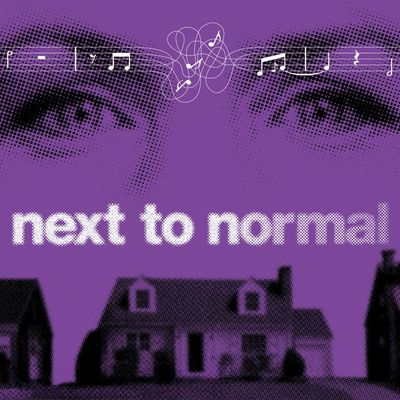
The Pulitzer Prize-winning musical NEXT TO NORMAL is the perfect way to usher us into Mental Health Awareness Month. It also provides actor Ryan Leslie Fisher with the chance to join us and discuss its groundbreaking tone, his first time seeing it (drunk tears were involved), and his own "next to normal" family... Read More
From the show: A Musical Theatre Podcast
Featured Shows
About
The Pulitzer Prize-winning musical NEXT TO NORMAL is the perfect way to usher us into Mental Health Awareness Month. It also provides actor Ryan Leslie Fisher with the chance to join us and discuss its groundbreaking tone, his first time seeing it (drunk tears were involved), and his own "next to normal" family. Side note- We recommend you listen while consuming chocolate just like Jeff did while recording it.
For more "light" on Mental Health Awareness, visit here
Check out Ryan's YouTube channel Enemies of Dorothy as well as his TikTok character Dandy and Friends!
Take one moment to rate and follow "A Musical Theatre Podcast" wherever you may be listening and share us with your friends!
Join us on Instagram, TikTok and X for more great content. For bonus episodes, subscribe to PATREON! for only $1 a month. And don't forget about our TeePublic Store, our proceeds from which we donate to Broadway Cares/Equity Fights AIDS.
Above all, thank you for being part of this wonderful podcasting community.
Transcript
This transcript was automatically generated and might contain errors.
[0:01] Ryan Leslie Fisher: Yeah, even just like going back through and making notes because that's the type of gay I am I made notes for today. I wanted to make sure I covered everything because I could talk about this show for probably six hours and still not get to everything. So I want to make sure I'm gonna hit my important points and I was already like, oh, it's musical this musical there was a point where I was preparing for this episode where I was like, okay, I'm going to need some sort of Harry Potter chocolate type situation with the Dementors to help me get through some of the trauma and so I have brought this is my staple. I don't know if you can see it. It's a 2% reduced fat chocolate milk box that always does the trick. I have my nice warm cup of flavored coffee here. Hopefully that keeps me in a happy place. It's hazelnut.
[1:07] Jeffrey Scott Parsons: Welcome everybody to A Musical Theatre Podcast where we discuss the cultural and emotional impact of some of our favorite musicals in theatre history. My name is Jeffrey Scott Parsons. You can call me Jeff. Today we are talking about Next to Normal with another three namer. Ladies and gentlemen, it's Ryan Leslie Fisher.
[1:25] Ryan Leslie Fisher: Hi, I knew I was going to like you when I saw that you had Leslie Nope as your profile picture.
[1:33] Jeffrey Scott Parsons: Well, I think I identify as Leslie, a fellow Leslie, you know, or no, do you like waffles?
[1:39] Ryan Leslie Fisher: I mean, I'm just putting it up then waffles are fantastic. I'm definitely more of like all the bacon in the restaurant bacon with a side of waffles.
[1:46] Jeffrey Scott Parsons: Yeah, they come with the side of waffles for sure. I get it. You are an actor.
[1:56] Ryan Leslie Fisher: I am. Thanks. Do you recognize me?
[1:58] Jeffrey Scott Parsons: But like you're a serious actor.
[2:03] Ryan Leslie Fisher: And by that I mean you do videos on Instagram.
[2:03] Ryan Leslie Fisher: I'm a TikToker.
[2:03] Jeffrey Scott Parsons: Yes.
[2:09] Jeffrey Scott Parsons: Mm-hmm. TikTok.
[2:11] Ryan Leslie Fisher: But like you're doing really funny work and I want to make sure to like talk about it here at the beginning so that we don't run out of time.
[2:16] Ryan Leslie Fisher: Yeah, of course. You should definitely check out my TikTok Dandy and Friends. I take myself very seriously, but I'm essentially just like a 1700s flamboyant aristocrat and so I'll do anything as long as it's gay and no, yeah, I studied theater and so I was definitely more of a Shakespeare type guy, very serious actor. I want to take myself seriously, but I'm such a smartass that like I always find myself background to comedy. You can also check out my work on the LGBT sketch show Enemies of Dorothy, which is all queer off comedy, you know, and Dandy, that the TikTok character comes out of my foray into musical theater, which took many years to actually get over because when I was in theater school there was this like the serious actors and there were the foolish musical theaters and of course, we were always sleeping with each other. Where else do you find all the gay men? It's the musical theater.
[3:12] Ryan Leslie Fisher: Banking those several boyfriends from that musical theater program just outside of Toronto, banking them for their education and what is now a breadth of musical theater fandom I have been in for what feels like my whole life, but yeah, that's sort of what leads me to being such a big fan of it.
[3:29] Jeffrey Scott Parsons: I'm so happy that you're here and I'm thrilled that you are jazzed about this show.
[3:37] Ryan Leslie Fisher: Obsessed with Next to Normal. I'm so glad that you hadn't done it yet.
[3:41] Ryan Leslie Fisher: I don't know, I was a bit intimidated to be honest about coming on here and like what do I know? What do I know? But I must know and I'm and none of us do. I'm certainly more of a fan than a musical theater historian, and I'm not even a very good musical theater gay. I have some of my niche shows that I'm obsessed with like Hedwig. I think we were all obsessed with Rocky Horror.
[4:04] Jeffrey Scott Parsons: You're very glam in your tastes.
[4:10] Ryan Leslie Fisher: Yeah. Well, yeah. Yeah, I think that's glam indie type stuff and then Next to Normal is definitely like on another level. Like I discovered it. I so I didn't know what this show was about. I got no warning. I went to see the last leg of Alice Ripley's tour at the Four Seasons in Toronto.
[4:29] Jeffrey Scott Parsons: Which you're the first Canadian on the podcast. Congratulations.
[4:35] Ryan Leslie Fisher: Oh, thank you. Oh, wow, I got to represent. Well for everyone at home listening, I am sitting on my pep moose and I'm wearing a Mountie uniform. How do you like my hat? It's a good hat, right?
[4:44] Jeffrey Scott Parsons: It is, it is.
[4:47] Ryan Leslie Fisher: It's a little out of the frame in terms of our Zoom calls, right? You know, it's really big but yeah, so I saw the show in Toronto and a buddy of mine took me. He had an extra ticket. He said let's go see it. He didn't give me any warning at all and so I was just like completely taken by surprise.
[5:05] Ryan Leslie Fisher: So I saw the Superboy and Invisible Girl merch and I was like what tells this dumb shit like what am I getting myself superheroes? I love a girl.
[5:10] Jeffrey Scott Parsons: Exactly. Shark boy.
[5:16] Ryan Leslie Fisher: And so like already I'm like whatever and the Four Seasons like Opera House, right? So like it's a huge, it's huge. It's a strange space. There's these grannies. They're all grannies. We were the only young people there and they're in their pearls and their furs, you know, so it's this vibe and basically we were young going to see theater and we had these bottles of vex. What is that?
[5:45] Ryan Leslie Fisher: Oh, it is just the biggest garbage, you know. It came from a long line of like Zima or Smirnoff ice coolers. We call them white claw these days. I don't speak alcohol, so I apologize.
[6:01] Jeffrey Scott Parsons: Oh, well, no worries. That's not anything but good. I think that's good. That means you're probably very healthy.
[6:09] Ryan Leslie Fisher: Instead I have my reduced fat chocolate milk.
[6:11] Jeffrey Scott Parsons: Well, if we're going to our Harry Potter chocolate frog if that's turning towards these vex bottles, then that's a problem. But yeah, so we had two one liters of this and we were just splitting it. So picture this, you know, two flamboyant musical theater lovers in the alleyway downtown Toronto behind the Four Seasons and we're just downing this before the show and I thought it was like a little treat. It's like he got the tickets. I'm gonna get us a little boozy booze. We're gonna have fun. This was a bad idea because the emotions that come come right up when you're drunk.
[6:49] Ryan Leslie Fisher: And so fast forward to the second act where my head is in between the two old ladies in front of me sobbing. It was a really special experience to go into the show which like my family has a lot of history of mental illness, which we're gonna get into, which really made it super personal and it is so well done and it's so topical about a piece of our society and culture right now that was just stunning.
[7:17] Ryan Leslie Fisher: Now in talking about Next to Normal, we kind of have to first talk about the history of rock musicals, which I think most people would say it's Hair. Hair is the first rock musical in musical theater.
[7:32] Ryan Leslie Fisher: Bye Bye Birdie probably the first musical with rock and roll.
[7:36] Jeffrey Scott Parsons: Okay, but in terms of being like a rock musical, it's Hair.
[7:41] Ryan Leslie Fisher: Hair, very kind of loose plot. It's all about the music. It's all about the vibe. It's all about celebrating this time and this people in this belief system, which is the tradition of rock musicals in my opinion.
[7:56] Ryan Leslie Fisher: Even through Rent, it also tends to make them not age very well. They become a little, what is it called when you like put stuff in a time capsule? They become a time capsule for the moment in which they're created.
[8:15] Ryan Leslie Fisher: It may be too early to say this but I feel like Next to Normal breaks the mold there. I think that with its subject matter and its approach to it, it will stand the test of time. That's gonna be really interesting to see because today compared to when it came out, like it's certainly just as relevant.
[8:37] Ryan Leslie Fisher: And so I don't know what maybe if we crack the code of mental illness and actually like make these moves towards understanding and getting proper help for and respect even for people suffering with mental illness like this and people are gonna be like, oh the original Broadway costumes are so old-fashioned.
[9:03] Jeffrey Scott Parsons: Well, and that's just it. Maybe the orchestrations will change, maybe the design will change and so on and so forth, but the approach that they landed on was certainly one that was cultivated and crafted. From what I understand, the composers Tom Kitt and Brian Yorkey first met, first started working together at the BMI Lehman workshop, which is this like famous workshop. We've talked about on the podcast before. Basically any composing team that you may know post-1980s went to this musical theater writing workshop and at that workshop you create a 10-minute mini musical.
[9:44] Ryan Leslie Fisher: What they did at that workshop was this 10-minute mini musical called Feeling Electric and it was based on a segment that I believe Tom Kitt saw on a news program like 60 Minutes all about electroshock therapy and they took the time created that little 10-minute piece and then they went their separate ways, kept working on different projects. Tom Kitt was a musical director. He started out as a music director, worked a lot. I think he was the music director for Sherry Renee Scott's show Everyday Rapture among other things. Brian Yorkey had a theater company that was helping develop new work so they had their own projects, but they kind of kept coming back to Feeling Electric and eventually decided that they needed to put it into a full musical.
[10:38] Ryan Leslie Fisher: The first time that they wrote it and it premiered off-Broadway, it got mixed reviews. There were some critics who thought it was a little disrespectful to be honest that they hadn't quite figured out the tone of comedy and trauma and so they actually went back to work and rewrote it before taking it out of town in Washington, D.C. During that rewrite is when they honestly started focusing more on the family and less on the process of treating mental illness because Feeling Electric was very much a criticism at the medical field in terms of how we over medicate.
[11:23] Ryan Leslie Fisher: And so their new approach was to focus more on the fallout or what happens to a family when this becomes part of their life. The title track Feeling Electric gets cut and when it opens out of town in Washington, D.C. with pretty much the same cast, Alice Ripley was playing Diana still at that point, they found the tone. They hit it with the nail right on the head and then it goes to and opens on Broadway and becomes a huge, huge smash. Critically adored it wins the Pulitzer Prize for drama that year, which only happens for a musical speaking of lack of respect for musical theater.
[12:04] Jeffrey Scott Parsons: That happens maybe once a decade, maybe a little bit more.
[12:13] Ryan Leslie Fisher: But they recognized Next to Normal as the Pulitzer Prize winner for drama that year because it was the first time that a musical and then a rock musical at that had really explored mental illness. I mean, I can't think of another, can you know?
[12:33] Jeffrey Scott Parsons: No, this is definitely very singular. It's got it stands up above the rest and it's totally in its own league.
[12:39] Ryan Leslie Fisher: And it sounds kind of, pardon the word, crazy because like to do a musical about being bipolar, people would think that's a terrible idea.
[12:51] Jeffrey Scott Parsons: Well, yeah, I mean to do, it's ambitious to do a musical about mental illness. When I have heard criticism about this show, it has come from an older generation and that is not meant to be shady from my point of view, but I almost think that these types of things have been things that you just don't talk about, let alone make a musical about, you know? And to put them so vulnerably on stage is not only confronting, but it might seem downright wrong for older generations.
[13:27] Ryan Leslie Fisher: Yeah, I guess. But for me, yeah, like I said going into it blind and seeing like it really striking a chord with maybe having experienced that and I think that's so interesting what you're saying about them shifting it to be more about the family and the fallout and just the tone of that because my, like I grew up, my father's schizophrenic, my younger sister has borderline personality disorder and so like a lot, you know, my dad has bipolar as well. So like a lot of these things they were like really, that's why I was sobbing. I just got there and then just like totally enjoying myself. Yeah, but like it was just hitting all of these moments so beautifully that are just like so true. And so like that's exactly how it feels.
The word I want to emphasize is feelings. Like that's I'm watching it, I'm like, that's exactly what it feels like and so having that kind of representation is so great to where, yeah, I suppose maybe like older generations might, I could totally see that being like, oh, it's impolite to talk about that. I mean when I was growing up, but if they called it ill.
[14:40] Ryan Leslie Fisher: My dad was ill, or oh dad's in the hospital again, like there's code words for it and stuff. And so like, even growing up, like, it's very impolite and awkward. And I think we are just in the last decade, like really, there's a lot of advocacy for mental health. And our generation is certainly the first to be like, no, it's okay to talk about this. And let's normalize it. Are you okay, if I ask you questions about? Of course. Yeah, totally open book about it. Okay, so in terms of shame, meaning like, feeling so horrible about something that you don't want anybody to know about it. How did your dad deal with his illness? And how did you deal with your dad's illness? Like, did you accept it before he did?
Um, well, and then let's get back about communicating what exactly was going on. Like, I was 18 years old, when my dad had like a episode and changed all the locks on the house. And I got like, kicked out onto the street in high school. And my mom kind of like came to the rescue. And she was living in New Jersey. And we had family just across the border in Michigan. And so my grandmother, my aunt came and picked me up and, you know, got my stuff. And I was just moved out of his place.
[16:02] Jeff Parsons: So you were living with your dad?
[16:04] Ryan Leslie Fisher: At that point, I was living with him.
[16:06] Jeff Parsons: And was your sister with you as well?
[16:10] Ryan Leslie Fisher: No, she, my sister, who is also suffering from mental illness has always been in like, social services care. Because yeah, he is, she's my half sister. And he had her with a woman he met in the hospital. And so like, there was really no hope for her. And so almost right away, she was taken away from them. But so he sort of had that episode. And my mother, we couldn't get ahold of her, like, where is she? And she says, she finally calls us around like, you know, 10 o'clock at night. And she's like, I'm two hours away. As soon as I heard I got in the car, I started driving. And so she sits down. She's like, Okay, I will tell you everything, anything you ask, I'll answer honestly. And that was the first time I had a word for it. Schizophrenia.
[17:01] Jeff Parsons: You're kidding. So up until 18, no idea.
[17:01] Ryan Leslie Fisher: He was ill. And like all the pills and the everything like they were just medicine. And he had been in the hospital a lot when I was a kid, because he was, he was just ill, right? They didn't call it like mental illness. They just called him ill. So much to where some people don't talk about it to where my grandparents didn't tell my mother until he had his first episode. When she got married, not even knowing about this, she had kids with him. And she didn't know about this. And, you know, it's genetic, right? And so that's where I relate to Natalie so much. Look, I've already like, it's, it's like, you're worried about like, I could go crazy, right? Like, I see this, and that could be me. Like, we don't know yet.
Oh, I we know now. I'm fine. But like being 18 and learning that it was a moment, for sure. But yeah, and so she already had my sisters who are twins, older sisters. And he, you know, he had his first episode that she had seen. And she's just like, what the fuck? She calls my grandparents. And they're like, you know, we really didn't think it was our place to tell you. He was gonna have to tell you that. And I was like, y'all came to the wedding. I'm having children with him. And so I remember asking, like, I was like, why did you have another child? Like, why was I born? If you already if you knew at this point? And she said, and it was incredible, because they were divorced before I was, you know, aware of things.
I was just a little baby. And she goes, I was in love with him. And I'd never thought about that. I'd never ever thought of my mom as being in love with my father, just because I'd always known them to be divorced, and how hard and harrowing it was going back and forth dealing with his illness, and having a single mom. And my dad over the border, constantly in the hospital, and just not understanding. And so it wasn't even until then, you know, like I said that I even had a word for what it was. And so in a way, you know, I was an angsty teen. And my dad sucked. But, you know, as soon as I found that it's like, I aged in wisdom, like 10 years, I was like, automatically, I forgive you. Like, what the hell?
Could I ever hold any resentments? But there's plenty of resentment. And that's a whole other thing. But it's almost like, I just, yeah, just forgave him. I just like I was able to have that moment. And we have a great relationship now, my dad. And my sister is a bit more harrowing. But you know, I think she actually has, she's not handling hers very well at all. My dad's older, he's had his whole life to figure it out, basically. And so yeah, I mean, that's just like a roundabout way of saying that, I think.
[20:10] Jeff Parsons: That's incredible. Thank you so much for being willing to share truly. Because I think that no, no, but I'm serious. Because just because we don't talk about doesn't mean that it doesn't happen. And I think we work so hard to even post next normal, we still work so hard to create this Instagram worthy life that we call normal, that we believe is the goal, hashtag goals. But by you being willing to talk about it, and artists being willing to create things like this, one of the most important things I walk away from this musical is realizing that what is normal, what is real, what connects us is our pain. It's the fact that everybody has a story that will bring you to tears. And most people have a story that will bring you to your knees.
And once we realize that that is what we all have in common, then the beauty in life is that we still choose to love. Still we pay, we love anyway. You know what I mean? And so thank you for being brave. And I hope that it inspires everybody out there.
[21:16] Ryan Leslie Fisher: Yeah, but that really harkens back to the show itself. Like that is that is what brought me to being a sobbing blubbering mess with all of the fancy elder people. And it's because, you know, they really do touch on it in a beautiful way. One of the hallmarks of the show is that we go through the show and talk through the plot and score. And so please, please feel free to point out any of these moments where you're like, yes, I feel seen and heard. But before that, let's talk really quickly about the Broadway season in which Next Normal opened. Because even though it won the Pulitzer Prize, it did not win the Tony Award.
[22:01] Jeff Parsons: I guess that's a good point.
[22:05] Ryan Leslie Fisher: It was actually a season full of musical theater variety. Here were the best musical nominees that year, Billy Elliot, which won? Next to Normal, Rock of Ages, Shrek. So you have everything from family friendly to family dysfunction. And then that isn't even including musicals that didn't get nominated for Best Musical like 9 to 5. So there was a lot of theater that season. Billy Elliot is what wins Best Musical. I'm interested in hearing, do you think that Next Normal was robbed?
[22:34] Ryan Leslie Fisher: No, no, not at all. I don't think it's about that. This musical is not about the accolades that it has, not to me anyway. It won the Pulitzer, okay? That's what it should have won and correct. I totally agree with you. And Billy Elliot is incredibly crafted theater. So I'm more than happy that Billy Elliot won. The awards that Next Normal did win were very well deserved. It won Best Score, Best Book, Best Actress. Speaking of, were you a fan of Alice Ripley before Next to Normal?
[23:09] Jeff Parsons: Well, this is a service to the show because I had no idea who she was. And so to me, she's Diana, you know what I mean?
[23:15] Ryan Leslie Fisher: That's cool. Yeah, not really being familiar with her really let me just see her as this mom.
[23:23] Jeff Parsons: That's beautiful. So I, on the other hand, obsessed with Sideshow. So in high school, I was the nerd that everyone said, what did you do on Friday night? And I said, I listened to Sideshow and read through the little CD booklet. That's probably what I did on Friday night. And I had never heard anybody so unhinged vocally in my life. There's that moment in Sideshow and everybody can listen to the Sideshow episode and enjoy all of the love that we give Emily Skinner and Alice Ripley. But there's that moment in the Tunnel of Love number in the original cast recording, where I don't know what comes out of Alice Ripley, but she scream belts, where is mine? And it is the most thrilling and it's simply because it's so visceral.
Everything that is coming out of her voice is coming out of her entire body, right? So I'm already in because of Alice Ripley. After Sideshow, she did a couple of things. She was in James Joyce's The Dead, which was this kind of weird memory play with music. She was in the revival of the Rocky Horror Show, touch me. But then Next to Normal comes around and you're like, oh, wow. Finally, she has a role that seems like it was written just for her. And so I hadn't seen the show yet. Tony Award Night comes. She wins her Tony Award. I'm like jumping up and down like the sweet little boy that I am. Thrilled that Alice is finally winning her Tony. And now I'm going to play her speech because it was an experience.
[25:09] Ryan Leslie Fisher: Yes.
[25:14] Jeff Parsons: There's a quote in the Kennedy Center by John Fitzgerald Kennedy.
[25:18] Ryan Leslie Fisher: Right now, I'm like, I'm so happy for you, Alice.
[25:23] Jeff Parsons: I am certain that after the dust of centuries has passed over our cities, we too will be remembered not for our victories or defeats. Oh, no. In battle or in politics. Oh, now I'm scared.
[25:40] Ryan Leslie Fisher: But for our contribution to the human spirit. Now I'm thrilled for her. And then by the end of the speech, I'm terrified of her. And I can't help but feel like she is a very, like, visceral performer. And so I'm sure these emotions are always on the surface at any given moment. However, I can't help but feel like that is greatly escalated by playing a character like Diana eight times a week.
[26:03] Ryan Leslie Fisher: Yeah. So you're saying we're seeing this, like, unhinged actor from the craft work that she's doing? I love that.
[26:15] Jeff Parsons: Yeah. I mean, or maybe she's just like that.
[26:22] Ryan Leslie Fisher: Well, that's what I'm saying. I think she was already there because of the way that she's able to, like, tap in. But then you play Diana, and then it, like, goes to a whole other level. And then you start getting the Peppermint Twist YouTube videos. Do you remember those?
[26:40] Jeff Parsons: No. This is the YouTube video of her from 2009, after winning the Tony Award. And she's just kind of, like, jiving, going twist, twist, Peppermint Twist. Do you want to look it up right now? So you know what I'm talking about?
[27:00] Ryan Leslie Fisher: Absolutely. It's a minute and a half of her doing that.
[27:07] Jeff Parsons: Twist, twist, Peppermint Twist, twist, twist, twist, twist.
[27:13] Ryan Leslie Fisher: So why? No one knows. She just did this at home?
[27:21] Jeff Parsons: Yeah, I think so. This is her character work.
[27:26] Ryan Leslie Fisher: Right. Like, talk about leaving it on the stage. I don't think she did.
[27:30] Jeff Parsons: And I adore her for that. That has got to be...
[27:33] Ryan Leslie Fisher: Exhausting.
[27:33] Jeff Parsons: Exhausting. Just quite taxing.
[27:33] Ryan Leslie Fisher: Yeah.
[27:44] Jeff Parsons: And, you know, when I saw her, it was the last stop for her. She didn't move on. She wasn't going on after that. She was being replaced by someone.
[27:45] Ryan Leslie Fisher: By someone who I don't know.
[27:47] Jeff Parsons: I don't know. I'm a musical theatre fan, not a historian. I was so intimidated coming on here but it was just, she gave everything.
[28:00] Ryan Leslie Fisher: No, she wrings herself dry.
[28:04] Jeff Parsons: Yes.
[28:04] Ryan Leslie Fisher: Every single performance.
[28:06] Jeff Parsons: Even the Tony performance.
[28:07] Ryan Leslie Fisher: To the point that she might not even be able to sing by the end of the show.
[28:10] Jeff Parsons: Yeah.
[28:10] Ryan Leslie Fisher: And like, once again, no shade. That is the type of performer that she is and she's willing to go through on stage publicly for everyone to see.
[28:21] Jeff Parsons: And we've seen the self-destruction of celebrities that go through that. That's why so many turn to drugs or drinking, like abusing substances.
[28:27] Ryan Leslie Fisher: Absolutely. You're totally right.
[28:34] Jeff Parsons: If you're doing the job that well, you really are going to be affected by it. So that's a really good call on that peppermint twist. That's probably exactly what we're seeing here.
[28:43] Ryan Leslie Fisher: Yeah.
[28:44] Jeff Parsons: And bless her.
[28:46] Ryan Leslie Fisher: And bless her for it.
[28:47] Jeff Parsons: Bless her for it.
[28:49] Ryan Leslie Fisher: Okay. Now that we've talked about all that, let's go through the show, shall we?
[28:52] Jeff Parsons: Yeah.
[28:53] Ryan Leslie Fisher: Okay. So the show starts and I have seen so many productions of this show, Ryan. There was a production of Next Normal at East West Players, which is an Asian American focused theater company in Los Angeles. By far, over Broadway, over every other production I've seen, this production is my favorite.
[29:19] Jeff Parsons: Oh, wow.
[29:21] Ryan Leslie Fisher: I have to give a shout out. What made it that? First of all, it was really interesting because DeeDee Magno-Hall, who was in the Mickey Mouse Club, like the new Mickey Mouse Club with Britney Spears, huge fan, played Diana. And she's an incredible performer, incredible voice. Her real-life husband, Clifton Hall, I believe they met on Wicked, was playing Dan. So you have a real-life married couple playing these roles. And then there was just a humility and honesty about the production and about family that I really felt was brought to life in a new way because of the cultural diversity. The way that Ohana and family and everything is represented in Asian and Pacific Island cultures resonated in a very beautiful way for me in that production.
And it just goes to show that, once again, that I feel like the show will stand the test of time because different cultures, different casting choices, different types of productions can bring whole new layers to it, you know. That being said, so the show opens. And I think the reason that came up for me is because when I think of the show now, I think of that production. So shout out EastWest Players. We meet Diana, who is this mother. It's like the middle of the night. It's like 3 a.m. And she sees her son sneaking in the house. Yeah, her teenage son. And she's like, where have you been? I've been worried all night. And then they hear her husband, his dad, kind of stirring and coming downstairs.
And she's like, quick, hide. I don't want your dad to see you. He'll be so upset. So then he leaves. The dad comes in. He's like, babe, you OK? She's like, absolutely. Go upstairs. I'll be up in a minute. We'll have sex. He's like, oh, OK. Then this is all like happening in the middle of the night. Then her daughter Natalie comes in and she is wired and stressed out because she has 14 different projects and book reports and performances coming up. And she doesn't have any time to do it all. And Diana's like, chill out, babe. You need to do something for yourself like me. I'm going to go have sex with your father. So like right from the get go, the first time we meet this family is like in the middle of the night when, quote unquote, normal people are supposed to be asleep.
And yet it still feels totally relatable because it's all relationship based. This gives way to this opening number called Another. It's just another day, right? In which we're, you know, seeing this average family dealing with all of the things that you would assume any average family would deal with. The kids are going to school. Diana, at the end of the number, starts making sandwiches. And this gives way to like this kind of manic episode where she's not only making two or three sandwiches, which is all that she would need to, she's making six or seven on the ground and they're all spread out. And she doesn't realize she's doing it until all of a sudden she does and everyone has stopped and they see her.
And we as an audience realize this isn't normal. What's really going on in this family? Now, when it was written in 2009, or at least when it opened on Broadway in 2009, the diagnosis that was given to Diana was that she is bipolar depressive with delusional episodes. Now, the science behind mental illness is so new and continues to change so much that even though it was only in 2009, technically she would be diagnosed differently today. They would now diagnose Diana as bipolar with psychotic features, which refers to like the different hallucinations that she experiences. I think this is a great opportunity to talk a little bit about what bipolar is and what the diagnosis is because I didn't know and I took the opportunity to study a little bit.
As far as I understand, there are two types of bipolar, right? Bipolar 1 is all about the manic highs. In order to be considered bipolar 1, you need to have high, high states of mania and they can be all sorts of different things. Usually it means you're making bad decisions and then that is coupled with depression. Now, in bipolar 2, it's mainly depression. In fact, bipolar 2 is often misdiagnosed as depression because it tends to be the main symptom. Yeah, I think and then depression is sort of easier to see. The manic states, you can excuse that kind of stuff away from behavior. Not to mention, highly productive people with lots of energy are lauded and praised in our society, right? So, look how productive I'm being.
I'm doing this and this and this and this and it isn't until they start making the decisions that are ultimately harmful to their lives and other people's well-being that you start realizing that it might be a state of mania. So, with Diana's diagnosis, they take her to her doctor because obviously whatever medicine she's on or sort of cognitive therapies aren't working. In the meantime though, we hear from Natalie, who is the daughter and she is practicing her piano and she sings this great song basically saying everything at home is insane. So, it's always nice to come back here to the piano where everything is crisp and clear and I know how long to hold this note and I can play Mozart. Now, the irony there is that Mozart wasn't exactly the most mentally healthy person in the world. That being said, I know that you said that you were an angsty teenager. Do you connect with this?
[35:38] Ryan Leslie Fisher: Oh, absolutely. I was going to say too, this is my favorite song in the entire show. It's everything else. Oh, for sure. And why is that? Well, I think honestly, it's beautifully sung. I think it's just the idea of that angsty teen of like, I'm going to get out of here. I'm gone early and just working everything towards like getting out of your parents' control and really becoming yourself. Yeah, I mean and thinking about it like this, it's like maybe she is exhibiting a little bit of OCD tendencies by escaping that way. There's just something about the song. I'm probably going to say that's my favorite song too and that's my favorite song too a couple more times. But this one is one of my go-to, just the story that she tells, the pain in her voice.
And one of the moments that really rings true to me is what you just mentioned. And this is kind of what the whole plot is about, is finding that mixture of medicine. My sister is going through it right now. It's like that is very true. Like that sort of thing is like it's constantly about, I don't think this combination of- What's the cocktail? Yeah, because there's 16 different drugs that my sister right now is taking. And it's like, okay. And my dad's saying, well, we got to change that. And he's speaking from experience, but no one's listening to him. But it's like, you can't just stop. It's like these are like, because you're counteracting the side effects. That's what 14 of them are. Only like a couple are for actually treating the disorder.
And to your point, here are a list of the medicines that they talk about in Next to Normal. Ambien, Ativan- So you have to sing it if you're going to say it. And some of these I might not know how to pronounce. Buspar, Depakote. I'm like doing Spanish interpreted. Depakote. Klonopin, Paxil, Prozac, Xanax, Zoloft. There are so many. And I mean, I do think that what you're talking about and also the song, which is kind of where we're at in the story. My Pharmaceutical Boyfriend. Psychopharmacologist. Yeah, my psychopharmacologist. Exactly. Which is a fun- I'm calling it fun. It seems so weird. Truly, the way that they were able to hit the tone on this show is pretty remarkable. Because even talking about it, I'm having a hard time finding the tone.
Yeah, it is. But this song specifically was one of the moments that I had made a note of that I want to talk about. And it's the, that's very sweet doctor, but my husband's waiting in the car. Yeah, yeah, yeah. She's always, she's kind of flirting with this dude who's giving her all of her pills because it's almost like they have a more intimate relationship than even she does with her husband. He knows so much information and is completely in control of what she feels or doesn't. But that moment specifically stood out to me, and I don't know if this is what you got, but I just remember, like, she, that's where you see she's crazy. She is just nuts. Like, in the production I saw, the doctor was just like, what?
And so, like, getting that vibe, it's just, like, heartbreaking. Because that is what it's like. You're having a completely normal conversation, and then they say something where you're like, oh, you are in outer space right now. Like, you are not here. That was a moment that I was like, wow, wow, wow, wow.
[39:22] Ryan Leslie Fisher: Yeah, yeah. Getting that mixture is like a huge part of dealing with it. And so they did it so beautifully when they're all singing in the harmonies. And exactly. And it's like a waltz and like a lilting waltz back and forth. Gorgeous. My favorite part of this whole scene where they're trying to find the right cocktail, you know, she keeps coming back to the doctor and tells him what she's feeling. And at the end of the song, which is like seven weeks later of trying all of these different drugs, she says, I don't feel like myself. I don't feel anything. And that's the moment that he says, patient stable. Yeah. In order for there to be success, the patient can't feel like themselves anymore.
In fact, they can't really feel anything. And then you're like, all right, now we're getting somewhere. Yeah. And then at what cost? They're saying the only way you're worthy of existing in this society is if we take every bit of who you are away. Oh, my heart. I felt that one. Dang.
[40:29] Ryan Leslie Fisher: Now, what's really interesting in the way that they constructed the musical is that all of this is then put right next to Natalie's experience, the daughter meeting this boy named Henry, who seems to be like the complete opposite to her, the yin to her yang, and is a stoner. In fact, he won't touch anything pharmaceutical. He only wants to smoke like the all natural drugs. Yeah. It's a really complex, nuanced situation because he's introducing this different outlook on life that like, look, you don't have to hold everything so tightly. You don't have to go to Mozart every time you feel out of control. Maybe if we connect I'm digging you. Maybe we're a perfect match for each other. And she's very resistant to it.
I think it really is just to show that struggle of Natalie, like having this kind of good thing right in front of her face and just too afraid by seeing what's going on with her mother, like echoing kind of like what I had mentioned before, I can really relate to that at that age of being like, that could be me. Like, that's what can I do? How am I supposed to navigate that as an angsty teen who's discovering myself thinking I could have this thing? And I sing exactly how it all plays out. I think she even sings that. It's like, I've seen this story and I don't want to be a part of it and shutting yourself off completely.
[42:08] Ryan Leslie Fisher: Is there like a point where if it hasn't come up, it probably won't? Yeah, it's 18 to 25 is usually when you start noticing it and it starts affecting you. But, you know, and it's things like the heavy drug usage and stuff. And my father's was his very first episode was he was a teenager and the whole family left and he broke into the liquor cabinet and he drank a little too much because, you know, he was a kid and didn't know. And that triggered his first episode.
[42:29] Ryan Leslie Fisher: Really? Wow.
[42:29] Ryan Leslie Fisher: And so like, I think it was definitely on purpose showing her go down that path. What I think is also smart is that they start out much more shallow, much more superficial, where it seems like she's just embarrassed of her family. Right? Yeah. It's it's kind of an image thing. Like as she and Henry get closer, he wants to meet her family. And now he's like, no, you don't. And so she's refusing to let him come over. That's when Diana sings. I miss the mountains, because I think on some level, she's realizing that this isn't life. This isn't living.
[43:04] Ryan Leslie Fisher: That song is the driving force of Diana here. And that is why so growing up, this is the reason why I didn't have a father in my life is because you get so medicated that, you know, it's not working. There's a ton of side effects. You're gaining a ton of weight. You look 10 years older than you are from just trying to treat it. And then you're getting more pills to treat the symptoms of the first medicines. And you're still not feeling yourself. And then you're a total, complete zombie. And, you know, and so I keep, you know, my dad would flush the pills down the toilet and then go off and then have episodes. And it's all about like, you get to the point where you're like, I'm fine now. I'm cured. Like, I'm good. And so I don't want to take these pills anymore. Because like, I'm very stable. I'm not feeling so I've got everything under control. Let's just secretly not take my pills and
[44:00] ⚠ About 4 minutes of audio could not be automatically transcribed.
[47:44] Ryan Leslie Fisher: Yeah, exactly. And I not relate personally, but I've, through my experience, seen that of like pushing people away. Like I, it's almost more frustrating because like they can't explain it to you. Like you can't ever know that. It seems like Dan, I don't want to say that there's like a right and a wrong way to approach the situation because it's heaven knows it's so different for everybody. The way that he's going about it in terms of like, I will be there for you. I love you. I want you to be happy. All fine and good. But the poison that he's adding to that is I will fix it. Yeah, I will fix you. I will fix this. And that doesn't work. Well, yeah. I mean, how would you react to that? And it's like, I don't need to be fucking fixed, right?
So Natalie is, of course, just so embarrassed that this all went down the first time that Henry comes over to meet the family. This is when she sings "Superboy and the Invisible Girl," which is basically saying my mom's favorite child isn't even real. And how on earth is she going to react to that? And how on earth am I supposed to live up to a perfect child that doesn't even exist? I don't and so therefore I'm invisible. It's a good song though. That's a great song. All right. So what they decide to do is instead of going back to the doctor who prescribed all the pills, they're going to go to this new dude named Dr. Madden and he's been recommended to Dan by everybody, which of course makes Diana feel super self-conscious.
Like wait, you're what you're talking to people about my condition. And so they go to Dr. Madden when she meets him. She starts to see him as a scary rock star like she'll have these fits these like little episodes where he's like a total Mick Jagger rock star and I love that device like that that puts it in a now we're in a musical, you know, you can tell this story like this without it being a rock opera. Well and after the birthday cake moment, we need a little bit of a release. And so like they do sneak these little moments where they can find humor in the trauma to keep everybody from leaving at intermission. Dr. Madden his approach is going to be yes drugs, but also therapy they're going to work a lot through hypnosis because at this point, we still don't know how Gabe the son died.
Nobody talks about it. And so they're hoping that maybe or Dr. Madden is hoping by going this therapy route. They can maybe uncover some truths that might solve some of the problems going on in the brain. Now, I you've been very brave and shared so I will share that I've definitely been to therapy much in my life and I highly recommend it. I think everybody should go to therapy. Oh, yeah, I've got it right after this. Do you really? Yeah, maybe it's a good idea. Yeah, this is a journey. My therapist actually told me that she has two funds for her children college fund and a therapy fund because she knows that her children will need it. It was such a great moment for me to realize like the therapist kids are going to need therapy.
[51:04] Ryan Leslie Fisher: The first time I went to therapy was to not be gay. So that was interesting. I checked myself into a therapist attached to my church and I just kind of walked in and was like, hey, so I've been gay for a little bit. It's not working for me. Can I come in? I try something else. I hear there's a workbook and she was like kind of half-heartedly now that I look back on it. She's like, yeah, I mean, I guess we can go through a workbook if you'd like. So there was this workbook called Evergreen, which I think is hilarious because that's also a Barbra Streisand song. It was all about discovering where your homosexual tendencies come from and it was called SSA, same-sex attraction, instead of being gay.
Holy shit. So I went through that for like three to four months and I mean introspection is always good. So there were things that I took from it. But the problem that I always had with it was that like I knew all of the answers I was supposed to have and that's not therapy. Like it was all about looking at my inner life through the filter of doctrine and I knew doctrine so well that I already knew the answers. So there weren't actually any discoveries that I made. It wasn't until I went to a different therapist and she was like, I don't have answers. I'm not interested in telling you answers. Let's just talk and I was like, oh, this is much scarier. And that's when I really started getting a lot out of my therapy experience.
Anyway, let me have my chocolate milk very cold, please. But I say that because I want people to not feel ashamed about going to therapy and also to realize that you can go to several therapists and see what's like the right fit for you because everybody will have a different approach and if one doesn't work for you, then find a different one, you know?
[53:02] Jeff Parsons: Yeah.
[53:03] Ryan Leslie Fisher: Yeah, definitely. You got to be able to do that trust and even talking to friends about their therapist. If we let each other know how our sessions are going, sometimes you can tell like, oh, you need to find a new one. My therapist would never say something like that. They're giving you advice.
[53:23] Jeff Parsons: Yeah.
[53:24] Ryan Leslie Fisher: Yeah, yeah, yeah. Therapy is a lot about what you talk about and what you don't talk about. Now, this other moment that I was bringing up earlier. I think my other favorite moment that really hits a chord is Dr. Madden's line. That's the first time you've mentioned Natalie in weeks of therapy. Oh, that's heartbreaking because, you know, watching that through my experience as well where I'm the Natalie. And we're seeing her be an angsty teen like feeling invisible and then it's like this moment of being like, yeah, she's right. You are completely invisible. Mom never even mentioned you like this show, y'all. She's working with her with this doctor going through these hypnosis trying to get to the root of Gabe, the son, and he appears and sings the song.
I'm alive now. This character I think is the most difficult character in the whole show because a he's not real, b he's supposed to look like a perfect all-American boy. We totally skip to the fact that he's like shirtless out of the shower in the first scene so like that you can tell that he's like buff and pretty and everything. Number three, he's supposed to sing crazy, crazy high and then he has this weird relationship with his mom where he's kind of an antagonist and there's almost like a sexual tension between them where he's very alluring and seductive because the more she follows him, the more she follows him into darkness and illness. It's a complex character to play and direct and anybody who does it well, kudos.
[55:13] Ryan Leslie Fisher: So at the end of the first act, there's this song in which once again the son is luring Diana from the world as we know it is actually even called there's a world and she tries to kill herself. The next thing we hear is Dr. Madden saying there are multiple razor wounds to her wrists and forearms. His ideas haven't worked. That means that the next step is electroshock therapy and he proposes it to both Dan and Diana and they have the exact same reaction that I did which is this is still a thing and what I don't think I realize is that nobody even understands how or why it works which is crazy. It's the amount of electricity that you light a light bulb with like a hundred watt light bulb, I think, and it creates seizures in your brain in which you kind of are doing a control all delete reboot and it's not without side effects, but the idea is that by rebooting the system, you can slowly but surely treat the psychosis. Does that sound right?
[56:20] Jeff Parsons: Yeah, that sums it up, but very, very dangerous, incredibly dangerous.
[56:28] Ryan Leslie Fisher: The whole family is kind of against it, but then one by one they realize that maybe this is the only resort and to be honest ECT or electroshock therapy, they only do it when there is no other option. She sings this song called didn't I see this movie where she realizes that she's like trapped in One Flew Over the Cuckoo's Nest or Frances, that movie with Jessica Lange. Have you seen that one? Balance, horribly depressing, but all of these different movies in which probably did not help the stigma of mental illness at all but revealed the really barbaric ways that they used to be treated. So on some level she's like wait, am I in this movie now and we go to intermission knowing that she just got her first round of electroshock therapy.
[57:18] Ryan Leslie Fisher: Oh my gosh, hold on more chocolate milk and a cute little juice box type five. I love that. It's great because then you don't have to refrigerate it. It doesn't spoil. It's great for like, you know, food storage, emergency preparedness and self-care and self-care exactly.
[57:37] Ryan Leslie Fisher: So act two opens with Natalie and Diana having parallel experiences. Diana is going through electroshock therapy in order to deal with her stuff. Natalie is going to clubs which also has bright electricity type phenomena in order to deal with all of her stress, sex, drugs, rock and roll. Yeah, she's doing the bad girl act much to Henry's I think guilt but also dismayed because he's like that this isn't the girl that I was into and this isn't what I've been telling you to do in terms of lightening up. Diana comes out of her electroshock therapy and she has lost her entire memory and so she goes home and she doesn't remember her husband. She doesn't remember her daughter now. He's like awesome. I'm even more invisible than I was before.
[58:29] Jeff Parsons: Exactly, which is the worst thing that could happen to Natalie. The doctor tells them to start going through photo books, old memories to try and...
[58:41] Ryan Leslie Fisher: This is where Dan starts plugging in his story versus the true story.
[59:11] Ryan Leslie Fisher: And the photoshopping hardly even shows. I mean, I don't have an exact experience with memory loss or ECT, but the correcting that Natalie does in this song of like, actually, it wasn't like that. That was our cat you ran over. It was like this song really, really affects me of like, like the truth, like when she's saying actually, the truth is, dad, like, it's not as good. She's a bit of a negative Nancy, but we had a moment with a cat that died. That was around episode two. So even right down to literally the cat in this, it just, oh, every time I listen to it, and it's such a fun song. It's so cute. It's fun, playful, but also has a lot of truth in it.
[1:00:07] Jeffrey Scott Parsons: Yeah, absolutely. When Natalie points out those things, there are specific moments where it's like, yep, that's exactly what it's like. It sounds like when you have such an intimate relationship with someone with mental illness, every single memory can be colored many different ways.
[1:00:28] Ryan Leslie Fisher: Yeah, like you can focus on the negative or you can, you know, forgive and understand. So I think there we're seeing a lot of that struggle. One of the items in this box of memories that they keep going through is a little music box. The music box is a very big symbol of Gabe, of the son, because it was like, you know, the music that they would play for the baby. That's the thing that locks Gabe back into the picture. And so he sings this little section called Aftershocks, which is when he really starts appearing as like, sinister.
[1:00:57] Jeffrey Scott Parsons: Yeah, yeah, sinister, kind of like the bad guy of this whole piece. When she talks to her doctor about it, he casually mentions, and have you talked about your son yet? And she goes, my son. And the doctor goes, Oh, I think you need to talk more to your husband. And so then she comes back, both bewildered and bereft. That's a little shoppers reference to talk to her husband about like, what aren't you telling me? And he's back to it's gonna be good, right? No, everything's fine. Everything's fine. Finally, Diana pushes down to the point of talking about Gabe. And that's when we as an audience hear what actually happened. He was an eight month old baby, and was crying constantly. And they kept taking him to the doctor and the doctors would say, he has gas. And then it turns out that he had like an intestinal blockage that was went undiagnosed. And he just died as an eight month old baby.
[1:02:03] Ryan Leslie Fisher: That song How could I ever forget? That's that's definitely what I go to for, for the cry. Yeah. And it's the word they don't say.
[1:02:10] Jeffrey Scott Parsons: Yeah. Those weeks full of joy, then a moment of dread. Someone simply said your child is. And do you know what I love about this show is the way that they sneak in little pieces of medical information without it feeling super expositional. In this case, she says something like I had a doctor tell me that once I hit four months of grieving, then it was it should be medicated. After losing my son after my child died, I only had four months to get over it. Otherwise, then I needed to get on medication. And the doctor's like, it's only a suggestion. She's like, exactly. I think it's safe to say that once Diana decides to not go back on meds, she realizes that whatever she does, she needs to figure it out on her own and she needs to leave the family. So she packs up a suitcase and leaves her husband, who is, I think, devastated because he feels like from his point of view, he did everything that he could.
[1:03:15] Ryan Leslie Fisher: I love that this song is called So Anyway.
[1:03:24] Jeffrey Scott Parsons: Yeah. So anyway. Right. So important. But it's, you know, in the first line, so anyway, I'm leaving. It's not called I'm leaving.
[1:03:27] Ryan Leslie Fisher: Yeah. It's how we talk about things like that.
[1:03:33] Jeffrey Scott Parsons: Yeah. Yeah. It's too much to bear. So I'm just going to make this as casual as possible. And when she leaves, he has this moment where he sees Gabe. And it's not like it's not in a hallucination way like she went through. But I think it's meant for us to see that as much as she has dealt with the trauma, it was trauma for him.
[1:04:04] Ryan Leslie Fisher: Yeah. And him not looking. And even in the end there, he's like, go away. I don't want to look at that. And it's him. The whole show is just packing that stuff on top. And that's why, you know, you can really see her choice to leave is like what she needed because he was not helping. Everybody wanted the same thing, but was going about it in a dysfunctional way that wouldn't lead to what they wanted before she packs up and leaves.
[1:04:19] Jeffrey Scott Parsons: Totally. She has a little sit down talk with her daughter, which is probably the first and only time we really see this in the show heart to heart for them. And this is where the name of the show comes from. Diana says we wanted to give you a normal life, but I realize I have no clue what that is. And Natalie sings, I don't need a life that's normal. That's way too far away. But something next to normal would be OK.
[1:04:43] Ryan Leslie Fisher: I mean, that sentiment like that rings so true. It's like like there is a normal like there is one way to do it. Like there is like the perfect husband, the perfect wife and the perfect house with the perfect daughter. The cards are stacked against them with her illness. And so just that like Natalie, the whole time she's just wanted some she wanted what's real from them.
[1:05:11] Jeffrey Scott Parsons: And both of them are avoiding. They all need to be in therapy. They're all avoiding what's really going on and pushing those feelings down and how they actually feel about it. And they go to escape with drugs. They go to escape by. Well, I have the answers. We'll do a new doctor. We'll do a new cocktail of medicine. And yeah, it's like I guess that's where they're leaving it on. It's like avoiding it. It sends it to a breaking point.
[1:05:30] Ryan Leslie Fisher: I love what you said because it's so true. What's more important is to find something real as opposed to something that's fake. But it looks like it's supposed to.
[1:05:40] Jeffrey Scott Parsons: Yeah. And that goes for every aspect of life and everything in your career and your friends, your relationships and your family life.
[1:05:47] Ryan Leslie Fisher: Absolutely. That's what we were saying. That's what therapy is about. It's coming through like your lifetime of feelings and emotions. But it's about identifying like what is happening and how that's OK and how you're enough.
[1:06:02] ⚠ About 4 minutes of audio could not be automatically transcribed.
[1:09:38] Ryan Leslie Fisher: Literally like, well, you know, I couldn't figure it out, but fuck you, Dan. And you know, I kind of fuck you too, Nat. And then the end. And then the end. Yeah. And so, I mean, in personal experience, that's just sort of what it's more like. There's not like, oh, there's hope. There's hope. I would push back a little bit and say that just from in terms of musicals, the reason that we care or are invested in musicals is because the characters are revealing something from the inside that can only be expressed through music, right? And that's why musicals tend to be innately hopeful because if you are to express something from the inside out, it's usually a want or a hope or a desire, something, not necessarily happiness or optimism, but something hopeful.
And so, I think that just from like an art form place, that's why musical theatre tends to be more hopeful than other art forms is because innately they have to be expressing something from their inner world. And that's really well thought about. Go ahead. Like why musicals are musicals, why they're singing. That's a really excellent point. And so, I guess I just want to see the sequel. How's that? Fair enough. Fair enough. I want to see the sequel where it's Henry and Natalie and just see like what patterns and cycles are still going and what ones they've been able to break up. Oh, yeah. Yeah. Yay, we made it. Oh my gosh. That was exhausting. I've done like over 50 episodes of this podcast and this one was one of the more harrowing, exhausting ones.
And I'm so grateful that you did it. It's a fun musical. It is rock music. And that's what it is. It's entertaining. On top of all of this like really deep, heavy stuff that we've been talking about, it's still entertaining somehow. Diana is a hoot. She's hilarious. She's so funny. And in the best ways, like making light of the trauma, they really do well with it. Yeah. I mean, that's my style. Are you kidding me? If I can't laugh at my trauma? Yeah. No gracias. No, no good. You gotta find that light. Find that light in the dark.
[1:12:04] Jeffrey Scott Parsons: Thank you, Ryan. I really appreciate you doing this episode with me for being brave. And I really respect you for everything that you were able to share today. I know that there are a lot of listeners out there who are going to be incredibly grateful for it as well. As always, if you have recommendations for shows you'd like us to cover on a musical theater podcast, you can always email me at amusicalpodcast at gmail.com. Be sure to follow us on social media on Twitter and Instagram at Amusical Podcast. And while you're at it, head over to our Tee Public Store where we have great designs based on episodes past and present. Ryan, how do we follow you and everything you're up to?
[1:12:36] Ryan Leslie Fisher: You can find me on Instagram. That's a direct link as an actor and person at Ryan Leslie Fisher. But my content, if you want some entertainment on YouTube, it's Enemies of Dorothy. And on TikTok, it's at Dandy and Friends.
[1:12:56] Jeffrey Scott Parsons: Fantastic. Everybody out there, catch me, I'm falling.
© Broadway Podcast Network, All Rights Reserved