

Being a multi-hyphenate in our industry is very common, and Sandy is no stranger to being one! 🔥 With a background in performance, he also produces, writes, composes, and works as an educator in Musical Theatre!.. Read More
From the show: Backstage Talk
Featured Shows
About
Being a multi-hyphenate in our industry is very common, and Sandy is no stranger to being one! 🔥
With a background in performance, he also produces, writes, composes, and works as an educator in Musical Theatre! 🤩
He also shares details on a specific show he’s working on right now, and we’re excited to see where it will go! 📢
Please visit his Instagram to see what he's been working on!
If you want to know more about our host, please visit his website! Feel free to reach out with feedback or if you want to be part of Backstage Talk!
Follow us on Social Media:
Transcript
This transcript was automatically generated and might contain errors.
[0:00] Martín Acuña: Hi, everyone. I am Martín Acuña, and you are listening to Backstage Talk.
[0:16] Martín Acuña: Hello, everyone. Welcome back to a new episode of Backstage Talk. Today's guest is Sandy Gooen. He is a creative, multi-talented musician and artist with extensive training and education in composition, performance, theater, and dance. He's also a dedicated activist and educator who always seeks to establish collaborative communities, forge connections, and create inclusive environments. Sandy and I met through Twitter, then in real life at BroadwayCon during 2022, and I am super excited to have him over on Backstage Talk. So, Sandy, welcome.
[1:01] Sandy Gooen: Thank you for having me. Hi. Yes. Hello.
[1:05] Martín Acuña: So, what did I miss on your bio? Tell us a little bit more about yourself.
[1:10] Sandy Gooen: Sure. I am a trans man who is very active in theater. I do always try to mention that because it is so—I don't want to say rare because it's becoming more common. I've been meeting a lot of other folks like me lately who have been doing this work, but it's important for people to know that we are out there and we are making work. My side of things tends to be more on the creative side. Like you said, I write, I music direct, I do music stuff, and then I perform here and there. I am currently at graduate school in Boston. I'm New York-based usually, but I am at the Boston Conservatory doing my degree in teaching voice and other music stuff for musical theater.
[2:06] Martín Acuña: So, so cool. So cool. So, random fun fact about you. What would that be?
[2:13] Sandy Gooen: Oh, gosh. You know, like I said, I'm a musician. There's a lot of them, but one instrument that I'm very passionate about that's kind of a little weird, I play the harmonica, including the chromatic harmonica.
[2:25] Martín Acuña: Really?
[2:25] Sandy Gooen: Yeah. The chromatic harmonica, you click a button on the side and it changes the note to be a half step lower or higher. It's pretty fun.
[2:38] Martín Acuña: That sounds fun. My grandfather played the harmonica, so it's an instrument that I've never felt attracted to, but I had really fond memories with my grandfather and the harmonica. So that's a really nice fun fact about you. I like it. I like it. I love it. So let's dive into the specifics of musical theater and Broadway. So which was your aha moment in which you said, I'm going to go head over heels?
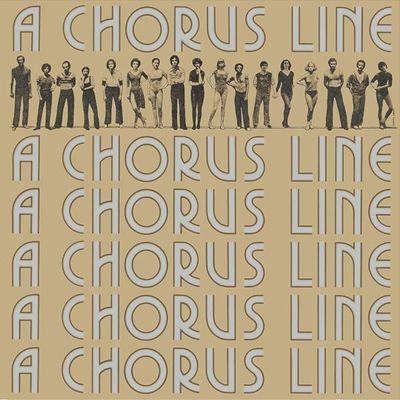
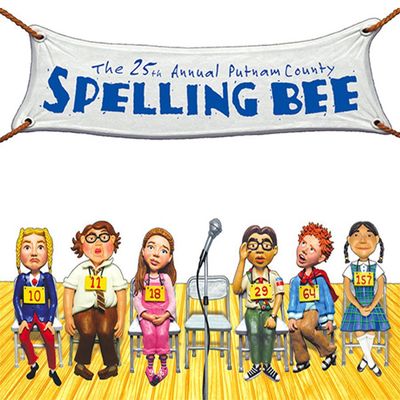
[3:10] Sandy Gooen: Oh, gosh. So it happened in three stages where I went from fan to this is my career, this is my future. When I first saw A Chorus Line on Broadway, my dance teacher was in it at the time. And I felt very much drawn to the making of the art after seeing that show. Then I saw Spelling Bee and I started to feel like I saw people like me on stage, people who are a little weird and funky. And I was like, oh, there's a place for me here. And then I saw Billy Elliot and I said, I have to audition. And I did. And I felt like there was no option for me but to get involved after that point when I was about 11. So that was when I really felt like we're done looking for other jobs. This is the job. I love it. I love it.
[4:20] Martín Acuña: But you auditioned for Billy Elliot?
[4:22] Sandy Gooen: No. I auditioned for the show. It's confusing because the title character is the name of the show. But no, I did not audition for the character of Billy. I auditioned for the Ballet Girls for about a year because I transitioned when I was 19. So my whole youth acting career was mostly, I like to joke that I played little girls, animals, and then old women. And then I switched back when I was transitioning to playing little boys. So I've kind of gone in all directions as an actor.
[5:01] Martín Acuña: But that's amazing. I mean, the experience and baggage that gives you is incredible. I played a 12-year-old boy when I was 21. And it was quite an informed performance. I think the most dramaturgy work that ever went into a Pugsley Adams, I think.
[5:23] Sandy Gooen: Let me tell you, I played Gomez in college and I was 25. And that was the first, only, and last time I'm going to grow a mustache. Like a natural mustache. Everyone thought it was fake and started picking it and it was hurting. And I was like, could everyone stop picking my mustache? It's real. And everyone was like, no, it's not. It's glued. And I'm like, no, it's real. It's my hair. But yeah, anyways, I love that. I love those three shows. Specifically Billy Elliot for me, it changed the way I saw ballet. I never saw it on stage. I only saw the pro shot version from the West End. And it changed the way I was dancing. I was taking a ballet course in college at that time when I saw it. And I was just like, something clicked. So I love that with those three shows, something in you also clicked.
[6:34] Sandy Gooen: Yes. I felt like when you can't say something, you sing it. When you can't sing something, you dance. That thing that we always say in the industry, that made sense to me without anyone telling me that at that age, which was really exciting.
[6:55] Martín Acuña: That is incredible. So why musical theater and why Broadway? And why this big, broad scope of things that you do? Because you have this big branch in performance that includes acting and dancing. You also have this branch in composition. You also have this other branch in writing. So why musical theater?
[7:19] Sandy Gooen: So I've done a little bit of work in writing and performing in other fields, but musical theater always draws me back because it marries so many art forms. And because I have the background in all these art forms, it really, that relationship between all of these pieces really speaks to me. A lot of my very close friends are choreographers and we talk all the time about the relationship between music and dance and how those two things really are the same thing, just different presentations of it because the music is expressed on the body through dance. So I feel like those two things go together so naturally. And then musical theater, it's just my favorite form of storytelling. And I think all the different things I do are just different approaches at storytelling.
That's what I think everyone who is part of the creative process really is doing. I mean, directors don't get up there and sing. Directors don't typically write, but they are a huge part of the storytelling process. I think everyone finds their road in. And I think also based on who else I'm working with, because collaboration is a huge part of this art form, my relationship to the people I'm working with also really does determine what role I take on.
[8:57] Martín Acuña: I love that. I love that. And collaboration in musical theater and theater in general is key. You are always working hand in hand with someone else that either gives a lot or takes a lot from the story. And that is like a big key factor. So you just mentioned like your childhood journey into the industry, but how would you summarize it all now that you are working constantly in your background?
[9:23] Sandy Gooen: Yes, I would say that I did a lot of performance and training. I pivoted to more of a teacher role in my mid-teens. I began writing also in my mid-teens. I then went and trained at college. I did a lot of everything. I did music direction and literally everything, makeup, design. Right out of college, I started doing some stage managing. I really wanted to get that full experience of everything that goes into making theater so that I could have respect and understanding for what every person does. And so I've tried on a lot of different jobs. And then more recently, the music side of it, because it's what I have the most background in, has been the most steady part of my work.
[10:32] Martín Acuña: Love it. I absolutely love it. So going through different roles with all of this experience that you've had, what advice would you give to those who also want to start in this industry, that also want to be in this industry, that are either thinking of taking the leap or just starting to train or are quote unquote old enough to start in the industry? This is going to sound a little...
[11:01] Sandy Gooen: You never want to be the smartest person in the room; you always want to meet people who you can tell no more than you. First of all, it's humbling, but second of all, you will grow so much by being surrounded by people who are passionate, who care about the things that they do, and even if it's not your favorite thing, you learn so much just by being around them, and sometimes that becomes your favorite thing. I mean, I did costuming in undergrad; I never thought that costuming, and I also did prop shop one semester. These are things that I never assumed I would be doing, and they're not probably gonna be my long-term job. There are things that I have gained a new level of insight and respect for that I wouldn't get if I didn't talk to these people who are experts in their area and meet people who care about stuff.
That's really the thing because if you have a drive to get into the theater, it's clearly because you like it. So finding other people who like it, even if it's not exactly your specific area, I again, I do have a dance background. I would not label myself a dancer first or even consider myself a choreographer. Part of the reason why I spend so much time with choreographers is because they have just such a different learning style than me, and we kind of complete a puzzle together. This whole thing about collaboration and finding ways to meet people who see the world differently from you, just generally, is something that will benefit you as a theater artist. Plus, their brains function so differently, like, so differently.
Like, it's movement first. Well, I'm never a dancer first either, not less a choreographer, but I've had my dance training. But I come from the theater world and even the choir world that is super static, and you just stand up and sing. So my brain works differently, and dancers think movement first, and then the rest comes. Personally, as a performer, I have to think a lot of other things first rather than movement and then incorporate movement. So yes, that is on point.
[13:39] Martín Acuña: Yes, so tell us what are you doing right now? What are you up to? You just mentioned that you were back in Boston.
[13:47] Sandy Gooen: I'm also currently a couple of things. I've been working on a musical; that's part of why we started talking is because I've been workshopping and rewriting a musical called "Twink Piece." It's very similar to the concept musicals of the 1970s. It explores relationships to appearance and identity and how we, you know, prejudice judging before knowing that idea within queer spaces. That's one thing. And then the other, like you mentioned, I do advocacy work. I am the founding artistic director of Tempo, which is the trans and expansive music professional organization. You know, like I was saying at the beginning, there's just not a lot of representation of a lot of different people in our industry, and music seems to be a very slow-moving branch, especially for change, especially because the process for hiring subs and, you know, coordinating music contracting.
You hire your friends; there's no audition, there's no interview. You only go based on who you know. And so organizations like Tempo and prior to us, there's been Maestra and Muse, which are more focused on women and musicians of color. There's no way if there's a database, if there are networking events to say, "I don't know anyone else besides my friends who are white men." You can't say that anymore if you meet people. And so not letting people remain in their little bubble anymore is really part of it. The other part is skill building and giving opportunities to continue to grow as artists, so that's really the advocacy work that I'm about right now.
[16:00] Martín Acuña: I know that I am NOT in any position to say thank you, but thank you because my last season was all about representation and visibility about Latin people on Broadway and in the musical theater industry. But the work that you're doing in advocacy, I know it's very meaningful for a lot of young people that haven't been able to feel or to see themselves in a lot of positions, not only the actors on stage. So yeah, the work that you're doing is making a really big impact, and we'll keep doing it. And I'll say similarly, I will never equate the two, but I will say that, you know, there are a handful of Latin music directors and musicians that are working on Broadway, but it's really only a small community.
And so Muse is super important because while there are shows where there are actors on stage, music for really everyone except for white men, it's like every other group is still really trying to get their foot in the door still in music. It's the numbers, the statistics are by far the worst at that in directing. They are shocking if you ever look at them. They're just very, and I won't say shocking isn't surprising because we know what people are always in the room, but shocking isn't disappointing.
[17:49] Sandy Gooen: I haven't heard. Okay, so we had a developmental reading at the end of August, and then I have been continuing to do rewrites and check in with other, you know, artists, collaborators, people whose input I'm getting as I rewrite a song here and there or I want to hear, you know, this line in a person's voice there were a group of actors that were kind of handpicked to do that reading, and they really are impacting the voices of the characters that were already pre-made. I will shout out especially because now they just finished up their run with "Cursed Child," Brady Dalton Richards, very, very talented person. I obviously will always keep my doors open to new actors for things, but like the way that they inhabited the role that they were playing, I was able to get a much fuller picture of the person. I would say the same is true for a lot of the other actors and just sort of playing with what it sounds like in different people's voices because I always want my characters to feel lived in.
[19:18] Martín Acuña: I absolutely love that, and I know that it's gonna be amazing. Please let us know how it goes, what we can do to boost your show to shout it out.
[19:32] Sandy Gooen: Thank you because it's gonna be amazing, and I'm really, really happy. Before we close, our last question would be, which are your top five musical theater shows?
[19:41] Sandy Gooen: All right, that's a really hard question, and I've prepared because it's like, it depends on the day, but it really also doesn't. It's funny. I will say that I'm also tomorrow night, my first performance here, we're doing like a whole music of Bill Finn show, and "Spelling Bee" is my favorite show still to this day because of the empathy I had for those characters. So I would say "Spelling Bee" is number one, and then it kind of gets a little muddy from there. But I also, of course, have a place in my heart for "A Chorus Line" and "Billy Elliot," as I mentioned. Two other shows that are really impactful to me in my day-to-day basis are "Ragtime" and "Runaways." A lot of people don't know "Runaways."
It was one of the first musicals that was solely written by a woman on Broadway, and it's wild. It's in three languages: English, Spanish, and American Sign Language. It's based on field recordings of actual teenagers who are experiencing homelessness in New York City. It's a cool show; I recommend it.
[21:00] Sandy Gooen: Yeah, it's amazing, amazing, amazing, and that storytelling through three languages is just impactful, and I think that's where the future may lie. Each day we're seeing either more productions incorporating several languages, more accessibility options, and I think that's where we're moving towards, and I'm happy.
[21:27] Martín Acuña: Sandy, thank you so much for being here, for sharing your story, your journey, your thoughts. I'm really happy to have you here, so thank you so much.
[21:40] Sandy Gooen: Thank you.
[21:45] Martín Acuña: Thanks everyone for listening to this new episode of Backstage Talk. Remember to follow us on Facebook and Instagram at Backstage Talk Podcast.
© Broadway Podcast Network, All Rights Reserved