

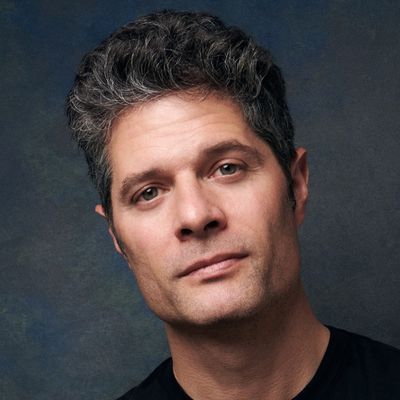
Tom Kitt’s got something cooking in Hell's Kitchen with Alicia Keys. The Pulitzer Prize winning composer of Next to Normal discusses working with everyone from Alanis Morrissette (Jagged Little Pill), The Go Go’s (Head Over Heel), Green Day (American Idiot), and Lin-Manuel Miranda (Bigger)... Read More
From the show: Behind the Awards with Eila Mell & Bruce Gotlieb
Guests
Featured Shows
About
Tom Kitt’s got something cooking in Hell's Kitchen with Alicia Keys.
The Pulitzer Prize winning composer of Next to Normal discusses working with everyone from Alanis Morrissette (Jagged Little Pill), The Go Go’s (Head Over Heel), Green Day (American Idiot), and Lin-Manuel Miranda (Bigger). Tom shares the journey of Next to Normal from its infancy as a 10 minute musical class assignment with Brian Yorkey. Tom Kitt recounts working with an array of recording artists to bring Spong Bob Square Pants to Broadway and the thrill he had working with a James Lapine on Flying Over Sunset.
Also in this Episodes - Shemar Moore announces Susan Lucci’s iconic Daytime Emmy win for Best Actress after 19 nominations.
Eila & Bruce delve into an already packed 2024/2025 Broadway season which they are dubbing the Kenny Leon Season. Highlights include; Othello starring Denzel Washington & Jake Gyllenhall, Sunset Boulevard starring Nicole Scherzinger, and Elton John’s Tammy Faye.
Tom Kitt is a two-time Tony, two-time Emmy, Pulitzer Prize and Grammy Award winner. As a musical theater composer, he has written the music for six Broadway shows: Next to Normal (Tony Award), If/Then (Tony Nomination), Flying Over Sunset (Tony Nomination), High Fidelity, Bring it On, The Musical, and Almost Famous. His work for the stage has also been seen Off Broadway at 2nd Stage (Next to Normal, Superhero), The Public Theater (The Visitor, Shakespeare in the Park) and he has worked at some of the most prestigious regional theaters including The Old Globe, Arena Stage, Berkeley Rep, The Signature Theater, and ART. In addition, Tom’s Broadway credits as an orchestrator include: Next to Normal (Tony Award), The SpongeBob Musical (Tony Nomination), Jagged Little Pill (Tony Nomination), Almost Famous, Head Over Heels, Everyday Rapture, and American Idiot.
Tom has also been active in the world of film and TV. As one of the vocal arrangers working on the Pitch Perfect films, Tom most notably helped create the classic “Riff-off.” Tom also served as music supervisor/arranger/orchestrator for Grease Live and contributed songs for Royal Pains and Penny Dreadful. He also provided music supervision for the NBC series, Rise and has written numerous songs for Sesame Street. And he is known for his two original opening numbers for The Tony Awards, Live in 2019, written with David Javerbaum for James Corden, and the Emmy Award winning, Bigger in 2013, written with Lin-Manuel Miranda for Neil Patrick Harris. Tom is also proud that his musical adaptation of Freaky Friday, co-written with Bridget Carpenter and Brian Yorkey was turned into an original movie musical for Disney Channel. Most recently, Tom served as a Supervising Music Producer on the new Bobby Lopez/Kristen Anderson-Lopez/Steven Levenson/Thomas Kail musical television series, Up Here.
As a recording artist/producer, Tom has worked on numerous original cast recordings, winning a Grammy award for his work on Jagged Little Pill. In 2019, he was signed to a recording contract with Sony Masterworks, and his debut album, Reflect featured a number of brilliant Broadway artists with whom Tom collaborated to create a song cycle touching on the challenges brought on by the pandemic. One of Tom’s compositions, She Has Hope was co-written with Danny Burstein and his late wife, the brilliant and gifted artist, Rebecca Luker. Featuring Brian D’Arcy James on vocals, a video of She Has Hope was filmed in 2021 in collaboration with Project ALS to bring more awareness and support to finding a cure. Reflect was also chosen by the Library of Congress to be featured in an exhibit showcasing art created during the pandemic.
Make sure to check out Eila's book, "The Tony Awards", and all her other amazing books: https://amzn.to/43WMu5Y.
Connect with Eila and Bruce:
- Instagram @behind_the_awards
- Eila @eilamell
- Bruce @cominghomewithbruce
Transcript
This transcript was automatically generated and might contain errors.
[0:00] Bruce Gotlieb: And the outstanding diva is the streak is over, Susan Lucci.
[0:19] Eila Mell: And the crowd goes crazy.
[0:21] Bruce Gotlieb: For minutes on end.
[0:23] Eila Mell: I mean, outstanding diva that makes me laugh.
[0:26] Bruce Gotlieb: Right, not just lead actress in a drama series.
[0:29] Eila Mell: They had to make it dramatic.
[0:31] Bruce Gotlieb: It was 1999, you know.
[0:33] Eila Mell: Things were dramatic.
[0:34] Bruce Gotlieb: Yeah, it was the daytime Emmys.
[0:36] Eila Mell: So hello and welcome to Behind the Awards.
[0:39] Bruce Gotlieb: I'm Bruce.
[0:40] Eila Mell: I'm here with Bruce.
[0:41] Bruce Gotlieb: How are you, Bruce?
[0:42] Eila Mell: I'm wonderful, and that I just feel invigorated listening to Shemar Moore after 19 nominations give Susan Lucci her moment.
[0:52] Bruce Gotlieb: Finally.
[0:59] Eila Mell: Right, like they're, you know, oh, it's our time.
[1:02] Bruce Gotlieb: We get to give it to Susan Lucci again.
[1:04] Eila Mell: Stick it to her again this year.
[1:07] Bruce Gotlieb: So she always had a good sense of humor about it, Susan Lucci.
[1:11] Eila Mell: She did.
[1:11] Bruce Gotlieb: She, I thought, handled herself very in a really classy way.
[1:16] Eila Mell: You know, she laughed at it because I feel like otherwise you're gonna cry.
[1:20] Bruce Gotlieb: Well, she really at that point.
[1:22] Eila Mell: But she had to take it, you know, with a grain of salt because what was she?
[1:27] Bruce Gotlieb: The top-paid actress on daytime.
[1:29] Eila Mell: So she was doing fine.
[1:31] Bruce Gotlieb: Yeah, nothing to cry about.
[1:32] Eila Mell: Yeah, no one was crying for Erica Kane.
[1:34] Bruce Gotlieb: No, not at all.
[1:36] Eila Mell: So I was thinking we are in the throes of awards, you know, award season.
[1:43] Bruce Gotlieb: Um, but then on top of that, yeah, we're getting all this news about next season shows.
[1:48] Eila Mell: Oh my gosh, I know.
[1:49] Bruce Gotlieb: I know.
[1:49] Eila Mell: Already don't have time to see this season's shows.
[1:51] Bruce Gotlieb: Well, make time because there's a lot of good stuff coming.
[1:54] Eila Mell: I know.
[1:55] Bruce Gotlieb: I know.
[1:55] Eila Mell: I'm already way ahead of myself, but it's so much fun.
[1:58] Bruce Gotlieb: It is fun, and we're trying feverishly to see as much as possible whether it's together or separately.
[2:03] Eila Mell: Like we have to cover a lot of ground.
[2:06] Bruce Gotlieb: So divide and conquer.
[2:08] Eila Mell: Save yourself.
[2:08] Bruce Gotlieb: You go see what you have to say, and I will do the same.
[2:11] Eila Mell: So next season, a friend of yours, I will be so inclined to say, Kenny Leon, it's like his season.
[2:18] Bruce Gotlieb: Oh my gosh.
[2:19] Eila Mell: So I love Kenny Leon.
[2:20] Bruce Gotlieb: He is featured in two of my books in Designing Broadway and in the Tony Awards book.
[2:27] Eila Mell: Yeah, and he hosted our launch party for Designing Broadway.
[2:32] Bruce Gotlieb: So I do really love Kenny Leon.
[2:34] Eila Mell: Um, and he's just such a great director.
[2:37] Bruce Gotlieb: He's dominating next season.
[2:38] Eila Mell: He's got Home, he's got Our Town with an incredible cast.
[2:43] Bruce Gotlieb: He's got Othello with just maybe the best cast in the world with Denzel Washington and Jake Gyllenhall.
[2:49] Eila Mell: I mean, get the tickets as soon as they go on sale because they won't be available.
[2:53] Bruce Gotlieb: That's what I'm gonna do.
[2:54] Eila Mell: So any show, because they work together often, Kenny and Denzel Washington are doing together is a must-see for sure.
[3:02] Bruce Gotlieb: Yeah, I mean, you can't get much better than that.
[3:05] Eila Mell: I know, and then so on top of that, you have Ben Platt has a residency, he's doing it at the Palace.
[3:11] Bruce Gotlieb: I mean, that's amazing.
[3:13] Eila Mell: We have to get tickets for that as soon as we're gonna be able to get it.
[3:15] Bruce Gotlieb: It's gonna be a great show.
[3:16] Eila Mell: Yes.
[3:17] Bruce Gotlieb: Um, you have Forbidden Broadway's coming back.
[3:20] Eila Mell: That's so much fun, which is gonna be a lot of fun.
[3:22] Bruce Gotlieb: They've been around forever.
[3:24] Eila Mell: Forever.
[3:24] Bruce Gotlieb: And they always have, or shouldn't say always, in recent incarnations, they've had little, you know, taglines.
[3:31] Eila Mell: So this one, if you didn't know, is Merrily We Stole a Song.
[3:36] Bruce Gotlieb: That's great.
[3:37] Eila Mell: So that'll be fun.
[3:38] Bruce Gotlieb: Yeah.
[3:39] Eila Mell: So yes, so Sunset Boulevard with Nicole Scherzinger goes.
[3:42] Bruce Gotlieb: That's coming from London.
[3:43] Eila Mell: Getting great reviews in London.
[3:45] Bruce Gotlieb: She's up for an Olivier.
[3:47] Eila Mell: Uh yeah, it looks insane.
[3:49] Bruce Gotlieb: It's directed by Jamie Lloyd, who has, you know, his own vision for doing shows, you know.
[3:56] Eila Mell: Um, that'll be really interesting.
[3:58] Bruce Gotlieb: It's definitely a reimagining of Sunset Boulevard.
[4:00] Eila Mell: Yes.
[4:01] Bruce Gotlieb: And it's super buzzy.
[4:03] Eila Mell: Yes.
[4:03] Bruce Gotlieb: So I think that'll be fun.
[4:05] Eila Mell: Yeah.
[4:05] Bruce Gotlieb: And now you're saying, which is also Death Becomes Her, uh Megan Hilty and Jennifer Samart.
[4:10] Eila Mell: I mean I hear it's hilarious.
[4:15] Bruce Gotlieb: It looks like it's gonna be a really just musical comedy at its best.
[4:20] Eila Mell: So it's gonna be in Chicago this summer.
[4:23] Bruce Gotlieb: So if anybody wants to see it, they should, you know, if you're in Chicago, go see it and then let us know how it is.
[4:29] Eila Mell: Yeah, it's a lot of fun.
[4:31] Bruce Gotlieb: Only done it a couple of times, but I've enjoyed being able to see an out-of-town and then seeing it once it comes to Broadway.
[4:38] Eila Mell: I've never done that.
[4:39] Bruce Gotlieb: Just because inevitably things change.
[4:41] Eila Mell: You know, not only casting could change, but stories, songs, songs were there, they're now they're not, you know.
[4:47] Bruce Gotlieb: It's very interesting to kind of watch it unfold.
[4:50] Eila Mell: I want to do that with Queen of Versailles this summer.
[4:53] Bruce Gotlieb: I'm thinking of that, yeah.
[4:55] Eila Mell: Why not?
[4:56] Bruce Gotlieb: So think about taking a trip.
[4:57] Eila Mell: Okay.
[4:58] Bruce Gotlieb: Um, what else do we have?
[5:00] Eila Mell: We have Tammy Faye coming.
[5:01] Bruce Gotlieb: Oh my gosh.
[5:02] Eila Mell: Elton John's musical.
[5:05] Bruce Gotlieb: So Tammy Faye with the music of Elton John.
[5:08] Eila Mell: That's perfect.
[5:09] Bruce Gotlieb: You can't.
[5:10] Eila Mell: And Andrew Rannells is playing Jim Baker, right?
[5:12] Bruce Gotlieb: Yes.
[5:13] Eila Mell: And who's Tammy Faye? Do we know?
[5:15] Bruce Gotlieb: I know she's known in England, but I uh Katie Braben.
[5:18] Eila Mell: Okay.
[5:19] Bruce Gotlieb: So tons of new stuff.
[5:21] Eila Mell: Ugh, yeah.
[5:22] Bruce Gotlieb: I can't wait.
[5:23] Eila Mell: So we could spend hours talking about this, but we don't want to because we have an incredible guest.
[5:28] Bruce Gotlieb: An incredible guest who has had his hand in a bevy of productions.
[5:35] Eila Mell: I know.
[5:35] Bruce Gotlieb: I mean, he's got a Pulitzer Prize.
[5:39] Eila Mell: He's got an Emmy.
[5:41] Bruce Gotlieb: He's got at least two Tonys.
[5:44] Eila Mell: He's got a Grammy.
[5:45] Bruce Gotlieb: He's missing the O.
[5:47] Eila Mell: He's right.
[5:48] Bruce Gotlieb: He's in Egot.
[5:50] Eila Mell: Without the O.
[5:51] Bruce Gotlieb: He's not an E-got.
[5:53] Eila Mell: But he's really close.
[5:54] Bruce Gotlieb: I mean, all he needs to do, and maybe he has something in the works for like a movie score.
[5:59] Eila Mell: Well, he probably does.
[6:00] Bruce Gotlieb: He's so busy.
[6:01] Eila Mell: That's right.
[6:02] Bruce Gotlieb: So we have Tom Kitt here today.
[6:04] Eila Mell: Tom Kitt, who is so sweet, so talented.
[6:07] Bruce Gotlieb: I mean, he wrote Next to Normal, he and Brian Yorkey.
[6:11] Eila Mell: So I mean just that alone would be enough of an accomplishment.
[6:14] Bruce Gotlieb: Right.
[6:14] Eila Mell: But he's working on Hell's Kitchen right now.
[6:17] Bruce Gotlieb: Yep.
[6:17] Eila Mell: Which I can't wait to see.
[6:19] Bruce Gotlieb: I can't either.
[6:19] Eila Mell: He's done American Idiot.
[6:21] Bruce Gotlieb: He's been worked with Lin-Manuel Miranda.
[6:24] Eila Mell: I know.
[6:24] Bruce Gotlieb: He did, well, he wrote Bigger, which we will talk with him about.
[6:28] Eila Mell: Um, the best Tony moment, I think.
[6:33] Bruce Gotlieb: Um, yeah, SpongeBob.
[6:35] Eila Mell: You name it.
[6:36] Bruce Gotlieb: I feel like he's had, you know, it's like, you know, six degrees of Kevin Bacon.
[6:40] Eila Mell: It's like six degrees of Tom Kitt.
[6:42] Bruce Gotlieb: Yeah.
[6:43] Eila Mell: Jagged Little Pill.
[6:44] Bruce Gotlieb: Yeah.
[6:45] Eila Mell: I mean, yeah, we could go on.
[6:47] Bruce Gotlieb: Let's just get him out here.
[6:48] Eila Mell: Okay.
[6:49] Bruce Gotlieb: All right, let's talk to Tom.
[6:50] Eila Mell: Perfect.
[6:53] Bruce Gotlieb: We are here with Tom Kitt.
[6:55] Eila Mell: Tom, welcome to Behind the Awards.
[6:57] Tom Kitt: Thank you for having me.
[6:59] Eila Mell: We are so excited to have you.
[7:01] Bruce Gotlieb: Now we hear a little noise in the background. Can you tell us where you are and what that is?
[7:06] Tom Kitt: Yes, I am at the Schubert Theater. Um, we are on our breakfast, uh, working on Hell's Kitchen. We're in previews. We have, uh, what's called a continuity call tonight at uh 6:30, which means we're bringing in the orchestra to go through some uh revisions for the show that we're putting in for the first time tonight.
[7:24] Eila Mell: Well, that's pretty exciting.
[7:25] Tom Kitt: And the buzz around the show is, you know, palpable.
[7:28] Eila Mell: It's so exciting.
[7:29] Tom Kitt: You know, you're sometimes you're in a little bubble and you don't, you're just feeling what you hear in the theater every night.
[7:37] Eila Mell: Certainly you can hear the company's very happy.
[7:40] Tom Kitt: We can.
[7:41] Eila Mell: So that's it. Um, but it's always nice to hear that the buzz is great.
[7:45] Tom Kitt: Yeah, wonderful.
[7:46] Eila Mell: Is Alicia Keys around a lot?
[7:48] Tom Kitt: She is, yeah. Yeah. It's been wonderful, wonderful to work with her. Adam Blackstone, the music supervisor. It's a wonderful group. And, um, from the beginning, it's just been such a joy and a learning experience, and um, it's been inspiring every step of the way.
[8:02] Eila Mell: Well, I mean, you've had so many incredible collaborations. I can't even believe it.
[8:05] Tom Kitt: I feel pretty lucky, yeah.
[8:08] Eila Mell: Yeah, for a kid that grew up with, uh, rock stars, you know, posters on the wall and dreamed one day that I'd get to play in that arena. Um, it's always a pinch-me moment that you find yourself in the room with these great artists.
[8:21] Bruce Gotlieb: So growing up, what was the dream?
[8:23] Tom Kitt: Growing up, the dream was, uh, well, I started out as a classical, classically trained pianist from the age of four, playing recitals and writing classical pieces. And then when I was, I would say about 11 or 12, I discovered the early albums of Billy Joel, which, um, are some of the most beautiful piano I think songs ever written. They just spoke to me right away, and that led to Elton John and the Beatles and Bruce Springsteen and Simon and Garfunkel, and I just was immersing myself in any sort of singer-songwriter material that I'd be able to go and exact on the piano. I also got into, I was at a wonderful camp and I was put into a blues band so I started to also, I was playing Otis Redding and Sam Cook and Sam and Dave, and that was, uh, I started to learn to improvise in solo, um, and that was an amazing experience for me as well. Um, it's which is a scary thing when they suddenly take the music away from you and say okay make it up in the moment.
[9:25] Eila Mell: Well I was gonna say you're so used to reading music and playing that way.
[9:29] Tom Kitt: As a classical pianist, yeah. Um, but because I've been playing by ear from an early age, um, it was natural to improvise and start to compose. All of that influence made me want to be a recording artist and write songs and make albums and tour the world. And when I got to college, that's where I met my wife Rita Piacopinto and she introduced me to Brian Yorkey and suddenly I had a new passion which was to write for the theater.
[9:57] Eila Mell: Do you remember your first theater, like either going to see a show or that first moment where you were like oh wow yeah this is this is where I want to be?
[9:57] Tom Kitt: I always remember the experience being at, um, a wonderful summer program. It's called Interlochen and it's up in Michigan and it's a program for, uh, not just pianists, basically artists, um, dance, theater, classical performance, jazz. It's, um, it was a great two months of my life and I remember seeing the production that they did the summer I was there, which was 1990, was Cabaret, and I'd never seen Cabaret before. And I was just kind of devastated by it, but also invigorated by how theater could tell that kind of story. Because up to that point, theater had been matinees with the family, and really for the sort of enjoyment. Um, and this was a different kind of enjoyment. This was enjoyment in something that was so visceral and dramatic.
It just, I didn't know theater could unnerve you in that way and invigorate you at the same time. So, um, and then a couple of years later, I was in my high school production of Into the Woods. So I look at those two experiences as being formative for me and really laying the groundwork for something like Next to Normal.
[11:17] Eila Mell: Mm-hmm. Yeah. Well, had you been familiar with Kander and Ebb before you saw Cabaret?
[11:24] Tom Kitt: Um, you know, theater for me at that point, I wasn't as, I was familiar definitely, just because, um, I have an older brother and sister, and my sister, uh, is an opera singer and we would perform together, and she would, she actually introduced me to musical theater as well because I suddenly was accompanying her on shows that I discovered through that experience. So I think I did have a knowledge, but seeing that show suddenly it was like the Billy Joel moment.
[11:52] Eila Mell: Well, I always feel like a great musical.
[11:56] Tom Kitt: Um, the music is not enough that the story also has to grab you too.
[12:02] Eila Mell: So it's the marriage of the story and the music together.
[12:05] Tom Kitt: Well, I will say that the unsung hero of any musical is the book.
[12:09] Eila Mell: Yeah.
[12:10] Tom Kitt: Um, because it really, it's what sinks or swims the musical. There's a misconception, I think to some degree about Next to Normal, for example, because we don't have, um, it's a score-heavy show. It does have dialogue, but it really leans in the score. But Brian Yorkey created a phenomenal book for that show. It's the structure, it's the characters, um, and how you really build the entire thing. Um, so I think that, um, it's exactly what you said. Story has to really come first.
[12:43] Eila Mell: And um, no matter how great you might think a song is, if it doesn't fit into the tone and the story of what you're doing, um, it's probably gonna be cut.
[12:52] Tom Kitt: And I remember being at the BMI musical theater workshop, our professor, our teacher, Skip Kennan shared with us this gorgeous Sondheim song, and we were riveted, and at the end of the presentation, he said, and that song was cut from Follies, and we couldn't believe it. But it was a great lesson of how there's what we call trunk songs, and you never know, maybe you can repurpose it for another show.
[13:16] Eila Mell: Yeah, hopefully.
[13:17] Tom Kitt: The work's already done.
[13:19] Eila Mell: Yep. Um, Next to Normal, I mean, that is just one of those shows that changed people's lives. How did that come about?
[13:28] Tom Kitt: That was, was that your class work at BMI?
[13:31] Eila Mell: It was. It was, uh, it was our, uh, the first year at BMI, uh, there are a number of wonderful assignments, but the last one is to write a 10-minute musical, which is a challenge.
[13:43] Tom Kitt: Yeah, uh, because they basically ask you to do everything that a musical does: opening number, closing, your sort of what we call the "I Want" song, where we learn about the protagonist's journey for the evening, and then there's what we call the 11 o'clock number, where they kind of sing about the catharsis of the show.
[14:00] Tom Kitt: So, how do you do that in 10 minutes? Yeah. Um but and and I didn't know what we were going to do. And Brian asked me to coffee, and then he basically pitched me the the story of Next to Normal. And what I've learned about my great friendship and collaboration with Brian is that when he has an impulse about something, I just want to get on board because he sees the world in this wonderful way that I learn about working with him. So even though I didn't quite know how that would be a musical when he told me about it, I just was excited to um roll up my sleeves and figure it out. And I think we really were ready to leave it as a 10-minute piece, but because the story spoke to us and we couldn't get it out of our brains and just every time we would think about writing, we would say, Hey, how about a how about a song for feeling electric?
That was what the show was called back then. And we just kept writing song after song after song, which which is the backwards way to do it. We ended up with a lot of songs that we had to cut because we had to, as we were talking about, then go back to our story. But it just kept speaking to us.
[15:00] Eila Mell: Did you have all the characters in the 10 minute version of it?
[15:03] Tom Kitt: Five of the six. Um and we called them, we we called them, we didn't give them names. We had uh woman and uh or we had I think we had maybe mother, father, and son and daughter and doctor. Um and I think it was Kurt Deutsch who um who one day said, You really should give them names. And we did. And um, and over the course of development process, uh actually it was working when we were working with James Lapine. Um, James suggested that we create a boyfriend for Natalie, um, for so the audience could have someone that they kind of see the show, someone who can relate to the audience outside of the of the family and have some point of view and perspective that's helpful. Um and the creation of Henry was a big discovery for the show.
[15:48] Bruce Gotlieb: That's amazing that you know, you in high school you were in Into the Woods, and then you were working with James Lapine.
[15:55] Tom Kitt: And I tell him that. And then got to work on Flying Over Sunset with him.
[16:00] Eila Mell: Yeah. Oh, that's amazing. And who did you play in Into the Woods?
[16:03] Tom Kitt: I was uh Cinderella's Prince and The Wolf. So I I jokingly went up to my friend Gavin Creel and I said, I have a few notes for you. You know, I did that track in high school. Let's talk about it a little bit. Um are there any composers that have been big influences to you, like Sondheim or, you know.
[16:23] Tom Kitt: Well, absolutely, Sondheim, um and John Cander, um Richard Rogers, Cole Porter. Also um I'm very inspired and influenced by all the great composers working in theater right now. And you go and see a musical. Um, you know, whether it's Adam Gettel or Michael R. Jackson or Lynn, you know, who I was lucky enough to get to get to work alongside of. And every time he does something, it it it blows me away. And so so you just never never stop Jason, Jason Robert Brown, not only someone who I I've uh as as as getting to be in the audience, but I also was able to work um under Jason and learned a lot just from seeing his process. Um Janine DeSori. I'm you know the problem is I start naming there there are so many.
Um I know, but I will say that that it it feels like the greatest privilege to get to be in this art form and be alongside all these great artists who are creating for the theater. It feels like theater is in one of the most exciting places in terms of the amount of shows and and how um how groundbreaking they are.
[17:32] Bruce Gotlieb: Yeah.
[17:33] Tom Kitt: Yeah, this season alone there's just so much that's like continue like Island and I were talking about it the other day, like just how much there is to see and the energy that's around it right now with while the awards nominations coming out and just things that are are unfolding. You know, you guys are on on the brink of opening. There are how many other shows that are like right there doing the same thing? It's just like the it's about to explode, you know.
[17:57] Tom Kitt: It yeah, it feels wonderful. And um, you know, hopefully the are just the the state of New York and theater, you know, it's been it's been a lot with the pandemic, and I still I still feel like we're we're coming out of that, but certainly the amount of inspiration that you see and the dedication to making great theater and and finding a way to put it into the world, that's that's that's as important as ever, especially in the world right now. Art, I think is the great um is the great way that we see ourselves and we learn and we and we find empathy um and connection. So um, so I'm I'm heartened by the fact that that people want to keep writing for the theater, want to go through all these years of uncertainty. Uh so it yeah, again, it feels it feel I feel very lucky.
[18:43] Eila Mell: Well, so you may be our most awarded guest here on Behind the Awards because I had to write it down. You have won so many awards. You have two Tonies, an Emmy, a Grammy, Peel it's surprise, Outer Critics Circle Award, and Drama Desk Award. I'm sure I'm missing some, but that's pretty impressive, Tom.
[19:06] Tom Kitt: It feels um it feels out of body when when you say that. And um that's something that certainly you dream of. Did any one award mean any more to you or change your career in any way?
[19:20] Tom Kitt: They all change your career in in in important ways. Um certainly just um and and it's you also have to know that going into it, I mean, there are we've seen many years, it's it's there's so much quality of work. So I've been nominated, I've been not nominated, um, I've lost more than I've won. Um I think when I won the the drama desk award, I think I had lost eight previous times.
[19:47] Bruce Gotlieb: Yeah.
[19:48] Tom Kitt: So um, so at the end of the day, you you just want to sort of keep it in perspective for yourself to say that that are you making great art for for what you want to do? Do you feel like you're stretching yourself? Um, but of course, a validation and and certainly because my first musical was High Fidelity, which only ran for 10 days and wasn't in consideration for really any awards. Um, I think Ana Luisos got a set nomination for the Tonys, which was so deserved. I don't know if you if anyone saw that, High Fidelity said it's it was gargantuan and brilliant. Um, I still have pictures of it uh in my mind. But um, but then the following following show was next to normal. And to have that kind of attention and feel like you're not just I I sort of use the analogy of a of a minor league baseball player who gets called up to the majors, and you don't get called up them to the majors to go oh for four.
You get called up to go three for four with a home run and a double, and and then you feel like you're staying there. And after high fidelity, I wasn't sure if I was gonna be able to stay in this life and and the next normal happened, and that that changed it. And certainly the Pulitzer Prize is something that you think will never happen to you. And I still can't believe it happened to me. So I think that's the one that that truly um felt like um like an unbelievable moment for Brian and I. And then you go and you receive the award, and you're amongst all of these great writers throughout all different forms of writing, whether it's journalism, classical music. It was just an honor to be amongst such greatness, and I'll never forget that experience.
[21:19] Eila Mell: Yeah, that is a pretty heavy award. That's really amazing, I think. I have to I was gonna say it was it was another friend who has one. And yeah, it's crazy just to see it on the shelf.
[21:30] Tom Kitt: Well, it was it was a great full circle moment for Brian and I because you get it at Columbia, which is where we met.
[21:36] Eila Mell: Oh, wow. So can you tell me again? Because the last time we spoke, you told me a story about how there was a kid who had seen Next to Normal who came up to you and told you what it meant to him. Do you know the story I'm talking about?
[21:50] Tom Kitt: I do, yes. We were in previews and um I think he was a teenager. Um, approached Brian and I. Uh, he had sort of lingered after we uh when when you're in previews, you have production meetings. So um, so we had our production meeting, and Brian and I was kind of getting ready to head home and we saw this teenager and he came up to us and asked if we were the writers, and we said yes, and he said, I want to thank you for Next to Normal. Um, I was diagnosed bipolar about six months ago, and um I feel like I have something now that I can sh point to and show my my friends and family and say this is this is in the realm of what I'm experiencing. So we were incredibly grateful to him for sharing that with us, and it also made us feel like um what we were doing was having an impact and um and going back to the things that influenced me and made me want to do this. That was that's the dream. The dream is to make art that that um will speak to people and might affect them in positive ways as they go through the challenges of the day-to-day.
[22:49] Eila Mell: Yeah, well, that's what I meant when I said, you know, that show changed people's lives because it, you know, at least for this person, it it seems like it was the first time he saw himself represented.
[23:00] Tom Kitt: Yeah, yeah. And that meant a great deal. And so I tell that story a lot. Brian and I both tell that story because it was also uh obviously uh I'm I'm I feel very lucky that it went the way it did. But being in previews at that moment, there was a moment that we did feel this is everything. And however it goes, being given this moment makes it feel like it the the whole gesture of the show um was was was worth all the ups and downs in the years. And you were talking about validation before, and that you know, this does it, it's you know, like the universe's way of telling you that you are like it's like okay, you're telling the story correctly, you know, not that good or bad, it's being told the way that somebody who is f who's physically experiencing it, you know, putting their stamp on it to say this is this is what it is.
[23:48] Tom Kitt: Yes, yes, and that was heartening and it and was very meaningful to Brian and I.
[23:53] Bruce Gotlieb: We'll be right back. We have to listen to some commercials.
[24:00] Eila Mell: So you and Brian are both featured in my Tony Awards book. Uh so I have to tell you that bigger is one of my all-time favorite moments from any Tony show ever.
[24:14] Tom Kitt: And for you know, those who don't know, it Neil Patrick Harris performed this number.
[24:18] Eila Mell: And it was just this incredible number that you wrote with Lynn Manuel Miranda.
[24:24] Tom Kitt: Um, so I got Lynn's story about that in the book and Neil's, but I would love to hear your story. How did that come about?
[24:32] Tom Kitt: Well, never forget first the phone call from Lynn asking me, inviting me into this. And I said, Of course, where do I show up? And then we started to meet with uh we have some conversations with Neil, and I think Lynn and I we were brainstorming and and and Neil would just say, Guys, it's bigger. It's bigger. And it wants to be this. And he would go, and I was like, okay, I I get that. Like we're thinking too hard about this. And then we just started going into it. And we we we create Neil and Lynn were were meeting, and um, we would come into the um to the office and we would talk through some ideas. And um, I can't remember who I think I may have pitched the idea because we were talking about starting in the realm of another show, and I had talked about why don't we start in once and and uh and and trying to evoke kind of a folk rock vibe that's gonna be completely masking where we're going.
And I remember Lynn sending me voice memos of the lyrics, and I just sat down. I think I wrote the the the verse, the opening verse first and sent it to him, and then he sent me the basic form of the verses, and we just started building, and it was it was like a team effort. Everyone would just kind of add on, and we're gonna do a magic trick. We need, you know, I needed to create that kind of showbiz music that brings the dancers on. So I did that, and then I said to Lynn, I think we could use a bridge, maybe a little palette cleanser, and so we created that, and it was just it was so wonderful, like from beginning to end. It was a magical experience, and it never really I think it we had a dress rehearsal the morning of, which of course you do with the Tony Awards.
Yeah, um, they were rehearsing in a studio for for uh a few weeks, but I don't think it ever went perfectly until the night of the show. The night of the Tony Awards is actually the one time everything went exactly to plan.
[26:20] Bruce Gotlieb: So how scary.
[26:22] Tom Kitt: Another universe moment.
[26:24] Bruce Gotlieb: Wow.
[26:26] Tom Kitt: And so was there a magic trick in it because it was Neil performing it?
[26:30] Tom Kitt: I think so. And I think also, you know, Pippin was that year, so it was another shout-out to Steven Schwartz. Um, I also have to give a major shout out to Michael Sterabin, who orchestrated that because I have a piano vocal and he's seeing where I'm going and I I write the song, but then all the bells and whistles, all of the huge, wonderful, satisfying showbusy parts and the build. Um, you know, Michael just hit it out of the park.
[26:55] Bruce Gotlieb: So you are also an orchestrator. Did you not have time to do it yourself for that? Is that why Michael came on?
[27:00] Tom Kitt: Well, sometimes also you need you need collaborators. You you you've taken it as far as you can to a certain extent. You know, you've the the gesture of just creating the song. I spent weeks honing it and adjusting it, and we would add in new sections and the tempo would change. And then after all of that, you just kind of want to hand it off to someone and say, now you go. You know, and what a great collaborator.
[27:28] Tom Kitt: Exactly. And I've I felt both ways about it. Almost famous, for example, was something that because those songs that I I was writing with Cameron Crow came with such a specific tonality, yeah, and I was um and and a sort of rock moment, a rock artist.
[27:43] Tom Kitt: I was so interested to see what Michael would do on top of what I had already done. And this was similar. I knew that Michael was gonna be perfect for it, and I just wanted to sit back and let someone else run with it. Well, he could do anything. I mean, he was one of those people who growing up, you just saw his name in like every playbill for every show you went to. I remember being in the car and listening to the Sunday in the Park with George orchestrations just before we were starting on Next to Normal, and I couldn't believe that I was gonna have Michael work on my music.
[28:20] Eila Mell: Yeah, that's pretty incredible. What do you learn from your collaborators?
[28:23] Tom Kitt: You learn about process. I learned, I mentioned Jason, but another very important collaborator, Alex Lackamore, who I met on something he was doing. I worked as a musical director, and then Alex and I worked on If/Then together and Bring It On together. And Alex also worked on Next to Normal for a few years.
[28:43] Bruce Gotlieb: Oh, I didn't know that.
[28:44] Tom Kitt: And just watching his process and his attention to detail, never leaving any stone unturned, that was hugely impactful on me. But it's always interesting to see where different writers find their inspiration and how they'll make a moment happen. In BMI, for example, we would all have to write for the same assignment. And another composer we were talking before, a great friend and someone who I've been hugely inspired by is Bobby Lopez. Bobby's work with Jeff and Bobby's work with Kristen Anderson Lopez, and of course, with Mastone and Trey Parker on Book of Mormon, you know. Bobby's just one of those people who can do anything. And so watching what Bobby would do with the same assignment that I was working on at BMI, I just learned from how he would approach something.
And I got to also work alongside Bobby on a musical show that he and Kristen created called Up Here. I got to orchestrate Bobby's compositions, and so just seeing how he writes was a learning experience for me. So really, everybody has different experience and a different tonality. And the more you kind of, even when I was working as an accompanist and getting a chance to play different music, that was hugely impactful. Working here now in Hell's Kitchen with Alicia Keys and her great writing, that has been impactful on me. And that happened with Alanis and Green Day and the Go-Go's and all the great artists on SpongeBob. So you're just never learning. I mean, you're never stopped. You never, you never done learning, I should say.
[30:17] Bruce Gotlieb: So you're kind of a rock star for any household that has kids in it because of your work on SpongeBob.
[30:25] Tom Kitt: Um, I hope so. What a massive effort. So where how much of a role did you play in getting all those artists? Because how many different artists were on that show?
[30:38] Tom Kitt: So many. I think 15 is the number. I'm sure if I count them, I'd be off by a couple. But that is Tina Landau and Kyle Jarrow, who wrote the book, Doug Cone at Nickelodeon. I'm sure there are many others, but I just remembered when I came into it, Tina and Kyle had presented this concept for the show, and Tina kind of dreamed up she would just come up with this artist's sensibility would be perfect for this moment in the show. So I came into that puzzle, and then it was the question of how are we going to translate the song and the form they were sending it in to the show. And that meant arrangement, vocal arrangement, song arrangement. You know, the songs came in all different ways. They were usually demos, but there'd be a produced demo, there would be a more scratch at the piano demo.
Sometimes they had a few sections. Sometimes they had a full form. It was certainly a lot to take on, but just in its first form, what every artist sent was so wonderful and we just couldn't believe it. Felt very lucky to get this first version of greatness.
[31:51] Bruce Gotlieb: So um, so again, I know I've been using this word a lot, but it felt very lucky to be at the center of that.
[31:56] Tom Kitt: It's like you were like putting this giant jigsaw puzzle together with like all this, you know.
[32:01] Tom Kitt: Yeah, and also Christopher Cately, who was our choreographer. I just remember the day that we built Squidward's song, I'm Not a Loser, and the whole dance break for that, and it just kept being, and then we do this, and then we do this, and then the first time you saw it in the theater, it just knocked your socks off.
[32:16] Eila Mell: Yeah.
[32:17] Tom Kitt: And with all the feet dancing, so good. That was conceived, yeah. Before anything happened, we knew that that was going to be that.
[32:24] Bruce Gotlieb: Amazing. And then you get to work on a show that is based on one of the most iconic albums of the 90s, certainly Jagged Little Pill. So what was that partnership with Alanis like?
[32:37] Tom Kitt: Oh, that was wonderful. My friend Vivek Tiwari, one of our lead producers, I've known Vivek a long time. We were at dinner one night and he asked if that would interest me to work on an adaptation of that album. And I said, Yes, of course. Yeah, how could you say no? I was thrilled and I went home and listened to it, and it suddenly hit me in a completely new way to hear how all the characters they already exist in that music, in that album that we know, but now to think about it theatrically. And I had worked with Diablo Cody on another project. So I wrote to her, and thankfully the schedule lined up. She also was as passionate about the project as I was. And I think Diane had come through conversations with Vivek.
Diane Paulus was thrilled that we were gonna get a finally, we had talked about wanting to work together on something. And of course, our great choreographer, Larbi, so just seeing all the pieces come together for that and then Alanis again with her presence, her passion about it, she was every moment I say every time you have a conversation with Alanis Morrissette, you leave smarter about the world. Really, um, yeah, it's just it's always a learning experience to be around her and see the way she or feel the way that she sees the world, and of course that album is such a great example of that.
[34:01] Tom Kitt: So my gosh, all musicals are hard, but having that group of experts around made it just so wonderful from day one. And it is like Eila said, it's like it's an iconic album. So seeing Jagged Little Pill actually, you watching it evolve, the music, it is, it's like the music evolved, the orchestrations and the arrangements being a little different, but obviously the same bass line being there, but it's like it's just that album now was enhanced and evolved for now a new generation almost.
[34:35] Bruce Gotlieb: Well, that's a wonderful compliment, and if that's the case, I'm very proud of that.
[34:41] Tom Kitt: I learned the first one that I was so lucky to get to work on was American Idiot, and I remember my philosophy about it at first being, okay, I want to make sure that I win the band's trust and show them that I'm going to take care of their baby, but sort of gradually show them that when you're adapting for the theater, there are some other possibilities in terms of how it's going to feel and sound. And I went slowly, but I remember the first big thing I presented to them was the change for the last song on the album, What's Her Name? Going from the groove to a more spare piano string arrangement. And I remember that first presentation, they fell in love with it, and that gave me the courage to go in search of other moments.
You know, using your judgment when it should happen and when it shouldn't happen. And it was a similar thing with Jagged Little Pill. And it's very much a big pressure on you because everyone's gonna know. People who know those albums are gonna know where you come in. You want to make sure that it feels right, that it feels like it has the authenticity that it needs.
[35:46] Eila Mell: And did you feel any responsibility to what people's expectations of the music were going to be coming into the show?
[35:54] Tom Kitt: Absolutely. Deliver the sonic experience to make sure that they're walking in, and if they've lived with that album the way you have, and it's a part of their lives. You want them to feel that experience. But the best compliment that I've gotten is that when people tell me that for their shows, the arrangements live right in that world that they both love, that they love the cast recording as much as they love the original recording. That's huge, especially for these albums that people just love so much.
[36:25] Bruce Gotlieb: Yeah, and as I say, it's a tall order, and I would understand if they don't feel that way. But they're how do you compete with the iconic original?
[36:34] Tom Kitt: And that's why they are, yeah, that's why those albums are seminal for all of us.
[36:38] Eila Mell: Right, but they're not competing, they're just different, it's a companion.
[36:41] Tom Kitt: Well, it's because the artists are a part of it, and I think they are all moved to see their work come into a new tonality and have a new group of great artists interpreting it. I remember watching Green Day visibly moved to tears watching their songs come alive this way. So it's the greatest compliment that I, I mean I would love it for my own work if someone took it and interpreted it and took it in a new direction. That would be thrilling.
[37:11] Bruce Gotlieb: Let's take a minute to hear a word from our sponsors.
[37:19] Eila Mell: As if you weren't busy enough, you also have your own music that you play and I know that you do concerts, so what's coming up for you? Tell me because I know that it's going to be great.
[37:31] Tom Kitt: In terms of concerts, I'm talking about some possibilities. I haven't, I don't have anything specific right now. It's actually been so much about Hell's Kitchen, and we're getting into this place now because I think Saturday is two weeks from opening that the work starts to tamper down and you get close to freezing the show. But of course, there's a cast album, and many exciting things. I wanted to make sure I had the space for that to properly take over my life, and that's been thrilling. And then after that, I have some exciting projects that are sort of getting started in the very early stages.
[38:11] Bruce Gotlieb: Oh, that's anything you can announce?
[38:11] Tom Kitt: Nothing yet, there's still too early, but I am also very excited about the West End transfer of Next to Normal this summer, and I'll be going out to London for that.
[38:25] Eila Mell: And were you part of the immersive Next to Normal? That seemed amazing.
[38:29] Tom Kitt: I only in the sense that we gave our blessing and we had some creative conversations because it was a shorter version. We cut it down to I think an hour and five-minute version. But I didn't get to go sadly, but I did see footage of it. They did have a video and it looked unbelievable. A friend of mine saw it and said that he absolutely loved it. He's a huge Next to Normal fan, but I know he said walking in and sitting down into the theater and just the way they did it, it just was engulfing and he loved it.
[39:03] Eila Mell: Oh, that's wonderful.
[39:04] Tom Kitt: Yeah, I wish I had been there. I did some friends see it too, and they said the same thing that it was quite an experience.
[39:09] Bruce Gotlieb: Now you were talking about some of the other projects. I know I've read about the, you're Almost Famous, is kind of still living and breathing and kind of working. Is that something that people could expect to maybe have a reincarnation?
[39:24] Tom Kitt: Um, I'm hoping. We took it to the Eugene O'Neill Theater Center in November. We did a lot. We wrote three new songs, moved some things around, cut some things. I'd learned that musicals and Next to Normal was a great example of this. We could have stopped working on it after Second Stage and just said, okay, let's license this, let's put it out. But if something's tugging at you and you feel like you're not ready to put the pencil down, you feel like there's more life to it. Michael Grief actually, when we were considering whether to go to Arena, it was Michael who said more life is better than not. And I feel like with Almost Famous, we're in that place where Cameron and I still feel really like we want to keep telling the story, we want to keep working on it. And November was really great discovery. So yes, I'm hoping that there's some more steps ahead.
[40:14] Bruce Gotlieb: That's wonderful. I really liked Almost Famous. I love Cameron Crowe. I think he's wonderful.
[40:19] Tom Kitt: I love the song you wrote for the mother, Rock Stars Have Kidnapped My Son and My Son. Is that what it was called?
[40:27] Tom Kitt: Yeah, I love it. We called it Elaine's Lecture, so we wouldn't give away the joke in the playbook.
[40:31] Bruce Gotlieb: Right, right, right. Okay, sorry.
[40:32] Tom Kitt: But yeah.
[40:33] Bruce Gotlieb: That's the more natural title.
[40:34] Tom Kitt: You are correct. Oh my gosh, such a great moment.
[40:37] Bruce Gotlieb: And Anika Larson was fantastic.
[40:41] Tom Kitt: Anika is fantastic. And that's a role that really, really speaks to her. And she was with us in November. And it's a great friendship and collaboration that's come out of that show. For I know for both me and Cameron.
[40:53] Bruce Gotlieb: Yeah, well, if it does have more life, which I hope it does, I hope she stays with it because she's just incredible.
[40:59] Tom Kitt: She is incredible. Tom, thank you so much for joining us. It's always such a pleasure talking to you. We're gonna cheer you on in the audience in Hell's Kitchen. And when you have something else that you're winning an award for, we're gonna have you back.
[41:01] Tom Kitt: Thank you so much. It's always a pleasure talking to you. It's really quite an honor that I'm in your book. I know I speak for Brian as well, so thank you for that. And thank you for the great conversation today.
© Broadway Podcast Network, All Rights Reserved