

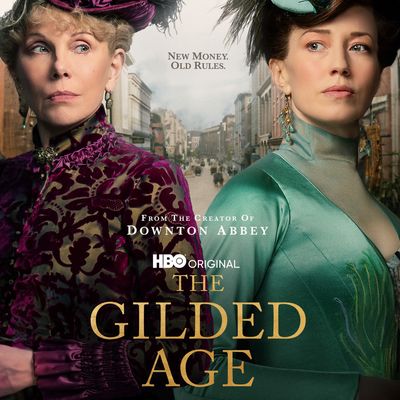
Claybourne Edler takes a break from filing The Guilded Age with many Broadway friends to discuss Company, his charity City of Strangers, his current concert series and his love of Patti LuPone. Also in this episode: Nikki M James winning Tony moment for The Book of Mormon... Read More
From the show: Behind the Awards with Eila Mell & Bruce Gotlieb
Guests
Featured Shows

About
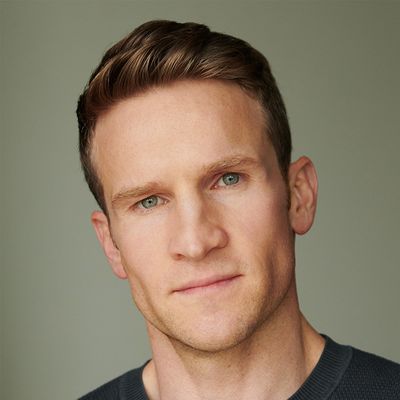
Claybourne Edler takes a break from filing The Guilded Age with many Broadway friends to discuss Company, his charity City of Strangers, his current concert series and his love of Patti LuPone.
Also in this episode: Nikki M James winning Tony moment for The Book of Mormon. Eila & Bruce's visit to The Public to see Good Bones written by past guest James Ijames, Pulitzer Prize Winner author of Fat Ham.
Claybourne Edler received rave reviews and was nominated for a Drama Desk Award for Outstanding Leading Actor in A Play for originating the role of "Ollie Olson" in One Arm directed by Moisés Kaufman. He was nominated for a 2015 Lucille Lortel Award for Outstanding Leading Actor in a Musical for Allegro at Classic Stage. He originated the roles of "Buck Barrow" in Bonnie & Clyde, "Hollis Bessemer" in Stephen Sondheim's Road Show and "Michael Victor" in Venice.
He played the Soldier/Alex and understudied Jake Gyllenhaal in the Broadway revival of Sunday in the Park with George, which opened in February 2017. He also played the role in the concert performances in October 2016 at New York City Center.
Elder can be heard on the cast recordings of Bonnie & Clyde, Road Show, Venice and Sunday in the Park with George.
Elder guest-starred as Pete O'Malley in the second season of The CW's The Carrie Diaries.
Regionally, Elder played George in Sunday in the Park with George at the Signature Theatre, Arlington, Virginia, in 2014.
On Broadway, Elder played the role of Andy in the 2021 revival of Stephen Sondheim's musical Company.
Elder played Gaston in the 2023 production of Beauty and the Beast at The Muny
Make sure to check out Eila's book, "The Tony Awards", and all her other amazing books: https://amzn.to/43WMu5Y.
Connect with Eila and Bruce:
- Instagram @behind_the_awards
- Eila @eilamell
- Bruce @cominghomewithbruce
Transcript
This transcript was automatically generated and might contain errors.
[0:00] Claybourne Elder: Hi there, this is Claybourne Elder, and you're listening to Behind the Awards.
[0:03] Claybourne Elder: I just need to say, my mother is here with me tonight. There's a thing, uh, a story about bumblebees. Um, the physicists couldn't figure out how they did it, how they flew, and we all know that they do. We've seen them do it, and they did it because nobody told them that they couldn't, and because of sheer will and determination. And I come from a long line of bumblebees, and I am so proud. My brother, who is my hero, who's in the balcony up there, so I love my friends and family, and I'm really grateful that nobody ever told me that I couldn't do it and I couldn't fly, and I am.
[0:48] Claybourne Elder: Oh, and welcome behind the awards.
[0:50] Eila Mell: I'm Eila here with Bruce.
[0:52] Bruce Gotlieb: Hey Eila.
[0:54] Eila Mell: What's going on today?
[0:56] Bruce Gotlieb: Uh, not too much, not too much, just you know, coming off of our little field trip to the Public Theater.
[1:02] Eila Mell: Well, that was fun, huh?
[1:04] Bruce Gotlieb: We got to see Good Bones.
[1:06] Eila Mell: We did.
[1:06] Bruce Gotlieb: Oh, I shouldn't jump the gun though. Um, before we start, of course, our clip was Nikki M. James, her Tony win for Book of Mormon.
[1:14] Eila Mell: I love Nikki M. James.
[1:15] Bruce Gotlieb: She's great.
[1:16] Eila Mell: She is, she is. We got to see her and chat with her a little bit before this year's Tony Awards as we were entering the building, and she was just, you know, lovely and gracious and excited to be there, and she has really good energy about her.
[1:28] Bruce Gotlieb: And she was so happy to win.
[1:30] Eila Mell: I love that.
[1:31] Bruce Gotlieb: Yeah, and talking about her, you know, her family and how much, you know, they meant to her, and that, you know, she continues to soar because no one's told her she can't.
[1:39] Eila Mell: Right. I saw her in All Shook Up years ago, and then just, you know, a few years after that, I was at, um, where was it, Borne's, I think, for an event, and I saw her working there behind the counter, so I went over to talk to her, and she said, "Oh, I'm starting rehearsals for a new musical by the South Park guys tomorrow." Who knew?
[2:01] Bruce Gotlieb: I know.
[2:02] Eila Mell: So I've always cheered her on. You know, everyone's talented, right? So, you know, you see people that just really, it means so much to them and it's so special.
[2:09] Bruce Gotlieb: Yeah.
[2:09] Eila Mell: So now can we talk about Good Bones?
[2:12] Bruce Gotlieb: Yes, yes.
[2:13] Eila Mell: So we went to the Public. We were, you know, lucky enough to be invited to the Public for Good Bones, obviously trying to help them promote having James on our episode, you know, a little while ago.
[2:23] Bruce Gotlieb: The playwright, James Ijames.
[2:25] Eila Mell: That's right.
[2:26] Bruce Gotlieb: Right. And, you know, it was just really wonderful to be able to be in the space and kind of see it up on its feet, you know, after he described, you know, some of his process of writing it and its incarnation starting, uh, in Washington, uh, was where it originally ran, and then kind of reworking it and, you know, updating it a little bit, having been able to see what worked, what maybe didn't work or wasn't as effective.
[2:50] Eila Mell: And, you know, last night actually was the frozen show.
[2:54] Bruce Gotlieb: So we have to see what everyone will see.
[2:56] Eila Mell: Right, for the first time.
[2:57] Bruce Gotlieb: So that was exciting for us. Um, plus it was directed by Sahim Ali, who also directed Fat Ham, which you know that I love Fat Ham.
[3:06] Eila Mell: That's right.
[3:06] Bruce Gotlieb: That's right. So yeah, I mean, if anyone wants to listen to our episode with James, we do a deep dive into Fat Ham as well as Good Bones.
[3:15] Eila Mell: So I thought that was a fun conversation.
[3:18] Bruce Gotlieb: Yeah, and the play was great. It is a unit set, which is beautiful.
[3:22] Eila Mell: Yeah.
[3:22] Bruce Gotlieb: Um, but it gets revealed little by little.
[3:25] Eila Mell: Right.
[3:25] Bruce Gotlieb: And once it's finally revealed, you hear the audience like almost gasp a little because it takes place in this home that's being constructed, and not to give anything away, but you get a focal point of like the dining kitchen area, which most people, you know, that's they want to see all of that, right? When you go and look at a house with like the kitchen, what does the kitchen look like?
[3:43] Eila Mell: Of course, and this is a dream kitchen, so it's really nice when you finally get to see it.
[3:47] Bruce Gotlieb: That's right.
[3:48] Eila Mell: That's right. Although it started with the first scene and it had like the drop in front of it, like clear plastic. And I was a little concerned we were gonna have to watch it through this like saran wrap kind of effect for the case.
[4:00] Bruce Gotlieb: I mean, it certainly would be a choice of, you know, how to portray a bad one.
[4:05] Eila Mell: A bad choice.
[4:08] Bruce Gotlieb: I like to be able to see what I'm looking at.
[4:11] Eila Mell: So thankfully that was not an issue, and you know, that plastic came down really quickly.
[4:17] Bruce Gotlieb: Yes.
[4:18] Eila Mell: And it's a quick show, uh, hour and forty minutes, no intermission, starring Susan Kalecchi Watson, who is this is us fame, but she's also back at the Public having done their Shakespeare in the Park a couple of years ago.
[4:29] Bruce Gotlieb: Chris Davis, who was in Death of a Salesman on Broadway with Wendell Pierce, he was great, don't you think?
[4:35] Eila Mell: He was really, really good. The two of them really, uh, they had the meediest, the meediest roles, but they volleyed off each other. Uh, really, really they were in sync. Their chemistry was really, really good together.
[4:47] Bruce Gotlieb: Yeah, I'm so glad we got to see it. And maybe we'll go again towards the end of the run. Who knows?
[4:51] Eila Mell: We might come crazy.
[4:53] Bruce Gotlieb: Well, switching gears a little bit, we're excited. We have Claybourne Elder as a guest today.
[4:56] Eila Mell: That is very exciting.
[5:00] Bruce Gotlieb: He is, um, I think they wrapped right now. When we spoke to him when we recorded it, he was in the midst of recording the upcoming season of Guilded Age.
[5:10] Eila Mell: So I think they finished filming that or if not, they're close to it.
[5:15] Bruce Gotlieb: We're excited to see that come back to our TV. We talked about him working with Patti LuPone.
[5:21] Eila Mell: And Company.
[5:22] Bruce Gotlieb: He just was a lot of fun.
[5:23] Eila Mell: He's great. Plus, he's got a great charity. So, you know, there's lots of good about Claybourne Elder. So I think that we should get right to him.
[5:34] Bruce Gotlieb: We are very excited to welcome Claybourne Elder to Behind the Awards.
[5:39] Claybourne Elder: Hi there. How are you?
[5:40] Eila Mell: I'm great. Thank you so much for having me. It's great to be here.
[5:43] Bruce Gotlieb: Yeah, thanks for joining us. We talk about the Guilded Age so much, so we're so happy to have you on because it's...
[5:46] Claybourne Elder: It's all right.
[5:51] Bruce Gotlieb: Let me ask. Are you filming it now?
[5:53] Claybourne Elder: Yeah.
[5:53] Bruce Gotlieb: Okay, that's what I thought. So last year I was working on a book, and Robert Sean Leonard was one of the people who I was talking to, and it was around this time.
[6:03] Claybourne Elder: So I had a feeling.
[6:04] Bruce Gotlieb: I love him so much. We shared a dressing room during Sunday in the Park with George on Broadway. And I had the best time with him. We had so much fun together.
[6:16] Claybourne Elder: So I love him. Um, did you grow up with Dead Poets Society, or are you too young for that?
[6:22] Claybourne Elder: No, I totally did. And I just, yeah. It was one of those like try not to talk about it moments. Try not to tell on how much his performance meant to you. He was my favorite performance in that movie, even more than Robin Williams.
[6:33] Bruce Gotlieb: Oh, he's so good.
[6:34] Claybourne Elder: Now, does it change the atmosphere? You know, the first year obviously the show's up and running, people love it, but now as it picks up momentum, there's Emmy nominations, there's all like does it change the vibe?
[6:47] Claybourne Elder: Yeah, it does. You know, it's so strange because we started filming the first season. We had had like our first table read before COVID shut everything down, and then we started filming again in the fall, and it felt so strange because we were, you know, like we wore masks the entire time, except we would take them off to do to like actually shoot. So you wouldn't see anybody's faces, and we were kept very separate at first. And so the first season was so from a backstage kind of standpoint, it was so strange because we couldn't socialize as much, you know, till later. Then we got to like Newport and we were all in a bubble together and we were hanging out. And so now this, like coming around for the third season feels like all of us are like, "Oh, yeah, we know how to do this," and we know each other well, and you know, like it's a much more, um, I guess this is, you know, I've never been on multiple seasons of a TV show before.
And so I guess this is probably just how it goes a little bit in that it's like, yeah, people get used to each other, we get used to our directors, we know how each one works and what we can ask for. I think it just makes the show kind of richer and better as it goes along.
[7:51] Eila Mell: Is your character a real person?
[7:53] Claybourne Elder: It is loosely based on a couple of people. There was an ancestor of John Adams who was an unmarried man in New York. His name was not John Adams, though there were other John Adams that he could have been that he was sort of named after. So it is an addition.
[8:08] Bruce Gotlieb: Yeah.
[8:09] Claybourne Elder: Bruce was just in Newport. Who was just saying, walked around all the mansions, and you know, of course, they had a sign up in the breakers, um, in the music room that said, you know, such and such a scene. It was filmed here.
[8:20] Bruce Gotlieb: Oh my gosh.
[8:21] Claybourne Elder: We spent like seven days and nights in that room trapped trying to film all of those things and all the dancing and the crane shots, and that is definitely one of my, um, most vivid memories of working on the show so far is shooting that sequence was huge. Just like the opulence and the just everything is so, it's just so crisp. Like you do, you feel it, you feel like all that energy.
[8:46] Bruce Gotlieb: It's unreal.
[8:47] Claybourne Elder: You know, my, my in Newport, we used a lot of the different mansions. Like my apartment is in another mansion, and you know, all over the place. But my favorite one is that there was one, you know, there are all of these mansions, and they can't all be museums because not everybody would go to them. So there's some of them that like have been passed down to family members and they have these enormous homes. And there was this one that they couldn't afford the upkeep on it really. So it wasn't it wasn't like in disrepair or falling apart, but it was a little bit, you know, like and they used it for costume storage and for our fitting. And so we would get to go into this one house that was kind of like dark and like some of the paint was peeling, and we would go through these like rooms and back into these big rooms where they stored everything.
It was my favorite place to visit because it's so weird and it's closed to the public. It just is like belongs to the family and they don't live there that I don't know. I would have put my skirt on my head and play Grey Gardens.
[9:43] Bruce Gotlieb: Oh absolutely.
[9:44] Claybourne Elder: It was definitely 100% revolutionary costume.
[9:49] Bruce Gotlieb: That's hilarious. And we love the show anyway, but as Broadway people, the thrill of having all of you guys on our screen on a weekly basis, or if we binge it, you know, on a daily basis. Watch it and then binge it after.
[10:02] Claybourne Elder: So did you know most of the cast going in?
[10:07] Claybourne Elder: You know, the Broadway community is so small. Like I feel like most everybody on the show I had met or come in contact with or sung in a concert with, or you know, somehow. We all had knowledge of each other. Um, and it continues like as, um, you know, like even people who are just on for a couple of episodes or something that we just see at the read-throughs or we're end up out of town shooting together, you know. Um, it is like a family reunion. It's so fun. Except the strange thing is I have a lot of friends who work in the servants' quarters.
[10:40] Bruce Gotlieb: Yeah.
[10:40] Claybourne Elder: But I never see them. I never because we don't shoot the same days. We don't that like their set is in a different place. We see each other at read-throughs and at like parties or gatherings or stuff, but it's so funny because some of my best friends are in the servants' quarters and I never see them.
[10:55] Bruce Gotlieb: Oh, we had Celia on our show. Celia King and Bulger. We love her.
[10:58] Claybourne Elder: I love her.
[10:59] Claybourne Elder: Yeah. Her and Doug Sills are like my two favorite people. Um, I never get to hang out with them.
[11:06] Bruce Gotlieb: So how did the Guilded Age come about? Was it just an audition or was there?
[11:09] Claybourne Elder: Yeah? I auditioned actually to play Oscar, who played who my lover a long time. Like I, you know, and I remember going to the audition and I looked at the sign-in sheet and it was just like the list of all the characters on it now, like all of us were in for it, you know, like everybody was going in for this guy, and I didn't get it. And then I was in rehearsals for Company, and I got a call that was like they just said, "Hey, you didn't get that part, but they want to offer you this other part. The director just wants to meet with you first." Um, but it seems like you're gonna get the offer to do it. And I was like, okay, so I got out of rehearsal for like I was I got out of an afternoon of rehearsal for Company to go and meet the director, and I went and met Michael Angler, and he was like, "Oh, you shouldn't have canceled rehearsal.
I was gonna give you the job anyway." But yeah, it's great to meet you and chat with you, and we got to chat about the character a little bit and stuff. Um, but yeah, so it was I had auditioned for something else entirely, which is just a good lesson that you're auditioning for your career, not necessarily for the role. Um, you never know.
[12:10] Bruce Gotlieb: You never know what it's gonna lead to.
[12:13] Claybourne Elder: Yeah.
[12:14] Bruce Gotlieb: So are you able to tell us anything for the upcoming season? Are you like tight-lipped at the case?
[12:17] Claybourne Elder: They've all been aliens the whole time. It's so weird. It goes sci-fi. It's crazy.
[12:23] Bruce Gotlieb: Um, I can tell you nothing.
[12:26] Claybourne Elder: So many contracts. They actually, at our first read-through, they were like, "We just want to remind everyone that you were on a very strict confidentiality agreement." Just as excitement about the show has picked up, you know, more people are like, of course. Tell us the secrets, what's going on?
[12:39] Bruce Gotlieb: Well, it's funny because like I was said when when Celia was on, you know, I just said, "Oh, so it looks like you know, you're gonna have a love introspect season just falling off of the next season." She's like, "Uh maybe." I don't know.
[12:48] Claybourne Elder: Marvel can't draw you everything.
[12:54] Bruce Gotlieb: Very ambiguous, very like, I don't know what's happening.
[12:57] Claybourne Elder: Yeah.
[12:57] Bruce Gotlieb: But Bruce knows.
[12:58] Claybourne Elder: I actually don't want to know. I don't like spoilers. I like for it to unfold the way it's supposed to.
[13:03] Bruce Gotlieb: Me too.
[13:03] Claybourne Elder: Yeah, I don't even tell my mom really what's going on because she likes the same thing. She likes to just find out when watching the show.
[13:09] Bruce Gotlieb: Yeah. Big mouth, too, right?
[13:11] Claybourne Elder: That mom look, you said it.
[13:13] Bruce Gotlieb: I did okay. We'll be right back. We have to listen to some commercials.
[13:21] Eila Mell: So let's talk about Company. I mean, that was just such an incredible production.
[13:26] Claybourne Elder: And how amazing that Sondheim was there for the first half of that.
[13:31] Claybourne Elder: Yeah. Do you know it was um my first job ever was in Road Show, which was his second to last musical. Um, it was at the Public Theater. And I went to the open chorus call. I was just some kid off the street. I didn't have like I didn't have an agent, I didn't have a manager, and I got cast in the show.
[13:49] Claybourne Elder: And it was, you know, and it they took a big risk on me being a totally nobody person, you know. And Steve took a big risk on me giving me a job. And so because of that, you know, like he had been around a lot of my career, was always very supportive, and like would send me telegrams on opening nights, and also, you know, I've done a lot of his shows. I've ended up doing a lot of his shows, partially because I love them, but also part because my big like my break was in one of his shows, and so I've ended up doing a lot of them. And I don't like we're not we weren't friends really per se, you know, of how I don't know how you can be a friend with like somebody respect that much who's a man in his 80s. But I did like know, you know, New Ham and he knew my family.
Um during the pandemic, he reached out to me and was like, I was living upstate and he was in his country house. He was like, uh, we're really bored and lonely. Would you just come visit us? And we were like, okay, but I have a four-year-old son, you don't want my four-year-old son at your house. But he was like, No, come, you know. And we started going to visit, and it was so magical and meaningful. And my favorite story over the time. He one time we were over there, and he would just talk to my son a lot. He would just like talk to him about the ocean, you know, ask him questions and things. He said to me once, Your son is incredibly articulate. And I was like, Oh, well, you know, every parent thinks their kid's a genius.
And he said, I didn't say he was a genius. Fair. Fair. Okay. Noted. Noted. But so we had just been at his house. We had just gone to visit him during rehearsals of Company to we'd gone up to their country house to spend an afternoon. And uh we had a matinee. Steve hated opening nights. He loved first preview, but he hated opening nights. So he had been at our first preview and had hung out with us. And I remember I walked into I walked he and his husband to their car and like watched the car drive away. And I remember thinking, like, one of these times it's gonna be the last time I see him. And that was the last time I saw him. And um we had a matinee the day after Thanksgiving, and then we walked off stage and they said, Everybody go back on stage, don't change your costumes.
And that's always a bad sign. And they said they told us, they told us the news. And and like the New York Times held the story so that we didn't have to read it on our phones in between shows. And so, like, right after they told us, then the news broke. So it was very, you know, personally, it was very meaningful to me to be in one of the shows and when when it passed. And to get to, you know, get to sing those songs and do the thing on the day he died really was in, you know, something I'll obviously never forget. And just to have that relationship with him, I'm sure means everything to you.
[16:19] Eila Mell: Yeah, absolutely. You know, he really I I often say that he believed in people a lot more than they believed in him themselves. And that was certainly true of me. You know, I think that I I was so scared when I started working, and he was always so supportive and reaching out to people to give recommendation of me to people. And you know, yeah, he was fantastic. I can't imagine having someone better on your side.
[16:41] Bruce Gotlieb: Yes, yes, nervous all the time, just nervous all the time, around it. It was a fun show, a lot of energy because of the gender bending and and just flipping it.
[16:49] Claybourne Elder: Yeah. Like a real revival. It was exciting because it was like, oh, you have something to say about this that hasn't been said before, you know, which was exciting about it to be. And it really did breathe new life into the show because you know, in modern day, it didn't resonate anymore. And and now it did.
[17:06] Bruce Gotlieb: Yeah. Hey. It's a it would be tricky to do it in its original form.
[17:10] Claybourne Elder: Yeah, it'd be tricky, and people do it still, but it would it's hard to get Bobby on your side as a man right now.
[17:16] Bruce Gotlieb: Right. With the way things happen. Had you known, like, or had you had the opportunity to work with Patti beforehand? I know you guys developed a you know, pretty close relationship during the show.
[17:25] Claybourne Elder: We did, yeah. We did. She's a riot. I mean, she's hilarious. We have we had the same birthday, and one during like the first week of horses, and I as a gay man, of course, knew that. But of course, but during like the first week of rehearsal, we were sitting around at lunch, and people were talking about birthdays, and she was like, Oh, my birthday is April 21st. And I, in my Academy Award-winning performance, said, April 21st. Well, that's my birthday too, you know. As if I had just discovered it. And she was sitting next to me, and she took my face in her hands and she looked in my eyes and she said, That means we're soulmates. And I was like, Yeah, I'll take that. I'll take that. And then we did. We ended up becoming friends. I helped pick out all her appliances for a new kitchen.
[18:07] Eila Mell: Amazing.
[18:08] Claybourne Elder: She's great.
[18:09] Bruce Gotlieb: Yeah. April 21st was my mother's birthday, too.
[18:12] Claybourne Elder: No way.
[18:13] Bruce Gotlieb: Yes, isn't that crazy?
[18:14] Claybourne Elder: Soulmates.
[18:15] Eila Mell: Yeah.
[18:15] Claybourne Elder: That's it.
[18:16] Bruce Gotlieb: That's right.
[18:17] Claybourne Elder: It's a good day.
[18:18] Bruce Gotlieb: It's a good day. So I know that I know that the show shutting down in the pandemic hit Patti very, very hard. How did you fare with that? Did you think it was coming back?
[18:25] Claybourne Elder: You know, gosh, I didn't know if theater was going to be back for five or six years. You know, like at the time, it was like the last place anybody's gonna want to be is trapped inside a room with strangers breathing on each other. In a musical, right? Because singing even more so. Yeah, and it was, you know, it was scary. I think that, you know, we all got really tight as a cast, partially because what we went through during that time. You know, we used to like meet up on Zoom and catch up with each other, have these like like there would be like 35 of us in a Zoom having a little like company reunion party during the pandemic, just to kind of keep each other sane. And then coming back and doing it, and it was so hard to start doing a musical while we were testing every day, and people were out with COVID all the time, and we had you know, like they called in extra swings and and off stage covers because there were always people on stage.
I remember one time I walked on stage to do a scene and I looked around and I was like, I'm the only person that's usually in the show right now. That's crazy. And they would happen, like, I mean, there were days when like the stage manager would get on and be like, These people are out, and then 15 minutes before curtain, he'd be like, These people are out. Um, this person who was gonna play this role is now gonna play this role. And then, like, five minutes before the curtain, another time. It was the it was one of the first times Patti was out, actually. They were like shuffling everyone around so much. There was one woman who was like half dressed as Joanne, who then had to like get out of that and get into another costume to play somebody else because somebody else was out. It was nuts. But I think that it brought us all really close together because of it.
[19:55] Eila Mell: I saw the show right after you guys came back. I had tickets before it shut down, and then I saw it after. And um sitting orchestra far enough down, I forget what row I was in, but the usher came down before the show, and she literally was like, I'm telling you right now, if anybody removes their mask, Patti will stop the show and yell at you. Do not let that be you. Like with the fear of God.
[20:23] Claybourne Elder: That is not in the world.
[20:23] Bruce Gotlieb: And I was waiting for it. I was like waiting for like, oh God, someone's gonna do it, someone's gonna do it. Thank God our show, nobody did it.
[20:30] Claybourne Elder: Yeah, we all were sitting there thinking, nobody do it, nobody do it, nobody.
[20:30] Bruce Gotlieb: That's so funny. Now, speaking of Company, um, I know during that time, I I believe, and correct me if I'm wrong, is where your charity began. And I wanted to shed a little light on that.
[20:43] Claybourne Elder: Yeah, because I think it's really, really cool what you're doing.
[20:47] Claybourne Elder: Well, thank you. Thanks. Um, yeah, it was, you know, it's like it's a story I'll be telling my whole life, probably, because it was just such a crazy thing that happened. But basically, my first visit to New York, I came and I was I was in college. I had actually just gotten kicked out of BYU for being gay, the Mormon like university. And I was seeing shows standing room only, because it's all I could afford. And after one of after a performance of Putnam County Spelling Bee with Celia Keenan Bolger, somebody walked up to me and was like, You looked like you were enjoying the show more than the people in the expensive seats. Here's $200. Go buy yourself tickets to Sweeney Todd tomorrow. It'll change your life.
And I was like, because New York to me was the big scary city where the bad people were. Right? You know, sure. And I did. I went and bought tickets to see Patti LuPone in Sweeney Todd. And you know, seeing that show really did make me want to be like move to New York and be a professional actor. It was so weird and dark and strange and awesome, and I loved it. And um, so I moved to New York. And then my first job ever was in Road Show, playing across from Michael Cerveris, directed by John Doyle, who had directed that production. And at the time, that guy who had handed me the money, I didn't ask his name. I asked to take a picture with him because it's sort of the only thing I could think of to do.
I was like, thank you. Let's take a picture together. At the time I got cast, I was like, if that guy only knew, oh my God, he didn't even know I was an actor, that the next time this people, that group of people was gonna work together, I would be working with, you know, and then cut to Company. I was the first person, first like lead out of the show with COVID. And I was so bummed to be out for 10 days. We just opened. And when I went back into the show, I was like, I said to my husband, I'm gonna give away two tickets to the show. I'm just gonna give away on Instagram, so in honor of that guy who had given me the money. And you know, so many people were out of work, so many artists couldn't afford tickets.
I was like, I'm gonna give away two tickets. I posted the picture that I'd taken with that man. And people, like after I posted it, a couple of hours later, somebody DM'd me and was like, Can I send you some money so you could buy like a couple more tickets? I was like, Oh wow. Yeah, sure. And like more and more people kept asking me if they could send me money, and then someone leaked my Venmo on Twitter and people started sending me more and more and more money. And Patti LuPone's lawyer eventually was like, kid, you need a lawyer. And who started to be a lot of money? And I was like, at first I was like, who am I to decide who gets to come and see if Broadway show for free? And I started getting nervous, and I was kind of like, should I send this money back?
You know? And again, my husband was like, you know, if you just do this, all of these people are gonna see to go to the theater. And we really believe in the transformational nature of the theater and how important it is. And so it was all trust-based system, but still mostly is that where it's like you enter and you just promise me that you're at a point right now where you feel like you can't afford a Broadway show. And that was me. That's been me at lots of times in my career, including after I'd made my Broadway debut, you know? There's no age limit. It's not for students, it's just anybody. We're officially a registered nonprofit. It's called City of Strangers. You can find us at Cityofstrangers.org or on Instagram at City of Strangers NYC. Do you want to make a donation? Or if you want to enter to win tickets? And we've given away over 3,000 tickets to Broadway shows.
[24:05] Bruce Gotlieb: Wow.
[24:05] Claybourne Elder: And the tickets aren't free. They were paid for by a stranger who wants to do something nice for someone. And that someone is you. Do the shows themselves ever donate tickets?
[24:14] Claybourne Elder: Um, but there have been people, they've been like TDF has stepped in and given us some great rates on things, but mostly we pay for them all. Um, you know, we don't companies like shows have reached out, um, like off Broadway shows have reached out to kind of like paper their houses, and we've not we've said no to that. Just some nobody's getting paid to work for the organization. It's just me. Like I'm just handing out tickets.
[24:36] Bruce Gotlieb: Right.
[24:36] Claybourne Elder: And I want to give away tickets to like shows that people want to see that they can't get tickets to because they can't afford it. Like the best, yeah, you know, the best things, right rather than like there are lots of other services for that and that is also very valuable and great but this is like you know supposed to be that but then the crazy the really crazy part is I posted that photo and Doug Sills from The Gilded Age with me reached out and said hey I just saw that photo you posted I know that guy I'm friends with him do you want to meet him?
[25:03] Bruce Gotlieb: Oh my gosh.
[25:04] Claybourne Elder: And you know, sorry so I get emotional about it. Um like the point of a random act of kindness is that you're supposed to never know what happens to that person, you know?
[25:12] Eila Mell: Yeah.
[25:13] Claybourne Elder: So we got on FaceTime and I got to say hey you walked up to me outside a theater 15 years ago and sort of changed my life and he immediately knew what I was talking about and he was like how on earth did you find me? And you know I said like is this something you do? Like do you do this a lot? He was like no I never did it. It just seemed like the right thing to do.
[25:34] Claybourne Elder: Wow. And now we're friends. He came to see me in Company we text all the time and it's a very strange it's really bizarre to be reconnected with somebody who you know sort of selflessly did something like that for you that changed your life. And yeah we're still going on going strong we have we now have community partners where we like we donate tickets to public school teachers. We give tickets to Covenant House New York which uh is for like helps youth who are experiencing homelessness. We have all lots of different community partners that we work with getting them getting people into the theater who really want to be there.
[26:08] Eila Mell: So if someone is sort of in between where they can't afford to give money but they can't afford to go to a show, but they do they still want to help. Is there something that they can do?
[26:19] Claybourne Elder: You know, right now, spreading the word is what we have. Um, you know, we do these things on random act of kindness day. Every year we do like a random act of kindness drive, sort of, um, where we have people do random act of kindness and post about them. So it's sort of like follow us on Instagram. And like when we post, you could like repost our things to get more get the word out to people. Um, but that is right now what we do. You know, we we're it's really small. Like I said, we're just it's me and my husband just doing it. And we have, you know, like we have hopes of growing it and stuff for the future, but that is where we are right now.
[26:54] Bruce Gotlieb: Well, that's amazing. I hope that it continues to grow because it's so valuable.
[26:58] Claybourne Elder: It is. I remember seeing it online, and and I know that that's how you and I first connected, but I just I was like, wow. This it's like you couldn't write it if you tried to write it.
[27:05] Bruce Gotlieb: You couldn't.
[27:09] Claybourne Elder: Yeah, yeah.
[27:09] Bruce Gotlieb: And remind us what the name is.
[27:11] Claybourne Elder: City of Strangers.
[27:12] Bruce Gotlieb: So after the song in Company, yeah.
[27:14] Claybourne Elder: But cityofstrangers.org is the website.
[27:17] Bruce Gotlieb: Perfect.
[27:17] Claybourne Elder: All right.
[27:18] Bruce Gotlieb: So well, we're we're definitely gonna follow you as soon as we hang up.
[27:22] Claybourne Elder: Thank you.
[27:22] Bruce Gotlieb: Thanks.
[27:23] Claybourne Elder: Absolutely.
[27:24] Bruce Gotlieb: Let's take a minute to hear a word from our sponsors.
[27:31] Bruce Gotlieb: What do you have coming up that we might not know about?
[27:35] Claybourne Elder: So I've been touring this solo show around the country. Um, but just sort of started as like a cabaret act and then sort of turned into a play, sort of. It's not really it's more like a stand-up show. Um in that it's thematic. It's not like this is the story of my life, because it's not the story of my life. It's just me talking about stuff and singing songs. You know, I started doing it and then word got out about it and started booking more and more and more places. And I'm still touring it. I've been touring it for a year and a half, and I have dates booked through February of 2025. So I'm going to Chicago. I mean, Michigan in September, Chicago in October, San Francisco in November, and then LA and um Orange County in the new year. Um, so you can follow me. Have I follow Claybourne Elder on Instagram to find out tickets and dates? And then yeah, watch for the season three of Guilded Age coming out sometime in 2025.
[28:28] Bruce Gotlieb: We can't wait. I mean, my DVR's already set.
[28:31] Claybourne Elder: Great. Good. But everyone should follow your Instagram anyway, because your son is so cute.
[28:37] Bruce Gotlieb: Oh my gosh.
[28:39] Claybourne Elder: He's on this Instagram a lot, and he's a star. My God. He's a good kid. He's a really good kid. And just the relationship that your whole family, the three of you, it's just it's so lovely to watch.
[28:50] Bruce Gotlieb: Thank you.
[28:51] Claybourne Elder: Thank you. Yeah. Yeah. Absolutely. Now, you guys being both artistic creative people, and that's what you do for a living. Are you like, oh God, I hope he doesn't want to do this?
[29:02] Claybourne Elder: Yeah. We used to joke that we were gonna put we were gonna treat our house like the town in Footloose and be like there's no singing and there's no dancing in this house. And just pretend that we're scientists that work at night and tell him he can be any kind of engineer he'd like to be. But no, we, you know, it's funny. It is the family business, and he has no desire to perform at all.
[29:24] Bruce Gotlieb: That's great.
[29:24] Claybourne Elder: Right now, which is great. He had a they did a class play last year, and they spent the whole year working on the class play, and he wanted to be the set designer. So he loves art. He loves to draw, and he made little models and all these research and drawings and all this stuff. And I built the set. I built it exactly like his drawings, even if it looked like a little kid made it. So they're all like kind of they were kind of weird things, and it was so fun. He loves watching shows. My husband just directed Waitress at the Kate Playhouse where he's the artistic director. And you know, it's not a kid show, but he'll he sat through the whole thing. He like he sits and he's very attentive at the theater. Like he likes to sit and watch it.
[30:03] Bruce Gotlieb: That's great.
[30:05] Claybourne Elder: But he does not enjoy performing. The other day he said to me, he was like, Papa, you like to sing in front of people, and I really don't. And I was like, that's fine. You don't have to.
[30:14] Bruce Gotlieb: What every parent wants to hear.
[30:15] Claybourne Elder: I will be very happy if he changes his mind and support him in love all of us.
[30:19] Bruce Gotlieb: Of course.
[30:19] Claybourne Elder: But um I mean it's working out well for you.
[30:23] Claybourne Elder: Yeah, he's a good kid. He's a real good kid.
[30:25] Bruce Gotlieb: Yeah.
[30:26] Claybourne Elder: Oh, that's so sweet. Did you know always that you wanted to be a parent?
[30:30] Claybourne Elder: You know, I think uh both my husband my husband and I talked about having kids on like our third date or something. And um, and I think we both wanted to, but we didn't really know it was possible. You know, it's around a lot more now. And not to say that like nobody was doing it because that would be unfair to all the people that did it that were doing it, you know. Like it has happened, but me as a kid who grew up in Utah, it's not like I saw a lot of gay families and was like, well, that's possible. You know, I wasn't right. And so I think we both really wanted to, but we're like, how does that even happen? And we ended up going down the surrogacy route because we got connected with the company who are like a friend of a friend and who would who wanted to help us like walk through the process.
And every step we were like, let's just start. Let's just start, let's like have a meeting, let's start talking, let's let's just see what can happen, you know. And it took about three years for it all to kind of come into place. And um, so we did have a lot of opportunity to turn back and be like, this is what this is not what we want to do. But um, but obviously it was something we really, really wanted, you know, and you have to. You have to really really reinvent it because well, first of all, surrogate is super expensive, so you have to really want it, but then obviously it's a lifelong commitment, so yeah.
[31:43] Bruce Gotlieb: So here's a weird question. Do people think assume that you were in the Book of Mormon because your name is Elder and because you're from Utah?
[31:51] Claybourne Elder: All the time. All the time. And also they think my first name is Elder a lot. Cause it's people know like Elder or something. And so they'll be like, Elder Claybourne. Um, and actually my sad Book of Mormon story is they were doing a workshop of the show very early on and they asked me to audition for the workshop and they didn't even have a script at that point. It really was just like the South Park guys are writing a musical called The Book of Mormon. And I auditioned and they were like, Great, they want you to do the workshop. And I was like, I can't. Like my family would disown me. They would be, you know. Because at that point nobody knew if it was gonna be good, but knowing South Park, we knew it was gonna be offensive, you know. So I just said I was like, I'm so sorry, but I can't I can't do it.
[32:36] Bruce Gotlieb: Wow.
[32:36] Claybourne Elder: And you know what? I would make the same decision now. But I do look back at it and I'm like, what would that have been like?
[32:44] Bruce Gotlieb: Right, right.
[32:44] Claybourne Elder: But you never know because who knows if those roads would have taken you where you weren't.
[32:49] Bruce Gotlieb: Exactly.
[32:49] Claybourne Elder: Exactly. So yeah. Yeah. But no, I've never been in it. Never been I never like auditioned for it again or anything. But you did have a brush with us.
[33:00] Claybourne Elder: I do love it. It's great, yeah.
[33:02] Bruce Gotlieb: Here's something I want to ask you. Every time I go to a show, you know, bodies have changed, and I always feel like everyone looks like they spend half their time in the gym. Is there is that a real pressure now to work on Broadway?
[33:15] Claybourne Elder: You know, I think more than ever there are all types of people on Broadway. I don't think we're there yet. I think we're getting better at it, I should say. Um than we used to be. But, you know, for me, like I was a I was not an athletic kid. I was a chubby kid. And the first time anybody called me handsome, I was probably 28. And I remember getting it's very hard to believe. I was truly awkward. I'm an awkward, awkward human being. And I the first time I got an audition for something where I had to have my shirt off, I was like, absolutely not. Tell them I will go I will audition, but I will if they decide to not have the character have his shirt off. So I was like, I can't do I'm not, I've never been to a gym in my life, you know.
And um and then I started working out more. And you know, being in your underwear on Broadway is um a great diet. Uh because when you know 2,000 people are gonna be looking at you every day, it's like, yeah, I'll go to the gym. Um so and I think that that's basically the only way I would have ever gotten in shape is if somebody paid paid me to, and they did. And I then and I did it. Um, but you know, it's like it's hard because that's also just not who I am, really. And I think that, you know, we all get pretty image obsessed in the business, you know, especially when you work in TV and start working TV and film where you're like, being pretty is everything. I have to be pretty and I have to be young.
I have to be like a young, wet youth baby, you know, for the rest of my life. And who can do that? Yeah, I need to look dewy and youthful. Um and but I had good advice from people who are like, it's not actually anything to being on the cover of a magazine is a very different thing than being an actor and you know, and the minute you start the minute you start worrying about what you look like, you might as well stop acting because you're not acting anymore. You're just like, What do I look like on camera?
[35:06] Bruce Gotlieb: Yeah.
[35:08] Claybourne Elder: And so I think that was some good advice. But you know, getting into shape for Company was hard, especially with a child, because there's just not time. Like it just takes a lot of time. And um, I didn't have a lot of time, you know. And so I had to find ways to like fit it in. And eat really well. It was like 90% what I ate, unfortunately. Which was I just had to like really focus on eating well. But I think actually I don't think that's unfortunate. I think that's good to know because it really is so much what you eat, making good choices. The gym is only going to do so much for you, don't you agree?
[35:43] Bruce Gotlieb: Absolutely.
[35:43] Claybourne Elder: Yeah. Yeah. Yeah. And you know what's funny? Through Company, because I started eating really, really well, like I felt so much better. I was my voice got 'cause like acid reflux and things like what you eat really affects your voice a lot. And um and I learned all of these things about some of my habits that was like, huh. Oh no. Right. We're really good, you know. That was it was a good good thing.
[36:07] Bruce Gotlieb: Yeah, I think people have more control than they realize because it can feel so hopeless.
[36:10] Claybourne Elder: Yes, yeah.
[36:11] Bruce Gotlieb: Yeah, for sure.
[36:13] Claybourne Elder: Another show in uh I guess iconic person you worked with, Harvey Fierstein on uh Torch Song. How was that experience for you?
[36:19] Claybourne Elder: What a doll. That guy, I just love him. Um and Michael Urie, just the sweetest sweetheart. That was su you know, that's one of those plays that like Angels in America, like Love, Valor, Compassion, that you know, like I read when I was young and was like, gay theater, it's real. And um was so meaningful to me. And so getting to do, getting to be about part of that show on Broadway was really meaningful to me. Um, because it was like a played a play in a movie that I really loved when I was younger. And revivals don't come around that often, you know. And so it was it was thrilling to be a part of. Especially that piece. I feel like it's gotta be lightning in a bottle. You gotta have all the right pieces in place otherwise it falls on space.
[37:03] Bruce Gotlieb: Yeah yeah and also truncating it down slightly like they re Harvey re-edited it to really be one play which I think was so great. Like it it really makes the great night of the you know night of theater to see all three of those plays together as one. I saw the original not the original cast but the original production that was a big play for me growing up as well it's just such a special piece and how tied it is to Harvey. So thinking that Michael Urie was going to do it, I couldn't even imagine but it's it's so wonderful that Harvey was generous enough to let someone else carry the torch like that.
[37:39] Claybourne Elder: Yeah. And it's it's tricky to play such an iconic person in such an iconic performance, you know, to like Yes. What do you do to make it your own because you're not going to be there you know so what do what what voice are you going to add to it that is not just trying to do what's been done before I can't do exactly hugely challenging. You know like what a what an undertaking and also what that show did for gay rights. Not only having the show exist but I I'm sure you know this story but how John Glein thanked his lover on TV at the Tonies and that was a first and that changed so many that one moment changed so many people's lives.
[38:19] Bruce Gotlieb: Yeah.
[38:19] Claybourne Elder: And speaking of being a parent too that was like what a gay gay man being a dad being a good dad you know right yes. And dealing with his relationship with his mother and that was huge for me. There's so much great about Torch Song. And you got to work with Moisés Kaufman, which I think is always a plus.
[38:37] Claybourne Elder: True. Yeah. Who is also, he introduced me to my husband and what he gave me another one of like my big breaks, which was this off-Broadway play called One Arm that I did with him. Um, but I've worked with him a bunch of times. He actually officiated our wedding. He and Doug Wright co-officiated our wedding, which was really sweet.
[38:56] Bruce Gotlieb: That's so lovely. Wow.
[39:00] Claybourne Elder: Oh well. If you had a list of bucket lists, or maybe like what would be a dream if you could say, all right, this show is gonna come back, or I need to play this part.
[39:08] Claybourne Elder: You know, it sounds like a cheesy answer, but developing new work is my favorite thing. I love working with playwrights and I love talking, and I love, you know, like I love sitting around a table and like working things out. And so my dream role is the one that's being written right now that we don't even know about yet. Truly, that's because it's my favorite. But um, but my answer is always Sweeney Todd. I want to play Sweeney Todd one day.
[39:31] Bruce Gotlieb: That's okay.
[39:35] Claybourne Elder: Just want to play Sweeney Todd. Um, and Carl Magnus. I really want to play Carl Magnus in Little Night Music at some point in my life. Those are like the two big ones that I always think of.
[39:44] Bruce Gotlieb: I was surprised how sort of young they went for Sweeney Todd this time around.
[39:49] Claybourne Elder: You know, I grew up with Sweeney Todd looking like an old man.
[39:52] Bruce Gotlieb: Yeah.
[39:53] Claybourne Elder: Yeah. I loved that production, and I thought the performances were amazing. And obviously I love Annalie so much. I loved her Mrs. Lovett. It was so fun. And it was so her. It was so her being Mrs. Lovett. You know, I mean, I loved it. But yeah, I did. I was like, no, don't revive it. Wait, give me five years.
[40:09] Bruce Gotlieb: I know.
[40:10] Claybourne Elder: Well, but that's a show that keeps coming back. So you'll have your chats.
[40:14] Bruce Gotlieb: Yeah, it's like sure. People love it.
[40:16] Claybourne Elder: But I feel like you'd still be cast as Anthony, but maybe not.
[40:19] Bruce Gotlieb: Maybe.
[40:19] Claybourne Elder: God bless you.
[40:21] Bruce Gotlieb: Oh yeah.
[40:23] Claybourne Elder: That's easy.
[40:23] Bruce Gotlieb: Anthony.
[40:24] Claybourne Elder: He's just been a sailor for a long time.
[40:26] Bruce Gotlieb: Well, did you? I'm sure you've seen the one where Chris Groenendaah was Anthony. He looked like 50 at the time.
[40:31] Claybourne Elder: Yes, that's also true.
[40:31] Bruce Gotlieb: Yeah, in that operatic sense where they're like, anybody, what's your vocal type?
[40:35] Claybourne Elder: Yeah.
[40:36] Bruce Gotlieb: You can be 80 and play, you know, the melee.
[40:38] Claybourne Elder: Yeah.
[40:38] Bruce Gotlieb: Oh my gosh. This has been so much fun. Thank you so much for joining us.
[40:41] Claybourne Elder: Of course.
[40:43] Bruce Gotlieb: We hope you'll come back. And especially uh maybe when Guilded Age is back, we can talk.
[40:48] Claybourne Elder: Once we've had a chance to see it, we can go over all the gossip you couldn't tell us.
[40:52] Claybourne Elder: Perfect.
[40:52] Bruce Gotlieb: Oh yes. Oh, I'll have let's please let's have a post-mortem. I will have lots of things to say about season three.
[40:57] Claybourne Elder: Oh my god, yes. We should have you and Celia. You could come to the show.
[41:00] Bruce Gotlieb: I would love it.
[41:01] Claybourne Elder: We could do an upstairs downstairs.
[41:02] Bruce Gotlieb: That's right. All right. Well, everyone, follow Clay on Instagram at ClaybourneElder. Follow City of Strangers. And we will see you next time on Behind the Awards. Bye-bye.
© Broadway Podcast Network, All Rights Reserved