

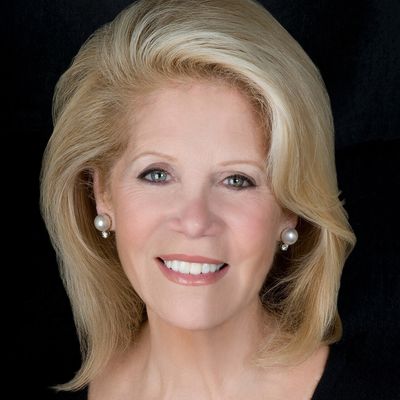
Tony Winning Producer and Theater Owner Daryl Roth answers the age old questions what does a Producer to? What was it like to bring her friend Delia Ephron’s memoire Left on tenth to Broadway starring Juliana Margulies & Peter Gallagher?.. Read More
From the show: Behind the Awards with Eila Mell & Bruce Gotlieb
Guests
Featured Shows


About
Tony Winning Producer and Theater Owner Daryl Roth answers the age old questions what does a Producer to? What was it like to bring her friend Delia Ephron’s memoire Left on tenth to Broadway starring Juliana Margulies & Peter Gallagher? Daryl also discusses Kinky Boots, Titanique, Closer Than Ever, Clybourne Park, and the upcoming Picture of Dorian Gray and Sondhiem’s Old Friends. Daryl shares her love of dogs both in her life and on her stage.
Also in this episode Kate Winslet’s greatest hits including 2009 Golden Globe Win for Revolutionary Road, The Holiday, Titanic and Finding Neverland. Jack Black in School of Rock, Jumanji and Dead Man Walking. Plus the upcoming Broadway Revival of Glen Gary Glen Ross staring Kieran Culkin, Bob Odenkirk, Bill Burr, and Michael McKean.
Daryl Roth is a 13 time Tony Award-winning Broadway producer and leading innovator in the American theatre, with a career spanning over three decades. Credited with some of the most thought-provoking productions in New York City and throughout the world, Ms. Roth has brought to the stage the works of many of our greatest dramatists, including Edward Albee, Paula Vogel, and Nilo Cruz; has helped shepherd the careers of new playwrights; and is the force behind the Tony and Olivier Award winning Best Musical Kinky Boots (Broadway, U.S. Tour, London, Toronto, Australia, Korea, Japan).
Ms. Roth is honored to hold the singular distinction of producing 7 Pulitzer Prize-winning plays: Anna in the Tropics; August: Osage County (2008 Tony Award); Clybourne Park (2012 Tony Award); How I Learned to Drive; Proof (2001 Tony Award); Edward Albee’s Three Tall Women; and Wit. She champions stories that connect to the wider world through the stories they tell, and is particularly drawn to themes that include issues of gender and identity, family dynamics, stories with strong women at the core, and those that reflect her Jewish heritage. Among the more than 130 shows she has produced both on and Off Broadway include Larry Kramer’s seminal play about the AIDS crisis, The Normal Heart (2011 Tony Award); Paula Vogel’s award-winning play Indecent; Nora Ephron and Delia Ephron’s international hit play Love, Loss, and What I Wore; and Gloria: A Life, a play about the iconic Gloria Steinem.. Other prominent productions include Absolute Brightness; Angels in America; Between the Lines; Buyer & Cellar; Company; Curtains; Funny Girl; Edward Albee’s The Goat or Who is Sylvia; Into the Woods; It Shoulda Been You; The Kite Runner; Life of Pi; The Tale of the Allergist's Wife; Twilight: Los Angeles, 1992; War Horse; and The Year of Magical Thinking.
Ms. Roth was at the forefront of creating philanthropic partnerships that reflect and respond to themes from her productions; inspiring audiences, and supporting and raising awareness for organizations. Some examples include W;t (New York Hospital); Love, Loss, and What I Wore (Dress for Success); The Normal Heart (Human Rights Campaign, Friends in Deed, amfAR, and The Actors Fund); Kinky Boots (True Colors Fund); and Life of Pi (World Wildlife Fund).
The Daryl Roth Theatre, the landmark Off-Broadway venue on Union Square, opened its unique main theatre space in 1996. It is currently home to the hit musical Titanique.
Dedicated to supporting a number of non-profit organizations, Ms. Roth is a Trustee of the Kennedy Center for the Performing Arts and Lincoln Center Theatre. Honors include The New Dramatists Outstanding Career Achievement Award; New York Living Landmarks Award; and the Lucille Lortel Lifetime Achievement Award. She is proud to have been inducted into the 2017 Theatre Hall of Fame and be named to Crain’s 2019 “50 Most Powerful Women in New York.”
Make sure to check out Eila's book, "The Tony Awards", and all her other amazing books: https://amzn.to/43WMu5Y.
Connect with Eila and Bruce:
- Instagram @behind_the_awards
- Eila @eilamell
- Bruce @cominghomewithbruce
Transcript
This transcript was automatically generated and might contain errors.
[0:00] Eila Mell: Thank you so much.
[0:03] Bruce Gotlieb: Oh God.
[0:10] Eila Mell: Oh, please wrap up.
[0:12] Bruce Gotlieb: You have no idea how much I'm not wrapping up.
[0:26] Eila Mell: Hello and welcome to Behind the Awards. I'm Eila.
[0:28] Bruce Gotlieb: I'm here with Bruce.
[0:31] Eila Mell: Hello, Bruce.
[0:32] Bruce Gotlieb: Good morning.
[0:33] Eila Mell: How are you?
[0:34] Bruce Gotlieb: I'm good. How are you today?
[0:37] Eila Mell: I'm doing good. We just got done listening to Kate Winslet in 2009 for her Golden Globe win for Revolutionary Road.
[0:46] Bruce Gotlieb: And there will be no clock tick down of her speech.
[0:50] Eila Mell: No, you can't stop Kate.
[0:52] Bruce Gotlieb: And Nora, why would you want to?
[0:54] Eila Mell: Doesn't she seem like a lot of fun to hang out with?
[0:58] Bruce Gotlieb: Yeah, I mean, one of my favorite movies of all time is The Holiday with her, Jack Black, Cameron Diaz, and Jude Law.
[1:06] Eila Mell: I've never seen it. You know, it's the quintessential holiday romantic comedy, but aside from her, you know, the four of them, it's just like you'd almost can I be plopped into the center of that dynamic.
[1:20] Bruce Gotlieb: Her and Jack Black is just for them alone is worth sitting in and watching the movie.
[1:26] Eila Mell: Their chemistry together is just perfect.
[1:30] Bruce Gotlieb: Really?
[1:30] Eila Mell: So they're a couple in this movie.
[1:33] Bruce Gotlieb: Well, you know, spoiler alert, but they do have a lot of scenes together.
[1:38] Eila Mell: Oh, okay.
[1:39] Bruce Gotlieb: All right. I just assumed it was two couples.
[1:43] Eila Mell: Well, everybody starts off as individuals.
[1:46] Bruce Gotlieb: I gotcha. Okay. Hilarity ensues.
[1:49] Eila Mell: I'm sure most of our listeners have seen the movie by now, so I'm not giving too much away.
[1:54] Bruce Gotlieb: I know. I'm a little late to this party. But I would recommend watching it.
[1:58] Eila Mell: So Revolutionary Road, that was with Leonardo DiCaprio?
[2:03] Bruce Gotlieb: Yes.
[2:03] Eila Mell: Okay. I know I saw it. I don't remember that much about it.
[2:07] Bruce Gotlieb: I think Michael Shannon was in it too.
[2:09] Eila Mell: Very possible. I mean, as far as the two of them being in it, being in a movie together, Titanic is where my brain just resides on the case.
[2:17] Bruce Gotlieb: Of course.
[2:17] Eila Mell: I know. I mean, I think you just put them in a movie together and people are gonna go. I mean, they're great.
[2:22] Bruce Gotlieb: Yeah, I know. So is Titanic your favorite Kate Winslet movie?
[2:28] Eila Mell: The Holiday might outrank it. But also she is just rip your heart out in Finding Neverland, which is just so beautifully done.
[2:39] Bruce Gotlieb: Again, one I haven't seen.
[2:41] Eila Mell: Her and Johnny Depp.
[2:42] Bruce Gotlieb: I can't watch Johnny Depp anymore. Ever since I saw that Netflix documentary about the trial, he just seems awful.
[2:51] Eila Mell: So now you know, very possible.
[2:54] Bruce Gotlieb: Yeah.
[2:54] Eila Mell: So I don't know. Now I have a problem watching him because all I think of is this tape.
[3:00] Bruce Gotlieb: It's funny because when I saw the musical Finding Neverland, I hadn't—I don't remember if it was that I hadn't seen the movie or if I just wasn't really recalling it, but then I watched it subsequently after, and one of the things I love about that, just rediscovering or discovering it after the fact is you can see like where the songs went.
[3:22] Eila Mell: Oh, really?
[3:23] Bruce Gotlieb: And this particular one, it made such perfect sense. And there were even some lyrics that they pulled out from some of the scene dialogue, which you know, you could see how it was a little bit more of a seamless transition.
[3:37] Eila Mell: So the movie came first and then the musical.
[3:39] Bruce Gotlieb: Correct.
[3:40] Eila Mell: Okay. All right. Well, I have to get myself with Finding Neverland with, yeah, The Holiday. I'm way behind on Kate Winslet.
[3:50] Bruce Gotlieb: You just gotta get into it. I was very busy with her with Mare of Easttown. I really liked that.
[3:55] Eila Mell: Okay.
[3:55] Bruce Gotlieb: Well, and then if you're gonna go with, you know, you're gonna stay with, let's use The Holiday as a jumping point. Have you seen School of Rock, the movie?
[4:04] Eila Mell: No.
[4:05] Bruce Gotlieb: Okay, well, yeah, that's a little list too.
[4:07] Eila Mell: I know. That's like the ultimate Jack Black movie, and I've missed it.
[4:11] Bruce Gotlieb: I saw, uh, what Jack Black movie did I see?
[4:14] Eila Mell: Jumanji.
[4:15] Bruce Gotlieb: Yeah, he was great in that.
[4:17] Eila Mell: So speaking of Jack Black, you posted a great clip of him as a little kid in a commercial on our Instagram.
[4:25] Bruce Gotlieb: Yeah, now growing up, did you know the game Pitfall?
[4:29] Eila Mell: I don't remember.
[4:30] Bruce Gotlieb: Okay. Probably not. So we had—I remember playing the game. And it was this, you know, eight-bit graphic. You had to like, you know, jump over this river, otherwise a crocodile would eat you. You had to swing from a tree. There were all these things, but timing was very specific because, you know, one step in the graphic too far, you're done.
[4:51] Eila Mell: Okay.
[4:52] Bruce Gotlieb: But apparently Jack Black did the spot for it nationwide, and it's so funny because in his face you see him. Like his face is still the same.
[5:01] Eila Mell: Right.
[5:01] Bruce Gotlieb: But it's just little Jack Black, and so funny.
[5:04] Eila Mell: I know. If you haven't seen it, you should go to our Instagram because you have to see this clip of him in a commercial.
[5:09] Bruce Gotlieb: You're right. He's like, he has the Jack Black face and a little boy body, but it's the same exact face.
[5:15] Eila Mell: With the Jumanji hat.
[5:17] Bruce Gotlieb: Right. It looks like he's playing Jumanji.
[5:20] Eila Mell: I wonder if that's where they got the inspiration.
[5:22] Bruce Gotlieb: Oh, maybe. So the first time I ever saw Jack Black in anything was in Dead Man Walking. He had a small part in that.
[5:27] Eila Mell: I thought—it's gonna sound crazy now, but I thought that it was Brian Austin Green.
[5:35] Bruce Gotlieb: Oh my God, that's so funny.
[5:37] Eila Mell: So there you go. Well, pretty dumb.
[5:40] Bruce Gotlieb: At least you've made your way through that.
[5:42] Eila Mell: Really?
[5:43] Bruce Gotlieb: But if you don't know him, and you know, he looks more like Brian Austin Green than he does now. Like I'll just say that.
[5:49] Eila Mell: Okay without any specific why.
[5:53] Bruce Gotlieb: So I know you have never seen Glen Gary Glen Ross, but it's a favorite of mine, and it's coming back to Broadway.
[6:01] Eila Mell: It is, starring Kieran Culkin from Succession.
[6:04] Bruce Gotlieb: Yes.
[6:05] Eila Mell: And Bob Odenkirk and who else?
[6:09] Bruce Gotlieb: Michael McKean, Laverne and Shirley.
[6:13] Eila Mell: And Better Call Saul also, though.
[6:15] Bruce Gotlieb: So it's a reunion.
[6:16] Eila Mell: So the next after Laverne and Shirley, you don't go to the Brady Bunch movies?
[6:19] Bruce Gotlieb: Michael McKean was in the Brady Bunch movies.
[6:22] Eila Mell: Oh my, Eila. You're gonna have to spend all day locked into your house.
[6:25] Bruce Gotlieb: I saw those. I just don't remember.
[6:27] Eila Mell: I know our friend Jack Noseworthy was in the Brady Bunch movies.
[6:31] Bruce Gotlieb: He was the next door neighbor.
[6:33] Eila Mell: Michael McKean.
[6:34] Bruce Gotlieb: So maybe he was Jack Noseworthy's father.
[6:37] Eila Mell: Yeah.
[6:37] Bruce Gotlieb: I don't remember that at all.
[6:39] Eila Mell: Okay. Our pal Donald Weber is going to be in it also.
[6:43] Bruce Gotlieb: Yes, from Our Town.
[6:44] Eila Mell: Yes. And who else?
[6:46] Bruce Gotlieb: Bill Burr, the comedian, you know of him?
[6:49] Eila Mell: Yes.
[6:50] Bruce Gotlieb: I think he'll be great. He's playing the Al Pacino part.
[6:53] Eila Mell: Oh no, he's not.
[6:54] Bruce Gotlieb: He's playing—so in the movie it was Jack Lemmon. He's playing that part.
[6:59] Eila Mell: Okay.
[6:59] Bruce Gotlieb: So what we'll have to do is we'll have to invite Joe Mantegna back because we had many conversations when he was on our episode about Glen Gary Glen Ross.
[7:08] Eila Mell: Yeah, I know. Because he was the original star.
[7:13] Bruce Gotlieb: He was, you know, it was the Joe Mantegna part, not the Al Pacino part, but Al Pacino played his part in the movie.
[7:20] Eila Mell: Okay, no, I've gotten it all wrong because I didn't read closely enough. Here we go. Kieran Culkin is playing that part, the Al Pacino Joe Mantegna part. Bob Odenkirk is playing the Jack Lemmon part, and Bill Burr is playing Dave Moss, and I don't remember who that is in the movie.
[7:38] Bruce Gotlieb: All right. Now I've gotten it right. And Jeffrey Richards producing, so we like Jeffrey's shows.
[7:46] Eila Mell: We go to a lot of them.
[7:48] Bruce Gotlieb: So I'm looking forward to this. Patrick Marber, who directed Leopoldstadt, is directing, so it should be wonderful.
[7:54] Eila Mell: So I'm really looking forward to that. I wonder, we'll have to see. Is it gonna be—not that this is his signature, but the last show was Leopoldstadt, which was three hours with no intermission. Are we in for the same marathon or are we gonna break it up a little bit?
[8:08] Bruce Gotlieb: Well, no, listen, I have to stand up for Leopoldstadt, which was not three hours, it was two ten with no intermission.
[8:16] Eila Mell: All right. Well, but I know it has a reputation.
[8:19] Bruce Gotlieb: I didn't mind there being no intermission. I loved it. I didn't—there are shows with intermissions that I've sat through and I've been starting to feel antsy before intermission.
[8:27] Eila Mell: I know.
[8:28] Bruce Gotlieb: That one I didn't feel that way.
[8:29] Eila Mell: Yeah, no, me neither. I know, I'm just teasing you.
[8:32] Bruce Gotlieb: Well, we'll see. We'll see. But I'm hoping to see that for sure.
[8:39] Eila Mell: How about you? Are you interested in finally seeing it?
[8:42] Bruce Gotlieb: Yeah, I mean, I would see it. The cast is good. I guess not having any history with it, I'm not, you know, clamoring like the way I am for Smash, let's say, but you know, I know.
[8:47] Eila Mell: I know.
[8:53] Bruce Gotlieb: So Smash, that's soon-ish.
[8:56] Eila Mell: You know.
[8:57] Bruce Gotlieb: I know. Did you get tickets already?
[9:00] Eila Mell: I mean, not quite yet, but I feel like I am I camping out at the theater.
[9:04] Bruce Gotlieb: Am I? I don't think we don't do that.
[9:06] Eila Mell: I don't think they allow that anymore.
[9:07] Bruce Gotlieb: No, they don't, which is good. Are tickets available yet?
[9:10] Eila Mell: I don't even know if you can buy tickets.
[9:11] Bruce Gotlieb: They are.
[9:12] Eila Mell: Oh, they are.
[9:12] Bruce Gotlieb: Yeah. Well, we have to go for sure and support the first guest we've ever had on Behind the Awards, Robin Herter, who is starring in the show.
[9:21] Eila Mell: Our friend, she's gonna be just amazing.
[9:24] Bruce Gotlieb: And she is. You know, the cast around her. I mean, it's just name after name. I mean, it's really, I think it's gonna be really special.
[9:32] Eila Mell: Yeah, me too. But I wonder, are the characters gonna be the same as from the TV show?
[9:37] Bruce Gotlieb: I mean, and we know the two lead women are, but what about the rest of them?
[9:40] Eila Mell: I mean, some of the names of this are the same. I don't know whether the storyline, because I've heard different things about that, that it isn't the TV show. It is sort of this hybrid bombshell smash thing, and so I think we're gonna be in for some surprises, and we'll have to have her and see who else we can get on to give us some sneak peeks.
[10:05] Bruce Gotlieb: I know. Well, hopefully Robin will give us a scoop.
[10:07] Eila Mell: So here's a question I have. Krista Rodriguez was in the show and the TV show, and she's in the Broadway show.
[10:14] Bruce Gotlieb: Is she playing the same character?
[10:16] Eila Mell: My understanding is no, she is not.
[10:18] Bruce Gotlieb: Oh.
[10:19] Eila Mell: Maybe she's playing Debra Messing's character.
[10:22] Bruce Gotlieb: If she is, it's a different name, I believe.
[10:24] Eila Mell: Oh, okay. So I'm not sure how it's all gonna be. You know what's interesting though? Maybe we can get a conversation with the producer, because when we were speaking to Daryl, who we have on our show today, you know, we said to her, trying to balance that keeping secrets from too much getting out too soon versus, you know, dangling a little bit of a carrot so maybe we can try to figure out what's going on.
[10:50] Bruce Gotlieb: Oh, I like that. I like that. Let's give them some alcohol before we have them on.
[10:55] Eila Mell: I mean, it couldn't hurt. And maybe they'll loosen up and give us a scoop.
[10:59] Bruce Gotlieb: That would be great. Maybe.
[11:01] Eila Mell: All right. Well, let's talk about Daryl Roth since you brought her up.
[11:06] Bruce Gotlieb: Yes. You know, we met her at the Tony Awards.
[11:09] Eila Mell: We did.
[11:09] Bruce Gotlieb: And you know, she has just to bring it full circle, she has a theater downtown, the Daryl Roth Theater, which is currently having not Titanic, but Titanique.
[11:19] Eila Mell: Yeah.
[11:19] Bruce Gotlieb: Which is hilarious.
[11:21] Eila Mell: Yeah. I mean, she's a pretty impressive woman, wouldn't you say?
[11:27] Bruce Gotlieb: She is. And, you know, hearing her story about kind of how she got started and what speaks to her and how she works on different projects, I think was really kind of interesting to hear.
[11:38] Eila Mell: Um, and we also got a little bit of sneak peek of some things that are to come.
[11:42] Bruce Gotlieb: Yeah, that's a good one.
[11:43] Eila Mell: Which is exciting.
[11:44] Bruce Gotlieb: Yeah. And also, I know a lot of people want to get into producing and they don't know how. And she kind of lays that out. So that's really valuable information, I think.
[11:53] Eila Mell: You know, after we got done speaking to her and you and I were talking separately, I said, I just kind of want to be her shadow just for a day because she just seems, you know, to be in all these rooms with these conversations that are going on. And I know it—I feel like it's probably really exciting.
[12:09] Bruce Gotlieb: But the thing that I took away most from talking to Daryl is just how genuine and lovely she is. So I'm so happy that we have her on the show.
[12:17] Eila Mell: So why don't we bring her out?
[12:18] Bruce Gotlieb: We should bring her out.
[12:19] Eila Mell: All right, let's do it. We are so excited today because we have a producer and I think legend, Daryl Roth with us.
[12:31] Bruce Gotlieb: Hey Daryl, how are you?
[12:33] Daryl Roth: I'm great. Thank you for that kind intro. I'm delighted to be chatting.
[12:38] Eila Mell: Thank you so much for joining us. You know, one of the reasons that we wanted to have you on is because, you know, we're just so impressed by your body of work.
[12:46] Daryl Roth: Um you've produced how many Pulitzer Prize winning plays?
[12:51] Daryl Roth: Seven.
[12:52] Bruce Gotlieb: Wow.
[12:53] Bruce Gotlieb: You have a shelf full of Tony Awards and other awards.
[12:56] Bruce Gotlieb: I mean, it's really amazing what you've accomplished.
[13:00] Daryl Roth: Thank you. The accomplishments are over many years. I don't want people to think this all happens in a minute.
[13:05] Bruce Gotlieb: But I mean, just to accomplish one of those things would be incredible. And yet you have a lifetime full of all these wonderful things that you've done.
[13:14] Daryl Roth: But I still feel like people don't really understand what the job of a producer is exactly. So can you enlighten her?
[13:21] Daryl Roth: I can tell you what I think the job is. And I've often said this, I think it resonates with people. I think a producer is a person who facilitates other people's dreams. And by doing that, you can really fulfill your own ambitions and your own wishes for your own life. But basically, you're serving the play. You're serving the playwright, you're serving the director, you're serving the company in ways that help something either be born if it's a new piece of work, or have a second life if it's a revival.
[13:58] Daryl Roth: And the producer is, I mean, the nuts and bolts of it are, I would say, start with the story. Find something that you can be passionate about because it's quite hard. It's very challenging, and it's gotten, I would say, more challenging over the years financially for sure. You must start with something that you love that really gets into your heart. Otherwise, everything that follows really won't be done in the right spirit.
[14:24] Daryl Roth: So for me, it's always been about the stories. And people that know my work um have told me that they see kind of a tapestry of what I'm interested in. For me, it has to be pretty much about women, about family dynamics, about gender, and um something that really will make a difference in the world. You know, I feel as though we have so many opportunities to learn and so many opportunities to widen our scope. And theater is one of the best ways to do that.
[14:54] Daryl Roth: I remember with Kinky Boots when everyone said, Oh, well, I don't know if this is really good for families. I said, you know, this is about respecting people and honoring the other and allowing people to just be who they are. If it's not for families and young people to learn this, what are we doing here? And so I always like to point out that whatever I think is important to do is also important to pass on some kind of message. I don't mean in a spinachy way. I just mean in a way that one can, you know, learn something new, expand their thinking, educate others, and then of course be entertained. I don't mean to minimize any of that.
[15:35] Bruce Gotlieb: Right.
[15:38] Daryl Roth: Well, that's the most important part, right?
[15:39] Bruce Gotlieb: That's that's important.
[15:40] Daryl Roth: If you're not entertained as you sit down in the theater, and if you don't leave the theater with something meaningful, then we haven't done our job.
[15:47] Bruce Gotlieb: Yeah, you talked about women's stories um and how important they are to you right now. You're producing Left on Tenth, Delia Ephron's story, starring Juliana Margulies and Peter Gallagher. How'd that kind of develop? Was that something that she brought to you? Something you had you read the book and said this could make a great play?
[16:05] Daryl Roth: Uh kind of all of the above. Delia and I worked together with Nora, may she rest in peace, on Love, Loss, and What I Wore for many years. That was my first opportunity working with the Ephron sisters, as they like to be called. And we had a great relationship. The show ran in New York for three years, and it carries on across actually across the world. So we've stayed in touch. And um one day we were having uh lunch together, and Delia said she's gonna be writing her memoir. And I said, That's a wonderful idea. I'd love to read it when you're when you're ready. And she shared it with me.
[16:42] Daryl Roth: Fast forward, she shared it with me, and I said, I think this is a play. And she said, I was hoping you would say that. I think it could be a play. And so then for me, it was just a decision made on the spot. It had everything that I love to put on stage. It was a story about a strong woman overcoming odds. There's a story about second chances and life and love. And also it was a story about my generation. There aren't many love stories that are talking to the older women and the audience is made up of many older women. And I just thought this is a story that is really vital. It will be inspirational, which it has proven to be. It will be funny, which it's proven to be, and it will be heart filled, and it will help people understand that we all go through hills and valleys in life. We all have the ups and downs, but it's how you deal with it. It's how you become strong and how you become brave when you're called upon to do that. And of course, we have a happy ending.
[17:41] Bruce Gotlieb: Of course.
[17:42] Daryl Roth: That's the best part. So we went about putting this all together. It's kind of like a puzzle back to what does it take to be a producer? I think you're part puzzle maker. And so for me, the first part of the puzzle, the most important piece, was finding a director who I thought would embrace the material, respond to the material, and be able to really guide us and guide Delia as she adapted her memoir to a play. And I chose Susan Stroman. One of the best directors around and one of the nicest people.
[18:14] Daryl Roth: And I felt while people really think of her as a musical theater director, of course, she's genius at that, I had seen a couple of plays that she directed, and I was very moved. One was a play called Dot by Coleman Domingo. And it just got into my heart and it stayed with me over these years. And so I called her and I said, I'd like to have you meet Delia. I'd like to send you her memoir. We're thinking of adapting this as a play. And she responded a hundred percent for many reasons, personal and otherwise. And so together, Susan and Delia sat down to adapt her story as a play. So that was the most important thing. And then moving right along, we did our casting and we couldn't had a few readings. And when Delia played by Juliana Margulies came in and read with Peter Gallagher, it was like heaven. It was, well, we used the word beshert, which means meant to be.
[19:11] Daryl Roth: It is fate. And the shared is a word that really should be in everybody's language because it guides us in ways that we can't even understand. And this play has been led by Beshert. The fact that these two people came to us and and had such chemistry together, the fact that the story is about totality and finding the totality in life. It's about making sure you're open to life's opportunities. That's Beshert. Otherwise, we walk through life with our eyes closed. But if you're open to it and things happen, that means they're meant to be. And Beshert, many definitions, but one is fate, meant to be. This had to happen because it was meant to be. So Beshert is our watchword. And um, and it just all came together so beautifully.
[20:00] Daryl Roth: Then, of course, jumping ahead, we were waiting online to get a theater. That's one of the challenges of being a producer today. There's a lot of wonderful content. And you have to wait online to get the theater that you hope is the best theater. I always had it in my mind that the James Earl Jones, which used to be the court, would be a beautiful home for us. It's newly renovated, it's very comfortable. I don't know. I just put it out there in the universe and it came to be.
[20:26] Bruce Gotlieb: Is it hard to get a theater some seasons because it's so packed?
[20:29] Daryl Roth: Yes. And also um, you often are up against restrictions of people's schedules. So in our case, I needed to do this in the fall because Susan Stroman is going on to direct Smash.
[20:40] Bruce Gotlieb: That's right.
[20:41] Daryl Roth: And so we had a window of opportunity. And also Juliana and Peter were available at this time. So it's like, as I say, it's a puzzle and putting it all together. And it just did come together beautifully. So people love coming to the theater. It's comfortable. We love being on 48th Street. We're between seven and six, which is a lot quieter and a more beautiful street than being in the midst of Times Square, no offense. But our audience is grateful. What can I say?
[21:10] Bruce Gotlieb: Yeah, no, it's nice to be a little separated. Bruce and I went on the day that there was a parade.
[21:16] Daryl Roth: We had no idea.
[21:17] Bruce Gotlieb: We had no idea going that there was going to be.
[21:20] Daryl Roth: Oh my gosh. It was so hard to get there.
[21:23] Bruce Gotlieb: But um We made it.
[21:25] Daryl Roth: We made it. We're so happy that we did.
[21:28] Daryl Roth: I'm so glad you saw it. You know, I'm really interested in and people like yourselves that are in a younger generation to see what your response is. I know people in my generation are really understanding it and and feeling uh, you know, feeling so connected. I had messages from friends, you know, who say, you know, as a recent widow, I just related to the story and I feel so hopeful and things like that. But I'm very curious because we've had a lovely audience of young people. And I I guess I want to understand like what is it that you're getting from it that I can uh amplify, actually, because I do want it to be a cross-generational audience. I think the best of theater is that, you know.
[22:10] Bruce Gotlieb: Well, so for me, I mean, I I shared a little bit of this with you, and I'll I'll share it here, even though I really haven't talked publicly about it. You know, the play starts off as one thing, and then it changes very quickly. And, you know, um, Delia Ephron had a battle with cancer, and I am going through that myself right now. Um, so I didn't I had no idea that that's what the show was going to be about. And then when it when it was, it it really resonated with me. And I found it so inspirational. Um, just you know, I thankfully my situation is nowhere near as dire as hers was. And um, you know, I just I found that to give me so much inspiration, so much hope, uh, so much comfort, actually, that you can come that close to death and still turn out okay. And just the love story also, I think doesn't matter what generation you are. I think it's, you know, it's relatable to anyone.
[23:10] Daryl Roth: Yeah, well, thank you for sharing that. I know that it's important for us to see ourselves on stage and to be able to to gather some, you know, special inspiration or strength from what other people are going through, especially in this case, it's a true story. And so I'm very happy to hear you express that. And of course, I wish you well. I I think that while we don't talk about the play as being, oh my God, come see a play about someone who's got leukemia. What we do say is that all of us go through life's challenges, whether they're health challenges or marital problems or family problems or deaths in the family. We all go through things and it's how we deal with them that makes the difference. How do we internalize what we have to do and where do we pull our bravery and courage from? And I think that this play does that.
[24:02] Daryl Roth: And I don't know, for me, I like to say it's a sort of the child of You've Got Mail and Wit.
[24:08] Bruce Gotlieb: Yeah.
[24:08] Daryl Roth: I was thinking Wit for sure. But it's not Wit in that it's not re it's it's about right, a struggle, not the disease itself.
[24:17] Bruce Gotlieb: Exactly.
[24:18] Daryl Roth: And of course, we have a happy ending because Delia is with us and happy and and married to the most wonderful man that she met through email.
[24:26] Bruce Gotlieb: That's amazing.
[24:27] Daryl Roth: I had to Google and see what he looked like, the real Peter immediately after the show. That was the first thing I did.
[24:33] Daryl Roth: Well, they I know. Here's a sweet person. I also love that it's a love story about friendships, too. It's not just the romantic love.
[24:38] Bruce Gotlieb: We'll be right back.
[24:47] Daryl Roth: I'm glad you brought that up. But you can see how important her girlfriends were in in the whole story. And I think we all depend on our friends in our community and our family, of course. But friends who are true can really give you strength and can really be there to encourage you at your best moments and your worst moments. And in this story, Delia had so many friends that that came to be supportive. And, you know, in all times, I mean, she was she's a person who checks in with her girlfriends all the time. I'm not that person. I'm a little more private. And I, you know, I have a very small circle of very dear friends, and I have a huge circle of wonderful acquaintances, but I don't check in. What I found so interesting during this whole process, and when I read her memoir, is how important those friendships were, almost on a daily basis.
[25:39] Daryl Roth: She would exchange phone calls and emails. And I thought to myself, it's really wonderful to see this as women age and go through, you know, go through life. The friends that they keep from years and years and years. It's really beautiful. Um, ship is important, community is important. Her neighborhood was important. The title Left on Tenth actually refers to 10th Street, where she has lived for all these many years. And you know, some of the characters are people that live in her building, her friend Mitch, who was there to be supportive. And just the joy that she has when she goes home to 10th Street. I think some of us appreciate that. You know, I love where I live, and I just am grateful that I can live where I do.
And so there's something lovely about Left on Tenth vis-a-vis 10th Street, but it's also about the left turns that life hands you. And, you know, how do you deal with that? How do you make it right out of a left turn? And it's really clever too to, you know, to do that. And like you said, this being all about second chances. I know, you know, for me, you had to ask about like resonation on a couple of different levels. My mom having dealt with a cancer battle and then coming out the other side, of course. So there was that piece that I, you know, felt as well as my mom and my stepfather getting married about nine years ago. I know firsthand that you can, you know, you find somebody at any point that is that match for you, meeting now my stepfather who's the greatest guy for her, and everything works out, but it is that mirroring and seeing that. So for me, it does, even though I'm not the age of these characters, it does mirror my life as a younger person. So you have some people who also would have that experience.
[27:28] Bruce Gotlieb: Yeah. I think that's a really good point because we all have family members who are going through things. And I always am happy when my friends, if they lose a spouse or they get divorced, and then they find someone else that fills their heart. And I think it takes a lot of bravery and it takes, it does take an open heart to, you know, take a second chance and jump off the cliff. I always admire that in people, you know. I don't know what I would do. But I just I love that because you being in one generation can recognize the story because it happens in your family or it happens with friends. I mean, none of us live in a bubble. And the love story is, you know, spans all generations. So you recognize that. You recognize love and you recognize that, you know, companionship and leaning on one another. Um, and I think the play tells it beautifully.
[28:17] Daryl Roth: Yeah, thank you for that. I do think Delia has done a wonderful job of bringing it forward with kind of a gentle touch and yet a very honest touch, you know, when we hear about how they met and that she was a little anxious and a little awkward because she hadn't dated in 35 years, you know. I think we all relate to that. Um, and you know, can sort of our heart goes out. But then when you do take the chance, you know, people in the audience are loving that. And of course, Peter Gallagher is so delicious. And oh my god, I wanted to make a t-shirt that said everyone needs a Peter.
[28:55] Bruce Gotlieb: You should do it at the merch stand.
[28:57] Daryl Roth: I know. I wanted to, and I asked the real Peter, Peter Ruttery said, Oh, I think I would be uncomfortable. But I do have a Bishert pin. I do have a Bish Pin. Yeah, anyone could buy that if they see the show. And we also sell little doggy bags because, as you know, we have two adorable dogs story. That is almost the best part. I love those dogs. When they come back for their um curtain call, the audience just Oh, they ooh and ah, and I love it because you know, dogs mean a lot, and um, they can get us through the hardest of times and the best of times, as we know.
[29:30] Bruce Gotlieb: Yes.
[29:31] Daryl Roth: So I am a long time. Bruce knows this, he's gonna laugh. I'm a long time Peter Gallagher fan. The Idol Maker was uh life-changing for me as a little girl. And and I've been devoted ever since. So I will go see him in anything.
[29:48] Bruce Gotlieb: I'm with you. And it's funny you mentioned the movie because the other day, Tova Fellowshow came to the show. She loved it. She was just over the moon, and she brought a picture of her with Peter Gallagher on the set of The Idol Maker.
[30:04] Daryl Roth: Oh wow. I know that was his first movie and she befitted it. I know I mean I can tell you every maybe you should do a musical version of The Idol Maker on Broadway. It kind of feels like it might be time for it. But he's such a good person. He's so kind and he's just so in the moment and you know I don't know we're really lucky when you work with a group of people that are not only talented but passionate about the work they're doing and also our other two actors which as you know play a million roles together.
[30:35] Bruce Gotlieb: Was it written that way that that two actors would play all of these roles?
[30:35] Daryl Roth: Yes, and you know it's because well Peter Francis James and Kate McCluggle are very agile at doing that. Oh my gosh. And it's the fun of it because each time they come in as a different character they look totally different the wigs alone for her. The wigs are great of course I think the fact that they're quick and short and they come and they go is the fun of it I mean I want to see what's happening behind the scenes during those moments. Sometimes there's milliseconds before like from for change so I know and all of a sudden she's one character she goes off stage there are a few lines said and the next she's on as another character with a whole other wig then you can't even believe I know and I'm thinking does she have layers of clothes on so that one thing gets pulled up how are they doing this? Even with 20 dressers, it's got to be It's the magic of theater.
[31:34] Bruce Gotlieb: The magic.
[31:35] Daryl Roth: It's the magic. We thought about showing it, you know, like on a social media post of what goes on in the back, but then we thought, no, no, you don't want to see how the magic is made. That's the beauty of it.
[31:45] Bruce Gotlieb: Well, we do want to see it, but you're probably smart not to show it. You know, it's a little it's not even chaotic. It's actually very organized, which is fabulous.
[31:52] Daryl Roth: I guess it would have to be in order to work properly.
[31:55] Bruce Gotlieb: Right.
[31:56] Daryl Roth: Exactly. Exactly. To the end of its life, probably.
[31:59] Bruce Gotlieb: Precisely. Let's take a minute to hear a word from our sponsors.
[32:07] Bruce Gotlieb: When you started out in theater, is that something you always wanted to do? You always had a passion for theater and said, okay, this is gonna be my career. How did it start way back?
[32:16] Daryl Roth: No. Well, I'd always loved theater. I grew up in a family in New Jersey who loved musical theater, and my parents would always take my sister and myself to see whatever we could see that they thought appropriate. And even some things that weren't but we really grew up with theater. And I never expected myself to find a life in the theater. I'm not an actress, I'm not a director, I had no talent in that regard. But I just always loved it. And as I grew, well as I grew up and went to college, I was always reading plays. And I don't know. I just thought, wouldn't this be a wonderful life? But that was that. I didn't start producing until I was in my forties. And I like to say that because there are a lot of women and men, I think, that are interested to know if they could sort of start a new chapter at some point in their lives.
And I say, yes, you can. I used to say I was like the Nike commercial, if you remember it. It was just do it. Just do it. And so as my children were growing older, Jordan Roth, who you we all know as a fabulous person, and my daughter Amanda, as they were getting older, I got more involved in theater in ways that I could. You know, I volunteered. I went on the board of a couple of small theater companies, the Labyrinth, and I was asked to join the board of City Center, which at the time was organizing a new program, which we now know today as Uncle's. And it was a wonderful community to be on, and I loved it. And at that point I met Richard Malpe, who was on the committee, and um he and he and David Shire, his writing partner, who are fabulous, invited me to come downtown with them one evening and hear some songs they had written.
And I was thrilled to be invited, of course. Went down to hear these songs, and I was struck by how personal and how all these songs I thought were written for me. They were talking about going into a new chapter in life. They were talking about as we get older how the roles reverse and you know, we take care of our parents, was talking about everything in life. And I felt, I don't know, I just thought these songs are resonating so much. This something I want to do. And I said to Richard and David, and I often have been quoted as saying, I don't know whose voice came out of my mouth, but I said, I would like to produce this. I think this could be a little show. All right, like a crazy person, because I had never done anything, and yet I was sure that this was something I needed to do.
So flash forward, it they said sure, because nobody else was like it. I guess that would be one reason. And I asked Richard if he could, you know, kind of help me. And he said, Well, you know, I have a wonderful relationship at Williamstown. Um, and this was spring, and of course, Williamstown is summer. And he said, let me call and see if there's anything we can do this summer, maybe a workshop. I said, Great. Well, as it turned out, Williamstown had a small show that was going to actually be produced in their season, and it fell out. And they said, We have a slot for you, not for a workshop. Can you put together a real production? And we did. And this became Closer Than Ever, which is still done today.
In fact, some of my casting agent friends have told me that the songs from Closer Than Ever are used so often by people when they audition, because they're all story songs. And you can tell a person's, you know, you can tell so much about the performer when they sing these songs that are actually stories. I loved it. Anyway, Closer Than Ever was my first production. And I tell the story only to say you just have to be open to what comes your way. I always knew I wanted to be in theater, but I had no idea how that would happen. And from one play to another, I realized that what I could do best were stories that were a little more challenging than other people would think commercial. I know you're I am a commercial producer, although my husband accuses me of being a nonprofit theater.
Which is sometimes true. And sometimes not. But I knew that there were stories I wanted to tell that maybe other people thought were too risky. And that became my path. And that's what I think my reputation is based on, actually to this day. You know, taking some chances.
[36:29] Bruce Gotlieb: That's certainly something to be proud of because to do to take a risk like that commercially is very different from doing it at, you know, a nonprofit theater. What makes you so passionate about these certain stories?
[36:41] Daryl Roth: Is it personal connections? In many cases, yes. When I do a play about, you know, Jewish heritage, for example, I'm very passionate about a play like Indecent or Irena's Vow, which I did some years ago. When I do a play about gender issues, The Normal Heart, you know, Jordan's gay. And for many years, I just wanted to, you know, introduce the world to stories about gender so people would understand that we're all in this together and everybody is valued and everyone has a right to just be who they are. And so that was important to me. And women's stories, of course. I relate to them as a storyteller, not necessarily that they're all in my life, but I like to put forth stories that I think will be helpful to other women.
Inspirational is a better word, I think. And then stories about family dynamics. I'm fascinated with that. You know, August: Osage County, for example. What a wonderful find. Yeah. Yeah. And then, of course, the plays I did years ago with Liz McCann, all the Edward Albee plays that we did. Three Tall Women was just earth-shattering for me. It was an amazing, amazing production. And then we were able to do it in London. And, you know, just having the good fortune to work with people like Edward Albee, like Paula Vogel, like Gloria Steinem when we did a play about her life a few years ago. Um, Judith Light when she came into Wit after the magnificent Kathleen Jail Fund. We had two bites of the apple, you know. And I don't know. I just find that I'm drawn to stories that are meaningful to me on some level, and that I hope will be meaningful to other people.
[38:24] Daryl Roth: Well, what I think that you should, and hopefully you are, uh, be extremely proud of is that now Kinky Boots, no one even questions it. And it is a family show. And, you know, it's really it's helped to make some changes in the world. Yes, I'm very proud of that. I'm most proud of that. And I love that we used to get letters when we were on Broadway for the years that we were. I just couldn't believe it. I got letters from young people who said they were given the encouragement to come out to their families after seeing the show. Some people wrote to say they invited their parents who were not quite so on board with their sexuality to come and see the play together, and then it brought them so close.
And it was just amazing what it did. Just amazing. I remember when we were going on tour after we were finished in New York, we went on tour, we were going to North Carolina, and it was at the time they were having those ridiculous rules about bathrooms being, you know, gender specific. And a lot of people that were booked concert people, they were canceling. And we had a big meeting, and I said, I don't want to cancel. We should definitely go to North Carolina with what's going on. They need to hear this more than ever. And so we have this great song you probably remember in Kinky Boots called Just Be, Just Be Who You Wanna Be, Live Your Life with Dignity. Well, our genius Harvey Firestein and Cindy Lauper, who wrote the songs for Kinky Boots, came up with a song called Just Pee.
It was so hysterical. Just pee where you want to be. And we went to North Carolina and we put that video out, and it was, I mean, it got millions of people. I'm sure hysterical. But we made our point. We made our point. And we went there and people loved the show. And, you know, sometimes you just have to stand up for what's right. And you can do that through theater. That's the amazing thing. So often you can, and it's wonderful. Theater touches people in a way that film and television can't because you're in it together. You're experiencing it in the same room as a community.
[40:21] Bruce Gotlieb: That's such a good point. I think you're right about that. And I always feel that if you're in the theater on any given night for any given performance, you're going to see something with a group of people that will never happen again in that same way. And you're experiencing something that is live and unique and shared in a way that makes community. You know, I love when people leave the theater at the end of a performance and they start talking to each other and they didn't know each other when they walked in. I love that.
[40:51] Daryl Roth: So how many shows do you have on Broadway right now? Left on 10th is my main one. In a few months, I will be involved with Dorian Gray, which is coming from London with Sarah Snoop. Very exciting. Um, in my theater downtown on 15th Street, we have Titanic still running. I'm not the producer of that. I am the landlady, which is fine with me. So we love that. So those are the things that are running now. Kinky Boots is still on tour in different countries, so that's wonderful. And um, so my focus right now is Left on 10th and soon to be Dorian Gray.
[41:29] Bruce Gotlieb: So you mentioned that you have a theater, so I need to ask you some advice because Carol Burnett and I are partners on a campaign to have a theater renamed for Hal Prince. And you have a theater named for you. So what do we do? What are we doing wrong?
[41:43] Daryl Roth: You're not doing anything wrong. The reason my theater is named for is because I own it. That's one way to make it happen for sure. Yeah, but to be serious, I would agree with you. There should be a Hal Prince Theater, no question about it. Um, I think that's up to the theater owners. The way that works is that the Schuberts and the Jujampson ATG organizations and the Niederlanders have to decide that they want to designate a theater.
[42:12] Bruce Gotlieb: Yeah.
[42:12] Daryl Roth: So those are the people that need to be spoken to.
[42:14] Bruce Gotlieb: Yeah. We've so we've spoken to the Schuberts and you know, we'll see. Well, our hope is that maybe we can get to St. James. Our first choice was the Majestic because of Phantom of the Opera.
[42:25] Daryl Roth: Well, that would make sense.
[42:28] Bruce Gotlieb: But it didn't work out the way we hoped. So Pajama Game premiered at St. James, and that was Hal Prince's first show. So we'll see. We're working on it.
[42:35] Daryl Roth: Well, I hope you have success because I mean when you think of the people that have made a difference in this world of theater, I mean he's iconic.
[42:47] Bruce Gotlieb: Exactly. So it should happen.
[42:49] Daryl Roth: It should happen. We feel very strongly that he's helped shape theater in a way that no one else has.
[42:53] Bruce Gotlieb: So I think that's right.
[42:55] Daryl Roth: Yeah. I think that's right. Well, I hope it comes to be. That would be wonderful.
[42:58] Bruce Gotlieb: Thank you. We'll be right back. We have to listen to some commercials.
[43:06] Daryl Roth: I know that years ago, you know, you would have, you know, Cats now and forever at the Winter Garden Theater. That was their campaign. So the longevity of a show's run, that was like the stamp of success. If you could last for X amount of years. Now it feels though that that changed a little bit. Now, you know, you can have a show run, and then if you get a tour, you're like, okay, we got a tour, that's great. Like it feels that that shifted. Would you say that the goal now is, you know, Broadway and then embarking on a tour of some sort?
[43:40] Daryl Roth: Many of the shows want to have a tour because they want to bring their shows out to the, you know, to the world. Of course across the country here and also other countries. Yeah, you have to recapitalize. So you need a whole new program of money raising. If the show has been successful on Broadway or off Broadway in the case of Titanic, it's easier to raise money from those investors who were the original investors, which then can help you embark on a tour. It's more difficult if the show wasn't financially successful in New York for those same investors to think about reinvesting in a tour. And so it's a tricky balance, but I believe in it if it can work, it's harder for a play than it is for a musical.
But if you can get a tour together and if you can get a tour company to do it, and we're doing this right now with the Life of Pi. And it's got a wonderful, you know, a wonderful story to tell and people also know it from the movie and the book. So that was a tour that we were very confident would go out. Um sometimes you have to really think about it carefully. You don't want it to not be successful once it goes out. And also the numbers financially it has to make sense. It's a whole other world that there's some great, you know, tour people and they book them into theaters and cities that hopefully will receive them well and successfully.
[45:12] Bruce Gotlieb: Um, do you have to think about it?
[45:14] Daryl Roth: I think it's wonderful that a show like Life of Pi can tour because first of all it's not a musical so that makes it harder but a set like that that you can that's Tim Hatley that so that you can bring a show like that to so many different people that's wonderful.
[45:31] Bruce Gotlieb: Yeah, it's such a beautiful story. And the puppetry, which is hardly a word that does it justice. Oh my gosh. You know, the animals and their and the acrobatics of it all. I don't know. It's just gorgeous. It's one of my favorites. And um I'm really happy that it's going out there so more people will have a chance to see it.
[45:49] Daryl Roth: Now, yeah, how often does it happen that you and Jordan, your son, get to collaborate on a show?
[45:54] Daryl Roth: Well, not too often anymore because he's um very involved in fashion, as you must know if you follow his fabulous Instagrams. I know. Yeah. Yeah. And so his primary thing with theater right now is, you know, as he ran Jujampson for many years, they now merged with Ambassador Theatre Group. So he's the creative director of this new formed company. Um he is one of my co-producers on Left on 10, which I am very grateful for. Um he was my landlord on Kinky Boots for all those years. So we do work together in various ways. Um, but we're family first.
[46:37] Bruce Gotlieb: Of course. But did you work together on Clybourne Park?
[46:40] Daryl Roth: Yes. Oh, yes. When he was more active um at Jujampson and doing many more productions, yes, I would always join in on whatever was happening. And uh so we have shared many fabulous plays over the years. His speech when you won the Tony for Clybourne Park was so beautiful that I included an excerpt from it in my Tony Awards.
[47:03] Daryl Roth: Oh yeah. Thank you.
[47:05] Bruce Gotlieb: Oh, absolutely. He's very eloquent. He's a wonderful writer. I always thought that he would end up being a writer. I don't know. Maybe that's still in the cards. But he has a magnificent way with words, and he's able to capture emotions in ways that are just magnificent. So his writing is great, and he's introduced me at a number of little, you know, opportunities. And everyone always say they forget that it's me. They say, oh Jordan's so which is true and fine with that I'm sure.
[47:37] Daryl Roth: So for people who want to be a producer and don't know where to start, do you need money? Do you need connections? What how do you do it?
[47:46] Daryl Roth: I think for the first beginnings that people have, they should work for someone who's already a producer. Or they should join a production that they hear about perhaps as an associate producer or a co-producer if they feel they can raise money because you have to be around the table to see and learn. And so I think just you know hanging out a shingle is kind of scary these days, although I did it you know in 1988, but I wouldn't do it today so much. I think you'd want to work with someone and and sort of see, learn, be around and kind of get the lay of the land. And then yes, it's important to have context to raise money because as a producer, a commercial producer, you need to raise the funds in order to be a co-producer.
You need to make those connections you need to align yourself with people that have similar taste so that when you're talking about any given play or musical you know that you can go to people that might also feel this is a piece for them. I know it's very hard uh my taste is so eclectic that I often have to think about who can I go to who might really find this an interesting piece. Not all my investors that I've had fortunately and gratefully over all these years, like everything that I do. You know, some things are not right, you know, what they want to support and other and other things are. So I think it's important to build your, you know, your community of supporters and investors. I think it's also very important to join with other producers that are of like mind, um, because nothing is done by yourself. You just can't do it anymore. If you look at any playbill, there could be a hundred people above the title. Which is a lot to deal with.
[49:28] Bruce Gotlieb: I know. Well, you know, it takes when a play wins, best musical or best play. A hundred people run up and everybody's elbowing everybody else.
[49:37] Daryl Roth: If you're a lead producer, you do. If you're a lead producer, you do. But I often see so many people, I mean, what it takes to put a show on Broadway now, it's just astonishing. A lot of it is the financial commitments that are necessary. But you need a good team also, the people you bring together. And by that I mean your advertising agency, your press team, your social media team, your stage management team, your general management team. You need to surround yourself with people that you can trust, whose work you admire, and who have the same passion for the piece that you're producing. I've seen it happen where it can go astray. You know, people always say, Oh, well, it's just a job. They don't have to love the play.
I don't agree with that. It's too hard. You do have to love what you're supporting and what you're working hard for. You have to believe in that. And especially because there's a time commitment, I think that people don't see. You know, the audience all of a sudden a show's coming to Broadway, but you hear so many times 10 years in the making to get there, you know.
[50:42] Bruce Gotlieb: That's right.
[50:43] Daryl Roth: Kinky Boots was eight. Kinky Boots was eight years. And then sometimes it happens in a flash. For example, when we're talking about Left on 10th, because I knew that I had a schedule I had to meet, if I wanted it to happen this year, vis a vis-a-vis the everybody's schedule that was involved. We had to push it. We had to push it. We did not go out of town, which oftentimes you choose to do, but we didn't have the luxury of time.
[51:09] Daryl Roth: So it had to be it had to be what we did, which was to just open it on Broadway.
[51:16] Bruce Gotlieb: Well, crazy.
[51:18] Daryl Roth: But we had some, you know, such a great cast. And and was, you know, Susan Strowman at the helm. It's not such a risk, but still, I'm sure it was scary.
[51:28] Daryl Roth: It's scary. It's risky. You know, you want to pull your portion of the audience in. There are so many choices right now. And um it's really important that the word of mouth is good.
[51:39] Daryl Roth: Our word of mouth is very good. You know, we didn't get raves across the board, but we got some wonderful comments. My favorite review so far is from Rex Reed and and The Observer. He wrote he wrote a love letter that I could have written. Uh so you know, but more than reviews, I think these days, they've been diluted.
[51:58] Daryl Roth: It's not in the olden days when you could rise or fall on reviews. I think now it really is what the public audience speaks about.
[52:06] Daryl Roth: Yeah. And they walk out and they tell people in with social media, everybody can post what they think, and that goes far and wide. And you know, it just it's a little more equitable, I would say.
[52:17] Daryl Roth: You know, I always say people can be sheep. And it would be great if they would just make their own opinions, follow what they think, and um because it's one of the beauties of theater is that it is subjective, and you know, the three of us could go see a show together and come out with three different opinions.
[52:35] Bruce Gotlieb: Totally.
[52:36] Daryl Roth: Totally and everyone is valid.
[52:38] Daryl Roth: Yeah, the opinions I don't like are those that are mean spirited.
[52:42] Bruce Gotlieb: Agreed.
[52:42] Daryl Roth: There's no room for that. Knowing how hard it is to get anything on stage, when we have people that are mean spirited and hurtful, I say, are you trying to harm the American theater? What exactly is your job? Theater you know.
[52:57] Daryl Roth: So everyone's entitled to an opinion. That's the beauty of it all. But um anyway, it has always been. I always go in hoping to love a show. And you know, some sometimes I do, sometimes I don't.
[53:09] Daryl Roth: But you know, I feel like some some reviewers don't feel that way.
[53:14] Bruce Gotlieb: They don't go in with that at its own.
[53:16] Daryl Roth: Yeah, I share your view. I go in and I just sit down and I say, I'm so glad I'm here. And sometimes I walk out thinking, how'd that get how can I do that?
[53:25] Bruce Gotlieb: Right, of course.
[53:26] Daryl Roth: And other T I don't say that, but I'm saying most of the time I can see the beauty. I always have my playbills and I check off the work of people that I admire and maybe want to use in the future.
[53:37] Daryl Roth: So I go through it, you know, and I go through the bios and I put a check if I like the set design I thought it was interesting, or if I think, oh, that's a lighting designer. I don't know. So I always get something valuable out of every opportunity.
[53:50] Daryl Roth: And of course, I there's nowhere I'd rather be than in a theater seeing a show. If I could see if I could see a show eight days a week, I would.
[53:59] Bruce Gotlieb: Well, you can many have Monday nights.
[54:02] Daryl Roth: I know, I love it. I like to think of it as yeah. To me, I when people come to New York, my friends that live in different places, or if they come from LA, you know, and they say, Well, I'm gonna be here for a week. I'd like to see a show. I say, uh sure.
[54:14] Daryl Roth: You but they fought why stop. Why stop? Well, like when we go to London, you know, you pack in a million things.
[54:20] Bruce Gotlieb: Right.
[54:21] Daryl Roth: Matinee, evening, whatever. As many as you can.
[54:24] Daryl Roth: As many as you can. And the industry wants that too.
[54:27] Bruce Gotlieb: So tell us a little about a little bit about the charity you mentioned about the dogs.
[54:31] Daryl Roth: Yes, because I want to tell you that Bruce had a wonderful idea. So what we're doing in this month of Thanksgiving is highlighting certain charities.
[54:40] Daryl Roth: So we would love to highlight yours.
[54:42] Daryl Roth: Oh, that's so lovely. So actually, it's very interesting. I have always had dogs in my family. And when one of my dogs passed away, I decided that I would rescue.
[54:54] Daryl Roth: I had always had a particular breed. Um, they're called Blau Chins, and they're they are a breed, and so I would go to a breeder and I would always have these dogs. And then I thought, no, it's time for me to rescue.
[55:05] Daryl Roth: And so Bernadette Peters, who I adore. Oh, by the way, I should mention I forgot that Old Friends, the magnificent show. I'm also part of that production, which is going to LA first and then coming back to the freedman here in New York.
[55:19] Daryl Roth: So exciting.
[55:20] Daryl Roth: So exciting. Oh my God. Well, she's just brilliant. She is one of my favorite people in the whole world.
[55:26] Daryl Roth: In any event, Broadway Barks is her big charity, as you all know. And she does all these rescues.
[55:30] Daryl Roth: And so when I was wanting to get another dog, I called her and I said, You know, all of these different shelters and all of the different, you know, people across the country. Who would you recommend for me?
[55:43] Daryl Roth: And she told me about a shelter outside of Philadelphia called One Love for Animals. And it's run by a gentleman named Bill Smith, who is just so kind and so passionate.
[55:54] Daryl Roth: And so I called him and I said, you know what? This would be my second dog. I always like to have two dogs, so they have company. And I have a male, and so I'd like to get a female.
[56:05] Daryl Roth: My dog is now four. I'd like to get a dog around the same age. I need it to be hypoallergenic. And he said, That's fine, I'll send you a few pictures.
[56:14] Daryl Roth: Well, as my heart broke looking at all these gorgeous pictures, I said, Oh my God, I need to take five of them, not just one. Which, of course, I would be looking for a new residence. My husband would kill me.
[56:26] Daryl Roth: But he looked he was so kind and he was just really on the mark. And he drove up from Philadelphia with some puppies in the car.
[56:34] Daryl Roth: And I I actually had to choose, which was very hard. But I chose my beautiful dog, whose name came the name the dog came with was Abby.
[56:43] Daryl Roth: And I have a granddaughter named Abigail that we call Abby, so that couldn't be. But we wanted her to listen and know her name.
[56:50] Daryl Roth: So my granddaughter said, Why don't you name her Addie? Like, you know, Adelaide from Guys and Dogs.
[56:57] Daryl Roth: There you go. So she's Abdie. And she thinks she's being called by her name, which is perfect.
[57:04] Daryl Roth: Anyway, as a result of the wonderful experience I had with Bill, um, I started just saying to people about how wonderful it was, and would you like to rescue a dog?
[57:15] Daryl Roth: I can help you. And so whenever I can find someone who's interested in rescuing, I put them in touch with Bill.
[57:20] Daryl Roth: And 15 families have dogs that are rescued of all different kinds. In fact, he even can find purebreds because he's part of a network that is all over the country.
[57:32] Daryl Roth: Abby came from Texas, which is why I think she loves going after squirrels and birds. I wasn't too happy about that, but wherever.
[57:40] Daryl Roth: But anyway, so it's called One Love for Animals, number one and number four. And then the other organization that I'm just becoming more familiar with because of Bill Berlone.
[57:51] Daryl Roth: Yes. You know, he is the famous animal trainer. Well, because we have two dogs and left on 10, honey and Charlie, Bill is with us.
[58:00] Daryl Roth: And um he also rescues dogs. And of course, he trains dogs for Broadway, which is how we all know him.
[58:07] Daryl Roth: So I have to say that any dog rescue is fine with me. You know, any any way to help he's beautiful, furry people get new phones is wonderful with me.
[58:17] Daryl Roth: But the rescue, remember me rescue is um another one. And Petrus Q is another one.
[58:27] Daryl Roth: But I just say wherever you can find a rescue, a shelter, any way you can help a beautiful animal find a home, I mean, it will just fill your heart, and you'll be the happiest person ever because there's nothing like a dog.
[58:45] Daryl Roth: In a way that cats aren't. Cats are amazing too.
[58:49] Daryl Roth: But dogs love you more than your cat.
[58:50] Bruce Gotlieb: Well, I think if you have a dog, they love you more than anyone will ever love you in your life.
[58:56] Daryl Roth: For sure. Unconditional.
[58:57] Bruce Gotlieb: Absolutely.
[58:59] Daryl Roth: Yeah. Yeah. Many many, many years ago I made a uh documentary with Mark Saint Germain, a lovely playwright, and it's called My Dog, an unconditional love story.
[59:08] Daryl Roth: And I interviewed various people with their dogs. And the big question, the one question was, you know, how do you how do you feel about your dog?
[59:17] Daryl Roth: And that just opened up everything. And it's including. It was really great. Richard Gere is on, Glenn Close, um, Edie Falco is one of our people.
[59:26] Daryl Roth: Ah, Edward Albee, of course. And his was so beautiful because his dogs had died.
[59:31] Daryl Roth: And he just he read a poem that he wrote for his dog. That was pretty great.
[59:36] Daryl Roth: Yeah. Anyway. So that's the dog story. And when people come to the left on Tank, and the first time that honey runs out on stage, oh my God, people it's the best.
[59:47] Bruce Gotlieb: And yeah, Bill Berlone, he goes back to Annie.
[59:50] Daryl Roth: Correct.
[59:51] Bruce Gotlieb: Correct.
[59:52] Daryl Roth: Every one of his dogs is a shelter dog, rescue dog.
[59:55] Daryl Roth: That's really important because people should know that there, you know, a shelter rescue dog is no less than a pure breed.
[1:00:03] Daryl Roth: Not at all. And sometimes they are pure breeds that just find themselves in a shelter. For whatever the reason, somebody had to give them up.
[1:00:11] Daryl Roth: Um Addy came to me because her family, um, the person that owned Addy died of COVID.
[1:00:18] Daryl Roth: And so she had no family. And the the neighbors brought her to the shelter in Texas, and that's how she got there.
[1:00:25] Daryl Roth: And she's adorable. She's a Bijan poodle mix. And then I I did the DNA because I thought she has the cutest little legs, and I thought, here, she looks a little like a corgi.
[1:00:35] Daryl Roth: So I sent in the DNA and she's a little bit corgi. Queen Elizabeth would be so proud.
[1:00:41] Bruce Gotlieb: That's right.
[1:00:42] Daryl Roth: That's what I thought.
[1:00:44] Daryl Roth: So I know that a lot of times, especially producers, before you're ready to say anything to announce anything, things are kept very under lock and key.
[1:00:53] Bruce Gotlieb: So aside from what you've already spoken about, anything that you can tell us that might be coming up that our listeners can keep an eye out for?
[1:01:03] Daryl Roth: Yes. But it will be, as you say, sometimes it takes years. So I don't know when these things will actually come to fruition. I have to hope sooner than later.
[1:01:13] Daryl Roth: But um, we are doing a beautiful adaptation of uh gentlemen from Moscow.
[1:01:19] Bruce Gotlieb: Wow.
[1:01:19] Daryl Roth: Simon Stevens is doing the adaptation.
[1:01:22] Bruce Gotlieb: Yes.
[1:01:23] Daryl Roth: We may start it in London, we're not sure yet. And also, I've commissioned Anna DeVere Smith, who I've worked with in the past and adore.
[1:01:32] Daryl Roth: I think she's a genius to write a play about Anita Hill.
[1:01:35] Bruce Gotlieb: Oh wow.
[1:01:36] Daryl Roth: Oh my gosh. Will she also play Anita Hill?
[1:01:39] Daryl Roth: No, it will be a play that she will be the writer of, not it won't be one of the plays where she does the character.
[1:01:46] Daryl Roth: But I'm very excited. And I introduce them to one another, and it feels like a nice friendship is being formed.
[1:01:53] Daryl Roth: And I just think Anita Hill is, you know, one of our heroines. And I just want to highlight her life at a time when when it's so important.
[1:02:04] Bruce Gotlieb: Yeah, absolutely to hear her story.
[1:02:06] Daryl Roth: Absolutely. Again and again and again. She was unsung for many years, and I'm glad that people are are believing her more now.
[1:02:13] Bruce Gotlieb: Yeah.
[1:02:14] Daryl Roth: Yeah.
[1:02:15] Bruce Gotlieb: Yes.
[1:02:15] Daryl Roth: So those are two things I'm really looking forward to. There's some other things in the hopper, but uh not enough of the puzzle pieces as I reference have been put together yet.
[1:02:24] Bruce Gotlieb: So I mean your job is really part creative and part business.
[1:02:29] Daryl Roth: It's very unique in the world of theater.
[1:02:31] Daryl Roth: And part matchmaker.
[1:02:33] Bruce Gotlieb: Yeah.
[1:02:34] Daryl Roth: That's my best role. Are you kidding? That is my favorite role.
[1:02:38] Daryl Roth: Especially when it involves a dog.
[1:02:39] Bruce Gotlieb: Oh my gosh.
[1:02:40] Daryl Roth: Yes. We need more plays with dogs.
[1:02:42] Bruce Gotlieb: I think we can all get behind that.
[1:02:44] Daryl Roth: That's right.
[1:02:45] Daryl Roth: I think that's right. Well, I believe there's a dog in Gypsy.
[1:02:48] Bruce Gotlieb: Yeah.
[1:02:49] Daryl Roth: Yes.
[1:02:50] Daryl Roth: And that will also be Bill.
[1:02:52] Daryl Roth: Um, so yeah. He's pretty much got the market cornered on dogs on Broadway.
[1:02:58] Bruce Gotlieb: Well, he's so good at it and he's so really kind.
[1:03:01] Daryl Roth: So that's all.
[1:03:02] Bruce Gotlieb: Absolutely.
[1:03:03] Daryl Roth: Yeah.
[1:03:03] Daryl Roth: Daryl, thank you so much for joining us. You're just such a wonderful guest.
[1:03:07] Bruce Gotlieb: Yes.
[1:03:08] Daryl Roth: Love having you.
[1:03:10] Daryl Roth: Thank you for asking me to be on this conversation. I really appreciate it.
[1:03:13] Daryl Roth: And and I love the words you had to say about Left Unten. So thank you so much.
[1:03:18] Bruce Gotlieb: We hope that you'll come back the when your next show is ready.
[1:03:21] Daryl Roth: It would be my pleasure.
[1:03:24] Bruce Gotlieb: Absolutely. Once you're here, you're family.
[1:03:25] Daryl Roth: So anything we can do to help promote your work, we'd love to do it.
[1:03:29] Daryl Roth: Thank you. Well, I love all the cheerleaders I can surround any any given production with.
[1:03:35] Daryl Roth: So I really am grateful and I wish you all good health.
[1:03:38] Bruce Gotlieb: Thank you.
[1:03:38] Daryl Roth: And happy times.
[1:03:40] Bruce Gotlieb: Well, we will see you all next time on Behind the Awards.
[1:03:43] Daryl Roth: Bye-bye.
© Broadway Podcast Network, All Rights Reserved