

Tony Nominee Joy Woods stops by Behind the Awards to talk about playing Louise in Gypsy alongside Audra McDonald. Danny Burstein, and her Notebook co-star Jordan Tyson... Read More
From the show: Behind the Awards with Eila Mell & Bruce Gotlieb
Guests
Featured Shows

About
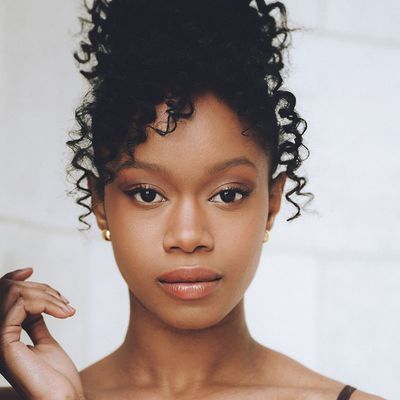
Tony Nominee Joy Woods stops by Behind the Awards to talk about playing Louise in Gypsy alongside Audra McDonald. Danny Burstein, and her Notebook co-star Jordan Tyson. Joy shares her way into the title role through Director George C Wolfe’s stories during rehearsal and her meteoric rise from Little Shop to Six to being a Tony Nominee.
Also in this episode - Millie Shapiro and Keri Rene Fuller from Last Bimbo of the Apocalypse now running at The New Group join us to give listeners a looking into the show and their characters.
Joy Woods originated the role of Middle Allie in The Notebook on Broadway as well as at the Chicago Shakespeare Theatre and received The Joseph Jefferson Award for Performer in a Supporting Role – Musical for her performance. Previously, Woods made her Broadway debut as Catherine Parr in Six: The Musical. In 2023, Woods starred as Martha Mills in the Off-Broadway revival of I Can Get it For You Wholesale. The production won the Drama Desk and Outer Critics Circle Awards for Outstanding Revival of a Musical. Woods made her Off-Broadway debut in 2019, originating the role of Chiffon in the Off-Broadway revival of Little Shop of Horrors. She then returned to the show in 2023 as Audrey. Woods resides in New York and graduated from the AMDA College of the Performing Arts.
Make sure to check out Eila's book, "The Tony Awards", and all her other amazing books: https://amzn.to/43WMu5Y.
Connect with Eila and Bruce:
Transcript
This transcript was automatically generated and might contain errors.
[0:00] Millie Shapiro: Hi, it's Millie Shapiro, and you're listening to Behind the Awards.
[0:07] Bruce Gotlieb: Bruce, I am so excited because we have Millie Shapiro and Carrie Rene Fuller on our show today, and they are starring in The Last Bimbo of the Apocalypse at the New Group, part of their 30th anniversary season. So welcome.
[0:23] Eila Mell: Yes, welcome. Congratulations. You guys just opened the other night.
[0:26] Millie Shapiro: Thank you for joining us.
[0:27] Carrie Rene Fuller: Of course. What a pleasure.
[0:29] Millie Shapiro: It's like such a we got the ball rolling the other night, and it's nice to talk to you now.
[0:34] Bruce Gotlieb: You know, we got to see the show a few weeks ago, actually. So we saw it early on in previews. And you know, going in, I had no idea what to expect.
[0:44] Millie Shapiro: All I knew was the title, which sounded like fun.
[0:47] Carrie Rene Fuller: I doesn't like to know anything going on.
[0:49] Millie Shapiro: I don't.
[0:50] Carrie Rene Fuller: So she wants to be blind.
[0:52] Millie Shapiro: I'm the same way. Did you at least know the photograph though? Had you seen the photograph?
[0:54] Carrie Rene Fuller: Yes.
[0:56] Millie Shapiro: The tabloids.
[0:57] Carrie Rene Fuller: Okay. Yes.
[0:58] Millie Shapiro: So I knew it was about that photograph.
[1:00] Carrie Rene Fuller: Right, right, right.
[1:01] Millie Shapiro: Yeah, sort of, right.
[1:02] Carrie Rene Fuller: Yeah.
[1:03] Millie Shapiro: A fictionalized version with the little hand put in. So, but for our listeners who haven't had a chance to get to see the show, there was a famous 2006 photograph with Paris Hilton, Lindsay Lohan, and Brittany Spears.
[1:18] Carrie Rene Fuller: And what did they call it? Bimbo Summit?
[1:23] Millie Shapiro: Yeah. There were multiple tabloids. The one in the car was like Bimbo Summit.
[1:29] Carrie Rene Fuller: And then there was one of them like coming out of a revolving door that was like three bimbos of the apocalypse.
[1:34] Millie Shapiro: They really went at these girls with bimbo.
[1:37] Carrie Rene Fuller: Well, I mean, that was I was gonna say, like, I didn't know back then that it had a name, this photo. So I didn't know that they were calling them bimbos. But it I can't believe in the lens of 2025 that that was acceptable to print.
[1:53] Millie Shapiro: Speaking about young women.
[1:55] Carrie Rene Fuller: Yeah, I mean, people are still doing it today. It's just I think more less like reputable news sources.
[2:03] Millie Shapiro: Right.
[2:03] Carrie Rene Fuller: Yeah.
[2:04] Millie Shapiro: Sure. Before you guys signed on to the project, had this been in your scope of consciousness, this picture and all.
[2:10] Carrie Rene Fuller: I mean, yeah. I mean Yeah, because it was my era. You know, like I was raised in the 2000s and in very formidable years as a young young lady. Um so I had been aware of it, but I was I was raised in middle America closer to the southern bit of America.
[2:30] Millie Shapiro: So my exposure was very sheltered in a way.
[2:33] Carrie Rene Fuller: And so the depths at which I was able to like learn about this material didn't really come into my sphere until this project.
[2:43] Millie Shapiro: And then I was like oh yeah I remember that. I remember that that, that, that I remember that VMA's performance.
[2:49] Carrie Rene Fuller: So that's kind of my exposure to it.
[2:52] Millie Shapiro: But yeah Millie is right. Like it's it's mostly what is it in the comment section these days.
[2:57] Carrie Rene Fuller: Yeah.
[2:58] Millie Shapiro: See I was I was this show take like is 2006. I have a references and all that but I was born in 2002 so I was four.
[3:07] Carrie Rene Fuller: Um so I like had some ideas and knew about like a lot of the things that we referenced in the show but I didn't have any personal connection really to it.
[3:19] Millie Shapiro: So it was kind of interesting to like kind of get a more like personal view of what it was like at that time especially because like there's a lot of people involved in the show and in the show that are millennials that grew up where that was like a big important part of their life.
[3:36] Carrie Rene Fuller: So it was very fascinating to hear the differences of people growing up with tabloid culture versus me and the other worms growing up with like internet culture because it is a very, very different sort of thing.
[3:47] Millie Shapiro: So it was very fascinating to learn about like the differences and similarities and how people are so different and yet still exactly the same. It's crazy.
[3:56] Carrie Rene Fuller: So the show is very much about you know the online world versus the real world.
[4:01] Millie Shapiro: And it's so my takeaway was that the early 2000s, when you know, when Coco was in her sort of heyday, um, that was more of the real world, and now we're in this virtual world.
[4:15] Carrie Rene Fuller: And so, Millie, your character, and you say the worms, and that's you and the two male characters who really only know each other virtually. Can you speak to that? Is that the theme, or is that one of the themes of the show that struck you?
[4:30] Millie Shapiro: Yeah, I mean, I definitely had my influencer era, especially around COVID. Like, I've made a lot of friends online that I've only known online or have met once in person.
[4:42] Carrie Rene Fuller: So for me, it was like kind of not that new or surprising.
[4:47] Millie Shapiro: It was something that like I had experienced in a way, um, which I think is really interesting because the internet is such a strange place, it is very isolating, it is very welcoming, it's very hateful.
[5:03] Carrie Rene Fuller: It's like this amalgamation of like every form of human expression and emotion, all like compressed into this tiny thing you can hold in your hand, which is insane.
[5:13] Millie Shapiro: And I know that was something that we were very much trying to portray throughout the show of like the isolating and togetherness of the internet.
[5:21] Carrie Rene Fuller: Um, and like with the worms, they would have never found Coco. They would have never found each other without the internet.
[5:21] Millie Shapiro: They would have never learned so much about themselves and who they are without the internet, but it also is very damaging to them.
[5:36] Carrie Rene Fuller: And it's kind of that like constant internal battle that um hopefully is portrayed to the audience of the show.
[5:45] Millie Shapiro: No, it is, it is. So your characters sort of are very similar in a way, but you would never think that going in.
[5:52] Carrie Rene Fuller: But you know, both of you are very isolated. Tell me about that experience for you, Carrie.
[5:57] Carrie Rene Fuller: Oh man, I mean, I am a true introvert at heart.
[6:02] Millie Shapiro: So I know a lot about isolating myself.
[6:05] Carrie Rene Fuller: But what really struck me about, because Millie and I were a part of a couple 29-hour readings prior to this production.
[6:14] Millie Shapiro: And just like any new work, we were able to develop it over the course of that time, and it was heavily developed.
[6:22] Carrie Rene Fuller: Like, if there is anything that, like, I mean, Michael Breslin and Patrick Foley and Rory Pelsiou, like, they have this wealth of information, of knowledge, of imagination, quite frankly.
[6:36] Millie Shapiro: And to watch it transform was something I absolutely, it was one of the greatest pleasures of my career thus far.
[6:44] Carrie Rene Fuller: And one of those things was discovering kind of okay. So, why are we telling this story? What is the point of this story?
[6:49] Millie Shapiro: What is the crux, the foundation of all of the musical numbers, all of the jokes, what is the reason?
[7:00] Carrie Rene Fuller: And we ultimately landed on um the relationship between Coco and Brainworm, and how, even though there are massive generational gaps, like as a millennial, even today, I have a hard time, just honestly, I have a hard time relating sometimes.
[7:17] Millie Shapiro: And I can only imagine, Millie, that a very similar experience for you.
[7:25] Carrie Rene Fuller: So discovering that was a long road, but it has been extremely rewarding because in the isolation of it all, you're able to find very deep connections because then when you're able to bond over loneliness or very real feelings like that of being um kind of scrutinized online.
[7:50] Millie Shapiro: That is a that's a connection that runs pretty deep.
[7:53] Carrie Rene Fuller: So that was that was a really amazing road to go on alongside the cast, and especially Millie for sure.
[8:02] Bruce Gotlieb: Millie, that's interesting because uh because you know, um, just of comments online, you know, you started working and became pretty well known as a very young girl.
[8:12] Bruce Gotlieb: What I I know you don't know any different, but what was that like for you growing up with you know, people able to comment on you and your work?
[8:21] Millie Shapiro: Yeah, I mean, people will always have an opinion about you. I've definitely experienced um the wide range of what can happen on the internet, the very great and very horrible.
[8:33] Carrie Rene Fuller: Um I remember when um the movie I was in Hereditary came out, that was when it really started to change my life, and I fully was like, oh, my life is never gonna be the same again, and that's really insane.
[8:50] Millie Shapiro: Um, and I remember I was in school when the trailer came out, and I was looking at it with my friends, and one of the top comments was something just like so mean about me, and I was like 15, 16 at the time, and it was someone saying, like, if I looked like you, I would kill myself, and I was like the internet is a crazy place.
[9:13] Carrie Rene Fuller: Um, and so like I've experienced a lot of stuff that we do talk about in the show, this like immense hatred and visceralness that people can have on the internet because it is so anonymous and there's no connection, and there is so much connection that people can really just say anything and do anything, which is wild.
[9:34] Millie Shapiro: But I've also experienced like the great things about the internet and have like made a lot of really interesting connections and like met people from like all around the world that I never would have like interacted with, and it's made me a lot more connected, so it's a weird thing.
[9:51] Carrie Rene Fuller: The internet, it's kind of like like a beautiful and horrible place at the same time.
[9:57] Bruce Gotlieb: Well, you said what you just said, you were like, there's so much connection, but no accountability.
[10:04] Millie Shapiro: That's like so true.
[10:07] Bruce Gotlieb: Because you don't necessarily because because of the anonymity that's possible, you don't necessarily have to take responsibility for things you say to people.
[10:16] Millie Shapiro: It divorces you to a certain extent.
[10:19] Bruce Gotlieb: And like I think our show is very much like pointing to that very blatantly.
[10:27] Millie Shapiro: Yeah, people don't feel that they need to have a filter, right?
[10:31] Carrie Rene Fuller: Right.
[10:31] Millie Shapiro: They can just say whatever just pops into their head, and yeah.
[10:34] Carrie Rene Fuller: Cause like they're being a little type it out.
[10:36] Millie Shapiro: Transparent and honest.
[10:38] Carrie Rene Fuller: Yeah, okay. And obviously, as women, you experience that in a much more intense way than men do because women are always judged more harshly and for our appearances and things like that that men aren't.
[10:51] Millie Shapiro: Yeah.
[10:52] Carrie Rene Fuller: Yeah.
[10:52] Bruce Gotlieb: Carrie, you you mentioned being, you know, an introvert at heart, and yet here you are in a career that is the opposite.
[11:00] Bruce Gotlieb: And now in this show, taking on a role of, you know, the pop star of the Yeah.
[11:05] Carrie Rene Fuller: You know, also somebody who is has to be so extroverted.
[11:09] Bruce Gotlieb: So tell me a little bit about that balance for you and and what made you say as the introvert, like I want the career where I have to be in the spotlight and shine for everybody.
[11:20] Carrie Rene Fuller: I think from a very young age, I've been singing.
[11:25] Carrie Rene Fuller: Like singing has always been like my primary focus.
[11:29] Bruce Gotlieb: And as it should be because you're amazing.
[11:32] Carrie Rene Fuller: Both of you are.
[11:33] Millie Shapiro: Thank you.
[11:34] Carrie Rene Fuller: Um, it has it has brought me some of the greatest joys and also some of like the greatest uh downfalls of my young life.
[11:44] Millie Shapiro: And it's just the reward.
[11:46] Carrie Rene Fuller: It's the reward of speaking to people after after performances.
[11:51] Millie Shapiro: It's a huge sacrifice energetically, but it is so worth it.
[11:55] Carrie Rene Fuller: It's not like, oh woe is me. I'm like so I'm sacrificing up here in front of you.
[11:59] Millie Shapiro: It doesn't feel like that.
[12:00] Carrie Rene Fuller: It just is taxing.
[12:04] Millie Shapiro: But meeting people afterwards, having people reach out to you afterwards and just expressing how much it means to them, something that you were completely unconscious of that you could have never been like, I'm going to impact somebody's life today.
[12:18] Carrie Rene Fuller: That's you know like that has been such it's been such an honor of my life.
[12:27] Carrie Rene Fuller: And with this show in particular, like I said, I I was raised, I was raised in Oklahoma, an amazing place to grow up.
[12:35] Millie Shapiro: Uh for my career, it's not currently, it's not the best place to be grown.
[12:40] Carrie Rene Fuller: Like as far as the caliber of work that I want to do.
[12:42] Millie Shapiro: I need to be here and I want to be here.
[12:45] Carrie Rene Fuller: But there were a lot of things that Coco specifically addressed in me that as a 31-year-old woman, really, I really needed to heal from a bit.
[12:59] Carrie Rene Fuller: Like, so the ways that Coco is able to express herself in this show, and that I'm able to express myself through Coco has been extremely cathartic and has kind of it's spoken to like the little Carrie who's like just still hidden away and just like, ooh, but is it okay to like say the word p fuck?
[13:21] Millie Shapiro: No.
[13:22] Carrie Rene Fuller: Like it's it's really um been a balm to that part of myself. So I I've also never originated a role before. I've only ever, I've only ever stepped into what has previously been conceived for me. So this has been across the board, like a pretty amazing experience.
[13:44] Millie Shapiro: And what a great place to do it with the new group.
[13:47] Carrie Rene Fuller: Yeah, yeah. Um, so you know, this show, I I just want people to understand that we're talking about a lot of big themes and you know, some very dramatic stuff. But the show is a ball, it's fun. It just happens to contain these themes, but it's it's hilarious, it's fun, the music, it's like a rock musical. It has everything that you want when you go to the theater for a good time. So I don't want people to think that this is a heavy show, it's not a heavy show at all.
[14:16] Millie Shapiro: And sometimes and sometimes that's the best way to get the heavier messages across, like slide them in a little subliminally.
[14:23] Carrie Rene Fuller: Because you have the pop world, you guys are on like a little true crime adventure, which everybody loves it.
[14:27] Millie Shapiro: I love that.
[14:28] Carrie Rene Fuller: We love that.
[14:29] Millie Shapiro: Yeah.
[14:30] Carrie Rene Fuller: Look at my Netflix history, and you'll know I love that.
[14:34] Millie Shapiro: Oh my gosh.
[14:35] Carrie Rene Fuller: I was binging American Monster yesterday.
[14:37] Millie Shapiro: If you're neither of you know that show, yeah.
[14:39] Carrie Rene Fuller: Okay.
[14:40] Millie Shapiro: I love it.
[14:41] Carrie Rene Fuller: So good.
[14:45] Carrie Rene Fuller: Hi, I am Carrie Rene Fuller, and behind the awards, we'll be right back.
[14:51] Carrie Rene Fuller: So, Millie, your character is dressed in blue, you have blue hair. Tell me about that.
[14:56] Millie Shapiro: Yeah, so in the show, color is a very important thing, and we use blue to represent the internet, which I think is so brilliant. Um, and because my character is chronically online, basically everything I'm wearing is blue, which I think is really fun.
[15:14] Millie Shapiro: Love the color blue. It definitely took me a second to get used to like looking at so much blue every day. Everything looked like orange when I would leave just because of my eyes were tired from looking at blue. Um, but I feel like blue is such like a interesting color. It's like very warm and isolating at the same time, and I feel like that is the internet.
[15:35] Millie Shapiro: It very much like has the right vibes, and um, yeah. Blue is the internet, guys. You heard it here first. The internet is blue.
[15:46] Carrie Rene Fuller: It's like a little bit of a little bit of a little bit very unfamiliar with coloring her hair.
[15:50] Millie Shapiro: So I really have never done that before. It was really, really a stretch. It's really crazy.
[15:56] Carrie Rene Fuller: And Carrie, was it fun for you to get to wear this like early 2000?
[16:01] Millie Shapiro: My God.
[16:03] Carrie Rene Fuller: Yes. I mean, I forgot like how low the pants were and just things like that. The valore the velore track suits, you know. Just iconic, iconic stuff.
[16:13] Carrie Rene Fuller: And I I normally I'm a very, you can't really tell from this very cozy, um, colorful garb I have on right now, but I'm normally a very neutral palette kind of gal.
[16:25] Millie Shapiro: Yeah.
[16:25] Carrie Rene Fuller: So exploring the more vibrant parts and seeing how um in kind of in competition the blue and the pink and the orange is with one another, is really it's been so fun.
[16:42] Millie Shapiro: And also, like I now like wearing low rise jeans.
[16:48] Carrie Rene Fuller: I I never thought that I would. I thought that that time had passed me by.
[16:54] Millie Shapiro: Um but it's it's reignited the passion for low rise.
[16:58] Carrie Rene Fuller: Well, I think they are coming back.
[17:01] Millie Shapiro: So there's a cycle, right?
[17:03] Carrie Rene Fuller: Everything always comes back around.
[17:05] Millie Shapiro: Always get rid of clothes.
[17:07] Carrie Rene Fuller: That's that's the message.
[17:08] Millie Shapiro: That is the takeaway.
[17:09] Carrie Rene Fuller: And Coco is very sparkly, girl too. Very like so much glitter and jewelry, and I'm like, oh, I have to look at myself in the mirror every day, and I'm like, okay, I have three necklaces, two bracelets, um, colorful bobby pins, what am I missing?
[17:24] Millie Shapiro: Oh, my um my my shiny eyeshadow.
[17:28] Carrie Rene Fuller: Yeah, because that's your everyday look, I'm sure.
[17:30] Carrie Rene Fuller: So, you know, I want to just dig more into Coco. What's interesting to me is that she has a name, but none of the other the modern day characters, they really don't have names. Is that because Coco is sort of more grounded in the actual worlds and the modern day characters are online?
[17:48] Millie Shapiro: You know, that was actually never something we fully explicitly discussed. Maybe, Millie, you guys talked more about that because you guys don't have like quote unquote names.
[17:59] Carrie Rene Fuller: But really, yeah, it's Coco and then Natalie Walker, who plays Kiki. Those are the only two like names.
[18:07] Millie Shapiro: Right.
[18:08] Carrie Rene Fuller: And I would be curious to ask the boys about um why that is a thing, but I definitely do think that it is like we reference Paris, Brittany, and Lindsay.
[18:21] Millie Shapiro: And so naturally, of course, Coco must also and also just dramaturgically.
[18:28] Carrie Rene Fuller: Um to have I think it's more impactful when the bracelet has a name on it.
[18:33] Millie Shapiro: Yes, like Coco.
[18:35] Carrie Rene Fuller: Um, I think it's it's I think it's mostly impact of this is a girl who in a very different time and place probably would have been very successful.
[18:47] Millie Shapiro: But there are elements of her and especially her song Something Out of Nothing that's a touch philosophical for the 2006 era.
[18:55] Carrie Rene Fuller: Yeah.
[18:56] Millie Shapiro: But the you know, your character goes on quite the journey that the audience doesn't see coming, which is so much fun.
[19:02] Carrie Rene Fuller: And it must be so much fun to play.
[19:03] Millie Shapiro: Yeah.
[19:04] Carrie Rene Fuller: Yeah. I never really know what's gonna happen next, which is so really exciting on stage.
[19:10] Millie Shapiro: Do you hear the audience get it when it takes that turn at the end?
[19:14] Carrie Rene Fuller: Yeah, yeah. Some of our first shows, Millie, remember, they would be like audible.
[19:18] Millie Shapiro: Yeah, it was so funny.
[19:20] Carrie Rene Fuller: I was like, it's like so hard not to like laugh because you're gonna know I have a secret, a dirty little secret, and nobody knows.
[19:27] Millie Shapiro: Yeah, it's so silly, yes.
[19:29] Carrie Rene Fuller: And then like side, like just the slight celebration inside of like, oh my gosh, we pulled it off.
[19:29] Millie Shapiro: Oh my gosh.
[19:35] Carrie Rene Fuller: And it happened.
[19:36] Millie Shapiro: And Millie, you know, just to go into your character a little deeper, you know, she's like this internet superstar, but she but in real life, she's shut herself away in her room for four years and she doesn't feel confident.
[19:50] Millie Shapiro: And you know, what was your approach to her? How how what's the way in for you?
[19:54] Millie Shapiro: I don't know. For me, this character was really easy to get into because I've kind of experienced a lot of similar things of like being that age on the internet and like COVID, everyone was trapped inside their houses.
[20:08] Millie Shapiro: And that's when I was like really getting into the internet and everything. I feel like the internet's a way where you can kind of like be the idealized version of yourself that you like want to be because it isn't real, and it's like such a like it's a pinhole view of like who someone is, so you can kind of like control how you portray yourself.
[20:31] Millie Shapiro: And I feel like there is like some good things about that as well as bad. And um, I feel like for Brainworm, it's like she doesn't have the confidence yet to be who she is in person.
[20:45] Millie Shapiro: Um, but online it's like especially because she can like in the beginning, she's like hiding her face, and there's so much control with that that I think like learns to lose um throughout the show, which I feel like is really important.
[21:00] Millie Shapiro: Worm comes into the show with a very set idea of who she is, what her rules are, how she sees the world, and that kind of changes throughout the show, and she kind of like grows up and learns what things are really like, which is so fun to do every night.
[21:16] Millie Shapiro: You get like a whole experience. It's like, oh my god, my entire worldview is changing every day. This is crazy.
[21:22] Carrie Rene Fuller: But also like she must be desperate for some connection because she reaches out to the other two.
[21:28] Millie Shapiro: Yeah, she from the start of the show.
[21:31] Millie Shapiro: Um I like the way I kind of think of it is from the start of the show, everything that happened was always gonna happen.
[21:38] Millie Shapiro: Like my character deeply craves connection and like everything that she like needs to find people to find out. She could find out on her own, but it's not really that she wants to know about Coco.
[21:46] Millie Shapiro: She wants to know about like life and connection and people, and um she wants to find something more than what she has now, which she can't really do by herself.
[22:03] Millie Shapiro: And that's kind of what she figures out throughout the show that I think is really important because self-isolating is not always a good thing.
[22:13] Carrie Rene Fuller: No, usually it's not a good system and friends, and maybe to breathe outside air every once in a while.
[22:20] Millie Shapiro: Yeah, humans kind of need air and interaction.
[22:23] Carrie Rene Fuller: Yeah, sunlight, photosynthesizing, all the good things.
[22:26] Carrie Rene Fuller: And Carrie, your character is similar because you reach out, Coco reaches out to uh Millie's character. Maybe not for the same reasons, but maybe partly the same reasons, do you think?
[22:38] Carrie Rene Fuller: Yeah, I think that both of them are looking to be rescued in their own way.
[22:42] Carrie Rene Fuller: And they realize that they can't rescue themselves.
[22:45] Carrie Rene Fuller: And that is kind of the human experience, right?
[22:49] Carrie Rene Fuller: Like, unfortunately and fortunately, we are a social species.
[22:55] Carrie Rene Fuller: And I do, like, I feel it in my real life too. It's like after a stint of like preserving because also in our craft, like in our careers, it's not necessarily the normal way of living.
[23:07] Carrie Rene Fuller: So, like, we have I leave my apartment on Saturday mornings to go to the theater, and there are people that are just starting their day of like they're going to get brunch and they're getting bagels and they're like day drinking and and like experiencing their weekend.
[23:23] Millie Shapiro: And I'm like, yeah, I'm going to work today.
[23:26] Carrie Rene Fuller: That's pretty wild.
[23:28] Carrie Rene Fuller: And then conversely, I on Mondays, you know, watch I walk out and I have my day off when everybody's going to work.
[23:36] Carrie Rene Fuller: So yeah, it I feel it in my real life too that the fleeting connections that you have with strangers every single day really do impact uh your own experience of of life.
[23:49] Carrie Rene Fuller: And when Brainworm and Coco are seeking out very intentionally a connection that serves them both in very different ways, it does at the end of the day serve them both, regardless of what happens.
[24:04] Millie Shapiro: So that's that and it's also really fun to explore with Millie.
[24:08] Carrie Rene Fuller: It's like to be so different, but also to be so similar.
[24:33] Millie Shapiro: Like literally everyone has their fingerprints on this show and has made it the hit that I that I truly think it deserves to be.
[24:42] Carrie Rene Fuller: Yeah.
[24:42] Millie Shapiro: I hope it has a life after this run because it so deserves it.
[24:46] Carrie Rene Fuller: It it deserves a cast album because the music is incredible.
[24:50] Millie Shapiro: Tell the people.
[24:50] Carrie Rene Fuller: Tell the people.
[24:52] Millie Shapiro: That's what I'm doing.
[24:54] Carrie Rene Fuller: And it needs to be you two continuing with the project.
[24:57] Millie Shapiro: So I've that's all.
[24:58] Carrie Rene Fuller: I put it out there and everybody needs to go and see the show and flood you if they want to get online and type type something, type we want a cast album.
[25:08] Millie Shapiro: That's right.
[25:09] Carrie Rene Fuller: That's right.
[25:10] Carrie Rene Fuller: And just one last question because we would be very remiss to not remind people that Millie, you were one of the Matildas on Broadway.
[25:18] Millie Shapiro: Many, many years ago indeed.
[25:21] Carrie Rene Fuller: Yes, you have a Tony Award for that, which is amazing.
[25:24] Millie Shapiro: Yeah, you do.
[25:24] Carrie Rene Fuller: Yeah, you do increase.
[25:27] Carrie Rene Fuller: So what do you get more of at the show?
[25:29] Millie Shapiro: Matilda fans are hereditary fans.
[25:32] Millie Shapiro: Honestly, it's been pretty even.
[25:35] Millie Shapiro: I there's been a few hereditary fans that have been like waiting outside every once in a while, which is so crazy to me.
[25:42] Millie Shapiro: Um, but it's a lot of hybrid fans that have come to see this that are were like saw me and Matilda or were fans of Matilda, and then also are horror fans.
[25:54] Joy Woods: So it's been kind of a mix, which is really interesting to see. And it's always weird to me when people like did see me in Matilda because that was so long ago, so many years. I was such a baby child. I was like 10, which is insane. I feel like you haven't changed that much though. No, I really have like spiritually, spiritually, I feel like I'm getting the Millie that was Matilda with just less life experience back then. Like it really is astounding. I feel like this isn't like this being my background, really isn't like insinuating that I'm that different of a person. Um yeah, it's it's been a mix. It's like it's crazy, I feel like for people that have especially hereditary fans to then come see this because it is a very different type of thing.
Um so I always think that's funny. I'm like, it's not real, guys. It was just a movie. Yeah, your head is still attached. It's still attached. You're good. No, there's like two or three lines in this show that sound like hereditary jokes to me, and no one's ever caught them except for me. Like in I Literally Die, they literally say tet means head, and without one, you're dead. Funny, that's funny. That's literally a hereditary reference, guys. And nobody's ever like nobody's ever put two and two together except for me. And I'm just like, guys, well, it's probably it's probably what is that? That it's like that uh, whatever that psychological thing is is like once you start thinking about something, like you see it everywhere.
Exactly. But there's like a couple moments in the show where you're singing, and I'm just watching you, and I'm like, there's Matilda. Yeah, you're like, there she there she is. There she is. Yeah. I mean, the characters are a little similar for sure. There's there's definitely some like and that's not rights going on with Brain Worm, which is very Matilda. So yeah, yeah, the through the through line is there, the through line is there. Excellent. Well, when is the show running through? June 1st. All right, so you've got some time, a little bit of time. Don't miss it. Yeah. This is a really, really special show with great music. And thank you both so much for joining us. Thank you for allowing us. Thanks for watching me. Thank you so much. This is Joy Woods, and behind the awards, we'll be right back.
[28:13] Bruce Gotlieb: Well, Eila, I mean, obviously, we are so excited to welcome Joy Woods to Behind the Awards. Hello, Joy. Thank you so much for joining us. Joy, you don't do anything small. I mean, I was looking over your credits, and I mean, you started off doing Little Shop and Horrors. You played one of the urchins. Which one was it? Was it Chifon?
[28:34] Joy Woods: Yes.
[28:34] Bruce Gotlieb: And then you came back and did Audrey, and you're in Six, and of course, The Notebook, and now Gypsy. I mean, what a career for such a short amount of time.
[28:44] Joy Woods: I'm sleepy.
[28:44] Bruce Gotlieb: Yes. I was gonna say you must be a little tired. But how amazing. I mean, was this always your dream?
[28:51] Joy Woods: Yes. And I feel like so many more dreams were formed and came true before I was even able to think of them. So it's been really nice to just sort of be on the ride. And as long as the focus was learning, so many things ended up blooming on that sort of journey.
[29:13] Bruce Gotlieb: And you work with so many amazing people. You know, is there anybody who has been mentored to you?
[29:19] Joy Woods: I joke about it all the time that I've gained so many adopted parents along the way. Audra and Danny for sure. Eleanor Scott and Michael Mayer, who put up the original Little Shop, my wife and Shelley Williams, who directed The Notebook, Katie Spellman who choreographed Inclip Michaelson, who also did the music. Like it's it's I feel like I've been really taken care of on my journey. And especially since I started so young, I people think you know, it's natural to want to take care of it of it of a child in this big scary industry. So I'm lucky to meet some incredible people that saw and wanted to do some lifting up for me.
[30:00] Bruce Gotlieb: It also has to give you that ability to kind of stretch or or kind of take those leaps because having that safety net underneath you and that support gives you the ability to, I would assume, fly free creatively, at least you know that they're not gonna you know let you crash.
[30:18] Joy Woods: Totally. And I think the thing that I've battled with the most is I've been given a lot of trust of all of those people. And of course, no one's you know, if you're putting up a show and you're at the the lead of it as such as a director or choreographer or uh composer, anything like that, you're not gonna make sure somebody's going on stage looking insane, doing your work. Yeah. I'm known I've always known that I was okay in that sense, but boy, oh boy, did they trust me? And boy, oh boy, did I do I not trust myself a lot of the time and do that? So I'm figuring it out on the fly.
[30:58] Bruce Gotlieb: Well, you're doing a pretty good job because you know, you've been acknowledged now with the Tony nomination. Congratulations. Where were you when that came through? Were you watching?
[31:06] Joy Woods: I was with my best friend. Um, I told them that I did not want to watch, I just wanted to make pancakes and have just a normal breakfast and maybe play a game, take the dog to park, do something normal. And um eating, and I'm stuffing my face with pancakes, and they're they've suddenly become very interested in scratching the dog's head. And you're not listening to a thing I'm saying. What what's what's going on? Where where did you go? And apparently they had an airpod in. Started jumping around and crying, like, check your phone, bro. Take your phone. And I looked over and then suddenly calls were coming in. So they absorbed all the anxiety and the high feelings that I was trying to avoid. So I'm so um I'm so grateful for them for that.
[31:54] Bruce Gotlieb: Right. And you know, there are so many well-meaning people who probably told you, Oh, you're gonna get nominated. But you know, that can kind of mess with your head. Did you have that experience?
[32:05] Joy Woods: I mean that to be completely honest, considering the season that we have, I did not expect to get a nod at all. And especially with the kind of little s scratches and scars I had from last year in the no first time putting up something on Broadway and just not even thinking I was gonna get a nod because that was another stacked season, but just being excited and wanting it to be disappointed in that way. Yeah, was like a a huge bucket of ice water on the head about what it really means to be working in this industry. We're not here for that. It's been really wonderful too focused in on the fact that I'm here to learn and I think to be given Lubies in this season is something that I've it has been so difficult for me to figure out, especially alongside Audra and Danny and Jordan, who I learn more from every single day.
Yeah, it's nice to not have any feelings changed about it. So when people were telling me that uh I was just sort of like I need to block that out so I can continue to do what I know I'm supposed to be doing.
[33:11] Bruce Gotlieb: You mentioned Jordan, your co-star from The Notebook. Did you guys know going in to I guess your auditions or you know, having conversations about Gypsy, did you all speak with one another and know that you were both contending?
[33:26] Joy Woods: Well, that's the thing, Bruce. Um, Jordan her cards are very close towards cast. Um we were going to we were in auditions at the same time and we didn't know from each other because I'm I'm a yapper personally. We spent a whole she knows everything about me. Would rather not know. Um and so I I obviously like mentioned it, but one day I'm walking to the dressing room and a Marianne Plunkett who played the older Allie in The Notebook. Um her dressing room is right on in in front of ours down the hallway. I hear some voices. I hear some scene work. Would my ow. She's been lying to me. And a book it and I literally thought, oh my god, Jordan is gonna be dainty June in the Gypsy revival alongside Audra McDonald and Danny Burstein. I not sound like if it's gonna be one of us, and it ain't gonna be me. So what a what a blessing to be able to do another show with her. She is a part of my soul.
[34:37] Bruce Gotlieb: I would imagine that like when you start a new show, it's like at the first day at school, and who do you know or who don't you know there's probably some of those similar feelings, and to have at least like all right, well, I know Jordan's there. I know at least somebody that I can very much get in the corner with if I have to.
[34:51] Joy Woods: It's you know, I'm trying to think if I knew anybody walking in. Only Jordan was the only person I knew walking in to this production and already being so scared about whether or not I was good enough to be there. Her um I clung to her like a like a spider monkey. Help please.
[35:12] Bruce Gotlieb: Yeah.
[35:13] Joy Woods: Not be so anxious all the time. And she's always been very good for that. We are sisters.
[35:18] Bruce Gotlieb: Where I think your Louise is so successful. I mean, obviously I knew you would be able to do the Louise in the last stages of the show. But I think that you manage to communicate such youth way, you know, when you first start as Louise, you know, she seems like a kid, and then you really see her grow. A lot of times you don't get that because the actress playing her, you know, is not a kid. And you know, sometimes you don't always get that. So I you know, you were really successful in that.
[35:49] Joy Woods: And in fact, my friend who I went to the show with said, Is that a different actress? I said, No, that's very and I mean, you know, I'm 25-year-olds are the toddlers of adults. I very much feel like a child. And I appreciate you saying that because there's the post-gypsy, I mean, post-transformation that I've found to be incredibly difficult. I mean, I I could I could do childish all day. So thank you. Thank you. It feels and it's working.
[36:17] Bruce Gotlieb: Yeah, literally, you know, it's nice to hear from time to time. Validation never heard. What's been the most fun part of the process?
[36:25] Joy Woods: I mean, obviously it's work, right? It's your job, but it's gotta be a joy too. Better rush than the oh my god, I understand what I'm doing for for just a f just a fleeting moment because you never leave the stage and thrown into the next scene wondering, do I know this? But that feeling of understanding and learning something new that like Eureka, you know, it's it's really such a rush. And then the company is A plus, no bad eggs. We are laughing all of the time.
[37:01] Bruce Gotlieb: Yeah.
[37:01] Joy Woods: I smile when I see every single one of their faces, and to be on stage with people that I genuinely enjoy and and sometimes when I'm not as present and I'm thinking about what I'm doing, and I see somebody walk on stage, I'm like, yeah, I I'm really happy and grateful to be a part of such a good group of people.
[37:22] Bruce Gotlieb: And what have you learned from working with a real master like George C. Wolfe?
[37:26] Joy Woods: Another person that really trusted me, really appreciate the trust. Yeah. And he is so funny. He brings so much depth to his humor to his, he's got so many stories to tell. And he's he's his spirit is so lived in that it was really interesting. A lot of the ways that he communicated ideas to us was through stories, just looking at it from a different lens in a different world and it diff with different characters. But the feeling and the root of the idea was the same. And for some reason that clicked better for me, and I was able to understand what was, and I just found myself really comfortable with him. And because I was so comfortable, I was open to listening and receiving and giving. There was still also obviously a layer of feeling so scared in the room to make a mistake or say something wrong.
But I was asking questions. I was um growing up, you know. This is only my I've only done so many shows, I'm still learning how to speak up for myself in a room, how to have opinions. So this was a really wonderful next lily pad on the on the stream to learning.
[38:38] Joy Woods: And I'm sure you get to just soak in all of the experience from you know having Audra as your stage mother in in just the career that she has.
[38:47] Joy Woods: I mean it's just remarkable and I would imagine just to be able to be a sponge next to her is like all you could ask for as far as education. Truly I do not think that I try to you know there was a um a video of that was released or not even released, just posted online of somebody recording me during The Notebook a few weeks ago. And to look at that and know the actor that I was at the time compared to now the amount that I've learned the amount that I watched and I was like oh that this is supposed to be the I knew what was going on in my head when I watched the video and I was I I was so it was also here and Audra she she breathes with every cell in her body and my breath was so inward and to know to be able to recognize the girl that I've had just from sponge next to her like you said it is is I just I'm grateful.
I feel very lucky. Audra herself said that she didn't consider herself a real actress until she did Master Class. So you know she had the same kind of trajectory. Often says that I remind her of her and sometimes you never know if they're just saying that someone just being nice but yeah I mean she does say it often and I can I can definitely imagine that that is a that is yeah I mean there's so many things you could say to say something nice. She wouldn't say that if she didn't mean it. And Danny, Danny Burstein is just the biggest mensch. I mean, kind of the best guy around, to be quite honest. I think of him and and think warmth. Yeah. I mean, not that you need anyone to take care of you, but it must be nice to have someone like that in your corner.
To just have more good people around. Create a good, safe environment to exist. I think I've said this before, I don't remember where or to who, but I feel comfortable enough to walk around the building with my shoulders slouched and say, I don't want to do the show today and not be received as ungrateful or as you know. Everybody knows that I'm gonna go on stage and do it with a smile on my face, but right now I I'm tired. I'm having a moment. Those moments are allowed, and that moment won't be yeah interpreted wrong or or taken personally, and I think they are huge leaders in and creating a space where people can exist in.
[41:17] Eila Mell: What do you like most about Louise?
[41:19] Joy Woods: I enjoy her humor. I really enjoy her humor. Um I think she like me is one of the people that um says what they're thinking before they realize what it sounds like. So I think uh I I enjoy watching how she says the thing, reacts to the thing, recovers, and just sort of she makes me laugh. She makes me laugh. There are many moments in the show where I take pleasure in saying my line because I think that she's a witty, smart, fun person and is just as awkward as I am. We do feel for you um, you know, when with Tulsa and that whole triangle. And we we had Kevin on and we talked to him about it and how we felt about you know his his role in the in the whole triangle it was very misleading Why would you do that?
Exactly and tell her she's you know um uh she's gonna you're gonna help her and she's gonna help you out. No and she's looking at you like that holding your hand. That's right. Um everybody's got a dream they're all kids. We're making mistakes. I will never forgive him but it's fine. No. Well we're mad at him on your behalf.
[42:39] Eila Mell: Um what's the stage door experience like for you? That must be fun.
[42:42] Joy Woods: I actually don't by the end of the show you don't do it I am run ragged and I know person I would be if I were to show up at the stage door is not the person that they're they're wanting to say hello to well sometimes you know that got you okay everybody means well at the stage door but all it takes is that one comment or opinion or compliment that just maybe comes out not the right way or maybe I'm in I take it in the wrong way and then at night for weeks think about that thing that that person says I'm I'm just anxious and conceited and and touchy in that kind of way so I try to avoid that. And I've also had a smart then stage door experiences so no I think it's just safer for everybody if wave and and get to my train.
[43:34] Eila Mell: Is that something you learned from The Notebook or did you not do it then either?
[43:34] Joy Woods: I did sometimes at The Notebook but I wasn't as tired at the end of the show as No Big as I am at Gypsy I really start to work in the last 20 minutes of the show. Well two and a half hours before it's just active listening. But I'm really sad. And Audrey her rose yeah requires all of all of me. All my gypsy. Yeah. I get up to that dressing room afterwards and I stare at the wall for at least 15 minutes before I even take my makeup off. So I I gotta just be aligned to my bed.
[44:12] Eila Mell: Yeah well I mean that makes a lot of sense and it's good that you can take care of yourself in that way that you know how to do that.
[44:20] Joy Woods: 25. It took some years to figure out what taking care of myself looked like. And I'd imagine that you know even playing in The Notebook playing uh Allie and even when you went back to Little Shop as as Audrey like those characters are deep and complex and they're going through things. So I would imagine that there has to be some time after where you can just kind of decompress and come back to being Joy and leaving their baggage and what they've experienced in that two hours or or whatever it is to leave that behind. How what are some of your methods to I guess be able to disassociate a little bit.
[45:01] Joy Woods: Well I will say for Little Shop the last song we are dressed up as flowers and singing a song about not fitting the plants and I'm doing my best to be a disembodied flower head that while I sing this song. It's a bit of a none of this is serious Little Shop of Horrors yeah sort of that was my way to decompress yeah it would happen on stage and it was such a special time the it was because I was playing Audrey it was such a small theater, and there's just two dressing rooms, one for uh women identifying and one for men identifying. And so our dressing room was all black women because the Urchens and Audrey and all the swings were black women. And we had a time. We were having we were all the same age as well.
So it was just like the girls' room. It was just a fun summer doing a show that I know like the back of my hand. With The Notebook, right? There was an ending song. And because I did, they're complex characters that go through things, but I only play a chunk of her life. I think Mary Jordan sort of took the weight of the complex times. I think I got like the rush, the lament, the romance, the sex, like the and the self-actualization moment. I got the doll of Allie's life. And then coming on for Dakota at the end, um, arm in arm with one of my best friends in the world, and we're singing this tune, and we're watching people cry, and it's like a a big exhale rather than sort of going all the way to all guns blazing.
Yeah, was my two ways to decompress before I even stepped off the stage. Whereas this one in Gypsy, we are until the very last second still on a precipice of beginning to repair. So there's still a lot of pain, but there's like a little bit of light at the end of the tunnel, but you're still very much in the cloak of the weight.
[46:56] Eila Mell: When you were preparing for this role, did you spend a lot of time seeing how other people what they choices they made, or did you just really kind of just research the person itself?
[47:08] Joy Woods: Yeah, I think I did more research of the person because I I eventually, once I felt like I had Louise under my belt, I then went to go look at other productions. But because of the way that this one is reimagined, a lot of the things that they do may not work for us. May not work for that Rose, may not work for Heloise. And I've got like three best friends. So when I say my best friend, you're gonna have to guess which one is what talking to one of my best friends because he's nasty about he's kind of seen a show a few times and and I was feeling disjointed about what I'd seen after watching other productions of Gypsy and the one that I'm doing now. And he said something that that struck me was that Gypsy is so powerful because you see what turned Rose into Rose.
A mother was once a daughter, and that relationship always has to be you can't have a different Rose and then the same Louise in each production. Like they have that one completely affects the other. So my Louise is going to feel different and feel maybe mousier or maybe louder, or or depending on the day, whatever Rose shows up as is who my Louise is going to be, because that's the environment that she's growing up in. So I've done some looking at other productions, but a lot of the time it I can't relate to what they're doing because there's a very specific archetype with Rose. I can't be serviced by. And also, you know, their experiences as you know, as people are different than yours, so you can only bring what you know what you can bring to it, which is great.
[48:56] Eila Mell: Well, Joy, we know that you don't have tons of time, but we would be remiss if we didn't say that we thought it was the coolest thing ever when The Notebook made that video with you and your song. That was so cool.
[49:07] Joy Woods: Oh my god, that dress that you were wearing on that roof. Yeah, that was really, really, really cool. And that was the same day as Miscast, so it was a long it was a long day.
[49:18] Eila Mell: Oh wow. Now that that dress, I'm sure was just something you have in your closet, right?
[49:24] Joy Woods: Wish I had something like that in my closet. They should give it to you. But yeah, I'm really, really happy that I have that as a memory and then it's realized on the internet. Yeah, it was the song of the I did not expect it to be what it was. So I'm just grateful that it was received like that and that people were not only enjoying it but affected by it and wanting to, if that was a way to promote the show at all, then so be it. And I'm grateful to be a part of that.
[49:50] Eila Mell: It also shows that if you wanted to, you know, you could very easily have a career as a recording artist as well.
[49:57] Joy Woods: Let's let's work on my lines first.
[50:00] Eila Mell: That's good.
[50:00] Joy Woods: Sounds good. Just planting a seed, you know.
[50:02] Eila Mell: Maybe one day he's like a part of my family.
[50:05] Joy Woods: Yeah, I like I like theater right now, and my being can only she she has the capacity for one art.
[50:14] Eila Mell: Well, uh, you chose well. Theater loves you, and audiences love you. And we I mean, it doesn't matter what happens to the Tonys because you've already won.
[50:22] Joy Woods: Could it be in the room and I have one with yes, that's right. Doing the show at all. I really received a gift the day I booked the show.
[50:33] Eila Mell: So exactly. Right.
[50:35] Joy Woods: Right. And your name's down in the history books, you were nominated.
[50:39] Eila Mell: Yeah, and and like I think this is the year where every featured actress is the first-time nominee.
[50:45] Joy Woods: Earless. Like whoever wins, it's a gag. The round of Tony on their very first nomination.
[50:52] Eila Mell: For sure. Everybody's celebrating. And what a season to be part of. The storytelling, the performances, the innovation. It's just so exciting.
[51:01] Joy Woods: Thanks for thanking of me. I'm just happy to be afterwards. Save me a prosecco.
[51:06] Eila Mell: There you go. Perfect. Well, Joy, enjoy every step of it because it's such a special time. You know, take those moments. And we thank you so much for being with us.
[51:16] Joy Woods: Thanks for having me. It's been a blast.
[51:18] Eila Mell: Our pleasure. All right. Well, if you haven't already seen Gypsy, you really need to get there. You see Joy, Audrey, Danny, Jordan, Kevin. It's a wonderful company. And we will see everyone next time on Behind the Awards. Bye-bye.
© Broadway Podcast Network, All Rights Reserved