

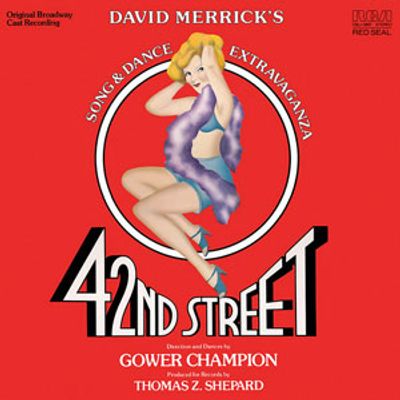
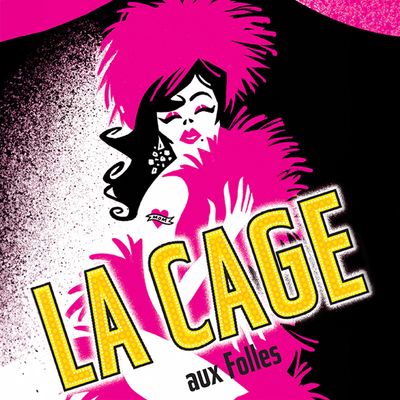
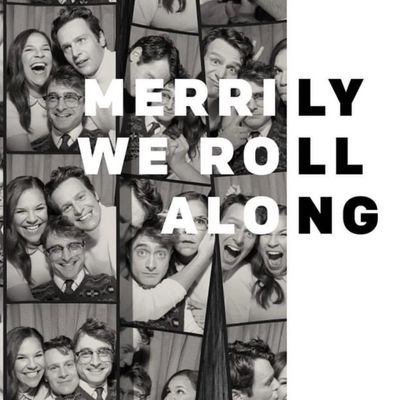
Company. Sweeney Todd. Merrily We Roll Along. 42nd Street. La Cage Aux Folles. Those original cast recordings, and so many others, were produced by the 12 time Grammy Award winning producer who revolutionized how a cast album gets produced, Thomas Z... Read More
From the show: BEHIND THE CURTAIN: BROADWAY'S LIVING LEGENDS » Podcast
Featured Shows
About
Company. Sweeney Todd. Merrily We Roll Along. 42nd Street. La Cage Aux Folles. Those original cast recordings, and so many others, were produced by the 12 time Grammy Award winning producer who revolutionized how a cast album gets produced, Thomas Z. Shepard. A protege of the great Goddard Lieberson, Thomas walked into Columbia's studios in 1960, and helped bring so many of our favorite original cast recordings to life. Thomas pulls back the curtain on his career to discuss how he produced Stephen Sondheim's greatest albums including the infamous Company original cast recording,, what it was like taking on the volatile David Merrick, and why Follies in Concert almost never happened! Also, Thomas shines the spotlight on Herb Ross, Linda Lavin, Jose Menendez, and the truth behind Elaine Stritch's "The Ladies Who Lunch!"
Transcript
This transcript was automatically generated and might contain errors.
[0:00] Kevin David Thomas: Dear friends, we are so sorry about the ads. They are a nightmare in every way, but with your donations, we can get rid of ads someday.
[0:09] Robert W. Schneider: Beautiful Kevin.
[0:10] Kevin David Thomas: Thanks, Rob. Bach and Harnick are smiling so much. Friends, yes, we are back with a new plea. Much like those adorable puppets from Avenue Q, we are asking for you to give us your money. For those of you who have headed over to Patreon to throw a little money our way, we thank you so much from the bottom of our hearts. Your contributions are the only budget we have for this show, and it provided us a new soundboard and better studio space. So a thank you.
[0:34] Robert W. Schneider: Thank you.
[0:36] Kevin David Thomas: And as you know, nothing is more fulfilling than talking to the legends of Broadway and hearing them share their thoughts, wisdom, and talents with all of us. However, it does cost money. And if you want to help us keep the show going, please head over to Patreon.com. That's P-A-T-R-E-O-N.com. Search for Behind the Curtain, and you can give as little as a dollar a month. And trust me, that dollar will help us more than you will ever know. Plus, for certain monetary donations, you will get to pick your favorite thing and have advanced knowledge of our future guests so you can ask the legends your own questions.
[1:09] Robert W. Schneider: Ooh.
[1:10] Kevin David Thomas: Or you can simply leave canned goods and an original cast recording of How Now Dow Jones outside our doors if you don't want to contribute on Patreon.com.
[1:18] Robert W. Schneider: Truth. So once again, please head over to Patreon.com. That's P-A-T-R-E-O-N.com to help us out. Thanks.
[1:24] Kevin David Thomas: Thank you.
[1:26] Robert W. Schneider: Hi, I'm Robert W. Schneider.
[1:27] Kevin David Thomas: And I'm Kevin David Thomas.
[1:28] Robert W. Schneider: And this is Behind the Curtain: Broadway's Living Legends. Don't forget to follow us on Twitter at Broadway Curtain. And make sure to join our Facebook page at Behind the Curtain: Broadway's Living Legends. And follow us on Instagram at Broadway Curtain Podcast. Plus, you can always listen to our podcasts on Broadway World and Stitcher.
[1:45] Kevin David Thomas: Ooh, Stitcher. Um, for those of us who couldn't get to a Broadway show, or for those of us who can but want to relive the amazing score night after night, the original cast recording is our Bible. Every note, every breath, every instrument will become the final say of a musical in our minds and memories.
[2:03] Robert W. Schneider: That's right. Today's guest is responsible for many of the albums that inspired us to get into theater. As a record producer, he has given us the original cast recordings of, alright, get ready, 1776, Company, No, No Nanette, Raisin, Pacific Overtures, Sweeney Todd, Eight and His Behaven, 42nd Street, Merrily We Roll Along, La Cage Aux Folles, Sunday in the Park with George, The Secret Garden, and so many more. Just one of those we can say thank you and let the man go. But look at all of this messed up.
[2:28] Kevin David Thomas: Oh my God. To tell us what it was like to work with such legends as Lehman Engel, Barbara Cook, Stephen Sondheim's, Elaine Stritch's, David Merrick, here is the man whose brilliant artistry made musicals come to life in our living rooms, bedrooms, and imaginations. Twelve-time Grammy Award winner Thomas Z. Shepard.
[2:47] THOMAS Z SHEPARD: You've been reading the bio.
[2:46] Robert W. Schneider: Okay.
[2:51] THOMAS Z SHEPARD: Oh, we memorized it by heart. Um, I very much enjoy recording Broadway shows because I like working with actors. As a matter of fact, um, I met my wife, who was at the time an actress, when we were on tour with Little Abner. Um, she was Moonbeam McSwine, and I was one of two pianists.
[3:08] Kevin David Thomas: Really?
[3:13] THOMAS Z SHEPARD: Um, goes back further than I feel like saying. Well, I, Irene's father was the actor, uh, Harry Clark, who did Brush Up Your Shakespeare in the original.
[3:22] Kevin David Thomas: Oh yes.
[3:23] THOMAS Z SHEPARD: So I kind of married into a theatrical family. Um, what can I say? Uh, I, uh, I love making recordings. I think perhaps I justify my reason to exist by trying to insist that a recording, um, is not a documentary, it is not a newsreel. It is, it is instead, uh, I hope an art form of its own.
[3:48] Yes, that once we know we know we have no sets, lights, or costumes, um, we're compensating for that and adjusting for it in the recording. It’s my belief, it's my hope, that the recordings I make sense without your having to necessarily go to the liner notes. I like more and more as I've gotten older and more comfortable doing things my own way. I've, I, my recordings have become more and more like radio plays, uh, which became a very easy thing to do, uh, ever since the compact disc was invented, because, uh, if people want to skip past, uh, those bands that contain dialogue, they still have that option.
[4:31] But in the meantime, well, I guess certainly Sweeney Todd is an example that probably sounds, um, more like a Victorian, uh, melodrama, um, than like a traditional original cast recording. So when you said earlier, um, that you have these people have these recordings as memories, it's true, but sometimes they're gonna find that the recordings are a little bit different.
[4:56] Yes. And I learned, I learned that from Goddard Lieberson, who was in fact, um, the I think the quintessential, uh, producer of Broadway cast albums, you know, who knew how to adjust, uh, the situation so that on recording, on playing back the recording, um, you weren't necessarily reliving, uh, the exact experience of the theater, but you were certainly getting inside the character. I, I remember watching, uh, a documentary that Sony had made at the time that Columbia had made of Goddard coaching Judy Holliday in, um, The Party's Over.
[5:38] Uh, it's a wonderful thing to see. And basically, what he was doing was he was making her internalize the song more and more. Uh, by the time he finished with her, and she, you could see she just adored him. Um, he really, um, he really turned The Party's Over more into an interior monologue than into something which had to get past the tenth row because you had to project, you had a, uh, a mezzanine, you had a balcony, and meanwhile you have a very tender song. So you can do things on records that perhaps you can't necessarily do, um, on the live stage.
[6:19] So you, you, you work with the medium that you're in, and in this medium, as I said, without the sets, lights, and costumes, you, you work with what you have. You work with perspective, you work with intimacy because of stereo, of course, you can also, uh, work with motion, uh, which I can talk more about later. Uh, but I, I was a fly on the wall for many of Lieberson's sessions through the years, as well as at the time working with my fellow senior producer James Fogelsong and doing a whole lot of, um, uh, studio cast recordings, um, which we were making actually at the behest of the Columbia Record Club.
[7:01] And we did things such as Showboat with Barbara Cook and John Wright. Um, we did, um, Annie Get Your Gun with Doris Day and Robert Coote, Mary Widow with Lisa Della Casa and John Reardon. Student Prince, much more operatic. That was with Jan Pierce and Roberta Peters. Lady in the Dark, uh, which I think we were both particularly proud of with Theresa Stevens and John Reardon.
[7:29] Kevin David Thomas: Yeah.
[7:29] THOMAS Z SHEPARD: Well, and also, um, Jimmy and I had a deal. I mean, I'm sorry.
[7:36] Kevin David Thomas: Oh no worries.
[7:41] THOMAS Z SHEPARD: I was fairly new with the company, and I, I wanted to have parallel careers there, both in classical and in Broadway. And it was the one company where it was possible because Lieberson, as president and as a former classical producer as well, had feet in both camps. So I, um, when the record club came to the Masterworks department to Skylar Chapin, whose son Ted Chapin has been a friend of ours for years, um, to be the producer of these reissue recordings. And I asked Skylar if I could assist. He said, Look, it's not up to me. He said, Ask Jim. He said, you know, he's, he's the guy in charge.
[8:26] So I went to Fogelsong, who was a very easygoing, wonderful and talented person. And I said I'd like to participate. I actually, I think I had, I think I had more Hutzpah than that. I said I'd like to co-produce. And he said, Okay. Um, he said, but here's my deal. He said, only one of us talks at the recording session, and that's not you. And, uh, he said, so he said, I'm gonna run the sessions. I said, Well, I would be very happy to do the editing and mixing because I really love playing around with creating sounds.
[8:40] Kevin David Thomas: Yeah.
[8:40] THOMAS Z SHEPARD: And he said, Okay, great. So that was our partnership deal. Uh, Jim ran the sessions. Um, I talked to Jim on the sessions, but I never ran out into the studio to deal directly with the artist. But then I did all the editing and mixing. And so in, in a case of something like Lady in the Dark, which has those four dream sequences and all kinds of stuff going on, I had a wonderful time. Uh, and, um, we were both very, very proud of that recording for, for both our sakes for the way Jim worked with the people and, and for the way I was able to work with the sound.
[9:37] Kevin David Thomas: Yeah. Um, now what was your question?
[9:41] Robert W. Schneider: Well, no, this is great. My God, I was, I was so engrossed. So we're actually gonna go back a little bit if that's okay.
[9:48] THOMAS Z SHEPARD: Sure.
[9:48] Robert W. Schneider: Um, so my first question for you is this: how did you discover the love of music that you possess?
[9:55] THOMAS Z SHEPARD: When I was six years old, my Hanukkah Christmas present was a bunch of classical albums from my parents, and, um, among them were, um, Gems from Gilbert and Sullivan, uh, Rubenstein playing Chopin Nocturnes, Enesco Romanian Rhapsody number one.
[10:15] Kevin David Thomas: Oh wow, who knows?
[10:16] THOMAS Z SHEPARD: Um, Mozart, Eine kleine Nachtmusik. Um, these are easy to remember because obviously, um, they influenced my life. I've, I've been a rabid Gilbert and Sullivan fan and have always adored Mozart and Chopin. So, and I had this, um, this toy Keystone 16 millimeter projector, which showed, uh, like I guess three minutes, they were castle films. That was the name of the company, and generally they were, there were cartoons, but I think we could only afford buying them in black and white.
[10:49] Kevin David Thomas: But okay.
[10:50] THOMAS Z SHEPARD: So I had these cartoons, and I had Gilbert and Sullivan, and I thought, you know, why if I, since I don't have sound movies, I'll make sound movies. So I used to run the cartoons while I was playing the phonograph. And to this day, uh, if I hear, uh, a particular song from Yeoman of the Guard, uh, I see Popeye swallowing a can of spinach.
[11:20] Kevin David Thomas: That's true.
[11:21] THOMAS Z SHEPARD: It's brilliant.
[11:22] Kevin David Thomas: That's true.
[11:23] THOMAS Z SHEPARD: Um, I, um, my grandfather, uh, who died shortly before my fourth birthday, took me to buy my first phonograph when I was little more than three. It's a very profound memory for me because, um, there were many phonographs in this store, and I was smart enough or acute enough to realize that certain phonographs sounded better than others, because in those days you could either buy electrical phonographs or you could buy acoustic phonographs.
[11:57] But I had only one goal. I wanted something small enough that I could carry around, which I, it was like Linus with his blanket. Yeah, and what makes it stick in my mind, uh, so much is when my grandfather decided on the phonograph I should have, and we opened the lid to this little portable phonograph, the brand name was Pal. And he said, Tommy, you're my pal. So that's, that's what stuck.
[12:30] THOMAS Z SHEPARD: Um, I, um, it only played 10 inch, it didn't play 12 inch, it was that small, and I couldn't read at the time. But if ever the, the phonograph needle either purposely or accidentally went past the sound and into the label, it would inevitably scratch the paper of the label. So that's how I basically knew one recording from another because the scratches were different on each of them. Um, and when I was, um, in high school, at the local lending library was what was then the almost complete recording of Porgy and Bess. Um, and it was absolutely magnificent. Uh, it was, it was done with a great many sound effects with the rolling of the dice and all that sort of thing. And it was produced by a name that I had never heard before, produced by Goddard Lieberson.
[13:25] Kevin David Thomas: Yeah.
[13:26] THOMAS Z SHEPARD: And, um, first of all, it's the, I, I realized the greatness of Porgy and Bess because it's not just the songs, but what happened is what happens between the songs that's so incredible. All of those recitatives are just magnificent. So from the time I was in my early teens, mid-teens, I knew Porgy and Bess, and I knew the sort of thing that could be brought to a recording, not unlike what we tried to bring to the radio plays a couple of years earlier. And then, of course, once I started at Columbia Records and was a fly on the wall at Lieberson sessions, I, uh, I absorbed, I mean, he, he and I did not always do things the same way, but that's okay. But I, uh, he did magnificent things his way, and it was, uh, it was a great privilege for me to be able to be there and watch him work.
[14:22] Kevin David Thomas: Yeah. And what did you, uh, you went to college, what did you study in college and how many different colleges you went to?
[14:29] THOMAS Z SHEPARD: I, um, well, I went to Juilliard, uh, as a, as an undergrad on Saturdays. I slept in from East Orange, New Jersey. And, um, I was a piano major. Um, I went to, uh, Oberlin College, right? Where I was, uh, also a music major in the conservatory.
[14:51] THOMAS Z SHEPARD: And after I graduated Oberlin, I went to Yale Graduate School of Music. I was only there for a year. I did not get my master's. I was not particularly happy with what I was being taught; it was not really relating to what I wanted to do with my life. So although everybody at Yale was perfectly fine, I was kind of the fish out of water.
[15:16] Robert W. Schneider: And at this time in your life, what was your goal?
[15:21] THOMAS Z SHEPARD: I was still living after grad school; I came back to live with my folks in East Orange, New Jersey. I started earning pocket money by doing various accompaniments for local groups. Curiously enough, one was for a local performance of Lady in the Dark. So, you know, that's the way things are.
[15:41] Robert W. Schneider: And you were studying composition as well.
[15:43] THOMAS Z SHEPARD: Yeah, well, yeah, I've never stopped composing. I don't compose a lot, but I wrote, for example, I wrote the film score for Such Good Friends, you know, the Otto Preminger film. And I much more recently wrote The Missing Score to Gilbert and Sullivan's Thespis. Oh wow. And Shermers has published it. That's very good. So yeah, it feels great. It's wonderful. And so I stay with it. Also, I'm not asked to produce sessions nearly as much anymore. You know, you reach a certain age where you're at least old enough to be the parent, if not the grandparent, of the person who's calling the shots at the record label. And it's only right and proper that they should want to work with contemporaries. So that's a life I have to adjust to. So I'm doing more lecturing. I think the reason I may sound so facile right now is I've been talking like this at Duke, at Yale, at the Kaufman School, you know, so this has become a little bit of a routine for me.
[16:53] Kevin David Thomas: Yeah.
[16:54] THOMAS Z SHEPARD: Um, we're happy with it. We're happy with the routine.
[16:57] Kevin David Thomas: Um, do you remember the first Broadway show you saw?
[17:02] THOMAS Z SHEPARD: Finney and Rainbow. Oh, there were m— I was 12; my parents bought me a single ticket. They had already seen the show, so they got me a ticket, and they were going to see something else on Broadway that day. So I had a wonderful seat, and I recall the show fairly well, but I also recall that there were two elderly women on my left, and every time somebody swore on stage, like "you son of a bitch," they'd look at me to see if I was still all right, you know. And it happened that I had a great uncle who was a former vaudevillian; his name was Harry Kahn, and he knew one of the people in the cast of Finney. So when the show was over, I was backstage, and everybody autographed the program. So it was a major day. It was a major day. And I love that show. It's a great show.
[18:04] Kevin David Thomas: Yeah, that's so beautiful. That's really, really beautiful.
[18:07] Robert W. Schneider: Um, do you start to realize that maybe you want to transition into this world of producing?
[18:16] THOMAS Z SHEPARD: I started looking for work. As I said, I was doing some accompanying. I'll just give you one more piece of accompanying, then I'll get right to the show. Oh, that's fine. Because my I had an aunt and uncle whose son went to the Elizabeth Irwin School, which was the lower school, the upper school for the Little Red Schoolhouse. Okay. And it was very red. It was really—it's fairly communistic. And so the guy who was teaching it was, yeah, it was a—I guess a commie school. And I thought, but the guy who was leading the chorus was a wonderful man who had been blacklisted, and his name was Earl Robinson. He wrote, if you know, Ballad for Americans, or Lonesome Train, or The House I Live In. Yes. But Earl, you know, was earning his living teaching the chorus at Elizabeth Irwin High School, and I was the pianist. So I was doing that. I was doing the Lady in the Dark thing, and then I started pounding pavements in New York, not knowing what I wanted to do.
[19:23] THOMAS Z SHEPARD: I first went to RCA to see if there was anything there. I mean, I knew that I was a decent pianist and potentially a decent arranger, but the truth is there were plenty of people who knew more and who did better. So I never even got past the desk at RCA. Then I went to Columbia. And I remember it vividly because it was so dramatic. I went to see personnel; they interviewed me, they very politely took everything down. I said, you know, I can—I lied a little. I said I can arrange, I can compose, I can conduct, I play piano. Could you think you could use me? And they reminded me that they had a great many composers, arrangers, and conductors already there. So as I was leaving, there was this very pretty woman whose hair was in a bun, and you knew that once she let it out, she'd be gorgeous, you know, and wearing office glasses, you know. And she said, "Young man, we're reactivating an AR program. Would you like to apply?" And I said, "What's AR?"
[20:45] THOMAS Z SHEPARD: Yeah. She said, "Artist and Repertory." Where she said, "Mr. Lieberson believes that you can turn a musician into a businessman, but you can't turn a businessman into a musician, and he's looking for us to bring on more people with musical backgrounds." So I was one of the lucky ones.
[21:09] Kevin David Thomas: Good timing.
[21:10] THOMAS Z SHEPARD: Oh, unbelievable. I'm unbelievable that this particular woman happened to be at that desk at that moment. But a lot of life runs like that. And when I think of all the cliffhanging decisions that I did not realize were cliffhanging as they went along.
[21:25] Kevin David Thomas: That's wild.
[21:26] THOMAS Z SHEPARD: Um, so they put me through a whole lot of tests, thinly disguised, you know, intelligence and aptitude tests, and they gave me the results that they gave me that I recall was that I was wildly ambitious, that I ran off the chart, that I was a little oversexed, and who can remember? And that I was relatively honest, which meant that I wouldn't steal, but maybe I would cheat on my expense account. That's what they said, but made me very sensitive to remaining honest. But they hired me five months later to first go to Bridgeport to spend two weeks to see how records are actually pressed, manufactured.
[22:25] THOMAS Z SHEPARD: Oh, we're talking about vinyl, yeah. They were made on the same presses that used to make shellac records. Wow. So one of the big reasons for my being there was they wanted me to understand how various areas coordinated between New York ordering things and Bridgeport fulfilling them, and what it meant to stamp a record, what it meant to put on a label, what it meant to sit with people who were there strictly to evaluate the quality of the product in terms of, you know, is this vinyl all that it should be, or does it have ticks and pops or anything like that? So that's what I did for two weeks, and then I came to New York, and they weren't sure whether they're going to assign me to pop or classical.
I would have gone either way, but they assigned me to classical and to working with a wonderful producer named Howard Scott. Howard died a few years ago. But among Howard's clients were several of the Broadway show recordings working with Lieberson, a lot of the New York Philharmonic with Bernstein, Cleveland Orchestra with George Szell, and some of the time as well, I think Philadelphia with Ormandy, and a very long relationship with Andre Castellanets, who was the light music. So, like some of the greatest sounds in all of America.
[24:09] Kevin David Thomas: Well, you don't look old enough to know that, but okay.
[24:12] THOMAS Z SHEPARD: What was the first cast album that you worked on with Goddard, I guess?
[24:18] THOMAS Z SHEPARD: I know well, I have to dispel a myth. I was not Goddard's assistant. Matter of fact, the person who did most of the heavy lifting for Goddard was a man named Teo Masero. TEO, T E O M-A-C-E-R-O. And Goddard would do the recordings, and it was a very different world. First of all, there was always a rush to get an original cast recording on the street as quickly as possible.
[24:49] Robert W. Schneider: And if you don't mind, Thomas, would you explain to us back then what the turnaround was for getting that cast recording out?
[24:56] THOMAS Z SHEPARD: About a week. Ten days perhaps. Because while Goddard was recording in the morning at 30th Street, by the time he got to the afternoon, the tapes from that morning were going uptown to Teo Masero, and he was starting to edit them. And this went on all day. Teo, as a matter of fact, I think at one point had a heart attack because he was working so hard. Teo, at his age and stage, did not feel it necessary or desirable to do his own editing and mixing. He made notes at the recording session, and he had final approval of the mix. But when the session ended, and usually these sessions ran about 10 hours, he went home and had a nice night's sleep, and Teo was up for a couple of days. And so the jackets were all printed in advance, and they were waiting at the factory. Most of them were foldouts at those days. If you recall, usually in the bottom right-hand corner on the inside spread, it would say selections as of, and they give a certain date.
[26:12] Kevin David Thomas: Yes.
[26:13] THOMAS Z SHEPARD: And that's because they had to nail down as best they could what was going to be on the recording without being able to allow for changes between, let's say, Boston, New Haven, and New York. So I never knew that. Yeah, so future editions would contain the correct information. But at least I think they did. The labels they could delay and print at the last minute. But all these jackets were just waiting in Bridgeport basically for the tapes to arrive. Well no, not tapes, excuse me, the acetates, the lacquers were made in New York, only about a block from here. It's 799 Seventh Avenue. And then the metal parts were created, and then the factory would make the recording, would produce the discs, put the labels on them, slap them in the jackets, and I'm not sure if at that time there was skin wrap, but they might have been. And that was the way it was done.
[27:22] Kevin David Thomas: Oh my gosh.
[27:22] THOMAS Z SHEPARD: And then for the cast, they would come in the first Sunday after opening or the first one. Well, whatever the dark day was. It was usually Sunday then; you know, in later years it was just as often Monday. But within their first week of opening, they were, if possible, yes. Some within their first week of opening. Wow. And the call would be staggered such that ideally you got rid of the most people first and could keep whittling down. Because the regulation, which was probably not dissimilar then, was for every eight hours of recording, including I think a lunch hour, the equity rule was that each person in the cast got one week's salary. So the trick was to try and work it out so that you didn't have to keep people for more than one week. Wow.
[28:12] Robert W. Schneider: Um, and it generally worked out pretty well. So then let's jump back to what I'm so sorry to have interrupted; I just wanted clarification on that. So let's jump back to Goddard Lieberson. And I think Kevin had asked what was the first one you had worked on.
[28:24] THOMAS Z SHEPARD: The only thing I ever worked on with Goddard was Little Night Music because we were fooling around with Quad sound at the time, quadriphonic. Right. And I wanted to mic it separately for quad. And I had already had such a nice relationship with Sondheim and Hal Prince from having done Company in 1970, that they asked Lieberson if I could participate on the session. So it was really very much through them. But I used to—I started—I was even at, you know, you want to talk how generations overlap. I was even there when Irving Berlin did Mr. President. Oh my god. I mean, now you want to talk about generations. He was probably in his mid-70s at the time, and I think this was 1960 or six. But the first session I went to that I saw Lieberson do was Bye Bye Birdie. Oh wow. And so I got to see him in action. And I can't tell you exactly what happened. I just know that the whole experience was rather dazzling to me.
[29:39] THOMAS Z SHEPARD: You know, there were stars and there were composers and arrangers and dancer arrangers and copyists and the whole business of making music and the concept that you can improve if you so choose on what went on the stage in certain ways.
[30:01] Kevin David Thomas: What were some of the big lessons you took away watching Goddard Lieberson work?
[30:07] THOMAS Z SHEPARD: Don't always go for a big ending. Sometimes you can be truer to the song if it's an intimate song, you know, not finishing it off in the second balcony. Now obviously if it's a payoff of something by Ethel Merman you're not gonna touch it. But if it's the kind of thing where maybe you could improve on the feeling of the song by keeping it more quiet, there were times he did that. There were times he would ask for certain changes in the orchestration because he would feel that and as a matter of fact if you listen to the cast album of Gypsy and you listen to Small World as Merman is singing through a great deal of it there's a parallel very high string line. It's like several octaves and a fifth above and it's like tracking.
It's very very beautiful. And when I went to see I couldn't wait for that moment and it wasn't there. This is something that somehow occurred to Lieberson on the session, you know let's try this and I am I'm told I couldn't verify this I'm told that sometimes his suggestions were so potent that they actually wound up in the show from that point on. Oh that's I can't verify it, but I believe it's true. And of course because he was the president as well as the record producer, he had a lot of credibility, you know, and not too many people were gonna argue with him. Yeah. You know, so he pretty well he really he controlled the session to a great degree. I don't know what else to say. I mean he wanted that recording to have an energy and a life of its own and somehow or other he helped create the atmosphere where this happened.
[32:01] Kevin David Thomas: And he wasn't a fan of transitional dialogue the same way you are.
[32:05] THOMAS Z SHEPARD: He didn't like dialogue. He would use it if it was necessary to get a particular number across. He didn't like it. He grew up in an era when pop songs were on ten inch records. They ran maybe three minutes. Broadway shows contained, sorry, Broadway shows contained songs that in many cases were hoped would get on what was then called the hit parade. Yeah or the top one hundred, the top two hundred. So songs were generally tailored to be maybe three minutes long and generally if you wanted them played on the radio, although you would put out cover recordings later with whoever your other artists were like Johnny Mathis, Doris Day and those nevertheless the hope was that some of these would get played and so they were basically recorded with also a view to being usable for airplay.
Now whether they were or they weren't I do believe that that influenced Goddard's thinking that he thought in terms of can we do it just by music. And it was a fluke that I was asked to record Company. I mean it was going to be Lieberson, and I think what happened was he had to go to Japan and he asked me to do it. And I so I not only did I have friends in the cast, which was lucky for me, but I started seeing the show out of town. I saw it quite a lot. And one of the things that struck me as particularly ironic and fun was the little things you do together, which in the show begins with a karate.
[33:48] Kevin David Thomas: Right.
[33:48] THOMAS Z SHEPARD: It's irreverent for me to tell you what Goddard would or wouldn't have done, but I truly believe he would not have included the curly. He would have done it as a number with Elaine Stritch's and Chorus. Yeah. And somehow or other this is where I separated. And I hired a sound man to be at the session to do the body falls. And Hal and Steve agreed to change the dialogue just enough so that right from the beginning you knew that it was Barbara Barry fighting with Charlie Kimbrough. Yeah. So the whole thing was set up. And that really I think that was sort of my announcement, which is, you know, I may do things a little differently. And I guess I got braver and braver as the years went on to the point where some people don't like my recordings.
I've had a lot of criticism for Damn Yankees. The revival with B.B. Newworth, where people say I threw in much too much and it just sort of gets in the way of the like what's much you mean much too much dialogue or much too.
[35:00] Kevin David Thomas: Dialogue, uh special effects with whether it's a radio or a ball game, or keeping in those things that Jack O'Brien liked so much, which were that interstitial material where you hear the ads, the advertisements as they would have sounded in the 1950s.
[35:20] THOMAS Z SHEPARD: I kept most of those. That wasn't necessary to do. For me, it added atmosphere. The reason I'm sensitive on this point is because Dick Adler was at the recording session, and he was kind enough not to say anything, but he hated it. And I mean, he just sat back there with his wife and look, he'd look at me and he'd go, uh uh uh he just and then one of the dance arrangers got sore at me because I there was one piece of dance music that I wanted to truncate, and he said, you know, if you didn't have all this damn dialogue, you wouldn't have to truncate it, you know. And I said, you know, sue me, you know. So I that day isn't winning me any popularity contest. However, I really like that recording.
And by the time I got to truly thoroughly dramatic well, I got to thoroughly dramatic things with Porgy and Bess in '76 and Sweeney Todd in '79. But my recordings became more and more like radio plays as time went on, as I got more and more short footed. I certainly tried to do it in Sweeney Todd. I think you can follow Sweeney Todd without any reference to the plot except if you're really careful you wonder whatever happened to Pirelli. Because we know we never killed him off on the recording. But what was the most challenging recording you've ever had to create from maybe watching the show or listening to the score, going, Oh my god, how are we gonna get the story across to listeners?
[37:09] THOMAS Z SHEPARD: Boy, that's a good question, and I'm not sure I know the answer. Sometimes I didn't necessarily try. I mean, with Raisin, I said I don't know. I just the songs I thought they just pretty well expressed themselves, and I wasn't gonna clutter it up with I don't know why, but I didn't think dialogue was appropriate for that. It's really a musical recording. 42nd Street, of course, the taps were easy, but there were other lines of dialogue that I had hoped to use, but I got into a fight with Merrick as soon as the sessions began, and so we were at opposite ends of the room, and the one bit of leverage he had over me was that if there was a line that he didn't want, he could say don't do it.
[37:56] Kevin David Thomas: If you don't mind, I find the argument that you had with Mr. Merrick to be a very fascinating example of collaboration. Would you be so kind as to tell us what happened and how it got solved?
[38:09] THOMAS Z SHEPARD: Yeah. And in the fullness of time, I actually have to give him some credit. I hate doing it, but I have to say that. First of all, Merrick wasn't sure that he wanted a recording at all. He but the show had been running for many months, and one of the guys who worked with him a guy named John Moss, M A A S. Wha one of our listeners. Listening right now. Well, okay, hi uh hiya, John. I don't know, I got to know him. He persuaded Merrick that there should be a recording. So Merrick agreed. The papers were signed, and we went into the studio, and the first thing we recorded is virtually the beginning of the show, which is like a tap audition, and it's a thunderous amount of taps, you know, with an orchestra behind it.
And Merrick kept saying, make the taps louder. We got to a point, I said, I can't make them any louder. He said, Well, then turn off the orchestra mics. And I said, No. I could have been smarter. I could have just pulled down the monitors. He never would have known. But instead, but I felt some of it is arrogance, but some of it is also, I think I know what I'm doing on a session. And the one thing I didn't want to do was have the whole thing sound like skeletons on a tin roof. I know I wanted, I wanted solidity. I wanted music behind it. So when I said no, he didn't answer. He went out to the studio and he said to the cast, the sessions is over. Go home. So I went out in the studio and I said, You're not being paid by Mr. Merrick today.
You're being paid by RCA, and this session goes on. Well, I'll I'll I can cut to the chase because people came in to try and separate us and keep us from. I mean, he was ready to kill me. At one point I even said, sometimes you're so nice and quiet, and other times you're ready to murder me. And he went, eh. So whatever that means. But actually, he solved the problem. This is the part that he said, let's sit at a rehearsal. He said, why don't we do it with piano instead of with orchestra at that moment? I said, Great. Okay. So out of out of this friction came something better. Yeah. Because it sounds more real.
[41:03] Kevin David Thomas: Like authentic.
[41:03] THOMAS Z SHEPARD: Yeah, with the piano. And so that but we we never spoke for the rest of the day, and it was hard. I mean, I worked with the cast, but not nearly as well as I otherwise would have, because they were also uncomfortable. You know, the I was a stranger to them. He was their employer, he was the sole investor of his own show. And as I say, I could have handled it better. But the recording came out fine. There are a few, as I there are a few lines in there I wish I had had, which just out of spite, he's nah. And I can't necessarily remember what they were, but it's you know the sort of thing, you know, tomorrow you're gonna wake up a star, whatever some of those please you know, and we we have very little. I think we only have like one line of nostalgic dialogue still in there. But otherwise it's it's a good recording. I love I love recording taps. I mean, no no no net. I had a field day on No No Nanette. That recording is one of my favorites.
[42:05] Kevin David Thomas: Yeah, it really is.
[42:06] THOMAS Z SHEPARD: It really is. And the tap on it sounds fantastic. You had a good time on that one.
[42:11] THOMAS Z SHEPARD: Very good time. I also I liked Ruby Keeler. She was already she was already an old lady. I guess she was about 65, but she looked every bit of it. She was not glamorous at all. Terribly nice woman. And there is something called a tap floor, which is like a series of slats. Like the bottom of a window shade. Oh, yes. I guess they're larger, but they're slats of wood. And they may be about twelve feet long, and they are separated every couple of inches along, 16 to 20 feet, on canvas. And that floor can go on top of your studio floor. And when you use a tap floor, it at virtually the same instance that the foot tap hits that floor, that floor is also hitting the floor below it. It's that it's no double.
I mean it's just yeah, but it's a reinforcement and it makes for a richer tap sound. And when possible, I used a tap floor. And I certainly I remember distinctly doing it for No No Nanette because we also we had all the tap shoes, we had all the banjos, you know, and it was fun. It's a great recording.
[43:39] Kevin David Thomas: You know, I'm so curious. Columbia Masterworks reissued it. I think in the early two thousands, is that right?
[43:46] THOMAS Z SHEPARD: Yes.
[43:47] Kevin David Thomas: And there's some extra material.
[43:51] THOMAS Z SHEPARD: There wasn't enough room on the LP for it. That's happened more than once in my professional life where we've had things that we couldn't release and we found them later and we put them in.
[44:05] THOMAS Z SHEPARD: Oh, okay. And Peach on the Beach was it was charming. It was Susan Watson and it was terrific. But if anything was expendable, somehow or other that was the one.
[44:17] Kevin David Thomas: Did you know that going in we're probably gonna run out of time?
[44:20] THOMAS Z SHEPARD: No. No. No. No, I didn't. No, I just somehow assumed that I had it all timed correctly.
[44:30] THOMAS Z SHEPARD: And so I guess, uh, my fault.
[44:33] Kevin David Thomas: No, no, no, but not an interest in preserving it for future generations.
[44:36] THOMAS Z SHEPARD: If I don't think we thought then in terms of what the next generation of recorded preservation was going to be. I think each generation you think is the final one, it'll never get any better than this.
[44:49] Kevin David Thomas: You know, do you go watch the shows before you record them?
[44:53] THOMAS Z SHEPARD: You bet. Once, twice as often as I think we need to.
[44:57] Kevin David Thomas: Okay, and you start brainstorming.
[44:59] THOMAS Z SHEPARD: Yeah, right from the get-go. Some of them I didn't have a chance to. I had to go out, uh, I went to the coast to do Zorba with Anthony Quinn. Uh, and um, I didn't have a chance to see the show. It was the Weislers made a very quick last-minute deal with Bob Summer, who was president of RCA Records at the time. And Bob said, you know, get out to LA and record it. Um, it was an interesting experience for me because Quinn is a great actor and a huge man. I mean, a real force of nature, this guy. And he's a decent singer, too. Um, but I mean, if you've ever saw La Strada, I mean, you know, this guy's a killer.
[45:41] Kevin David Thomas: Yeah.
[45:42] THOMAS Z SHEPARD: And we were doing a duet with Lila Kodrova. And I can't at the moment remember the name of it, but it's one where they're saying goodbye to each other, and she's asking him questions.
[45:57] Kevin David Thomas: Exactly.
[45:58] THOMAS Z SHEPARD: And he's getting more and more. Don't forget me.
[46:01] Kevin David Thomas: I won't forget you.
[46:02] THOMAS Z SHEPARD: Yeah, exactly. And he's getting more and more pissed off as it goes along until finally at the end he explodes. So we did the first take, and I knew what was wrong. No matter how great an actor he was, he got too angry too soon for the recording. So I said, I said that to him. I said, you're getting too angry too soon. So first he looked at me and I thought, oh my God. And then he said, Let me hear it. Because this was after the first take. So we played it back from. He said, You're right. And then he rescaled his performance.
[46:43] Kevin David Thomas: Wow.
[46:44] THOMAS Z SHEPARD: Yeah, and that's the sort of thing, you know, and, uh, I was very proud of myself, of course.
[46:49] Kevin David Thomas: Yeah.
[46:49] THOMAS Z SHEPARD: But, um, he, you know, there are people who you worry about, because you've heard that they can be a problem. And it rarely, if ever happens. And there's a good reason for it, I think, which is these performers are no longer on their home turf. They're in a different room in a different space, usually without windows, um, cables all over the floor. They are not standing in relation to the orchestra the same way they are when they're on the stage.
[47:26] Kevin David Thomas: Right.
[47:27] THOMAS Z SHEPARD: They're hearing expanded orchestrations, they're hearing certain cuts in pace. So they're not as sure-footed as they would be going on the next night. They're in an evolving situation. And so they're a little bit more dependent or reliant on the people who are used to being there. And so they rarely give you a hard time. As a matter of fact, the fun of working with most of these people is that they don't give you a hard time, and you can really play around to the best advantage with certain material, and you're dealing with people who are happy to do it.
[48:10] Kevin David Thomas: Right.
[48:10] THOMAS Z SHEPARD: So it, I hardly have ever had a problem.
[48:13] Kevin David Thomas: We would be remiss if we didn't ask you. Uh, one of the sort of iconic recording moments that are captured on video is Stritch in Company.
[48:21] Robert W. Schneider: I, we have to add, we have to go there.
[48:23] THOMAS Z SHEPARD: So it's an easy one. That seemed like that was not necessarily the—and I, we worked, I did a little night music with her, and we were pals, and I kind of get Stritch a little bit in my own little way. But, um, that's an iconic moment that that recording session with her.
[48:38] THOMAS Z SHEPARD: Well, you know, I had never worked with Steve before.
[48:39] Kevin David Thomas: Right.
[48:40] THOMAS Z SHEPARD: And you asked me if I went to see shows for, well, Company I knew extremely well.
[48:45] Kevin David Thomas: You said you saw it out of town.
[48:46] THOMAS Z SHEPARD: Oh, yes, they're not. And, um, it was being filmed by Penny Baker. Now you can try to fool yourself into thinking that you're not aware that this is happening, but you're very much aware of it because we could only let him film first takes because the cameras made noise.
[49:08] Kevin David Thomas: So everything you see, always with the exception of the Stritch thing at the end, are take ones.
[49:15] THOMAS Z SHEPARD: Wow. And they're very good. And you're watching them, and you may look at them and say, why the hell was there a take two or a take three? Well, it comes back to what we said earlier, which is without the sets, lights, and costumes, and it's strictly an audio experience, some things need to be done and adjusted. And Company was a case in point where a lot of the material, most of the material, with a little, um, adjustment, a little cutting and pasting and, um, whatever other, uh, ameliorations we needed, uh, Company profited from that, but it all took time.
[49:50] THOMAS Z SHEPARD: And, um, it was I had never worked with Sondheim before. Um, I knew what a good composer he was because I thought Forum was one of the great scores.
[50:03] Kevin David Thomas: Yeah, oh yeah.
[50:03] THOMAS Z SHEPARD: Um, so I was thrilled to be working with him. Um, roughly, I guess I must have been close to 35, and he must have been around 40. We were about, I think we're about six years apart.
[50:14] Kevin David Thomas: Right.
[50:14] THOMAS Z SHEPARD: And, um, I guess I felt I had a lot to prove. And I was determined to make a great cast album. I mean, I just wanted it to be the best I could possibly do. And one of the things we had agreed to with Elaine was that she wanted to record The Ladies Who Lunch last.
[50:40] Kevin David Thomas: Oh, hello?
[50:42] THOMAS Z SHEPARD: It's Elaine, it's Elaine.
[50:45] Kevin David Thomas: Sorry.
[50:46] THOMAS Z SHEPARD: Come on.
[50:47] Kevin David Thomas: As you were.
[50:49] THOMAS Z SHEPARD: So she, of course, she wanted to be last.
[50:51] Kevin David Thomas: Right, she wanted to be last.
[50:52] THOMAS Z SHEPARD: But we thought, you know, uh, rational people that we were. We thought last would be maybe ten or eleven hours. Instead, last, uh, was at about 17 hours. She came in to do Ladies Who Lunch, and she came in loaded. She had been sitting in, in what the makeshift dressing room with champagne for a long time.
[51:19] Kevin David Thomas: Right.
[51:19] THOMAS Z SHEPARD: And by the time she came out to do it, she was smashed. I was exhausted. Steve was calm. Steve, at least superficial. On the surface, Steve was the most controlled. I can't stand watching this film because the role of a producer, which is the wrong word. The word should be recording director, but a recording director, I'm there to get the best I can out of the people I'm working with, and to try and know when it's good enough or when we should keep striving for something more. That's my job. And to do that job, you don't get adversarial with the person you're working with. And I was so pissed off and so tired because I could see it was gonna happen.
[52:15] Kevin David Thomas: Right.
[52:16] THOMAS Z SHEPARD: You know, and so I lost all sense of tact. I was quite rude. Uh, it makes for good television drama. But, uh, it doesn't make for a moment that I'm proud of. Um, she came in, so we finally, we tracked it, you know, we made a track of it, and, um, she came in, uh, two or three days later, uh, and nailed it. I mean, one take, it was terrific. Um, you could see it from the film, she was wearing fresh clothes, she looked great.
[52:47] Kevin David Thomas: She came out.
[52:49] THOMAS Z SHEPARD: She planned it that way.
[52:50] Kevin David Thomas: Yes, well, but I promise you she didn't.
[52:53] THOMAS Z SHEPARD: But of course, it makes very good, very good theater for a documentary, you know. Uh, I think Goddard Lieberson probably regretted to his dying day that he wasn't there for that filming, but he would have been nicer to her, I can tell you that.
[53:10] Kevin David Thomas: The other Sondheim album we want to talk about is the legendary Follies in Concert.
[53:15] THOMAS Z SHEPARD: How much time you got?
[53:16] Kevin David Thomas: Uh, for this, all the time in the world.
[53:21] THOMAS Z SHEPARD: One day in, I think 1983, um, Ted Chapin, uh, came into my office. I was vice president of Red Seal at RCA. And he said, Can we make a studio cast recording of Follies? He said, You know, the original cast is so disappointing, you know, it's truncated and all kinds of. He said, Let's go in the studio and make it. And I said, I don't think I can do it adequately. It's too complex, there's too much dramatic. I wasn't probably as eloquent then as I can be in hindsight, but the point I was trying to make was the kind of dramatic interaction between the cast was something I didn't think we could be successful at in a studio. And then I said, maybe we can do it as a live event.
[54:14] THOMAS Z SHEPARD: Now I had a very good relationship with the New York Philharmonic because when I was with Columbia, I had produced many of the recordings of Leonard Bernstein and Pierre Boulez. So I knew the orchestra. I knew Nick Webster, who was the general manager of the orchestra. And so I suggested to Ted, let's go see Nick Webster. So he said, Well, we better check it out with Steve first. So we went to see Steve. How would you feel about a Follies concert at the Philharmonic? Steve said, Yeah, great. If you can do it, fine. So we went to Webster. Much to my surprise, he bought into it instantly. And I don't think at that time, and we're talking about leading into 1985. I don't think at that time Broadway musicals were presented in concert. There might have been highlights with the Boston Pops.
[55:12] Kevin David Thomas: Well, the Philharmonic.
[55:13] THOMAS Z SHEPARD: I mean, no, not like this. I do think that we started something, at least I'd like to think so. And so then James Goldman, the genius playwright who wrote Lion in Winter, among other things, also wrote the book for Follies.
[55:29] Kevin David Thomas: Right.
[55:29] THOMAS Z SHEPARD: And it was important to get him on board. We had the Philharmonic on board. They agree. We, matter of fact, in principle, it worked out very easily. RCA would pay for the recording. Philharmonic would underwrite its own concert, which they would make a gala concert.
[55:45] Kevin David Thomas: Okay.
[55:46] THOMAS Z SHEPARD: And then if we brought in TV, and we did, Alan Crass came in, they would pay for their end of it. So it was very neat and clean. And, but we wanted James Goldman to actually was sort of like creating a concert that was almost instantly adaptable as a recording, that the numbers were already of kind of the right length, that there was just the right amount of, uh, interstitial dialogue. We needed a speech up front by Wiseman, you know, that was based on his original speech.
[56:21] Kevin David Thomas: Um, so I went to visit now Steve and James had written a show called, um, Mum Mum.
[56:34] THOMAS Z SHEPARD: Evening Primrose.
[56:35] Kevin David Thomas: Yeah.
[56:35] THOMAS Z SHEPARD: Take out the MMU's.
[56:37] Kevin David Thomas: Okay.
[56:37] THOMAS Z SHEPARD: He wrote a show called Evening Primrose, and James Goldman wrote the book for it. Steve wrote music and lyrics, and it starred, uh, Tony Perkins and a woman who I can't remember her name now. She was Liesel.
[56:50] Kevin David Thomas: Right, right.
[56:51] THOMAS Z SHEPARD: The Sound of Music Liesel. And I think after Primrose, I don't know if she did anything.
[56:56] Kevin David Thomas: Uh, and, um, so I, uh, contacted, uh, James Goldman and, uh, I said I wanted to talk to him about project, and, um, so he invited me over.
[57:09] THOMAS Z SHEPARD: And he and Bobby, his wife, uh, lived at a beautiful penthouse on Fifth Avenue, but it was in a state of disarray. Um, they were being remodeled. I mean, I remember sort of climbing over various pieces of construction. And, um, we sat there and we each had a drink, and Bobby Goldman, Mrs. Goldman said, Look, Mr. Shepard, um, we don't give a shit about Follies.
[57:36] Kevin David Thomas: Oh, so I knew I had nowhere to go but up, you know, after that.
[57:41] THOMAS Z SHEPARD: So she said, as a matter of fact, uh, we're taking back Evening Primrose and we're gonna get a new composer.
[57:50] Kevin David Thomas: Oh Jesus.
[57:52] THOMAS Z SHEPARD: So I don't know. I, I, I guess I had more tact than I gave myself credit for. We sat there and talked for about an hour. I let them know all about the concert, and at the end, Jim said, we'll get back to you. Now, one of the reasons for all this problem is that apparently Mrs. Goldman had been an interior decorator and had worked on Steve's apartment, Steve's house. And apparently it didn't go well.
[58:28] Kevin David Thomas: So they weren't speaking.
[58:32] THOMAS Z SHEPARD: Yeah, it's Mrs. Goldman is still alive, and I don't really want to vilify her, but she did not make things easy for us. Um, but when Jim and Steve started working together in the theater, when we were sitting in the hall and the two of them were next to each other, whatever their professional relationship was totally overrode whatever friction they might have had.
[58:57] Kevin David Thomas: Yeah.
[58:58] THOMAS Z SHEPARD: And they were, they were a team, you know.
[59:01] Kevin David Thomas: And, um, this I got a lot of drama back there.
[59:06] THOMAS Z SHEPARD: We should tell our listeners once again we are at Shetler and Savannah Rep is auditioning next door to us, and their season is just angry apparently because there's all anger.
[59:14] THOMAS Z SHEPARD: It's a lot of yelling and wall shaking, but Thomas is plowing through.
[59:18] THOMAS Z SHEPARD: It's the murders I worry about.
[59:20] THOMAS Z SHEPARD: But uh so um but they worked very well together.
[59:24] THOMAS Z SHEPARD: As a matter of fact, um so then casting began.
[59:30] THOMAS Z SHEPARD: And I had some uh ideas and Steve had some ideas.
[59:34] THOMAS Z SHEPARD: Steve had most of the ideas.
[59:36] THOMAS Z SHEPARD: Uh it was Steve, for example, who uh who wanted Barbara Cook, who hadn't been on stage for many, many years.
[59:44] THOMAS Z SHEPARD: Right.
[59:44] THOMAS Z SHEPARD: He wanted Lee Remick, which I didn't know at the time that I first approached Linda Lavin, but he which caused a little bad feeling between Steve and me, which has taken a long time to smooth over.
[1:00:00] THOMAS Z SHEPARD: Um I thought that the guy who should do Roscoe, you know, here come the beautiful girls, that it should be Artie Rubin because I remembered uh Abundanza from uh Most Happy Fella.
[1:00:14] THOMAS Z SHEPARD: And I learned that that Arthur was a vice president at the Niederlander organization.
[1:00:18] THOMAS Z SHEPARD: Right.
[1:00:19] THOMAS Z SHEPARD: So I uh I spoke to him and I asked him because you wanted somebody who was good but not too good.
[1:00:25] THOMAS Z SHEPARD: Right.
[1:00:25] THOMAS Z SHEPARD: You know, you wanted somebody who came out of a barbershop quartet kind of yeah.
[1:00:30] THOMAS Z SHEPARD: Yeah, like 20 years ago they were like exactly and and he was perfect.
[1:00:34] THOMAS Z SHEPARD: And Steve, Steve was very happy about that.
[1:00:36] THOMAS Z SHEPARD: He says, and um we brought in a lot of the younger people like like Liz Callaway and uh and uh Howard McGillan uh uh Daisy Prince, um and there's a fourth whose name unfortunately, of course.
[1:00:54] THOMAS Z SHEPARD: Jim Walton.
[1:00:56] THOMAS Z SHEPARD: And um we uh Stritch, of course.
[1:01:03] THOMAS Z SHEPARD: Um I think it was Steve who who asked about Carol Burnett.
[1:01:08] THOMAS Z SHEPARD: Um Paul Gemignani and I went to visit uh Leecha Albanesa because there there had been a party at RCA Records a few years earlier celebrating a hundred years of the Met.
[1:01:20] THOMAS Z SHEPARD: And we invited a lot of the present and former RCA uh uh Met Opera players to this luncheon.
[1:01:28] THOMAS Z SHEPARD: And it was an interesting group because it was Anna Maffo was bit of Sayao.
[1:01:34] THOMAS Z SHEPARD: It was Rose Bampton, Cheryl Milns, who was still recording for us.
[1:01:41] THOMAS Z SHEPARD: And among others was Leecha Albanesa, whose voice was always so you know sweet and lovely and light, but she didn't look anything like she sounded.
[1:01:51] THOMAS Z SHEPARD: She was a very small woman and very square, very unglamorous, actually.
[1:01:58] THOMAS Z SHEPARD: And I remembered that.
[1:01:59] THOMAS Z SHEPARD: And so when it came time to cast One More Kiss, I thought, boy, if she could still sing, what a great contrast that would be.
[1:02:09] THOMAS Z SHEPARD: And then we got Erie Mills to be her counterpart.
[1:02:15] THOMAS Z SHEPARD: And so Paul and I uh went to Albanese's apartment and um put the music in front of her and we went over it a little bit and she was just fine.
[1:02:28] THOMAS Z SHEPARD: And we she was gonna we knew she was gonna be fine.
[1:02:31] THOMAS Z SHEPARD: And when we got out, uh Paul called Steve right away, and he said, you know, she's gonna be great.
[1:02:37] THOMAS Z SHEPARD: So uh that's sort of that's how the cast got assembled in a way.
[1:02:42] THOMAS Z SHEPARD: Um I very much um uh I I had several people in mind to be um uh uh uh wisemen.
[1:02:52] THOMAS Z SHEPARD: And the first person I had in mind was Alfred Drake because he hadn't sung in a while, and he was very distinguished looking and a wonderful speaking voice.
[1:03:02] THOMAS Z SHEPARD: He was already walking with a cane, but he he looked great.
[1:03:06] THOMAS Z SHEPARD: And so, and I had worked with him a little bit in that I had collaborated on a song with my collaborator Charles Burr, which we wrote for Drake.
[1:03:17] THOMAS Z SHEPARD: So we had at least that small interchange before I phoned him up.
[1:03:22] THOMAS Z SHEPARD: He said, Would you send me the script?
[1:03:24] THOMAS Z SHEPARD: I said, sure.
[1:03:25] THOMAS Z SHEPARD: Well, the script basically is just the opening page where Wiseman says, you know, where he welcomes back.
[1:03:33] THOMAS Z SHEPARD: And Drake didn't want to do it.
[1:03:35] THOMAS Z SHEPARD: He said, um, there's just not enough in it for me.
[1:03:40] THOMAS Z SHEPARD: So I was, and I I don't I understood how he felt.
[1:03:44] THOMAS Z SHEPARD: I mean, he was a great star, and he didn't want to, I think, go on at the opening and not be seen again until basically, you know, the end bows.
[1:03:53] THOMAS Z SHEPARD: Okay.
[1:03:53] THOMAS Z SHEPARD: So I called Alex Cohn, who I knew because I had recorded uh Dear World many years before.
[1:04:00] THOMAS Z SHEPARD: And Alex was a good friend of Ken Glancy, who an ex-president of RCA Records.
[1:04:08] THOMAS Z SHEPARD: So I had met Alex socially a few times.
[1:04:10] THOMAS Z SHEPARD: So I said, How would you like to be wiseman?
[1:04:13] THOMAS Z SHEPARD: I thought he'd say yes.
[1:04:15] THOMAS Z SHEPARD: He said, I really don't want to do it.
[1:04:17] THOMAS Z SHEPARD: He said, But if you're stuck, I'll do it.
[1:04:22] THOMAS Z SHEPARD: So I of course I this I was all shared with Steve, and Steve said, I have somebody else in mind.
[1:04:30] THOMAS Z SHEPARD: And he he called Andre Gregory, you know, as in the movie uh My Lunch with my dinner with Andre, you know, with Wallace Sean.
[1:04:38] THOMAS Z SHEPARD: And so uh Gregory came in to do with that with a wonderfully slight Viennese accent, you know, so many of you came, you know.
[1:04:47] THOMAS Z SHEPARD: And um, and um so that's how he got chosen.
[1:04:53] THOMAS Z SHEPARD: I'm trying to think, and and and then Steve called um Herb Ross, who he knew not only I think from Tamman or wherever some years ago, but also Herb directed, among other things, uh The Last Days of Sheila, you know, which Steve had written with Anthony Perkins.
[1:05:10] THOMAS Z SHEPARD: Herb didn't want any money.
[1:05:13] THOMAS Z SHEPARD: He said, just he said, well, he said, just pay for my accommodations and everything while I'm in New York.
[1:05:22] THOMAS Z SHEPARD: He worked so hard and so fast, and then near the end of the rehearsal, um, his wife Nora Kay got very, very sick.
[1:05:32] THOMAS Z SHEPARD: He had to leave before the final.
[1:05:33] THOMAS Z SHEPARD: Well, you could tell that from Dr.
[1:05:35] THOMAS Z SHEPARD: Alright, well, there's one more piece of business on Follies, which everything was was planned.
[1:05:41] THOMAS Z SHEPARD: I told you who was going to pay for the session.
[1:05:43] THOMAS Z SHEPARD: Yeah.
[1:05:44] THOMAS Z SHEPARD: The tickets were going on sale, something like September 5th and 6th, and the box office was to open in July.
[1:05:51] THOMAS Z SHEPARD: Now there was a guy working at RCA who would come from Hertz, which was an RCA-owned uh car company.
[1:06:03] THOMAS Z SHEPARD: Yeah.
[1:06:03] THOMAS Z SHEPARD: And they brought a guy in because he was he he was very good at cutting things back, cutting things off, getting rid of people.
[1:06:13] THOMAS Z SHEPARD: He's one of those people you bring in, and then you get rid of him before you hire new people.
[1:06:19] THOMAS Z SHEPARD: Alright, and his name was Jose Menendez.
[1:06:22] THOMAS Z SHEPARD: Oh, yeah.
[1:06:24] THOMAS Z SHEPARD: Uh it's the kids killed him.
[1:06:28] THOMAS Z SHEPARD: I mean, you know.
[1:06:30] THOMAS Z SHEPARD: He was he was a terrible person.
[1:06:32] THOMAS Z SHEPARD: Terrible, terrible person.
[1:06:35] THOMAS Z SHEPARD: And we didn't like each other.
[1:06:37] THOMAS Z SHEPARD: And I I I must admit I goaded him because there there was there was a feature article on me in the New York Times Sunday magazine in 1984.
[1:06:50] THOMAS Z SHEPARD: And I said that the the only other executive at RCA who had any interest or concern for the kind of stuff my department did was Robert Summer, who was at that time the president.
[1:07:06] THOMAS Z SHEPARD: And I was telling the truth.
[1:07:11] THOMAS Z SHEPARD: And Jose was in a very powerful position.
[1:07:14] THOMAS Z SHEPARD: Um he was brought in to be the final signature on every contract that left the company, which actually gave him officially veto power over the president.
[1:07:26] THOMAS Z SHEPARD: Um I can back up a little bit and just tell you that a year before this happened, when I learned that the Philharmonic had lost its contract with Columbia Records, I went to the Philharmonic and we put together a gala concert of the Beethoven Ninth with Zubin and a kind of and an all-star cast of soloists, including John Vickers and Marilyn Horns.
[1:07:51] THOMAS Z SHEPARD: So so uh the uh the people at Corporate at RCA knew what I could do because they were all invited to this gala concert.
[1:08:02] THOMAS Z SHEPARD: And the guy who ran uh RCA was a guy named Thornton Bradshaw, very nice man, and he was in charge of everything.
[1:08:12] THOMAS Z SHEPARD: He was one or two replacements after they fired Robert Sarnoff.
[1:08:17] THOMAS Z SHEPARD: And so I had a very good relationship with Bradshaw because he liked Beethoven's ninth.
[1:08:22] THOMAS Z SHEPARD: So here's what happened.
[1:08:25] THOMAS Z SHEPARD: About three weeks before the tickets were announced to go on sale, Jose sent me a memo saying I don't want to go forward with this project.
[1:08:38] THOMAS Z SHEPARD: One of those carefully couched member memos, you know, like on careful consideration, even though this looks promising, blah, blah, I don't feel that the that this is a profitable endeavor.
[1:08:51] THOMAS Z SHEPARD: Now, I knew he was wrong because even though, as he would have said, none of these people were recording stars.
[1:09:00] THOMAS Z SHEPARD: I mean, they weren't.
[1:09:00] THOMAS Z SHEPARD: Nobody was buying records of Carol Burnett.
[1:09:03] THOMAS Z SHEPARD: Right, you know, or or Erie Mills or even Barbara Cook, I'm afraid.
[1:09:08] THOMAS Z SHEPARD: But what Jose never could have reckoned on was the synergy of putting all these people together.
[1:09:14] THOMAS Z SHEPARD: But anyway, he found his excuse to screw me over.
[1:09:17] THOMAS Z SHEPARD: You know, I don't know.
[1:09:19] THOMAS Z SHEPARD: I was going to say, fuck me over.
[1:09:20] THOMAS Z SHEPARD: I don't know what kind of language you can use here.
[1:09:22] THOMAS Z SHEPARD: So he pulled the plug on me.
[1:09:25] THOMAS Z SHEPARD: And Bob Summer, who was the president, was not sure what to do.
[1:09:31] THOMAS Z SHEPARD: On the one hand, he couldn't go public and just counteract.
[1:09:39] THOMAS Z SHEPARD: On the other hand, he was definitely in sympathy with the recording.
[1:09:43] THOMAS Z SHEPARD: So he was trying to placate Jose and just sort of hold me off.
[1:09:47] THOMAS Z SHEPARD: And I wasn't too easy to hold off because the whole concert had been planned because of a recording.
[1:09:55] THOMAS Z SHEPARD: That's what it was all about.
[1:09:57] THOMAS Z SHEPARD: Your end of the bargain, I don't know.
[1:09:58] THOMAS Z SHEPARD: Yeah, and then when I told Steve that we had lost the record deal, he didn't say, gee, that's a shame.
[1:10:03] THOMAS Z SHEPARD: He said, What are we going to do now?
[1:10:04] THOMAS Z SHEPARD: Exactly.
[1:10:05] THOMAS Z SHEPARD: So I started um soliciting other record labels, which was a dangerous thing to do, and which Bob Summer said to me, You can't do that.
[1:10:13] THOMAS Z SHEPARD: He said, you know, you're an executive vice president, you can't go to other labels.
[1:10:16] THOMAS Z SHEPARD: I said, Bob, I can't let this thing die.
[1:10:19] THOMAS Z SHEPARD: And he, without saying anything, he sort of indicated, you know, just let it rest.
[1:10:25] THOMAS Z SHEPARD: Meanwhile, the newspapers were having a great time.
[1:10:28] THOMAS Z SHEPARD: Because when the tickets went on sale, um, both nights sold out clean in a couple of hours.
[1:10:37] THOMAS Z SHEPARD: So the the headlines were really great among the gossip columnists.
[1:10:42] THOMAS Z SHEPARD: Uh Follies sells out in three hours, RCA cancels its recordings.
[1:10:48] THOMAS Z SHEPARD: So that had to have come to the attention of Thornton Bradshaw.
[1:10:53] THOMAS Z SHEPARD: I mean, I'm in a way I'm hypothesizing, but I think what really happened was RCA from the highest executive level realized that this was not good.
[1:11:05] THOMAS Z SHEPARD: And they somehow got into the act, and with Bob Summers as the middleman, they turned the thing around.
[1:11:16] THOMAS Z SHEPARD: Uh but that's so Follies was a cliffhanger in every possible way.
[1:11:23] THOMAS Z SHEPARD: And uh what can I say?
[1:11:27] THOMAS Z SHEPARD: That uh it was it was a seminal moment in my life.
[1:11:31] THOMAS Z SHEPARD: Yeah, yeah, it was.
[1:11:32] Robert W. Schneider: Um, and this has been a seminal moment in our podcast.
[1:11:35] Robert W. Schneider: We are so grateful that you've spent so much time with us today.
[1:11:39] Robert W. Schneider: Um, this is absolutely wonderful.
[1:11:41] Robert W. Schneider: And I we might ask you for a part two if you're ever interested, because there's so many albums and so many things we still have yet to cover, but unfortunately, our time is up.
[1:11:49] THOMAS Z SHEPARD: I'd be delighted.
[1:11:50] THOMAS Z SHEPARD: This was you guys were great.
[1:11:51] THOMAS Z SHEPARD: You asked me great questions.
[1:11:53] THOMAS Z SHEPARD: Oh, thank you.
[1:11:53] THOMAS Z SHEPARD: And I mean, you put me on certain tracks and trains of thought that I wouldn't have been on had you not asked me those questions.
[1:11:59] THOMAS Z SHEPARD: So thank you for that.
[1:12:01] Robert W. Schneider: On behalf of us and all of our listeners, thank you for all the memories you've given us and for being so passionate about preserving all of these wonderful great works.
[1:12:10] THOMAS Z SHEPARD: You're more than welcome.
[1:12:11] THOMAS Z SHEPARD: Thank you.
[1:12:12] THOMAS Z SHEPARD: Thank you.
[1:12:15] THOMAS Z SHEPARD: Good day, Mr.
[1:12:16] Robert W. Schneider: Good day, Mr.
[1:12:16] THOMAS Z SHEPARD: Schneider.
[1:12:18] Robert W. Schneider: Well, it has happened.
[1:12:19] Robert W. Schneider: We finally hit over 100 iTunes reviews, and would like to thank each and every person who took the time to do so.
[1:12:26] Kevin David Thomas: Huzzah.
[1:12:27] Robert W. Schneider: Now we want to climb those charts even faster.
[1:12:31] Robert W. Schneider: And that is where you lovely folks who have not yet rated us come in.
[1:12:35] Robert W. Schneider: The process is very simple.
[1:12:36] Robert W. Schneider: On your podcast app, tap the search tab, enter our name behind the curtain, Broadway's Living Legends.
[1:12:42] Robert W. Schneider: Tap the search key, tap our beautiful logo, tap the reviews, tap write a review, then tap your way into our hearts.
[1:12:50] Kevin David Thomas: Tap your troubles away.
[1:12:52] Robert W. Schneider: That's nice, Rob.
[1:12:53] Kevin David Thomas: Once you are there, you can rate us from one star to five stars.
[1:12:56] Kevin David Thomas: Think of one star as Hervey V Rob, how do you say this name?
[1:13:00] Kevin David Thomas: Herve Villechelle.
[1:13:01] Robert W. Schneider: Oh, dear God.
[1:13:02] Kevin David Thomas: I walked right into that one.
[1:13:04] Kevin David Thomas: Think of one star as Herve Via Jez.
[1:13:07] Kevin David Thomas: And Ema Sumac in Sideshow and five stars as front row seats to the opening night of Gypsy.
[1:13:12] Robert W. Schneider: But they keep me.
[1:13:14] Kevin David Thomas: Yeah, they keep me for the third time.
[1:13:16] Kevin David Thomas: I thought that was pretty good.
[1:13:17] Robert W. Schneider: I want to get good reviews, Rob.
[1:13:19] Kevin David Thomas: We want to get good reviews.
[1:13:20] Kevin David Thomas: Excuse me, Arthur Lawrence.
[1:13:21] Robert W. Schneider: Excuse me, but trying to liven up our commercial ads a little bit.
[1:13:26] Kevin David Thomas: Eight minute long commercial.
[1:13:28] Robert W. Schneider: It's an infomercial at this point.
[1:13:31] Kevin David Thomas: I'm gonna be like that lady that sells you the copper pots.
[1:13:34] Kevin David Thomas: Look at this.
[1:13:35] Kevin David Thomas: You can put 400 pounds of manure in it, and it slides right out.
[1:13:39] Kevin David Thomas: Then you can make an island.
[1:13:41] Kevin David Thomas: You got another line, Kevin.
[1:13:42] Robert W. Schneider: I'm waiting for you to say, plus, you can leave your comment and let us know if you're liking what guests were like.
[1:13:42] Kevin David Thomas: Plus, you can leave a comment to let us know what you are liking, what you're not liking at this point, or what guests you'd like to hear next.
[1:13:53] Robert W. Schneider: So head on over to iTunes and let us know what you think of our little show.
[1:13:57] Kevin David Thomas: Speaking of little, I'll tell you a story about Charles Lawton later.
[1:14:00] Robert W. Schneider: Thanks, guys.
© Broadway Podcast Network, All Rights Reserved