

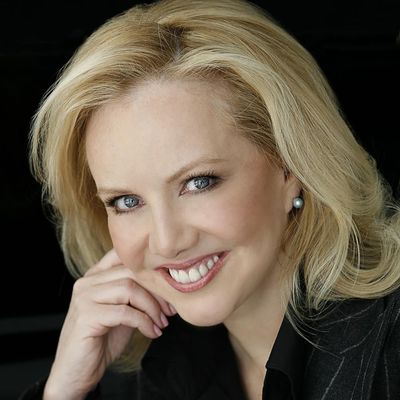
Five Time Tony Award winning director/choreographer Susan Stroman swings by Shetler Studios to discuss her incredible career which includes the original productions of Crazy For You, And The World Goes Round, Big, Steel Pier, Contact, The Producers, Thou Shall Not, Young Frankenstein, The Scottsboro Boys, Bullets Over Broadway, Big Fish, and so many more!.. Read More
From the show: BEHIND THE CURTAIN: BROADWAY'S LIVING LEGENDS » Podcast
Guests
Featured Shows
About
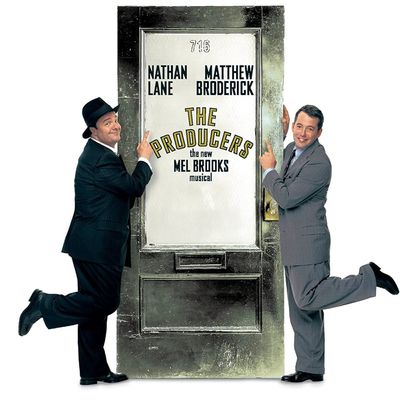
Five Time Tony Award winning director/choreographer Susan Stroman swings by Shetler Studios to discuss her incredible career which includes the original productions of Crazy For You, And The World Goes Round, Big, Steel Pier, Contact, The Producers, Thou Shall Not, Young Frankenstein, The Scottsboro Boys, Bullets Over Broadway, Big Fish, and so many more! Susan pulls back the curtain on her career to discuss how she become one of the greatest interpreters of John Kander and Fred Ebb, what is her artistic process for creating choreography, and why Mel Brooks will never be an usher. Also, Susan shines the spotlight on Nathan Lane, Mike Ockrent, and Bob Fosse! Become a sponsor of Behind The Curtain and get early access to interviews, private playlists, and advance knowledge of future guests so you can ask the legends your own questions. Go to: http://bit.ly/2i7nWC4
Transcript
This transcript was automatically generated and might contain errors.
[0:00] Kevin David Thomas: Love is in the air. It's love. It's love. Well, who would have thought it? Uh hearts, roses, candy. What more could one want in the month of love? How about more contributors to our Patreon? After all, we are a self-funded podcast. This is true. This is true. So if you love us, head on over to Patreon.com. That's right. It's pronounced love but spelled P-A-T-R-E-O-N.com and search for Behind the Curtain: Broadway's Living Legends and set a monthly donation. Even a dollar a month helps us. I feel like Sally Struthers. Your contributions help us continue doing what we are doing. Oh, I'm gonna go home and snuggle with my wife right now, Rob.
[0:39] Robert W. Schneider: And I'm off for a hot Valentine's Day with my favorite gal, Mama Celeste. Help us on Patreon so Rob can upgrade to Jim Dijorno.
[0:50] Kevin David Thomas: De Giorno, get the line out.
[0:52] Robert W. Schneider: Or Elios. I'm sorry. I didn't realize it was on me to make the punchline, but you had me at Mama Celeste.
[0:58] Kevin David Thomas: I have a lot of people at Mama Celeste. Pizza favorites. Hi, I'm Robert W. Schneider.
[1:01] Robert W. Schneider: And I'm Kevin David Thomas.
[1:03] Kevin David Thomas: And this is Behind the Curtain: Broadway's Living Legends. Don't forget to follow us on Twitter at Broadway Curtain.
[1:09] Robert W. Schneider: And make sure to join our Facebook page at Behind the Curtain: Broadway's Living Legends.
[1:13] Kevin David Thomas: And follow us on Instagram at Broadway Curtain Podcast. Plus, you can always listen to our podcasts on Broadway World and Stitcher.
[1:18] Robert W. Schneider: Today's guest is one of the most influential director choreographers working on Broadway. Her storytelling is not only a direct line from the golden age of musical comedy to today, but is an innovative inspiration challenging the ideas of choreography in modern musical theater. Audiences have been enamored with her work on such musicals as The Vineyard Theatre's Floor of the Red Menace and The World Goes Round, Broadway's Crazy For You, The Revival of Showboat, Big Steel Pier, Contact, The Music Man, The Juggernaut known as The Producers, Young Frankenstein, The Scottsboro Boys, One of My Personal Favorites, Happiness, Big Fish, Bullets Over Broadway, and the upcoming Marie.
[1:54] Kevin David Thomas: And we didn't even mention Musical Chairs.
[1:57] Robert W. Schneider: Which I actually own the LP of.
[1:59] Kevin David Thomas: I do too.
[2:00] Robert W. Schneider: You really?
[2:01] Kevin David Thomas: Oh, we should have brought it to have SUSAN sign.
[2:02] Robert W. Schneider: Oh, I got it out of my call. To tell us what it was like to work with such legends as Hal Prince, John Kander, Fred Ebb, Nathan Lane, Mel Brooks, and of course the brilliant Mike Ockrent. Here is five-time Tony Award winner SUSAN STROMAN.
[2:14] SUSAN STROMAN: Hello.
[2:15] Robert W. Schneider: Hello, SUSAN. How are you today?
[2:17] SUSAN STROMAN: I'm fine. I'm very happy to be here.
[2:19] Kevin David Thomas: Thank you for making time. When do you sleep?
[2:22] SUSAN STROMAN: Well, no, I know you have called a couple times and I've wanted to come, so finally.
[2:28] Robert W. Schneider: Thank you for seeing me in the evening.
[2:30] SUSAN STROMAN: You have to see me in the evening. That's one of the things.
[2:33] Kevin David Thomas: She's in rehearsals all day. Just a full disclosure here. So she's taking time out of her evening off to spend time with us and you, listeners.
[2:40] Kevin David Thomas: So now I know we had said that this is a non-linear, so I have to start with Musical Chairs first.
[2:45] SUSAN STROMAN: Oh my.
[2:46] Kevin David Thomas: What was Musical Chairs?
[2:48] SUSAN STROMAN: And then we'll discuss everything else, but I have to know.
[2:50] SUSAN STROMAN: Oh well, it was a um uh it was a musical that lasted probably a week on Broadway.
[2:56] SUSAN STROMAN: And uh at that time there was another fella in the show named Scott Ellis.
[3:03] SUSAN STROMAN: And uh Scott Ellis and I were sitting on the stoop out in front of uh the theater, which was the Rialto, which is now right on the corner, I think it's a Nike store now or something right there, um Broadway.
[3:17] SUSAN STROMAN: And um uh we were lamenting how we wanted to be on the other side of the table because in fact I came to New York to be on the other side of the table, and Scott really wanted to be on the other side of the table.
[3:28] SUSAN STROMAN: I had done the national tour of Chicago, so I knew Kander and Ebb a little bit, and Scott had done The Rink on Broadway, and he knew Kander and Ebb very well.
[3:39] SUSAN STROMAN: And we thought, well, what if we went to Kander and Ebb and knocked on their door and asked them if we could take one of their shows and take it off Broadway?
[3:49] SUSAN STROMAN: And we thought the worst thing that could happen is that they say no.
[3:53] Kevin David Thomas: Right.
[3:53] SUSAN STROMAN: But in fact, they said yes.
[3:55] Kevin David Thomas: What?
[3:56] SUSAN STROMAN: So we uh went to them with uh the thought of taking Floor of the Red Menace off Broadway and doing it not as a big show, but doing it in the form of a WPA theater because it was about communism and it had a lot of wonderful eccentric characters in it, and uh we took it down to the Vineyard Theater and they said yes.
[4:18] SUSAN STROMAN: So all of a sudden Scott and I were in charge of this Kander and Ebb show at the Vineyard Theater, and it was thrilling.
[4:25] SUSAN STROMAN: Uh it had a real cult following that summer, and uh and we Scott directed and I choreographed, and neither one of us ever went back on stage again.
[4:35] Kevin David Thomas: Wow, that's incredible.
[4:36] SUSAN STROMAN: Yeah, and you met doing Musical Chairs, yes, that's where you met.
[4:40] Kevin David Thomas: Yes, and Musical Chairs were you were were you in it as well?
[4:43] SUSAN STROMAN: You were dance captain, you were like assistant choreographer like a you were already working away on the other studio.
[4:48] SUSAN STROMAN: You knew, yeah.
[4:49] SUSAN STROMAN: Yes, and I was I was a surprise ending.
[4:52] SUSAN STROMAN: I came in at the end.
[4:53] Kevin David Thomas: Oh I was the girl that Scott Ellis was waiting for, so I finally came in for the last like 10 minutes.
[5:00] Kevin David Thomas: Yeah.
[5:00] SUSAN STROMAN: That's what they call like a princess track, isn't it?
[5:02] Kevin David Thomas: I know, very much a princess track.
[5:05] SUSAN STROMAN: That's amazing. Now we're gonna go all the way back. Where'd you grow up?
[5:08] SUSAN STROMAN: I grew up in Delaware, so I'm originally from Wilmington, Delaware, and uh my father played the piano, he was an exceptional pianist, so there was always music in the house.
[5:20] Kevin David Thomas: Right.
[5:20] SUSAN STROMAN: So I was that little kid who danced around the living room to her father playing the piano.
[5:24] SUSAN STROMAN: Oh wow, and uh music was very much a part of my life growing up.
[5:29] Kevin David Thomas: And what did mom do?
[5:30] SUSAN STROMAN: Uh homemaker, you know, and uh she would sing while he would play the piano, and it was always a big deal when some you know musical movie would come on, or Fred Astaire and Ginger Rogers movie would come on, and we would always everything would stop and the trade tables would come out for dinner, and we would sit in front of that TV and watch Fred and Ginger.
[5:51] SUSAN STROMAN: So it was very um it was a big deal. Everything about music was a big deal in the house.
[5:57] SUSAN STROMAN: And whether it's classical or standard or rock and roll, it was all sorts of music.
[6:01] Kevin David Thomas: Yeah, siblings. Did you have any siblings?
[6:03] SUSAN STROMAN: I had an older brother and a younger sister.
[6:05] SUSAN STROMAN: And um my uh my older brother was and still is a wonderful pianist.
[6:11] SUSAN STROMAN: And uh my sister is a homemaker.
[6:14] SUSAN STROMAN: Then she lives in Pennsylvania now.
[6:15] Kevin David Thomas: Oh, oh nice.
[6:18] Kevin David Thomas: Whereabouts in Pennsylvania is your sister?
[6:20] SUSAN STROMAN: She is somewhere near Lancaster.
[6:22] Kevin David Thomas: Oh, that's oh yeah, yeah.
[6:23] SUSAN STROMAN: Yeah, yeah. It's a nice area.
[6:24] Kevin David Thomas: Nice area. So what about dance? When did dance start coming into your life?
[6:27] SUSAN STROMAN: Well, that started very early, probably when I was five, five years old.
[6:31] SUSAN STROMAN: Um it was uh I my brother had a band, like all people did in that time, and you know, and uh the band would practice downstairs and I would dance around and and uh actually it was my brother who said, Oh, you should put her into dancing school.
[6:48] SUSAN STROMAN: And so I went uh and into dancing school and uh and you know, studied tap and jazz and uh ballet at the James Jameson Academy of Dance.
[6:58] SUSAN STROMAN: Yes, I studied ballet at the James Jameson Academy of Dance.
[7:02] Kevin David Thomas: I know.
[7:03] SUSAN STROMAN: Well, he was, I think, in the original Brigadoon or I love that kind of study.
[7:08] SUSAN STROMAN: Yes, and he then he opened up a dance studio in uh Wilmington, Delaware, and uh it was really uh sort of a renowned ballet school from because uh you're very close to Philadelphia, you're like 10 minutes away.
[7:21] Kevin David Thomas: So people from Philly came and you know, it was a wonderful studio.
[7:24] SUSAN STROMAN: Wow.
[7:25] Kevin David Thomas: And yeah.
[7:25] SUSAN STROMAN: I was gonna say, were you traveling a lot to see shows?
[7:28] SUSAN STROMAN: Or was there a theater that uh had shows touring in your area as a touring house?
[7:32] SUSAN STROMAN: Yes, it has a lot of the Playhouse, yeah, and the Hotel DuPont.
[7:36] Kevin David Thomas: Yes, that's right.
[7:36] SUSAN STROMAN: Yeah, the Playhouse there.
[7:39] Kevin David Thomas: Oh yes. I remember that while I was there.
[7:41] SUSAN STROMAN: Yeah.
[7:42] SUSAN STROMAN: And uh yes, so uh we didn't go, I have to say, to a lot of shows uh when I was little with my mom and dad, but certainly when I was getting into like high school and college, I would go down to the Playhouse all the time.
[7:55] Kevin David Thomas: Do you remember anything that you saw that had a monumental effect on it?
[7:58] SUSAN STROMAN: Yeah, I was in college and I went to and saw the National Tour of Seesaw.
[8:04] SUSAN STROMAN: And I thought it was spectacular.
[8:06] Kevin David Thomas: It is spectacular.
[8:07] SUSAN STROMAN: Yes, I thought, you know, I saw these girls covered in balloons and some big guy dancing in clogs, and I thought, oh, that's for me.
[8:15] Kevin David Thomas: Oh yeah.
[8:16] SUSAN STROMAN: So it was one of those shows that um you know really stuck in my brain as something I think, oh I would love to put something together like that.
[8:25] Kevin David Thomas: And your parents were supportive of you pursuing your life in the arts.
[8:28] SUSAN STROMAN: Uh they were.
[8:29] SUSAN STROMAN: Well, I think you know, if they had their way, I would have stayed in Delaware and opened up a dancing school.
[8:35] Kevin David Thomas: Yeah, yeah, I'm sure.
[8:36] SUSAN STROMAN: I graduated from the University of Delaware, Delaware gal through and through.
[8:41] Kevin David Thomas: Yeah, yeah.
[8:41] SUSAN STROMAN: So uh with but it was with an English degree.
[8:44] SUSAN STROMAN: And then I did a lot of theater um at night.
[8:47] SUSAN STROMAN: I would choreograph and um, you know, I'd choreographed all the community theaters and you know, even did the halftime show at in high school.
[8:56] Kevin David Thomas: Yeah.
[8:57] SUSAN STROMAN: So you had sounds like you had you weren't just a dancer, you had the bug to create dance from very early on.
[9:02] SUSAN STROMAN: Oh yes.
[9:03] SUSAN STROMAN: Oh oh definitely.
[9:04] SUSAN STROMAN: I never wanted to perform.
[9:05] SUSAN STROMAN: It was always about creating for the theater.
[9:08] SUSAN STROMAN: And um it was always about, and I think that had to do with my father playing and me making up things.
[9:14] Kevin David Thomas: Yeah.
[9:14] SUSAN STROMAN: So that's it, it's not something that I thought, oh, I'm gonna do this now.
[9:20] SUSAN STROMAN: It was so always something in me to create.
[9:23] SUSAN STROMAN: And um, you know, it's it's so fulfilling to me to be in the back of a house and see an audience either laugh at something I've created or cry at something I've created, or just put their arms around each other or something.
[9:38] SUSAN STROMAN: It gives me such uh joy and happiness that that that I could never get from performing.
[9:44] Kevin David Thomas: Yeah, I feel that.
[9:45] SUSAN STROMAN: Did you think at some point that you're going to be a director, or did you just think I'm gonna be a choreographer, and then the directing came later on?
[9:52] SUSAN STROMAN: What was there an old thing?
[9:53] SUSAN STROMAN: No, it was both.
[9:53] SUSAN STROMAN: I wanted to create it, write it, do it.
[9:56] SUSAN STROMAN: You know, I wanted to make up my own theater.
[9:59] SUSAN STROMAN: So um now I came to New York as a song and dance gal because I could sing and dance, but I just you know, I couldn't come to New York and take over.
[10:08] SUSAN STROMAN: I had to like I had to assess the situation.
[10:12] SUSAN STROMAN: And you know, uh and so when I came here, you know, I did dance, I did a lot of industrial shows, which were a big deal when I was.
[10:12] Kevin David Thomas: I love to actually talk about that because we don't have that anymore.
[10:22] SUSAN STROMAN: No, we don't, I know books have been written about it, but we don't actually know that one.
[10:26] Kevin David Thomas: Tell us a little bit about what the industrial experience was like.
[10:29] SUSAN STROMAN: Yeah, industrial shows were very popular when I was here in the late 70s and well, they started in the 60s, but with Millikan.
[10:36] SUSAN STROMAN: Um yeah, the Millikan, and I did Oldsmobile and you know, Honeywell Computers and MetLife, and uh it was it was a thing where you would sing and dance about a product and these big corporations would hire a cast of people and you would sing and dance about their product and you would do it for all their salesmen at some big uh uh conference right and I yeah they they really you could do four industrials a year and make enough money to live I mean it was the thing to do with if you're a performer Broadway writers to write them.
[11:09] SUSAN STROMAN: I mean they wasn't just like Sheldon Harnick.
[11:11] SUSAN STROMAN: Sheldon Harnick and Kander, yeah they everybody wrote them and uh it was a wonderful way to make a living while you were waiting for that Broadway show or off Broadway show.
[11:21] SUSAN STROMAN: And for me it was a uh I ended up now directing and choreographing them.
[11:26] SUSAN STROMAN: And uh so it was uh great for me to learn about how to uh create a score you know work with um uh musical directors and the composers and and uh it was it was just sort of a wonderful learning tool that that people don't have today.
[11:44] Kevin David Thomas: Yeah you're right it's yeah you're in the trenches doing it which is yeah there's a movie that just came out called Bathtubs Over Broadway.
[11:52] SUSAN STROMAN: Yeah I've been wanting to see it was in the theater I think and I wanted to see oh yes I'm in it.
[11:56] Kevin David Thomas: Oh great okay so it yeah so it it's all about industrial shows.
[12:01] Kevin David Thomas: So let me ask you so you finished college did you move immediately up to New York City or did you take some time off?
[12:05] SUSAN STROMAN: Well it was I I finished college and um I was working in a dance studio during the evenings and um and there was a thing in the paper saying uh there were going to be auditions for something called the Goodspeed Opera House.
[12:19] SUSAN STROMAN: Oh, and I thought, well, I've never been to an audition.
[12:23] SUSAN STROMAN: Let me go up there and and see what it's like, you know and and I went up I didn't your English degree.
[12:29] SUSAN STROMAN: Yes, my English degree.
[12:31] SUSAN STROMAN: And uh, you know, they were having equity calls, and then they had some non-equity calls, and in that non-equity call, they picked uh one girl, and it was me.
[12:41] SUSAN STROMAN: And all of a sudden I called my um mother and father, and I said, Hey, I gotta sell my car and move into someplace called the Goodspeed Opportunity.
[12:50] SUSAN STROMAN: And I'm getting something called an equity card.
[12:52] Kevin David Thomas: I didn't know what that was.
[12:56] SUSAN STROMAN: It worked at Goodspeed.
[12:57] Kevin David Thomas: Yeah.
[12:57] SUSAN STROMAN: That's that's incredible.
[12:59] SUSAN STROMAN: Well, it you know, it's it's uh I I no, I feel very fortunate because um again I was lucky that I could perform, but it was still always to be on the other side.
[13:11] Kevin David Thomas: Yeah, you knew what the goal was.
[13:12] SUSAN STROMAN: Because Eva, I was a big fish in a little pond there in Delaware being in choreographing and directing little little shows and community theater, and yeah, so no, listen, I know I know how fortunate I am that it worked out because I do love what I do.
[13:26] Kevin David Thomas: I really love it.
[13:27] SUSAN STROMAN: It's contagious the way you're sparkling right now.
[13:30] Kevin David Thomas: It's amazing. We always ask our guests when you were making the rounds, what was the go-to audition song?
[13:35] SUSAN STROMAN: Oh, I'm beginning to see the light.
[13:38] Kevin David Thomas: Oh yeah, good old standard.
[13:41] SUSAN STROMAN: Yeah, that's a good choice.
[13:42] Kevin David Thomas: We haven't had that one before.
[13:44] SUSAN STROMAN: That's a new one for us.
[13:45] Kevin David Thomas: When did the Chicago tour come into everything?
[13:48] SUSAN STROMAN: Uh that was early, right after Goodspeed.
[13:50] SUSAN STROMAN: So, right after Goodspeed, the uh next show I auditioned for was Chicago, and I got it and went to the tour.
[13:57] SUSAN STROMAN: I played the Hunyak.
[13:59] Kevin David Thomas: Okay.
[13:59] SUSAN STROMAN: Oh, of course, yes, yes, yes.
[14:01] SUSAN STROMAN: And then when I came back, um I got a call to uh from Goodspeed saying they were bringing a show called Whoopi to Broadway.
[14:10] SUSAN STROMAN: So I did a show called Whoopee on Broadway.
[14:12] Kevin David Thomas: That was your Broadway debut, yes.
[14:13] SUSAN STROMAN: Yes, I was a tap dancing Indian.
[14:19] Kevin David Thomas: But I love a tap dancing in the movie.
[14:23] SUSAN STROMAN: Did you get a chance to work with Bob Fosse?
[14:25] SUSAN STROMAN: Yes, yeah.
[14:26] SUSAN STROMAN: Well, in those days, you know, the tours uh wouldn't go out until the Broadway show was about to close.
[14:32] SUSAN STROMAN: I think they thought that it hurt the tourists or now when Broadway show opens, and you know, next week there's a tour.
[14:38] SUSAN STROMAN: But in the old days, so so Chicago was running on Broadway, and about four weeks before close, uh they were gonna send out the national tour.
[14:47] SUSAN STROMAN: And uh so we were there in New York watching the show at night, and Fosse would be with us during the day for the national tour.
[14:53] SUSAN STROMAN: And it was uh with Gwen Verdon and Cheetah Rivera and Jerry Orbach and Mary McCarty, and you know you got the original cast.
[15:00] Kevin David Thomas: Yes, I know it was thrilling.
[15:02] SUSAN STROMAN: That's amazing. And I ended up being able to take acting classes from Jerry Orbach for a year, which was nice.
[15:07] Kevin David Thomas: I know.
[15:08] SUSAN STROMAN: Tell us about the well God, he was incredible. What an incredible performer and timing and stage presence, and yeah, he was amazing. But he would give acting classes to the company if they wanted them once a week.
[15:22] Kevin David Thomas: While you're on the road?
[15:24] SUSAN STROMAN: While we were on the road, yeah.
[15:25] Kevin David Thomas: I know cool. What was it like standing in the wings watching Gwen Verdon and Cheetah Rivera?
[15:29] SUSAN STROMAN: What I remember most of all is that they would give 100%, you know. It was like 100% every night and never miss and uh that that was really something that stuck with me.
[15:40] Kevin David Thomas: Yeah, yeah.
[15:40] SUSAN STROMAN: Um and full out performance, just full out and rehearsed that way too, you know. So it will I'll never forget that. That's the thing I remember most about that.
[15:51] Kevin David Thomas: When you direct and choreograph now, do you expect full out from all of your dancers?
[15:56] SUSAN STROMAN: I would love that, but don't get it. I mean, you get something like that from Nathan, of course. Nathan gives you 100%. But I find that uh interesting because then Nathan knows if something's gonna work or not. You know, Nathan's not afraid to give a hundred percent and fall on his face and then get up again. Try again. So those people are the most interesting to work with, those people that do give you a hundred percent and then and then try something else. If it doesn't work, you know, they they don't wait till they have their eyelashes on and their spotlight hits them to find out anything.
[16:31] Kevin David Thomas: Uh speaking of making the rounds and auditioning, now you're on the opposite side of the table and you're the one that gets to say yes, you have the job. What do you look for out of an audition?
[16:40] SUSAN STROMAN: Probably the the the most uh probably the element that I look for the most is a fearlessness. You want to work with someone who is fearless and and not afraid. And if someone comes to an audition looking very nervous, or you know, I I I I'll get nervous working with them. You know, I'll get nervous. They're making me nervous. So you know, so it's that kind of fearless quality that you want. That's why you know you tell young people to be so prepared for their auditions because you want to go in there and and perform uh because everyone around the table wants you to get the job. I want everyone who comes in to get the job. And so being very prepared is very important. That'll help you with your nerves.
[17:27] Kevin David Thomas: Yeah, you're right. And then what happens next after Whoopi for you?
[17:31] SUSAN STROMAN: Well, it was it was shortly after that. That was short, well, after I think Whoopi ran almost a year, maybe eight months or something. And uh, and then and then after that it was uh musical chairs.
[17:43] Kevin David Thomas: There we go.
[17:44] SUSAN STROMAN: Yes. And then I I uh while I was doing that though, I started to direct people's club act. That was another thing where a lot of club cabaret something else you love to talk about. I know I did a lot of people's cabaretic and and and uh still was directing industrial shows. So and uh and then we became best friends with Candor Neb. Still to this day I'm best friends with John Candor, you know. Long-term collaborations, I think are the same. So we created uh the world goes round right after that. Yeah, in 1990 one, yeah, that's right.
[18:16] Kevin David Thomas: And that was you and Scott's idea together to create a reasonable.
[18:20] SUSAN STROMAN: We brought in David Thompson, who is another collaborator, yeah. A long collaborator of mine too. What does it how do you preserve a long a collaboration that you've got so many that are so for so long, I mean decades. How how how have you preserved that?
[18:33] SUSAN STROMAN: Well, I think it is a it is it is a skill to collaborate. You're either a collaborator or you're not, you know, and um you know it's one of those things where you have to leave all the egos outside and and um there is no bad idea, but all the ideas fall on the table, and then some takes someone takes that one idea that didn't sound so good and make turns it into gold, you know. But I think it's it's knowing how to collaborate in a diplomatic way, and um and uh also in a nurturing way in a sense, you know. Yeah, um, but yes, I've been very lucky. Of course, Candor Neb have been forever for me, you know.
[19:11] Kevin David Thomas: Can you talk about Fred Ebb a little bit? What was Fred like?
[19:13] SUSAN STROMAN: Yeah, Fred was great, you know. I know that he and Candor have sort of like we've heard a lot. I mean, there much has been said, but to hear it first person who collaborated so long. Well, they were so you know, so difficult. You know, that song City Lights is really about, you know, Candor loving the country and Freddie loving the city. And you know, Fred wouldn't go to the city and uh wouldn't go to the country at all, you know. And um so they you know they know Candor's uh very sweet and dear and romantic and and all and and uh uh loves opera and loves you know all everything classical and and uh always going to the ballet and uh and Fred is pure show business, you know you know, pure pure show business and witty and caustic and you know Aunri.
[20:00] Kevin David Thomas: Right.
[20:00] SUSAN STROMAN: But the two of them together were incredible.
[20:03] Kevin David Thomas: Yeah, exactly.
[20:04] SUSAN STROMAN: Yeah, yeah, yeah. Um was there any uh hesitance from other people when you said I'm gonna not only be a choreographer, I'm gonna be a director choreographer?
[20:12] SUSAN STROMAN: Uh no, I don't think so. Well, who knows? You know, no one said it said anything bad to me, you know. But the the uh the first show to direct and choreograph was the music man.
[20:24] Kevin David Thomas: Yes.
[20:24] SUSAN STROMAN: And that was a big uh big big production, you know. And um Michael David called me to to do the music man and he believed in me. He had seen a lot of my work and he believed in me. And it was a perfect show for me to do because um you know, it has so much dance in it, but has just wonderful characters in it and is so romantic and the score is fabulous and uh the character the different characters are are you know very eccentric and fun and yeah.
[20:52] Kevin David Thomas: What to you is the ideal rehearsal situation?
[20:55] SUSAN STROMAN: Uh well, you know, I'm I'm in it right now. It's yeah to to I'm I'm rehearsing Marie right now, which is Lynn Aronstead, Stephen Flaherty, but it's um, you know, to have a a rehearsal room filled with people who are eager and people who are willing and fearless, as we said before. But that that kind of uh room where you go you can't wait to get to rehearsal. And um I I do do a lot of pre-production. I I do a lot of homework.
[21:27] Kevin David Thomas: What does that for maybe some listeners who are like, I don't know what that means. Can you give us an example of what that means for you?
[21:32] SUSAN STROMAN: For any show, it would be doing a lot of research on the the decade or the geographical area that the story takes place in. And um, and then I also uh work out uh the choreography with an arranger with my dance arranger, and uh that would be like taking 32 bars of whatever the composer has written uh the song and now opening it up for you know a five-minute, six-minute number of dance and working that out before I go into rehearsal. And um so I you know, I very much collab collaborate with my set designer so I know exactly how the set moves and where I want it to move. And when um so when I go into rehearsal, I I pretty much know how the show is going to be staged and how it's going to be choreographed.
However, I don't particularly share that with the actors because I want them to feel free and feel feel um inventive and and so it's almost like building a net for the actors to fall into in a way. So I have a plan, but if an actor has another idea, I certainly want to listen to it. And also I'm very inspired by the actors, you know. So I I could say, you know, I I really thought this would go this way, but I was staring at that actor, and I realized, oh no, it should go that way. So it I feel like when I do my homework and then add the actors into it, it it gets the best result.
[23:00] Kevin David Thomas: Yeah. Are you a visual learner?
[23:02] SUSAN STROMAN: Yes.
[23:03] Kevin David Thomas: So yes, absolutely.
[23:04] SUSAN STROMAN: I I when I was, and this is even when I was very young, I visualize music. So I when I hear music, I imagine visions of people and everything that they're doing. And and that again was when I was young. It could have been the classical or rock and roll or an old standard. I I imagine hordes of people dancing through my head. So I am very, very visual. And um, and you know, part of that making that visual happen is is knowing the story. I feel like I am a storyteller, and taking that story and now making it move and come to life is you know, pushing the plot forward all the time. But making the story of the most important thing.
[23:48] Kevin David Thomas: As a choreographer, in the beginning, when you were just choreographing and not directing choreographing, you got to work with such people as Hal Prince and Mike Achron. What are some lessons that you've learned from them that you now carry into the room with you?
[24:01] SUSAN STROMAN: Oh, yeah. I mean, the the directors that I worked with when I first came here were Trevor Nunn, Nick Heitner, uh Mike Acharan, and Hal Prince. And that's who I learned from. Oh my god. And uh they're all very different. All very different, yeah. I mean, Hal is a very very visionary and very visual, and he sees the whole whole thing, the whole uh the sets and the costumes and the lights, and he really sees it as a a giant picture, you know. Um Trevor is more introspective, where he is he, you know, he's uh definitely more in the heads of the actors and um and and sort of every everything else follows, but it's it's mainly about the acting and and uh and um uh Nick Nick Heitner is a kind of a combination of those two, very visionary and very creative, um, but and also a wonderful uh actors director, you know. And Mike Mike was incredible, just an incredible man.
[25:04] Kevin David Thomas: When did you first funny?
[25:06] SUSAN STROMAN: Well, in Crazy Few. I was uh I I was he was uh coming to New York as British, he was coming to New York to look for a choreographer for Crazy Few.
[25:18] Kevin David Thomas: Okay.
[25:18] SUSAN STROMAN: And I was very lucky that I had the Off Broadway show and The World Goes Round and Lives of Manelli at Radio City Music Hall. Yeah, that's something. So it was the comedy of The World Goes Round, and then the um extravaganza. Spectacle of Lies of the Radio City. He felt that that that would be good for Crazy for you. So he hired me and and uh and we started on Crazy Few. So that was when I first met him and worked with him. Uh but he uh, you know, learning about collaboration, watching him too, the way he dealt with his designers, and and it was all done, uh was always jolly and always funny and always um uh done with a smile. And uh and of course he was very bright and uh extremely well read and you know, uh well traveled and uh so uh just seeing that I learned a lot from Mike.
[26:14] Kevin David Thomas: Yeah, yeah, yeah. And did Crazy for You change a lot as you were putting it on? Because it's sort of like it was an adaptation of Girl Crazy, but it was added songs and you know.
[26:24] SUSAN STROMAN: Well, did it change a lot as you were putting it together? Because that's a whole other thing when you're doing a new show. Something new, you know.
[26:31] SUSAN STROMAN: Well, this was uh it was loosely based. I have to say, Ken Ludwig's script was was very different. Uh, you know, with the similarity was an Easterner goes west. Yeah. But um uh so he wrote this very funny play, and we we we rehearsed it here in New York. And when we got to that last run through, Mike thought something wasn't right with Act Two, and that we had to do something. So all everybody had already gone ahead to Washington, DC, the stage management and everything and costumes and all. So uh Ken and Mike and Jim Mignani, Paul Jim and myself got on the Amtrak and from the time we left New York to we got to DC, rewrote the second act of Crazy for you. So we got down there and we threw out a whole set of costumes, we threw out numbers, we had big by Strauss number in there and and but it saved the show. It did it. Yeah. But it's but it's being brave. That's another thing to learn. Like Mike was very brave to do that. A lot of people are not brave enough to take that chance.
[27:34] Kevin David Thomas: No, it's no were there any people that you had admired growing up that came to see the show and then said, Oh my god, SUSAN, that's brilliant. What's that like when you're your your idols are turning around telling you, great job?
[27:45] SUSAN STROMAN: Well, I had a wonderful moment when I'm Ginger Rogers came to see it in a in a wheelchair, actually, and and she came in and um I just went up to her and we both she reached out to hug me and we both hugged and started to cry, you know, and I'll never forget that moment. Because I grew up watching her and admiring her, and um and I and I feel like watching the Fred and Ginger movies w w w taught me about music, taught me about arrangements, you know, and Fred Astaire would leap in the air, so would the whole orchestra, you know. So I understood that. So I understood what that meant. And uh so it meant a lot to see Ginger Rogers there.
[28:24] Kevin David Thomas: Oh, that's a beautiful full circle moment.
[28:27] SUSAN STROMAN: Yeah. Now I'm sure there's probably a very short answer to this, but I'm gonna ask anyway. But in crazy for you, the brilliant upright bass. Where did that idea come from?
[28:36] SUSAN STROMAN: Well, it's it's in the storytelling, really, because you I had to do a number that would teach the fellas rhythm so that they could deliver I got rhythm at the end of act one. Yep. So they were doing a rehearsal and and the song was slap that bass, and uh we had a uh a character in their name Moose uh playing the bass. But Robin Wagner would be a brilliant set designer and gave me props in this rehearsal room because it was like it was an old theater, so there were ropes on the side and you know, um an axe and you know things to use, but he filled the place with different kinds of props that you would find in an old theater. And uh, you know, having that information about what could be in an old theater gave me the idea to cut the ropes off a spool and make basses.
It's so good. But that's the same thing at the end of act one, it's having a feed store uh on stage filled with mm, you know, pickaxes of mining pans and all that kind of stuff that that the fellas then could show Bobby Child that they had rhythm and he had to stay.
[29:46] SUSAN STROMAN: When you create a number like that, do you sit down with pen and paper and go, okay, here's the story that I need to tell visually, or does it just sort of come organically in the rehearsal room? No, I think it through in the sense of I do want to have a beginning and a middle and an end. And if for sample in Crazy For You, there's a song called Shall We Dance. And I know at the end of it, I have to have Bobby and Polly fall in love. So Ken Ludwig doesn't have to write and then they fell in love or anything like that. Um so they the song Shall We Dance, so I have that 32 bars of that song. So when I want them to chase each other, I'll play it in a fast two. If I want them to be coy and shy with each other, I'll play it in a soft shoe with them.
If I want them to fall in love, I'll play it in three-quarter time. Oh my god. So the time signature of the music helps manipulate the story and manipulate the emotion that you want the audience to feel. So it's taking that and making the time signature change and to by the end they fall in love.
[30:50] Kevin David Thomas: Yeah, and that's something you and the dance arranger work out prior to. And then how does uh Show Boat come into your life?
[30:57] SUSAN STROMAN: Oh, well, uh Hal, yeah, that was very epic. I don't think we'll ever see a show that big again. That was so big and beautiful. Um huge, I know. And Hal loved that show because you know it celebrates family and it just um it went through so many years, you know, and uh it um of course has beautiful score. David Crane did those arrangements for me. But Hal is the one that said to me, I need a passing of time. Can you do a montage that passes time? And uh I worked with uh Florence Klotz, the costumer, to get me different costumes that I could use that Palmer House uh door that they could come in and out of and we would make time pass. And uh it was uh thrilling because you could you really knew where you were in the period.
[31:52] Kevin David Thomas: Yeah. Well, you know, you definitely have a distinct style. I mean that that's all yours. But while you were training and coming to New York and looking at all the other choreographers, because you know, we have you and a couple others, but we don't have the great director choreographers that we had in 1960s, 70s, like you know, Michael Bennett, Bob Fosse, um uh Joe Leighton. So were there any choreographers that you really clung to that you thought that's my style, or I I'm gonna steal some of that?
[32:10] SUSAN STROMAN: I really admired Jerome Robbins as a choreographer. And uh he and a director, but he uh I just thought when he would choreograph, he would choreograph in character. And you know, I think I could take that from watching his work most of all that when someone was a sailor and started dancing, they never stopped being a sailor. You know, or someone was at a wedding and they were dancing, they never stopped and putting a bottle on their head, they never stopped being that character. You know, and and uh I think I took that from him most of all, that he really danced in character and he would change his style according to the story, you know, he would change his style um making the story most important, making the character most important.
You know, I was very lucky to work with Fosse and I admire Fosse, but that is a style that he stuck to no matter what the story was. He was like Picasso, yes, and a genius and a great artist, but it was a style that was first foremost before anything else.
[33:19] Kevin David Thomas: Did you really? I think I just loved the Robbins. Did you ever get a chance to work with him?
[33:24] SUSAN STROMAN: No. Oh man. No, I didn't know.
[33:26] Kevin David Thomas: Um tell us a little bit about Big, which was a very magical show, but was a little tumultuous along the way. We've talked to Shire, we've talked to Malpe, and we've talked to we've talked to other people, I think in Wolf.
[33:38] SUSAN STROMAN: Yeah, Barbara Walsh was another one. Yeah, yeah, yeah. But it was not sure. I mean, it was a lot of people. A fabulous show and uh fabulous score. And great movie. Great movie, you know. The big piano number had that. You know, Robin Wagner did a great set, you know. Uh William Ivy Long did great costumes. No, it was wonderful. Um I I don't know, it became political. I didn't got a great review in the Times. So it became political about um uh putting uh branding into a musical. I think FAO Schwartz, uh they had a I don't even know if there was a sign or something or but we were in FAO Schwartz. That's right. No, they have to be. And somehow I don't know that the community didn't want that. I know it's of course different today. But it was just one of the first shows that did that. And uh people didn't want it. So they turned against it. It was very odd.
[34:35] Kevin David Thomas: Yeah, that's it. Because it was a terrific show.
[34:37] SUSAN STROMAN: It was and the cast was spectacular. Yeah, you know, yeah. And still done all over the world today.
[34:42] Kevin David Thomas: Absolutely. Steel Pier.
[34:45] SUSAN STROMAN: Yes. Tell us about another yet again.
[34:50] Kevin David Thomas: Well that yes. And that's like kidding a candy store with you and the all the dance styles.
[34:54] SUSAN STROMAN: The dance styles. I know, in the 30s. Yeah. I know. And that was a lot of research up at the Lincoln Center Library looking at old videos of different types of dance styles. You know. The grizzly bear and the bunny hug and the you know, all the different types of dances that were in the nineteen thirties. You must love learning it was a grizzly bear. You're hugged on to each other really tight, and you you kind of push your hips forward and back. No, it was like totally sexy. Yeah, and uh and yes, just uh again uh John Kander's music and Fred Ebb and Glenn Kelly did those and he's a genius, as we said before. But um and the show was about um a marathon in the 1930s, a dance marathon. So uh it it it took on because of that, it had a poetic uh uh uh way about it because you had to watch the dancers sort of um deteriorate in front of you because they were dancing for days and days and days. So time passes, which really happened, right? They really didn't use it.
[36:00] Kevin David Thomas: Absolutely, yeah.
[36:00] SUSAN STROMAN: They would see who could keep standing on the steel pier in Atlantic City. I know. It's incredible.
[36:05] Kevin David Thomas: Yeah. What do you look for out of um a dance captain and then also what do you look for out of an associate choreographer?
[36:12] SUSAN STROMAN: Well, um, you know, a dance captain, you know, I have to make sure their personality is right to maintain a show. It's very important to me that that there's a kindness and uh and you know, um again, collaboration and and a and quick people have to be smart. People who are dance captains are really smart. People who are swings are really smart, the swings are the smartest ones in the room. And um, and so uh knowing that they have to maintain it's really important to me. And and also my associates, if if I'm lucky to have that associate to them maintain the show, uh that's what I prefer. Um, and and that's what I've had most of my career. I know that changes now a bit because producers and budgets and things, but but at least they've learned the show from me.
You know, they've learned the motivation, they know what every step means, why every actor is moving that way, why every actor is going that way. So uh having someone uh like an associate maintain the show uh will will really keep the show um just you know the way it's meant to be. You know, it's not just and I know this might sound ignorant, but it's so it isn't just about oh we step this popular way about it up, but it's the the acting behind it as well. That they have the permission to say, no, no, no, the intention here is this is why you do it.
[37:32] Kevin David Thomas: Yes, absolutely. Oh my gosh.
[37:33] SUSAN STROMAN: Oh no, you have to do that. How often do you go back to to notate a show?
[37:38] SUSAN STROMAN: I I at the beginning go back go I go back a lot. You know, I I go back once a week and then a month and then you know, and then it gets less. But um but I I do go back a lot, you know. Listen, I live on 57th Street, I go down, you know.
[37:51] Kevin David Thomas: You have no excuse.
[37:52] SUSAN STROMAN: No excuse. Get down there, you know. Now they don't even know you're there. So having an associate maintain their in constant contact with me. Now, when you're directing a book musical in the rehearsal process, do you do a lot of table work or do you want people up on their feet immediately?
[38:06] SUSAN STROMAN: No, we do a lot of table work first. A lot of table work.
[38:09] Kevin David Thomas: Would you tell us how you lead the actors through the table work process? It seems so mystical to it to a lot of people.
[38:14] SUSAN STROMAN: Uh no, I mean I just usually take um the people who are in that scene, the the most important people in that scene. Uh not that there's no one everyone of course stage is important. But um, you know, if it's a two-handed scene, I just am in a room quietly with two people and and perhaps my associate and and the writer and the book writer. And uh and we we talk and talk and talk, and we talk how it relates to them, how it doesn't relate to them. Do they know anybody like this character? We we go into great talks about the characters, and uh and then we read and then we talk again and we read again and we talk again. So, you know, we can work on one scene for you know two hours not leaving the table the first day, you know.
And then uh the next time that I would go to do that scene, uh now I'll be in the main room and we sit again and we read it again, and then we get up and fool around. And again, I I'll always have a plan of I think you should come in here just because that's the sort of journey of the show. Yeah, yeah. But happy to hear if an actor said there's no way I could come in stage right and go, okay. Oh well, it's you know why. But no, you know, but uh happy to, you know, uh also choreographically, you know, I I uh I turn to the left, and um uh so a lot of times I'll do a combination that goes to the left just because it's natural to me. But then if a dancer says, you know, I could do that better if I could go to the right, absolutely we we turn to the right. Because in the end I want them to look the best they can possibly look.
[39:48] Kevin David Thomas: Yeah, first day of a rehearsal in a room that you're leading. What do you do?
[39:51] SUSAN STROMAN: Well, the first day you have your meet and greet with your coffee and your bagels. The producer is the best part. The best part. Uh, but then I gather everybody and and uh take take them through the story and uh or the essence of it, and and then show the set and show the costumes, and I let the set designers show the set, and I let the costumers show the costumes, and and I talk about why I've chosen to do this show or why this show has chosen me, and how uh we're um what what we hope to achieve at the end of it, you know. And but it's uh it's it's all positive and thrilling because you want to rally the troops, but it's not false in any way. You rally the troops because you believe in this show you wouldn't be doing it.
[40:41] Kevin David Thomas: Yeah, yeah. Do you still get nervous before the first day?
[40:45] SUSAN STROMAN: No. No, I don't get nervous before the first day. I get nervous first preview, uh second preview, do you say you pace in the back? I mean, pace in the back. Really? I get nervous for the actors, I get nervous for the set, I get nervous for everybody. So I I am I'm not um uh love being in a rehearsal. I love actors, I love everything about the rehearsal process. I get nervous right before that first preview or dress rehearsal with whenever there's an audience. I get nervous for everyone I've ever met.
[41:14] Kevin David Thomas: Yeah, I've gonna put out so much pressure.
[41:17] SUSAN STROMAN: Yeah, I know. Yeah, yeah. So I'm like it's rooting for them so much that I'm completely nervous for them.
[41:23] Kevin David Thomas: Um the producers. Okay. So now we're there. Uh but actually no, before we go to the producers, I want to talk about contact. I don't know. How did I do that? I saw Contact four times. I cried. It was the one thing that made me want to take dancing lessons.
[41:36] SUSAN STROMAN: Oh my gosh.
[41:37] Kevin David Thomas: Seriously.
[41:37] SUSAN STROMAN: Oh my gosh.
[41:39] Kevin David Thomas: I oh I tried. I want you to know that I tried.
[41:42] SUSAN STROMAN: But oh, I'm proud of you.
[41:46] Kevin David Thomas: Thank you. No, seriously, I saw it four times and bald like a baby. Every time.
[41:51] SUSAN STROMAN: Okay. How did it go about how does it come about?
[41:53] SUSAN STROMAN: Okay. I was well, the w going back to the core of it, I was in a uh club around one in the morning down on Hudson and Hubert's. And it was a swing club where people would swing dance and uh it was um uh filled with people, as all good New Yorkers do, dressed in black clothing. And in walked a girl in a yellow dress, and I was obsessed watching her. Oh my god. And she would step forward when she wanted to dance with somebody, and then she would retreat back when she was finished. And I got obsessed watching her. For one thing, that she was in a yellow dress at one in the morning in this club. And um, and then she just disappeared. But it was a vision that I I couldn't shake out of my head. I thought it was amazing.
And about two weeks later, Andre Bishop from Lincoln Center had seen Steel Pier, which had a lot of poetic dancing in it, and he called me in and I met him, and he said to me, if you have an idea, we will help you develop it. And that was like music to my ears. It was like not someone handing you an old revival to do or something. It was like, oh. And uh Lincoln Center. Yes, at Lincoln Center. And I said, you know, I think I might have an idea. And um, I called my friend John Wideman, who we had done Big together, and and uh I said, I have this idea. What if I have a vision, and what if we tried to make a story out of this vision? And uh so we started to work together, and Andre and Bernie Gerston gave us like 18 dancers in the basement of Lincoln Center, and they didn't come down for like four weeks.
They didn't they left us there, and when they came down, they saw the girl in the yellow dress story in Contact, and they loved it and they'd never seen anything like it. And and they said, uh, you know, do you we have to make do you have more short stories? And I said, Yes, my head is filled with short stories. So then we made the other two short stories that had something to do with Contact, but it started with that girl on the yellow dress. And the music came from the lead character that was played by Boyd Gaines. Is uh the show op that particular short story opens with someone committing suicide and he tries to commit suicide in his New York apartment, but you know, the windows are painted shut, or he drops the pills in the radiator and and he throws a noose over the um you know the top of the lamp um shade and it it breaks and um but uh when he gets the noose up there before it breaks, he's he's dying, and your life passes in front of your eyes, or you know, and it was important for me to have the music that he was hearing the music of his life.
[44:45] SUSAN STROMAN: So that's how the idea of the existing music came from. Um when you're about to die, it's that music that has meant something to you in your life. So all those songs were something that meant something to him, and all the CDs to those songs were on the ottoman that he was standing on when he was hanging himself. Oh wow. So that's how the idea of that started. And uh, you know, it was um you know, we all live in New York and we fight to live on top of one another in these apartments, and we don't even know each other, you know, but you fight for these apartments that you tell you know, high high on top of each other. So making contact um seemed very important and kind of a universal idea for New Yorkers, for city dwellers, for anybody in a big city, and and it did have that accessibility because that well, that's what attracted people to it.
[45:40] Kevin David Thomas: Hey, podcast listeners, are you looking for a place to rehearse in New York City that is clean, spacious, and most importantly, affordable? Come check out Shetler Studios and Theatres, our wonderful host for these podcasts. Shetler is centrally located on West 54th Street between Broadway and Eighth Avenue, right in the heart of the theater district. Right in the heart, you'll find music, dance, and acting studios complemented by two black box theaters and six presentation venues. The professional facilities, inspired environment, and expert industry staff combine to provide the New York artist with an unparalleled studio experience. Visit their website at Shetler Studios.com. That's S-H-E-T-L-E-R-Studios.com. Shetler Studios and Theatres is our home for recording the legends of Broadway, and we hope that you make it your artistic home too. That's Shetler, S-H-E-T-L-E-R-Studios.com. See you here.
[46:35] Robert W. Schneider: Yes.
[46:36] SUSAN STROMAN: Well, how in the world did this amazing phenomenon come about? I know. Well, I guess people had asked Mel Brooks for years that he should turn this into a musical and and uh I think he didn't want to do it because he the show was that particular movie was very precious to him. And um, you know, he won the Academy Award for the screenplay. And um and then uh I think he it was uh uh Jerry Herman that actually told him that he should write the score for this and try to write the score. And uh because he he had written these songs in all his movies, like Springtime for Hitler, High Anxiety, you know, all these there's some song in every, you know, I'm tired. Yeah, yeah, yeah, yeah, yeah, yeah. There's a song in every in every movie that he has written, you know.
So he started to um write some songs to see if he could. He he um connect he knew Tom Meehan because they had written To Be or Not To Be together and Spaceballs together. I forgot that Tommy and Spaceballs. So he and Tom started to talk about it. And uh they they decided to give it a shot and they came to New York and um they first came to me and Mike and um to to talk about uh doing it. And we had done A Christmas Carol at Madison Square Gardens and um Mel, you know, call I got a call down there saying Mel Brooks wants to meet you, and I'm like, whoa. And I you know, yeah and I said, Well, I could we you know we can meet him on you know, this next week, and he said, No, no, no, he went in wants to meet you today.
Oh I thought, oh, okay. So we go home and and you know, I open the apartment door and there's knock on the door, I open the apartment door, and there's Mel and just standing there and and instead of saying hello, he sings that face, that face, that fabulous face. And he passes me and walks down the hallway. In your house, your own house. He walks down the hallway and uh sings the whole song and ends up on the sofa and then looks down at me and says, Hello, I'm Mel Brooks. And I thought, well, this'll either be, you know, whatever it is, it'll be a great adventure. No matter what happens, it'll be an unbelievable adventure, you know, because already it was like a party. Oh, yeah. You know. And um, so you know, it it was uh wonderful working with him.
Um sadly, uh uh as we were were working on the possibilities of a m uh Mike past uh he past uh with leukemia and um so I thought that was it for that. And um but then Mel came back uh and knocked on the door again and said, I had already done um The Music Man and I had done Contact. Right, created Contact, and and uh he said, I want you to do this. And um he said, I know you can do it, and he said, you know, and I was grieving, I had a rough time. Um but he said, you know what? Um uh you'll you'll come to the studio and you'll laugh all day with me. And at night you'll go home and cry. But then when you see me in the morning, you'll laugh all day. Oh my goodness. And um I thought, you know, I should do this, he's right, you know, and so we started to work again and work again, and and when I felt that we had it uh ready enough to bring actors in, um, we hired some actors to read it.
[50:13] Kevin David Thomas: And how how long were you would you say you were working on it before it came to that? I mean, were we talking like a year or like six months ago?
[50:20] SUSAN STROMAN: And then we worked. Because I didn't, you know, Mel was anxious and I didn't want to put it in front of anybody until I felt that we were really right.
[50:26] Kevin David Thomas: Yeah.
[50:27] SUSAN STROMAN: And uh and had the had the music right and a song for every moment, and you know, because I knew it had all eyes on it. So I wanted to kind of protect everybody around me and protect Mel and everybody, not that Mel needs any protection, he'd be the first to tell you that. But I wanted to, and Tom Meehan knew this too, that had to be a certain before we could start getting it out there. And that I thought we were ready, and uh I scheduled a reading and called a wonderful casting director named Vinny Lift.
[50:54] Kevin David Thomas: Oh, the legendary.
[50:55] SUSAN STROMAN: Legendary, and um, and he put together an amazing cast. And then that cast had um, you know, uh Nathan Lane and Katie and Roger Bart, and not Roger Bart, um Gary Beach. And uh so it was a wonderful reading. Some of the ones who actually ended up doing it, yes, yeah, yeah. And then I would say it w I you know, and then we read it, yeah, and then you know, we we invited, you know, I had a list of people to invite Tom Meehan had it was pretty casual in a sense like it was like intimate.
[51:29] Kevin David Thomas: Yeah.
[51:30] SUSAN STROMAN: Producers I had liked and producers Tom Meehan had liked, and we invited them, and um uh all of a sudden, you know, Max Bialistock is saying, you know, Broadway producer, we're this and we're that we're conniving and we're cheap and we're you know rotten, and you know, all these producers were like throwing money at it, you know. Um so yeah, it was one of those amazing readings. Uh and then and then you know, I would say six months later we were
[51:53] Kevin David Thomas: Was it capitalized by that one reading?
[51:59] SUSAN STROMAN: I mean by that one reading, yeah.
[52:02] Kevin David Thomas: So you must have known you had something by the end of that reading, you must have been like we got something good here.
[52:08] SUSAN STROMAN: I mean, this is well, not I didn't. I think Mel was very sure about everybody else, but you know, I you never know. And um uh I didn't know, I didn't know because I know there were was uh a big group of us that love Mel and all his movies, but did the masses. I didn't know who knew, you know, and uh um you know we went into rehearsal, and even when we would do Springtime for Hitler, I would make the um uh stage management pull the curtains down because I kept thinking someone from a building across was gonna see me, you know, doing the Heil Hitler thing, and that there was some sort of Aryan group of you know you know Nazi sympathizers in and on 42nd Street at the you know 42nd Street rehearsal studios.
So I was very nervous. Um, but uh, you know, um, but I got over that. But it was uh, you know, and then but I really didn't know till that first preview in Chicago when I the audience blew the roof off the theater. Yeah, I didn't know till then. I thought it was good, but I didn't know it was what it was.
[53:12] Kevin David Thomas: Oh, like because you I know you mentioned earlier you did you get anxious for that first preview.
[53:16] SUSAN STROMAN: So yeah, absolutely.
[53:17] Kevin David Thomas: And this wasn't just like yeah, they liked it.
[53:19] SUSAN STROMAN: I mean it was I know it never stopped. Gary Beach. God, he was so dear and so funny. His timing and his timing with Roger Bart was exceptional. And they loved each other, really loved each other, but he was so giving and gracious, and the company adored him, just really adored him. You know, when we were we when Mel was honored at the Kennedy Center, I got a call to to direct his segment of the Kennedy Center.
[53:45] Kevin David Thomas: Sure.
[53:46] SUSAN STROMAN: And I said, sure. And you know, that whole thing about getting famous people to sing all the songs that Mel had written from his movies and everything. And they said we want to do Springtime for Hitler. And I said, Are you sure you want to do Springtime for Hitler? They said, Oh no, we want to do it. I said, Okay, you know, I kept thinking at the Kennedy Center on television. Right.
[54:03] Kevin David Thomas: TV.
[54:04] SUSAN STROMAN: Yeah, well, you know, because out of context I didn't know, you know. And they said, Yes, so Gary Beach went down there, you know, was amazing, and he was incredible. And then at intermission, the cast lined up to meet the president, and Obama and Michelle came back and Obama went down the to the line and shook everybody's hand and he got to Hitler and he shook his carry's hand. He said, I hope nobody's taking a picture of this. No, I know, it's so funny. But yeah, no, Gary was so dear. We just loved him so much. And very inventive.
[54:37] Kevin David Thomas: Very inventory. I was gonna ask you, how do you direct comedy? I mean, is that do you do you wait for the audience feedback to tell you what's funny, not funny? Do you rely on your own barometer in the rehearsal room?
[54:49] SUSAN STROMAN: Well, yes, you do you you you have to have some comic chops yourself, but but uh and hopefully you have hired someone that is funny or that is known to be funny. And I know there's nothing more boring than talking about what's funny and what's not funny, but I'm just curious. But there are some people who uh you know you can't really teach that. Right. You either got it or you don't, you know, you you you can't teach that comedy really. And um so it is difficult. But but yes, even our our funniest men wait for that audience to let them know if something's funny, or let me know if something's funny. You know, the audience is the last um part of the process that you add, you know, to let you know if you're doing something right or not.
[55:31] Kevin David Thomas: Did the show change a lot from Chicago to New York?
[55:34] SUSAN STROMAN: Not really. It got it got uh slimmer, shorter. We were we were over time. So what I did, I what kind of went into numbers and pulled out stuff or into some internal cuts and a lot of stuff, which was like, you know, just like surgery rather than cutting anything big, just going in and cutting uh in the middle of things and cutting.
[55:54] Kevin David Thomas: Smart.
[55:55] SUSAN STROMAN: Smart. What were some of the challenges of adapting it then to film?
[55:59] SUSAN STROMAN: Uh well, because well, I think the script was mainly the musical script rather than going. Thank goodness we didn't try to go anywhere else. Paint Your Wagon is like, what is that? But yeah. It's nice to sorry, obscure, but yeah. Um but it it had its challenges just because uh a lot of that stuff you depend on an audience for laughter in the movies, yeah, you know laugh tracking. No laugh track, and uh so it's it's trickier to make work.
[56:31] Kevin David Thomas: Did you enjoy the medium?
[56:33] SUSAN STROMAN: Uh I l I have been very lucky to do a couple movies that I have enjoyed, but it's not something that I reach out to do. Or I it is very different and it's not as fulfilling, you know. Um, like I love the theater, I love it so much. Immediacy and and you know, in the theater, everybody has a desperate passion to make something work. You're you're all in the swimming pool together and you either all drown together or you all get an Olympic medal together, but you are all have a desperate passion to make this work. But in the film business, you know, you have um your shooting crew, and then after you're done, you never see them again, and then your editing crew and you never see them, and then you go to colorization, boom.
Then you go to this and boom, you know. So it's a different um it's not quite as desperate. It's more of a job, but but now I admire it and I admire filmmakers and I I think they're incredible what they do, but somehow it doesn't have the same kind of passion, you know.
[57:32] Kevin David Thomas: Yeah, yeah.
[57:32] SUSAN STROMAN: It feels very isolated.
[57:34] Kevin David Thomas: It's isolated.
[57:35] SUSAN STROMAN: Yeah, it's uh each team is isolated rather in the room together.
[57:38] Kevin David Thomas: It's not like that collaboration you get when everyone's yeah, like exactly cool.
[57:42] SUSAN STROMAN: But I love the movies and you know, I love going to the movies and I and I do admire it.
[57:47] Kevin David Thomas: Do you want to ask about your favorite show?
[57:49] SUSAN STROMAN: Well, I uh I will transition by saying it it's it's pretty wild to to to go from you know, and I admire people like you who have these you're the you're at the height of it all, and you're like, how do I what's the next thing I'm gonna do? How do I top this? Because it's not about topping it. And then one of my favorite scores and favorite shows is Thou Shall Not.
[58:05] Kevin David Thomas: Oh and you followed up producers with this this sort of very intimate uh kind of like the opposite it's like an anti-producers show and it was at Lincoln Center and it was this amazing dance piece based on Therese record thank you. I'm not good at French. Um but in it with a with a an incredible lush score by Harry Connick Jr. who orchestrated it himself.
[58:24] SUSAN STROMAN: Yes. Um and how so can you tell me a little bit about that? Because it was not unfortunately the hit that is no no well also it it was probably the most difficult show I've ever done because of the time that it happened and you know we were in tech with Thou Shall Not when those two towers went down.
[58:43] Kevin David Thomas: Of course.
[58:43] SUSAN STROMAN: And it was so difficult to rally a crew who only wanted to be down there helping to rally a group of actors who didn't know what was happening. It was very very difficult. We didn't know we were in tech we didn't know if we were going we didn't know if Broadway was going to get hit. We didn't know what was happening. It was a most difficult you were in theater when it was yeah it was the most difficult thing I've ever gone through um and I think that it bonded that cast together but also um when we see each other we think of that time. It's difficult it's quite difficult.
[59:17] Kevin David Thomas: It is a very dark story and at that time no one wanted to see anybody doing anything wrong.
[59:22] SUSAN STROMAN: It was all about like Ellie you know I mean um you know I had The Music Man running at that time and when they dropped the American flag at the end people were weeping.
[59:30] SUSAN STROMAN: Yeah, I remember that. You know, and then producers getting people to laugh. You know, people felt guilty about laughing, but they did, you know. And I know Nathan and Matthew came out and talked for the first couple nights to the audience. And uh it was a real rough time for all of us in entertainment. But in fact, you know, um those people that bombed us wanted to take away our spirit and what we do for a living, and the only way to combat it is to go back to do what you do, and everybody went back at it. And of course, the Broadway community was very helpful with many various uh places in the city. Uh Scottsboro Boys. Well, okay. What a you you take the league. Oh, uh go for it. Love it so much.
And I you know, Derek, my buddy has told me about the collaboration. I mean, talk about a collaborative process with that. I mean, can you well I you know that came out because a lot of times you you do a show because there's a novel or a screenplay, but a lot of times you do a show because you want to collaborate with that person, you don't have an idea. You just sit down at a table and say, What can we do? Really? So we went to Cander and Ebb and we sat there and thought, what what else could we do together? You and David and and Kenner. And uh we thought, what if we did something true, something real? Because in the musical world, you're a lot of time in fantastical situations and fantasy and make believe.
We thought, well, what if we base it on something true? So we uh we went to research the great trials of America. Oh and of course the Scottsboro Boys is one of the greatest, and and you know, uh a huge uh reason civil rights came to be, and and um so it right away it was something we were attracted to, and now Cander and Ebb jumped on this because you know they write for the underdog, they write for maybe this time, yes, maybe I'll get lucky. Yes, you know, they write for the underdog in all their shows. So the idea that there were nine young men who were accused of a horrific crime they didn't do, and and uh that they suffered for it, uh, and that they were called the Scottsboro Boys. They were called the Scottsboro Boys as if they were a vocal group or something.
Right. They didn't have any names, you know. Uh you knew the names of the jurors, you knew the names of the reporters, you knew the names of the judge, but you never knew the names of those boys. So it was Cander and Ebb who wanted to, by the end of that show, you know the names of those nine guys, you know. And so we started to write and research, and it just poured out of them. I have to say it poured out of them. And then we lost Fred. I guess it was 2006. So it was during that process, and it went on the shelf, and I thought that was it. And then it was Cander who maybe four or five years later said, Hey, what about that show we were working on? What happened? And I and I said, Well, let's let's bring it out and see how far we got.
I couldn't even remember how far we got. And and we had done really close to a first draft. And and I said to you know, Cander, well, who was gonna finish some of these lyrics and I'll do it. And so, you know, Cander, you know, did the bits that we hadn't finished, and uh, because he and Fred are like one, and you know, it was oh and again, I got it to a point where I thought we could have actors read it, you know, because I don't want to do it too soon. Yeah, yeah, because I know if a lot of folks could do only a first act or they do a couple songs, I gotta do the whole thing to know if it's worth it. And so I thought, well, let me take this back to the vineyard, you know, where we started.
And I took it to Doug Abel, and he was intrigued, and he gave us a reading. He hired actors to read it, a group of African American actors, and we read it, and then Doug said, Oh, we'll produce this. And so we were off, you know. Oh my goodness. But it was um it's been an interesting journey, and and it's it's interesting that I'm here now because last week I was in Alabama. Yes, I know still I love that you're still passionate about this piece. Well, bec uh I've done it now in the north in all the northern uh regionals and it's done really well, and I've done it in London, which is a huge hit in London, but you know, I never um thought it would go down south, and Cander always wanted it to go down south, and then I thought, oh this is never gonna happen.
And uh I got a call from an artistic director named Philip Mann, who said he was opening an arts complex in Decatur, Alabama. Oh my gosh. And I said, Oh, wonderful. And he said, and I want to open it with the Scottsboro Boys. And I said, Have you seen the Scottsboro Boys? And he said, Yes. Uh he said, I've seen it five times. And I said, Okay, all right. So he flew Cander and and David Thompson and I down to Alabama. And the thing is in Decatur, it is, you know, the theater's across the street from where the uh the boys were uh tried in the courthouse, and right down the street is the jail. It's right there. Oh my gosh. I know it's right there. Oh my god. And um, so it is really historic. And the mayor came out and Senator Orr was there, and all it was a big press conference.
It'll happen next year, but it's gonna happen in the South. And uh you know, it's it's a big deal. That is a yeah, that's special. Yeah, it is really really special. Yeah, yeah. Well, you know, because um because the musical, the Scottsboro Boys were posthumously pardoned uh in 2013. Yeah. Really? Yeah. I I because no one had we're talking about them, no one knew about them, and all of a sudden the musical started up, and all of a sudden everybody was talking about the Scottsboro Boys. Yeah. Oh, that's like that's I know I'd get chills because that's something to be so proud of that that they're like. I actually changed the set when that happened. We were in London on the night that it happened, and I had uh a projection put up after the the guys took their bow and they stood up and then a projection came up that said the the Scottsboro Boys were posthumously pardoned and on this date, 2000 had to be that date that the whole audience was there.
Yeah, it's great. Wow, it's yeah um, how does uh Bullets Over Broadway come into your round? Yes, I know talk about a 180. You don't like to do anything twice, do you collaborate with the some of the same people, but you're always diversifying the portfolio at the same time. Woody Allen, I know it was great. Oh my god, we had a great time. We had a great time. He was wonderful, and we uh uh I got the call to m to come and meet Woody, and um so I went over and uh Julian Schlossberg was the producer and uh wonderful man, and uh we met and you know he talked about we talked about how to turn it into a musical, and Woody said he wanted music of the period, music of the time. And could we talk about what that would be?
Because I went over with a lot of names of people that could do it. Yeah, a lot of teams that could possibly do it. But he really felt it was more authentic, authentic to the piece, authentic to the story, authentic to him, because that was his world anyway, you know, that that music. And so that's probably the most memorable is going over to his place and sitting and and talking about which songs could go here. And what was wonderful because of the way I grew up with my father playing all those songs, there wasn't a song Woody could say that I didn't know. I knew them all, and and we were be able to toss music back and forth with each other, and it was wonderful. And then uh bringing on the amazing Glenn Kelly, you know, and to uh how to now take this music and turn it into a score, and um it was very collaborative and uh really really wonderful.
Um but um you know it it uh was an odd time political, you know, yeah, it was a bit political with um things that showed up in the newspaper all of a sudden, and you know uh so it it wasn't ever going to be given a fair shake, I think. Of course, I think you're right. Yeah, tell tell us about working with Maren Mazie. Oh god, Marin. I know I adore Marin, and she was amazing at Bullets Over Broadway. She was, yes, she was she was really funny, and uh Woody Woody loved her, and uh and oh my god, Willie Maybe Long made her look so beautiful. Oh, not that she's not beautiful anyway, we made her just gorgeous. Um, but uh you know, Marin was in the world goes round with me, and I followed her career.
We you know, we're good kind of girlfriends, you know, and uh and she had a lot of girlfriends. And I I you know, there's like a group of 25 women that that she would consider her girlfriends that she adore that still connect and get together, and um she was fearless, yeah. Would try anything vocally, acting-wise, physically, you know. She was really fearless. She was a complete joy to work with. Is there something that you haven't done yet that you would like to do? You know, I listen, I love what I do. I know I'm very fortunate. I I just want to do it more. I want I have more stories to tell. I have a lot of short a lot of stories inside me that I want to I want to tell. I still want to create, you know.
I um I made a conscious effort after Oklahoma not to do any more revivals. So turn them all down. Oh yeah. So I've turned down every revival that's offered me. However, there's a possibility Crazy For You might come back, and I want to do that one. Oh, that's yours. I'll do I'll do my own revival. Of course. Will you do more ballet? Because you were the I you were the first woman to create a full-length ballet for New York City ballet. I mean, so you you enjoy that medium as well. Yeah, I I do love it, you know, and and those dancers are extraordinary, you know, up at New York City Ballet, they're just extraordinary. So, yes, I hope I have that opportunity again. That'd be wonderful. Would you ever want to write?
You know, I if I could write, I'd get rid of everybody. But I'm not a writer. My collaborators, yeah. But I'm not a writer. I think I feel like I'm a good dramaturg and I'm a good editor. But I'm not a writer, you know. And in fact, I love collaborating with writers, you know, and and so I uh I feel my contribution is is um strong when I'm with them, but I I you know want to give it all to the writers. I mean uh writers are amazing and good writers are very rare. Yeah, you know. Would you tell us a little bit about Marie before we leave? Yes, uh Marie. I'm working that on that right now. It's uh Lynn Ahrens and Stephen Flaherty have done an exceptional score, and uh and Lynn has done the book, wonderful book.
Oh and um it is based on Marie Van Goethem, who was the model for the sculpture of Degas Little Dancer. And it's very famous sculpture that you see where uh ballerina in fourth position. And uh that is a historical figure. She really existed. Um there's little history on her, but there was enough for us to write a musical about. Um but uh we've created this story, and of course it's highly danced. Um, but it is uh just a beautiful story, and what's amazing to me is that Degas uh created this sculpture. It was the first sculpture he ever exhibited. He got the worst reviews he ever got in his life. Oh it upset him so much he took it out of the exhibition and put it in his closet, and it didn't come out until 40 years later after he died.
And when it came out, it was hailed as one of the 25 great sculptures ever created. So it is about art not recognized in its time. Yeah, and we've all been through that. Oh, yes. So I I love that theme. Also, it has a lot of um a theme in there about women and and what their choices are, what their choices were then, and about powerful men. And um, and it's about art, you know. You know, I feel it's very unique because it's a uh cross-fertilization between musical theater, classical ballet, and art. And I feel like that's never been seen before. And you know, I love to do things that are new and unique. And uh Terrence Mann is playing uh Degas. Oh wonderful, and um uh Karen Ziemba is in it. Wonderful.
Another longtime collaborator, yeah. And Tyler Peck, who is a star of the New York City Ballet, is playing uh Marie. Oh my gosh. So it is about Marie, about her and journey what and what that sculpture did to her life. Yeah. Oh cannot wait to see it. Yeah, it's gonna be in Seattle. We open at Seattle's Fifth Avenue in uh end of March and April, and uh so we're in rehearsal now, and it's going really well, and it's it's a joyous collaboration. And and finger crossed we see it in New York. I hope so. We sure we will. Sure we will. This has been so much fun. Thank you so much for spending so much time with us. Thank you. And thank you for everything that you've given us over your remarkable career.
Thank you so much. I love what you guys are doing. Thank you. Talking to all these folks. We'll learn from everybody who you have on. We hope so. Thank you. Thank you, thank you. Until next time. Bye everybody. Bye-bye.
[1:13:09] Robert W. Schneider: Today's episode was recorded at Shetler Studios on 244 West 54th Street. Visit Shetler Studios to book your room today. And you could be as cool as us. That's S-H-E-T-L-E-R-Studios.com. And a big thanks to our sound editor, Daniel Schwartzberg, and social media manager Bethany and Selecki. And friends, don't forget, we want more folks to hear these incredible stories, and that's where you guys can come in and help us out.
[1:13:34] Kevin David Thomas: Yes, in order for people to find out about us, we need lots of ratings on iTunes. The more ratings, the more they'll come up in search us. So head on over to iTunes, search for Behind the Curtain: Broadway's Living Legends, click on our logo, click on ratings and reviews, then write a review and leave us five stars and make us feel as special as Eliza Doolittle on Eliza Doolittle Day.
[1:13:57] Robert W. Schneider: Or you can leave us one star and make us feel as bad as Annie did in that weird production in Boston where Annie dreamed about being adopted and then ended the show back in the orphanage. True story, Rob was there.
[1:14:09] Kevin David Thomas: I saw it. So head on over to iTunes and make us feel even more special than we already do.
© Broadway Podcast Network, All Rights Reserved