

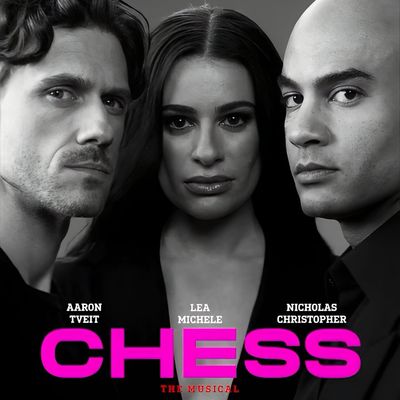
He's one of the most stunning leading men on Broadway and for a few hours we've got him! He is the one and only Douglas Sills who has appeared in Into the Woods, The Secret Garden, Chess, Living on Love, Little Shop of Horrors, The Addams Family and, of course, The Scarlet Pimpernel!.. Read More
From the show: BEHIND THE CURTAIN: BROADWAY'S LIVING LEGENDS » Podcast
Featured Shows

About
He's one of the most stunning leading men on Broadway and for a few hours we've got him! He is the one and only Douglas Sills who has appeared in Into the Woods, The Secret Garden, Chess, Living on Love, Little Shop of Horrors, The Addams Family and, of course, The Scarlet Pimpernel!
Douglas pulls back the curtain on his career to discuss how Jack Gilford popped his balloon, what it was like playing Mack Sennett, and why the Radio City Music Hall got his greatest diva moment!
Also, Doug shines the spotlight on Jerry Herman, Frank Wildhorn, and Marin Mazzie!
Become a sponsor of Behind The Curtain and get early access to interviews, private playlists, and advance knowledge of future guests so you can ask the legends your own questions. Go to: http://bit.ly/2i7nWC4
Transcript
This transcript was automatically generated and might contain errors.
[0:00] Kevin David Thomas: Well, you guys, the time has come.
[0:03] Robert W. Schneider: Yes, uh, so uh Behind the Curtain is uh gonna go off the air.
[0:08] Kevin David Thomas: What?
[0:08] Robert W. Schneider: April Fools!
[0:09] Kevin David Thomas: Kevin, you made my heart leap faster than Gwen Verdon and Redhead.
[0:13] Robert W. Schneider: Richard Kiley from me.
[0:15] Kevin David Thomas: Okay.
[0:17] Robert W. Schneider: You guys, we aren't going anywhere.
[0:18] Kevin David Thomas: And in order to ensure that, friends, we need your help.
[0:21] Robert W. Schneider: Our podcast is entirely self-produced, and like I said, we need your help.
[0:25] Kevin David Thomas: If you can, our little Easter eggs, head on over to Patreon.com.
[0:28] Robert W. Schneider: That's P-A-T-R-E-O-N.com and search for Behind the Curtain's BROADWAY'S LIVING LEGENDS.
[0:34] Kevin David Thomas: I think I know the title of the show, and set a monthly donation.
[0:38] Robert W. Schneider: Even a dollar a month helps us.
[0:40] Kevin David Thomas: Your contributions help us continue doing what we are doing and bringing the legend stories to your ears.
[0:46] Robert W. Schneider: Have a great June.
[0:48] Kevin David Thomas: April.
[0:50] Robert W. Schneider: April.
[0:52] Kevin David Thomas: Thank you.
[0:54] Robert W. Schneider: Hi, I'm Robert W. Schneider.
[0:55] Kevin David Thomas: And I'm Kevin David Thomas.
[0:57] Robert W. Schneider: And this is Behind the Curtain Broadway's Living Legends.
[1:00] Kevin David Thomas: Don't forget to follow us on Twitter at Broadway Curtain.
[1:03] Robert W. Schneider: And make sure to join our Facebook page at Behind the Curtain Broadway's Living Legends.
[1:07] Kevin David Thomas: And follow us on Instagram at Broadway Curtain Podcast.
[1:11] Robert W. Schneider: Plus, you can always listen to all of our episodes, old and new on the Broadway Podcast Network, iTunes, and Spotify.
[1:18] Kevin David Thomas: Today's guest could have been one of the most charming attorneys who ever graced the bar, but lucky us, he decided to forego the courtroom for the green room.
[1:25] Robert W. Schneider: His incredible resume includes appearances in The Secret Garden, Into the Woods, Little Shop of Horrors, War Paint, Living on Love, His Gal Friday, and the Scarlet Pimpernel versions 1.0 and 2.0.
[1:37] Kevin David Thomas: Plus, plus many, many more.
[1:39] Robert W. Schneider: We've got so much more to tell us what it was like to work with such legends as Christine Ebersole, Marin Mazzie, Renée Fleming, Christian Chenoweth, and so many more.
[1:47] Kevin David Thomas: Here is Broadway's favorite leading man, DOUGLAS SILLS.
[1:50] DOUGLAS SILLS: Doug, how are you today?
[1:52] DOUGLAS SILLS: I am Corona good.
[1:56] Kevin David Thomas: I'm using that as a—I'm gonna steal that.
[2:00] Robert W. Schneider: Can we steal that, Doug?
[2:01] DOUGLAS SILLS: Sure.
[2:02] Kevin David Thomas: There's no theft in theater.
[2:04] DOUGLAS SILLS: There's just no copy.
[2:05] Kevin David Thomas: Everyone's stealing in theater.
[2:07] DOUGLAS SILLS: I love that.
[2:08] Kevin David Thomas: Doug, I have to say, I just saw you—one of the last things I saw before this quarantine put us all in our homes.
[2:13] Robert W. Schneider: I saw you in Mack and Mabel.
[2:15] Kevin David Thomas: You were so good.
[2:17] DOUGLAS SILLS: That production was fantastic.
[2:19] Kevin David Thomas: Can you tell us a little bit? Now, this is your second time, or was your second time, right?
[2:22] DOUGLAS SILLS: Yeah, that's right.
[2:25] DOUGLAS SILLS: Um, it was so fun.
[2:28] DOUGLAS SILLS: I feel so lucky that we got that in.
[2:31] DOUGLAS SILLS: And poor Brian and Donna, um, you know, with Love Life, uh, um, uh, show that was coming in next after us had to be canceled.
[2:42] DOUGLAS SILLS: So I feel really lucky.
[2:43] DOUGLAS SILLS: It was a great experience.
[2:44] DOUGLAS SILLS: Um, I had never worked with Josh Rhodes, the director, before.
[2:49] DOUGLAS SILLS: Um, and that turned out to be really wonderful and easy.
[2:53] DOUGLAS SILLS: He was so prepped and um just so even-keeled.
[2:57] DOUGLAS SILLS: He was just great.
[2:59] DOUGLAS SILLS: I highly recommend him.
[3:00] DOUGLAS SILLS: Um, and Soja was, you know, a dream.
[3:04] DOUGLAS SILLS: So it was fun, and I had grown a lot since I did it.
[3:07] DOUGLAS SILLS: I was asked to do it about 20 years ago at Reprise, which is sort of the encore version of that they had in LA back then.
[3:16] DOUGLAS SILLS: And I did it with um Jane—I almost said Casmerick.
[3:21] DOUGLAS SILLS: I'm sorry, Jane Krakowski.
[3:23] DOUGLAS SILLS: Krakowski, yeah.
[3:24] DOUGLAS SILLS: And um, it was fun, but I was young, and I think I wasn't as familiar with the pace of that rehearsal process.
[3:34] DOUGLAS SILLS: It was—there was sort of a different aesthetic.
[3:37] DOUGLAS SILLS: Um, the director, who was a lovely guy, um, just I think it was about getting it up on its feet and having it be fun and fast.
[3:45] DOUGLAS SILLS: And this time I think we were all really interested in digging a little deeper, and we felt like the production side of things was covered.
[3:53] DOUGLAS SILLS: In other words, yeah, Encores had done this many, many times before.
[3:58] DOUGLAS SILLS: We're really—they were ready.
[4:01] DOUGLAS SILLS: So we could go deeper if we felt like, you know, it wouldn't hinder us from putting production on.
[4:06] DOUGLAS SILLS: It was a lot of fun.
[4:08] DOUGLAS SILLS: Um, that group was just—I mean, they always are at Encores, you know, there is nothing like a Broadway caliber cast, um, from the smallest to the biggest.
[4:23] DOUGLAS SILLS: I mean, it's just been wonderful.
[4:27] DOUGLAS SILLS: I think that was my fifth thing I've done with them.
[4:29] Kevin David Thomas: But please ask away anything specific about it.
[4:32] DOUGLAS SILLS: Did a lot of research.
[4:33] Kevin David Thomas: So, well, I was going to say, I mean, did you do a lot of research on the show itself, or did you do a lot of research on who Mack Sennett was?
[4:40] DOUGLAS SILLS: Uh, or maybe both.
[4:41] DOUGLAS SILLS: You know, I did both—minimal research.
[4:44] DOUGLAS SILLS: Uh, my feeling lately is make the best show.
[4:47] DOUGLAS SILLS: Yeah, you—you can do all the research you want, but the people sitting in the chairs aren't gonna know the research, and you can get confused by trying to align yourself with the reality that was going on at the time for this biographical character, but it can sometimes um lead you astray in a way because you—you wanna be true to something, but the audience doesn't know what you're being true to; they just want a good story.
[5:15] DOUGLAS SILLS: So I did do some research, but I do feel strongly like you just gotta make a good play.
[5:22] DOUGLAS SILLS: So, um, I did research into some of the production in the past, but more about Mack and Mabel.
[5:32] DOUGLAS SILLS: And I actually coincidentally had been in touch with Jerry Herman.
[5:37] DOUGLAS SILLS: Uh, the first time I did the production here in LA, Jerry was involved.
[5:42] DOUGLAS SILLS: He was here.
[5:43] DOUGLAS SILLS: Um, so when this thing came up again, I reached out to him in Florida where he was living.
[5:49] DOUGLAS SILLS: And I wanted to go sit with him even for an afternoon, maybe even an hour, and just talk about it and about his experience writing it, and just let that seep in with all the other background information too.
[6:03] DOUGLAS SILLS: So I reached out to him, and his partner was kind of saying, sure, yeah, he's up to it.
[6:08] DOUGLAS SILLS: He'd love to see you.
[6:09] DOUGLAS SILLS: And um, I said, great.
[6:12] DOUGLAS SILLS: And um, I reached out, I don't know, two weeks later and said, okay, I'm ready to make my plans.
[6:18] DOUGLAS SILLS: My instinct is to come down um this week.
[6:21] DOUGLAS SILLS: Is that okay with you?
[6:23] DOUGLAS SILLS: And I didn't hear back that day, and then—which was unusual.
[6:27] DOUGLAS SILLS: And the next day he passed, or he did pass that night.
[6:32] DOUGLAS SILLS: And um, I just decided that it was okay with him.
[6:37] DOUGLAS SILLS: Yeah, or he—or he would have stuck around.
[6:39] Kevin David Thomas: Yeah, I like that.
[6:41] Kevin David Thomas: I love that.
[6:42] DOUGLAS SILLS: You know, there—uh, so I—you know, I heard anecdotes.
[6:45] DOUGLAS SILLS: We had some people come backstage who were in the original.
[6:47] DOUGLAS SILLS: I mean, the show has got such a fascinating history.
[6:50] DOUGLAS SILLS: Yeah, it was really interesting.
[6:51] DOUGLAS SILLS: Um, it was really interesting the history.
[6:54] DOUGLAS SILLS: Uh, uh, we had a lot of people involved with the original production speak.
[6:59] DOUGLAS SILLS: Uh, there was the original publicist, there was a couple of actors, um, there was a historian, and we got a lot of background information about the show and why it looks and feels the way it does now as a result of how it came about.
[7:12] DOUGLAS SILLS: You know, originally it was just a series of good songs that they had written, and it was called I Wanna Make the World Laugh, I think.
[7:23] DOUGLAS SILLS: Yep, and uh, and then this was the period of Sondheim, and he had forever changed the nature of musicals, and so they decided to write a stronger book.
[7:37] DOUGLAS SILLS: They brought in um Michael Stewart, I think, at that point, or Michael had been involved, and they decided to just write a more extensive book, but the songs were already written, so squeezing songs into a book with a lot more light and dark contrast became what we recognize now as some of the difficulty or its attributes, I guess.
[8:03] DOUGLAS SILLS: Um, and that's how sort of you get that tone shift that everyone is sort of like, uh, ouch, or oh, that's great, or—so yeah, the history was really interesting.
[8:13] Kevin David Thomas: Did you ever get a chance to see? Obviously, I'm assuming you didn't see the original Mack and Mabel, but did you ever get a chance to see Robert Preston live in anything?
[8:20] DOUGLAS SILLS: No, no, way before your time.
[8:23] Kevin David Thomas: That would have been something.
[8:24] DOUGLAS SILLS: Um, him in um Music Man, oh yeah, and seeing Jerry Orbach do Chicago.
[8:33] DOUGLAS SILLS: Those were my two big—those were two really formative experiences for me of people to emulate, and just they were just wonderful.
[8:43] Kevin David Thomas: When did you first fall in love with the theater?
[8:45] Kevin David Thomas: When did you realize this is something that you wanted to try doing?
[8:48] DOUGLAS SILLS: You mean professionally, or just—
[8:48] Kevin David Thomas: No, right?
[8:50] DOUGLAS SILLS: We're gonna go all the way back in the beginning.
[8:55] DOUGLAS SILLS: Oh, we little lad DOUGLAS.
[8:57] DOUGLAS SILLS: Well, there were two experiences.
[8:58] DOUGLAS SILLS: One was in fourth grade.
[9:00] DOUGLAS SILLS: I had a teacher that wanted to do some kind of presentation, and maybe he was the music guy at elementary school, and he said, We're gonna do a story.
[9:09] DOUGLAS SILLS: I'm from Michigan, and we're gonna do a story about the wreck of the Edmund Fitzgerald.
[9:13] DOUGLAS SILLS: And he handed me a tape and he said, You're gonna be the narrator, go home and copy this.
[9:18] DOUGLAS SILLS: And there was some guy reading it.
[9:20] DOUGLAS SILLS: It was like James or Joe Jones.
[9:21] DOUGLAS SILLS: And I was like, I mean, my voice is high already.
[9:24] DOUGLAS SILLS: And I was in fourth, you know, and I'm trying to push my larynx down.
[9:27] DOUGLAS SILLS: So it's not like this is the story of—and uh, but the—you know, just the focus was, you know, it's like heroin.
[9:38] DOUGLAS SILLS: And then around the same time I went to summer camp where my brother and sisters were.
[9:44] DOUGLAS SILLS: Uh, it was a Jewish summer camp in northern Michigan, and it was all camping, but every—you know, you go out of the campsite all for weeks on end for, you know, canoeing and hiking, and but once a summer they did an abbreviated musical, and I saw my brother and sisters do it, and it—they—it was just something, um, you know, it's just like whatever.
[10:14] DOUGLAS SILLS: There's nature and nurture.
[10:16] DOUGLAS SILLS: So there was like an available slot on my DNA, and then I saw this thing, and they were getting so much feedback for it, and I was the fourth child in a household, so I was always looking for a way to, you know, make my parents and everyone sort of go, hello.
[10:38] DOUGLAS SILLS: You know, I'm here.
[10:40] DOUGLAS SILLS: It's not, you know, I know you guys are used to it, but give me a little.
[10:42] DOUGLAS SILLS: So, uh, I love that.
[10:40] DOUGLAS SILLS: Um, so it was probably both of those experiences that really—and then I think I opened up my mouth to sing and there was something in there that was different from what most people had.
[10:40] DOUGLAS SILLS: Um, so I think that was the beginning for me.
[10:40] DOUGLAS SILLS: So I think the first musical I did at summer camp was like outrageously inappropriate.
[10:40] DOUGLAS SILLS: I think it was, you know, the lead in Flower Drum Song at this Jewish summer camp in northern Michigan was not for—you know, that if I had a time machine, I know exactly what I would go back to see.
[10:40] Kevin David Thomas: That is amazing.
[10:40] Kevin David Thomas: Now wait, what did your mom and dad do?
[10:40] DOUGLAS SILLS: Uh, my mom was a stay-at-home—by the time I came along, uh, she was going to college and she would do charity work, and she had four kids and she took care of her mom who had had a stroke, so she was busy.
[10:40] DOUGLAS SILLS: And he was, uh, he had sort of a self-taught commercial real estate guy in Michigan, you know, he went to law school on the GI Bill.
[10:40] DOUGLAS SILLS: He came back from World War II and, um, well first he had tried several things like selling vacuums and stationary door-to-door.
[10:40] DOUGLAS SILLS: He tried several things that he just—it wasn't happening.
[10:40] DOUGLAS SILLS: And then, um, he went and took himself to law school.
[10:40] DOUGLAS SILLS: He had not finished undergrad, but you didn't need to, I guess, at that point.
[10:40] DOUGLAS SILLS: And, uh, after law school, he realized in his first couple of rounds in the courtroom, his mouth dried up, and it was a—it was a disaster.
[12:25] DOUGLAS SILLS: He looked like that Jim Carrey character when he plays the fire chief, and oh yeah, you know, you know, it's everything.
[12:33] DOUGLAS SILLS: So he said, I gotta figure something out here to make a living.
[12:36] DOUGLAS SILLS: And he found a mentor, and um, this guy helped him understand the beginnings and the rest.
[12:42] DOUGLAS SILLS: He sort of did, and so he made his life um not so much building things, but taking over things that weren't working and helping them operate better.
[12:55] DOUGLAS SILLS: So that's what he did.
[12:56] Kevin David Thomas: Did you go to college for theater?
[12:59] Kevin David Thomas: I mean, was that what did you set out for that?
[13:00] Kevin David Thomas: Or did you—would you kind of go to school thinking, well, I could do this, but I also have a backup plan as well, just in case?
[13:06] DOUGLAS SILLS: I didn't know what I wanted.
[13:07] DOUGLAS SILLS: I went to the University of Michigan, and this is before they had their famous um program.
[13:13] DOUGLAS SILLS: In fact, I think it was the year before.
[13:15] DOUGLAS SILLS: Well, and um, I just took everything.
[13:18] DOUGLAS SILLS: I didn't know what I was gonna do.
[13:20] DOUGLAS SILLS: So I was hunting for things, and I went to the music school there for a little while, like a year, and tried it out, much to the encouragement, you know, because of some voice teacher that I connected with, and she said, You should be up here, wonderful lady named Rosemary Russell, and I tried it, but it wasn't for me.
[13:39] DOUGLAS SILLS: Um, but I really liked the education.
[13:42] DOUGLAS SILLS: I'll never forget, you know, studying opera and having to take a term of German and Italian and French and orchestration class; there were wonderful things.
[13:42] DOUGLAS SILLS: And I ended up taking some theater classes, but um, I took everything—math, science, psych, a lot of psych, and then um, I did do some plays and musicals there, but I was not officially in the theater department.
[14:09] DOUGLAS SILLS: I was not a theater major.
[14:11] Kevin David Thomas: What did you declare your major as?
[14:12] DOUGLAS SILLS: You know, right before like a term or two before I graduated, I—you go see a counselor there, and he said, What is your major?
[14:20] DOUGLAS SILLS: And I said, I don't really care. I thought I would probably be going to law school. And I thought, you know, the more strange my undergraduate degree was, probably the better to get noticed. And I said to the person, I remember saying, you know, what to what degree am I closest to graduating on time? Because I had really taken a lot of different things. And he said, You're probably closest to a bachelor of arts degree in music voice performance. If I look at all your credits, right? You can graduate. Well, you won't be able to graduate on time because I had taken a term off. I was performing somewhere. And uh, so that's what I graduated with, not a bachelor of music from the music school, but a bachelor of arts in music voice performance.
[15:13] Kevin David Thomas: So you made up your own.
[15:15] DOUGLAS SILLS: Yeah. Were you taking outside gigs while you were still in college?
[15:19] DOUGLAS SILLS: Yeah. Yeah, not during the college year, but in the summers. Yeah. My first paid gig, I was 17. This is my first paid gig was of Fantastics at a dinner theater in Southfield, Michigan. Glovic. Um, it was in the basement. Yeah, it was in the basement of a restaurant. And um, it was not unlike that scene from Soap Dish where he's doing um Death in a Salesman. Um, I was in heaven. I was getting paid, I was with theater people, we were doing something. It felt professional, but the room was shaped in an L. It just couldn't have been worse. And there was a big pole in the middle. I mean, it was of course, but it was great fun, and that was my first paid gig, and I was 17. And um, I think my next paid gig was we don't talk about it a lot, but Opera Land.
Oh, there was this theme park called Operyland in Tennessee that would come through the colleges and audition. And a buddy of mine named Bob Stromberg had auditioned, and we had just done sweet charity together. And um, he said, I'm going over here, you want to come? And I was like, Okay. And uh, you know, they hired like 350 performers each summer, and they worked them like donkeys. I mean, but we didn't care, you know, we're just kids, you know, you're loving it, loving it. Uh, so that was my next paid gig. And then I took a term off, much to my parents' dismay, because a lot of the kids from Opera Land were going up to audition for the Radio City Christmas show. And I wanted to go, so I stayed working at Opera Land into the fall, and then my parents were not having it.
I mean, really not having it. And uh, they aren't, they're not mean spirited, that's not the way they parented, but they said we, you know, they tried to convince me not to just finish your school and then go do what you want. And I said, No, I gotta do this. I still can't believe I had the chutzpah to go through this. And um, they said, Well, we can't support you, and I said, I get it, don't worry, I'll figure it out. And I went to New York and I slept on the floor of a one bedroom with four other people in sleeping bags. And we just go out and audition for whatever we could. And uh, I went to this audition for uh the Radio City Christmas Hall and uh and uh got down from a thousand men, I think it was, or something like that, down to the last nine, and I'm sitting there going, Wow, yeah, um, this is gonna and then they called the eight, you know, it was like they stepped forward like on drag race, not exactly like on drag race, and um I didn't get called, and I was like, what I later found out that all eight had done it the year before, but I didn't know that at the time.
And I remember walking out of the room, and there was a big window at the end of the hallway that looked over the city. This was at Rockefeller Center, I guess, and uh I walked to the end and looked out, and some stupid it's like a bad funny girl moment, and I just said, You fucking haven't heard the last of me. You'll see, yeah, I'll fucking show you. You think you're you think you're done with me? And uh, it was very empowering.
[18:54] Kevin David Thomas: Yeah, oh that's what was your uh go-to audition song uh in those days?
[18:58] DOUGLAS SILLS: Well, what do you remember what you used to say? Um, let's see, be my love, because it showed a high note in a legit voice. Uh oh, sit on your rock in the boat, and um this this sort of pop song that James Ingram made famous called Just Once. Oh, yeah. Just once. Right. That's it. And uh then there were some other things like Till There Was You and Um I can't remember right now. But those were the biggies. Those are because you you know, you come in with Be My Love, and you hit that high C, and they're like, Oh, because most of the guys that were hitting those notes didn't look like me. So I remember one of my first auditions. I went to the equity office, and um because I had been where did I get my equity card early?
Oh, at Pittsburgh Civic Light Opera, where I met Kathleen Marshall. She was in, she was in it with me, and Rob Marshall was around those days. Anyway, uh I went to and I met this guy named Jack Gilford, who was doing a shalom alecham play. Um about a Jewish story that he turned on stage, and I went in and I waited all day, and I walked in and he said, How can I help you, young man? And I said, What do you mean? I'm I'm I'm the next auditioner. He says, Do you know this is a shalom aleichum play? And I said, Yes. He says, You know who that is? I said, Yes, I do actually. He said, It's a Jewish play, son. And I said, Yeah, I understand. Actually, I'm Jewish. He said, You're Jewish. I said, Yeah, far mitzvah, the whole works.
Years and years of Hebrew school. He said, Well, I don't care about your hour. You look like Wonderbred, go down the hall and audition for somebody's commercial. Now get out of here. And I was like, I just was stunned. I was so gut-crunched. I that was my introduction to being typed, yeah, typed out. Yeah, quickly, very quickly. Not Jewish enough, not Jewish enough. Jewish enough. Not Jewish enough. And then I got a job before I was equity. Yeah. There was they were doing a show. These guys, I forgot their names, and they're kind of famous. They had made a play that got all this rage called The Lieutenant, a musical called Lieutenant in the late 70s that got all this information about was a Vietnam musical.
And they did their next musical and they were auditioning, and I auditioned a non-equity thing, and I got the lead. And I remember rehearsing this thing, and it was called A Naughty Night in Nutty Nottingham. Ohliteration. They clearly wanted to go the opposite direction from the Lieutenant, the Vietnam play. And I the only thing I remember about it is um in the dressing room of this rehearsal space. And I I just thought, oh my god, I'm in the middle of it. I I got here. I'm I'm in the mix, which was stupid. Of course, I was no more in the mix than you know, not even close.
[22:10] DOUGLAS SILLS: So you still you still have that love. You still have that theater geek never leaves you.
[22:15] DOUGLAS SILLS: It doesn't, it just has a black eye. You know what I mean? It looks like it looks like 10 miles of bad road. It's been dragged behind the truck of reality, and so it is the little kid, but he's you know, he's just he's tough. He doesn't look like a little kid anymore. He looks like Billy Bardi. He's the same size, but he's just beat to shit. Um so yeah, I just picture Billy Bardi wearing like a wicked t-shirt. I don't know why that's but anyway.
[22:45] DOUGLAS SILLS: I totally got you guys off track. Sorry. So now we're going to do it.
[22:47] Kevin David Thomas: No, it's good, we love it, we love it.
[22:49] Kevin David Thomas: Well, how did you well when did California and ACT and such uh come into your realm? Or when did you first make the trek out to California? Was that early on, or did you go to it was New York the first school? I mean, because it seems like your presence on both coasts is is consistent.
[23:03] DOUGLAS SILLS: Yeah. Yeah. Yeah. That's partially by chance and partially intentional. So uh simply when I was at Michigan, I after my term off in New York while I was still at the University of Michigan, I realized I wasn't interested in doing musical theater. I decided I wanted to do something that was more challenging in my brain. I wanted to go deeper into the characters. And I started going deeper into acting classes. And I met this wonderful woman named Alexa Kelly, who has her own theater in New York City called Pulse. And she and the other professors there, even though I wasn't an acting major, cast me in things like The Trojan Women and my first big checkoff show, The Three Sisters. And it was really life-changing.
And uh when I was graduating, I took a drive with my dad, as we often did on the weekends when he wanted to discuss important things. Um he wouldn't have to look at you, right? He's just driving and right, right? And uh he said, So what are you gonna do after? And I said, I don't know. I guess I guess I figured I'd go to law school. And he's like, Well, what about this theater thing? And I said, Yeah, but I mean, where's where am I going with that? And he said, Listen, why don't you give it a shot? I mean, hopefully, if it doesn't work out in your in your 30s, hopefully I'll still be around. Maybe I can help you go to law school if you decide to change your mind. But it seems like you should give it a shot now.
Which I understand now was a very rare fatherly thing to say. And I said, Really? And he said, Yeah. So I that was sort of the kick in the butt I needed, and so I applied to five graduate programs for theater. Yale, Juilliard, ACT, Southern Methodist University, and University of Washington, Seattle. And while I got close, it was called back. And the ones I got into ACT and Washington, and I just decided I wanted to be in a big city. So I went to ACT, and that was my introduction to the West Coast.
[25:08] Kevin David Thomas: Were you doing any film and television stuff out in LA? Were you doing any players?
[25:11] DOUGLAS SILLS: Yeah, that was that was sort of the idea. I had never sort of been unemployed. And so the first, you know, after putting in 90 days or something, one of my buddies from ACT was starting a theater in Newport, Rhode Island, and he called and he said, Do you want to come and play Algernon? And there were two or three parts he wanted me to do in this new little theater he was creating in Newport, Rhode Island. So I left. And that sort of was unfortunately what I needed to do. I wasn't good at being unemployed. So I would leave, which would interfere with my momentum in LA. But my first gigs in LA were um Blake Edwards returned to television. He did this show called Justin Case, spelled J-U-S-T-I-N. New word, C-A-S-E. And um it was called Justin Case, and it was like I don't know, you guys are too young, I'm too young to know this show called Topper, where a ghost um appears, but only to one person, and he sort of the ghost operates through a living person.
So it was a takeoff on topper, and George Carlin was this 1940s detective who was killed on a case, and he could be seen by this beautiful young woman, an aspiring actress, and uh that was the premise of the show. And uh I was her love interest. She faints at an audition, and this paramedic comes in to rescue her and keeps coming back to the hospital to see her. That's me. Oh I think the first and only Jewish paramedic. But the thing was um it was it was I just it was something else. Uh so anyway, it was a pilot and it it didn't get picked up, believe it or not. Um, there's a lot of those in my career where you think, oh, it's Blake Edwards. Well, we're on our way. But uh no.
[27:14] Kevin David Thomas: Was the Into the Woods when that came about? Was that a West Coast audition that you went on? And and did it come out of nowhere? I mean, it because it seems like you were doing a lot of plays and you were really sorry. And then and then a Santa musical comes along, a tour from yeah, wow.
[27:28] DOUGLAS SILLS: Right. I wish I could remember. I I wish I could remember where I auditioned. I can't remember where I auditioned.
[27:37] Kevin David Thomas: Were you making to New York? Were you were you going to on trips to New York?
[27:41] DOUGLAS SILLS: Yeah, yeah, I would go to New York if if Jim Wilhelm would say, well, no, I wouldn't have had Jim back then. Uh yeah, I was going to New York to see things. I'm sure I was trying, I I had my equity card by then. So I don't know. I can't remember. I'm I cannot believe that legitimate New York musical would come to LA to audition people. There was just a real divide, you know. You know, they would think there's nobody in LA who's worth using. I I mean, I would love to be wrong, but I would be surprised to think that somebody was you know looking for actors out there.
[28:18] Kevin David Thomas: But right, it wasn't like because some shows like Lay Miz, for instance, when they opened in LA, the National Tour, they would audition there because it opened and there. But it wasn't open then. It wasn't like that.
[28:28] DOUGLAS SILLS: Yeah. Right, right, exactly. Um yeah. So I don't remember where I auditioned for that.
[28:35] DOUGLAS SILLS: What's the first what is what was the year of Le Miz?
[28:40] Kevin David Thomas: Le Miz was like 87, 88.
[28:43] DOUGLAS SILLS: Oh, 86.
[28:44] Kevin David Thomas: Well, it depends if you mean a London, uh New York.
[28:46] DOUGLAS SILLS: Yeah, 87.
[28:48] Kevin David Thomas: Yeah, 87 Tony's, yeah.
[28:49] DOUGLAS SILLS: Yeah.
[28:50] Kevin David Thomas: So when was Sunset Boulevard?
[28:53] DOUGLAS SILLS: 95.
[28:56] Kevin David Thomas: Okay.
[28:57] DOUGLAS SILLS: Because I remember I had a very funny audition. Um, I had I don't know if I saw it on the trip to London, but when it was coming over, you know, because of that whole Glen Close Patty thing, yeah. It was coming to LA. I was in LA, and uh I just finished the tour of The Secret Garden. I was living in LA with my partner, Todd Murray at the time, and I got an audition for Sunset Boulevard for the role of Joe. And uh at this place called the Highland Church on Hollywood uh Highland and Hollywood, Highland and Hollywood. Everybody knows it, it's where they were doing all the auditions back then. It was a lovely, sort of um self-improvement, do the best you can kick, and I just decided, okay, here's an experiment.
I'm gonna do everything in my power to get this right. I'm gonna start early working on the music. I'm gonna have 10 songs, not two songs of my own ready. I'm you know, I was just committed to having no excuse. Um, and to try and see what I could do to remove any impediments to having a good audition. And so I thought about what is my biggest thing when I walk into a room. It's usually the room gives me the willies until I adjust to the room, particularly the sound when you're singing. Where is the piano? Where are they sitting? Just acclimating yourself, which takes about a minute or two or three, five at the most, but by then you're done. I mean, they've already made their decision. So I decided I was going to break into the church the night before.
[30:43] Kevin David Thomas: Wow, you didn't.
[30:43] DOUGLAS SILLS: And I was gonna break into the church and go in there and sing my little heart out in the room, so that when I walked in, it was like my living room. Yes, so I I drove my little um beat up car up to the church. I you know, I don't know. I thought, you know, I was Humphrey Bogart. I like parked behind a bush so no one would see. It's so stupid. And I walked around the entire church, which is big, looking for an open, how could I get in here? Checking the doors, they all had that push bar, you know, everything's locked, and then I found a window, hoping, hoping against hope that every entry would be barred, and I couldn't go in, but I had no excuse, so I had to go around the whole building. I found a little window that was open, and uh I pushed on it and it pushed open, and I was like, oh well, I guess I have no excuse now.
And I was more live and a little thinner, and I slipped my sorry ass through the window. It was dark, and I was just like, I'm gonna meet some security. I'm gonna die here, aren't I? I'm gonna die in a church. My poor mother and father in a church he had to die, they'll say.
[32:33] DOUGLAS SILLS: And I sang my songs, sounds like boom, and I did it like 10 or 15 times, and I thought, okay, I'm hoarse. I mean, I can't do anything. I had I sang, I did, you know, I made the room my own. I looked in every corner and and I turned the lights off and I got out the window. I said, I can't believe that worked. I drove home, I went to my audition the next day, I killed it. I mean, I killed it. I was fantastic, I was so good. Um I think I got called back. Uh can't believe it. Actually, it was the right room. I can't believe he went in. I can't, right? And the funny thing, the irony is I didn't get it. Um, my my the the wonderful Alan Campbell got it, and um that was that was the story of that audition.
[33:28] Kevin David Thomas: I love that that. That's a good story.
[33:31] DOUGLAS SILLS: Dedication.
[33:32] Kevin David Thomas: Oh my gosh.
[33:33] DOUGLAS SILLS: Right? I just wanted to see what it was like if I had no excuse for having a fantastic, you know. And you know, ACG was all about going out on a limb and differentiating yourself and making it specific and not having any excuses and you know, all that stuff they try and cram into your head.
[33:52] Kevin David Thomas: I love it. Okay, so now tell us how Into the Woods comes about.
[33:55] DOUGLAS SILLS: So obviously there's an audition. What what did you get cast as? What was it like being on the road?
[34:02] DOUGLAS SILLS: I got cast. I wait a minute, let me think. I had a very unfortunate tragedy in my family in 1987. My brother, my the eldest of the four of us, was killed in a very big, highly publicized plane crash in Detroit. And uh I had a very rough year after that. At the end of that year, Jim called me and he said, I have an audition for you for Into the Woods. I don't think it was an offer, not when I was that young, I suspect. So I think I came to New York. It was the fall of 88. And uh I think I auditioned. I don't remember the audition. I must have, I'm sure it wasn't offered it was for Rapunzel's Prince and understudy Cinderella's Prince. And the guy who was playing Cinderella's Prince, Chuck Wagner had been Rapunzel's Prince on Broadway.
And I went to see the show, and uh it was really disturbing. I didn't initially care for the music. I found it very alienating. That was a hot, it was like a you know what it is. It's like Grimm's fairy tales with spikes on it. You know, I mean it was like yikes. Um but I thought it would be good for me. I was in a really tough place. I was experiencing like these bouts of anxiety and depression, and I thought I gotta get to work. And um I took it and went on the road with as but we rehearsed in the city with Stephen and um James and uh you know, Charlotte Rae and Cleo Lane, and uh Mary Gordon Murray and Kathleen Roman Callan and Chuck Wagner and um just a wonderful girl. Ray Gill was the baker, he's such a wonderful man.
Um Robbie McNeil, who's a wonderful, you know, TV director, he's had a huge career. Um just a great group of people, and you really learn how to behave, you know. That was really it was, you know, listen, that that was a part that was pretty easy if you have the voice and you know the costumes, most of it. You're in this green velvet thing with a set. I mean, if you can't look good and look like a prince, you're you're in the wrong business. Um, and you get to sing that wonderful song Agony, which everyone loves. You don't get to hear two good male voices sing together powerfully very often, so that was fun. Um I just remember watching a lot and Stephen being as you would expect, really specific about eighth notes and dotted sixteenths and plural versus singular, you know, he was I remember he his somebody came into the room with him once that looked just like him and he introduced him as his brother and um Wow I was like, oh my god, Stephen Sondheim's brother, what's that like?
And it turns out he's a nuclear physicist. Of course, of course he is a nuclear physicist. Um it was a really interesting thing on road was fascinating, just learning how to keep your act together and behave appropriately and show up and all the stuff that happens on the road, like sex and sex and sex and um sex. And then James asked me if I would go into his production of Falsettos on Broadway. And I thought, yeah, I think I he wanted me to be like Wizard's understudy at first and second second stage manager or something, believe it or not. And I'm like, yeah, I'd love that. Um, but the producers wouldn't let me out of the tour to go do it. Oh.
[37:59] Kevin David Thomas: So that's what the tour was like, and made some lasting friendships and learned how to behave and learned how to do what an important director and and composer lyricist wanted.
[38:09] DOUGLAS SILLS: Exactly. And I I just have to ask Charlotte Rae. Um, what I am just I'm sorry. I I just have to ask.
[38:18] Kevin David Thomas: Speaking of Billy Barty, yes.
[38:22] DOUGLAS SILLS: What what was that experience like?
[38:24] Kevin David Thomas: We she we had her well, you went to her house, Rob. You went to her her her home to interview her for our podcast.
[38:29] DOUGLAS SILLS: No, she she wouldn't let me in and I had to do it on the phone.
[38:32] Kevin David Thomas: That's right. You had to stay out of her house.
[38:33] DOUGLAS SILLS: That's right. I forgot. I had to stay out of her house. I did so. So you know, I when I met her, when I met her, well, she she'd already done her big TV show by then, right?
[38:43] Kevin David Thomas: Yes.
[38:44] DOUGLAS SILLS: Yeah. Um, you know, I knew her from that, but I didn't give her the kind of credit she deserved for a very impressive theater career.
[38:53] Kevin David Thomas: Oh, absolutely.
[38:54] DOUGLAS SILLS: Yeah. I was unaware of her really important theater credits. Um, you know, Beckett and I mean everything. Uh so to me, honestly, she seemed um you know, funny and sort of silly, a little bit dottery, like trying to teach her Stephen Sondheim when her brain and voice were meant for the golden age. You know, she just it was a bit jack, hey, the days are getting longer. And by the time her third or fourth vibrato wiggle, she was or she missed her entrance for the next word, you know. Uh, and I think it was uh she was great, you know. I think I wonder how old she was. And in my recollection, she was 80, but I'm sure she was like 60 or 65, and I think it was a tough schedule for her, but she was a she was a theater animal I see now.
But I think you know, I was a kid, I was 28 or something, and uh uh I don't think I gave her the um reverence she deserved. Also, she was kind of comedic. It wasn't like being with Frank Langella. I mean, her her whole comportment was a little ridiculous, but that was what was wonderful about her.
[40:15] Kevin David Thomas: Oh, I love it. I love it.
[40:16] DOUGLAS SILLS: All right. So, so how about The Secret Garden? How does that come into your orbit?
[40:21] DOUGLAS SILLS: Uh, I think I spent another after Into the Woods, I think I spent uh time looking for a job, and I have to go back and see which TV things were in between. But um trying to find my footing, and is my career gonna be on the East Coast or the West Coast? Should I keep trying for television? You know, I had this business plan. I said, um, if I can just be a supporting role on a television show as a regular, I can pick and choose whatever Broadway I want. So I was interested in television, but not for the sake of television. It was as a vehicle to make myself more valuable to a um speaking of people. That was John Dossett calling in. Um I was trying to make myself, you know, I looked at DOUGLAS SILLS as a widget and said, how do we make this widget more valuable?
And you know, if you can put his name on a marquee, anybody will let you do Hamlet on Broad, you know, if you can sell tickets. So I thought if that's why I kept pushing so hard with the television thing to be the theater actor I wanted to be, because I understood the exigencies of the business and what the producers faced, and I thought, you know, if I can make myself a something you can sell tickets on. So uh I think I was hunting for work, and uh I had earned my cre my union card, as I mentioned at Pittsburgh Civic Light Opera in 1982 summer. They did six shows, and Susan Shulman was the artistic director, and she directed like four of the six shows, I think. So that's where I met Susan, and we had already had, you know, and she was directing The Secret Garden.
I think you know, she had me in. I think I auditioned for Archie, and I think she felt I was just not, I didn't appear old enough. I had a pretty babyface, pretty much baby face in a high-pitched speaking voice, like now. And um, so she made me Neville and understudy Archie on the road. Yeah, it was uh it's a very healing show, as you can imagine. You know, it's just um a show created by women and um a really forceful team of like five women making that thing happen, and um, it was beautiful.
[42:53] DOUGLAS SILLS: Come check out Shetler Studios and Theatres, our wonderful host for these podcasts. Shetler is centrally located on West 54th Street between Broadway and Eighth Avenue, right in the heart of the theater district. Right in the heart, you'll find music, dance, and acting studios complemented by two black box theaters and six presentation venues. The professional facilities, inspired environment, and expert industry staff combined to provide the New York artist with an unparalleled studio experience. Visit their website at ShetlerStudios.com. That's S-H-E-T-L-E-R-Sudios.com. Shetler Studios and Theatres is our home for recording the legends of Broadway, and we hope that you make it your artistic home too. That's Shetler, S-H-E-T-L-E-R-Sudios.com. See you here.
[43:44] DOUGLAS SILLS: And so one Secret Garden wraps itself up, so back to LA, right?
[43:50] Kevin David Thomas: Not right away.
[43:51] DOUGLAS SILLS: Um, there was a wonderful old actress playing Mrs. Medlock, and she was so sweet. I left the tour before others, and I went back to New York, and I think I must have auditioned and looking for my next gig. And um, so I didn't go back to LA right away. I still had an apartment there, but I did I I went to New York looking for work first. Um, but still didn't have my own place, you know, like most actors just bed hopping and um then back to then back to LA, I think to audition for television and hope for that supporting gig. You know, there was um I forgot what year it is, but Daniel Day Lewis did My Beautiful Laundrette and A Room with a View, and they both came out at the same year. And uh they were such dynamically different characters, and I was like, you know, that's what I want to be doing.
If I can create a very dynamic pair of portrayals, that's gonna launch me. That that was another inspiration for me, what he was doing. Um because you know, the guys I wanted to be like were Gilgood and Alec Guinness and Olivier, and so anyway, that's what was going on. So waiting for that to happen, right? Waiting for those two opportunities to arise or try to make them arise.
[45:10] Kevin David Thomas: And so then at what point do you start to go, maybe the law school thing, maybe I'll try that again. The old backup plan. When does the backup plan become reality?
[45:20] DOUGLAS SILLS: I was I think I was in LA and I just thought, you know, a lot of the stuff that was coming down the road were these sort of, you know, I did this television thing with one of my guest star spots. I remember, was on a uh Christine Eversall show called The Kavanaugh, and I played this sort of you know, handsome. Listen, it's a great thing that I knew I didn't feel like that on the inside, so I can toss it around casually, but you know, you get these sort of shallow pretty boy things, and it just I was running out of patience for it, and I recognized that my face and body didn't lend itself to um Strindberg. Yeah, and I just thought, you know, if this is how it's gonna be, maybe you know, if this is what's gonna come down the pike, I think I'm done.
And you know, being penniless and powerless, it takes its toll, and I just thought, I think I'm done. I just didn't like begging for work and the stuff that was coming, it just didn't make sense. Once you got it a guest star spot, you'd get there, and you're like, this is the holy grail. I'm sitting in my trailer for eight hours. They have you come on set, you work through it once, maybe twice, you film it and you're done. And then you don't even get to pick the take. It it's so Emperor's New Clothes. I was like, something's wrong here. I gotta get out. By then my LSATs had expired, and I told my agents, don't send me out anymore. And um, I took the Kaplan class again.
[46:56] DOUGLAS SILLS: Anyway, so I went through it and I took those tests, and it went really well. That was uh shot in the arm, and I started gathering my applications. A really good buddy of mine, who's a very successful TV writer now named Oliver Goldstick, he had written a play about Dinah Washington that he asked me to produce here in LA. It's called Dinah Was, and we produced that. I coached a little bit, I was trying to find my way as I was collecting um applications, and more. And mourning this thing that had taken up so much space in my life inside my body, mind, my spirit, mourning this death, I had to kill it. This being an actor. And it was it was monumental. It was, you know, I felt like I should have a wake.
Like we should put out a casket and we should just have a party and be silly, but at the same time, mourn this death. And my agent, Flo Rotheker, she said, Listen, I know you're not auditioning anymore, but this thing came in. I just think you should take a look at it. Don't yell at me, just take a look at it. And I thought, Flo, it's okay. Don't, don't coward, it's okay. And that was The Scarlet Pimpernel. And um she said, Do you know this piece of word of? I was like, Yeah, my mom used to. I remember my mother watching it late at night, and she said, This guy's really good. You should watch this guy. So that's how the next period went. And that's how I got sidetracked from my real life.
[48:31] Kevin David Thomas: So let's let's go uh talk a little bit more about Scarlet Pimpernel. So you go in, you have this audition, obviously it goes well. And what was it supposed to be at that point? Was this just a workshop? Was this hey, we're Broadway bound? What's what where were we in the development of all this?
[48:47] DOUGLAS SILLS: You know, they called me, come to New York, audition. I I went to New York, and on my way, I heard that a very favorite aunt of mine had passed. She was my New York relative. And she was so dear to me. She and her husband had a very famous dairy restaurant, Jewish dairy restaurant on the upper west side, which is now Leightner's Linens. And I just thought I am not missing another life ritual. I'm not. I want my life back. I'm not going to this audition. So I canceled the audition. I just thought it's not meant to be. And I went to my aunt's funeral. The plane was late. I ended up racing to her funeral as they were putting this pine box into the ground. I'm running up to the hole in the ground in sweats because the plane had lost my luggage.
And I said, Listen, I've given up a lot. You have to stop. And there were these four guys with ropes on this box lowering Aunt Tessie into the ground. I said, you have to stop. And there were like six or seven family members there. I said, You guys all stay back there. You have to take the top off that coffin. And they're like, what? I said, I have come across the country. I've given up an audition. I I've got to see her before you put her in the ground. I don't know what the fuck possessed me. But they did it and they pushed the box. They opened the box for me because you know, in the Jewish faith, there's no nails, it's all wood, there's no, it's not nailed shut. So they pushed the thing aside.
There she was, and it was leaning, so her head was kind of pushed up again. So if you're ever lowering a coffin into the ground, keep it level because the person's like going like this. And um I thought, wow, she looks good. Okay. And I thought I would have some kind of epiphany, but we said hello to each other, and I said, okay, put it back on. Anyway, I missed the audition. They called me later the next day to say, Hey, Pimpernell's going to LA. Do you want to still audition? I was like, Oh, really? Sure. And I thought I had prepared the fuck out of it and then just disappeared. And I thought it was like one of those theater things, you know. But here it was coming back to me. So I auditioned for them in LA.
I walked in, Frank. Who else was there? I guess Bill Haber was there. Peter Hunt, the director was there. Um, Nan Knighton was there, and they had you doing like three different scenes, which were very tricky, not for a classically trained actor, because one was like heroic, one was funny, one was romantic. And uh I first sang a song for Frank, and my partner at the time, Todd, said, uh, sing this one. And I thought, okay, because I didn't really know Frank or anything about him. And he said, This is a good song, and it was Someone Like You.
[51:56] DOUGLAS SILLS: So I thought, okay, that sounds good. I like the tune. So I put it in a key that was good for me. I walked in, I said, and they said, What are you gonna sing for us? And I said, Someone Like You, and I saw Frank go, like, what? Like, why is he singing it? Yeah, right. And I said, Why is it a is that a bad choice? Did I do not want to hear it? He said, No, he said, I just never heard a guy sing it before. And I thought, oh, I didn't know it was a woman's song, because there's no pronouns in it. Right. It's someone like you, someone like me, right? So yeah, love me, yeah. Right. So I sang it, and he's like, Oh, that was really good. Can you sing it a third higher? And I was like, so I sang in a third higher, and he said, now this time blast me out at the end.
Just make it as strong as you can. So I did, and then I read, and I could sort of feel it was going well, and they laughed at the funny stuff, and that was it. And then there were like six more auditions. Like they wanted to be sure that it was what they thought it was. They had to see it over and over again. And meanwhile, they're they're asking Kevin Klein to do it. They were looking for like names. Not that you're not a name, but like you know, no, no, I was I was a no-name. That's why they weren't unsure because they had never seen it, they never seen me. Anyway, by the sixth or whatever it was, I was like, I can't do this again. It's too much stress. Because you think your life is gonna change anyway.
They finally said, okay, you know, I went to my agent. I said, I'm not if they don't know, I'm not auditioning again. And while I was standing with Flo at my agent's office, she said, Well, you got it. And um, that was how that happened.
[53:44] Kevin David Thomas: And so then, so then it what what happens once it starts to get in front of an audience? We're leaving the rehearsal room now. We're in front of an audience.
[53:54] DOUGLAS SILLS: Right. So the audience is going crazy. I'm exhausted. I remember the first run through in costume. I just I was soaking wet. I lay on the floor, my dress room, the mince off, almost in tears, soaking wet, my dress was peeling stuff off me, and I was I just thought I can't I can't I can't do this. There's no way I could do this again, let alone eight times a week. Well, I did. You figure you figure it out. Right. Um anyway, they were going crazy, and they I think the team maybe above me ran out of steam a little bit about what other fixes to do. If I had my hands full trying to make it my own, but um I don't remember a ton of changes going in. But when we opened, we got killed. And I didn't. I was singled out in a very positive way.
And that's a difficult thing. Um, it's a difficult with your co-stars, you know what they're going through. It's typical of New Musical because everything's riding on you, you have to show up every night, people are coming to see you. Um you feel responsible for keeping these other 150 people employed. So I was going outside the theater every night and spending whatever time it took so that everybody had every picture and every photograph, every signature they wanted, so that we could build some kind of internet following, which hadn't occurred really, except for Jekyll and Hyde. At this point, there was no people didn't really take that seriously as a as a force in the business. Right. So we had we got these followers, and um the show sort of pushed along.
And then Phil Haber and Pierre Cosette, who had been the producer of uh Will Rogers Folly, decided to sell the show to Madison Square Garden Entertainment. Madison Square Garden decided they wanted to have an entertainment wing, and they thought they knew how to fix Pimpernell and keep it a lot of elements, but they wanted it to be the family entertainment icon of their new theater arm, and that's how it got. You know, it's 2.0.
[54:22] Kevin David Thomas: And how did and tell us a little bit about what the 2.0 process was like. You you could you shut down for a week, is that right?
[56:13] DOUGLAS SILLS: Yeah. You know, I went uh the they had gotten this money guy named Teddy Forestman, who was a huge hedge fund guy to back them. And Teddy came in and he said to me, Listen, I don't want to do this if you're not gonna do it. And I said, Teddy, listen, I'm exhausted, and there's nothing for me. I appreciate it. I'm flattered. But I've done this, and I it turned out well for me. And honestly, what what's the upside? I mean, I saw I saw a headline that says SILLS should have quit while he was ahead. You know, I didn't see any reason to go forward with it. He said, Well, I don't really want to do it if you won't. I he said, What would it take? And I said, Money. Yeah. So he came up with the money, and um I agreed, but it was very tough because I was very tight with and loved Christine and Terry. They had created that success with me for myself. And um, the fact that they were not going to continue forward made that last month or two very dicey.
[57:16] DOUGLAS SILLS: So we're rehearsing one version during the day and doing a different version at night. And people would say to me, "Isn't this hard? You're doing one show at night." And what the hardest part was Terry and Christine, that was it was just difficult. They were being sort of let go, and there's just no good way to do it. Um, but for me, it was always one of the things I dreamed of was being in a, ever since ACT, I wanted to be in a rep company. So it was very much like doing a rep company. Um, and just doing your second or third production of Hamlet or whatever it is. So you know the lines, but it's gonna be a little different. So that's how that went down. And then the review came out, and it was a very good review for the show and for me.
They loved it. But essentially, I think it was too late. The zeitgeist, the feeling they were they didn't or were not able to overcome was that it was just kind of a show. Even though the New York Times had said it's great, go see it. It was sort of too late. The brand had been established about for better and for worse. And it's pretty hard then to change that dialogue once that's been a little bit. I think people understand now more so about having to change, you know, the impression of something. I think people understand that you really have to have a like a war room plan to dump the internet and dump in the papers and really create a whole new, so yeah, it's a whole new beast, but so smart of you at least, uh and probably others to realize so that there was a social media thing that could be garnered from all of this.
[58:54] Kevin David Thomas: Yeah, although I don't think ultimately it saved the show, but yes, I think it probably kept it open much longer.
[59:00] DOUGLAS SILLS: Yeah, yeah, yeah, yeah. I mean, and that's that's very, very impressive. Um I wanted to ask you a little bit about the On the 20th Century concert you did. What was that experience like? There's so many clips of it that keep popping up onto YouTube, and it is just stunning and gorgeous and you know, it was a really magical night.
[59:19] DOUGLAS SILLS: Yeah, the actress fund asked me if I wanted to do it. I don't know how familiar I was with the piece. Um I don't think I had known Marin very well. I don't think I knew the director Peter Flynn very well. I don't remember. Um, but I was like, yeah, what the hell? What was the year? Do you know?
[59:37] Kevin David Thomas: 2005.
[59:38] DOUGLAS SILLS: Yeah. Oh, was it? Yeah. So, uh well, then I did know Marin. Okay. Um it was just, you know, one of those things you have a week, I think, right? And a lot of the people are in Broadway shows. I don't think I was. I think it was after Little Shop. I think it was after the Soundhead Festival in DC. And you know, we went in rehearsal, it was fun, but you just you can't imagine this is gonna come together. You just you can't imagine it's gonna come together. It's chaos. Um and it's a very tough score, and Peter was so good at it, but it was very involved, and he had wonderful people like the four guys from Altar Boys were in it as the Porters, and Joanne Worley was in it, and Sieber was in it, and uh Brad Oscar, and um was it Brooks, Brooks, Ashmanskis.
I mean, it was just great, great people, and um again, I just tried to do whatever I could to make it I it was a one-night thing. I think it was the first time I tried Propanol. I'd heard about this performance anxiety drug, which is a beta blocker, and yeah, I just knew that I'd be weak the first show, and if there were more shows, I'd be much better at the second, third, fourth show. But you weren't gonna get that. It was a one-night thing. I tried it one day at like a half of one, it seemed okay, and I used it that night, and I remember it was actually really helpful in not going to that anxiety red zone. You're still nervous, but and it was just great fun, and it was a big broad character, and I just had a sense that I knew this guy, and I'd been inspired by other big, you know, those heroic-sized characters are all over literature.
They're not as prevalent in musical theater. But if you've done Shakespeare or whatever, those big characters are there. And part of the training at ACT was to fill the stage, fill the room when it was called for.
[1:02:19] DOUGLAS SILLS: And then this guy, uh Bob Greenblatt tried to he loved it, and he was childhood friends with Maren, and he tried to produce it. But there was a hang-up with at this time Betty Comden and her agent and Phyllis Newman and her agent. And I think Bob felt he didn't have enough leeway to do it right. He needed to be able to punch up the script with more current jokes. And I think Betty Comden said, listen, I'm happy to rewrite, but it all has to be mine. And he was, I think that wasn't good for Bob. So it never got made. And we were sad. I know he wanted to. And Maren and I wanted to. And it was always one of our favorite things. It would have been great.
[1:02:59] Kevin David Thomas: Is there a bucket list role that you still want to tackle that you haven't been able to sink your teeth into yet?
[1:03:04] DOUGLAS SILLS: You know, I could ask that. They just asked me that at reprise and at Uncorse. Um, I mean, would I like to play Richard the Third? Yes. Would I like to play Cyrano? Yes. Would I like to play um Harold Hill? But you know, obviously that's not gonna happen now, you know, the man himself is doing it. Um would I like to play Nathan Detroit? Yes. You know, yeah, uh Strindberg the Father. Um sure, there are some wonderful. I I like creating something new, but there are old, you know, uh pre-existing shows that I could be um tempted into. I guess those are some of them.
[1:03:56] Kevin David Thomas: Yeah.
[1:03:57] DOUGLAS SILLS: And then my last my last question for you is you know, what do you want to say to anyone that wants to get into this business? What words of wisdom do you wish to pass on?
[1:04:07] DOUGLAS SILLS: You know, it the business is every so it's like again, a snake molting, it it sort of changes itself every five to ten years so much. Um it's hard to give someone advice. I guess if performing, if you can't do anything else because your heart is set on it, then I guess you gotta do it. But I think I mean I can talk at length about a lot of different aspects of it and about what interested me. But it depends on your goals. If what you want to do is to voice animated characters on television, you know, that's a whole different set of advice than it is if you're interested in dancing in a Broadway chorus and being the best at it, which is different from playing leads on Broadway in straight plays, which is different from if you want to have a regional theater career or you want to work at Ashland Shakespeare and just make your life there as I have friends with, you know. So those pieces of advice are very different.
[1:05:10] DOUGLAS SILLS: Somebody asked me to meet with a young man that he was interested in training in a classmate of mine had started this or was running this program at the University of Minnesota in Minneapolis. His name is Scott Freeman. He now has a big training program in New York City. And he said I was touring with Pimpernel, which was that was Pimpernel 4.0. Um and he said, DOUGLAS, will you meet with this kid? I really want he admires you, and I want I want him to come to my training program. He wants some questions. He wants to know if he should go to a musical theater graduate school or if he should train as an actor. And I said, Okay, um, sure, Scott, anything for you. What's his name? Just tell him to call me or come to the theater.
And his uh he said, his name is Santino Fontana. And I said, sure. And so Santino and I talked at length, and I said, you should get, you know, you I'll turn you on to a voice teacher. I'll turn you on, you can take dance class. But I think if you really want the career that you're talking about, I recommend you going to a straight theater program where you study plays and the construct of a monologue, and you can create a character from the ground up and have it be unique. And um, that's what he did. And I introduced him to Joan later when he got to New York. And um, and there was Santino. So I guess I would say, you know, surround yourself. When you see work going on that you like or that you appreciate that you think is important or high it transports you find a way to be around it.
See everything you can there or from that person or whoever created that piece, and just say, listen, I don't need to be paid, I'll get coffee. I just want to be here in this, whether it's a producer or director or general manager or a theater, you know, find make yourself magnetized towards the work that you like.
[1:07:12] DOUGLAS SILLS: Um thereby you create an appetite and a palate for high-end work. And I'm not a big fan of studying musical theater. I think you should be studying the humanities, you should study everything so that your work is not derivative. I I find that a lot of people that go into musical theater and undergrad, they're doing the some version that's sifted through the 10 versions of Curly they've seen or read or watched on YouTube, and it's not theirs that's been created from the ground up because they haven't been taught how to do that. Um so I guess those are some of the things I would say to a young person.
[1:07:58] Kevin David Thomas: Oh, that was good advice to this older person.
[1:08:01] DOUGLAS SILLS: So yeah, I was like moved, very moved because you just reminded me of the things that I'm missing. I might have, oh my goodness, you're right. Go surround yourself with great art. I mean, that is that's no matter who is listening, that is good advice. That's really I think also something I didn't do, which I think you can do more easily now, is you should see your career as a two-lane highway.
[1:08:23] DOUGLAS SILLS: Uh-huh. Not just not just waiting for auditions and then killing it at the audition, waiting for auditions and making yourself ready, but also there's another road that are things you are initiating, whether it's play readings or making a 10-minute film or making an app or um, you know, whatever it is that you want, so that when someone says to you, what do you want to do? And you're also not dependent on waiting. You don't have to wait. You can be working on other things. And so I think whether it's doing play readings in your, you know, with a group of friends or or writing one act or a 10-minute play, you know, you you it's best if there are two um ways to be working. One is coming from the outside and one is initiated from within.
[1:09:14] Kevin David Thomas: I think that's fantastic.
[1:09:15] DOUGLAS SILLS: Doug, I can't even tell you how much we appreciate you taking time out to be with us today. This has just been great. We should do it again, and I'll tell you the story of when um Patti LuPone flashed me her dicotage completely. I I still have a request. I I couldn't believe I could not believe it. She she is so full of piss and vinegar. So if we do it again, I'll tell you something like us on.
[1:09:46] Kevin David Thomas: Definitely.
[1:09:47] DOUGLAS SILLS: My God. All right. Well, everyone, take Doug's advice. And if you want to see great work and great art like Doug is suggesting, just go see Doug on a show.
[1:09:55] DOUGLAS SILLS: Oh, that's so sweet. You'll see it. You'll absolutely see it.
[1:09:59] Kevin David Thomas: All right, till next time. Take care, everybody.
[1:10:00] DOUGLAS SILLS: Thank you guys. Thank you for intelligence. Stay safe.
[1:10:03] Kevin David Thomas: Thank you. Thank you, Doug. Stay safe out there.
[1:10:07] Kevin David Thomas: Today's episode was recorded at Shetler Studios on 244 West 54th Street. Visit Shetler Studios to book your room today, and you could be as cool as us. That's S-H-E-T-L-E-R Studios.com. And a big thanks to our sound editor Daniel Schwartzberg and social media manager Bethany Ann Solecki. And friends, don't forget, we want more folks to hear these incredible stories, and that's where you guys can come in and help us out.
[1:10:32] Kevin David Thomas: Yes, in order for people to find out about us, we need lots of ratings on iTunes. The more ratings, the more they'll come up and search us. So head on over to iTunes, search for Behind the Curtain: Broadway's Living Legends, click on our logo, click on ratings and reviews, then write a review and leave us five stars and make us feel as special as Eliza Doolittle on Eliza Doolittle Day. Or you can leave us one star and make us feel as bad as Annie did in that weird production in Boston where Annie dreamed about being adopted and then ended the show back in the orphanage. True story, Rob was there.
[1:10:39] Robert W. Schneider: I saw it.
[1:10:39] Kevin David Thomas: So head on over to iTunes and make us feel even more special than we already do.
© Broadway Podcast Network, All Rights Reserved