

The need to capture a show’s energy and impact is a major responsibility for the person tasked with preserving that show on record... Read More
From the show: BEHIND THE CURTAIN: BROADWAY'S LIVING LEGENDS » Podcast
Featured Shows

About
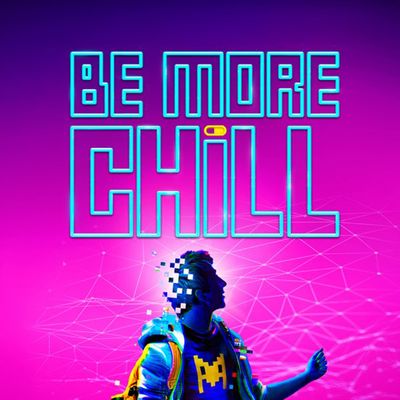
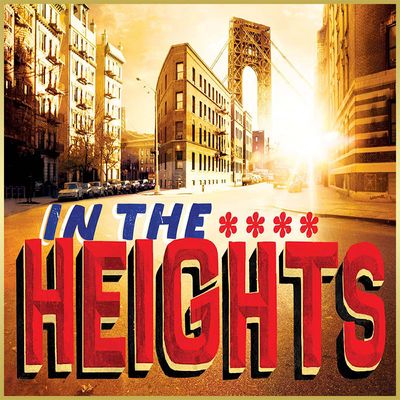
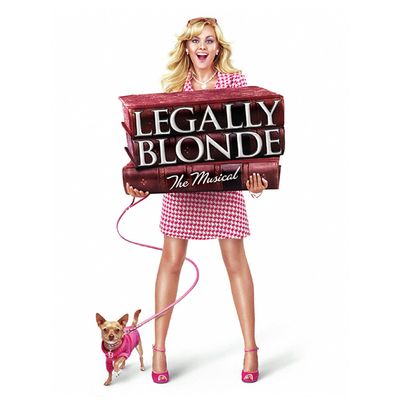
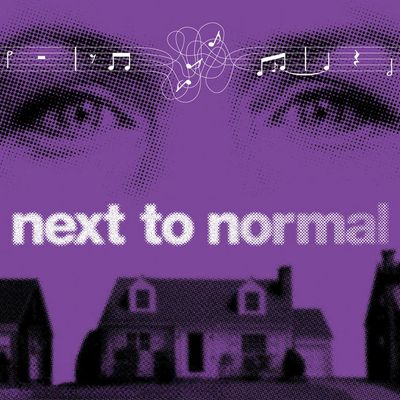
The need to capture a show’s energy and impact is a major responsibility for the person tasked with preserving that show on record. As the founder of Ghostlight Records, Kurt Deutsch has done just that for the past twenty years, having produced the original cast recordings of The Book of Mormon, In the Heights, Be More Chill, Broadway Bounty Hunter, Dirty Rotten Scoundrels, The Prince of Egypt, Next to Normal, Legally Blonde, and dozens more!
Kurt pulls back the curtain on his career to discuss how he transitioned from being onstage to being behind the scenes, what it was like navigating social media in the early 2000s recording industry, and why cast recordings are so important to the development of the American Musical.
Also, Kurt shines the spotlight on Stephen Schwartz, Joe Iconis, and Lin Manuel Miranda!
Become a sponsor of Behind The Curtain and get early access to interviews, private playlists, and advance knowledge of future guests so you can ask the legends your own questions. Go to: http://bit.ly/2i7nWC4
Transcript
This transcript was automatically generated and might contain errors.
[0:00] Robert W. Schneider: Hi, I'm Robert W. Schneider.
[0:01] Kevin David Thomas: And I'm Kevin David Thomas.
[0:03] Robert W. Schneider: And this is Behind the Curtain: Broadway's Living Legends.
[0:06] Kevin David Thomas: Don't forget to follow us on Twitter at Broadway Curtain.
[0:08] Robert W. Schneider: And make sure to join our Facebook page at Behind the Curtain: Broadway's Living Legends.
[0:12] Kevin David Thomas: And follow us on Instagram at Broadway Curtain Podcast.
[0:16] Robert W. Schneider: Plus, you can always listen to all of our episodes, old and new, on the Broadway Podcast Network, iTunes, and Spotify.
[0:22] Kevin David Thomas: For many of us, our first introduction to a musical is through its cast recording.
[0:27] Robert W. Schneider: And if the show has closed after you discovered it, then the only way we know the show is through its album.
[0:32] Kevin David Thomas: The need to capture the show's energy and impact is a major responsibility for the person that's tasked with preserving that show on record.
[0:40] Robert W. Schneider: It becomes definitive. And as the founder of Ghostlight Records, today's guest has done just that for the past 20 years.
[0:48] Kevin David Thomas: His legacy of albums includes the last five years in The Heights, Be More Chill, Things to Ruin, Dirty Rotten Scoundrels, Beautiful, Beetlejuice, Next to Normal, The Prince of Egypt, and Soft Power.
[1:06] Robert W. Schneider: So if you got like a BFA in the past 20 years, like you know you owe your career to this man. To tell us what it was like to work with such folks as Sherry Renee Scott, Joe Iconis, Bill Finn, and so many more, here is Grammy Award winner, KURT DEUTSCH.
[1:26] KURT DEUTSCH: So okay, so Kurt, first question for you, which is when you were growing up and you were enamored with the arts, did you ever think in a million years that you were gonna end up being one of the most successful producers in the music industry?
[1:38] KURT DEUTSCH: Uh, of recordings, no. I, uh, it was the farthest thing from my mind. It was, uh, I grew up in St. Louis and, um, my mom would take me to the Muni every Tuesday. Oh, um, and, uh, she had season tickets, and so that's kind of when I fell in love with musical theater. Um, and I really wanted to be an actor first and a performer. So I would literally sit in my, um, bedroom, uh, with my record player, and, um, and just, you know, my best friend was my mirror, and I would like act, you know, all the cast albums out.
[2:18] Kevin David Thomas: Which cast album got worn out the most in this private performance?
[2:22] KURT DEUTSCH: Well, I mean, it was like, you know, it was stages, right? So, like very, very early on, it was my parents, you know, what they listened to, so it was things like West Side Story and Fiddler on the Roof and, um, you know, My Fair Lady and those kinds of things. And then a little bit later it turned into A Chorus Line and, um, but then I think that probably Pippin was the one that was my, like, was my, um, uh, probably biggest, um, influence, you know, because we, it was also one of the ones that had a video, so I put it on VHS and watched the video of Ben Vereen and that. So, and you know, so that like for my, um, I think for my Sunday school confirmation, I actually, um, uh, quoted in my speech the lyrics to "Corner of the Sky."
Like, you know, it's like, you know, because that's what musical theater nerds did. Yeah, you know, but, but the thing that's amazing about it all is that, you know, now I get to work with Stephen Schwartz, and you know, we just put out The Prince of Egypt album and the revival of Pippin and Godspell and the Babbitt's Ragged. So it's like, you know, you get to work with your heroes, which is kind of amazing.
[3:43] Kevin David Thomas: Do you still have hero worship when these people walk into the room and go, "Kurt, help me"?
[3:47] KURT DEUTSCH: Um, well, they don't usually say help me, they usually say collaborate with. I collaborate with them, but of course I do. I mean, because they're usually, I mean, when I was in college, I remember, you know, a big show for me was Falsettos, you know, March of the Falsettos and Falsettoland, and, um, and getting to work with Bill Finn a number of times because he really, I mean, as far as modern musical, you know, and it huge, huge, and then to be able to do Spelling Bee and, and then the revival of Falsettos and one of his, and he was a huge influence and, and such a character. Um, and Alan Mencken, one of the first shows I saw in New York was the original cast of Little Shop of Horrors, and you got a ticket.
And, um, yeah, I was in eighth grade. I was, I was in tenth grade, I was in tenth grade, and so I saw, I saw the original cast there, and, and that was, you know, life-changing that show for me. Um, you know, and getting to work with Alan Mencken on a number of projects has been incredible.
[4:49] Kevin David Thomas: Where was college for you, Kurt?
[4:51] KURT DEUTSCH: Um, uh, I went to Syracuse University for, um, two and a half years, and then I went to the O'Neill Theater Center. They have this thing called the National Theatre Institute. Um, and that was like a semester. Um, and, and, uh, and so that was my junior year instead of like going to London. I, I went to the O'Neill and, um, and, uh, and then I got an agent from the O'Neill, and I convinced my dad to let me, um, to let me move to, um, New York after that first, after that semester, and he basically said, okay, if you don't make it in six months, you have to go back to school.
[5:32] KURT DEUTSCH: So I didn't make it. Um, but the last day that I, um, that I was to go back to college, I auditioned for a play called Broadway Bound, which is a Neil Simon play, and, um, and then I went to college, and then eight weeks into the semester, I got a callback for it because, you know, the actor Evan Handler.
[5:54] Kevin David Thomas: Yes, yeah, great actor.
[5:56] KURT DEUTSCH: And then Evan, um, at the time, and this was in 1987, maybe '87, I think, he had come down with leukemia, and, um, and it was horrible, and they needed somebody to replace very fast. And so I was able to come down. I auditioned on, on the, um, the Broadhurst stage. Uh, and then, um, and then they basically said, how fast can you move down to New York? And so I dropped out of college. I moved in with my girlfriend at the time's parents at 96 McDougal Street in the village. And, um, and then I started out understudying because they, and then I ultimately took over, um, the role and did it for about a year and a half. So that was kind of my college story, you know.
[6:46] Kevin David Thomas: Was that your first role? I mean, did you have your union card already? I mean, did you join the union with this audition as well? Um, had you worked professionally before?
[6:55] KURT DEUTSCH: I, I basically spent, I did summer stock. So I, my summers would be, um, in Ohio, like in Kenyon and Kenyon Festival Theater in Ohio, and I did something in Keene, New Hampshire, and I did something in Maine. Um, and then I went to the Edinburgh Festival. So I, I don't remember, I think that I had, I think I had my equity card from the summer from summer stock. Um, but it was definitely my first, you know, my first Broadway thing.
[7:29] Kevin David Thomas: That's a big thing, and you got it in college.
[7:31] KURT DEUTSCH: I, it was, I was very, very fortunate. I was very lucky, you know, it was incredibly lucky.
[7:37] Kevin David Thomas: Yeah. And then after Broadway Bound, uh, A Few Good Men, is that correct?
[7:41] KURT DEUTSCH: Um, after Broadway Bound, I did a couple of off-Broadway shows. Um, and then one of them was an Aaron Sorkin play called Making Movies that was like, you know, ran 32 performances at the Promenade Theater. And really, and, and that's when I met Aaron. Um, and Aaron also went to Syracuse, so we have that in common. Um, but because of that, I ended up, um, I ended up in A Few Good Men. Um, yeah, yeah, and then, and then that, and I did that for about nine, nine or ten months, I think. And then I moved out to LA.
[8:18] Kevin David Thomas: And why the move to Los Angeles?
[8:21] KURT DEUTSCH: Um, uh, because my agent said that I should do television. And so, and so, uh, and so I was like, you know, I, they basically said that. And so I, I got a TV series, um, pretty fast with John Mahoney, um, called The Human Factor, which was, it's always like the year before, like I was always on these TV shows the year before something happened. So this was like the year before ER. You know, I was on this medical show the year before ER, and, and our show was like, you know, and I, and so I played like the Noah Wyle character, the, you know, the young, you know, doctor, and you know, so I, so I call myself the year before act. I would do a pilot every year, and then, and you know, and then the next year that same kind of series would end up being like the great series that I didn't do, you know.
[9:07] Kevin David Thomas: Of course, of course, of course. What was it like working with John Mahoney?
[9:19] KURT DEUTSCH: John Mahoney, um, he's just, he, he was just so easy and, um, natural and, um, professional and just, and gracious and generous. Um, amazing, amazing actor, you know, and he was, he had that kind of career where you know he, he had a life prior to, um, acting, you know. He didn't really, you know, and he, he was a member of Steppenwolf, and, and, um, and he, he, he was an amazing actor, really amazing actor.
[9:51] Kevin David Thomas: So you're out in Los Angeles, and when, when does this idea start to come to you of hey, maybe moving into a different career field might be either an interesting thing or a necessary thing?
[10:02] KURT DEUTSCH: Um, it, it we, it wasn't necessary at all. It was just, it was actually when I was in LA, I did, um, I, I would still, I, I did a lot of bad television, and, um, but I had a great theater company that was kind of my lifeblood. I was in a theater company called the Matrix Theater Company, and, um, and it was on Melrose. And so the interesting kind of thing about this particular theater company was that every show was double cast, so there would be two casts of people, and we would never, you never knew who you were gonna be playing. There it wasn't like an A cast and a B cast, it was like we, we would mix it up so that the casts were different. And so, um, I did like I did The Seagull with Jeffrey Tambor and Sharon Lawrence and Penny Fuller and Richard.
That's how I met Richard Kind, who's one of my best friends, and um, Anna Gunn was my Nina. And, um, you know, so it was like it was crazy, a crazy talented group of people because everybody were theater actors. We were all living in LA. We were making decent money doing television, but we all wanted to just cut our teeth doing what we love to do.
[11:16] KURT DEUTSCH: So that's the acting part. But then I did, um, a play, a musical at the La Jolla Playhouse called Randy Newman's musical Faust. And, um, uh, and so I played Faust in that, and um, that's where I met, um, my former wife, Sherry Renee Scott. Um, and, uh, and so we got together in 1995, August of 1995, and we're married in 1998. Um, and during that time, um, living in LA, still doing theater, but she got cast in, um, Rent, so we were back and forth, and she also got cast in, um, the Elton John's musical, Aida. And, um, and so we moved back to New York for Aida, and I did my Sex and the City, and I did my Law and Order, and you know, like things, did a couple of independent films, but, um, but it, and it was at that time that I was kind of feeling like, um, she was interested in making an album, and um, and I didn't really know anything about that part of the industry, but somebody gave her a contract that was, you know, wanted her to sing show tunes, and I looked at the contract and I was like, this doesn't make a lot of sense.
[12:45] KURT DEUTSCH: The financials don't make a lot of sense. And so I said, you know, you're playing to 15,000 people a week on Broadway. Why don't we make the album that you want to make? We'll invest, you know, we'll put the money up, and then maybe if we're lucky, we'll put your bio, we'll put your website in your bio, and then maybe Disney will sell them in the lobby, or you know, it just kind of started like that. And she was very, very connected to a lot of, from doing Tommy, and Greece and other shows. She was very connected to the musical theater community in ways that I was not connected to the musical theater community. And so of that, I got friendly with Adam Pascal, and we started thinking about this idea of creating a record label that was more of like a united artist for the Broadway community, and it wasn't necessarily about cast albums, it was more about Sherry doing her own project, Adam Pascal doing his original music, Alice Ripley doing her songs, and it kind of, and the Broadway Inspirational Voices, which was then called the Broadway Gospel Choir, wanting to work with them. And so it started that way, and then eventually we got into cast albums.
[14:22] KURT DEUTSCH: How did you know what to do? You said, how do you read a book? I read a book called Everything You Want to Know About the Music Business, a guy named Don Passman. Awesome. It was kind of like, you know, I read every book that I could possibly read. I worked, you know, I was, when the idea of a record producer, you know, is, you know, there's different, I was a directing major at college as well. So I have an acting and directing background, so I was able to communicate. My expertise is not in, I'm not an engineer, I'm not, you know, technically proficient in terms of mixing and those kinds of things. But what I bring to the table, I think, is the ability to speak to an actor, the ability to hear things, the ability to kind of feel, you know, to how do you get a song across from an oral perspective, a listening perspective, as opposed to when you're seeing it on stage.
[15:36] KURT DEUTSCH: And how do you do that? What do you look for? What note do you find yourself giving the most in the recording session? I think that the biggest note, you know, because the thing that's great about cast albums is that you try to capture the energy of a live performance, but you need to encapsulate it. Your audience is your microphone to a certain degree. And so you want to be able to kind of get to the truth through, because you don't have anything else hiding you. So it's not like you can rely on that comic bit that is a physical bit. It's all about how do you encapsulate your performance for a listener as opposed to, you know, what they're seeing. And so a lot of the times it's about what are you, how are you communicating? Are you projecting too much? You don't need to project that much. Can you get the same intensity across in a different way, yet still get the same emotional resonance?
[16:49] KURT DEUTSCH: Which show have you worked on that has been the most challenging in terms of taking the brilliance that are on stage and then, you know, putting it out into a recording? I'm sure they're all challenging, but which one did you find? Oh my gosh, this is a tough one. Well, it's more about, I guess, you think about it a lot of different ways. I think of how do you do certain things to be able to capture what the energy is on stage. So I think of a show like Passing Strange, where, you know, that show, you know, going in and recording it in a studio would have been the wrong way to do it. And so we did it live in front of an audience, but we wanted to recreate. It wasn't like a live capture. We actually made a recording studio and invited people into the process.
And that presented its own challenges in general. A show like another challenging one was Hair. The revival of Hair, because it is so communal and everybody sings on almost every song. And so that was a challenge recording it because you have to give your all in that. I mean, those actors were performing at such a peak level that during the, and it was the only time that I think that we've done it where we actually started at the beginning of the show and then went through it. You know, and we would be, and also because of the size of the cast, recording studios have been a challenge because all the recording studios have been closing. And so we actually had people in three or four or five different rooms and we did it live, but we had everybody all over the place, and we would start losing like Will Swenson lost his voice in the middle of the recording, and you know, so there are certain things that ended up happening where it presents challenges, but it ultimately, I mean, worked out. We, you know, great album back when energy is exciting.
[19:09] KURT DEUTSCH: So you had originally started out just for your label, if I'm understanding this correctly. It was mostly intended for solo artists that were working on Broadway. Right, yeah. So Shakeaboom was like the idea, it was like Sherry, it was the SH and Kay was me and then Kurt and then boom ended up. I don't know. That's a great name. That's kind of how that started. And now, and then when we started getting more, and that was about artists who wanted to bridge the gap between rock and roll and theater. That was kind of the idea. And we would do these midnight concerts on Thursdays at a place called the Cutting Room, and then we started doing bigger concerts at the Village Theater, which is now Le Pour Saint-Rouge in New York.
Yeah. And so we did these bigger concerts and like we did the first reading of what is now Next to Normal. We had people like Idina Menzel and Gavin DeGraw on a double bill. It was a way for the Broadway community late night on Thursday nights and the theater community to come together. This was all like this is our 20-year anniversary, so this is all like 2000, 2001, you know, so that it was kind of those two years pre-9/11.
[20:36] Kevin David Thomas: Happy anniversary, by the way, 2018. Congratulations.
[20:39] KURT DEUTSCH: And it really, you were very, very much ahead of the, you know, broad now we have pop rock all the time on Broadway. But that's when I was in college, and I remember that we didn't have pop rock like the way we do now. I mean, now it's really kind of interesting that you caught that wave, right?
[20:54] KURT DEUTSCH: Well, I think that Rent, I think Rent and Tommy were the shows that, you know, Rent was kind of one of those defining moments in everybody where it was about, you know, and we just did the Jonathan Larson project, but that was ahead of its time. It was also kind of the first show, I think, that defined the internet movement where you were able to reach beyond the typical Broadway community. And now, you know, 20 years later, you see that fan engagement globally for musicals in a much different way. But yeah, we were building it back then, trying to build a community of this group of artists, and then we started getting into cast albums with Ghostlight.
[21:48] KURT DEUTSCH: Yeah, Ghostlight started a few years later, and that really was because kind of a stupid name, but also it was limiting because I would say, you know, somebody would say to me, I have this really great beautiful album, but it doesn't necessarily fit within our model of bridging the gap between rock and roll and theater. So to do an album with Patti LuPone is not really, you know, I mean, is not really part of that unless it was like, you know, Patti does Nirvana or something like that. I didn't mean by that.
[22:27] Kevin David Thomas: Yeah, exactly.
[22:28] KURT DEUTSCH: Yeah, but I think one of our first albums was the Michel Legrand Amor. And so Amor didn't really fit into that world. So there was the idea of creating a new imprint, which Ghostlight was important to be able to kind of broaden the audience and to be more inclusive.
[22:53] Kevin David Thomas: Even at the time, I remember I would buy every single Ghostlight record possible, but I remember thinking this is amazing that you were able to do that when the record labels were doing the opposite, right? At this time period, it was not a hot thing to have a cast album and to be making it like it is now, I think.
[23:12] KURT DEUTSCH: A little more so now. I'm curious how you, and we don't have to know financials, but I'm curious how you made it work. I mean, how did you create a new way of trying to make money on this? Can you speak a little bit about that?
[23:27] KURT DEUTSCH: I mean, I'm not a not-for-profit. But the idea was, I mean, it was pretty simple in that I thought I was thinking like, you know, at the time record label, you know, Broadway producers would be raising 10 to 12 million dollars, or how much it cost to make a musical. And they would typically give away the cast album rights to a record label to pay for the entire thing. Right. And that contract that they gave Sherry was the same contract that they were giving to a Broadway show. And I couldn't believe that after reading my Don Passman book, the Everything You Want to Know About the Music, you know, music the music business. I couldn't believe that shows would give away one of their biggest assets, not only for marketing but also financial.
And so The Last Five Years was, I think, probably the first cast album that we did, and it was a small show. Sherry was starring in it with Norbert and Marty Bell and Ariel Tepper were the producers. And it was after 9/11, the show got kind of lukewarm reviews. It was a ghost town down in the village. But I said, I knew that this show to me was kind of like a mini masterpiece. And I said to the producers, I said, why don't we just finance this together? We'll own it together. And we'll do a joint venture. And so I put half the money in, they put half the money in, and you know, and The Last Five Years is, you know, lived on. I think not a lot of people got to see the show live with Norbert and Sherry, but the cast album, you know, exists in a way. And you know, I mean, I don't know if you saw the Ariana Grande did a cover like that.
[25:29] KURT DEUTSCH: So it was incredible. So um so, and then from that I ended up producing the movie with Anna Kendrick and blah blah blah blah. But yeah, but um, but that's kind of the genesis of the business model is essentially joint ventures with the Broadway producers.
[25:46] Kevin David Thomas: Sure. If you if you didn't step forward for that, do you think anyone would have recorded this? Do you think anyone would have come forward and been like, oh, let's record this show?
[25:53] KURT DEUTSCH: I I would hope I would hope that that somebody would have, but nobody had at the time. And if you if you don't mind my asking, because we're we're interested in you know the the history of things, which is if you don't mind sharing how much did it cost to produce that album versus how much would it have cost today if you were if you were doing the same thing?
[26:11] KURT DEUTSCH: Um well, I'll give you a range. So typically uh typically a um uh a small show like that will go somewhere between 75,000 dollars or or higher, um, you know, uh to a larger Broadway show can be much more expensive in the 300 to 400 to 500,000 range. Um but you know in the last five years on the smaller side, I think it was probably I want to say it was maybe $90,000 to make that album, something like that.
[26:48] Kevin David Thomas: How much do you have to sell in order to or down or people download to in order to break even?
[26:55] KURT DEUTSCH: Well, thing I mean, back then, yeah, you know, you're you're you're talking about a much more physical market. Um, you know, uh I iTunes didn't really exist back back then in 2000. I don't remember how old iTunes is, but but that was selling um much more physical product. Um, you know, and now things are very, very different where they're where it's you know, pretty much we're selling hardly any physical, and it's mostly digital and and and pretty much mostly streaming at this point. So it it varies. Um, you know, for a 90, you know, at that time, you know, you figure you see roughly um six dollars or five or six dollars uh uh an album at that time.
[27:44] Kevin David Thomas: So whatever that I'm not I'm really bad at math.
[27:47] KURT DEUTSCH: No, that's we all are, it's okay.
[27:55] KURT DEUTSCH: This is Lucille. Do you want to help keep Broadway behind the curtain on the air? Head over to Patreon.com. That's P-A-T-R-E-O-N.com and search behind the curtain, Broadway's living legends, and set a monthly donation. Even a dollar. Just tell them here you come, pow, pow, light the candles. Get the ice out. I'm gonna sing until you give. Roll the rug up. Give today at Patreon.
[28:33] Kevin David Thomas: Now that you have, you know, you've you've created this great legacy of some of the most iconic influential musicals for people over the past 20 years. You've you've been able to preserve that. What do you know now that you wished you had known then when you started producing these things? If you could go back and talk to talk to yourself 20 years ago, you would say, hey, don't worry about this, or hey, make sure to pay attention to that.
[28:55] KURT DEUTSCH: I mean, I think I spent too much money at the at the beginning, um, just because I didn't know. Um, and but also because of what's going on right now, and especially in in self-isolation and and all those kinds of things, it's like, how do you keep up? I have not been one to not um take I I I tend to take a lot of risks. Um, and um, and so I you know, when streaming started happening, I was the first one to say, okay, this is the future, we have to go to it. This is you know, and so a lot of people are reticent are scared of technology and scared of what that does to the business and all that kind of stuff. I've been more of a person who embraces that a little bit more, and um, and feel like it's only gonna make the audience wider and them wanting to see the show. Um, but so I think that if anything, it's um trying to be as open as I can and not as closed-minded um at the time and not being as stubborn, you know.
[30:06] Kevin David Thomas: Yeah, and I I what I find so interesting is is you know, like you were saying earlier on, you know, you had asked Sherry's, you know, website to be in the liner notes. That was really ahead because nobody I think was really doing that at the time.
[30:17] KURT DEUTSCH: Yeah. No, and I mean the the the types of you know shows that we were looking to record. What do you think um the next 10 years or so might be holding for the original cast recording industry? Is there a thing that you think, oh, this is this might turn out to be a trend or or this might be some way that the the field is moving?
[30:39] KURT DEUTSCH: You know what I mean? What is what's gonna happen in the next year as opposed to 10 years, but uh it's like what is going to be the disruptor, um, you know, which you think about, you know, in 10 years we're probably not gonna be driving cars, you know what I mean? That it's that kind of thing. But um, you know, it's like everybody's gonna be, you know, we're we're not gonna have automobiles. I mean, if you would have told me that 10 years ago, you know, I, you know, there would be no CDs, there'd be no, you know, it's all digital, it's all subscription based. That I mean, I think that's why these records are are doing so well, or a lot of them are doing so well, is because the audience is now um, you know, in it's instantaneous and it's global and everybody can can connect. I think that's gonna keep happening.
[31:32] KURT DEUTSCH: But I think how we consume music, I don't know what what's gonna happen beyond streaming. Um, I think gaming is a huge is a huge part of it. I think that you're seeing um now you're seeing TikTok and YouTube and um, you know, voicey, all these different apps that people are using to create music. Um, I think that's going to keep expanding. And it's all about subscription base and subscriber-based now because you are seeing real money from those subscribers. Like at the beginning with Spotify, they would say, Oh, you're only seeing this little amount, you know, per stream or whatever. But it really does add up because everybody's subscribing to, they're now subscribing to YouTube, they're now subscribing to Spotify, they're subscribing to Apple Music, they're subscribing to Google Play.
There's so many different places in which people are subscribing to, and the numbers are growing by the millions. Four years ago, there was not very many subscribers. Now there are everybody is a subscriber to something. And that actually is a very different kind of commerce than um than selling one physical CD, and um, and then you're done. Every time somebody plays a cast album or a stream or whatever they're doing, you're monetizing that. So it's so it's living in it's living in a cloud. You're not having to manufacture, you're not having to do those things. You're you're constantly in and catalog, you know, these shows, which is great, is is that there's only gonna be one original cast album of the Book of Mormon.
You know, there's only gonna be one original cast album of the last five years. And so, you know, people still listen to the original cast albums of West Side Story or a company or any any of these shows. So I think that that's that's the beauty of the cast album. People don't necessarily listen to just one song, they listen to whole records.
[33:35] KURT DEUTSCH: Um which is kind of a difference. But I do think that things need to change in terms of the economics. They shouldn't, it shouldn't cost as much as it does cost, because we're not in the days where albums are selling millions and millions of copies, you know, like like when the contracts were negotiated and and the producers are having to bear um a lot of the um front. And most cast albums, I would say don't necessarily are not necessarily profitable. I look at you know, I look at things as preservation projects and and I look at things as financial and commercial projects, and so you know, I I want to and I take a deep responsibility in the preservation part of it, yes. But I again I'm not I'm not an out for profit, so um, so a lot of it has to be you know, angel investors and those kinds of things.
[34:29] Kevin David Thomas: How do you pick uh you know, it because that's an artistic sort of opinion that you have to have, and and how what is your sort of limits test? How do you decide? Because I'm I imagine you get a lot of people saying, Hey, we record me, my show, it's really good. And how do you I'm other than good old fashioned, like I like that art, I don't like that art. Is there some sort of other um test?
[34:48] KURT DEUTSCH: You know, no, uh I mean I like your aesthetics, so I always have and I always will, but I but there's certain things that I you know, certain things that I feel will be profitable and certain things that I feel will not be profitable, and you know, and I've been right and I've been wrong a lot of the time. So um, so you know, but um, but at the end of the day, my goal is if you want to make an album, I'll help you make the album. It's just I'm not necessarily gonna pay for your album.
[35:20] Kevin David Thomas: Yeah. So you you will you have you have some albums that uh because I'm just I'm a layman here. There are some albums that you put up the money, then you have some albums that if someone says, Hey, I want I really like Ghost Light, I want that label, but I've got I'm I'm self, I'm a millionaire. I'm gonna and you will you will do that then as well. Or will you still say, well, I need to still need to make sure that we want our name on this.
[35:40] KURT DEUTSCH: Yeah, I think that there's there's a few different ways that I that I work. It's more about it's it's relationships, it's um it's uh it's um you know financial, you know, joint ventures. It's also like preservation. I want to make sure that these albums get preserved and let's figure out a way in which you can get the money, even though it's not necessarily about making money, you know, and because a lot of people benefit from it, not just not just um me, it's more about the future student. It's about okay, the licensing company, MTI or or you know one of these licensing companies, um, you know, need a cast album in order to license their show, because without a cast album, most shows will not be licensed.
So it's working with the licensing companies, working with the producers of the show. If it's a not-for-profit, working very closely with the not-for-profit who have a lot of times have um, you know, recording grants or things like that that they'll that they'll use. Um, so so yeah, so I work, but if it's a commercial show, if it's a a big Broadway show that I feel is commercially viable, like Beetlejuice or something like that, um, then yeah I'll put I'll I'll put money into it.
[37:03] Kevin David Thomas: How early on in the process do you get involved? Like for something like Soft Power for example do you do you see it and go oh this is fantastic let me let me see if I can record this or do they approach you?
[37:14] KURT DEUTSCH: Let's take soft power as an example please which is fantastic by the way thank you so much for making that happen. Soft power was actually very very late actually um uh I kind of came in at the last minute um and um and and they called me and they said because they did they weren't sure if they were gonna make make the album and so they called me at the last minute and said hey could you could you could you do this for us and so we did.
[37:43] Kevin David Thomas: So that that's a them approaching you type thing. How does this process uh normally work? Do you do they pitch the shows to you even before they get into rehearsals do you do they invite you do you how how does the mating a lot of re well I mean I so I work so I I have I I have um I have my record label but I also work at Warner Chapel Music Publishing.
[38:04] KURT DEUTSCH: Yes where I work congratulations on that on the theater kind of the theater division there and so and so I go to a lot of readings um I go to a lot of shows and um and then I I have relationships with a lot of the producers and and um and and not for profits.
[38:24] KURT DEUTSCH: But it's not like one of those things where other people are trying to outbid one another or is it it is with I can offer you this, I can offer you that okay.
[38:33] Kevin David Thomas: Oh um you know, you have such a great relationship with Joe Iconis.
[38:37] KURT DEUTSCH: Um, because I mean, who is transforming the way people are finding musical theater, which is oh cool, but also such a responsibility, I'm assuming for you because this is the conduit for so many listeners. How did your relationship with Joe develop? And talk a little bit, please about Broadway Bounty Hunter with the incredible Annie Golden, who um well Joe.
[39:00] KURT DEUTSCH: I guess I met um pretty much right after he graduated from NYU, and uh and somebody had sent me um said you you should really meet this guy, he's kind of got an original voice, and I and so I met him, and um and he was just a very, you know, quiet, yeah, um introverted kind of guy, and we talked and I I told him the kinds of things that I was interested in doing. Um he didn't really have a lot of musicals at the time, but I just found his voice to be very, very original. Um, and I loved um I loved a lot of his songs, and so we talked about creating um a kind of a I love the idea of concept albums. I love the idea of song cycles. Um and so um, and so we talked about that, I think, and then that's kind of how Things to Ruin spawned. Um, where he he created Things to Ruin as kind of a song cycle, and and that that's when the relationship really started, um, with things with when you got things to ruin.
[40:12] KURT DEUTSCH: And then he just has been building his kind of family of musicians and artists um together over the years, and then um, and then I just you know have been supporting him ever since. Be More Chill was another example of of you know, when I went and saw it at um when I went and saw it at uh Two River Theater I said we've got to record this thing and um, you know and so I was fortunate enough that Two Rivers supported it and we paid you know and so it was like so we recorded doesn't happen a lot a regional theater pre-Broadway you know usually I mean I did review in the New York Times so if and I knew that that show I mean I I you know when you talk about instinct I just knew some of those songs would speak to that 12 year old and me when I was a kid in St. Louis that I would want to sing it I'd want to sing along to this thing and Michael in the back room ended up have I mean that's kind of like Beetlejuice is another example of you know you you hear the first time I heard um Sofia sing Dead Mom I was like okay yep that 16 year old girl is gonna want to sing that song over and over and over again and they do yeah it it's those are the kinds of things that I look for when I when I hear um especially especially from a commercial place um who are the who is the audience you know who are buying who are listening if you think of Wicked if you think of Spring Awakening you think of those kind of legally blonde those kinds of shows it's these it's the musical theater person are people sometimes who don't feel like they fit in or underdogs who um who are trying to find their place in the world.
[40:12] KURT DEUTSCH: And I think that songs that resonate like that in a lot of ways are what are what people want to sing over and over and over and over again. So anyway. So Joe, but Joe, so we did Things to Ruin. We did Be More Chill, but both Be More Chill albums, and then and then Broadway Bounty Hunter, which was Joe's um love letter to Annie Golden.
[40:12] Kevin David Thomas: You know.
[42:22] KURT DEUTSCH: Yeah.
[42:22] Kevin David Thomas: And now I want to go back for a second.
[42:23] KURT DEUTSCH: You said two albums for Be More Chill.
[42:25] Kevin David Thomas: What what were the differences between one album?
[42:28] KURT DEUTSCH: The Off Broadway and the Broadway.
[42:31] KURT DEUTSCH: So you've got the Off Broadway one. It's really an is it is the not the Off-Broadway, the Two Rivers, the Two River one, which was done then at Two River, and then the Broadway one, which was a souped-up orchestration, different cast, a few different songs. Um they're just two different two different records.
[42:52] KURT DEUTSCH: Um yeah, yeah. And then Broadway Bounty Hunter is um is the it's he, you know, it's for Annie, and I think that it's it's awesome.
[43:00] KURT DEUTSCH: It's a it's uh and Brad Oscar, who's in New Hampshire in 1985.
[43:12] KURT DEUTSCH: 1985.
[43:13] Kevin David Thomas: Yeah.
[43:14] KURT DEUTSCH: What shows we did um Candide and um Merrily We Roll Along.
[43:22] Kevin David Thomas: Oh, nice, the Robber Bridegroom and Baby.
[43:28] KURT DEUTSCH: That's a good season.
[43:30] Kevin David Thomas: I'd like to get a time machine.
[43:31] KURT DEUTSCH: I want to go back on this.
[43:32] Kevin David Thomas: I want to see those.
[43:33] KURT DEUTSCH: And then tell tell us a little bit about Prince of Egypt.
[43:37] KURT DEUTSCH: Prince of Egypt was um, well, they did it in it's the London production of Prince of Egypt, um, that is well, was playing. Um hopefully it'll open up again when people can do the theater.
[43:50] KURT DEUTSCH: But um, again, it's a s another Stephen Schwartz album that that that um I've been fortunate enough to work with him on a number of projects. Um and it's you know, a cast of I don't know, cast of 35 and a huge orchestra.
[44:06] KURT DEUTSCH: It's a big big show. It's like it's similar in in a lot of ways to Hunchback the Hunchback of Notre Dame album that that we did, but you know, it's one of those shows that um, you know, I think he wrote five songs for the film and now it has twenty three.
[44:23] KURT DEUTSCH: You know, fleshed it out.
[44:25] Kevin David Thomas: Oh, that's exciting.
[44:26] KURT DEUTSCH: A lot more. Um, and it's very, very lush.
[44:29] KURT DEUTSCH: Um, I don't think many people write melodies the way that Stephen does.
[44:34] Kevin David Thomas: Yeah.
[44:35] KURT DEUTSCH: Um, and um, you know, and it's it's that kind of story which will be, you know, I'm Jewish and it's the story of Moses, a story of Passover, and and um and uh and I think people will look back on it in a way where where it'll be done in it'll be done a lot.
[44:54] Kevin David Thomas: What's on your bucket list of you know, concept albums or ideas that you'd still like to have come to fruition?
[45:00] KURT DEUTSCH: We're getting ready to, I mean, I have a bunch the things that I've been kind of most proud of lately are are um you know, these projects like we I've been recording all of Michael Friedman's um work that uh you know, we've I think we have like nine albums that we're looking at his musicals, and I recorded you know, Bloody Bloody and Fortress of Solitude and Um and Love's Labor's Lost.
[45:24] KURT DEUTSCH: And so I I I love Michael.
[45:27] KURT DEUTSCH: Um and um and I feel like his work is he's just so singular.
[45:33] KURT DEUTSCH: And then we've basically we've also been one of Michael's or Michael's mentor was uh Elizabeth Suedos.
[45:41] KURT DEUTSCH: And um, and so we've just finished um recording uh Liz Suedo's project um wow that um is is a remarkable album that fun coming out in in May people actually we haven't really announced it yet but anyway it'll be coming out in in May thank you that's exciting yeah and um and then I've just been developing shows a lot of shows lately I put I did um I've been I produced the Wrong Man um which is the Ross and um and that got nominated for a bunch of Drama Desk awards and congratulations I'm working with Kevin McCullum on uh a version of The Notebook um oh yeah Ingrid Michelson yeah um so I'm doing that um and and then developing a lot of things with Warner Warner Chapel um but as far as you know so I'm kind of transitioning kind of next phase is probably more producing more more more producing and you know cast albums um and and also in this time you know really thinking about what what is if we can't get back into the theater for a number of more months which it doesn't look like we're going to how do you pivot you know a lot of people are doing virtual play readings on Zoom or doing a lot of virtual concerts but I feel like it's an opportunity now to be thinking about concept albums.
[47:08] KURT DEUTSCH: Yeah to be thinking about you know okay what's the next Jesus Christ Superstar what's the next Evita what's the next The Wall? What's the next Tommy? What’s you know, what are what are the what are the next concept albums that you can kind of create and um and put out into the world that could then generate I'll see it in the theater one day or I'll maybe 80 Stone did that, yeah, totally.
[47:33] Kevin David Thomas: Yeah.
[47:34] KURT DEUTSCH: So yes, those are the kind of things that I'm thinking about.
[47:37] Kevin David Thomas: I think that's I think that's so so wonderful that you know you you still want to bring these stories uh and finding a different way of adapting them to our current situation.
[47:46] KURT DEUTSCH: Um my last our last question for you is is you know, what what is your what do you hope that your legacy and Ghostlight Records legacy is going to be, you know, 100, 200 years from now?
[47:57] KURT DEUTSCH: I hope we can still go to the theater.
[47:59] Kevin David Thomas: Yes.
[47:59] KURT DEUTSCH: And I hope that people will, you know, I mean, the idea of Ghost Light, to me, you know, I mean, it's actually especially we've seen a lot of during the pandemic, people have been talked talking about the ghost light and and how that is, you know, placed in the theater when theater is dark, but the light always shines on.
[48:20] KURT DEUTSCH: And the reason that I chose the name of Ghost Light was because um when the theater is dark or when the show is done, the music will always live on.
[48:32] KURT DEUTSCH: And so to me, um if people, if people, I mean, uh it's less about me than it is more about a history and a legacy and a preservation of these scores that you know, hopefully we'll live on forever and will keep educating people and we'll keep inspiring people.
[48:50] KURT DEUTSCH: People um can dream about like I did when I was in St. Louis, dream about, you know, um being on Broadway or being an actor, being a producer, being a director, you know, whatever, whatever their dream is to allow them to, you know, have this be a portal into that dream.
[49:07] Kevin David Thomas: So that's great, Kurt.
[49:09] Kevin David Thomas: On behalf of Kevin and I, but also on the millions of listeners that you've inspired through your records.
[49:15] Kevin David Thomas: Uh, we just want to say thank you so much.
[49:17] Kevin David Thomas: It really means the world does one that you spend time with us today and that you keep creating dreams for people through your your brilliant company.
[49:24] KURT DEUTSCH: So thank you for that, Kurt.
[49:25] KURT DEUTSCH: Thank you.
[49:25] KURT DEUTSCH: Thank you, guys.
[49:26] KURT DEUTSCH: Thanks for joining us.
[49:28] Kevin David Thomas: Yes.
[49:29] Kevin David Thomas: Till next time, everybody.
[49:30] Kevin David Thomas: Stay safe.
[49:30] Kevin David Thomas: Bye, folks.
[49:31] KURT DEUTSCH: Bye.
[49:34] Kevin David Thomas: Today's episode was recorded at Shetler Studios on 244 West 54th Street.
[49:39] Kevin David Thomas: Visit Shatler Studios to book your room today, and you could be as cool as us.
[49:43] Kevin David Thomas: That's S-H-E-T-L-E-R Studios.com.
[49:47] Kevin David Thomas: And a big thanks to our sound editor Daniel Schwartzberg and social media manager Bethany and Solecki.
[49:53] Kevin David Thomas: And friends, don't forget, we want more folks to hear these incredible stories, and that's where you guys can come in and help us out.
[49:59] Kevin David Thomas: Yes, in order for people to find out about us, we need lots of ratings on iTunes.
[50:03] Kevin David Thomas: The more ratings, the more they'll come up and search us.
[50:06] Kevin David Thomas: So head on over to iTunes, search for Behind the Curtain: Broadway's Living Legends, click on our logo, click on ratings and reviews, then write a review and leave us five stars and make us feel as special as Eliza Doolittle on Eliza Doolittle Day.
[50:21] Kevin David Thomas: Or you can leave us one star and make us feel as bad as Annie did in that weird production in Boston where Annie dreamed about being adopted and then ended the show back in the orphanage.
[50:31] Kevin David Thomas: True story, Rob was there.
[50:34] Robert W. Schneider: I saw it.
[50:35] Kevin David Thomas: So head on over to iTunes and make us feel even more special than we already do.
© Broadway Podcast Network, All Rights Reserved