

SHOWS: Grease, The Robber Bridegroom, Nick & Nora. Dammit, Janet, it's The Rocky Horror Picture Show's very own Tony/Golden Globe Award winner Barry Bostwick on today's episode... Read More
From the show: BEHIND THE CURTAIN: BROADWAY'S LIVING LEGENDS » Podcast
Featured Shows
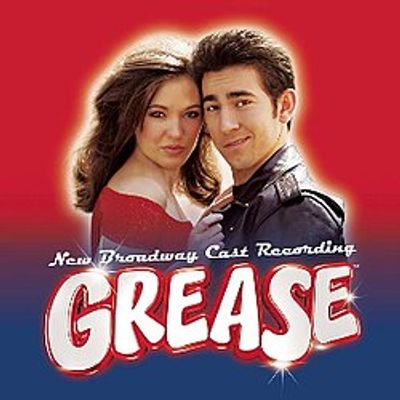
About
SHOWS: Grease, The Robber Bridegroom, Nick & Nora
Dammit, Janet, it's The Rocky Horror Picture Show's very own Tony/Golden Globe Award winner Barry Bostwick on today's episode. Barry walks the boys through his beginnings which include the original Broadway companies of Soon, Grease, The Robber Bridegroom, Nick and Nora, and more, as well as his appearances on the large and small screen.
Barry pulls back the curtain on his career to discuss how he started his career as a circus performer/folk singer, what it was like being the first person on Broadway to play Danny Zuko in Grease, and why Arthur Laurents should've hired Joe Mantegna for Nick & Nora.
Also, Barry shines the spotlight on Joanna Gleason, Peter Allen, and Patty Duke!
Become a sponsor of Behind The Curtain and get early access to interviews, private playlists, and advance knowledge of future guests so you can ask the legends your own questions. Go to: http://bit.ly/2i7nWC4
Transcript
This transcript was automatically generated and might contain errors.
[0:00] Robert W. Schneider: Hi, I'm Robert W. Schneider.
[0:01] Kevin David Thomas: And I'm Kevin David Thomas.
[0:02] Robert W. Schneider: And this is Behind the Curtain: Broadway's Living Legends.
[0:05] Kevin David Thomas: Don't forget to follow us on Twitter at Broadway Curtain.
[0:08] Robert W. Schneider: And make sure to join our Facebook page at Behind the Curtain: Broadway's Living Legends.
[0:13] Kevin David Thomas: And kids, follow us on Instagram at Broadway Curtain Podcast.
[0:18] Robert W. Schneider: Plus, you can always listen to all of our episodes, old and new on the Broadway Podcast Network, iTunes, and Spotify.
[0:23] Kevin David Thomas: Today's guest is one of the most recognizable faces in film and television, whose talents have added iconic moments to such television shows as Spin City, Scrubs, Cougar Town, and of course the cinematic masterpiece, The Rocky Horror Picture Show.
[0:37] Robert W. Schneider: But today we are gleefully exploring his on-stage credits, which include originating the role of Danny in Broadway's Grease, winning a Tony Award for The Robber Bridegroom, appearing in all three performances of Soon, and dazzling audiences with his debonair air in Nick and Nora.
[0:54] Kevin David Thomas: To tell us what it was like to work with such legends as Ellis Rabb, Lois Nettleton, Peter Allen, Nell Carter, Arthur Laurents, and so many more, here is Golden Globe winner himself, Mr. Barry Bostwick.
[1:04] Robert W. Schneider: Barry, how are you today?
[1:06] Barry Bostwick: I'm, uh, hello. I'm doing fine.
[1:09] Barry Bostwick: Did you just hear my computer go did?
[1:13] Robert W. Schneider: No.
[1:14] Barry Bostwick: We did not hear it go da ding-da-ding.
[1:16] Barry Bostwick: Okay, well, here, I'm gonna start again then. Oh, hi, hi guys. I'm fine. Um, it's so good to have you here.
[1:23] Kevin David Thomas: Now, Mr. Bostwick, I think you are one of our first guests that has circus training, being involved with the circus. How did you get involved with Ringling Brothers?
[1:33] Barry Bostwick: Oh, well, uh, you know, it's, uh, there's two parts to that. Great. I went to NYU School of the Arts, um, in '67, and Hubby Burgess, who is, uh, he was a, uh, worked at, uh, Ringling Brothers years ago, and then he taught circus arts for the actor at Juilliard and at NYU. And, um, and so I studied with him at NYU for the year I was there, and then he started a Circus Arts Institute down on the Bowery, uh, just about three blocks below from where I lived. And he got about, uh, eight or ten of his ex-students, and we would go out into the park, uh, on the weekends and do a little improvised show with juggling and this and that, and we'd, um, we called ourselves Cherco Delarte. Uh, and, um, I don't know what that means.
I think it's the art, the art of circus or something. And, uh, and then, uh, uh, and, um, my fondest memory of all of that with him was at this little storefront. I remember one night we got the mats out and we had a little black and white, uh, TV and we set up in the corner and, um, we watched, uh, we watched Armstrong, uh, come down out of the capsule and walk on the moon. Oh, it was fascinating, uh, and to be with those people, uh, and, uh, it's just one of those memories. But the point is, is that I learned how to juggle and do a bunch of walking on balls and all that kind of stuff with Hovey. And, um, and then when it came time, uh, years later, uh, there they were putting together a rock and roll, uh, uh, group, sort of like the Monkees, and they wanted to call them the clowns with a capital K. And it was, um, it was being put together by Ringling Brothers, Barnum and Bailey, uh, which had nothing to do with my background and nothing to do with Hubby Burgess or anybody.
It's just that I had these certain skills, and, um, they cast, uh, five of us in this group, and we were going to be the hosts of a TV show, like where they would bring on an hour special where they would bring on circus acts and stars. And it wasn't, it wasn't like Circus of the Stars, where the stars did circus acts. It was just that they brought on their circus people, and then they would bring on a star or two. And we did a pilot with Sammy Davis Jr. And it was never, it was never picked up. And in fact, I didn't do the pilot, even though I was the lead singer in the group because I was doing a show off-Broadway called Colette with, uh, Zoe Caldwell. And they wouldn't let me out for the week to go do this, those bastards.
So I could actually make some money rather than, uh, you know, uh, working at the Ellen Stewart Theater for $7.50 a night. Um, but, uh, so they cast somebody else to play my part. And thank God all the characters had these sort of clown makeups on, sort of, uh, I played Bo, Bo, who was the hip guy, you know, the hip fringey kind of, uh, uh, guy. But, uh, we had a couple, we had an album. Um, Lady Love, I think made it like did pretty well, I think I read somewhere else.
[5:03] Kevin David Thomas: Lady Love did great.
[5:05] Barry Bostwick: Oh my God. I think it was, uh, what was it, 37 with a bullet going down. But, uh, Jeff Barry, who had, um, uh, who produced the album, um, uh, had done an awful lot of this bubblegum stuff, and he was, he was very big in all that. And, um, uh, he did the Archies and, um, so, uh, we thought we were gonna have a little run with all this, but after the show wasn't picked up, um, and after our first album and after the bullet was going down, uh, we disbanded. But, um, there was actually some pretty good music on that album, and I wish you'd play the whole album right now, but Lady Love is sort of a cool song, and, um, it was, uh, it was a fun, it was a fun time for the six months or however long it was that we did it.
And, um, so do you see the combination between Hubby Burgess, who was this great teacher, and then I, it carried over into, um, uh, into Ringling Brothers Barnum and Bailey. And, uh, one of the exciting things, one of the exciting things about Ringling Brothers is that we went out and did a short tour, uh, for the show, and we got to, um, hang around when they were, uh, auditioning acts for s for the circus and, uh, to watch, to watch these spectacular athletes, uh, do what they were doing and, um, and to just sort of see, be part of the, you know, of the whole, that's the whole thing.
[6:49] Kevin David Thomas: That's really fantastic. Now New York is far away from California. How did you discover theater and performing when you were growing up in California?
[6:58] Barry Bostwick: Oh, well, that's interesting. I didn't, I didn't. I mean, I went to, uh, maybe, uh, uh, high school, you know. I started doing plays in high school once I realized that that's where all the pretty girls were on campus.
[7:12] Kevin David Thomas: We've heard that many times.
[7:13] Barry Bostwick: Oh God, yeah. And you know, and then, and my girlfriend who was at the time a dancer, I, um, uh, would be her dance partner for her little local shows. And, um, and, uh, one of the, and then I had another girlfriend who was, uh, in a, uh, community theater, uh, somewhere in Walnut Creek. Uh, and I remember I drove a good two hours to get to her, uh, to do, um, Toy Babes in Toyland, where I played, uh, the bad guy, I forget his name, whoever. All I remember is that halfway through one of the performances my mustache fell off. And it was my, it was my first, it was my first, uh, uh, attempt at, uh, improvisation or, uh, just like trying to hold my mustache on while I was speaking. But, uh, it was, uh, she was very pretty, so it was worth the drive.
Um, and then, uh, and then I, after high school, I did our, uh, Hillbarn Theater, which is our local, uh, community theater. I did Little Mary Sunshine, and I wore way too much makeup and overacted like crazy, but that's what you do then.
[8:24] Kevin David Thomas: And then, uh, how did you know you could sing?
[8:27] Barry Bostwick: Oh, I was, uh, I, I had different groups in high school where we were, uh, folk singing groups, you know, and, um, uh, I had one group, uh, a guy named Ron Jefferson and I, and we called ourselves Ron and Barry, and, uh, believe me, I wanted to call it Barry and Ron, but it just didn't seem to, it didn't seem to scan the same way as Ron and Barry. Uh, and we did, uh, we did a local talent show in San Francisco. Um, and, uh, we were beat, uh, on the air, uh, and we were beat by an accordion player. And I'll never forgive them. But we were singing, you know, we were singing folk music. And then I had a couple of gals I sang with in high school singing folk music and playing the guitar. It's what you did, you know, back then. You had, you did folk music. You didn't do punk rock or anything. You just did, uh, you know, um, uh, anything, you know, uh, anything that you would, uh, sing, uh, at a bonfire around the beach and, and try to get, try to pick up girls.
[9:33] Kevin David Thomas: Did you see there's a, there's a theme to all of it?
[9:36] Barry Bostwick: I see a theme.
[9:37] Kevin David Thomas: I see a theme. Did you major in acting at, at school and college?
[9:42] Barry Bostwick: What I did was I, I went to college in San Diego, uh, Cal Western University. Uh, it's a small, it was a small, um, Methodist liberal arts college. It's because it was the only other I, I got accepted to two colleges. I was a C, I was a major C student throughout high school.
[10:00] Kevin David Thomas: Same.
[10:00] Barry Bostwick: And I got, uh, yeah, I got, uh, accepted to a college in, um, uh, the cold northeast, somewhere up by Chicago, and then I was accepted at this little college in San Diego, and I thought, well, it's warmer, and I'll go to there. And, uh, and also the, uh, dormitories were on cliffs overlooking the ocean. And, uh, it was a, it was, it was a beautiful campus. And, uh, after my third year there, uh, the school was bought by United States International University, and they started a, uh, an acting program where you actually got a Bachelor of Fine Arts in Acting. They started like a professional theater program because Pasadena Playhouse had closed down and a lot of their, a lot of their, um, teachers came down, uh, and started this program at, uh, USIU.
And so I actually, uh, graduated with a Bachelor of Fine Arts specifically in acting, and then I went to NYU and then I went to New York to NYU to work on my master's at, uh, and, uh, I lasted one year there, um, but they still think I graduated, um, which I didn't. And, um, yeah, you know, I, I think it's just for fundraising, you know, they wouldn't, absolutely. So I, yeah, no, I didn't, I, I was there one year, but then I started working, um, in, you know, I actually had a real job, got some real jobs. And, uh, for that year that I was at NYU, I, uh, to make a little extra money, I took, uh, coats at Puerto Rican, uh, weddings uptown, and I sold and, and I sold programs and refreshments at the Lyceum Theater, uh, because I had been a, a journeyman, uh, with the, uh, APA Phoenix, uh, Alice Rabb's group.
Yeah, I had, uh, I had auditioned originally when I was in California, uh, to be a background extra in their production of War and Peace, which was at the Greek theater, uh, and, uh, they hired me to come and be a flag carrier, which I did. This is when I was still in college, uh, and, and then when I, uh, at, at the end of that summer, they said, Does anybody want to audition for the company? And, uh, I said, Yeah, I'll audition for the company, even though I had, I think I still had a year of left of college. And, uh, uh, they accepted me and they said, Well, you want to be a journeyman in the APA Phoenix. So I said, Well, I gotta finish school first, and then I said, I wanted to come to NYU.
And Ellis, uh, who was one of my mentors because he liked me and he thought I was talented for some reason, and he said, Well, let me talk to the people at APA and we'll see how we can work this out. And they actually paid for my plane ticket to come to NYU for that year that I wasn't with them other than selling programs in the lobby, but it gave me a chance to stand in the back of the theater every night and watch Helen Hayes and watch these wonderful actors night after night after night.
[13:17] Barry Bostwick: So it was an amazing incubation process for me as an actor who was studying in New York, which is where I think you should study.
[13:27] Barry Bostwick: So let's talk about Alice Rabb for a little bit. What was your relationship like with him, and what are some of the lessons that he taught you that you still take with you today? I think one of the main things he said was just don't do anything, just stand there and don't do anything. He said, you are enough. You don't need to act. I eventually was in the production of Hamlet at the Lyceum, where he played Hamlet, and one of the great reviewers called it Spamlet. I don't think it was a very good show, but he played Hamlet. I played the ghost of Hamlet's father. Oh, I was all rigged up with smoke machines under this gauzied gown and floated around the stage, and I never opened my mouth because he did all the voiceover of his father.
Oh, and then I played Osric in your classic homosexual way. Yeah, you have to. And then, yeah, Ellis, I became a fan of his, and he became a fan of mine. He would take me places to just witness what the world of the theater was like. You know, we'd go to Bernstein's house and hang there for an evening with him and the great ballet dancers of the time, and we just sat and chatted. I don't know if I did much chatting; I was more like a fly on the wall for most of those little outings with Ellis. But no, Ellis and I stayed friends throughout his whole life, and I think that he was a true sort of theatrical genius and was certainly just a good friend and introduced me to an awful lot of what the theater was like in New York in the late 60s. Probably if I hadn't had that relationship with Ellis, I wouldn't have been so enthusiastic about being on stage and learning the craft that way.
[15:20] Barry Bostwick: Well, I didn't, I wouldn't, uh, because, uh, then the APA Phoenix broke up and it became just Phoenix, and then I did, uh, uh, they was it they knew what they wanted or yeah, and then I did a production that they knew what they wanted.
[16:05] Barry Bostwick: I was part of their, uh, ensemble, uh, and, uh, uh, and I was lucky enough to get a Tony nomination for Best Supporting Actor for that.
[16:17] Barry Bostwick: And so it was, it was, uh, it was, he's a very important, uh, man in my life, and, um, uh, probably if I, if he hadn't entered my life.
[16:36] Robert W. Schneider: So he, like you said, introduces you to the world of theater in the 1960s, and he's so supportive of you. Were your parents supportive of you going into this career path?
[16:46] Barry Bostwick: Oh yeah, my mother was in like little community theater in San Francisco, and my father was a stage manager for some little productions in San Francisco, so they had the bug. But they couldn't pursue it because they had children. My father was a banker for a while, and then he became the vice president of an industrial development business in San Mateo County. But he was a great speech maker, so I learned a lot. I think he would have enjoyed everything I did. He would come to New York, and my mother would come to New York and see me and things and be very encouraging, except for the night that Grease opened. My father was there for the opening night of Grease, and we went to Sardi's afterwards, and the reviews started coming in, and they were mixed.
We got a little drunk, and as we were going back to my loft down the Bowery, my father said, you know, this'll never last. You gotta find another job. This isn't gonna go anywhere. So I held that over his head, you know, as we became the longest-running show on Broadway, saying to him, you don't know what the hell you're talking about theatrically. You have no idea. But he and both my parents were very supportive, and you know, they helped me through school. I got just a little bit of a scholarship, but they paid for the rest of it. Every time I would do a little college production in San Diego, they would drive down from the Bay Area, and I did not have to fight them one bit to pursue what I wanted to pursue.
[18:47] Kevin David Thomas: Now, you know, you mentioned Danny and Grease, but before we get to that, Kevin, do you want to ask about Soon and Shelter?
[18:54] Kevin David Thomas: Yeah, I'm really fascinated by some of these pop musicals from the early 70s. In 1971 to be specific, Soon was a musical pop opera that Louis St. Louis wrote, and Nell Carter was in there with you, Peter Allen. Can you tell us a little bit? Do you remember this show?
[19:15] Barry Bostwick: I don't remember that Louis St. Louis wrote it. Did he? Soon? Maybe not. Maybe he was. No, it was that was a show with Richard Gere and myself, yep, and the drummer from The Loving Spoonful. We played a sort of Beatles-like group that came together, became big stars, and then dissolved. You know, it was like Soon. Peter Allen was in it; he was great. He had one great song. But the other people you mentioned, yeah, it was with a bunch of almost their Broadway singers who performed the hell out of the show. Unfortunately, I took over from the guy who wrote it like a week before they opened, so I had very little rehearsal time. In fact, the guitar player in that who was in the band was also the guitar player in Grease, and he said he didn't even remember me in the show. So that shows you how either short the show was or how sucky I was in it.
[20:31] Kevin David Thomas: We're gonna say how short the show was. A very short run.
[20:36] Barry Bostwick: What was it, two nights, three nights?
[20:37] Kevin David Thomas: Yeah, I think three.
[20:38] Barry Bostwick: Yeah, yeah, yeah. I did a show called Nick and Nora back in the early 90s, and oh yeah, you know, you spend so much time rehearsing and changing and this and that, and then all for rehearsal pay, and then you go, okay, when this opens, boy, I'm gonna be able to pay my rent. With Soon, it closed too soon. You know, it closed two days after we opened, so basically we were all working for nothing. The same thing with Nick and Nora, and we'll probably talk about that a little bit later, but it was the same sort of situation where we previewed for two months, I think. By the time we opened, we opened for 10 days, and I think I got one full paycheck out of it. It cost me money. You know, it cost me money because I had rented an apartment in New York. I had a house in LA.
[21:28] Kevin David Thomas: And Nick and Nora was the last show that you did on Broadway. Was one of the reasons not to return because of that? Because it's such a large time investment with very little financial return?
[21:39] Barry Bostwick: Yeah, I think one of them. The other one was, my manager actually pushed me into doing that. Her name was Lois Zetter, and she had been in a production of something on Broadway. I think she was a frustrated actress, and now she was a manager, and she wanted me to do this show. I really didn't want to do it. I knew it was gonna be such a life upheaval of having to move to New York and this and that. But I agreed to do it. I agreed to audition, and then I got the part. When we got the part, they still didn't have all their money, so we had to do a sort of workshop kind of backers audition for it. I remember that we did all the rehearsals for the backers audition, and in between that and when we actually did the audition, I was doing a mini-series or something in Australia, and I went up to Bali for a vacation or just to sort of hang out for a little while with a friend.
When I came back to New York, all of a sudden I got very sick. I was at the Warwick, the old Warwick Hotel. I remember I was throwing up in front of the lifts, you know, the elevators, and I remember, oh God, there's something wrong. This isn't quite right. So I went to the hospital, and they finally discovered I had malaria. Yeah, and they were so pissed off at me; they thought I was being careless and reckless and had screwed up their whole thing. But they finally found some money, and then they lost some money, and then they found some money. It was one of those deals, and they couldn't afford to go out of town. So we did all of our previews in town. You know, that's a horrendous process.
You're rehearsing every day, you're performing at night, and at night you're doing something different than you did the night before. It was very stressful, and I didn't enjoy the process one bit. I also thought that the show was going in the wrong direction from the get-go. It didn't have the charm that Nick and Nora should have had. It became this sort of dark murder mystery, a very convoluted story that I to this day still don't know who did it.
[25:04] Robert W. Schneider: So let me ask you though, when you're in a rehearsal situation like that and you can feel this is going in the wrong direction, do you speak up? Do you talk to the director and say, hey, listen, I'm uncomfortable with this, or do you just try to be a good soldier and not in your wheelhouse, not in your line of view?
[25:22] Barry Bostwick: No, I tried talking with who was the director on that. Arthur Laurents.
[25:27] Robert W. Schneider: Oh, yeah.
[25:28] Barry Bostwick: Arthur Laurents. What the fuck? Yes. Arthur Laurents. I'm probably I will fall into the category of not a huge fan of Arthur Laurents.
[25:38] Kevin David Thomas: I think you're in a popular club there.
[25:41] Barry Bostwick: Yeah, that's what I think. I remember way back in the beginning, me just doing whole character analysis and writing these long things to him. How about if we tried this? Well, he didn't listen to any of it, just basically threw it away. I realized early on that I was gonna have no input into this, and I was just gonna be his stooge. In fact, I was, and in fact, I don't know why he should have fired me, and it would have been a blessing.
[26:10] Barry Bostwick: Uh, Joe Mantegna was, uh, I think he was, he and I were up for the same part. And I saw him a couple of years ago, and I said, God damn it, why didn't you get the part? You know, you would have been great, you know, because he had that sort of more straight thing going, and, uh, and he said it was a blessing that I got the part. So, uh, it, uh, it was not a great time. Let's put it this way. I was so not so happy with the whole thing that on a closing night, just to give the finger to Arthur, unfortunately, I sh, I, you know, I would, uh, I organized the closing night party at Joe Allen's, and I presented, and we presented Joe Allen's with a poster from the show. And because it was a closing night party, Arthur and all the producers who I quite liked had to show up and just sort of dig their nose into the loss of five or six million or, uh, it was the biggest loss at the time of any show on Broadway.
But I was so pissed off at Arthur and at the way he was treating people, not just me, but he treated everybody, uh, except for Joanna. Uh, he, he was, uh, she was his, you know, muse, as I said. Uh, but, uh, he had the tendency to tear somebody down in a rehearsal or in a performance, and then, and then the next three days build them back up again, but it just in a very sort of mean-spirited way. And I'm, and I'm, you know, uh, I'm a nice guy, and I, I just don't like to see other people, uh, abused like that. And I think he was a true abuser, uh, uh, of his, and also he didn't listen to anybody. I mean, we would hear stories of him going out with Hal, uh, and, uh, and, uh, Steve, some, uh, all those people, they would go out and have dinner afterwards, and they would say, well, you know, uh, Arthur, that this should really be like this, this, and this, and Arthur would never take anybody's advice.
This was going to be his show, it was gonna be because he'd always been like a part of every other show, whether the writer or, you know, or the producer, but this was going to be his show, soup to nuts, and he was gonna, it was gonna, and he just, because he was of his ego, uh, uh, he lost an awful lot of money and pissed off an awful lot of people, and I got back at him at Joe Allen's on closing night.
[28:52] Kevin David Thomas: Yeah, what do you look for out of a director?
[28:56] Barry Bostwick: Uh, kindness, talent, uh, uh, uh, a vision, uh, uh, of the whole, um, and, uh, patience, and, uh, uh, somebody who, um, somebody who, and for me allows me to do something different in every rehearsal and then remind me of the best thing that I did. It could have been two weeks ago, it could have been yesterday in terms of a choice that I was making because I have a tendency to make too many choices, and I keep, because I get sort of bored, and I, uh, um, and I, and I'm always like searching for what I think is the best, the best thing, the best choice. And, uh, and, um, uh, so I will circle, I will circle what the right thing is many times for weeks on end, and, um, uh, and eventually, uh, the director will, uh, you know, steer me in the right direction.
And that, and that, I, that's what I need. I need somebody who gives me free range to explore and then, and then goes, well, you remember last Tuesday when you did it this way? I think that's the best choice. And I would go, oh yeah, I guess so. Oh yeah, you're right.
[30:17] Kevin David Thomas: And then what's your, what is your acting process in terms of, you know, prepping for a role? Do you like to do a lot of work beforehand? Do you like to go into the rehearsal and trust your gut instincts? What's your process?
[30:29] Barry Bostwick: I came out of a college situation where you learned how to break down your character and write, you know, write backstories and, you know, well, where was he before the scene? Where is he going? Where is he coming from? What does he want? What does he need? You know, all of that stuff. And I used to do all that in the beginning. And like I said, with, with Arthur, I did all of that, and I wrote it out, and I, you know, and then he totally rejected it, or maybe it sucked, I don't know, but he rejected it. And, um, uh, and now I think a lot of that process is just sort of built in. I have a feeling that I, I don't need to, I, I just have an instinct for creating or just being a character. Um, I don't need to, I don't need to come up with every, uh, uh, nuance of, of who he is.
Uh, it's just sort of there. Uh, I just sort of trust the process, but, um, I'll still, I'll still, uh, you know, write, uh, write out and, and explore, uh, if the character can go in so many different directions that if he could be, you know, uh, and I have to sort of choose, you know, well, what the main thrust of him is, more specifics, yeah, yeah, I can, and I can be more specific that way, but, uh, you know, I do a lot of television and I do a lot of things where I basically just being myself, and the, uh, the, the challenge is, uh, uh, to try, like going back to Ellis Rabb, don't do anything, just be yourself, just stand there, just, yeah, trust that you are enough. And, uh, I think that is the hardest lesson that, uh, any actor, you know, uh, uh, has to practice.
Um, but when you look at the, when you look at the movie stars and people who are historically, I mean, you know, from Harrison Ford on back, you know, they, they don't attempt to create anything other than just themselves, comfortable with the material.
[31:24] Kevin David Thomas: Yeah, yeah, you know, I hate, I hate to put you on the spot, but I'm gonna ask you anyway, who are some of the scene partners that you've had that have just, you know, really excited you that if you could work with them forever and ever you absolutely would, living or dead?
[31:24] Barry Bostwick: I think the best actress I've ever worked with was Patty Duke. She played, uh, you know, Martha Washington, and I played George Washington in this long miniseries, and Patty, or Anna, and I could never call her Anna. Everybody called her Anna because that was, I don't know if that was her real name or something. I just, I just knew her from her television show, so she was always Patty to me. But she, uh, sh, there was never any semblance of acting with her. And she made you be as genuine and as real and as calm and as focused as she was, but you never saw that she was doing anything other than just being herself and being available and, and giving to you as another human being. And so, uh, it was, uh, I don't know, she, that was the best, that was probably one of the best, uh, uh, if not the best experiences I've ever had with a, with an actress. Um, because, uh, she just made me better.
[34:15] Kevin David Thomas: Oh yeah.
[34:16] Barry Bostwick: Yeah, you know, and that was, that was, uh, and it was, it was a hard, it was a hard job because the dialogue was sometimes very stilted and sort of historically correct and this and that. And so it, she brought a, she brought a humanity to her character, which in turn forced a humanity out of, uh, out of George Washington and me playing George Washington, uh, which I think carried through, um, the whole miniseries because that's how it was seen, that it was, uh, it was, uh, you know, uh, one of the first times that we saw George Washington as a, as a man as opposed to just an icon.
[35:00] Kevin David Thomas: Yeah, right. And, and for our listeners who haven't seen it, uh, we encourage you to seek it out because it's really brilliant performances from both, uh, Mr. Bostwick and Miss Duke. Really fantastic.
[35:16] Barry Bostwick: Hello, this is Betty Davis, not the young one, the old one. I've been on matches.com looking for a gentleman who might like to date an actress who loves to smoke and who had a black and white career. And I thought, why am I wasting my money on this when I could merely donate it to those boys at Behind the Curtain? Go to Patreon.com and give all you can. God knows they need it. And do it before you're a hundred and twenty-two years old. That's Patreon.
[36:02] Kevin David Thomas: What was that experience like putting Grease together? Did you know, creating it that it was gonna be this massive hit?
[36:09] Barry Bostwick: No, no, we did no, we never, no, we were just trying to pay our rent. You know, we, we, I mean, we knew that it was something that hadn't been really done before. You know, the 50s hadn't really been explored on stage, uh, a lot. Maybe one, you know, one song here or there, you know, uh, uh, you like, uh, uh, uh, one Laskes, so give me one Laskes, you know, uh, from, uh, you know, there'd be one song that would be, uh, uh, uh, retro. And, uh, but to do a whole sort of tongue-in-cheek 50s thing hadn't really been done before. And, um, because it was before Happy Days, it was before all of those things. But now you're in a, in a, in a hit show, so now, you know, you've, you've done a couple of these other shows before that weren't long-running hits by any means.
But now you're, you're, I mean, for not knowing that it was gonna turn into this big, big huge sensation. I mean, what was that like to ride that wave? It must have been a really thrilling time, especially to be with, with such a family of young people and, you know, hanging out all the time. I mean, it's a good time to be in New York City.
[37:22] Barry Bostwick: Yeah, yeah, it was. Um, let me think. What was it like? How many years ago was it? For 50 years ago, so is it 50 already? You know, and, and in the 70s, you know, New York was like Times Square area was kind of dangerous. I mean, it was, people talk about that it was a really gritty, really, uh, dangerous, you know, kind of scary place for some people. Um, but, uh, and then that was the Broadway area. I mean, people would have to walk in pairs, some, you know, guests have told us before that it was, you know, a little sketchy. That was, but that's, but, but that was one of the appeals to me, you know, certainly to, uh, to walk down, uh, 42nd Street and, uh, and feel, uh, like your life was in danger, you know.
Uh, and then to, uh, slip into some club and, uh, and then slip out of it, uh, uh, you know, uh, anonymously. Um, the, um, but no, it was, uh, but, but again, that was the time that when you were doing a show like Grease and you were playing, uh, these guys that were part of a part of a gang, even though the gang was, uh, a little cotton candy. I mean, it wasn't, it wasn't like the gang that when Grease was done in Chicago in the basement of a church where, uh, it was really about a gang. I mean, yeah. And, and a lot of these guys in who were portrayed in Grease were real people. They were part of this gang in Chicago. And so they wrote this show about their experiences and then just heightened it with, you know, with, uh, all of that. You know, Grease is gonna be a show that outlives everybody. You know, it's gonna be around for years and years and years and years.
[39:09] Kevin David Thomas: What advice do you have to people that are gonna take on the role of Danny Zuko at some point?
[39:15] Barry Bostwick: It's a difficult show because it can be so overplayed and so overdone and so charactery, character drakery, whatever that word is. Um and it, uh, and people you have to be you it's at the heart of it, there's a genuineness and there's a sweetness to these characters, and um and they're all just sort of blustery and uh, but they're uh basically 16, 17-year-old kids, you know, with huge egos and uh a lot of potential, and uh but are just blowing a lot of steam off, and uh, but underneath it all, they're just sweet young kids, you know. And I've always wanted to see a production of Grease with 15-year-olds just not trying to be the adults playing 15-year-olds, but just with that sweetness underneath it all.
I mean, like uh John Travolta in the movie, I mean he captured an awful lot of that sweetness in his character that, uh, and um, uh you know he was in the touring company with me, uh the first national tour for a while and he played duty. Uh so he was, you know, he he he he he got it and also he's he's such a sweet guy. I mean he got that, uh, that thing, you know, that I think that it requires. Uh um and uh, uh it I don't know, there's just a s there's a sweetness to it that you can't just be all oh hey man, you know, it's it's gotta be you gotta see underneath all of that bravado. Uh I've seen many productions of it over the years, and as it was revived on Broadway and revived on Broadway, it just got glitzier and glitchier, and then they'd start adding music from the movie, and then they'd start adding music from the pop charts, you know.
And uh it just it in their attempt to uh to to bring it up to date and to make it even big enough for a Broadway stage, you know, they they they lost the core, the sweetness in the core of those kids just trying to grow up in a in a at a weird time, you know. And um if we can find a production that can return to that innocence that's underneath the surface of the show, we might have something interesting. Yeah, don't you think so?
[42:06] Kevin David Thomas: I think yeah, definitely.
[42:08] Barry Bostwick: Yeah, we I think Kevin and I we were talking about that at one point, which is it just seems to have morphed into this very large, like theme park type entity over the years. And it'll be nice to go back to it to its roots. Um I wanted to ask you, you know, before you did the Rocky Horror Picture Show, which is also another iconic thing from this era, had you done a lot of on-camera work?
[42:32] Barry Bostwick: No, I did a lot of commercials in New York when I was starting out. Um what did you say? Oh God, I sold soaps and shampoos, and I sold, I was one of the ring around the collar guys at one point. I I uh yeah, I was played uh, you know, I was um uh yeah, I made I made a living like a lot of uh young actors did. You know, I spent a lot of time auditioning for commercials and doing commercials, and I sort of learned that's how I learned how to do camera or or be a little more comfortable in front of a camera with just doing commercials and um uh because there wasn't a lot of there wasn't a lot of film going on at the time in in New York.
[43:20] Kevin David Thomas: Um how did Rocky Horror come about then?
[43:24] Barry Bostwick: How did how did you get the audition for Rocky Horror?
[43:26] Barry Bostwick: Well, I didn't audition for it. They just they just gave it to me because I had had a history of uh musical theater. And so yeah, and the the guy who cast it, Joel Thurm, uh in LA, uh uh he was a close friend with my manager, and he had this idea that Susan and I would be great together as the young American couple. Um the quintessential young American couple. And yeah, so he had us he had us just come to the theater uh and meet uh the creators and and and just talk with them and I don't ever remember singing or anything. Uh I think Susan says that she had to sing birthday or something, but I I think that's a wife's tale. I I don't think she had to sing anything. And I'm under the impression that 20th Century Fox pushed us on these people and uh because that they wanted uh some uh real Americans in it because in London where it was done the Americans were played by Brits and um uh so it uh it it was you know and Meatloaf I think was the only other but Meatloaf had done it on stage in LA uh but Susan and I had never done it before so um we were fresh we were like fresh meat just like in the movie you know we showed up and we showed up in London went right into uh pre-record uh rehearsals and just started uh filming and it was a very short four week shoot I think um it was uh uh it was just you know we didn't really have time to to uh to fraternize with anybody and we didn't get to know many men didn't get to know them very well because we were living in London and at uh and and we were um uh having to transport to Windsor about an hour and a half outside of London every morning at six o'clock in the morning and then go back to London and then get wake up early and go. You know, it was it was a hard job.
[45:36] Kevin David Thomas: Oh, it was a hard work.
[45:39] Barry Bostwick: Yeah with work it was work. It was a hard job. It wasn't it uh it it looks like it was a lot of fun. But uh I was wet the whole time. And uh it was cold too. Wasn't it really cold?
[45:50] Kevin David Thomas: Yeah.
[45:50] Barry Bostwick: Yeah, it was right before Christmas, and uh we were shooting in a castle house thing that had half the roof was gone. So it was raining down on us, and uh there was no toilets on the sounds, this little one sound stage, and uh the pool was freezing. And I, you know, I I I wish I remembered more of the good times. I just remember how hard it was.
[46:17] Kevin David Thomas: Yes.
[46:17] Barry Bostwick: You know, I just remembered, I just remembered how how even though it I I mean, I was honored to be part of what I thought was a very creative group of of uh British artists at the time who were uh you know, a lot of them came from Jesus Christ, Superstar, you know, uh, and they were they were I think a lot of them were starting out or just in the beginning of their careers, whether it was the uh the the film, whether it was the DP or the editor or uh or or a lot of the actors, you know, in it. Uh it was um it was an exciting time because I knew I was surrounded by talent.
[47:00] Kevin David Thomas: Yeah, you know, and and that makes a huge difference.
[47:03] Barry Bostwick: Do you think your participation in that film opened doors for you or did it close any doors for you later on?
[47:09] Barry Bostwick: I don't think it did anything other than right now, later on, I've uh I do a lot of web series and and small indie features where the director will say, you know, I was such a huge Rocky Horror fan, and I've had people give me jobs because I think they just wanted me to tell them stories about Rocky Horror Picture Show.
[47:30] Kevin David Thomas: Oh wow.
[47:31] Barry Bostwick: And I would say and I would say to them pretty soon into the job, I would say, I don't remember Goddamn thing. You're gonna have to just take me as I am. Um but uh uh no I there's a lot of young directors or directors now who were influenced by that movie by uh by the style and the color and the tone of that of that movie. And it um uh I think it's uh you know, I think it's a brilliant film. So I'm I'm a big fan of it, and I uh I do uh all I can to keep it alive with the shadow casts around the world and I'll do one nighters and I'll go out and introduce the film.
[48:15] Barry Bostwick: And uh I've gotten to know a lot of the kids who are the shadow cast people, uh guy named Larry Wizell, who's the head of the fan club now and has a cast in in uh in uh New Jersey. And uh he and I will go out and do uh one nighters, you know, around the Halloween time the last couple of years, where we'll go to a theater uh like the like a theater uh in Albany or something, and we'll yeah we'll st they'll still pull in a thousand kids, you know, or people, uh and uh and I'll introduce the film and there'll be a shadow cast and it'll be a whole evening and you know they'll sell their prop bags and people will throw shit at me and you know that's it. You know, that's that's just fun.
[48:57] Barry Bostwick: I just did a couple of weeks ago, I just did a uh a tour of sh of uh drive-ins uh uh where I would go and and we would do the show in a drive-in, um uh like in Phoenix and Tucson, and up on the east coast, I did three or four yeah and uh it it and I did it uh almost more so that I could keep those casts alive because they haven't the the shadow casts you know haven't done anything since the beginning of the end of the year and uh there a lot of their theaters where they would normally do their show uh have either closed or certainly people weren't going to the theaters because they were closed but I but a lot of the actual venues had closed down because of the uh the lack of business and so they were all scrambling for some place to do the show um and uh uh so I I I'm I'm to that group I'm like Uncle Barry and I'm and and I'm uh I love it.
[50:01] Kevin David Thomas: It's so nice to hear that I have to ask you if I can about another movie very quickly uh just because I think this person is such a legend but you got to do Movie Movie with George C. Scott a titan of just about all mediums. What was it like working with him?
[50:15] Barry Bostwick: Well the first day I worked with him I think I was doing the scene where I was dancing on the desk and I remember that he uh uh he went up in his lines on his close up or something and I thought oh my god I think he probably did it just to make me feel comfortable and then I think I realized later that he was just drunk um and uh we've heard that we've heard right yeah no I think I think that because he and he and um um you know some of his cronies who would go out at din at lunch and they had to get their they had to really get their work done in the morning because they knew when they came back they were going to be happy uh and they're going to be uh uh uh uh and I didn't know any of this uh at the time. I found all this out later, but uh no, he was very supportive of me.
[51:10] Barry Bostwick: And uh once again for our listeners, if you've never seen it, we encourage you to please uh seek out a copy because it's it's really fantastic. Um Stanley Stanley Donan movie.
[51:17] Kevin David Thomas: Stanley Donan movie.
[51:21] Barry Bostwick: Yeah.
[51:22] Barry Bostwick: Uh and it was called Movie Movie, and it's out on it's out it's out on DVD or something. I don't think it's Blu-ray yet or anything, but uh uh it's just a tongue-in-cheek. It's I my whole career is tongue in cheek. Uh my my tongue is probably it's probably stuck in my cheek, you know, will be forever, because I I like to send up what people would normally think somebody like me looks like or acts like or am, you know, and so I uh you'll notice a lot of the work I do or what the lot of the work that's offered me is is me, you know, whether it's the Pirates of Penzance, you know, I did the West Coast production of that.
[52:04] Barry Bostwick: Yeah. And again, it's sort of uh, you know, the sort of stuck up uh swagger. And uh but but but not but he's he's sort of aware of his swagger, you know. It's not like it and and and those are the characters I love to do.
[52:23] Barry Bostwick: I love that sort of uh uh twinkle glint uh ha have you have you ever turned down anything that later on you're like, ah, why did I do that?
[52:34] Kevin David Thomas: Oh, I don't turn I I don't turn anything down.
[52:37] Barry Bostwick: I don't. I didn't know unless it's uh unless it's just filthy. Uh uh and uh and even then I'll I'll think twice about doing it. Um the uh right attitude like that.
[52:51] Kevin David Thomas: Yeah, no, I don't uh you know if it uh Do you like auditioning? Do you like auditioning?
[52:58] Barry Bostwick: Yeah, yeah, I like auditioning. I'm uh I think uh all this auditioning at home stuff uh is uh is is a bit daunting because of all of the equipment that I haven't been able to figure out yet. Um but um uh yeah no I I like auditioning. You know, it's it gives you a a night or two to to really think about how you're gonna you know uh do a character as opposed to just getting the job and showing up the first day. It's uh I you know a lot of the times I'm I wonder why I'm auditioning.
[53:34] Kevin David Thomas: I think so.
[53:34] Barry Bostwick: I I think that uh they should uh when you finally reach my age, there's there's a handful of us who do television things. Yes, yeah. You know, they should know yes, uh uh what we look like and sound like because we do so much work, uh contemporary work, you know, like whether it's a a lifetime movie or a Hallmark movie or an episode of Will and Grace or something, um uh that if they really wanted to see who we were and the fact that we maybe hadn't put on 50 pounds, uh uh you know, we're uh it's easily gettable. And uh uh so you know sometimes I think the the auditioning is uh is a huge uh waste of time uh uh right now when you're sort of known. I mean, I I wouldn't think I would have to be a good idea.
[54:28] Kevin David Thomas: The body of the work is there, yeah.
[54:29] Barry Bostwick: I wouldn't think that Kevin uh Klein uh has to audition a lot unless it's something that he feels is a real stretch for him. And uh uh you know, uh I'm not putting myself in the same category as Kevin Klein, but you know, we started out together in New York doing similar parts and sort of exchanging, you know. Uh he did the original Robber Bridegroom with the acting company, and then I did the Broadway production. Um and uh uh but we had we have a similar kind of joie de vie, you know, and uh um so I uh yeah, I mean I will I will go the distance if I'm auditioning for something that uh uh I'm not normally known for, or not normally they don't see me as that character, you know.
[55:19] Kevin David Thomas: Uh your performance in the robber bridegroom.
[55:22] Barry Bostwick: Oh um, which is just incredible. Just just incredible. Um how did you how did that show come into your orbit and and did you like doing it?
[55:32] Barry Bostwick: Yeah, I mean, I again that was one of those shows that it had already been done in the acting company, and they were just wanted to heighten it and bring it to Broadway. So we started it in LA uh at the theater at a theater in LA at uh and um I don't remember, I think they just offered me the part. Um I don't remember. But uh uh was that after that that was after Greece, right?
[55:59] Kevin David Thomas: Yeah, of course it's after Greece.
[56:01] Barry Bostwick: Yeah. And um so uh yeah, no, Greece gave me an awful lot of legitimacy, and I was getting a lot of things just because they knew me from Greece and I had been nominated for a for a Tony for that. Uh and um uh and I was just part of that handful of Broadway young leading men, you know. Um but uh the robber bridegroom was um uh uh it was an interesting, very interesting show. It was it was different, it was unusual.
[56:33] Barry Bostwick: It was that's what I think I was attracted me to it. If the music was just you know, bluegrass music with four guys on stage. Uh the the it wasn't a typical Rogers and Hammerstein, you know, big Oklahoma. But uh it was it was something it was something again tongue in cheek, something that was uh uh uh uh I don't know, just different. And and I like Greece was different, that different. A lot of the things I done have just I'm attracted to its differences, and uh yeah.
[57:11] Kevin David Thomas: When we come back from the pandemic, would you like to get back on stage again?
[57:15] Barry Bostwick: No, I don't care to ever be on stage again.
[57:18] Kevin David Thomas: I love the honesty.
[57:19] Barry Bostwick: Thank you. No, I just uh I think Arthur Lawrence just uh blew the foot for me. I mean, I yeah, I say that I say that tongue in cheek again, but I really um uh to me, stage I I mean, I do readings of things, sure you know, I'll still I'll still do stage things like stage readings. I did a production of uh uh Camelot a couple of years ago, raising raising money for something or whatever.
[57:48] Kevin David Thomas: Sure.
[57:48] Barry Bostwick: Uh and it um uh I don't want to learn all those lines, number one. Yeah, no, and number two, I don't want to have to remember them all. Um and uh, you know, I mean I can learn them, I'll learn them, I'll do it once, and then I'll get bored by the third time, you know. Um I uh it it it's like it it's it's just attention deficit, I think. It's like uh I'm I'm I can focus, but then it's just like well why? Why am I spending all this time to uh you know uh just entertain 300 people who half of them don't want to be there because they were dragged there by their wife. You know.
[58:31] Barry Bostwick: Uh and uh I don't need I don't need that ego rush anymore. I don't need to be down in one, you know, singing I had a dream. I I just I I've uh I I'm I'm over that. I I like I like the nuance and the subtlety now trying to come up with a character with just uh you know, with just a glint in your eye, or just a small movement of uh of uh some kind of a gesture or uh coming up with a master gesture for a character uh or you know, uh find a prop that is so uh right for somebody and then using it uh uh using it uh judiciously and uh I don't know, I guess I'm not that desperate for for attention uh anymore.
[59:21] Barry Bostwick: I've uh been married for I've been married for 26 years and I get a lot of attention at home. I've got two kids in college and uh, well, there's another thing. When you have kids in college, you can't work on stage. Right. Because you don't make any money. So my kids uh you know would be uh uh you know uh the hustling food at uh McDonald's if I if I did everything just on stage now. So I mean it's a very practical, it's also a very practical uh decision.
[59:50] Kevin David Thomas: Absolutely you have to keep a roof over your head.
[59:53] Barry Bostwick: You have to keep a roof over your head, and you know yourself well enough to know what you want to spend your time doing, and there's nothing better than that.
[1:00:00] Kevin David Thomas: Well, there you go. There's the whole interview right there. Thank you.
[1:00:03] Barry Bostwick: Thank you.
[1:00:04] Kevin David Thomas: And our last qu our last question for you, Barry, then we're gonna let you go. Um so now that you've had this uh this amaz amazing decades of experience, let's imagine, you know, coming into New York for the first time when you when you learn your own.
[1:00:18] Barry Bostwick: Don't, don't, don't stay out of show business. Come on, listen to me. Come on, become an accountant. You know, do something, do something that you can actually make a living at.
[1:00:30] Barry Bostwick: Why do you want to put yourself and particularly if you're a young woman? Oh my God. Stay away. Stay away.
[1:00:39] Kevin David Thomas: Okay, now you want a real answer?
[1:00:41] Barry Bostwick: I that sounded as realistic again.
[1:00:44] Kevin David Thomas: What's your real answer?
[1:00:45] Barry Bostwick: What's your real answer? Uh, what's the question again?
[1:00:49] Kevin David Thomas: It was actually very similar. What would you tell your younger self? Like, what do you know now that you wished you had known then? Before you started.
[1:00:56] Barry Bostwick: My younger self, not other people, but me? No, no, me, I would say go for a hundred percent the uh uh because you you you need the ad adulation and uh you need you need uh you you're a driven uh uh uh uh attention whore. And what you need is is to continue that way and get to the point where um uh you are satiated in some way, shape, or form, and then you can move on with your life. But uh uh right now, go 100% and and and don't have a back, don't have a drop back position.
[1:01:34] Barry Bostwick: You know, that that's what I I always say to people. I say, you know, if you want it, you gotta go 100%, and don't all of a sudden you know get your teaching credentials thinking that you can now go back and teach it at some private school in Pennsylvania. You know, you have to give yourself a certain amount of time, bank some some money, uh, and uh and and and go do it. I I'm I don't know how anybody does it these days.
[1:02:02] Barry Bostwick: I mean, I I uh particularly now. I mean, look at all those poor kids who graduated from college and got master's degrees and this and that, showed up in New York in uh, you know, in January, and maybe got their first job or didn't even get a job, and uh, and now they have had to sit there for a whole year eating up their savings, whatever savings they had. Uh, and now they can't even work at a restaurant because the restaurants are closed.
[1:02:31] Barry Bostwick: So, Jesus, go home. Yes, you know, grow corn, do something that's cool. You know, I think that's that's my advice.
[1:02:33] Kevin David Thomas: Grow corn.
[1:02:43] Barry Bostwick: That's the subtitle for this podcast.
[1:02:45] Kevin David Thomas: Yeah, grow corn.
[1:02:46] Barry Bostwick: Grow corn with Barry Bostwick. Barry, this this has been such a pleasure. I cannot tell you how much we appreciate you taking your time out to talk to us.
[1:02:54] Barry Bostwick: Sure.
[1:02:55] Kevin David Thomas: Thank you so much for also all the wonderful, wonderful things that you've given us on theater and film and television. It's just been an absolute honor getting to speak to you.
[1:03:03] Barry Bostwick: Thank you, Barry. Barry.
[1:03:05] Kevin David Thomas: Stay safe, stay healthy.
[1:03:12] Robert W. Schneider: Thank you for listening to today's episode. And a big thanks to the punchy players, Jeff Marquis, who is bringing back Lucy, Betty, Judy, and more to shill for us. And a big thanks to our sound editor, Daniel Schwartzberg, and social media manager Bethany Ann Selecki.
[1:03:27] Robert W. Schneider: And don't forget, we want more folks to hear these incredible stories, and that's where you come in. In order for people to find out about us, we need lots of ratings on iTunes. So head on over to iTunes, search for Behind the Curtain, Broadway's Living Legends, click on our logo, click on ratings and reviews, then write a review and leave us five stars and make us feel as special as Eliza Doolittle on Eliza Doolittle Day.
[1:03:51] Kevin David Thomas: Or you can leave us just one star and you can make us feel as bad as Annie did in that really weird production in Boston where Annie dreamt that she was being adopted, but then she ended up back where in the orphanage, right?
[1:04:02] Barry Bostwick: Back where she started.
[1:04:03] Kevin David Thomas: Yeah, true story, Rob saw it.
[1:04:05] Robert W. Schneider: Yes, and I was bad.
[1:04:06] Kevin David Thomas: It was bizarre.
[1:04:08] Robert W. Schneider: I was there.
[1:04:10] Kevin David Thomas: I was.
[1:04:10] Barry Bostwick: Oh god.
[1:04:11] Robert W. Schneider: So head on over to iTunes and make us feel even more special than we already do.
[1:04:25] Kevin David Thomas: Feeling my fingers.
[1:04:28] Barry Bostwick: You know what, Patrick Flynn?
[1:04:29] Kevin David Thomas: What?
[1:04:29] Barry Bostwick: Beth Aymon?
[1:04:30] Kevin David Thomas: I hate this movie.
[1:04:31] Barry Bostwick: Love actually?
[1:04:32] Kevin David Thomas: Yes.
[1:04:32] Barry Bostwick: Me too.
[1:04:33] Kevin David Thomas: But I also love it.
[1:04:34] Barry Bostwick: Me too.
[1:04:35] Kevin David Thomas: But I hate it.
[1:04:36] Barry Bostwick: You know what we should do?
[1:04:37] Kevin David Thomas: What?
[1:04:37] Barry Bostwick: We should get a bunch of people together, split the movie into its ten storylines, and then figure out this movie one story at a time.
[1:04:43] Kevin David Thomas: You mean people like Keith Powell and Jill Knox Powell from NBC's Connecting?
[1:04:47] Barry Bostwick: Keith, why don't you show us what Porn Watching cases?
[1:04:50] Kevin David Thomas: And Washington Post columnist Alexandra Petra.
[1:04:53] Barry Bostwick: I don't know. I think every Christmas story is a horror story.
[1:04:55] Kevin David Thomas: Do you think it would work?
[1:04:56] Barry Bostwick: It actually inspired me to plan my funeral.
[1:04:59] Kevin David Thomas: I dig the uh brothel angle.
[1:05:01] Barry Bostwick: Every time I think about the trailer, I'm like, I was misled.
[1:05:03] Kevin David Thomas: I love you to the red shag, by the way.
[1:05:05] Barry Bostwick: Mix your ashes with glitter.
[1:05:06] Kevin David Thomas: It's like eight half screenplays just put in a blender.
[1:05:10] Barry Bostwick: I am positive I stayed with my axe an extra six months because we saw this in the theater.
[1:05:16] Kevin David Thomas: It will definitely work.
[1:05:17] Barry Bostwick: What is love actually?
[1:05:19] Kevin David Thomas: Subscribe on Apple Podcasts or wherever you download.
[1:05:22] Barry Bostwick: All episodes out, November 27th.
© Broadway Podcast Network, All Rights Reserved