

As the Great Comet passes and the Bandstand plays the last tune, Rob and Kevin sit down with theatre critic Peter Filichia to recap the 2016-2017 theatre season and explore the 2017-2018 theatre seasons and the shows that are bound for Broadway!.. Read More
From the show: BEHIND THE CURTAIN: BROADWAY'S LIVING LEGENDS » Podcast
Featured Shows
About
As the Great Comet passes and the Bandstand plays the last tune, Rob and Kevin sit down with theatre critic Peter Filichia to recap the 2016-2017 theatre season and explore the 2017-2018 theatre seasons and the shows that are bound for Broadway! Peter pulls back the curtain on the new season to discuss how William Goldman's 1967-1968 exploration of Broadway, The Season, compares to 2017, what Denzel Washington brings to Broadway, and why the Marquis just might be better than the theatres it replaced. Also, Peter shines the spotlight on Mean Girls, The Band's Visit, Spongebob, and countless others. NOTE: This recording was the last one made with our old sound board. There is a cracking sound that makes the interview feel as if it was recorded from the Miss Saigon helicopter. We apologize but feel that Peter's wit and wisdom should compensate for our technology. Become a sponsor of Behind The Curtain and get early access to interviews, private playlists, and advance knowledge of future guests so you can ask the legends your own questions. Go to: http://bit.ly/2i7nWC4
Transcript
This transcript was automatically generated and might contain errors.
[0:00] Robert W. Schneider: Hey everyone, Robert W. Schneider here. Hope you're doing well. Happy September. Just wanted to let you know that we have good news and bad news. But first, the good news. The good news is that we have purchased a new soundboard, and that was due to the generous contributions you all make on Patreon.com. Um we have so much money now. We can even make a new Patreon advertisement, but still keep that money coming in. It really does help us. Now, even though we have a new soundboard, unfortunately, the interview you're about to hear was recorded with the old soundboard. So there's a lot of popping and crackling, and it just seems the soundboard is dying on us. It's almost like Madame Armfeldt is a soundboard saying, and then it smiles once for the fools.
Well, who are the fools? You would be fools not to listen to this wonderful interview with the great Peter Filichia. I will warn you, it does sound like the helicopter from Miss Saigon is landing as this interview is occurring. Uh just be aware if you have any questions about why the helicopter lands in Miss Saigon, please refer to our interview with Richard Maltby, episode number 997, and that'll give you a little bit more information. I hope you enjoy the interview because it is great, and Peter is great, and Kevin is great, and Peter's observations and insights into last season as well as what's coming up in this season are really fantastic. So once again, I hope you bear with us. Happy September.
[1:21] Robert W. Schneider: Hi, I'm Robert W. Schneider, and I'm Kevin David Thomas. And this is Behind the Curtain: Broadway's Living Legends. Don't forget to follow us on Twitter at Broadway Curtain, and make sure to join our Facebook page at Behind the Curtain: Broadway's Living Legends. And follow us on Instagram at Broadway Curtain Podcast Plus. You can always listen to our podcasts on Broadway World and Stitcher. Well, a new theatrical season is upon us. It feels like yesterday we were welcoming the 2016-2017 season, and now we are ushering in the 2017-2018 season. Sunrise, sunset. It's a new world, Golden. It's a new world, Golden. And it's already shaping up to be an exciting season. So far, we've got, let's see, Marvin's Room, 1984, The Terms of My Surrender, The Prince of Broadway, and around the corner, we have The Band's Visit, maybe some Mean Girls, The Iceman Cometh.
Oh, I like that with Denzel Washington. Denzel. So to recap a little bit about last season and to look ahead, here is everyone's favorite theatrical critic, consultant, chief cook and bottle washer, Peter Filichia. Peter, how are you?
[2:18] Peter Filichia: Fine, but I ain't washing no bottles.
[2:23] Robert W. Schneider: You and Chita Rivera are both gonna stop. I love it. I get it. So before we move into talking about our new season that's approaching, just really quickly, let's recap last season. Last season we had a lot of new musicals. We had a lot of more new musicals and revivals, which seems pretty rare in the grand scheme of things. Um, how did you feel about last season if you could put it into words?
[2:45] Peter Filichia: Well, what I would say is that we should remember this season what happened last season, because at this point last year, everybody was saying, uh, uh, uh, the show to beat is War Paint. I mean, that's gonna be the one. I mean, good lord. But those two ladies in it, and those wonderful writers, and that terrific director. I mean, how can it miss? And while it didn't miss, it didn't turn out to be the hot ticket that everybody expected. Well, a year ago at this time, nobody knew what Come From Away was, nobody was expecting much from it. Uh, no writers of note, nobody in the cast who say, Oh wow, I never miss a so-and-so's musical. So, under those circumstances, it does indicate that you never know what's going to happen, that the big hits may not be the big hits, and the sleepers may awaken and become big giants, not sleeping giants anymore. It is like a horse race. It really is.
[3:36] Peter Filichia: And some of the shows that had the biggest accolades have already posted closing notices, and some of the shows that had little to no accolades are running like gangbusters.
[3:48] Robert W. Schneider: Yeah, I mean I guess it really has a lot to do with the fact that people do want to bring their children to the theater and have them have that experience because Anastasia and Charlie and the Chocolate Factory, as you say, did not get the reviews that anybody would have liked to see them get, especially the authors and the staffs. That said though, um, you know, we were surprised that Groundhog Day didn't make a bigger impression, certainly with the movie's reputation and the loved movies, and it's hard now to find a list of the greatest hundred movies in all movie history that doesn't mention Groundhog Day. So, um, and it's certainly a credible show, and it's really too bad that it didn't quite do what everybody expected it to do. So but the only good thing about shows closing is that it opens up theaters for the new ones that want to come in.
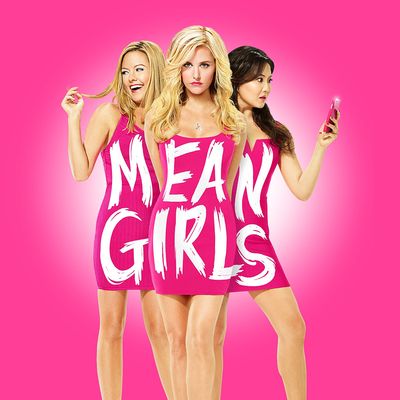
[4:38] Peter Filichia: Indeed. And we've got a lot of new ones. The theaters, I'm looking at my little, I make a little cheat sheet. I'm such a nerd that I like to write the theater on my page in the and I like to put the theater sort of where it is on Broadway on Broadway. And then I write what shows are playing. You know, I did it last year, we took a picture. But um it uh every single theater is going to be used at some point this year. Yes, at some point. Um even uh the fact that we don't have an official booking for the August Wilson Theater, I don't believe. There's that Mean Girls show that's opening in Washington, Tina Fey's show, and um the word on it is very good, and uh I understand that uh people are already calling up and saying, Where are my tickets?
So under those circumstances, we may see that wind up at the August Wilson Theater. Or of course, um, if it turns out to be a smaller show than we think, it may show up where Bandstand is now, because Bandstand will be closing on the seventeenth as well.
[5:29] Peter Filichia: Right, the Jacobs, yeah. And I hear a rumor, uh, I don't know if it's true or not, that the Angels in America from London with Nathan Lane is going to be transferring in.
[5:38] Robert W. Schneider: Yeah, yeah.
[5:39] Peter Filichia: And uh, and given the fact that that play and that author has a history with Ju Jampson Theaters, which does control and own the Wilson Theater, we may see that there, who knows? Uh, as so many people have said, there are so many logical things that could happen in theater, and they seldom happen because they're so logical. So who knows? Who knows? Who knows. I guess that's why we love it so much.
[6:02] Robert W. Schneider: I want a t-shirt that says that. Um when a show like uh or I can ask you either to last season or we can take Mean Girls as an example, but when a show like that starts to get some buzz out of town, I mean this hasn't even opened in Washington yet. Do you make it a point, Peter, to go and seek out that production prior to it coming to New York?
[6:20] Peter Filichia: I would say that happens about a third of the time. Uh for one thing, I'm awfully busy here, so and being on um not one, not two, but three actual nominating committees. Um I do have to see.
[6:31] Robert W. Schneider: What are those committees?
[6:32] Peter Filichia: Oh, uh well, I'm chairman of the Theater World Awards, which gives out prizes to uh people making their Broadway and off-Broadway debuts. So that's one. But I'm also on the Drama Desk nominating committee and the Lucille Lortel nominating committee. So under those circumstances, there's a lot of uh theater to see in New York. But if I can't fit in something out of town, I always like to go because I have that history. I'm from Boston and I grew up in the era when tryouts used to come to Boston. And so um seeing things change, why they make certain decisions, why they don't make certain decisions, that's always of interest to me. Um and uh so I do try, and I don't think it's impossible that I'll be in the National Theater sometime between Halloween and December 4th, uh when Mean Girls is playing there.
[7:17] Robert W. Schneider: Have you seen the movie Mean Girls?
[7:19] Peter Filichia: Yeah, yeah. I have to say it's not my type of film because um frankly, I like um nice shows, and um and uh mean uh in the title certainly suggests that this isn't a nice show. Um and even though the girl triumphs over the mean girls, the fact remains that there's a lot of meanness in the show. That's why I'm really looking forward to Encores doing Me and My Girl, which is uh a title that sounds very much like Mean Girls, but it's a very different type of show because virtually everybody in that show tries to do the right thing.
[7:50] Peter Filichia: And on the I really feel that's terrific. And so I could watch a show like that all the time where people are nice to each other.
[8:00] Robert W. Schneider: Oh yeah.
[8:01] Peter Filichia: Yeah, um I it's gonna be a tough job to fill um Robert Lindsay's shoes because indeed he gave one of the greatest performances I've ever seen in a musical because he really made you care about this guy and made you feel that well, you know, uh we've all had the experience where we've gone into rich people's houses and we felt inferior. You know, uh and uh we felt inferior for one reason or another. And he came in looking so scared of being with these rich people, knowing he wasn't measuring up to their standards, whether or not their standards were correct standards is another story. But we felt so bad for him that we really wanted him to succeed. And um, as opposed to some people who have played it, they've come in like a house of fire, like this vulgar guy, and that's supposed to be funny. It's not nearly as touching. So advice to whoever gets the part Me and My Girl at um City Center's Encores is come the spring. Please, please walk in very meekly. It makes a difference.
[9:00] Robert W. Schneider: Indeed. I'm rooting for James Corden.
[9:02] Peter Filichia: Oh, that'd be nice.
[9:03] Robert W. Schneider: That'd be amazing.
[9:04] Peter Filichia: I'm really rooting for it.
[9:06] Peter Filichia: Who did Chaplin?
[9:07] Robert W. Schneider: Yeah, Rob McClure.
[9:09] Peter Filichia: He's got such heart, that man is so special. I can totally see him doing all the things. It's a great score. And I'm so happy we're going to get to revisit it. And it's going to be introduced to a younger generation that might not know Me and My Girl as well.
[9:19] Robert W. Schneider: Okay. So you saw the movie Mean Girls, not a fan per se of the movie itself, but we've got some potential there with the names Tina Fey.
[9:27] Peter Filichia: Is she writing the book at Tina Fey? I mean, I know it's adapted, but she's involved in the book.
[9:32] Peter Filichia: Yeah, and her husband is doing the music.
[9:34] Robert W. Schneider: Oh, right.
[9:34] Peter Filichia: So let's see what they're doing. It was a brilliant composer on his own right because he did a lot of the great songs on 30 Rock and some other stuff as well. So they've got some credibility to it, which is going to be exciting.
[9:47] Peter Filichia: Do you know about Quamba in 1962 years ago?
[9:50] Robert W. Schneider: Love Quamba.
[9:51] Peter Filichia: Yeah. Sally and House, who was married to Richard Adler. Unfortunately, she fell in love with their leading man, and there was Richard Adler in the hotel room in Toronto, uh, waiting for her to come in, and she wasn't coming in. And so, and so she started uh having an affair with uh the leading man, and it really amounted to something. Now, talk about trouble out of town. I mean, you know, that's the quintessential. So uh I do not wish this on Tina Fey and her husband, uh, but I have to admit it occurred to me once when we were talking. That's fine. Tina and Jeff stay together, pull through. Don't do another Quamba's.
[10:29] Robert W. Schneider: So let's talk about what's already come this season already. So we've had um Marvin's Room.
[10:34] Peter Filichia: Mm-hmm.
[10:34] Robert W. Schneider: Right. Yeah, uh Marvin's Room was originally the intimate play as we were just last year.
[10:40] Peter Filichia: Oh, yeah, that's exactly it. It was really written for an off-Broadway situation and it looked fine there, but it really looked lost on the American Airlines Theatre.
[10:49] Robert W. Schneider: I always say American theater. Thank you.
[10:53] Peter Filichia: And I do the best I can and trying to. I mean, yeah, they paid money and they're entitled to it. But um, uh, if we live long enough of uh, as I've often said, we'll probably be seeing shows at the KO Pectate Theater, but um cheese theater soater. So uh you know, uh so at the American theater, uh yes, Marvin's Room looked a little lost on that big stage, and it was really too bad. And uh which and it's a fabulous play, but I love the movie.
[11:20] Robert W. Schneider: The movie I think is fantastic.
[11:22] Peter Filichia: Never saw it.
[11:22] Robert W. Schneider: Um really yeah, that famous statement, and this is how long ago it was.
[11:27] Peter Filichia: No, I taped it. You know, uh, but I've never watched it. So now with your recommendation, that's what I'm doing tonight, right?
[11:33] Robert W. Schneider: Gwen Verdon and Hume Cronin. What more could you watch?
[11:34] Peter Filichia: Yes, I do know that. Gwen Verdon, yes, yeah, that's right. And then you know, Diane Keaton and DiCaprio, but Gwen Verdon and Hume Cronin.
[11:41] Robert W. Schneider: Yes.
[11:42] Peter Filichia: Um okay, so we have Marvin's Room that seemed a little bit lost on this large stage, didn't go to a smaller venue. Then we've had 1984, which people are saying is a very visceral theatrical experience.
[11:54] Robert W. Schneider: At the new Henry Hudson Theater.
[11:56] Peter Filichia: I have to say that I'm the type of guy who hides under the bed when I see trailers for scary movies.
[12:01] Robert W. Schneider: Same here.
[12:02] Peter Filichia: And um, you know, I just don't take to scary things at all. But I gotta say, this didn't strike me nearly as scary as I expected it to be.
[12:11] Robert W. Schneider: Well, I'll tell you why, because deep in the play, when Winston Smith is brought in and we know that the rats are coming. There were three enormous flats that were absolute white, painted white, and I said, Oh, I know what they're doing. They're gonna show rats on the screen, they're gonna make them into sc movie screens, and um, we're gonna see rats going all over the place. And really, um, not that I wanted to see that, but I think they should have done that to make it really, really, really scary.
[12:38] Peter Filichia: I don't know, you know, uh uh I sat there um uh I came, I saw, I went home, and it made no big impression on me. And it certainly hasn't made much of an impression, I'm sorry to say, on theatergoers because the word of mouth obviously isn't good because it hasn't sold very many tickets.
[12:55] Robert W. Schneider: And this is the second production in the new Hudson Theater, is that correct?
[12:59] Peter Filichia: Uh so they did Sunday in the Park with George, and then this one, yeah.
[13:02] Robert W. Schneider: So it's nice to have it back, and it's so beautiful.
[13:05] Peter Filichia: Uh so it was so sad during those years when it was a conference center, and that's uh all it was when you knew that it could uh be so much more. And um, but they really had to do a lot of work because they had taken all the chairs out, and now they had to bring them all back, and so uh they didn't bring them back, they brought in very nice ones and very wide ones.
[13:22] Robert W. Schneider: Um people of my age. I haven't been inside yet, but you haven't been preserved. I mean, is it?
[13:27] Peter Filichia: Oh no, they don't they uh they brought it back to what it was. Um I can't say for sure that they've got uh down to every little finial that they um got it to exactly where it was, but it does look uh like a theater of old, which is what we love to see.
[13:39] Robert W. Schneider: That's what we want.
[13:40] Peter Filichia: And then uh Michael Moore's The Terms of My Surrender.
[13:43] Robert W. Schneider: So we've got 1984 and we've got Michael Moore, so they're trying to obviously send across a message about our current times. So a question for you, Peter, do you think that with the current political climate, are we gonna see more plays that emphasize this dystopian?
[13:59] Peter Filichia: Well, we certainly are. We're going to see The Children, Lucy Kirkwood's play that's been a hit in London. And the thing about The Children is it does deal with nuclear war.
[14:11] Peter Filichia: Um, and wouldn't it be something if this play, well, you know where I'm going with this?
[14:16] Robert W. Schneider: Yeah, yeah.
[14:17] Peter Filichia: I mean, um that could would be quite an opening night, if indeed well enough said. But anyway, um, yeah, there's no question the theater reflects the times, and um and we're living in tough times. So I do believe we're going to see a lot more dystopian plays. In fact, the term dystopian isn't even that old, I don't think. Um, and um, yeah, whether we like it or not, we're going to see a lot of those because that's what people were on people's minds. Tracy Letts' new play, The Minutes, I believe, has a little political slant as well. I think that's a good thing.
[14:46] Robert W. Schneider: Oh, really?
[14:47] Peter Filichia: Yeah, that's that's coming as well from Steppenwolf. And then wondering if we're gonna have more escapism at the same time too, you know what I mean?
[14:54] Robert W. Schneider: Because of course it seems like it.
[14:56] Peter Filichia: Escape to Margaritaville, you mean Margaritaville?
[14:59] Robert W. Schneider: Oh, yeah, literal escapism.
[15:00] Peter Filichia: Spongebob SquarePants, yes, I mean. Now that's one I'm really interested in. I don't know Spongebob from birth control sponges, but the thing is, the thing is that you know, everybody who saw it in Chicago that I've talked to said, I actually came out of the theater with tears in my eyes.
[15:17] Robert W. Schneider: Yes.
[15:18] Peter Filichia: Yeah, and not not because they spent a lot of money on tickets. They weren't crying uh for the loss of the money. No, they were really moved by it. So, you know, just as many, many moons ago, um forty more than forty years, um, people saying a musical of Little Orphan Annie, are you crazy? I mean, you know, and we went into that theater expecting we were going to get um leap and lizards right away, and it was gonna be this camp fest. And we weren't prepared for the fact that we were going to be emotionally involved with this cartoon character, but we were. And uh we were involved with Daddy Warbucks, and the fact that we really rooted for those two people to get together was just amazing. So who knows? Maybe there's some sort of underbelly of tremendous sentiment um that will get tears out of our eyes when we see SpongeBob SquarePants. But uh boy, did we ever think that that title would be above the Palace Theater? I don't think we did.
[16:07] Robert W. Schneider: So uh title for Judy Garland's return, by the way.
[16:13] Peter Filichia: And by the way, isn't it interesting that the Palace Theater, which we heard was going to uh be dark for a while because they were going to raise it 29 feet so that they could put stores underneath? I've often said it's not that they wanted to put stores underneath it. They needed that extra twenty-nine feet for the understudy board because so many people call in sick that the board has to be expanded, uh has to be made much longer to fit in everybody. So um but I don't know, maybe maybe people are uh definitely showing up for work more and they don't have to raise the theater. But um uh I'm I'm I'm really very fearful that if that were to happen that um that the theater would collapse in one form or another.
[16:55] Robert W. Schneider: I uh there was a big problem when um what's now the Sondheim Theater, um originally the Henry Miller, yes when they were uh doing a building there, they wanted certain things to happen and be uh preserved, and it didn't work out because oops, you know, so um losing the palace would be quite a noops to say the least.
[17:12] Peter Filichia: They did keep the facade, right?
[17:13] Robert W. Schneider: For the Helms, that was the one thing they did keep the interior was.
[17:17] Peter Filichia: The interior is completely different. Um getting back to what you were saying about uh the the Michael Moore show. Uh you know, I married to a very strong political activist, my wife Sutton, and I know that that's something that she's excited about is to see uh someone voicing what she feels strongly about we feel strongly about. So I think that I wonder if it's getting an audience that doesn't often go to Broadway.
[17:36] Robert W. Schneider: Let me add did you see it yet, Peter?
[17:37] Peter Filichia: Oh, yeah, yeah. I thought it was terrific.
[17:39] Robert W. Schneider: Okay.
[17:39] Peter Filichia: Um I liked it immeasurably. Um I didn't think he was going to be so good at the beginning. He didn't seem to be as um glib as I expected him to be, but he picked up as time went on. But the message the fact that one person truly can make a difference in the world uh we don't think that they can anymore. It seems just pointless. But he brings up a lot of examples and um of course Rosa Parks is mentioned, but far more contemporary people are listed and he gives proof of how one person can make a difference. So wouldn't it be nice if he's uh motivating people to come in um and uh do something themselves that might really make a difference as well. Because God knows we need it now.
[18:21] Robert W. Schneider: That makes me very happy to hear I have not seen it yet but I'm I'm usually turned off by political plays in which they I just identify the problem again but they don't offer a solution to fixing the problem.
[18:32] Peter Filichia: Right.
[18:32] Robert W. Schneider: Regardless of the solution is correct or not.
[18:34] Peter Filichia: Yeah yeah I suppose uh the this show is guilty of that too but the fact that he may inspire people to find solutions may have the um end justified the means.
[18:43] Robert W. Schneider: That's fabulous and then Prince of Broadway is our first musical of the season is that correct is it considered it's a review.
[18:51] Peter Filichia: It is a review. Will it be frankly you know I mean I I don't like reviews at all because I like to be emotionally involved and watching one person after another sing a song doesn't do it for me. It's not enough for me to say boy can he sing. Wow can she dance? That's not enough for me. I need to be emotionally involved and reviews don't do that. However this one um really appealed to me because aside from She Loves Me and the original production of Fiddler, I only saw a road tour. I've seen every Harold Prince musical since nineteen sixty two so under those circumstances, I am so uh aware of what the original performances were like.
[19:30] Robert W. Schneider: And what I love about this show is that everybody has found a different value.
[19:35] Peter Filichia: Um I I do believe the currency Ember is substantially better than Lotte Lenya.
[19:40] Robert W. Schneider: Yes, I'll say it.
[19:42] Peter Filichia: Um because she really makes every word count. They have really thought about each line. And so while not every interpretation is um unique, I will say that there's very little channeling, very little, of original performances. And so I was really um knocked out by that. So of course we don't get as much as we'd like. Uh everybody's gonna come out and saying how come they didn't do a number from blah, blah, blah. But um again, you know, we've been there a long time. But you know, I mean, here we are. We've had a theater name for George Abbott, who certainly was great influence on Prince. We certainly have a theater name for Stephen Sondheim, whom Prince really helped tremendously in his career, and that's an understatement.
When are we getting a Harold Prince theater? I mean, 21 Tonies, I mean what do you have to do to get a theater named after you? And like all of us, Hal isn't getting any younger. So as a result, wouldn't it be nice uh to have a theater name for him while he's still with us?
[20:34] Robert W. Schneider: No, I agree a hundred percent. Get rid of the American Airlines.
[20:38] Peter Filichia: You know what I you know which what I'd like to see Rede Frankly as a journalist? The Broadway theater. Because when you're writing and you say the Broadway theater, people think that you mean uh the entire scope of Broadway. So I I think we yes, it's on Broadway, and it does help people to know where it is, I guess. Though I mean, when we're when we were kids, we all thought that every theater Broadway show is on Broadway.
[20:58] Robert W. Schneider: Oh, you're right.
[20:59] Peter Filichia: You know, just like we thought every year there was a new faces of whatever, you know what I mean?
[21:03] Robert W. Schneider: So which wasn't true at all.
[21:05] Peter Filichia: So um The Majestic, right?
[21:07] Robert W. Schneider: Isn't that where Phantom is?
[21:09] Peter Filichia: Shouldn't they just call it the right?
[21:10] Robert W. Schneider: Well, that's a very good idea because of course he directed Phantom.
[21:14] Peter Filichia: Yeah. Um his new book is uh about to come out called Sense of Occasion.
[21:18] Robert W. Schneider: Oh.
[21:18] Peter Filichia: And um what it does is take some of what he had written in his 1974 book, Contradictions, and he comments on it. But I'm only I'm reading it now, but I'm only as far as funny thing happened on the way to the forum, which is 62. And I'm gonna be very interested to get to Fiddler because in 1974, he wrote, um, I don't believe any show will run longer than Fiddler on the Roof.
[21:42] Robert W. Schneider: Well, Fiddler on the Roof is probably about 25th place now, but more to the point, did he ever dream that the one that would eclipse it by almost four times so far?
[21:51] Peter Filichia: Really? Uh you know, Fiddler ran the 3,242 performances, and Phantom is well over 12,000 now. So uh but who would have expected, who would have expected that that could ever, ever happen? And the who thought that uh uh Hal Prince who made the prediction actually turned out to be the person to really devastate that prediction himself.
[22:11] Robert W. Schneider: So yes, I'm all for naming the Majestic the Hal Prince.
[22:14] Peter Filichia: Good idea.
[22:15] Robert W. Schneider: Great good for you, Rob.
[22:16] Peter Filichia: Yeah. Amazing.
[22:18] Robert W. Schneider: So that's what we've had so far open the season, is that correct?
[22:20] Peter Filichia: I'm not presenting anything so far.
[22:22] Robert W. Schneider: So then let's talk about some new musicals that we think are coming down the pike to us pretty soon.
[22:27] Peter Filichia: Right. The Band's Visit.
[22:29] Robert W. Schneider: I love the Band's Visit because it uh we were talking just now about one person making a difference. Now, of course, we in the Middle East, we certainly know who the allies and who the enemies are in regard to each other. Of course, one side always thinks it's the good guys and the other side's the bad, and we'll leave that to whatever you feel like uh believing is the good guy and the bad guy. But what this show proves is if you get one person from one side meeting another person from the other side, each of these people will try to show that he or she is a nice person.
[23:03] Peter Filichia: And so uh one person does make a difference here because the band is expecting to go to one place and they find themselves in a completely different place in enemy territory. They are scared to death. Should they be? Well, no, because people want to be commodious and nice, and so we do see a very, very heartwarming show. Katrina Lenk is going to be in it again.
[23:26] Robert W. Schneider: Obsessed with her after this.
[23:27] Peter Filichia: Oh, I'm so glad. Yeah, um well at the Theater World Awards this year. Um we we give to debuts, as I mentioned. But um, she was so good in the Band's Visit um off Broadway, and she was so good and Indecent uh on Broadway that we actually made it um uh a double play. We gave it to her for both shows. That's what her trophy says, um, not only, but also so uh so she is really terrific in it. Uh Tony Shalhoub is wonderful, and John Cariani, who may be the richest person um in on Broadway now because not because of his acting, which is fine, he certainly has a Tony nomination and should have got one for Something Rotten, but uh John Cariani wrote Almost, Maine.
[24:07] Robert W. Schneider: Which every theater does, right?
[24:08] Peter Filichia: Every theater does. I mean, it's been tremendously popular in Stock and Amateur, and so uh but he's and while he's written another show that I saw at Theatre Works um in Hartford, which was terrific as well, and very much in the same spirit of Almost, Maine, little one act playlists, um, in which he one of them he points out that the con uh the the Declaration of Independence talks about life, liberty, and the pursuit of happiness. It doesn't promise you happiness, so don't expect it. Just the pursuit. You can pursue it. Nobody will bother you if you pursue it, but it doesn't mean you're gonna get it. Anyway, uh John Cariani uh was terrific in Band's Visit too, and I'm glad that all three of them are coming back. I think most of the original cast, if not all, is coming back, but at least I I looked for those three, and yes, they were there. And a David Yazbek score.
[24:53] Robert W. Schneider: I love David Yazbek.
[24:55] Peter Filichia: Yeah. I mean, he's so quirky, not only with his lyrics, but also with his melodies. I mean, they take these little unexpected jumps here and there, and they're they're so much fun to listen to.
[25:04] Robert W. Schneider: So much fun indeed.
[25:05] Peter Filichia: And um, you know, I uh I gotta say, you know, Women on the Verge of a Nervous Breakdown, his third Broadway musical after um Full Monty and Dirty Rotten Scoundrels, uh seemed to be a disappointment, but the production was so awful. And what I really have to commend, and I didn't commend, in fact, when I talked to Bartlett Sher, I saw it in London where it was completely reconceived.
[25:26] Robert W. Schneider: You loved it, yes.
[25:27] Peter Filichia: Wasn't it amazing? I mean, and the fact that it was the same director who was willing to say, I made a mistake, you know, let's try something else. So um, so that score was redeemed for me as a result of the London, and I've been listening to it quite a bit, where I had been avoiding it because I had such a miserable time at the Belasco. So um, yeah, this is a very good score, too. And you know, his melodies have signature. That means you can tell when you're listening to them who wrote them.
[25:52] Robert W. Schneider: And that's that's always delightful and I mean the the greats said that.
[25:56] Peter Filichia: Certainly you could tell an Irving Berlin song, a Julie Stein song, uh, a Kander and Ebb song right from the Vamp uh from John Candy gave you. So um David Yazbek is in that category too, a true original.
[26:08] Robert W. Schneider: Amazing.
[26:09] Peter Filichia: Agreed. Amazing, and that's gonna be at the Barrymore.
[26:11] Robert W. Schneider: Mm-hmm.
[26:11] Peter Filichia: That's right.
[26:12] Robert W. Schneider: Yeah.
[26:12] Peter Filichia: Opening pretty soon.
[26:16] Robert W. Schneider: Yeah, yeah.
[26:18] Peter Filichia: Coming to the marquee.
[26:19] Robert W. Schneider: Well, you know, um this uh I I wonder how much music we're going to get from his previous musical that didn't quite uh come to town.
[26:28] Peter Filichia: Uh I think it was only done in Florida, or maybe Atlanta.
[26:31] Robert W. Schneider: I don't remember actually to be fair.
[26:32] Peter Filichia: But um it was done somewhere, Don't Stop the Carnival, which was a book musical uh about uh uh a guy who is a Broadway press agent. So you say, oh God, another in-theater type thing. No, no, no, no. He's giving it up. He is going down to the Caribbean or someplace like that, and he's going to open a hotel. And it's all about the adventures he has in the hotel, which makes him wish he were a Broadway press agent. And it must be pretty bad if you want to become a Broadway press agent, because that's a tough job, too. So um that was um really tried. And there's even an album of um Jimmy singing his own songs from the show, which um I think I may have listened to once or half or three songs, or maybe. But anyway, um, but I I do hear that some of those songs will be in the Margaritaville.
[27:18] Robert W. Schneider: Um I have been to his uh place uh down in um Florida.
[27:23] Peter Filichia: Oh yes, I have. And um the places, at least when I was there, was completely covered with dollar bills, real dollar bills. Um every square inch of the place was uh so um but I had my margarita and looked at the bills and went home, and uh that was that. So um we'll see uh how the musical is and if that has anything to do with it, maybe we're gonna see that set on stage. I have no idea.
[27:43] Robert W. Schneider: The parrot heads, isn't that what they're called?
[27:45] Peter Filichia: Parrot heads, the Jimmy Buffett fans.
[27:47] Robert W. Schneider: Yeah, they they follow him everywhere.
[27:48] Peter Filichia: Yeah, they I don't know why they're called parrot heads. I'm not familiar with his music. It seems like the marquee, and I'm not disparaging either Escape to Margaritaville or On Your Feet. It feels like it's become like a a cruise ship theater in some way.
[28:02] Robert W. Schneider: Isn't that true?
[28:03] Peter Filichia: Um it feels that way when you walk in.
[28:04] Robert W. Schneider: When you walk in, it feels like that's why I'm saying lens, but you always feel like you're on a you're going into a cruise ship environment.
[28:11] Peter Filichia: You know, and then On Your Feet and now this and yeah, I don't think any of us would say that the marquee is architecturally significant um in in theater terms.
[28:21] Peter Filichia: Um, but I will argue one thing in its favor, and that is the fact that yes, I love the Morocco theater. Yes, I love the old Helen Hayes. No, I didn't love the Bijou. But um, yeah, I don't think that those theaters would really be um as much in demand as the Marquee is because of course they weren't musical houses. Now, of course, we're in a time where many shows that um are in musical houses that wouldn't uh be there um uh way back when. I mean, for example, Come From Away is at a small theater. Jekyll and Hyde was at that theater as well. So now musicals take what they can get. Um, even um, even though the theater is called the Music Box, there have been relatively few musicals at the Music Box.
Uh, there is one now, of course, and it won Best Musical, but um the smaller theaters um people really don't caught into. Now, again, I was reading about um Harold Prince, and he made a point early on in his book that uh it was a shame that she loved when he played the um the O'Neill Theater, which is of course is where Book of Mormon is. He said, because you know we couldn't make money on uh on the uh nights of the weekends because we just uh the theater was sold out. We sold out during the weekends and um we didn't during the week. But the point is if we had 400 extra seats, we could have sold them on the weekends and it would have made a difference. So, you know, it's really so hard to budget uh shows for these smaller theaters, and um so in that sense we're lucky to have the Marquee uh real musical theater with many more seats than uh the Morosco, the Helen Hayes, and certainly the right.
Whit were torn down for that, which was very, you know, was a contentious time. I mean, there was a lot of protests and everything at the time. And it's yeah, I will never forget at the time. Uh my my son um uh would visit me in New York and um and he would see Broadway uh as we knew it, and then we came during the time when that entire plot was empty. And I'll never forget his reaction when he said, Oh. And I said, Yeah, they tore down three theaters, and he actually said, you know, I think I'm going to cry. Oh, and um so how uh he was about uh ten or eleven at that point, so that was pretty good. I wish he'd show some of that sensitivity now. But that's another story. They change it. They change.
[30:36] Robert W. Schneider: Okay, so you got Escape to Margaritaville, uh, and then you know there'll be shuffleboard afterwards, so go and see your friends. And then we talked about SpongeBob, which uh this is I I don't think we mentioned this though about SpongeBob. This is an eclectic group of uh songwriters. You've got Cindy Lauper, you've got They Might Be Giants, you've got all it's all over the place. This isn't just one person, this is an eclectic artist. In fact, I've seen the cover of the upcoming original cast album, and that's what's on the cover. Not anybody who's in it, but all the songwriters are listed uh top each other in this big long column. Uh and of course with the picture of SpongeBob on the other side. So it's bisected down the middle. Um so yes, they are promoting the fact that they have these uh starry um pop writers. So uh so we'll see. We'll see if it creates a consistent.
[31:25] Peter Filichia: Yeah, that is the problem, isn't it? Yeah. You know, that is the problem. It's nice to hear um whole scores. You know, uh it brings to mind something that isn't quite the same thing, but uh there's a production in Jamaica uh in town. Jamaica's a nineteen fifty-seven musical that uh was originally uh starring Lena Horne, Harold Arlen, and uh E.Y. Harburg, Kip Harberg. And um anyway, Harlem Rep is doing it every now and then. They're doing it in rep. Um Harlem Rep. You know, they're living up to their name. And it's funny when you listen to the original cast album of Jamaica, the first seven tracks, you know, you accept and track eight, it takes two, three, four seconds before you realize the song was done in a completely different um recording session.
You can feel it. If you have Jamaica at home and you have a CD, I insist you listen to the first seven tracks and a little bit of the eighth, and you will hear immediately what I'm talking about. So uh, you know, that's not the same thing at all as having so many different authors, but it's I'm sorry it came to mind.
[32:26] Robert W. Schneider: No, I love it. I had to say it. I'm seeing it Saturday night, I'm very excited.
[32:29] Peter Filichia: Oh really?
[32:30] Robert W. Schneider: Yeah.
[32:30] Peter Filichia: You're so smart.
[32:31] Robert W. Schneider: Oh, I got excited. I was like, well, where else are you gonna sing that?
[32:34] Peter Filichia: No, I know. Right? That's true. You got a graphic. So doing that. Shout out to Harlem Rep.
[32:40] Robert W. Schneider: Yeah. Uh what else is on your uh well, we have Frozen finally coming to town.
[32:44] Peter Filichia: Oh, yeah. Yeah, um I I certainly wish it luck. Uh and uh maybe it doesn't need my wish uh because it may be pre-sold. But I have to say that so many people I've talked to say uh I'm frozened out. Um especially parents who said, you know, my kid has watched that movie so many times I just can't. Right. Do you go to Anastasia or you go to Frozen, you know? Who knows? I mean, you know, what's gonna be interesting is to see um if the changes to the St. James Theater are going to be ostensibly um well, if we can tell that there uh that there has been a change to the theater.
[33:21] Robert W. Schneider: What are they uh what are they planned on?
[33:23] Peter Filichia: Well, they they've expanded by ten feet. Now, my my old uh dear friend Howard Rogert, um who I've known since 1965, um used to be the house manager of the St. James, and he used to tell me all the terrible stories about how so many shows they couldn't just book in there because the backstage area was so small. So that's what Jordan Roth, uh the new president of Jujamcyn decided to do. He said this is not going to be an issue anymore. So uh they've taken over the alleyway um that used to be between that and that and the new Helen Hayes Theater. Um so they've they've expanded and they needed to to get this Frozen show in there. It's in Denver. I understand it has very good word of mouth, and I wouldn't doubt it because certainly uh Bobby Lopez and his wife Kristen Anderson uh are tremendous talents, and uh they've shown it uh more than once, and we're really rooting for them to have a nice big hit that will be a family show that everybody will want to go to. But um I wouldn't say it's quite a slam dunk. Um I think it will be a hit. We'll see if it's going to be a monster hit.
[34:28] Robert W. Schneider: Yeah.
[34:28] Peter Filichia: And I think you bring up a really good point, which is when the movie came out, it was just saturated everywhere. So I totally understand. It's interesting. Parents um now might say to their kids, you know what, you saw Frozen, you're gonna like this movie from when I was growing up, and they'll take them over to Anastasia. Do you know what I mean?
[34:46] Robert W. Schneider: Oh, yeah.
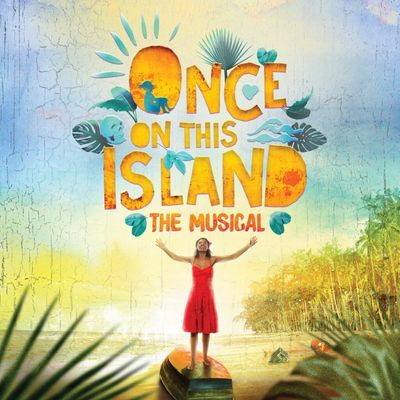
[34:47] Peter Filichia: Because you're right, I think you bring up a really good point about parents really. And speaking of Anastasia, of course, uh it's written by the people who will have a revival of Once on This Island, Lynn Ahrens and Stephen Flaherty.
[34:58] Robert W. Schneider: Oh, you don't like it?
[34:59] Peter Filichia: Oh, all right. I thought you were I thought you were moaning in agony there.
[35:02] Robert W. Schneider: It's so beautiful, and I cannot wait. I cannot believe the cast that they've assembled.
[35:06] Peter Filichia: They do have nice people, uh Lea Salonga. I love Lea. Um I guess if they're I I what I would really love to see though is Lea Salonga in Salonga 174th Street. Um but I guess that's not gonna happen. Um so uh Michael Arden's directing and he did such a good job uh with Spring Awakening. He was a terrific actor. I'll never forget going to a reading of 110 in the Shade, uh the one that wound up with Audra McDonald. He was playing the part uh that uh wound up being played by Bobby Steggart, who really jump-started his career. Um the the younger brother who um who is supposedly not that bright, he was wonderful in the part. Uh but I'm very glad to see Quentin Earl Darrington in the show because he was so wonderful in Ragtime.
And Philip Boykin is one of my all-time favorites, a terrific actor. And Canida Miller, I adore Canida Miller, so that's really nice. And we'll see who Haley Kilgore is. She's the one who's going to be playing Ti Moune. But what makes um you know, and we'll see if she's embraced by everybody, if Ti Moune belongs to everyone. So they did a search, didn't they? They mean they went to the city.
[36:10] Robert W. Schneider: Yeah, right, right.
[36:11] Peter Filichia: They went uh Florida, they went all over the country in the world to try to find this role. So I'm sure they uh I love that. I'm sure they found someone special. Well, what's also wonderful, it's going to be reorchestrated by Michael Starobin, who is one of my favorite orchestrators. Um he did uh I'll never forget that night in 1978 when I went to see on advice from somebody saying, I hear In Trousers is good by this new guy, William Finn. And I remember paying three dollars at Playwright's Horizons to uh see it. And I was bowled over by the show and by Chip Zien and by Alison Fraser and Harry Tester, and by Michael Starobin, who wrote orchestrations that sound like no other show. And so um they're trying to go with um rather primitive sounds here to reflect uh where we are, and I think that's going to be a terrific idea, and I think it's gonna yield a wonderfully different cast album. So intimate at the Circle in the Square, I can't wait to be.
[37:04] Robert W. Schneider: Yeah, yeah, it's a good place for it.
[37:06] Peter Filichia: So do we know what the configuration is going to be? Is it full and round? Is it a thrust? Do they know how they're configuring the space?
[37:12] Robert W. Schneider: I haven't heard, but yes, anything is possible there.
[37:15] Peter Filichia: Yeah, me too. Yeah, I'm not sure. My guess is in the round because that way you get more seats. That's my guess. In fact, um, I know Ken Davenport is one of the producers, and he was one of the producers of Godspell when it was there, and I know that they used the entire circle. So it wasn't just a horseshoe in the square, it was a circle in the square.
[37:32] Robert W. Schneider: I like that.
[37:33] Peter Filichia: Yeah. What else is on that great list?
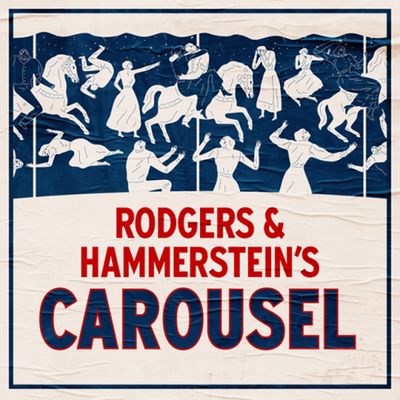
[37:35] Robert W. Schneider: Well, now we're in revivals of musicals. Um we have the announced Carousel coming, which I'm I find a very that's really interesting casting, and I'm excited about it.
[37:43] Peter Filichia: So wait, it's Jack O'Brien directing. And who's in this cast?
[37:47] Robert W. Schneider: I I haven't heard anything about casting yet. Um that doesn't mean they're not gonna be able to do that.
[37:51] Peter Filichia: Jesse Mueller, uh Josh Henry, Josh Henry, and the great Renee Fleming is uh.
[37:51] Robert W. Schneider: Oh right, I did hear that. You're right, right, right.
[37:57] Peter Filichia: Um I love Josh Henry, I've loved him since Scottsboro Boys. Uh Renee Fleming, who just famously retired from her opera singing, you know, that caliber of singing is now going to be playing eight shows a week. Um singing in Carousel. Which is exciting. I think that has the possibility of being something really beautiful. You know, I um I was on a panel last year with Scott Miller, who's a marvelous guy and a terrific director in New Line Theater in St. Louis, Missouri. Um, but he very much uh is interested in musicals of today rather than musicals of yesterday. And he said, um, you know, um Rogers and Hammerstein don't have anything to say to today's audiences. And the thing is, you know, I don't know if you ever heard the French expression, I don't know what it is in French, but staircase wit, it's called.
And what it means is when you're at a table having dinner and somebody says something, you don't come up with the right answer that would really devastate that person until you walk away and you're going up the staircase and say, Oh, I should have said that. So um, you know, I wish I had said, Oh, they have nothing to say to today's times. Oh, that's great. What a great society we live in. And there's no racism then. Oh, isn't that wonderful? You know, so I do think Rogers and Hammerstein have plenty to say to today's. I mean, and of course, the uh what we have. You know, when I was a kid in high school, and boy, that was a long time ago, um, when I got my hundredth cast album, I decided to pick the best song from each album and make a list of what I thought was the best song, ranking them from one to a hundred.
[39:40] Robert W. Schneider: What was the hundredth first?
[39:41] Peter Filichia: Um the hundredth albums. Well, my first one was uh Soliloquy from Carousel. And the thing is, here it is. All these years later. And I would still put it number one. I think that's the greatest achievement the musical theater has ever had. So so um so that's still number one with me, and I'll look forward to hearing it again.
[39:58] Robert W. Schneider: Oh, yes, and Josh. Awesome. So we got Carousel, what else?
[40:00] Peter Filichia: Oh, well, then we have the My Fair Lady revival at Lincoln Center. Um Yeah, we're hearing Lauren Ambrose is gonna get the part. And um who knows? Laura Benanti said she wanted to do it, but she's gonna be in Meteor Shower, not that she can't leave, I guess.
[40:12] Robert W. Schneider: Right.
[40:12] Peter Filichia: Uh uh Meteor Shower is a play by Steve Martin that um is really getting a lot of traction because everybody loves Amy Schumer. And this is about, I guess it's about wife swapping. And um two couples that are watching a meteor shower. It sounds like I love my wife without music. So um but you know, well and a great cast, I mean Amy Schumer, but I love Alan Tudyk. Uh you've got uh Keegan-Michael Key. And Jerry Zaks directing, so that's very good too. And it's at that nice intimate Booth Theater. So um so that's pretty good too. The only thing about that though, uh to be fair, um uh uh people can disagree with me, and that's perfectly fine. But Steve Martin's previous two plays, Picasso at the Lapin Agile and um The Underpants were good.
They were good. Um but they weren't world beaters, and um I'm hoping this the third time's the charm rather than three strikes and you're out. So uh we'll have to wait and see, and that um that'll be in November. We'll we'll learn more about that when that uh comes. But but um no, I um I do think that uh if they offered Laura Benanti the part, she might very well take it. But some people are saying she's a little too old for it. We have to remember is that after all, Julie Andrews was 19 uh when she was doing it, wasn't she? Maybe maybe a little later. She couldn't have been 19 because of course that would have made her 17 when she was doing Boyfriend. No, I guess she was nineteen when she did The Boyfriend.
So 21, okay, fine. Um but you know, uh it's tricky. You know, I I don't think that uh having a few years on Eliza Doolittle is a bad idea. In fact, I remember vividly the uh 1981 revival when Rex Harrison was doing it again, and the problem was that uh he was too old, you know. So you gotta watch out for that too. And when she said she's leaving him, you felt bad that she was leaving this old man who might need uh tender loving care. So, you know, I mean the age thing is really tricky, but um but I don't feel that Laura Benanti would be too old for it, and um I I would be perfectly content if she were to get the part. So uh but these are just rumors.
[42:12] Peter Filichia: Oh well um just rumors, that's all. Wasn't Lauren Ambrose also announced for the Funny Girl Revival?
[42:18] Robert W. Schneider: Sure was that Bart Sher was also directing. So what happened? She showed us they had that logo, uh they had everything but the show, so uh it didn't happen.
[42:27] Robert W. Schneider: I didn't see, did you mention you went to London to see Women on the Verge?
[42:31] Peter Filichia: Did by any chance did you see Funny Girl there with Sheridan Smith?
[42:34] Robert W. Schneider: It was completely sold out, I wasn't.
[42:36] Peter Filichia: Was it wow, wow.
[42:38] Robert W. Schneider: Yeah, I heard it was pretty breathtaking. It's weird, that's a show. I mean, I'm sure when they find the right, you know, casting it that's gonna, it's amazing we haven't had a revival of Funny Girl.
[42:48] Peter Filichia: Yeah, yeah. I understand why.
[42:50] Robert W. Schneider: Yeah, I know you don't need me to tell you why, right?
[42:53] Peter Filichia: Exactly. But you know, we've certainly seen other reinventions. I mean, for example, I hate to say it, but I mean how many for years we heard, ah, nobody can play the MC like Joel Gray.
[43:04] Robert W. Schneider: Yeah, ah, nobody, nobody.
[43:06] Peter Filichia: Well, and now yeah, when you go to see Cabaret anywhere, it's always the Alan Cumming interpretation, not the Joel Gray interpretation. In fact, that's what sort of makes the Joel Gray interpretation in Prince of Broadway rather appealing. You know, say it becomes nostalgic to see it done the way it was, as opposed to the way we've seen it for the last 20, so um, 20 years.
[43:26] Robert W. Schneider: Um, that's so true.
[43:29] Peter Filichia: That's so true. And actually, I'll bring up this point at the end. I'll ask you later about the season, the actual book The Season.
[43:37] Robert W. Schneider: Oh, right, okay, fifty years ago. So I'm gonna save that to the end.
[43:40] Peter Filichia: All right.
[43:41] Robert W. Schneider: Okay. So, uh, Three Tall Women, uh, Edward Albee's Three Tall Women Revival with Glenda Jackson.
[43:46] Peter Filichia: Yeah, coming back to us.
[43:50] Robert W. Schneider: A random. We don't know who the third folk is going to be.
[43:54] Peter Filichia: Yeah, and um, we see this all the time now that a show that originated off-Broadway and stayed off-Broadway for a while. You just wait long enough and it will make its Broadway appearance. And as, uh, especially because of course there are only three people in it. I hope they don't pick the American theater for, uh, where they're going to be because, um, uh, it'll get lost on that stage.
[44:18] Robert W. Schneider: But, uh, and you never know because, um, you might say, well, no, it's not gonna be a production of, um, that company. Uh, but you know, on the other hand, Latin History is going to Studio 54.
[44:28] Peter Filichia: Right, yes. And that is not, um, a Roundabout production. It's actually, uh, is it that's the, no, it's actually a Public Theater production. They make it quite clear in the, uh, literature that that's what that is. Uh, it was, uh, reasonably successful down at the Public last year. And, uh, it's always a treat to see, uh, him do his stuff. So I'm very glad that they, uh, and especially because we don't want, uh, the theater to be dark, uh, for whatever reason, uh, the Roundabout isn't, uh, putting a production in there. And also, so far they haven't announced a musical, which they usually do.
[45:04] Robert W. Schneider: So it's usually dancing. Don't they always announce dancing? I feel like the Graziella Danielle is gonna be remounting dancing and they always announce dancing.
[45:12] Peter Filichia: You know, and again, um, fine, you know, uh, that's one you never expect to be revived because you really would think that without Bob Fosse, you know, I mean when Fosse was done, the actual musical Fosse, at least they had Gwen Verdon around and when Chicago was revived, at least they had Gwen Verdon around to say, no, no, no, no. Uh, what Bob would have liked was this, and we don't have that anymore. So I don't know, um, how true it will possibly be. I guess there's a Lincoln Center, um, uh, taping of it, wouldn't you think? Um, all those performances. Dancing's probably the longest Broadway show, um, musical to never get an original cast album.
[45:47] Robert W. Schneider: I mean it ran about 1700 performances.
[45:50] Peter Filichia: It did. It was a big old hit.
[45:52] Robert W. Schneider: Yeah, but I didn't even realize that.
[45:54] Peter Filichia: No cast album, you know, while Fosse got one. You know, and, um, which didn't run nearly as long, uh, but was, you know, a success. So, um, so we, um, dancing I guess would be of interest to people who, um, would feel that they missed it the first time around and, uh, let's see what it is, especially those of us who love to, uh, quote unquote collect shows. Um, I mean, um, the opportunity, I mean like I have seen every Tony winning Broadway musical, but it took a good Speed Opera House production of Redhead for me to do that because Redhead is rarely done.
[46:30] Peter Filichia: And, um, I feel bad for people today who would like to have that goal because the problem specifically is I don't think anybody's gonna do Jerome Robbins' Broadway again.
[46:39] Robert W. Schneider: Right.
[46:39] Peter Filichia: No. And, uh, you know, that was a Tony winning musical back in the eighties. So it's too bad, you know, that you can't really collect them all anymore. But at least Dancing, which didn't win. I don't, I don't mean to imply that it did win best musical that year. It certainly was nominated, but still, you know, uh, those of us who like to collect Tony nominated musicals would like to see Dancing if we hadn't seen it before. Let's, uh, keep our fingers crossed that they announce it right and they go through with it.
[47:05] Robert W. Schneider: And then just jumping back to My Fair Lady for one second, forget. We didn't talk about a Henry Higgins.
[47:09] Peter Filichia: Yeah, yeah.
[47:10] Robert W. Schneider: Um, that could be some real good casting.
[47:12] Peter Filichia: Yeah, and again, I've heard, which doesn't make it true, I only tell you what I hear, I never say it's true, that they are looking for somebody younger, um, so that he won't seem like such, uh, an old guy. Um, Christian Borle, who knows?
[47:27] Robert W. Schneider: That could very well be.
[47:28] Peter Filichia: I wouldn't have to be able to do that. I was just surprised. He'll do, he'll be in three shows this season. I was surprised that it wasn't Danny Burstein and Kelly O'Hara.
[47:36] Robert W. Schneider: Yeah, yeah. I wonder if Danny will get the nod to play, um, Doolittle, um, Alfred P. You know, who knows? Um, come join the party.
[47:44] Peter Filichia: Yeah, you know, who knows? Boy, he's gonna be able to do that. But, um, it could very well be. But, uh, given that My Fair Lady was the first Broadway show I ever saw, and the show that really got me interested in musical theater to begin with, I always love revisiting it, and um, so I'm looking forward to that tremendously.
[48:00] Robert W. Schneider: That's great. I hope they do the full orchestrations.
[48:04] Peter Filichia: I mean, I suspect they will, yeah.
[48:06] Robert W. Schneider: I want the full, all of them.
[48:07] Peter Filichia: That's, yeah, I was talking to a director from out of town. I don't think he'd like me to, uh, mention his name, considering what I'm gonna say. But he said, you know, at our theater we have so many musicians, we have so many people on stage. Then I come to Broadway and I see Prince of Broadway, which you know I love the conception of it, but you know, so few people on the stage, few people in the orchestra, and this is supposed to be Broadway, so it's really very discouraging to me.
[48:30] Robert W. Schneider: So, uh, bless Lincoln Center for saying, uh, we'll pay the musicians.
[48:33] Peter Filichia: Oh, absolutely.
[48:37] Robert W. Schneider: Sure. Uh, when that orchestra pulled back when the stage I was setting, sobbing. Just overture, you know, yeah.
[48:43] Peter Filichia: It was incredible.
[48:43] Robert W. Schneider: Yeah, that was really terrific. And, uh, you know, when you listen to cast albums of the 60s, even with scores that aren't so hot, you hear all those musicians and it makes such a difference.
[48:53] Peter Filichia: It really does. Well, they're all in one room, too. They were like a big old church recording. You hear all those acoustics and they're not in one separate room recording the way they do now.
[49:02] Robert W. Schneider: Absolutely.
[49:03] Peter Filichia: Absolutely. Um, so we've got, what are there any other revivals that we've got? Uh, well, we're part of the American theater, uh, part of Roundabout is, uh, Time in the Conways, uh, which I don't, I don't, it's all, it's a play from 1937. Uh, Elizabeth McGovern, uh, is going to be in it. I don't, I don't know that play about that.
[49:15] Robert W. Schneider: I don't know that play either.
[49:20] Peter Filichia: Well, uh, Rebecca, how do you say Cashman?
[49:24] Robert W. Schneider: Yeah, thank goodness we're gonna see her at one point. This is the next, uh, official opening that we really have on, um, the 10th of October and but previous start the 14th of, uh, September.
[49:36] Peter Filichia: So, uh, well, uh, uh, JB Priestley, who does marvelous work, who did marvelous work, and um, his Inspector Calls was on Broadway some years ago and made a big impression. And also has played Dangerous Corner, while only appearing off-Broadway, I'd say in the last 25 years, is all about what might happen if you made, uh, a certain decision instead of another one. Time in the Conways is exactly what it's, uh, says. It's about a family named the Conways and what happens over a period of time.
[50:02] Robert W. Schneider: Okay, the expectations.
[50:03] Peter Filichia: Um, I don't know it either, but, uh, I do know that that's the premise behind it. And anything by J. B. Priestley is really of interest to me. So we'll look forward to this at the American theater. Um, and I'm, uh, also, you know, uh, yes, Elizabeth McGovern's in it, but Anna Baryshnikov is in it, and Miss Baryshnikov is indeed the daughter of the guy you think I'm talking about.
[50:26] Robert W. Schneider: Uh-huh.
[50:26] Peter Filichia: So, uh, so we'll see, uh, she's making her Broadway debut. An actress that isn't very well known, um, but I like immeasurably, especially in a play that I thought was tremendously, uh, potent, and, uh, it just didn't get the critics' approval, which was, um, uh, uh, Corumboy some years ago. Uh, Charlotte Perry is the woman I'm talking about who was in that, who's made a few appearances on Broadway since, but she's a delicious, delightful actress, and I have a feeling she's going to, uh, do delicious and delightful work in this play.
[50:56] Robert W. Schneider: Amazing.
[50:58] Peter Filichia: I must admit my stupidity. When I saw the press release go out for Time in the Conways, I read it very fast, and I honestly thought Tim Conway was coming to Broadway.
[51:06] Robert W. Schneider: Don't you love when that happens?
[51:08] Peter Filichia: I'm so, I was like, oh, that's great. Oh, good for him. I was like, good for him.
[51:10] Robert W. Schneider: I can't tell you how many people have said to me over the years, you know, whenever I see the title Applause, I see the word applesauce.
[51:17] Peter Filichia: Yeah.
[51:17] Robert W. Schneider: You know, so, um, so that does happen.
[51:20] Peter Filichia: Same here, same year.
[51:21] Robert W. Schneider: You've had that experience.
[51:22] Peter Filichia: I've had that experience too.
[51:24] Robert W. Schneider: And then, uh, this Children of a Lesser God.
[51:26] Peter Filichia: Oh wait, what were you pointing out?
[51:28] Robert W. Schneider: And Butterfly's coming up later.
[51:29] Peter Filichia: Yeah, it's one of the next ones as well coming out.
[51:31] Robert W. Schneider: Julie Tamore.
[51:35] Peter Filichia: You know, a lot of shows are starting on, uh, October 7th, um, starting previews. So that's going, that's gonna be a very tough night for all those people who, uh, hang around looking for Clive Owen.
[51:46] Robert W. Schneider: Um, Clive Owen, who, uh, got an Oscar nomination for Closer, uh, which was a play first, uh, so he has to thank the playwright for that.
[51:56] Peter Filichia: Um, so he's going to be playing the guy who, um, is in love with this, uh, Chinese opera star and doesn't know that this is not a woman.
[52:07] Robert W. Schneider: We've written some of it too, I believe.
[52:08] Peter Filichia: Have they really? I've read somewhere that they've, they've he, David has, has tooled with it a little bit with your expectations and all of that.
[52:15] Robert W. Schneider: I'm not surprised to hear that.
[52:17] Peter Filichia: Uh, you know, playwrights often say that they look at their work later and say, Oh, I wish I had done this instead of that. So, um, I adore David Henry Hwang. I think he's a terrific guy and a terrific playwright, and I'm really looking forward to seeing this revival. Um, it's, it's, uh, you know, Jerry Alessandrini, who does Forbidden Broadway, um, did a parody of it. Um, this is one of the first things he did because, uh, M. Butterfly, uh, was, uh, on the boards at that time. Um, to there's a song called Poor Butterfly, which was a pop song.
[52:48] Robert W. Schneider: So, uh, so he did M. Butterfly Stranger Show since Equus, you know, and it did, it was, it's a strange play because a lot of people say, How can you have sex with a guy and not know it's a guy and think that it's a woman? So it's a lot to, um, take in and swallow, but, um, you know, he makes, he makes you, uh, he makes you believe it, and that's, that's really something.
[53:15] Robert W. Schneider: Yeah, when, when you can make people believe it. And based on a true story, by the way.
[53:19] Peter Filichia: Yeah, that's a good idea. This is like real. By the way, I mean, I've seen documentaries. Um, I think 2020 did something on it once, and I saw the real, um, guy who was, uh, um, who was pretending to be a woman, and I don't know, I don't think I would have been fooled, but you know, we're all different people.
[53:38] Robert W. Schneider: So what's that great quote from the play? Uh, happiness is so rare that our minds turn somersaults to protect it.
[53:44] Peter Filichia: Yeah, yeah, true.
[53:45] Robert W. Schneider: And it's, that's my favorite line from that play.
[53:47] Peter Filichia: You see what you want to see.
[53:48] Robert W. Schneider: You see what you want to say.
[53:49] Peter Filichia: You do, and then half of America is doing that right now.
[53:54] Robert W. Schneider: That's another story.
[53:56] Peter Filichia: Oh man, true story. Um, part of Roundabout's season, uh, Children of the Lesser God, which will be playing 54 Below in April. Um, they've announced Joshua Jackson and Kenny Leon is directing it.
[54:06] Robert W. Schneider: Uh, that's all I know. This was a real sleeper play back in the eighties. I'm telling you, I went to the, uh, final dress rehearsal and everybody expected nothing from it.
[54:16] Peter Filichia: Um, you know, uh, who was, uh, Phyllis Freilich, um, you know, uh, yeah, John Rubenstein certainly had a reputation for doing Pippin, but this was a dramatic role, and my god, it's about deaf people. Are you kidding me? And, uh, you know, uh, the playwright wasn't well known and so on and so forth. And we walked out of that theater that night knowing we had seen something special.
[54:35] Robert W. Schneider: And so many people were saying on the street this is gonna win the Tony, which indeed it did.
[54:39] Peter Filichia: So, uh, so it really is a powerful piece. This is another movie I taped that I haven't watched. I hear it's not a good movie, but, uh, it certainly played very well when it played originally.
[54:48] Robert W. Schneider: So, uh, I'm rooting for it to, uh, have another, uh, good life.
[54:52] Peter Filichia: Has it ever been on Broadway? Is this another one of those off-Broadway?
[54:53] Robert W. Schneider: No, no, no, this was on Broadway.
[54:56] Peter Filichia: I think it was, I think I'm pretty sure it was at the Longacre that rings the bell.
[54:59] Robert W. Schneider: Uh, and one best play.
[55:01] Peter Filichia: Oh, yeah.
[55:01] Robert W. Schneider: Yeah, yeah, indeed.
[55:02] Peter Filichia: Yeah, but it hasn't been on Broadway since the production. It just seems so familiar.
[55:05] Robert W. Schneider: Like theaters do it all the time, I feel like, uh, around the country.
[55:09] Peter Filichia: Yeah, it's gonna be. I have to say, whenever I see the title, all I can think of is after I hear Children of a Lesser God, somehow in my head I hear E I E I O, because it scans perfectly with Old McDonald's had a farm.
[55:21] Robert W. Schneider: Um, Peter's gonna do the commercials for this.
[55:25] Peter Filichia: Do you?
[55:26] Robert W. Schneider: That's fun. So, okay, so we got, we have we talked about Three Tall Women, Children of a Lesser God, Time in the Conways, not Tim Conway. Just announced their final, uh, revival, which is Tom Stoppard's, uh, Travesties.
[55:36] Peter Filichia: Yes, Travesties is coming to that.
[55:38] Robert W. Schneider: Going to the American theater from the Chocolate as well.
[55:40] Peter Filichia: Is that right? Is it coming in the chocolate?
[55:41] Robert W. Schneider: Tom Hollander.
[55:43] Peter Filichia: Uh, sounds right to me.
[55:44] Robert W. Schneider: I think so, yeah. Boy, this chocolate factory, Mike.
[55:46] Peter Filichia: That's what the revival of Little Night Music was from the Chocolate.
[55:49] Robert W. Schneider: Have you been there? Have you seen the Chocolate?
[55:51] Peter Filichia: No, I haven't.
[55:51] Robert W. Schneider: I hear it's very intimate.
[55:52] Peter Filichia: It's incredible, right?
[55:54] Robert W. Schneider: Well, I mean, it's just a small room, but I mean what they do is really quite.
[55:54] Peter Filichia: Yeah. So, I mean, that's, that's the important thing.
[56:00] Robert W. Schneider: But it's, uh, it's a very unimposing, uh, space.
[56:03] Peter Filichia: Um, so, um, where were we? Were we talking about it?
[56:06] Robert W. Schneider: We're just recapping the revivals and all that.
[56:09] Peter Filichia: Yeah, but, and, uh, um, oh, Travesties, right.
[56:12] Robert W. Schneider: Yeah, um, um, Tom Stoppard, and, um, uh, you may have noticed that every Tom's Tom Stoppard play that comes down the pike is a little more inscrutable than the one before.
[56:22] Peter Filichia: So this one is, uh, earlier in his career. I mean, he certainly started with a bang with Rosencrantz and Guildenstern Are Dead, which came here in '67.
[56:30] Peter Filichia: So this is, uh, I think a 76 play. So, uh, it isn't all that onerous to understand. So, uh, don't be, uh, frightened away if you've seen things like The Invention of Love or, or, uh, any of the others that have shown up. I was like, what is going on, you guys? Hapgood too. Uh, I remember Hapgood, uh, threw me, uh, quite a bit. Um, I frankly, I was in London, and at the end of the first, I came out of the theater and right across the street, intermission was breaking for Dame Edna. And I said, you know, I think I'm gonna go there. Not a bad idea. So ironically, I was doing monologues from Travesty's that night. So you're just sort of right, right. But boy, it's good. She's good. She's just what that show needed. I think it's interesting that the Helen Hayes has been closer of innovations because Second Stage has bought it, um, and they're opening with, uh, later, much later next year, uh, or in the season, but Lobby Hero has been announced.
[57:29] Robert W. Schneider: Yeah.
[57:29] Peter Filichia: Um, with Michael Cerro, you know, you know, of wrestling development and so many movies, and Chris Evans, another movie star directed by Trip Coleman. Um, where's that Torch Song going?
[57:40] Robert W. Schneider: I think that's at Second Stage at, uh, proper.
[57:42] Peter Filichia: The t, the Tony Kaiser theater is. So now we have four regional theaters with Broadway houses. And I think that's really quite wonderful.
[57:53] Robert W. Schneider: That is wonderful.
[57:54] Peter Filichia: You had mentioned earlier, uh, William Goldman's's book, The Season, and one of the things he says in the season is I think the limited engagement is a promising thing. Well, it certainly has come to pass that so many shows now do not open on Broadway expecting to run for years and years and years. They get their movie star, they come in, they do it for a little while, they make enough money to pay expenses and maybe even make a little money on the side. But, um, and of course, because it's a limited engagement, there's more demand for tickets than people who see a long-run show and say, all right, so I'll see it next year. What do I care? Um, so, uh, yes, um, Broadway I think has really been enhanced by these, um, so-called not-for-profit theaters, um, coming out in and, uh, and doing, uh, serious plays.
I don't know if we'd have any serious plays with us. You know, the wonderful thing about, um, these theaters is they are giving birth to new writers and, um, serious situations because, you know, if you look, uh, um, if you look at the list of the ten longest running plays as of nineteen seventy-eight, and you look at the list of long run musicals as of nineteen seventy-eight. Well, at that point, I guess Greece was the longest running musical and Life with Father was the longest running play. My point is that Greece is now probably about 15th, 16th, 17th place. Um, so many musicals have surpassed it. But the long run list for plays has not changed in 40 years. No play has been able to crack that top ten.
And some of that has to do with the fact that people come to Broadway for musicals. That's what it means, and that's why, as I said earlier about the, uh, the so-called playhouses now being musical houses because they got to go somewhere, even though they don't have big capacities.
[59:39] Robert W. Schneider: So, uh, it's, uh, people are just far less interested in seeing straight plays. And part of that has to do with the fact that there was a time when Broadway was the most frank of the art forms, um, because you could deal with subjects that you couldn't possibly do on network TV. Well, since cable TV came in, that has changed, and even network TV has gotten a little racier, uh, in that time. So, uh, people don't have to go and hear about hard-hitting subjects on Broadway anymore when all they have to do is turn on their cable TV channel and they'll find it there.
[1:00:09] Peter Filichia: That's fascinating.
[1:00:11] Robert W. Schneider: I did not know that statistic, that's so interesting.
[1:00:13] Peter Filichia: It does make a difference.
[1:00:14] Robert W. Schneider: It does.
[1:00:15] Peter Filichia: Um, new plays, I guess. I was gonna say, yeah, because I'm trying to think there's no, I mean, we've heard rumors of other musicals and other musical revivals being that they might come in, like for example, there's The Prom, which I heard did incredibly well in Atlanta.
[1:00:30] Robert W. Schneider: Right.
[1:00:31] Peter Filichia: Um, there's this idea that maybe we're gonna see, who knows, a revival of Whorehouse with Kristen Chenowith.
[1:00:42] Robert W. Schneider: I don't know, uh, I did not know the whole song.
[1:00:44] Peter Filichia: Yeah, really.
[1:00:45] Robert W. Schneider: Yeah, Whorehouse definitely got a reading, and, uh, it was, uh, Harold Rome so underrated.
[1:00:50] Peter Filichia: You badly. That score is amazing because he really, um, it's about a Jewish family, it's about a lot of Jewish families, but, uh, but, uh, he really got the texture exactly right, which I guess shouldn't be so surprising since he was Jewish. But also the last song of the score, uh, is really a textbook example for writers to investigate because there's that famous expression that so many songs are on the nose, meaning they're so obvious in what they're saying. While, uh, the last song of this show in which your mother says to her son, "Eat a little something," which she's really doing is avoiding talking about what she wants to talk about, but he knows it and she knows it. And, um, so I don't know if I, I can get if you all sale worked out very, very well in that reading.
It's a tough show because it does have an anti-hero. And, um, you know, it's always thought of as the show that introduced Barbara Streisand to Broadway, and she was tremendous. It was the first out of town tryout I ever saw. And I came out raving about this Barbara Streisand, and, um, you know, it was a year and a half before she was on the Judy Garland show that I knew how to pronounce the name.
[1:01:55] Peter Filichia: So, uh, but everybody on my blog heard about Barbara Streisand, and I know there must be at least a hundred people who think of me whenever they hear her name because I was, uh, her earlier champion from what I saw on March 10th, 1962 at the Colonial Theater in Boston.
[1:02:11] Robert W. Schneider: Oh my god.
[1:02:12] Peter Filichia: They will live in my history anyway. I wonder who did the reading.
[1:02:15] Robert W. Schneider: I don't know.
[1:02:17] Peter Filichia: I did see, uh, well, I should say I don't remember. I did see after the fact, oh, it was at the Signature Theater. I was there for a completely different thing, and there was a little sign saying, "I get a feel sale this way" with an arrow. You know, so I knew it was happening, and then later I did hear who was doing it, but I don't know who it was.
[1:02:32] Robert W. Schneider: Interesting.
[1:02:33] Peter Filichia: And the Whorehouse one, it was, uh, there was Kristen Chenowith and, uh, James Naughton was in the reading. Chris Sieber was in the reading.
[1:02:45] Robert W. Schneider: Uh-huh.
[1:02:46] Peter Filichia: Well, the Imperial Theater's going to be open as of, uh, September. So that's a great musical theater.
[1:02:52] Robert W. Schneider: You know, yeah, and that's too bad, really. I mean, the chaos that happened as a result of that, um, and making people really think that they shouldn't be going to this show is really too bad.
[1:03:02] Peter Filichia: And the power of social media, truly.
[1:03:04] Robert W. Schneider: It really is.
[1:03:04] Peter Filichia: And you know, the other one is in a negative and positive way.
[1:03:07] Robert W. Schneider: Yeah, no question.
[1:03:07] Peter Filichia: And the other thing I'd like to say about it is I was really disappointed that Rachel Chavkin didn't get the Tony for best direction. Because I think that was the hardest thing to do. And, uh, also, you know, the fact that she had completely reimagined it for the, for the Imperial. It's not as if so many shows that just moved, let's say, from the Vineyard to the Music Box or wherever. You know, I mean, it's the same show. But I mean, she was in, uh, so many different spaces with this show, and it took, uh, reimagining every time. And saying, "Okay, you stand here and you go here," and all that kind of, it must have been just amazing. Uh, to me it was, uh, just an impossible Rubik's cube of a musical that she conquered. And I was very, and by the way, Chris Ashley did a phenomenal job of Come From Away. Don't misunderstand me.
[1:03:49] Robert W. Schneider: Oh, yeah.
[1:03:49] Peter Filichia: But, uh, it's not that I love that show less, but that, um, I love the direction of the other one more.
[1:03:54] Robert W. Schneider: Yes.
[1:03:54] Peter Filichia: Yeah, I agree.
[1:03:55] Robert W. Schneider: So true.
[1:03:57] Peter Filichia: Oh my gosh, this directing is amazing.
[1:04:05] Robert W. Schneider: Yeah.
[1:04:05] Peter Filichia: But Come From Away had great musical staging as well.
[1:04:22] Robert W. Schneider: Sure, yeah, sure.
[1:04:22] Peter Filichia: But boy, what a tougher thing to do.
[1:04:22] Robert W. Schneider: Yeah, agree with that.
[1:04:22] Peter Filichia: And again, uh, Come From Away had previous productions, and I bet they looked exactly like the one we had. That's not a liability per se, but, uh, again, the work that Rachel Chavkin had to put in for this show time and time again, um, should have been recognized with a Tony. She, she's pretty brilliant in the staging is just incredible.
[1:04:22] Robert W. Schneider: Uh, we forgot to mention in terms of revivals, George C. Wolfe directing Denzel Washington.
[1:04:27] Peter Filichia: Oh, right, and The Iceman Cometh, which just came down the pike a couple of days ago.
[1:04:31] Robert W. Schneider: Yeah, well, who saw this one coming?
[1:04:32] Peter Filichia: I didn't hear any rumors about this or anything like that. This isn't wonderful that Denzel Washington wants to continue a Broadway career. I think that is really sensational.
[1:04:40] Robert W. Schneider: Yes, yes.
[1:04:41] Peter Filichia: Uh, and especially this is not an easy role. Uh, granted he doesn't come in for a while, but still we're talking about a four-hour play and it does demand a lot of work. And the fact that he wants to clant this mountainous mount, mountain, uh, is really impressive to me, and I'm delighted that he comes back to Broadway and delighted that he wants to take on such a big challenge. And with George C. Wolfe, I actually wolf.
[1:05:05] Robert W. Schneider: Yeah.
[1:05:05] Peter Filichia: Uh, but yeah, I'm so happy Denzel Washington, just through the power of his sheer celebrity, and of course an incredible talent, but is exposing a whole new generation to different voices we wouldn't have had previously. You know what I mean?
[1:05:17] Robert W. Schneider: I don't know if the general public would be interested in seeing a Eugene O'Neill play on their own.
[1:05:21] Peter Filichia: This is true.
[1:05:25] Robert W. Schneider: Yeah, I mean, I have a friend, um, who, uh, a lovely woman who hates Shakespeare, but when Bob Cuccioli appears at the New Jersey Shakespeare Festival, she's there, you know.
[1:05:35] Peter Filichia: So, um, yeah, you got to admire it.
[1:05:39] Robert W. Schneider: That's the moment theater I was surprised, but that's a good point.
[1:05:42] Peter Filichia: Yeah, so, uh, you know, the stars do bring them in. Um, and, uh, the vehicle is, uh, and who knows, you know, maybe they will take to it and they will, uh, very much, uh, respond to this play. Because The Iceman Cometh does pack a wallop, and, um, it's interesting to think that back in 1946 when it first was aired, uh, to, uh, Broadway, it wasn't, uh, successful. It took a very famous revival off-Broadway, which really helped the off-Broadway movement to become off-Broadway back in the mid-50s, uh, with, of course, Jason Robards playing the part that really established this play as a classic. And also that's a very significant production for another reason because the guys who produced it, uh, Ted Mann, um, and, um, Norris Houghton, I think it was, but anyway, they were just starting out, and, um, Carlotta O'Neill said, "Oh yeah, go do it, you know, uh, it's a failure, but go do it."
And because they did such a good job with it, she said, "You know, I'm gonna violate my husband's wishes. He didn't want a certain play to be done for twenty-five years after his death, and it has only been a few years, but you guys did such a good job with The Iceman Cometh here. Take this Long Day's Journey Into Night play and do something with it," and boy, did they ever. So, um, so The Iceman Cometh is an important play in Broadway history for a number of reasons.
[1:06:56] Robert W. Schneider: What a great story.
[1:06:57] Peter Filichia: What a really great story. So that seems to be the ones that have been announced that we're aware of at this point. Um, you said new plays coming up.
[1:07:01] Robert W. Schneider: We've got Middle Showers, Steve Martin won.
[1:07:06] Peter Filichia: The Vivian Beaumont we've got Junk.
[1:07:08] Robert W. Schneider: Yeah, I document.
[1:07:10] Peter Filichia: That's about, um, um, finance, um, I guess junk bonds. Um, who won a People's Prize for Disgraced. Um, this will be his second time on Broadway. But yes, the Vivian Beaumont uptown, and the fact that Lincoln Center believes in it is, uh, quite a, uh, point in its favor because, uh, Andre Bishop is no dummy. And of course, our last Tony-winning play, Oslo, came from there. So, uh, so let's hope Lightning can strike twice.
[1:07:37] Robert W. Schneider: Great, and then, uh, uh, The Parisian Women I have Pam McKinnon, uh, directing.
[1:07:43] Peter Filichia: Well, Bo Willimon, um, who I have to admit I discovered in Dayton, Ohio.
[1:07:47] Robert W. Schneider: Oh yeah.
[1:07:49] Peter Filichia: Um, it was a strange thing. Um, I occasionally, uh, judge a new play contest out in, uh, Dayton, Ohio. The Dayton Playhouse, just a community theater, but I'm telling you these people every year for twenty-five years have had a new play festival where they bring in five judges from New York. I'm usually one of them. And, um, they put on six plays, three as readings, but three as full productions, and they do them for one performance and that's the end of it. And then, uh, the five of us, um, give our opinions and we pick a winner.
[1:08:20] Robert W. Schneider: Well, and we did pick Bo Willimon's Farragut North as the winner, uh, some years ago, which did come to Off-Broadway and then became the movie The Ides of March.
[1:08:29] Peter Filichia: Um, and you know, I remember so vividly, uh, seeing Bo Willimon's father there, um, and saying, "Boy, your kid's really something." He says, "You make a father feel so proud." Well, um, he doesn't need me to make, uh, him feel so proud because Bo Willimon has had a wonderful career writing for the TV series House of Cards. So, um, now what I've heard, I mean, yes, it's true Uma Thurman has been cast, but I keep on hearing these rumors about Jason Alexander being part of this play. I know that's not remotely official.
[1:08:57] Robert W. Schneider: Um.
[1:08:57] Peter Filichia: And again, I never tell you what I say is true, I only tell you what I hear. But supposedly, um, he has had at least a passing interest in doing it. Uh, he used to say he didn't want to come to Broadway because his kids in California were in school and he didn't want to disrupt them, and that's why he did The Producers out there and not here, which would have made a tremendous difference with The Producers if he had come in to do it here. But, um, his kids are all grown now, so he could do a Broadway show, and, uh, we do hope he does. And actually, uh, Jason Alexander is coming to New York this season, I believe off-Broadway in something called The Portuguese Kid.
[1:09:30] Robert W. Schneider: Yes.
[1:09:31] Peter Filichia: Which is gonna be opening pretty soon.
[1:09:33] Robert W. Schneider: Okay.
[1:09:33] Peter Filichia: Uh, with him, Mary Testa and, uh, a couple of others. John Patrick Shanley.
[1:09:37] Robert W. Schneider: Yeah.
[1:09:38] Peter Filichia: Oh, yeah, yeah, I did hear about that.
[1:09:39] Robert W. Schneider: Yeah.
[1:09:40] Peter Filichia: So maybe, maybe he'll bring this to LA. These kids are great, and we can, uh, but Pam McKinnon's a lovely woman and a great director. I mean, she, uh, yeah, her, uh, Who's Afraid of Virginia Woolf really caught fire, and that's why she won a Tony for it. So, uh, so that'll be at the aforementioned Hudson Theater too.
[1:09:54] Robert W. Schneider: And we won't have to wait that long for it because, uh, it starts previews November seventh, which will be a little bit of a little bit of a little bit of a little bit of the scene.
[1:10:00] Peter Filichia: Yeah, and, and even though it's called Parisian Women, it is not about women from Paris.
[1:10:04] Robert W. Schneider: No.
[1:10:04] Peter Filichia: No, I believe it's a more political thing in Washington, I think I read.
[1:10:07] Robert W. Schneider: Well, yeah.
[1:10:08] Peter Filichia: Yeah, you know, I mean, that's what Bo knows because Farragut North was about politics because he worked on the Howard Dean. I'm pretty sure it's about like, uh, a woman, like a mistress of a senator or something that sounds like a song. But trying to manipulate something in the politics.
[1:10:21] Peter Filichia: Uh, also we have I'm very excited to see Mark Rylance once again on stage in New York City in Farinelli and the King. This is a transfer from, uh, London.
[1:10:30] Robert W. Schneider: Yeah, um, so this is about the Castrato, right?
[1:10:32] Peter Filichia: Yeah, yeah. You know, I mean, uh, what they used to do to keep boys' voices, uh, boyish that they, uh, used to castrate them at an early age.
[1:10:40] Peter Filichia: And uh there was a movie some years ago called Farinelli. Uh I don't know if this has anything to do with that. But um this this is a provocative subject. I don't know if he's playing Farinelli or if he's playing the king. Yeah, but uh we can look forward to a very strange Tony acceptance speech if he wins you know. And it's a limited run, it's only through uh March twenty-fifth, and it starts in December.
[1:11:01] Robert W. Schneider: What theater is that?
[1:11:02] Peter Filichia: The Belasco. I I didn't even know about this. I didn't pay attention. Oh wow. It was a big hit in London, big old hit, and so uh I'm very excited to see you know Mark Rylance again. Also the uh this big epic that's coming on the way. Last but not least, um Harry Potter.
[1:11:18] Robert W. Schneider: Harry Potter what's that?
[1:11:20] Peter Filichia: The Cursed Child? Part one and two. Okay, so I'm going to admit I've never read any of the Harry Potter books.
[1:11:26] Robert W. Schneider: Neither have I.
[1:11:32] Peter Filichia: So we're going into this fresh alright. I love going in fresh meetings. Um, you know, I've just been right it. I mean, she's I've never seen Game of Thrones. Um for all I know, that's about a scavenger hunt for toilets. I have no idea. But um Game of Thrones is getting a musical parody, and so is Friends. I've never seen an episode of Friends. And um this is not snobbishness, but you have to understand that I truly, truly see at least three hundred and fifty shows a year. So I'm not home to watch TV. And uh when I come home I write, and then by the time I I go to bed, uh I usually watch a movie, which I'm so tired, I usually watch ten minutes, every movie becomes a mini-series for a week. So I know nothing about TV.
And uh so but I am interested in seeing how these things play when you know nothing about them. But what I do in a situation like that, I always take someone who knows it inside out. And um I've already arranged for my Game of Thrones uh parody um uh uh accompanied uh person. So um so we'll see what uh she has to say.
[1:12:33] Robert W. Schneider: Well, this is a play playing the the cavernous lyric theater. Which supposedly won't be as cavernous, they tell us.
[1:12:40] Peter Filichia: Oh, really? Yeah, I suppose they're doing a lot of work. They're um making the seats um uh uh a little I I don't know if they're making them wider. I did hear that as a rumor, but what they are doing is they're taking out seats. Um and um because they know it's just too big. And uh but ironically, um while it may have been too big for Spider-Man or uh even ragtime, the fact remains that uh there's gonna be such demand for this that people are gonna wish that they had left it just as it was. But I imagine they're going to um for something like this, which has to be some sort of spectacular, I imagine the seats that are going are going to make the stage that much larger, thrusting out into what were seats used to be. I don't know that for a fact. I'm just saying I imagine that's what's happening.
[1:13:25] Robert W. Schneider: Well, it's going to be uh boy, between that and frozen parents. Get ready.
[1:13:30] Peter Filichia: That's a good point. Start saving now.
[1:13:33] Robert W. Schneider: Start saving now. Yeah, they should do financing for Broadway shows, you know, that you send in a payment every month at the first of the month, you know, to pay for your theater tickets.
[1:13:40] Peter Filichia: Um I won't be like lay away.
[1:13:42] Robert W. Schneider: Yeah, yeah. Yeah, right. You know what I mean? Because it's gotten so expensive. So we haven't even mentioned that show that supposedly is charging eight hundred and fifty dollars, and that of course is Springsteen on Broadway.
[1:13:54] Peter Filichia: Oh, that's right. Intimate Walter Current. Supposedly he's he's acoustic, he is telling stories.
[1:14:00] Robert W. Schneider: Right.
[1:14:01] Peter Filichia: No E Street bands.
[1:14:02] Robert W. Schneider: No, it's very intimate, and it's just him extremely. And five shows a week, no matinees.
[1:14:06] Peter Filichia: Um I didn't know it was that much though. I I had not heard that.
[1:14:09] Robert W. Schneider: That's yeah, no matinees. Um and um so Matinee ladies can't I don't know if there are Matinee ladies anymore. Women work now. I mean, they you know it's not like the old days when their husbands supported them and they have the party uh theater party guards. Theater party ladies, all that stuff is really uh you know, that's mentioned in the the season two is a very significant thing, and it is. Yeah, he talks about them now.
[1:14:27] Peter Filichia: You know, so uh but um Springsteen on Broadway. Uh uh it'll be I I'm interested to hear what the audience is going to be like because I caused a minor sensation that even got written up in the New York Post when I went to see Barry Manilow at the St. James because the people just would not sit down. They stood up through the and I'm saying, sit down! Oh, sit down. You know, I I went the woman said, I'm calling the police on you. You know, my God, you know, aren't you in the wrong? You're standing up. I mean, uh, we're in a theater. It's like seats. But you know, fans love to stand. But because this is supposedly a quieter Bruce Springsteen, as you say acoustics, no band, maybe they'll sit in their seats. I have no idea. He's telling stories, and I I just wonder if it's a lot of people. Wait, is it really $850?
[1:15:09] Robert W. Schneider: Some tickets are, yeah.
[1:15:10] Peter Filichia: Oh, yeah. It's a small theater. I mean, that's a little night music play. Maybe it's a very intimate, intimate space. There's that two rows in the upper balcony that you can't even play to. Then the mezzanine, very intimate. It's falsetto's was there. It's a very, very, very, very, very, very, very, I mean, not to be an asshole. Wouldn't you just pay less at Madison Square Garden to see him and the whole band?
[1:15:28] Robert W. Schneider: Uh you might very well, but you're not going to be as close.
[1:15:30] Peter Filichia: But if you're a die, that's true. If I was a diehard fan of him, I would want to see this acoustic thing. I would want to see this intimate storytelling, almost like unplugged kind of thing. If there are parrot heads, imagine what they're off of Bruce Springsteen. So I mean we're right next to Jersey, so you know.
[1:15:45] Robert W. Schneider: No, you're right. You're right, you're right.
[1:15:47] Peter Filichia: Not really, and that's of course where he started in Asbury Park. And so they're very um, in fact, when I was working for the Star Ledger, there was talk about the fact that the paper always covered the three S's. That was Sinatra, the Sopranos, Springsteen. So uh yeah, I do think that uh there will be some interest from Jersey. And in fact, one of the editors at the Star Ledger um even went out to um the Hamptons once where Bruce Strinks Springsteen was simply singing um at the uh either the Bay Street Theater or the John Threw Theater, I don't remember which, um, simply singing in a review, Oh, what a beautiful morning. And he went out and spent, I think 400 odd dollars to see him do that one number. So there are those fans.
[1:16:29] Robert W. Schneider: Yes, there are.
[1:16:30] Peter Filichia: I believe it. Wow, I know you do. Wow.
[1:16:32] Robert W. Schneider: Um speaking of S's, I'm gonna throw a fourth S at you if I may.
[1:16:37] Peter Filichia: Good transition. I I think I think I'm doing this correctly. That William Goldman's The Season dealt with the 67 to 68 season?
[1:16:46] Robert W. Schneider: Correct.
[1:16:46] Peter Filichia: So we're now approaching the 50th anniversary of this. So my question for both of you is how has that book mirrored what's going on in 2017 2018, and how is it different?
[1:17:00] Robert W. Schneider: So we'll see.
[1:17:00] Peter Filichia: Oh, just like going back in the middle of the case. Yeah, because I just reread it about four months ago. Yeah.
[1:17:05] Robert W. Schneider: So what what is still similar in Mr. Goldman's book, 50 years later?
[1:17:10] Peter Filichia: He was um somebody who said uh that he expected that Broadway would be more musical centric as time went on. So that certainly was one prediction that was true. A lot of people take issue with the book because um he um uses not nice terms for homosexual. That was good.
[1:17:25] Robert W. Schneider: That's actually what I was going to say.
[1:17:26] Peter Filichia: But that was the 70s, and it was a different time. Yeah. One of the great disappointments in my life was when the book was twenty years old. I um said I'd like to interview you about this book. Because um that book uh may be my favorite book of all time. And um I've read it um countless times, and um as my friend Paul Roberts has often said, there's not a day of my life that goes by that. I don't think of that book in one context or another. So I arranged to meet with him, and I got to his uh Park Avenue apartment. It was the first time I ever saw a wall-to-wall TV. This is 19 uh eighty-seven. And I had a million questions that I would just so intent on asking. And when I got there, he said, you know, um uh uh whenever I'm interviewed when I read the interview, I I think I sound ridiculous, so I'm not gonna do it.
And um he said, sit down for five minutes and we'll talk. But he didn't want me to talk about the season, so uh it was a big disappointment. Oh I'm not sure if I've read the book since. You know, maybe I haven't. But yes, uh what a what a book was, and I still remember vividly when I got it. Um and uh I I didn't do I was just there in in a bookstore. I didn't even know anything about it. And I came home and um my wife at the time, after about a half hour said, You're awfully quiet. You bet I was, because this book was so riveting, because he did take every Broadway show of that season and make a point about it in one way or another. Uh whether it dealt with Jews, which was a big thing, yeah.
Um which uh is still a certainly a big force on Broadway, um, certainly with administration as well. The uh Theatre Party Ladies certainly has changed, but also, as he said in the book, um, next to the musical, the thing that people um assume about Broadway that they really attribute to Broadway are sex comedies, and those are long gone too. For the same reason we talked about before that um network TV has become far more frank, and the type of thing that you used to have to go to Broadway to see uh dealing with um uh sexual matters. Be, you know, they they were innocent plays uh comparatively speaking, but they uh, you know, dealing with adultery or just that and the other thing. Um so that that's really been a a major change.
Um he also pointed out the fact that it was going to be harder to produce shows, and it certainly was, because in those days still you saw David Merrick presents, Harold Prince presents, Furen Martin presents.
[1:19:45] Robert W. Schneider: Yeah, um but you show the numbers too.
[1:19:47] Peter Filichia: He would do the tickets. I mean graphs, and it was he would show you where how financially it's all.
[1:19:53] Robert W. Schneider: Oh, he sure did. You know, and it's again we're talking about uh long. People read it today and they they see the sentence where a press agent says, Hmm, tickets are twelve dollars. I don't know how much higher they can go. Well, we learned how much higher they can go, and we haven't finished learning how much higher they can go. But again, a Broadway musical at that time was about 400 to 500,000. And now of course it's uh in the millions. Now of course there's been inflation, nobody's going to deny that. Still, you know, it hasn't really um been fair in terms of inflation. Um I did a book about the 6364 season, and um at that time the top price was nine dollars and ninety cents, and I went to an inflation calculator, and tickets, if they kept exact pace with inflation, would be about seventy-five dollars now. And I bet there are shows you can't even get into for the Lost Right on the Balcony for seventy-five dollars.
[1:20:44] Robert W. Schneider: Oh, true. Oh, so that's like the most discounted, you know, that you can get it.
[1:20:47] Peter Filichia: You know, so um so we didn't anticipate that it would uh certainly turn out to be prices like they've turned out to be, or who saw premium seating. Goldman didn't predict that at all. Uh and who can blame him for not predicting it. But um i you know, i i uh I'd love to hear from really, really, really young people who are just starting out. Um gee, I know a nine-year-old kid is crazy for Broadway. I'm gonna recommend that he read it and give me a book report on it. Um he did uh his mother got in touch with me because he did a book report on one of my books when he was eight years old, and he said, I recommend this for people ten and up. Um his teacher asked the class, who's your favorite author?
Some kids said Beverly Cleary, some said um Dr. Seuss, this kid said Peter Filichia. And I said, they're gonna keep him back a grade, you know. I mean, you know, you know. So I'm gonna ask him to read the season and see what he thinks of it. Um and I looked back, and I think the list is about 20 years old.
[1:21:43] Robert W. Schneider: Oh, sure.
[1:21:44] Peter Filichia: Yeah. Um when will the list be updated? Um, or will you add 150 for us? Because I'm I'm so curious. We've had 20 years of musicals since the list emerged.
[1:21:56] Robert W. Schneider: Yes, I suppose we have.
[1:21:58] Peter Filichia: You know, and and and that that is a very good point. And I'm gonna have to give that some serious thought to uh updating it. But um recently in Beverly, Massachusetts, I saw a production on The Music Man, which um contains one of my favorite moments in all musicals. At the end of the first act, when you see that little boy who has been so shy and withdrawn and in his own little world come alive when he's given that cornet, um that look sister, sister, sister. You know, and that's when um Marion the Librarian changes her mind about Harold Hill because she's he's made the little boy come alive. Nobody could find that the the key to that kid's heart, and he finally did. Frankly, uh now that I'm older, I do think what she should be thinking of is yeah, today he's happy, but what happens when you don't deliver?
You know, I mean see, sometimes it's really hard to get old. You notice these things that you wouldn't notice when you're a kid, you know. So uh Peter shouts that in productions from the from his seat. So um yeah, I'm gonna get to work on that. I'm gonna find out what uh have have been the um the big things in the last uh twenty years. Certainly, certainly ragtime um offers a few of them that really um I just love uh and I'm devastated because I know what's going to happen, but the optimism in Wheels of a Dream that they really believe that it's all clear sailing from now on, and in and and that's the apex of their happiness. Broadway musicals do that really well, that they really show the apex of happiness before disaster strikes.
Just when you think from the king and I, they're dancing, shall we dance? They've never been closer, and then comes the news that um Lintar has been killed and Tup Tim has been captured, and now it gets very serious. You know, so many incidents of that musicals. Um when Annie and finally says, Okay, uh I'm I'm not gonna look for my parents anymore. I love you, Daddy War Bucks, you know, and everything, and then in come the mudges, and you know. So it's really um a very trademarky thing of Broadway musicals to have great joy before great disaster. And uh Wheels of a Dream certainly um does that uh extraordinarily well. So that that certainly would be one of my moments.
[1:24:02] Robert W. Schneider: Yeah, that's one, right?
[1:24:04] Peter Filichia: Yeah, that's one. So I got I got one. I got one. I'm very happy.
[1:24:07] Robert W. Schneider: So um but not to put any pressure because we asked Peter to do so much for us.
[1:24:11] Peter Filichia: This is true.
[1:24:11] Robert W. Schneider: Um so this is this is just icing on the cake.
[1:24:14] Peter Filichia: So I can't wait to see that list.
[1:24:16] Robert W. Schneider: And I can't wait to see the next season, 2017-2018. Thank you so much for coming.
[1:24:20] Peter Filichia: We'll have to have a wrap up and see what our predictions were correct and all that stuff.
[1:24:26] Robert W. Schneider: And uh this was great. Great, great, great. I'm gonna go home and read the season now.
[1:24:30] Peter Filichia: Uh huh.
[1:24:32] Robert W. Schneider: Alright, take care everyone.
[1:24:34] Peter Filichia: Bye.
© Broadway Podcast Network, All Rights Reserved