

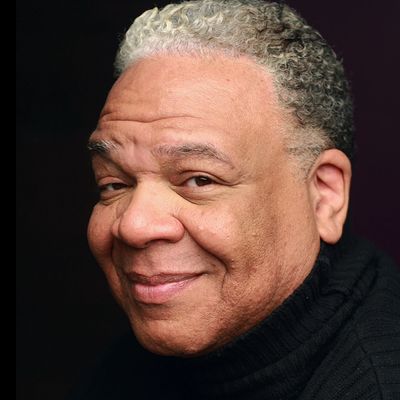
Even if your feet's too big come to the heavyside layer and join Rob and Kevin as they sit down with the incredible star of The Wiz, Ain't Misbehavin, Cats, and the iconic The Nightmare Before Christmas, the warm and wonderful Ken Page... Read More
From the show: BEHIND THE CURTAIN: BROADWAY'S LIVING LEGENDS » Podcast
Guests
Featured Shows

About
Even if your feet's too big come to the heavyside layer and join Rob and Kevin as they sit down with the incredible star of The Wiz, Ain't Misbehavin, Cats, and the iconic The Nightmare Before Christmas, the warm and wonderful Ken Page. Ken pulls back the curtain on his career to discuss how a young boy from Missouri became one of Broadway's most beloved actors, what it was like learning to play a cat, and why he still loves being the Oogie Boogie. Also, Ken shines the spotlight on The MUNY, Trevor Nunn, Nell Carter, and Tim Burton! Become a sponsor of Behind The Curtain and get early access to interviews, private playlists, and advance knowledge of future guests so you can ask the legends your own questions. Go to: http://bit.ly/2i7nWC4
Transcript
This transcript was automatically generated and might contain errors.
[0:00] Robert W. Schneider: Dear friends, we are so sorry about the ads. They are a nightmare in every way, but with your donations, we can get rid of ads someday.
[0:09] Kevin David Thomas: Beautiful Kevin.
[0:10] Robert W. Schneider: Thanks, Rob. Bach and Harnick are smiling so hard right now. Friends, yes, we are back with a new plea. Much like those adorable puppets from Avenue Q, we are asking for you to give us your money. For those of you who have headed over to Patreon to throw a little money our way, we thank you so much from the bottom of our hearts. Your contributions are the only budget we have for this show, and it provided us a new soundboard and better studio space. So a thank you.
[0:36] Kevin David Thomas: Thank you.
[0:36] Robert W. Schneider: And as you know, nothing is more fulfilling than talking to the legends of Broadway and hearing them share their thoughts, wisdom, and talents with all of us. However, it does cost money. And if you want to help us keep the show going, please head over to Patreon.com. That's P-A-T-R-E-O-N.com. Search for Behind the Curtain, and you can give as little as a dollar a month. And trust me, that dollar will help us more than you will ever know. Plus, for certain monetary donations, you will get to pick your favorite thing and have advanced knowledge of our future guests so you can ask the legends your own questions.
[1:09] Kevin David Thomas: Ooh.
[1:10] Robert W. Schneider: Or you can simply leave canned goods and an original cast recording of How Now Dow Jones outside our doors if you don't want to contribute on Patreon.com. Truth. So once again, please head over to Patreon.com. That's P-A-T-R-E-O-N.com to help us out. Thanks.
[1:24] Kevin David Thomas: Thank you.
[1:25] Robert W. Schneider: Hi, I'm Robert W. Schneider.
[1:27] Kevin David Thomas: And I'm Kevin David Thomas.
[1:28] Robert W. Schneider: And this is Behind the Curtain Broadway's Living Legends. Don't forget to follow us on Twitter at Broadway Curtain. And make sure to join our Facebook page at Behind the Curtain Broadway's Living Legends. And follow us on Instagram at Broadway Curtain Podcast Plus. You can always listen to our podcasts on Broadway World and Stitcher.
[1:44] Robert W. Schneider: Today's guest first fell in love with musical theater in the confines of his bedroom in Missouri. There in the dark, he'd fantasize about a theatrical life while his record player played show tunes and Streisand. Of course, soon he left the bedroom, left Missouri, and headed to the Big Apple, where audiences became immediately enraptured with his energy, passion, and great comic skills. Appearances in the 1976 Guys and Dolls revival and Ain't Misbehavin' gave him awards and nominations, but it's his voice, and oh, that voice that made audiences from around the world never forget Cats's “Old Deuteronomy” and The Nightmare Before Christmas's Oogie Boogie.
[2:21] Kevin David Thomas: Wow.
[2:22] Robert W. Schneider: Wow, that's I like how you did that. That was exciting. To tell us what it was like to work with such legends as Trevor Nunn, Nell Carter, an infamous meeting with Lena Horne, the great James Lapine, and countless others here is a man some know as Kenny Cool, but we all know as KEN PAGE. How about them, Apples?
[2:37] KEN PAGE: Hey.
[2:40] Robert W. Schneider: How about that career, Michael?
[2:41] KEN PAGE: Oh my god. Yeah, I've been around a long time.
[2:46] Robert W. Schneider: That's a beautiful thing.
[2:47] KEN PAGE: It is a beautiful thing.
[2:48] Robert W. Schneider: Well, I'm just getting to the age where I'm really appreciated.
[2:50] KEN PAGE: Good.
[2:50] Robert W. Schneider: Well, you know, up to a certain point, you're busy trying to make it happen.
[2:53] KEN PAGE: You're hustling, yeah.
[2:53] Robert W. Schneider: So you don't have time to turn around and look behind you.
[2:55] KEN PAGE: At least you shouldn't, huh?
[2:56] Robert W. Schneider: Right, right, right.
[2:57] KEN PAGE: Absolutely. You know, and then you reach a certain point, not necessarily age, just experientially.
[3:01] Robert W. Schneider: Yeah.
[3:01] KEN PAGE: And you look back and you go, Oh my God.
[3:03] Robert W. Schneider: Was there a certain moment that happened ever? Or was it just sort of gradual?
[3:06] KEN PAGE: No, it was gradual. It was gradual. Because it, you know, you just sort of reach a point. I don't know. And I think different people reach it at different times, you know. But I think I was in California for a short period of time, like 20 years, in two stints. And then I had plenty of time to think.
[3:19] Robert W. Schneider: So California does that to you, doesn't it?
[3:23] KEN PAGE: California allows you a lot of time to ruminate.
[3:27] Robert W. Schneider: Okay, so California backtracked to New York, backtracked to Missouri. How did you fall in love with the theater living all the way in Missouri?
[3:34] KEN PAGE: You know, it really did start when I was a kid. I remember, and I mean, this is the first time. I remember going to see a production my Aunt Margaret took me to, and it was sort of a civic thing, kids. I think my cousin was tap dancing in it, actually. That's why we were there. And there was a woman who's very famous in St. Louis as one of the first African-American sort of dance people after Catherine Dunham, and it was Pelagi Green, she just died a couple of years ago. But she was in it. I found out later, I didn't know it was her at the time. And I remember she was they were doing Cinderella or something like that. And there was this moment where she took off this duster she had on over her work, her work thing in her costume, and underneath it she had on this crinoline and thing, and it was all glittered and purple, and they put purple lights on it. And I can tell you, I remember something clicked. It was so beautiful to look at.
[4:27] KEN PAGE: Yeah, and I thought, I love whatever that is. And I couldn't have been more than five or six at the time. And then once I got into, and then after shortly after that, or before maybe, in kindergarten, I was a big talker even then, right? So we were doing, they were doing a fashion show at Easter, and the little girls were to wear their Easter clothes, and the boys too. And they wanted someone to narrate the fashion show. Hello. And no one else could talk, really. And I was like, I beg your pardon, I don't know what you mean. So they, I got the gig, hello. And anyway, it was a puppet, actually. So they had the puppet set up, and the puppet narrated and talked about the clothes. And then I came out, and I of course I had my fashion sense already by then, and I came out after and sang Easter Parade. Oh and that was the first time I remember performing in front of anybody. And also you get that magical moment. I'm sure you've heard a thousand times where people applaud.
[5:33] KEN PAGE: Oh, yes. And you go, ah, that felt nice. I want to do that again. You know, so that's kind of how it started. Who were some of your idols while you were a student of the musical theater?
[5:47] KEN PAGE: Some of my idols, you know, I can't think of anybody in particular. Barbara Streisand. Well, I saw that. Well, no, you know why? I'll tell you why. Because I could watch her on TV. I was old enough and young enough to see the TV specials, you know, when she was in Call Me Barbara, my name is Barbara, you know, all those things. And you know, I think it's the same thing you probably hear from everybody about her. She was odd. She wasn't the normal. She didn't look like everybody, and her voice was so impassioned that it really spoke to me. So I became a big fan from the TV shows, and then I graduated to the albums. Yes. And then, you know, the movie A Funny Girl came out, and for me that was like my first year of high school, you know. And we did Funny Girl, my first year of high school.
[6:38] Robert W. Schneider: Yeah.
[6:38] KEN PAGE: I want to go to that high school first. Well, listen, you know, come on. We did Funny Girl. Second year we did Oliver, Hello Dolly, Fiddler on the Roof. You can follow the movie. They all came out in that order. But you did, and you were in Fiddler, right?
[6:51] KEN PAGE: I was I did, yeah. Tell us a little bit about this Tevye.
[6:55] KEN PAGE: What would you like to know?
[6:57] Robert W. Schneider: Well, I'm curious because I had read a story that the young lady playing Golda was white.
[7:03] KEN PAGE: Right. And that caused a little bit of a stir.
[7:05] Robert W. Schneider: It did, yeah. Well, this was what, 1971, two, three, something like that. Okay. And you're in the Midwest, and we're in a Catholic high school. So it had multi-layers. First of all, there's an interracial couple. Then it's a Jewish story. Then, you know, it's yeah. So it kept building, building. But at that time, that hadn't happened yet. Actually, she and I, it started the year before because we did Hello Dolly, and I played Horace Vandegelder, and she played Dolly Levi. So it had started. That was when the real controversy was there. And it was just a couple years earlier on Broadway that like Diane Carroll and Richard Kiley were, you know, in No Strings. That was just five years or six years earlier. So this was all kind of in the realm of what was going on, you know.
[7:46] KEN PAGE: And you filtered down to the Midwest. Of course, it was about a year or two behind what was happening here. And it was controversial, probably more than I ever knew, because as a student, I'm sure they didn't know.
[7:56] Robert W. Schneider: You were like, I'm gonna be Tevye.
[7:57] KEN PAGE: Yeah, you were. Well, that's about being the part. They didn't really let us know. Because, you know, they filtered it for us. But I found out later there were people who were just not having it at all.
[8:07] Robert W. Schneider: Wow.
[8:07] KEN PAGE: But it broke down the barriers because after that it was like, well, how can we we can't get upset every time? So when we did Fiddler, they paired us together again, and nobody said anything.
[8:19] Robert W. Schneider: Good.
[8:20] KEN PAGE: Over one year, they kind of went, oh well, what the hell? We like them together.
[8:23] Robert W. Schneider: Good. That's a good thing.
[8:25] KEN PAGE: Good theater director, whoever was in charge. I must have had a really good idea.
[8:28] Robert W. Schneider: Actually, two different the one for Dolly was one woman who's wonderful, she's still living. And the second one was another teacher, much, much, much younger. So it was two different people.
[8:37] KEN PAGE: Yeah, but I would have to say it was probably more to do with the school. It was a very large, five, like four thousand some students at Catholic high school. Bishop Duberg, for anybody who but you know, it's interesting, because in a school like that, of course, you know, sports are always big.
[8:53] Robert W. Schneider: Right.
[8:53] KEN PAGE: The football, the basketball, the this, the that. So there was a tremendous lot of support for the sports. And I think something was happening right again right around that time with the theater and musical theater productions that I don't know how to put it, but there were more people that started to be supportive of it. And for me, I think it made the difference because I was very shy, really, you know, and if it hadn't been for that, I would have probably just faded into the background and moved along the lockers and tried to avoid being picked on. But musical theater sort of gave me a profile. So it created another kind of what we now call geeks, you know, musical theater geeks. We kind of banded together, and then we're our own group of people, you know. So we didn't need to fit in elsewhere necessarily, which is great.
[9:42] KEN PAGE: Yeah. And they didn't fit in with us.
[9:44] Robert W. Schneider: Yeah, that's right.
[9:45] KEN PAGE: Yeah, that's can you sing?
[9:47] Robert W. Schneider: Right.
[9:48] KEN PAGE: You know, it's like, well, then you can't be in this group. What do we tell you? Do you know all the lyrics to Color Me Barbara albums?
[9:53] Robert W. Schneider: No.
[9:54] KEN PAGE: Then I'm sorry. You must leave. When do you decide to make the move from home to New York?
[10:02] KEN PAGE: I think it was 1973. I had completed my second year in the ensemble at the Muni, and at that time was called the Municipal Opera of St. Louis.
[10:11] Robert W. Schneider: Yes.
[10:12] KEN PAGE: It's now called the Muni. Still around, still. Oh my god, you know, better than ever. But I finished my second year there, and I was in my second year of college simultaneously. And you know, we had done Take Me Along with Gene Kelly and Wait, wait, okay.
[10:28] KEN PAGE: Okay, so we're gonna go back. Oh, and take me first of all, they did Take Me Along, which is something right there that they did Take Me Along. So because that my question was, were there still stars? And I mean, there still are, but that's it. It was the tail end of it. It was a little bit of a couple of things. So you had Gene Kelly and Take Me Along. And there was it was a tour, it was a summer tour that toured like I think Theater Under the Stars and Texas.
[10:49] Robert W. Schneider: Yeah.
[10:49] KEN PAGE: Starlight, Kansas City Starlight, Indianapolis at the time. So St. Louis is one of the five or six cities that they toured through. But we did Take Me Along with Gene Kelly. And I think we did Man of La Mancha that summer with Herschel Bernardi.
[11:03] Robert W. Schneider: Oh well.
[11:04] KEN PAGE: We also did Fiddler with Herschel the year before. I was the bottom half of Rumina Sarah, but that's another thing, right? That's another somebody's gotta be the bottom half of Rumina Sarah.
[11:18] Robert W. Schneider: But um so it was very, and a lot of people who were supporting, you know, cast members in all of those shows, they all came in from New York, you know, and they were people, they were real vets.
[11:28] KEN PAGE: Such an education now.
[11:28] Robert W. Schneider: Oh, it was a tremendous education. And at that time, not that it's easy to get in there now, but I will honestly say it was much more difficult then. Because there were there was a dancing ensemble and there was a singing ensemble. So they didn't have to, you know, now you have to be a triple threat. Yeah, and that's another, you know, territory. But then you had to be really, really good at either one of those things, or you just couldn't play, you know, and they didn't kid around.
[11:53] KEN PAGE: What do you think the greatest lesson was, or what was the biggest observation you made while doing that summer stock in your very early years?
[12:03] KEN PAGE: I think from, you know, I was in school, like I said, at the same time, so I was getting that training. And with the people I was working with, it was to really, really do your best. Work hard. Because that's what you want to do, so why would you not do your best at it? But I also learned how to have a great time. I mean, you know, you people had the best time, you know, laughing and funny. It's I think one of the things I treasure about the theater the most is the camaraderie. You know, all the theater geeks who want to call us that come together in a place like that, and it's our world. And we really understand it, we understand each other's psyches, as we call them now. And I think that's what I really learned was how to enjoy being in that world fully. And now I treasure it. You know, I try to whenever I'm directing something, I try to tell the cast, we're gonna work hard, because that's what I do. So just know that. Be prepared. I'm going to work you.
[13:03] KEN PAGE: But I also truly believe in having a great time. If you're not having fun, what are you doing? You know, I mean, this is a theater. If it really is just drudgery, then it's not worth it, it's too much too hard. So I always encourage us to have a good time, laugh a lot, enjoy each other's personalities, and do the work. And you walk away, I think, with an enormous gift every show that way.
[13:27] Robert W. Schneider: And the audience can feel that.
[13:28] KEN PAGE: Sure they can.
[13:29] Robert W. Schneider: The celebration of humanity coming.
[13:31] KEN PAGE: Absolutely. Absolutely. So you decide to move to New York after a two summers or so at the Muni. Okay, and what is that experience like? Are you going in cold? Do you know anybody in New York? You've been there before. Had you been there before?
[13:43] KEN PAGE: I hadn't been there at all. No, God, no. No, but I was fortunate I had two or three friends, two particularly, who had graduated from my university, my college, and they were here. And they were, you know, they were one I didn't know, but I knew of her legend. She had been legendary at our college, you know. And she ended up being one of my best friends for most of my life. She passed away a few years ago. But and another friend who the first night I was here, she took me out on the Staten Island Ferry, and we rode all the way to Staten Island, and we stopped and got pizza raised pizza in the village.
[14:13] Robert W. Schneider: Oh my gosh.
[14:14] KEN PAGE: So you know, I had that ultimate thing of people just going, not only are you in New York, but you're in New York. It's like the romantic part of the romantic New York. Which, and you know, I always tell people this, and I was telling kids when we did West Side Story a few years ago at the Muni, that I had read a novelization of West Side Story.
[14:33] KEN PAGE: You know, they did that every now and again from films, right? And it's so well described New York. Now, of course, it was talking about New York in the 50s, but the feeling and the blocks and the people and the bodegas and this is and the that and I, of course, being imagination-driven as a young person, I absorbed it. When I got here, it was exactly the way I thought it was gonna be. So it was like going to Oz. Yeah, you know, it really was like going to the Emerald City for me.
[15:02] Robert W. Schneider: Yeah, that's pretty incredible.
[15:04] KEN PAGE: All right, so you're in the Emerald City.
[15:06] Robert W. Schneider: I'm in the Emerald City, and you're enjoying it, you can navigate it, you feel good.
[15:10] KEN PAGE: Well, you know what I found, and I think this is also true of a lot of people, it's not like going somewhere strange, it's like coming to somewhere you're familiar with. Some part of your inner artist, maybe your inner person, your inner, uh, whatever, revolutionary even matches the city. So when you come here, it's almost like landing where you always belong. It doesn't feel like you've landed in a strange place. You come here, there's a lot of people here like you, which is probably not like where anybody else is from, certainly not where I was from, and all of a sudden you fit in. You know, you see somebody walk down the street with purple hair, and you don't think, wow, they're just doing that, you know, and nobody's blinking, nobody's thinking anything about it.
And in that way, it starts to free you to express yourself. So I think that's that feeling you get when you come here. It doesn't, I did, I should speak for myself. It didn't frighten me at all. Now when I think back, I was just watching The Deuce on HBO. Very accurate description and picture picturization, I want to call it, of 42nd Street and all that in the early 70s.
[16:20] Robert W. Schneider: Yeah.
[16:21] KEN PAGE: But at the time it didn't seem that bad, you know. Again, it's that Emerald City thing. That's just what it was. And it was part of it. And people told you to be careful and stay off of 42nd Street and don't go with strangers anywhere.
[16:33] Robert W. Schneider: Right. We've heard that from a couple people.
[16:35] KEN PAGE: Oh, yeah. Walk home from their shows, always in pairs.
[16:37] Robert W. Schneider: Absolutely, absolutely. Do you remember the first Broadway show you saw?
[16:42] KEN PAGE: Absolutely. Raisin.
[16:43] Robert W. Schneider: Oh, yeah, yeah.
[16:45] KEN PAGE: Yeah. I went to, well, first it was the best musical at the time, and blah, blah, blah, or maybe a season or so before I got it. But I wanted to see it because I was familiar with Raisin in the Sun from college, you know, studying that. And it reminded me so much. I mean, it made, not I wouldn't say homesick, but it made me appreciate where I'd come from. Because it was very similar to my own background. My grandmother bought a house with the insurance money from my step-grandfather, and that afforded us, not all of us, but afforded the family to have a further reach outside of where we were at the time.
[17:21] Robert W. Schneider: Incredible.
[17:21] KEN PAGE: And I was Walter Lee Jr., you know me, I was that little boy, really. And it just really grabbed my heart, you know. But I'm so glad that was the first musical that I saw, you know. And also it was an African-American cast. And it also showed me that that was possible. It wasn't like going in, not that it would have been terrible to see anything else, but seeing something like that specifically made me feel there was a place for me.
[17:48] Robert W. Schneider: Oh, indeed. Uh, on Broadway.
[17:50] KEN PAGE: Oh, yeah. Do you feel that in 2017 that it's getting better, it's getting worse, it's staying the same in terms of seeing yourself represented on stage?
[18:00] KEN PAGE: Yes.
[18:03] Robert W. Schneider: That's the answer, yes.
[18:04] KEN PAGE: Well, you know, in some ways, obviously it's better, you know, just because there's this more acceptance of people of differences and so forth. I think it's done a little bit of a full circle on some levels, because you know, when I came, my first Broadway show was in 1976. And that's when they were calling Broadway the Great Black Way for a minute. Because there were like nine major Broadway musicals running with all black people. We talked about this before a little bit with Andre de Shields. Because in with The Wiz and like you said, Raisin and Pearly, there they tapped Broadway sort of tapped into a new audience that hadn't really, you know, their pre- you know, ministers were telling their churches you should go see this. You and then people were coming from communities that maybe hadn't been to Broadway before. Well, there was nothing for them to see.
[18:49] Robert W. Schneider: Right.
[18:49] KEN PAGE: You know, and people when you talk about the busloads that came, like for The Wiz from Brooklyn, you know, there was something to go and see yourself. Yes. It wasn't just, you know, going to see Fiddler, yeah. Fiddler or something, you know. But at the time there was The Wiz, there was Bobby Brown Sugar, Guys and Dolls, Trimanisha, Houston Grand Opera's Porgy and Bess, Me and Bessie, Your Arms Too Short to Box With God. I mean, the list was lengthy. And they were all great shows. They weren't, you know, a few B C level shows that just happened to be there. So it really again I was ushered into a community that was thriving.
[19:26] Robert W. Schneider: Because your first Broadway credit was Guys and Dolls, the All Black Revival.
[19:30] KEN PAGE: And that was 76.
[19:31] Robert W. Schneider: Yeah.
[19:32] KEN PAGE: And that was sort of right at the top of it, you know. I mean, it all sort of happened quick and in one or two seasons. Pearly and Raisin and those shows really were for, they were before then, but they were still running. Pearly wasn't, but Raisin was for a bit there. So it was really an amazing time for an African-American young man to make a Broadway debut because you looked in front of you thought, well, there's plenty to do. Yeah. There'll be plenty, there'll be shows forever. Yak, yak, you know.
[19:59] Robert W. Schneider: Yeah, yeah.
[20:00] KEN PAGE: And after a season or two, that started to slack off, you know, and Broadway. It was sort of oddly enough, it was in a slump at the time. But the black shows were thriving. So the black audience was there and they were populating all these shows, but Broadway itself was faltering a little bit. You know, it was that time in the city. But out of that time also came Chorus Line and Chicago, you know, Pippin and so forth. Um The Magic Show, which I love.
[20:25] Robert W. Schneider: Ah, yes.
[20:26] KEN PAGE: Like The Magic Show.
[20:27] Robert W. Schneider: Don't you love the side?
[20:27] KEN PAGE: I want to be a lion tamer.
[20:30] Robert W. Schneider: Sure.
[20:31] KEN PAGE: It's one of my favorites. True. We always ask us of our guests when you were auditioning. What was your audition song? What was your go-to song? What was the KEN PAGE song?
[20:41] KEN PAGE: My audition song was "Corner of the Sky."
[20:44] Robert W. Schneider: Oh.
[20:44] KEN PAGE: Which I still sing. Oh, okay. And can in the original key. And I always tell the audience, I said, listen, I just want to, in case I don't get hit this note at the end, that this is my audition song from when I first came to New York, and I still sing it because I'm still looking for my corner of the sky in some ways. And I said, and there's a really high note at the end. I hope I can sing it. Wish me luck. You know, and then I sing it. So far, so good, you know.
[21:11] Robert W. Schneider: I appreciate the warning as an audience member. I love that.
[21:14] KEN PAGE: Well, I tell them ahead, you know, in case I go, go on, let's go. Forgive me. But I tried, you know. So far, so good. You know, I just always say the day has to come when I go, all right, knock it off. Take it down. Lower the key. No, don't fight the good fight.
[21:31] Robert W. Schneider: So oh yeah. I was gonna ask when you first started working in the city, where were you working specifically? What companies were picking you up? Were you doing a lot of regional work?
[21:40] KEN PAGE: It was all very quick for me, honestly. I want to talk about a wonderful company I got my first job with, which was a children's theater group called the Fan Fair Children's Ensemble.
[21:52] Robert W. Schneider: Okay.
[21:53] KEN PAGE: They were the most wonderful people. I don't get emotional. They were so the heart and soul of what New York Theater, you know. Joan Shepard, who and Evan Thompson, they were the two people that he had been in Mahogany. Um and she had replaced Julie Harris in Member of the Wedding. So they were very die-hard theater people. And they had this sort of house storage rehearsal space place down on the Lower East Side, I think East 13th Street somewhere. And their place was full of props and costumes, and they had two children running around. They were the dearest people, and they hired me to play Jim in Huckleberry Finn, and it toured the Eastern Seaboard, Baltimore and Vermont, and furthest west we went was Detroit, where The Wiz was running and it's off Broadway. Oh, it's pre-Broadway run, by the way. Footnote. Did you see it?
[22:46] Robert W. Schneider: I did.
[22:47] KEN PAGE: Oh, you better. It was the night after Butterfly McQueen's character was cut out of the show.
[22:51] Robert W. Schneider: What?
[22:52] KEN PAGE: Yeah. She was Queen of the Feel Mice. And the night I saw it, they had just taken the part out that day. So I didn't get to see it. I learned I worked with her later in Polly and L in Hollywood. Oh, yeah. But anyway, um, so with them, you weren't just an actor, you were family. And they really took, and I was young. I was only 20, you know, just 21 maybe. And they made sure, you know, in the winter, now like you gotta wear this, and you have to have a hat. I remember Joan said, Joan was like four and a half feet tall or something. She's like, Where's your hat? Where's your hat? I said, Well, Joan, I said, Yes, you do. You need a hat. You alright? You got food for money. We don't get we don't pay you till Thursday, but if you got we you can eat here, and it's fun.
They were so the real thing. And the heartwarming part of it is when I was doing Guys and Dolls, I came out of the theater one night, and I see them standing there. Now, this is my Broadway debut, and it's Broadway, and I'm having a lot of success.
[23:47] Robert W. Schneider: You were the hit of the show.
[23:48] KEN PAGE: I mean, I'm gonna say it. That's what they're saying. You were the hit of the show.
[23:52] KEN PAGE: Yeah, well, there you go. So they were outside, and I see them standing, sort of, you know how you stand near the curb, away from the building. And I'm looking, and at first I didn't wasn't sure. I said, Is that Joan and Evan? And I started walking towards them, and they looked sort of nervous, you know. And they said, Hi, it's Joan and Evan. And I looked and I thought, Are you kidding me? They said, Do you remember us? We were from Fanfare Theater. I said, Do I remember you? Are you kidding? You gave me my first job? You know, on and on and on. And they were so moved that I remembered them. It hadn't it only been like a year and a half or something? It wasn't that long. But they felt they were so far away from what Broadway was.
Their world was so separated. While both of them had come from that world, they were now in a different world, so to speak. And they were very, I said, listen, don't ever think, I will never forget you. I will never forget you because not only did you hire me, you made me feel comfortable in the New York theater. Everything else was a struggle with trying to get a job, you know. But once I got that job, they were so instrumental in making me feel like you're part of it. You're here, you're doing something. No matter what you're doing, you're now in it. You're a member of the theater here. And they were sort of the gatekeepers to say that for me, you know. And I'm so happy that it was people like them.
Because later on you meet people, Broadway, everybody's fabulous and so forth. But they were the core salt of the earth people. Those people are so important in this business. They're so inspiring and encouraging.
[24:42] KEN PAGE: Absolutely, you know. And I will never forget them. So now you all know who they are. I'm glad we celebrate them.
[25:36] Robert W. Schneider: Yeah. Uh, how did you get involved with Amos?
[25:38] KEN PAGE: Amos repertory.
[25:40] KEN PAGE: Well, you know, interesting. Because we haven't spoken about Amos. Yeah, and it's not a very good thing. Oh, Amos. Well, Amos was another one of those places. It was very much a nurturing Rosetta Lenoir, of course, who, you know, was my I call her my theater fairy godmother because she again at that next step took me in. I went to an audition. They were doing a show called The Ragtime Blues. And it was a musical about Scott Joplin. Really kind of a wonderful show. They wrote lyrics to a lot of his music, which was the music of the show. And my dearest dearest friend, who's still alive and with me, and I love her dearly, Helen Gelzer was going to audition for one of the, you know, girls that were part of the place where he started, you know, down in Storyville.
[26:24] Robert W. Schneider: Yeah.
[26:25] KEN PAGE: And um, I went with her, as we did in those days. You know, you just went along with a friend. Oh, well, I'll go with you. You know, you're auditioning, I'll go, and then we'll go have we'll go have a cup of hot water, you know, Howard Johnson. And um I went in with her and she sings, and she had a glorious voice. Footnote, she went to London with Bobby Brown Sugar, became a huge star in the role Vivian Reed created on Broadway. Huge star. So that anyway. So at this time, though, we go in and she sings, and I'm sitting there, and Rosetta says to me, Rosie, she says, What do you do? I said, Well, you know, it's like funny girl, right? Oh, I sing. Mr. Keeney, you know. Yeah. And she said, Well, do you have any music with you?
I said, Well, no, I didn't really come to audition. I was just here with my friend. She said, What do you know? And I picked some song, you know, that she said, All right, did the piano player diddle around with it a little bit, and I sang a little bit. She says, You want a job? Uh-uh. I said, in this show? I mean, this sounds so cliché show business, but this really is what happened. I said, in this show? She says, Yeah, there's a part for William Votary, who was a conductor for Scott Joplin's opera. And he was a real person, African American, one of the only African American conductors. So, you know, who knew, right? And she said, There's a role that you're perfect for, blah, blah, blah. I said, Well, okay. And she says, Okay, by the way, you're hired too, to my friend Alan G. She's you're hired too. Everybody wins.
[27:50] Robert W. Schneider: I know, everybody wins.
[27:51] KEN PAGE: And we walked out, we looked at each other, and we went, that's amazing. Because she and I had just done the tour of Pearly together, right? So we did Ragtime Blues, and then right, we did Guys and Dolls together. So we did like three or four shows right in a row. Yeah, she's my dear heart. So anyway, but Rosie from then on was always present in my theater life. Guys and Dolls, opening night. First person I saw at the party at Gallagher's, you might have read that on my thing, yeah. Yeah, uh, was Rosie. Yeah, you know. And she was Amos Behaving when President Carter came. She was sort of the liaison between the artist and the political people. Rosie, you know, Rosie Zetter Lenoir. So she was always um...
[28:32] Robert W. Schneider: Can you tell us a little bit about her? I think some of our listeners might be like, who is she, you know?
[28:38] KEN PAGE: Oh, go ahead.
[28:39] Robert W. Schneider: I was gonna say if our listeners want to put a face to this name.
[28:42] KEN PAGE: She's best known for Family Matters.
[28:44] Robert W. Schneider: Yeah, she plays.
[28:45] KEN PAGE: She plays the grandma.
[28:46] Robert W. Schneider: Yeah, yeah, yeah.
[28:47] KEN PAGE: Well, somebody's mother and then the grandma.
[28:48] Robert W. Schneider: Right, exactly.
[28:49] KEN PAGE: Yeah. Well, in theater, I'm just curious about it. But what she did in theater, my God, yes. Well, theater, I mean, you know, she was just, she again was one of those forebearers in the theater, you know. She used to joke about it. She said, Whatever show I did, I never worried about my costume. Because the black dress with the white collar was always my costume.
[29:05] KEN PAGE: She was always the maid, you know. But I mean, she was in, uh, Streetcar Named Desire, she was in, I mean, many, many, many productions. She was actually originally a Cotton Club girl. Way back near the end, because in the beginning they only hired women of a certain hue. You know, you had to be sort of light-skinned and so forth. And Rosetta was a little darker. But near the end, she was able to get into the Cotton Club girl in another couple. Yeah. And another, uh, club that she worked at also. But that's how, you know, she comes back from that tradition of Renaissance. She knew Langston Hughes. She knew, you know, I mean, she was really, um, so she like bridged the gap between the old guard and the new.
Absolutely. And she was very, um, Amos means brotherhood or brotherly love. And she was very much about bringing people together. You know, her company was predominantly African American, uh, uh, run and staffed as far as the artists. But she also did productions where there were all kinds of people in them because that was her thing. She wanted people to come together. And I think it sort of rubbed off on me because I feel the same way, you know, but she really made that happen. And because she was Rosetta Lenoir, she had a lot of support. She was one of the only women I think who could get, um, rights to some of Tennessee Williams' plays, because at a time they didn't really release them to African Americans as much.
And I think she was one of, because she was good friends with Audrey Wood, who was Tennessee's, uh, agent. And I think she was one of the first, uh, African Americans to play Amanda in, um, Glass Menagerie, thank you. Oh, yeah. Yeah, because she knew Audrey, so she could get, but she knew a lot of people like that, and everyone absolutely adored her. She was wonderful and kind and generous and so forth. Um, Rosetta Lenoir. Very special. Thanks. Very special. Thanks for sharing that because you, we haven't been able to discuss it yet on this podcast. Um, how does Guys and Dolls come about for you?
[31:07] KEN PAGE: Not easily. Okay. Not easily. Well, the good part of it, the easy part was that about nine of us from the tour of Pearlie were, I should say we ended up in Guys and Dolls. Robert Guillaume, who, uh, had played Reverend Pearlie in Pearlie, Norma Donaldson, who had played, um, Aunt Missy, and about six or so of us in the ensemble, we all ended up in Guys and Dolls. So it was almost like sometimes I forget which show was which, and we were all the same people. Um, but, uh, Lori Wilson, who's still around, was our company manager for, uh, Pearlie, and she became the company manager for Guys and Dolls. So she made sure all of us got in on auditioning, you know. We were all a talented group, so we got hired, you know.
But for me, I think I auditioned, I want to say five or six times. It wasn't easy, no. Uh, and, um, they actually hired someone else to play Nicely, Nicely, a big guy, really big, big guy, bigger than me. And I guess that's the way they saw it at the time, Billy Wilson, the director. Yeah, and something went on, yeah, and yeah, probably business more than anything else. And I was hired as the understudy. I was in the show, I was in the ensemble, but I was hired as the understudy. Yeah, and, um, uh, um, I got a call. Well, the last audition I should have, I should say. First of all, I had a cold, and I always like to joke, it's I sounded like Harvey Fierstein. And the people all said sit down. You know, yeah, I get the vote. And, uh, so speaking of which I saw Torch Song last night, which was amazing and wonderful and so heartwarming to see it again.
[32:52] Robert W. Schneider: Yeah, you were in the movie, right?
[32:53] KEN PAGE: I was in the movie, but my character is only referenced in the play. He talks to them on the phone. So I said, I told him, I said, whenever they say he says Murray, I'm gonna stand up in the audience, you know, just but anyway, the sixth or seventh or whatever audition, I went back, and that was kind of the end. They were hiring people and they called and said, Well, you're hired for the understudy, blah, blah, blah, blah. My mother, I called and said, I've gotten my first Broadway show. She said, What are you playing? I said, Well, I'm the understudy, but Nicely Nicely. And she immediately said, Yeah, wait a couple of days. And I thought, please be supportive. This is my first job, and I got it.
You know, it's big, I'm in the ensemble, you know, okay. And true enough, in not more than two days, Lori Wilson called and she said, uh, how'd you like to be in Guys and Dolls? I thought, I thought I was. She says, No, uh, we're offering you the role of Nicely Nicely. I said, What? She said, Some things went on and it's for the better, but now they want you to take the part. And this is the kindness I was shown in the early days. She, I didn't have an agent at all. And, you know, I was kind of like, well, how much does it pay? Right. And she said, How much do you want? And I said, Oh Lori, I don't know. She said, All right, look, this is off the record. Don't take less than this. And get an agent, click. You know.
[34:14] KEN PAGE: Wow. I mean, it was because I thought I was in the ensemble, you know, you didn't need an agent to be in the ensemble. But to, you know, to negotiate for a principal role with all the things that went with it. So if I'm not mistaken, I think I went first to Sheila Robinson, who's not with us anymore. She was with ICM, and she kind of was like, Well, you know, we can't just take on somebody, the whole, you know, they have to sit at a table and decide. Right. Okay. Um, I think I went to Hesleten and Baker. I forget how I got there. Oh no, you know what I'm wrong. I did follow what Lori said, and I got the show opened. Okay. And, you know, the reaction was great for me, and they added the encores and all this other stuff. Yeah, because it was a big gospel number that sit down your phone. And then they added this coda to it that was like that I would do two and three encores some nights. It was pretty crazy.
[35:02] Robert W. Schneider: What?
[35:02] KEN PAGE: Oh, no, no. Like you want to know, like based on the audience, they if they kept going, you'd be like, Well, they're gonna be able to do it. Well, you know what happened? I just told him this out at Ain't Misbehavin', and I was just directing it, that Joe Marshall, I love putting these people's names out there. Joe Marshall was our drummer. And he was the drummer for Bob and Brown Sugar, and he was just the master drummer, you know. And he was on Guys and Dolls. It was really Joe who decided. The audience would be screaming, oh Mark, do it again, do it again. And if Joe thought, hello. If Joe thought it was worthy, he would hit the drum thing. And he would do it. And it was like, that's it, because the orchestra would go with Joe.
And Howard Roberts, who was our conductor, God rest him as well. He would he would laugh. Because he's standing there the conductor and Joe was gone. He didn't care about it. And he would just go, he would go with Joe. And he says, Well, it ain't up to me, it's up to Joe.
[35:57] KEN PAGE: Oh my God. Yeah. And there were nights when, you know, the audience was kind of okay. They just wanted because they paid for it. They knew, you know, it happened. So they wanted to see it. Not do one, maybe. And they'd kind of, you know, yeah, and Joe would look at me and go, that ain't enough. We ain't doing it. You know, and everybody we'd all laugh on stage. Oh, yeah. You know. Love that. And I remember the one time I think I did, I don't want to exaggerate now, but I want to say it was at least the third or fourth encore. Oh my God. And, you know, I was 20, so I could do it. But I was like, oh man, I sat down, and of course, what was happening was because I did it again and then did it again, the audience was like, Can you do it again?
Come on, do it one more time. And I'm sitting there and I looked at Joe and he looked at me and went, Yeah, what do you think? And I went, well, okay. You know, he went, blah, blah, blah, go, da. And that was the time we've done it the most time. So the place went crazy. But it was all because of Joe. You know, Joe Marshall. Joe Marshall, thank you. And he was also our drum on Ain't Misbehavin'.
[37:00] Robert W. Schneider: Oh. Oh, wow.
[37:01] KEN PAGE: Yeah.
[37:02] KEN PAGE: What a tight community for you.
[37:05] KEN PAGE: It was very fortunate. That way. What was, what was it? How did the audience react to this new Guys and Dolls? Because this was the first major revival since the original, is that correct?
[37:15] KEN PAGE: Well, there had been one at the center of the center. Yeah, with Barbara McNair and with a mixed cast. Yeah. Well, you know, it was mixed. I mean, there were some people who thought it was just amazing. For a lot of the African American audience, they'd never seen Guys and Dolls. So this was their Guys and Dolls. They hadn't seen the others, you know. And for a lot of the traditional community, they weren't happy about it. And not just, uh, well, because I should pause and say that they reorchestrated, we talked about this on a previous podcast. It was one of my favorite cast recordings. And, um, they reorchestrated some of it and rearranged it and made it a little give a little Motown feel to see what I'm saying.
Well, you know what? They reorchestrated it. We were not allowed to change any of the melodic score. Right. Uh, Joe Lesser was right there with the man with the script and the music. So we couldn't, no, we couldn't change any notes. Not really. Okay. It was a miracle that I got to do that encore. And they changed just the last, I want to say four bars, maybe eight bars, eight measures of the end of the song to match the encore. Because the original ending was sit down, you're rocking, sit down, sit down, sit down, you're rocking the boat, sit down, you're rocking, sit down, yeah, blah, blah, blah. Well, the ending for me was until we'll drag you under Willis Sounds of Heavy and sit down, sit down, sit down, sit down, sit down, you're rocking the.
So they changed that much, which was a miracle. That's an amazing. Miracle. But you couldn't change. It was nothing. So the arrangements were very 70s, actually. But disco feel too much. I love it. I love Sessler. It's fun. It's great. I said that we I said this when Kevin was talking about it last time. No, no, I was saying, it's my favorite recording of all the Guys and Dolls that are out there. It's great. It really is. Because it's really spirited. It's not just a recording of the show. No. It really has an energy when you because I mean I don't listen to a lot of stuff I do. But whenever I've listened to it, I'm like, you know, that's really not bad.
[39:13] KEN PAGE: Yeah, it's captured what was there. You sound like you're listening to a party. It sounds like a big old party is happening.
[39:19] Robert W. Schneider: So what we're then, so you said the reaction to it was a little mixed.
[39:25] KEN PAGE: It was definitely mixed. Like I said, the traditional Broadway community, because you know, Guys and Dolls is as it was billed later, was America's favorite musical, you know, and so forth. And it is one of the treasured, uh, uh shows in the canon of traditional Broadway musicals, you know. So it was almost like sacred, to be honest. So what was done in terms of the arrangement changing, not only us being African American, which was no small part, but the arrangements and things like that, there were people who just thought it should not be touched by us, certainly, or in any change or anything. And they were very vocal about it, you know. But it was definitely divided. There were other people who thought it was great and loved it, and so it was interesting.
I remember Rex Reed said something like, you know, and why did they change sit down, you're rocking the boat into this gospel stomp? He said something. It is a gospel number originally. Well, that was all that was what I said to anybody who ever came to me, and in pro or con. I said, Look, the number was always a gospel number. It was Frank Lesser's version of a gospel number. I said, so it wasn't like it was turned into something else. Really, I think he might have even been happy with it. Oh, I suppose it's a good idea. Because it just sort of went where it was trying to be in the first place. He still told the story exactly the way it should have been. Exactly. It was Save a Soul Mission.
It was a gospel number, you know. So it didn't take it outside of its, its, uh, context at all. Um, that was, I, that was like I said, that's what I said to everybody who ever asked me about it, as I continue to do, obviously. But, um, it was very divided, the reaction and, and pretty, um, you know, again, this was 1976. And it was the, I guess our only predecessor to that would have been the all-black, uh, Hello Dolly. The Great Pearl Bailey with the Great Pearl Bailey, which was different because they didn't, they just replaced the cast with an apple. They just were like, bye everybody, here's a new cast. Same orchestrations, everything. Nothing was changed. Nothing was changed at all. And I think that's what a lot of people thought was going to be the case with Guys and Dolls, and it wasn't, and I think that's what wrangled people. You know. But the once again, we're gonna reiterate to our listeners the recording is fantastic. It's available for you on Apple Music.
[41:39] KEN PAGE: Um, Motown Records. Motown records recording. And his first cast album. I'm sorry. Who did the orchestrations again? Do you remember?
[41:44] KEN PAGE: Danny Holgate. By the way, just passed away two weeks ago. Yeah. The great Danny Holgate. And Howard Roberts did the reviv, the, uh, encore was because he was the director of the choir for Alvin Ailey and different, uh, gospel choirs. He also worked with Harry Belafonte. Oh wow, uh, on the road. He was his conductor for many years on the road. And he explained to me what that was based on a song called Stretch Out, which was a gospel song. Oh, stretch out and reach forward his hand, oh, stretch out. He said, That's what we're basing it on. And that's what the encore became. But that's because he had that in his canon of knowledge to bring to it. I'm so curious how much of it was arranged before you guys got in the rehearsal room, and how much of it was, oh, let's play around and let's see what we can come up with.
[42:31] KEN PAGE: I don't think anything was played around. Yeah. Because it was too stringent for that. Yeah. You know, I think anything that got to us as a cast had to have already been passed down a few hands, you know. Um, even the encore was worked out before it was taught to myself and everybody else, you know. And again, because Howard, as I said, knew what he was basing it on. It was done and set and so forth. But there wasn't a lot of playing around with it. Yeah, okay. Yeah. And when you really listen to it, you realize the melodies are not changed.
[43:03] KEN PAGE: No, no, it's not. The arrangements are changed. Not at all. Yeah. Well, that's a big contention for a lot of people when you start singing off the melody or riffing and then, but that really isn't what happened. I mean, Ernestine Jackson's If I Were a Bell is thrilling. I we're so obsessed with that version of our own. It's thrilling. She's insanely amazing. Like the voice. I mean, like, I make all my students listen to it on our first day of performance labs. Yeah. Just for them to hear. Look what you can do. Absolutely. Right, yeah. Alive. And it's not the vocal is the same. The vocal line, the melody. It's just that what she did with it and the arrangement underneath was so supportive.
[43:38] KEN PAGE: It's scintillating.
[43:40] Robert W. Schneider: Yeah.
[43:40] KEN PAGE: And the end ding dong ding dong ding dung ding dong ding. With the arrangement coming up under her to hit the boat, you know. It's really thrilling.
[43:51] Robert W. Schneider: Yeah.
[43:52] KEN PAGE: I'm always hoping that maybe Encores would do it with that orchestration.
[43:52] Robert W. Schneider: With that orchestration.
[43:58] KEN PAGE: Yeah. I would love to hear that orchestration one more time.
[44:01] Robert W. Schneider: Yeah. That would be fun.
[44:02] KEN PAGE: All right, Jack Fertell. Come on, reprise it. Help us out. Help us out. So can the Wiz. How did you get into the Wiz?
[44:09] KEN PAGE: Not easily. All of my stories were in the world. You were such a hidden in Guys and Dolls. And I didn't know if the business before Guys and Dolls changed after Guys and Dolls were knocking on your door no one.
[44:23] KEN PAGE: Well, it was, it was I I'm being facetious when I say that. It was easy in a sense. I say it wasn't only because I had auditioned for it after it was on Broadway, and they were having an open call for people and already been open by the time you did it.
[44:37] Robert W. Schneider: Oh, sure.
[44:37] KEN PAGE: It was yeah, yeah. And um I auditioned and they just sort of thank you. I went, oh, I was devastated, you know. I thought, wow, I thought I was really right for this. And they didn't even, but you know, at that time I didn't know there were times when they just have file auditions just to resupply the file people and so forth.
[44:56] KEN PAGE: So after I did Guys and Dolls, um, I did my club act as we call them in those days, you know, night club act at a place called Les Mouches.
[45:06] Robert W. Schneider: Oh, yeah.
[45:06] KEN PAGE: Yeah, disco was over on the 10th Avenue somewhere over there. And I did my act there, and in it I did a tribute to all the black shows that were running on Broadway. And they were connected. I would, you know, do a show and I'd sing and it would ease on down the road. And I sang Sweet Time from Raisin, and I sang a couple of things. And I sang Me No Lion and Be a Lion from The Wiz. Just as part of the tribute, you know, I really wasn't aiming for anything much. But if someone had a movie, but if anybody had a movie, and they did. Clarice Taylor, who was at the original at a pearl, was there with a number of people from the whiz, and she went back to Ken Harper, who was the producer, and she said, You should, you know, and they knew me, you know, from Guys and Dolls, but she said, No, you should he sang the blind stuff, and you should really see it.
[45:56] KEN PAGE: And as it turned out, there was, and he was such a lovely guy to me, Jimmy Wigfall, who was playing the role when I went in. And you know, there was things going wrong there, and they wanted to replace him and on so on. Uh the goodness of the story is that when they hired me, he knew he was leaving, but he was very lovely to me, which was rare. He's honey to say, I have nothing to do with you. I said, You that's the truth. No, no, I mean some people might not see it though. Most plenty of actors are alive. Most people they're not receiving. I mean, if they're leaving, that's a different story. But if they're being released, it's not so pleasant generally, you know. But he was very, very pleasant to me.
[46:33] KEN PAGE: And I went in, um, uh uh, they called me to come in and audition. And I remember saying to my agent, I said, Look, I auditioned for them, and they really didn't. He said, Look, the difference is they called you. They want to see you at the Majestic Theater, blah, blah, blah. So I went in and I sang the two songs, and Ken Harper came down to the foot of the stage and he says, Go get your costume. And you know how you're kind of like, I I didn't I didn't hear you right. What did you say? He said, Go down and get measured for your costume. You're hired.
[47:01] Robert W. Schneider: Wow.
[47:02] KEN PAGE: And you auditioned on the stage along the store. On the stage of the Majestic Theater, the show was running. And I went down and they started measuring me before. And I'm like, uh does something else need to happen? I mean, is this really that easy? Don't I sign a paper or something? Well, again, what did I know? They were, of course, calling my agent at the same time.
[47:19] Robert W. Schneider: Oh wow.
[47:20] KEN PAGE: And I got the show and I went in, and it was uh magical, you know. It was it helped me to grow up, the whiz, did it.
[47:27] Robert W. Schneider: How so?
[47:28] KEN PAGE: Well, the whiz was a huge hit, and they were wonderful. They were really the word, you know what I mean? The level that they were at and everything. And to do it, Guys and Dolls had been great, and it'd been really wonderful for me, but the whiz had a reputation to what hold. You know, it wasn't like we just were out the gate and hoped it was great with Guys and Dolls, but they had achieved, they were the best musical, blah, blah, blah, blah. So you really had to come in and fit the mold of what was going on. You couldn't just, you know. And they hired me literally to do something different with the part. They encouraged me, you know, take a little more leeway, feel it yourself. Don't try to just do what was there. We want something fresh now. Blah, blah, blah. Well, that was fine for them and fine for me. But it wasn't always so great for the people who were doing it.
[48:15] Robert W. Schneider: Sure.
[48:16] KEN PAGE: Because they were used to having the role be a certain thing. And in the end, it wasn't that different, but there were leeways that I was given that they weren't prepared for, you know. So it made it a little tough coming in. Some adjustments, I'm sure they made uh because I rehearsed with the understudies, as you do.
[48:33] Robert W. Schneider: Right.
[48:33] KEN PAGE: And then, you know, you get put into the actual company. And it's like, well, wait, what? Oh, yeah, it was it was it was intense for a couple of weeks there. Because you know, I was over there, and I remember one of the understood, where are you? You're supposed to be over here. I said, No, I'm supposed to be over there, because that's where they want me to go. And it was a lot of, you know, that kind of thing going on. Uh and I had not worked with Stephanie at all, you know, until the put in rehearsal. She was still doing it.
[48:40] Robert W. Schneider: Oh, yeah.
[49:01] KEN PAGE: Well, she did the whole run. I didn't know that. Yeah, she did the entire run, off and on, but she was there most of the time. She went to LA and did it for a while, you know, went out there. But uh, so um I remember the day of my put in. I had never met her. I'd never seen her, I'd never worked with her. And this is Dorothy, you know, and in the world of that time, Stephanie Mills was like, you know. And uh there we were on the stage. Yeah, all of a sudden we're doing it to go, boom, boom, yeah, and she starts singing. I'm thinking, oh, first of all, I'm freaking out. Right? Because I'm thinking, Stephanie Mills is singing in my face. And uh, and then she has that wonderful line I always a friend of mine teasing about, be a lion, and she's stubborn goes, be a lion.
And it was almost like, this is it, let's see it. I thought, oh my God. This is the pressure was unbelievable. As everybody was watching, you know, because they were like, is he gonna really hit this or not? You know, and the pressure was real, you know. And I sang my guts out. You know, I just thought, well, kid, this is it, kid, sing, right? And I could see, I'll never forget this. I could see because she'd never heard me sing. And she was listening to me sing my part, and then of course she had the part that comes in underneath. And first she was just kind of doing a little bit of something, and I hit some note that was a new note, you know, that they had allowed me to do. And she sort of looked at me like, oh, okay. Excuse me. That's my note, you know, and she went on top of it.
[50:37] KEN PAGE: Yeah, which was great. Yes, you know, and then the people in the wings started screaming and cheering and everything, because something new was happening. Yeah, and by the time we got to the end of the number, and you know, I was supposed to pick up and hug her and everything, she said, You're really good. Okay. And I looked, I made it. That's it. You know. Passed that test.
[50:55] Robert W. Schneider: Yeah.
[50:55] KEN PAGE: She's a good friend to today, so that's what that was. But it was really not easy uh getting in there. And it took a minute, and then of course I was part of the show. It's tough to replace because you had your previous experience was creating this guys and dolls from scratch, and now you're replacing and you're joining a cast that had already been going for a while.
[51:12] Robert W. Schneider: That is a big thing.
[51:13] KEN PAGE: And a cast that was really well known for being amazing. That's really the important part. And you had to come in and hit that level.
[51:21] Robert W. Schneider: Right.
[51:21] KEN PAGE: You know, and if you didn't, there were people I know that later it wasn't quite up to the level of what the show was. They, you know, and they didn't stay long. You know. So it wasn't easy. But that was that story of it not being easy, you know.
[51:36] Robert W. Schneider: That's great. Did Ain't Misbehavin come any easier for you?
[51:40] KEN PAGE: Um, yes, again, in a certain way. I mean, they asked. I like to joke that they it went out on the wire that they were looking for someone sort of like the guy who played nicely, nicely, between guys and dolls. We'd like a KEN PAGE title.
[51:54] Robert W. Schneider: We'd like a KEN PAGE title.
[51:55] KEN PAGE: It always cracks me up when casting does that. You'd like to be a good one. And I thought, well, what about me?
[52:00] Robert W. Schneider: Yeah.
[52:01] KEN PAGE: Maybe Ken's interested. Well, I think because it was off Broadway, and it was, you know, the Manhattan Theater Club was not the Manhattan Theater Club we know now then. And I had been in the whiz in Guys and Dolls. I think they kind of thought, well, he probably won't do it, but somebody like that. That was their thinking, I think. And I was like, Well, I ain't doing nothing. I wasn't working at the time, I'd left the whiz. And um, long story, I went over an audition, blah blah blah. And um, when they called about it, they said we have Andre DeShields, who of course I had done the whiz with.
[52:34] Robert W. Schneider: Right.
[52:35] KEN PAGE: Um, uh uh Nell Carter, who I I knew from the cabaret circuit in the city. She used to do her act at Reno Sweeney's and all the different places, and I knew she was in those infamous shows like Dude.
[52:47] Robert W. Schneider: Oh yeah.
[52:48] KEN PAGE: If a Jania. Yes. Dude. I always teased her about that. So don't get grand with me. I know you were in dude. Don't get grand with me. You and you and dude, you know. And she'd go, Don't bring that up. She was indued, yeah, and out of town, and Miss Moffat.
[53:08] Robert W. Schneider: Yeah.
[53:09] KEN PAGE: I knew who she knew the history. So uh, and uh at that time, Irene Cara, who uh uh, you know, I knew from me nobody knows, I guess whatever she did. And Armina McQueen, who I didn't know, but I knew she'd been in the movie or Sparkle. And I knew she was Toon Ann in the movie. So you kind of knew who the other people were. And it was one of those experimental things where you thought, well, you know, they're not paying anything. What am I gonna get out of this? You know. And I thought, oh, well, what the hell. Now, what pre- uh happened right before the audition was that uh Twilight Thorpe's company had done a uh dance to your feet's too big, and it was on uh PBS, and a friend of mine called me because they had a big picture of Fats Waller in the back of the dance thing on the scenery, I guess.
And they called me and said, There's a man's face on the screen right now on PBS, and it looks just like you. I thought, that is not good news. You know, and they said it was Fats Waller, blah, blah, blah. So I had actually started researching to do a one man piece about Fats Waller.
[54:08] Robert W. Schneider: Oh, I didn't know that.
[54:09] KEN PAGE: Well, you know, I found out who he was and everything, and true enough, I certainly knew I could do it, you know. Uh, but he was, of course, a piano virtuoso, so I don't play the piano. That was just a little minor thing. And right after that, this came up. So it was kind of faturism, you know, just sort of serendipitous and all those words. And uh when I went over and they called and they said, These are the people we have, and I said, Yes. And with that one, we got in the room and really created from scratch. That was really created organically.
[54:36] Robert W. Schneider: Yeah.
[54:38] KEN PAGE: When we had Richard Maltby on, he he spoke at length about the rehearsal process. Um tell us from your point of view, what's it like? So we'll take your feet too big as as an example, which is a pretty much a standalone song until it's now in the context of this show. So now you need to take a standalone song and give it a three-dimensional life. How do you go about doing that?
[54:57] KEN PAGE: Well, as much as the show was, to be perfectly honest with you, it really was a matter of just saying, What do you think? And then you'd said with Feats Too Big in particular, I think Arthur and Murray and probably Richard as well, came up with the idea of me sitting at a table and singing the number about somebody. I thought, well, okay, that sounds and I asked for, I said, Well, can I sing it to someone? And they thought, What do you mean? You want one of the girls to sit there? So, oh no, I don't want anybody to be there. I just want, just give me an empty chair. Right. So I can see the woman that I'm talking about in that case. So that's how that happened as far as what the physical thing was.
And um, you know, the number was the same. I mean, not a lot was changed. I think it was a couple of sides and things put in. But I think by making it a theater number and not just a song, yeah, and having a point of view and a point of reference, it changed it into an actual theater performance number.
[55:54] Robert W. Schneider: Right.
[55:55] KEN PAGE: But uh with a lot of the numbers we were given, because you know, I I credit us with saying this, and I I always like to say it because I think it's fair. We were five very, very, let's put it this, we were supporting people in most of the shows we've been in. So we were very dynamic, character-driven people. Which meant we were used to building characters and making things that were very real for ourselves and so forth. And that's when you put five people like that together, you've got a really tremendous lot of creativity going on. And a lot of it came from us, you know, and that's not in deference to Richard, because he thought of the whole thing and he hired us. But a lot of it really did come from our personalities, obviously, and our personifications of ourselves and people we knew and grandparents and aunts and uncles and things like that to create those people, and more than anything, of course, bringing whatever you could bring of Fats' personality and ideology, his humor and stuff into those roles. Of course, for me it was direct because I bore the resemblance and that, but and yet I still wasn't playing him.
[57:00] Robert W. Schneider: Right.
[57:00] KEN PAGE: You know. Um so it was very interesting to watch the creative. I was telling this company, I just directed a production of it out at La Marada in California. Kathy Rigby's company.
[57:10] Robert W. Schneider: Oh wow.
[57:11] KEN PAGE: Really great cast. I gotta give them some props. Great cast. But I was telling them how some of the things happened, you know, the history of it. And a couple of them had done the show and stuff, but they didn't know all the background.
[57:22] Robert W. Schneider: Sure, sure.
[57:23] KEN PAGE: So I was telling about Squeeze Me, the woman who does uh Amelia in the show. I said, you would not believe how that happened. It was the end of the day. We all wanted to go home, and they hadn't worked songs through Squeeze Me yet. And they said, Oh, Amelia, we just want to go through Squeeze Me before you go. And she was like, Oh, I want to go home. I'm tired. I want to go home. And they said, no, just sing through it once so we can know what we have to deal with musically. So she leaned up against the wall by the piano and put her hands behind her back and just said, Oh, Daddy, squeeze me and squeeze me. And we all, you know, you look around the room, we're all looking at each other, going, that's amazing. That's it. That's it. And Arthur was like, it's magic. It's magic. And Richard went, that's perfectly fine. You know, it's just.
[58:13] KEN PAGE: Just bat your eyes.
[58:14] Robert W. Schneider: She went, What?
[58:15] KEN PAGE: Go back, sing the ending.
[58:16] Robert W. Schneider: And she went, When you squeeze me.
[58:20] KEN PAGE: And she's battered.
[58:21] Robert W. Schneider: And he went, that's it.
[58:22] KEN PAGE: That's it.
[58:23] Robert W. Schneider: And it never changed.
[58:25] KEN PAGE: That was it.
[58:26] Robert W. Schneider: So there was a real collaboration.
[58:27] KEN PAGE: Absolutely.
[58:29] Robert W. Schneider: Absolutely.
[58:29] KEN PAGE: So when it went to Broadway, I mean she sang it like that at the Manhattan Theater because she just leaned against the wall and sang the song.
[58:35] Robert W. Schneider: And when they went to Broadway, I remember Richard saying, We can't lose that.
[58:38] KEN PAGE: We have to find a way to keep that.
[58:40] Robert W. Schneider: So that became the thing of turning her around on the piano and her leaning against the back of the piano.
[58:45] KEN PAGE: So we kept, they kept it was kept.
[58:47] Robert W. Schneider: Of her leaning, just standing there and just singing against the quote unquote wall.
[58:52] KEN PAGE: That's incredible.
[58:53] Robert W. Schneider: Um you guys reunited 10 years later.
[58:56] KEN PAGE: Yes.
[58:57] Robert W. Schneider: That's very rare.
[58:58] KEN PAGE: This wasn't just a one-night concert.
[58:59] Robert W. Schneider: This was we're doing the show again.
[59:02] KEN PAGE: Oh, yeah, we did the show again.
[59:03] Robert W. Schneider: And it ran after we left it, not long.
[59:07] KEN PAGE: Because I really think while it's a great show, and many, many people have done it wonderfully, the occasion of the revival was it was the original people.
[59:15] Robert W. Schneider: Yeah, you know.
[59:16] KEN PAGE: So uh I I think I I know I left.
[59:19] Robert W. Schneider: I think Amelia left.
[59:21] KEN PAGE: She was replaced by Patty Austin.
[59:23] Robert W. Schneider: Uh some other were ladies came.
[59:25] KEN PAGE: I think Nell stayed a little bit longer.
[59:27] Robert W. Schneider: Andre stayed.
[59:29] KEN PAGE: But it just then it was fractured.
[59:31] Robert W. Schneider: It wasn't the same thing.
[59:32] KEN PAGE: Sure, it was just the show it picked up and was running again.
[59:34] Robert W. Schneider: Uh yeah, it was interesting.
[59:36] KEN PAGE: Ten years isn't a long time, really.
[59:38] Robert W. Schneider: Uh, but people were kind of ready for it again.
[59:42] KEN PAGE: And interestingly enough, the world had changed uh uh considerably in those 10 years.
[59:48] Robert W. Schneider: In 78, it was a very different time than 88.
[59:52] KEN PAGE: You know, uh the AIDS epidemic certainly was in swing.
[59:57] Robert W. Schneider: That changed the feeling of the theater world and who was there, who wasn't there, you know, all those kind of things were different.
[1:00:04] KEN PAGE: So the people that we did the show for in 78 were 10 years older.
[1:00:09] Robert W. Schneider: So if they were the people that were in their 50s who were reminiscing about the time in their 60s, they were now 80 in some of them.
[1:00:16] KEN PAGE: So it was a different, you know, it was a different audience.
[1:00:18] Robert W. Schneider: But I think we were um stronger.
[1:00:24] KEN PAGE: Uh there's something you gain, you know, with with age, there's something you lose because youth is youth.
[1:00:30] Robert W. Schneider: And when you're hitting something for the first time, it's all just out the gate, you know.
[1:00:34] KEN PAGE: But the second time the show, it was like burnished, you know.
[1:00:37] Robert W. Schneider: We had a different patina to us the second time.
[1:00:40] KEN PAGE: And we were still able, because it was only 10 years later, and we were all young when we did it the first time, which fooled a lot of people.
[1:00:45] Robert W. Schneider: People thought we were much older than we were.
[1:00:48] KEN PAGE: You know, I was only 25.
[1:00:50] Robert W. Schneider: I turned 25 in the show.
[1:00:52] KEN PAGE: So, you know, while people thought we were maybe in our early 40s.
[1:00:56] Robert W. Schneider: Yeah, it's like, no.
[1:00:57] KEN PAGE: No, no.
[1:00:58] Robert W. Schneider: We're young.
[1:00:59] KEN PAGE: Yeah.
[1:00:59] Robert W. Schneider: So we were a little further up the road to say the second time, you know, it was a different ball game.
[1:01:05] Robert W. Schneider: Um, how do you feel when you get approached to play a cat?
[1:01:11] KEN PAGE: Well, remember, I had already played a lion.
[1:01:13] Robert W. Schneider: That's true.
[1:01:14] KEN PAGE: You know, yeah, well played.
[1:01:17] Robert W. Schneider: Yeah, I was already in the feline family.
[1:01:19] KEN PAGE: But truly, I mean, it wasn't that big of a you know, I didn't think, as far as myself, you know, I was fairly familiar with the hit that Cats was in London and so forth, but I thought it was really a dance show.
[1:01:29] Robert W. Schneider: I didn't think there was anything in it.
[1:01:31] KEN PAGE: I didn't know the show.
[1:01:32] Robert W. Schneider: I just knew the reputation and the fame or whatever of it.
[1:01:35] KEN PAGE: And I didn't think there was anything in it for me.
[1:01:37] Robert W. Schneider: Long story short, I was at the closing performance of Ain't Misbehavin, and Bernie Jacobs, God rest him, came to me and he says, You know, have you auditioned for Cats?
[1:01:46] KEN PAGE: I said, No, nobody said anything to me about it.
[1:01:48] Robert W. Schneider: He said, You should go audition for Cats.
[1:01:50] KEN PAGE: There's a role in there.
[1:01:51] Robert W. Schneider: I think you'd be great for it.
[1:01:52] KEN PAGE: This is Bernie Jacobs saying this.
[1:01:54] Robert W. Schneider: It's like God telling you there's a Garden of Eden.
[1:01:57] KEN PAGE: You believe him, you know.
[1:01:58] Robert W. Schneider: I said, okay, all right.
[1:02:00] KEN PAGE: So he said, go get the music, learn it, blah, blah, blah.
[1:02:02] Robert W. Schneider: So we went off to LA to film Ain't Misbehavin.
[1:02:05] KEN PAGE: And that's when I was working on the music for Cats.
[1:02:08] Robert W. Schneider: And, you know, the idea, I hadn't seen it, so I didn't know how it was really being, you know, I listened to it.
[1:02:16] KEN PAGE: And it had a certain majesty and and mystery to it, particularly Deuteronomy, you know, and I related to it from that perspective.
[1:02:24] Robert W. Schneider: The felinity didn't come for me until doing it, you know, later.
[1:02:28] KEN PAGE: I just thought, well, this is somebody who's the leader and blah, blah, blah, blah, blah, blah, blah, and yada.
[1:02:34] Robert W. Schneider: You know, and I went for it that way.
[1:02:36] KEN PAGE: And um certainly, I think we rehearsed like eight weeks or something.
[1:02:41] Robert W. Schneider: It was like this amazingly wonderful masterclass in acting with Trevor Nunn.
[1:02:45] KEN PAGE: Come on, yes, we're gonna talk about it.
[1:02:48] Robert W. Schneider: I mean, they were just and they knew they put the piece together.
[1:02:52] KEN PAGE: Again, it wasn't something somebody wrote and handed them.
[1:02:54] Robert W. Schneider: You take a book of poems and you make it into a musical, that's serious stuff.
[1:02:59] KEN PAGE: You know, how do you even never mind, you know, Andrew Lloyd Webber's music, you know what I'm saying?
[1:03:03] Robert W. Schneider: So the idea of turning human beings into felines uh was a really cerebral uh esoteric undertaking.
[1:03:15] KEN PAGE: You know, people know Cats now.
[1:03:16] Robert W. Schneider: You put on a cat suit, you're a cat.
[1:03:18] KEN PAGE: But again, creating it at the beginning, it was much deeper and much more, I call it drama school driven.
[1:03:25] Robert W. Schneider: Well, and Trevor's so such an intellectual, absolutely.
[1:03:27] KEN PAGE: Absolutely.
[1:03:28] Robert W. Schneider: He spent so much time reading and he brought all of that to us.
[1:03:33] KEN PAGE: And let's not forget T. S. Elliott's poems are considered a literary thing.
[1:03:39] Robert W. Schneider: You know, they're not just some poems they found somewhere.
[1:03:41] KEN PAGE: You know, T. S. Elliott is.
[1:03:43] Robert W. Schneider: And so his whole understanding of him as a writer and him being an American who became very much a Brit in a certain way, and the poems being from the British vernacular, and yet there was something to the fact that he was an American and so on.
[1:03:59] KEN PAGE: So we went through all of that stuff, you know, learning about the lauder and all those little references and things that are in the poems that are British.
[1:04:06] Robert W. Schneider: Yeah.
[1:04:06] KEN PAGE: They had nothing to do with American, you know, isms.
[1:04:09] Robert W. Schneider: And uh, you know, and then talking about what's the what's the body with Gillian and how does it physicalize, you know, how does a human being uh take on the mannerisms and the physical understanding of a cat's body.
[1:04:23] KEN PAGE: I mean, it was really intense.
[1:04:24] Robert W. Schneider: It wasn't, you know, lay down on the floor and lick yourself, you know.
[1:04:27] KEN PAGE: It's just a picture in the room of everyone like falling around.
[1:04:33] Robert W. Schneider: Absolutely.
[1:04:34] KEN PAGE: We did many exercises, non-vocal.
[1:04:36] Robert W. Schneider: Right, like almost well, improv, actually.
[1:04:39] KEN PAGE: We did improvs.
[1:04:40] Robert W. Schneider: Uh I remember the one that sticks in my mind the most was when we had done a few things before, and he put us in a room.
[1:04:47] KEN PAGE: I always remember because it was after lunch, and everybody was kind of like.
[1:04:50] Robert W. Schneider: But he put us in a room, and he says, Now that you have your characters, by that point, we had our not our show characters, our characters we were working on as actors.
[1:05:00] KEN PAGE: Yeah.
[1:05:01] Robert W. Schneider: Mind you.
[1:05:02] KEN PAGE: And I want you to just spend the next.
[1:05:05] Robert W. Schneider: I have to do my Trevor Nunn impersonation.
[1:05:07] KEN PAGE: I want you to spend the next 15 to 20 minutes being.
[1:05:14] Robert W. Schneider: Therefore.
[1:05:16] KEN PAGE: Not any, just being.
[1:05:18] Robert W. Schneider: And by now we're already like, yeah.
[1:05:22] KEN PAGE: Yeah, I get it, I get it.
[1:05:23] Robert W. Schneider: You know.
[1:05:24] KEN PAGE: You know, before we're like being a, you know.
[1:05:28] Robert W. Schneider: My character?
[1:05:29] KEN PAGE: Yes, or our cat now.
[1:05:33] Robert W. Schneider: So true enough, we all got in the room, and he did something.
[1:05:36] KEN PAGE: I think it'll be bang a pan or something, was our signal.
[1:05:39] Robert W. Schneider: And for the next 20 or so minutes, we just did behavior and how you interacted, and you know, we'd somebody would be over here in a corner, you hear sort of a little cat fight break out over there over ball or something that was you know, some people were sitting up on the windowsill just looking out at the sun.
[1:05:56] KEN PAGE: You know, I mean, everybody really went there.
[1:05:59] Robert W. Schneider: That's awesome.
[1:06:00] KEN PAGE: Yeah.
[1:06:00] Robert W. Schneider: And by the time you put on the layer of the actual character you were playing in the show, there was all of this underlaying of uh uh dramatic work, let's say, you know.
[1:06:12] KEN PAGE: And of course, I lucky me, I was the first one to have to sing in front of everybody.
[1:06:16] Robert W. Schneider: Stanley Lebowski, he says, uh we were all at worked all day, and it was probably around 5:30, end of the day, and everybody's thinking you're gonna go home.
[1:06:23] KEN PAGE: He goes, I think we need to hear something of the show.
[1:06:26] Robert W. Schneider: Everybody was like, Well, I hope it ain't me.
[1:06:29] KEN PAGE: He says, Ken, why don't you sing a dressing of Cats?
[1:06:31] Robert W. Schneider: I thought I was gonna die.
[1:06:33] KEN PAGE: First of all, what?
[1:06:36] Robert W. Schneider: You know, right?
[1:06:37] KEN PAGE: And then you're singing it in front of the cast, you know.
[1:06:40] Robert W. Schneider: Now, of course, I understand the logic was he wanted to set, they all wanted to set me up as the leader to follow.
[1:06:48] KEN PAGE: You know, and I thought, uh I didn't think that at the moment, but I thought, oh God, this is awful.
[1:06:54] Robert W. Schneider: How old were you when you were “Old Deuteronomy”?
[1:06:56] KEN PAGE: 27.
[1:06:59] Robert W. Schneider: Yeah, 27.
[1:07:01] KEN PAGE: It's incredible.
[1:07:02] Robert W. Schneider: Well, you know, yeah.
[1:07:04] KEN PAGE: Yeah.
[1:07:05] Robert W. Schneider: You have a history of playing parts that are a little older than that.
[1:07:08] KEN PAGE: I was old when I was born.
[1:07:09] Robert W. Schneider: Yeah.
[1:07:10] KEN PAGE: No, no.
[1:07:11] Robert W. Schneider: It's wisdom.
[1:07:12] KEN PAGE: Um, I guess so.
[1:07:14] Robert W. Schneider: Did you know that you guys were going to be such a big hit when you opened?
[1:07:17] KEN PAGE: Well, I think yes and no.
[1:07:20] Robert W. Schneider: I mean, it was such a huge um cultural thing.
[1:07:23] KEN PAGE: It wasn't just like a it was one of those like maybe Chorus Line became.
[1:07:26] Robert W. Schneider: Yeah.
[1:07:27] KEN PAGE: Cats was that in advance, because it had been a huge hit in London, you know.
[1:07:31] Robert W. Schneider: And uh the talk was all over the place.
[1:07:34] KEN PAGE: The casting they'd been writing about for months, and then it was a rehearsal.
[1:07:37] Robert W. Schneider: You know, remember they were very, very secretive.
[1:07:39] KEN PAGE: You knew nothing.
[1:07:40] Robert W. Schneider: There were no photographs, there was nothing out there except the two, uh no, not only rehearsals of the show, period.
[1:07:46] KEN PAGE: Oh.
[1:07:46] Robert W. Schneider: If you went to London, you could see what it was, but our show was different.
[1:07:49] KEN PAGE: But there were only those two big eyes over the theater down at the Wintergarden.
[1:07:53] Robert W. Schneider: There were no pictures, there was nothing released about it.
[1:07:56] KEN PAGE: They wanted it to stay a mystery for everybody, you know.
[1:08:00] Robert W. Schneider: So nobody knew anything.
[1:08:01] KEN PAGE: Um so uh, you know, people there was a lot of um, I would say expectation, but there was also a lot of anticipation for it, therefore.
[1:08:11] Robert W. Schneider: Um and I remember Trevor saying to us, maybe a week or two before we open, um, you know, he says there's a lot of anticipation.
[1:08:11] KEN PAGE: There's a lot of blah, blah, blah, blah, blah, blah, blah, blah.
[1:08:23] Robert W. Schneider: As he spoke very quietly.
[1:08:25] KEN PAGE: He says, but we have um, I think it was like a six million dollar advance.
[1:08:29] Robert W. Schneider: Or something goes, we have a six million dollar advance.
[1:08:33] KEN PAGE: The show is going to run.
[1:08:35] Robert W. Schneider: Not to worry.
[1:08:37] KEN PAGE: So we were like, Yeah.
[1:08:39] Robert W. Schneider: Because you know, usually one an opening night could kill the show.
[1:08:41] KEN PAGE: It could happen.
[1:08:42] Robert W. Schneider: It's like this show is running, you know.
[1:08:44] KEN PAGE: The reviews, as wonderful as they may or may not have been in some sp they were incidental.
[1:08:50] Robert W. Schneider: The show was already people wanted to see it because they wanted to see it.
[1:08:52] KEN PAGE: You know, it didn't matter.
[1:08:54] Robert W. Schneider: What um, yeah.
[1:08:56] KEN PAGE: So you've got, I mean, a couple of big juggernauts under your belt.
[1:08:59] Robert W. Schneider: So then why the move to California?
[1:09:02] KEN PAGE: Well, like everybody does, nothing unusual.
[1:09:05] Robert W. Schneider: You go there because that's the other media.
[1:09:07] KEN PAGE: Right.
[1:09:07] Robert W. Schneider: Yeah.
[1:09:08] KEN PAGE: You know, and being fair, you can do very, very, very well on Broadway and still nobody knows who you are.
[1:09:13] Robert W. Schneider: True.
[1:09:14] KEN PAGE: Yeah.
[1:09:14] Robert W. Schneider: And that's fine if that's all you really want or what you want.
[1:09:17] KEN PAGE: That's nothing wrong with it.
[1:09:19] Robert W. Schneider: But I reached the point after Cats where I thought, well, what's bigger than Cats?
[1:09:23] KEN PAGE: I mean, how do you get a show that's gonna be there might be something more for me to do in a production, but you can be great in a bad show, and vice versa.
[1:09:31] Robert W. Schneider: Oh yeah, you know.
[1:09:32] KEN PAGE: So I thought, well, you know, I think it's a good time, because I knew the show was going to run.
[1:09:37] Robert W. Schneider: That if I wanted to take a time away and go to LA and see what I could do, because I felt like maybe I might be able to come back to the show if it didn't work out.
[1:09:46] KEN PAGE: You're not gonna grow out of the park.
[1:09:48] Robert W. Schneider: I'm not gonna grow out of the park, but look, I'm just the right age now, you know.
[1:09:51] KEN PAGE: So I thought this was a good time to do it.
[1:09:54] Robert W. Schneider: And there were people who said yes, absolutely, and there were people who said you're crazy.
[1:09:58] KEN PAGE: You're in the biggest hit ever at the time, and you could be in the show forever.
[1:10:02] Robert W. Schneider: You can buy the farm, you know, literally.
[1:10:05] KEN PAGE: Don't leave, stay in the show.
[1:10:07] Robert W. Schneider: But I also knew there was that magical time when after you stay past the certain point, it becomes rudimentary.
[1:10:14] KEN PAGE: Yeah.
[1:10:15] Robert W. Schneider: And you're just in the show.
[1:10:16] KEN PAGE: There's nothing else to gain and all that.
[1:10:18] Robert W. Schneider: You get a paycheck.
[1:10:19] KEN PAGE: People see you, and that's wonderful.
[1:10:20] Robert W. Schneider: But all the hoopla and the this and the that and so forth, sort of that's a part of the beginning process.
[1:10:25] KEN PAGE: So true.
[1:10:26] Robert W. Schneider: It's very true.
[1:10:27] KEN PAGE: And um I thought, well, and also the show started to change, to be frank.
[1:10:32] Robert W. Schneider: Uh Gillian, Trevor, and all had gone back to London and the show was in other people's hands.
[1:10:32] KEN PAGE: The show was in other people's hands.
[1:10:39] Robert W. Schneider: And to be honest, they weren't adhering to a lot of what I had been taught about the show.
[1:10:46] KEN PAGE: They were sort of Americanizing it, if that makes sense.
[1:10:48] Robert W. Schneider: Yeah.
[1:10:49] KEN PAGE: And I thought, what that's not what they said.
[1:10:51] Robert W. Schneider: Why are you changing that?
[1:10:53] KEN PAGE: And the people they were hiring were dancers.
[1:10:57] Robert W. Schneider: They weren't always actors who could dance and or sing, you know.
[1:11:02] KEN PAGE: And it just made it a little less um authentic.
[1:11:06] Robert W. Schneider: And I felt I was trying to uphold what I knew it was.
[1:11:10] KEN PAGE: And I thought fairly it should morph.
[1:11:12] Robert W. Schneider: I mean, the show must breathe and so forth.
[1:11:14] KEN PAGE: But I didn't want to really change what I was doing because I thought that was the right choices.
[1:11:19] Robert W. Schneider: So I thought it was probably a good time to let the show go to the next person or people.
[1:11:26] KEN PAGE: Did um did you tour with it as well?
[1:11:29] Robert W. Schneider: No, never.
[1:11:30] KEN PAGE: I never toured with it.
[1:11:31] Robert W. Schneider: Okay, so you you decide this is it, I'm gonna make the leap, I'm gonna go to Los Angeles.
[1:11:35] KEN PAGE: What happens?
[1:11:37] KEN PAGE: Well, you go to Los Angeles.
[1:11:38] Robert W. Schneider: I mean, you know, I now I look back, I live there again in the interim, but I look back and realize I did what I went there for.
[1:11:48] KEN PAGE: You know, you want the gold ring, let's face it.
[1:11:50] Robert W. Schneider: Everybody wants to grab the gold ring and have a friends, you know, or or willing grace, you know.
[1:11:56] KEN PAGE: Uh, but not if not many people do.
[1:11:59] Robert W. Schneider: I did not, but I got to do some things, fortunately, that are very um what's the word?
[1:12:06] KEN PAGE: I want to say permanent.
[1:12:08] Robert W. Schneider: Uh annual, I don't know how to even describe it.
[1:12:11] KEN PAGE: There's the things I got to do, like Polly, which was uh uh uh uh black version of Pollyanna at Disney, and then we did a sequel, Polly Coming Home.
[1:12:21] Robert W. Schneider: Now young uh kids see this generation after generation after generation.
[1:12:26] KEN PAGE: It's not something that died, if you know what I mean.
[1:12:28] Robert W. Schneider: There's a lot of stuff you do for TV and film, and just you do it and it's there a while and it goes away.
[1:12:32] KEN PAGE: These are things that are revisited.
[1:12:34] KEN PAGE: I did a TV movie called The Kid Who Loves Christmas, then every Christmas it's on TV.
[1:12:39] KEN PAGE: And it's got, I mean, Dela Reese is in it, uh Ben Vereen, Vanessa Williams, Esther Roll, on and on and on and on.
[1:12:46] KEN PAGE: It was his last performance.
[1:12:48] Robert W. Schneider: Oh my gosh.
[1:12:50] KEN PAGE: Yeah. So, you know, things like the tort song trilogy, of course, which is very, very similar and wonderful for the gay community, and certainly even then more so, to see it as young people and know there was a pathway out there and emotional and blah, blah, blah. So I was very lucky in the things I got to do there, are things that hold up.
[1:13:12] KEN PAGE: I didn't get to do a lot like some people do, but the things I did get to do are really great things that hold up. Oh, I think. Dream Girls, you know. Dream Girls, the Nightmare Before Christmas.
[1:13:24] KEN PAGE: It's the gift that keeps on giving.
[1:13:25] Robert W. Schneider: I was gonna yeah.
[1:13:27] Kevin David Thomas: You know, I think our listeners would be remiss. What we do is on this show is we try to.
[1:13:30] KEN PAGE: It's okay. I had a second anyway. I apologize. I think it's pleasant sounding, at least it will make sense.
[1:13:37] Robert W. Schneider: Is it seagulls? Is that what I mean?
[1:13:39] KEN PAGE: This is amazing. I literally thought we were at the beach for a second. I got so excited. I'm gonna go take a swim.
[1:13:44] Kevin David Thomas: Um stop in a moment. We would be remiss if we didn't ask you. We usually don't talk that much about film and television work here, but the Nightmare Before Christmas is such a legendary piece, it's gonna outlive everybody in this room and our children and grandchildren. So how did this come into your orbit? Oogie Boogie, become your friend.
[1:14:05] KEN PAGE: Yeah, my friend Oogie. Well, actually, but through my lawyer, Mark Sindroff.
[1:14:09] Robert W. Schneider: Well, who is we've interviewed him on this podcast?
[1:14:11] KEN PAGE: Yeah, of course you have. Yeah, of course. Now Mark Sindroff is the man. He is the musical theater nerd of all musical theater nerds in the best way.
[1:14:15] KEN PAGE: In the best way, in the best way. And I've known him since he was an assistant to somebody when I did Guys and Dolls.
[1:14:24] KEN PAGE: What? He was an assistant to Max Eisen or somebody. And he was a kid, you know, and he was hanging around and he was sort of escorting Norma Donaldson to a few things, who was Adelaide, and we always laugh.
[1:14:36] KEN PAGE: There's a story, which I won't give a whole story away, but she had a pistol in her purse. I'll just leave it at that. I won't even say it anymore. And Mark is the only other person who knows that's the truth. Because I saw the pistol and I knew it was in there. And I remember he said, Yeah, she did. I said, You know? You know about it? He goes, Oh yeah. Oh yeah. She says, I want you to know, Mark, I have a pistol in my pocketbook. Anybody hugs with me, I have a pistol in my pocketbook.
[1:15:02] KEN PAGE: So he and I share that we know only two who know that. And whenever we deal with some kind of negotiation, I said, just tell him you got a pistol in your purse. They'll get here.
[1:15:11] KEN PAGE: Uh but anyway, Mark also represents Danny Alphaman. And um, you know, they put out the word that they were looking for, specific, which was somebody Cab Calloway esque and able to do character, blah, blah, blah, blah, and could sing really. And he's, I think he said to me at the time, he says, Well, when they said it, it just sounded like they were asking for you, so I told them to call you.
[1:15:34] KEN PAGE: And they did. And um, you know, I mean, they knew of my obviously some of the work I'd done. But you know, what the character for Nightmare Before Christmas is a combination of things, you know, and the Cab Callaway is the song part of it, you know, and my Danny's a huge Cap Cab Callaway fan, and the Oogie Boogie's song is based on one of the, I think St. James Infirmary or something like that.
[1:15:57] KEN PAGE: Um, and those Fleischman cartoons, you know, dum dum dum dum dum, you know. And uh so when I went to San Francisco, which is where it was recorded and everything, and they said, Well, you know, what do you what do you think about the character voice? I said, Well, from what I've been able to glean and so forth, I think um for me, it sounds like a combination.
[1:16:20] KEN PAGE: I said, This is too weird, just tell me. I said, But it's a combination of the lion from the Wizard of Oz, you know, the Bert Lion. You know, and the voice of the demon in the exorcist. And they went, Oh, yeah. I was it was like you're as weird as we are, you know.
[1:16:39] KEN PAGE: Between you and Tim. I said, but that's what I think it would be. I said, not too scary, because it is something that's gonna be, you know, fed to children. And yet I don't want to be too cuddly because then there's no fright thing. I said, so I'll just go at it and you guys just tell me if I'm going too far in either direction. So that's how we came up with this.
[1:16:56] Robert W. Schneider: That's so cool.
[1:16:57] KEN PAGE: Yeah. I had a I'll tell you a quick story since we're talking about the voice. Uh I was, believe it or not, in a mall in La Jolla of all places, doing a show, and at La Jolla Playhouse, and I ran into Mercedes McCambridge, who was the voice actor, I would say, of the demon in Exodus, among her other amazing work.
[1:17:17] KEN PAGE: But she was a huge hero of mine, you know. I thought she should have been nominated for an Oscar. Linda Blair got an Oscar nomination. But I thought, yeah, but what's scaring me is what's in my head is that voice, you know. At least they both should have been nominated. But that's another street.
[1:17:31] KEN PAGE: Okay. So I see her and I think, do I say anything to her? What do I say to her? And um at the time I was doing a show called Faust, Randy Newman's spouse. Playing God.
[1:17:41] KEN PAGE: Playing God, not the devil, but God. So I went up to her and I said, Miss McCambridge, and she sort of turned her like, oh no. Hello, another one. Another one.
[1:17:51] KEN PAGE: And I quickly told her I was doing a show at La Jolla, and I was doing a show about Faust. And she said, Faust. I said, Yes. Is it about Faust? I thought, that's it, that's the voice. I said, um, well, it's about, you know, and I gave a little rundown. She went, good luck with that.
[1:18:07] KEN PAGE: And she's turned to leave. I said, but my real thing, and the reason I really wanted to say hello to you is because, and I went into my spiel about the exorcist and everything. I said, and I thought, as I grew up Catholic, and I had a lot of input about all the demonology and all the other stuff.
[1:18:14] KEN PAGE: I said, and I just felt like the voice, some of the things you did in the voicing was in you was in such agony. It wasn't like I'm trying to scare you or I'm mean or this. There was an agony where you almost felt sorry, you know, there was some kind of empathy, sympathy thing going.
[1:18:42] KEN PAGE: And she grabbed my arm and she said, You understand. And I thought, oh my God. Oh my God. And that's her voice. I mean, she spoke like that, you know.
[1:18:54] KEN PAGE: And so then we really started talking. And she told me how they recorded her. And she said she would have them gag her. And they put microphones on the floor on the carpeted floor on the floor in the studio.
[1:19:11] KEN PAGE: And she said, I had them gag me and turn out the lights. And I would just do all of these things and let my mind roll about being caught not being able to be heard. And but it was again like I was saying almost with cats, right?
[1:19:25] KEN PAGE: It was a thing of her having a real intellectual, emotional point of view about the voicing. It wasn't just, what does she do in this scene? Okay, that's what I'll be scary. Because she said what they did was they took a lot of her vocal work and then incorporated it into what was done on screen to match rather than the other way around.
[1:19:45] KEN PAGE: Because that was the real stuff. You know. And I told her, I said, I knew it, I knew it, and she says, yes. And um she said there were times and I wanted to go back and forth between, which is what made me really happy.
[1:19:59] KEN PAGE: She said, between being sort of taunting and then being the taunted.
[1:20:05] Robert W. Schneider: Oh, interesting.
[1:20:06] KEN PAGE: I said, because that's kind of how I thought of Oogie in a way, you know. And there are moments when you see, which is one of my favorite movies, proves how weird I am, the exorcist, when it goes right between her laughing and and crying almost.
[1:20:21] Robert W. Schneider: Do you know what I mean with that?
[1:20:21] KEN PAGE: Yeah, oh, yeah. When it's kind of like um, and you think it just keeps you right on this line of not knowing, and that's a lot of the stuff, as I've been recording now, Oogie for the park and doing things over the years.
[1:20:41] KEN PAGE: You've literally the only person who's ever done his voice.
[1:20:44] KEN PAGE: Yeah, I am, and I made sure of it. Well, you know, there were times when it wasn't as lucrative. It's more lucrative now, but I thought, no, do it because Disney is famous for character hiring people.
[1:20:56] KEN PAGE: Yeah, and hiring people to you know to do character work later and just and I thought I want this to be mine because it's a creation of mine. It's not just something somebody else did that I then did.
[1:21:06] KEN PAGE: And I wanted it to stay mine. So I stayed in there at times when I thought, you're getting a bargain, but I'm gonna do it anyway. And now I at this point, which is years and years later, I'm the only one who's ever voiced any of this stuff.
[1:21:18] KEN PAGE: And they still just now when I was in California, they um just started airing radio and TV spots for the new overlay they do at the park for Halloween and Christmas and so forth. So I just recorded that not too long ago.
[1:21:31] Robert W. Schneider: That's exciting.
[1:21:32] KEN PAGE: It's really exciting. It's very exciting. So what's next for you, you busy man?
[1:21:35] KEN PAGE: Oh, well God, what do I do next? Well, I should say, since we're talking about Nightmare Before Christmas, we're doing we uh two years ago, we did two years in a row at the Hollywood Bowl, where they run the film, and the Hollywood Bowl LA Philharmonic Orchestra plays the score.
[1:21:50] KEN PAGE: And we come and we sing our numbers live to the film. That's very cool. That's Danny, Catherine O'Hara, myself, Paul Rubens.
[1:22:00] KEN PAGE: And uh we sing our numbers, and it was huge success both years, sold out. So we're doing it this year at the Barclays Center in Brooklyn.
[1:22:08] Robert W. Schneider: Oh nice.
[1:22:08] KEN PAGE: Yeah, December 6th, 7th, something like that, two nights. So write it down, tell your friends.
[1:22:14] Kevin David Thomas: We'll promote it.
[1:22:14] KEN PAGE: Yeah, we will. Yeah, yeah. Oh, that's fun. It'll be great fun.
[1:22:18] KEN PAGE: And I have to give a shout out to your uh it's fully recorded. You're I don't even want to call it a cabaret, it's a one-man show, page by page.
[1:22:25] KEN PAGE: Page by page. Fantastic concert, yeah. It's a recording of it, you can listen to it. Two acts. It is fun. It's fully orchestrated.
[1:22:30] Robert W. Schneider: Yeah.
[1:22:31] KEN PAGE: It's the real thing. That took a lot of work.
[1:22:36] Robert W. Schneider: It hell, you sure a hell it took a lot of work.
[1:22:40] KEN PAGE: But you know, it was interesting putting it together because, and this is something I always like to say to people, you know, but somebody said, Oh, and the musical director, the underscoring. I said, No, no, no, no, no, those are my choices.
[1:22:51] KEN PAGE: Were they absolutely? Well, because there's a story being told by the underscoring.
[1:22:55] KEN PAGE: Oh, yes. Yeah. But that's my story. You know what I mean? So it wasn't somebody else's choices. It's like, for instance, uh, you know, in the Pearl Bailey story, blah, blah, blah.
[1:23:04] KEN PAGE: Talking about going to see the show, the music I introduce into it is put on your Sunday clothes. Because we did.
[1:23:10] KEN PAGE: Yeah. And of course it's Hello Dolly and blah, blah, blah. But things like that, you know, using some of the Marvin gay music from the period.
[1:23:16] Robert W. Schneider: Yes.
[1:23:17] KEN PAGE: I mean, those things to me were I know my own story. But choosing those things were what made it really fun to put together. Because I knew people would get a subliminal story through.
[1:23:26] Robert W. Schneider: And your Pearl Bailey impression is unbelievable.
[1:23:29] KEN PAGE: Well, you know, Pearl. I had never heard that story.
[1:23:34] KEN PAGE: He tells I don't want to, but the story you tell when she rides up in her white Cadillac and she just puts out her hand a wall. I mean, it's a little bit more.
[1:23:39] Kevin David Thomas: Wait, where do so where do we get this?
[1:23:41] KEN PAGE: Well, uh, it's uh it is on Spotify. It's on probably on Apple Music.
[1:23:45] KEN PAGE: Um But definitely Spotify.
[1:23:46] Robert W. Schneider: Oh yeah.
[1:23:47] KEN PAGE: Okay, great. LMM LM L M L Music. And we should buy the album, it's really good.
[1:23:52] Robert W. Schneider: Yeah, okay.
[1:23:52] KEN PAGE: It's a two CD, you know, it's the whole show and it's one, it's two acts and it talks about my life up to a point, which is now years later already.
[1:24:00] KEN PAGE: I'll have to renew it when I do it again. Update.
[1:24:03] Robert W. Schneider: Yeah, update it.
[1:24:04] KEN PAGE: It is a lot of update on it now. I would I would love that.
[1:24:07] Robert W. Schneider: Yeah, I'd love to see it. But if you liked anything I've done in the theater, it's all on there.
[1:24:11] KEN PAGE: So that's great.
[1:24:12] Kevin David Thomas: Oh, I think then there's a lot of people who will be buying this.
[1:24:16] KEN PAGE: Thank you so much. It was a pleasure for coming and spending your day with us.
[1:24:17] KEN PAGE: It was a pleasure, a real pleasure just to uh reminisce about all of it.
[1:24:25] Robert W. Schneider: Yeah.
[1:24:26] KEN PAGE: And from a now perspective, that's always important. You know, yeah.
[1:24:29] KEN PAGE: Uh big wheels keep on turning, that's my thing. You know, you gotta keep moving and going until you can't. Right? You know.
[1:24:36] Robert W. Schneider: Well, you're showing us that for sure, my God.
[1:24:39] Kevin David Thomas: Uh it's it's taken forever to get Kent to actually be able to sit down with us because he's always working, doing things.
[1:24:45] KEN PAGE: Well, you know, I try to stay busy. So there's that, and I think I'm very blessed that I do a few things.
[1:24:50] KEN PAGE: Right. So I don't have to wait on acting roles because I also direct, and then there's the voice remote.
[1:24:56] KEN PAGE: Yeah, and I love doing all of it equally, so it's not like I'm giving up one to do another and so forth. Whatever comes down the pike, I'm perfectly happy to do it because it's all part of my own creativity.
[1:25:06] Robert W. Schneider: So thank you for sharing your creativity with us and your wisdom.
[1:25:11] KEN PAGE: I feel like we should all get on that big tire now and ride into the heavyside lamp. That'll be a great ending for this episode.
[1:25:18] Robert W. Schneider: All right, till next time.
[1:25:27] KEN PAGE: Good day, Mr. Thomas.
[1:25:28] Robert W. Schneider: Good day, Mr. Schneider.
[1:25:30] KEN PAGE: Well, it has happened. We finally hit over 100 iTunes reviews, and would like to thank each and every person who took the time to do so.
[1:25:38] Robert W. Schneider: Huzzah. Now we want to climb those charts even faster. And that is where you lovely folks who have not yet rated us, come in.
[1:25:47] Kevin David Thomas: The process is very simple. On your podcast app, tap the search tab, enter our name behind the curtain, Broadway's Living Legends.
[1:25:54] Kevin David Thomas: Tap the search key, tap our beautiful logo, tap the reviews, tap write a review, then tap your way into our hearts.
[1:26:02] Robert W. Schneider: Tap your troubles away. That's nice, Rob.
[1:26:04] Kevin David Thomas: Once you are there, you can rate us from one star to five stars. Think of one star as Hervey V Rob, how do you say this name?
[1:26:12] Robert W. Schneider: Herve Ville chez.
[1:26:13] Kevin David Thomas: Oh dear guy. Think of one star as Erve Via Jez. And Ima Sumac in Sideshow and five stars as front row seats to the opening night of Gypsy.
[1:26:24] Robert W. Schneider: But they keep me.
[1:26:26] Kevin David Thomas: Yeah, they keep me for the third time. I thought that was pretty good.
[1:26:32] Robert W. Schneider: Excuse me, Arthur Lawrence.
[1:26:33] Kevin David Thomas: Excuse me, but trying to liven up our commercial ads a little bit.
[1:26:38] Robert W. Schneider: Eight-minute long commercial.
[1:26:40] Kevin David Thomas: It's an infomercial at this point.
[1:26:46] Robert W. Schneider: Look at this. You can put 400 pounds of manure in it, and it slides right out. Then you can make an omelet.
[1:26:51] Kevin David Thomas: You got another line, Kevin?
[1:26:55] Robert W. Schneider: I'm waiting for you to say, plus, you can leave your comment and let us know if you'd like guests we're like.
[1:26:55] Kevin David Thomas: Plus, you can leave a comment, let us know what you are liking, what you're not liking at this point, or what guests you'd like to hear next.
[1:27:05] Robert W. Schneider: So head on over to iTunes and let us know what you think of our little show.
[1:27:09] Kevin David Thomas: Speaking of little, I'll tell you a story about Charles Lawton later. Thanks, guys.
© Broadway Podcast Network, All Rights Reserved