

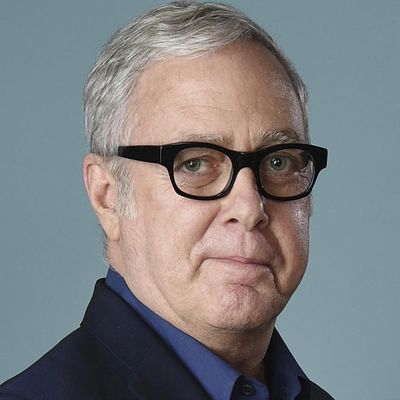
Brilliant award winning song writing team Marc Shaiman and Scott Wittman are my guests. Currently they are represented on Broadway in the smash hit Some Like it Hot. I had the privilege of working with them on Hairspray and Catch Me If You Can... Read More
From the show: Breaking Broadway with Kerry Butler
Guests

Featured Shows

About
Brilliant award winning song writing team Marc Shaiman and Scott Wittman are my guests. Currently they are represented on Broadway in the smash hit Some Like it Hot. I had the privilege of working with them on Hairspray and Catch Me If You Can. You also may know their music from the tv show Smash. We talk about their incredible careers, and they give advice on how to audition. Can you take their music and make it your own? To riff or not to riff, that is the question.
Learn more about Marc at marcshaiman.com. On Instagram, follow Marc @marc_shaiman and Scott @scottwittman.
You can find me on Instagram @kerrybutler1 and TikTok @kerrybutlernyc.
For coaching and teaching, visit my website at kerrybutlercoach.com, follow @kerrybutlercoach on Instagram, or email me at kerrybutlercoach@gmail.com.
Transcript
This transcript was automatically generated and might contain errors.
[0:40] Kerry Butler: I am your host, Miss Kerry Butler. Together, you and I are breaking Broadway.
[0:53] Kerry Butler: Hello everyone. Welcome back to Breaking Broadway. I am so excited to have my dear friends Marc Shaiman and Scott Wittman, the amazing songwriting team for so many shows. Uh, Smash being one. I worked with them on Catch Me If You Can and Hairspray, the huge hit. Currently, their work can be seen on Broadway in Some Like It Hot, which I saw and was amazing. You all have to see it. We'll talk a little bit about it. But they've also had incredible careers outside of being this songwriting team. So welcome.
[1:35] Scott Wittman: Hello.
[1:36] Marc Shaiman: Hi, Kerry.
[1:37] Kerry Butler: Hi guys. Um, so I'm going to. I always like to have my guests kind of tell their journey through finding theater and how they first fell in love with theater and sort of how they got to where they are right now. So I know you both have had incredible stories and journeys. So who wants to start first?
[1:58] Scott Wittman: Uh-uh. Kerry, you go first.
[1:58] Scott Wittman: When I was very little, my father took me to see a burlesque show. Uh, and oh my gosh. And I was fascinated by the feathers and sequins and all of that, so much so that I tried to push that into Catch Me If You Can, because uh that's up.
[2:28] Scott Wittman: Yes. Um, then I then for a very long time I was an apprentice, you know. Like I worked for no money in a summer theater. I washed Liza Minnelli's underwear there, you know, I was her dresser, all of that, which eventually sent me to college, and then I moved to New York and met Marc and we started writing. So that's the that's it. Did you know what you wanted to do in theater, or did you just think I have to be in theater?
[2:54] Scott Wittman: I just had to be in theater. I would, you know, at the bus stop, I would carry a big volume of Shakespeare and people thought I was nuts. And I would do Tennessee Williams plays in the backyard and charge admissions, so I guess I was pretty ballsy.
[3:12] Kerry Butler: Did you originally want to be an actor?
[3:14] Scott Wittman: Well, I think I did. I think I wanted to dance. I studied dance and I auditioned for things, and I kept I remember I kept auditioning back then for like Pippin as a replacement, you know, and dance. And I never got it. I got far, but I never got it. So then I realized if you can't work with like Bob Fosse or that, then what was the point? So I realized I was happier on the other side of the table.
[3:44] Kerry Butler: Oh, and you went to college for theater too, right? Or you for a little bit?
[3:48] Scott Wittman: Yeah, in Boston, yeah.
[3:51] Kerry Butler: We just looked at that for some of my daughters.
[3:53] Scott Wittman: Well, it's huge now. They own the Colonial Theater, which back then when I went to college, I saw A Little Night Music there. You know what I mean? Before I went to New York and stuff. And how was that experience?
[4:06] Scott Wittman: I met a lot of like-minded people and the same friends I have today, a small group.
[4:12] Kerry Butler: Oh, really?
[4:13] Scott Wittman: Yeah, and um, it was great. And the teachers encouraged me to explore that other side, which was directing and writing and putting on shows. So I got to direct a lot of shows there.
[4:31] Kerry Butler: Yes, and actually Scott directed my cabaret, and he's directed Patti LuPone's cabaret and Martin Short's Fame Becomes Me.
[4:41] Scott Wittman: I've done a lot. In fact, Patti just left here yesterday because we're doing a whole new concert, all new songs, all new everything at Carnegie Hall next March. So we to get a head start on it, there's a lot of lyrics to learn. So we just worked for the entire week on it.
[5:02] Kerry Butler: So awesome. Um, and Marc, tell us about your journey to theater.
[5:09] Marc Shaiman: I auditioned to play piano. Uh, there were two ladies in my township, Scotch Plains, New Jersey, and no one was putting on musicals. Our junior high and high school, like when I hear everyone talking about, oh, I played the lead in my high school musical. For some reason, my town was like Footloose. I mean, they just weren't doing that. And so these two ladies, thank God for them, who had theatrical backgrounds and had moved to suburbia, they started doing the summer theater musical workshop.
[5:41] Marc Shaiman: And I went and I auditioned. The first show that I went, they were doing The Sound of Music. How old were you?
[5:49] Marc Shaiman: I think I was in seventh grade going into eighth, or maybe sixth going to seventh. Yeah, well, everyone was. This was all for kids, and um, and I uh, Scott has heard me say it a million times, but I, you know, the woman named Judy Cole was in charge, and I said, Can I audition to play piano? And she said, There's the piano, kid, play it. And I went over to the piano. And meanwhile, because there was no music in my schools, no one had ever heard me play. Only like my aunts and uncles or friends of my parents, and I was like this crazy whiz, like Mozart of show business. Uh, not Mozart on the great level, but on the, you know, and so I sat down and played, and I still remember when I turned around, and everyone who was in the auditorium was just silent, staring at me. And I still remember what that looked like and how it felt, and that was it. I was hooked.
[6:48] Marc Shaiman: And you know, it's funny. I'm it's Scott's gonna actually probably projectile vomit when he hears me say again that I'm toying with writing a book. And I've actually been for the last two weeks, I've been just really at it. And I went and found all this stuff in our garage, you know, where everyone keeps everything. And uh, I just I can't remember what I was about to say. Isn't that sad? But it'll be great so much sense. Anyway, I found all the programs from all those shows. And oh, I know what I was gonna say is I found my report cards. My mother had once gave me like a big box of all the stuff that she had saved. And you see, like first through sixth grade, I'm a very good student. And then suddenly the report, because I can't believe my parents didn't. Maybe they didn't, I don't remember.
But these report cards literally said, Mark is failing. He's doing terribly, he could do so much better, but he doesn't concentrate. Well, that's because I had suddenly been bit by the theater bug and the music bug and harmony. And suddenly when I was in junior high and could play at the auditorium, and there were girls in the chorus, and I could do come here, sing this three-part harmony I have in my head for this. And so music and theater exploded in my life, and everything else fell to the wayside. Uh, and that's how I got.
[8:15] Kerry Butler: Did you have lessons for piano?
[8:17] Marc Shaiman: Yeah, I took piano lessons, like any, you know, any kid. Uh, my mother before you played for them.
[8:23] Kerry Butler: Yeah.
[8:23] Marc Shaiman: Yeah, my mother told me Scott and I were honored at Carnegie Hall, remember? And um, my mother only told me that afternoon that my sister was taking piano lessons and I was too little, and my sister went out to play after the piano lesson. My mother said to the piano teacher, uh, Miss Andrews, come on up and have a cup of coffee. And they were up in the kitchen and they heard my sister's piano lesson being played, but they had also heard my sister go outside. So they came down the stairs and looked around the corner, and there I was playing it by ear. So I had never heard that story, but that's why they put me into piano lessons a little earlier than most kids, I guess.
[9:07] Scott Wittman: Uh blah, blah, blah, blah.
[9:09] Kerry Butler: Wow, that's cool.
[9:10] Scott Wittman: Me, me, me.
[9:12] Kerry Butler: So you really did have a special gift. You just like didn't even have a lesson, and you could only play it.
[9:17] Marc Shaiman: Oh, definitely had a gift. Yes.
[9:19] Kerry Butler: Yes. Okay, and then tell the story about like one of your first professional jobs, wasn't it with Bette Midler?
[9:25] Marc Shaiman: Who, me?
[9:26] Kerry Butler: Yeah.
[9:27] Marc Shaiman: Um, wasn't it? Well, yeah. I mean, that that is the ultimate fairy tale story in my life, is that I idolized Bette Midler. Her records came on when I was around 13. She first came on the radio with Boogie Woogie Bugle Boy, or would be on The Tonight Show. And her first two albums, I was obsessed. And I had the posters, and I was just, you know, I was an obsessive fan of Bette Midler. And then, and then to make a really long story short, because I met Scott by chance. I was on the street with a friend from New Jersey. We'd gone to see a show. I stepped into this little bar that we ran into some other friends. We stepped into this bar, and it turned out to be Maurice Crisis, which is a kind of legendary piano bar. I was only 16.
[10:18] Scott Wittman: Yeah.
[10:19] Marc Shaiman: You met when he was 16?
[10:21] Scott Wittman: Yes.
[10:22] Marc Shaiman: Oh, he said. He's five years older than me.
[10:25] Kerry Butler: Oh, wow.
[10:27] Marc Shaiman: So I'll zoom through this. There was a piano bar. There was no one in there. I shouldn't have been there. I was 16, but it was like 4:30 in the afternoon. And I started playing the piano. The bartender, like out of an old black and white movie, stopped sweeping and said, Hey kid, you're good. Wait right here. There's some people next door who need a new piano player. And that was Scott, who was directing a comedy review at the Duplex, which used to be next to Maurice Crisis, the original. And they barreled in, they said, Can you play together wherever we go cheesy? And I said, You mean like out of bar mitzvah? Where the we go, yeah. And they were like, You're hired. And that was it. And Scott lived across the hall from one of Bette Midler's backup singers.
And to make it a very long story short, because I was right there and knew the harmonies that they would want to do when her backup girls were named the Harlettes, and they had just come off tour and they wanted to do keep working with each other as their own act, the Harlettes. And there I was. Maybe I had turned 17 by the time I met them. And I became their musical director. Bette said, girls, come back on tour with me and I'll let you open my show. And before I even turned 18, I think I still was 17. I was flown to LA, put the girls' show on, and then met Bette Midler. And she put me in her pocketbook and brought me in my stayed at her. To make that point, she instead of putting me in a hotel, she brought me to her home and put me in her guest room.
And I stayed, I stayed during the rehearsals for that act. And then worked with her every night. I sat beside her, and Tom Waits, who she was great friends with at the time. And Tom Waits was writing brilliant song after brilliant song. And he came over and taught her and me this great song called Rainbow Sleeves that you should sing, Kerry Butler.
[12:30] Kerry Butler: Oh, okay. I'm writing a deck for you. Rainbow Sleeves.
[12:33] Marc Shaiman: Hang on to my rainbow sleeves.
[12:37] Kerry Butler: So beautiful.
[12:38] Marc Shaiman: Uh, so that was it. I had the greatest dream you could imagine come true within a year.
[12:48] Marc Shaiman: And then how it's all been downhill ever since.
[12:53] Kerry Butler: How long until you started composing for movies? Because that was your next step, right?
[12:56] Marc Shaiman: No, no, we wrote a show.
[12:58] Scott Wittman: We had a, there was a club at, uh, this is a little later, fast forward, and uh, there was a club on the lower east side in a basement of a Polish Catholic church.
[13:11] Marc Shaiman: It was called Club 57, and it had sort of like-minded people. Um, that we all felt we were too theater-y for rock and roll and too rock and roll for theater, and but this is also a club of artists like Keith Haring and Jean-Michel Basquiat. They would this where they first started showing. And I would know that I would, well, they were the art crowd, but we each had a night saying, and I would used to say, tell Keith he's gotta get these paintings out of here because I'm doing the sound and music. It was like that. And anyway, we decided we wanted to write an original music. We had done, you know, plays without getting the rights, and then we said, let's write a musical. And we wrote a musical about Barbie and Ken.
Um, they met on the beach of Waikiki. Um, so and it had Chatty Kathy and G.I. Joe and um, you were ahead of your time everything. Yeah, so 40 years. Called Living Dolls, and so at that time, people started coming to see all the shows. Like, you know, there'd be a lot of people on heroin, and there'd also be like Mike Fickles and Joe Papp, and then Mark was working on a show at the public theater, so that people would come. And Richard Malpe came and he said, I think you should move the show uptown. So we went uptown to the Manhattan Theater Club, and Richard Malpe used to have to give us a cab fare to get back and forth from it because we had no wow.
[14:50] Kerry Butler: We'll be back with Breaking Broadway right after this message. Hey, anybody out there from Indianapolis? I am going to be doing a few concerts at the cabaret. I would love to meet you. Go to www.thecabaret.org for tickets. I'll be there from October 5th to the 7th.
[15:12] Marc Shaiman: So then did you, when did you start composing for movies? Well, so, well, I mean, there were all these other musicals, and during the 80s, we were just writing one musical after another. Scott and I wrote Living Dolls. Then we also wrote, is Linda Hart of that one? She was when it went to Manhattan Theater Club and in LA, yeah. And then we wrote a show with our friend Laura Kenyon, who's a great Broadway actress and singer. Trilogy of Terror. I wrote with other people. I had already written a musical before writing with Scott; I had written with someone else when I was still a teenager, but in New York. And there were all these shows, but none of them had ever, you know, made the big time. And then when Bette Midler and Billy Crystal, who I had met at Saturday Night Live and really hit it off with, and I started playing for him on tour, and both of their film careers took off at the same time.
And suddenly Billy had introduced me to Rob Reiner, and I was working on When Harry Met Sally, and Bette brought me out to LA to work on Beaches to choose the help choose the songs for Beaches. And When Harry Met Sally was this huge hit, and Harry Connick Jr. sang and played, and I arranged and chose the songs, and that album was huge. And then the album for Beaches that I had co-produced and picked, you know, songs for was huge. And I had brought Bette Wind Meath My Wings, and I really earned my stripes there. And then suddenly just fell in my lap was a film scoring career. And for the next 10 years, so we moved to LA. We moved to LA, but it was also at a time it was the 80s, and it was like being in a country that was at war.
And because half the people we knew, and it was all artists and writers and talented people were dying, and it was like a whole generation, they were the first to go. And so New York became very, very haunted in a way, and so we like we got in our covered wagon and went to LA.
[17:19] Kerry Butler: So you went from starving artists to actually like making a good living, huh?
[17:25] Marc Shaiman: Well, I didn't just spend the money. I made the money; he spent it. It worked out well that way. I mean, the only thing I wanted to do was theater, and theater in LA is for people who can't get work on television, so, you know, like I directed one show there where on opening night the guy got a part, a small part in Married with Children and said, I can't be in the show tonight. So he said, That's it for no more theater here. So Scott was miserable there. I learned how to drink it. I did learn how to drink and drive. That was, uh, but we had a beautiful house and a great, yeah, we had a wonderful life, but we weren't getting to exercise the musical theater part of ourselves. And then luckily I did the movie South Park, Bigger, Longer and Uncut, right at the end of the 90s. And it was, I was really burnt out, but thank God that was the movie I did before I got really burnt out.
And because of that, Margot Lyon was at the same time asking people around Broadway, who should I get to do the score for Hairspray? I just bought the rights to Hairspray. And everyone had just seen South Park, Bigger, Longer and Uncut and said, Marc Shaiman. Right before I went to LA, there was an article about me in the New York Times about like, you know, New York's loss is LA's gain, and like, well, why didn't this article come out earlier? So then, uh, 10 years later, all those, you know, it all happened. Uh, Margot called and said, I don't know you, and I don't want to go see the South Park movie because, as you remember, Margot, that was not her kind of thing. But she says, Everyone's telling me that I should get you to write the music.
So would you like to write the music to Hairspray? And I was like, yes, it was like a lifeline. And then she said, Well, who would you want to write the lyrics? And now, more than a lifeline, it was just this was the whole boat. Was I said, I will only do it if it's me and Scott writing the lyrics. Because I knew, I knew I couldn't do it with anyone else. Scott and I love John Waters. We were the first online for every John Waters movie.
[18:59] Scott Wittman: So she said, Well, I don't know you guys as lyricists, so would you write some songs on spec?
[19:43] Marc Shaiman: And Scott, I'll let you.
[19:45] Scott Wittman: Yeah, so we sat down. We were in Laguna Beach back then, and we sat down. I remember watching the movie, and I said it should open like Oklahoma, like, you know, oh what a beautiful morning, only it's Good Morning, Baltimore. And so we wrote four songs to and sent them off to Margot, and um, and they were all still in the show, so they're, and you know them well. Yeah, they became like the, you know, the tent poles of the show. Uh, Good Morning Baltimore, Welcome to the 60s, Big Blonde and Beautiful, and I Know Where I've Been. We thought with those four songs, we were kind of like, okay, here's what we think the show is, and it's kind of amazing, it doesn't happen much to the, you know, the first songs that you write.
It was fast, that whole process was fast, but you know, because Rob Marshall was the original director, and we had, you know, he had developed a lot of it with us, and then, um, even when things went askew, something better happened in a way, you know. Rob all of a sudden said, uh, I'm working on this version of Chicago. I said, Oh, that's never gonna get made. They've been trying for 30 years. Lo and behold, that went. So then came Jack, and then came Jerry. Jack O'Brien. So and then, you know, we did a reading of the first act just for, um, for John Waters, and he was very touched. He was, he cried. We often say the tears were black, but they were there. It was such a bittersweet experience for him because of his friendship with Divine. And so anyway, he very much loved the show, and everyone did, and, uh, and Carrie, when did you come aboard?
[21:35] Kerry Butler: I don't remember which reading. Yeah, I didn't come until I think the third, because the first one you had, I think you had Kristen Bell play Penny.
[21:44] Marc Shaiman: No, she was in the ensemble.
[21:45] Kerry Butler: She was in even Penny.
[21:46] Marc Shaiman: Oh, I know that you then cut Penny out of the show for the second draft.
[21:51] Kerry Butler: And then John Waters came and was like, can't not have Penny in the...
[21:51] Scott Wittman: The Scott and I were, yeah, that was someone else's idea to cut Penny out to make the audience Penny, basically, and have Tracy relate to the audience, and we were like, no, no, no, no, no. Uh, but then I guess you were involved with maybe the just the last reading.
[22:12] Kerry Butler: I was in the third example.
[22:13] Scott Wittman: Were you at that reading with Jackie?
[22:15] Kerry Butler: Yes, I yes, because I knew we were some of the last people to be. Because I knew Jackie from, she used to do these shows at La Mama with David Sedaris and Amy Sedaris, and I was such a huge fan of those shows, and I suggested that Jackie come and read the stage directions at one of the readings, and that part got bigger and bigger as it went on. So yeah, but, uh, yeah, you did the one. I remember we all went, remember we all went to see James Brown? Were you in that one?
[22:48] Scott Wittman: No, I missed that one.
[22:50] Kerry Butler: No, you see, see, I think you came in in the last reading.
[22:53] Scott Wittman: The big one at the rest then.
[22:54] Kerry Butler: Yeah.
[22:55] Scott Wittman: Yeah, for sure. I did that. I thought I did the last two. Weren't there four altogether?
[23:00] Marc Shaiman: Yeah, over two years, which is amazing when you think now it's...
[23:00] Kerry Butler: That is true. Wow.
[23:05] Marc Shaiman: You made the whole show just over two years.
[23:07] Kerry Butler: Pretty much from page to stage.
[23:09] Marc Shaiman: You have to see it.
[23:10] Kerry Butler: Yeah.
[23:10] Marc Shaiman: Wow. Um, and people always ask me, you know, what is my favorite show that I've done? And they're all your babies and you love them all. But I do always say Hairspray because it was such a special experience. And I feel like it was the Hamilton of the day, you know, where we were on everything. And also we were such a family and all loved each other and like going on this journey ride together. Um, do you all, what do you feel like is your favorite? Obviously, that's the baby, you know.
[23:40] Scott Wittman: But and but also I, you know, viv so vividly remember those. I mean some unpublishable times in Seattle on those crazy parties that would have been.
[23:55] Kerry Butler: You’re too good of a girl. I'm sure you were.
[23:57] Scott Wittman: No, I went to all the parties. But I would always try and make like clean parties. Remember, I was like, let's have an around the world where everyone's going to have a different theme room. And then it would like turn into craziness.
[24:10] Marc Shaiman: Yeah, there was that one party that was really like even. I think I started that party and then it went awry. But also, you guys, I mean, like you have such an incredible community. Like, even how you're friends with people that you grew up with, and your parties were unbelievable. Like everywhere you look, like, oh, there's Sarah Jessica Parker. Oh, there's Matthew Broderick. It was so fun.
[24:35] Kerry Butler: I mean this. I mean, what an amazing time.
[24:39] Marc Shaiman: Yes.
[24:39] Kerry Butler: Yeah, once we were opened. Well, I had made I had made a crazy deal. I don't know how it, I forget how it came about, but Veuve Clicquot had said, if you could get one bottle of champagne in the Hairspray, we'll supply champagne. So I was like, oh my God. And I went to Jack, I went to Jerry. I remember saying there's if and one show didn't need an expensive bottle of champagne. It was Hairspray. But Jerry figured out that Clark would carry this magnum bottle in the wedding scene, and I could hear the bells. So then I would call Veuve Clicquot, and they said, I said, I need four cases on Saturday. And then they would deliver them. And then those parties became like the sort of mixing ground. Like I remember I saw Jimmy Fallon recently, and I said, Do you remember when you showed up at my house with your mother at four o'clock in the morning after a Saturday Night Live?
And I was in the kitchen, and she held out a 20 and said, I'll have a white wine spritzer. So it was that she thought it was the bar, you know, like it was a bar. It was that crowded, it looked like a lot. She thought you were the bartender.
[25:52] Scott Wittman: A lot of wild nights.
[25:54] Kerry Butler: Oh my gosh. That is so.
[25:58] Marc Shaiman: But we're making it sound like it was debauchery. I mean, we were just fun.
[26:02] Kerry Butler: You know, it's just we were just so excited. We were having a great fun. It was great fun. Great fun. Yeah, we loved it. I mean, uh, yeah, just I mean, that those are stories for the book, Mark.
[26:13] Marc Shaiman: Oh, yeah, I haven't even started the Hairspray after.
[26:17] Kerry Butler: So, this podcast is um a lot for young performers starting out. So, I would love if you I have a question for you about when people come in audition. How do you feel about riffing? Like, should people take liberties with the music, or is that a no no? That's my question.
[26:36] Marc Shaiman: Well, first of all, you know, Scott and I are from a different generation, and although I think that we understand everything that is going on now, um it's almost not for us to say anymore. There's just a whole other way of thinking about a lot of stuff on Broadway. Some of it we're not very happy about. That is about uh attendance records on Broadway. Uh the eight show a week kind of thing, that mantra, and that is just a thing of the past.
[27:11] Scott Wittman: Um, no. People don't seem to want to come to work eight shows a week.
[27:22] Marc Shaiman: And it started on Hairspray. Remember how Harvey used to keep a chart backstage?
[27:26] Kerry Butler: Yeah, I won. I was one of the winners.
[27:27] Marc Shaiman: I know you are. Yeah, but now there's a new thing called Arsenal Days that just drives me crazy. So anyway, that's another one. But as far as auditions, I mean, you know, yeah, I mean, it depends on the song, and is the songwriter in the room? I mean, that's a big always, uh, you know, that's an interesting question. Let's say you're in the room and somebody's coming in and singing a song. Can they make it their own? Which would you prefer? Can they make it their own, or would you rather them stick to the notes?
[27:53] Marc Shaiman: What happens now with us is that, you know, usually when you work with a casting director, we see that people when they're learning our stuff. Do you know what I mean? They, so when they come, when they auditioned for us, they've learned a song from the show for the part.
[28:11] Kerry Butler: So, um yes, on occasion. Well, say they're doing, but say, like, I know when I did Fly Fly Away, um, you Mark, Mark and Scott, I think you both said, uh, we would love for you to riff a little bit in the middle of the year.
[28:26] Marc Shaiman: Yeah, I mean, I think I don't think there's an answer to that question. It is the person fantastic, then you know, go for it. I mean, and if you can't do that, I hope you kind of know that's not my ball of wax. That's not what I do well. So it's really hard to answer that question because, you know, I see someone. It depends on the person and how well they're gonna be. We asked her to do that because that's what they're doing. She learned the opening song, and then I went over to the piano and I said, now forget about trying to make every note the way because she was nervous, also. I said, right, right. Try to lose all your nervousness. Here are the words. I'm playing the chords, you know what the basic melody is.
You know, think of what like what Bessie Smith would do with this. No one ever sang the exact melody back then, even then. It wasn't like it is now, but you listen to Bessie Smith or Ella Fitzgerald or Billy Holiday, they are making great, taking great liberties with the melodies.
[29:25] Marc Shaiman: And so that was when we cast her. Then when she kind of like dropped the nervousness and just started singing what you made it her own. She made it her own. But I'm always, I like an actor too. So I've let you know that's obviously so.
[29:42] Kerry Butler: I that's my next question. Would you rather have somebody who like sells the song amazing and maybe doesn't have the best voice, or someone who just sings it phenomenally but isn't the best actor?
[29:58] Marc Shaiman: As you well know, Marx never met a key change he didn't like. So there are sometimes our scores require a lot of vocal demands on acting. And you know, when Scott says that I always remind him that Wicked has 16,000 companies for 20 years of two girls who can sing that score. When I went to see Wicked in previews, I was like, how will they ever, how will the show ever run? How could they ever tour? Who can sing like these two? And now the world has proven there are a lot of girls who can sing.
[30:38] Scott Wittman: I guess also listening to Edina and to Kristen has made girls grow up and finding that range that didn't used to be. I mean, it used to be Ethel Merman. She belted a C and on I Got Rhythm back in like 1928 and made a sensation.
[30:57] Marc Shaiman: Oh then that C. And that C for like 40 some 50 years was kind of like that was the high note. And then suddenly came like Andrew Lloyd.
[31:08] Scott Wittman: Well, microphones.
[31:09] Marc Shaiman: Yeah. And but Andrew Lloyd Weber really started saying, you know, what else? And uh how how how much higher with Evita being the one that really like broke the ceiling, literally uh on range. And then so I mean, Carrie, you have found you with your your voice teacher, you are like the epitome of like finding how you mix.
[31:33] Kerry Butler: So the belt is always satisfying as a belt, but you somehow know how to place it where I don't know. I don't even know how that stuff works.
[31:41] Marc Shaiman: Thank you.
[31:41] Kerry Butler: Thanks. Thanks. So nice. Yeah, I do love it. I love those high fives. And Fly Fly Away is one of my favorite songs to sing ever. You know, I when I grew up, I, you know, used to sing um on my own, and I would like dream of having a song like that. And now Fly Fly Away is the song that, like, you know, young girls will sing when they've been broken up with somebody, or you know, tons of people singing at auditions or singing for me. And it's so exciting that I remember that first night in Seattle when you sang it.
[32:10] Marc Shaiman: Oh my god, I'll never forget the reaction.
[32:15] Kerry Butler: Yeah, that was phenomenal. And then you disappeared into the floor.
[32:19] Marc Shaiman: That was I was always saying that.
[32:20] Kerry Butler: I was about to say, did you lower it?
[32:22] Marc Shaiman: Yeah.
[32:22] Kerry Butler: I was about to say, am I making that up?
[32:25] Marc Shaiman: It finished and then you lowered in like in silhouette down into the floor, and the audience exploded.
[32:31] Kerry Butler: Yeah. That's a great memory.
[32:34] Marc Shaiman: Yeah. It was exciting. What is it like for you? What is it like for you when people like you to, you know, well, first of all, yeah, that's my question I always ask. What does it feel like to have that voice coming out of your throat?
[32:47] Kerry Butler: I mean, literally, what does it physically feel like? I feel it maybe it feels like flying almost. You know, you're singing that song and you're just like in another world, and I don't know, you feel the audience, especially in that song where you feel the audience kind of sitting on the edge of their seat and you know you have them in the palm of your hand just because it's such a beautiful song and so well written and taking them on such a journey. Um so it is very, very exciting.
[33:15] Marc Shaiman: We had a I had really interesting conversation with Patty about this yesterday, where I said, she said to me she never understood how to make the sound until she they put it, she could see it, where they put it camera in and she could see her vocal cords, and she realized, oh, they're they're not here, they're here. You know what I mean? And she then she said, Oh, well, now I understand where the placement and how to place it all because it not until she realized she could see it visually.
[33:48] Kerry Butler: Interesting.
[33:49] Marc Shaiman: Um, so we don't have time for that many more questions. I want to ask you a quick question. What do you think is the biggest mistake actors make when they come into audition for you? Or what's like a pet peeve?
[34:01] Scott Wittman: Oh, I'll take that one.
[34:02] Marc Shaiman: Yeah, you can take that.
[34:04] Scott Wittman: Well, I mean, that's the biggest lesson I think people to learn is when you walk in that room, the second you walk in, you are auditioning in a way, and it's your personality and who you are. Because the people behind that uh on the other side are not only first of all, they want you to be phenomenal, they want you to save their show and make it a good idea.
[34:24] Marc Shaiman: Yeah, I always say that we need you just as much as you need us, even more. So but we're also might be picking up, oh, I don't like the way that that person just spoke to the piano player.
[34:39] Scott Wittman: Oh when they turn your back to look at the music. And that that's my superficial uh advice is always when you're talking to the piano player, go over to his side so that you're you're still being seen by the people uh in the room from your front because so many people go over behind his back, and suddenly you're getting this big shot of their butt. But it's also part of their interaction with the uh piano player. It's how they work with people to me. So that's really important.
[35:11] Marc Shaiman: I mean, and and when someone thanks a piano player, I always thought like put an extra little gold mark. You know, because I that's what I did. I used to play many auditions. So that's really important. And also the biggest thing is to not bring in a big purse with a whole bunch of stuff and a million props. Because when you finish, hopefully you've done well, but however you've done, you want to get out that door as soon as possible for your own sake. Because that awkwardness of someone still being in the room when we're all wanting to talk about it and you know, there's just an odd dynamic. Just get out of that room as soon as you can.
[35:49] Kerry Butler: I love that. No one's ever said that on here. That's great advice.
[35:53] Scott Wittman: Yeah.
[35:53] Kerry Butler: Um, okay, last question. Both of you, what advice would you give to your younger self?
[36:00] Marc Shaiman: Stop eating.
[36:05] Scott Wittman: Um I don't know. It's different. I I I w I wish my younger self could tell my older self things. You know, because when when you're young, you're kind of fearless. But and the older you get, the somehow the more even no no matter how successful you are, you get a little a little more fear creeps in all the time.
[36:27] Kerry Butler: So yeah.
[36:28] Scott Wittman: That was really profound. I mean, everyone, you know, people do ask, what would you tell your younger self? But the idea of what would your younger self tell you now, that's really special.
[36:38] Marc Shaiman: Yeah, because I I was fearless when we did those shows in the village or Hairspray, totally fearless. Like we've you know how we fought for things in that. And so but now you it's a little more difficult that way.
[36:52] Kerry Butler: So do you, Marc? Do you have any advice or no? Or no, just just stop eating.
[36:55] Marc Shaiman: Um, it would be the same advice I'd give myself now, which is like, do you really want to say that? Is there someone is there some wait another minute and think of another way to say that to the group or the people. I mean, I think I think my heart shows on whatever I do or say, but you know, there's always a great way to say something, and then there's that too quick way of saying something, and uh that would be, I guess, my continued life listening.
[37:26] Scott Wittman: Someone used to say about you, Mark could say she said, You can say more in silence than anyone else can.
[37:34] Marc Shaiman: Well, that was just sort of the scowl on my face.
[37:38] Scott Wittman: You say more with saying nothing than any person I know.
[37:41] Kerry Butler: Yeah. Well, thank you both so much for being here. I adore you. Um, everyone go see Some Like It Hot. It is really what you've done with that show is phenomenal. I don't even want to tell people about it because there's so many surprises. It's different from the movie. It's the same from the movie, but also different and has tons of surprises. It's a great, like old-fashioned musical. The whole family will love it. My family saw it two times. Um, and uh also check out all of their other shows. I feel like a lot of people don't know Catch Me If You Can, and that is like my favorite score of yours, actually. Even though Hairspray's amazing, you know I love Catch Me If You Can. Um thank you again so much for being with us.
[38:23] Marc Shaiman: Sure.
[38:24] Kerry Butler: All right, bye-bye.
[38:28] Kerry Butler: Thank you so much for listening. If you would like me to come to your school or theater group and a masterclass or a talk back, please reach out at kerrybutlercoach.com. If you like this podcast and want more episodes, please go to bpn.fm slash breaking broadway and subscribe, like or share. Together, you and I are breaking Broadway.
© Broadway Podcast Network, All Rights Reserved