

This episode, Hal sits down with Rick Miramontez, press guru and President of DKC/O&M, the PR powerhouse for everything Broadway and Off Broadway. Hal and Rick chat Tony parties, strategies for any review, and identifying a show’s best asset... Read More
From the show: Broadway Biz with Hal Luftig
Guests

Featured Shows

About
This episode, Hal sits down with Rick Miramontez, press guru and President of DKC/O&M, the PR powerhouse for everything Broadway and Off Broadway. Hal and Rick chat Tony parties, strategies for any review, and identifying a show’s best asset.
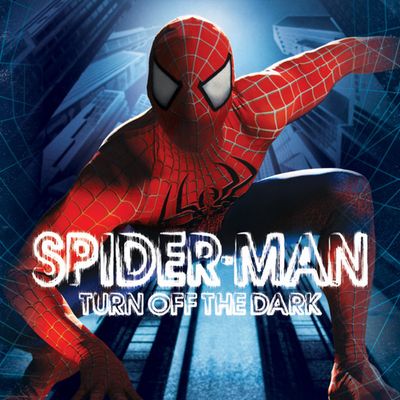
Rick’s Broadway clients include Hadestown, To Kill a Mockingbird, Ain’t Too Proud, and Dear Evan Hansen. From 2011-2014, O&M Co. executed the most famous press campaign inBroadway history when it represented SPIDER-MAN Turn Off The Dark.
For all things Broadway Biz, visit our Instagram @BroadwayBizPodcast or our website broadwaybizpodcast.com.
Have a question for Hal or a topic you'd like him to explore? Send Hal an email at broadwaybiz@halluftig.com.
Transcript
This transcript was automatically generated and might contain errors.
[0:03] Hal Luftig: Hi everyone. This is Hal Luftig with my Broadway Podcast Network show, Broadway Biz, where every episode I will chat with my friends, some of the top theater professionals in the business about the business of Broadway.
[0:22] Hal Luftig: I'll join the Broadway Biz. You'll be a Broadway wiz. You'll learn to raise cash to open your smash. You'll be all the rage from the patron stage. In no time you'll know the business of show, the greatest job there is. So join our squad as we upload our love for all things Broadway business. Let's get busy with the Broadway Biz.
[0:55] Hal Luftig: My guest today is Rick Miramontez. Rick is the president of DKC/O&M, which represents everything public relations and press for Broadway and Off-Broadway. And I have to tell you a little secret. I can't wait to speak with Rick about all things press today on Broadway Biz.
[1:22] Hal Luftig: Hey Rick! I'm so glad you have the show.
[1:25] Rick Miramontez: I will be tuning in.
[1:27] Hal Luftig: So will I. So that's two listeners I have thus far. Of all my guests, Rick is sure to have the wackiest stories from behind the scenes.
[1:38] Rick Miramontez: Oh, I completely remember the Tony Awards evening where Kinky Boots won in what I do remember was it wasn't to us, but other people thought it was a real upset, which is the most fun. And I seem to remember we stayed up until sunrise.
[1:55] Hal Luftig: Oh, you took the words out of my mouth right now. That I know I'm dating myself, listeners, but we stayed up until the actual print copy of the New York Times came out, which had to be about 4 a.m. And somebody brought it into the party, that's right, and showed it to me. And like I just, you know, the headline was Kinky Boots dances its way to the top, and I just like burst into tears, and Billy Porter was standing right next to me.
[2:28] Rick Miramontez: We took that famous photograph of Billy and I.
[2:30] Hal Luftig: Exactly right. And I will tell you this, I did get in trouble when I got home because it was the last time I assure you that I came home after the sun had long come up. It was probably many years ago.
[2:49] Rick Miramontez: Well, I'm glad you brought that up, and I wear that night like a badge of honor.
[2:54] Hal Luftig: Good, me too. Me too. It is really, it was one of the best nights of my life. And I just have to say, you throw the best party. It is the party to be at, I gotta admit. So I'm always thankful and sometimes impressed that I made the list. Thank you for that.
[3:17] Rick Miramontez: Thank you.
[3:18] Hal Luftig: So hey Rick, let's just jump right in. I know a lot of people want to know, sometimes me too, what does a press agent do actually?
[3:28] Rick Miramontez: You know, it's really funny that question, Hal, because it's what we do is so ephemeral. You know, I still have family members who ask very politely, what is it that you do actually for a living? So I think the technical definition of what a press agent is, is the person who procures attention via the media for a production, and the difference between press and advertising is what we're supposed to do is garner that attention technically for free. Advertising placement, you pay for, you pay for the time on TV that your ad agency procures or those print ads. Anything that we generate via that media is meant to be free.
[4:13] Rick Miramontez: But as we know, it's not always. Sometimes you get us on ABC Good Morning or, you know, whatever programs are. Sometimes you get a show into the Macy's Day Parade. Things like that. Sometimes you, I know working with you, you have suggested spending a certain amount of money towards a certain event. How do those things, maybe you can clarify what some of those things are. How do those things actually impact what you have to bring to a producer and, you know, knowing that it affects somehow their budget?
[5:02] Rick Miramontez: Sure. Well, that's a great question because I put the word free, I put air quotes around the word free because nothing in life is free. But I think I would explain those expenses, and sometimes, you know, what you just mentioned goes into the six figures. So it's very costly. But what you cannot do to procure that kind of attention is buy it. It is literally priceless. It is news-driven, it is a performance that you would never have in any kind of advertising arena, and even though there are costs associated with absolutely getting somebody getting a production on The Colbert Show, because what people don't know is in this day and age, the production usually pays full freight for the expense of those appearances, which can be very costly between carting the cast, rehearsing the cast, and paying the cast the requisite, for example, on The Tonight Show or Stephen Colbert's show, there are after fees attached to that. So the price tag is pretty high. But what I always say about anything that we, the PR office delivers, that coverage is literally priceless because you could not buy it, you could not advertise.
[6:31] Hal Luftig: I completely agree. And here's another known thing that I just want to mention to our listeners, because you talked about free. Going on the Tony Awards is absolutely not free. It's extremely pricey, and every year it's fun to have those conversations because you're talking about well into the six figures, and the other thing that people don't realize is that you have to on the week of the Tony Awards, besides the nerves, you know, going crazy and actors getting their dresses together, they have to do their eight shows a week and they have to rehearse the hell out of the Tony appearance, the Tony number. So it's really fun to have those debates with our colleagues. Is this really worth it? And again, I say it's absolutely worth it because you're only up there because you are worthy for a Tony Award.
That's a very big message. And again, even though there is a six-figure dollar amount attached to that appearance and a lot of blood, sweat, and tears, that moment is literally priceless because I do think the perch on the Tony Awards is the biggest "commercial" a show could have in the life of its show.
[7:51] Rick Miramontez: That's true. Have you ever gotten, without naming names, have you ever gotten pushback from a producer or a general manager who have said to you, I hear you, Rick, but, you know, we just don't have the money for the Tony Awards, or we don't have a snowball's chance of winning. Why are we doing this? That kind of thing.
[8:14] Rick Miramontez: I think we've come close, and I think maybe I didn't succeed when a show had already closed and the books were closed, and where are we gonna find that money? I think maybe if I argued in favor of appearing on the Tonys and lost, it might have been once. But I, there have also been occasions where, you know, the producers found that money to appear on the Tony Awards, and it was a good call. It was either for pride, it was for the legacy of the show, or even though you're not on Broadway, as you know, there's still some business stream out there for a show. And again, the Tonys, you know, very important to participate.
[8:54] Hal Luftig: I'm sure though, that those appearances were very truncated and it didn't involve a complete cast. Do you think, you know, for people who are opening shows, you know, I'm gonna say in the spring when the Tony nominations are coming up, as opposed to the fall, because if you're running, you can accrue money for that. But do you think that producers in the spring should actually squirrel away money or have money in their production budget specifically for those type of appearances?
[9:29] Rick Miramontez: Absolutely. I think, you know, it's such a competitive media landscape that when we are fortunate enough to secure appearances on national television that are gonna cost money. And knock wood, lucky enough to be on the Tony Awards. I think it's incumbent on the show to put their best foot forward, and that's gonna cost money, and I think that should be anticipated, particularly in the spring when the competition is about as stiff as it can be.
[10:00] Hal Luftig: Do many producers, Rick, ever confer with you or show you the production budget and ask your opinion?
[10:09] Rick Miramontez: Yeah, yeah, more and more we are asked to submit a budget. What is our wish list? What do we think we need to spend? And it usually jibes with what the producers are thinking, but I think it's a very helpful collaboration. And if there are any surprises, they're discovered then in advance. And yeah, sometimes I have to say, you know, guys, we need X amount of dollars more because I think this is gonna happen, and when the offer comes, you're gonna want to be able to do it.
[10:43] Hal Luftig: Yeah. So that's how it goes down these days, which is very effective. It wasn't always that way.
[10:48] Rick Miramontez: Yeah, I don't remember getting those lists from you, because usually when I do, I pass out.
[10:55] Hal Luftig: But you're also the kind of producer who just has the heart to say, if we're like, Hal, come on, we got to do it, you're like, I get it.
[11:04] Rick Miramontez: Absolutely. Of course we got to do it. And you'll find that money.
[11:07] Hal Luftig: Yeah, well, thanks. I mean, one of my wackiest, and this is just to give the listeners a spectrum of what some of the things that you create, yeah, and I think you're one of the most creative in that way, is on the same night and day, we had an interview on ABC with Cyndi Lauper, who took the reporter backstage and showed her the theater and backstage, and then she said that wonderful statement about, you know, I've looked my whole life and it was right in my own backyard, and she started to cry a little bit.
[11:50] Rick Miramontez: That same afternoon, you had made a deal with the Brooklyn Diner that we were gonna have a 12-inch Frankfurter called the Harvey Firestein.
[12:03] Hal Luftig: And of course, you know, we got the place filled and we were handing out free hot dogs, and Harvey in his inevitable way looked right at the camera and he said, Wow, it's been a long time since I've had 12 inches in my mouth.
[12:17] Rick Miramontez: I mean, Hal, I'm glad you remembered that it was a magnificent day, and that's kind of when I thought, how can Kinky Boots lose? Because you've got Cyndi Lauper, who was Madonna before Madonna was Madonna, you know, basically saying the highlight of my life in my career is this moment, and I'm a New York girl. And then you have Harvey, who actually during that production took a back seat so Cyndi could be the lead, which is usually not the position Harvey's in. And he still gave us the full Harvey because as I recall, it was after a Wednesday matinee. So his ladies, his 60-plus-year-old ladies were in that audience, and he came out and invited all those ladies to go down the street to 43rd Street and Broadway and have the Harvey hot dog.
And it was also the day, if you recall, where the Anthony Weiner video photo thing blew up. So Harvey's five-minute speech on the stage after a matinee was about as blue as blue could be, and those ladies loved it. It was an exciting moment.
[13:23] Hal Luftig: How did you become a press agent?
[13:27] Rick Miramontez: And that was that something you always wanted to do? Or talk a little bit how that happened. You know, it's really funny. I'm in the theater, especially at a moment like this, which by the way, we did not leave New York City, we're hunkered down. I, uh, if anybody hasn't read Michael Shulman's great piece in the New Yorker with Fran Lebowitz, it's everything she said, I agree with. Anyway, I, uh, my life's ambition was not to be in the theater. My life's ambition was to live in New York. I'm from LA, and my goal in life was to live in New York. That was it. And, uh, one year my sweet cousin, as a birthday gift, gave me a subscription to New York magazine. And on the cover one week was, um, an advance on the Stephen Schwartz musical Working, and it was pages on people working on Working behind the scenes, jobs you didn't know about.
And there was a page on the press agent of Working, a very famous woman named Betty Lee Hunt. She explained what she did, and I thought that is the job for me. Um, because and it turned out to be true. What the, the, what our purview is a 360-degree view of the theater? Ours is the only job description where you were involved with every single person having to do with the show, from the producer to the director to the writers, to the actors, to the backstage crew, to the front of house crew, to the ushers, to the media and the audience. And that was very attractive to me, and it turned out to be exactly as, um, I interpreted it from, uh, New York magazine, whenever that was. Wow.
[15:05] Hal Luftig: So, let me ask a question. Having read that, like how and what inspires you how you come up with what a marketing campaign will be from the obvious, like we're gonna go to news shows or morning shows to the wacky.
[15:24] Rick Miramontez: Yeah, I, I think the overriding principle for me, and it suits me, and it's probably if I do something that lands in the success column, is because I'm a great audience member and I'm a fan. And so I tap into the things, the tools that we have, which are media opportunities, TV, news coverage, newspapers online now, but I tap into them with the enthusiasm of a fan, and I look at it from that point of view. What makes this show exciting? And you know, it's very easy for me to represent a show, and I do get this question, what about a show that's a dud, a show that you don't particularly like? It's like having a child or like having a pet. You can love all of your shows, and that's a very easy thing for me to do because I come at it with the enthusiasm of a fan. And there's always somebody who loves your show.
[16:20] Hal Luftig: That's true. So, you know, you raise an interesting question. Can you talk to me about the process of how you look at each show, not just the ones you love, but even the ones you do love? And how do you figure out, okay, this is what we're gonna do. This is what will work for that particular show.
[16:39] Rick Miramontez: I love that question because it's really my favorite challenge, and that goes for the shows that have a lot of, uh, deficiencies as well as the shows that are obvious hits, you know, on paper. Um, I look at and I identify what is the biggest liability that this show possesses. And my challenge, and it's kind of a little game, is to make that liability the best asset for the show. And it's not a foolproof, you know, success story, but it's worked a lot. And the obvious, um, uh, poster child of that example is Spider-Man Turn Off the Dark. We took all of the negatives and we batted them back, like in a fabulous tennis match at the US Open and attempted to make all of those negatives a positive. And I think, um, we succeeded more than we failed.
[17:37] Hal Luftig: I agree with that. I, I do think, as I said at the top of the program, I thought that was one of the most brilliant, brilliant, uh, campaigns that I have seen in a very long time, because, uh, you would just think, um, okay, this is it, this is the one that's gonna nail them in the coffin, and you know, and then you would boom, you'd come back and turn, you know, something that was so bad into a positive. So yeah, and I, and I think what we do, I think Spider-Man was good for Spider-Man and vice versa, quite frankly. Um, because Spider-Man needed what we do as PR person in the most ephemeral sense of what PR is? I really responded to that show, and we, my whole office, we went the distance for that show because we felt like we had to protect and support and buoy those performers who were in it because it was obviously a challenge, it was a dangerous show, it was a joke to people, but these guys were doing their show, all fantastic performers, and you know, for months, as you know, they were rehearsing one show by day and doing their other show by night, and having to take the slings and arrows of the media, and I felt very protective of them, and I think that's what we in our industry do that is really sort of not, um, not really known, and I think it's part of the job description, ephemeral though it is.
[19:09] Hal Luftig: Ooh, which is hard, yeah, yeah. Um, and do you ever get the question again, like a Spider-Man or a show that, uh, maybe you know, struggling? Do you ever get the question of Rick, how can we quantify whether your campaign is actually moving the needle in terms of selling tickets?
[19:31] Rick Miramontez: Yeah. You know, I, and there have been heated conversations at times, depending on, you know, where in the life of a show it is, um, because I lean on the ephemeral quality of what we do, you know. I think the advertising agency, they have it harder than we do because you spend X amount of dollars and they give you some statistics that quantify whether or not what they just did is happening or it's not happening. Um, you know, what we do cannot be quantified in a way, so I think there is no measure for what we do, which, which is unfortunate in a way, which is why you have to really trust and have an understanding or the producer really has to trust you because there are no metrics to measure what you're doing.
You, you go by vibrations because what we do is elicit a response from an audience, elicit a feeling from an audience. Now, if the audience doesn't come, and you know, look, Hal, as you know, I will be the first one to take credit if something goes well, so I will absolutely take the blame if the audiences aren't coming. But there's, there's no way to measure in the same way that you do with advertising what we do in PR.
[20:55] Hal Luftig: How has the digital age, how has things like the internet and, you know, and chat rooms and all those kinds of things affected, uh, you know, what you do? I mean, there was a time that all, you know, everything was either in the paper or, you know, somehow got a piece on like page six or something.
[21:16] Rick Miramontez: Sure. Molding a message for maximum effect, I'm not saying making something up, but just presenting it in the most savory way is something that we do. And if we don't have as much control over that, it's gonna be an issue. You know, it's the message is gonna get watered down in chat boards, and everybody being a critic and all this online, you know, um, euphoria can help, but much of the time it gets in the way. That's one, and number two, you have to respond instantly, like you're running a political campaign. It was really fascinating that, and I'm trying to remember the sequence, but, um, Evo von Hove gave an initial re-interview to Vogue about West Side Story. And, uh, it was for, let's say it was for the December issue, and we were gonna begin performance in the November issue, we were beginning previews in November, blah, blah, blah.
That story by Adam Green, which was pretty good, you know, it was a really solid Adam Green Vogue story, had two tidbits that Evo didn't even think about. He just gave them the facts. They are cutting the "Somewhere" ballet, and "I Feel Pretty" will not be in the show. Well, in 20 minutes, that all over the world on chat boards and every other major media outlet picked up before I could take a shower, the notion that "I Feel Pretty" is not in the show, and that became a five alarm fire instantly. That it became a five alarm fire was amusing to me. But there was, we were immediately responding to that, or in our case, not responding, but you know, uh, getting a little anxious over that. And that's what happens now that would normally not have happened 15 years ago.
[23:13] Hal Luftig: Right, right. That's that, you know, that is true. Or talk a little bit if you can about, um, a show is in its first or second preview, and before you know, the intermission happens, people are already tweeting or on the chat board or, you know, um, you know, this is great or this is awful or stuff like that. And, and we do know people read it. I mean, I don't mean to minimize, you know, those things at all. People do read it, and um, I do believe we live in an age now where people read things and they believe them. In fact, you know, I won't mention a certain person in the White House, but that, you know, they read this and they say, Oh, well, I read it, you know, where they read it doesn't matter, but I read it, so it must be true. How do you, as a show is like being birthed, what are some of the things you do to combat, or do you do nothing? And what would you do about stuff like that?
[24:17] Rick Miramontez: Well, normally, that's a good question. Normally, I would say back in the day, whenever the day was, we would lay back and our campaigns would be very linear and we would let the preview period be what it was meant for, a collaboration between the audience's feedback and what's happening on stage. You know, it takes such skill and a little magic to get your show from first preview to frozen to opening night. And that's a very valuable, important time. And that isn't that isn't the time for us to pile on publicity duties on the creatives, the cast, or you, the producer. However, these days, because it's such a rapid response game, we have to have a whole mini campaign to respond to to send to taste the, you know, the reaction to what, you know, people write about seeing a preview online.
What the world doesn't understand is we're in a unique position, sometimes albeit sometimes an uncomfortable position, where we are valuable, we get paid by the producer to do our job, but our value, I think comes from our contacts with the press. And we have so, and we are valuable to the press in turn because we service them in a different way, but like we service the producers. So we're sort of in the middle, so we have to have a relationship, a very clean relationship with critics and editors and writers to be valuable to you and to be able to do our job for you. And yes, that's being right in the middle of something sometimes when you don't want to be.
[26:13] Hal Luftig: I think critics should see a show twice before they review for starters.
[26:18] Rick Miramontez: So yeah, I'm completely down with that. I think a critic who is not engaged, um, you know, in ways that we can enumerate, uh, allows them to not be engaged with the show that they're reviewing. And let's be honest, they review a lot of plays and musicals and they're under deadlines, and if it's not their thing on that night, you know, they're gonna, that's gonna be reflected in a review.
[26:49] Hal Luftig: And I think that's unfair to the artistry that brought the piece to the stage.
[26:54] Rick Miramontez: Right. I've always thought that, you know, I mean they are human, um, absolutely, you know, and they go to see a ton of things. How do you know, you know, that night they didn't have a headache or stomach ache or, you know, have a fight with their spouse or something? You know, the human, it can't not affect how they see that particular show, right? It must. And, you know, that they should even maybe sit in on a rehearsal or two so they can see how it's created. Not that that's gonna change their ultimate opinion of it, overall opinion of it.
[27:35] Hal Luftig: Yeah.
[27:36] Rick Miramontez: But, um, you know, I remember when we were doing Moving Out and Sylvie Gold, who is a dance critic, actually sat in on several rehearsals and watched Twyla's process.
[27:49] Hal Luftig: Yeah, and it turned out to be incredibly informative. And I wonder if you think that that will be kind of a, uh, something that eventually, you know, theater critics might consider doing.
[27:53] Rick Miramontez: Well, I won't name names, but there are critics, and usually it has to do with an out-of-town engagement when something is just getting on its feet, and they have to be engaged with the show more than just seeing it on its opening night on Broadway. Um, that's always proven to me, win, lose, or draw, for us to be really instructive because they are completely informed. And even if they don't like everything they see or everything about the show, they're extremely constructive. And, you know, whatever that assignment is, I'd love that to be everybody's assignment.
[28:40] Hal Luftig: Yeah, I’m with you. Let's get them in.
[28:44] Rick Miramontez: So, in speaking about reviews, it's, I'm sure it's easy. We've all been in that meeting where, you know, the day after a show opens, uh, everyone sits down in the ad agency, and when everything is a rave, it's like, you know, which rave is better? But more often than not, the reviews are negative or mixed to negative, and the important ones are negative. How do you, uh, as the press say, and you're always there, you're, I've been in meetings where you're the cheerleader because everyone else is in a state of shock. How do you, how does that affect you? How do you, uh, figure out and, and, and truthfully find a way to pull quotes that you know may be negative but spin them in a way that they're not?
[29:20] Rick Miramontez: Well, let's go to the worst case scenario. Um, and mercifully, I don't remember specifically being in the situation, but we have both been in this situation where the reviews are terrible. Let's just say terrible. I'm exaggerating. What I encourage is, is for the reviews to absolutely, the quotes to absolutely reflect the most energetic attributes of the show. And if the quotes aren't there, then I probably have, because I would do in a meeting, encourage us to go in another direction. And that other direction could be, well, let's make our own copy that feels exciting, that reflects the nature of the show and doesn't rely on quotes. If the quotes are mediocre or, you know, from sources that are not your top line, because I think audiences are smart enough to know if there isn't a New York Times quote or a media source that they trust, they could read between the lines. Um, and that's throwing good money after bad.
[30:38] Hal Luftig: From the perspective of a press agent, and I'm not fishing here, I swear to God, but if you happen to like, you know, give three, throw a couple of bones my way, I wouldn't complain. When you start working on a show, you're working the most closely with the producer. He or she, I'm sure has a very strong opinion on what you should be doing and what they want to see, and, and how come we're not getting that, Rick, and you know, that kind of stuff. In your opinion, in that regard, what does make a good producer to work with for you?
[31:17] Rick Miramontez: Uh, that's a very easy one, and I will use you as the example, and I'll be very specific. I like working with the producers I have worked with before, and while at the time there may be a project that was not successful, I think it is very important that you go through the ride of life on Broadway with the producer, where you, of course, aim for successes and you have successes and you have big successes, but you learn more from the ones that aren't successes. And I think it accrues this sense of trust where you really don't have to go through the business of, are they doing this right or are they not doing this right? I don't really understand where Rick is coming from, but I trust him. And I think we have to get to that place.
And I remember when we got to that place because we were working on Kinky Boots, and it was very early in the life of the show. And I think we were in Chicago, and sales weren't great because you have a title like Kinky Boots and a show that is unknown. Um, and all we had was the firm belief that this was a not only a hit but a smash hit. But you needed to work it, and you know, you were nervous because it wasn't happening at that moment, whatever it was. And I do remember you bought me a very nice steak at the Palm, but you were nervous. So the next day to address whatever it was that you said, and I don't remember it specifically, um, we came and sat down with you and Daryl and whipped up a 10-page, um, uh, game plan for the show.
And, you know, it wasn't revelatory, but we walked you through, we've got this, and this is what we're gonna do from now through the opening on Broadway and into award season because there were months there that were dormant. Um, and it was a pretty good document because we had it. You know, we knew what the attributes of the show were, and we had a game plan, and we walked you through it, and you said, you know, it was really like, okay, thank you for explaining. I get it, good. And we never had a problem since, and we have now used that for every show. We create a document, we create the game plan and the actual plan, we put it on paper, we meet with the producers like we did with you and Daryl in Chicago that day, and then we stick it in a drawer and we pull it out of the drawer months later, and usually we have followed that plan, um, step by step, and usually it works.
And I think the main thing that we got out of that was not only that you made us do that, but also that we gained your trust, and you don't really doubt me. Even when I say, "Hal, let's do this crazy damn thing," you're like, "Fine, do it."
[34:09] Hal Luftig: Actually, you want it.
[34:11] Rick Miramontez: Yeah, that, well, that is true because you’ve come up with some stuff that, you know, it's made my head spin, but I thought, you know what? Why not?
[34:21] Hal Luftig: Yeah, and having a producer's trust and a producer's trust is gained by the producer telling us what they need in the way that they need it is the most crucial thing, besides working with them, you know, because you become a family, and that's always more fun, and more fun begets more fun and more success.
[34:39] Rick Miramontez: Yeah, that, you know what? That's very true.
[34:42] Hal Luftig: So, you know, thank you for that. I do remember, I just wanted to be full disclosure to the listeners. I do remember after that dinner, me asking you, uh, we were staying in a hotel that, you know, the hotel windows now don't open all the way because of liability.
[34:59] Rick Miramontez: Right.
[35:00] Hal Luftig: Uh, so they open a couple of inches, and I do remember asking you, um, hey Rick, how much weight do you think I need to lose so I can fit through that window?
[35:11] Rick Miramontez: That was, and you just said, "A lot."
[35:15] Hal Luftig: That was a real nail biter. That, you know, because it was a real old school out-of-town try-out with a show that was an original based on a frankly obscure but beloved movie, and it could easily have worked and it could easily have not worked. And a lot of work was required to get it into the shape that everybody knows Kinky Boots to be. And so that was pretty good producing. Uh, congratulations.
[35:40] Rick Miramontez: Well, thanks.
[35:43] Hal Luftig: But we did it together. You know, well, Rick, you know what? It's been so much fun talking to you today. Um, but as they say, all good things must come to an end. But before I let you go, before we finish, I'm gonna ask you three rapid fire questions. So I'm gonna ask them, and I'd love for you to just say the first thing that pops into your mind, okay? Don't overthink, don't, you know?
[36:07] Rick Miramontez: Okay.
[36:10] Hal Luftig: So here's the first one. What is your favorite musical?
[36:15] Rick Miramontez: Evita. I saw the original production coming from Los Angeles, um, 15 times at the Music Center and several times on Broadway.
[36:23] Hal Luftig: Great answer. I love that too. As you know, what was the wackiest moment you experienced in the theater?
[36:31] Rick Miramontez: Ooh. Wackiest moment in the theater. It was an exciting moment. It was my very, very, very, very first any kind of job. I was Richard Kornberg's emissary in Los Angeles for the launch of Joe Papp's Pirates of Penzance Tour. And Pam Dauber was Mabel. Um, Andy Gibb was Frederick. It was a great cast, but it was the final performance at the Amundsen Theater in the summer of whenever that was. And Caroline Payton and I forgot the other person, but the standby and the understudy, everybody sick, Pam sick, and everybody was panicked. And I'd never been around showbiz like that to, you know, the show must go on. How the hell are we going to do this? Kind of panicked. You know, I didn't go backstage because it was way too tense there.
And I stood in the back of the house for that announcement. They said, "Ladies and gentlemen, this performance, the role of Mabel, usually played by Pam," and everybody was a Mork and Mindy fan. They were groaning and groaning, "will be played by Miss Linda Ronstadt." She had come from Malibu to do the performance, pristine performance, that crowd, and she was the queen of rock and roll then. The crowd went insane. And I thought, wow, this is maybe the most exciting thing I've ever experienced in my life. And God, that was crazy.
[37:50] Hal Luftig: Wow.
[37:54] Rick Miramontez: Wow. Well, this may, that is a great story. And, uh, you know, I love it because that, that, that's, you know, when that happens, I know audiences go crazy. Um, so this qu, the last one may be a little difficult. The question is, and the lesson you learned from that was, you get the show on. You come up with a solution to make the show happen. A canceled show is the most rare thing. It's the thing I love about the theater that there is always a solution, and there is always a way to get the show on. And, you know, quite honestly, at the moment in which we're living and the challenges we're gonna face, I feel Broadway is going to be a leader in bringing New York back to the world.
[38:41] Hal Luftig: Bravo, Rick. Bravo. And, and you know what? The important takeaway from your sentence, Broadway will be back.
[38:49] Rick Miramontez: Oh, here.
[38:52] Hal Luftig: Yeah. So I just want to take, you know, a moment and to thank you, Rick. This has been so much fun and really informative.
[38:53] Rick Miramontez: Thank you.
[39:00] Hal Luftig: I thank you for inviting me. I'm so happy that you're doing this. And, uh, as the audience knows, I love working with you.
[39:10] Hal Luftig: Thank you for tuning in to this episode of Broadway Biz. If you have any questions about today's episode or the business of Broadway in general, let me know on Instagram at Broadway Biz Podcast or via email at BroadwayBiz at Halluftig.com. Be sure to follow me at Broadway Biz Podcast for updates on everything Broadway Biz. The business of Broadway. Broadway Biz is part of the Broadway Podcast Network. Huge thanks to Dory Barenstein, Alan Seales, and Brittany Bigelow. This has been produced by Dylan Marie Parent and Kevin Connor, and edited by Derek Gunther. Our fabulous theme music is by Nell Benjamin and Lawrence O'Keefe. To learn more about Broadway Biz, visit BPN.fm slash BroadwayBiz.
© Broadway Podcast Network, All Rights Reserved