

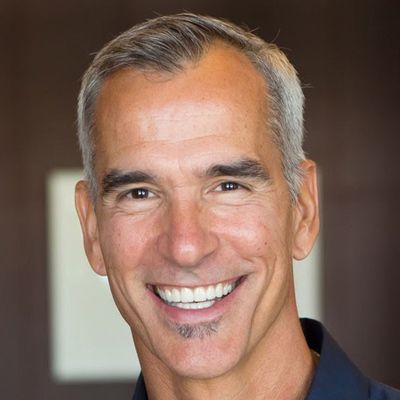
We’re dancing our way into 2022 with two very special guests. Jerry Mitchell is a two-time Tony Award-winning choreographer for LA CAGE AUX FOLLES and KINKY BOOTS, both of which he also directed. His directing credits also include LEGALLY BLONDE, ON YOUR FEET!, and PRETTY WOMAN... Read More
From the show: Broadway Gives Back
Guests
Featured Shows


About
We’re dancing our way into 2022 with two very special guests. Jerry Mitchell is a two-time Tony Award-winning choreographer for LA CAGE AUX FOLLES and KINKY BOOTS, both of which he also directed. His directing credits also include LEGALLY BLONDE, ON YOUR FEET!, and PRETTY WOMAN. Offstage, Jerry has made a significant impact as the creator of Broadway Bares, the annual comedy burlesque show that has raised over 22 million dollars for Broadway Cares/Equity Fights AIDS. Paul Canaan has appeared as a performer on Broadway for over 15 years and served as the Dance Captain on KINKY BOOTS. He’s also the co-founder and Executive Director of Take It From The Top, a national arts alliance that provides quality education enrichment through music, dance, and theatre. Jerry and Paul recently partnered to launch The Original Production, a dance licensing company that offers high schools and theaters the opportunity to learn and perform original Broadway choreography. Join Jerry and Paul as they go backstage with their amazing careers and the importance of arts education for future generations.
Learn more about about the worthy causes discussed in this episodes and how you can donate and/or help:
- Broadway Cares/Equity Fights AIDS
- The Original Production
- Take It From The Top
- Black Theatre United
- The Penguin Project
Connect with Jerry:
- Twitter: @jammyprod
- Instagram: @jammyprod
Connect with Paul:
- Instagram: @paulcanaan
Connect with The Broadway Gives Back Podcast:
- Facebook: @broadwaygivesbackpodcast
- Instagram: @broadwaygivesbackpodcast
- Twitter: @broadwaygives
Hosted & Executive Produced by Jan Svendsen and co-produced & edited by Jim Lochner.
A proud member of the Broadway Podcast Network.
Special thanks to Dori Berinstein, Alan Seales, and Kimberlee Garris from BPN; Julian Hills from The Bulldog Agency; and Eric Becker from Broderick Street Music.
Transcript
This transcript was automatically generated and might contain errors.
[0:05] Jan Svendsen: Welcome to the Broadway Gives Back Podcast.
[0:07] Jan Svendsen: I'm your host, Jan Svendsen.
[0:10] Jan Svendsen: This podcast spotlights Broadway actors, shows, and organizations in their pursuit of social impact and philanthropy.
[0:17] Jan Svendsen: Join us as some of the brightest lights on Broadway share their stories about their favorite charities and how they got involved and the people on the causes who benefited from these philanthropic efforts.
[0:33] Jan Svendsen: We're dancing our way into 2022 with two very special guests. Jerry Mitchell is a two-time Tony Award-winning choreographer for La Cage aux Folles and KINKY BOOTS, both of which he also directed.
[0:46] Jan Svendsen: His directing credits also include LEGALLY BLONDE, On Your Feet, and PRETTY WOMAN.
[0:52] Jan Svendsen: Offstage, Jerry has made a significant impact as the creator of Broadway Bares, the annual comedy burlesque show that has raised over $24 million for Broadway Cares/Equity Fights AIDS.
[1:04] Jan Svendsen: We're also joined by my friend Paul Canaan. He has appeared as a performer on Broadway for over 15 years and has served as a dance captain on KINKY BOOTS.
[1:13] Jan Svendsen: He's also the co-founder and executive director of Take It From The Top, a national arts alliance that provides quality education enrichment through music, dance, and theater.
[1:24] Jan Svendsen: Jerry and Paul recently partnered to launch The Original Production, a dance licensing company that offers high schools and theaters the opportunity to learn and perform original Broadway choreography.
[1:36] Jan Svendsen: I'm so thrilled to have them here today. Jerry, Paul, welcome to the Broadway Gives Back Podcast.
[1:42] Jerry Mitchell: Hi.
[1:43] Paul Canaan: Happy to be here.
[1:45] Jerry Mitchell: Thanks for having us.
[1:46] Paul Canaan: Happy New Year.
[1:50] Jan Svendsen: Well, actually, let's start with this idea of Happy New Year. I wondered what, you know, it's such a weird thing, but I mean, people make resolutions and they think this is sort of this new beginning. And I wondered if, you know, if we sort of latch on to that concept, what are your hopes and dreams for 2022? And you know, sort of what emotions are you feeling or experiencing as we cautiously move into 2022? Paul, go first.
[2:14] Paul Canaan: You want to collect your thoughts. You're the performer.
[2:18] Jerry Mitchell: Oh no, no, no, no, no. Not anymore. I hung my heels. Um, I guess I want to keep on keeping on and try not to get distracted by the fears and you know, the COVID of it all that the place we feel like we were in last year in a way, and the scary place our industry is in. I think there's still a lot of opportunities to inspire people more than there were before in a way. And I just want to be a part of that. I love using theater to inspire all people, but especially young people, because they're literally the future. And I just want to keep on fighting and not get distracted.
[3:01] Jan Svendsen: How about you, Jerry?
[3:04] Jerry Mitchell: This is the second New Year's with living with COVID, isn't it? I mean, it's been a strange year. It's certainly a strange place to be. Two weeks before the biggest, the biggest most profitable weeks in the Broadway market, we were hit with this new variant that just completely took the wind out of our sails, which were starting to collect wind again. Shows were open, the streets were getting packed, you know, restaurants were starting to fill up, and we were in this wonderful place, and now we got hit, you know, kicked in the behind, so to speak. And you know, the good news is I was reading something today about where are we, you know, and we're so much further ahead than we were when this thing first hit us.
We've got vaccines, we've got boosters, we've got knowledge about how to take care of ourselves. So we don't have to shut everything down again. We can keep working, and I'm really optimistic. I think we're kind of going to come back quicker this time with this little variant, and I'm just hoping more people get vaccinated and boosted so maybe we can get rid of all the variants and get back to what we love doing.
[4:22] Jan Svendsen: Speaking of what we love doing and what you guys love doing, you know, specifically for Broadway, you know, as Broadway comes back, do you have any, you know, wishes on like what you'd like to see that's better or different as we re-emerge from sort of the darkness that we've been in?
[4:41] Jerry Mitchell: Well, for me, I was invited to get involved with Black Theater United early in the pandemic. And I spent a good year or more in Zooms with, you know, some of the greatest performers and entertainers and creators in our business, and producers and designers and you know, everybody. And we came up with the New Deal, which is part of Black Theater United, and we're still doing the work, and the work will continue forever. So, what do I want to see? I want to see more inclusion and more representation. But I've always wanted to see that and have always tried to include that in my work wherever I can. So it's another great thing that has come out of this pandemic, a chance for us all to stop, look at our business, and think how can we make it better? Well, we can make it better by being more inclusive and representing more people in the world in our work.
[5:37] Paul Canaan: Absolutely. I think back to what I was saying about how children are literally the future. I think with my education efforts, there's so many, there's a lot of performing arts programs all over the nation that teach you how to get on stage and perform and learn a song from a Broadway show. But what a lot of young people don't know about our business is the business side of it. You can be a director, you can be a designer, you can be a sound designer. There's company management if you're really passionate about this, but don't want necessarily to be on stage. There's kind of a world of TV and film that people don't know about. So one of the opportunities with kind of going virtual into classrooms is that I've been able to bring really cool guests.
Jerry's been a guest of mine a ton with my teaching kids, and just giving them a new perspective about oh, that's another career path than just the performing path. Because I think once they get that in their minds, there's a lot of power in the Broadway community coming up in the ranks with the younger people, and they need to know what they're passionate about. And it may not be performing that they just have access to right now.
[6:45] Jerry Mitchell: Yeah, professional development is so important. If I knew, you know, back then that I could have been a marketing executive for Broadway, that would have been, you know, I wish I had known that. I mean, I stumbled upon it, thankfully. But yeah, I didn't know that there were jobs like that. So I think being able to talk about that to the next generation is so important. And developing that pipeline of diversity again with all of the jobs, both on stage and behind the scenes. And probably, you know, almost more important than anything else is like on the producing side, creating more diversity, right?
[7:22] Paul Canaan: Yes, of course. Of course, absolutely. The people who make the decisions about what gets what content and what stories get told.
[7:29] Jan Svendsen: Yeah. Um, so speaking of stories, I have two stories really quickly. Um, I was thinking about the two of you coming on here, and you know, when I think of you, Jerry, I always think about 9/11. Right after 9/11, we produced that big public service campaign.
[7:41] Jerry Mitchell: Yes.
[7:44] Jan Svendsen: And that was to help sort of bring Broadway and New York City back. And we needed a choreographer. We had 500 Broadway actors that assembled in costume in Times Square to sing and dance to New York, New York. And we hadn't really like it was happening so fast that we didn't really think, oh, and what are they gonna do? Like, how are they gonna move and who's gonna organize this? And you stepped up, you know, in as the way you always do, and you put the whole thing together and you inspired everybody. And that day was such a crazy day. There was so much hope, but there was also like great sadness and fear. But you rallied everybody and you also did these amazing dance moves that everybody, well, except for Elaine Stritch could follow.
[8:27] Jerry Mitchell: Well, she might have followed if she just showed up on time.
[8:30] Jan Svendsen: She showed up late, so no, but you know, it was so interesting because I was in pre-production for Never Gonna Dance, a new musical that I was doing, and I had a team of about 10 dancers with me. And Drew called, Drew, you know, from Spotco, and he said, hey, Jerry, can you help us? We're gonna do this, all the Broadway casts. And I said, absolutely, whatever you need, I'll make it happen. He sent me over the tape. I listened to the tape, came that day and walked into the booth theater, and there in the audience were all of the cast members of every Broadway show. And I stood on the stage of the booth theater. I played the playback and I said, just stand up and do this with me. And everybody stood up and did the choreography, but did about five times.
And then we were called out to our places in Times Square. And as each cast went, I put one of my assistants with the cast. So they went with the cast and they kept working with them while we were assembling, and it was all just when I think back, the magic of what happened and how our community came together is truly one of the reasons I love Broadway so much, and why I feel that there's such a home, a collective home for so many who come to Broadway and work, because when the chips are down, we have a tendency to come together like no other organization I know.
[10:04] Paul Canaan: Absolutely.
[10:05] Jan Svendsen: And you know, I was thinking about you, Paul. And I, as you know, I have a daughter who's severely disabled and lives in a residential program called New Hope Community, and we were doing a fundraiser that was about, I don't know, 90 minutes, two hours from the city. And Paul, you slept all the way up there to this event. You recruited some of your KINKY BOOTS castmates, and you guys performed and emceed the event and helped us raise a lot of money. And over the years, you've helped me so much when I was at the Broadway League with Arts Ed programs for kids, and you know, you just do so much. And I was thinking about that in terms of like this podcast is about giving back, which both of you do sort of just inherently, it's part of your everyday lives.
And we'll get into some of the specifics about your philanthropic efforts. But first, I just wanted to talk about this idea of being a person who acts with purpose, who is of service to others. And I just wondered, you know, what that looks like for each of you. Um, and you know, is this something that you think about? Is this something you strategize about? How do you sort of make that happen in your everyday lives and in the bigger picture too?
[11:15] Jerry Mitchell: I I'll go first because I think for me, for me specifically with Broadway Bares, it was an event that was created out of a necessity, right? I was I came to New York City in 1980, and by 1990, I had lost 10 of my closest friends from college. And I was licking stamps at GMHC for their walk-a-thon and trying to find ways to participate in making change that I could afford. I couldn't afford $500 dinners. I was I was a dancer in a Broadway show, right? And um, I also at the same time was desperate to choreograph a Broadway show and looking for an outlet to show my creativity. And it was Jason Opsall who was a dressing roommate in Troy Johnson and John Ganon, and they said, why don't you go dance on your Indian costume at the bar at Splash and raise money for the Broadway Cares Easter bonnet competition?
So, you know, Broadway puts on these events where they raise money for Broadway Cares Equity Fights AIDS. One of them is the Easter bonnet, and you're always doing bake sales and stuff, but we were trying to think of new ideas. So I called some guys, we got together on the bar at Splash and we basically put on a strip show and raised about $8,000. And I said, wait a minute, this is amazing. I choreographed this, people saw it. I'm gonna do it better, I'm gonna do it with girls. And it just snowballed into this annual event that has, you know, I think the last live event we did, which was two almost three years ago now, raised in one night two million dollars. But it also, in the process of it'll be the 30th anniversary this year when we do the show live, in the process of about 10 years of doing the benefit, producers were seeing my work as a choreographer, and now I was being invited to choreograph a Broadway show.
So I did this thing out of necessity, which became a calling card for my ability to do what it was I wanted to do in the first place. All of that is just sort of crazy when you look back at it. The reason I was kind of philanthropic, or I think I think for me, the reason I community means so much to me, and giving back means so much to me, is because I was taught that by my grandparents, to be quite honest with you.
[13:46] Jerry Mitchell: I had an immigrant grandfather from Italy, and he ran the town I grew up in. He basically had so much property and had a wine, he was one of the first winemakers, and he had a restaurant and a spaghetti business, and he had come from nothing and made money, although we weren't rich, and he had a lot of land. And when my grandfather died, I found these deeds for acres of land that he would give to people for a penny so they'd have a place to build a home. And that was the kind of guy I grew up learning from, you know. So, and my parents, so it was generosity and being philanthropic and helping your neighbor was something that I was definitely taught by my grandparents.
[14:44] Jan Svendsen: Wow. A lot of people have said that they feel like it's been sort of passed down in their DNA, and they saw it modeled for them. I do love saying Papa in Michigan. It's just such a Papa.
[14:59] Jerry Mitchell: Well, isn't there a sign in the town, Jan, that says Tony Award winner Jerry Mitchell lives here?
[15:06] Jan Svendsen: Yes, yes, they put up a sign. How about what's the population of Papa?
[15:12] Jerry Mitchell: Oh, I'm not even sure now. I think it's somewhere between 10 and 30,000, maybe. I'm guessing.
[15:21] Jan Svendsen: But Jerry, Tony Award winner.
[15:24] Jerry Mitchell: Yeah.
[15:25] Jan Svendsen: Paul, you grew up in San Francisco, right? In the city? Is that where you grew up?
[15:29] Paul Canaan: I grew up in Marin and the Bay, just north of San Francisco.
[15:33] Jan Svendsen: Yeah. So what's your experience like in terms of your history informing your efforts, especially with regards to arts education? But what's your story?
[15:43] Paul Canaan: Well, service is such a funny word, it makes me think of when I was Mormon, because I grew up Mormon randomly, and then was a drag queen for Jerry Mitchell for many years. Okay, wait, everybody just has to stop and imagine this in their heads for a second.
[15:58] Jerry Mitchell: Yeah.
[15:59] Paul Canaan: Okay. Twenty years ago, I was a Mormon missionary in Mexico City. And then 20 years later, I was a high kick and drag queen with Cyndi Lauper and Jerry Mitchell in KINKY BOOTS. But it makes me think of being forced to give in a way, like you're doing this because of a religion or because of family and stuff. And I think my artistry and my kind of work in theater has just brought out more of my true colors in a way. I love bringing people together. I love taking ideas and being like, well, who connects to that? Who connects to that? Which I loved always working with you, Jan, because you're someone when you worked at the League that just had a ton of ideas about education and producing this and the Tony Awards, and you just were so good at, well, that person can do that, and that person can do that.
Jerry Mitchell, another mentor example to me of visionary community in a theater. He brings his friends and creates a community in any theater that is respectful and courteous. And the energy in that theater, you know it's a Jerry Mitchell show because everybody's best friends. Everybody wants to show up to work for each other, for him, for the show they care about. That was completely Kinky, but completely LEGALLY BLONDE. My experiences with it. So I've just kind of taken those lessons into what I can do now, which is give back through my arts education program. Also, The Original Production has a lot of education elements that a lot of up-and-coming choreographers and teachers and directors, I think, are learning from the original creators that they didn't have a way to do that before.
But also, I've gotten involved in this great organization, which made me think of your daughter's benefit fundraiser that we did. It's called The Penguin Project, and it empowers young people with special needs through theater, and every kid has a mentor with them on stage. And I've gotten to know that community, and I just feel like disability and special needs is such an underserved community, and theater is such a beautiful way to allow them to be empowered through expression and singing a solo on stage, and that is very exciting to me. And I'm excited to develop new programs for all sorts of special needs, but it's bringing people together for a common good, I think is what I'm passionate about.
[18:28] Jan Svendsen: Paul, were your parents or grandparents like that? I mean, is that where you think it came from? Did it come from your parents and grandparents, your desire to give back, your desire to embrace the community or the Mormon church?
[18:45] Paul Canaan: I think it was them authentically, but also the teachings. I mean, I think there's a stigma when you grow up religious and you're not that religion anymore to kick against it and be like, it's bad and religion's bad. I don't believe that. I believe in taking the good from the way I grew up. There's so many things I appreciate about my Mormon upbringing that I don't want to disrespect. I learned a lot of service in I was in Mexico for two years, living in dirt floors and very different situations, speaking that language, and my parents wanted me to go. My dad went on a mission. It was kind of this legacy that was passed down. And that my parents are definitely what can you do for other people.
My dad's the most serviceable, giving of his talents. He's a very professional graphic designer, corporate branding guy, and he'll do stuff for me for free, for us, for anybody at any time he's needed. He shares his talents. So sharing your talents was always a thing I was taught growing up. That's the sum up of that.
[19:51] Jan Svendsen: Yes. And both of you have been growing up and doing good. And it's almost like a karma thing, because then that good has helped both of your careers in a way too. And I mean, we always talk about when you do it. I don't know how I can't, actually. I don't know how it can't. When you're infused in something like the arts, which we all are, and the arts are usually filled with people who are passionate, right? You don't get into the arts because you're not passionate, you get into the arts because you can't do anything else. You have to be in the arts. So you're surrounded by people with passion, and there's so much passion in the room, there's overflowing cups, and that passion still has to find a place to land. And we get together, and then we come up with these crazy ideas, and we put on shows outside of our shows that make money for people who want to go see shows. It just all feeds itself, really.
[20:51] Jerry Mitchell: It really does.
[20:53] Jan Svendsen: Let's talk about how each of you got involved with dance because both of your careers start with dance, right?
[20:59] Jerry Mitchell: Yep.
[21:00] Paul Canaan: Yeah.
[21:02] Jan Svendsen: So I'm imagining Jerry in Papa, Michigan. I just like saying that. I'm gonna say it a million times. But like, were you dancing around the living room? Or like how did you know? Like, when did you?
[21:13] Jerry Mitchell: I was definitely dancing around the living room. I don't think I ever told my brothers this if they ever listened to this podcast. When I was a kid and the family would leave the house, we had a huge picture window, and I would open the picture window at night because it was like a mirror, and I would dance in front of it and do routines and stuff so I could see myself. And I didn't even know what I was doing at that point because I hadn't taken a dance class. I started dancing at the Pawpaw Village Players with the production of The Music Man when I was 10 years old. That was my first introduction to theater and to dance. And the woman who was the choreographer, Cindy Meath, who's not with us anymore, God bless her, she had the dance school in town, the Meath Dance Studio.
So very much like the musical Billy Elliot, she kept trying to get me to come to the studio, and I wasn't going, I wasn't going, it was all girls, it was all girls. Finally, by the time I was 15, I broke my collarbone racing a friend home on my bicycle after football practice, and I went, I'll go now. This is an excuse to keep my legs in shape for basketball next season. So I went to dance class and I never left. And she was really the one who put the hook in my mouth and got me in the room, and then I never left the room. But then I didn't really learn ballet until I stepped onto campus at Webster College, where I went to school, and Gary Hubler, the teacher there, took me under his wing and gave me a foundation in ballet, which served me to get to Broadway. So yeah, dance was always there.
[22:47] Jan Svendsen: So you're the Billy Elliot story, and Paul, you're the Book of Mormon story.
[22:55] Paul Canaan: Just dancing through the hallways of the Mormon church.
[23:02] Jerry Mitchell: I definitely tumbled on my mission a lot in full garb elder Canaan situations. But for whatever reason, I was actually a gymnast for a long time. I would be, I was this hyperactive kid, and my mom was like, You're this was a nice way of undiagnosed hyperactivity. She was like, Your spirit is way too big for your body. We need to get you into gymnastics or something so you don't knock yourself out and hone this energy. So when I was like eight years old, I was in a gym just flipping and flipping, and they'd put me up on the bars. Anything that I could use momentum, I was good at. Any just brute strength, I wasn't so great at. But I was on the team, so I would like lose at Palma Horse and all that, but I would like win at floor and stuff.
So for about four years, I like competed as a gymnast, and then my mom was like, There's a local theater that needs a boy to be in Bye Bye Birdie, and I'm like, what is that? Is that like Gene Kelly? Because I remember watching old movies of dance stuff, and I'd always kind of get excited about the dance of it all. And I was in Bye Bye Birdie and I was Harvey Johnson, and I rocked it out, and I was like, What are these costumes? What are these people? What's this choreography? I was obsessed with the director. In my mind, she was Steven Spielberg. I'm like, you're a genius. You are brilliant. This is crazy. So from there I was hooked. I did every show I could. And then my parents took me into the city to see Crazy for You. And I sat in the audience and all my little bones were tingling. I was like, I want to do that. I want to do that.
[24:39] Jan Svendsen: How old were you when you saw that?
[24:41] Paul Canaan: I think I was in the seventh grade.
[24:43] Jan Svendsen: How old are you in the seventh grade?
[24:44] Paul Canaan: Twelve.
[24:45] Jan Svendsen: Yeah. And I came back to my English class, and my teacher, Miss Farkas, she asked me to recite what I had seen, and I was like, and I talked for like 20 minutes about the whole show Crazy for You. So yeah, I just did everything I could. I took dance, like Jerry. I went, my mom took me to this college. I was the only guy. It was all these women, and they were college girls, but in my mind they were like older women. I'm like, I'm scared. What's happening? But I just danced and danced and danced, and here we are now, all these years later.
[25:20] Jerry Mitchell: Pains to prove it.
[25:22] Jan Svendsen: It's so cool that both of you really did start off in your local sort of theater and local dance schools. And it just shows you, you know, that that's really where what needs to be supported, which kind of comes back to the work that you guys are doing.
[25:35] Paul Canaan: I say that all the time to people when I talk to younger people, especially, especially to younger people, because I realize everyone comes from a different background, a different town, a different world, a different experience. And I say, get involved with any theatrical thing you can get involved with, whether it's a church, a school, a community theater, this the town next door to your town. If you can get there, do it. Acquire a cheerleading squad. I used to choreograph the pom pom girls in my high school and the flag team because they needed a choreographer. And I'd say, and I hadn't even choreographed. I said, I'll do it, I can figure the routine out. And I made up the routine for them. And I think back, and I think there were some good routines I made up at like 14 or 15 for those people.
[26:25] Jerry Mitchell: Yeah.
[26:26] Paul Canaan: That's awesome. It was just because I wanted to do it and they needed it, and I said, I'll do it.
[26:32] Jan Svendsen: Yeah. So it was experience. I also note my teacher in high school, my theater teacher all through high school, she directed every show. This weekend, randomly, they had a cafetorium, if everyone knows what that is. Like a theater.
[26:46] Paul Canaan: I don't know what is that?
[26:50] Jan Svendsen: It's basically a cafeteria that they put a platform in the middle. And that's where you do theater. It's not a real theater, it's like a makeshift. And we had that all through high school. This weekend, they've raised enough money and they've built a huge theater that they're dedicating to my teacher Emily Gates that's happening this weekend. I've seen pictures and it's beautiful. And which is exciting. But she's someone that always let me be me and let me do what I wanted to do. I could she I didn't know how to choreograph like Jerry was saying, the show choir, and I watched Paula Abdul videos and I watched TV and I picked up steps and was like, what if we did like this move, everybody?
[27:33] Paul Canaan: And we all did it, and then I learned more the next year, more the next year. So Jerry's the same way. Jerry's such good at collaborating ideas and working in a studio with all his dancers. He gets everyone in, he's not like, I'm here to tell you what to do. We're here to work together to create something really cool. I mean the idea Paul Paul Paul Paul does a lot of pre-production for me. So by the time we go into rehearsal, usually the routines are kind of figured out, and we basically have the rough structure of how I want a musical number to go. But the gazin to, as I like to call it, how we get into the number, how we get from the scene to the number, and how we get out of it, and the transitions are usually things that happen more organically once you have the cast together and you sort of see what their gifts are.
And I'm always trying to find ways to bring their gifts to the production. I hired them because there was something about them in that audition that really turned me on. And I don't want to squelch that. I actually want to bring that out or highlight it or even raise it up so we can have more of it in the show. I think it's what makes it unique when you see a show where people are individuals. I really love that. I love the raise it up. Reminds me of KINKY BOOTS. Shout out. Shout out, KINKY BOOTS. Um, Jerry, you worked with Michael Bennett and Jerome Robbins. Like, what was that like to work with those legends? And what, you know, what did you learn from them? Or what did you teach them?
[29:04] Jerry Mitchell: Oh God. So the way it worked for me was, you know, this have you seen the new West Side Story, by the way, which I absolutely loved. And, you know, West Side Story was all through my life from 15, 16, 18, 22, you know, I was in productions, and so finally I get to work with Jerry Robbins. But before Jerry Robbins was Michael Bennett, Michael had hired me and Bob Avian to be in the national tour of a chorus line between my sophomore and junior year of college. I went on the road with a chorus line. And then I got a Broadway show. Well, I had gotten the Broadway show before I got a chorus line. So I was in New York, and then Michael was doing this new musical called Scandal. And I'd been in New York for about three or four years now, and I was working I was in on your toes, and I was on the Tony Awards dancing for Albert Stevenson, who choreographed extra dancers on the Tony Awards.
This was when Hilde and uh uh Cohen when they produced the Tony Awards all those years. So I was a dancer, and Michael was being honored, and he saw me and he said, Hey, uh, I remember you from a course line. I'm doing I'm doing something. Will you come hang out at the studio? And and so I went to the studio and he was doing a fashion show for Jane Fonda. Jane Fonda had her aerobics thing, and Theoni Aldridge had designed the Jane Fonda fashion wear outfits. And he was putting on a one night a one-day like, you know, Millican show at the Schubert with Broadway dancers showing the fashions of Jane Fonda workout wear. And BB Newark was in it. I mean, everybody on Broadway who was dancing at that time was in it, and Michael created this pot of duh, and he had us go in the room, couples and work on it, and then he picked myself and Jody Mocha to be the stars of the fashion show and gave us the potada duh.
And when that was done, he said, now you have to come work with me on Scandal. I'm doing this ballet called the Menage A Trois Ballet, and I need your ballet technique. I don't know how to do that, and we're gonna put together this big number. And so I worked with him for a year and a half on Scandal, and then Scandal kaplotzed, and he took, he he took me, he took me to London on the on the Concord, he and Bob, to be his assistant on chess, the original production of chess. And I went to London with him, and we cast the entire show, and we came back, and that's when he he left town because he was sick. Not we didn't know what it was at the time, or I didn't know. And then Bob and I went back to do Folly.
So that was my whole period with Michael, about three years of working with him, being by his side and learning from him, basically living at 890 Broadway. And it was intense, he was unbelievably focused, and he also was incredibly generous to me. So those are the things I remember most. I remember his passion. He would sit in a chair. You could smoke in rehearsal rooms at that time. He would sit in a chair and smoke. And he wouldn't get out of the chair. And I was doing most of the choreography and the dancing with Danny Herman and Jodi Mocha. But when he got mad, he would get up with a cigarette in his mouth, and he would do the routine or show you a step. And he hadn't even, we'd never seen him do it.
He was just getting up and doing it because he he watched it so many times. Do it like this. And he'd throw himself into it, and it was like, he didn't even do a stretch. He didn't even warm up. Oh my God. And uh it was thrilling, actually. And then I had the opportunity to work with Jerry Robbins. And so two years of my life putting Jerome Robbins Broadway together, and the same same characteristics, same everything. And so the thing that I walked away with with those guys were the gifts that I now use in my own work. But things that I already had inside of me that they just helped bring out, which was an endless sort of energy and passion to get the job done. And their frustration when people say Jerry Robbins was mean or Michael Bennett was mean, I think to myself, yeah, sometimes they were, but mostly they were mean because they were frustrated with themselves, and they didn't have a, they didn't have a filter with their own frustration in their inability to get it finished.
That's when I saw them be most upset. They were upset with themselves. Basically, what I'm also saying is that I never come into the room expecting anyone in the room to do anything that I can't do myself. I want everybody in the room to be able to come in with that same energy, that same focus, that same passion to work on the piece. That's what creating is that's what's special about creating.
[34:16] Paul Canaan: Well, that whole thing just makes me wonder in general if the mental health of this industry is changed in a way, because you you hear stories of Bob Fosse and all these people with tempers and their creative art. And if it doesn't go right, everything's falls apart. I I've never heard Jerry Mitchell scream and yell, and I've worked with him for the last over 10 years, 12 years. We've worked, we did Lakage in 2005. Yeah. Um, the other the other person who I didn't mention, who sort of was the the director who stepped into my life, because when I think of Michael and Jerry Robbins, even though they were directors, they were dancers and choreographers first, like I was. But the person who was only a director was Jack O'Brien was not just a director, he ran a Lourdes theater for years.
And so his ability to be the uh democratic person to show everyone the time and the focus and the love to help them come on board to create the vision was a really unique gift to find at that time. And Jack and I collaborated for 10 years together on musicals. So I learned from him how to be less of a ballet master and more of a democratic director.
[35:42] Jerry Mitchell: Yeah, nice. Paul Lacage Faux, LEGALLY BLONDE, KINKY BOOTS. Yeah, like any stories from there from those days or any anything you want to talk about, Jerry.
[35:57] Jerry Mitchell: I don't know anybody. Well, always, always. No, but for no, for you, for your own development and stuff. Um, you know, we're with and I know with legally blonde too, you were also on the TV show that was the lead the reality show for King for LEGALLY BLONDE. Which was such a blast. I really was only on it because Jerry had just filmed a TV show with Bravo, and the contract was he couldn't be on this other TV show, he could only be on it for six minutes, and they were like, Well, that's not enough for a judge, he'll just be kind of this presence, and we'll use those six minutes in the finale and kind of throughout and insert randomly Paul Cain and I wasn't a dance captain on the show, I wasn't anything.
It was basically Amanda Lippitz and some of the producers that were like, Paul's gonna be on the show. I was like, excuse me, what's happening now? Um, so I'd do the show all day and then go jump rope at night and run, wake up in the morning and be TV ready and run back. Um, but Jerry, I I had heard of Jerry, because I came to New York in 2000. I was a Miss Saigon with Jody Moshe, who we was talking about, she was the dance associate there. And I remember auditioning I saw Hairspray and Thoroughly Modern Millie, and I was like, these are the two best shows on Broadway. I've got to be in both of them. And I went to a hairspray audition and I walked out being like, that was the most fun audition I've ever been to in my life.
That guy, that tall guy had such a great energy. There was a live drummer in the room. He was like, dance your asses off, have fun. It was just this exhilarating human to be around. So when Lakage came around, I was there auditioning, and I've never worn heels before and I'd never worn makeup before. But I was like, hell if I'm gonna flip my face off in these heels as much as I possibly can. And then I got the show and working, I just would chime up with ideas, and he was open to it. And I think he thought I talked too much, which I do for sure. But we just formed this friendship. I was like, this is someone that I would do theater with in high school. Like we just felt like like equals and just doing we had fun, what we were doing every single day.
[37:58] Jerry Mitchell: When you're when you're working when you're working on a show, you I want people in the room who are willing to just try anything. And Paul was crazy. And he would try anything I made him try, including throwing him over the open orchestra pit into the splits. And I didn't know if I could do that, but I said, let's try. And so it was became a step in Lacaja Full. I was throwing guys, two guys would throw a guy over the open orchestra pit and landing in the splits. And I said, Come on, Paul, try it. And Paul did it. And I went, This is fabulous. Let's do it again. You know, but that's the kind of stuff you want people. And I remember the first time we were working on the uh the conveyor belt number and kinky kinky boots, and Paul had to go to the dentist.
I mean, we were running it for the first time in the rehearsal room at New 42. And Paul had to go to the dentist. And Paul had done all the pre-production of it and everything, but he came back in the room and we were actually running it, and he was watching it for the first time. And I don't remember the exact thing you said to me, but you said something like, Oh my god, that is unbelievable. And by this time, I hadn't lost lost confidence in the number, but I had certainly in my mind uh chopped the number up to are we doing this, are we doing this? Are we building here? Is it landing? I wasn't looking at it as a number in the show, end of act one. I was looking at it like, is it doing what I need it to do?
There were so many times the producers asked me to lengthen it, make it longer. People in the audience in Chicago were writing more dancing, more conveyor belts, and I went, no, no, no, no, no, no, no, no, no, no. Less is more, never. I even cut some stuff that we had done in pre-production out of it because I wanted it to really make an impact, and I didn't want it to outwear its welcome. So, but Paul's Paul saw it, and Paul was like, Oh my god, and I was like, Okay, it's working. That was the first person, really, who that was the first time I actually believed there was a number there when Paula came back from the dentist.
[40:10] Paul Canaan: Oh, that's sweet. When Paul came back from the dentist, sorry in my memoirs. When Paul came back from the dentist, and you wore those heels really I hear the sirens sounds um, I miss New York right now. Um, and you wore the heels really well in both Lakage and in KINKY BOOTS. I loved your well in Lakage, our heels were about two and a half inches wide, tie high in kinky boots. I did a backflip in five-inch heels. I remember yes, yes, he did. The first time I did that backflip, I was like, how do I now I bend down and then I just hurl myself through space? What happens here? But Jerry sets that environment. I'm like, I'll do anything for you. Let's try it. Um I I love the idea that um you know there's sort of a bridge, I think, between this idea of collaboration and also the idea of philanthropy, because that's also kind of a collaboration, right? You're you're collaborating in a different way.
[41:06] Jan Svendsen: Um Paul, I want to go to you and just talk a little bit about Take It From The Top. I remember when you were starting this company, and um and now it's you know, you're just doing so much work. Can you just tell us a little bit about that?
[41:18] Paul Canaan: Yeah, I mean, the whole idea behind it is that as we're talking about being young people and grasping for kind of resources to do theater, I didn't know anyone, I didn't know those guys that were up on the Crazy For You stage. I didn't know anyone who'd walked this path of professional Broadway theater. I was in California dancing in my backyard and doing flips. So once I came to Broadway and saw um that there's such a need, there's such a there's and especially with the with Glee and Smash and movie musicals coming back, there's such a surge of people all over the country that are desperate for musical theater. So me and Laura Bell Bundy from LEGALLY BLONDE, obviously, we s we were like, how can we give back?
How can we create programming and curriculum and get these people hearing the real stories about Broadway and what a headshot is and all this stuff? So that's kind of why and where it started from. We're in Michigan at the Dr. Um, sorry, we're in Michigan, the Wharton Center. We're in Orlando, the Dr. Phillips Center. We do a ton of master classes, we've been all over the place. Now so much of my passion is just the world is in so much upheaval and crazy madness. My goal is to get on these Zooms in these classes, and I'm not so much focused on getting people to Broadway. I'm I so much want to start the conversation of how can we just all be good humans? Yes, you just sang a song. What do you think this human's going through?
What do you think they're doing? And thinking differently about just who we all are because whether they go into this or not doesn't matter to me. I think people are gonna be successful in any career having sung a song, considered other characters, the empathy that goes into that, having danced and according thinking about the way your body moves. I think anybody can use this the life skills that come from theater.
[43:15] Jan Svendsen: I think that's so true. And as somebody who has you know no talent, and back to West Side Story for a second, seventh grade, when you were like, you know, already like working on your dancing in seventh grade. I was in Mr. Lachey's theater arts class, and I was a Jet girl, and I realized immediately I was on the stage, and I um you remember Mary Bond who was in Hairspray?
[43:40] Paul Canaan: Of course.
[43:40] Jan Svendsen: She was in my class in seventh grade in Mr. Lachey's Theater Arts class. And I remember um looking at her, but I also remember just being, you know, Tony's dead, right? And I'm like, you know, on the ground and I'm crying, and I thought, I could never be an actor ever. I have no talent. But I realized that that experience of being part of that ensemble and um working together and working collaboratively, and like you said, the empathy that you have to have and just all the skills that I learned, you know, everybody should have that, whether they're gonna be um, you know, whatever walk of life they're gonna choose, it just adds so much value to your life, right?
[44:22] Paul Canaan: Yeah, I mean the arts, the arts what you're doing is you're asking you're asking people to challenge themselves when you invite them into a show, into a dance routine, into a song. You have to do this. You actually have to stand on the stage and you have to do nobody can do it for you. So you're teaching them to do for themselves, right? If they can conquer a song or a dance or a monologue, they can conquer something else in whatever walk of life they decide to go into but by themselves. And that's sort of a gift you're giving people, Paul. You're definitely giving them that gift.
[45:00] Jan Svendsen: And also Paul has Paul has found some amazing people around the world with his program, which I don't know this, but I hired there's a there's a person in the tour of PRETTY WOMAN, M, and sh that they are spectacular. They are a spectacular performer. And and they took your class, didn't they?
[45:29] Paul Canaan: The original M was in our original Take It From the Top that we did at the Wharton Center.
[45:33] Jan Svendsen: Yeah.
[45:34] Paul Canaan: And now didn't reach out to me. They're just posting all this stuff about PRETTY WOMAN. I was like, you need to tell me if you're doing a show with Jerry Mitchell. But in Michigan, too, there's so many rural areas that do not have arts programs. They have to drive two hours to come to the Wharton Center. And then with the pandemic, their arts is just totally cut off. We have a trans student actually who felt very bullied at school and met kids through Take It From the Top, the online version of Take It From the Top that we've been doing for the last year and a half, and moved schools into another school nearby with all the friends that um they had made in the in the program. And Rhoda wrote me and me and my partner Jacob this long letter about like thank you, thank you for this.
I would never have the resources to reach out of my bubble and know any of this stuff. So it's not just always about the performing, it's about people's lives and and humanity. That's really the crux of the art form, anyway.
[46:33] Jan Svendsen: That's deep. But when I think of the two of you, also the other image that comes into my mind are um handstands on the beach.
[46:42] Paul Canaan: Oh yeah.
[46:43] Jan Svendsen: Yes, I was just saying that we've got it. We're this this summer when we are finally able to get together after two absent summers, we're gonna have to take three pictures. Wait, so you've done this like what 10 years?
[46:56] Paul Canaan: 10 years?
[46:57] Jerry Mitchell: Uh I'd have to go count on the wall, but there's a picture for every year. I think about 10 years, yeah.
[47:02] Paul Canaan: And one in one in Mexico, where we ended up on the same beach, not even knowing that we were both gonna be in Mexico. We were in the heat of the original production, just filming stuff. It was Jerry's birthday. He was like, Well, I'm going to Mexico. And I was like, Yeah, yeah, yeah. Okay. Well, what about our meeting, our meeting? And I was going to Mexico. I didn't even think about the word Mexico. I was going for a friend's birthday as well. And we were in the hotels next door to each other and didn't even realize it. And then we walked out on the beach, we got a margarita, we did a handstand, took a picture, took Jerry out to dinner for his birthday. It was the most random thing ever.
[47:38] Jan Svendsen: So for anybody listening, these two do handstands on the beach. Is it in the summer? Is it like a special day?
[47:42] Paul Canaan: Oh, yeah.
[47:44] Jerry Mitchell: Every summer.
[47:45] Paul Canaan: Every summer out here on Fire Island, we try to do it. We try to push it towards the end. And there was one summer when I was in KINKY BOOTS that I um ran out the door and decided to do a front hand spring on the uh boardwalk, and I broke my toe. And Jerry was like, Well, you're out of the show, but let's see if we can do this handstand. So a friend of ours literally carried me onto the beach, and in the picture that we have, I you can see my toe is wrapped up with like tape from your drawer or something.
[48:13] Jerry Mitchell: Funny.
[48:14] Paul Canaan: So we we make it happen no matter what. Well, other than handstands, you now you guys have also we are partnering on The Original Production. And so you tell us exactly what you do. You're taking original choreography from Broadway shows, and you're helping to teach that and license that to productions around the country in high school. Is that what it is?
[48:35] Jerry Mitchell: I had I had when I was doing Hairspray and and mostly with LEGALLY BLONDE because there was the MTV taping. Um people started to use the choreography and copy it and use it in their productions. And I wasn't really looking to make money from that, but uh what I was really trying to do was I said, if they're gonna do it, I want them to do it right. Can't I provide them with a CD or a DVD at the time that would allow them, allow them to be a collaborator or me to become a collaborator on their production and help them understand that a step isn't just about a step, it's usually connected for me. It's always connected to the story you're trying to tell in the musical. So I got this idea and I kind of pitched it to MTI and Freddie Gershen thought it was a wonderful idea and Drew, and so we sort of got together, Paul and I, and uh we have an amazing uh producing funding uh friend who is who has helped us get it off the ground and our partner, and basically what we're trying to do is provide anyone who wants it, the original Broadway choreography with the original Broadway choreographer attached to tell them the story behind the steps.
And each each show has a different um a different uh, you know, it's done differently, but it's all it all comes to you in like DVDs and not DVDs in downloads, and you can download it and Paul, you talk about it. You can tell you can tell better than I can.
[50:12] Paul Canaan: The goal is not to download it, it's all streamable, but it's been really fascinating and interesting because LEGALLY BLONDE, people watched on MTV, and a lot of productions were like sending us, hey, we did it just like you guys. Um so we were like, let's film all this and see if the choreographer can kind of monitor, monetize on their intellectual property because a lot of people are just looking it up on YouTube now, which didn't exist, you know, 15 years ago. But what we've learned being in the space is that regardless kind of of who's choreographing it, there's so many teachers and directors, especially in the junior highs and high schools, that don't have the resource to choreograph a big Broadway musical.
And it's usually the choir teacher that, which when I was in high school, she was essentially our choir teacher directing Brigadoon and Music Man and all these shows. So I would try to figure out how to choreograph these shows. But what they're doing is giving them to the students. If they have a student that kind of excels in dance, they're giving these videos and access to all of these videos. And this kid gets to spend four hours with Jerry Mitchell learning every step to LEGALLY BLONDE, every step to Hairspray. Then they can go in and use what works for them. They don't have to use every single step that he did. Like, oh, you guys can't do the double risk. I say do you may have you may have 20 nicest kids in town.
I only had 10 on Broadway. So use as many people, it change your patterns, but here's the basic idea. So it gives them it gives them room to create for them for their own production, but yet gives them some sense of understanding about what it was we were trying to do in telling the story with the choreography.
[51:49] Jan Svendsen: Yeah, I love that idea. But before we before we end here, I just um I wanted to ask you. I mean, obviously, arts education has been a huge part of both of your lives and what it means for you and for and for future generations, but also what advice would you give listeners about taking action and supporting important causes and being, you know, humans of service to others?
[52:13] Paul Canaan: I I would say nobody does it on their own. You know, it just doesn't happen. It just isn't the way, it isn't the way the world works. It works best when we come together and we work together to make a fabulous show. So why shouldn't that be the way it is about everything? So yeah, get involved and and remember if you are lucky enough to have any sense of success, how you got there and how you can pay that back to the people who got you there.
[52:41] Jerry Mitchell: And I would just kind of say what I what I tell my students: show up. Show up where you can, how you can, when you can. I mean, if you have there's so many um fundraising efforts going around, and everyone's like, oh, well, I'm not a person that could donate a thousand dollars to something, but I'm good for 20 bucks for a ton of different, not a ton of different, but give what you can. The most valuable, the most valuable gift you can give is your time. Your time. That's the most valuable gift. So give your time. And be a part of the conversation. Listen, listen to what what everyone's talking about, and just be a part of the conversation. It's so easy to burrow away into our houses with this pandemic and hide from everything. But there's a whole world that's happening, and everyone's trying to a lot of people are trying to make the world a better place. And you can be a part of that if you show up.
[53:36] Jan Svendsen: Yeah. Well, thank you both for showing up here today. And I'm so privileged to have been part of this conversation. So thank you again, and I adore you both.
[53:45] Jerry Mitchell: Thank you for having us.
[53:47] Paul Canaan: For having us.
[53:48] Jan Svendsen: Thanks for listening to this episode of the Broadway Gives Back Podcast. Broadway Gives Back is part of the Broadway Podcast Network. Special thanks to my producing partner, writer, editor, and friend Jim Lochner. And thank you to everyone at BPN, including Dori Berinstein, Alan Seales, and Kimberlee Garris. I'd also like to thank Julian Hills from the Bulldog Agency and Eric Becker from Broderick Street Music. If you like what you hear, don't forget to subscribe and rate this podcast wherever you stream your podcasts. You can also follow Broadway Gives Back on Facebook and Instagram at Broadway Gives Back Podcast. And on Twitter at Broadway Gives. To learn more, visit BPN.fm slash Broadway Gives Back. Thanks so much.
© Broadway Podcast Network, All Rights Reserved