

For over 20 years, Project ALS has been on the frontlines in the fight against ALS, identifying and funding scientific and medical research that will lead to the first effective treatments and a cure. To date, Project ALS has raised over $120 million... Read More
From the show: Broadway Gives Back
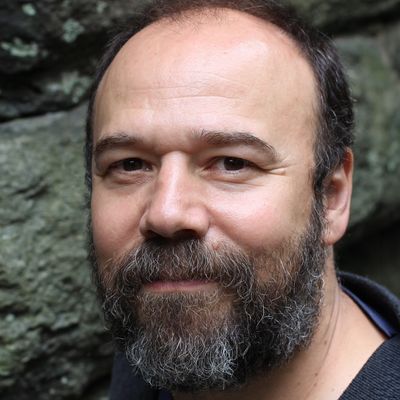
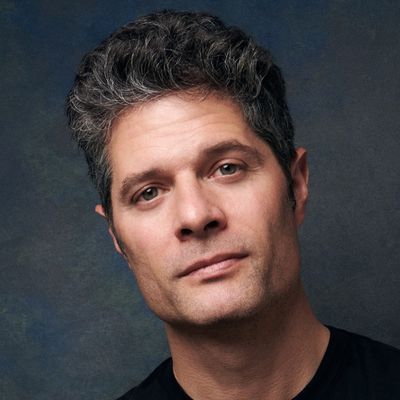
Guests
Featured Shows
About
For over 20 years, Project ALS has been on the frontlines in the fight against ALS, identifying and funding scientific and medical research that will lead to the first effective treatments and a cure. To date, Project ALS has raised over $120 million.
Join three of Project ALS’ biggest supporters—founder Valerie Estess, Broadway icon and 7-time Tony Award nominee Danny Burstein (and a nominee again this year for his role in MOULIN ROUGE), and Tony- and Pulitzer Prize-winning composer Tom Kitt (and a Tony nominee again this year for his orchestrations on JAGGED LITTLE PILL)—as they talk about their work with Project ALS and what it means to them.
Learn more about Project ALS and how you can donate and/or help:
CONNECT WITH DANNY
- Instagram: @dannybur
- Moulin Rouge
CONNECT WITH TOM
Connect with The Broadway Gives Back Podcast:
- Facebook: @broadwaygivesbackpodcast
- Instagram: @broadwaygivesbackpodcast
- Twitter: @broadwaygives
Hosted & Executive Produced by Jan Svendsen and co-produced & edited by Jim Lochner.
A proud member of the Broadway Podcast Network.
Special thanks to Dori Berinstein, Alan Seales, and Kimberlee Garris from BPN; Julian Hills from The Bulldog Agency; and Eric Becker from Broderick Street Music.
Transcript
This transcript was automatically generated and might contain errors.
[0:05] Jan Svendsen: Welcome to the Broadway Gives Back Podcast.
[0:07] Jan Svendsen: I'm your host, Jan Svendsen.
[0:10] Jan Svendsen: This podcast spotlights Broadway actors, shows, and organizations in their pursuit of social impact and philanthropy.
[0:17] Jan Svendsen: Join us as some of the brightest lights on Broadway share their stories about their favorite charities and how they got involved and the people on the causes who benefited from these philanthropic efforts.
[0:34] Jan Svendsen: For over 20 years, Project ALS has been on the front lines in the fight against ALS, identifying and funding scientific and medical research that will lead to the first effective treatments and a cure.
[0:45] Jan Svendsen: To date, Project ALS has raised over $120 million.
[0:50] Jan Svendsen: And today, I'm so thrilled to welcome three of Project ALS's biggest supporters.
[0:55] Jan Svendsen: Founder, Valerie Estess, Broadway Icon, seven-time Tony Award nominee, including this year from MOULIN ROUGE, Danny Burstein, and Tony and Pulitzer Prize-winning composer and Tony nominee this year for his orchestrations for JAGGED LITTLE PILL, Tom Kitt.
[1:12] Jan Svendsen: Valerie, Danny, Tom, welcome to the Broadway Gives Back Podcast.
[1:16] Valerie Estess: Thank you.
[1:16] Danny Burstein: Thank you.
[1:18] Jan Svendsen: So great to have you here today.
[1:20] Jan Svendsen: And before we begin our conversation, I would actually like to dedicate this podcast episode to Rebecca Lucer.
[1:27] Jan Svendsen: Rebecca passed away from ALS in December of 2020.
[1:31] Jan Svendsen: Becca was an amazing multiple Tony-nominated actress and singer and recording artist and philanthropist.
[1:38] Jan Svendsen: She was Danny's beloved wife.
[1:40] Jan Svendsen: She was Tom's friend, and she was a huge supporter of Project ALS.
[1:44] Jan Svendsen: Tom's about to release a new album called Reflect that includes a song that was written by Danny and Becca and Tom.
[1:50] Jan Svendsen: And I was hoping that before we start our chat, maybe each of you could just say a few words about Becca and I'll share a story too.
[1:59] Danny Burstein: Well, I guess I'll go first. Becca and I were married for 20 years and together for about three and a half years before that. And she was a wonderful, amazing, incredible human being. She was an incredible artist, an incredible friend, a wonderful wife, wonderful stepmother, and she's been gone almost eight months now, and I still can't believe it. Still can't believe it. Still expect her to walk in the door one day and just be as happy as ever and shining and smiling and bringing all that wonderful energy that she brought into my life. She did so much before she passed to raise awareness about ALS and raised a bit of money for Project ALS and posthumously, other organizations have helped have used her name to raise money for ALS and it's something that's obviously important to me, and it was very, very important to her.
Unfortunately, a cure didn't come in time for her, but maybe we can help other people out and we can someday put an end to this awful, awful illness. She's missed greatly by myself and everyone in her family and all her friends, but her legacy of incredible beauty and strength and talent and her music lives on and her advocacy lives on.
[3:58] Jan Svendsen: It's beautiful. Tom?
[4:00] Tom Kitt: Well, I also want to just say what an honor it is to be here talking with Danny and Valerie and an honor to be working with Project ALS. I've been working with Project ALS for a number of years, and it's one of the most inspiring, important groups that I've ever been around. And for something that is such a debilitating and awful disease, you leave any moments with Project ALS feeling hopeful and inspired through their creativity and generosity and tenacity. So this is truly an honor. I'm always going to feel like a bit of a kid who's coming into the Broadway community and hoping that people will give me a chance and say hello and notice me. And I think that's just always gonna be a part of the 20-year-old that or 22-year-old that came out of college and started to meet people.
There's something about that. And I'll never forget being pulled into this community that was doing concerts at Symphony Space that both Danny and Rebecca were very much active in and performing in. And of course, I would hear Rebecca sing, and like everybody, you're just knocked out by the sound. It's angelic, it's transformative. And to me, it was on such a high level that I just thought, I'll never get to be in that sphere. Well, I'll never get to work with someone like that and even know someone like that. And then I was asked to create a song for a concert, and I wrote a song about basically it was a rock song from the mind of a five-year-old or a 10-year-old, like maybe a 10-year-old, because I remembered when I was a kid, I had a crush on my teacher.
And I thought, well, what if I could have expressed myself like a 20-something roaring rock star? So I wrote this song called Don't Fail Me Now about my teacher, Mrs. Hamburger. I'll never forget Danny and Rebecca both seeking me out to tell me how much they loved the song. And again, for Rebecca, who I had just seen on this level to suddenly come down and be earthbound with me and say that she loved this rock song that I wrote, it's just I can't tell you what it meant. And I went home flying. And I think that both Rebecca and Danny, they're just so supportive, they're so loving. And for someone like me who was just desperate for any kind of support, it meant the world. And so I miss her and I very much wanted to write a lot of songs for Rebecca. And so the fact that I was able to create this with Danny and Rebecca, I can't tell you what it means to me.
[6:43] Jan Svendsen: Nice. Valerie?
[6:45] Valerie Estess: Hey, Jan. Yeah, thank you so much for inviting me into this conversation today. Rebecca, for me, her influence and effect on me predates almost Project ALS, which is a nonprofit 501c3. We incorporated in 1998 when my sister Jennifer, who was 35 at the time, was diagnosed, you know, kind of like Rebecca out of nowhere, seemingly, with ALS. And Jennifer also worked in the Biz. She helped to run a company called Naked Angels, which was a pretty big deal back in the 90s. And when Tom heard that Jennifer had been diagnosed, we had so many people in common, people throughout entertainment, Broadway to Hollywood just came on board and started helping Project ALS to raise awareness and funds for research.
But I want to talk about Rebecca on a personal note, and that is from the first time I heard her voice, just as a Broadway hound of sorts. I'm like a Broadway fangirl. I had never heard a voice like that. And I think when I first met Danny and Rebecca, I was a little nervous. But I tried to explain the effect that her voice had on me. When she opened her mouth, it was like it was all there. It was kind of gold. She opened her mouth. And you know how some singers kind of have to get there? It just, I don't know how to put it in technical terms. I can only speak for my heart, but as a performer, as a musician, she had a profound effect on me. And I kind of muscled my way in on behalf of Project ALS when I heard that she had been diagnosed with ALS.
And I just want to cut to the chase now that Rebecca and Danny came on board with Project ALS right away. They helped us to raise over $150,000 for a program that was an early development of an ALS drug called ProSetin. And I just want to announce here today, we finally got the letter from the Food and Drug Administration on Friday that allows Project ALS and its colleagues to go into phase one trials with ProSetin. And we couldn't have gotten there without Tom Kitt over all this time and Danny with your incredible advocacy and your friendship. And most of all, Rebecca, who just after she was diagnosed, said, let's kick some butt. And they did it. And we're there. And I miss her so much. And we work in honor of her and in memory of Rebecca Lucer every single day.
[9:34] Jan Svendsen: Wow, that's amazing news about the ProSetin. So congratulations. And I guess we'll get into that a little bit later. And I want to hear more of the details about how that rollout happens and what that's gonna do. I want to share my story of Rebecca. So my fiancé produces and directs the Kennedy Center Honors. And I forget which year it was, about four or five years ago. There was a performer who I think got sick about 24 hours before that person was supposed to go on live television. And so they reached out to Rebecca to see if she could fill in. And on such short notice, she did, and she killed it. She just crushed the song. It was an amazing performance. But the part that was for me so special too was I was seated literally in front of Danny and Rebecca in the house.
And Rebecca comes out to the house after her performance, and there we are in the exact same gown from Alice and Olivia. And most people, especially most women, would go, oh my God, and they'd try to run away or get seated somewhere else. But she completely embraced it. And she's like, let's take a selfie. This is so awesome. And it was so much fun. And most people would not have reacted that way. And she was just, you know, just had so much grace. And she also just was amazing as that last-minute performer. So she was an incredible person. I'm so grateful to have just known her a little bit. Anyway, let's take a deep breath and let's talk a little bit more about philanthropy, about Project ALS, and about Broadway.
So, Valerie, let's start with you then. Let's talk about causes and charities and for a variety of reasons. But you talked about your sister, you founded Project ALS for these very personal reasons. Can you explain exactly what Project ALS is, how it came about, and its mission?
[11:36] Valerie Estess: Project ALS was incorporated in 1998 as a nonprofit 501c3, you know, blah blah blah. But the real story there is that my sister Meredith and my sister Jennifer, Jennifer Estes, was diagnosed out of nowhere seemingly with ALS. We didn't even know what it was. ALS is a progressive brain disease, it's kind of a first cousin of Alzheimer's and Parkinson's. And we looked around to see who is making a concerted effort to understand, let alone treat or slow down ALS, because the doctor told Jennifer that she was going to die within two to five years. There was no medicine, go max out your credit cards, eat Big Macs, etc. But as three young women who were actually about to start a production company, more on that later, we decided to shift our efforts to really driving research toward a deeper understanding of a disease that nobody knew anything about, and then also treatments for ALS or some ability to slow the disease and eventually stop it as we gathered knowledge. So we incorporated as Project ALS with that mission. It is our mission today. We've raised closer actually to 110 million dollars.
[12:58] Valerie Estess: Um, and I'm just proud to say I got to get in that uh 90% on every dollar raised goes directly to research programs, and we're really proud of that. Um, but that's that's how we came to be. And Jennifer died in 2003 from ALS. And um, I just also wanted to hearken back to Rebecca and Danny and Tom and their role in my life at that time. Their artistry um really got me through personally uh during those really difficult times. Jennifer worked her butt off just like Rebecca did when she was diagnosed. Um, and after she died, I had a hard time actually going to the theater. But these men and Rebecca, like just her voice, they brought me back and they made me feel safe. And I'm just so grateful for them and their artistry.
[13:50] Jan Svendsen: Yeah, a lot of us are. Um, and Danny, you yeah, you've had such a rough 18 months. I just can't even imagine. Um, but yet you remain so positive and so honest and open about what you've gone through and um how are you doing now? Um and I guess MOULIN ROUGE is coming back, so what's going on with that? Tell us a little bit about your sort of life in the last few months.
[14:18] Danny Burstein: Um I I'm a long hauler with COVID. You know, I've it has left certain side effects that uh make things a little hard sometimes, certain days. Um so but that's that, and I push through, of course, because that's what we do. And um as I said earlier, Becca passed away um almost eight months ago now, and it's difficult. Uh but it's and I mean every 10 minutes and early, you know, early part of that. I was I was a mess. I couldn't function really. I was moving forward, uh, but it was uh very difficult for me. Uh and now it uh now it only seems to happen every few days where I just need a moment to have a little bit of a breakdown and then move forward. Um and it's not easy. It's it's really, you know, it's not easy.
I don't I don't recommend it. Her mom actually uh Becca's uh father died when um when she was around 21, and um and her mom recently wrote me a letter, which was very, very sweet, telling me that it was okay to move on and to find someone new, and you know, it's just overwhelming that uh she would do something like that. Um and uh, you know, I'm I'm sort of not there yet, but uh I I know it's such a weird time because I don't feel old and I don't feel young, but uh I feel like I have all this time left um and uh I want to make the most of it and uh and Becca and I talked about that and you know if any of either one of us ever left that we would try to that we would encourage the other one to move on and live a full life but uh you know, I in the meantime I'm just uh seeing a lot of friends and doing a lot of things and um I just took a vacation to Croatia which was wonderful I spent 12 days in Croatia with my friend George.
[16:33] Jan Svendsen: I saw all your pictures on Facebook thank you for sharing of course and uh that was wonderful it was a little tough leaving flying out of JFK uh to Europe I I I had to break down on the plane a little bit you know nobody else saw it but it was heartbreaking to be leaving without her you know and you feel slightly guilty and but not really of course because what the hell else are you gonna do you have to live you have to move forward but um you know every this first year is just uh about experiencing everything for the first time I did an episode of uh The Good Fight and I talked to uh Christine Baranski a little bit who also lost her husband several years back and um and she said yeah the first year and a half is just she said it's just weird it's just weird and that's how everything feels feels off kilter, you know.
[17:33] Danny Burstein: And I I try and talk to her and you know, so I talk to her picture sometimes, you know, because I know what she would respond with. So it's easy to talk to her. And I just I miss her a lot, that's all.
[17:49] Jan Svendsen: Yeah. Tom, you've been involved with Project ALS for years. Um, can you tell us a little bit about your relationship with Project ALS?
[17:57] Tom Kitt: Sure. Well, I I think I first uh started working with Project ALS because I was collaborating with Jonathan Burkhart, um, who's also a very active member and a good friend. Um, and uh I was doing a number of um concerts, musical directing, getting my band to be the house band. Um and uh and I was working with Mario Cantone and Jerry Dixon on Mario's uh solo show Laff Or back in the early 2000s. So Jonathan uh invited me and my band, the Tom Kitt band, because I didn't have a better name to think of. Um it works for Dave Matthews, so I thought maybe this will um so so he invited us to to be the the house band for the Project ALS big benefit. And so we would we would be on stage playing um cocktail music and then we would accompany any live performances.
Um and and what was extraordinary about that was then the program would begin and you would hear um from all the doctors and you hear all the research and you would hear the stories, and um it it just immediately grabbed from my heart and made me feel so um honored to to be even a small part of of of helping this organization.
[19:14] Tom Kitt: And then uh in in future years, um I was asked not only to to provide a band, uh, but also to provide uh performances of my own music. And and I actually reunited, I think, most of the original cast of Next to Normal to come perform light. And I also worked with the Broadway Inspirational Voices. We had I had worked with uh uh Friends Indeed in the early 2000s to do a big concert of uh Goodbye Yellow Brick Road, basically in perform it in its entirety, and Michael McElroy and the Broadway Inspirational Voices had done this glorious arrangement of the song Harmony that Elton John came out and performed with all of us that night. And I and I wrote to Michael, I said, There's this extraordinary arrangement you've done.
And it and we've only did it that one night. It would be so wonderful to do it again. And this would be such a special place uh for us to perform it. So we performed it. Gavin Creel, I think, sang part of the solo that evening, and it was again a glorious inspirational moment. So uh I'm lucky that I've had the opportunity to both be kind of behind the scenes and just supporting and also be out in front lending my creative voice uh to the cause.
[20:18] Jan Svendsen: Well, you're also doing more than that. So, in full disclosure, um my day job at the charity network, um, which owns Charity Buzz, uh, we are doing some auctions together that are gonna raise money for Project ALS as well. So you're donating your time, your sweat equity, your everything. So I really appreciate it. And and Danny, you too. So thank you so much. Um, it really means a lot, and and I know it means a lot to Valerie and the Project ALS folks. This is a also a Broadway podcast, so let me focus on Broadway a little bit here and let's pivot. Um, Danny, congratulations on your nomination um for MOULIN ROUGE. Um, you've had such an amazing career on Broadway and so many nominations. Um, I guess you're kind of like the Susan Lucci so far of the Broadway world. Um, but I just uh I wanted to talk to you a little bit about MOULIN ROUGE.
[21:10] Danny Burstein: You guys are I also have great legs, just like Susan Lucci.
[21:16] Jan Svendsen: Yeah, I'll make sure that we uh have a link to like your whole body shot so we can show off your legs.
[21:23] Danny Burstein: Please do.
[21:24] Jan Svendsen: Um I think there's something from Cabaret. There must be something there with a shot of you. Um there's gotta be something else. Um anyway, Moulin starts back on September 24th. Is that right?
[21:36] Danny Burstein: Correct.
[21:37] Jan Svendsen: That's right. Um so excited about it. Um, any any little tidbits of information you want to share? How's it going? How's the cast?
[21:45] Danny Burstein: Absolutely none. I I'm not I haven't started haven't started rehearsal yet. I start on the 23rd of August. Most of the cast is there already. Um and uh Natalie Mendoza, of course, is taking over for Karen, but about a third of the cast is different. Um so I didn't anticipate that at first, but people have moved on to new shows and new jobs and new places. And of course, you know, after a year and a half, you can't expect everybody to stay put. Um so it's going to be a brand new experience. So those people are there right now. Uh they've started rehearsal and are learning the dances and learning all the all the stuff that they need to learn for the show. And um, they're just you know bringing in the old guys at the end, I guess.
[22:37] Jan Svendsen: So wow. Well, Moulin, was didn't a lot of the cast members get COVID in the very beginning?
[22:43] Danny Burstein: Yes, I would say about 75% of the cast got it. And uh only myself and uh another actor wound up in the hospital. He was in the hospital for a couple of days and he was out, thankfully, and he's doing well. And uh I was in there about a week. And uh, you know, for the most part, I'm okay.
[23:04] Jan Svendsen: So yeah, I remember um that was so scary. Um and Tom, congratulations to you on your Tony nomination for JAGGED LITTLE PILL. Um I think I'm gonna ask you the same thing I just asked Danny, but um how are things going with Jagged? And I think they Jagged comes back in October, right?
[23:23] Tom Kitt: Yes, uh October 21st, I believe is the date. So we'll get into rehearsal soon. And um I'm I'm just there's great anticipation to be back into the room with with the community and to be. I never thought that I would have such nostalgia for simply sitting at a piano and playing, accompanying a singer. Um, and I see people are starting to post on online the uh the rehearsal rooms. I saw my friend Nadia posted Waitress, and um I just I'm so jealous. I'm I'm just chopping at the bit to get back and um and and hopeful. You know, we've been through, especially for all of us living in New York, it's just been uh such a sea that this uh and it's just waves of of surges and and fear, and and um I'm hopeful that that we're in a place where we're we're we're going these goalposts that have been planted will will stay and we'll we'll get to be back um because the artists have really been hit hard.
We've been out of work, and um as Danny said, there are people who have had to leave the business, have moved away, um, people who came to New York to to realize a dream and and and then this happened and and we were thrown into chaos and uncertainty. So um it it would be nice to be able to come back and and heal and be with one another. And um I know that that there's just going to be so many faces that it's going to be quite emotional for me uh come fall.
[24:50] Jan Svendsen: Speaking of hope, um, so you have this new album coming out, Reflect. Um, and we'll put a link to it in our episode page. Um, it comes out when is it in a couple weeks, two weeks?
[25:02] Tom Kitt: It's actually coming out officially on Friday, April 13th.
[25:05] Jan Svendsen: I mean Friday, August 13th.
[25:06] Tom Kitt: Okay, so now everybody knows when we're recording this podcast. Um, and there's a song called She Has Hope, which you wrote with Danny and Rebecca. Um, but there's also other tracks that you wrote that you have other Broadway performers. Um, you want to just talk a little bit about Reflect and tell us how that came to be.
[25:24] Tom Kitt: I I was uh I was having a real hard time the the first weeks of of the pandemic, and um I think if you talk to artists, you would get a uh a wide variety of answers from how they were dealing creatively, emotionally. Um but I couldn't find uh the spark of creation at all. I just didn't want to do anything, I didn't want to make anything. I felt like the projects I've been working on, I just couldn't find them in in this space that I was in. And um and it was hard. I got to a really dark place where my my kids stopped recognizing me, and my wife and I had a conversation and she said, This is a time for artists, this is a time where artists need to need to really speak out and to lead and to create awareness of everything that's happening in this moment.
[26:11] Tom Kitt: And I said, You're right, I have to find a way to do that, and I can't do that by myself. I have to do that in collaboration because my experience is one thing, but there are so many people who are going through their own experiences, and I want to be able to speak to that in their words. Um, and I thought, well, then I want to make a song cycle or an album filled with collaborations where I get to um have the privilege of truly collaborating and taking the words of my fellow artists and crafting a song with them. I had read Danny's article, one of the articles that he contributed to the Hollywood Reporter about his experience with COVID and him and Rebecca. And um I just always revered Danny and Rebecca and um and my heart just went out to them in that moment.
I thought, what can I do to be there for them? Is it at all going to be something that might help to be able to make art of this moment to speak through it as we artists have done our whole life? And if I can be there to support and and and just even the phone call, just to say, I'm thinking about you. And if you're looking for an outlet, it would be an honor to write something. And Danny immediately wrote back to me and said, Yes, we would love to do that. And he sent me um a poem that he and Rebecca had created, and it's just incredible. You can actually see it in one of the Hollywood Reporter articles. It was printed. Um I'll never forget Danny then emailed me and said the song better be good now because it's out of the evidence.
Um but uh what's incredible about it and and speaks to the song is that through their experience, the song speaks of resilience. It's called She Has Hope. Um, it's in these circumstances that they were going through, they were able to find humanity and love and and and dedication to one another and say, we're fighting as a couple. We are in we we are we we are this is a partnership and we are just going to try to inspire through our experience and speak to that and not again to it it also speaks in very stark terms to what they were experiencing and but but it keeps coming to that back to the hook of she has hope. And when I sent it to Danny and Rebecca, Danny wrote back and said, We love that it's propulsive.
We love that it has um an upbeat quality to it that it's driving. Um maybe maybe it's less of that at the beginning. Maybe there's a little robota at the beginning, and that's and that's that went into the song, and that was a great note. But it speaks to their humanity, and um, and most importantly, um I just wanted to create something they would be proud of and and and and would bring authenticity. Um and my and and and my dream was also that this is there could be a moment to to shed a light on this disease. And if this song were an opportunity to partner with Project ALS and to create an anthem in memory of Rebecca and all that she's meant to the cause and to help the people who are going to be fighting this in the future, both on the medical side and the human side, that would be a wonderful thing that I can contribute.
Because as an artist, we all I think feel best when our art transcends what we made and it speaks to someone on a level that we didn't even know was possible. Um that's all that's what I'm trying to do. So if that does, if this song does that on any level, that would be a great thing for it. I got a preview of the track, and it's beautiful, and I think it does. Um, and I didn't realize that it came from this poem that you uh Danny, you and and Rebecca wrote. That's beautiful. I didn't know that.
[29:52] Danny Burstein: Well, we wrote it um because Tom wrote us that letter and said he was uh he was creating this album. He wanted to do something with this time. He wanted to make something creative. Uh he wanted something creative to come out of this time. And uh, you know, we both thought it was a beautiful idea. And I actually sat down and um I think I may have waited a week or two uh and then sat down at the uh computer and wrote something out and then brought it to Rebecca, and then we worked on it a little bit more. Um and at the end of the day, I said to Becca, what do you think? And she went, It's it's honest. And it's it was exactly what we were going through. Um we didn't try to sugarcoat anything. We were, you know, it's so funny.
You go through uh this very this terrible time, but you're still, you know, in a relationship, you're still married, you still love each other fiercely, and you still have arguments and you know, and where's the salt, you know, that kind of thing. Uh it's those little things still happen, um, despite the fact that this terrible thing is happening all around us. Um, and we tried to put that in there. Um and we wanted it to be about her perseverance because uh because I don't know anybody who wanted to live more than she did. Um and that that word hope kept coming back. And then we were thrilled with what Tom did. And thrilled with Simon Hale's orchestration and Brian Darcy James singing that song.
It was very moving. It really was. To hear it all completed finally, it was uh it was really, really moving and beautiful. And if it can uh make someone happy, uh raise awareness, um, give people an uh insight into what we were going through and maybe help them in a way, um that's all the more wonderful. But uh as a as a song by itself, it also stands alone as uh as a beautiful thing and something that I'm very proud of. And I know Becca was very proud of it too.
[32:29] Jan Svendsen: I'm so happy that you all are here today talking about this, and I need a moment. Okay. So one last question for all of our listeners, and I'm gonna start with you, Valerie. Um, the word philanthropy or social impact, charity, cause, social responsibility, purpose, being of service, whatever you want to call it. Um, what does that mean to you and in your life? Um and not just in terms of Project ALS, but sort of going back as to you know how you were raised or what kind of person you know you are and how you incorporated that into um into your everyday life. Um and what advice would you give to listeners about creating a better world and being more mindful of philanthropy?
[33:17] Valerie Estess: For me, the heart of philanthropy is just opening up your ears and listening. I feel like people these days are so busy talking at one another, um, they're forgetting the other part of that equation, which is, you know, there's a lot to learn. Um, I learned so much from my time with Rebecca and my time with Danny and my long time with Tom. And one of the things I've learned is that, you know, artists aren't over there and scientists aren't over there. We're all part of the same human family, and art can directly affect medical outcomes. Uh, you know, again, I'm going to Project Daily because it really is my passion, and I've seen this work, Jan, um, where the power of artistry can really affect uh outcomes.
Again, I'm going to go to uh this uh research program that Project ALS has been focused on in the last two, really it's eight years in the making. But Danny and Rebecca and Tom have supported this move for ProSetin, an all new drug for ALS, to get into the clinic. And we just heard from the FDA um that we can go into human beings with ProSetin. I so wanted to work with Rebecca to make it happen for her. But she put something else first. She lent her artistry, she lent her voice, she lent her spirit to the fight to get ProSetin to where it is today. Um, how beautiful is that? That's philanthropy. It's it's the human family coming together and opening their ears.
[34:56] Jan Svendsen: Yeah. Um, Danny, just philanthropy, the idea of doing, you know, doing good. What does that mean to you? And and how would you, you have a lot of Broadway fans? How would you advise them if they asked you how they could be better everyday philanthropists?
[35:13] Danny Burstein: I think you truly live a full life, a full meaningful life when you give back. It doesn't have to be money, it could be of your time, it could be uh in anything. It means it means reaching out and making sure your fellow man is okay and actually taking action to make sure that that person is better in some way, or maybe many people. Everyone is capable of doing it. So instead of thinking selfishly, you're actually thinking about helping your fellow man. And that is to me, when you're living for other people with other people, you're living a valuable, positive, meaningful life.
[35:56] Tom Kitt: I think Danny and Valerie really spoke beautifully and eloquently. So uh I guess if if I had anything to add, I would say that sometimes we can we can see the the problems in the world as as being overwhelming. And you ask yourself, what can I do? Um and I think everybody has the power in their own capacity to help on some level and to look at their own lives and say, today, what's something I can do to help somebody? What's a selfless act that I can make? What's something that I might normally do that could fuel the problems or contribute? And how do I pull back and look inward and say, no, no, I want to be helpful. I want to find a way to help somebody else and be a part of something bigger than me.
Um and I think right now we're we're in this moment, obviously, where we have a lot of access and a lot of platforms to kind of shout out. And as Valerie said, when do we listen? When do we take in something? Um, and really think, allow ourselves to not be staring at a screen, but allow ourselves to really bring thought to a cause or an idea and formulate a real sensitive approach to it. And I I think that again, we we artists have a have a real opportunity because we get to take all those thoughts and then turn them into something that can reach out in a large way and move people. So it's just not to get overwhelmed by by all that's out there that seems hopeless, and as we've been using this word to bring hope to all those problems.
[37:36] Jan Svendsen: Well, I want to thank all three of you for joining us today. And I I keep thinking about the word hope, and I keep thinking about the word kindness, and um, all three of you make the world such a better place. So thank you for joining me today on Broadway Gives Back.
[37:50] Danny Burstein: Thanks, thank you.
[37:52] Tom Kitt: Thank you, Jan.
[37:53] Valerie Estess: Back at you.
[37:55] Jan Svendsen: Thanks for listening to this episode of the Broadway Gives Back Podcast. Broadway Gives Back is part of the Broadway Podcast Network. Special thanks to my producing partner, writer, editor, and friend Jim Lochner. And thank you to everyone at BPN, including Dori Berinstein, Alan Seales, and Kimberlee Garris. I'd also like to thank Julian Hills from the Bulldog Agency and Eric Becker from Broderick Street Music. If you like what you hear, don't forget to subscribe and rate this podcast wherever you stream your podcasts. You can also follow Broadway Gives Back on Facebook and Instagram at Broadway Gives Back Podcast and on Twitter at Broadway Gives. To learn more, visit BPN.fm slash Broadway Gives Back. Thanks so much.
© Broadway Podcast Network, All Rights Reserved