

Dori Berinstein is an Emmy Award-winning documentarian, a four-time Tony-winning Broadway producer, an Olivier Award winner, Golden Globe nominee. She’s also the Co-Founder/CEO of the Broadway Podcast Network... Read More
From the show: Broadway Gives Back
Guests
Featured Shows
About
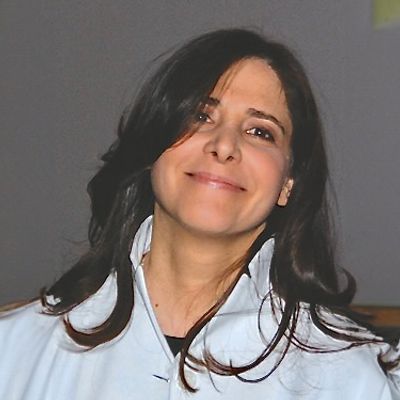
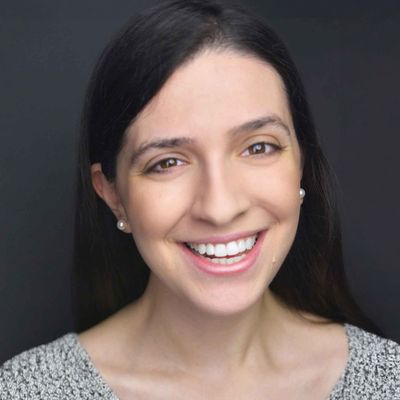
Dori Berinstein is an Emmy Award-winning documentarian, a four-time Tony-winning Broadway producer, an Olivier Award winner, Golden Globe nominee. She’s also the Co-Founder/CEO of the Broadway Podcast Network. Sammi Cannold (Dori’s daughter) is a director who is one of Forbes Magazine's 30 Under 30 in Hollywood & Entertainment, and has worked on and off Broadway, in film, and in television on shows for CBS, Nickelodeon, Paramount+, and Cirque du Soleil. Sammi also works with Human First Coalition, an organization dedicated to providing humanitarian aid in Afghanistan. Mother and daughter recently collaborated on the documentary THE SHOW MUST GO ON. Join Dori and Sammi as they discuss the challenges and rewards of incorporating giving back onstage and off.
Learn more about about the worthy causes discussed in this episodes and how you can donate and/or help:
Connect with The Broadway Gives Back Podcast:
- Facebook: @broadwaygivesbackpodcast
- Instagram: @broadwaygivesbackpodcast
- Twitter: @broadwaygives
Hosted & Executive Produced by Jan Svendsen and co-produced & edited by Jim Lochner.
A proud member of the Broadway Podcast Network.
Special thanks to Dori Berinstein, Alan Seales, and Kimberlee Garris from BPN; Julian Hills from The Bulldog Agency; and Eric Becker from Broderick Street Music. Social Media Manager for Broadway Gives Back: Olivia Cull.
Transcript
This transcript was automatically generated and might contain errors.
[0:05] Jan Svendsen: Welcome to the Broadway Gives Back Podcast.
[0:07] Jan Svendsen: I'm your host, Jan Svendsen.
[0:10] Jan Svendsen: This podcast spotlights Broadway actors, shows, and organizations in their pursuit of social impact and philanthropy.
[0:17] Jan Svendsen: Join us as some of the brightest lights on Broadway share their stories about their favorite charities and how they got involved and the people on the causes who benefited from these philanthropic efforts.
[0:33] Jan Svendsen: Dori Berinstein is an Emmy Award-winning documentarian, a four-time Tony Award-winning Broadway producer, an Olivier Award winner, and a Golden Globe nominee.
[0:43] Jan Svendsen: Dori is also the co-founder and CEO of the Broadway Podcast Network.
[0:48] Jan Svendsen: She is a true philanthropist, and she manages to incorporate charity into her shows and projects.
[0:54] Jan Svendsen: She is a dear friend, and we share the same birthday.
[0:57] Jan Svendsen: But most importantly, she is the mom of Sammi Cannold and collaborates with her on several projects, including their current documentary, The Show Must Go On.
[1:07] Jan Svendsen: Sammi is a director who is one of Forbes magazine's 30 Under 30 in Hollywood and entertainment and has worked on and off Broadway as well as in film.
[1:16] Jan Svendsen: She's worked on shows for CBS, Nickelodeon, Paramount Plus, and Cirque du Soleil.
[1:21] Jan Svendsen: Her upcoming projects include several new musicals, revivals, and feature films.
[1:27] Jan Svendsen: Outside of her work in theater, film, and TV, Sammi works with Human First Coalition, an organization dedicated to providing humanitarian aid in Afghanistan.
[1:36] Jan Svendsen: I've known her since she was a kid.
[1:38] Jan Svendsen: Welcome, Dori and Sammi to the Broadway Gives Back Podcast.
[1:42] Dori Berinstein: Thank you so much for having us.
[1:44] Sammi Cannold: It is such an exciting thing to be here.
[1:46] Dori Berinstein: I'm a listener.
[1:47] Dori Berinstein: I'm very honored and delighted.
[1:51] Sammi Cannold: We're so excited to be on this podcast, Jan.
[1:53] Sammi Cannold: We love your podcast so much, and of course, we adore you.
[1:57] Dori Berinstein: We're so honored to be here.
[1:58] Jan Svendsen: Thank you.
[1:59] Jan Svendsen: Well, I'm so happy to have my dear friends here, and I'm so happy, Sammi, to be doing something like super professional with you.
[2:07] Jan Svendsen: So, ladies, are you ready?
[2:08] Jan Svendsen: We're gonna do a little warm-up first, okay?
[2:11] Jan Svendsen: Think the newlywed game.
[2:13] Jan Svendsen: Dori, what are three words that describe Sammi?
[2:18] Dori Berinstein: Oh my goodness.
[2:20] Dori Berinstein: What a game.
[2:23] Dori Berinstein: Oh wow.
[2:24] Dori Berinstein: It depends on the day, Jan, how nice this is gonna go.
[2:28] Jan Svendsen: There are people listening, Dori.
[2:33] Dori Berinstein: Yes, she's my daughter, but I really feel I can step away and look at the situation and answer your questions accurately.
[2:40] Dori Berinstein: So here goes.
[2:42] Dori Berinstein: Driven, brilliant, and visionary.
[2:49] Sammi Cannold: Gosh, thanks, Mom.
[2:50] Jan Svendsen: My favorite part was watching Sammi's face as Dori was saying these words.
[2:54] Jan Svendsen: I was like, what's it gonna be?
[2:56] Jan Svendsen: Okay, Sammi, your turn on the hot seat.
[2:58] Jan Svendsen: Three words to describe your mom.
[3:00] Sammi Cannold: Role model, trailblazer, passionate.
[3:05] Jan Svendsen: Love that.
[3:08] Jan Svendsen: Question for both of you.
[3:10] Jan Svendsen: If you could be part of any fictional family, whether it's a Broadway family, a TV, or a film family, which family would you want to be a member of?
[3:17] Jan Svendsen: Dori.
[3:19] Dori Berinstein: Oh dear.
[3:20] Dori Berinstein: Okay.
[3:21] Dori Berinstein: Oh, okay.
[3:22] Dori Berinstein: I would love to be part of the Miranda family.
[3:25] Dori Berinstein: I think they are just obviously brilliant creators, but they're also so deeply committed to giving back, to philanthropy, to social impact.
[3:35] Dori Berinstein: So that's my family.
[3:36] Jan Svendsen: I love that.
[3:37] Jan Svendsen: They're not fictional, but we'll accept that as an answer.
[3:39] Jan Svendsen: And I guess, does that make you like Lin's sister or his aunt?
[3:44] Jan Svendsen: Or I can't figure it out.
[3:46] Jan Svendsen: Sammi, what about you?
[3:47] Sammi Cannold: I would say probably the Cheaper by the Dozen family, because I just have always wanted lots of siblings and pets and things.
[3:57] Sammi Cannold: And I just grew up with a brother.
[3:59] Jan Svendsen: Just a brother.
[4:01] Sammi Cannold: Just a brother.
[4:02] Jan Svendsen: We love your brother.
[4:03] Sammi Cannold: I love my brother, and I have half-sisters who I love as well.
[4:08] Sammi Cannold: But I just loved the idea of having a house of tons of kids, which I did not have.
[4:14] Jan Svendsen: I'm so sorry.
[4:16] Sammi Cannold: Yeah.
[4:17] Jan Svendsen: You should be.
[4:18] Sammi Cannold: Okay, this is turning into a therapy session.
[4:20] Jan Svendsen: Let me ask you, Dori, where's your happy place?
[4:25] Dori Berinstein: My happy place.
[4:26] Dori Berinstein: Okay.
[4:27] Dori Berinstein: My happy place definitely is in the theater.
[4:30] Dori Berinstein: Either in the audience, just taking it all in, having the best time, laughing, crying, being transported, or backstage, and working on a show.
[4:43] Dori Berinstein: Definitely my happy place is absolutely collaborating with others, being with others at the theater.
[4:50] Jan Svendsen: And Sammi, what is your most used emoji?
[4:53] Sammi Cannold: Oh, probably the woman who has her hands up, like I don't know.
[4:58] Sammi Cannold: Because I just think it's a good answer to a lot of things.
[5:01] Jan Svendsen: Sammi, what do you most give a damn about these days?
[5:06] Sammi Cannold: These days, I think art that impacts.
[5:11] Sammi Cannold: I've been thinking a lot recently, and I think it's partly through you mentioned the work that I've been doing with Afghan aid, and it's made me sort of recalibrate a little bit about the kind of art that matters to me.
[5:27] Sammi Cannold: I appreciate all art, but now I think a lot about what is the impact of a given project that I'm pursuing and is it gonna make the world or does it have the propensity to make the world a better place?
[5:39] Sammi Cannold: That's sort of the guide that I'm trying to follow now.
[5:44] Dori Berinstein: Yes, Sammi, she is brilliant.
[5:47] Jan Svendsen: Dori, what are you most grateful for today?
[5:50] Dori Berinstein: I'm grateful for everyone on this podcast interview deeply.
[5:57] Sammi Cannold: Thank you.
[5:58] Dori Berinstein: Me too.
[5:59] Jan Svendsen: So let's segue a little bit into more of the philanthropic conversation.
[6:05] Jan Svendsen: And you know, Dori, I've known you for a long time, and philanthropy seems like it's part of your DNA.
[6:11] Jan Svendsen: And I wondered, even though we know each other so well, I don't really know your history of philanthropy, how you were raised.
[6:18] Jan Svendsen: And I wondered if your sort of giving spirit comes from something you saw modeled when you were growing up, or if it was something that came to you later in life.
[6:30] Dori Berinstein: I was so fortunate to grow up with parents who cared passionately about the state of the world and about other people.
[6:39] Dori Berinstein: Some of my earliest memories were of being by their side when we went to UCLA to hear speakers speak on various social impact issues.
[6:51] Dori Berinstein: They were active in political campaigns with candidates that really cared about humanity.
[7:01] Dori Berinstein: This was the discussion at the dinner table growing up.
[7:05] Dori Berinstein: So I was surrounded by it, and I don't know how to be any other way.
[7:09] Jan Svendsen: Sammi, as Dori's daughter, clearly your mom and dad have done a great job modeling social activism and charity for you.
[7:16] Jan Svendsen: And I wondered, how do you think being raised by these role models inform your social impact and sort of charitable spirit?
[7:25] Sammi Cannold: Well, I think, you know, much in the same way it was modeled for me very early.
[7:30] Sammi Cannold: My mom was always producing fundraisers or galas that were benefiting important causes for her.
[7:40] Sammi Cannold: And also, my grandparents were very involved in a lot of aid, particularly on my dad's side in aid in the Middle East.
[7:51] Sammi Cannold: So, you know, that was definitely something that was instilled in me very young.
[7:55] Sammi Cannold: And also, I think this is probably true for a lot of Jews, but you know, as a bat mitzvah, an important part of that is, you know, what your community service, what your tzedakah is going to be.
[8:07] Sammi Cannold: And I worked at a home for adults with developmental disabilities, and that sort of started to instill in me not just fundraising for impact, but also, you know, how to be on the ground and make a difference with being in the room with folks who need help.
[8:28] Sammi Cannold: You know, there's been a lot of conversation on this podcast about how one can give, whether it's writing a check or whether it's using your social media platform or your own sweat equity.
[8:38] Jan Svendsen: So that's interesting.
[8:39] Jan Svendsen: So you sort of felt that when you were 13, getting your bat mitzvah that you like got that hands-on engagement.
[8:45] Sammi Cannold: Absolutely.
[8:46] Sammi Cannold: And I think that, you know, one of the things that I've tried to figure out is how to marry art with that, which I know is really so much of what the podcast is about.
[8:59] Sammi Cannold: And so many of your guests have articulated so beautifully what the intersection of that is.
[9:05] Sammi Cannold: I've found little ways over the past few years to find those intersections.
[9:09] Sammi Cannold: But really the past year, it's been finding the intersection of refugee aid specifically in Afghanistan and where it intersects with Broadway, which seems like an unlikely pairing, but that's sort of been what has excited me the most about how our work can give back in unexpected ways.
[9:27] Jan Svendsen: I want to talk a little bit about this idea of Broadway and this community.
[9:30] Jan Svendsen: I got a call yesterday from Everytown Gun Reform, and they asked if I could help them put together a campaign where Broadway supports gun reform.
[9:40] Jan Svendsen: And I get a lot of incoming questions and ideas about how can Broadway use their community to help other charitable organizations or bigger causes.
[9:53] Jan Svendsen: And obviously in Broadway we have our Broadway Cares Equity Fights AIDS and the Entertainment Community Fund, which used to be the Actors Fund, and other really important causes, Broadway Green Alliance and so forth.
[10:04] Jan Svendsen: But I think that Broadway community has demonstrated for so many people that we can also impact other causes that are much bigger than Broadway.
[10:13] Jan Svendsen: I think this world of this idea and this world of community is really important.
[10:17] Jan Svendsen: So I wondered if you could talk a little bit about what it's like to be someone who gives back to the community, but also how that impacts and informs the world at large.
[10:28] Jan Svendsen: And I Sammy, I want you to start because I know you've had some recent experiences where you're sort of started with your Broadway community, but then you definitely have been doing a lot of work with Afghanistan and other things too that are much bigger.
[10:42] Sammi Cannold: Perhaps the most related example in our case as it relates to community is the two of us just made a documentary film that is about the survival of theater during the pandemic.
[10:54] Sammi Cannold: And the film was meant to document a specific moment in time and talk about the determination of theater makers, but it was also meant to provide a service for theater makers looking to sort of get back on their feet by showing that model.
[11:11] Sammi Cannold: And I think that's sort of an abstract form of service, but we wanted to figure out how to make it concrete.
[11:16] Sammi Cannold: And so the premiere of the film, which happened in August in the Majestic Theater, was to benefit at the time, the Actors Fund, the Entertainment Community Fund.
[11:27] Sammi Cannold: And also was, you know, one of our goals on the project was to employ as many out-of-work artists as possible. Those were, you know, some of the ways that on a project like that, we were trying to think about how does something serve a community in multiple ways, sort of in a holistic sense. So that’s one of the ways that we've been thinking about.
[11:46] Jan Svendsen: You beat me to the punch about the dock. So let me just fill everybody in. So obviously in March 2020, theater shut down everywhere except for one country, which was South Korea. And your film that you and your mom worked on together follows a company of artists that were involved in two theatrical productions. It was Phantom and Cats, and how they sort of pushed ahead through the pandemic and they sort of showed the way forward so that even Andrew Lloyd Weber in London and the West End used some of those techniques to bring back theater there. And what I love about the film is that it's a very human story. It's a story about resilience and determination and how if we come together, we can heal, we can create, we can inspire. So Dori, can you tell us a little bit about this journey and how the film was made?
[12:34] Dori Berinstein: Absolutely. You know, when the pandemic hit, obviously everything came to a stop and Sammy's career was just bursting out, you know, as everyone who was in their 20s, they were just launching into their careers and it was just such a difficult time for everyone. And she was going crazy. And she obviously needed, as everyone did, you know, to focus and find a way through all of this and to bring all of her passion and creativity, keeping that alive during this time. I'm gonna let her tell the story about how she connected on this idea and then how we came together to make it happen.
[13:19] Sammi Cannold: So I was in my apartment alone as we all, many of us were, and I was FaceTiming with my friend Kristen who is the musical supervisor of the World Tour of Phantom of the Opera and she supervises a lot of the Cats tours as well. And this was June 2020 she said, you know, in a few weeks I'm actually going to South Korea to mount a production of Cats. And I said what are you talking about? You know nobody's leaving their apartment let alone going to South Korea, let alone making a musical and she said no, you know in South Korea it's happening, you know Phantom of the Opera had reopened there in March 2020 as everything else was shutting down and for a time it was the only large scale English language musical running anywhere in the world.
And I said to her, you know, there's something here that I think the rest of the theater community around the globe can learn from. Simultaneously, I'd sort of been watching what was going on with Andrew Lloyd Weber's advocacy on the West End as he was championing the return of theater. So I called my mom and I said, you know, I don't know how to make a documentary, but you do. And it feels like there's something to capture here. She has really bad asthma, so she couldn't get on a plane, but I could. And so we thought, okay, well if I go document this in Korea and she's sort of the one stateside we can team up to make this film together. So we wrote to Andrew Lloyd Weber and we said, hey, you know, is someone documenting this?
And if not, can we do it? He said yes immediately, all the necessary parties said yes. And then we brought on two executive producers who were incredible and so generous and moved so quickly, Liz Armstrong and WYSIWYX studios in South Korea. And we were just very lucky and it all sort of happened from there.
[15:01] Sammi Cannold: It's an amazing and inspiring documentary. I wanted to sort of touch base about this idea. How do you select the stories you want to tell? So Sammy, that was just a great example of you're randomly talking to a friend and suddenly this triggers this idea. I will never forget sitting at my desk in Times Square and Dori calls on this, she's driving into the city and we're catching up and I said well where are you going? And she said actually I'm going to New Jersey. So New Jersey, yeah I read, you know, in USA Today that they're having tryouts for a senior dance hip hop group. I'm like that's so random what are you doing? I don't know. I just think it'd be an interesting story. Maybe I'll, you know, I just want to see what it is. And that story turned into your documentary Gotta Dance. So I wondered if you guys could talk a little bit about how you select these stories that are so compelling, and yet some of us mere mortals would never even think to do what you do.
[15:56] Dori Berinstein: I think that that's such a good example. You know, it's how ideas for storytelling come up are every single project I think we've both ever done, the origin has come from a different place. And I think that we both are very, very inspired by stories that are saying something to the world that we feel needs to be said, and you know, to be able to be basically an activist through art is something that I think we both care deeply about. And that example, I had been so aware of ageism in Hollywood and less much less so in the world of theater. And it was such a stark contrast to me when I came to New York and saw that Broadway community was so much more embracing and, you know, and at the time, you know, there was someone directing a Broadway show who was 90, and all these great designers and artists and performers that were on stage at every age, and it didn't matter.
And in fact, you know, the older they were, the more wisdom everyone felt they had to impart, and they were greatly valued. Whereas the experience that I had in Hollywood, it was like if you're over 30, things start to get tough. And you know, so many people who early in my career were running the town couldn't even get a meeting. And I was just so shocked and bothered by ageism. I had actually read a little blurb about that at the tryout in New Jersey, and it had been on my mind, you know, how do you take on this issue? How do you help enlighten people about that age doesn't matter unless you're cheese? How do you do that in a really creative storytelling way without making a talking head doc that only people who already believe that are gonna watch?
And so that was the inspiration. That's what made me get in the car and chatting with you about it, of course. I'm sure at the time just inspired me that yeah, this is something really important to explore.
[18:02] Sammi Cannold: And because I'm so old.
[18:06] Dori Berinstein: No, because you probably said that's interesting, you know, yeah, you should do that. How cool? I think it's kind of a confluence of both, you know, an interesting story that could potentially unfold in really exciting ways artistically with something that is purposeful. And why would I want to spend years of my life dedicated to this if it's going to help make the world a better place and improve lives? I am so excited about it.
[18:36] Jan Svendsen: You know, this idea of selecting stories you want to tell, I want to move that to this idea of selecting causes that you want to support. You know, Dori, I know that you've also been a big advocate of arts education. Sammy, you have your humanitarian efforts, but how do you decide what causes are important to you, particularly for listeners, you know, who want to be philanthropic or want to do good or give back? We can be so overwhelmed. I mean, particularly, you know, right at this time in history. So, how do you make that decision? Is it a feeling? Is it, you know, something you research? Is it strategic? Is it tactical?
[19:10] Sammi Cannold: For me, I think it's about personal, like what are you connected to? And what is your passion going to make you work really hard for? You know, I mean, some people are just altruistic in every possible way and are gonna, you know, work hard for everything, but I think in my case, I ended up in the world of Afghan aid because of a friend of mine whose family was trapped in Afghanistan in August and they were on the Taliban kill list and they needed to get out. They didn't know how, and I didn't know how. But Americans with connections had more ability to get people on lists than the average Afghan, you know. So my friend and I started working together to evacuate her family. And I was watching a special on CNN about an organization based in DC that was having a lot of success getting people out.
And I called the organization and I said, Hey, you know, I have this family, I'm happy to come volunteer. Can you put my family on your list? And they said, absolutely, and please come right now. You know, we need as much help as we can get. And I went to DC and they ended up interestingly, with the help of Andrew Lloyd Weber getting this family out of Afghanistan. But there are so many components of that that sort of came full circle in the wildest ways. But the one that really struck me in terms of the intersection of the arts and aid is that we got that family to the US. They live in Queens now, but my friend Zarifa, who, you know, I was connected with her initially because she was the conductor of Afghanistan's first and only all-female orchestra.
At the time, she wasn't in Afghanistan. She was at school in Kyrgyzstan. And so when the Afghan government fell to the Taliban, she was all of a sudden stateless and her family was in the US, but she didn't have anywhere to go. And we were like, gosh, you know, she's about to graduate. What do we do? You know, she's gonna be sort of stuck in limbo. And I went to my friends at Phantom of the Opera and I said, Hey, would you take a conducting apprentice who could learn, observe and everything? And Phantom of the Opera ended up sponsoring her visa. And she came to the US a month ago and, you know, now has a whole life in America because of this musical. And so, you know, the idea that musical theater can't save lives is not true. And I think that's a sort of really exciting example of sort of where we can merge the two worlds.
[21:51] Dori Berinstein: I love that story. Dori, what about you?
[21:53] Dori Berinstein: Oh, so many things. I mean, at the Broadway Podcast Network, we are already running ads promoting the opportunity to get involved and support Everytown. You know, we've been so proactive with all sorts of different issues that either are directly related to the theater community or to the world we're in. Stop Asian hate, Black Lives Matter, you know, Broadway Cares Equity Fights AIDS, so on and so forth. And so anything that we can do to amplify and support, it's what the community's about. You know, we're helping each other, we're helping the world, we're telling stories that make the world a better place. And specifically, like the Gotta Dance example, just being exposed, living your life and seeing things that you feel are just unjust, you know, and seeing so many instances of LGBTQ discrimination of hate, of just horrible things happening, it was both an exciting creative opportunity, but really a mission when we decided to tell the prom story really from a blank page.
[22:59] Sammi Cannold: And it took eight years to manifest itself and went through such a roller coaster. But from day one, the vision for that, the idea for that is we can create art that can impact lives, that can change lives. And it can be in schools all over the country and beyond. So it wasn't like, oh wow, we're gonna make we're gonna make a musical that's gonna make a gazillion dollars. Um, it was really coming from a place of how we can help people and make our world better and also change the way those that are not accepting and are not tolerant change the way they think and see the world. And so it was really, you know, mission theater and very much intertwining in how you know the arts and advocacy can be intertwined and um having that mission can get you through the most difficult moments of creation because it's hard, it's really hard. But having that driving purpose behind it really will get you through.
[24:01] Jan Svendsen: I love that. And we, you know, we've talked about many things on this podcast um over the last year, year and a half, and this idea of you know art with purpose, um, mission arts, however you want to call it, uh, impactful arts. It's I we haven't really talked about it that much, to be honest, even though I've been talking to artists. So I'm so glad that we're having this conversation and that there's such a focus on particularly that. I think most people listening to this podcast are um maybe some are artists, but maybe maybe some are more like me. They're people who appreciate artists. And I just wondered what advice would you give to listeners about how to become activists or philanthropists?
[24:36] Sammi Cannold: I like to use the term everyday philanthropists because I think um, you know, it is something that it's just part of who you are. Um, a lot of people have talked about just being kind. Other people have talked about writing checks, other people have talked about volunteering, but I wondered if you what your advice would be to people about you know getting involved and giving back. I would say at least for young people or like emerging artists, I at least used to sort of have the idea that because I didn't have money, I wasn't sure what my place was in the world of of giving and philanthropy. I was like, well I don't I don't know how to contribute. You know, I could sign up for Habitat for Humanity and like help build a house, you know, but I I didn't I didn't really know what it was.
And I think that I guess what working in the Afghan aid sphere has taught me is that anybody with a laptop and a cell phone and who's you know or either of those things um you know can do a lot in the way of contributing sweat equity. You know, obviously special qualifications and speaking certain languages is very helpful in different you know corners of of aid but um uh a lot can just be done with the will to help um and compassion and empathy I taken really taken that lesson to heart and would happily pass it on specifically to fellow like young people who aren't sure what their role or position might be.
[26:01] Dori Berinstein: That's great. Dori as the older spokesperson in the family I think we're we're living in a time sadly that there is such extreme need out there and um and it's just an endless, uh endless list of of organizations and causes to support and not just by writing checks, by by doing the work. I I really do believe that people who give, and I don't mean just financially, give their time, give their energy, give their heart to organizations, they become, you know, it benefits them as much as it as it benefits the people that they're helping. It really makes your life full and makes you appreciate all the goodness and things that you have in your own life. So I I think that it's really so fulfilling to try and do for others, both because every there's such need out there and and because I think we all have that responsibility. You know, I think that it's our world, it's our planet and you know we all have a responsibility to try and make uh our world as healthy as it can possibly be.
[27:19] Sammi Cannold: I I would just add to that that everything that's happening in Ukraine as it relates actually to Afghanistan has taught me a lot about like the psychology of giving, which I think is really interesting because the organization that I work for called Human First Coalition, the the fundraising around aid for Afghanistan changed wildly as soon as um you know Ukraine became an important issue because obviously Ukraine needs the aid obviously it's a uh you know there's major need. But as soon as it as soon as it happened so many of the donors who were giving aid you know funding to Afghanistan ran from Afghanistan to Ukraine and the need in Afghanistan doesn't go away. Um, and and so I think thinking critically about how giving works and and why at certain moments we're compelled to give, I think is is like something that's really interesting to me and something that I think you know, humanitarians and philanthropists and activists have to think a lot about um to sort of figure out how to even when a topic is not uh you know in the news or it's not, you know, there there wasn't a shooting two days ago. How do you, you know, make sure that the the funding keeps coming, you know, because we're so sort of snap judgment-y often, I think, about about where we give.
[28:38] Jan Svendsen: Yeah. I've asked a lot of the guests on this podcast um what they would like to see to make Broadway a better place in the future, especially in light of the last couple of years and everything we've all been through and Black Lives Matter. Most people have talked a lot about equity and you know, racial justice. I wanted to give you two the last word. I want to hone in on this idea of art with purpose because I feel like as you've been talking about it, I feel like the answer to that question for me, if I were going to answer it for you, would be to create more art with purpose and more art that makes you think and feel and motivates you to do more. But um, why don't you two take us home and and talk a little bit about how to make Broadway better?
[29:20] Dori Berinstein: I think you did a great job of of giving giving um that answer because I I think we both feel that way. And I I don't necessarily feel that the economics of Broadway support that opportunity. Uh, I think it's extremely difficult to um get a show on the board. You know, it is commercial theater, so you know, it has to be a balance of art and purpose and the commercial side of everything. Um, so I would I would extend your answer beyond Broadway to theater broadly, um, off Broadway, regional theater, where you can be more prolific with purposeful art. And I would say go see those shows. You know, I really so deeply believe that art can change the way you see the world and make you think differently and inspire you and enlighten you in ways that you had no idea.
Go to theater, you know, that that's a great starting place, whether it's a school production or whatever, it's storytelling that that matters and that um will collectively end up making the world a better place. And I and I also think that that nurtures future artists that will come to Broadway, give them giving them the opportunity to develop their craft and to uh learn how to tell stories in such an impactful way that ultimately I hope will make their way to Broadway and make our whole community and the the whole Broadway what Broadway does for um the world uh even more impactful.
[30:55] Sammi Cannold: I would agree with with everything. Um and I also think partnerships between productions and organizations that are not related to Broadway are part of what excites me most about some of the projects that I'm working on right now, because it feels like not only is it a way for the art to impact real life people, not just theater people or the people who are, you know, can afford to come to the show. Um, but also it's I think a way to make the art um actually talk to the world. You know, I I think that so often, you know, theater people, we sort of live in a little bit of a bubble where we're, you know, we speak theater, we breathe theater, we eat theater, we sleep theater. And and really, I think we as artists have an obligation to be citizens of the world, to really be thinking about what our art is saying, how it's contributing, and you know how it's how it's impacting.
So I think partnerships that a lot of shows have been modeling really well this year, I think, um, you know, between particularly, you know, aid organizations, NGOs, charities, or even, you know, just research bodies, academic institutions, ways for there to be sort of um partnerships between the real world and the artistic world.
[32:13] Jan Svendsen: That's amazing. I'm gonna do a non-shameless plug here, but everybody should see your documentary because it it is such a story of of resilience. And I think there's such an important story in that. I am so excited to see the work that's going to come out of you, Sammy, because it's already been amazing and um and you're still you're still so young. And Dori, as um, you know, you are somebody that I respect so much and has you've just done so much beautiful, beautiful work that you shared with with the world. And uh I can't wait for the the next chapter for you. So thank you both for coming on this podcast. It's been so lovely. And um, let's go and change the world with art.
[32:53] Dori Berinstein: Well, thank thank you, Jan. And for modeling, you know, all that. I think it's uh philanthropy being at the core of what you do has been very inspirational to a lot of people. So um us included. So we're grateful.
[33:04] Sammi Cannold: Absolutely so inspiring.
[33:06] Jan Svendsen: Thanks for listening to this episode of the Broadway Gives Back Podcast. Broadway Gives Back is part of the Broadway Podcast Network. Special thanks to my producing partner, writer, editor, and friend, Jim Lochner. And thank you to everyone at BPN, including Dori Berinstein, Alan Seales, and Kimberlee Garris. I'd also like to thank Julian Hills from the Bulldog Agency and Eric Becker from Broderick Street Music. If you like what you hear, don't forget to subscribe and rate this podcast wherever you stream your podcasts. You can also follow Broadway Gives Back on Facebook and Instagram at Broadway Gives Back Podcast and on Twitter at Broadway Gives. To learn more, visit BPN.fm slash Broadway Gives Back. Thanks so much.
© Broadway Podcast Network, All Rights Reserved