

Music is our focus today on the Broadway Gives Back podcast, and I have two very special women as my guests. So first, Let’s “Let it go” for Oscar, Emmy, and Grammy award-winning, Kristen Anderson-Lopez. Kristen is best known for her work from Frozen, Coco, In Transit, Up Here and Finding Nemo... Read More
From the show: Broadway Gives Back
Guests

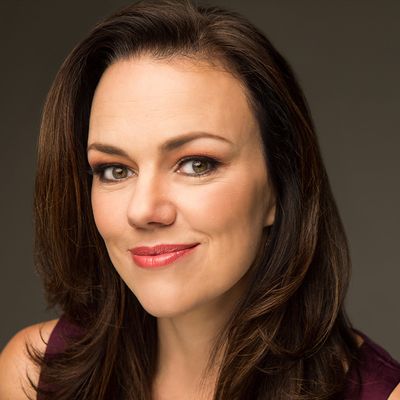
Featured Shows


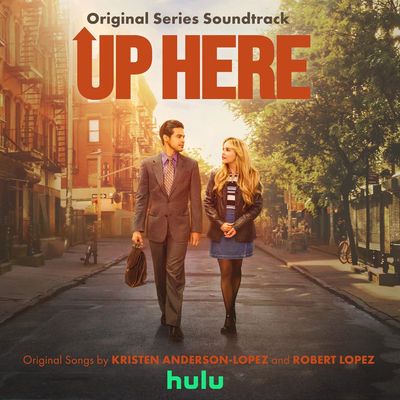
About
Music is our focus today on the Broadway Gives Back podcast, and I have two very special women as my guests. So first, Let’s “Let it go” for Oscar, Emmy, and Grammy award-winning, Kristen Anderson-Lopez. Kristen is best known for her work from Frozen, Coco, In Transit, Up Here and Finding Nemo. Kristen is also very involved in two important organizations… Brooklyn Children’s Theatre and Maestra Music. Speaking of Maestra… we will also be talking to multiple award winning music director, composer, lyricist, pianist, and music producer, Georgia Stitt, who started Maestra Music to provide support, visibility, and community to the women and nonbinary people who make the music in musical theatre— and now together with Lin-Manuel Miranda, they are developing and managing the RISE Theatre Directory which is helping to build a more equitable and inclusive theatre industry.
Learn more about about the worthy causes discussed in this episode and how you can donate and/or help:
Connect with Georgia Stitt:
- Website: georgiastitt.com
- Instagram: @georgiastitt
Connect with Kristen Anderson-Lopez:
- Instagram: @kristenampersandlopez
Connect with The Broadway Gives Back Podcast:
- Facebook: @broadwaygivesbackpodcast
- Instagram: @broadwaygivesbackpodcast
- Twitter: @broadwaygives
Hosted & Executive Produced by Jan Svendsen.
A proud member of the Broadway Podcast Network.
Special thanks to Dori Berinstein, Alan Seales, and Kimberlee Garris from BPN; Julian Hills from The Bulldog Agency; and Eric Becker from Broderick Street Music.
Transcript
This transcript was automatically generated and might contain errors.
[0:05] Jan Svendsen: Welcome to the Broadway Gives Back Podcast.
[0:07] Jan Svendsen: I'm your host, Jan Svendsen.
[0:10] Jan Svendsen: This podcast spotlights Broadway actors, shows, and organizations in their pursuit of social impact and philanthropy.
[0:17] Jan Svendsen: Join us as some of the brightest lights on Broadway share their stories about their favorite charities and how they got involved and the people and causes who benefited from these philanthropic efforts.
[0:32] Jan Svendsen: Music is our focus today on the Broadway Gives Back Podcast, and I have two very special women as my guests.
[0:39] Jan Svendsen: So first, let's let it go for Oscar, Emmy, and Grammy Award-winning Kristen Anderson-Lopez.
[0:47] Jan Svendsen: Kristen is best known for her work from Frozen, as well as Coco, In Transit, Up Here, and Finding Nemo.
[0:54] Jan Svendsen: Kristen is also very involved in two important organizations, Brooklyn Children's Theatre and Maestra Music.
[1:01] Jan Svendsen: Speaking of Maestra, you will hear us pronounce this organization as both Maestra and Maestra.
[1:06] Jan Svendsen: Well, because we're so international here.
[1:09] Jan Svendsen: We will also be talking to multiple award-winning music director, composer, lyricist, pianist, and music producer Georgia Stitt, who started Maestra Music to provide support, visibility, and community to the women and non-binary people who make the music in musical theatre.
[1:27] Jan Svendsen: And now together with Lin-Manuel Miranda, they are developing and managing the RISE Theatre Directory, which is helping to build a more equitable and inclusive theatre industry.
[1:37] Jan Svendsen: Welcome, Kristen and Georgia to the Broadway Gives Back Podcast.
[1:40] Kristen Anderson-Lopez: Hi Jan.
[1:41] Georgia Stitt: Hi Jan.
[1:41] Kristen Anderson-Lopez: Thanks for having us.
[1:43] Jan Svendsen: Thank you so much for being here.
[1:45] Jan Svendsen: So I just I started practicing yoga during the pandemic, and I just came from a yoga class before this podcast recording.
[1:52] Jan Svendsen: So I just thought maybe we would take a beat. I don't usually do this, but maybe we'll take a beat at the top of the podcast and just talk about gratitude for a second.
[2:00] Jan Svendsen: So I'm gonna ask you both, what are you most grateful for today?
[2:04] Kristen Anderson-Lopez: I'll go first. I have I have um I have a family member who just came through a pretty big surgery and is recovering. And so I'll say I'm grateful for health, uh, especially the health of people I love.
[2:19] Georgia Stitt: That's a great one. Um, you know, I feel like going micro um, because I I am so grateful for this nice weather that we have today. I'm so grateful it's not raining, um, because this has been the rainiest fall. Um, and I'm really grateful for the New York Times games apps. I do them every morning too. They're they're this wonderful like wake up your brain ritual. And I get in a world where life is very complicated, I get so much joy from especially the game connections. Um I get all this joy from also sharing it with my dad in North Carolina and and my child in her first year in college and my husband, and sort of it, it's this fun geeky thing that that connects us.
[3:15] Jan Svendsen: That's so nice. Um, like in the spirit of having our listeners get to know you both better, I'm gonna ask you. I do ask this question of many people. What are the first three words that come to your mind to describe yourself? Don't think about it, just go. So, Georgia, you first.
[3:34] Georgia Stitt: Diligent, creative, stubborn.
[3:41] Kristen Anderson-Lopez: Um enthusiastic. Um I'd have to say creative and bright colored.
[3:56] Georgia Stitt: Python.
[3:57] Kristen Anderson-Lopez: Piponated, bright colored, yes, that works. I mean, if you look at my floor, uh like bright colors.
[4:04] Georgia Stitt: I love the chair you're sitting in. I love the red chair.
[4:05] Kristen Anderson-Lopez: Right red.
[4:08] Georgia Stitt: Bright red. Um, and I also think food choices tell a lot about a person. So if we knew the world was gonna end, it's a very different podcast than I thought we were doing.
[4:21] Jan Svendsen: We're gonna get there, but you know, I just want to like, you know, a little icebreaker stuff here. Um, if the world was ending and you could choose your last meal, what would your last meal be?
[4:30] Kristen Anderson-Lopez: Um, my husband's uh my husband makes these incredible smash burgers. He got very into figuring out how to make the greatest hamburger in the whole wide world. And um, if you know Bobby, you know he's a perfectionist, so like he's gotten it down to like a system where the human hand never touches the meat, and the right kind of cheese has to be done at the right temperature, but it all equals the most amazing hamburger you've ever tasted.
[5:04] Georgia Stitt: Oh, when are we coming for dinner? That sounds great.
[5:10] Georgia Stitt: Um, I think for a long time, I I said my answer to this was that I just could live off this very southern gross food called Rotel Dip that is basically Velveeta and Rotel tomatoes, like spicy tomatoes. Um, I recognize that it's not a meal, but it's it's this thing that when I was growing up in Tennessee, if you went to somebody's house for a social occasion, they would serve Rotel dip and then whatever else. And as an adult, I denied myself this disgusting, gross, unhealthy food. And I think if if I knew it was the end, I'd be like, I would like, I would like to have that again and not feel guilty about it.
[5:48] Kristen Anderson-Lopez: Comfort food.
[5:50] Jan Svendsen: Sounds good. Now, you two are, first of all, both amazing women. You're so insanely productive. You have incredible careers. You also have hosts, both of you have husbands that are in the business and that you oftentimes collaborate with. And you also, and you also dedicate your time and your energy to important causes that you're passionate about. So before we get into all the everything, I just want to hear sort of tell me one day in the life of just pick a day, any day, each of you. And I just want to hear your, you know, what is your calendar say for that day? Like, what are you doing all day?
[6:31] Georgia Stitt: I'm so excited to hear yours, Georgia. I mean, every day is different, which is it's something I chose. You know, you choosing this lifestyle. I think it would be very hard for me to have um the kind of job where it was the same on Monday as on Thursday. Um, however, raising two teenage girls has um has normalized schedule in a way that um, you know, it's hard for someone like me. Um I I will say that a lot our day starts at 6:15 when we get up, and it's the first um the first big burst of energy is getting our younger daughter out the door to her, she's a freshman in high school. Um, and then uh I this is the tell all. Jason usually goes back to bed, and then I get up and start doing work, and I also find that I can write like my own writing first thing in the morning, like between 7 and 10 a.m. before the rest of the world wakes up and needs me to answer emails and that sort of thing.
So that's often when I do my writing. Um, and then it's meetings, it's um it's household things, it's juggling. It's some we live outside of the city, so sometimes it's commuting in for a meeting, commuting out. Um I I feel like there was one point where I said my tombstone is gonna say she answered a lot of emails. There's just a lot of a lot of management. Um, and I um at some point in the day I try to do something physical, some exercise or some gardening or some we live near a state park, so a hike or something like that. Um, and then there comes a certain point in the day where I have to turn off being um productive computer and music generated person and being mom again. Um I have a second daughter who's a freshman in college, Kristen does too.
Um, and so there's you know, the random checking in with her when that's um available to me, and sometimes it's no longer available to me. Uh and and then there's a burst of energy in the evening when um when my high school daughter comes home, and and then we all sort of go to our separate corners and continue to work uh until we get too tired, and some nights we decide to blow all that off and do something fun instead. And that's all different if we if we're going to the theater or if you know if if there's any variable, but I would say that's a pretty standard work from home kind of day currently.
[8:59] Jan Svendsen: How about you, Kristen?
[9:01] Kristen Anderson-Lopez: Um, well, I just I for the for history, everyone needs to know Georgia is more productive than me. She just is.
[9:10] Kristen Anderson-Lopez: She just uh Georgia does like it will say on my tombstone that I wanted to answer as many emails as Georgia, but I didn't.
[9:21] Kristen Anderson-Lopez: Um I am definitely learning the fine art of putting something in a pile to do later. Um, and then really trying to get back to it again because the emails come in all day long, and the level of urgency is always different.
[9:37] Kristen Anderson-Lopez: Um, and I'm I'm still trying to work out a better system and and better um, you know, uh delegation too, so that I can answer the amount of I get asked for a lot, and it's really hard to get back to everyone while also raising two children and taking care of 18 parents and um uh lots of things.
[10:00] Kristen Anderson-Lopez: Um, our day starts similarly. We have we Georgia and I, as they we have a freshman in high school as well, and a freshman in college.
[10:11] Kristen Anderson-Lopez: Um, and we try to get the freshman in high school out the door. Um she basically acts like a 37 year old, and we're just her landlords at this point.
[10:21] Kristen Anderson-Lopez: So like this morning. This morning I had to run out the door after her because like I had a breakfast sitting there uh and she didn't even come to the kitchen.
[10:32] Kristen Anderson-Lopez: She just went out the door. And I ran down, like, did you take your payday blocker? Because she has a heart condition.
[10:37] Kristen Anderson-Lopez: And um she was like, I did it earlier. She was just gone. And the the breakfast was sitting there.
[10:45] Kristen Anderson-Lopez: So that's a glimpse into this chapter. When you learn, when you learn to um figure out the whole email delegation and prioritization, let me know, because I need that too.
[10:58] Georgia Stitt: Oh, um, yeah, it's a it's a tough one.
[11:02] Kristen Anderson-Lopez: Um, and then Bobby and I usually try and exercise in the morning.
[11:07] Kristen Anderson-Lopez: Um, so like this morning he played tennis and I went for a walk, or it's also where we'll like schedule our appointments and things because usually by noon we are we're in another cycle of working closely with Disney animation.
[11:25] Kristen Anderson-Lopez: So usually by noon we are on with LA for a couple of hours working on our latest projects.
[11:33] Kristen Anderson-Lopez: And then we try and keep some room free after that to push our whatever songs we're working on forward.
[11:43] Kristen Anderson-Lopez: Um, and then by five or six, um, we head home.
[11:48] Kristen Anderson-Lopez: We have an office separate from where we live, about a half a mile, so it forces a hat change for us.
[11:56] Kristen Anderson-Lopez: Um, it was really bad when we worked in our basement.
[11:59] Kristen Anderson-Lopez: And we just we didn't have that space between work partners and marital parenting partners.
[12:09] Kristen Anderson-Lopez: Um, so we always kind of have this transition back to parenting.
[12:13] Kristen Anderson-Lopez: At this moment, it's also about like, will we get half an hour of focused time at dinner before she has to go do homework or do an activity?
[12:24] Kristen Anderson-Lopez: And um, and then that's usually the moment that Bobby and I uh try to feed our creative well with um something either on TV or going to the theater or hanging out with fun people.
[12:44] Kristen Anderson-Lopez: Um we're learning that in this new chapter we can go out more because she doesn't care.
[12:55] Georgia Stitt: So we're we're trying that out right now.
[12:58] Jan Svendsen: Great. Well, obviously, this podcast is about giving back and social activism and philanthropy. And before we talk specifically about Maestra um and RISE, I I know we're also going to talk about Brooklyn Children's Theatre and Tedal Youth Theatre, which you guys are both involved with, but I wanted to ask you both just about this notion of giving back. What does it mean to you?
[13:19] Jan Svendsen: And we're gonna drop this podcast on Giving Tuesday, which is the Tuesday after Thanksgiving. So I thought it was a good time to just talk about the idea of giving back.
[13:30] Georgia Stitt: I I think you know, just tying it to this concept of this new chapter. I I think that um giving back has always been a source of meaning, like a different source of meaning and and purpose in the world.
[13:47] Georgia Stitt: Um, and I I think you know, as it pertains to this this like beginning of empty nesting kind of stage, I actually feel more than ever giving back is a place where my efforts can be um received because it my children's job is to if I'm the pool wall, their job is to push off of it.
[14:12] Georgia Stitt: Um and so I am actually finding that giving back is in this wonderful place where no one is going to reject what I have to offer that's that's a good one I like that too.
[14:27] Georgia Stitt: We'll take what we can get.
[14:29] Jan Svendsen: What about you, Georgia?
[14:31] Georgia Stitt: It's so I I mean I don't I don't remember ever making a conscious decision to give back. I think that the work that I've been interested in doing is put into a category of being like um full philanthropic or charitable or give but it it still feels like work to me. So I I mean there certainly is in my mother was a uh chronic volunteer and I just grew up she was always um involved in things a lot of evenings she would be at meetings um or on committees or you know in in addition to her her job raising us her as a homemaker and then when we got older she worked outside of the home too and but she was just always a volunteer and I think I I grew up thinking that's what you do. So I don't remember deciding to be a person who gives back but I will say that it it has such great impact.
You can feel when you do something um that has positive impact that it um it means a lot to someone else and sometimes your ability to make that happen it for me feels like a greater reward than whatever I could make happen for myself in the same amount of time anyway. Sometimes I think to a fault. Like maybe I'm not, maybe I'm not investing in my own work enough because I'm so busy. Like I get I get my thrills from taking care of other people. But um, but I but I would say at this stage of life, I'm I'm trying to make sure it's all in balance.
[16:00] Jan Svendsen: Yeah, I think that's interesting. A lot of people say the same thing. And I from my personal experience, seeing it modeled by my mother was really, I just thought it was in our DNA, and that's what you did. Um, Kristen, did you have that same experience? Or I mean a lot of other people have come at it where no, I never saw it before, but as soon as I got in this community of theater or this community of the arts, then I I was exposed to it. And uh, I just wondered for you like, was there some conscious moment where you said I'm gonna do something, you know, to be absolutely.
[16:31] Kristen Anderson-Lopez: I mean, uh down to the place where I give I give the most energy, you know, my my parents were also very active and modeled that for me. Down to they were on the board of Croton Children's Theater, which was a huge, huge impact on my life and what I do. Um, and then when we moved to Charlotte, they were at they worked with Charlotte Children's Theater and Theater Charlotte. So giving back in the community theater and children's theater spaces was very much modeled to me already.
[17:09] Jan Svendsen: Great. So now I I want to segue here into Maestra. Um and Georgia, you started Maestra Music. Um, so let's just talk about the beginning of this amazing organization and what was the impetus and and how did you do this?
[17:24] Georgia Stitt: Yeah, I mean, I'll say this is another, this is a good example of something that I didn't start for charitable reasons. I started because I needed it. You know, I was music directing um uh the off-Broadway production of Sweet Charity in uh 2016, and the director, Lee Silverman, had a dramaturgical reason why she wanted an all-female band. You know, that chair, she said the character of charity behaves differently when she's out in the world looking for a man than she does when she's in her safe space with in her you know dressing room with her girls. And since we were going to be visible on stage, she wanted us to be in costume and we were part of the safe space where the girls were, and we were part of where charity let down her guard.
So she said I need an all-female band, and I said, great. And I had so much trouble finding those musicians for that run. Um and it illuminated this problem that you know, I called contractors, I called my guys that I had hired before, and of course had to acknowledge my own bias that my first call people were guys too. Um, and it just took months for us to find the six women that we ultimately hired for that job. And at the end of that uh time, I had a pretty extensive spreadsheet of names of people who had been recommended to me but weren't available, um people who were out of town for some reason or already were working on Broadway or something. But but I had this list of like these are the women in New York that play the bass, these are the women in New York that play the drums, these are the red doublers.
And and apparently this was this became a very coveted list. People um started calling me and saying, hey, I hear you have this list of women musicians. And I thought, I'm not an agent, I don't want to be the keeper of this list. So I had my web designer who does my website um build just a little database, and I encourage those women, like put yourself in this database, and then when people ask me for information, I'll just send them there. And then I'm not the keeper of it, you can update your page and do whatever you need to do. And so what started out as this very little grassroots thing that I needed to solve my problem has now turned into the Maestra Directory, which has over 2,000 people in it, women and non-binary people, and they have profile pages, and the whole website has search filters.
If you're like, I need a read doubler that plays flute and oboe and that lives in Washington, DC and is a member of the union and also knows how to use the software finale. And you know, those you can put all those search filters in, and it will pull up anyone who has listed themselves as such, and it makes the process of finding uh musicians who are women or non-binary people easier. Um and and so Maestra has grown out of that. It started as a directory, and then we started building programming around it. Um, eventually it became so big that I was like, I think we need to be a not-for-profit. We we filed for 501c3 status and received it in 2019. We have a board of directors, we have an advisory board, um, and now we have four full-time employees, and it's just grown and grown and grown.
We have a really, really robust mentorship program with 65 pairings this year of um people who are coming into the industry, being paired with people who have been working for a long time in the industry. Um, all I mean, I we can talk more and more about it, but all of those things um have come out of this experience that for me started from I I know there are women out there that can do these jobs, and I don't know how to find them. And I thought I I want to make it so that these people are visible and can be more readily found.
[20:52] Jan Svendsen: And Kristen, how did you become involved with Maestra? And um, I would say part two to that question is can you talk a little bit about how you think Maestra adds value to the world of arts?
[21:06] Kristen Anderson-Lopez: Well, I I think I think how I became involved was just thinking Georgia is a rock star, and um you know Georgia and I were both involved in the Lilies organization, which is you really can't talk about a lot of what we do without thinking talking about the Lilies. Um, because the Lilies gave voice to something that Georgia and I have uh have experienced since the minute we decided we were going to be creators of musical theater, which is how come I'm the only girl in the room? Um what what is going on that uh that there are just so few of us, and also I you know, I I won't speak for Georgia, but I I think we have a very interesting uh vantage point from which to talk about doors that open for men that don't open for women, um, because we are married to two um very accomplished, very talented men. Um we also get to hear their phone calls and we get to see the emails that they get and like just I'm privy to the conversations that then I might not be otherwise.
[22:26] Georgia Stitt: Yes, I'm just echoing what you're saying.
[22:27] Kristen Anderson-Lopez: Yes, yes. And that's I I will never ever come, it's not easy for anyone in musical theater. I we will I will never say that doors just fly open. They don't. And in order to last even a year in the in the New York musical theater world, you have to have a huge calling to do it and a huge, an even bigger uh reserve of resilience. Um, and that resilience is something you learn again and again because for every yes, you get a thousand no's. Uh, and for every yes, you also have a have especially with social media now, um, you have to learn how to silence the noise out about out around it too. Um, that's a new, it's been a new challenge I've seen in the in the last decade. You know, when we were first coming up, you at least didn't have to know what everybody was feeling or thinking about your developing piece.
Now you have to learn how to tune it out or learn from it, or both. Um but then there's this unconscious bias that we're that Lilies was addressing. The Lilies is this wonderful organization started by playwrights, Julia Jordan, Marcia Norman, and Teresa Rebeck addressing the fact that women come out of these playwrighting um programs at the same level, 50-50, and yet we're getting produced at like 8%, where 92% uh of all of these plays that were going on on the off-Broadway and Broadway level and the regional level were usually male, usually white. Um so they were like, let's address this, let's address it by having a big party where we celebrate other women because they're historically excluded from the traditional awards as well.
Um, and then they've addressed it by diagnosing certain problems, diagnosing problems of childcare, diagnosing problems of uh pipeline, diagnosing the unconscious bias in the gatekeepers, trying to address the fact that critics tend to be from a very specific certain demographic.
[24:51] Georgia Stitt: So Sarah Rule loves to talk about um and wrote this beautiful essay, uh Did He Like It? Because that's what you always have to ask yourself. You can work for seven or 17 years trying to create create a piece of musical theater. And at the end of the day, it seemed like there was one male, usually gay, usually in his 60s, who would say whether it was good or not. And um the Lilies are, you know, just looking at these issues and asking questions and ask trying to push the the trying to find ways to to solve the problem. And then Georgia came with with Maestra.
[25:36] Kristen Anderson-Lopez: I call it Maestra. Is it Maestra?
[25:39] Georgia Stitt: I say Maestra, but the Italians say Maestra.
[25:42] Kristen Anderson-Lopez: So I think it's they're both correct. I've been hanging out with um the Mirandas who say Maestra so I think that's where I've gotten it from but I'll go to Maestra.
[25:52] Georgia Stitt: There we go.
[25:53] Kristen Anderson-Lopez: Either or but Georgia's is addressing a very very big problem and I think she there's something in what she said about contractors um that I I'm really curious to get my hands dirty on uh which is that uh we do now we get sometimes we're in a position of of being able to hire people for big sessions for movies or or streaming things. And I've talked privately with some of the contractors who who do that. And I've I've said, like, what could we do? What could we do to make a bigger pipeline for female musicians? Um, and because it is such an insular world, and because when you're hiring someone for a four-hour session and you have to get it, and that's that is what you're going to film to, and that's going on your soundtrack.
The stakes are so high in that case that artists and contractors, they're the biggest thing they're worrying about right now is they got a certain amount of money, they got four hours, and this is what it is for posterity. So you what happens is it's often the default to just work with the people who have delivered before and who know what they're supposed to do. They come into the studio, they set up their thing, they all say hi to each other, and you're working your butt off in a very high stakes situation for four hours with stressed out artists often and a very um you know imposing executive producer standing in the corner. It's it's not it's not an easy place to just jump into. And I I've been asking some contractors who's who also feel that they want to move the needle on this.
And I've been wondering if we could create simulations, if like a couple times a year of that kind of stress, that that kind of experience, so that and and have contractors like get invited to them and see, see who's delivering in those situations, so that they have the confidence when Marvel calls to say, um, you know, I saw, I saw so and so do it in this simulated way, and she was fantastic, or they were fantastic.
[28:34] Georgia Stitt: Um, and so they feel totally confident bringing them in for, or like this person has incredible picking skills. She sight read the hardest picking line on a 12 string that I've ever seen. Um, and I so I know she can do this song. Um, because really it's all about the confidence you're gonna have when your butt is on the line. Right. So anyway, that's my idea.
[29:00] Kristen Anderson-Lopez: I love that. I love this idea, Kristen. And I've we've talked at Maestra a lot about being able to identify the difference between a high-stakes job and a low-stakes job. And the things you're describing are for sure the high-stakes job. But if I'm a music director and I recognize that the thing I'm about to do is a lower stakes job, that's a really good opportunity to get someone in who maybe has not been seen before. So I like I music directed a lot of galas this year. You know, every theater company in New York has a gala, every not for profit has a gala. And I in some cases get to hire 10 or 12 musicians, and it's one night, and it's, you know, obviously you don't want someone who can't deliver, but if you get someone who is maybe a B plus instead of an A plus, it's still okay in those situations. It's still okay.
[29:46] Georgia Stitt: And so I've been very deliberate about trying to get new people into those sorts of jobs because if you can discover in what we call a lower stakes job that you've got that 12-string player, then you're like, whoa, whoa, whoa, whoa, whoa. And it happened to me in the last gig I did. There was a drummer, and afterwards, one of the other music directors that was being featured came up to me and was like, where did you find that drummer? And I was like, I'm so glad that you have met her and you need to call her because she wants to go out on tour with your show. And allowing someone to be seen in a lower stakes job gives them the visibility to be ready for the higher stakes job. But I think we're talking about the same thing that you can't it would be a disservice to a musician to throw someone who's not ready into a situation like the one that you described because you'd set them up to fail, and that would be bad for the session and that would be bad for the player.
But if you can identify what the stepping stones are, this is a new kind of pipeline. If you can identify what the stepping stones are to make someone both visible and also ready, um, then you're helping them on their way.
[30:45] Kristen Anderson-Lopez: I think that's a really good point. And I want to segue here a little bit because this idea of pipeline is very much in keeping with the Rise project, which I want to talk about for a few minutes. The Rise Theater Directory, which is something that Maestra's working on with Lin-Manuel Miranda, his family, um, which is a directory that is um not just it's like taking your directory for women and non-binary people and putting it on steroids with everybody. Um said to me, I want to do for the whole industry what you've done for women and non-binary people in music. So um, so the Rise Directory is a program of Maestra, but it's actually bigger than anything else that Maestra does. It's this enormous industry-wide program that is meant to uh it's basically any job that exists in the theater, except for actors, sorry, actors, but everyone else in the theater.
Um, and there's a the same sort of searchable directory that we were talking about with Maestra that is now um for Rise, and so it's front of house, it's backstage, it's writers, it's directors, it's producers, it's wig designers and lighting designers and ASL sign language interpreters and uh intimacy coordinators, and but basically like every job there is uh in a theater space, the directory is meant to um to put those people in one place so that they are both searchable for hiring purposes and also for community-building purposes.
[32:08] Georgia Stitt: If you're putting together a panel and you want an expert to speak on um something that you know that they do for a living, then you know how to find perhaps the person of color who also does that job, or perhaps the person who has only ever worked at the non-union level at that job, or the person from out of town who works at that job. Um, so it's building uh I keep saying it's like the yellow pages for the theater industry. That's my goal is that it's the yellow pages for the theater industry with a specific focus on um people who have been marginalized in ways before, people who have not been as readily available. So people of color, uh people with um accessibility challenges, women, of course, uh, even though sometimes we're the majority of the population we're underrepresented in um in theater gender non-conforming people, um, all those people that we that fall into the marginalized category.
[33:00] Kristen Anderson-Lopez: Yeah, I think it's really important, and um some of our listeners might be familiar. Um, Ava DuVernay created a similar database in Hollywood, and it was basically after the sort of reckoning that has been happening since George Floyd's murder, and this idea, this notion of you know, we need to have more representation and equity in the creative arts from the BIPOC community. And how do we do that? Well, the excuse was: well, we don't know where to find qualified people. Well, these directories they've been enable you to do that. So you can go in there, you can search, there's filters, and you can find exactly who you're looking for. And then to your point, Kristen, this idea of the pipeline and it's sort of moving people up this pipeline.
Maybe there are people that aren't as um experienced. So, you know, you might be then a producer or a theater owner, someone who's high general manager who's hiring, and you could hire somebody who um, you know, has a more low stakes first opportunity for them. So it's a bit again, it's about developing the pipeline and then furthering it so that there's no excuse for hiring for not hiring people who are qualified, um, whatever their background is and whatever they look like.
[34:13] Georgia Stitt: Um, do you want to talk a little bit about um, and I want to just do one more thing about RISE, just because I'm pretty passionate about it too. Um, you know, there's kind of two sides to it because you've got the people who need to apply to put their sort of profiles on Rise on the directory, and then the people who will use it, right? So people listening today, you're either gonna be, you know, a giver or getter, I guess I should say, right? Um, and how are you like addressing how are you communicating with those people about generating awareness for the program?
[34:48] Kristen Anderson-Lopez: How are we communicating with the users of the directory? Is that what you mean?
[34:52] Georgia Stitt: Yeah, the users, the people who are hiring and the people who are looking for um positions. I mean, I think we're trying to we're trying to address, first of all, the people who um who have had trouble breaking like what Kristen was describing before, it is easier, especially when the stakes are higher or when the pressure is great or when the deadline is quick, um, to hire someone who's done this for you before. And um, and so part of what, you know, there are lots of little anecdotal one-time ways to think about it. One thing I say is if you're doing a hiring process, yes, bring in to the interview process two or three people that you've used before that you know could do it for sure, and then use the Rise Directory to interview one person that you've never met before.
Bring in one person that you've never seen before and give them a shot at the interview. Even if you're in your brain, you're like, I'm not gonna hire that person, get them in the room so that they can hold their own so they get the interview experience at least. Also, you might be surprised. You might be like, oh my gosh, I wasn't expecting that person to know so much. And then you have to sort of counter your own bias there.
[35:56] Kristen Anderson-Lopez: And I um, you know, I just like I got a call, I got a call a couple days ago from a theater that's interested in doing one of my shows, and it's at it's a college actually that's interested in doing one of my shows, and they said, we're gonna have trouble casting it because we only have white students in our um in our program in our musical theater program. And I was like, well, that's a problem you're gonna have to solve, isn't it? That's, you know, uh, are you asking me to change the race of my characters so that, you know, or are you gonna say there are certain pieces that we can't do because we haven't done a a a strong enough, a good enough job yet, making sure that we have diversity in our own company.
Um and so just combating that idea of like, well, we can't, we can't do it because those people don't exist. They do exist. They they're there are hiring practices, or in this case, casting or accepting um practices that have to change so that you can um, so that you can make them more uh readily found. But part of what we're trying to do is combat that idea that they don't exist you you can at least see that they exist and are and give yourself a place to start with the research when you're using either of these databases.
[36:56] Georgia Stitt: Yeah, and for the both of the databases you know if you're um, you know, these are for a lot of the behind the scenes jobs so I know that when I was growing up I had no idea that you could be like a marketing director for Broadway. If I had known that I wouldn't have dropped out of theater arts back in seventh grade um because I really loved it but I knew I didn't belong on stage um and I did not have the musical talent of you amazing women so that's one of the things uh I like to always say if I'm ever speaking to any kind of young group I there's always this narrative and I felt it in my own life that if if you are doing theater and you're female or female identifying there's always this like you're an actor you have to be an actor and I'm constantly talking about there are so many positions if you love theater and you love this the community and and storytelling musical or not um there's look into all these positions there are stage managers there's set designers there's even if you like to program computers and get into projection like there's so many ways um that we just aren't as aware of in our society.
[38:19] Kristen Anderson-Lopez: I think if you ask almost anyone who works in theater and maybe also in film like how they found their way there would be some like I was in the sixth grade and I got cast in Annie or I did Bye Bye Birdie or I did, or whatever the whatever your gateway drug show is, there's some core thing that's like, well, I was in this show and it made me love theater. And then I realized I wasn't a really, I wasn't a great actor, and it led me to this other thing. But I think when you are the let's say middle school student who is looking at it and you see only actor, only acting as the way, there's part of you know, part of what these communities, the Rise Directory in particular, can do is show you the vast number of different uh departments in a theater that you could that you could find yourself in.
[39:06] Jan Svendsen: Well, this goes back to the whole idea of kids, um, and and you know, whether it was setting um seeing the example of giving back or becoming involved in theater as children. And you both are very involved, not just in Maestra, but also um Kristen you with Brooklyn Children's Theater and um Georgia you with Tada Youth Theater. And um, I remember from my days back at the Broadway League, we had Kids' Night on Broadway, which was partly about exposing kids to theater, but also professional development um programs as well. And we knew that if kids were involved in theater, they had better outcomes in life. And they had more empathy, they had better communication skills, their attendance in school was better. So I just wanted you guys to talk for a few minutes, if you wouldn't mind, about those two organizations and how you got involved and what they mean and what they do.
[39:55] Kristen Anderson-Lopez: Brooklyn Children's Theater just happened to be in our neighborhood when our firstborn was you know, found that she also had the bug. So I gave them a call, and then um, you know, she we took her to a church basement once a week, and she did this wonderful original musical called Rock Number Three about being cast as a rock in a musical, um, and being really upset about it. Um, but that you know, then she got to have this this big breakout moment as rock number three. Um, and I was so impressed by this little grassroots organization in the way that the pipeline was growing here in Brooklyn. Not only do they do 16 original musicals every single year. So they're cultivating, they're cultivating young writers who are writing for this population.
They also have a very strong mission. The mission is that Brooklyn Children's Theater brings together youth from diverse backgrounds to learn and grow through the collaborative art of musical theater, but they're super intentional about anyone who wants to do it can, regardless of their economic circumstances. So at this moment, 77% of the kids that are involved in this season's shows are on scholarship. And 67%, I think, are of color. Um, no, 74% of their um enrollment is our kids who are of color here in Brooklyn, which tend to be sort of the historically excluded communities in the pipeline. I think Georgia and I can probably speak as that, you know, we got to do children's theater. Um, we probably did Bye Bye Birdie and we probably did, but maybe not in the same kind of community as you're gonna find in downtown Brooklyn.
[42:05] Georgia Stitt: Um, and one of the other things I really love about BCT's founder, Amy Graves, is that when she hit a wall, when she hit a wall because there were some kids in a family shelter who wanted to do theater, and she was finding that it was very hard for them to meet the commitment promises you make of showing up every day, you know, every Tuesday from 4 to 6:30, you are going to be there, and the commitment that you know you will be there on the day of the show and the next day.
[42:41] Kristen Anderson-Lopez: Um, and she didn't say, "Well, I guess we probably shouldn't work with kids from family shelters." She instead said, "What's the problem? Where are we having the problem?" And solved it by finding money to get chaperones whose job it was to pick them up from the family shelter, realizing those, you know, those kids who get to go home, have a snack, their parents bring them to the church. Instead, these chaperones go to the family shelter. She got local organizations to donate that snack. Um, those chaperones stay with them and pick them up and bring them home to their family shelter. Like she just kept drilling down on like, "What's the problem? What's the problem?" And they have this amazing thing now on um Saturdays that does like free theater.
Um, free theater for, and let me make sure I'm getting these things right. Um, free all day classes on Saturdays. So students from family shelter and low income communities can come learn acting, singing, and dancing for free all day on a Saturday. They get fed breakfast, lunch, dinner. Um, then there's this other wonderful summer program that's the Viola Davis Summer Program, um, where the kids get summer camp and they're doing theater all summer long. Um, 80% on scholarship. And I think what I'm passionate about and why I'm so excited is that a lot of these kids go on to continue to do theater. Sometimes they go into um musical theater programs like Frank Sinatra or LaGuardia. They then go on to college and are creating that pipeline of you can do it too.
It's the theater is not just a white space, that there are shows and there are people, and it's an industry that's open to all. It's so inspiring. It's so inspiring. I just also love hearing you talk about it because you're so passionate about it.
[45:03] Georgia Stitt: But I think, you know, we talk a lot. Uh Maestra is um because of our capacity and because of what our mission statement is, we serve people 18 and older. Like our mentors have to be 18 in order to apply, and that's our program that has the youngest people in it. But we acknowledge that if you wait until you're 18 years old to say, "I think I want to be a musician," or "I think I might be interested in acting," you've kind of missed the formative years. Um, it's not, I don't want to say that you can't still do it because certainly there are lots of people who find their way to it with that like old person start if you start after you're 18. But um, but I started piano when I was seven, you know, and I um and and there's so much about like elementary school and middle school about finding your way into the plays and finding your way into the orchestras and and having the time to practice and having, you know, and having it be just part of your curriculum that you know when we talk about the pipeline, if it's not happening at the elementary school level you might you might be missing the boat.
And then I also um I feel like we can't have this conversation with all without also acknowledging our mutual friend Mary Mitchell Campbell who started an organization that used to be called A Step. It was artists striving to end poverty and they recently rebranded and they have a new executive director and now it's called Arts Ignite but their mission statement is about using arts education to lift children out of untenable situations both in America and abroad and really, you know, Kristen's talking about um finding lighting a fire in these students and showing them their way into the theater and maybe they go to college and maybe they wind up on Broadway but also we're both talking about the idea that if a child is in a play and learns how to be a scene partner they're learning how to listen to somebody if they're memorizing lines that are and they're playing a character that is not anyone that they've ever met before it's teaching them empathy.
It's teaching them how other people think it's teaching them about other cultures like what is this holiday that this family and this play is celebrating my family doesn't celebrate that holiday. There's so many ways that being involved in the theater can can open up a world for a child that they don't have access to otherwise and and so for me it's it's not it, you know, and I think for Kristen too I, you know, it's not just about like feeding the pipeline so that these people can be employable in the theater. It's about raising humans who have empathy and who have a broader worldview and are thoughtful about people who are different from them because they were exposed to them.
[47:31] Kristen Anderson-Lopez: You know, my daughter, Kristen was talking about how she found her way into Brooklyn Children's Theater because of her daughter. And then my daughters were also in Tadah. This is really just a product of where we lived. We both we lived in different neighborhoods, and we found the children's theaters that served us where we were. But Tada was uh, I think back in the early day it was the theater and dance alliance. That was why it was called Tada. And I think I don't know whether they still use that as an acronym or whether it's just become tada now. Um, but similarly, uh Molly, my older daughter, talked about um about being in the minority as a white person in that, like what it felt like to be a white person in a minority because she had not ever experienced that before, and what it felt like to be in the theater in in that sort of space, um, and to be part of conversations where you know what she knew and what she perceived was not what everyone else perceived.
And um, and then of course she loved doing musicals and she loved getting the roles and and making the costumes and and all the things that theater kids enjoy doing. But um, she wrote about it for one of her college essays, just about what it felt like to be a part of that community that she didn't feel like she had access to in any other way. And uh I think it was formative, it was transformative for her and for all the kids that get to go through a program like that.
[48:44] Georgia Stitt: Agreed. And I think one of the things that uh is really at the core of all of this is joy, too. When children's theater is this incredible surprising source of joy. It's this space where and certainly the culture that Brooklyn Children's Theater creates, it's this space that encourages silliness and risk taking and feeling emotions and dancing and singing, these things that are actually very unsafe to do in some of the meaner, meaner corners of Brooklyn. I have seen it in classrooms where there the transformative power of giving permission to feel and giving permission to be silly and have joy.
[50:12] Jan Svendsen: We are dropping this podcast on Giving Tuesday, and I wondered if you either of you had advice or both of you had advice for the listeners on the whole idea of how people can give back or be philanthropic or become activists. I'll tell you that we uh I adopted a philosophy with our kids that we tried to teach them and then had to hold ourselves to, um, which is uh to think about your money in thurs, to think about the money that you have available to spend, the money that you need to save, and the money that you need to donate. And um, that it's not that you don't think of it like if I have extra money, I'll donate it, or you know, if I get a bonus, or you know, it's but it that it really is part of the core of what you do, that it's just built into the foundation.
And for our girls when they were little and we gave them allowance, like okay, hypothetically, if we gave them $15, you said five of it is yours to spend whatever, five goes in your piggy bank, and five is like we're gonna talk about where you donate it. And our deal when we were raising our kids is we once a month we said, "Let's talk about what you're scared of in the world or what you're reading about or what you're hearing about, and then let's look for an organization who's doing something about it." And so you can save your third of your money, and whatever you can donate to that will match it. So if you could give $15 and we'll also give $15, we'll make a $30 donation to this organization.
And so it it forced a conversation in our house at the dinner table around like I read about this thing in the news and it was really scary to me. And or there was an earthquake, or there was, you know, there are sick kids or pandas. One year we gave all of our money to pandas because they were interested in panda, you know, and but but you find the organizations that are doing the work and then you send the money there. So for us, it has always been um not a question of like if we can, it's like in what way can we? Um, and then of course, from year to year, it's like how much can we? You know, obviously you can't give if you can't put food on your table. You can't, you know, there's a limit to how much you can give, but but if you, you know, maybe you can give time, maybe you could maybe there's some other way that you can give that has value as well.
Maybe you can volunteer, maybe you know, you know, whatever you can spread the word. Um, those things have value too. But uh, but to me, as I think about Giving Tuesday to the end of the year, it's the it, you know, as someone who runs a not-for-profit, it is the beginning of a time of year that is formalized to make you think about giving, and it comes on the heels of Thanksgiving, where we've all just said how grateful we are, and now it's sort of like put up or shut up. If you're grateful, show how you're grateful. And um, charities can make upwards of 60% of their annual budget between Giving Tuesday and the end of the year because that's when people feel inspired to give. And um, and I'll say it's it's wonderful that that happens.
It's also great when when people make donations at other times of the year because it helps the organizations have more sustainability for the rest of the year. Um, but if you can figure out how to think about um your gift as being a way that you can problem solve something that scares you, I think that's a great way to find access into philanthropy.
[53:32] Kristen Anderson-Lopez: I love that. I love that, Georgia. That was great. Yes. Um, I want to needle point all of that onto a pillow.
[53:42] Georgia Stitt: Um, the only thing I would love to add to that is that I think in this in this world where we are increasingly feeling isolated by our phones, by our algorithms, by our haves and have nots, and and whatever groups we get sort of siloed into, I feel like giving is a doorway into communities. Um, that's certainly the way that I feel with all of the organizations that we support is in every way, you know, giving to Maestra opens a door to to connecting to all of these wonderful women in in whatever way, you know, and being involved in on the board of the lilies means that you're going to be at this wonderful celebration of strong women in our industry. When you give to Brooklyn Children's Theater, you open a door to a community of wonderful creative.
It's a big giant family where we uh accept and celebrate some of the most vulnerable children in our community and put them on stage and clap for them. Um, so I do think with the Giving Tuesday, think about what doors and what communities would you like to be open to. Um, you know, I love the moth. You give to the moth. You get invited to every storytelling show that ever happened. Um, and I just went to a wonderful community event the other night that where stories were told and wine was consumed, and I felt so much richer when I walked out the door than when I went there. Um and I think when we give, we're a little bit less alone.
[55:41] Jan Svendsen: That was beautifully said, and I am so grateful to using that word again to bring us back to the top of the podcast. I'm so grateful that you two are in the community in this musical theater community because it wouldn't be the same without you. And thank you so much for being guests on the podcast today.
[56:00] Kristen Anderson-Lopez: Thanks for having me.
[56:03] Georgia Stitt: Thanks for listening to this episode of the Broadway Gives Back Podcast.
[56:07] Jan Svendsen: If you like what you hear, please subscribe and rate Broadway Gives Back wherever you stream your podcasts. You can also follow me on Facebook at Jan Friedlander Weiss and on Instagram at JanForGood. Broadway Gives Back is part of the Broadway Podcast Network, produced by Dori Berinstein, Alan Seales, Kimberlee Garris, along with their team of amazing collaborators and wonderful humans. To learn more about this podcast and other Broadway podcasts, visit bpn.fm slash Broadway GivesBack.
© Broadway Podcast Network, All Rights Reserved