

On this episode of the Broadway Gives Back podcast, we have two crazy talented and very passionate guys as our guests - Robin de Jesús and Ryan Morales... Read More
From the show: Broadway Gives Back
Guests
Featured Shows


About
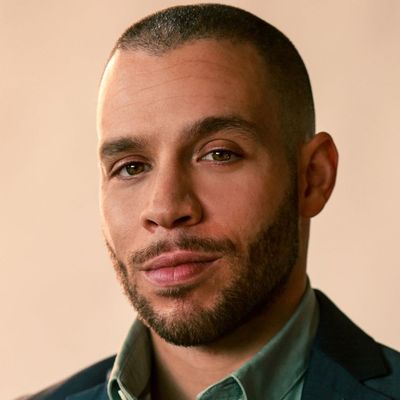
On this episode of the Broadway Gives Back podcast, we have two crazy talented and very passionate guys as our guests - Robin de Jesús and Ryan Morales.
Robin de Jesús is a film and theater actor best known for playing roles in the Broadway musicals In the Heights, La Cage aux Folles, and in The Boys in the Band, which earned him three Tony Award nominations. He also starred in the film adaptation of The Boys in the Band on Netflix. He was in the mini-series Welcome to Chippendales and the film tick, tick... BOOM!, directed by Lin-Manuel Miranda, for which he received massive critical acclaim. Robin has a reputation of being one of Hollywood’s and Broadway’s hardest-working actors who always delivers.
Ryan Morales is an actor, a singer, a producer, an activist and the Founder & Producing Artistic Director of Latiné Musical Theatre Lab, an organization that develops and advocates for new Latiné-written works of musical theatre. His mission is to radically change who gets to tell musical stories on stages across the country and around the world. Ryan has a passion for telling stories about men who find strength in their vulnerability - not shame. Stories that elevate the Latiné and LGBTQ+ experience beyond the boundaries they typically exist in.
Connect with The Broadway Gives Back Podcast:
- Facebook: @broadwaygivesbackpodcast
- Instagram: @broadwaygivesbackpodcast
- Twitter: @broadwaygives
Connect with Robin de Jesús:
- Instagram: @robinofjesus
- Twitter: @robinofjesus
Hosted & Executive Produced by Jan Svendsen
A proud member of the Broadway Podcast Network.
Special thanks to Dori Berinstein, Alan Seales, and Kimberlee Garris from BPN; Julian Hills from The Bulldog Agency; and Eric Becker from Broderick Street Music.
Robin's morning music inspo:
Ryan's morning music inspo:
Transcript
This transcript was automatically generated and might contain errors.
[0:05] Jan Svendsen: Welcome to the Broadway Gives Back Podcast.
[0:07] Jan Svendsen: I'm your host, Jan Svendsen.
[0:10] Jan Svendsen: This podcast spotlights Broadway actors, shows, and organizations in their pursuit of social impact and philanthropy.
[0:17] Jan Svendsen: Join us as some of the brightest lights on Broadway share their stories about their favorite charities and how they got involved and the people on the causes who benefited from these philanthropic efforts.
[0:32] Jan Svendsen: Today on the Broadway Gives Back Podcast, I have two crazy talented and very passionate guys as my guests.
[0:32] Jan Svendsen: Robin de Jesús is a film and theater actor best known for his role of Sonny in the Broadway musical In the Heights, for which he received a Tony nomination.
[0:49] Jan Svendsen: Then came La Cage aux Folles, where he played Jacob, the sassy housekeeper, which earned him a second Tony Award nomination.
[0:57] Jan Svendsen: Robin received his third Tony nomination for his role as Emory in The Boys in the Band, and he later recreated that role in the 2020 film adaptation on Netflix.
[1:07] Jan Svendsen: He was in the mini-series Welcome to Chippendales and the film Tick, Tick... BOOM!, directed by Lin-Manuel Miranda, for which he received massive critical acclaim.
[1:17] Jan Svendsen: Robin has a reputation of being one of Hollywood's and Broadway's hardest-working actors who always delivers.
[1:24] Jan Svendsen: Ryan Morales is an actor, a singer, a producer, an activist, and the founding and producing artistic director of Latiné Musical Theatre Lab, an organization that develops and advocates for new Latiné-written works of musical theater.
[1:40] Jan Svendsen: His mission is to radically change who gets to tell musical stories on stages across the country and around the world.
[1:48] Jan Svendsen: Ryan has a passion for telling stories about men who find strength in their vulnerability, not shame.
[1:54] Jan Svendsen: Stories that elevate the Latiné and LGBTQ+ experience beyond the boundaries they typically exist in.
[2:01] Jan Svendsen: Welcome, Robin and Ryan, to the Broadway Gives Back Podcast.
[2:05] Robin de Jesús: Thank you for having us.
[2:07] Ryan Morales: Hello.
[2:07] Robin de Jesús: Thank you.
[2:08] Ryan Morales: Hi.
[2:09] Jan Svendsen: Oh, it's so good to have you guys here. Um, well, I feel like I'm just sending you a hug through our little Zoom platform here.
[2:16] Jan Svendsen: But I wanted to make sure that our listeners got to know you guys better.
[2:20] Jan Svendsen: So I thought that maybe before we get into our meaty discussion about Latiné Musical Theatre Lab, we could do some quick, rapid-fire Q&A, um, just so people could get to know you better.
[2:32] Jan Svendsen: You up for it?
[2:34] Robin de Jesús: Word, yeah.
[2:35] Jan Svendsen: Okay. All right. So let me ask you, these are the first thoughts that come to your head.
[2:39] Jan Svendsen: What are—I'm gonna start with you, Robin. What are the three words that best describe you?
[2:45] Robin de Jesús: Silly, sensitive, uh, easily excited.
[2:52] Jan Svendsen: Oh, I thought that's four words, but you—
[2:52] Robin de Jesús: No, no, no, we'll hyphenate it. It's all good.
[2:55] Jan Svendsen: Yay, yay. How about you, Ryan?
[2:58] Ryan Morales: Uh, passionate, driven, nerd.
[3:03] Jan Svendsen: Okay, great. Um, I think food tells a lot about a person.
[3:08] Jan Svendsen: Um, so I was trying to imagine, like if we knew the world was ending, there was a meteor gonna hit the planet.
[3:15] Jan Svendsen: What would your last meal be? And you don't have to think about healthy things or anything like that. Just what would your dream meal be?
[3:22] Robin de Jesús: When in doubt, fried pork chops. It's a very country Puerto Rican thing, but a good fried pork chop will do the job.
[3:29] Jan Svendsen: Okay, I'm not sure I would join you in that, but all right. How about you, Ryan?
[3:33] Ryan Morales: Oh gosh, it'd be like a wagyu steak. Like get—make it fancy, make it like simple with like a nice side sauce you can do a little dipping in, and like some really great like mashed potatoes, asparagus with like parmesan on top, something like that.
[3:48] Robin de Jesús: Wait, I have to add, because you did the folding and I just—without the pork chop.
[3:52] Ryan Morales: Yeah, yeah.
[3:53] Robin de Jesús: You're absolutely right. So it's the fried pork chop, probably white rice and beans, my mother's beans mixed in with all the stuff when she does the special beans with plantains, potatoes, um, uh, she throws inside chicharrones, which is like Puerto Rican sausages, uh, ham, whatever smoked meat.
[4:12] Robin de Jesús: You know, that—that's the thing in Puerto Rico is like in the countryside, it's so much of the food there comes from what's around.
[4:20] Robin de Jesús: And you know, this economics plays a role in it. So those beans, they gotta taste right with them smoked meat.
[4:26] Jan Svendsen: Okay, now you're talking. I had Donna Murphy on the podcast a few months ago, and I think she must have spent like at least 15 minutes talking about this meal that she would have.
[4:35] Jan Svendsen: And it was so just—it was so descriptive. So thank you. Any desserts, just asking, because we didn't hit the desserts on that.
[4:43] Robin de Jesús: We didn't hit dessert on that.
[4:45] Ryan Morales: Oh gosh. I right now I love flan con leche.
[4:49] Robin de Jesús: I haven't—rice, uh, yeah, it sounds good.
[4:52] Ryan Morales: I have an affinity for like Japanese desserts because I, uh, lived in Japan for six months as performing out there, so I have an affinity for like any sort of Japanese desserts, ice cream, sweets, anything like that.
[5:03] Jan Svendsen: Okay, interesting. Um, another question I think is fun is what fictional character would you want to have as your BFF?
[5:14] Robin de Jesús: Ooh, that is a great question. A fictional character that I would like to have be my BFF.
[5:25] Robin de Jesús: Um, Chris Tucker in The Fifth Element.
[5:31] Jan Svendsen: Wait, wait, you said literary? Did I just make that up?
[5:33] Robin de Jesús: No, no, no, fictional character.
[5:35] Jan Svendsen: Fictional character. You're—you're right.
[5:37] Robin de Jesús: Yeah.
[5:38] Robin de Jesús: That Tucker in The Fifth Element just sounds like it would be a lot of silly fun.
[5:42] Jan Svendsen: Okay. Silly fun. That's going with your descriptive words about yourself. So that's good. I like the theme. Ryan, what about you?
[5:49] Ryan Morales: Uh, this is a deep cut. Uh, but Riku from Final Fantasy 10, I feel like she would be a friggin' blast and would just really get me out of my shell and be like, no, let's go do fun things and like, but work, but fun, you know, and that's so funny.
[6:04] Jan Svendsen: So I've never asked anybody this question before on the podcast.
[6:07] Jan Svendsen: So one last question. You both actually have a reputation for showing up.
[6:12] Jan Svendsen: Um, and in the spirit of that idea of showing up and delivering, can you give an example? Don't be modest, um, of a time that you showed up for someone or something, um, just to help our listeners understand and get to know you better.
[6:28] Robin de Jesús: Sure. I remember being in Puerto Rico one day. I was with my mother and her then partner, and, uh, he did some—he was someone I wasn't a fan of.
[6:43] Robin de Jesús: But he did something one day that really stuck out to me, and I'm always grateful to have witnessed this.
[6:47] Robin de Jesús: I was younger and it was an unhoused person who was asking for money for food outside of Burger King.
[6:54] Robin de Jesús: And he just kind of had an attitude where he said, come on, come inside with me.
[6:58] Robin de Jesús: And he bought her a meal. And so now, whenever I'm walking down the street, if I have the time and someone asks me for money, and I usually—it's like you have to make me laugh, smile, or if I know what you're genuinely want and need food, and we are outside of an establishment, I will walk in with you and buy you a meal.
[7:18] Robin de Jesús: And maybe like eight months ago, I—a woman was on the corner of 47th and 9th and by the pizzeria over there, and she asked me, you know, could I get her a slice?
[7:29] Robin de Jesús: And I said, yeah, absolutely. And she was just kind of jarred. I—I think she thought everyone else assumed her ask was performative.
[7:37] Robin de Jesús: And so I went inside with her and I said, why don't you get two? Why don't you get like more than one slice so you have a meal for later?
[7:43] Robin de Jesús: She was at first she was only gonna get gonna get one. And—and she—I saw her look at the fridge and I said, you get a drink, go ahead, of course.
[7:50] Robin de Jesús: So she went and got the drink. And then we're waiting on the food and I'm getting my food, and all of a sudden she just got really, really emotional.
[7:58] Robin de Jesús: And she said, I—I saw her arms kind of do like reach out to me, but then like pull back and she said, I'm sorry, can I hug you?
[8:07] Robin de Jesús: And I said, absolutely. And we just held each other for a good ten seconds.
[8:14] Robin de Jesús: And she cried and then we parted and I—and I didn't want to wait. I had my meal and I just thought, mm, there's—there's so much weight there, and I was like, I think my job is done and I wanna give her privacy and I left and that's kind of been with me all year.
[8:31] Jan Svendsen: Yeah.
[8:33] Jan Svendsen: How about you, Ryan?
[8:37] Ryan Morales: Yeah, so I think of my mom when I—when you asked that question, like I just started thinking about all the times there because, you know, my mom, I grew up with like a single mom, divorced at three.
[8:47] Ryan Morales: My dad was around, but like my mom was really the one who was like the caretaker.
[8:50] Ryan Morales: Um, and so as an adult, I've then had the ability to like show up for her when she needs to, and she still shows up for me all the time, but I think of one time it was, I think end of 2021.
[9:03] Ryan Morales: I ended up going home for about three weeks when she had surgery.
[9:07] Ryan Morales: Uh, and she was at a point where she really just had to like sit in bed all day.
[9:11] Ryan Morales: She—she lived in a two-floor apartment. So it was a—she couldn't even really get down. Her bedroom was upstairs, downstairs was the kitchen and everything.
[9:17] Ryan Morales: So I really had to like take care of her.
[9:19] Ryan Morales: And so I remember like I didn't want her to be bored in bed.
[9:22] Ryan Morales: So I went and like moved the television into her bedroom.
[9:25] Ryan Morales: She didn't have a TV in there. So I moved the television to the bedroom and like created like a makeshift like shelf thing for it to be on.
[9:33] Ryan Morales: So it was right in front of her bed.
[9:34] Ryan Morales: And then we would just sit and play cards, and she never watched the Marvel movies.
[9:38] Ryan Morales: So I was like, you know what? We have lots of time. Let's just work our way through like Marvel history, start to finish.
[9:45] Ryan Morales: Um, and that was how we really helped pass the three weeks.
[9:48] Ryan Morales: And I know like as an—as someone who has been an actor for a long time, being able to be home for important things has not always been possible.
[9:55] Ryan Morales: It's hard to make plans, it's hard to have time for that.
[9:57] Ryan Morales: Um, and it was really, I think special for her because I sort of in my 20s, I didn't—I couldn't always be there for her doing hard things or birthdays or things like that.
[10:04] Ryan Morales: So it was one of the first times where I was actually able to be like, no, no, mom, I'm here, I'm here for three weeks.
[10:08] Ryan Morales: I'm taking care of you. We're gonna play cards and we're gonna do all the things.
[10:12] Ryan Morales: And—and I think she still talks about that as one of the times where she felt like the most taken care of by her son.
[10:19] Jan Svendsen: Ah, as a mom, I love that. Thank you.
[10:22] Jan Svendsen: On behalf of all moms.
[10:25] Jan Svendsen: Um, you both obviously had given examples of giving back.
[10:31] Jan Svendsen: And um, this podcast is about giving back and social activism and philanthropy.
[10:36] Jan Svendsen: So I just wanted to talk a little bit generically about just this idea, the notion of giving back and what it means to each of you.
[10:44] Jan Svendsen: And I—I guess I wonder through, you know, where did this practice of philanthropy or giving back, how did it form for you guys?
[10:53] Jan Svendsen: You're both proud Puerto Rican backgrounds.
[10:56] Jan Svendsen: Um, and I wondered if that influenced any of your activism.
[11:01] Robin de Jesús: Um, there's like several questions in there.
[11:04] Robin de Jesús: So let's discuss.
[11:08] Robin de Jesús: I just—it goes back to my mom too, you know.
[11:14] Robin de Jesús: She grew up, um, really with nothing and—and worked her way up into getting an accounting degree and then CPA license and eventually retired as a partner of a firm.
[11:24] Robin de Jesús: So she's like such a beacon for me of what it is to build something for yourself and your family from—from nothing.
[11:31] Robin de Jesús: And I think, uh, within that, like you can't help but see and want that for other people.
[11:38] Robin de Jesús: Um, and then I was able to then be an artist, like right.
[11:42] Robin de Jesús: Um, and the fact that my mom's work and sacrifice created a better life for me.
[11:46] Robin de Jesús: I think it's in your bones in a big way that you want to see a world where what you create is for other people, and you know, being an actor and artist for me was always simultaneously like, yes, I love it, yes, it's joyous, yes, it's fun, but also how can I be the kind of person that goes on stage and inspires other people to think about their life or to laugh or like have a spark?
[12:07] Robin de Jesús: And I think that's what we love about theater is that theater has a way of like really touching and influencing people's life and trajectory.
[12:14] Robin de Jesús: Like anyone I talk to talks about how they did theater back in high school or college or whatever, and how the experience of actually doing theater, not just seeing it, not just—not just experiencing it visually, but experiencing it hands-on, how that's actually like created a different a life for them.
[12:29] Robin de Jesús: And so for me, like when I first started acting, it was about being able to share an experience that helped people do that, right?
[12:37] Robin de Jesús: By seeing me as an actor. And now that I've moved into my life is really focused on running the lab and philanthropy in that way.
[12:43] Ryan Morales: I think I realized over time that that was not even just enough for me. I'm so ambitious to share to I don't know, pay it forward in some ways to share what I've been able to have thanks to the sacrifices of my mom and my parents. And I just want to see people live a happy, fulfilled, comfortable life. And to me, it's all about how do we create the circumstances so that as many people as possible can live that and can have the experience that I've had that came from the sacrifice of my mom and my family. What does it look like to think about that beyond our families and beyond just the people directly related to us or directly around us and create the circumstances so that they can also live a happy and full life and do the creative things they love and do the nerdy things they love and have passion for the world?
And I think that's I don't know, it's also like how that's how we create a better world, right? When we're all focused about the things that we love and the things that we're passionate about, and the things that we're nerdy for, like the things you know, we've built this internet world where we can all love these different things. I think the more people that get to that that gets to be the great problem of their life is how do I want to spend these glorious days? Like that's how we create a world where we're all so much happier and there's less conflict and there's less sorrow and there's less pain, right? So that's I think why I'm so passionate about philanthropy and especially philanthropy as it relates to the art form of musical theater.
[14:06] Jan Svendsen: Now I feel so much more optimistic. I love the energy and the optimism in that. Thank you. Robin, any thoughts?
[14:13] Robin de Jesús: So one of my grandmothers were our big influence in my life. And they both had this thing where they would cook in bulk every single day. And my one of my grandmothers, it was kind of her side hustle. What she would do is she'd cook in bulk. And when the factory workers were done, then they would swing by her house and pay like three bucks for a plate or whatever it was. As time went on, my other grandmother would just do it for free. She'd cook in bulk, and everyone in the family knew, like grandma cooked, so if you're hungry and you don't have, you know, you can't, you don't have time to make it home, but you're near her, swing by her house. Or she'd walk by my brother's job or some of the unhoused folks in the neighborhood, and she'd go, Hey.
And she'd point to her mouth, she'd gesticulate, like, come to my house, I'll feed you. And so that was always present. And I never really took that in. And it wasn't until I was older that I really began to meditate on that. And in my early 20s, sort of discovering what my spirituality was post-um post-Catholicism. I realized that service work must always be included in any desire to be content. And for a while, being in the Broadway community, it kind of felt easy because there was always a charity event happening. But then there was a while, there was a period afterwards where I realized, oh, but you just like that you get to perform at this charity event. Is it really service work? And there's a ratio of it that is, but I knew I had to really question that and do something that truly was not about me and not centered on me.
And the other day I was actually watching an interview. I do this all the time. I'll just go on YouTube and I'll watch interviews with like Marlon Brando, Katherine Hepburn, Betty Davis. And there was an interview with Marlena Dietrich. And I don't remember what the question was, but it was something along the lines of do you think about yourself this way, yada yada. And she said, I don't think about myself. I don't have time to think about just me. And just the way she said it, I knew I really connected with that. And I think right now we've been so isolated after so much time that we're in a very me-me-me place, and depression is so present post-pandemic, and with depression, there's like the narcissism aspect of it that I know for me, service work, even though this is still there's a self-interest in this, it's also about me getting out of me and like realizing there are others and connecting in that way, and also about it's about healing.
I became a performer because I needed healing, and the stage allowed me to be of service in this in this other way, where being a mirror to people and showing them who they are, and they receive whatever healing they need, but also me being on that stage was a lot what allowed me to be seen. All that said, the service work and philanthropy is also about being a person who is so aware of his ancestors and everything that it took to get to this place now that we're all the accumulation of so many before, it's the awareness that I also intend to be a seed for others, and so it's just that that awareness of the math of life and keeping it going. And in our particular world, if we're talking about philanthropy within the world of performance arts, it's the awareness that we're always a vulnerable art form. And so how do we keep the inheritance going?
[18:00] Jan Svendsen: Okay, I don't know if you guys can see through the computer, but like I literally am crying. Thank you. No, that's so true about looking back at like our ancestors and how I think there's some form of philanthropy or activism that is in our DNA, you know, and you see it modeled, you know, like you saw it from your grandmother and Ryan, you saw it with your mother. But I think there's also some like epigenetic thing too that um that's in your DNA. And I think that it's also okay to feel a little selfish about it. So many of my guests we've talked about this idea that when you do something good, you feel good, and that's okay too. You know, it is about this relationship, and um, and I think that feel good part um is is important too, and it's not just narcissistic.
I mean, maybe some of it is, but um, but I think it's a it's you know, it's that dialogue of that energy exchange now that's happening. Um anyway, well, that was very uh I'm on a whole roots trip right now, so I won't sideline you with that, but I'm uh I'm a uh my family were Holocaust victims and survivors, and so I've been deep diving into that whole thing. So um I when you said that about just the ancestors, where you've come from, and that really hit me.
[19:21] Robin de Jesús: I was just watching, I'm a big Henry Louis Gates fan. Are y'all aware of Henry Louis Gates, finding your roots? It's in Jeff Laugh Night. I was watching the latest episode because it is it's the just the idea of looking back at our ancestors as a part of our culture that I feel like we need to center more.
[19:39] Ryan Morales: Yeah. I mean, my mother was what that's where I believe I've gotten my sort of philanthropic, you know, desire to do something because she modeled it for me her entire life. But she never spoke to me really about her experience going through the Holocaust. And she just assimilated and you know, spoke English and like didn't talk about her past in Austria. And I didn't really know what happened to her. And I didn't really know. I knew that my grandfather was killed, but I never knew how. And um, and I found out just recently, like in the last month, I found a box in a storage unit that was hidden away, and the box was titled Cheerleading Stuff. So I had to open it, and like I hadn't seen this box in I don't know, like 30, 40 years or something.
And um, it was my old cheerleading scrapbooks and cheerleading pom poms and uniform, and at the very bottom of it was a little metal box with all these documents that my family had brought from Vienna. And it was passports and birth certificates and marriage licenses, and it was even a death certificate showing that where my grandfather was killed in a concentration camp in Poland. So it was so crazy. Um, and I only bring it up because I do think that all of that sort of informs um, you know, sort of your own personal desire to to do good in the world and and and give back. Um and as I said earlier to you guys, you guys are both have a reputation for being people who um, as our friend Louis Miranda would say, get shit done um so Ryan I want to I want to start with you because um how did you come to start Latiné Musical Theater Lab?
Like what was your motivation and you know how did you like what was the trajectory because it's such an amazing organization it's and it's also very strategically focused. And you're a very strategic thinker. So tell us the story of of the lab.
[21:38] Ryan Morales: Yeah so uh it started actually post-COVID uh a lot happened in COVID where um we all had a chance as especially as performers to sort of slow down and think about our place in the world and there was a lot of input from from you know we see white uh American theater and and all of these folks that were asking us to think deeper about it and so I got involved in uh activism with the Actors Equity Association. I started doing some small producing things, creating like pockets of community. And what I sort of realized in rear view it the reason why I created the lab and why it felt so right on like my heart to do is because I'm always someone who's really lacked community. I grew up an only child.
I never really had community in in elementary school, high school, college, even as an adult in the city it's always been something I've been grasping and and reaching for and something I've I've never had and so my solution has been well why don't I just create it for myself and others um and so I've I've created a lot of small things throughout the years in an effort to create that community. And so this big desire for more activism within the theater industry and also my my budding interest in in things beyond just performing and being on stage led me to where I was in a situation where I was I was acting in uh a contract down in Florida in late 2021, uh, very unsatisfied. And so I spoke to a mentor and I was like, I feel like I want to be working on mortar musicals and I want to be more connected to fellow Latiné people in the industry.
And maybe I reach out to Latin people and musical theater writers, and and she was like, Why don't you just combine it? Reach out to Latin musical theater writers. And I was like, Oh, yeah, that's a great idea. I mean, I know so many. I mean, I know five. I know, wait, I only know five. I've been in this industry for a decade, and I can only name five Latin musical theater writers. What? And so I started reaching out to people I knew to Facebook groups, and just said, Hey, who do you know that's Latin and is writing musicals? And nobody really knew a lot of people, but everybody kind of knew one. And so all of a sudden, within a week's time, I went from knowing five to knowing of 60. And I started reaching out to them.
And I was like, Hey, um, why don't I know you? Why isn't your work out there? And they were like, uh, rude, but also uh, this is why. This is what we feel like is lacking. This is what we feel like is missing, and these are the resources we need. And this is the like the kind of schematic of what we need. And I looked at this list of things that the writers were asking for, and I said, I could make that. And the person I was on the call with at the time was like, okay, dude, sure, like good luck. See ya. And I was like, no, no, no, I can make that. And so I kept having conversations and meetings during the day, during the shows at night. And I was saying, Hey, I'm thinking of making this thing.
Like, what are your thoughts? What's your input? And then after about two weeks of saying, I'm thinking of making this thing, I started to say, I'm making this thing, I want to know what you think. Tell me. And all of this happened in the course of a month. I went from like first, hey, let me meet with writers to a month later having an LLC and a volunteer managing director who was helping me create this thing. That was November 16th, 2021. And so it really blossomed from the input of the writers. We held meetings, we held focus groups, we sent out surveys. That's that's been a big part of the blueprint of how the lab has been strategic because it's all based on what the writers have asked for and their feedback and their needs and trying to get really deep in as someone who I'm not a writer myself, I'm not trying to write a musical.
So I get to be this like really curious outsider and observer, and it's really just completely absorbed my imagination and my fascination with this art form because I want to understand so deeply, and I and my team wants to understand so deeply. How do we show up for these writers? How do we create the map, the environment, the ecosystem for the writers to be able to succeed in a huge way? And it really did start with just talking to people. It really started with being curious enough to ask questions and really listen to the answers. And you can see all I'm very much, I am, I guess, a person who gets shit done because I was like, cool, this is a thing.
[25:22] Ryan Morales: Let's like, let's fucking go. Like, and I think that's created a lot of joy in it for myself and a lot of movement for it as an organization.
[25:31] Robin de Jesús: Yeah, now I see why Luis loves you. Um, the whole idea of getting it done. But that, you know, not a lot of people would have just thought about it and thought about it, and then but you did it. You acted, acted being the keyword on it. Um, Robin, what's um, you know, speak a little bit about your involvement with um with the lab.
[25:51] Robin de Jesús: Yeah, I believe Ryan, and let me know if I'm wrong. Did we just like learn about each other through social media? Did we connect that way or via email?
[25:57] Ryan Morales: I think so we were doing our first benefit concert, and we said, okay, we need a host. Who's the perfect host? And literally the first answer, I'm not I'm not bluffing you here. Like the first answer with Robin de Jesús. Like, literally, that was our first name. And so I don't know who connected us, but I think I like emailed you, and then uh I was still acting then, so we had a phone call during tech for my show.
[26:20] Robin de Jesús: Yes, yes. I do remember this now a hundred percent. See, the thing is I I have always envied the people that have the tools to be like organizers and and that Norma Ray energy, and my nervous system can't take it. Like I have tried to be that person, and for whatever reason, it's that sensitivity that I mentioned in that first question you asked us. And and sometimes that sent with that sensitivity, I don't I don't realize that I don't establish proper boundaries emotionally. And so what I have found over the years is the the space that I occupy is connective tissue.
[27:01] Robin de Jesús: I have always I have always discussed specifically liberal white supremacy within theater with my friends and the blind spots that we have where it presents and we don't recognize it, we don't identify it as what it is. And so I was I would always engage with these conversations with my friends, and they would suddenly feel like, oh wow, you're describing what I feel, but I don't have the dictionary for. And then in that, I have a dear friend of mine I grew up with who does DEI work, and she would also educate me, and she would give me a safe space where when I would want to discuss something related to white supremacy, she'd say, Hey, do me a favor, just say whatever you want to say, don't worry about being politically correct, and I will stop you and say, Hey, so just so you know, what you just said there is problematic or could be perceived as problematic because of yada yada yada.
[27:56] Robin de Jesús: And so she helped me refine my dictionary. And what started happening throughout the pandemic, especially post George Floyd and Ahmad Aubrey, is that I started getting a lot of phone calls from folks just saying, like, hey, can you just help me like just release this and figure out what exactly it is I'm feeling, or I'm feeling a little ignorant about this thing. Because I've always been a believer that black liberation is everyone's liberation. And I think a lot of it as Latinos is realizing that we do operate out of a pigmentocracy. And and and if we don't realize our own blind spots, then we can't we can't uh be good allies to all black folks, whether they are Latino or not Latino or Latine and Latinex.
[28:43] Robin de Jesús: And and so because those conversations were always circling in my social circles, my phone was just going off all throughout the pandemic. And um, and so I feel like there's a world where though within those conversations, I was getting asked by folks to you know, come join this group here or host this event there or whatever. And I I feel like maybe somehow that's how we got connected as well, that energy.
[29:12] Jan Svendsen: You just talked about dictionary. Can I just ask on behalf of myself and maybe others? So I've had this conversation with others. So Hispanic, Latin, Latinex, Latine. Um what's the what's the as you said, your friend guided you on sort of the best words to use? What what is the what's the best words to use?
[29:36] Robin de Jesús: Well, the first thing I have to say immediately with this conversation is because I think there are a lot of people who as soon as they hear Latin Latinx, especially within the Latin Latinx community, whether they identify mo mostly people who don't identify with that word, even though they are those words, I should say, even though they are members of those communities, is that they get they get turned off. People hear Latinx and Latin and they're just like, what is that? What does that mean? And for me, I like to think of it as real time healing. Like, you know, if we're looking at an iPad and we zoom in on something, suddenly we see more and things become more pixelated.
[30:20] Robin de Jesús: And with Latino and Latina, it is kind of fascinating that we would genderize the group. American doesn't have a gender. It's not male or female or non-binary. And and so over time, Latinx was developed to be more inclusive of gender non-conforming folks. Um and also to um just not genderize things. And I think that that word became really hard to say in both languages, and Latina kind of flows off the tongue easier. I think there's just there's a lot of resistance within our own communities.
[30:55] Ryan Morales: Yeah, and especially like in some of the older people, right? Because that's where I I've had this conversation, and it's no, just call me Hispanic. You know, I'm like, well, okay. And with getting-spanic for me, I don't with Hispanic for me, it's that so much of my lived experience was you know, with with Hispanic, there is this really, really strong tie to Spain. And obviously a lot of us are descendants from Spain. I think I'm 50% descended from Spain, according to 23andMe. Um Ryan, I know you're you're it you're Italian, right?
[31:31] Ryan Morales: Yeah.
[31:32] Robin de Jesús: Portuguese.
[31:33] Ryan Morales: I got s I got seven percent Italian, so I'm there with you too, Ryan. Seven percent. Um there's point one percent Ashkenazi, so it's not a lot, but hey, I'm I'm ninety-nine percent Ashkenazi.
[31:44] Robin de Jesús: Wow.
[31:46] Ryan Morales: And one percent North African.
[31:49] Robin de Jesús: Yep. Anyway, yeah go on. Sorry, I didn't mean to interrupt.
[31:53] Ryan Morales: No, not at all, not at all. Hispanic, I don't feel comfortable with it just because it centers Spain so much, and there was so much fuckery behind Spain's treatment of the rest of the Americas that I do I do acknowledge that I am a descendant of that group, and I and I also acknowledge that b as a descendant of that group and as a light-skinned Latino, I have to consistently engage in shadow work. I have to consistently think about the dark past of my ancestors as well and how that presents itself in me and how that affects my blind spots. So I I just rather say Latine, Latinex, Latino. I use all three for for myself, uh big because it it is including my black grandmother and my black grandfather in a way where they I feel like they are more centered, and my indigenous ancestors who I I don't feel like I got to know that well because I think they're further back, and the the culture was sort of lost by then for me. But that's that's my whole thing with all of those identities.
[33:03] Robin de Jesús: And and Ryan, you made a choice. You went Latina for you know for the lab.
[33:07] Ryan Morales: Yeah. So actually, I have a specific story of why it was like there wasn't even a decision about which one to use for us, which was I was uh I I Spanish is not I didn't I don't speak Spanish fluently. I've learned it like as an adult over the past eight years or so, so. So I still am learning. I'm still a student of Spanish.
[33:24] Ryan Morales: Uh and so I have a tutor uh in Peru that I that I talked to. This this mom, she's you know pretty progressive. She's super super cool. And as like a queer man, being able to talk to her about anything I want to is is great. I don't feel like I have to censor myself at all. But I was dating someone non who was non-binary, use they them pronouns. And so we had a a number of conversations talking about them. First when they were just like my friend was the word that we ended up using like uh amigo, amiga, um, and then when they were actually like my person. So like what that would be novio, novia, boyfriend.
[33:56] Ryan Morales: And um it was really easy for us to then just use the gender neutral, which would be a mi gay with it with the e like latine, amig gay, no b. And so I'm a big fan of Latine because it actually creates a lot of facility to start to to make that commonplace and how we also create neutral gender for other Spanish words. That still keeps it in the vernacular of of Spanish for from my understanding and also from my understanding of the folks that I speak to and the and then my tutor even, you know, this mom of Peru is like, oh I understand that's your no yeah great cool I can completely converse with you in that now and and so that's why that's where I go to but then I also just offer a lot of grace that like language for identity groups like it is natural that it evolves over time.
[34:40] Ryan Morales: Um the language that gets co-opted by the group eventually also becomes the language of the oppressor. That's just like a natural way in which language evolves. So like as as two queer men like we actually I think I more often identify myself as queer or right like I would say like me and Robin are both queer men before I would identify us as gay men right now. Like but that's different than 10 years ago. That language is sort of naturally evolves because as things become more mainstream, that language starts to get co-opted more by the language of the oppressor.
[35:11] Ryan Morales: And so we have to actually kind of continue to be on this journey of reinventing ourselves. And if you look at it across like any any group, that language has evolved over time. And so I think it's very natural for the language to evolve and a natural for there to be like a pushback or discomfort with it from older generations. That's just it's just normal with with sort of any sort of changes. It's just how we are as I think how we're wired as people.
[35:34] Ryan Morales: So I offer a lot of grace for the people that prefer Hispanic. Nothing about those terms offends me. If someone referred to me as Hispanic, I don't have any sort of feeling about it, but I do think it is just normal and natural to be moving towards Latine as the term for a lot of reasons. And also I think the thing that a lot of us have to remember too when we have these conversations, because oftentimes they come up with folks that are of Spanish speaking descendancy.
[36:04] Ryan Morales: It's also about the awareness that la you can be Latine and not come from a Spanish speaking country. And because there's there's a pop I'm from Connecticut and there's a politician there who is Puerto Rican and he wants Latinx removed from all government documents. And one of his arguments is I'm a proud Hispanic, Spanish is my people's language, and you can't mess it up. And I just thought it was fascinating because Latino isn't just for Spanish speakers. Right. And so there is a self-centering that is excluding of others, whether that be native folks, whether that be Brazilians, Guyanese, or there's so many folk that are that are in that are in the group that are getting enough attention.
[36:48] Ryan Morales: So again, Latiné to me is just a sign that we're healing.
[36:52] Jan Svendsen: Yeah, I like it. I um my minor was Latin American Studies, and so I traveled a lot in Spain and I took a year and went all through South and Central America. And it was so interesting to go to all the different countries and understand what their at that time, this was many years ago, but their sort of point of view, especially with regard to the relationship with Spain and Spanish.
[37:14] Robin de Jesús: So especially in Brazil. Anyway, fascinating. But I want to go back to, I want to go back to the lab for a second. Can you tell me your vision for, well, actually, before we get in the vision, just what are some of the actual, you were talking about sort of what the writers need and what they're asking for. Can you just give us an example of like a concrete thing that the writers need that you are now providing or can provide in the near future?
[37:44] Ryan Morales: Yeah, I'll I think the a great example is our most recent event. So we have uh a set of what we call different flagship programs that provide different development and uh performance opportunities. Uh so everything we do is very focused on the development of musicals, providing a platform where we can connect with the writers with actors, dramaturges, facilitators, audiences, all depending on the project.
[38:06] Ryan Morales: And so, uh, one of my favorite programs, it might be my favorite, I not to not to play, you know, Papa with the different favorites, but um, is our Cruli de Burgos cohort named after the late great Puerto Rican poet. And uh, the cohort is six teams of writers come together over a three-month span. They meet every other week. They've got uh two facilitators that work with them, and so they're they're just given this space to incubate and collaborate over the course of three months to develop their show. And so we uh had two cohorts go simultaneously during the fall. One was in person so that people could meet in person who were here in New York City, the other was virtual, and it was all FEM, female, non-binary or trans composers.
So we were investing in the people writing the music because they're often the people to get left behind, especially for Latinx. Uh, there's not a lot of well-resourced uh and successful composers out there who are who are Latin. And so we had those two running simultaneously in the fall. Uh, and then these this program, what's great about it is that it isn't just the three months, it also ends in what we call a capstone project, where the writers have like some sort of next step effort for their work. And so for the composers group, the virtual composers group, they all are getting recordings of some of their music that they're gonna have for submissions to be able to put on their website, right?
We're showcasing the composers, the music writers. Uh, the other group got a concert uh in partnership with Prospect Theater Company here in New York City. Uh, we had Ana Via Fanya and Joel Perez host this great amazing concert that sold out at Chelsea Factory, and the six teams got to go up there and present two songs by Bombass singers, and then also doing interviews. So we really centered not just the material, but we're always trying to uplift and highlight the writers, right? We're we're we're creating fans of these writers because it's not just about the material, it's not just about this one show they're working on. We're really focused at the lab of what is the longevity of the career, how are we investing in the person and not just their their one idea or their one piece of writing, right?
Not just their one work. And so it felt like it created this really amazing platform where the writers got to be seen in their full artistry to potential agents, to potential producers, to the community, and that just felt like such a great through line of investment, development, mentorship, collaboration, community onto performance, onto videos that they get to keep, onto potential connections. And so that that example of of how that program created all of these pathways all in one program, I think really encapsulates what we want the writer to experience to be here at the lab.
[40:39] Jan Svendsen: I love the comprehensive approach. Robin, if you had to think 10 years from now, and you think about the world of theater, particularly Broadway, what would it in your fantasy world and your in your vision like of like it being great or better, what would it look like 10 years from now? And I'm taking into in consideration everything that Ryan just said too.
[41:01] Robin de Jesús: Yeah, 100%. Uh, I've been thinking a lot lately about Charles Blow, the political analyst. And he's been talking about the, he's been talking about how the he wants the great migration to return to the South, and specifically for black folks to return to the states that could turn purple and blue that are presently red. So that that way it's like instead of instead of uh basically addressing white supremacy in a new way, overpowering it by with by with politics. And in Puerto Rico, there's there's something similar happening in the sense that people are asking the diaspora to return, the mainlanders to come back. And in in thinking about that, one of the things that that I hope to see in the future is more of a connection between commercial Broadway and the Puerto Rican Traveling Theater Company and La Tea and all the theater and and um trying to think who else right now.
Um there's so many. My brain is farting. Thank you. I literally was like looking at Intar in my head on 52nd Street. I'm in the corner and I can't and I can't say it. All of them, I would love for there to be more of an exchange with those with those theaters. Um I think one of the things that I love about Latiné Lab is that in cultivating all these writers, which I think is the most that's that's the place where we need to be focusing our energy most there and produ finding Latino producers. Um because one of the things that I've noticed happen for a lot of POCs is they write shows that don't center the POC experience because they're aware of the fact that that show is gonna get more is more likely to get produced than a show that does center.
So the idea of having more and more Latinos helps us fill in those blind spots, you know, those those moments where someone might say, Hey, I could write this show that is that is about Latino family, but I really want to get it produced, so I'm just gonna make it white. And and so I just you know what I'm saying?
[43:03] Jan Svendsen: Yeah, I know I would I do. So when I worked back at the Broadway League, um I ran the marketing there, and um we did a bunch of marketing research for um from Broadway in general about well, everything really, but one of the things I was very focused on was you know, creating a more diverse Broadway. And um one of the questions that we asked um specifically to Latina, Hispanic, Latino, Latin audience audience members, um, was what's your favorite Broadway show ever? And when I saw the results, I just smiled because I totally got it. And I would ask this question to people. So I'm gonna ask both of you, what do you think the this research results were? Um, this is probably about like at least 10, 15 years ago.
[44:03] Ryan Morales: Oh if I don't even want to say well, my first thought was wicked, but yeah, I guess West Side Story.
[44:13] Robin de Jesús: Okay, most people okay. What would you say, Ryan?
[44:15] Ryan Morales: You told me this already.
[44:17] Robin de Jesús: I did tell you.
[44:18] Ryan Morales: Okay, so don't answer.
[44:18] Robin de Jesús: I'm not gonna it's yeah, it's Fiddler on the Roof.
[44:22] Ryan Morales: Of course.
[44:23] Robin de Jesús: Yes, but it totally it makes a hundred percent sense, right? So back to your, you know, what you were saying earlier, you know, if you're focusing a story about people that family and tradition, you know, it doesn't matter who they are, it's like people will be able to relate to them, you know.
[44:39] Ryan Morales: 100%.
[44:40] Robin de Jesús: Yes.
[44:41] Ryan Morales: Yeah. And I think I think Fiddler is also really successful because it's really culturally specific, right? It's it's it is specific. It's not trying to be general, it's not trying to be a show that is for everyone about a very specific group of people in a very specific experience. I think Fiddler has sustained power, regardless of if you are of that community or not, because it's got that cultural specificity.
[45:05] Robin de Jesús: Yeah, yeah, definitely. Um, okay, so back to the question. So 10 years from now, yes, Broadway looks like there's more integration between um commercial theater and um more integration with commercial theater with with not-for-profit theaters, specifically the ones that center P the POC experience. And I and I also really, really hope that Broadway um becomes a place becomes more accessible with some sort of government like subsidized ticket system, you know, and which we already have, but I remember um Jeremy from Slave Play, the the playwright, Jeremy O'Harris uh put an article out early during the shutdown about how FDR recognized that Broadway wasn't Broadway affected the local economy in such a way, but not just with the ticket price.
It's up and we know this, it's everything. It's it's taxis, it's restaurants, it's the merchandise, it's it's so many things, right? So if the government would realize that if you just help us get people in the seats, that money will get spent in other ways. Overall, I I'm I'm hoping that there's more government involvement in subsidizing ticket prices for Broadway.
[46:22] Jan Svendsen: So Rob, and I want to I want to ask you, I'm gonna ask you both, but like you're a singer and an actor. You're both Hollywood and Broadway. And I just wondered, you know, you've done so much amazing work. What motivates you and what inspires you when you're, you know, sort of picking something to do and to work on and a character.
[46:43] Robin de Jesús: I am pretty intuitive. I'll find myself listening to music or you know, journaling something, and all of a sudden I'll feel like, oh, who's that character? And one time it came to me because I leaned over and I lifted my pants in a certain way, and I thought, who's that? And then I sat with my hand on my on my pants for a second, and I thought, hmm, I've never played a gangster before. And I I I'm a I'm a I'm five foot four. So I'm I'm a smaller dude, and roles like that aren't usually presented to me. But I I I meditated on that for a while. I thought, well, who who is the person that presents in many ways like me and has, and of course, Joe Pesci comes to mind. Joe Pesci, um, oh, there was there's someone else as an actor from the 30s, 40s, and 50s that I can't think of right now.
And I and I sat with that, and I and another day I thought I want to grow my hair out again. I want to start wearing more oranges and yellows. And I and I didn't I didn't know what this was what this was prepping me for, but I knew that I saw something and it was pixelating. And I said, I I really want to play a gangster in a period piece somewhere between the 50s and the 70s. And I thought about this for about five months, and one day I got offered an audition for this TV show called Welcome to Chippendales on Hulu. Which by the way blew my mind.
[48:02] Jan Svendsen: Cool.
[48:04] Robin de Jesús: Totally turns out that all of those things that I kept thinking about were this were prepping me for this person that actually existed. And so many of the downloads that I was getting, it was him sort of calling me too. And so a lot of it is I I'll sit down and think, well, what would I like to play? What goes against the last thing I did? What what allows me to show range? And I just start uh abstractly developing characters. The other thing for me is I'm I'm always aware that I identify as a healer, and so I want to choose stories that heal in some sort of way. And and so that allows me to sift through through certain things that don't really accomplish that. And when I say like work that heals, that doesn't necessarily mean that everything has to be noble and serious.
Like there's there's Chippendales was not so noble, but man, it was good. At all. And also sometimes you just want to do like a dumb, silly comedy. That that's also healing in in for people and also very, very important. So that's that's usually how I I uh get myself going. But also I have found that the moments where I have been stuck, this the moments where I have been most blocked and struggling to get the kind of work that I want are the moments where I don't have anything brewing. Are the moments where I just am not being intentional. And so I can't call in anything if I have nothing to say outwardly. So it it's always being aware of of what my wants and needs are and why I do what I do and and making sure that there's a goal so that I know what to work towards.
[49:44] Jan Svendsen: Ryan, I'm gonna ask you the same question but before I do I just have to plug Welcome to Chippendales because I stumbled upon it and I just literally my mind was blown I didn't know the story and I grew up in LA and I remember like I've I've went to Chippendales like and I never even I didn't know the it's crazy. So anyone listening go watch that it's insane.
[50:06] Ryan Morales: It's bonkers.
[50:07] Jan Svendsen: It's bonkers and your performance was you're it was so good.
[50:11] Robin de Jesús: Thank you and also Annaleigh Ashford is is fabulous in it for all the theater lovers.
[50:16] Jan Svendsen: Yes yes she is thank you for that plug how about you Ryan like what what inspires you what motivates you when you're like sort of picking a project and I mean obviously like the Latiné Lab is one thing but like in your in your other like acting work or directing work.
[50:30] Ryan Morales: Yeah, you know I actually just a couple months ago really made the decision to step away from acting in any any large capacity uh not because I don't love it. Like it that's actually that makes it even harder in some ways.
[50:43] Ryan Morales: I love performing. I've I love actors. I love acting um but because I felt so uh if you can't tell I'm like a really passionate person then like I'm super high energy. And so it's hard to not be able to give a hundred and ten percent to that part of my life. And I and I have this this calling really of the lab. And I felt like you know, the first year and a half hours running the organization, I was trying to be both things. And it felt like I was not being able to be full in both ways, you know. And so uh I basically don't act anymore or I have, you know, manager and do some film and television when I can and things like that. But um so I guess I can answer the question in terms of like how we pick projects at the lab, but it's actually very different in that, you know, last year we uh aided in the development of 54 different shows.
Uh and that was only that only our second year in existence as an organization. And so we work at a really massive scale. And a lot of that has to do with with two major things. One is we're really, it goes back to investment of artists, right? We're really invested in growing a whole big class of artists, not just a select few. We're really interested in providing opportunities year after year to all different artists so that 10 years from now, we see this whole group of people that had a lot of opportunity to really grow into their artistry and to grow into themselves and to stay in the game of writing musicals and to and to have been for the for the lab to have been that incubator in many ways of the careers of all of these writers.
Uh, but the second is it allows us to uh we we as artistic director, I have a set of artistic values that we program based on. It's not based on my artistic sensibilities, but I do have my sort of producer cap of what shows really hit for me and what shows I'm really excited about, and if and when I have the opportunity to step into more of a producing role in actually trying to get shows produced on off Broadway or on Broadway, that's a different conversation. But as the artistic director of the lab, my job is to uphold artistic values that are of service to the community. And so that's how we decide what shows we're picking in at any given time. But working at this high volume allows us to think really holistically about the Latin community, right?
Like Latinidad is this giant umbrella. And it's really difficult to you know describe it in a sentence because it encompasses so many different experiences. Being a Latin writer encompasses experiences that have so much to do with your culture, and also sometimes very little do to do with your culture. And so we really want to encourage and live out loud, not just in speech, but live out loud in how we program and how we select shows in a way that encourages this really expansive definition of Latinidad, this really expansive definition of what musical theater is and can be. And so we're often programming with that thought of like the bigger picture we're really trying to draw. Um that also then allows us to give opportunity to brand new writers, well-established writers, out of the box ideas, very commercial ideas, all in one, and so that we can look back on the 54 shows that we did and look at the map and be like, yeah, this represents our community, like as a whole and as a picture, and it also gets us out of this um constant issue that I think we deal with as Latin people of like that one show, that one actor, that one experience has to somehow represent all of us because commercially in film and television on Broadway, we get so few that there's this like immense pressure that that one has to represent all of us, and that's not it's impossible, it's an impossible feat. So, what does it look like, you know, to have this map and to have the space and to have the expansiveness to say this this big map represents us? No one project has to carry that weight.
[54:14] Jan Svendsen: God, you should do a TED talk on that. That was great. Um, speaking of TED Talks, so what advice would you guys give to our listeners? I like to use the word everyday philanthropist or everyday activist, because I feel like that's what most people could be. Um, and I'm gonna steal your your phrase, but if people listening were thinking about renegotiating their contract with their own activism, um, what advice would you give people?
[54:46] Ryan Morales: My first thing would say uh would be what what are you good at and what brings you joy? I think sometimes people assume that activism, I don't know, they they get intimidated by it and they feel like they don't have the tools to be normal ray, like I said earlier, or or they envision it a certain way, and well, that's that's not my skill set. And I and I think that there's something for everyone. It doesn't always have to mean that you have to start a lap in a lab, like God bless you, Ryan, for being able to because there are a lot of folks who won't take that on. And I and I understand that as well. It's a it's a lot to take on. And so A, kudos to you, but but also for others, it's like it doesn't have to be that big. So really think about what it is that you are already good at, what it is that's built into your life, and then make room to multiply that instead of trying to find this other thing. I hope that makes sense.
[55:43] Jan Svendsen: Does it does? What do you think, Ray?
[55:47] Ryan Morales: Yeah, I I love that so much, and I think it plays into where my brain goes initially, which is you know, there's a level of like diversification, and there's a level of like specification. And so we all have different superpowers, we all have different uh capacities, right? If you think of from a financial capacity, we all anyone who's giving money and able to donate money has different levels of financial capacity. Those of us who are are active in our actions, right? Those are not mutually exclusive either. But when you think about how you want to show up in the world, there's there's the ability to either go really deep on one thing or to take your superpower and go like and diversify how you're showing up.
I think there are a lot of organizations, and I'll say this as a as a young arts leader, having founded an organization, the difference uh a relatively small donation makes for our organization is huge. So I would encourage folks that are that are able to give uh enough money that they can diversify where they give their money to really think about what are the organizations that you know a tenth of what I give this other organization could really make an impact on. But to not also feel like that's the only thing you can give to right that can be a portion of your financial giving and and then a portion goes to a smaller organization like the lab or a smaller theater company where that that smaller donation can make such a huge impact.
I I think if we think about how we diversify in in this case funding but also think about how we diversify our energy and are you the kind of person that is like like I guess what I'm trying to say is like where do you get energy from because it's great to be uh to be self-sacrificial and to like give and pour from a relatively empty cup but you're gonna do so much more service in the world if you're able to pour into something that pours back into you. So like my question for the people that are much more activists in action in the things they do or the things they participate in or the boards they sit on or the places they volunteer is like what really fills your cup and if you're the kind of person that it fills your cup to be a super active board member for one organization and make a massive impact, do that.
But also don't feel like that is what you're supposed to do. If you're actually more the person that's like, hey, I'm gonna attend this events at these places, I'm gonna volunteer at this shelter and I'm gonna do this thing once you're here. Like anything you can do in terms of like the actual actions you take is massively useful. And it's way more useful if you're really honest with how your energy and how your temperament and how your passions align with those things, because ultimately what we just want is more people giving to more things. And so if you think about like how the impact of your dollar really play plays a factor into organizations and how it can really change the life of an organization, but you also think about if the goal in terms of what you do active like activity-wise, how you take action, the more action each of us can individually take, the more different places, the more ways different things can grow, if that makes sense.
So there's some some strategic, it goes back to what you said, like at the early of the con earlier in the conversation, is like like be a little selfish about how you like to give on what fills you up for giving. Because actually, if you can give 20% more in action or make 20 or 100% more in impact, that's then everybody wins.
[58:55] Jan Svendsen: Definitely. So any final thoughts as we close out our conversation today? Um, I was even thinking, never asked this question either, but it just dawned on me when you were talking. Are there any song lyrics that like are quotable that are singable if you guys want to sing? Uh any final sort of ideas about giving back or changing the world for the better.
[59:18] Ryan Morales: You know, the the the one of the things when I wake up, I have I have a you know, certain routines and rituals, and uh I switch out two different songs in my in my morning routine. It's La Vida S un Carnaval La Vita Un Carnaval by Celia Cruz, Life is a Carnival. It's all about choosing joy and and it's uh a rinsing of of all negativity. And then the other one is uh Mark Anthony. Um I got I forgot the word right there. But it's also about it's a literal rinse of all negativity, and so that's what came to me when you said that.
[1:00:09] Ryan Morales: Which means live your life. Live your life. Um, well, I have to plug uh original musical song, because like duh. Um so this song like holds a lot of it. There's a song called Dreamer by Jamilo Sano. Uh Mauricio Martinez sings it uh in probably anything you'd find online, and it's from Mauricio's uh not first album, but first major album, which is Songs from an Immigrant, uh Volume One. There's a volume two now, which I should also listen to. But uh there's something about the chorus, you know, the lyric is like like Dreamer, there's a life you leave behind. You look you uh step outside and looking for the answer, home away from I'm messing up the lyrics now, but like it's it's about like that dreamer that's left his country, and and and there's a part of it that feels like beautifully on the nose about the experience of immigration, but then the actual music itself is is it encapsulates the the literal word dreamer, it is passion, it is energy, it is forward-looking, it doesn't sit in the trauma of of what it is to be an immigrant in this country.
It it it holds space for the both, and I think that's why that song still makes me cry. Because it's and then there's a part where like it like kicks in and it switches to Spanish lyrics and like this like uh beat underneath it. And when I first started the lab, I was like researching music from our writers, and I would listen to it in the background while I was like sending emails or whatnot. And I couldn't listen to that song. I had to listen to that song maybe like 20 times before I could listen to it without crying. Like because my like our writers' music inspires me so much. It it reminds me of of what it is we're doing here, and it fills me with emotion, and that's just one that was one of the first ones to hit me in this deep way. And it's also just a fucking bop. So big big thumbs up to Dreamer. And to Jaime Lozano, who oh is an amazing writer, and he is the future.
[1:02:08] Jan Svendsen: So you guys thank you so much for being here today. The energy, the forward looking, and most of all the passion that both of you put into everything that you do. Um, we're so grateful that you know, with all the with everything you do to make our lives better and to make so many other people's lives better. Thank you for being here today on Broadway Gives Back.
[1:02:29] Ryan Morales: Thank you for having us.
[1:02:32] Jan Svendsen: Thanks for listening to this episode of the Broadway Gives Back Podcast. If you like what you hear, please subscribe and rate Broadway Gives Back wherever you stream your podcasts. You can also follow me on Facebook at Jan FriedlanderWeiss and on Instagram at Janforgood. Broadway Gives Back is part of the Broadway Podcast Network, produced by Dori Berinstein, Alan Seales, Kimberlee Garris, along with their team of amazing collaborators and wonderful humans. To learn more about this podcast and other Broadway podcasts, visit BPN.fm slash Broadway Gives Back.
© Broadway Podcast Network, All Rights Reserved