

The team of Ahrens and Flaherty have created some of Broadway’s most beautiful scores. In this interview we learn about Lynn’s early days working at an ad agency and the fateful meeting of her writing partner Stephen Flaherty at the BMI workshop... Read More
From the show: Broadway Teachers Podcast
Guests

Featured Shows

About
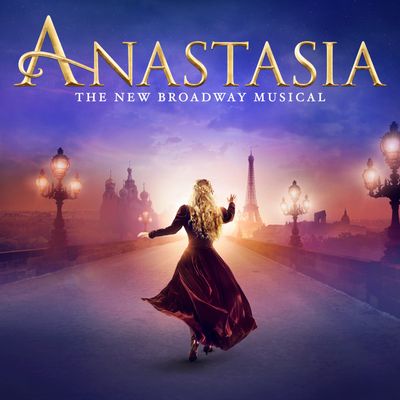
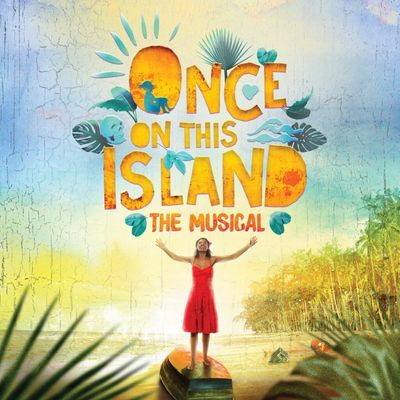
The team of Ahrens and Flaherty have created some of Broadway’s most beautiful scores. In this interview we learn about Lynn’s early days working at an ad agency and the fateful meeting of her writing partner Stephen Flaherty at the BMI workshop. She also shared behind-the-scenes stories about some of their greatest shows: Ragtime, Curtains, Anastasia, Once on This Island and more!
Transcript
This transcript was automatically generated and might contain errors.
[0:06] Pam Parasot: Hello and welcome to the Broadway Teachers Podcast.
[0:09] Gordon Greenberg: I'm Gordon Greenberg.
[0:11] Pam Parasot: And I'm Pam Parasot. Hey Gordon, do you know who we're talking to today?
[0:15] Gordon Greenberg: Lynn Ahrens, one of my favorite lyricists.
[0:18] Pam Parasot: Lovely and talented. I had such a great time chatting with her.
[0:23] Gordon Greenberg: And I'm so, um, I've always been a huge fan of their music and so amazed at the scope of the scores that they've written.
[0:32] Pam Parasot: The styles are so different and so beautiful. Ragtime.
[0:35] Gordon Greenberg: Once on this island.
[0:37] Pam Parasot: Exactly. Anastasia.
[0:38] Gordon Greenberg: The list goes on and on. Lucky Stiff.
[0:40] Pam Parasot: Let's not forget Lucky Stiff. One of my favorites.
[0:43] Gordon Greenberg: But the other thing I remember about this conversation, which I thought's like such a great story for anyone who is perhaps in a job that they don't feel like is going to be their forever job, and they have a dream to do something else. I don't know if you remember, but she worked in an ad agency for a while.
[1:00] Pam Parasot: Well, I don't know if she can't remember. But she used to bring her guitar to the office and play like at lunch breaks and stuff. I mean, she just she never gave up that dream. And you know, they've become, she and her partner, Stephen Flaherty, two of the American Musical Theater's greatest composing teams.
[1:17] Gordon Greenberg: So sit back, relax, and listen to our interview with Lynn Ahrens.
[1:24] Pam Parasot: The following was recorded live at the Broadway Teachers Workshop, an annual program that brings theater teachers together with the Broadway community for behind-the-scenes classes, workshops, intimate discussions, and Broadway shows in New York City and online. Learn more at www.broadwayteachinggroup.com.
[1:48] Gordon Greenberg: Welcome back, everybody.
[1:50] Audience: Yay.
[1:53] Gordon Greenberg: I am so excited and pleased to introduce our next guest. I am such a huge fan of her work and of the shows that she's written with her partner, Stephen Flaherty. And just a little side note for those of you who were here with us last year. I don't know if you remember the opening session, we did like a little mixer where you had to fill out a form about the shows that you've done or the most successful show you've done at the school. And I had to review all of those in preparation for us doing the event. And I was dumbstruck by the fact that their shows were done more than any other shows by the educational community in our little unscientific sample.
[2:31] Pam Parasot: But, uh, what did you say?
[2:33] Gordon Greenberg: You gotta be MTI, exactly. And I know you all saw the show, Anastasia, last night, so we can do a little talking about that, but I'd like to introduce you to Drama Desk winner, Tony Award winner, and recent inductee into the Theater Hall of Fame. Please welcome Lynn Ahrens.
[3:08] Lynn Ahrens: Thank you. So, Lynn, I think I told you that this group is comprised largely of theater educators from across the world. We have, uh, Japan and Bulgaria and Germany represented today. Um, so I thought we could start by talking about your early educational influences. And were you a big drama geek nerd in high school? Did you have a particular program or teacher that was influential?
[3:31] Lynn Ahrens: Well, that's a great question. First of all, thank you for teaching theater. I just have to say it. It's a great thing to do. It's so important, and we really, um, value you. And, uh, welcome to Tropical New York. You picked a wonderful time to come home. Um, so I never, um, you know, from the time I was a child, I think I was, uh, writing lyrics and singing and dancing. I think it was sort of generic, uh, genetic rather, and generic. And, um, I actually have a tape recording of myself at about four or five, maybe, uh, setting lyrics to Frosty the Snowman. So I sort of treasure that little, um, cassette. But, uh, I never ever thought for a moment that I would be doing what I'm doing now, and I never studied for it really.
Um, I grew up, uh, in New York, I'm a native New Yorker, uh, went to high school down in New Jersey, and I twirled a flag, uh, was very sports-oriented. I thought all the kids who did theater in my high school were like, no, they're, you know, that's not for me. And, uh, then I went to Syracuse University where I majored in journalism, and I thought that I would, um, be a journalist of some sort. Uh, I always knew I wanted to do something with writing, and I always did, but, um, uh, my life has sort of worked in serendipitous ways, I guess, which might be something to tell your students at some point, because one thing really does lead to another. Um, in college, I took a poetry course just because, and I thought, oh, this was really interesting and fun.
Um, when I got to New York, I, uh, got a job at an advertising agency. Uh, and I was a secretary to begin with, right out of college, which is what girls did then. And, um, I would bring my guitar to work. I used to plunk on guitar and I would write little songs at my cubicle. And one day someone passed by and said, um, gee, honey, uh, we're, they called you honey in those days too. Um, not anymore, though. Uh, they said, um, we're producing a little show called Schoolhouse Rock. Would you like to try a song? And I said, sure, that would be great. And I wrote a song, and lo and behold, I became a Schoolhouse Rock.
[5:43] Gordon Greenberg: Wait, the Schoolhouse Rock?
[5:45] Lynn Ahrens: The Schoolhouse Rock.
[5:46] Gordon Greenberg: You didn't know that?
[5:47] Lynn Ahrens: I didn't.
[5:48] Gordon Greenberg: Oh my god. What was the song that you wrote?
[5:50] Lynn Ahrens: The first one was the preamble. I set the preamble to music.
[5:53] Gordon Greenberg: How did I not know this?
[5:55] Lynn Ahrens: I got you all through school, right? Um, yes, and I sang it and everything. And then I wrote a whole bunch of other ones. Um, not the famous, famous ones that came before my time, like I'm Just a Bill. But I wrote, um, the preamble and, um, No More Kings and Nouns and Interjections and Interplanet Janet and a bunch of those.
[6:17] Gordon Greenberg: So God, had I known we would have a sing-along for Schoolhouse Rock.
[6:22] Lynn Ahrens: We could do that.
[6:23] Gordon Greenberg: But literally, someone was walking by a cube.
[6:26] Lynn Ahrens: Literally, they literally walked by.
[6:27] Gordon Greenberg: It's like being at the soda fountain and being discovered.
[6:30] Lynn Ahrens: You know.
[6:30] Gordon Greenberg: It was a little like Schwabs. And it was the first time that you thought, like, hey, I could do this. I mean, would it occur to you?
[6:36] Lynn Ahrens: Well, it did actually rather quickly. And I did, I was a, then I was promoted to be a copywriter. I was a copywriter and I wrote a lot of jingles, you know, and those sorts of things. And at a certain point, I thought I could actually quit my full-time job and, uh, be a freelance songwriter. And so that's what I did. Then I did jingles for a number of years, uh, alongside Schoolhouse Rock. So those two things were supporting me. I did, um, Bounty the Quicker Picker Upper, and I did, uh, What Would You Do for a Klondike Bar? I, it makes me laugh. I just, I'm sorry, I just think it's hilarious. I feel like you can never get that one out.
[7:14] Gordon Greenberg: Better than theater, right? I mean, it's like it just great it makes me laugh.
[7:18] Lynn Ahrens: But anyway, that was my checkered career. Uh, and then one day somebody said, you know, there's this thing called the BMI Musical Theater Workshop, where they, um, it's kind of like a, uh, a workshop where you go and you learn the craft of writing for theater, and aspiring lyricists and composers, uh, get accepted into this course and, um, meet one another and possibly form collaborations. And that's where I met Stephen Flaherty, uh, in 1983. We were aspiring songwriters, and he was actually writing his own, uh, lyrics at that point. And I always admired this, you know, young fellow across the room who wrote these beautiful songs, and I was sort of working with different composers, and at the end of the first year, he invited me to write a song with him. I guess he had had his eye on me as well. And, um, we've been working together ever since, so however many years that is, who's it, whoever's good at math from 1983, 30 something years.
[8:11] Gordon Greenberg: Wow. So how many?
[8:15] Lynn Ahrens: 34, 35, thank you. I'll tell him. He keeps saying, oh, around 30. I'm like, no.
[8:21] Gordon Greenberg: Nobody's counting, but what was the, um, audition or application process like for BMI?
[8:27] Lynn Ahrens: You had to audition. You had to, as a lyricist, I went in, I, I did write my own music for Schoolhouse Rock, but I felt that I wasn't really qualified to write theater, to be honest. I had made a whole career of four chords, A, you know, A, B, C, F, G. And, um, I just thought theater required a little more skill and training. So I went in and just read my lyrics cold to a room to a panel. And, uh, on the panel was Alan Mencken, as I recall, and, um, oh my gosh, well, who else? Oh, I don't know, a bunch of famous people, Richard Enquist and, um, this one and that one. And, uh, how long was that program?
[9:07] Lynn Ahrens: Uh, we were in it, uh, Stephen and I did it for about I think four years. We would go back every year and workshop new shows. So we did Lucky Stiff there, and we began Once on This Island there, and then at a certain point you, you tend to fall away and you become professional and you start just working, and you don't really go back into that workshop setting. But now we go back and we teach and we moderate there.
[9:29] Gordon Greenberg: So it's interesting to bring that up because, um, I wanted to talk a little bit about the notion of mentorship. And, uh, we had, um, at one of our earlier sessions, we had, um, Justin Paul and Benjamin Pasek come and they spoke very highly of you and Stephen and, and work.
[9:43] Lynn Ahrens: We made them what they are today.
[9:45] Gordon Greenberg: What can I say?
[9:47] Lynn Ahrens: Actually, no.
[9:48] Gordon Greenberg: No, but they did. They spoke about how important it was to have folks help them develop their work and help them develop musically. Did you have, um, great mentors when you were starting, you and Stephen?
[10:00] Lynn Ahrens: Well, we only had Stephen Sondheim, and we only had Peter Stone, and we only had Sheldon Harnick, and you, we had the greatest mentors, and that it's the wonderful thing about the theater community and what we do is that there is a great, um, uh, it is a community, and you feel an obligation to give it back at a certain point, and it sounds like a big fat cliché. But the truth is, you know, we all write, we all struggle, we're all competitive, we all want to, you know, get up for the Tony Award, and we all want to have a successful show. But the fact of the matter is that there are kids coming up who are brilliant, like Benjamin and Justin, and there are others, and, and you want to help them, you want to give something to them.
So, um, one of the things that Stephen and I did was we began a program at the Dramatists Guild called the Dramatists Guild Fellows. And every year we take, uh, 10 students, if you will, they're emerging writers, five playwrights and five musical theater teams, basically, and we give them a year of master classes, we give them, uh, internships on various shows, um, they get discounted tickets to theater, they get all sorts of, um, you know, help on their own work every month, and, uh, it's a wonderful program. We did it for 11 years, and now we sort of passed it on.
[11:16] Gordon Greenberg: And, um, and in case anyone has students that might be looking for something like that, what is the application process for that program?
[11:22] Lynn Ahrens: Um, well, I'll, uh, actually I don't know. Are any of you members of the Dramatists Guild by any chance?
[11:30] Audience: No.
[11:32] Lynn Ahrens: Okay. Please go online and have a look. Go dramatistsguild.com. Just have a look at what they offer. Um, there are memberships of various levels, uh, and it might be, uh, quite interesting for you to take a look. Um, on there in the education, uh, section, you'll see the Dramatists Guild Fellows program, and it will tell you what it does, um, how the program works, what's required for emerging writers to apply.
[12:01] Lynn Ahrens: Um, but I just highly encourage you to be aware of the Dramatists Guild because what it does for all writers all across the country and all around the world, basically, is it protects copyright, it provides all sorts of programs for writers at all levels, from Edward Albee, you know, to Terrence McNally to everyone.
[12:21] Everybody who writes for theater should be, and most of them are members of the Dramatists Guild.
[12:26] And if you're teaching theater, it would probably be really great for you to know the organization and what they do, and even become a member yourself.
[12:34] You get all kinds of newsletters and you get all sorts of great information, and it would be a wonderful thing to pass on to your kids if any of them do want to become writers.
[12:42] Gordon Greenberg: That's great.
[12:43] Well, we'll post that on the resources page too, so you guys can check it out.
[12:46] Lynn Ahrens: Yeah.
[12:46] So going back to you and Stephen meeting at BMI, was it love at first sight? Did you feel like this feels like the partnership for me?
[12:53] Well, when we first finally sat down at a piano, which was way at the end of the very first year, he was very shy at that point in his life.
[13:00] And at the very last moment of the last class, I was standing out on the sidewalk talking to a few people, and he kind of went running by, and from way down the block, he shouted, "Hey, do you want to do that last assignment?"
[13:15] And I was like, "Wow, the shy boy who writes his own lyrics is inviting me."
[13:19] And so I said, "Sure."
[13:21] And the first time we sat down, I remember he put his hands on the keys and he started—I had written a lyric for him.
[13:28] The idea of the song was two people singing in different places; they were in different places, but they were singing the same song.
[13:39] So we wrote a singles ad for the Village Voice and two people looking for love, basically.
[13:46] That was the song we wrote. It was a really terrible song, but I remember him putting his fingers on the keys and I thought, "Oh, he understands how a lyric should be said."
[13:57] You know, he understood the way language works when it becomes lyrics, and that was interesting.
[14:03] Gordon Greenberg: And do you think because he wrote lyrics at one time or dabbled in that that perhaps he was more sensitive to the process?
[14:08] Lynn Ahrens: Yeah, yeah.
[14:09] That's great.
[14:09] And so you said the first show that you worked on at BMI was Lucky Stiff.
[14:13] Yes.
[14:13] How did that come about? Where did that idea come from?
[14:17] Well, you know, everything, as I say, every one thing leads to another.
[14:21] The very first show we tried to do was—yes.
[14:27] Thank you.
[14:29] Is that how I think it is? That Cray Clark.
[14:33] It is, oh my God, down the fresh arrow.
[14:35] Hi, Clark. Clark's here.
[14:36] I know you. Yeah, it was bedazzled.
[14:41] We tried to make a musical out of—I don't know if you know the movie with Peter Cook and Dudley Moore.
[14:45] It got rewritten or remade, I guess, not that long ago, but the original movie was very darling and adorable, and it's about a guy who sells his soul to the devil for seven wishes, and it's kind of a buddy movie in a way.
[14:58] And we tried to make a musical out of that; we could not get the rights.
[15:01] So that was lesson number one: get the rights. After we wrote the whole show, then we couldn't get the rights.
[15:07] Lesson number one. Then we tried to make a musical out of a news item about an elderly gentleman in North Dakota who gave land away to a bunch of strangers just to keep his town from dying, to keep the school from closing and keep the stores from closing.
[15:07] You know how towns out in the middle of nowhere dry up and blow away? Well, he wanted to save his town, and I read about this and I thought, "Oh, that's so touching and moving," and we worked on that for about a year.
[15:35] It was called Antler, which is the name of the town where this happened, and there was no—we couldn't—it just was floating; there was no story.
[15:45] We couldn't figure out how to write a story out of all these disparate characters.
[15:49] And so that was lesson number two: adapt something that has a story.
[15:54] So then the third thing we did actually was a children's show for Theatreworks USA called—it was based on The Emperor's New Clothes, and it was a modern, you know, kind of fairy tale.
[16:04] But we had a structure, we had characters, and it enabled us to get our first stage production.
[16:09] Do you all know Theatreworks USA? It's a wonderful children's theater organization.
[16:15] They're great, and we've had a relationship with them all these years later.
[16:18] So they produced our very, very first show at Town Hall, and then Lucky Stiff.
[16:23] So now we knew: get the rights, and we knew adapt something, and you know, have the story set for you.
[16:30] And so I got the rights to a little kooky novel that I found on sale at the New York Public Library for 50 cents or a dollar or something.
[16:37] And so you were literally thumbing through, and you're like, "This is something; this could be a musical."
[16:37] Yeah, right.
[16:41] It became our first show.
[16:42] Oh, that's fantastic.
[16:43] Yeah.
[16:44] And so that was at BMI, and then you said, so we could talk a little bit about now and then that Once on This Island started there.
[16:50] Yes, we started—we well, again, I got a little used book off a bookshelf and found that story, and we got the rights to that from Rosa Ghee.
[17:00] And we then began to bring that into the workshop as well.
[17:03] Yeah, and what strikes me is how uniquely different the shows are.
[17:09] You know that you couldn't categorize the two of you and say, like, "Oh, they only write this sort of thing," or "All their stuff sounds like this."
[17:16] Yeah.
[17:16] And to go from something like Once on This Island to then something like Ragtime, which is so epic in scope and so sweeping and grand.
[17:25] I mean, that I think it's a real testament to the two of you as writers.
[17:28] But I'm curious, when you started work on Ragtime, was that daunting?
[17:32] I mean, it is a huge book; it's a huge story.
[17:36] Was that tough to start work on it?
[17:39] Well, you know, we were so excited to be doing it when we actually got the job that we weren't—we weren't in the least, we had no doubts.
[17:48] We just had—and how did the job come to you?
[17:50] How did you get the job?
[17:51] Um, we got the job from a rather notorious producer named Garth Drabinsky.
[17:57] You perhaps you've heard of him.
[17:58] He's just spent a few—a little jail time up in Canada, and he's out now and he's producing again.
[18:04] God bless him.
[18:06] Um, and he's actually wonderful in many ways, you know.
[18:09] In many ways, he really was a wonderful creative producer.
[18:13] Um, he had the idea for Ragtime.
[18:15] He got the rights to the book from E.L. Doctorow, and then he decided that he wanted to hold auditions for whoever was going to write it.
[18:23] So first he went to Terrence McNally and he asked the great Terrence McNally if he would write a treatment on spec of how he would see the musical.
[18:31] So Terrence wrote maybe a 50-page treatment or something like that, and then E.L. Doctorow was very happy with that.
[18:38] He had approval over who got chosen, and then they went to, I believe, nine different songwriting teams, and we were one of them.
[18:45] And we were just so elated to be given the opportunity to audition.
[18:49] So we wrote four songs.
[18:51] Um, we got all our friends in.
[18:53] We—I—we had some ridiculously short time to do all of this.
[18:56] Um, we got our friends, our singer friends, we brought them into a studio.
[19:00] We wrote four songs.
[19:00] I wrote two lyrics first, and Stephen wrote two pieces of music first, and then we swapped.
[19:05] Um, and then we went into a studio, recorded them, and got the demo in on the very last day and got the job.
[19:13] And there are any of those songs—were any of those songs in the show?
[19:16] Yeah, the opening number.
[19:17] Um, you wrote the opening number, and so we did.
[19:20] Now it did go through, you know, a lot of changes from that, but yes, we did.
[19:24] There's a great demo version of that that we did.
[19:26] Wow, we did "Till We Reach That Day," which is the closer of Act One.
[19:31] We did "Gliding," which is the song that the immigrant father Tata sings to his little girl.
[19:37] And then we wrote a fourth song that never got into the show, but it was for young—for Evelyn Nesbitt, who was putting on her stockings while her younger brother was sleeping, and that subplot never got—it was a subplot in the novel, but it was one of the many things in the novel that fell by the wayside because it is a dense novel.
[19:55] Yes, you have to pick and choose.
[19:57] So you did that under pressure, short time pressure, which leads me to my next question, which is how do you guys work?
[20:04] Are you a methodical writer?
[20:06] Do you work every day from this hour to this hour?
[20:09] Do you work better under pressure?
[20:11] How do the two of you manage that?
[20:13] Lynn Ahrens: Well, of that—all of it.
[20:15] We—we used to work every single day.
[20:19] And now with the advent of Skype and, you know, MP3s and all these sort of technical wonders that we indulge in, we don't get together every day quite as much, but we do get together a lot to work.
[20:33] We like to sit at a piano and work together, and we usually work from about 11 o'clock, which is when Stephen's brain starts to work, until about four o'clock, which is when my brain shuts down.
[20:44] So we have a little sweet spot that's right in there, you know, and a little Chinese food sometimes helps.
[20:49] So that's great.
[20:50] And it sounds like you don't have one method.
[20:52] Sometimes the lyrics come first, sometimes the music comes first.
[20:56] Yeah, it's very fluid.
[20:57] And, you know, as Pam said, we really like to—we don't like to repeat ourselves if we can help it.
[21:04] So whenever we're sitting down to find a new project, we try to think, "What world haven't we visited? What kind of music haven't we explored?"
[21:12] Um, and you know, so far we haven't repeated ourselves.
[21:15] No, it's also amazing.
[21:17] Gordon Greenberg: Yeah, and we should talk a little bit about Anastasia, another world completely different from the other two.
[21:23] Obviously, you guys had a history with the story in the movie when you did the movie.
[21:27] How did that movie happen for you?
[21:30] Um, let's see.
[21:31] Oh, well, it happened because of Once on This Island.
[21:34] Um, Once on This Island got great reviews, and we were at Playwrights Horizons, which is, you know, at the time, now it's a lovely off-Broadway theater.
[21:42] At the time it was a teeny grungy, lovely off-Broadway theater.
[21:46] It was well before the big building that's there now and the beautiful lobby and all that.
[21:50] It was a tiny little hole-in-the-wall theater, and that's where we were doing Once on This Island.
[21:57] And one night we heard that Michael Eisner, I believe, and Jeffrey Katzenberg from Disney were flying in to see our show, and we're like, "Really?"
[22:07] We couldn't believe it.
[22:08] They had read the reviews and stuff like that.
[22:10] And so in they flew.
[22:12] There was no air conditioning the night that they showed up.
[22:15] No, there were many bad things that happened that night.
[22:19] I think somebody—I think, oh yes, um, what's the name of the Muppets guy?
[22:23] Um, Jim Henson.
[22:25] Yeah, he had just died, and so they were very distraught and they were very hot, and they didn't have a good time.
[22:32] Um, but they didn't make the show into a movie, but they did give us a development, and so we did a few developments for Disney, one of which was about humpback whales, and it was kind of wonderful, and then something else, and none of that worked out, but somebody that we were working with at Disney subsequently went to Fox and called us up from Fox and said, "Hi, I'm over here now, and we have a green light movie, and I'd love you to work on it."
[22:58] So it really was just making a friend who remembered us basically.
[23:03] And at that time, did you have in your head like, "Man, this should be on the stage at some point"?
[23:07] Yeah, you did the whole beginning.
[23:17] Wishing we could put more songs into it.
[23:19] And shouldn't we have a song for Dimitri?
[23:21] Shouldn't we have a song for the Dowager Empress?
[23:23] We really wanted to flesh the score out.
[23:25] But you know, for an animated movie, it's five or six songs, and that's pretty much all you can do.
[23:30] Right.
[23:30] So we got to do it.
[23:31] Refresh my memory, how many of those songs are in the current Broadway production?
[23:36] I think there are five.
[23:37] Five of them, right?
[23:38] But they're very rewritten, they're very redone, they're re-jiggered for the stage, they're repositioned.
[23:44] Um, this journey to the past, which I have subsequently learned is a very famous song—who knew?
[23:49] I really didn't know until the news to you.
[23:51] No idea till the girls started showing up, you know, and screaming.
[23:55] Lynn Ahrens: But um we were we were just gobsmacked. I mean, I'm not clear. We're like, what's happening? What's happening? They're applauding the dress. They're what's happening? But um, that song is now at the end of act one as opposed to her first song, and so you know, everything went through changes.
[24:12] Lynn Ahrens: So uh speaking of the audience, uh, because I we've seen this now a couple of times at the group, were you surprised at the makeup of the people who are coming to see the show? We we are still surprised. Yeah, we're still surprised. I mean, the makeup is actually quite broad, and but there is a core um audience that we have discovered we have who are millennials, and they're girls who grew up on the movie, they were probably you know, eight to twelve or so when the movie came out, and now they're in their 20s, and they just love it.
[24:42] Lynn Ahrens: And that one girl that well, when we were in Hartford, we did the show out of town in Hartford, and um uh we noticed on the first preview that there were several girls in the audience who were wearing tiaras and big bows in their hair, and one girl had a blue dress on, and I you know it I was like, Who are they? This is so strange. And I I really it made me really nervous, and then I I the next night I thought, oh, there are fans of the movie I didn't know, but they're grown-up girls.
[25:13] Lynn Ahrens: So I got up the courage and I started to talk to them after the show to see what they thought because the musical really is quite different from the movie. And um one girl said, I grew up with the movie, but the musical has grown up for me, so I it really touched my heart, and I I I held it close because you know, we we obviously do want everyone to love the show, but for those core beautiful women who are now young women, and I think identified uh identified with the character of Anya, who um has been written about as being the first um the first feminist animated character up until that point, all the princesses had to be saved, you know, and she saves herself.
[25:56] Lynn Ahrens: So I I feel like that touched a nerve. Yeah, I think that must be it because I I I my sister's stepkids grew up on the movie, loved the movie, and they're now in their early 20s, and they're like huge fans of the show. And it's nice that the show in some ways is more sophisticated than you know the animated feature.
[26:15] Lynn Ahrens: So as they grew up, that story grew up for them as well. And it is such a great female lead character and lovely for those girls to identify with. Yeah, I'm proud to have written her.
[26:26] Lynn Ahrens: Yeah, yes, exactly. Um, and speaking of strong women, I the other thing I thought about in terms of your career is you've got to find that you're the only woman on a creative team many times in your life. Most of the time. I don't know why it is, but you know, generally speaking, if you've got one woman on the creative team, that's an accomplishment.
[26:45] Lynn Ahrens: And I'm just curious if you've been hypersensitive to that, if it's been an issue in your career, if you see it changing. I've never been um, I've never thought twice about it until fairly recently. And I've just been, I never thought of myself as the girl in the room. I always no, I always thought of myself as one of the guys, actually.
[27:07] Lynn Ahrens: Um, you know, I I I have not, uh I confess I have not uh ever felt slighted or paid less or um treated differently as a woman in the room. Um I have learned a few things, one of which is if I lower my voice, I'm listened to more.
[27:27] Lynn Ahrens: Um, and I've also learned to encourage um young women writers and young women composers and music directors, and now it's start now that ball is starting to roll. And I'm very excited about that. But I mean, speaking for myself, I never I never felt um in any way a second class citizen or anything or lucky to be there, you know, as a woman.
[27:49] Lynn Ahrens: But now I feel like I can help uh women who might feel that way. And there there certainly is a huge disparity in terms of who gets produced. It's huge. Um, when you start really looking at the numbers, which I have in the past few years, the Dramatists Guild again, um, they did a wonderful thing called the count, and it basically um charted every single theater in America.
[28:10] Lynn Ahrens: And how many of them uh do shows by men, uh playwrights, male playwrights, and how many do shows by female playwrights? And the disparity was not to be believed. And how many female artistic directors are there? How many male artistic directors? They did a whole study.
[28:26] Lynn Ahrens: And so now, even just this year, I think that because of the count and because it sort of called theaters out and raised their awareness of this. Um, a lot of theaters, uh, the public being one, um uh a number of them around the country have really made it their mission to do parity in terms of the shows that they're producing.
[28:46] Lynn Ahrens: Um, and of course, the show the shows being written by women. So, you know, we're all sort of working in that um in that arena.
[28:53] Lynn Ahrens: Yeah. Yeah, and it's interesting because it's not just the writers. I mean, there are very few women conductors on Broadway. Very, very few. Very few women, you know, book writers, very few women. I mean, really across the board.
[29:03] Lynn Ahrens: Here's an example though of a wonderful thing. There are two, there's a wonderful young um uh producer, uh director, excuse me, director named Sammy Canold, C-A-N-N-O-L-D. Uh, you heard it here. She's gonna be a big success. She's in her 20s.
[29:18] Lynn Ahrens: She has um an uh music director partner named Maddie Smith, also in her early 20s. These two young women are going to be producing Ragtime for a month on Ellis Island in the Great Hall. They it is the most, and they did it for one night.
[29:34] Lynn Ahrens: They had a ferry, they had 400 people, they tried it out for one night, they put this thing together, and now they're gonna do a whole a month out there. And I put them together with a young choreographer named Emily Maltby, who is the daughter of Richard Maltby and has assisted me on two shows, who's a brilliant director, choreographer in her own right.
[29:52] Lynn Ahrens: So she's gonna choreograph. So these three young women are gonna be doing this thing, and we are so excited about it. You know, that is exciting.
[30:00] Lynn Ahrens: Yeah, well, you know, and it's there's so much out there about trying to encourage women in sort of the math and engineering fields, which is of course equally important. But it'd be it's nice to know that there's a movement afoot to try to get women into um greater roles in the arts. Absolutely.
[30:14] Lynn Ahrens: That's fantastic.
[30:15] Lynn Ahrens: Yeah. Um I wanted to talk a little bit about I I mentioned in my introduction to you how I was sort of struck by how many schools have done your shows. And obviously, Seussical would is a natural fit, and one can understand why it would, you know, be a great pick for the schools.
[30:33] Lynn Ahrens: But do you get a chance to see many of these productions or hear about them? Or we we don't get to see, well, if they're in our town or if there's in our parents' town or something, we try to get to them as much as we can.
[30:46] Lynn Ahrens: Um, we did have an extraordinary experience not too long ago. We went to Atlanta, and there's this um the iTheatrix uh junior theater festival down there. We were the honorees. We were the honorees there, and we were the honorees in Lincoln, Nebraska.
[30:59] Lynn Ahrens: Wow. And we couldn't get to Lincoln, although we did, you know, selfies and you know, all of that sort of thing. But we did go to Atlanta, and there were 6,000 students, every every age from I think about maybe third grade-ish, middle school to high school through high school.
[31:13] Lynn Ahrens: And they're doing shows and they're singing and dancing. It's so joyous and so it just was a wonderful, wonderful experience. But at one point, we were being interviewed on stage, and there were literally 6,000 children in the audience.
[31:26] Lynn Ahrens: And um the uh Tim McDonald, I don't know if you know, Tim, was interviewing us, and he said, Um, how many of you have ever done Seussical? Stand up and raise your hands. 6,000 children.
[31:39] Lynn Ahrens: And and Stephen said, Hold that. He takes out his cell phone. He takes a picture, and it's a great picture. It's so all these children. And it was such a wonderful experience. They they'd all done Seussical, they'd all done Once on This Island.
[31:53] Lynn Ahrens: Um, and plus a million other great shows. You know, they it was it was a wonderful weekend that we spent.
[31:58] Lynn Ahrens: And talk a little bit about Seussical, the development of that. The whose idea, when, what, where, how did that all start for you two?
[32:06] Lynn Ahrens: Well, you remember Garth Drabinsky, I was talking about him. Uh, he did Ragtime with us, and then he uh had the idea to do Seussical, and he got the rights from the Dr. Seuss estate to option all of the books.
[32:22] Lynn Ahrens: Basically, I think about 40 to 45 different books. And because we'd had a success with Ragtime for him, he uh wanted us to write it, and we you know jumped at the opportunity. I I grew up on Dr. Seuss, and it was just such a wonderful opportunity.
[32:37] Lynn Ahrens: Unfortunately, um, this is just a quick little saga, but unfortunately, at that point, Garth got into a lot of trouble, you know, a lot of legal trouble, and basically fled the country, truth be told.
[32:50] Lynn Ahrens: Never what you're looking for in a producer, right? Not exactly. And we were sort of left holding this project, and we didn't know what to do, and we said, we'll just we'll just go ahead and do our reading that had been planned.
[33:00] Lynn Ahrens: We'll just do it. So we did a reading, we got a haul, we did the reading. Um, producers came, they got all excited. Uh the project was caught up in a swirl of bankruptcy and of legalities and all this stuff, but somehow it managed to trudge forward.
[33:18] Lynn Ahrens: Um, it got, we went to Boston out of town with it, and it got bad reviews in Boston. Um, and there's a phrase, I won't use it here because you're teachers, but all the something hit the fan, and uh they were bringing in people to replace the director and to replace the set designer and to replace the this one and that one.
[33:38] Lynn Ahrens: Everybody, the bodies were falling by the wayside, and Stephen and I were crying in a bar at midnight, going, You're the only person I trust. It was a horrible. It was a horrible experience. Horrible, horrible.
[33:51] Lynn Ahrens: And as if that wasn't bad enough, the show came to Broadway, which you would think would be a blessing, but it was a horrible, horrible experience. It was just terrible. It closed prematurely.
[34:02] Lynn Ahrens: Um just nobody wanted this version of the show, which somehow got pumped up and filled with you know, trumpets and glitter and sequins and feathers, and really we had started out with a ladder, uh, a band that said Mr. Mayor, you know, somebody stuck a feather in their their belt, and that was Gertrude McFuzz.
[34:22] Lynn Ahrens: It was such humble theater, and it should be that and should have been that, and it wasn't. And so the show flopped big time on Broadway, and it was one of those humiliating, you know, we're always writers get shamed in public. That's our job.
[34:35] Lynn Ahrens: Um, we don't read reviews. Most of us, the smart ones of us, do not read reviews because we would never write again if we read what they you know can say. It can be devastating.
[34:45] Lynn Ahrens: So we don't read reviews. I never read a single Seussical review, but you know, you kind of know. So the show flopped. We took it back into our own hands about a year later.
[34:54] Lynn Ahrens: We redid some of it because there was work to be done on it. Um, and then it went out on a national tour, then it had a second national tour, and then the big break for it actually was a uh a theater called the Coterie Theater in St. Louis.
[35:08] Lynn Ahrens: Um, and they did a TYA version, Theater for Young Audiences, but performed by adults, and it was sensational. And the the show just it clicked into place in this in a in the same way that Once on This Island has a great structure.
[35:24] Lynn Ahrens: Now Seussical has a perfect structure for young performers and for adults performing for kids, and so that made it take off. So that's the story. But there was a lot of you know, what a trip as a lyric goes in the show.
[35:37] Lynn Ahrens: You must feel a sense of satisfaction that despite a rocky road initially with the project and and I'm sure a lot of nights that were not so pleasant in the theater, that it has gone on to have this amazing life, and that so many student productions have come forth.
[35:52] Lynn Ahrens: And I mean it's, you know, everyone loves the score, and so it's nice that it, you know, is it's it's nice and it's it's sort of, you know, I don't know, it's not revenge exactly, but it's kind of it was always good.
[36:04] Audience: Yes, exactly.
[36:06] Lynn Ahrens: It just got overproduced, overblown, and these things happen, and there are things you cannot control. So every time you have a hit, it's just a fortunate thing that thing, you know, the gods came together and made the show good.
[36:18] Audience: Right.
[36:18] Lynn Ahrens: Because sometimes it's a wonderful show and it's just not produced well, or it's something something's awful.
[36:23] Audience: Well, and it's also it's that thing where it's the chemical reaction. There's a million bodies that come together to create these shows, and there are some times when it's magic, yeah, and it all happens the way it should, and sometimes you think it's gonna be magic, and unfortunately it's not.
[36:36] Lynn Ahrens: Yeah. Do you know that movie Little Big Man? It's an old Dustin Hoffman movie, and there's a wonderful line. It's an old Indian, and he thinks he's dying, and he lies down to die and he doesn't die. And he wakes up and he says, sometimes the magic works, and sometimes it doesn't. And that's, uh, you know, it's on my refrigerator.
[36:50] Audience: That's good.
[36:53] Lynn Ahrens: Well, before I open this up for questions, we talked a little bit about Once on This Island that's happening on Broadway in the fall. Um, but you have another project that you guys are working on. I thought we could tease them a little bit with that.
[37:02] Audience: Oh, oh, sure.
[37:05] Lynn Ahrens: Well, um, it's called Little Dancer, and it was done at the Kennedy Center in 2014. Um, and it is, uh, it is a imagining, it's based on fact up to a certain point, but mostly it's fiction. And it's the story of the young ballerina who posed for the Degas sculpture. Do you know the Degas sculpture with the tutu that's in, you know, various museums?
[37:20] Lynn Ahrens: And it's the story I, I, I saw this, um, you know, it's in the Louvre and it's in the National Gallery, and it's also in a, in a, um, an upstate museum called the Clark Institute. And I happened to be there and saw this sculpture, and I had seen it a million times, but I started to wonder who that girl was.
[37:44] Lynn Ahrens: And I started to do some research, and she was actually a very interesting girl. And she, um, posed for him. This immortal sculpture was made, and she, but she herself vanished into the mists of history. Nobody ever really knew what happened to her after she was thrown out of the Paris Opera Ballet. She was fired.
[38:03] Lynn Ahrens: And so we invented a story about her, and it's just a beautiful, beautiful, uh, musical. I, I love it so much, and we're, we're thinking, uh, you know, again, everything takes time. Um, we, we are trying to bring it to Broadway, and I think it may happen not this coming season, but the following season.
[38:20] Lynn Ahrens: But we have our lead, um, actress, the person who plays Marie, uh, Marie von Goethem was her real name, uh, is played by Tyler Peck. And if any of you follow ballet, uh, she is one of today's great dancers. She's a principal, uh, ballerina at New York City Ballet, and the most beautiful, uh, spirit, beautiful girl, and just a dancer, you can't believe her beauty.
[38:46] Lynn Ahrens: And she can act and she can sing. So we have her, and she is gonna be our little dancer when it happens.
[38:51] Audience: So being filmed by, sorry.
[38:54] Lynn Ahrens: The show is being, oh, it's the Susan Stroman, um, directing and choreographing, and there's actually a gorgeous 10-minute ballet in it, and it's, it's got a little of everything. It's, it's wonderful.
[39:04] Audience: So you guys can get your fix next year once on this island.
[39:06] Lynn Ahrens: Yep, yeah.
[39:07] Audience: Two years, little dancer.
[39:08] Lynn Ahrens: Yeah.
[39:09] Lynn Ahrens: Um, great. Well, I know that this group is going to have a question, so let me open it up to the floor.
[39:13] Lynn Ahrens: She's about to do Once on This Island starting in a week. And she said, um, because I said that there's nothing in the show that I would change, what is the most important thing for me? And honestly, you know, I always, I always think schools should follow the text, uh, and follow the music, and then do staging, do dance, do whatever you want.
[39:35] Lynn Ahrens: Um, you know, I, as long as those things are, are held, um, sacrosanct, which they have to be, actually, um, everything else is up for grabs. So, you know, if you want to do, uh, a different kind of casting, um, you know, there, there have been girl Hortons and there've been girl JoJo's, and you know, people, everything is always interracial, um, now, which I love.
[40:02] Lynn Ahrens: Um, Once on This Island started out as an, um, African American cast, and that's just totally up for grabs these days. Um, so I guess I would just say, you know, honor the script and take it from there.
[40:15] Lynn Ahrens: Well, if it were, if it were my idea, um, I would, I would look in the book and I would see who the publisher is, and I would call up the publisher, and I would say who, um, holds the rights, who is the agent for the author, or who is the agent for the estate if the author is dead, and, um, how can I get in touch with them?
[40:37] Lynn Ahrens: And the publisher will almost always give you that information, and then you just call up. And, or you can do it through a lawyer if you want to, you know, pay a lawyer or your agent or somebody to do that for you. But, you know, call up and say, are the rights available for theater?
[40:51] Lynn Ahrens: Um, who can I talk to? And if they say yes they are, they will probably say, make us a proposal. And then you c have to pay some money. Uh, hopefully it won't be a, you know, 90 million dollars, but, um, you know, you, you think what can I pay?
[41:05] Lynn Ahrens: And then you write a wonderful letter explaining why you can only pay this much, but you're such a genius that it's gonna be a big hit, you know.
[41:14] Lynn Ahrens: Yeah, but you know, everything's worth pursuing. You could call up and say, I'm a middle school teacher, I want to write a, an adaptation of this piece. I have no money to pay you, but you could, can I have the non-exclusive rights?
[41:26] Lynn Ahrens: Which means that they have the right to sell it to the movies. They have that, you know, your production is not gonna challenge them. It's not gonna be, you know, it's not gonna, uh, harm, uh, a big movie deal or something if they want to go make that just non-exclusive.
[41:39] Lynn Ahrens: That means that you don't have the rights to do anything more than what you're doing with it, and they have the rights to do whatever they want. Sometimes you're also able to get sort of provisional rights where you can, they'll give you the, the right to play with it and show them something, you know, and if they sometimes things just happen, you know, and you, you don't put obstacles in your own way, but that's the way to find out who you should talk to, in my experience.
[42:04] Lynn Ahrens: I, I cannot answer that question.
[42:06] Audience: Well, he asked, what's the most lyric I'm most proud of?
[42:08] Lynn Ahrens: There are a lot of little that, you know, I hear things, I, I hear a show that I haven't heard in a while, and I go, oh, that's good, you know. But I, I, you know, that I like them all. I mean, there's some that tickle me even now, you know, like from now on I'll have no one to ruin my day. A view won't be a view without you in my way.
[42:25] Lynn Ahrens: I love all of those swoopy little vowels. But, um, there are a lot of them. I think actually in Once on This Island, there's the last couplet I really like, um, which is out of what we live and we believe, our lives become the stories that we weave.
[42:40] Lynn Ahrens: That's a favorite. That was a good day when he came up with it.
[42:42] Audience: That was a good day.
[42:43] Lynn Ahrens: It was, that's great.
[42:45] Audience: That's great.
[42:46] Lynn Ahrens: Yes, in the back, way in the back.
[42:49] Lynn Ahrens: Well, it started my career as a songwriter. Um, he asked how it came about and how it played a part in my career. Um, Schoolhouse Rock itself, the idea for it, the advertising agency that I mentioned I worked for, the, um, president of the agency had five kids, and, uh, didn't understand why these very smart boys could never learn their times tables, but they could, they knew the words to all the pop songs.
[43:14] Lynn Ahrens: So he had an idea. Maybe we could produce a, uh, an animated show and with songs that would teach things. And so that's how the, the idea for Schoolhouse Rock was born.
[43:24] Lynn Ahrens: And it just so happened that at this agency, um, there was a guy named George Newell, who was actually the person who came by and called me honey and offered me that job. Um, George is a jazz pianist and, um, also a writer.
[43:38] Lynn Ahrens: Uh, there was a brilliant, um, uh, design artist designer, uh, named Tom Yowie, who ended up doing all of the visuals for, um, for the show for the little animated series.
[43:51] Lynn Ahrens: So they happened to be working at this agency along with another guy named Jack Sidebotham, who is another good cartoonist and artist. So they began it, and they had contact with Bobby Duro, who, uh, was one of the main writers. He wrote all the multiplication series, and, um, he's, Bobby is now 93, and he is still gigging.
[44:12] Lynn Ahrens: He just did a show in Oslo, and I'm still in touch with him. He's unbelievable. He still has his ponytail, and you know, and he did three is magic number and all of those. That's Bobby.
[44:23] Lynn Ahrens: And, uh, he's alive and well and, and, and performing Schoolhouse Rock around the world.
[44:28] Audience: Um, that's great.
[44:30] Lynn Ahrens: Jennifer, you had, yes in the back.
[44:31] Audience: Yeah.
[44:32] Lynn Ahrens: Yep.
[44:33] Lynn Ahrens: He's asking about Man of No Importance, which he's never seen but has listened to the album and loves the show, and says that feels it speaks to teachers and to people who make amateur theater.
[44:45] Lynn Ahrens: Um, it's one of my favorite shows, there's no question. And I don't, I, that's a show I don't think gets done nearly enough, and I can't figure out why.
[44:53] Lynn Ahrens: Um, but it was, it was one of the five shows that we did with Andre Bishop at Lincoln Center, and it was, um, just a beautiful experience from beginning to end. It was, uh, directed by Joe Mantello, who has gone on to great, he did Wicked, among other a few other things, but he's a great director, great playwright, uh, director of plays as well as musicals.
[45:15] Lynn Ahrens: Um, and it starred Roger Reese, who passed away sadly last year. Um, but it is just one of those, uh, wonder and, and it was our third, it was our actually our, we did Ragtime with Terrence McNally, then we did Man of No Importance also with Terrence because we wanted to do something else, but something that was small and, and more, more simple and, you know, intimate, something very different.
[45:40] Lynn Ahrens: And Terrence actually found the movie that it's based on. It's based on a little rather unknown movie with Albert Finney. Um, so we just decided to work on it.
[45:50] Lynn Ahrens: And it's just a beautiful, beautiful show with a lot of heart. And, um, you know, it's the story of a gay man who is, uh, closeted because he lives in Dublin in 1964. We went to Dublin on that show, and, uh, how he directs an amateur theater group and through it he finds the power of friendship and of, um, living his life as he wants to.
[46:15] Lynn Ahrens: Um, yeah, it's a, it's a gorgeous show. If you ever have a chance to see it somewhere, you know, uh, please go because it's, it's quite beautiful.
[46:22] Audience: Very nice.
[46:23] Lynn Ahrens: We have time for one more, yes.
[46:25] Lynn Ahrens: Um, the best advice I, I personally could give you would be to get in touch with MTI. I'm sure you all know MTI, and just tell them that and say, would you ever consider having a look at these shows as a package or one of them or several of them?
[46:40] Lynn Ahrens: They might, you know, be interested and they know how to market, um, shows to all sorts of venues. I, that there are other, there are other organizations like MTI. I don't have a relationship with them, but there's the Rogers and Hammerstein and there's Samuel French, and you know, there are other, you could try those, the, the places that license, uh, plays and, and musicals.
[47:01] Lynn Ahrens: Well, I hope you will join me in thanking our lovely guest, Lynn Ahrens, for being here today.
[47:06] Audience: Thank you.
[47:07] Lynn Ahrens: Thank you so much.
[47:08] Audience: That's great.
[47:11] Lynn Ahrens: She's really good.
[47:21] Lynn Ahrens: You've been listening to the Broadway Teachers Podcast, recorded live at the Broadway Teachers Workshop, an annual program that brings theater teachers together with the Broadway community for behind-the-scenes classes, workshops, intimate discussions, and Broadway shows in New York City and online.
[47:37] Lynn Ahrens: Learn more at www.broadwayteachinggroup.com.
© Broadway Podcast Network, All Rights Reserved