

Ryan Vasquez/@itsryanvasquez is currently starring as NOAH in the new Broadway musical, The Notebook!.. Read More
From the show: Built For The Stage Podcast
Guests
Featured Shows
About
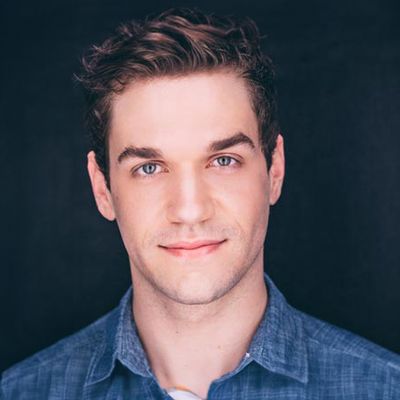
Ryan Vasquez/@itsryanvasquez is currently starring as NOAH in the new Broadway musical, The Notebook! He has been featured in Broadway productions of WICKED, WAITRESS (original Broadway cast) and HAMILTON, where he became the only actor to play all the roles of Alexander Hamilton, Aaron Burr, George Washington, Marquis de Lafayette/Thomas Jefferson, and Hercules Mulligan/James Madison on Broadway, after premiering the show in San Francisco and Los Angeles. He also originated the role of Man in Black in THE WRONG MAN at MCC Theater (directed by HAMILTON’s Thomas Kail with choreography by Emmy Award-winner Travis Wall), for which he received a Drama Desk Award nomination, as well as originating leading roles in the world premiere productions of THE NOTEBOOK (Chicago Shakespeare Theater, directed by RENT and DEAR EVAN HANSEN’s Michael Greif and Schele Williams, with music by Ingrid Michaelson), THE OUTSIDERS (La Jolla Playhouse, directed by Danya Taymor with a book by Pulitzer Prize-finalist Adam Rapp), and WATER FOR ELEPHANTS (Alliance Theater, directed by KIMBERLY AKIMBO’s Jessica Stone), all opening on Broadway in 2024. Ryan returned to MCC this fall in the world premiere of WALK ON THROUGH: CONFESSIONS OF A MUSEUM NOVICE (music by Tony and Olivier Award-winner Gavin Creel). He has also appeared in film and on television, including roles in the THE GOOD FIGHT (CBS), CURB YOUR ENTHUSIASM (HBO), THE CODE (CBS), and the film adaptation of TICK...TICK...BOOM! (Netflix), directed by Lin Manuel-Miranda, starring Andrew Garfield. His voice has also been featured in several films, including VIVO! and IN THE HEIGHTS. He has performed around the country in theaters and symphony spaces, at the St. Louis Muny, Music Theater Wichita, Sacramento Music Circus, Pittsburgh Symphony Orchestra, and others. As an organizer, Ryan founded the voter outreach organization Swing From Home, which made contact with hundreds of thousands of voters in the 2020 election cycle, bringing Broadway talent to the homes of people across the world during the pandemic, and raising nearly one million dollars for down-ballot races across America. He was also a founding organizer of Generation We, a community support organization for LGBTQIA+ candidates running for local office. The son of an educator, Ryan has also worked as a teacher at the elementary, pre-college, and university level. Proud Michigan Graduate.
Try your own Broadway Fitness Program at no cost/no catch!
Transcript
This transcript was automatically generated and might contain errors.
[0:11] Joe Rosko: Hey, what's going on? Welcome to Built for the Stage Podcast. This is Joe Rosko, founder and host of Built for the Stage, Broadway's number one fitness platform with clients in over 20 Broadway shows, stages in the West End in London, Australia, Disney performances in Hong Kong, collegiate stages across the globe, really. We are your one-stop shop for all things theater and fitness. I started as an actor 18 years ago and a trainer as well. So we are here to help you train like the actor-athlete that you are. If you want, hop on over to BuiltForTheStage.com. You can work with me for free at no cost, no catch, and see what you think of it.
[1:09] Joe Rosko: That it was a thing, but anyways, the course in which we got to this point where the show's finally about to open on Broadway has been one of ups and downs. Um, we're excited to chat with our guests about it. The musical I'm talking about is The Notebook, where our guest is starring as the lead character, Noah, who you might remember from none other than Ryan Gosling. I'm really excited to have this show now be put to music. I listened to one of the demo tracks on Spotify just recently. So yeah, I'm jazzed up about it. You've also seen our guest on Broadway in Hamilton. Playbill listed our guest as like every role on Hamilton, pretty much. Uh, just like scanning through it. Looks like there's over 10 roles, so excited to chat with him about that experience. It's also been seen in Waitress and Wicked. Please welcome to Built for the Stage Podcast, Ryan Vasquez.
[2:05] Ryan Vasquez: Hey Joe, what's going on?
[2:07] Joe Rosko: How's it going?
[2:07] Ryan Vasquez: Good to see you.
[2:08] Joe Rosko: Going great over here in London. Uh, thanks for making the time to chat with me over there in the States. You just said that you're gonna be opening The Notebook on Thursday. Tell me about, I guess, just the overall feelings, excitement, anxiousness. What are you experiencing over there as each day is getting closer? We're just two days away.
[2:29] Ryan Vasquez: Yeah, it's been amazing. Like, I've been developing this show since 2020, since before the pandemic. And so of course, like the impossibility of it throughout the last couple years has really weighed on us, and to be at this point is just like surreal. Uh, I'm really, really excited. I think folks have been really enjoying it. The audiences have been nutty, it's been awesome. So I'm pumped. I'm really, really excited to share it with more and more folks. It's gonna be cool.
[2:56] Joe Rosko: Okay, awesome. When you first started to hear the music that was brought into this story, what were your first thoughts on it? Again, the storyline alone is one that has moved people forever as far as the movie goes. Just tell us a little bit about how the addition to it being a musical has enhanced, I guess, the story.
[3:18] Ryan Vasquez: Yeah, it really sings. That's the biggest thing. I mean, like, whenever I see a show, I sort of think like, okay, you know, even hear about something being adapted. It's like, what about this makes it sing? What about it is sort of surreal? What about it is like emotionally impactful enough to imbue with music? And The Notebook, like more than the romance of it, which is of course scored beautifully, it's a story about like just life and loss and your whole lifetime and the decisions you make and where it brings you to and with whom. And so it's really like capital R romantic, right? Not just like the romance of the relationship. Um, and so yeah, I mean the music really drew me to it initially.
Ingrid did an amazing job, and one thing that I think is really cool about our show is that it's scored throughout. I mean, there it's not just, you know, songs shoehorned into these moments that you remember from a movie or a book, and more and more pop composers and pop artists, it feels like, are composing music for theater in that way. It's not just limited to the jukebox show anymore. That's um, you know, hits that people already know. It's a pop artist really making a foray into something that's totally new for them and scoring a whole cohesive, coherent score. And Ingrid did an amazing job with that with, you know, Carmel Dean and John Clancy, who have supervised and orchestrated it respectively.
So um, it's been just like to see it come to life in that way is amazing, and I think audiences are responding similarly, sort of not knowing what to expect, and then really, really moved by that addition to the story.
[4:55] Joe Rosko: So during the rehearsals or the workshopping, all of that, was that nuance of this kind of new style of how it was composed something to adjust to, or was it just a natural evolution just because of how well it was done?
[5:14] Ryan Vasquez: I mean, a little of both for sure. I mean, like it is so well done, and Ingrid is so skilled that of course, like she wasn't bringing in songs that were like bad, you know, they're incredible songs. Um, but I think what's been cool is watching, you know, Ingrid and Becca Brunsteadder, who wrote the book as well, who has never written the book of a musical before, to my knowledge. It's like these folks coming in who are experts at what they do and then working with people who are in our community, like our directors and folks around to, and even the actors to be able to really create something that's like was made by community, you know. Like it's not just Ingrid came with 15 songs saying these are the 15 songs we're using.
It's a collaborative process about okay, how does this serve the story? Do we need to alter this part of the song? Do we need to rewrite it entirely? And while she's been pretty dead on from the jump with most of it, um, it's been really cool to like watch folks come in with so much raw material that is so great and be able to make it a musical, not just make it songs in a show, if that makes sense.
[6:23] Joe Rosko: Yeah, yeah, absolutely. So going back to me kind of bringing up and chatting about how the pandemic had something to play in this and how I guess the ramping up to all this was a little choppy. What were some of the things besides maybe just waiting that you as a cast and team had to overcome in all of this?
[6:46] Ryan Vasquez: Sure. I mean, uh what's cool is like, I mean, the adaptation that artists made throughout the pandemic, right? Uh, to be able to continue to work and survive and create was really put on display, I think, with our show. Like we did readings on Zoom, of course, which if for those listening, if you did any of these like Zoom readings throughout the pandemic, had varying levels of success, right? Um, but I think we really integrated technology in a cool way. I mean, we were recording demos that we were overlaying into the reading so we could get a sense of timing. And I think it really speaks to the genius of the directors, Michael Greif and Schele Williams, to be able to watch a Zoom reading and read the timing in it, and to be able to envision and stage the show in a way that, you know, was basically baked by the time we finally got to Chicago.
The ideas were pretty solid. You know, it wasn't like we ran into a ton of hurdles when we got into the space together because we had done so much of this work sort of incubated on our own in these like silos. So that actually really worked out. Whereas, you know, the danger, of course, would have been you would have created this whole show in your mind and then realized when you had bodies in space that it wasn't gonna work. So uh the foresight for that was really impressive to me.
[8:08] Ryan Vasquez: Um, and of course, like, you know, the waiting was brutal, but it allowed us to all sort of become more fully human, I think. And like I said, like I think the show really solidified as something that's about the whole human experience and the human life because we were living such painful and deep connective lives during that time with not only each other, but you know, like with our loved ones and so um and without our loved ones famously, you know. So uh yeah, it I think it allowed the show to sort of breathe in a way that we were brave enough to step into the space that it wasn't always about um, you know, just this like sort of candied relationship between two people. And what's interesting is you know, we were delayed, of course, because of the initial wave of the pandemic, but Omicron and all these other variants that pushed our show further.
And in those times when it was sort of when it was, you know, really dark, I remember thinking this may be sort of a blessing in disguise for the show because the show is about loss and family and and relationship with one another and community and love and these things that were really being tested during that time. And I'm not sure that audiences would have been as receptive as they are now with a tiny bit of distance from it to be able to start. I mean, I thought it was interesting in your intro, you know. Of course, like we don't, it's not a pleasant experience to remember the pandemic, but it did happen, and that sort of therapeutic examination of it is I think something that The Notebook sort of um doesn't, of course, address.
It's not about that, but the themes of it are things we were thinking about throughout the last couple of years. And so I think we're hitting a nerve that's not so open that it's painful, but that people can feel sort of wistfully connected to in a way that we can handle now. So I think it's coming at the perfect time.
[10:06] Joe Rosko: Yeah. I saw some shots of some of the media content about the show and noticed you, as your character, had some tattoos on the arm, or this was something different than what we might have remembered from the movie. So the whole premise of me bringing this up is as we're prepping to see the show, which I'm anxiously awaiting to come and attend. Are we expecting to just walk into the theater and essentially see the movie with music added in? Or are there elements of the show that aren't recognizable from the movie that are either altered or added in or taken out? Um, obviously, whatever you're allowed to share, but yeah, what can the audience expect when coming to see the musical version of The Notebook?
[10:52] Ryan Vasquez: Totally. I mean, this is the danger with adaptations, right? Like there have been a lot of adaptations that have been sort of regurgitations of movies with or books with songs sort of shoehorned in. And I think that that is there's a certain comfort to that, of course. We're definitely in our nostalgia era as a world and as a country right now. I mean, like the reboots and the adaptations and things, not just on Broadway, but I mean TV, film, everything, right? Um, so it is, of course, gonna be comfortable for people who know and love the movie. Those flashpoints are in there, it's no secret. Like, there's rain, right? Like, there are these moments like they do that we do make sure to honor the book and the movie.
But I think what's neat about the show is that it exists really as its own entity in The Notebook franchise. So now there's this unique musical entity that can accompany the book or the movie if you've loved it, but if you've never seen it or you have no familiarity with it, you don't need that familiarity to come in and enjoy the show. And I think, you know, when you mention the tattoos, it's funny, you're like your character has these tattoos, like those are my tattoos, like those are those, like I have those tattoos myself. And so what's I think so, what I think is cool about it is like they were really um, and you see it with the folks that they cast and just the spirits that they brought to the show, like they are really looking to have people bring their authentic experience and their lives to the show in general, and so you see the show take place in these three eras with these three different couples, but the couples look different, are bringing different life experience to those things, and it speaks to the universality of it, but it also I think speaks to a real specificity that you know we're bringing our specific selves to these roles, just like in life, we bring specific selves to every experience that we have, and we're different when we're 18 than when we're 28, than when we're 70.
[12:46] Ryan Vasquez: You know, like it's we're growing and moving through the world. And so I think being able to bring ourselves to the show is something you also don't see a lot in adaptations. You want to mirror exactly what they've done in the movie to give a comfort, and while we're definitely not bucking the movie or the book, we're certainly honoring and bringing an individuality to it. So it's a nice balance, I think. Yeah, with the book or the movie comes either certain challenges or certain opportunities to expand creativity on making certain moments happen, example being the rain, or just the simplicity of a movie can just, you know, you're transitioning from a scene to another, a moment to another, just in the matter of cutting a shot when on stage this provides again another type of challenge when rehearsing or putting this on the stage. How was that, let's say, tech process, or how was that rehearsal process of okay, these are how we are gonna interpret or bring these moments to life when putting this on the stage?
[13:57] Ryan Vasquez: Oh, totally, and that's a great example of you know, in a movie, you can cut scene to scene in an instant, right? But in theater, you just physically can't do it. But what's cool about The Notebook is that it's a memory play, right? Like older Allie is dealing with Alzheimer's and it's getting worse and worse throughout the show. And so she is the older Noah is of course like guiding her through the memories without her knowing that they're hers. And I think there's something to the fragmented nature of memory that you can really accomplish in theater uniquely. Of course, you can do quick cuts in movies and things, but in theater, you can have things happening simultaneously that you can view as a composite and see generations of people all working at, you know, at the same time, going through a similar or different moment or whatever.
And you can also zero in on something super small and sort of cut the space in two, right? And so even the way the rain is done, you know, it's pretty fragmented. It's happening, it's a huge amount of rain. It's not gonna be a letdown, I promise. But I mean, the way that they've sort of fragmented the stage with light and side light. Ben Stanton did an awesome job with that. I mean, just like the whole thing speaks to this fragmented memory play of it. So and in terms of tech and creating those moments, I mean, it's cool to be able to share space with yourself in different generations, right? Which is cool. It's not something you get to do a lot of on stage. And then of course, having those hyper-realistic moments too where there's no older version watching you or anything, it's like it's existing in real time.
So I think we really embrace the theatricality of it, which is nice. It's not like we're not hiding from the fact that you know there are scene changes happening, it's like we want to see it because that's what's going on in her mind, right? So super clever.
[15:49] Joe Rosko: Nice. Well, we're gonna hop off the Notebook train. We're all excited for you on Thursday, break all the legs, wishing you all the best. Can't wait to see it when I return to the states. But let's get to know you just a bit more. I was looking that you went to Michigan for musical theater and you I guess presumably what you wanted to do this from birth how did we get from zero to age 18 where Ryan's going to study to be an actor?
[16:19] Ryan Vasquez: Yeah so I grew up in San Jose, California. It happens to be the home of the largest children's theater in the country. They cast everybody who auditions, Children's Musical Theater of San Jose it's called and so there are folks because it casts everybody there are folks who are doing it to build community of course and then there are people who throughout that time are sort of realizing maybe this is something that I want to do and every couple years there are folks who really soar out of there and go to a college program or something like that. And so I really started just to build community as like a hyperactive kid. I think that's a pretty normal starting place for people who end up pursuing theater.
But I did shows there growing up three or four shows a year throughout junior high, elementary school, even junior high and high school and it was my mom actually who said if I'm gonna help you with your college applications and get you out there you need to apply to one school for theater because I think I was I was pretty hesitant to do it because that's all you hear is that this isn't a real career path you're gonna need a plan B right there's gonna be too many obstacles you won't be able to have a life outside of that starving artist lifestyle. And I so I was pretty dissuaded by people around me. Of course, those people had not pursued it themselves, which I always think is an interesting wrinkle to that logic.
But I ended up applying to Michigan. It was the only school I applied to for musical theater. I ended up getting in and really like not looking back. And I as a funny anecdote, you know, for those who are maybe thinking about doing this out there and thinking about this, you know, maybe it's not possible. I applied to Yale early because I went to an all-boys prep school for high school, and they were super academic. I mean, some of the smartest people I know, like still to this day, they're consulting for these companies. I mean, it's some amazing minds come out of there. And I had a college counselor who was helping me, you know, to apply and didn't know a lot about applying for schools for theater, but I applied to a lot of schools for academics.
And I applied to Yale early and got waitlisted and ended up getting into Michigan, never looking back, got there, and in my dorm, maybe two or three weeks into my semester at Michigan, I got an email from Yale saying you're off the waitlist and you've gotten in. If you want to just jump ship and come. And you know, I at that point, like I was so in love with the university and with the program and everything, but it just made me laugh because like of course it's just sliding doors, right? Like you can end up anywhere, but you'll always, you know, land where you're supposed to be, I think. So yeah, and so I applied to, or so I went to Michigan, I graduated, we showcased and I moved to New York and sort of just continued down that conveyor belt process of you know finding reps, auditioning a ton, not getting a million jobs, and then ending up getting a few.
[19:14] Joe Rosko: So okay, okay. So the sliding door wasn't open for you when you graduated and you went straight to the Broadway stage. Tell us a little bit about that where you were auditioning a million times, or what were you doing to make it happen?
[19:28] Ryan Vasquez: I love to talk about this because whether it's with our clients and their fitness journey or it's them expressing just life and career stuff that's going on. As you know, there's a small percentage that might have the quote unquote success, and there's a great percentage that needs to keep just pursuing and pressing forward until their time comes. Give us a little bit of insight from your experience as to how it wasn't always just butterflies and rainbows.
[20:00] Ryan Vasquez: Of course, yeah. I mean, I came from a single parent household and my mom is an educator in the public sector. So didn't have a lot of money, had a ton of student loans, moved to New York, and was kind of just gigging around. I mean, I sold my car, I drove my car from California, barely made it to Michigan and sold it with the help of my mom as a graduation present. So that was my kind of seed money, and then got to New York and that runs out pretty quickly if you live here and you know. So yeah, I was gigging around and really just incubating, saving money. I worked, I did some readings here and there, things like that. I had worked in, I did speech and debate in high school and was pretty successful, and so I ended up coaching online for money and did some sort of weird gigs like that.
I mean, but pretty much anything just to be able to make rent and about six months later, I actually worked a ton in the first couple months of living in New York as a reader. I had a friend of mine from college who was working at Telsey, and I started as a reader there, just reading for projects that I wasn't going in for or anything, and I ended up being a reader for Wikiped for quite a bit and met some of my good friends now who I then did the show with and different things, but I saw some folks through their whole process and saw them book it and peers of mine and stuff is it was pretty cool and exciting. And so when they did have a spot open up in the Broadway company to like that was sort of my type already.
I went in and auditioned, and they were actually the folks behind the table were like, oh, Ryan's here, you know, like go ahead and take a seat. I was like, Oh, actually, I'm here to audition. And they were like, oh, you know, they had no idea if I could sing or anything. And so after singing for them, I think they were like, Oh, this might just like work out perfectly. But and that's kind of like the short version of it. But of course, like the long version is always more nuanced and complicated. And I think, you know, even Waitress, right? Like I auditioned for the company at ART when they did it out of town a bunch and didn't get it. And it was only after like a spot vacated from somebody leaving to do another show that I was sort of in line and ended up getting it, and being a reader with that casting director for a long time.
And I mean, The Notebook came to pass even by that same casting director that I had worked with in these reading sessions that I had then done Waitress with, you know, a producer of an off-Broadway show that I was doing that was, you know, I was making no money doing that that I wanted to do because I loved it. But I mean, that same producer ends up being a producer on The Notebook, and the director ends up working with Alex Lackamore in London at the time, you know, and Alex Lackamore's working on this off-Broadway show, and the connective tissue is like underneath it all, you know. But it's never just, I think there's this sort of myth, right? There's this three bucks, two bags, one me, New York City thing of showing up and auditioning for something and getting the gig.
And it's like there will be months and months and months of building relationships of going in for things and not getting them, of continuing to do your best. I always liken it to like a balloon. It's like you're filling up this balloon every time you do anything, whether you're meeting somebody at a restaurant or you're, you know, auditioning for something, or you're doing a reading that you think is bad and you don't even wanna be there and you're making a hundred dollars, but it's like all of this stuff is filling up the balloon and people are seeing you and you're working with people and all this stuff. And sometimes you're like, this is gonna be the time it pops, and it doesn't, but that just means you're putting more air in it.
So when it does pop, it's gonna be a bigger and bigger thing for you. So I'm really a believer in that. I've had so many close calls, especially in those first couple months where I thought, I mean, and as recently as you know, in the last year that I thought this is really gonna happen for me, and this is gonna be the thing. You don't get it, but you tried your best and you did good work, and it just ends up really filling the balloon so that this random person who is in that room, who is the associate director who didn't say a word while you were in there, then hires you for something that a producer comes and sees and they put you in a show and now that show's on Broadway. So I mean it really does, it's like layering on this foundation that you can stand on and it's thankless, but that's really how it works.
[24:18] Joe Rosko: So okay. I love me an analogy or a metaphor. So definitely gonna share that with clients and our followers on social media.
[24:27] Joe Rosko: I love to reference this book, Never Eat Alone, and it's basically just about what you just said, putting yourself out there, meeting as many people as you can, being available, whether it's for pay, not for pay, just doing what you said, fill the balloon.
[24:41] Joe Rosko: Um, I wanted to rewind also to you mentioning briefly about starting you were coaching people online via your speech and debate experience.
[24:52] Joe Rosko: I wanted to do that because again, this is something maybe an imposter syndrome or just self-doubt that I hear a lot from clients that we work with. What besides just the experience that you had in speech and debate or whatever drove you to do these coaching coachings online? What got you to like take that leap of putting yourself out there? Hey, I have this ability that I could serve you with and I could hopefully make some money out of it. Tell us just a little bit about that because I think a lot of our listeners would benefit from it.
[25:26] Ryan Vasquez: Oh, yeah. I mean, it takes a sort of balance of delusion and like deep humility to do what we do, right? Like that is the game. Like the game is to be feeling humble enough to understand that you're gonna hear no more than anything else, and humble enough to even be emotionally available on stage. Like for me, that takes a deep humility to be able to access whatever you are accessing to feel these things. And you have to have this delusional self-confidence that you can walk out in front of a thousand people and execute something that is really difficult to execute, and that you are worthy of being in that position, so that you're not crumbling under pressure.
[26:11] Ryan Vasquez: Um, there's an amazing book called The Inner Game of Tennis that's about like different like sporting, you know. I mean, tennis is a frame for it, but I mean, I'm a big basketball guy, and there's a good like stat in it that Kobe Bryant hit like 90 some percent of his free throws in the last two minutes of games that are within five points. And for people who don't know sports or basketball or anything, it's like he's coming through in the clutch, right? But in the first quarter when the game barely matters, he's like in the 80s, like he's still hitting a ton because he's a professional athlete, but I mean, his mind isn't connected in that same way to that as in the high stakes moments.
[26:48] Ryan Vasquez: And a lot of us, I think feel that when you're in a pressure situation, like say a pandemic where you're not making a lot of money, or you just moved to New York and you're needing work and you'll fall because the pressure will crush you. And I think and the point of inner game of tennis and that analogy in the whole game is that you know, when you're rehearsed, when you're practiced, when you are uber prepared, that's when the adrenaline and those nerves can help you.
[27:16] Ryan Vasquez: And so I think in times when I've felt, you know, whether it's putting myself out there when I haven't had a lot of, you know, like resources or it's an audition that I really want to get, and I'm putting a lot of pressure on myself, being able to be just cold on that material, or being able to really rest on your laurels, you know, what about you are you bringing to something that's truly unique to you that nobody can take away from you? If you're and and I think we tell ourselves that, right? Like, oh, my uniqueness is worthy, but it's like really think about those things that make you unique, really think about that and rest on that because that is like the most solid foundation you can have.
[27:52] Ryan Vasquez: Like, nobody can take away the fact that you know, if you if you're a funny person, like nobody can take your humor away from you, no, no high stress audition, nothing, right? So rest on those things. And I think speech for me was a time in high school when I was feeling like uber confident and I was really clicking. And so, even to access that, just put me in a place where I was like, okay, this version of myself is like unabashedly confident and worthy of your time, your resources, your attention, and I am worthy to give you advice to coach these things, you know.
[28:26] Ryan Vasquez: And so, and so being able to put yourself in that space, like really just and and part of rehearsing and being uber prepared is like you're making the material that space for you. So when you're auditioning and you're walking into something, if you barely know it, or you're going on as an understudy, I mean I understudied all these roles in Hamilton, and I was going on at a moment's notice, sometimes at intermission, right? I mean, like to if I wasn't uber prepared for that, I would have just crumbled. The pressure would have been too much.
[28:53] Ryan Vasquez: That’s I mean, it's insane to go on in Hamilton and in LA, you know, one of the first performances, and you're playing one of these iconic parts, and I mean it's a lot of pressure. But if you're if you're hyper prepared and hyper focused, that pressure is gonna make you soar. And so I've always been one to just really like lean on the laurels of preparation and and um and so I think I mean I hope that's that's like sort of an answer. Um yeah, it's a great book if if anybody's interested. It's really helped me a lot with nerves and things like that.
[29:28] Joe Rosko: Yeah, I love what you just said at the very end about the preparation part. If the preparation is the proof, it's the proof that you have stacked, and you said unabashedly that you were just willing to say I'm confident in the space because you have the reps, you have the experience, you have the work. And if you're out there listening and you have the reps and the work and and the preparation, then you then lean on it. Allow yourself to succeed. And if you don't, then that's the issue, maybe of why you have the imposter syndrome, because you just simply haven't put the work in that is required for you to feel the way that you need to feel.
[30:08] Joe Rosko: So yeah, I love that. Um let's uh to be respectful of your time. I can't believe that you're crunching this time in already just with how close opening is. So I want to be respectful to it. But let's put you on uh the hot seat really quick uh that we do on the podcast. It's super fun. It's nothing to be uh nervous about or anything, but it's just like a fun way of getting to know you a bit more. So uh let's begin.
[30:32] Joe Rosko: Question number one do you listen to uh musicals, the genre of music uh in your spare time, or do you just leave that to you know, business?
[30:45] Ryan Vasquez: I lost you for a sec, right on the okay, nope, no, no problem. Uh what a way to start the hot seat, right?
[30:52] Joe Rosko: Yeah, yeah, yeah. Pretty hot.
[30:53] Ryan Vasquez: Yeah, yeah, yeah.
[30:54] Joe Rosko: A glitch. So, first question.
[30:57] Joe Rosko: Uh, this one gets varied uh answers or replies from from guests. Musicals, the genre. Do you listen to it in your spare time, or do you just leave it for for work purposes only?
[31:11] Ryan Vasquez: I think I mean I'm a little of both. I think probably most folks are. Like, I definitely listen to things uh just in the way that I watch TV or anything, like there's a research component to it for sure. Like you want to see where the industry's going. And of course, now being in it, I have friends, you know, like all over the place who are in these shows that I want to listen to. Um, and I'll like revisit a couple albums from like, you know, when I used to listen as a kid, like I mean, the fact that Tommy's on Broadway now, like I was obsessed with that show growing up. I like wore that album out, the musical version and the I mean, and the The Who album.
[31:42] Ryan Vasquez: But um, so like every once in a while I'll return to something like that that I love listening to. But um, I actually listen to very little music. I listen mostly to uh like interviews, podcasts, and news content, which is just like bad for me, but um that's like I do find uh I mean I find like human nature too interesting to to not um but uh but yeah so kind of down the down the middle, but um but if I am listening to music, uh musical theater is a a big portion of it for sure.
[32:11] Joe Rosko: Okay, so you already referenced it was inner game of tennis, yeah, the book.
[32:15] Ryan Vasquez: Yeah, yeah.
[32:16] Joe Rosko: Okay, so you gave us that book reference. I'm definitely putting that on my audible this week. How about a go-to podcast or two that that you're always listening to?
[32:25] Ryan Vasquez: Yeah, yeah. I listened to a podcast called The Gray Area, a Vox Media Podcast that I listen to weekly. Sean Illing is the host of that. They have the best guests on. It's all just about like everything from like, you know, current events to like, I mean, like psychedelics and what that's doing to our brain. I mean, I just saw a uh study this week that like they're uh starting like small doses of LSD for generalized anxiety and depression and things like that. I mean, I just find like the I find that to be interesting, but it's also about like I mean, basketball, and I I read this book recently, the um how basketball can save the world. It's all about just like the communal aspect of basketball and how you can apply it to government and different things. I mean, so they do some really cool uh stuff.
[33:06] Ryan Vasquez: I listened to the Ezra Klein pod too. I'm a huge uh board game guy. So they had a guest on a while back who um had written a book about how board games are sort of like a cultural way of expressing yourself and community and stuff that I thought was super interesting. And um, and a fun one I listened to is Las Culturistas. It's Bowen Yang and Matt Rogers, Bowen from SNL, and Matt who writes and is a comedian. And um, they are just like awesome and hilarious. It's a pop culture podcast, it's fun, and so yeah, I it's not all serious, I promise.
[33:38] Joe Rosko: And speaking of board games, have you ever been to like a board game bar?
[33:43] Ryan Vasquez: I just, yeah, yeah, yeah. I just went to one for the first time here in London last week, and it was a library of board games. It was crazy how many there were.
[33:54] Ryan Vasquez: That's like my house, man. Like over here next to my desk is just like a stack of board games, like as tall as me. There's like they're underneath here, like, you know, like in my little you know, thing, like a takeout.
[34:05] Ryan Vasquez: Yeah, I love them, man. I love them.
[34:06] Joe Rosko: See, that's the purpose of the hot seat. So we get to know things like Ryan's uh board game junkie over there.
[34:11] Ryan Vasquez: Yeah, yeah, yeah, yeah.
[34:12] Joe Rosko: I am okay. Last question.
[34:14] Joe Rosko: Uh, you get to choose one to three people, it could just be one, two, three, uh, to uh invite to dinner. They could be uh a real person or a fake person, they could be a cartoon, they could be living or deceased. Who are the one to three people that you're gonna invite to dinner?
[34:33] Ryan Vasquez: Um I would take uh I'd take Barack Obama. I read his book, which not a lot of people have done. It was very long, but um, but I uh he and like the progressive movement really got me into political activism and and organizing work and things, and uh I would just love to pick his brain about his administration and all the sort of BS that he dealt with and different things.
[34:56] Ryan Vasquez: Uh Michael Jordan for sure, because uh I know we'd be we'd be rolling dice and playing cards and different things. I do love to gamble. Um, and uh I’m a huge hoops guy, like so. That would just be too cool.
[35:06] Ryan Vasquez: And um, Jennifer Lewis, I just saw an interview with her recently. Um, and actually she came to see Hamilton in LA, and she was such a good time on stage and like was like doing cartwheels in her dress and stuff, and like it was just like nutty. So I would uh, you know, to keep it fun, you know, bring bringing up yeah, we'd all be playing cards, and yeah, yeah, that'd be fun.
[35:30] Joe Rosko: All right, sweet. Okay, Ryan, you're off the hot seat, and that's gonna conclude our interview, our chat for today. So appreciative of your time. Everyone that's listening, make sure this Thursday's opening of The Notebook on Broadway.
[35:44] Joe Rosko: Congratulations. Early break a leg to you. All the best wishes.
[35:48] Ryan Vasquez: Thank you, thank you. And come see it. I let me know when you come see it. You'll you're really gonna enjoy it. I think it's a gorgeous, gorgeous show.
[35:54] Joe Rosko: I'll be there with bells on. I can't wait.
[35:56] Ryan Vasquez: Thanks, Ryan.
[35:57] Joe Rosko: Thanks.
[35:59] Joe Rosko: All right, everyone, Ryan Vasquez leading the way as Noah in The Notebook opening, like I said, on Thursday. Make sure to give Ryan a follow on Instagram. It's @itsryanvasquez. We'll be releasing the podcast here uh come Monday, so it'll be just a few days after they have opened the show. Super excited for it. Once again, I'm Joe Rosko with Built for the Stage. If you want to check it out, you can head on over to Instagram as well and go to @builtforthestage. I'm Joe Rosko, actors are athletes. Later.
© Broadway Podcast Network, All Rights Reserved