

Featured Shows
About
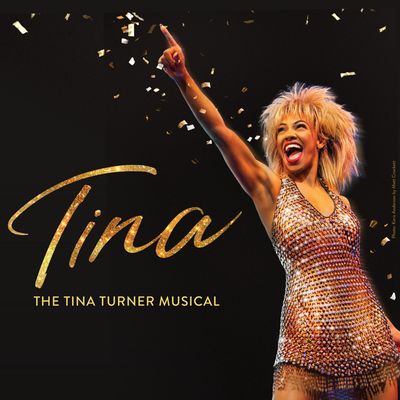
The London star on joining the cast of Tina – The Tina Turner musical as Rhonda Graam, music titan and best friend to the late Tina Turner.
We also dive into spreading kindness as part of the UK touring company of Come From Away, understanding the daily pressures of navigating singing hit songs like Don’t Rain On My Parade when starring as Fanny Brice in Funny Girl, and how facing audiences when you’re not the listed above the title star can be as nerve wracking as it sounds.
Plus, why she shares the power of being present in even the craziest of career highs.
Host: William J Connolly
Produced by: William J Connolly/Darren Bell
tinathemusical.com
Welcome to eleven. The official theatre podcast that brings the biggest stars and creatives together in one place to discuss life in the arts. Follow eleven on social media via @elevenpodcast and via elevenpodcast.com.
Transcript
This transcript was automatically generated and might contain errors.
[0:01] Natasha J Barnes: My name is Natasha J. Barnes, and you're listening to Eleven, the official theatre podcast.
[0:16] William J Connolly: Hello and welcome to Eleven, the official theatre podcast that brings the biggest stars and creatives together in one place to discuss life in the arts. She's the West End leading lady that's currently joined the cast of Tina, the Tina Turner musical, to bring to life the remarkable story of Rhonda Graam, the beloved best friend and devoted supporter of the late Queen of Rock and Roll. So what's it like portraying a real-life titan of the industry and one that is so closely woven into the story of a legend like Tina Turner? Well, let's find out as direct from her home just a matter of hours before she takes to the West End stage. We find out while life is double the fun and double the love when you have two West End leading ladies as your stars as Karis and Fleur alternate the title role.
And the methods that she uses with the likes of Rhonda and also with things like Fanny Brice in Funny Girl to bring together all sides of a real person, something she so perfectly labels as treading the line between brave and stupid. We also dive into spreading kindness as part of the UK touring company of Come From Away, understanding the daily pressures of navigating hit songs like Open Arms and Don't Rain On My Parade, and how facing audiences when you're not the listed above the title star is as tough as it sounds. Plus, she shares the power of being present, even in the craziest of highs, something that she's experienced in a career like no other. It's the wonderful Natasha J. Barnes here now on this, the next episode of Eleven, the official theatre podcast.
[1:57] William J Connolly: Please help me welcome to this, the next episode of Eleven. She's the West End leading lady that's bringing to life one of the genius minds behind the queen of rock and roll in the smash hit show, Tina, the Tina Turner musical. And I'm thrilled to say she's here to tell me all about it. So middle initial at the ready, as we are totally matching with this one, I've finally found somebody like me. I say from William J. Connolly to Natasha J. Barnes. How are you?
[2:20] Natasha J Barnes: Hooray. I love that we share an initial. I'm really good.
[2:24] William J Connolly: Are you Natasha J to like all of your friends? Like you always put the J in or is it a theatre thing?
[2:29] Natasha J Barnes: No, it was years and years and years ago when I first signed up to Spotlight. And then Natasha J Barnes was taken by a model who worked for Ferrari. So I had to put the J in. And it stands for my mum's name, Julie. So it's really random that it's there, but it's stuck this whole time. So I'm not dropping it now.
[2:46] William J Connolly: I have so many questions for you. I mean this very genuinely. I've wanted to talk to you for a long time. So for me, when I saw that this casting was going to happen, you were going to be doing this role in one of my favourite shows of all time. I was like, right, I gotta make this happen. So thank you so much in advance. Before we talk about specifics, you are kind of very early on in this part of your journey with the show. So where's your mind at at the minute? How are you feeling at the minute going into a role that's very iconic and a show that's very, very, very iconic that you know this is a real person and people love it? How are you making it make sense in your head at the minute?
[3:18] Natasha J Barnes: I love playing people that exist or have existed. And I've been really lucky to play a couple in my life. And what I've learned is I think your work is never done with a part anyway, but when that person is real, that it's really, really never done. Because like the fabric of our lives, as we all know, is so complex that trying to squeeze all that into two hours, 45 minutes worth of work is nearly impossible. So this company have been incredibly. They've given me so many, as with all of us who it's not just me, I'm in great company with many, many actors who are playing many, many wonderful people that existed, and some are with us today, some aren't. We get given so many great materials and so much context to work with, and I'm still making my way through, you know, transcripts and interviews, and sometimes it's really useful when you're at the beginning of a show, you can kind of use it to deal with my nerves.
I'll have like a little look into Rhonda Graam and try and pick something out that then I'll like take on for like the theme of the performance. So I'm kind of in that mode at the minute, still working, still figuring it out.
[4:22] William J Connolly: And is that where when you first started auditioning, were you like, I'm gonna look at the source material to begin with, or did you want to see where it landed with you?
[4:29] Natasha J Barnes: Well, funnily enough, I auditioned for this right at the beginning of its journey. So I auditioned for the original London cast, and I was obviously quite a bit younger seven years ago. And I think I'd just had my little boy as well. So I was like very, very much a different person. And then I auditioned again a couple of years ago, and this time it finally landed. So I've always had a little bit of a love for her and an idea of who she was. There's a lot of parallels with her that I find just in my own personal life experience, and it's pretty cool to now finally just sort of get the chance to just give it a go. And I've been in such good company as well. The shoes that I have filled with this one are tremendous.
And also, people do know of her, which I think, you know, some people would go, Oh my gosh, that's terrifying. But what this show proves, and having spoken to many of the ladies that have played this role or also played Tina, is that actually that becomes a great comfort because you know that people are on your side, and I feel like you've got this great joy that you know people that know of her and know of her success, and particularly the love that she has for Tina. You know that people want you to succeed, that she's a good person, that she's got the right intentions. And so I feel like the research material, the source material and the love that people have, I would find that comforting. Do you find that you sort of feel that embrace as well?
[5:45] Natasha J Barnes: Oh, totally. I feel totally held because it's, I mean, obviously, Tina Turner's life is unfathomably complex and filled with like the highest of human highs and the lowest of human lows, and weaved somehow into that is a full arc for Rhonda Graam and her relationship with Tina. And I'm so sort of grateful to the writers for the way that every single line in the show is succinct and it's worth about eight other lines. That you know, they say so much within such a small space of time in every scene that they have together and every moment she has on stage. So, you know, my job is to just try and like encapsulate that the best I can and fit in as much detail as possible. And the rehearsal process has been amazing for that.
And having obviously Karis and Fleur to sort of experiment with has been like something I've never had the pleasure of doing before is having two different leading ladies to kind of bounce off and go on that journey with, and it's been so exciting. I can't explain to you how exciting the working week is because everything chops and changes and everything's different every night as an actor anyway. But you get these two incredible tour de force actresses and performers every single night, and you're like, Oh, it's a Karis day, or it's a Fleur day, and it changes what you do on stage, and everything is so fresh, and that's part of our challenge as an actor to keep everything fresh every night. But that certainly makes that a whole lot easier. The fact that we get two different Tinas.
[7:08] William J Connolly: I love that you see that as a positive because I feel like most people would go, Oh my gosh, that must be terrifying, but actually it keeps it fresh, like you say, it's like a joy of like almost like you become a student every day of someone else going, Oh, where are we going today? What am I gonna learn from it? And I feel like that would be exciting.
[7:22] Natasha J Barnes: Yeah, 100%. It's like jumping onto somebody else's train and figuring out how fast it's going and what stations they're passing through that day. Like you jump on and you meet that person where they are, and then you jump off again, and then you jump back on when it's your next site moment on stage with them, and I love it, and there's definitely like a high octane energy in the building, which is something that I've never come into a long-running show before. This is like a first for me, which is crazy considering I've been doing this since I was 18. And I was really nervous about doing a cast changeover, and I'm sure there's an element to it that isn't normal, like how much energy there is in the building, how much love, how much excitement there is every day.
And I do think it has a lot to do with the fact that this role at the minute is inhabited. We have three Tinas, we have Charlotte, our beautiful, beautiful standby who's incredible, and we have our first cover as well. So we get to play all these different dimensions of her because as different people you pick up on different parts of Tina. So their performances are different as well, and it's just super exciting.
[8:28] William J Connolly: So, how does it work when you start to build what the performance and the character and the version of it that they want to see on stage, like from rehearsals? Do they ask what you want to bring to it? Do they bring perhaps their interpretation of it? Do they look at the source material as you reference? How does it sort of start grassroots? Let me into what that process is like.
[8:45] Natasha J Barnes: I think for a show like this, we've got a lot of automation, we've got a lot of scene changes, we've got a lot of cast members, lots of costumes. A lot of it is very much here's the blueprint, here's where you go, so a door doesn't fall on your head, which is a real thing. It's a real hazard, and we have to pay close attention to what's flying in from where during the show. So usually it's a blueprint of where to go, and a lot of it is text-led, it's about honoring what's written on the page, making sure that you're saying the words that are written because they were written for a reason. They went through countless, countless script versions to get to this point where the essence of what Tina's story is and what she wanted it to be is boiled down into whatever is on the page.
So we did that and we did the blueprint, and then we kind of just ran it before we were ready, but we were all ready. We discovered we were ready because we ran it and we did it, and then from then on, it's just been loads of playing around.
[9:41] William J Connolly: It sounds so exciting, like as a sort of reference at the beginning, but Tina is my ultimate favourite music icon of all time. I mean, this is a podcast that people are not gonna see, but like I am Tina Turner obsessed.
[9:51] Natasha J Barnes: Oh, I love that.
[9:52] William J Connolly: The Rolling Stones.
[9:53] Natasha J Barnes: Yeah, I did this podcast with Karis, and she just was like, Well, you really do know everything. I was like, I love Tina Turner so much. I think she just encapsulates the greatness of like never giving up, and that's one thing where this relationship is so pivotal to her success, is that it's about tough love. It's about the fact that she actually does say the things Tina doesn't want to hear most of the time in order to keep reminding her that you know she is Tina Turner, she fought for everything in her life. The only one thing she wanted, though, in particular, was her name. So it's like remember who you are. And I can imagine playing a part like that's probably rather joyous in terms of the different inflections of characterization she has, but also must remind you some days, yeah, you've got to show up. You've got to show up for yourself. And does it make you feel a bit stronger? Does she sort of influence your life outside because she is such a headstrong person?
[10:39] Natasha J Barnes: Do you know at the beginning of the show, as you know, and I don't think it's giving it away, it begins with some of the Buddhist chant that weaves throughout the tapestry of the performance. And I do feel a little bit like that grounds me and centers me every single day. You hear that and you hear the drums, and I kind of go into a hyper focus. And I do think that there's something about her and her storytelling that does get the best out of you. I think that with Tina as well, the reason that she says she had such a long and enduring career that is even still kind of developing now, let's be honest, like she was a master of transformation, and somehow she managed to hold on to who she was, even though she kind of, you know, she re-transformed like a phoenix.
She rose from every single fire and pile of ashes you could imagine. And no sort of decade was the same for her. You look at her right at the beginning, you look at her in the middle, you look at her towards the end of her life, and she's completely different every time, but she's still Tina, and I think that authenticity is what's most inspiring.
[11:43] Natasha J Barnes: Yeah, and I love it. I just, oh, I absolutely love it. I'm very passionate about it as well. But also I love the fact that even when she has her children around, when she has her soon-to-be husband around, when she has the record executives around, she even has herself, she always does seem to just slightly pivot to Rhonda. Like, where are you at? What are you thinking of? And I think it's so interesting that the power of friendship, and it shows that sometimes it's not lovers or family, but it's like sometimes a friend could be the person that's going into bat for you the most. And I don't feel like we see that that often, particularly in female-focused friendships. And I feel like it's really the heart of the story is about this woman helping somebody else succeed.
[12:23] Natasha J Barnes: Yeah, she was. I mean, she was an incredible human being, Rhonda Graam. Catherine O'Hara, our international associate director, always says that Open Arms, which is our duet in the show, is probably one of the only love songs in the show. Because it's just about love. It's about two people who have seen each other through a lot and they're loving each other and letting go of each other at the same time. And it's, oh don't I have I given it away? No, no, I don't think I have. And it's a really beautiful, pure friendship, and it comes out of quite an inflammatory kind of situation. Their friendship was born out of it, wasn't rocky, it was quite rocky at the beginning. And I think what's interesting about Rhonda is Rhonda never married, Rhonda never had children of her own.
I mean, there are many, many ways that you could analyze and interpret that and decide for yourself like what seed you want to then plant within like the root of the way you're gonna play that role. I love playing a character that is just devoted to somebody else because part of what makes acting really fun for me is making it about the other person and going off of whatever they give you on stage. So to play a role that is what Rhonda is. Rhonda's just there for Tina. And much like when you have a child, children hold up a mirror to show you who you are, and I think very much like maybe Rhonda is just a little bit of a mirror, and she just shows Tina where she is at any given time, and that's sort of like what was so powerful about their friendship, I think.
[13:54] Natasha J Barnes: It's also interesting, actually, that when they were putting together this story and the songs they associated with each character at each point of Tina's life, that actually they chose "Open Arms" in Act Two for this particular moment where it's like, you know, ask me no questions, tell you no lies. Like it's very deliberate lyrics. Obviously, Tina was involved very much in the creative process, so if it felt misplaced, she would have flagged that. But actually, she felt that best also represented her relationship with Rhonda, which I always think is interesting that Tina also does need her friend to allow her to be vulnerable as well. And it's this interesting juxtaposition, I think, and as you said, the genius of this show is that she's a multi-dimensional character that is very much in her corner. And I think sometimes she doesn't say some of the things, she does let her friend fall, she does let her also be successful, and it's just really great writing.
[14:41] Natasha J Barnes: It is such great writing, and you know, for a musical, essentially, I’m not sure I like the word "jukebox musical" anymore because I think it does a disservice to what's happening to the areas of our art form. But you know, for a show that has to weave in popular songs, I have never seen a show do it as well as this one does, because just what you've said there, like with the text of the actual song, it moves the scene along, and every song, every single song in "Tina" tells the story and moves the plot along. It's not an exposition of feelings; it also gives you information and gives you insight. And I think to have sat down with that massive catalogue of hits and decided what goes where, like to have been a fly on the wall to watch that process, I would have loved to have seen how they did it. I'd also love to see the songs that Tina was like, "No, no, no, no, no. That's not going in there. I never liked that one."
[15:36] Natasha J Barnes: I also do think it's interesting that the kind of the single version of "Open Arms" when she released it, and I know there are different versions when she sings it live, etc., but like the musical version is so different. Like, obviously, it's within the same chapter, but it is very different to kind of the poppy kind of song that she released of "Open Arms," and then actually she chose it to be so moving, and this almost like, as you say, this almost like friendship love duet that it comes into, and it's so beautifully orchestrated that it shows the way in which Tina leaned into the genius of this show is to entrust it. And I think it's a really special moment in the show.
[16:12] Natasha J Barnes: And I imagine it must be interesting for you for people to tell you what that song means to them because I know that it's some people's like first dance song at their wedding or like a funeral song, like it's got such a very poignant place in people's lives.
[16:23] Natasha J Barnes: Yeah, it's a—I mean the lyrics are so relatable, I think, on so many different levels. As you say, you can take it and somebody's experience of the song will be completely different to someone else's. And Nick Skillbeck, our musical supervisor, he is incredible at reading the human experience. And I think for him to have kind of taken the lyrics and made a very, very definitive choice to strip it all back and make it about the message of the song was really, really clever, really smart. But he's a very smart man. But it's quite vocally, it's an interesting thing because you're quite exposed. And as you know, Tina is at the forefront vocally; it's Tina, it's Tina's show, it's Tina's story. When another female voice comes in, your ear kind of is sort of more open to it; you kind of take more notice to it.
And the challenge really is to not sing it too much and to just play it as if it's the scene. And you know, sometimes you want to—you've been listening to all these bangers nonstop for an hour and you kind of go, "Oh, I kind of want to do some belting now," but I'm not going to because that's not what we're doing here. It's like reminding myself that it's not my gig; I've just got to sing the sound nicely. It's quite a challenge actually.
[17:45] Natasha J Barnes: Also, I imagine there must come a point, particularly maybe in the rehearsal process so early on where you get like, "Oh yeah, I'm gonna sing a Tina Turner song that people know." It's a big mountain to climb even for the greatest singers because she is the queen of rock and roll for a reason. And I can't imagine that ever quite leaves the back of your mind.
[18:03] Natasha J Barnes: Yeah, and like, you know, if you're Tina, I'd imagine kind of if you're not happy with how "Nutbush" went, you've got like another shot with "Proud Mary," and then you can do—you can kind of, you know, when you take a—I’ve done a couple of quite big roles before and you know, you kind of think, "Oh, if the first quarter doesn't go okay, that's okay. I've still got three quarters left of the show to kind of put myself into a position where I'm feeling better about my performance." But with Rhonda, like she’s kind of on—she does a song and then you're done; you can't fix anything. So you have to like just be completely present and try and just honour whatever is happening in the moment. And as we've said previously, it's just different every night. I live off that stuff, and I'm not very good at repeating. I get told off for not being better at repeating myself. But it's a really nice animal to sort of get under the skin of.
[18:51] Natasha J Barnes: For people that maybe haven't seen the musical so far or are planning to come, or people that perhaps know Tina as the individual, perhaps not necessarily the world around her, how would you introduce Rhonda to people and the impact that the musical very cleverly does explain? What sort of impact did she have on Tina's life, particularly because I know that we lost her not too many years ago? And that social media post that Tina's team posted and spoke about the impact that she had was so huge that I think it really did open a lot of people's eyes to her and to remind people of the importance that she played in the star that we do all know and love.
[19:32] Natasha J Barnes: Yeah, I mean, I would say Rhonda is—oh gosh, how do you encapsulate what she was? I would say that she is—she was part of, I would say she was part of the family unit, part of Tina's family unit, part of her trusted circle. Even when, you know, Rhonda leaves the show, in real life she went on to be Tina's maid of honour at her wedding. So they definitely stayed in touch, and I would just say it's an enduring working friendship that became a lot more than that. And I would say that she champions Tina; she's the fill to the Hercules, I guess, if you want to think about what's next door to the old rich at the minute.
[20:15] Natasha J Barnes: Love that analogy! Never ever would we get there normally by—I don't know how that happens. I don't know where I plucked it from, but I do hope it stays in the podcast because it's eccentric and random. Well, eccentric and random very much sums them up because obviously the iconic photograph of the pair in real life is the one on the back of the motorbike, which is eccentric and random. So like it just sums them up, right?
[20:34] Natasha J Barnes: Yeah, it's such an extraordinary picture. I believe that's also the picture, if I remember rightly, that they did use in some of the social media postings when she did pass away. So it's interesting that that's how they—and Tina viewed her, how that's their lasting memory of her.
[20:49] Natasha J Barnes: Yeah, I think they did kind of go on a ride together. I suppose, you know, there's a lot of moments that in the interviews that Rhonda talks about. There's a moment where she talks about Ike shooting through the windows of her car, and you know, she was very much—she put herself, I think she would have put herself in between Tina and any danger, really. But what really surprised me when it came to me doing a lot of research was how many of the famous photos of Tina that were taken by Rhonda. So there's some amazing photos that are easily discoverable online of her with Janis Joplin, and they were taken by Rhonda. I watched an interview with her, and this was actually during the first incarnation of the musical.
Whilst it was being done, there was an interview of Rhonda kind of talking about it, and they showed her a few pictures and she was like, "Oh, I took that, that was me, yeah. That night I remember," and she was in these like crazy trousers, and it's just like you kind of go, "Wow, she really was there." She was there through so much of Tina's journey. And not she wasn't there to be in the spotlight; she was just there to serve.
[21:56] Natasha J Barnes: Yeah, and you know, the world would not turn without people like Rhonda Graam. And without, you know, people that were willing to ruffle some feathers, you know, driving through whatever state you're gonna drive through to get to the next gig in the 1950s, like it's in the 60s. It's people that are willing to put themselves in the way of danger for somebody they care about and somebody that they believe in, more importantly. I think those are special people, and it's so great that she's had a little bit of a spotlight in this show. It's an extraordinary, extraordinary character, and I imagine it's just such an honor every single night to get to potentially like introduce people for the first time and you to be that vessel.
And I feel like that must be just so exciting for people to then do what I did, which is then go and research her even more or watch documentaries or like look at the pictures, and to be that chosen person, I imagine, must be quite the honour.
[22:45] Natasha J Barnes: Yeah, and there's a lot—I mean, there's a lot of moments that, you know, I'd love to have asked her about that she wouldn't talk about anyway. So then there's a lot of like there's a lot of gap filling to be done. I mean, there's, you know, one of her first moments in the show. I often—that entrance, it receives a bit of an audible reaction from the audience. And it's always an action, a reaction where I go, "Okay, I've gotta try and make sure that I'm really focusing on showing that this woman is a human being for the next however long left of the show." And it's sometimes it's quite a climb because you want people to understand the dynamic of their friendship. I'm trying not to give too much away.
It's definitely interesting charting the moments that are a little bit trickier through like her kind of the way that she related to Ike and Ike related to her. But there's such an amazing treasure chest of details that you can put in. Some things, some things you feel like they can go in on one night, and then the next night you think, "That's not quite where she's at today." Like we're gonna—I need to step away from the vulnerable side and then you need to think of how empowered she was.
[23:51] Natasha J Barnes: There's this moment in the show where she goes into Capitol Records and she's going in for Tina, and things are pretty low for Tina and they're trying to turn her career around. And it's a really important moment for me in the show. It's the most important moment for me in the show personally because my mum used to—she's actually in aviation; she works in aeroplanes. But she fell in love with a band called the East Side Torpedoes, who were a northeast band, and they were trying to get discovered. So she decided she'd have a crack at being their manager and walked into Universal Records one day and had somehow found out the name of one of the producers and basically made up that she had a meeting with him and managed to get into the room with this guy.
He came to see one of their gigs, and as I like it, I think they reached some success because of this meeting. And that's a genuine thing that my mum always used to tell me the story. And I used to think my mum was mad and crazy, and it was in the early 80s, I think, or the late 70s. And I always think of what my mum told me when I walk out to do that scene because that's basically what they're both doing. They're both women, Tina and Rhonda, rocking up with like the—you've got the cassette tape in the bag, and they're like, "I'm here, like you need to listen to this woman." No, no, no, no, not this woman and Ike, this woman as she is. And there's something so pioneering about that in the time period that it was. And I always think of my mum because she did exactly the same thing to a much lesser extent. It was East Side Torpedoes, not Tina Turner, but you know.
[25:20] William J Connolly: Yes, mum! I love that.
[25:21] Natasha J Barnes: I love that idea of just being like, "You do have a meeting, even though you don't, and we're gonna have a meeting. Thank you very much."
[25:25] William J Connolly: Yeah, yeah, yeah, yeah.
[25:26] Natasha J Barnes: She just flagged this whole meeting at Universal. I'm like, you couldn't do that today and get kicked out. AI would recognise you immediately as like a stranger.
[25:37] William J Connolly: You referenced a second ago about like expectations of a song, and like obviously, we said about like obviously singing a Tina Turner song. But what about with other roles you dump? For example, like when you're at the Palladium, and obviously there are pop songs or songs connected to that, or perhaps when you're in "Funny Girl," and you know that people just know all of those songs, you know, they're waiting for certain numbers and certain performances and musical numbers in those shows. How do you make that make sense for you? Do you have to do a similar thing of putting a little bit of distance between you, or do you go, actually, I know I can sing this song? I've been put here for a reason, and I'm gonna stick it to them and give them what they want.
[26:11] Natasha J Barnes: You're smiling. I feel like it may not be the latter, but let's see.
[26:14] Natasha J Barnes: I'm totally grinning because it's such an interesting conversation that I've been having with myself recently because I think it depends on what stage you're at in your career and who you are and what you believe about yourself at the time. And you know, to go back to the old—I mean, it's quite a long time ago now, it feels like nearly eight years ago. And I don't know who that person was that stood up on stage and sang "Don't Rain On My Parade" in front of a load of people that were very upset that she wasn't the actress that was meant to be there that day. I don't know who that person was. But I think that singing well-known songs in front of an audience that are paid to be there to listen to those songs, knowing that you're not the person that sang them, or knowing that their version of that song may change on hearing yours, I think that you have to put the love of your love for the song first.
If you love that song and you love singing it, then anything else is noise and detail. It just has to be done with love. And I think with anything, like that's the most amazing thing about singing things like "Don't Rain On My Parade," but also singing things like "Open Arms" and watching Harrison Fleur do it night after night is it comes from a place of let's praise these songs, not let's try and outdo the last person that did this song.
[27:37] Natasha J Barnes: And um, and I definitely think that audiences I believe in audiences, and I have the utmost faith in an audience. I think that uh a group of people all gathered together to watch a bit of live theatre is a it's a let's be honest, it's a dwindling thing these days. It's easier to access anything from the comfort of your own home. But people that gather in a room to watch something occur um are hyper aware of their experience, and I believe in people's ability to gather together and have an experience and find the magic in that, no matter like what their preconceived notions are.
[28:11] William J Connolly: It's interesting you say that you're not sure about the person way back when you used the Funny Girl example of like, you know, that people want to see above the titled star and then they see you. But also I imagine there's a lot of people that felt that, and then when they left, they were really glad they did see you. And I wondered, was it doing it more often and having that experience? And I'm gonna say not winning people over, but proving yourself and having the luxury of doing that, which is often the limitation that people don't have is the audience and the opportunity to do that that made you realise I am worthy of the space that I take up. Like, is that how you were able to keep doing it?
Because I think a lot of people would say, even on day one, I can't go out there and push myself in a vulnerable situation because what you did in that moment itself is incredibly vulnerable and you are right to be there, but not always the way in terms of an audience response. Like, how did you find that strength?
[28:56] Natasha J Barnes: I think um, you know, I look back at that period of time, and there was so much going on and there was such a lot, you know, of there was such a lot of noise. Um, and really I just loved, I loved the character, I loved the part, and I loved the songs and I loved to do it, and I would have been just as happy singing into a Dove deodorant bottle in my bedroom as I would have been out there really. I wasn't expecting the reaction that I got, I really wasn't. I just wanted to do a really good job and make sure that everybody around me was proud because everybody in any production is a team, we all work, and if one person's not working to the best of their ability for whatever reason the rest of the team feels it, and so I just wanted to like honor the team at the time.
Um, and I think you know, having I've I've learned a lot about myself as a performer since then. I've learned a lot about I've started to wonder where my limits are, and every so often I have to like kind of sit down and have a bit of a chat with myself and go the limits are that there are no limits for anybody, um, as long as you like believe that you can do it. And sometimes like you just have to kind of go out there and give it a go and go, yeah, actually this might go really wrong but at least I gave it a go. You know and I think if you can if you you know it's the the fine line between brave and stupid I like to I like to live on that line as a fun line to live on.
[30:18] Natasha J Barnes: But also giving it a go got you very publicly to receive your flowers and a lot of attention but also more importantly a lot of love and a lot of opportunity including continuing with the role on tour as well making it your own 100% full time and I feel like that's the moment where you go sometime being crazy stupid and being vulnerable and leaning into the madness as I like to say sometimes affords you opportunities that I imagine even in your wildest dreams may not have thought would be possible within the very very quick amount of time that it happened as sometimes you almost have to let the love in by being very vulnerable right yeah exactly and and actually in hindsight I would say that the hardest bit was not the stepping up to the plate.
The hardest bit was what getting the accolades and then going what now and the pressure of like I I have to make the best of this situation. I have to I have to find the right opportunity to move forward with and and actually you know what became really important to me was being trying to continue to find who I am and be authentic with that and choose parts that are important and I want to do this until I'm 82. I still like all the roles that I've ever wanted to play are much older. I don't like like there's there's stuff I've got on my little wish list um that that I'm nowhere near ready to do in age and stuff. So I just wanted to I just I just love this business and I love and I think the more life experience the more hobbies I have the more I see the more I do the better I am on stage because you you can again you can hold a mirror up to different people if you've if you've you know seen a lot of things you know seen the way the world works got out there travelled a bit met different people and I I love people and I I love um the way the audiences come together and support the people on stage I think that support is so important and I think that as you said the you know the love I my reputation for being a kind person as well as a performer matters probably even more to me now than being oh she's I mean she's a formidable diva but god it should it was too difficult like I would I think for me that's my worst nightmare the people that I hold dearest to my heart in this business are people that are remembered for their kindness and their ability to lift a whole company drive a whole company through with with grace and with sensitivity and compassion towards everybody um and I've had the absolute privilege in the last especially like five ten years of working with people who emulate that I've worked with Rosalie Craig I've worked with Karis I've worked with Fleur and all these women have the these women have the same thing in common they would talk to anybody in the building no matter who they are they will give them their time their love they will remember little details about their lives and people matter to them and that's the kind of person that I would always work towards trying to be.
[31:30] William J Connolly: Do you remember how it felt inside of all of the noise the first time you saw that rather iconic poster and the image of you inside the purple background do you remember what that moment felt like?
[31:30] Natasha J Barnes: Um oh I remember being hypercritical of the fact that my teeth went straight if I'm completely honest with you, I'm sorry that it's not more poetic. I was like, oh, I really need to get some invisible and stuff like that because but I kind of like them, and and they're still a tiny bit crooked now, and I kind of like them like that. I I think um I don't know what that thought was. I remember there was a massive one in Stoke of me in the car park, and I was like, I'll take that, that's wicked. I yeah, it was just you know, that purple colour. Um it's funny actually, because I I just came off of the Come From Away UK tour, the original tour of that, and um one of my closest friends on the show, Bree, um Bree Smith is alternate Tina on the UK tour of of Tina Turner, the musical, and um her favourite colour is purple, and so purple like follows me around, and it's always like it's always prevalent in really important like relationships and parts of my life.
So I don't know, it's um that kind of it's just synonymous with love, really. Yeah, that put that I do look at that poster sometimes, like I'll see it'll crop up somewhere, or I'll be doing stuff in the garage, and there's mum's mum's big box of programmes that she keeps, and I'm like, wow, I did that, that was cool. And the five-year-old in me would be really, really proud of me. So, you know, job done. That's a nice little tick.
[34:23] William J Connolly: The reason why I asked, and it was connected to a second question was actually I wonder about if you're aware of the people that see that poster image that is of a very particular person, that being you, in a very particular and iconic role outside of London, who maybe dream about being able to do that or come on their Christmas school trip to the London Palladium and see you as this very iconic character outside, arguably, especially thanks to Rachel Zegler, even literally the most famous voting in the world at the minute. Like to look at those moments and be like, I'm actually on a poster for something insanely iconic, and that's me, that's me doing that. And I wondered, are you ever able to sit, particularly in those very visceral moments and think, yeah, I'm I'm not doing bad.
[35:00] Natasha J Barnes: Yeah, it's I I I there's a detachment there. Like, I don't I I'm looking at it and I almost don't think it is me. It's really strange. I don't know because it is it's a huge thing to like have you know your name and then your face on a poster and then some really lovely comments by some really massive tabloids uh underneath and you kind of go, really? Is that me? Um the moments where I sit properly are um like um when I I I keep everything anyone's ever sent me. I'm terrible at it. I don't hoard anything else, but I hoard um letters from fans, messages and and gifts and anything like anything that I'm ever sent. I'm lucky enough to be sent. And um it's when I read like things that people have written in, like some somebody once uh wrote a little blog post and my mum lessa printed it off because she knows sometimes I I get a bit shy and I can give myself hard time.
And she brought it around to me one day and it was just somebody saying that you know they they would love to do what I I did that day. And um Funny Girl was it was great because it was about an outsider and Tina's a little bit like that too. We're all outsiders in this in this job and Funny Girl is first especially was about somebody that couldn't quite fit in and somehow managed to find and make a career out of that. And um whoever this person was that wrote this blog post, it had really spoken to them and they'd always felt like an outsider and it made their day and it and it made their week and and then at the end I think they said it it kind of changed their life. And for me, those are the moments that make me sit and go, Wow, because like theatre is so powerful if you do it well enough, I think.
And um just to be able to do it well enough to really really change someone's belief system is like testament to how like important it is as a as an art form. Those are the special moments rather than my face. Can't see past the teeth, I'm sorry.
[36:41] William J Connolly: But I imagine that you felt felt that most doing Come From Away. I mean, that's the show where you go, gosh, people are really powerful. And my gosh, this is a powerful piece of theatre.
[36:49] Natasha J Barnes: Yeah, that that show is I mean, kindness follows you around like wildfire on um on Come From Away. And um Come From Away was probably one of the most challenging things I've ever done because I was away from my son for a year and I really missed him. Um but luckily I was in a show that was surrounded by you know, I was surrounded by kind people telling kind stories. Um and it's a beautiful the production company is incredible. They are the heat away, everybody there was just amazing, and you know, their whole ethos is built on the ganda spirit that we talk about in the show. Um, and the fans are amazing as well. Um, you know, people that I always think, like, especially in times like this, you know, people following a show around, purchasing a train ticket, you know, getting on train line, doing the split save, booking their seat, getting down there, getting the sandwich, then turning up, having something to eat before the show, watching the show, and like, you know, you're it it's never lost on me that like you have to do something to earn that money and then your choice to spend your money to travel to a production to see a company of people that where you have decided to pledge like a commitment to doing that is amazing.
It and it and it is an amazing like thing to choose to do, and I'm so grateful for it. And I'm you know, I don't know the I don't know the the sort of um long enduring Tina fans very well yet. We've only just started, but like you can already see that again, like they haven't we have an incredible fan base and a supportive fan base there as well. And and I I love that super important to to keep in this industry going. This is the fans that come back again and again.
[38:35] William J Connolly: Is there a particular thing when people come and see Tina that yes, of course we everybody I don't think there's a person in the world that hasn't heard of of the queen of rock and roll, but is there a particular thing that you think this is this is quintessentially why I took this job? This is the reason why I really am glad to be part of going to work and telling this story. What's the thing you hope they take?
[38:35] Natasha J Barnes: I hope audiences take away the music, an understanding of where that music came from. Because we can all listen to a tune and recognise it as a great tune, but when you come and see Tina, you will find out and discover for yourself where those tunes came from and what they were born out of. And I think then going home and whacking it on the sound system on the car on your way home. I think those songs will sound a hell of a lot different and hopefully more powerful.
[39:00] Natasha J Barnes: What do you think the person at the very beginning that first dreamed about doing, literally being a West End leading lady as you are? What do you think she would think of the lady that's been sat with me for the last 45 minutes? What would you think of this moment and everything you've achieved? Honestly, I think I don't think she would have been surprised at all, and that makes me feel emotional, actually. But just because I remember the commitment I had as a seven-year-old to this business. I never wanted to do anything else, and I loved it and I will always love it. And I think she, I think she sort of like I remember that commitment then that she'd keep going until she made it, and somehow along the way it's happened.
But I don't think she'd be as surprised as actually this lady sitting with you now would be. I think the five-year-old in me is like, yep, just so well done. We got that. And got there is very much the understatement of the century. Bless you for being humble because the stuff you've achieved and the way in which you've done it that feels like you've stayed true to yourself is incredibly endearing and inspiring for lots of other people. And I know that the people that saw those posters at the Palladium and elsewhere will have thought a lot of things. So, like genuinely, congratulations on everything so far. And more importantly, enjoy what is my favorite musical and the crazy, crazy journey getting to sing "Open Arms" every single day.
I'm not being funny, please can we do a job swap for one day? I won't let you down, I promise. I think everybody should get to sing that song one day at once. It's like it's the best song to sing, and it's just the best show. I'm having the best time, so I'm so lucky. I feel very, very lucky every day at the minute. Good luck. I look forward to seeing you tomorrow, and thank you so much for your time again. I do genuinely really appreciate it.
[40:30] William J Connolly: Oh, thank you so much. I can't wait to see you tomorrow. I'm nervous now.
[40:36] William J Connolly: You've been listening to Eleven, the official theatre podcast. Find out more about Eleven at elevenpodcasts.com or via the Broadway Podcast Network.
© Broadway Podcast Network, All Rights Reserved