

Featured Shows
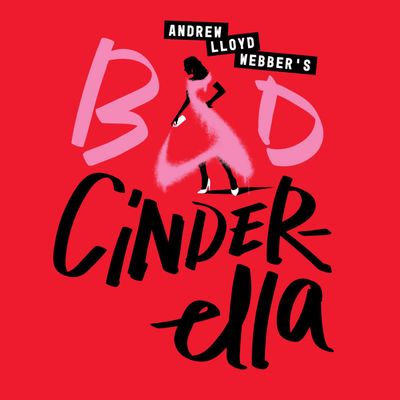
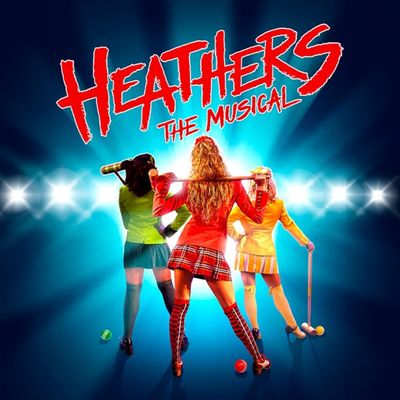
About
The award-winning stage star on what it’s like collaborating and creating an original new musical with Andrew Lloyd Webber and why she feels much more comfortable and authentic with Cinderella's pre-transformation vibe. Plus she reveals the magical journey to starring in The Addams Family, how she isn’t totally ruling out a return to Heathers and why penning a stage show all of her own is something that's on the horizon.
Host: William J Connolly
Produced by: William J Connolly/Darren Bell
andrewlloydwebberscinderella.com
Welcome to eleven. The official theatre podcast that brings the biggest stars and creatives together in one place to discuss life in the arts. Follow eleven on social media via @elevenpodcast and via elevenpodcast.com.
Transcript
This transcript was automatically generated and might contain errors.
[0:01] Carrie Hope Fletcher: My name is Carrie Hope Fletcher, and you're listening to Eleven, the Official Theatre Podcast.
[0:16] William J Connolly: Hello and welcome to Eleven, the official theatre podcast that brings the biggest stars and creatives together in one place to discuss life in the arts. She's the award-winning stage star that's currently originating the title role in the brand new Andrew Lloyd Webber musical, Cinderella at the Gillian Lynn Theatre. A magical world with new songs, new faces, and a whole new take on this beloved fairy story that's got a rather exciting new twist. But no stranger to the stage, she comes to this magical world having played both Eponine and Fantine in La Miz on stage and in concert, also having originated the roles of Wednesday Addams in the UK Tour of the Addams Family, and Veronica Sawyer in Heathers at the Theatre Royal Haymarket and at the Other Palace.
She's also appeared in the Arena Tour of The War of the Worlds, in A Christmas Carol, and as a child actor in The Wind in the Willows, Mary Poppins, and Chitty Chitty Bang Bang, a show she also later revisited as an adult. And if she isn't busy enough, she also happens to be a Sunday Times best-selling author too. So here, in an exclusive conversation, we discuss what it's like collaborating and creating an original musical with Andrew Lloyd Webber, why she feels more at home with Cinderella's pre-transformation look and vibes, the misconceptions that she's simply given roles rather than having to audition, why she isn't ruling out a return to Heathers, her magical journey to starring in the Addams Family, how her work as an author influences her time on stage, and why she might, just might, be in the process of penning an original stage show.
More on this later. Plus, in perhaps the most honest of moments, she reveals what it's like fulfilling her childhood dream out loud. It is the delightful Carrie Hope Fletcher here now on this, the next episode of Eleven, the official theatre podcast.
[1:57] William J Connolly: To ensure the safety of all involved in this episode of Eleven, Carrie and I connected for this conversation digitally. So please forgive any brief moments while we wait for the internet to catch up. Enjoy. She's the award-winning West End superstar that's currently originating the title role in a brand new and exclusive Andrew Lloyd Webber musical. I saw it last night. My God, she's a wonder. So please help me welcome to this, the next episode of Eleven. From a very, very sunny, colourful room. I'm very jealous. Good morning, Carrie Hope Fletcher. How are you?
[2:27] Carrie Hope Fletcher: Good morning. I'm good.
[2:29] William J Connolly: I'm good. I'm very good. Thank you so much for agreeing to do this. I've been badgering you and your team for a long time to do this. They finally caved in, could find no more excuses. I was like, right, I just want like 20, 25 minutes to basically tell Carrie how obsessed I am with you. So that's exactly what I'm going to do now. And I was just telling you that literally just over 12 hours ago, I was sat in a West End theatre watching you just soar in Cinderella. It's extraordinary. And I don't know why it's taken me so long to see it. I think it's one of those shows where I'm always like, I was going to see it, obviously, and then the pandemic happened, which we won't tread on too much. And then eventually I was like, right, this is the time.
I want to do it. I need to go see you in it. And you are extraordinary. And it looks like from an audience perspective, we can talk about the magic and the sort of the beautiful nature of the piece and the music. It just looks like you're having the best time.
[3:14] Carrie Hope Fletcher: Yeah, you've actually waited until the best time to see it because we've had like a lot of changes happen throughout the last few months. And now I think we're kind of at a point where the show is all settled. So you came to see it at the perfect point. But no, we are having so much fun. The show is just, I mean, how could you not? It's such fun songs to sing. It's Cinderella, it's such a classic tale, but it's been turned on its head, so we're kind of surprising audiences at the same time, which is, you know, we kind of go out there with an audience expecting to see either like Disney or Panto or a version of the classic fairy tale that everyone knows. And then all of a sudden, when my first line is, "You bastard," suddenly everyone's like, "Whoa, what am I watching here?" And yeah, it's great fun to sort of go out and see audiences sort of raise an eyebrow and then by the end sort of like be up on their feet and cheering. So it's good fun.
[3:59] William J Connolly: Especially because that opening scene is very classical, and you're like, "Oh, okay, I understand this sort of the setting of it." And then you come along, and then this just this electric sound kicks off with "Bad Cinderella" and this voice, and you're like, "This is definitely not the Cinderella that I think I knew." It feels rebellious, but it also feels very smart that someone would dare to sort of take this classic tale and sort of twist it on its head. Was that sort of your reaction the first time that I guess Cinderella was brought to you?
[4:24] Carrie Hope Fletcher: Yeah, I mean, Emerald Fennell, who's the writer of Cinderella, she's actually a genius. And to have her in the room during rehearsals as well was such an honor and a privilege just to see her at work. You know, she'd written this amazing script that's so clever, so funny. It's taken all of those moments within the classic fairy tale, like the glass slippers, the transformation scene, the ball, Prince Charming, and she's just completely turned them on their heads. And yeah, just being in a room with her where she'd take a line that was already hysterical and then just add something to it or change it to an even funnier line. We were like, "Who even are you? You're ridiculous. You are so clever."
[5:03] William J Connolly: Was "penises on statues" something that you expected to do in an Andrew Lloyd Webber musical, or was this?
[5:08] Carrie Hope Fletcher: No, definitely not. No, but Andrew was fully behind that. He thought that was quite funny. I just love it so much because I've, you know, I'm such a massive Disney fan. And the idea of playing a Disney princess has always been like up there on my bucket list. But yeah, I've always loved like darker, like the original fairy tales where, you know, in the original fairy tale of Cinderella, the stepsisters cut their toes off in order to get their feet in this. Like I love stuff like that. I'm a massive Tim Burton fan. Sleepy Hollow is my favorite movie. I just, you know, I love kind of like a darker, a darker film or a darker story. And so this is kind of the best of both worlds, where you've got this classic, you know, fairy tale setting where people do sing to wildlife, but then I'm getting to play a princess that wears big chunky black boots and dark eye makeup. It's great.
[5:57] Carrie Hope Fletcher: One of my favorite plays is Constellations because it looks at the world from a different angle. And I'm always obsessed with this idea. And I think Wicked sort of created the idea that you could look at something from a different viewpoint. This could be happening over here. You have no idea that this is happening when you look at an original tale. And I sort of got that sort of vibe from Cinderella, which was that you don't actually know that this entire other storyline and the one that you probably already knew when you're going in was happening. It does sort of feel like it has that exciting other element to it. And I can imagine for you, it is original too. So it means that you're getting to put your stamp on it. So it sort of feels like you're a little bit spoiled, and then you've got all these amazing genres and styles sort of just exploding on stage.
[6:33] Carrie Hope Fletcher: Yeah, absolutely. And you know, it has taken certain characters and made them for a completely new audience, not to give anything away, but suddenly Prince Charming is a very different character to how you would expect him to be, or how he usually is in the original fairy tale, which I just think is so wonderful. And it's a part of the show that I'm so jealous that I don't get to be a part of. I'm off stage in the wings, like looking through the curtain, just enjoying that really, really wonderful moment and watching how the audience responds to that as well. And it's probably the only moment in the show you do actually get a moment to think. I mean, you work so hard in the show all the way through the singing. I mean, I was like, "Gosh, give her a break constantly, all the time."
[7:14] Carrie Hope Fletcher: It's such a weird mix because I do have time off stage. Like I get time for a cup of tea in act one, it's great.
[7:21] William J Connolly: What?
[7:21] Carrie Hope Fletcher: I know. But then when I am on stage, I'm singing like huge songs, like "I Know I Have a Heart" far too late. Even the soliloquy is kind of like an amalgamation of three other songs that you've already heard. It's quite a big thing whenever I am on stage. So I do take those moments off stage to sort of sit down and have a moment of existential crisis.
[7:40] William J Connolly: Is this version of Cinderella different to the one that you did pre-pandemic?
[7:44] Carrie Hope Fletcher: It's definitely different to the version that we did pre-pandemic. We did a workshop in 2019, and there were characters in it that no longer exist or have been turned into different characters. So there's definitely been a huge amount of reworking, you know, with Emerald and Andrew, they were working hardcore through the whole pandemic to get it to what it is today. So, yeah, huge changes have been made.
[8:04] Carrie Hope Fletcher: But yeah, I feel it's funny because as you were talking then, I was like, I remembered years ago when I was playing Eponine, and the thing that was like drummed into me with Eponine was like, you can never ever be, "Oh woe is me." You never want to feel sorry for Eponine because she's well aware of the fact that when she sings "On My Own," she knows she's on her own, she knows that she's dreaming, she knows that this is a thing that she can never have. She's just like, "Let me have my moment, let me just have this moment of fantasy, and then I'll go back to being badass," which is exactly what she does. So I feel like that was in my head during rehearsing the role of Cinderella because she is such a kick-ass character.
She is, you know, she from the moment she walks out or spins out on that statue. She's this amazing, rebellious, non-conforming, incredible character. So then when you get that side of vulnerability to her, it can never be about her feeling sorry for herself or other people feeling sorry for her. It's more her just like accepting the reality of her situation. And now I'm gonna kick ass anyway.
[9:12] Carrie Hope Fletcher: And it feels important that the clothing that we see her before the transformation into the ball that she then ends up in again isn't sort of those downtrodden clothes that we're so used to seeing in a pantomime, and then she suddenly becomes beautiful. She's very set in who she is in terms of the way her hair is, the fact that she's chosen her clothes, those massive big boots. Like it feels very specific.
[9:31] Carrie Hope Fletcher: Yeah, she loves the way she looks. Like she has chosen the way that she looks in a town that has been told they have to look a certain way. So everyone in the town has been told by the monarchy, by the Queen of Belleville, that they have to look a certain way in order to fit into this very specific mold, these beauty ideals that have been chosen for them. Whereas Cinderella's like, "No, I want to look however I want to look." And this is deliberate. This is how I choose to express myself through my green jacket, through my stolen apron. Like she's got an apron that's the same as everybody else. And I just love this idea that she's nicked it from someone. And yeah, her black lace and all like parts of her, even her wig.
She's got two plaits in her wig, one's blue and one's pink, which is the same color of the hair as the stepsisters. So I always imagine that she's like cut their hair off in their sleep to spite them and like woven it into her own hair as like a massive middle finger to her abusive stepsisters. The way that she looks is so deliberate, and it's a very bold statement in a world that is very pastel and muted.
[10:38] Carrie Hope Fletcher: It's almost like the writers of the show are trying to perhaps show a mirror and a reflection to the outside.
[10:43] William J Connolly: It's almost like they plan that.
[10:44] Carrie Hope Fletcher: Yeah, it's almost like they're trying to tell us something. You know, we live in a world that's full of filters and social media plays a massive part in all of our lives, whether we want it to or not. Even me, like you know, I do love a filter. I do love something that gets rid of the bags under my eyes of a morning, you know. We're all guilty of it. It gets taken too far to the point where we start changing the shape of our faces and the shapes of our bodies, and then portraying that to a younger audience who then think that that's reality, and then start changing their actual bodies in order to fit something that doesn't actually exist.
[11:18] Carrie Hope Fletcher: So, yeah, there is definitely a message within the world of Cinderella. And I think one of the most genius parts about the show is the transformation scene, because usually that's a part that everyone looks forward to. Everyone wants to see Cinderella suddenly go from rags to riches. They want her to go from this, you know, horrible, tattered dress into this extravagant, glittering ball gown. But in this version, she's, you know, built up this message, this attitude of going, no, screw you. I'm gonna look however I want to look. And then all of a sudden she's made to feel like she has to change in order to be loved by someone or in order to be worthy of respect. And so when she does ultimately change herself, I, the audience, are like, oh God, that's heartbreaking.
That's actually really sad that she's given up the one thing that she clung to, her, you know, her look and her attitude, and you know, never ever giving up the way that she is. She gives it up in order to impress a boy. Ugh. I mean, boys, uh, full stop, but that's a completely different podcast.
[12:21] William J Connolly: It's so true though, actually. And it wasn't, I never saw that coming. Sometimes I'm like, oh, I understand the message they're trying to push, but actually, it was such a surprise, particularly when you make that grand entrance in act two, which there's lots of magic that happens in act two. And when you're there and you walk on, you think, you look beautiful, but it doesn't necessarily feel real for Cinderella. It's like it feels quite costume, and it's like actually the dress is amazing, no denying that. The wig, phenomenal. But is this the true Cinderella? And I wondered, do you find the similarities that you perhaps feel more comfortable in the pre-transformation than the transformation, Carrie?
[12:50] Carrie Hope Fletcher: Yeah, the pre-transformation costume is the most comfortable costume I've ever worn in my life. Like I can, I would just leave the theater in that and be more than happy. It's amazing. You know, I wear these great boots that are flat and comfortable. I can stomp around and run around the stage and do all the things that I need to do. I can jump off of statues in them, no worries. So then, as soon as when this, you know, corseted, very tight ball gown goes on that's, you know, the rim of it, like the whole skirt, no one can get close to me in that dress because the dress is so big, and I'm in these, you know, very high jeweled shoes that I'm terrified to walk in because they're covered in actual Swarovski crystals.
So anytime one of them pops off, I'm like, oh my God, I'm so sorry. Like I'm trying to be really careful as I'm walking everywhere in the theater in these shoes. Yeah, I don't feel comfortable in that costume at all. So then as soon as I go back into my chunky docks in my big floaty skirt with my lovely comfy jacket, I'm like, oh, it's like pajamas.
[13:47] William J Connolly: I want to talk to you just so quickly about working with Andrew because I have in my house the vinyl to this show. I bought it when it first came out because it felt very rare that we had, obviously, I know it's happened before, but it felt rare that we had a brand new original Andrew Lloyd Webber score to enjoy. And there are so many moments in the show where you sit there and you just sort of close your eyes between scene changes in big swelling moments. And you think this is once in a lifetime, not the once in a generation. And it feels an honor and a privilege to get to sit there and enjoy it once. But to get to be part of it every day and to be able to work with Andrew on some of these songs where I know that he said to you, Carrie, how do you want this to go? Or how do we make this fit your voice? I mean, is there a moment where it becomes normal, or is every day just what the hell is happening?
[14:29] Carrie Hope Fletcher: No, every time Andrew is in the theater, you get like the whisper through the theater, like Andrew's in, Andrew's in. It never kind of wears off that kind of novelty of having Andrew Lloyd Webber come and see the show or just be in the theater to say hello at warm-up or to say whatever. But no, working through rehearsals with him and, you know, he was there every day, even if it was nothing to do with the music, just to be there and just to, you know, watch rehearsals and watch everyone else at work. It was amazing to have him there. And, you know, when we were working on the music, to have him turn to me and be like, how does this fit in your voice? How does this sound? Do we need to take it up?
Do we need to bring it down? Do we need to do that? Like it was just, yeah, there were a few sort of pinch me moments because I grew up listening, like Joseph is one of my all-time favorite musicals. I just love it so much. So to, you know, have the man who wrote that turn to me and ask me how the song that he is currently writing fits within my voice, like that's just, that's mad to me. That's properly, properly mad.
[15:28] Carrie Hope Fletcher: And of course, with Andrew comes a legacy of friends, very famous friends, and people that want to see his work. I know you had the amazing Gala performance as well, where you had lots of friends and family and, you know, Malala came as well. I mean, when you get people of that stature come and see the show, is that the point where you go, okay, now I feel sick that I'm nervous now?
[15:43] Carrie Hope Fletcher: Yeah, oh, I feel like that pretty much all the time anyway. I'm at like a constant state of panic in just normal everyday life. So suddenly when you've got Malala coming to watch you and turning one of your performances into, you know, a really important night to raise a lot of money for an incredible cause, yeah, suddenly you start to get a little bit sweaty. You're like, I don't think I should be drawing cocks on statues of Fallout. I feel a little bit disrespectful.
[16:10] William J Connolly: Absolutely, yeah. You're of course also a critically acclaimed author as well. And I wondered when you're creating an original role, when you're getting to work on musically, when you're getting to work on a script and use the other side of your brain, which is, I guess, comes in when it comes to words and to be able to create a narrative. Do you sort of play into the author side of it? And perhaps does the stage and the experience you've had with Cinderella help when it comes to you sitting down and writing? Do the two ever sort of join?
[16:32] Carrie Hope Fletcher: I mean, it's all storytelling in just very different ways. And I do tend to switch off the author side of my brain when I'm acting, um, when I'm in the theater, because that's the time when I'm like, this is someone else's problem now. If the story doesn't make sense, if there's a line that needs rewriting, that ain't my problem. You go for it. I'll say whatever you want me to say. I'll stand and sing whatever you want me to do, whatever. But it all does tie in in certain ways, because it is all just forms of storytelling. I actually think what I do on stage informs how I write much more than the other way around because it's like reading someone else's book. It's reading someone else's play, it's, you know, um, immersing myself in someone's story, someone else's story, in a totally different way.
And I've actually found that when I'm writing, it's the dialogue that I enjoy writing the most. And I think that's because I've spent years saying someone else's lines and, you know, acting out someone else's dialogue. So I think that when it comes to writing, that suddenly becomes my favorite part because it is, it becomes like writing a play between two people. So I usually write the, um, like the conversation and then go back and fill in all of the narrative in between. And I think that is because of how long I've just been saying someone else's words.
[17:43] William J Connolly: Do you think that you would want to combine the two and put your hand to writing a show? Have you even dared to think about that?
[17:48] Carrie Hope Fletcher: I can see a smile, maybe. I have thought about it, yeah. And it becomes more and more appealing as I get older. I think as I get older, the idea of being front and center gets a bit more scary, and being behind the scenes feels a little more my vibe. I don't know. Yeah, I've definitely thought about it. Whether I've actually put pen to paper yet is a different story, but yeah. An idea is an idea, right? You know, it's a maybe and a maybe's not a no. So yeah, exactly. Never say never.
[18:14] William J Connolly: Exactly, exactly. You mentioned being a leading lady, and there was no doubt when you were casting this role, you're going to be extraordinary, but it is very vulnerable to be able to say, yeah, original show, working with these icons and legends, I'm gonna take my fans and my followers and people that follow my career in a completely different direction to this new piece and hope they come along. And it there is a huge element of risk to it.
[18:33] Carrie Hope Fletcher: Yeah. Do you feel nervous or excited when you get new prospects brought to you? Are you the sort of person that leans into and goes, well, I will never know unless I try? Or are you somewhat protective of the fact that to get to a position where you are where you're incredibly successful and you have this fame, you don't want to lose that. You don't want to make any bumps along the way. How did it play out for you?
[18:51] Carrie Hope Fletcher: I mean, it's always terrifying, even if it's the most exciting thing in the world, it will always be terrifying. Like I said, I'm just a naturally nervous, terrified person as it is. So when you suddenly get faced with the prospect of being the leading lady in a brand new Andrew Lloyd Webber West End show, like that's a lot. That's a lot to take on. Every now and again, opportunities present themselves and they're just not right. They're just not a right fit. Even if it's just like, here's an audition for something, it's not even like an offer to actually play the role. It's just here's an audition for something. If it's not right, I usually know straight away. And I'm like, I'm not even gonna put myself up for that.
So the audience that I have, you know, managed to build over the years only ever sees the yeses. And by the time they see it, there's been a whole like process up until that point where I've done my umming and ahhing, I've done my like weighing out the risks and the, you know, the pros and cons. So by the time anyone ever sees it, there's been like six months to a year beforehand of me trying to figure out whether it's the right thing to do or not.
[19:53] William J Connolly: Absolutely. I actually want to create an entire podcast series on this exact topic, which is all of the no's versus the yeses that you see and the fact that the pyramid is not evenly stacked. I remember talking to Jessica Voss like two episodes before this on eleven, and she was like, honestly, it's like 90% no's, like it's horrible. But it's about how you apply yourself afterwards and go, well, actually, that extra no is the extra battery power that I needed to get a yes. And it feels like people are aware of it, perhaps aren't quite so honest about the fact that there are a lot of things that we see other people get casting that we would love to have done that perhaps just don't express themselves or happen in our lives and perhaps a dialogue that we could have a little bit more.
[20:29] Carrie Hope Fletcher: That's why dreamcasting hurts so much. Every now and again, you're like, I would love Carrie Hope Fletcher to play this role. I'm like, yeah, I auditioned for it and didn't get it. All right, I tried really hard and it didn't happen.
[20:41] William J Connolly: Yeah, it comes from a place of love, but also like, of course it does, of course.
[20:45] Carrie Hope Fletcher: Thanks so much. Thanks so much for dangling the cherry just a little bit closer.
[20:48] William J Connolly: I know.
[20:48] Carrie Hope Fletcher: No, but it is, it genuinely is like 90% no's. And then the, you know, I have had such an amazing career and I've been so, so lucky. But for every yes that I've gotten for every job that has been announced to an audience that you've seen me play, there has been 10 other auditions that I went to and was unsuccessful.
[21:07] William J Connolly: Do you think the perception is because you have such a status and such a following that people expect you to just get yeses for everything?
[21:14] Carrie Hope Fletcher: Yeah, and there's a lot of people expecting me to never have auditioned. You know, Cinderella is the one really weird anomaly because I was in it from such an early stage. They couldn't get rid of me, basically, because they asked me to do demos. So it wasn't even, we weren't even at a stage where people were auditioning. It was just, I need a female voice. This is Andrew, like I just need someone, a female voice. He was co-producer on Heathers the year before. That girl who played Veronica was all right. Let's get her in. I just stuck. They literally couldn't get rid of me. I did the demos, then moved on to the workshop and then did another workshop and then was offered the role based on that. So my, you know, the work that I did in the demos and in the workshops was kind of my audition, but that's the first time that that's ever happened. Everything else has always been like rigorous auditions.
[22:03] William J Connolly: I love this idea of Andrew Lloyd Webber calling you, "All right, you know, she's all right."
[22:03] Carrie Hope Fletcher: She's all right.
[22:10] William J Connolly: You mentioned Heathers there, and it's had this remarkable, remarkable success. I mean, literally, I think even the wildest dreams, if you think back to that original production, to see the success that it's had and continues to have, I mean, this is a growing beast that becomes ever more phenomenal and ever more successful, commercially successful in this fandom. Do you sort of think back to when you first sort of were given that role and you first auditioned and it happened through to now?
[22:34] Carrie Hope Fletcher: Could you imagine the trajectory that it's had to the success now? I mean, even when I was cast in that role, it had its own like cult following, even then. And I was in it, like I loved Heathers so much. I watched the bootleg from the off-Broadway production. I was a Barrett Wilbur Weed fan. Like I loved it so much to the point where I had covered a song three years before it was even announced to be coming over to the UK. So it had this following even before our cast and even before it came to the UK. It had such a massive audience here already because of that bootleg. Not condoning bootlegs, however, I have watched many in my time. But I think because of that bootleg, it had allowed a UK audience to be opened up to the world of Heathers and to fall in love with it.
So that when it finally was announced to come here, everyone was like, "Oh my god, I have to get tickets." So I think it sold out within the first few weeks of it being announced to come to the Other Palace. But yeah, what it's become is so amazing. And Andy Fickman, the director of Heathers, is just one of the best people on the planet, let alone one of the best directors I've ever worked with. He's just one of the nicest humans. Um, and he always said to us, he said, "The audience is the fifth beetle." He's like, "The audience is as much a part of the show as the cast are." And he could not have been more right. That first night in the Other Palace will be it'll never be forgotten because of how electric and how unbelievable the feeling was of going out to an audience who are already on your side.
They already love the show. Like with Cinderella, they had no idea what they were coming to watch. So we all kind of like tentatively walked out onto stage, like, "We like what we've done, do you?" But with Heathers, they already knew it, they already loved it, they were just there to have a good time. And obviously, the cast recording means that lots of people get to hear that and it lives on, and people get to just constantly remind themselves of where they were the first time that they got to see the show and go see it and support it now, which is wonderful. And I know that you did that quite recently. Was it a weird 360 experience to go back and just to see the legacy that you created?
[24:35] Carrie Hope Fletcher: It's so wonderful. And I saw it at the Haymarket, and then I saw it at the Other Palace as well with this newest cast. I didn't see the tour version, which I'm gutted because Becca Wicks and Simon Gordon are just phenomenal. But yeah, I went back both times and sat with Jamie Moscato. And it was just like a wonderful, like every now and again something would happen and it would trigger off a memory of something that we would do backstage, or something that we'd like whisper to each other or sing to each other behind the scenes. And we just look at each other and be like, "I remember that thing." And it was just such a wonderful moment to sort of relive such like we had so much fun on Heathers. It's just one of the most glorious jobs I've ever done. And it came with so many wonderful little moments, little nuggets that I'll remember for the rest of my life. So going back and watching it with Jamie Moscato was just it's it'll always be a lovely experience.
[25:23] William J Connolly: Does seeing other people play the role make you want to give it a go again?
[25:26] Carrie Hope Fletcher: Um, let's not go that far. No, I love playing Veronica, but it is the most challenging role I've ever played. She is on stage from the moment the show opens, and then she just doesn't leave until the end. And it's exhausting. And the songs that she sings are relentless, they are relentless, and it's just one after another after another. So I yeah, I loved my time as Veronica. Again, never say never, never say never, but I'm happy playing Cinderella for the time being. What we were just saying a minute ago about a maybe is definitely not a no. So we'll say maybe for that one. That's fine. Maybe that's a movie. That gives me a little bit of hope.
[26:00] Carrie Hope Fletcher: All right. And also, did you imagine in your sort of trajectory of your career that you would become a TikTok audio streaming sensation viral moment?
[26:06] Carrie Hope Fletcher: I know, what's that about? That's mental. Like, I'm not, I'm like, I keep hearing this bloody song every time. It's like constantly there. People love it. Yeah, it's more is there's I think it's meant to be yours, it's Jamie, isn't it?
[26:16] William J Connolly: Yeah.
[26:16] Carrie Hope Fletcher: And I mean, Jamie's really lent into that now. He'd think you posted a video of him just like looking at the camera with the sound playing over the top. And I was like, "You're drunk on power. Put the phone down. Where's my song?" But then I don't, but also I don't know if you would want to be viral with a song. I know that sounds weird. It's a bit terrifying. It's a bit scary when that many people are suddenly exposed to who you are and your voice.
[26:37] Carrie Hope Fletcher: Very quickly, I just want to quickly ask you about The Addams Family because you spoke so much on your social media beforehand when it was announced, just about the fact that this was a dream role. Like you were upfront, really straight about this. You were like, "I may not get it, but I'm gonna tell the universe and the world I really love and respect this role, and I would love to be given the opportunity to portray it." So when that yes came, did you sort of sit there going, "What the hell's just happened?"
[27:01] Carrie Hope Fletcher: It was such a strange turn of events with The Addams Family because I didn't even know it was a musical, first of all. And then Andrew Lippa, who wrote The Addams Family, was coming over for a concert. The first time that he was doing a concert in London, it was at the St. James Theatre, which is now the Other Palace, it's been renamed in the years previous, which makes me feel incredibly old. He contacted my agent and said, "Look, I need someone else to perform in this concert. Is there anyone on your books that would be suitable?" And I had just done my first ever West End Live for Les Mis, playing Éponine. Um, and they sent him the links of me singing on my own at West End Live, and he was like, "Great, give her the song pulled from The Addams Family, she can sing that."
So that was the first time I'd ever heard of The Addams Family, and I was obsessed. When I tell you how much I loved that song, my god, I just I thought it was absolutely genius. So then I downloaded the soundtrack and I listened to all of it from start to finish. And I'm a big Addams Family fan anyway. Like I loved the movies, I grew up with those films. Christina Ricci is the absolute one. She is an icon. I love her. After the concert, Andrew Lippa came up to me and said, "Look, if The Addams Family ever comes to the UK, I would love you to play Wednesday." And I was like, "What a lovely thing to say, but I'm not going to hold you to it. Like very, very sweet of you, but you're probably just massaging my ego a little bit.
But thanks, thanks very much. That's a nice thing to say, and you didn't have to say it. So great." Then I was in Chitty, like three years later, 2016. I'm halfway through the run. We're at Wimbledon and playing Trudy Scrumptious. And I get a knock on my door, and it's the producer, John Stalker from Music and Lyrics. And he said, "Just a weird thing. And just to give you a heads up, we've just bought the rights to The Addams Family." And I was like, "What are the chances that the people who are producing the show that I'm currently in are producing a show that I am desperate to be a part of?" And he said, "We've bought the rights to The Addams Family. We're going to be putting it on next year.
And we've been chatting to Andrew Lippa, and he says he won't see anyone else for the role until he's seen you." And I was like, "Oh my God." Like, what are the chances that he remembered me, remembered who I was, is actually like sticking to his word, something that he said, what, like three years ago now at that point? So it was just a very, very strange turn of events. I felt like the universe was on my side. See, I had to travel back from Canterbury on tour with Chitty to London to audition for Wednesday. And it all had to be filmed, had to be like, I was in the room auditioning for Matthew White, who was the director, the choreographer, like the whole team, but it had to be filmed to send to Andrew Lippa so that he could okay me, essentially.
That's like the sort of the journey that dreams are made of, but also sounds incredibly terrifying where the possibility is put there. Almost, it's not a yes, but it's like if we make this happen and you make this happen, it's it sort of feels like a bit of a blessing.
[29:46] Carrie Hope Fletcher: Absolutely. It did kind of feel like it was dangled in front of me and could easily have been taken away at any point. I'm just very, very lucky that I didn't screw up that audition, that Andrew still liked me, that his memory of me was correct. And that even every because anyone on that team could have said, "I don't think she's right." Like Matthew White, the director could have been like, "I just don't see it." And the wig and the costumes in that show, I remember seeing it being like, like it just especially particularly with pulled as well. You it's sort of just like it's sort of where all of the fusions come together. It's sort of that sweet spot you get in musical theater where you just think, "This is why people sing it all the time. This is why people love this moment." And I can imagine for you, it's a bit of a gift every night to go, "I know I've got this gem that I get to pull out of the bag."
[30:29] Carrie Hope Fletcher: Absolutely. And Wednesday kind of ticked all of the boxes for me because you know, the story is kind of about her, and it's about her engagement to this boy from a normal family. And she gets some incredible songs like "Pulled," "One Normal Night," "Crazier Than You," like incredible, incredible songs, and yet she's not front and center all the time. It's you know, the people that carry that show are Gomez and Morticia. So I used to get to like come out, sing this incredible song, and then go back to my dressing room, have a cup of tea, and know that the show is safe in other people's hands, and all that pressure isn't riding on me. Um, so yeah, she kind of ticked all the boxes for me, and she was a real like honor to play.
[31:06] William J Connolly: There are so many other key milestones and points in your career. I feel like there's going to be about a thousand of your fans being like, "He didn't ask about this," so please don't come through me. I'm a nice person. Like we're trying to cover as much of it, but I want to focus just on Cinderella to end because this journey of this show, and there's been so many annoying setbacks, pandemic start stops, COVID. But the fact that it's here, the fact that it's this original West End musical, and the fact that this is something that belongs to you, this role is very much yours, and you've had the opportunity through the cast album, through the publicity photographs, through being the first person to play it, that it very much will always be yours.
However, many people get the luxury and privilege of getting to play it in the future. And I wonder if we could just think back to your first time with Les Mis on stage and the journey and all of the different milestones that you've had from then through till now. What do you think the girl back then would have thought of an original Andrew Lloyd Webber leading lady moment that you've had right now?
[31:58] Carrie Hope Fletcher: And she'd laugh very hard, thinking that you weren't serious. She'd be like, "No," she'd laugh a lot. Uh, and then she'd probably burst into tears and cry for about two weeks. I mean, I am a theatre kid. I'm the kid who used to hang herself upside down on the stairs, pretending to be on the barricade. I watched Hey Mr. Producer, the VHS, over and over and over again until I think I ruined it. Sorry, mum. And I used to like reenact all of these performances by like Ruthie Henshaw and Lea Salonga and all of these like icons, Bernadette Peters, like I just love them all so much. So to now be leading an original Andrew Lloyd Webber West End musical um and to be on the cast recording and for that to be something that's sort of, you know, it's fixed in musical theatre history. It's fixed in the timeline. It's bonkers, properly bonkers.
[32:54] William J Connolly: The show is bonkers, your performance is extraordinary, and there's absolutely no stopping that. So thank you so much for your time. Thank you so much for an extraordinary night at the theatre last night.
[33:04] Carrie Hope Fletcher: Oh, I'm so pleased. There are so many things that I wish we could talk about that are secrets of the show, which just literally blew my mind. I was like, "Oh my god, this is I wasn't even supposed to be performing last night. Thank God you were."
[33:14] William J Connolly: The stars were aligned.
[33:15] Carrie Hope Fletcher: The stars were lined. I've been like, "You were really great that I didn't see you, but great."
[33:19] William J Connolly: That would be so funny. What are the chances?
[33:21] Carrie Hope Fletcher: But thank you so much. Enjoy the run, and long may it continue, and long may your reign in the West End continue because you are extraordinary. And thank you so much for your time.
[33:28] Carrie Hope Fletcher: Thank you, my pleasure.
[33:32] William J Connolly: You've been listening to Eleven, the official theatre podcast. Find out more about Eleven at elevenpodcast.com or via the Broadway Podcast Network.
© Broadway Podcast Network, All Rights Reserved