

Guests
Featured Shows
About
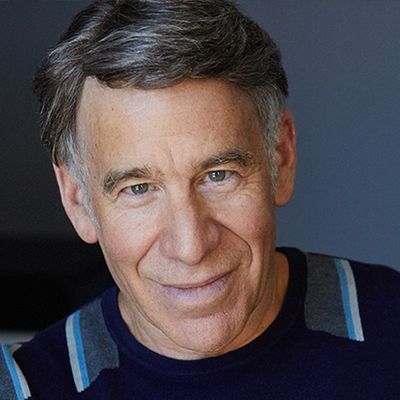
He’s the Academy, Grammy and Tony-winning lyricist and composer of Wicked, the musical that has been the soundtrack to our lives in London for almost 20 years, as the West End production steps into its 20th anniversary year this September.
To celebrate two decades of performances at the Apollo Victoria Theatre, it’s time to head back to 2006 and explore how London helped shape Wicked into one of the biggest theatrical hits of all time.
Speaking direct from his home, the genius himself explains how introducing the untold story of the Witches of Oz to a new, non-American audience was a “nervous” challenge for its leading creatives, who all reunited for the first time since opening on Broadway. He reveals how they implemented changes to the show that began in London, why they felt it was important to workshop those changes with a British cast, and why the epic scale of Wicked in London is all thanks to the beauty of the Apollo Victoria Theatre.
He celebrates some of the remarkable women who have starred in the show in London – and in the recent two-part movie! – and recalls what it was like reuniting with his Tony-winning colleague and friend Idina Menzel as she returned to the show for its London opening in 2006, describing her as an “absolute powerhouse voice and persona” when remembering her time leading the show. He also shares his memories of hearing her sing his anthem “Defying Gravity” live night after night, the audience response to the song at its first preview in the West End, and why hearing it remains “exhilarating” for its musical creator, from that first night in 2006 all the way to today.
Plus, he opens up about the growing cultural and political relevance of the musical, the secret sauce of director Joe Mantello, and why everything in Wicked ultimately comes back to the power of great vulnerability and authenticity – both in its leading characters and in the remarkable women who have played them over the last 20 years.
Twenty years of Wicked in London? Even he can’t quite believe it!
Host: William J Connolly
Produced by: William J Connolly/Darren Bell
wickedthemusical.co.uk
Transcript
This transcript was automatically generated and might contain errors.
[0:00] Stephen Schwartz: My name is Stephen Schwartz and you're listening to Eleven, the official theatre podcast.
[0:17] William J Connolly: Hello and welcome to Eleven, the official theatre podcast that brings the biggest stars and creatives together in one place to discuss life in the arts. He's the Academy, Grammy and Tony-winning lyricist and composer of Wicked that has been the soundtrack to our lives in London for almost 20 years as the West End production steps into its 20th anniversary this September. To mark two decades of performances at the Apollo Victoria Theatre, it's time to head back to 2006 and celebrate how London helped shape Wicked as one of the biggest theatrical hits of all time. So direct from his home, the genius himself explains how introducing this untold story of the Witches of Oz to a new non-American audience was a nervous challenge for the leading creatives who all reunited for the first time since opening on Broadway.
How they implemented changes to the show that began in London and why they felt important to workshop with the British cast and why the epic scale of Wicked London is all thanks to the beauty of the Apollo Victoria Theatre. He also celebrates some of the remarkable women who have starred in the show in the West End and of course most recently in the movie and what it was like reuniting with his Tony-winning colleague and friend Idina Menzel as she returned to the show for its opening back in 2006. Somebody he describes as the absolute powerhouse voice and persona when recalling her time in London. He also shares his memories of hearing her sing his anthem "Defying Gravity" live night after night, the audience response to that song at its first preview in the West End and how it remains exhilarating back in 2006 and all the way to today for its musical creator.
Plus he opens up about the growing cultural and political relevance of the musical, the secret source of director Joe Mantello and why everything in Wicked comes back to the power of great vulnerability and authenticity both in its leading characters and the women who have played them across the last 20 years and why 20 years in London is a number that even he can't quite believe. It's the legendary Stephen Schwartz here now on this the next episode of Eleven, the official theatre podcast.
[2:35] William J Connolly: Please help me welcome to this the next episode of Eleven. He is the extraordinary lyricist and composer of the global blockbuster and smash hit Wicked that's been the soundtrack to our lives in London for 20 years as the West End production steps into its 20th anniversary this September. And I'm honoured to say that the Academy, Grammy and Tony-winning man himself is here to talk about two decades at the Apollo Victoria Theatre. So I say hello Mr. Stephen Schwartz. Do you feel 20 years old, sir?
[3:04] Stephen Schwartz: Um, 20 years older. You know, it feels as if we were doing it yesterday and it feels as if it's been there forever. Yes, a double-edged sword as they say. Wicked in London is such an extraordinary thing I know to the creatives, to yourself and all of your colleagues because it has been described so many times as this sort of definitive production in the world of Wicked, in the family of Wicked because of the fact that it was the first time that Wicked had been seen outside of American audiences, outside of the US. And I know that there were some very subtle but important changes and upgrades and stuff that happened way back when it came here. So I know that this production and being at the Apollo Victoria Theatre, this does feel special to you. This is a very special production and a very special theatre.
[3:47] Stephen Schwartz: Exactly right. Well first of all, as you said, it's a very special production. First of all, as you said, it was kind of when we finished the show because it was the first time that the entire creative team was together and working on the show since we opened on Broadway. You know when you're working on a musical, basically what happens is you run out of time. I think Steve Sondheim famously said that musicals aren't so much finished as abandoned. And when we opened on Broadway there were still some areas that all of us felt we hadn't quite gotten right. And so London presented an opportunity to try and make things better. So for instance, Winnie and I worked on the scene between Elphaba and the wizard in the second act, which was garnering a lot of coughing and shuffling around in the audience in New York.
And we thought, well, we've got to do better than that. We're clearly losing them. And Winnie came up with a good solution. Wayne and Joe most especially worked on the Ozdust ballroom dance where Elphaba and Glinda get together, if you will, and really improved the storytelling there. Of course, there were technical improvements in terms of lighting of certain things. Pretty much everybody stepped up and tried to improve work that we felt could be a bit better. So yeah, that was a great opportunity. Then, of course, those changes got back fit, if you will, put into the Broadway show and into the U.S. tour and have been in the show ever since. And yeah, I mean, I'd seen things at the Apollo Victoria before.
I always really liked the theater and the, you know, it's a really big theater. So it was able to house our set. But there's an intimacy to the feeling of it that I think is unusual in particularly in London theaters where, you know, if you're up in the second balcony in some theaters, you're basically looking at the tops of tiny little heads down on some little circle way, way below you. And I like that, you know, pretty much any seat in the Apollo Victoria is a good seat.
[6:05] William J Connolly: It's very important that you mention about the scale and the size of the Apollo Victoria theatre because it's so big and it's this enormous space with this enormous sound that comes with it. Broadway is very loud and it's very wide, but Wicked does have this huge space in London that feels just gigantic in terms of being an audience member and so rich in sound and music and, of course, voice, which I imagine for you, is that an exciting or slightly challenging prospect to fill a space of that size from a musical perspective?
[6:32] Stephen Schwartz: I don't know. I don't find it particularly challenging. I mean, obviously, you have to hire people who can really sing and big voices. And, you know, there are very good singers in London. You know, I feel like the quality of singing, frankly, in London musicals has improved greatly over the years, certainly since I started working there. I think some of the demands that, for instance, Andrew Lloyd Webber's music makes on singers has helped create better singers because they simply have to be better in order to fulfill what he's asking of them. And that's, you know, redounded positively to help us in Wicked because, you know, we have people, therefore, who can sing that way. And they're wonderful musicians, of course, you know, some of the finest musicians in the world.
So if you hire enough of them, you can fill a space. I mean, I think one of the things that I admire about the production of Wicked and it was first created for the Gershwin Theatre, where we play in New York, which is also a big theatre and people tended to be frightened of the size. But therefore, our set designer, Eugene Lee, working with Joe Mantello, our director, created a set that reached out and kind of enveloped the audience. And we were able to reproduce that because of the structure of the Apollo Victoria. So you're not just sitting there and just looking up at a proscenium. The set is kind of wrapping around the first few rows of the orchestra. And I think that helps to increase the intimacy of the show.
You know, Joe Mantello said that the challenge for him of directing the show was that it was epic in scale, but in its essence, was basically this story between two people. And he had to be able to both deliver the size of the big scenes and the spectacle, but also really zero in on the scenes with just these two people. And that was a lot of what Eugene Lee and our lighting designer, Ken Posner, were able to accomplish for him.
[9:01] William J Connolly: One thing that I do love about Wicked in the way in which it sits in people's lives is that because of the amount of time that it has been around, not just in New York, of course, but here in London, is that it's cross-generational. It brings families and people who were young people at the start of this journey, who have now got young children in their lives, who have probably also, because of their parentage, been able to listen to these songs and be able to go see this musical, that they then go independently and they get to spend time seeing the show. And it feels like it never stops being fresh and new and exciting to audiences, which feels so special in its 20th anniversary that we're just about to do, the point at which we're recording this is next week.
And I imagine for you that's quite a feat to be able to have something that you create, what feels like, I imagine, quite a long time away from this point now, but is so new and fresh to so many people. That in itself feels like a gift.
[9:46] Stephen Schwartz: Thank you. I mean, first of all, I want to commend the staff that keeps Wicked running, our stage management and our resident director. They work incredibly hard at maintaining the show and making sure that if someone's coming to see it for the first time, they still have as vivid an experience as they would have had if they'd attended 20 years ago. That's very important in New York as well. And I've seen a lot of shows, which have been running a while, look awfully tired if you go to see them deep in the run. And that's something that we really strive very hard to avoid. I mean, the other unfortunate truth is that politically and culturally, our world has not improved, shall we say, since 2003.
I'd love politically for the show to feel dated and for people to say, oh, yeah, remember when the government was lying to people and those in power were demonizing others to stay in power. Remember back when people used to do that? But unfortunately, you know, it's more current than ever in that respect.
[11:04] William J Connolly: I think one of the quotes that I pull from the show rather a lot when talking about exactly that is from your colleague, Winnie, one of the lines she wrote, which is, nothing brings folks together like a really good enemy. And it's so, so true. I mean, it's 20 plus years in New York as well. I imagine we're probably not far off a 30-year anniversary for you in terms of your being in this world and starting to create it. And the relevance, it's extraordinary. And it's astounding. And the reaction, I think, is testament to that.
[11:30] Stephen Schwartz: Yeah, I mean, I wish it weren't so relevant. You know, maybe the show wouldn't run as long or be feel a stretch to people, but we'd live in a better world. And I'd make that trade.
[11:40] William J Connolly: Can I ask you about specifically with London about some of your memories from that 2006 era, when you first did make the move over the pond, and you were back with some of your creatives and the response that it got, because there was a great amount of excitement, but also intrigue, I remember from audiences who had heard about this big institution, and this very singular lady and voice that did travel with the production to London, and they wanted to hear her sing a very specific song. So there was probably a mix of excitement, and perhaps some form of nervousness, I imagine, in terms of delivering for the people that really wanted to see it and hear these songs. What was it like for you in that period, bringing it and mounting it and actually then seeing the response?
[12:22] Stephen Schwartz: To be honest, the creative team was nervous about coming to London, because The Wizard of Oz and The Wizard of Oz movie are so American, and they are so present in American life and in American culture. And particularly at that time, I realized when I was working on the show that a day did not go by in America where one wouldn't come across some reference to the 1939 movie. Somebody saying, we're not in Kansas anymore, or pay no attention to the man behind the curtain.
[13:28] Stephen Schwartz: We're here to remind them of aspects of the story, which we didn't have to do in London. But we've been obviously delighted to find that the show works everywhere, including cultures that are not seeing it with the nostalgia for the original 1939 movie.
[14:51] Stephen Schwartz: I actually have seen a production of Wicked exactly the same as the one in London, the full-scale production, but actually in Japan, in Tokyo. And absolutely, and it was testament to the response that they did and the tweaks that you referenced. But one thing that was reminding me, when you were saying about non-English language speaking productions, is that I remember a conversation with the people behind me, where they kept mentioning Idina Menzel. I didn't realize how pivotal she was to countries across the globe in this realm. Obviously, we know her from being the original, but she really has become so attached to it. And so many people reference about her coming over and showing London such a huge amount of love.
And the fact that that opening night performance of hers was so iconic and is studied. People talk about it being this institution and this human being and this, quote, blazing supernova, as she so correctly labeled so many times. It's not false to say she's extraordinary.
[15:40] Stephen Schwartz: Absolutely. And, you know, Idina, first of all, the voice, which became then more famous, world famous, after she did Frozen and with Let It Go, you know, and I think that's part of what people, you know, then refer to is sort of the collective impact of Idina's career. But also, Idina has this very special, almost unique blend of vulnerability. And you sense that there's kind of, she has the hole in the heart that one needs to portray Elphaba, and yet this absolute powerhouse voice and persona as well. And that's a very unusual combination. And it is what we look for in casting others to play Elphaba. I mean, obviously, there have been great performers playing Elphaba in London for many years now. You know, Idina hasn't been doing it there 20 years, but I think she did set a standard and she taught those of us on the creative team what qualities were needed for a successful performance.
[16:53] Stephen Schwartz: It's also so interesting as well, when you think about the legacy of Wicked and the impact that it has on people's lives, based on the fact that people return on so many different occasions to see so many different respective women playing these parts with their own take, which I imagine for you is wonderful, because you do get to see different portrayals and interpretations and understandings of your work. And for people that have seen a production of Wicked in America versus the UK, while the material is, of course, very, very similar, the voices are different. There is a different nuance to it, there's a different way in which the people sing. And we get to hear some extraordinary, extraordinary voices, always talk about seeing in New York and it's so big and these extraordinary women, then coming in, you see the really delicate moments that you might not see elsewhere. And I imagine for you, that's rather extraordinary to get to experience like British isms and British vocalists.
[17:39] Stephen Schwartz: And, you know, off the top of my head, the Kerry Ellis's and the Rachel Tucker's with these big sounds. I was actually going to mention the two, you know, but there have been so many, you know, really special performers. One of the things that I like about Joe Mantello's approach to the production that has filtered down is he never seeks a carbon copy. He never wants someone to do exactly what Idina did or Kerry did or whatever he wants within the framework of the show for each performer, whether they're playing Elphaba or Glinda or Fiera or Nesero's or Dr. Dillamond, bring themselves, do something that's special and moment to moment. Joe is such a great director of actors, and I think the fact that he approached this big musical not as a machine with cogs that needed to be replaced identically, but as an organism that would change depending on who was playing the roles and could change night to night because of the immediacy of the acting performances, at least that's always been the goal.
[19:14] Stephen Schwartz: And it does, therefore, make for a lot of excitement seeing different people interpret these roles, because you know that they're not just trying to become, you know, replicas. London has such extraordinary vocalists and singers and actors, but also incredibly loyal fans as well. People that show up every time there's a new cast change, every time there's a new superstar that you get to cast in it, when they think, oh, my gosh, I can't believe that person is going to be involved in this production of Wicked in London, which means that it always feels fresh to us as an audience, and it shows that level of commitment that people have to this story. And therefore, people become familiar with the material and certain different parts of it.
And when you talk to some of the Wicked fans that I've had the pleasure of doing through this podcast and through my job is that they talk about their connection to the show and their specific moment. And the one moment that does come up a lot is during the Ozdust ballroom scene, when people talk about the fact that it's othering and the fact that it's about separation and that beautiful, beautiful music that you've created, which has been used in so many different ways, not just in the world of Wicked, because it manages to pierce people's hearts in a way that is so extraordinary and so deeply personal. Did you think that that music in that moment would have the sort of life that it has had outside of the show? And does it still touch you when you get the pleasure of going back?
[20:17] Stephen Schwartz: It does. I do find that moment extremely touching. And as I say, one of the big improvements in the show was that specific moment and how it was staged and how the storytelling unfolded there that I feel Joe and Wayne really improved. In conceiving the show, when Winnie and I were first talking about it and laying out the outline for the show, very, very early, we had the idea of this moment where Elphaba would appear at a dance and she would be wearing the black hat that becomes iconic. But it was something that was a cruel trick, a mean girl trick meant to emphasize her outcast status and her ostracism and that she would be laughed at, but then that she would have the strength of character not to break down in tears or flee, but determinedly put it back on her head and keep it there.
And that would be part of what gave Glinda the courage for the first time to step outside the role of popular girl who always does exactly what's expected of her. And we were very pleased to come up with an idea where the story could be told in dance and without words. I always like, in a musical, if you can find a moment or two where only dance or movement can tell the story. That was a little challenging for Wicked, which is not inherently a dance show, but we were very happy to find that moment. Yes, and so then creating music for it, which is essentially dance music, which is telling the story, an emotional story only through music, was a very enjoyable challenge for me.
[22:22] Stephen Schwartz: And is it interesting that from the first movie, that exact moment is one of the biggest viral moments that people spoke about online, which was when the tear with Cynthia happens, which means it really translated to the big screen as well.
[22:34] Stephen Schwartz: Yeah, exactly. Well, I mean, we had two very fine actresses doing the movie, and I know that moment and that scene, it's so pivotal because it changes everything. It changes their relationship. And then after that, everything unfolds differently. If that hadn't happened, the rest of the story couldn't happen. One thing that is really special about Wicked, as I've mentioned, is the repeated sense of family and ownership and the fact that everyone feels like they have the first moment, that they came into the world of Wicked when they first listened to a song on the television or the soundtrack, or were even lucky enough to get to sit inside that theatre and get to see the production in its entirety. Do you remember the very, very, very first preview of Wicked in London and what that moment felt like for you?
[23:25] Stephen Schwartz: Well, as I say, it was such a relief that the audience was going to understand the show, that the emotional response was essentially going to be what we were accustomed to audiences feeling in the States. To hear the sound of the audience at the end of the first act, at the end of Defying Gravity, that is still so viscerally exciting to me, to sit in the audience and hear the sound of that roar that happens at the end of the war cry when the lights go out on Defying Gravity, and the fact that it was present when we were there in London was really exhilarating. You know, you were talking about the kind of family element of people passing the show on to their children, and you mentioned before Elphaba as an outcast, and that I think we all recognize, or the creative team has come to recognize, basically what one of our producers, David Stone, said, which is, we all have that green girl inside of us.
I think it's lovely that people who grew up with the show and maybe drawing some courage from a moment like Defying Gravity want to give that to their kids. It's a lovely gift from a parent to a child who may be struggling, as all kids do, with their own senses of self-worth.
[25:04] Stephen Schwartz: And do you think that 2006, Stephen Schwartz in that audience, could he believe he'd still be here 20 years later?
[25:10] Stephen Schwartz: Certainly not. Well, I thought I might be extant on this earth. I didn't know that we'd still be at the Apollo Victoria.
[25:18] William J Connolly: Well, thank goodness, to quote your lyrics in your show, that you are. Thank you so much for giving me some of your time today. I do genuinely really appreciate it. And most importantly, congratulations. 20 years is an extraordinary achievement and it's incredibly well-deserved to you and your team. So congratulations. Please enjoy next week. And thank you so much for your time.
[25:33] Stephen Schwartz: Thank you. It's always great to talk to you. Good to see you again.
© Broadway Podcast Network, All Rights Reserved