

What does it mean to be a theater historian? In our 100th episode, host Jennifer Apple speaks with Jennifer Ashley Tepper — producer, historian, author, and Creative and Programming Director at 54 Below — who shares how her passion for theater history began organically and evolved into a career spanning programming, teaching, consulting, and authorship... Read More
From the show: Empowered Artist Collective Podcast - for actors, singers, dancers, writers, creators and performers
Guests

Featured Shows
About
What does it mean to be a theater historian? In our 100th episode, host Jennifer Apple speaks with Jennifer Ashley Tepper — producer, historian, author, and Creative and Programming Director at 54 Below — who shares how her passion for theater history began organically and evolved into a career spanning programming, teaching, consulting, and authorship. Together, they chat about the importance of cabaret spaces as creative hubs for fostering and preserving theater and offer practical tools for artists to pitch ideas with specificity and vision, embracing self-promotion through social media, and crafting creative marketing strategies to build one’s audience.
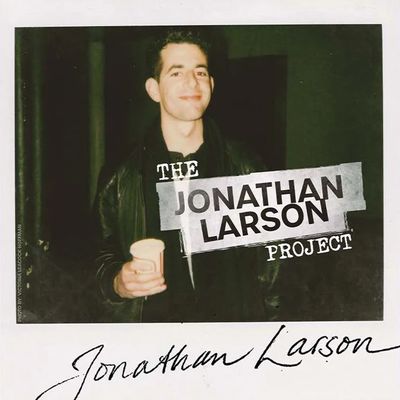
About Jennifer Ashley: Jennifer Ashley Tepper is an acclaimed theatre historian, author, and producer. She is the conceiver of The Jonathan Larson Project, which will start previews this coming February at the Orpheum Theatre, off-Broadway, following an acclaimed 2018 concert premiere and cast recording. She has been the Creative and Programming Director at 54 Below for the past decade. She has curated or produced over 7000 shows in this position. Her leadership at the beloved venue has gained praise from publications including The Huffington Post, The New York Times, Buzzfeed, Playbill, Newsday, The New York Post, and more. Tepper's four volumes of The Untold Stories of Broadway book series have been called an "inspiring Must- Read" by NBC New York and occupied the #1 spot on Amazon.com's Best Sellers List in Broadway & Musicals. Her upcoming book, Women Writing Musicals: The Legacy that the History Books Left Out was published in November 2024. Women Writing Musicals is the first-ever book about female musical theatre writers. Tepper is the producer of the musicals Be More Chill, Broadway Bounty Hunter, and Love In Hate Nation, recent projects that are part of a decade-long collaboration with the group known as Joe Iconis & Family. On Broadway, Tepper has also worked on [title of show], The Performers, Godspell, Macbeth, and The Parisian Woman. She was historian consultant on the tick, tick... BOOM! movie (directed by Lin-Manuel Miranda for Netflix) and co-creator of the Bistro Award- winning concert series, If It Only Even Runs A Minute. Her work as a theatre historian also encompasses celebrated live talks and events, including at TEDxBroadway, BroadwayCon, The Museum of Broadway, Thespian Festivals, and more. Tepper received a 2020 Lincoln Center Emerging Artist Award. She was named one of the 10 professionals on Backstage Magazine's "1st Annual Broadway Future Power List", which stated: "Proving herself both a zeitgeist predictor and theatrical historian with her eclectic programming, Tepper is leading the conversation on contemporary musical theatre.” The Jonathan Larson Project, which she conceived starts previews at the Orpheum Theatre in NYC in February.
Jennifer Ashley Tepper’s IG: @jenashtep
Jennifer Ashley Tepper’s Website: www.jenniferashleytepper.com
The Jonathan Larson Project: TheJonathanLarsonProject.com
54 Below: 54below.org & booking@54below.org
Download the FREE Monologue Selection Toolkit: www.jenniferapple.net/freebie
Want to coach with Jennifer? Schedule a session here! https://appt.link/jenniferapple
Learn more about Jennifer Apple: www.jenniferapple.net
Jennifer Apple’s IG: @JenniferApple_
Monologue Sourcing Promo Link! https://empoweredartistcollective.com/podcastpromo
Learn more: https://www.empoweredartistcollective.com/podcast
EAC IG: @EmpoweredArtistCollective
EAC TikTok: @EmpowerArtistCollective
EAC Facebook: https://www.facebook.com/empoweredartistcollective/
Sign up for our newsletter! https://mailchi.mp/8e72e8dcb662/stay-in-touch
Check Out Our Merch! https://www.empoweredartistcollective.threadless.com/
Any thoughts you'd like to share? Email us at EmpoweredArtistCollective@gmail.com
Transcript
This transcript was automatically generated and might contain errors.
[0:00] Jennifer Apple: Hello. Welcome to the Empowered Artist Collective Podcast. I'm your host, Jennifer Apple, a multi-hyphenate actor, educator, acting coach, writer, dog mom, and founder of this vibrant community that champions artists as they carve out their own unique paths in this wild industry. Whether you're just starting out in the thick of it or seeking a bit of artistic fuel to expand your toolbox, you're in the right place. In this space, we'll have honest conversations, share actionable strategies, tips, and resources, and delve into the messy yet beautiful journey of living a sustainable creative life. We unmask the reality of life as an artist, from navigating career highs and lows to nurturing your full human well-being.
I chat with women and non-binary guests who share their personal stories, helpful learnings, and hearts to help you unlock your artistic potential, expand your knowledge, and show up fully and fearlessly in your artistry and daily life. Before we dive into this week's conversation, don't forget to hit that subscribe button so you never miss an episode. If today's chat resonates with you, please leave us a review. It helps us reach even more incredible artists just like you. And hey, feel free to spread the love. Share this podcast with a friend or post it on your socials, making sure to tag @EmpoweredArtistCollective and @JenniferApple_ so we can chat with you there. All right, grab a cup of something cozy, settle in, and let's get to it.
[1:23] Jennifer Apple: This is a huge week here at the Empowered Artist Collective Podcast. This episode is our 100th episode. When I say that out loud, I actually do not even know how to comprehend the work and the time and the energy that we have spent for all of that. But more importantly, the unbelievable conversations that now exist, a hundred of them, for artists like yourself to have as a resource. And when we started the Empowered Artist Collective, first as an incubator program, now as the podcast, we hoped to create a space where artists could feel seen and heard and reminded of their inherent worth, no matter where they were in their journey. And frankly, a resource that I wish I had when I first started out in this wild industry.
So to be here a hundred episodes later is a milestone I could never have imagined. A hundred different conversations about a hundred different topics with a hundred generous guests who've shared their stories, their struggles, their wins, their wisdom, their joy, their tools, their resources, their minds, their hearts. I am so endlessly grateful to all of them for those beautiful conversations. For all of you who have tuned in and listened, for every listener beyond all of you who has pressed play, for anyone who's left us a review, for anyone who has shared an episode or other episodes with someone that means something to them. You are the reason that this is possible. And I have no real words to express my gratitude to you.
Thank you for giving us this space. Thank you for tuning in. Thank you for sharing. Thank you. Thank you. Thank you. We love you so very, very much. And with that, for our 100th episode, we have on Jennifer Ashley Tepper, producer, historian, author, and creative and programming director at 54 Below. Jennifer shares how her passion for theater history began organically and evolved into a career spanning programming, teaching, consulting, and authorship. We chat about the importance of cabaret spaces as creative hubs for fostering and preserving theater and offer practical tools for artists to pitch ideas with specificity and vision, how to embrace self-promotion through social media, and how to craft creative marketing strategies to build one's audience.
Jennifer also discusses the writing process and content of her new book, Women Writing Musicals: The Legacy That History Books Left Out, which uncovers the erased contributions of 300 women composers that underscore the power of history to inspire future change. So for anyone passionate about theater, this episode is a treasure trove of inspiration, practical advice, and encouragement to forge your unique path in the arts. Enjoy.
[4:16] Jennifer Apple: Jennifer Ashley Tepper, welcome to our space. I'm so happy to be here together.
[4:21] Jennifer Ashley Tepper: I'm so grateful to have you here. For anybody who does not know who you are, who are you today?
[4:28] Jennifer Ashley Tepper: That's a great question. I am a theater historian, theater producer, theater author. I'm the creative and programming director at 54 Below, which is a position I've had for over 10 years. And I've also written some books about Broadway called The Untold Stories of Broadway. And I have a new book called Women Writing Musicals: The Legacy That the History Books Left Out, which is the first ever book about female musical theater writers. So a lot of my work involves the intersection of theater history and theater present.
[4:55] Jennifer Apple: I mean, it's like, what don't you do? We talked about this before we came into the space. I feel like we've circled in each other's circles for so long. And I feel like the circles, though, that I have seen you circle in have been all different circles in the industry. It's like I don't know what circles you are not a part of, which is wild and incredibly beautiful. I'm just so excited to jump on into all of the things and see how this conversation goes. I'm curious to start, like how you came to be a theater historian. Was it something that as a kid you were like, I love history and I also love musical theater and then let me learn more? Or was it just like actually this is a human being who does this and I now I'm their mentee?
[5:36] Jennifer Ashley Tepper: You know, what's so funny about it is I feel like a lot of us who were not just one thing, not just an actor, people who make their own careers, people who are multi-hyphenates, I was being a theater historian before I knew what it was. You know, I always joke with my friends from summer camp. I was theater historianing them when we were as a verb when we were 14 years old, you know, because I was learning new musicals and I was saying, oh, you have to learn about this writer or this actor. Um, camp did you go to?
[5:59] Jennifer Ashley Tepper: JCC Theater Camp in Vokarital, Florida. So not one of the fancy sleepaway camps, but it was definitely really formative for me. In middle school, in summer camp, in high school, I was putting on my theater historian hat without quite knowing it. I was studying New York theater from afar. I was reading any book, studying any liner notes or cast recording I could get my hands on, and really just like educating myself about all of it from afar. And I always was so passionate about learning about the art form and writing about it and disseminating it, but not necessarily being a critic or a playwright, something where I actually worked with theater history to kind of get people excited about musicals and make musicals happen.
So those early seeds were planted, and I kind of started to learn about a few people who sort of had careers as theater historians, but knowing they all did very different things, you know, I took that into account and kind of made my own path.
[6:50] Jennifer Apple: How did you find them to begin with? Is it more just like, oh, I've read this person's book and clearly they're a theater historian, or is it more like I'm working with this person that like you need to know that this person is a theater historian now meet?
[7:05] Jennifer Ashley Tepper: You know, a lot of people who I would consider theater historians have completely different career paths, right? So some are journalists, some are professors, some are directors, some are artistic directors, some like, you know, my hero Ted Chapin has worn a hundred different hats during his career. I would consider him a theater historian. And he, you know, was the head of the Rogers and Hammerstein organization. He ran the American Theater Wing, he co-founded Oncourse. He's done all these different things. People like Ted and like Ira Whitesman, who's responsible for a lot of the, you know, pivotal musical theater of Lincoln Center and of Playwrights Horizons, those were people I started to look to as like, oh, I'm learning about this as a teenager in Florida.
I'm learning about this as, you know, a student at NYU. Those people have really unique career paths. I'm not gonna be them, I'm gonna be me. But how do I carve something out where I'm working with all of these, you know, things that I love, underappreciated musicals, new writers, you know, these kinds of things that I wanted to work with turned into my career path, including like a lot of jobs that didn't quite even exist when I was a teenager or in college.
[8:12] Jennifer Apple: Would they call themselves theater historians also?
[8:15] Jennifer Ashley Tepper: I think some would. And yeah, it is really an amorphous title, right? You can't apply for a job as a theater historian. I'm doing some work right now to prepare for like some Broadway con panels, and I would argue that most people like me who are moderating panels, who are organizing things like that, you know, that's a theater historian hat. But whether that's, you know, what you call it or not, it's sort of it's a very amorphous kind of job.
[8:38] Jennifer Apple: Yeah, I think that's the thing that I'm like grappling with, which is clearly it's a job. Clearly, you know so much. Clearly, you are an encyclopedia of knowledge, and all these people that you mentioned, as well as other folks, you know, like they are that for the things that they know too. I'm, I guess, where I'm getting caught up is like this wasn't something that unless you went and got your PhD, I guess, in theater generally, then you're learning more from an academic perspective. But for the most part, you know, when you're in an academic setting, you're learning whatever the teacher has deemed to be important for your semester rather than like here is the canon, and therefore it's on you to then go off on your own and be curious. I think it's just it's interesting to me that it's this job, but there is actually no training for it unless you're, it's really just like how curious are you and do you know a lot about the thing?
[9:29] Jennifer Ashley Tepper: Absolutely. Totally. And you know, I was at NYU, I studied dramatic writing at Tisch, which was because I loved theater and I loved writing, but that's a department for people who want to be screenwriters, people who want to be playwrights, which I didn't. And so I kind of, you know, it began my carving out my own path to another level where I had to, you know, select a ton of books I wanted to read about theater history, about, you know, just what was going on in theater, and also assign myself, you know, any time NYU had free tickets to shows, I would go four times and study the changes being made during previews. It's really so much about teaching yourself. I, you know, I would argue I have like hundreds of books on theater history, all different, you know, angles of it.
And anyone who's written one of those is a theater historian and they do a lot of other different jobs. So I knew that whatever I did was gonna incorporate theater history, and I didn't, you know, quite know what that was gonna be when I was in college and studying.
[10:19] Jennifer Apple: Well, that's my next question is like, what exactly does a theater historian do? Are you hired for a project as in essence kind of like a dramaturg who's like, here's the history of this situation that we're dealing with with whatever show we're doing? Is it more like, hey, come in to educate educators about this particular topic? Like, what exactly what are the jobs in theory that I imagine you're also carving them out as you like as we continue like making the industry more inclusive and bigger and expansive?
[10:51] Jennifer Ashley Tepper: Totally. You know, I would consider my job running 54 Below having a lot to do with theater history. I don't think I would be doing the same job if I wasn't a theater historian. You know, we did The Rink, you know, Candor and Ebb's underappreciated musical The Rink. We do 700 shows a year. I've programmed over 7,000 shows, and so many of them intersect with theater history, whether they're reunion concerts, whether they're writers that I wouldn't know about if I wasn't a theater historian. So I put on my theater historian hat every day to do my job. And again, like 54 Below didn't exist when I was studying, and it's its own animal. You know, there's tons of amazing cabaret and concert venues, but we're very unique.
So I imagine a lot of people who run cabarets and concert venues are interacting with theater history and, you know, could be considered theater historians. I do freelance work all the time where I'm teaching at Broadway Teachers Workshop, Broadway and the American Musical in one hour, which I call my thoroughly modern Millie Speed Test version of Broadway musical history. It's the ultimate like theater historian challenge. You know, I do a lot of work with thespians with educational theater. A lot of historians, you know, are teaching. That's like a huge part of it, but also contributing to live theater that's going on. It does intersect with dramaturgy. I've only literally been a dramaturg on one musical, which is Joe Iconis's Love and Hate Nation, and that was amazing.
But dramaturgy is so much about exactly what the show is about. It's not necessarily about, you know, things that I study regarding like the history of the shows themselves. I think the time that I've done that the most has been working on the film Tick, Tick... Boom!, where Lin-Manuel Miranda hired me as the historian consultant early in the process of making that movie because I'd done a lot of work as a historian with Jonathan Larson's legacy. And so I worked on the movie and it was so exciting to kind of work with material that we were adding in that wasn't in the original production to work on, you know, work with the writer Steven Levinson and with Lin on expanding what the show was into a film that has lots of different characters and coming at that from a historian perspective, talking to the actors about their real-life counterparts.
So a lot of that I think kind of intersects with dramaturgy. But again, it's like, you know, I don't work on films regularly. Like each of these kind of hats, as a theater historian you put on is very unique. It's like a one-off job, a lot of the kinds of jobs you do.
[13:04] Jennifer Apple: Thank you for sharing all of that and kind of demystifying what it is that it could be or is. I mean, it feels like this nebulous beautiful thing, but also anyone can be that. And I think it that and of itself is pretty empowering. It's like if you're really impassioned about a topic and you want to continue delving and learning more, then you can. There's no gatekeeping for that, which feels really exciting.
[13:29] Jennifer Ashley Tepper: Totally. And as far as like tools and tips, you know, my first thing I ever did as a theater historian was creating the concert series, If It Only Even Runs A Minute, which we've been doing for over a decade and celebrates underappreciated musicals with, you know, writers and actors coming to sing songs they originated, tell stories, we share photos. It's like theater history live on stage. And I did that when I graduated from college, and no one would quite hire me yet to do the things that I wanted to be paid to do. So I was having, you know, a lot of survival jobs, a lot of like one week assisting on a project and then creating my own work. And that was the first time I really created something as a theater historian. And I would say that that's expanded. And a lot of our 54 Below programming is definitely like, you know, an expansive version of that with a lot of other producers creating it and me overseeing it as the programming director.
[14:14] Jennifer Ashley Tepper: My tip and trick, which I will not forget, is you know, we have an open submission policy at 54 Below. So you can email booking at 54below.org. And I or my assistant will review every single programming pitch. And we do so many things that are, you know, people putting on their theater historian hat for the first time. A lot of those people later get hired to do those things, um, you know, get paychecks for those things that they started out doing in a cabaret venue, which is a thing I love about cabaret, um, that it can provide that initial opportunity and it can also intersect so much with theater history.
[14:46] Jennifer Apple: Well, let's talk about 54 Below. Let's talk about what it means to curate 7,000 concerts and cabarets. That number is astonishing. Um, what it means to be in the creative process, but also from the producing lens, um, when you receive a submission, like what exactly are you looking for or not? You know, like what is it?
[15:11] Jennifer Ashley Tepper: Sure. So the thing that I love so much about 54 Below is we get to do such a large variety of work that features such a large variety of artists, but it's all theater-centric, you know, I'm a theater-centric girl, um, which isn't to say we don't like have tons of other kinds of music on our stage, but a lot of times they're being interpreted by theater artists, or you know, we might have um, you know, a new musical, a classic musical, a big star, someone who's just starting out, a huge group show of people who are, you know, working on something and this is their night off, and then like a small show where someone is like bringing their intimate story to the stage, you know, and it's just them and a piano.
So it gives me the opportunity to really reach across like the range of all of those different things. I love that in 10 years I've gotten to program a lot of um shows that have started out, you know, doing a concert at 54 Below and have gone on to stages around the world. It's been really exciting to program artists who are at the beginning of their careers and then they've like grown in the past 10 years, become Tony winners, become you know huge Broadway stars. So it's just really exciting to kind of see those audiences every night that are experiencing the most ephemeral version of entertainment, which is you know, even a show that's running eight times a week, it's different every night.
You're seeing the same show eight times a week. If you see, you know, David Gazbeck at 54 Below, that is only happening once, like that lineup, that set list, that energy that that person is bringing live with what they're saying and what they're singing. So it's really like a thrilling art form to me. And it is a huge volume of shows. A lot of it um is coming up with systems that are both artist-friendly and venue friendly, and then deviating from those where needed, but like having an amazing staff and amazing systems in place so that we can do such a large volume of shows.
[16:51] Jennifer Apple: What is the artist-friendly versus venue friendly? Is that more the financial aspect of like, okay, this is so small, how much money will we be pulling in by producing this? Is that the plan?
[17:01] Jennifer Ashley Tepper: Totally, you know, we uh it's so much about trying to figure out both logistically and financially what is gonna work for both artist and venue. Um, obviously, in the ideal world, you know, all of the arts would have enough government funding that we'd be paying artists so so much money more than they could even count, and the venue would be breaking even. But in our, you know, in the world that we all live in, um, and 54 Below is a nonprofit, and we um converted to a nonprofit over a year ago. We have nonprofit programs we're working on, we're doing year-round fundraising, we have a development department, but even all of that considered, and you know, a lot of New York arts organizations are nonprofits, we're still experiencing the same challenges that they do of you still have to bring in, you know, a certain amount of money, and I'm always negotiating, like, hey, this is a show I want to do in order to do that.
This artist needs this much money, so we need to charge that much money. Can the audience warrant that? Will they pay that? Will the venue be able to make the money it needs? Will the artist be able to hit their budget? Um, so it's always just a conversation with every show to make sure that it's priced correctly, ticket price wise, and that we're paying enough so that, you know, enough and not too much so that everyone is doing as well as they need to do. And it's, I mean, in 10 years, I wouldn't say it's gotten easier, it's just constant negotiation and a promising act.
[18:14] Jennifer Apple: Yeah. I think about, you know, one of the first actual shows that I ever did out of undergrad, not to age myself, but over 10 years ago. 12 years. Oh my God, how much how is time? It was Martin Charnon's um Something Funny's Going On. Amazing. And we did that at 54 Below, like a full show on the stage in this cabaret style, which was how the show was written, using that space. And then since then, I've done all sorts of concerts, I've done all sorts of like staged readings, but musical, the musical parts. I've done all sorts of things, and it's been fascinating to me to obviously not be in the weeds on the producing side of it for all of these projects. I'm always on the performing side thus far.
But to feel the difference of the I don't know if it's like the internal workings, but like you can tell when it's like we have marketed this, and maybe it's not 54 Below, maybe it's just like the show. We've marketed this externally, or it's like, oh, this one is just headlined by this one person, and that in and of itself is going to sell the tickets because they have an amazing social media presence. Or it's it's interesting to feel that as a performer in that space too. But the intimacy of 54 Below and other venues um in the city is is something that is it really is where so much of the work is started. And I I have um huge respect for how in the systems that we're working with with no actual external financial assistance, um, that so many of these venues continue thriving and or surviving when obviously so many others aren't unable to, and just the necessity though of those spaces um and preserving that. I imagine that also is something that you have to think about is like if we don't make these numbers actually in real time, like this can suffer. Is that not a pressure that you feel?
[20:06] Jennifer Ashley Tepper: Absolutely, every single day. And I'm glad that you mentioned Martin Charnin because um I love that you did that show with him. It's so amazing to me that like working with people who've had such a legacy in theater like him, but also cabaret. And I would say, you know, Martin Charnin created many fascinating and successful cabarets in his time. And most of the venues that he did those at prior to, you know, my time in the business are gone. You know, cabaret venues are so much of their time. And as a theater historian, I've done a lot of work. You know, my untold stories of Broadway books are about the theaters themselves and the stories that have happened in them, including lost theaters, like venues we don't have anymore.
And so it's just interesting. Um, it's always evolving. It's a crazy thing where it really in the post-pandemic era where all the costs have gone up. Um, everyone has less disposable income because all of everyone's costs have gone up. It's just this constant balancing act where it's not like everyone's staying home because of COVID anymore, but there's these after-effects are still affecting restaurants and cabarets. Um, the Beachman, I mean, I can't even tell you how many artists, like it's just unthinkable how many people have gotten their starts there and who wouldn't have evolved as they did without it. Um, and I I mean, I love all the other cabaret venues in the city that aren't 54 Below, but the Beachman is like, you know, really special.
[21:18] Jennifer Apple: Yeah. That was also one of my first, that was my first concert venue. And 54 Below is my first like show venue, even though it's a cabaret space. Like those two spaces, a hundred percent were like beautiful things were born in that basement. And just the relationships that I still have to this day because of those things. Sam, to lose those feeding grounds is I feel like the heart of where theater is born without it getting immediately to the commercial space or you know, having something transfer from a regional space directly to a commercial space. It's like if we're really trying to work art in New York, uh, and you lose those spaces, like what are where are we going? What are we losing?
[22:02] Jennifer Ashley Tepper: It's so true. And it's also like a lot of cabaret, you know, we had um we have incredibly special shows all the time where like a headliner or a solo artist will come in and they'll do their show, and it's unbelievable. And it's really meant to be in that space. You know, it's special to 54 Below or The Beachman or Joe's Pub or wherever it is. But as you said, like there's also new musicals, there's new work being created that starts there and then wants to, you know, go to off Broadway, go to Broadway, develop as a show. And I think that it's really valuable to have spaces that you can do that in where people can have dinner, where people can have some drinks, where people are comfortable, where people are, you know, celebrating together.
Um, it's not always the best thing for the material to do it, you know, in a rehearsal room with folding chairs. Sometimes it is, and to have those artistic opportunities where you don't have to wait for someone to call you and give you a million dollars, but you're able to put together a show on a shoestring where everything pays for itself and you're making it work. Um, it gives opportunities to people that don't come from resources that it's really sad to lose.
[22:57] Jennifer Apple: So for folks who are like, okay, I've been to 54 Below or I've heard of 54 Below, or I have, you know, a show I've been working on, or I have a bunch of friends and we want to do a cabaret that revolves around this theme, and they haven't, you know, ever produced something on their own, but they're really excited about this. They go to the 54 Below website, and I imagine there's like a please submit here.
[23:16] Jennifer Ashley Tepper: Yeah.
[23:16] Jennifer Apple: What exactly are you? I don't know if I want to say like looking for because it feels like a casting call, but like what exactly are you looking for when you're thinking of your programming? So from say maybe more of like a yeah, like a grassroots space rather than somebody who's like more established.
[23:31] Jennifer Ashley Tepper: Yeah, you know, I'm always looking for new producers and new artists who want to come in and create something. A lot of what I'm looking for, um, because we've done 7,000 shows at this point, um, there are things that get proposed that I'm like, that's great. Um, we've done a lot of things exactly like that. So unless you have a new angle on it, like, which isn't to say, you know, your this show's new interpretation of Sondheim, how they want to do it might be incredibly valid and exciting, and we might say, yes, let's go. Um, or you know, something else we've done more than once, but I'm always looking for something that's different, whether it's um, you know, a new writer who has a voice that we haven't quite heard before, someone who's coming up that's presenting something, you know, we haven't seen, or when it comes to these group concerts, you know, a lot of um, the Broadway Love series that Ben Ralhilla has done with us for years, and Broadway Sings and all of these amazing series give a wonderful chance for theater artists to perform other kinds of music, but there's so there's many of them.
So it's like we're not gonna, you know, want to see a million Spice Girls evenings or a million Beyoncé evenings. It's like theater artists should have a place to do that, but how can we like, oh, this is something someone's proposing and it's it's new, it's something we haven't seen in 7,000 performances. Like, yes, let's do it. Um, which is also tricky because you do need to focus when you have like a group show with emerging artists on branding. So you do need something that's gonna hook people, um, whether it's a merger. Um, a lot of the time, what people want to see though is just the really thrilling performers that they're interested in, singing stuff they're passionate about. So just figuring out the best way to package that. And if people are packaging it in an impressive way, then I pay attention to that.
[25:02] Jennifer Apple: What to you is impressive?
[25:05] Jennifer Ashley Tepper: Um, you know, a lot of the solo artists we've had who've been emerging artists who've done really well, are just people who um, you know, have had a few credits and they know exactly what they want to sing and it's what their audience, you know, has heard them start to do. And they combine that with, you know, things that they haven't done yet. So it's like, I'm a new artist, I've done this one national tour, this one Broadway show. I'm gonna have both of those things incorporated. I'm gonna have special guests from those projects. I'm gonna sing a bunch of stuff that I want to do in the next 10 years, you know, people who know who they are as artists and present that really well. Um, when someone reaches out, we send them the information that we require for a pitch.
And when someone really knows how to pitch themselves well, um, when I read it and I'm like, I haven't even checked out this person singing on YouTube yet, but this sounds like a show I want to see because this person knows who they are and it's specific. That's that's what I look for.
[25:54] Jennifer Apple: The specificity, the passion, the intention behind it.
[25:57] Jennifer Ashley Tepper: Yeah, I mean, arguably, I feel like that's the best kind of art generally, even if you don't like it, you can still appreciate that somebody is full of passion and intention and has a vision. Um, I love that.
[26:07] Jennifer Ashley Tepper: Yeah, you know, I think that a big part of it, especially again in the like post-COVID era, so much is always about self-promotion and cabaret. And in addition to like looking if a show looks like something I would want to see, like, does it represent us well? Um, it is also like a bit about like, do you know how to promote yourself? Um, so much of selling tickets to things in like a small venue, whether it's 54 Below, whether it's a fringe festival, whether it's just a show you're doing yourself anywhere, is knowing how to use all of the social media platforms, knowing how to get the word out there. Um, there is less traditional press for cabaret than there was five years ago, and especially 10 years ago.
You know, the New York Times was still reviewing cabarets when I started working at 54 Below. A lot of the traditional press has been um, you know, more focused on Broadway since we came back from the pandemic. And I think a lot of it is like what are the creative ways you can come up with to market yourself? And if I've seen someone who has a history of being able to do that, I'm incredibly impressed and like really want them to produce the venue.
[27:04] Jennifer Apple: Yeah, thank you for sharing the insider tips for 54 Below.
[27:11] Jennifer Apple: Hi, actor friends, talking to you. If finding the perfect monologue has you feeling stuck, I've got just the thing. I put together a free monologue selection toolkit just for you. It's packed with resources, free and paid options, plus tips for choosing, editing, and customizing pieces to showcase you. Head over to jenniferapple.net slash freebie and stop avoiding the auditions that ask for a monologue or waiting for the perfect piece to simply fall into your lap. Dive into this free toolkit that I set up just for you that'll set you up to feel agency over your process and artistry. That's jenniferapple.net slash freebie and get started on finding your next go-to monologue.
[27:52] Jennifer Apple: I would love to hear more about your new book and also your other book. Like, I just I want to hear about your book writing process. I would love to understand whether it's like the idea comes to you and then you go down the path, or whether it's like you're in the weeds of whatever research and you're like, oh, that actually this is the thing. Like, how does it come to you and what is your process?
[28:13] Jennifer Ashley Tepper: Yeah, I'm so excited to talk to you about my new book, Women Writing Musicals.
[28:17] Jennifer Ashley Tepper: I came up with the idea during lockdown. Like when we were all alone in our apartments, it really did come to me as like I've always been inspired thinking about New Yorkers from other periods of time. And it specifically hit me of like, okay, there's never been a book about female musical theater writers. And also those were people specifically that overcame a lot of different challenges and a lot of different adversity, whether it was specifically, you know, misogyny or being a woman in the era that they lived and worked in, or whether it was like women who wrote, you know, protest musicals in the 60s, or women who were trying to like get their songs heard in Tin Pan Alley when only men were heard, um, or you know, women writing new musicals during COVID.
Like the idea just kind of came to me in relation to the adversity we were experiencing in 2020. And I spent so long, I mean, it's finally published, and I'm so excited, but it really did take, you know, the book has about 500 sources. It took so much research, it took um, you know, so much digging because the whole point is like a lot of these women did important things, made valuable contributions, but were left out of the history books. So when that's the slant, you really have to kind of dig to find um, you know, I would discover a woman who'd written 20 Broadway musicals who we'd never heard of and been like, okay, I have to read some of these musicals, I have to listen to some of them, I have to read articles about her, I have to see like where might she have been mentioned in a book, even only a line, and kind of combine all of that into a book that covers 300 women who've written musicals.
[29:40] Jennifer Ashley Tepper: Um, I know. And it's so funny, like, even my nerdiest theater friends, it's I'm like, well, name some women who've written musicals. And you know, like people can name 20 or 30, but and that's amazing. And a lot of the people that we know and love are, of course, in the book, um, people like Dolly Parton, people like Sara Bareilles, who are like so important in pop culture and have written musicals, people like Betty Comden and Lynn Ahrens and Janine Tesori, who we all love and are like the bread and butter of like important women writing musicals today. But then also, you know, I went all the way back to like the founding, the settlement of Manhattan, um, the 1700s, like women who were writing musicals, um, each chapter is a different century in the in the 20th and then 21st century, except for the first chapter, which goes back even farther. So just discovering a lot of these incredible women and their work from like the 20s, the 50s, it was so inspiring.
[30:32] Jennifer Ashley Tepper: Wow, wow, wow. Yeah, in my mind, it's like the whole point of you writing this is because it doesn't exist. So then where do you go to find the things so that it exists? I imagine you went down so many rabbit holes and that it was just like, oh, this person mentions this person as does this person. This is from the same era. I imagine there has to be something else to unpack. Is the goal when you write a book for people to just simply have the knowledge? Or is it ideally that you've brought a topic into the ether and now you're hoping that somebody takes it to then do something with it or both?
[31:04] Jennifer Ashley Tepper: Such a good question. Nothing would excite me more than someone being like, Oh, I read about Kay Swift, like the first woman to fully compose a Broadway musical herself in your book. Like, I want to do a Kay Swift musical because I read about it. That is like thrilling to me. Nothing makes me happier. But just people who are interested in theater, whether it's someone who's a working actor, whether it's a casual theater goer, whether it's someone who's just interested in women's history, anyone picking up this book and understanding like, you know, what people have been through and all of these stories from the past that are instructive, that are inspiring, that are like indicative of where we are now.
There's this sense from, you know, people who don't know the history that everything's happening for the first time. And, you know, some things are, and some things have like incredible precedent where we can do a better job at, you know, diversifying creative teams. We can do a better job at, you know, all of these things if we understand the history.
[31:55] Jennifer Ashley Tepper: Um, I talk about in the introduction, like it's so not about like, hey, hire more women. Like, it's actually not just that simple. It's like, how do you incorporate like women's ideas? How do you revive more shows by women? You know, it's complicated and it requires thought and it requires knowledge of the past. So I just was really excited to kind of tell a lot of these women's stories. Um, and so much also, you know, a big thing I struggled with was in reviews that a lot of these writers received or in um work if that is written about them in history books, it was what we would consider misogynist today or problematic today. And it's so it's like, how do you present something that is problematic?
Because we should know about it, we should understand it. We should understand, like, oh, this woman wrote this show, and this is how it was talked about, and maybe that's why she didn't write another show, or that's why this was the next show she wrote, and she went off and took a left turn from the kind of things she wanted to write about. All of these things that aren't like we're tying it with a bow, here's an incredible thing a woman did, goodbye, but addressing some of the problematic things because you know, that's important to do in the conversations we have today.
[32:55] Jennifer Ashley Tepper: Which is you're bringing up something very fascinating, which I think I personally find, I can't speak on other behalf of other people, but I would imagine other people probably feel the same way of like when in the day of misinformation currently and sifting through to really find the nugget of truth in the thing. I would imagine when you're reading a review, for example, which is subjective because that's what it is, but it is based off of the thing that did happen. So the fact was the show happened, to sift through the era of say misogyny and actually try to glean the truth from that versus somebody's opinion of a woman doing the thing. Like, I don't even know how you would muscle through that when there's only so many pieces of history to go to refer to.
[33:41] Jennifer Ashley Tepper: No, you've hit upon it exactly. It's unbelievably challenging because as a historian, sometimes you're aware of the history. Sometimes you've seen a production of Ragtime. You understand, you know, what the show is, and you can incorporate your own knowledge. And sometimes, you know, I would be writing about a show that I've never seen, a show that might not even have a cast recording. And I the only thing you can really go by is the reviews and the historians and the journalists who've written about it. And sometimes you all the time that's completely swayed by who that person is when they're writing, you know, their opinions on theater otherwise, their identity. And so you're always just questioning.
Um, and as a historian, it's also it's not my job to like be like, this is my favorite musical I'm writing about here, and it's 1965. It's really like a challenge to go, okay. Why was this important? Why did this maybe not get a fair shake in its time? And I need to kind of like sift through the find the treasure.
[34:29] Jennifer Ashley Tepper: Um, it was an ongoing challenge, especially when I would write about something that really um got very bad reviews or something that closed very quickly, and you want to understand it the art separate from that, but it's really tied to those reviews and that history. Poof. That's a tough little doozy right there. But also, I think, you know, it does make a lot of sense in terms of how things, I mean, just simply resources, like just how many things you had to go and refer back to for that. Knowing all that you know about theater history and all the different facets, was there something as you were learning that really surprised you the most about the research that you were doing, especially with women in musical theater writing and all of like what was the most alarming or surprising?
[35:16] Jennifer Ashley Tepper: That's a great question. I was not very surprised when it came to like the later chapters, like when it came to women who've written musicals that have happened this summer, it'll be 20 years since I moved to New York as like a college freshman. So musicals that I've seen and musicals written by women that I love from the past 20 years, I was like, oh yeah, this woman, oh yeah, she like that was not surprising. The further towards the front of the book, the further towards the past we got, um, the farther back, I guess. I was constantly surprised. I was constantly going, like, oh my God, like me, Jennifer Ashley Tepper, super theater nerd, theater historian, like, why don't I know the work of Ann Caldwell?
Why don't I know the work of um Maria Graver? Like, why don't I know? And there were people who I knew a little bit that I was like, this, you know, one of the people I became really more fascinated with than ever, uh, is Mickey Grant, who was the first woman to ever write book, music, and lyrics for a Broadway musical. And she starred in it and it played over a thousand performances on Broadway, and she was a black woman writing about the black experience and like opening all these new doors for other people as well. And it's like we should all there should not be a musical theater history class where we don't learn about Mickey Grant.
[36:21] Jennifer Ashley Tepper: And in this current environment, when we're going, okay, why didn't we learn this about women? But also, why didn't we learn this about people of color or people who identify this way regarding gender or sexuality? Like, it's such an interesting thing when I came upon these women of color or these women who were underrepresented in theater who did these fascinating things. And I was just like, How do I give them more pages? How do I dig into their careers? Um, yeah, I was I was constantly surprised. And some of the most exciting people that I came up with were pre 1940s and don't have a lot of recordings of their work because it was like pre-cast album era.
[36:52] Jennifer Ashley Tepper: So it was always fascinating to um because I wrote it during the pandemic, and then when the libraries reopened and I could like go and research in person, finding some more about the early 20th century women, like it there. I can't even tell you there's because there's 300, it's hard to even call out like this person, this person, although I do think about Mickey Grant. But the the 1910s, you're just like blown away by what the women were doing at times when they couldn't even, they didn't have a lot of other rights.
[37:17] Jennifer Ashley Tepper: Yeah. Before things were open, were you just on a Google rampage? Like what where are you going? And in my brain, I'm like, of course, you just sat and basically had a little room at the Lincoln Center like theater library. Like in my mind, you are in like a little corner and they're like, we know her, here's a coffee, like enjoy your research. But when we're shut down, what are you doing?
[37:34] Jennifer Ashley Tepper: No one loves a library more than me. I am so grateful to the New York Public Library. I've done so much work there over the years and the Library of Congress, same. Like I would not have been able to do any work with Jonathan Larson without them. Um, but because we were in lockdown, you know, my apartment, luckily I do have like a hefty library of theater historian books myself. Um, but what was also really helpful was a lot of the online archives, both the ones that belong to libraries and also um, you know, online there's a lot of tools that you can use to access full newspaper archives. So I dug through the entire like New York Times archive, the entire Variety archive, Backstage, Daily News, a lot of resources that are in my book.
You'll see, like, you know, a fascinating thing. I wanted to have as many women as possible speaking in their own words. So I would quote kind of obscure interviews they did and the amount of internet digging I would do, and I would find some interview that someone did with like the Kansas City Star in 1934, because their show was touring to Kansas, and I'd be like, Great, like how it made me democratize the sources I used a bit more because I was using so many internet newspaper archives. Um, but I can't, you know, overstate how important the libraries are in all of this research as well.
[38:38] Jennifer Ashley Tepper: Do you like the process of writing?
[38:41] Jennifer Ashley Tepper: It's a great question. I really do like the process of writing. And I imagine if I was a playwright or a dramatic writer or someone who needs other people to, you know, really finish that collaboration. I wouldn't. Like I work so much with writers of musicals, and I understand that why they don't like it. I only find that I get really stuck if I'm writing about something that like I love so much and don't feel like I'm gonna be able to like bring enough to. Um, I remember when I was writing about Merrily We Roll Along in my first Untold Stories of Broadway book, and I was so intimidated by like, here's this musical, which luckily has now been revived and given this whole new life. But my favorite underappreciated musical that's like why I love underappreciated musicals.
I had the opportunity to interview so many people from the original cast and team, and I was like, How do I do this justice? So I definitely have experienced a bit of like trouble writing when it comes to those pressure-filled things, but mostly I'm just like excited to sit down and share theater history via words.
[39:41] Jennifer Apple: Have you been using the same monologue for years? Are you gearing up to apply for BA, BFA, or MFA programs and need pieces for that process? Or maybe you just have no idea where to even start with monologue hunting. I get it, and that's why I offer monologue sourcing. This is a unique process where I find monologues chosen specifically for you. So many artists pick pieces based on external labels like type or for roles rather than finding material that represents who they truly are. So here's how it works. We'll meet virtually and you'll share all about who you are, your passions, values, beliefs, and everything in between. Don't worry, I will help guide you through this process. Then I'll get to work finding monologues that fit you like a glove with years of experience sourcing pieces for hundreds of artists.
I've seen the difference it makes to have a monologue that genuinely feels like you. So if you want to feel empowered about the monologues you bring into rooms and use for auditions, I would love to help you find them.
[40:39] Jennifer Apple: And because you're a listener of the Empowered Artist Collective Podcast, I'm offering an exclusive rate. Head to EmpoweredArtistCollective.com/podcastpromo to register and claim the special offer. That's EmpoweredArtistCollective.com/podcastpromo. I cannot wait to help you find monologues you absolutely adore.
[41:02] Jennifer Apple: Have you ever thought, because you're unearthing in all of your research all these gems of artists who have incredible stories? Have you thought about turning those into creative pieces? Or have you thought about reaching out and essentially pitching that to say a producer or your favorite musical theater writers or whoever to be like, okay, look, here's the deal. I know all of this now. Let me give you the tea. This is gonna be an amazing musical. Please write this.
[41:27] Jennifer Ashley Tepper: Yeah, you know, one of the most inspiring musicals I've ever seen in my whole life was the 2016 production of Shuffle Along, Da Doc. And it really like it blew my mind. I dedicated one of my books to Shuffle Along, both 1921 and 2016. The idea that you could incorporate theater history in a live Broadway musical the way that that show did. Um, I always am thinking, like, oh, at some point, maybe someday there'll be a version of that that like incorporates itself into my career. Um, one of the things I think about a lot is the great theater massacre of 1982 when five theaters were knocked down to build the Marriott Marquee, and how all of you know, you and I would have been there if we were taking a time machine to that time.
It was all of these like theater artists, passionate theater people, and also, you know, Susan Sarandon, Joe Papp, Christopher Reeve chaining themselves to these five really important historic theaters, and they knocked them down anyway after this huge battle and like you know, plays being read live on 45th Street, and you know, the mayor coming in to like get people off and arrest them and take them to police stations.
[42:25] Jennifer Ashley Tepper: I've always thought that that would make an incredible miniseries or maybe a musical. And it's also like it's such a tragic story, but it's also the reason why all of the other Broadway theaters are landmarked is because of this really tragic, big huge happening in 1982. So there's a lot of times where I'll be writing about or working with a moment in theater history, and I'll go, someday this could incorporate like this could make sense as a stage piece or a filmed piece.
[42:48] Jennifer Apple: And do you pin those for yourself to be like note to self, please do not forget this, or do you just have a brilliant remembering of a brain that you're like, I this is already stored in the recesses of my mind?
[42:57] Jennifer Ashley Tepper: I do have a pretty good memory. I also write a ton of stuff down. I always my dad is a doctor, he loves musicals, but he's not in the business. He's a doctor, but he's the person that's always like hearing a song on the radio, and he's like, Oh, the first time I heard this was 1964. I was wearing blue socks and I was with my friend Artie. And so it's like sometimes people would be like, Where did you get your theater historian for? And I'm like, Oh, well, my dad's a doctor, but like he that's he's got it. Like, that's his hat.
[43:24] Jennifer Apple: Yeah.
[43:25] Jennifer Ashley Tepper: Yeah, dad, remembering the details we live for that. Okay. But I do I think like I I'm like a very proactive person. I'm a very type A person. I do a lot of projects at the same time, but I am also very aware, like not everything has to happen at once. And um, this summer I've been like giving myself a project of just for fun, going to a lot of places in New York I've never been before and like experiencing them for the first time. And as I've been doing that, I've kind of had these little seeds of like, oh, could that be a book someday? Or like, could that be? And it's just like that's inspiring. That could happen maybe tomorrow, probably not, maybe in 2027. But like always staying inspired and having those things like in you that might come out later is exciting to me.
[44:06] Jennifer Apple: Well, that was my next thing is like when you birth a book, for example, which is a full creation and years and hours of your life. Is there any moment of like grieving that like the baby has been completed? Or is there like a oh my god, like there's an excitement around the birth of this baby, or is it like uh or a pressure around the birth of the baby, and then now you need to create a new one? Like what how do you handle the um birthings of your book babies?
[44:35] Jennifer Ashley Tepper: Um, I've learned that like even post-publishing, even post-handing in that final manuscript, you're always still working with the book, right? I'm gonna be so excited to do like book events um, you know, in New York and other places, like to present like live versions of talks about my book, performances, like there's gonna be so much that continues on that it like you know, gives the book to people more and more all the time. So um there is, I think my sadness is not like when it gets released, but turning in that final draft does feel like a moment. And when I turned in the final draft of women writing musicals, I actually I traveled to Chicago for like 24 hours to see Death Becomes Her, which was written by two of my close friends and collaborators for many years.
One being a woman writing musicals herself, Julia Burns. Yeah, yeah, and Noel Carey, who's equally amazing. And I was sitting in like the hotel, like I literally was like, I can't miss the show. I have to go there. And then my manuscript, like my final women writing musicals manuscript was due, and I was just like working on it in the lobby, feeling like such a writer. Like I didn't have a martini, but I felt like I should have had a martini. Um, just for the complete picture, like women writing musicals, woman writing it in the lobby, like going to see a woman who's writing a musical create something amazing. So it it always feels like momentous. I feel like maybe I make it more dramatic than it is when I click send to the publisher.
[45:51] Jennifer Apple: No, that's why I'm asking, because it is a huge deal. It's a huge, huge deal to create something out of nothing, especially the way in which you're doing it, which requires so many hours of sifting through other people's material. You know, it's not just like you having a gorgeous idea in your brain and then using your beautiful imagination to put, you know, pen to paper, which is equally hard. But it's a very, I would imagine a very different process because of the time that you have to sift to do the thing justice that already happened is a very different thing. So, no, you a thousand percent should be celebrating yourself. I'm just gonna like, I'll I'll gift you a martini so you can have that moment for yourself.
But like I I guess that's you know, I have so many friends who are writers in their own merit, not in the way that you are necessarily. But for them, they're it usually has a mixed bag of like when the thing is finished, whether it is you you sending your manuscript, whether it's the actual release date, but of the feelings are very mixed. Like you have spent so much time with this topic, with this conversation. And now to like somehow let that go is it can be really um it could be very emotionally filling.
[47:00] Jennifer Ashley Tepper: Totally. And then also with a project like this, which is different than like a living breathing play or something like that, um, where I feel such a responsibility to accuracy, but sometimes it's opinions and it's not possible to be accurate. And then other times, like I was rereading through a section that I was speaking to someone about the other day, and I noticed the tiniest mistake. And there's probably many of those, you know, it's like I could correct every single line. I could work on this book for so long. And it's like, oh yeah, this person who's one of the 300 people in the book wrote 20 musicals, and on this one I said they were a lyricist and they were a co-lyricist. And it's like someone's gonna read that book and it's wrong because of me.
And so I do feel that pressure. Um, but there's only so much researching and editing and you know, taking other people's good advice that you can do before you have to say, like, I did my best, let's send this out into the world.
[47:46] Jennifer Apple: Yeah. Do you have another one on the docket in your mind currently?
[47:50] Jennifer Ashley Tepper: You know, so my untold stories of Broadway books, which I started in 2013, there's four of them that have been published, and there will be six eventually. So it was always in the cards to have six, because um I basically every book has seven current Proud Broadway theaters and then one lost theater. And in order to do all the theaters, I have to do six books. So the crazy thing is that because I started the interviews in 2013, um, there's so many people I'm so grateful I had the opportunity to interview who are no longer with us of all of the many interviews I did, you know, and there's hundreds. I'm sitting on like these files that are theaters I haven't gotten to yet that'll be in the final two books, and they're by artists that we've sadly lost in the last decade who like I have some of their last stories.
So I also feel like a great responsibility to that, and um also to the theaters I haven't done yet. So there will be two more of those. I think that after, you know, I get through some of the women writing musical stuff, I will focus on untold stories volume five. But you know, there's always like new things that can happen. I'm kind of open to that could be the case or not.
[48:48] Jennifer Apple: And I need to ask for people who struggle with time management, how do you manage your time?
[48:55] Jennifer Ashley Tepper: Um, I I sometimes struggle to answer this because I'm like, I don't know if my tips and tricks are the healthiest. Like we all focus on that work-life balance. Um one of my tips, honestly, and it sounds so crazy, but like I actually this doesn't work for everybody. I can never be doing just one thing. Like people always, I've run into friends at the gym and they think it's so funny because I'm reading some theater history book at the gym while I'm like running around the ellipse. Yeah, but it's like whether you're like commuting, whether you're, you know, there's there's a way that I'm feeling I'm always multitasking. And for some people, it's really better to just like focus on one thing at a time.
But I consider it like I have so many tabs open in my brain. And you know, I full 54 below is a full-time job. Like I'm doing more than full-time hours there every week. But if like, you know, I go off to answer something else, it doesn't mean I'm not putting in those hours. It's just always having those tabs open. And I I find that it compliments itself, you know. Like if I get to go like do an hour worth of theater historian stuff in the day, like I come back and I feel more energized to like book a show or talk to an artist because I also have the other thing going on.
[49:57] Jennifer Apple: And do you take breaks? That's my second that's the second part of this question.
[50:01] Jennifer Ashley Tepper: I do take breaks, but the crazy thing is sometimes when I think about like when we all had our big break, I used it to write this book. So it's that's what I'm saying. I I feel like I go in and out. Sometimes I'm really good at it. And sometimes like one of my things of like, I'm gonna go see places in New York I haven't seen before and like do that. Um, and I was like, that's just for fun, it's just for me. And of course it gets my brain running and inspired. And like, could this be something? Some so I try to take breaks, but I'm mostly just really grateful that I'm still so inspired by New York and by theater.
[50:30] Jennifer Apple: Yeah. I just I the only reason I ask is just because even hearing all of the ways you're the things that you're doing require so much focus and it requires so much energy, and you are just so full of energy and intention for all of them that it's beautiful to watch. And also I'm kind of like, what is the secret potion to all of it? And so secretly, I'm like, how can I be as productive and successful in these kinds of things that I want to do for myself without like you know the scatterbrain that is my tabs in my brain?
[51:03] Jennifer Ashley Tepper: Um, as we begin to wind down our time, is there anything that I should ask that I have not or you wish that we talked about that um we did not touch upon?
[51:15] Jennifer Ashley Tepper: I honestly I'm just so happy that you asked so many good questions about my new book because it's just it's fun to talk to like another woman in the arts about it. Um, I will say, like, I think some of it, I do think rest is important, breaks are important, giving your body what you need. But the same way, and I just thought of this because you were talking about the gym. Like, you know, when you're like, I'm really tired, I'm not gonna go to the gym today, but then you go and it gives you more energy. Like, I find that sometimes that same thing works well intellectually. Like, if you feel like you have writer's block, reading a book that you're inspired by can help you get out of that. I find myself so so inspired by New York.
Um, and just by like taking a walk, going to a new neighborhood, like it's never gonna make you unproductive to take an hour out of your day and like go get a bite somewhere that you don't normally go and like just look around you, like because I find myself so inspired by physical places, by theaters themselves, by like this person walked down this block and had this conversation, like it just brings it to life for me in a way that I feel like anyone can benefit from, whether you're like an actor rehearsing in a rehearsal studio, and you remind yourself, oh, who else has rehearsed here? Like what shows have historically rehearsed here, or like a writer kind of looking to history for inspiration. Like, I just find so much inspiration in both New York City and and history.
[52:27] Jennifer Apple: I love it. I am so grateful that you were willing to just like bounce around in this conversation with me because I feel like there's so much again that you do, and you have your hand on all these pulses all over the place, and it's so clear and evident how much you love what it is that you do, and that in of itself is just infectious especially in a day and age where so many of us are tired and um the world is really hard and overwhelming and um it feels really lovely to be in a space with somebody who is optimistic and sees things um with a different perspective and um that you're giving voice to things that have not really had space whether that is you know through a 54 below you know performance or whether that is in the books that you're writing um I just I'm really grateful that you're in this space and sharing in this way so thank you.
[53:18] Jennifer Ashley Tepper: Thank you for making space for these conversations on the podcast.
[53:21] Jennifer Apple: Thank you for having me and just thank you for doing everything that you do to give artists voices.
[53:26] Jennifer Ashley Tepper: Thank you. I'm you know I feel like so many of us don't even know what's possible in this industry. I know I didn't you know and arguably that's that's why I have this space to be like all right but there's it's a it's an industry. This isn't just uh one little path and who is doing it in a different kind of way what other things are there that we never might have even thought about like what else is possible and the expansion of it is something I I really do believe in in my like core of core and also for artists to like know about other artists who are doing things that they want to be doing and then now all of a sudden there's a community in that and the networking of it doesn't feel so icky anymore because it's just a love letter of like I'm obsessed with what you're doing or this was so freaking cool or thank you so much for this and it comes from a genuine place of connection rather than like an icky like can you help me totally I obviously have a lot of feelings about it.
[54:14] Jennifer Ashley Tepper: No, I agree with you completely. Like that's such an important part of what we do.
[54:18] Jennifer Apple: Yeah. Um, if anybody wants to reach out uh to work with you, to hire you, if they want to read your books, if they want to learn more about any and all of the things, where within your boundaries are the best ways for people to reach you.
[54:32] Jennifer Ashley Tepper: Uh, people can find me at Jen Ash Tep on Instagram um or X slash Twitter if I I sometimes still bounce over there at Jen Ash Tep. Uh my website is Jennifer Ashley Tepper.com. And then if you ever want to pitch a 54 Below Show, you can reach out to us at booking at 54below.org or check out 54below.org, our website in general. Um, I can usually be found like, you know, I I post everything I'm up to on my Instagram. But um, if there's like a theater event, you know, we have a lot of those coming up in the next couple months. You can usually also find me there in person. Always happy to chat in person.
[55:04] Jennifer Apple: Amazing. And your book, where can people buy it?
[55:08] Jennifer Ashley Tepper: People can buy it in a lot. I mean, if you're in New York, all of the bookstores from drama bookshop, the theater circle, you can find it on Amazon now.
[55:16] Jennifer Apple: Awesome. Um, thank you so much for being in this space.
[55:18] Jennifer Ashley Tepper: Thank you.
[55:19] Jennifer Apple: Thank you so much for having me. That's it for today's episode. I hope you walk away with some fresh insights, feel inspired and a little more empowered to take the next step on your artistic journey. Remember, whether it's a small shift or a big breakthrough, every step forward counts. You've got this, and we're here cheering you on every step of the way. If you found today's episode helpful, don't forget to hit subscribe so you'll never miss out on the discussions we have each week. And if something today really resonated with you, please leave us a review. It truly is one of the best ways to help other artists find our podcast and join in on the conversations. Plus, we feel the love too when you do.
And don't keep all this goodness to yourself. Share this episode with your people or post about it on social media. Be sure to tag @empoweredartistcollective and @jenniferapple_ so we can see what's landing for you and keep the conversation going. As always, thank you for being here. Thank you for listening, and thank you for being a part of this incredible community. Keep creating, keep thriving, stay empowered. I'm Jennifer Apple. Until next time.
© Broadway Podcast Network, All Rights Reserved