

In this episode, Jennifer talks to Kate Lumpkin, CSA, about celebrating the process, how words we use matter and being proud of ourselves for our accomplishments - big or small... Read More
From the show: Empowered Artist Collective Podcast - for actors, singers, dancers, writers, creators and performers
Guests
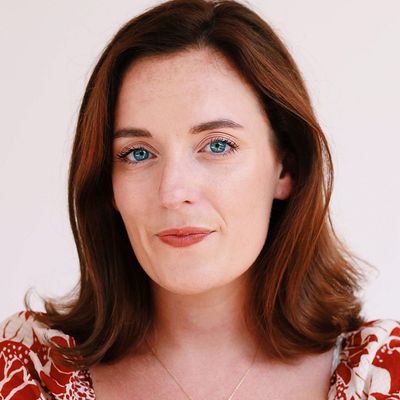
About
In this episode, Jennifer talks to Kate Lumpkin, CSA, about celebrating the process, how words we use matter and being proud of ourselves for our accomplishments - big or small. They share tools for finding your point of view, being curious generally and certainly about the things that make you you, plus the ways in which you can express yourself (in persona and on social media). They unpack advocating for one’s needs, the importance of continuously learning & growing, and the mark we can leave on this planet if we tune into our values and the way we feel inside our bodies.
CW: This episode briefly mentions obituaries.
About Kate: Kate Lumpkin, CSA (she/her) is the Founder of and Lead Casting Director at Kate Lumpkin Casting. Collectively, as a casting professional, she has worked on over 40 TV/Film productions and 85 theatrical productions in New York City and across the USA including shows at The Kennedy Center, The Actors Theatre of Louisville, The A.R.T, NYTW, and many others. Kate teaches workshops in New York and at numerous Colleges + Universities and is also a professor of Musical Theatre at James Madison University. She is a private coach to clients all around the world.
Kate’s IG: @KateLumpkin
Kate's TikTok: @KateLumpkin
Kate’s Website: www.kate-lumpkin.com
Want to coach with Jennifer? Schedule a session here! https://appt.link/jenniferapple
Monologue Sourcing Promo Link! https://empoweredartistcollective.com/podcastpromo
Learn more: https://www.empoweredartistcollective.com/podcast
EAC IG: @EmpoweredArtistCollective
EAC TikTok: @EmpowerArtistCollective
EAC Facebook: https://www.facebook.com/empoweredartistcollective/
Check Out Our Merch! https://www.empoweredartistcollective.threadless.com/
Any thoughts you'd like to share? Email us at EmpoweredArtistCollective@gmail.com
Transcript
This transcript was automatically generated and might contain errors.
[0:02] Jennifer Apple: Hello, welcome back to this week's episode of the Empowered Artist Collective Podcast.
[0:07] Jennifer Apple: My name is Jennifer Apple, and I am so grateful that you have come back.
[0:12] Jennifer Apple: This week's episode with Kate Lumpkin is one that I would call a heart conversation.
[0:19] Jennifer Apple: We talk about celebrating process, how words that we use matter, being proud of ourselves for our accomplishments, big or small.
[0:28] Jennifer Apple: We share a lot of different tools around point of view, being curious just generally and certainly about things that make you you.
[0:36] Jennifer Apple: Also the ways in which you can express yourself in person or on social media.
[0:41] Jennifer Apple: We also unpack advocating for your needs, the importance of continuously learning and growing, and the mark that you can leave on this planet if we just listen to ourselves and our values and the way that it feels inside of our bodies.
[0:58] Jennifer Apple: This is a conversation that I loved having in real time, and I am so excited for you to listen to it now.
[1:05] Jennifer Apple: Enjoy.
[1:08] Jennifer Apple: Well, y'all, welcome back to this week's episode.
[1:13] Jennifer Apple: I that was a strange intro, but we're gonna roll with it because I'm pumped about my guest today.
[1:19] Jennifer Apple: The one and only Kate Lumpkin.
[1:23] Kate Lumpkin: Hi.
[1:25] Kate Lumpkin: Hi.
[1:25] Kate Lumpkin: Do I need to drum roll on my own?
[1:28] Kate Lumpkin: Hey.
[1:29] Kate Lumpkin: Okay, wait, is that an is that a tongue?
[1:31] Kate Lumpkin: I can't.
[1:32] Kate Lumpkin: Here we are.
[1:32] Kate Lumpkin: Tongue trill, as it were.
[1:34] Kate Lumpkin: I recently had a conversation where people are either um lip buzzers or tongue trillers.
[1:40] Kate Lumpkin: And it's very rare that people are both.
[1:42] Kate Lumpkin: I can do both.
[1:43] Kate Lumpkin: I can do both.
[1:44] Kate Lumpkin: Anyways, hi everyone!
[1:45] Kate Lumpkin: Hi.
[1:47] Kate Lumpkin: I mean, this is this is the cadence of this situation.
[1:50] Kate Lumpkin: It's gonna be the podcast.
[1:51] Kate Lumpkin: So if you're not already in, friends, this might not be the week for you.
[1:55] Jennifer Apple: Um, you look so cute with your little dress.
[1:57] Jennifer Apple: For any of you who are not watching YouTube, Kate is wearing this adorable cute little leafy dress, right?
[2:05] Kate Lumpkin: Lemons on it too.
[2:06] Jennifer Apple: Oh my god, we love lemon.
[2:08] Jennifer Apple: And then there's plants behind you.
[2:09] Jennifer Apple: So you're just living in an organic forest up in your space on your body.
[2:15] Kate Lumpkin: You're organic.
[2:16] Jennifer Apple: Um hi, so grateful you're here.
[2:19] Jennifer Apple: For the listeners out there, who are you today?
[2:25] Kate Lumpkin: What a great question, my love.
[2:29] Kate Lumpkin: Thank you.
[2:29] Kate Lumpkin: Um I actually really appreciate it that you said who are you today because I uh every time you talk to me, I feel like maybe I'm a different person.
[2:38] Kate Lumpkin: Not a different person.
[2:39] Kate Lumpkin: It's always the same through line of human being.
[2:42] Kate Lumpkin: But quite often the um title or perhaps the channel that I am like expressing my artistic and personal self through is very different.
[2:50] Kate Lumpkin: So come by today.
[2:52] Kate Lumpkin: Um, I am a casting director and an educator.
[2:57] Kate Lumpkin: That's and a director.
[2:59] Kate Lumpkin: And I'm also a dramaturg right now.
[3:01] Kate Lumpkin: So I'm doing lots of different things.
[3:02] Kate Lumpkin: Um, but I think most people know me at this point as casting director.
[3:07] Kate Lumpkin: That's what I've been doing a lot for the past like decade.
[3:10] Kate Lumpkin: Um, but in the last year, I've also recently taken a job as a musical theater professor at James Madison University in Virginia.
[3:17] Kate Lumpkin: Um, and so I split my time now uh doing that and casting.
[3:23] Kate Lumpkin: I'm about to cast a national tour.
[3:25] Kate Lumpkin: Um, starting that like three days after graduation.
[3:28] Kate Lumpkin: Um and I also have spent a lot of time this past year directing, which is a new um thing I'm doing, and I'm obsessed with it.
[3:36] Kate Lumpkin: So that's kind of who I am too.
[3:38] Kate Lumpkin: I'm also a friend and um a uh social media obsessed Maven.
[3:45] Kate Lumpkin: And I um like eating Mexican food a lot and drinking Diet Pepsi a lot, and I'm a daughter and a partner and all sorts of things.
[3:55] Kate Lumpkin: Who are you today, Jennifer Apple?
[3:57] Jennifer Apple: Oh, no one's ever reversed it on me.
[3:59] Jennifer Apple: Wow.
[4:00] Jennifer Apple: That's absolutely reverse.
[4:01] Jennifer Apple: Yeah, who are you?
[4:02] Jennifer Apple: Yeah, who am I today?
[4:04] Jennifer Apple: I am definitely wearing many hats today.
[4:06] Jennifer Apple: Today was one of those whiplash days um where I was a singer.
[4:14] Jennifer Apple: I I guess I am a singer.
[4:15] Jennifer Apple: I am an actor.
[4:17] Jennifer Apple: I got to be in rehearsal space, which was great.
[4:20] Jennifer Apple: I am a teacher.
[4:21] Jennifer Apple: So I got to do a bunch of that with various singing clients, a monologue client.
[4:26] Jennifer Apple: I have some Hebrew students.
[4:27] Jennifer Apple: So that was a multi-hatted wearing teaching day.
[4:30] Jennifer Apple: I guess I was I did a voiceover audition, so I was voiceovering here right now.
[4:37] Jennifer Apple: I'm a podcast host.
[4:39] Jennifer Apple: I'm always gonna be the best dog mom to my rescue Walter.
[4:43] Jennifer Apple: I am a New York living human being in a you know our junior year of a pandemic.
[4:50] Jennifer Apple: So I feel like, yeah, there's many, many hats to be worn today specifically.
[4:55] Jennifer Apple: So thank you for asking me.
[4:56] Jennifer Apple: That feels very lovely to have the light shown on me.
[5:00] Kate Lumpkin: Listen, I just love hearing what you're exploring today because it changes every day.
[5:07] Jennifer Apple: Completely, completely.
[5:08] Jennifer Apple: I'm okay.
[5:09] Jennifer Apple: So you have been a part of EAC in its many iterations thus far, doing what has been a conversation about what we would call communicating your worth, right?
[5:21] Jennifer Apple: Which came up as really the conversation around the way in which each of us artists share who we are, which is basically what we just did right now, actually, a perfect example of that.
[5:33] Jennifer Apple: Um, and the ways in which we can show up for ourselves no matter what we're doing in the various spaces, whether it's like in the ether of the interwebs or whether it's in human form, which obviously has been a newer beginning back to happen situation.
[5:49] Jennifer Apple: Um I'm curious, just as we start, if anything has shifted for you, just even thinking about that phrasing of communicating your worth as from like where we came from back in the day with the conversation to perhaps now.
[6:05] Kate Lumpkin: I mean, I think if you're thinking of anything exactly the same way that you were two plus years ago, uh you're wrong.
[6:13] Kate Lumpkin: Like everything is different, everything has changed, especially language.
[6:17] Kate Lumpkin: You know, I'm a huge proponent of like words matter.
[6:20] Kate Lumpkin: The words we choose to use matter.
[6:24] Kate Lumpkin: Um I think you know, words that I was using seven years ago when I started all of this are a thousand percent not words I would use now.
[6:33] Kate Lumpkin: And so I think um, you know, communicating your worth, I think is vital no matter what.
[6:38] Kate Lumpkin: But I think we so often in a capitalist society equate worth with financial gain, right?
[6:45] Kate Lumpkin: So even if we say, like, oh, this is my inherent worth, it is somehow still intrinsically tied to money or what your time is worth, what your you know, personhood is worth, all of these things.
[6:57] Kate Lumpkin: And so I guess if you were to ask me to like retitle that quote in the that is what I'm doing in this moment.
[7:03] Jennifer Apple: Look at you.
[7:04] Kate Lumpkin: You did that.
[7:05] Kate Lumpkin: Come on, Apple.
[7:06] Kate Lumpkin: Um, I still think there is inherent value in communicating your worth because I do think that we do live in a capitalist society, and we as artists have never been compensated for the most part in ways that we should for our time for energy for our effort.
[7:20] Kate Lumpkin: But I also think it's just about communicating self.
[7:23] Kate Lumpkin: That is what I would change the title to now.
[7:26] Kate Lumpkin: And inherently communicating self would also be navigating conversations about worth in terms of finances and in terms of how we talk about um you know how we equate our art for also consumption and what we deserve for that consumption.
[7:42] Kate Lumpkin: But I think it's the whole course really was about communicating self, communicating point of view, can communicating um through line identity how we talk about ourselves in space and how we can communicate that effectively with an understanding of growth and in a way that helps other people um get to know us quickly and get to know us like truthfully um where we are today.
[8:06] Kate Lumpkin: So I think I would probably change it to like communicating self.
[8:09] Jennifer Apple: Yeah.
[8:10] Jennifer Apple: All of us are ever changing humans and so our versions of ourselves exactly our versions of ourselves are I wouldn't even say different but we offer versions different parts of ourselves depending on our safety, depending on the room, depending on the people, depending on all the things how have you found for yourself or even with your students right now I I don't like best or worst, but how have you found ways to investigate oneself generally like to take an inward look besides therapy and besides all of the you know stuff that that is the I that we know to be quote unquote helpful.
[8:49] Kate Lumpkin: Yeah.
[8:49] Kate Lumpkin: So I developed this activity that I now do with all of my students.
[8:53] Kate Lumpkin: And um we do it every year.
[8:56] Kate Lumpkin: Like I encourage them, and I also encourage them to do this activity on their own time, like every week, every month, whenever they want to.
[9:02] Kate Lumpkin: But I call it the POV exercise.
[9:03] Kate Lumpkin: And it's basically an exercise that looks into the things that make you you.
[9:10] Kate Lumpkin: So we talk a lot about I I don't want to like give away all of it.
[9:15] Kate Lumpkin: Um but in essence, we look at things that make you who you are.
[9:19] Kate Lumpkin: So the moments that have made you who you are throughout your life, good moments, bad moments, in between, those things that stick out on your timeline, what are they?
[9:29] Kate Lumpkin: What are the moments that have made you?
[9:31] Kate Lumpkin: And then we look at um uh what I call your core.
[9:35] Kate Lumpkin: So what are what are your values, your morals, the things that you would go out in the street and protest about and fight for?
[9:41] Kate Lumpkin: What are the things you believe in?
[9:43] Kate Lumpkin: For some people that's like very faith-based, for some people it's like very not faith-based.
[9:47] Kate Lumpkin: Um, you know, it's what do you stand for?
[9:50] Kate Lumpkin: And then the last piece of the exercise is expression.
[9:52] Kate Lumpkin: How do you as a human being express those things that are your values and the moments that have made you?
[10:00] Kate Lumpkin: And everyone, of course, says, like, I'm a singer, I'm a dancer, I'm an actor.
[10:03] Kate Lumpkin: But also, how do you hug people?
[10:06] Kate Lumpkin: How do you cook?
[10:07] Kate Lumpkin: How do you bake?
[10:08] Kate Lumpkin: How do you move your body through space?
[10:10] Kate Lumpkin: There's so many ways to express yourself.
[10:12] Kate Lumpkin: And then we kind of step back and we say, Okay, how have these moments, these kind of core understandings and these means of expression, how do those shape your life and shape the way that you approach text, the way that you approach movement, the way you approach your instrument?
[10:29] Kate Lumpkin: Um, and how do they make you intrinsically and inherently you uh because your version of that POV exercise will be wildly different than mine because we do not have the same moments.
[10:38] Kate Lumpkin: Even if we were identical twins who were raised in the exact same household with the exact same DNA and body, we would have to completely different, you know, um uh realities for those columns.
[10:49] Kate Lumpkin: So I think it's been really interesting.
[10:51] Kate Lumpkin: Every time I work with my students for the first time and we do this exercise, I say, when was the last time you ever sat down and thought about the ways that you express yourself or thought about the moments that have made you?
[11:00] Kate Lumpkin: And like a rock, every time they say, I've never done that before.
[11:03] Jennifer Apple: Yeah.
[11:04] Kate Lumpkin: And that to me is fascinating that we don't take the time to think about what are these pivotal moments, beautiful, awful, horrific, simple, that have fundamentally transformed the way that we look at the world.
[11:17] Kate Lumpkin: And why are we not taking the time to write them down and explore them and then understand them in a non-therapeutic way, just understanding that they exist and that they affected us, right?
[11:27] Kate Lumpkin: Um, and then figuring out how all of those things fit together to help us become the artists and person that we are.
[11:34] Jennifer Apple: I love that so much.
[11:35] Jennifer Apple: You did it.
[11:35] Kate Lumpkin: That's a tool I've been using.
[11:37] Jennifer Apple: No, completely.
[11:37] Jennifer Apple: Thank first of all, thank you for sharing that.
[11:39] Jennifer Apple: I know that you did this with the artists in our cohorts when we had you come and it was deeply impactful just to be able to see things, right?
[11:48] Jennifer Apple: So often we think we know.
[11:49] Jennifer Apple: I think that's the other part too, right?
[11:50] Jennifer Apple: It's like, well, we think we know how, as you were saying, we how we express ourselves or we think we know that this is what we like.
[11:56] Jennifer Apple: And until you really get it all out of our gorgeous brains and you see it all visualized, I'm a very visual person.
[12:01] Kate Lumpkin: So maybe it's just me. You know I can only talk for my own self, but until you get it out of there, you don't actually know all of the things that make up you, right? And the lists and even like the small little stuff too, right? Like just I think those are usually the things that fascinate me the most when I'm like, oh, right, I love newly paved roads.
[12:22] Kate Lumpkin: Like, you know what I mean?
[12:23] Jennifer Apple: Like why?
[12:24] Kate Lumpkin: Right.
[12:25] Jennifer Apple: Because there's it's so it's untouched, and there's something very um fresh and clean and sleek and therefore sexy about it.
[12:36] Kate Lumpkin: Um, and mostly the untouched thing. I feel like it's similar to when snow just falls and it's never been touched before. It's a similar like feeling.
[12:45] Jennifer Apple: I'm I guess I'm just like touching my hands, no one sees me. But um so interesting.
[12:50] Kate Lumpkin: That's so interesting, right? I find that so fascinating because that says a lot about the characters that you're drawn to and that you want to play, the worlds that you might want to build, right?
[13:02] Jennifer Apple: And simple things like you're saying like I like the warmth of the fresh pavement, the smell, the texture, the cleanness, the fresh start. Like there are a lot of people who that is not their they want an off-road, like dirt road, but then like a four-wheeler, right? They want to like fuck it up, right?
[13:20] Kate Lumpkin: They want to like fuck it up, right? Those are totally different things, yeah, totally different types of humans.
[13:28] Jennifer Apple: Um, but what's interesting is if both of you all read the same text, how how would it be affected by those small details of things that turn you on and get you excited or you know, exactly make you feel safe or warm or whatever the the thing is.
[13:43] Kate Lumpkin: Yeah, it's it's crazy, and it changes all the time. Like I have I've kept I do the POV exercise every time I teach it. And if you looked at my stack of papers, it's like wild to look at from when I developed the exercise to now.
[13:56] Jennifer Apple: Yeah, it's very different.
[13:59] Kate Lumpkin: Which is great. No, because I mean that that means you're growing, it's growing, all of it.
[14:02] Jennifer Apple: Yeah, yeah.
[14:03] Kate Lumpkin: There's and it also means I'm on top of my own shit, right? Like I know that the the work that I want to direct, the things that I want to be a part of are probably very, very different than what I would have been excited by three years ago.
[14:18] Jennifer Apple: Um, and I know what I'm drawn to because I take stock in it. I keep checking in.
[14:24] Kate Lumpkin: Um, I think it's really important.
[14:26] Jennifer Apple: Yeah.
[14:26] Kate Lumpkin: And I think it goes back to this idea of, you know, as artists. I mean, we say it all the time, but it's very different when it's in actuality of truly, and I I don't have the words for it because these words are all buzzwords, and I'm I'm in the process right now of like struggling to find the words to replace unique, authentic, like all of those things feel really icky to me.
[14:46] Jennifer Apple: The the literal language, because we've actually like bastardized them.
[14:52] Kate Lumpkin: But all of those things that we try to get at, the like essence of the thing, really about why you are an artist and there is truly no one else in the entire world who is you and that is exactly why we need you.
[15:05] Jennifer Apple: You know, I I think this exercise, you know, is something that really gets to the core of that to remind you, yeah.
[15:11] Kate Lumpkin: If you and I, if you were an off-roader and I was a sleek whatever driver and we had the same text, if I were to try to, I mean, granted, I do love an off-road too, so let's be clear.
[15:21] Jennifer Apple: But sure we but if we were to go in for the same part, we would have things different.
[15:27] Kate Lumpkin: And that is the beauty of it. Like not trying to be the person who you aren't is not gonna no one wins.
[15:34] Jennifer Apple: Yeah.
[15:35] Kate Lumpkin: Yeah. Or knowing who you aren't is interesting and exciting to play in that space too and say, like, I want to try that and play there.
[15:42] Jennifer Apple: Knowing it's gonna make me uncomfortable.
[15:44] Kate Lumpkin: It's gonna make me have to push some of my own boundaries. And if you have that awareness and you are still willing to play and go into that space because you feel safe enough to try it, that's also exciting, right?
[15:54] Jennifer Apple: Yeah, completely.
[15:55] Kate Lumpkin: I'm curious now, you mentioned it, like what would older I don't mean like age prior version came what were some of the types of directing projects you would have been interested that perhaps now your lens has shifted towards oh I don't give a fuck anymore my necklace you you I don't know if you can read this but it says fuck it up one of my students made this necklace for me um I think like my whole life I've been a people pleaser I've been so deeply and quite frankly desperately um desired approval from folks um and thought that there was like a way to attain perfection even though I preach like perfection doesn't exist it's a societal construct like they will find that on my tombstone um but now I actually believe it and I am just kind of at a place like I've always believed it core truth inside of me but it's been very hard to execute on understanding it and like living something there's a very I think there's a very distinct difference in believing something and living that thing.
[16:58] Jennifer Apple: Yeah.
[16:58] Kate Lumpkin: How did that shift happen for you?
[17:00] Kate Lumpkin: COVID COVID losing my entire business in 24 hours and literally being sitting in an apartment having a realization that my entire identity who I was as a person who I was as an artist all of those things were so deeply entrenched in work and my identity as insert title here and um when that all goes away and you are staring at yourself in your most depleted, depressed, devastated state.
[17:32] Kate Lumpkin: And you have to say, who the fuck am I? And what do I want to be? And what do I want to do and how do I want to live? Uh now I just say fuck it up.
[17:40] Kate Lumpkin: So I'm really um, I'm really, really, really interested in um pieces that either give me an opportunity to um explore found objects and creating art from things that we already have acquired our bodies.
[18:02] Kate Lumpkin: I'm very interested in movement-based uh work and text that lends itself to movement.
[18:08] Kate Lumpkin: Very interested in actor musician work and very interested in plays with music rather than like musicals, um, which are also super valuable, but that's just not my jam.
[18:20] Kate Lumpkin: Um, I'm really interested in like clearing it up, fucking it up, asking the questions, taking things and making it different.
[18:28] Kate Lumpkin: Um I've never had a panache for shiny shiny, but now I just really don't care about it.
[18:35] Kate Lumpkin: Um I'm just not interested.
[18:37] Jennifer Apple: So, you know, I think that uh for a long time my answer would have been, I'm just excited to get to do something and to make something and be a part of it.
[18:46] Kate Lumpkin: And now I'm just like actually I I'm not excited to just be a part of it.
[18:51] Kate Lumpkin: I want to be a part of something I care about, something that changes people, something that changes me, quite frankly, something that pushes me.
[18:58] Kate Lumpkin: Um I I don't I no longer feel like I just have to be a part of it.
[19:02] Kate Lumpkin: No, people are lucky if I'm a part of it, and that's where I'm at.
[19:05] Jennifer Apple: Yes.
[19:06] Kate Lumpkin: Kate, I'm so proud of you.
[19:09] Jennifer Apple: Thanks, Mom!
[19:10] Kate Lumpkin: Did I say that?
[19:12] Jennifer Apple: I'm gonna say it.
[19:13] Kate Lumpkin: I really am.
[19:14] Jennifer Apple: I feel like whatever, I'm gonna get emotional about it.
[19:17] Jennifer Apple: But like I feel like I've watched you, I've known you for so long, more in like, you know, as an actor who auditioned for you, frankly.
[19:26] Jennifer Apple: And I feel like over this pandemic through EAC, I've been able to, I'd say, like, I develop a bit of a friendship and take that wall, that little barrier down because you know it's I admire the work that you do and who you are as a human, and it's just so wonderful to I feel like have watched like these walls come down and you connecting to the things that matter to you and to align what you say with how you feel and and how I know that that is impacting the way in which you are now a collaborator and an artist and an educator and a director and a casting director.
[20:04] Jennifer Apple: I mean, all of those things I would imagine internally it feels like something, but I at least on an external perspective, it's just so cool and awesome to see you in alignment in that way.
[20:16] Kate Lumpkin: It's really fucking great, and I'm really fucking proud of you.
[20:20] Kate Lumpkin: Thanks.
[20:21] Kate Lumpkin: It's it's um it's really interesting.
[20:24] Kate Lumpkin: I was talking to um my partner today about how sometimes it just takes really, really, really drastic measures of loss to learn, like to learn.
[20:36] Kate Lumpkin: And you can know all the things or whatever, quote unquote, know them and talk about them, but for you to actually do the fucking work and be at a place where you are really forced to look in the mirror and say, like, who do you want to be?
[20:51] Kate Lumpkin: And is it gonna be about other people? Like, and if it is, is it about serving other people or is it about like caring so deeply about what they think about you?
[21:00] Kate Lumpkin: Um, and I I mean, I'm the first one to admit I lived a solid 20 plus years of my life deeply caring about the perception of me rather than the knowing of me.
[21:13] Kate Lumpkin: Um, and that's been a lot of unlearning.
[21:15] Jennifer Apple: But I'm you know, and I'm still unlearning.
[21:18] Kate Lumpkin: Like, come on, it's not like I don't.
[21:19] Kate Lumpkin: We were literally talking about how weird it is to see your mirrored face and how I didn't like it.
[21:23] Jennifer Apple: Like, of course, this is like a you know a constant thing, but now I can talk about it and not pretend or act as if it's not a real thing.
[21:31] Kate Lumpkin: Yeah, yeah.
[21:32] Jennifer Apple: It's it's wonderful.
[21:34] Kate Lumpkin: I know that this is this word I can never say right.
[21:37] Jennifer Apple: Tangential.
[21:38] Kate Lumpkin: That's such a hard.
[21:39] Jennifer Apple: Oh, very nice pronunciation.
[21:41] Kate Lumpkin: So much.
[21:42] Jennifer Apple: Um a tangential thought.
[21:44] Kate Lumpkin: Um, when I was in um middle school, I I went to a private Jewish day school and we had yeah, I know.
[21:51] Kate Lumpkin: We had uh um half our day was in Hebrew, half our day was in English, and one of the subjects that we had to do was Talmud, which is like basically analyzing the Torah, the Bible.
[22:01] Jennifer Apple: And there was an honors Talmud class, and there were only four of us from my whole grade who got pulled into that, me being one of them.
[22:08] Kate Lumpkin: Thank you so much.
[22:09] Jennifer Apple: Um I should have become a lawyer.
[22:11] Kate Lumpkin: It's all about arguing and all about logic.
[22:12] Jennifer Apple: Well, not really logic, but just like really analyzing things and different perspectives and how do you make sense of all of that.
[22:18] Kate Lumpkin: Anyway, one of my first assignments like an actor?
[22:21] Jennifer Apple: Yeah.
[22:22] Kate Lumpkin: Okay.
[22:23] Jennifer Apple: Thank you so much.
[22:24] Kate Lumpkin: Um, or like really anything I want to be, yeah, correct.
[22:28] Jennifer Apple: Right.
[22:28] Kate Lumpkin: Um, or just like a simple human being who exists on this planet who thinks in a very gorgeous, interesting way.
[22:34] Jennifer Apple: Um just trying to learn to love on myself more.
[22:37] Kate Lumpkin: That's been an interesting adventure.
[22:39] Kate Lumpkin: Um, anyway, one of the first activities we had to do in seventh grade, I will never forget it, was write our own obituaries.
[22:47] Jennifer Apple: Oh dark.
[22:49] Kate Lumpkin: Don't know how this was allowed.
[22:52] Jennifer Apple: Um, and I really I I imagine I have it somewhere.
[22:56] Kate Lumpkin: I really do in storage, because I've I used to hold on to a lot of these types of papers for whatever reason.
[23:02] Jennifer Apple: Um, but that I remember I still viscerally remember that experience of sitting down and reflecting upon the way in which I wanted to be remembered.
[23:12] Kate Lumpkin: And in middle school, when you don't know who you are, or at least I didn't didn't know who I was, and you know, like offhand, there were certain things.
[23:23] Kate Lumpkin: I was like, well, I want to be known for doing these things. I want to be known as a really good singer. I want to be known as somebody who's smart.
[23:23] Kate Lumpkin: I want to be known as these labels versus energetically or internally, like who I actually am and the way in which I make people feel, and the the way in which I enter into a space and the energy around me is affected positively or negatively.
[23:48] Kate Lumpkin: Like I want those things to be the thing.
[23:50] Jennifer Apple: And I don't know if this is a helpful exercise because it's definitely, you know, on the borderline of dark and perhaps not healthy.
[23:58] Kate Lumpkin: But um, I don't know.
[23:59] Kate Lumpkin: I just for some reason that came up in my brain as you were talking about just the reflection of yeah, the mark that we leave without trying to do it and make it into something.
[24:09] Kate Lumpkin: It's just when you are when one is living authentically, whatever that word means, and one is in alignment and one is showing up for oneself, you therefore show up for everybody else in a more solid, holistic, grounded way that then allows other people to do the same for themselves.
[24:24] Jennifer Apple: And it's just a ripple effect.
[24:26] Kate Lumpkin: So I just wanted to mention that for whatever reason.
[24:30] Kate Lumpkin: Controversial opinion.
[24:31] Kate Lumpkin: I love the movie Serendipity that stars John Cusack and Kate Beckinsale.
[24:35] Kate Lumpkin: Controversial.
[24:36] Jennifer Apple: Is that controversial?
[24:37] Kate Lumpkin: It's not everyone's favorite rom-com.
[24:39] Jennifer Apple: I get it.
[24:40] Kate Lumpkin: Um, but I really love it.
[24:41] Kate Lumpkin: And there's a quote that you just made me think about, which is um Jeremy Biven is a character who writes obits for the New York Times in the movie.
[24:53] Kate Lumpkin: Um, and he writes an obituary for his friend's wedding ceremony as like a joke. And he says, the ancient Greeks didn't write obituaries. They asked one question at funerals. Did he live with passion? And I think that's why I love this movie. Because it's a voiceover scene. It's so good, but it's an incredible monologue. Um, and I love that concept of like, you know, it's really interesting. My mother and I talk about this a lot because my mom is very passionate about legacy. What have you left behind? What is your legacy? Um, my mom is Alexander Hamilton in that way. Like, it's like very much like it's that's my mother in a nutshell. Um, and she would not be offended. Like, this is something we talk about all the time.
So hey mom, if you're listening. Um, but I think I've spent so much of my life so very concerned about like who will remember what I had to say. What is my legacy? What will I leave behind? And I love the idea of like, no, we're not gonna think about legacy beyond this stuff. Like, did this person live with passion? Right, right. Was is that something we can remember? And so I'm trying to live my best serendipity, ancient Greek obit life, you know? Yeah, no, but I think I feel like that's all like in my brain. Now I want to take that and just like substitute for anyone listening, it's like substitute the if passion doesn't feel something, if something inside you doesn't get inspired by the word passion.
I know for me, like that's one of my words. I'm desperately passionate for better or for worse. But like if that doesn't, if that doesn't ring true to you, I would imagine like an insert word there that is your value word or is a word about the way in which you operate on this planet. You know, like did you live a life full of faith? Did you live a life full of gumption? Did you live a life full of desire? I don't know, but I love that as a I love that as kind of like a guiding force for decision making too, right? Just yeah, you know, and knowing when it feels in alignment or when it feels like it's not yours, especially because then that is not connected to a tangible award or credit or like insert parentheses with an italic show title behind your name on the press release, like these things that either someone has taught us to believe gives us value worth, right?
Back to their thing we're having, or we've just like taught ourselves through societal awareness of repetition over and over. We see these things. Um, I love the idea of just asking yourself a question, and I love your concept of just pick the word that resonates with you, because then it's like no one's no one's saying, like, oh yeah, well, she was on three Broadway shows and she you know won this award. No, it's like no, she lived with connection, she lived with kindness, she lived with warmth. Like, I think warmth would probably be my word if I could pick not what the ancient Greek said, right? Um because warmth to me can be passion, it can also be um like maternal love, it can be an educator's warmth, right? There's so many different ways to engage with that. And if I were to pass tomorrow and someone said she lived with warmth, I think I'd be very like a okay with that.
[28:09] Jennifer Apple: Yeah. I love this so much. Did you think that this conversation was gonna go here?
[28:12] Kate Lumpkin: Not at all. My love. Not at all. Here we are talking about the ancient Greeks.
[28:16] Jennifer Apple: Oh bit. No, absolutely not. No, I love it. Take me there. Take me there. Thank you. Thanks for being on this journey with me and my beautiful brain. Um so I want to double back now to just in the room with because it's so you're you're so presently with your students as one sees via the social medias, which we can dive into shortly. But I'm curious, too, while you are with them, are there any major myths that you find that you're debunking?
[28:49] Kate Lumpkin: Um, I mean, forever and always, and this is not just my current students here, this is like anybody I work with ever, um, at any age. The like myth of success of like what success looks like is something that I constantly feel like I'm also navigating within myself. Let me be very clear on like holding the mirror up when I say this. Um, but I feel like what's so interesting is that there are definitely common kind of goalposts that people have decided equate success in a life, but how everyone actually has lots of different little goalposts that lead up to those big ones, but they believe that that is the right journey, like that that is the only way, and if I don't get these things, then I'm not successful, I'm not good enough, I am a failure.
Like this kind of mythology is something that I feel like I'm talking about in lots of different ways. It impacts education, it impacts you know, social media, it impacts a career, it impacts the marriage or a partnership, or the idea that you're supposed to have those things, it impacts your personal life, your family, all of these different silos of your existence. But that's the one I feel like I'm constantly having conversations with about is that like you can't fail, you're not that failure is the absolute worst thing possible. Um, that there's nothing worse than that, that you know, um, there is definitely a specific definition of success, and if you don't achieve it, then you are in fact a failure, and there's nothing worse than this life.
I also debunk a myth a lot that like you aren't allowed to change your mind, that once you've like set yourself on a path, then you must stay in pain to get that path rather than free yourself and explore a different facet of yourself. Um, that that's also failure, so we can't do that. Um I also feel like there's just so many like quote unquote rules, especially like industry rules that people yeah, that people think that are totally real, um, that aren't this rule that you're not allowed to communicate with people who potentially are in what we would call positions of power, right? Or have historically been known as positions of power, that you're not allowed to like talk to a casting director or reach out to someone, that you're not allowed to um you just kind of have to wait, wait your turn and not who said that yeah, who said you can't hit send on an email?
Yeah, but you would think like there is truly this mythology that like there is an untouchable force that you are not allowed to communicate with people. It's all it's a lie. That's a lot. There are boundaries, right? There are definitely ways to to engage in those conversations to also negotiate and navigate what other people's boundaries are that they have set for themselves. Um, but to think that you are like not allowed to communicate is wild. It's wild, of course.
[31:45] Kate Lumpkin: Um, there's like a whole Instagram account and a whole thing called New York or Nowhere, and I love New York. I moved to New York when I was 17. I love New York. But as the great musical company says, there's a time to come to New York and a time to leave. And I think everyone who comes to New York also needs to leave for a little bit and decide if they're gonna come back or not, or what their journey looks like. But what's so interesting is there's this myth that you need to be in New York, LA, or Atlanta to be like a working actor. Or Chicago, but yeah. Or Chicago, absolutely, or Chicago. Um, so Atlanta is kind of the new cargo in some ways. Um, but yes, those four, right, are like it in the US.
That's just not true. Especially in 2022, where we have all for better or for worse, learned how to engage with auditions online and communicating in a digital space. Um, I still have my agent, I still am casting projects for projects all over the world. I am able to teach at a college that I am so passionate about, and my students that I just like am so passionate about them. But also I'm in a space that's bigger than 600 square feet, which is what I've lived in for the last 15 years of my life. Um, I have a car for the first time, the first time in my adult life. I learned how to drive a car. But the freedom that has come from that. Um, you know, I smell grass and see mountains, and for me, this is just like a huge learning. And it's making me a better artist, a better person. So I think the mythology that like you have to be in one city is just not true anymore either.
[33:28] Jennifer Apple: Do you find that that is true because we are able to self-tape now, or because if one lives in a place that one is happy, then when one decides to go to said bigger city, one is now there with purpose or both?
[33:43] Kate Lumpkin: I think it's I think it's both. I mean, I've always said, even in like a in a pre-COVID experience of a life, I said, do not move to New York or LA unless you know why you want to be correct. Right. And saying, like, I want to be on Broadway is not enough, right? That is not the real reason. Um, and so I I think yes, I think purely from a business perspective. Um, yes, the fact that the industry has really learned how to navigate digital auditions, um, you know, new kind of email practices, new services, all these different things. Yes, strategically, I think business-wise, yes, that has changed the game. But also, we just I think people need to know what makes them feel like the most whole and complete person in a moment, and when you are aligned with that, things fall into place in a much more um like core way.
Um, and I am finding that for me, um, not being in New York in this moment, and to be fair, I split my time, so I come back and I get those little like jolts of the New York energy, and I see my friends and I like get to do those things, and I understand the privilege that that is that I can travel and do that. Um I just I want people to give themselves the freedom of knowing what makes them whole and engaging with that um and allowing themselves to be an artist wherever you are. Um, because there's really great art all over this country, commercial art. If you're looking to get paid, it exists. It's not New York or nowhere.
[35:20] Jennifer Apple: Yeah. Those are some real. We we have a whole episode that's literally about talking about success as a definition. And how we've been taught or trained or told narratives of what that is. So I hear that desperately. And it's not just within artists, it's just generally there's an idea and a stigma around well, if you don't reach X, then somehow your life and or your worth and or your career and or your X, Y, and Z beyond that is like somehow misaligned and not, and you are not to be valued. Like it's just really, really wild.
[36:02] Kate Lumpkin: So can I speak to that on one thing?
[36:06] Jennifer Apple: Please.
[36:07] Kate Lumpkin: I feel I feel really, really lucky to have been in the job that I'm in for so many reasons. I love casting. One of the best things about casting is you just get to meet so many actors at so many different stages of their careers. Um like the freshest of fresh, like showcase here we go moment to literally like smoking the cigarette in the trailer. This is my you know 14th pilot season. Yeah, like okay. Um, and what's so interesting to me is this thing that you're not saying that I'm just gonna verbalize, which is like if you don't get a Broadway show, you're not good enough. Like you're not a good actor, it's not aligned. Right? Like this, I this mythos of like, once I get my Broadway show, then I'm a valid actor. Then people will know, right? If I can say I'm in wicked, I did it, right? What's so fucking fascinating is everybody I talk to who's in a Broadway show is like, oh my god, I just want to be a series regular. All I want is just to be a series regular.
[37:06] Kate Lumpkin: Every series regular I talk to, it's like, I just want to get my movie. I'm so ready for my movie. Everybody who's a movie actor is like, I just want to get my Oscar. Like, I just want the nomination. I just want an indie. Like, I just, and then everybody with an Oscar is like, I just want to come back to the theater. Like, I just want my Broadway show, right? I wanna, I want to do opera. I want to the Atlantic, right? It's like the cycle never ends. And then that person who's an Oscar winner who's at the Atlantic is like, I just want to move to Idaho. Like, I just was gonna say it always ends where you want to be in a mountain or farm. Yes, that's it. Wanna go to Costco, right? And yeah, I just want to be a normal person.
Like and and it's real. That is fucking real. Every person, every person is like, I need the next thing to be valid. I'm you know, I've I've lived in Hollywood and I've done you know 15 movies, but until I get that nomination or that award, I'm not valid. Yes, you fucking are! Like, yes, you are. Yes, you are. Yes, you are. Like there's but it's amazing at every level, at every level. And it's not just acting. I mean, it's the same casting. I'll be totally honest. When I first started casting, I was like, I just once I get that national tour, like that, then I'm then I'm real. Then people will really believe me. And it was like, uh, well, it's a non-actor, so I'm still not real. Still, they still don't think I'm at the same level.
So it's the same fucking job. When you are an assistant, you are in the same damn room as the casting director. When you're the assistant at a network, you're doing the same thing. You're on a team of three, you're all doing the same thing, and you're eating the same Chipotle. Like at the end of the day. But but it's that it's that mentality of what's in the parentheses behind your name is the only thing that matters. And you've got to keep up with it. It's a really hard cycle to break, but everybody you talk to at any level is looking for the next italic. And it's just devastating because you just very rarely celebrate all of the things. And the process, which is your life. Which is your life.
I think that's literally what we started this conversation with. I'm like, who are you today, Jet? Like correct. Correct. All of those things. 16-year-old Jen would be so fucking excited to hear that you're doing, right?
[39:20] Jennifer Apple: Yeah. Yep. There's a website called I haven't done it, but it keeps rotating in my sphere, and I mean to. It's called my future self.com. I want to say. I'm gonna double check that. And you literally it's still operating, it's been around for years, and you can literally go in, you can create a little note to yourself, send it to these people in this website, and tell them when to get it back to you in however many years, however long down and like down the line. You can do two years, you can do a year, you can do 10 years, whatever, and say, get this back to me at this point. And then you can literally read a letter from your younger self to your older self without having to track it or hold it somewhere in a box, right? And I I yeah, I think oh my god, my 16-year-old nothing when I say nothing, I mean literally nothing about my life is what I thought my life was gonna be.
[40:09] Kate Lumpkin: Absolutely.
[40:10] Jennifer Apple: Oh, me either, girl. Me, not even no. I mean, like, sure, I like somehow finagled my way to continue doing work in this, you know, field, and I'm desperately grateful about it. But every single way that I've found myself here, the work that I've done, the places I have worked, the people I have met, the opportunities that have come my way, or that I have pursued, all of those my MFA, I mean, never in my life, like truly none of these things, this program here, like a podcast.
[40:40] Kate Lumpkin: Yeah.
[40:41] Jennifer Apple: Yep. Yeah. Yeah. Yeah. Same, same.
[40:44] Kate Lumpkin: Teaching all the time. I didn't, I would never have, never. So I think that I mean, we teach it all the time in EAC, but just not seeing all of these little steps as the thing. Like the life that is happening at, and I am not saying I know what I'm doing or I do this well. I'm just saying that I am for me, my thing that I'm working on is really staying present in all of those moments. And my dog is the best way to keep me that way. Looking at him when he's like, I need to eat, I need to go out, I need to look at you, I need to love you. It's like there's nothing more present than that. And it's the constant reminder of like, what am I doing in this moment to stay present? But oh my God, truly, like you putting on the specific coat will depend how you feel outside when it's too hot or too cold, which then affects the way in which you live during that day when you are on your subway or you were in your car, or you like meet a human being and now you're outdoors or indoors. And are you like, are you present now because all you're thinking about is your freezing body? I don't like so, you know, yes, yes, yes, yes, all of the yes to all of them. All of the yes, all of it.
[41:46] Jennifer Apple: I know. And look, we're not like solving, I think, you know, I just want to offer to those listening like we're not solving this as a global phenomena about human beings constantly desiring to strive for the next quote unquote best thing. I think there's something in humans that is there is the innate desire to be better, which again is arguably, you know, a subjective word, what is better, what is worse, but that desire is a good thing. Evolution, right?
[42:16] Kate Lumpkin: Exactly. That is evolution in practice.
[42:19] Jennifer Apple: Yep. Yeah. But also being able to recognize when one is in that mindset or that hamster wheel and being like, I'm doing this, and either saying, like, cool, that's okay, or maybe offer what I'm doing right now. I I find it so much easier. And I can only use me language, um, but I feel like maybe some of you will agree. Um, I find it so much easier to believe I've done something of worth or done something that is deserving of that like goalpost moment when somebody else tells me that it was good. When someone likes something, when someone gives me a compliment, when someone says, I want to give you this award, when someone says, I choose you, right? Like the then I'm like, oh, I've done it. Now it's the next thing, right?
What's the next thing? I'm working really hard on being able to like feel those things without the validation of others. And I think part of that is because I've I've been in this industry since I was a child. Um, and so we don't learn that we did a good job until someone classes stands up for us. We don't learn that we have, you know, achieved something unless you get the final bow or you, you know, get the award or whatever the thing is. Um, so I'm really trying to like, I think part of why I'm happier now than I have ever been is because I take stock way more of like the little achievements throughout the day and like the the like good grounded feeling that I have. I feel like I'm in my body for the first time in 10 years. And I try to like give myself praise for that. Like and yeah, because that's hard.
[44:01] Kate Lumpkin: That's yeah, very hard. I guess my my counter to that then is how does how does one or how do you do that with social media, which is literally about the like that then gives you, you know, information to your brain that says somebody likes me and then the cycle continues.
[44:20] Jennifer Apple: Um you're gonna really think this is corny, but I absolutely do this. Um I take the practices of social media and I implement them into my actual tangible life. So I'm the first one, I love social media. I love what it can do. Um, I also totally and inherently understand all of the problematic shit that comes with social media, and I get engaged with it, and it's it can be beautiful and awful and all the things, right? Um, but I I think we just have to honor that we do live in a time where that kind of external validation is important. It is something that is especially people younger than us have never known life without. Right. So how can we judge that that's just a part of their nature? But like literally now I double tap myself throughout the day.
Um it sounds so corny. I like for those of you watching. Our first our first episode is with Alicia Albright and she talks about tapping your heart light. That's literally what we talk about. It's like you literally take your two fingers and you tap. Yeah, so like I when I'm proud of myself when I'm doing something, I like give myself the like. Like I will physically tangibly like myself. Um I you know, give myself permission to get the validation that I need sometimes from social media and not punish myself for it or feel bad about it, but also find ways now to really practice um like verbalizing in real life to myself, even like, hey, these are five things that you did today that were pretty great.
And like they're not about how cute your dress is or you know how high you sang or whatever. It's about things that you actually tangibly did for someone else or for yourself today. And I like to verbalize that. I keep notes about them for myself. Um yeah, I also just try to verbalize all the time now when other people are doing great things and like making the practice of like actually talking to people about the things that make them awesome versus only doing that in a social sphere.
[46:14] Kate Lumpkin: Um yeah, it's hard though. And also it's uh I don't think there's any shame in getting what you need out of that space, as long as it's not the only space where you're getting and telling yourself what you need to hear.
[46:31] Jennifer Apple: Does that make sense?
[46:32] Kate Lumpkin: Oh, yes. First of all, don't you don't need to ask does that make sense? We we as humans do this often and what we say makes sense. So yes, totally makes sense. Um great. And and you know, I think it's just also about like diversifying the way in which you exist, right? If we just exist solely in like a metaverse or or an interweb verse, then it's just like then how are you in human form too? Also, in addition, or only without using the other stuff. I also have just become a lot better at using it as a tool for work and less as a tool for my personhood. Um, and for a long time, they were so deeply intrinsically tied. And I think the last you know, two and a half years have really taught me to know when I'm like using it for pleasure and fun and when it's like a work tool, um, and compartmentalizing those things has also been really helpful for me.
[47:32] Jennifer Apple: Yeah. How do you do that for you?
[47:36] Kate Lumpkin: Um, I like consciously made a list about a year and a half ago of like what I wanted to post about what I was going to share. And I'm always gonna share from a personal perspective, like I'm not trying to be like, this is my work. Um, but I think that there's a way I have tried to still be a person and to share things I think are funny and personal and all this stuff, but also give myself a breath and not feel like I have to share all of my personhood all of the time. Um, and that still allows for humanity to be a part of the space, but not everyone gets all of the 24-7. And I think for at least about six years, I really felt like I owed 24 hours a day of my um personhood to people. Uh and I've realized that's just not the case because that's not healthy. It's not healthy and no one, no one actually gets all of you when you feel like you're giving all the time. And also then who like who where do you pull from for yourself if you're which is not cute.
[48:42] Jennifer Apple: Oh man, dead. Also, why Pepsi not coke?
[48:45] Kate Lumpkin: It's here for another hour. During COVID, wait, this is a real thing. I used to be literally, if you had asked me March 2020, I was a Duncan Diet Coke human.
[48:56] Jennifer Apple: Wow.
[48:57] Kate Lumpkin: Then during COVID, when we could only get our groceries delivered.
[49:01] Jennifer Apple: Yeah.
[49:01] Kate Lumpkin: The only thing that would deliver to me was the like the jugs of Starbucks iced coffee and Diet Pepsi because our local place ran out of Diet Coke. So we were getting Diet Pepsi deliveries, and something in the fabric of my mouth changed. And now all I want is Diet Pepsi and Starbucks. And like if I like Duncan.
[49:21] Jennifer Apple: Yeah, I was gonna say, like if you have Dunkin' and or Coke, do you do you resent them, hate them, not want them?
[49:26] Kate Lumpkin: No, I like Diet Coke if it's from a McDonald's fountain. I will drink that like it's nobody's business. Um, because that is just magic. I don't know why. But like I actively will I I will not turn those away, but I would never actively choose them anymore. Which anyone who like went to high school with me knows I had a permanent Diet Coke in my hand. Also, anyone who knows me from casting for years, it's like there was always a Diet Coke at the table. Wow. It's totally trying to wow. And honey. Look, this is this is a moment. This is the moment. This is really the moment, really. I think this is the growth moment. This is what Jekyll and Hyde were singing about, honey. This is it. Wow, wow, wow.
Um, on that, we bounced around in places I didn't dream of, and that is why I love this podcast so much for myself. Um, is there anything that's like on your heart or on your mind that you I didn't bring up or didn't come up that you want to just quickly talk about or mention into the ether for people who are listening to ponder about or something along those lines?
[50:34] Kate Lumpkin: This is like the most bizarre and random tangent, but I just want to say it. So something that I am personally navigating, and I also know a lot of my friends are navigating and a lot of my students is over the last several years, there's been a whole lot of conversations about advocating for yourself, for your needs, for your boundaries, for your worth, all of these things. And you know, I am like at the forefront of like I've been I've been tooting that horn for a very long time. Um, but something that I am now struggling with, I feel like I've let my personal pendulum swing all the way to the other side where I'm allowing myself to set boundaries to see things in a new way, and I am stopping myself sometimes from push is not the right word, but giving myself the authority to break free into a new experience because I have said now that I am I don't want to go there, I don't want to experience that thing.
And something that was both harmful and fruitful in my acting training was this idea of like keep going, push hard, you'll get through it, you'll find something new on the other side. And that practice, we don't need to do that, right? We don't need to like push through to, but I find myself now at this place where um I'm not always giving myself permission to lean in to what the next like crack in the eggshell might be in a beautiful way, because I've set myself up to um I've given myself a lot of like safety and things that I have needed to survive over the last three years. And now I'm trying to unknit like those survival tools and tactics that I have given myself and see like, okay, what is still serving me?
What is really important that I will never let go of, and what are some things that I can start to unknit and let go of a little bit that will allow me to continue to push in my growth in a in a safe way, in a non like harmful way, but. But what are some of these practices that I put into place that were protective tools so that I could survive in a global pan pepperoni? And now though we're still in said global pan pepperoni, correct, um, but how can I begin to give myself a little bit of um some of that release um in to rather than a release away from? Um and that's a conversation I've just been having with a lot of people. And so I just wanted to put out there if you're navigating this space too, you're not alone.
And I think there's a lot of um trying to relearn how to give ourselves permission to grow without hustle culture or like push until you hurt, sweat until you bleed. But like at some point to grow, you do have to push yourself sometimes. And how do we do that in a healthy, holistic way so we can still grow and finding those new kind of places? I don't know if anybody else is feeling these kind of growing pains of like how do we navigate that so we don't stay in stasis, but we also aren't engaging in harmful practices. How do we find that happy medium? Um, I'm fascinated by this place in the journey. And so if anyone has any tri tips, tricks, tools, let me know.
[54:04] Jennifer Apple: I mean, I I guess my my one thought or two, I don't know how many thoughts I have a lot of things. 15 thoughts, hit me with many thoughts is this idea. I mean, I feel I desperately feel connected to what you just shared. But for me, I'm if anybody knows me in like the prior pre, you know, pepperoni life, I I feel like next to my name would be the word hustle. Like Jennifer Apple is a hustler. I mean, in like I am a go-getter, doer, doer, do work, always doing. And this pandemic has been such a gift of time. I've been privileged, frankly, because of you know, whatever. But I went to Vermont for six weeks, both years to ski and be in the mountains because that's my happy place, still quote unquote working remotely, right?
Like doing these things and taking the time. And I think what I want to offer is that there's the lens of curiosity is really has been the game changer for me. And that when it starts to become quote unquote painful or uncomfortable or new or scary, which is a version of pushing oneself, being curious about the way it feels in your body, first and foremost, of like checking in with my heart and my soul and my feet on the ground, and how is this physically harming me? How is my heart rate feeling? Is this as an excitement, a nervous part rate? Like, where are we at? And there's no judgment in it. But being curious about the ways in which these things externally impact us internally, I think for me, that has been a really healthy way of analyzing when the push is actually in alignment with growth rather than push in alignment rather like than something that is actually going to be harmful.
Um, and sometimes it's wrong, but and this is a whole other conversation, but our intuition and our gut, especially as women who are sitting here, is so fucking accurate, and we've been taught and trained. Yeah, but we've been taught and trained to ignore it for all of the other reasons that we are not, we don't have the time to talk about, but it knows. And when your body and your gut and your soul and your heart and whatever part of your body is the thing that radiates the feeling because we each have different parts of ourselves that shuts down or tightens up or whatever when something is happening, when that starts to get activated, if you are being honest with yourself and checking in with yourself with the curiosity mindset, not the judgment mindset, then that is what allows you to actually take those steps, or at least I have felt within myself. So I just want to offer that as like my way in.
[56:50] Kate Lumpkin: Um, I think we're all in a version of that. We've all been and are still in trauma. We are in survival mode, and that takes a it takes a lot of work and effort and energy and purposeful focus to recognize what has become just habitual way of living in order to survive and what is actually worth bringing along for the ride, and what is now something that we need to re-unlearn to just take off of ourselves again as and don't need that particular form of armor. Yeah, those are my those are my roundaround thoughts for I love that I love that idea of curiosity. I think that's beautiful, absolutely beautiful.
[57:30] Jennifer Apple: Yeah, thank you. Um, I adore you the most. So for anybody listening, how if somebody wants to work with you, whether in a casting perspective, a directing perspective, as an actor, as a human, or just reach out simply with inquiry. What is within your boundary and level of respect the best way for people to reach out to you?
[57:54] Kate Lumpkin: I'm yeah, find me. Um, you can always find me on my website, which is actually about to have a major overhaul, but it'll still be there. Um, kate lumpkin dot com. Um also find me on social media. I'm on Instagram and TikTok the most um and I do like respond to DMs. I always say give me at least 48 hours please before you like come back aggressively and say yes. But find me on those platforms. I love to be a helper. So uh yeah those are the best ways to find me. I'm so grateful for you going on this wild conversational journey with me today.
[58:31] Jennifer Apple: This is the best thank you for not having questions planned and like let's just like noodle. I love it. Yeah I mean this is this has been the perk for me is that I, you know I'm very clear with what the mission is of this of this community that we've created or I've created or whoever is created that we're all creating together. Um and under those under that framework the conversations that I believe are important to be had I'm bringing in people who I fucking love to have those find those conversations and noodle around them and and start to excavate them. So I'm just endlessly grateful that you gave us your time and your thoughts and your heart and your openness um to just you know excavate a little bit and um explore more and um I'm just really proud of you.
[59:21] Kate Lumpkin: Okay thanks thanks for asking me and thanks for showing up to that EPA like seven years ago it's I'm really grateful.
[59:28] Jennifer Apple: I am too I don't even know what that was really grateful that y'all. Who knows? But do you remember it was in the actors' equity building?
[59:34] Kate Lumpkin: I remember exactly the first time I saw you act. I remember. Wow. It was in the actor's equity building and it was in that little room when you come in, you take a bright, and it's got that one window that overlooks the street. And I remember, I mean, I had your head shot on my desk weeks. I remember.
[59:48] Jennifer Apple: I adore you. What a wild. That is wild. Here we are.
[59:54] Kate Lumpkin: Dead. Professor Professor Kate Lumpkin.
[1:00:01] Jennifer Apple: I'm done. This is very naive mom's like sunglasses.
[1:00:05] Kate Lumpkin: Yes.
[1:00:05] Jennifer Apple: Or the whole the whole ensemble over here is giving me that.
[1:00:08] Kate Lumpkin: It's like golden girls.
[1:00:10] Jennifer Apple: But here we are. Really? I love you so much.
[1:00:14] Kate Lumpkin: Thank you.
[1:00:18] Jennifer Apple: This will be a conversation that I go back to and revisit because it puts a smile on my face, but it also reminds me what it means to connect with others and share openly and from our hearts about the things that we value and that are important to us and take an opportunity to learn and grow with one another and with each other. I'm so grateful that Kate took time to share in this way with us. And this is here for you whenever you would like to go back and revisit as well. Now, if you have not yet done so, please follow us on Instagram at Empowered Artist Collective, on TikTok at Empowered Artist Collective, on our website at Empowered Artist Collective.com, or you can always email us at Empowered Artist Collective at Gmail.
If you have any thoughts, feelings, anything that you want to share that is on your heart, please feel free to send us an email. We always love to hear from you. And most significantly, if you like this podcast, subscribe wherever you listen to podcasts. Please like, rate, and most importantly, review us. This allows us to reach other individuals who need to hear these conversations as well. And if you want to invite a friend to listen along with you so you can have these deep dive conversations together, we so encourage that. That is so much more fun. If this podcast is not for you, just let it all slide. I am so grateful that you tuned in yet again, and I cannot wait to have you back next week. Until then.
© Broadway Podcast Network, All Rights Reserved