

What does it take to build a successful directing career? In this kickoff episode of our Director Mini-Series, Jennifer chats with artist, theater worker, and director Whitney White who shares her journey from music and acting to directing, emphasizing the power of staying open, trusting your instincts, and pushing past limitations... Read More
From the show: Empowered Artist Collective Podcast - for actors, singers, dancers, writers, creators and performers
Guests
Featured Shows
About
What does it take to build a successful directing career? In this kickoff episode of our Director Mini-Series, Jennifer chats with artist, theater worker, and director Whitney White who shares her journey from music and acting to directing, emphasizing the power of staying open, trusting your instincts, and pushing past limitations. She breaks down her approach to directing—starting with an emotional response to a script, translating it into a world, and adapting her process to fit each project’s needs. Whitney highlights the importance of collaboration, documenting your artistic journey, and stresses that great work takes time with the best results coming from allowing the process to unfold naturally. Together, they share actionable advice, including applying for fellowships, creating work in community spaces, and building connections with fellow creatives who bring joy and rigor to their craft. She also reflects on directing The Last Five Years, a personal and full-circle moment in her career. Whether you're an emerging director or an artist expanding your craft, this episode is packed with insights, resources, and inspiration to help you take your next steps.
About Whitney: Whitney White is an Obie and Lily Award winning, as well as a Tony Award nominated director, writer and musician originally from Chicago, based in New York. She was a staff writer on Boots Riley’s I’M A VIRGO and is a believer of multi-disciplinary work and collaborative processes. Recent directing: Jaja’s African Hair Braiding (Broadway), Jordans (The Public Theatre), The Secret Life of Bees (The Almeida, UK), Soft (New York Times Critic’s Pick, MCC), On Sugarland (New York Theatre Workshop), Our Dear Dead Drug Lord (New York Times Critic’s Pick), What to Send Up When it Goes Down (New York Times Critic’s Pick), The Amen Corner (Shakespeare Theatre DC), An Iliad (Long Wharf), Canyon (LA Times Critic’s Choice, IAMA), Jump (National New Play Network Rolling World Premier, PlayMakers Rep). The Spectacularly Lamentable Trial of Miz Martha Washington (Steppenwolf Theatre). Original works include: Semblance (NYTW), Definition (Bushwick Starr), and Macbeth in Stride for which she won an Eliot Norton Award for Best Musical Performance (American Repertory Theatre, Under the Radar Festival at The Public Theatre).Whitney has developed work with: Sundance, The Roundabout, New York Theatre Workshop, The Vineyard, The New Group, Page 73, Playwrights Realm, Juilliard, Trinity Rep, NYU TISCH, Luna Stage, SUNY Purchase, Princeton University, Atlantic Theater Company Acting School, The Drama League, South Oxford, Jack, The Tank, New York Musical Festival, The Lark, and others. Whitney is a part of the Rolex Mentor and Protégé Arts Initiative, is a recent recipient of the Susan Stroman Directing Award, Herb Alpert Award and the Jerome Fellowship. She is an Artistic Associate at The Roundabout and an associate Artistic Director at Shakespeare DC. Past residencies and fellowships: Colt Coeur, The Drama League, the Roundabout and the 2050 Fellowship at the New York Theatre Workshop. MFA Acting: Brown University/Trinity Rep, BA: Northwestern University.
Whitney’s Website: whitney-white.com/
Download the FREE Monologue Selection Toolkit: www.jenniferapple.net/freebie
Want to coach with Jennifer? Schedule a session here! https://appt.link/jenniferapple
Learn more about Jennifer Apple: www.jenniferapple.net
Jennifer Apple’s IG: @JenniferApple_
Monologue Sourcing Promo Link! https://empoweredartistcollective.com/podcastpromo
Learn more: https://www.empoweredartistcollective.com/podcast
EAC IG: @EmpoweredArtistCollective
EAC TikTok: @EmpowerArtistCollective
EAC Facebook: https://www.facebook.com/empoweredartistcollective/
Sign up for our newsletter! https://mailchi.mp/8e72e8dcb662/stay-in-touch
Check Out Our Merch! https://www.empoweredartistcollective.threadless.com/
Any thoughts you'd like to share? Email us at EmpoweredArtistCollective@gmail.com
Transcript
This transcript was automatically generated and might contain errors.
[0:00] Jennifer Apple: Hello. Welcome to the Empowered Artist Collective Podcast. I'm your host, Jennifer Apple, a multi-hyphenate actor, educator, acting coach, writer, dog mom, and founder of this vibrant community that champions artists as they carve out their own unique paths in this wild industry. Whether you're just starting out in the thick of it or seeking a bit of artistic fuel to expand your toolbox, you're in the right place. In this space, we'll have honest conversations, share actionable strategies, tips, and resources, and delve into the messy yet beautiful journey of living a sustainable creative life. We unmask the reality of life as an artist, from navigating career highs and lows to nurturing your full human well-being.
I chat with women and non-binary guests who share their personal stories, helpful learnings, and hearts to help you unlock your artistic potential, expand your knowledge, and show up fully and fearlessly in your artistry and daily life. Before we dive into this week's conversation, don't forget to hit that subscribe button so you never miss an episode. If today's chat resonates with you, please leave us a review. It helps us reach even more incredible artists just like you. And hey, feel free to spread the love. Share this podcast with a friend or post it on your socials, making sure to tag @EmpoweredArtistCollective and @JenniferApple_ so we can chat with you there. All right, grab a cup of something cozy, settle in, and let's get to it.
Now that we've released more than a hundred episodes covering all sorts of topics, we want to keep things a bit fresh while still being the resource that we are. So, this will be the first episode of our director miniseries, featuring incredible directors in the industry who share their creative processes, career journeys, and invaluable insights from their unique experiences and perspectives. Scattered throughout our next episodes, we will bring these brilliant folks your way. To kick off this director miniseries is none other than Tony nominated Whitney White. Whitney shares her journey from music and acting to directing. She emphasizes the power of staying open, trusting your instincts, and pushing past limitations.
She breaks down her approach to directing, starting with an emotional response to a script, translating it into a world and adapting her process to fit each project's needs. Whitney highlights the importance of collaboration, documenting your artistic journey, and stresses that great work takes time with the best results coming from allowing the process to unfold naturally. We share actionable advice, including applying for fellowships, creating work in community spaces, and building connections with fellow creatives who bring joy and rigor to their craft. She also reflects on directing The Last Five Years, a personal and full circle moment in her career. Whether you're an emerging director or an artist expanding your craft, this episode is packed with insights, resources, and inspiration to help you on your next steps. Enjoy.
[2:47] Jennifer Apple: Whitney White, you are in the space. How are you today?
[2:51] Whitney White: I'm so good. How are you?
[2:53] Jennifer Apple: Oh, a day at a time. A day at a time. But I'm so, so, so, so grateful we have you here. For anybody who does not know you, who are you today?
[3:06] Whitney White: You know, today my name is Whitney White. She, her pronouns. I am a Brooklyner, um, an artist, a theater worker, and a director. That's who I am today.
[3:16] Jennifer Apple: I love it. Um, I'm curious to unpack your journey a little bit. Um, the director hat more specifically.
[3:29] Whitney White: Definitely, and thank you. It definitely was a journey. Um, I think the theater arts, everyone has their story of how they kind of find where they're gonna situate themselves. But you know, music was my gateway drug. Um, I started singing as early as I could talk, and um, my wonderful grandfather used to take me to church with him, and it's an apostolic church on the south side of Chicago. And my earliest memories of like people gathering was in that church, and it was just fantastic, and it's fantastic to this day. Um, has a huge choir and incredible band in this huge congregation, and we would go every Sunday and it would just be like lights up, and then there would just be so much catharsis and communing.
And I mentioned that because that feels like the most important that that feels like the kickoff event was like me walking alongside my grandfather and his faith. And then cut to many years later when I was like a musical theater actor and singer. I went to Northwestern, cut to, I'll save a lot of the stuff in between. But I went to Northwestern, I was in the musical theater program. I loved it. I still love my musicals, y'all. I can't hide it, I won't hide it, I can't hide who I am. We live. Um, don't dare me to sing one at you. I will see, you know. But you know, I was like a working actor and musical actor, and I did a couple little spots on TV shows, and I was working in Chicago, and I hit a wall.
I hit a wall because I think I had a wonderful kind of agent team at the time, but they only saw I think the smallest range of possibilities for me. And this was like the odds, you know. It's not now when you have all these incredible writers kind of carving out these pieces and canons of work um where many, many people are in the world. I feel like it was still very much a time where companies would have their one black girl. And if you wanted to audition, too bad for you, you know. And I just felt like the walls, I just could see the end of what was possible for me, of what people thought were possible for me. And I I wasn't satisfied with that. I studied politics, I'd studied music. I wanted to tell stories.
Why couldn't I tell stories? So then I went to an MFA program at Brown University, and I was still in the acting track at that point. And in that program, your first year you have to take writing and directing. Love it. And I'm so grateful for that because the first time I took a directing course was with Brian Murtis, a very incredible artist director, and he was the head of the directing program at the time. And you know, I got two options kind of you get to submit the two things you want to direct your scene. And one of them that I submitted was Heda Gobbler. Okay. And uh I'm small, just a small little, you know. And I uh I like wrote an adaptation of it for eight diverse cast diverse, I don't really love that term, but for eight people who were actors singers, and I directed it, and that kind of changed my life that moment because my mind um could focus on this task of bringing this world to life.
And I feel like my studies in politics, all of my experiences as a musician, as an actor, as a woman in the world kind of came together to make the play world alive. Yeah, and that I'm so grateful for. And, and you know, I'm a big proponent of education. I think sometimes you don't always have the answer for yourself. You might know you need something, but you might not know how to get it. Every artist is different, and I was one of those artists. I'm grateful for that push. And then I met a director named Sam Gold, who um is just incredible. He's one of our best. And I got to be his assistant on a production of Othello at New York Theater Workshop with Daniel Craig and David O'Yellow. And that was like another seminal moment because I realized how important Shakespeare was to me.
And then after that, I started directing and writing and performing and just doing everything I could when I wasn't working my, you know, bartender job at whatever unnamed bar in New York City. And I had the good fortune of working with Alicia Harris on what's send up when it goes down. That went on to tour to a lot of theaters. And then by then I just kept, I just kept going after that. And I think my launch, the key points of my launch, I feel were, you know, my experiences in the black church, uh, my experiences as an actor, kind of seeing a skyline that people were putting there for me and being dissatisfied with that, and then finding directing and writing a brown.
[8:13] Jennifer Apple: I love it. Thank you for sharing all of that. I'm a huge fan of hearing people's quote unquote origin story, just because I think it's important for us as artists to be reminded that there is no with there being no linearity, the diverse again, don't let that word either, but like the diverse array of stories and origin places that people come from to get to where they are in this moment that they could then change again. I think is really important to be reminded of, like, oh, we are all each on our own individual paths. Yeah. And how important it is to remember that that is that is kind of the way, and that's what makes it all beautiful, and that's how the ecosystem kind of can all work together.
Um, I also just I love the fact that you stayed open. I think that the through line that I'm hearing through all of this was for many, there's the idea that we're told through institutions, through systems like stay small, be you know, the scarcity mindset of it all, or if this is what you're good at, then stay in your lane. But to be able to know that you a deserve more, just A, because you're a human, but that you do deserve more, and also that there are other ways to potentially use your artistry and to stay open to that. And now because of your openness, all the doors have opened in those ways. I'm I think that's a really admirable quality for sure. But I would also imagine impacts the way that you do all of your work. I think it's like staying open, but also listening to yourself.
[9:40] Whitney White: I don't even know if it's that I was so open, it's that I knew that I could do more. Uh not even for me, but I knew I have more to offer, yeah. Um, than just being a chorus girl, which I have, I mean, shout out to all my chorus girls because you guys are queens, but just being um a small cog in a big wheel. I think I I just knew there was more out there. I knew that there were not uh stories reflecting the world as I experienced it. And I'm not talking about who's in the world, but literally just the world as I experience it. Um time, space, people, you know, narratives, like there's just so much more possibility for theater. And I I I think I was like, I have to make it somehow. Yeah. So I think listening to your gut and knowing that you have more to contribute.
It's about that. That's what I that's what really kind of propelled me. I was like, I I have, and even now I'm like, I have more capacity. I have more capacity to go. Why wouldn't I try and fill that capacity? But many people don't listen to that. You know, and I I just I want to commend you for knowing that deeply and actually trusting that inner knowing and embracing that and then stepping into it. It is something that I at least with like some of the people that I coach and certainly like you know many of my friends and you know earlier parts of my you know artistic life, it was like, oh I know this, but does this mean that I have ego or does this there's always a justification for it. And it's like no no no like your inner knowing is it's real.
It's very important in I guess like any muscle or skill it's something you have to hone. Like when you practice lifting weights your muscles get better. When you practice listening to yourself you get better at filtering that into action because it can be hard to channel I want to do this or I think I could help this other person with this because sometimes it came from that too like my background as a musician is often like you're not always the star. A lot of times you're doing the harmony to someone else or you write one line and someone turns it to a song so it's like yeah listening to that thing is it's just it takes practice and the more you do it the better you get at turning it into real things in the world.
[11:55] Whitney White: I love that. As you have continued to step more into this directing and it's exploding and in gorgeous beautiful ways and works do you have a particular way you direct do you have like I you know before production you do X amounts of things or this kind of thing or are there certain teams that you know or people that you know you must have in your corner in order to do the work? Or is it like depending on the project, you do things a different way and you embrace it as you go.
[12:26] Whitney White: I love that question. I think um I think every place starts the same way for me. And it's just when I read it, do I feel something? That's how I start. And not just one something. When I read it, do I feel many somethings? Because if I'm gonna get 200, 500, a thousand people to buy in to give up time and their like very precious lives, the one lives they're gonna live, you know.
[12:52] Whitney White: I have to be sure that I think that my contribution is worth their time. So I just start with like when I read it, do I feel things, many things? Okay. If I feel those things, is there a way that I can translate that feeling into the world? Um, because sometimes you can feel things, but also be like, I don't know how to turn my feeling into a real thing that you, another person with your background um can experience. Um, and then the third step is okay, if I feel there's a path forward for the audience, my experience and the audience's experience, if those things can meet each other, can I communicate these ideas and build the world with the team? So it's like that's how I start, that's how I meet every script.
But then when it comes to how I direct it, it does feel different every time. Because if you're challenging yourself, you're not directing the same play over and over again. So, like I have a beautiful play I got the good fortune to direct called Walden at that second stage, and it's a beautiful three-hander, kind of about the end of the world, you know. And then at the same time, last season I directed Jordan's at the public, and that was like a very large um dark, poetic, uh violent reverie. You know, it was like maximalism. Whereas this is like a quiet, kind of slow, beautiful burn. So you can't approach those things the same way. And if you do, I think you'll like have a disastrous experience. So I try and just um prep a lot. Prep is everything.
[14:33] Jennifer Apple: What does prep mean for you?
[14:36] Whitney White: Yeah, you know, I've I'm I try to keep myself humble because I'm not the first person to do this, and I certainly won't be the last. And um, you know, history is a great teacher. So it's like if I'm working on Romeo and Juliet, how many songs are about Juliet? How many adaptations have there been? How many paintings are there in antiquity? Like, what about sculpture? What about records? You know what I mean? Um, I feel like I let my brain go on like a tangential slip and slide like ride through everything that the play touches in the real world. Um, and then once I go on that journey, which can be endless, it's like my favorite step.
[15:14] Jennifer Apple: Do you ever give yourself a time frame for it? Because I know it can be a slippery slope, or you're like, all right.
[15:19] Whitney White: No, I think the more time you have the better. You can never have enough time to make a world, you know what I mean? Um, and then once I come through prep, then I'll come to like a director's technique, and I try and do a different technique each show, um, based on what the show needs.
[15:39] Jennifer Apple: Well, you decide that beforehand of like this seems to be this technique, and therefore I'm going to adapt it to this technique, or is it more like as you start to be within the world, you start to re-hone those particular skill sets to flush it out?
[15:55] Whitney White: It's more like it's a mixture of both because you make the plan so that you can throw the plan out the window when you have to respond to things in real time. I think we've it's no fun to be in the rehearsal room with someone who's like, okay, I've made this idea in my head, so now all of you have to do this thing. That's never a good time. But I I do think like, like, for example, Shakespeare needs incredible text work and a lot of physical kind of proficiency that just needs work. So that's gonna, you gotta work that muscle with actors differently than like a kind of beautiful, poetic, quiet play that needs a lot of heart and emotional investment. You know what I mean? Um, so I think I try and decide okay, what's the key technical element that this play can't happen without?
Ja's African hair braiding had to have all these incredible transformations of hair that told all these socioeconomic stories. So I knew I needed to be in dialogue with that designer very early. So I think it's just like you have to be honest. And again, an apple is not an orange, they're both fruit, but like you peel them differently. And I try and just get real about what do I need to skin this cat? Uh um, I love cats, but what do I need to, you know, cook this, cook this pot, you know, cook this pot of soup.
[17:05] Jennifer Apple: Do you have particular people that are your ride or dies at this point? That you're like, I will bring you can name drop them or not, and you can be like I feel like it's hard because I love people. I'm like a people person, I'm from Chicago, I'm from Illinois. I'm like very much a social creature, and we are living in such an incredible time of design and collaboration. I mean, um, there's really there are I there aren't I'm gonna name some names. There's so many names that I feel I can go to because everybody has expertise in different areas, and I love being in dialogue with designers. It's like the most magical part of directing.
[17:43] Whitney White: Um, Queen Jean is a costume designer I work with a lot. Iddy Aite is another one. Cha Si is a lighting designer I love. Amash and Drashikar is a lighting designer I love, Adam Honore, Una Curly, um Mikhael Suleiman for sound, Lee Kinney for sound, Matt Saunders for Scenic, David Zinn. I mean, I feel like I fall in love with any designer who has joy around the work, a rigorous process, and is dogged about their creative instincts. So I tend to like meeting a lot of designers. I'm not like it has to be. I really respect people who have this partnership with just the same four or five people, but I fall in love with designers all the time because there's just so much experience out there, you know.
[18:33] Jennifer Apple: So I need it all. So I'm I'm always looking to meet new designers. And it's also, I would imagine with each new interaction as you're creating in these new ways, you are also continuing to learn and grow and expand for your own way of thinking, working with this person who works in a different kind of way.
[18:50] Whitney White: Um, and also I just love the fact that you just name dropped a bunch of people because I feel like just like uplifting the people who are awesome and good. It's like it costs us nothing. And it also just everything to just give those shout-outs. So I love that for this space.
[19:08] Jennifer Apple: Um in terms of the collaboration, is it just like an open dialogue, or is it you usually have like your initial, you know, creative team meet? What are you bringing to the table? What am I bringing to the table? How can we all kind of come together?
[19:21] Whitney White: Yeah, I think then you have to do the the what you just said, you know, um, because I'm gonna have my impulses, but also if you really respect your collaborator and trust them, then you're gonna be curious about what their impulses are. And every now and then there's these weird, synergetic, kind of like these moments of synergy where I'm like, wow, we're looking at the same materials, and sometimes we're looking at very different things. Um, but I always come with like things that are on my mind: images, songs, things in the art world, things in the video meme world, um, things in the culture, you know. Um, and designers sometimes they have such beautiful kind of droves of research they bring to the table again because they're so rooted in their discipline.
[20:07] Jennifer Apple: Yeah, and I love that part. Someone introducing me to a sculptor, I don't know, a painter I don't know, a photographer, I don't know. I mean, Clint Ramos is another one. I feel like whenever I'm dialogue with him, he's um kind of taking me to school in this wonderful way. So again, I think it's just about trust. You bring what you're thinking about, they bring what they're thinking about, and then you cook together.
[20:28] Whitney White: I love it. Hi, actor friends, talking to you. If finding the perfect monologue has you feeling stuck, I've got just the thing. I put together a free monologue selection toolkit just for you. It's packed with resources, free and paid options, plus tips for choosing, editing, and customizing pieces to showcase you. Head over to jenniferapple.net slash freebie and stop avoiding the auditions that ask for a monologue or waiting for the perfect piece to simply fall into your lap. Dive into this free toolkit that I set up just for you that'll set you up to feel agency over your process and artistry. That's Jennifer Apple.net slash freebie and get started on finding your next go-to monologue.
[21:09] Jennifer Apple: In the rehearsal period, obviously, every show needs a different thing, every show needs a different technique. It's a bunch of different human, gorgeous beings who are creative in a space, maybe for the first time ever. How do you tend to, or is there a way that you tend to structure your rehearsal processes?
[21:26] Whitney White: I think the number one thing that leads me is like if people seem like they need a break, give them a break. I would rather work intensely for a shorter period of time than kind of on and off for a longer period of time.
[21:42] Jennifer Apple: Yeah.
[21:43] Whitney White: So far in my experience, that yields the best work. It doesn't matter if there's 14 people on the show or three. I always get more out of the work, I think, when we stay focused longer, even if that's a shorter span of day. And when people seem fried, give them a break.
[21:59] Jennifer Apple: Yeah.
[22:00] Whitney White: I just remember being in so many shows, especially as a musical theater actor, where we would just be dead. We would be dead on our feet. In our little character shoes, like that. You know, and no one would be like, you guys, you guys need a break. It's also the quickest way to like make somebody start to fall out of love with the work.
[22:20] Jennifer Apple: And it has nothing to do with the work, but at least from my experience, like when I'm in a show and you're drilling the same thing over and over again, you start to be like, well, why did I even like what about this have I loved?
[22:28] Whitney White: And you start to forget the point. And you're like, no, no, no. Like, actually, like let it sit for a moment. Also, just the integration that comes from just giving it a moment, you know, of like, cool, we did all this, we worked really hard. Let's let it sit and simmer and see now when we come back to it how it's affecting you and living in your body.
[22:45] Jennifer Apple: Yeah.
[22:45] Whitney White: Um it seems healthy for sure, and also um arguably what I would consider like the way that art would like more easily seep through your body.
[22:57] Jennifer Apple: I agree. You need time to process. I think if anything, process is a real thing. I think a lot of times, especially with higher profile projects or with world premieres, that could be a smaller profile project. It can be hard to remember that thing the best things aren't instantaneous.
[23:16] Whitney White: Yeah. It takes, you know, a gymnast, however many hours it takes to learn that one vault. It takes a musician X amount of takes to get the final take. Sometimes you'll get the right verse on the first take, but it's rare.
[23:33] Jennifer Apple: Um it can be rare.
[23:36] Whitney White: And I think that process, um, the more and more I think about it, the way to facilitate the work is facilitating process. How much time does one actor need to take a note and make it real? It might not be the same calculus as another person. How many times does a lighting designer need to see a show to find that perfect cue?
[23:57] Jennifer Apple: Yeah, you know, and then when are we wallowing in it? And when do we just need to make the best decision we can and move on?
[24:03] Whitney White: Yeah. Um, but I think I'm just trying to remind myself, even for me, it's it's it's not instantaneous. Um, take the time you need because if you arrive at something full, it will pay off more in the end.
[24:17] Jennifer Apple: Yeah.
[24:17] Whitney White: How do you give yourself that grace? How do you check in with yourself as that begins to pop up?
[24:24] Whitney White: Just keep asking the questions. I mean, I I I do believe in note taking, however, you want to take it. You know, I always try and encourage people. I'm in classes if I'm teaching, like, find a way for you to record your own process. Some people like to write, some people need to take a photo, some people need to take a voice memo, some people need to post on Instagram about it, some people need to, you know, um draw about it. But I think you need to find a way to remember the things that um make you feel something.
[24:57] Jennifer Apple: Um, because those touch points of feeling are gonna be what makes the work unique to you and unforgettable.
[25:06] Whitney White: So I just try and like stay honest and ask people, hey, that made me arrive here. Did it make you arrive there? It did, great. It didn't. Okay, let's talk about why it didn't. We need to figure it out which way to go.
[25:21] Jennifer Apple: Yeah.
[25:21] Whitney White: Um, yeah, recording process in theater, I feel like I feel like it's such a tragedy that we don't all study and read more notebooks and rehearsal journals and stuff from our beloved theater artists.
[25:42] Whitney White: Like, you know, I've read many memoirs, but I would love to read, you know, Bill T. Jones's diary, you know, or uh Peter Brooks. I mean, you can read a lot about Peter Brooks, but just the artists writing about their process in their own words and a non, not in a like novel form, in the like rehearsal notes form. It's like amazing. Do you ever go back to earlier versions of your work to see where you had started and think where you are now?
[26:10] Whitney White: Yeah, I try and just I mean, if I'm honest, no, because I'm always horrified sometimes of first drafts of things because the more time you have with something, um, the more strange and fantastic it can become. Because you're looking at it from more point of views. You have more vantage point. It's like the eagle can like is like one of the best predators because they have that bird's eye view. Time gives you that a little bit. So uh honestly, I'm like, oh god. But that's probably why like other people don't exist, because they're like, I don't want to know what I thought. Like, I don't want you to know that that's where it started. Like, I want you to remember what this thing became. But arguably art is part the the process is the journey, you know, and that is how we arrived at the thing. So I do think that there's a huge maybe yeah, it's a bit of a loss that we don't get to see the full process, especially for these grades.
[27:03] Whitney White: Um what happens for you though when it is a more ho like high-profile project or human beings, which arguably you are stepping into more and more, which is so epic and awesome. Do you feel that pressure because now it's a little bit more of like a commercial business need to make the money? Do you feel like the eyes are on you in a different way and therefore there's pressure to step up in that? Like does it affect you in the artistry of it all?
[27:31] Whitney White: I think that it I try to not let it affect my process because if I don't have a process, I can't make good work. It doesn't matter who I'm working with. Um, I can't truncate that time. I can't um take shortcuts. There are no shortcuts. This is what I'm learning, and I feel like I had an incredible teacher who said that to me. Maybe it was um Steven Baronson uh at Brown Trinity, um, who used to run the department and uh taught acting. But like there are no shortcuts, and it doesn't matter what the paycheck is, you have to go through your process to make something that you're proud of. Um, and I just try to be upfront about that. We're all gonna read this and think about it and talk about it and try it and then do it again and then try it. Um, we're all gonna get to know each other for this brief special point in time and try and do this the best we can, you know.
[28:20] Whitney White: Um, and I try and not change that because if you do, then what's the point, you know?
[28:26] Jennifer Apple: Yeah, yeah. And now at this point in your career, are you pitching yourself to theaters and you know, playwrights for their work, or is it really being given more to you, and then you have a choice, and with that, when it comes to the choice making, or it comes to where you want to be working and with whom and the projects, how do you go about these decisions?
[28:50] Whitney White: Well, um, that's a good question because even the best of the best who are much further ahead of me, you know, all of us are you know, speed dating, yeah, with these processes and looking to find the one that speaks to us, the play, or write the play. Um, and so I I would say it's a good mix. I'm I'm grateful that great plays come my way, but time is time. We all have one life, and so you do have to make decisions, and at the same time, there's still things I'm championing that people are like, I don't know about that.
[29:23] Whitney White: Yeah, and I'm like, Well, I know about it, so it might not be now, but like I'm gonna direct my own Chekhov soon someday. Like I'm going to direct a major Shakespeare someday soon. And I think I think it's the same thing that you know, through my selective process or the things that come my way, I try and think about it the same way that got me here. Is like, um, sometimes people see a lower horizon for you than you might see for yourself, and you have to have the patience and wherewithal to kind of look up higher and and think about that.
[29:57] Whitney White: Um yeah, so it's a mix for me right now. Things and I still pitch for things, I fight for things, you know. I'm not sitting on some tower. I'm not some I'm just a theater maker. Um, and we all have to fight to make the best work we can.
[30:12] Jennifer Apple: Yeah. What projects besides the Chekhov, besides the Shakespeare's, which you a thousand percent will, and it would be epic. Um, what kind of are there certain topics or what kinds of projects, or maybe is it like worlds that right now are you're really drawn to?
[30:30] Whitney White: Yeah. Well, uh stepping outside of my director experience, you know, I have a four-part musical Shakespearean adaptation that I've been working on for a bit, and um it looks like we're finally close to getting the premiere of all four parts. Yes. And you know, I still think that like Passing Strange was such a watershed moment in theater because it combined concert and theater in a way that's totally natural. I feel like we're on the precipice of the next leap.
[31:03] Whitney White: Yeah. Like immersive theater was kind of a fun leap for a bit, concert theater was. I feel like we need as a business, as a as an art form, not a business to keep pushing ourselves for breakthroughs and audience experiences with story.
[31:19] Whitney White: Yeah. And I think that's really what I'm I'm after. I'm hungry for, I'm chasing. Um, because I value the audience. We wouldn't what would we be without our audience? You know, I am not an artist who only pursues stories for my own interests. I respect artists like that, but I'm not like I am from the Midwest and I care about the hundreds of people out there. Are they leaning in or not?
[31:51] Whitney White: Um, if they're leaning in, maybe we can have a conversation. If we have a conversation, maybe things will get a little bit better, you know. Um, so I'm I'm I feel like I'm interested in Shakespeare in a deep, serious way, and Chekhov in a deep, serious way.
[32:08] Whitney White: Um because I think those stories have lasted for a reason. Yeah. And those stories are a part of history, and people like you and me are in history. And I think that if we are not interrogating the classics, then we're saying, okay, we weren't there, and we don't have a say on our past. Well, if we don't have a say on our past as a Western culture, then how can we have a say on the future? And that's kind of where I stand right now.
[32:32] Whitney White: Um, and I don't want the American artists and the American audience to give up on the classics directed by Americans. I think it would be such a tragedy if we do, and I feel like that's where we're headed. I'm not talking about a musical revival, I'm talking about great classics.
[32:48] Whitney White: Um funneled through the American artist's voice that can have a landscape in the international playing field, you know? Um the age-old stories stick around for a reason. Um, and I'm interested in that.
[33:03] Jennifer Apple: Yeah. I love how passionate you just got about that. And I hope that anybody who's listening who has any sort of um abilities to facilitate this happening faster, get Whitney a production somewhere to make this epic move.
[33:18] Jennifer Apple: I do hear what you're saying though, because you know, even I think back to my MFA audition circuit, you know, just what are they asking for in these auditions, right? Like whether I agree with it or not, it's a whole other conversation. But they're still always going to be asking you for a classical piece, just because there is a very different um entry point with your physicality, with your you know, technical abilities, whatever it is, but also I would gauge like your understanding of text and really how does one break that down and where is one starting from when one has that as an access point?
[33:52] Jennifer Apple: And um I I coach that a lot with young artists who are like, I don't like Shakespeare, I don't even know, it doesn't sound like English. And it's like, okay, well, let's let's actually start from ground up here. Like, this is still around for a reason. Let's learn to love that for why it's still here.
[34:08] Jennifer Apple: Um there is a learning in that, and in and of itself, before we even get to like the text of it or like the story or your character or any of the thing, like why? And appreciating that at baseline. So I love that this is something that you're super passionate about and championing, frankly.
[34:26] Jennifer Apple: Um, are there certain things that you're finding in the current zeitgeist of theater without naming names that is like grading to your soul on an artist level that you're feeling from maybe like the consumer or capitalist structures that are like, why are we doing this even though we know why?
[34:46] Whitney White: Well, I mean, I just I'm getting sad at how much theaters are struggling. Institutional, not for profit theater. It makes me very sad. And I love regional theater. I've had such a great fortune to work across the country in California and North Carolina, in Florida and Virginia, and you know, like everywhere. Connecticut, Providence, like um, and I think it's really sad that we're seeing theaters giving up their spaces, we're seeing theaters for a long time now, shrink their shows.
[35:30] Whitney White: I think that I think we all need to be very concerned with audience, and it's larger than New York. Theater is larger than New York. Um, New York is such a key, beautiful part of it. But I think the thing that maybe is like grating on my soul is just this anxiety. Are we gonna find a way to keep building our audiences? Are we gonna find a way to keep telling stories that break through that make them want to come?
[35:59] Whitney White: Yeah. I think that's the thing that's it's really on my mind.
[36:03] Jennifer Apple: Yeah. Um I hear that, and I feel like it's coming from all angles too. Like I'm having these conversations with my friends, I'm having these conversations with, you know, people who are adjacent to the industry who are feeling it in their communities. It's like we used to have so many more things coming in, or we used to have so many more, you know, productions that were happening in our town, and there aren't. Why, you know, Jennifer. Like you tell me, as like I don't I don't know about your city, but that makes a lot of sense to me.
[36:29] Whitney White: Yeah.
[36:30] Jennifer Apple: Um so I think that's it's really on my mind, and it's always my hope whenever I direct something in New York that it can go somewhere else. And that's not about money, it's just about I think lots of people should have access to theater and be engaged in it.
[36:46] Whitney White: And yeah.
[36:48] Jennifer Apple: Have you been using the same monologue for years? Are you gearing up to apply for BA, BFA, or MFA programs and need pieces for that process? Or maybe you just have no idea where to even start with monologue hunting. I get it, and that's why I offer monologue sourcing. This is a unique process where I find monologues chosen specifically for you.
[37:08] Jennifer Apple: So many artists pick pieces based on external labels like type or for roles rather than finding material that represents who they truly are. So here's how it works. We'll meet virtually and you'll share all about who you are, your passions, values, beliefs, and everything in between. Don't worry, I will help guide you through this process. Then I'll get to work finding monologues that fit you like a glove with years of experience sourcing pieces for hundreds of artists. I've seen the difference it makes to have a monologue that genuinely feels like you.
[37:38] Jennifer Apple: So if you want to feel empowered about the monologues you bring into rooms and use for auditions, I would love to help you find them. And because you're a listener of the Empowered Artist Collective Podcast, I'm offering an exclusive rate. Head to Empowered Artist Collective.com slash podcast promo to register and claim the special offer. That's empowered artists collective.com slash podcast promo. I cannot wait to help you find monologues you absolutely adore.
[38:05] Jennifer Apple: As you are in your position now, if somebody is listening and they're like, I've been really wanting to move more into a directing space. And you know, they maybe didn't, you know, go and get their MFA and have this incredible opportunity, or they didn't meet, you know, Sam Gold, and they are wanting to also continue creating on their own in these other disciplines, but the directing space of it all.
[38:32] Whitney White: What would be some of your advice for somebody who really wants to start pursuing it? I really think that there's some great institutions in New York and regionally that still offer fellowship programs, and I think that you need to go and get training any way you can. You need to either train yourself or train with someone or go to an institution, but you need to fill up your well. You need to educate yourself on the history of theater, the culture of current theater, the playwrights, the designers. You need to kind of take yourself to school or go to school or have someone take you to school. That's how I feel. And I think about places like the Drama League. I think about places like the Jerome Fellowship.
I think about places that make opportunities for people regionally. The Drama League has assistantships and the SDC, right? The union that spans the country. And I think, you know, there are still great regional theaters everywhere. Most of those theaters have fellowship programs. Most of those theaters have opportunities for you to shadow and come and get involved, but you have to apply yourself. I think the one thing that's even as institutions erode, that the need to apply yourself over and over again is probably never going to change in the American theater. So you need to just break the seal and get used to that. And I would say the first step is like, where do you live? Look to what's around you or look to what's in a larger city near you, to what kind of opportunities they have and just start getting used to applying yourself over and over and over and over and over again.
Because a lot of these fellowships, they are embracing artists at different education levels, different ages. You know, I'm like not an ageist, you know what I mean? Um, and I think our impulse to make art can come to you at many different times in your life. And so you need to look at those spaces. I also think community spaces are great. Uh, community theater, um, like cultural hubs, religious centers. I think there's a lot of ways to make work, site-specific work. I'm into it. I think that you need to ask yourself where are the spaces I can make something?
[40:43] Whitney White: Yeah. How do I make it? Bars, clubs, churches, community centers, schools, theaters. It's not just all about the classic theater where you buy your ticket and then the lights go down at night. You know, there's a lot of spaces to make, um, to curate a live theatrical event. And I think you have to kind of start hunting that down. I love it, because it's about also the creativity in the way in which you're doing the thing, besides just the actual work that you're doing, um, which I think is also kind of a lot a dying art form in and of itself. Like, you know, we have so many, and just like New York specific, but again, it's not the main place. But in New York, all these incredible hubs of where so many pieces started, or artists got their start.
They're, they've closed, or they are closing, or they are shuttering and losing that foundational space to be able to play, to be able to come and commune with other artists in just shared artistic joy and celebration and creation. Um, yeah, it's going fast. And so just I would say that. Yeah, I mean, yes, it's helpful for like a director, but also just for an artist generally. It's like, why not just get a bunch of your friends, find this incredible space in your local area? That's how I started. My first thing I ever did in New York, I did with an incredible colleague and friend of mine, Drew Ledbetter, and we like rented like a warehouse and put on these short plays, this like festival.
[42:15] Whitney White: Um, and I did that a lot. The first couple years were like, hey, I got 20 bucks. Will you come be in my concert at Joe's pub? Will you come to this bar? My friend Peter Mark Kendall, who's like a huge star now. I mean, we performed in a barn together at Breadloaf. It was incredible, you know. Alternative spaces were a huge part of the jumpstart of my trajectory, and it's not something people ask me about a lot, but I would be nowhere without Jack, New York, without Breadloaf, without these other spaces than just like Laura Theaters, you know.
[42:50] Jennifer Apple: Yeah, yeah, yeah, yeah. How are you feeling about stepping into this musical? The Last Five Years.
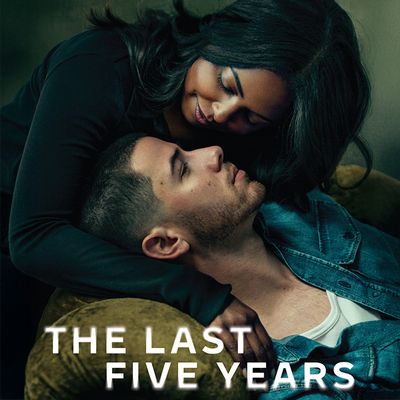
[42:57] Whitney White: Oh my god. I mean, I get um I get emotional every time I think about it because you asked me how I got here. And 25 years ago, this musical premiered at Northlight Theater, which is like my hometown. You know what I mean? Just a little north of where I grew up. I grew up in Chicago proper. And when it premiered, it was like this sensation. And in my musical theater program at Northwestern, it was this sensation. I mean, we would all sing the songs. And since then, there's been productions of this show. And I I don't know if people really understand the history of the show. In the past 25 years, it's been in the Philippines, it's been all over, it's been, you know, in London, it's been all across the US, which is a very unique thing.
So it's a show I've like followed for a long time. I could sing every word of it to you, you know. It was like one of those seminal kind of musicals that was at the cornerstone of my education of what a musical could be. And when the opportunity came to direct it, I it felt very like full circle, you know, because I think when I was coming up, there couldn't be a lead in that show who looked like me. And that's changed in the show's history, by the way. I'm not the one who's changing that. I can't take credit for that. I give credit to Jason, uh, the composer and writer of the show who's had the great vision to be like, let people take this on. And now I get to be another person to take it on.
So I'm very like, even though the show is about a relationship ending, it weirdly fills me with hope. Because the one thing Jason told me that I think is like the best kind of juicy tidbit is he says, you know, those characters are gonna be okay. You meet them in a tough moment, but we all have tough moments, we will get through it. You know, and I love that about the show. It looks at a really a moment of failure. The Last Five Years is about a moment of failure in a relationship, but those people are gonna be okay, yeah.
[45:11] Whitney White: Um, and I think that feels like very apropos for right now.
[45:15] Jennifer Apple: Yeah. Um, yeah, yeah. And then in terms of the rest of your artistic hats and the work that you are doing, how do you balance all of this with all of these incredible directing opportunities? How do you make the time logistically? How do you how do you give your heart the space to feel creative in all sorts of ways? How do you cultivate those parts?
[45:36] Whitney White: Well, I think the one thing you can only do one thing at a time. So when you walk into a space, like let yourself be in that space in the capacity that you're supposed to be there. That's been really helpful.
[45:49] Whitney White: Yeah. Even though I have all these things going on. When I walk in the tech for Walden, that's what I'm there to do. When I'm writing my own music, that's what I'm there to do. And I can only do one thing at a time. I can do many things eventually, but one thing at a time. And that's kind of how I do it. And also like I'm having a good time. Like I'm excited. You know, I feel like it's such a crime to say that sometimes. But um no, it should be more embraced. We all should be in embracing the fact that I'm like to do art.
[46:20] Jennifer Apple: How do you feel about The Last Five Years?
[46:21] Whitney White: I am so geeked. The inner musical theater geek in me, it's she's screaming. She's scrawlting, in fact. A thousand high C sharp. You know what I mean? Like consistently.
[46:34] Whitney White: And then, you know, when I go into Walden, I'm like, I'm just like, thank God. I'm so grateful. I had a mother who just trusted my vision for myself and the family that walked with me. I have a husband who supports me. I have this wonderful little baby now. And it's like, um I just feel very fortunate. So of course I'm gonna try and do my best because if I'm in this position to do it, I better do my best. You know what I mean? So I feel I feel excited.
[47:02] Jennifer Apple: Good. The work that you are doing is impactful. The work that you are doing is inclusive in both the human beings that occupy the space, but also the stories that you are telling. You are not just a one-trick pony kind of director. Truly, like if if y'all look at Whitney's resume, like it really runs the gamut. And it just shows me that again, starting from like your origin story till till now, and I know you're like, ah, it's not openness, it's just trust it, but like whatever it is, whether it's openness or trusting yourself, there really is this knowing that you can do anything that you feel connected to, and it's clear from your body of work.
[47:46] Jennifer Apple: Um, I think we are, I'm speaking now on behalf of the artistic community in full, but like we're really uh lucky and privileged to have your voice be one that is um being heard more frequently and put on pieces and with pieces that um are told in only the way that you could. Um I'm so grateful that you um made time in your busy schedule to pop on here for our listeners. Um it's it's really, you know, I think it's important for all of us um to be able to hear from many different people in this industry, and I'm pumped that you are the first director we've had in this space after over 90 episodes and two seasons. It's taken us a long time to have a director on here because I've been I've been picky, I've been picky, and I've been, you know, like who who do I believe is like doing awesome art and I love the way that they think or the work that they're doing, and um you've been that person, so here we are.
[48:49] Whitney White: Thank you.
[48:50] Jennifer Apple: It's really great. I think it's again like how do you start to the artists out there, listen to a podcast like this, you know, listen to people in dialogue, you know. Um, it's so great that you're doing this, and it's very meaningful to be your first director on the show. Thank you so much.
[49:06] Whitney White: Thank you.
[49:07] Jennifer Apple: So, if anybody wants to reach out to follow the work that you're doing, to hire you for various hats depending on which one you were putting on at the time, where within your boundaries is best for people to reach you?
[49:19] Whitney White: Well, I really love the Drama League, and like I if you you know, I'm really reachable through the Drama League, and I just think they're amazing. They offer so many levels of support to different artists, writers, interdisciplinary artists, directors across the country. So I think if you want to reach me, you know, please. There it's it's such a great um institution. I'll be working with two artists as assistants this year through their program. And um, I'm always around New York Theater Workshop as well. That's another space I love that embrace so many kinds of artists and work. Um, and I'm you'll you'll find me I'm floating around and just have a conversation, you know.
[50:03] Jennifer Apple: I love it.
[50:04] Whitney White: I love it.
[50:04] Jennifer Apple: Yeah, thank you so much for being in this space.
[50:07] Whitney White: Of course.
[50:07] Jennifer Apple: That's it for today's episode. I hope you walk away with some fresh insights, feel inspired and a little more empowered to take the next step on your artistic journey. Remember, whether it's a small shift or a big breakthrough, every step forward counts. You've got this, and we're here cheering you on every step of the way. If you found today's episode helpful, don't forget to hit subscribe so you'll never miss out on the discussions we have each week. And if something today really resonated with you, please leave us a review. It truly is one of the best ways to help other artists find our podcast and join in on the conversations. Plus, we feel the love too when you do. And don't keep all this goodness to yourself.
Share this episode with your people or post about it on social media. Be sure to tag @EmpoweredArtistsCollective and @JenniferApple_ so we can see what's landing for you and keep the conversation going. As always, thank you for being here. Thank you for listening. And thank you for being a part of this incredible community. Keep creating, keep thriving, stay empowered. I'm Jennifer Apple. Until next time.
© Broadway Podcast Network, All Rights Reserved