

How can you choose repertoire that reflects who you are, not how others define you or what others expect of you? In this episode, Jennifer sits down with voice teacher, pedagogue, and researcher Mariana Elosúa Serna to explore culturally responsive teaching and how identity, culture, and personal experience can shape a more empowering approach to choosing material... Read More
From the show: Empowered Artist Collective Podcast - for actors, singers, dancers, writers, creators and performers
Featured Shows
About
How can you choose repertoire that reflects who you are, not how others define you or what others expect of you? In this episode, Jennifer sits down with voice teacher, pedagogue, and researcher Mariana Elosúa Serna to explore culturally responsive teaching and how identity, culture, and personal experience can shape a more empowering approach to choosing material. Drawing from her thesis work and her “Four Pillars of Repertoire” framework – Culturally Non-Specific, Culturally Representative, Culturally Stereotypical, and Culturally Sensitive — Mariana offers practical tools for teachers and students alike, from thoughtful intake forms that center the student’s experience & interests, to strategies like student veto power and collaborative rep selection. Whether you're a performer or educator, this conversation invites you to choose material that aligns with how you see yourself, not how others define you, as that is an extension of your voice, your values, and your story.
About Mariana: Mariana Elosúa Serna is a voice teacher, pedagogue, and researcher from Monterrey, Mexico, focused on creating an inclusive and culturally aware learning environment for her students. With a Master of Fine Arts in Musical Theater Vocal Pedagogy from Boston Conservatory at Berklee and a Bachelor’s degree in International Relations from Tecnológico de Monterrey, Mariana combines cultural awareness with vocal artistry in her teaching and research. Her work, which explores Latinx singers and musical theater repertoire, has been shared at major conferences in the field. As an educator, Mariana creates a supportive space where students can grow as both singers and individuals, helping them embrace their unique musical voices with confidence and care.
Mariana's IG: @marianaelosua
Mariana's Youtube: youtu.be/OYElQfAMhU8
Download the FREE Monologue Selection Toolkit: www.jenniferapple.net/freebie
Want to coach with Jennifer? Schedule a session here!
Learn more about Jennifer Apple: www.jenniferapple.net
Jennifer Apple’s IG: @JenniferApple_
EAC IG: @EmpoweredArtistCollective
EAC TikTok: @EmpowerArtistCollective
Learn more: https://www.empoweredartistcollective.com/
Sign up for our newsletter: https://www.empoweredartistcollective.com/newslettersignup
Check Out Our Merch: https://empoweredartistcollective.threadless.com
Any thoughts you'd like to share? Email us at EmpoweredArtistCollective@gmail.com
Transcript
This transcript was automatically generated and might contain errors.
[0:00] Jennifer Apple: Hello.
[0:01] Welcome to the Empowered Artist Collective Podcast.
[0:04] I'm your host, Jennifer Apple, a multi-hyphenate actor, educator, acting coach, writer, dog mom, and founder of this vibrant community that champions artists as they carve out their own unique paths in this wild industry.
[0:17] Whether you're just starting out in the thick of it, or seeking a bit of artistic fuel to expand your toolbox, you're in the right place.
[0:24] In this space, we'll have honest conversations, share actionable strategies, tips, and resources, and delve into the messy yet beautiful journey of living a sustainable creative life.
[0:34] We unmask the reality of life as an artist, from navigating career highs and lows to nurturing your full human well-being.
[0:42] I chat with women and non-binary guests who share their personal stories, helpful learnings, and hearts to help you unlock your artistic potential, expand your knowledge, and show up fully and fearlessly in your artistry and daily life.
[0:55] Before we dive into this week's conversation, don't forget to hit that subscribe button so you never miss an episode.
[1:01] If today's chat resonates with you, please leave us a review.
[1:04] It helps us reach even more incredible artists just like you.
[1:07] And hey, feel free to spread the love.
[1:09] Share this podcast with a friend or post it on your socials, making sure to tag @EmpoweredArtistCollective and @JenniferApple_ so we can chat with you there.
[1:18] All right, grab a cup of something cozy, settle in, and let's get to it.
[1:22] How can you choose repertoire that reflects who you are, not how others define you or what others expect of you?
[1:28] In this episode, I sit down with voice teacher, pedagogue, and researcher Mariana Elosúa Serna to explore culturally responsive teaching and how identity, culture, and personal experience can shape a more empowering approach to choosing material.
[1:42] Drawing from her thesis work and her Four Pillars of Repertoire framework, Mariana offers practical tools for teachers and students alike, from thoughtful intake forms that center the student's experience and interests to strategies like student veto power and collaborative rep selection.
[1:57] We talk through parallels with my monologue sourcing for clients and the ways we can use our curiosity to lead us down exploratory rabbit holes.
[2:05] Whether you're a performer or educator, this conversation invites you to choose material that aligns with how you see yourself and not how others define you, as that is an extension of your voice, your values, and your story.
[2:18] Enjoy.
[2:19] Mariana Elosúa Serna: Welcome to the space.
[2:22] Thank you so much.
[2:24] For anybody who does not know you, who are you today?
[2:27] Um, today I am a woman who loves life.
[2:32] I am a teacher, a voice teacher, I'm a pedagogue and a researcher, and I don't know, a friend to anyone who wants to be a friend.
[2:41] Jennifer Apple: I love it.
[2:42] I love it.
[2:43] Um, I am excited to have this conversation with you because of the work that you have been doing with pedagogy, with voice and vocal and song repertoire.
[2:54] I feel like there's some sort of synergy here between the work that you do and the work that I do with monologue sourcing.
[2:59] So I'm really excited to get into all of that.
[3:02] I'm curious um the origin story of how you got into the work that you are doing.
[3:08] Mariana Elosúa Serna: Yes, it's a very, I think it's a very interesting story just because when I started my master's, which was in musical theater vocal pedagogy, most of my like the people in my group were already like in the music path.
[3:25] They did their bachelor's in music or a bachelor's in fine arts, and I came from a bachelor of arts in international relations.
[3:33] So something that's totally different to music or musical theater.
[3:38] And but I've always done it um as a side thing, and it wasn't until my master's that I started focusing at s as something that is um my main thing.
[3:49] Jennifer Apple: Why did you want to go back to do that or what was the what was the pivot moment for you?
[3:54] Mariana Elosúa Serna: Um so I think that many people might resonate with this but um my parents were definitely like study something that will like give you money or that will set you up in life.
[4:05] And like sometimes the arts is like undervalued I think and um but they have always been very supportive.
[4:14] So they said after you study like your your major you can do whatever you want and we will support you with it.
[4:20] And that's how I then pivoted into actually doing what I love which is musical theater.
[4:26] Jennifer Apple: So you always kind of knew in the back of your brain you were like all right I'm gonna do this and then I'm eventually gonna go for the thing that I love for my masters.
[4:33] Mariana Elosúa Serna: Yes.
[4:34] And I will say that even though I didn't do like music in undergrad or anything um everything that I did was like really helpful because everything that I learned there I put it into practice and I think that it has to do a lot with the research that I do.
[4:51] The reason why I got into like repertoire and all of that was because I feel that when I would like do workshops I would always get like sent to like oh you would be an excellent Maria from West Side Story.
[5:09] And like first of all you haven't even heard me sing.
[5:12] Like I usually like don't sing head voice.
[5:14] But like people would say you would be like a great Maria or you would be a great Mina, and I would be like, Okay, why?
[5:21] Like, obviously, like I do love those characters and everything, but um, there's like a reason to like why people like would shove me into that, and that's because I am Latina, and so I've always loved culture, and my international relations background like really helped me open my eye to like how different cultures are, but now like when talking about repertoire, like um I wanted to do something that had to do with like culture, and something that's like really passionate for me that it's like okay, I want representation, but also is all representation like accurate and good representation, and does it like resonate with me as it would resonate with someone else and and all of those things?
[6:09] So that's when I really got into like okay, there's a lot of like musical theater repertoire, but like why why am I always singing this?
[6:20] Is it something that I want to sing?
[6:22] Is it something that everyone else wants to sing because they're part of that cultural group?
[6:27] And yeah, amazing.
[6:30] So the work that you have been doing now with your master's your thesis, tell me a bit more about that.
[6:37] Mariana Elosúa Serna: Yes, so I just I finished my master's last year, and so for our final project, we had to do a thesis, and it took maybe a whole year to really do that work, and in that work, I basically had to choose a topic, and for me it was like okay, it had to do it had to do with something with vocal pedagogy.
[7:06] So I was like, Okay, I want it with culture, so I was like researching about cultural responsive teaching.
[7:13] It is like a teaching method that was coined by Gloria Ladson-Billings and it's just about the validation of the student uh like centering on like what the the student and what they're the things on the outside and the inside like teaching them through that like who that student is and like their experiences like past present and future and so I chose my topic which was on like um how people how individuals might be more motivated to sing uh specific songs if they resonate to their culture and I specifically did it on Latinx um people because I am Latina and so I was like okay I think I already have like okay yeah a little bit of a head start because I I understand my culture and it might be easier but yeah basically I did interviews on people and talked about their experiences and and I gave them different repertoires and they had to categorize them into like four different um categories because I think that sometimes teachers or mentors might be like okay this is a song that might be good for you but like is it actually like representative of me is it like stereotypical of me or are you just assigning me this song because you think that I am ethnically ambiguous enough for me to like sing this song that I don't even know anything about?
[8:56] So I started researching on all of those things and like many people started to tell me.
[9:02] I found that like you know, my teachers tell me like you should sing this because BFA programs are looking for people who are diverse and this and that, and and it'll show off that you are diverse, you're not white.
[9:16] And so I did that, and then I wrote my thesis.
[9:21] I went to do some presentations.
[9:24] I went to the MTEA in England.
[9:28] I went to PAVA, I went to the Voice Foundation in the States, and you know, I talked about all of these things, and then yeah, I continued researching because I am now a postmaster fellow.
[9:43] Jennifer Apple: Amazing.
[9:44] I want to get into these four pillars that you were talking about, and whether you went into your thesis being like, okay, here are these people that I'm interviewing, and now as I'm giving them this rep, now they're dividing it into these categories themselves, or is it more that as you started to have these interviews with folks, you started to see a theme and it was like, oh, it seems like these things are four pillars, and now let me assign them.
[10:05] Let's break down what these four pillars are, how they came to be, and how you go about um I guess putting things within these different categories.
[10:14] Mariana Elosúa Serna: Yes, of course.
[10:15] So as I mentioned, I think repertoire is not a binary, and in a world where people like are looking for like either you fit into somewhere or you don't fit into somewhere.
[10:27] Um I think that we have to accept that there's a spectrum and that it is very individualized to the person who is right in front of you.
[10:37] And so, yes, I have this, these four pillars, these four categories that I presented, and these serve as a framework for teachers, but in the end, it's giving the power to the students to choose um the category that fits to them.
[10:53] So in these four categories, I have the first one, which is culturally nonspecific repertoire.
[10:59] So I have definitions for each of them, and in the culturally nonspecific, I defined it as repertoire that is considered as any popular repertoire within the musical theater um back canon where the culture does not drive the plot forward, and this means that culture is not pivotal, it's not a pivotal theme to the story as well.
[11:30] It is not an essential part of the character.
[11:32] So basically, here is that if I were to play this character and someone else from a different culture were to play this character, the story wouldn't be changed because the story is not centered on like being a Latina or being black or being Asian.
[11:50] So, you know, that is what I would say culturally um non non-specific is, and then we go into culturally representative, and for this is um repertoire that demonstrates attributes of a specific um cultural group where the group and community can feel identified with it, and I specifically wrote that the people who are writing these things are people within the community.
[12:18] So if I'm writing about a Latina show, um, I am also part of it, it.
[12:26] It not always has to be, but I put that as a framework for people to be more conscious of like um of like, you know, it's easier.
[12:36] It's it's easier when you're writing about like your own experience for it to be actually accurate.
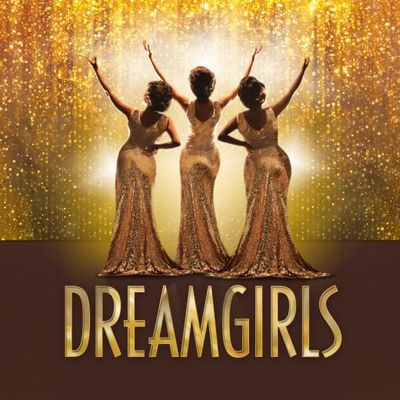
[13:00] Mariana Elosúa Serna: And then the last category is the culturally sensitive. So the culturally sensitive category comprises of any songs that include characters or themes of a specific culture that are outside of the person who is singing that repertoire. So I am singing a song that does center on culture, but I am not part of that culture. And the piece would be reflective, like saying in that, like I don't know much about this culture and I'm talking about it, or are you not self-aware in that way in the piece? Well, it's not about not being self-aware, but if it's like if I would sing a role in Dream Girls or in The Color Purple, like I do not like And then you are a I would I guess appropriating in some. I am appropriating, so that is why it is sensitive. Um, but yeah.
[13:52] Jennifer Apple: Got it. Okay. I think this is a really helpful framework for us to kind of get into the weeds because you know, again, as I mentioned at the top, um I do this work especially for, you know, folks for BFA programs, for MFA programs, but from the monologue perspective. And, you know, it's so funny in in however 120 plus episodes of this podcast, I've never really talked it talked much about the monologue sourcing that I do. I mention it briefly and I talk about it on other podcasts. And so I'm really excited to be able to like kind of talk about this, you know, convergence with songs with monologues here with you. Um, you know, the way in which I approach my monologue sourcing process um for clients is not from type.
I think that's a thing that, you know, I am on a mission to like I really want us to like move away from it. The typecasting of it all, the boxing people in. Um, you know, I think labels um can be very dangerous, certainly if they come from external folks as opposed to from an internal, you know, if somebody wants to be like these are my the ways in which I identify and self-identify, amazing. But for others to put folks into boxes that they may or may not resonate with, I think is kind of uh akin to what you're referring to, which is like as you just said with your teacher, you know, being like, Oh, you should sing Maria, you should sing Nina. And it's like, why? Just because I'm Latina, that's why you believe this, versus are you identifying with this material?
So I too come at my monologue sourcing from a place of really understanding and who this person is. And the way that the process works for me is um, you know, I meet with somebody, usually virtually, and I kind of guide them through a series of questions, ultimately to really understand who they are as a human being, like your family life, your friend life, your love life. How do you identify? What are you into? What are you not into? What are your pet peeves? What are your hobbies? Like things that are about like you, your religion or not, like, you know, these politics, like things that nobody really, you know, often talks about, maybe to a stranger, in which case sometimes that's me. Um, and then here you are, kind of sharing, you know, who you are with me so that then I go off and find pieces that are reflective of what you have shared with me about how you see and view the world.
Um, so that when I'm bringing material to you, it is not because I like see you looking a certain way or I assume something about you, and then I think that this piece would then serve you in the way in which you might need it. And, you know, obviously I'm I'm not perfect, but I'd like to think I'm pretty good at what I do, and I've been doing it for many, many years for many, many clients in all sorts of capacities, whether it's for schooling or for their regular audition life. Um, but I really do pride myself in this, in like really trying to meet the human being from where they are. And I love this framework because, you know, in some ways, I guess I do operate with this in mind, but to have these four pillars to really be like, okay, what are we, how are we putting these things into spaces as I'm looking through material to give to folks, I think is a really wonderful and helpful framework to make sure that I am being very purposeful and um self-aware around the way in which I'm pulling material.
[17:13] Jennifer Apple: Hi, actor friends, talking to you. If finding the perfect monologue has you feeling stuck, I've got just the thing. I put together a free monologue selection toolkit just for you. It's packed with resources, free and paid options, plus tips for choosing, editing, and customizing pieces to showcase you. Head over to jenniferapple.net/freebie and stop avoiding the auditions that ask for a monologue or waiting for the perfect piece to simply fall into your lap. Dive into this free toolkit that I set up just for you that'll set you up to feel agency over your process and artistry. That's jenniferapple.net/freebie and get started on finding your next go-to monologue.
[17:53] Jennifer Apple: So I'm curious for you when it comes to empowering students, certainly with their teachers, um, and the opposite of teachers with their students. Do you have a methodology for um I guess the picking of it? Is it like, all right, I'm thinking only ever really about these specific categories, and these are the ones that are important? Or as I'm picking a song, I am now putting it into a category and then seeing if that works. Like, how is what is the methodology that you're using now that you have these four pillars?
[18:29] Mariana Elosúa Serna: Yeah, that's a very interesting question. And I feel like these are like very specific to like when you're like entering the world of like, okay, I am assigning songs repertoire that have to do with culture. And I have to understand that I might not know that culture. Like every student I have is so different. I like I have students that like you know, um are from Mexico, but I also have students from the state, as I have students from like different parts of the world or different cultures that I might not know. Or even I would imagine just like you know, if we're just and I I'm obviously like I am not of Mexican descent in any way, and so it's certainly not my culture, but I would imagine even within Mexican culture, it's not a monolith, right?
Like if you're from Mexico City, that's very different than if you're from you know Tulum, which is very different than if you're from I mean, like that in and of itself, to recognize that just because you were from a country doesn't mean that that in and of itself is also a monolith and that your heritage, your individualized, you know, upbringing might also be very different if parents immigrated or if they were born elsewhere or if one side is from here or the other side is from there or like I mean I imagine all of that amalgamation is also something that just because you're from one label of a place also means that we can't just put you in that category too.
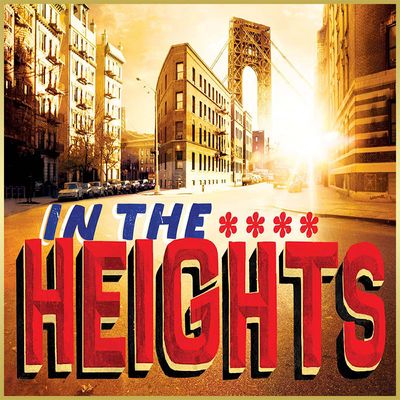
[19:46] Jennifer Apple: Yeah. Yeah I know I completely agree and and that's why I think it's very important to understand the difference between culture and identity because you might be of a specific culture but you might not resonate with that culture. And also every culture like is so different from like yeah like the different regions and everything. So yeah exactly like for me In the Heights is definitely like something that I love In the Heights and I love the music but I cannot resonate with like like the main story which is about like a first generation or second generation Latina like I am not that I come from a different country. I have like different things that that I go through. But yeah when specifically like choosing repertoire for like students how to make sure that um we're like honoring what they want just because if you give songs that are songs they like they're gonna engage more in it and then they're gonna practice more and they're gonna do better the intake forms getting to know what the student likes obviously I feel like no one owes you telling you like oh this is who I am this this and that like no one owes you that um, but like if if they want to like share out if you have an intake form, it's like okay, like what are the things you like to do?
Is like culture something that's important to you? Like um, is it something that you like talking about? Like getting to understand that side, then I think that's like the first part, knowing that the student is comfortable with it, because there's always like this um student-teacher relationship where the teacher is always gonna have more power than the student. It's a hierarchy, and even though like we might like try and tone everything down, there's still like this um relationship that's also for the most part in many circumstances there's a financial give and take, it's a transaction in some way too, you know.
[21:49] Mariana Elosúa Serna: Yes, maybe in a school setting, you're not directly handing your choir teacher um you know cash, but there is still a transaction that the teacher is being paid to be there, and therefore, you know, or uh you've paid your parents have paid or you've paid, you know, um, or like yeah, like an annual tuition has been paid to the institution, and therefore that's why you're there. There's a there's a there's a transaction usually in a teacher-student relationship that um I think is also just worth mentioning too.
[22:23] Jennifer Apple: Yeah, I completely yes, I completely agree. And yes, so like knowing if the students like what the student likes to to sing about who they are as a person, and also like who they would like to explore to be, like, because something about acting and like singing is like you don't have to be like portraying some someone who's a hundred percent like you, right? Like, but one thing that we do have to take into consideration is like how you look like is like so hard to change, like culture, like you're never gonna be able to take culture outside of you it is a protected trait of you and so I I think that's why we have to be very conscious of like okay I am not giving someone a song just because they're like like Latino or just because they're black or just because they're Asian or whatever it is I'm not giving them a song that like everyone knows that oh like I don't know like from Miss Saigon I'm not gonna like be like oh here you go like this is a song you would like be cast in it more likely than another person so like here's a song no I have to know the student and so I think most of all is yes intake form but then the second thing that is very important um is like giving the student the option to say no without with without having to explain why yeah and so there is this article that um I read from Brian Manternoch and it has to do with the student veto option and this basically as I said it's like just handing the student the autonomy to say no to a song and I will not ask you why and we will just pivot and change and I think this just builds a collaborative model where the student can feel like can feel okay into taking the final decision.
[24:34] Mariana Elosúa Serna: And it won't hurt me as a teacher because sometimes it's like, oh students might think, oh, like I like my teacher really thinks I'd be good in this, and I want to like please my teacher, but it's like it's not something that I would feel like good singing it. So I think so, yeah, just giving that um autonomy to the student. On your intake forms, do you have specific questions that you ask that you would share with us?
[25:03] Mariana Elosúa Serna: Something that's very important is just asking, like, what do you love to do? Like who who like who am I? And it's like super broad things, like, who am I? And people like will write like what they think, like who they think they are. Three things that I like to highlight about myself when I meet someone. And I think that's something that's very important because um it's like what do you want to show to someone else about yourself? And so you get to know, like, okay, like these are some of the things of who I am, but then it's like, okay, these are the things that I like to show someone else of who I am, and like I think that's something that's just like very important.
[25:48] Mariana Elosúa Serna: Yeah, I do that too. I ask them to share three adjectives for how they think their close friends or people who love them would describe them, and then they ask them three adjectives that they would use to describe themselves. And I think it's actually a fascinating exercise that I invite anybody who's listening to. Um, because people often like just hearing it offhand, you're like, oh, these should probably be the same. And more often than not, maybe there's like one that overlaps, you know, that like your friends think you're funny and you also think you're pretty funny. Um, or you know, your friends think you're really passionate and you also know you're really passionate. Like, there's always one that tends to maybe be a little akin, but usually they tend to be different.
And I say that with so like no judgment whatsoever. And I also invite, you know, clients to embrace that with no judgment, because what it really does is it kind of it's also your version of it, right? It's how you think other people experience you, which is a very interesting mind game because you're like, oh, this isn't how I am presenting, it's not who I am, it's not how I see myself, but it's how I think other people see me. And I think in some ways that question goes to like what could be problematic with these four categories, in that if people are receiving you in a certain way and then they're making assumptions about you, which you might even be aware of. How are we then, if we want to changing that or not changing that?
How are we embracing that if we want to, right? Like it's just information, but that information when I ask it, it's often I find that clients are always like, oh, interesting, you know, because I see myself a certain way. And yeah, my best friend definitely sees this part of me, or when I show up, I tend to bring out they bring out this part of me. Um, but again, it goes back to what you're saying of like, yeah, these are these are qualities, these aren't identify like you know, cultural identifiers necessarily um that people are self-ascribing to you, um, which is a very big distinction.
[27:57] Jennifer Apple: Yeah. No, and I and I hadn't thought of that, but I feel like also like putting that layer of like how your best friend would describe you, like, um, I would like to hold that everyone's best friend is like someone who will always cheer you on. So it will always be like an in a positive light of like, okay, I show my best version too.
[28:17] Mariana Elosúa Serna: Yeah.
[28:17] Jennifer Apple: My best and also my bet worst version. And it's like you you see the real man. I think that's that's really cool. You can take it on your intake form if it helps.
[28:27] Mariana Elosúa Serna: Yeah, I would be like, ah, I think I'm gonna put that in. I love it. I love an example. How about you? I will be the teacher in this and you will be the student in this. Can we kind of go through as like the worst and best can scenario of like if I were to assign you songs based off of these four examples and like putting it into practice and just seeing how we can kind of engage in like a teacher-student dynamic for that? Does that work?
[28:52] Jennifer Apple: Yes, that totally works.
[28:54] Mariana Elosúa Serna: Okay, I'm gonna try to like, you know, pull from the recesses of my brain being like the repertoire. Um, so working from like the most problematic up to the best way of it all.
[29:05] Jennifer Apple: Yeah, right. You come in, I hear your accent, and I just assume this is gonna make me sound like a terrible person, but I assume, oh, okay, so you know, she's clearly not from here. I ask where you're from, you tell me, I put you under a generalized category of Latina, and now in my brain, I'm thinking nothing other than, you know, okay, this person is Latina, so clearly that's all she can do. And I then go and as you said, give you a song from Dream Girls because I think that makes sense because if you're a different culture, then sounds like I'm literally cringing as I'm saying this. This is horrifying for me to say. So if I were to give you a song from Dream Girls, that would be culturally sensitive uh sensitive song material where I'm like not taking into account who you are. I'm not taking into account what the material is, and I'm just giving you a piece of material because I'm making an assumption about cultures generally. Is that accurate?
[30:03] Mariana Elosúa Serna: Yes.
[30:03] Jennifer Apple: Yeah, you're giving me a a song that has nothing to do with my culture, but because I am let's say outside of, you know, what people would denote as like the white culture, then it's like, okay, no yeah, you're culturally ambiguous enough, you can sing something that's different.
[30:22] Mariana Elosúa Serna: Okay.
[30:23] Jennifer Apple: Which has happened to me. And I and I would tell my professor, hey, like, oh I didn't practice this song. Can we sing something else?
[30:32] Mariana Elosúa Serna: Yes.
[30:33] Jennifer Apple: And yeah, it's just like okay.
[30:35] Mariana Elosúa Serna: Yeah.
[30:35] Jennifer Apple: No. In my mind, these ones feel more obvious than maybe the middle categories and certain you know, so how do we I feel like this one for folks who maybe struggle with um you know speaking up for themselves or maybe navigating that teacher student dynamic or the status dynamic of it, maybe it feels easier for them to be like, actually this is so beyond inappropriate. What would be some of the ways in which you would potentially or but like let's assume that somebody still is uncomfortable because it's so obvious that you're like how is this even happening or whatever the reasons are what would you suggest would be some ways as a student to be able to advocate for yourself in this dynamic?
[31:15] Mariana Elosúa Serna: Important question. I think a way for the for a person to advocate for themselves well other than saying like I I don't want to sing this is like if let's say the teacher is very unaware and like you have to let's say like maybe take more power yourself like bring in a song that would like actually that that you think could replace that song um I don't think that should be the student's work no but like um if it were to be like worst case scenario I'd say like bring in a song that has like I don't know why the teacher is assigning you this if it's like for like a specific part of like your voice range and all of that choose a song that has to do have like tackles that specific part and that will be like helpful into saying hey like I don't want to sing this song but like hey is this yeah although I think that's the teacher's responsibility a thousand percent I was gonna say like in that moment arguably the teacher is giving you rep because you don't have the rep to choose from and therefore you're relying on a resource that you would you would hope would have more accessibility and knowledge and so that is a really deeply disappointing situation.
[32:30] Jennifer Apple: Are you finding that for the most part nowadays people tend to not fall into this category as much I I feel like people don't fall into this category as much maybe here in the States but outside of the States I talk with people like from different parts I have friends from um from different countries and they do talk about how like it's not a thing and that like here the states it's like super specific um like like it's what people would say it's like too woke and over there like people like don't really take that into cons like consideration a lot and I do think that there's like certain like when I did my my thesis, I I asked people like, would you sing this song? And then I asked them, like, would you sing this in the musical? Would you sing this in like a cabaret? Would you sing this in your house? Like, what are the circumstances where you would sing the song?
[33:32] Mariana Elosúa Serna: Yeah.
[33:32] Jennifer Apple: And like for some people, like they would say, like, yeah, I would practice this song in my voice studio, but I will not practice it outside.
[33:39] Mariana Elosúa Serna: Yeah.
[33:39] Jennifer Apple: And it really has to do with like um what you're comfortable. And like as a teacher, like I would not feel comfortable giving uh like a specific song that is like outside of their culture to a student. So, like also like you can say, like, if you want to sing this at home, you can do that by yourself. But like me as a teacher, these are like my like this, these are my pillars, this is what I believe in. Like just sticking to it and just also the other way around.
[34:09] Mariana Elosúa Serna: Have you been using the same monologue for years? Are you gearing up to apply for BA, BFA, or MFA programs and need pieces for that process? Or maybe you just have no idea where to even start with monologue hunting. I get it, and that's why I offer monologue sourcing. This is a unique process where I find monologues chosen specifically for you. So many artists pick pieces based on external labels like type or for roles rather than finding material that represents who they truly are. So here's how it works. We'll meet virtually and you'll share all about who you are, your passions, values, beliefs, and everything in between. Don't worry, I will help guide you through this process. Then I'll get to work finding monologues that fit you, like a glove, with years of experience sourcing pieces for hundreds of artists.
I've seen the difference it makes to have a monologue that genuinely feels like you. So if you want to feel empowered about the monologues you bring into rooms and use for auditions, I would love to help you find them. And because you're a listener of the Empowered Artist Collective podcast, I'm offering an exclusive rate. Head to Empowered Artist Collective.com slash podcast promo to register and claim the special offer. That's empowered artists collective.com slash podcast promo. I cannot wait to help you find monologues you absolutely adore.
[35:27] Mariana Elosúa Serna: Great. Moving up the little scale here. We're culturally stereotypical. So what would be an example of this if I was your teacher and I was giving you a song, just knowing who you are based off of optics. What would be an example of me giving you a culturally stereotypical song?
[35:46] Jennifer Apple: I would say maybe like Don't Cry for Me, Argentina.
[35:49] Mariana Elosúa Serna: Okay. From Evita. Um just because yeah, like people will be like, Yeah, you're Latina, you can you can sing Evita, which I mean I think it's I think the song is beautiful. Yeah. But like this like the show itself, like is very inaccurate. Um like even the way that it's painted, like it's a lot of things. And that's because the writers uh where it's like different from say in the heights where where if we're talking like Nina versus, you know, Ava, right? We're talking about like one is written by somebody from the community and one is not, and therefore that is what separates it from the stereotype versus the representative. Like in in like the framework version, yes. But like I still feel like and this is what I saw with people, like what could be stereotypical for me, might not be stereotypical for someone else because they think that, and that's okay.
And it's okay to like let the the student choose, but I think it just gives like the teacher like, okay, there is a bigger chance that this song might feel stereotypical to the student, and then you talk to the student about it, and they're like, actually, you know, this feels representative, or this feels god. So these two do these two potentially have a little bit of not overlap, but a more inter individual interpretation depending on the individual who is receiving the material.
[37:22] Jennifer Apple: Yeah.
[37:23] Mariana Elosúa Serna: Okay. And then culturally nonspecific is I'm giving you memory from cats, and you are a cat and you are singing about your memories. This is not specific to your culture. It's such a touchy topic because depending on who else I would have in this conversation with us, people would interpret this a lot of different ways. And I know, you know, I've had different conversations with friends of mine for various shows that you know have had casting come out, and we've been like, oh, you're not keeping this culturally honest, but you would never do this for another group of folks. Why is that? And how come we cannot speak on behalf of that? You know, I've had this conversation many times with various shows um around Jewish culture, and you know, um, there was a whole hubbaloo around, you know, Fanny Bryce when the funny girl tour came out, and that you know, cultural representation, and and that was a big conversation that was happening at that time.
Um, you know, as there's like a huge piece of that arc that's there's a whole song where she wears bagels on her neck and you know says oi oi oi, and it's like what stereotypes now are we portraying if we don't have an actual Jewish person or a person of Jewish cultural um connection to be telling that?
[38:44] Mariana Elosúa Serna: Are we perpetuating stereotypes, putting that into your categories? Like what are we doing? And you know, it is an interesting and a very touchy and complicated conversation within casting specifically, and forget the rep part of it, but casting around how are we putting people into categories in order to cast them quote unquote accurately, or are we? And if we are, where do those intersections lie? And so, you know, I'm only just I'm not trying to solve this here between you and I, but I but it's naming the fact that at least when it comes to rep and when it comes to teaching and learning versus the casting of it, which is I think arguably more of what this conversation is. That is where you have a bit more autonomy to be able to be like actually, well, I'm choosing this material for myself. This is why this feels good, or this is why it doesn't feel good, or this is why it doesn't align, or this is why it does align.
[39:41] Jennifer Apple: Yeah, yes. No, I I've had so many conversations, and then I'm like, ah, am I backtracking? Am I doing like yeah, I think it's a conversation, and obviously, like I I don't as I mentioned, I don't think there's ever like a black or white answer, like black or white answer. It's like everything is a spectrum, and I think it comes to like really like understanding and respecting and making sure that the things that are being written are like how you portray the characters and how it's being written. It is like respectful. And yeah, like something that's really important when, like, for teachers, it's like, okay, when I'm assigning a song, do I know the context of the song? Do I know the context of the show?
Who is the character? Like what do they do? What do they represent? And if it has culture, like understanding what that culture is, because I a Mexican am not gonna be like a Puerto Rican, or I'm not gonna be like a Dominican or like a Venezuelan or Argentinian, it's gonna be so different. But there's like certain things that might be similar, but we're so different. So like understanding that it's like everyone is so different, and yeah.
[41:09] Mariana Elosúa Serna: Yeah, I think what you're also naming is an opportunity for simply more communication, which is frankly like what I just want to advocate all the time about everything always. But you know, to have these conversations with your teacher, or if you are the teacher to have these conversations with your student of like, hey, I am on a mission to really try to make sure that I am giving out material that feels in alignment with how you view yourself and the way in which you want to share of yourself, and the other way around too of hi, I am really trying to find rep that allows me to fully step into myself and express myself so that when I am in these audition spaces, I feel confident, secure, and fully in alignment with who I am.
And I think you know, being able to have these conversations, um is it feels so obvious, but I know for myself, you know, having taken voice lessons since I was a wee wee wee child, you know, I don't believe I've ever actually had that conversation with a voice teacher ever.
[42:12] Jennifer Apple: Um I think a lot of the a lot of the onus has fallen on me to be like, no, this doesn't feel comfortable or actually can we do this instead? Or maybe this isn't appropriate for this particular thing. But I guess I could practice this in a rehearsal space and no one ever sees the light of day other than me and you. But again, as you named earlier than that falls on the student to have more knowledge as opposed to the teacher. But I do think that again offering this is just a framework to be thinking a little bit more cognizantly and then to use this as a starting off point to be able to engage in these conversations really does you know hopefully move the needle in the way in which you're we are actually being inclusive in a very real way as opposed to an optics way. And arguably that is the world that I'm trying to build and be a part of which I am I know you are too yes.
[43:05] Mariana Elosúa Serna: Well I think something that I really learned when I did my thesis is that um people do not only want to be singing cultural materials. So making sure that I'm not just giving people like oh like songs about Latinos or songs about black people or songs about Asians. Like okay like look at the intake form it literally tells you what they like and like who they are as a person and then like being like hey like do you have any dream roles? Do you have any like what is something that you want to work about your voice? I think that's something like something that you want to get better at. Um, that's something that's really telling of like what songs to look for. Um, as a teacher, like also like you'll you live in to list with a minute and it's like, okay, I I think they have to work on this.
[44:01] Jennifer Apple: Yeah.
[44:01] Mariana Elosúa Serna: But like a student might want to work on something different. Yeah. And like trying to see like where there could be like an intersection. And also, I think something that's really important is to like make sure to not assume just of like what you see on the outside.
[44:21] Jennifer Apple: For sure.
[44:21] Mariana Elosúa Serna: Um, I think something that is really important is that people don't know that there's like an intersectionality in like so many things. Um people can be part of like different groups, can feel like they can feel identified with like like different groups. Um and might just like gravitate and they might not appear it. Um and so just like knowing what they knowing what they like what they're like I feel like you how they see themselves and actually asking them. Asking them.
[45:02] Jennifer Apple: Yeah, I think asking them and also like if you have a song that you wanna sing, like this person is gonna be singing it in their house. So like I as a teacher, like should also like be like, okay, no, you can't sing defying gravity, like they're gonna sing it. And I as a teacher, you know, should find a helpful way to to get them towards that song, even if it's like super hard, right?
[45:27] Mariana Elosúa Serna: Yeah, like seeing seeing all of that.
[45:31] Jennifer Apple: Do you have like on the back end in your files, do you have things labeled under these different categories? I'm curious how you keep your rep.
[45:39] Mariana Elosúa Serna: Oh. I I actually I don't have it. I don't have it just because I I feel that that would I don't have it categorized just because that would only imply for myself. Um not for other people. And I don't think I am that organized tool. It's categorized for myself.
[46:02] Jennifer Apple: Yeah.
[46:02] Mariana Elosúa Serna: Um but yeah, I feel like yeah, I just have like um folders for like the different students of like what they're singing.
[46:09] Jennifer Apple: Yeah.
[46:10] Mariana Elosúa Serna: But yeah. I mean, I'm not saying that this is something that you need to create, but I do think, you know, if if you wanted to, I think this is like a very interesting format to um create a little template and then you can share with other teachers. But do with that as you please. Um, I know like for myself, I have this monologue freebie um that is always in the show notes um and oftentimes like you know, an ad essentially or like put in the middle of these episodes for people to download that's just totally free that helps guide them through finding monologues, you know, for themselves if they didn't want to go the route of hiring me or another human being to help them find the pieces.
[46:49] Jennifer Apple: And you know, there's so many different um resources in that freebie around like where to look, whether it's free resources or paid resources or what have you, um, and then also different ways to like keep track of these pieces and things to think about while one is finding material. And I guess in my mind, there's probably obviously the the offerings that I'm giving in my freebie aren't explicitly interchangeable for you know, songs, but I do want to offer that that does exist for folks, and if they want to do some reverse engineering in their minds around like, okay, let me take this and then go find, you know, these pieces.
[47:26] Mariana Elosúa Serna: I think a lot of what ends up happening for me with my clients is I will give them, you know, their 10 pieces. And again, a lot of it is based off of what their needs are and what they've requested of me and certainly what they've shared of me about who they are. Um, and then more often than not, a lot of it's like, oh, I love the way that this playwright writes. Let me go now and see what else this playwright has written. Where has this playwright been produced? Because those theaters are going to be interested in work similar to this playwright and they're gonna be, you know, producing those kinds of work.
[47:55] Mariana Elosúa Serna: And like really, I think a lot of it does come down to the curiosity of an individual around like, okay, if I'm really wanting to find material that is specific to me, let me find and follow, like you were saying, the folks that are resonating with me and the kind of work that they're doing or the backgrounds that they have that are maybe similar to mine, and then seeing the work that they're doing and following along for that journey and seeing where that work is then being produced, because it's probably other places and things that are being produced that are similar.
[48:23] Jennifer Apple: And, you know, I just all I I want the reason that this conversation is happening again, it's not to like solve things or belittle other folks for not doing it in a certain kind of way, as opposed to really beginning to think in a way that hopefully invites more curiosity, more communication, more conversation and more intentionality around the way in which we are finding material and choosing material for ourselves. Um, because ultimately, you know, it's the calling card that you have in an industry where we don't have so much control. You know, you get to decide especially in an audition setting, how you do you want to show up in that room and what part of yourself, are you sharing.
[49:02] Mariana Elosúa Serna: It's an offering of the way in which you speak or the way in which you communicate, not like let me flex everything. Maybe it could be, but more often than not, a monologue or you know, you choosing a song and singing from your book. Like that is like this speaks to me. This is how I communicate. This is a part of my identity that I want to share with you in this capacity, and um more of an invitation around being curious about oneself. Um, and so I think this is a beautiful framework to get people to really focus in on that. And I I love that. So thank you for sharing all of this.
[49:35] Mariana Elosúa Serna: Thank you so much. I just think it's very important to point out like don't sing a song just because everyone expects you to sing a song. Yeah, do it because you want to, and people will be able to see your like the best version of yourself when you put out your best version.
[49:52] Jennifer Apple: I love it. Thank you so much for going on this little journey. For anybody who wants to work with you, who wants to learn more about the work that you're doing, who wants to get more clarity as a teacher or a student around these pillars, what within your boundaries are the best ways for people to find you and reach out.
[50:08] Mariana Elosúa Serna: Um, well, you can find me at my Instagram. It's Mariana Elosúa or email, which is Mariana Elosúa at gmail.com.
[50:19] Jennifer Apple: Amazing. Thank you so much for being in this space.
[50:22] Mariana Elosúa Serna: Thank you so much.
[50:24] Jennifer Apple: That's it for today's episode. I hope you walk away with some fresh insights, feel inspired and a little more empowered to take the next step on your artistic journey. Remember, whether it's a small shift or a big breakthrough, every step forward counts. You've got this, and we're here cheering you on every step of the way. If you found today's episode helpful, don't forget to hit subscribe so you'll never miss out on the discussions we have each week.
[50:47] And if something today really resonated with you, please leave us a review. It truly is one of the best ways to help other artists find our podcast and join in on the conversations. Plus, we feel the love too when you do. And don't keep all this goodness to yourself. Share this episode with your people or post about it on social media. Be sure to tag @EmpoweredArtistCollective and @JenniferApple_ so we can see what's landing for you and keep the conversation going. As always, thank you for being here. Thank you for listening and thank you for being a part of this incredible community. Keep creating, keep thriving, stay empowered. I'm Jennifer Apple. Until next time.
© Broadway Podcast Network, All Rights Reserved