

How do you honor your creative timing in a culture that often has other priorities? In this episode of our Playwright Mini-Series, Jennifer sits down with playwright and actor, Ngozi Anyanwu, for a conversation about claiming your artistic voice, holding your ground in the industry, and creating work that is both deeply personal and universally resonant... Read More
From the show: Empowered Artist Collective Podcast - for actors, singers, dancers, writers, creators and performers
Guests
About
How do you honor your creative timing in a culture that often has other priorities? In this episode of our Playwright Mini-Series, Jennifer sits down with playwright and actor, Ngozi Anyanwu, for a conversation about claiming your artistic voice, holding your ground in the industry, and creating work that is both deeply personal and universally resonant. Ngozi shares how her background as a performer informs her playwriting, why specificity in storytelling leads to greater connection, and practices for protecting and honoring your process. Together, they explore how to write without feeling boxed in, how to build a creative ecosystem that supports you both artistically and financially, and why a community of trusted collaborators, champions, and truth-tellers is essential to longevity. Whether you’re a playwright shaping your first draft or an artist ready to expand your body of work, this conversation is a reminder to stay true to your voice, honor the stories only you can tell, and trust that your truth has a place on stage.
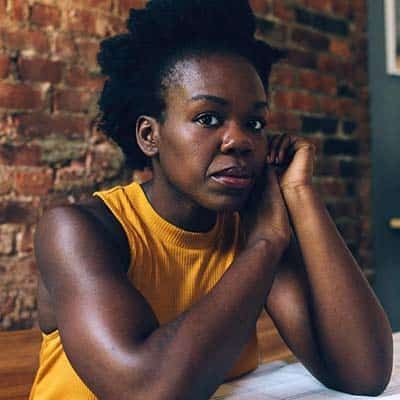
About Ngozi: Ngozi Anyanwu is a multi hyphenated storyteller most recently seen performing in Nathan Alan Davis‘s THE REFUGE PLAYS at Roundabout Theatre with New Theatre workshop in 2023. Her upcoming play THE MONSTERS will make its world premiere at Two River Theater coproduced with Manhattan Theater Club in the 25/26 seasonin which she’ll also direct. Her most recent play LEROY and LUCY premiered at Steppenwolfe Theater in this past fall of 2024. She’s a 2020 Steinberg Playwright Award winner.. Previous productions include LAST OF THE LOVE LETTERS at the Atlantic Theater Company, GOOD GRIEF (Vineyard Theatre NYtime’s Critic’s pick in NYC / Center Theatre Group in LA) and THE HOMECOMING QUEEN (sold-out world premiere run and a NYtimes’s Critic’s pick at the Atlantic Theatre). GOOD GRIEF was on the Kilroys List 2016 and a semi finalist for the Princess Grace Award, and won the Humanitas Award. THE HOMECOMING QUEEN was on the Kilroys List 2017 and was a Leah Ryan Finalist. Her play NIKE… (Kilroys List 2017) was workshopped at The New Black Fest in conjunction with The Lark and The Strand Festival in conjunction with A.C.T and Space on Ryder Farm and New York Stage and Film. Ngozi also has been commissioned by NYU, The Old Globe, Two Rivers Theatre, The Atlantic Theatre, and Steppenwolf. Anyanwu has also received residencies from LCT3, Space on Ryder Farm, the Djerassi Resident Artists Program, The New Harmony Project, New York Stage and Film and Page 73. She attended Point Park University (BA) and received her MFA in Acting from University of California, San Diego.
The Monsters - Two River Theater
The Monsters - Manhattan Theatre Club
Download the FREE Monologue Selection Toolkit: www.jenniferapple.net/freebie
Want to coach with Jennifer? Schedule a session here!
Learn more about Jennifer Apple: www.jenniferapple.net
Jennifer Apple’s IG: @JenniferApple_
EAC IG: @EmpoweredArtistCollective
EAC TikTok: @EmpowerArtistCollective
Learn more: https://www.empoweredartistcollective.com/
Sign up for our newsletter: https://www.empoweredartistcollective.com/newslettersignup
Check Out Our Merch: https://empoweredartistcollective.threadless.com
Any thoughts you'd like to share? Email us at EmpoweredArtistCollective@gmail.com
Transcript
This transcript was automatically generated and might contain errors.
[0:00] Jennifer Apple: Hello, welcome to the Empowered Artist Collective Podcast.
[0:04] Jennifer Apple: I'm your host, Jennifer Apple, a multi-hyphenate actor, educator, acting coach, writer, dog mom, and founder of this vibrant community that champions artists as they carve out their own unique paths in this wild industry.
[0:17] Jennifer Apple: Whether you're just starting out in the thick of it or seeking a bit of artistic fuel to expand your toolbox, you're in the right place.
[0:24] Jennifer Apple: In this space, we'll have honest conversations, share actionable strategies, tips, and resources, and delve into the messy yet beautiful journey of living a sustainable creative life.
[0:34] Jennifer Apple: We unmask the reality of life as an artist, from navigating career highs and lows to nurturing your full human well-being.
[0:42] Jennifer Apple: I chat with women and non-binary guests who share their personal stories, helpful learnings, and hearts to help you unlock your artistic potential, expand your knowledge, and show up fully and fearlessly in your artistry and daily life.
[0:55] Jennifer Apple: Before we dive into this week's conversation, don't forget to hit that subscribe button so you never miss an episode.
[1:01] Jennifer Apple: If today's chat resonates with you, please leave us a review.
[1:04] Jennifer Apple: It helps us reach even more incredible artists just like you.
[1:07] Jennifer Apple: And hey, feel free to spread the love.
[1:09] Jennifer Apple: Share this podcast with a friend or post it on your socials, making sure to tag @EmpoweredArtistCollective and @JenniferApple_ so we can chat with you there.
[1:18] Jennifer Apple: Alright, grab a cup of something cozy, settle in, and let's get to it.
[1:22] Jennifer Apple: How do you honor your creative timing in a culture that often has other priorities?
[1:27] Jennifer Apple: In this episode of our Playwright miniseries, I sit down with playwright and actor Ngozi Anyanwu for a conversation about claiming your artistic voice, holding your ground in the industry, and creating work that is both deeply personal and universally resonant.
[1:40] Jennifer Apple: Ngozi shares how her background as a performer informs her playwriting, why specificity in storytelling leads to greater connection, and practices for protecting and honoring your process.
[1:51] Jennifer Apple: Together, we explore how to write without feeling boxed in, how to build a creative ecosystem that supports you both artistically and financially, and why a community of trusted collaborators, champions, and truth-tellers is essential to longevity.
[2:04] Jennifer Apple: Whether you're a playwright shaping your first draft or an artist ready to expand your body of work, this conversation is a reminder to stay true to your voice, honor the stories only you can tell, and trust that your truth has a place on stage.
[2:17] Jennifer Apple: Enjoy.
[2:18] Jennifer Apple: And Ngozi Anyanwu, how are you?
[2:20] Ngozi Anyanwu: How are you, Jennifer?
[2:21] Jennifer Apple: I'm good.
[2:22] Jennifer Apple: It's so great to have you in the space.
[2:24] Ngozi Anyanwu: Thank you for having me.
[2:25] Jennifer Apple: For anybody who does not know you, who are you today?
[2:29] Ngozi Anyanwu: Ooh, today I am a multi-hyphenated, primarily theater artist.
[2:37] Ngozi Anyanwu: We're writing, we're acting, and in the fall, we will be directing professionally as well.
[2:42] Jennifer Apple: Yes, you will.
[2:43] Jennifer Apple: Big deal.
[2:44] Ngozi Anyanwu: Big, big deal.
[2:44] Ngozi Anyanwu: And of your own work.
[2:46] Ngozi Anyanwu: Out of my own work, yes.
[2:47] Ngozi Anyanwu: Yes.
[2:48] Ngozi Anyanwu: You know.
[2:48] Jennifer Apple: Which, yeah, I cannot wait to talk about that.
[2:52] Jennifer Apple: I am just, I'm really excited to get into the weeds.
[2:55] Jennifer Apple: And I'm so grateful that you're a part of this series because you know, it's showcasing people with the same quote unquote titles and how they like balance all sorts of artistry and multi-hyphenated parts of themselves, as well as the way in which they approach these various parts of themselves.
[3:13] Jennifer Apple: And I'm curious, just because we're throwing you under this particular umbrella of playwriting, and then obviously we'll probably tap into all these other artistry hats because they seem to coincide with that work specifically with the work that you do.
[3:26] Jennifer Apple: How did you find yourself in the writing lane of things?
[3:31] Ngozi Anyanwu: Um, I mean, I always wrote.
[3:33] Ngozi Anyanwu: I really did like creative writing in like middle school and high school when like poetry contests and um always kind of attempted to like write scenes and monologues, even when I was an undergrad in college.
[3:46] Ngozi Anyanwu: I was full for acting and theater arts, but you know, I even produced with my friends an unfinished works festival, right?
[3:52] Ngozi Anyanwu: Right, where we I couldn't necessarily have the discipline to finish anything on my own, but I got a bunch of people who also wanted to write, and we kind of did like a night of scenes and monologues kind of unfinished.
[4:02] Ngozi Anyanwu: So I've always written, but it wasn't until I think like um maybe my third year in grad school actually where I wrote my first play.
[4:10] Ngozi Anyanwu: I just kind of like had like 30 pages, and I went to UCSD for grad school and for acting.
[4:10] Ngozi Anyanwu: For acting, for acting, yeah.
[4:19] Ngozi Anyanwu: Um and that was a pretty highly accredited MFA program.
[4:22] Ngozi Anyanwu: So they had playwriting majors, they had design majors, they had directing majors.
[4:25] Ngozi Anyanwu: So I kind of just got my class together and was like, I think I have a thing.
[4:29] Ngozi Anyanwu: Do I have a thing?
[4:30] Ngozi Anyanwu: Um and my classmates were like, yeah, bitch, you have a thing, right?
[4:34] Ngozi Anyanwu: By the end of the third year, I had um had my first draft of GOOD GRIEF and I had my class read it actually.
[4:40] Jennifer Apple: That's wild.
[4:41] Jennifer Apple: That's wild.
[4:42] Jennifer Apple: And then how did you know how to make that happen?
[4:46] Ngozi Anyanwu: Like, I know that seems like a really dumb, silly question, but like you were like I had again like self-produced.
[4:52] Ngozi Anyanwu: So in college, I got together with friends.
[4:53] Ngozi Anyanwu: I'm like, let's do this playworks festival.
[4:56] Ngozi Anyanwu: My sister is a talent manager and essentially like my producer and like stage mom, Chi Chi, almost shout out to Chi Chi.
[5:02] Ngozi Anyanwu: Um and um even before grad school, I had done this thing called First Generation Nigerian Project with um, I guess like she's famous now, so Ivan Orgy, um, uh a colleague of mine in Bunny Soat Dofia.
[5:14] Ngozi Anyanwu: Um, and we'd kind of written scenes again, scenes and models that we kind of made together, and we just kind of did it.
[5:19] Ngozi Anyanwu: It wasn't like we knew how to do it.
[5:21] Ngozi Anyanwu: Like, I had done plays enough, right?
[5:23] Ngozi Anyanwu: Um, I had done other people's plays, I had gone to school for acting.
[5:27] Ngozi Anyanwu: So it was a matter of like, okay, I wrote a play, find actors.
[5:31] Ngozi Anyanwu: You don't have to spit to find an actor who will read something, no matter how good or bad it is.
[5:36] Ngozi Anyanwu: So it was just like, alright, I wrote it, and I just got some more friends out of school when we got out of school to like read it.
[5:43] Ngozi Anyanwu: And then as that has, and then as that grew when we were like, let's because eventually I basically self-produced it with my sister.
[5:52] Ngozi Anyanwu: We kind of went, this is like what was it?
[5:55] Ngozi Anyanwu: Indie Gogo, I think it was like Indiegogo, which was like before GoFundMe around what Kickstarter was, and we just kind of raised money.
[6:03] Ngozi Anyanwu: Um, I was helping out Lou Moreno who was at Intar Theater, and he kind of gave me his space.
[6:07] Ngozi Anyanwu: So it wasn't like I knew I'd always just like made a thing, let's show the thing, and like learned on the job.
[6:14] Ngozi Anyanwu: So there was no like, you know, and I had acted in enough things, and so it was like, alright, well, you need a space, you need actors, and you need the play.
[6:22] Ngozi Anyanwu: So I'd written the play.
[6:24] Ngozi Anyanwu: I got some friends to say yes, I got some people to audition for us.
[6:28] Ngozi Anyanwu: I got a friend to say yes to directing.
[6:30] Ngozi Anyanwu: I raised some money, being like, okay, what's the bare minimum?
[6:33] Ngozi Anyanwu: You know, I had saved up my waitress money, being like, if we couldn't, because I think when it was a Kickstarter indie go go, I think it was like, you know, if you didn't raise the full 80% or the yeah, you didn't know.
[6:43] Ngozi Anyanwu: 80% stopped it, or they said no.
[6:45] Ngozi Anyanwu: So, you know, it was like, alright, I had five thousand dollars saved in my account from waitressing, and I was like, that should cover it because it was like we just were paying a showcase contract, or we're doing like two weeks of rehearsal, you know.
[6:57] Ngozi Anyanwu: We did something really simple with equity and after showcase, and we just kind of looked it all up, and it wasn't that hard, you know.
[7:04] Ngozi Anyanwu: And we kind of just like fast and furiously self-produced it, and the community had come out in droves.
[7:10] Ngozi Anyanwu: Like we did like a four-day showing, and like people couldn't get in, people got turned away.
[7:15] Ngozi Anyanwu: Wow.
[7:15] Ngozi Anyanwu: Um, and we gained a lot of love that way from the community.
[7:18] Ngozi Anyanwu: And so um that gave me the confidence to like then try and get it produced, and then it was like, alright, now let's invite fancy theater.
[7:26] Ngozi Anyanwu: So we did like readings, a couple of readings after that, to for like fancy people, and like to kind of know response essentially, we just kind of kept doing it for our community.
[7:35] Ngozi Anyanwu: Um, and then I was between New York and LA, and I actually won a contest called the Humanitas Award um for best play.
[7:43] Ngozi Anyanwu: Um, and so that was in leagues with CTG, which is like the Mark Taper, Kirk Douglas, and Amundsen Center.
[7:50] Ngozi Anyanwu: And so I had won like first place for GOOD GRIEF.
[7:53] Ngozi Anyanwu: Um, and then they had done like a nice fancy reading of it, and then again I just they did that.
[7:59] Ngozi Anyanwu: They're like, All right, fuck off, go back to your life.
[8:02] Ngozi Anyanwu: Um, you know, I'm kind of like a do it, make it okay, that works out, keep it like going.
[8:06] Ngozi Anyanwu: Cause you know, from being an actor, I'm so used to the yay, then who cares?
[8:12] Ngozi Anyanwu: Right.
[8:12] Ngozi Anyanwu: And so um I'm not particularly sensitive when it comes to rejection as a because of acting, you know.
[8:18] Ngozi Anyanwu: Um, because like you go in there, you audition, you think you kill it, and then you don't hear from anyone.
[8:22] Ngozi Anyanwu: Yeah, and so I'm I'm just used to that.
[8:24] Ngozi Anyanwu: The I'm I'm used to like low expectation of response.
[8:28] Ngozi Anyanwu: And so we had done a beautiful reading, and I was happy that that contest paid my rent for like a month or two, and then maybe a month or two after the reading, the producer Lindsay Alba was like, Hey, have you given anyone the play yet?
[8:39] Ngozi Anyanwu: And like the answer was no, but I was like, No, not yet, you know.
[8:42] Ngozi Anyanwu: Um but like no one was looking for it.
[8:45] Ngozi Anyanwu: Um, but you know, they had done the reading and they really loved the play.
[8:49] Ngozi Anyanwu: Join Meads, who was the drama truck at the time, and Lindsay Alba, who was a producer at CTG, I think she still is.
[8:55] Ngozi Anyanwu: Um, they were big, big advocates for the play, and they essentially got the play done at CTG, and that was like my first world premiere.
[9:03] Ngozi Anyanwu: Um then that's quite a world premiere too.
[9:07] Ngozi Anyanwu: Like, that's like a pretty solid.
[9:09] Ngozi Anyanwu: Yeah, that was like the it was a big, it was a big deal.
[9:12] Ngozi Anyanwu: And um, and that sort of is the that's like the history, you know.
[9:16] Ngozi Anyanwu: But it was essentially like self-producing it, getting the chutzpah to like keep um shopping it around, yeah.
[9:24] Ngozi Anyanwu: And then like, you know, the hustle of that.
[9:26] Ngozi Anyanwu: I had uh I was good for I'm good friends at with Infaniso, and at that time she had really kind of made in the name of herself as a playwright, and her advice to me was like, This is a good play, write other plays.
[9:37] Ngozi Anyanwu: Yeah, right.
[9:38] Ngozi Anyanwu: And I was like, I don't know if I have other plays.
[9:40] Ngozi Anyanwu: I like GOOD GRIEF was kind of autobiographical, so I was kind of like, do I I'll cross that bridge while I come to it.
[9:46] Ngozi Anyanwu: So in the middle of um even writing GOOD GRIEF, by the time that that was closing, I had begun kind of the beginning of HOMECOMING QUEEN, like the beginning of that idea.
[9:54] Ngozi Anyanwu: So so yeah, so um that's kind of been that's sort of how the it was like I didn't know what to do, but I was like, you know, a play requires actors, people to direct it, people to act in it, and a stage.
[10:09] Ngozi Anyanwu: And so it's kind of simple as far as like what's required.
[10:12] Ngozi Anyanwu: Everything else is like money, yeah, um, uh your time, yeah, and what you're willing to kind of sacrifice, right?
[10:21] Ngozi Anyanwu: Like, so I was willing to be like, I'll just do it myself.
[10:24] Ngozi Anyanwu: Uh, because I had done stuff myself.
[10:26] Ngozi Anyanwu: Um, and I had a sister who's essentially who loves to do things with me, and I'm I think I'm lucky enough to have friends in the community who will back me up on that.
[10:35] Ngozi Anyanwu: And now I think I'm in a good place where I think I have people who like my work who were like, how can I help you make your work?
[10:41] Ngozi Anyanwu: You know, so now I'm in a uh in a place where institutions will well I no longer have to indie go go, right?
[10:46] Ngozi Anyanwu: Yeah uh for my supper.
[10:48] Ngozi Anyanwu: Um for now.
[10:50] Jennifer Apple: I love it.
[10:51] Jennifer Apple: I love it.
[10:52] Jennifer Apple: What I'm also I'm gonna add, even though you didn't ask for it, like the other multi-hyphenate you are producing.
[10:57] Jennifer Apple: I mean you are you know there's like a huge I think there's like a misnomer too around the what producing actually is we always think like money as the top thing but it's also like who do you know and how can you rally the people and how are how do you have that hustle mentality to continue facilitating the environment so that something can thrive that's equally as important.
[11:18] Jennifer Apple: And so you know I think it's really incredible that you lean on your community, trust your community and also they give back and how it really is this thing where you understand the symbiosis of the two and that this doesn't happen in a vacuum and that we all need one another in order to make our work thrive and happen and um that hustle being that you've built as an actor um sustaining your this other part of your work is really palpable.
[11:45] Jennifer Apple: I am curious then you know you touched upon the fact that like you're like I don't know if I even had a play and then you started the idea for HOMECOMING QUEEN.
[11:51] Jennifer Apple: So I'm curious for you with that and now just generally with your pieces how are you generating ideas?
[11:58] Jennifer Apple: What is your writing process?
[12:00] Jennifer Apple: Like do you sit down and you were like all right I have a four hour block and I have to force myself or is it you sit on a subway and you're watching some people and then there's a spark of an idea and then you let that mull over for you know two months until you finally and it pours out like I don't know.
[12:12] Ngozi Anyanwu: I mean at this point now it really depends.
[12:14] Ngozi Anyanwu: You know sometimes you're commissioned for a thing and you talk what that you want to write that and then you just really don't get to it.
[12:19] Ngozi Anyanwu: Um and some stuff is really personal.
[12:22] Ngozi Anyanwu: Um and I kind of now think of all the plays as a blade as like little dedications.
[12:27] Ngozi Anyanwu: Like I wanna do something about this thing.
[12:30] Ngozi Anyanwu: I don't know where it will end up.
[12:32] Ngozi Anyanwu: I now kind of let and I let that happen.
[12:34] Ngozi Anyanwu: I let it go.
[12:35] Ngozi Anyanwu: Like, oh, I don't know where that's gonna end up.
[12:36] Ngozi Anyanwu: I don't, you know, I I start a play one way and then it kind of takes over in this other way, depending upon what's happening in the world or what's happening in my sort of like inner whatever's where I'm like, oh, I want to write something about this, but now I'm here.
[12:50] Ngozi Anyanwu: So now it's about this, you know.
[12:52] Ngozi Anyanwu: Um, and I think process wise, I think I've always been a little fragmented, a little messy.
[12:59] Ngozi Anyanwu: So um, I just have a little bit more confidence now that like it'll happen or it won't.
[13:05] Jennifer Apple: Right.
[13:05] Ngozi Anyanwu: In what way?
[13:06] Ngozi Anyanwu: But how does it happen?
[13:08] Ngozi Anyanwu: I mean, like I don't do the four-hour writing thing, right?
[13:11] Ngozi Anyanwu: I don't sit for four hours and like write.
[13:13] Ngozi Anyanwu: I write really fragmented.
[13:14] Ngozi Anyanwu: So I always have like, I'm like, they're in my bag, but I I always have like journals with me.
[13:20] Ngozi Anyanwu: I write mostly analog for a while.
[13:23] Ngozi Anyanwu: Um until it I I can't, I hate sitting at a computer.
[13:27] Ngozi Anyanwu: I hate being on my phone, even though I'm on it too much.
[13:30] Ngozi Anyanwu: Um, so I really like carry around journals with me.
[13:33] Ngozi Anyanwu: Um, I see a lot of people's work, so I can like get a little fed, you know.
[13:39] Ngozi Anyanwu: So for me, the process is like ongoing all the time.
[13:42] Ngozi Anyanwu: Yeah, all the time.
[13:43] Ngozi Anyanwu: Where I'm like, I go and see something, I'm like that just figured out something for me and how to fix this one scene, or maybe go there or go, or I go, well, they've already covered that.
[13:53] Ngozi Anyanwu: We'll be on.
[13:54] Ngozi Anyanwu: You know, yeah, yeah, yeah.
[13:55] Ngozi Anyanwu: Um, you know, gotta go deeper because now I've absorbed this other planet's about something similar.
[14:00] Ngozi Anyanwu: So now I gotta, I can't go surface.
[14:02] Ngozi Anyanwu: I have to go deeper and farther than that person just went, you know.
[14:05] Ngozi Anyanwu: Um, so I think for me, like, yeah, my stuff is like a little fragmented.
[14:09] Ngozi Anyanwu: I write on the subway, um, I write in my Uber.
[14:12] Ngozi Anyanwu: Sometimes, you know, when I'm editing, I sit down and I kind of have to go through stuff, especially when I'm like on deadline.
[14:18] Ngozi Anyanwu: So if I'm on deadline for something, then it is like a uh I gotta sit and dedicate a couple hours to this thing.
[14:25] Ngozi Anyanwu: Um, but it really just I mean, at this point now, it really um it really depends. My attention span is really post post-quarantine terrible. So um I do tend to write like in pieces and in time, like, and I am now like a full-time artist, I don't have a survival job, so it's a lot of like lying on my couch or on my bed thinking, why haven't I written that scene yet? You know, so it's just a lot of torture right now. I don't know that I could actually stand to have a more disciplined process, but it's not particularly disciplined because I don't necessarily have to sit down and do anything. Like I don't have any real deadlines that I don't give myself at the moment, you know. Um, so it's and you can stick to your own deadlines.
Like if you were like, I need this in two weeks, you know you are gonna trust yourself enough to do that. No, I have to like, I have to like someone has to give me like a workshop, right? Give me a two-week workshop. That's a depth, but you know, and and now it depends. Like, I usually I didn't used to be a generative playwright as far as um commissions, right? So usually I would take a commission because I already knew like I was like 30 pages into the beginning something, you know. But lately I've been like, I took the one that I have in the fall, it's a play I've been wanting to write. I had like basically no pages, and they kept talking to me about like let's workshop. Let's workshop. I'm like, I don't have anything to workshop.
And I basically was like, Can you give me a fighter, a man and a woman, and uh a week, and maybe I'll come up with some pages? And I'm very aware that I may or may not come up with any pages. And then was lucky enough that I came up with like half the play. And then the second workshop was like, Hey, can we bring in the can we bring in the same same fighter? Give me another two people. I think I can get a little bit more done. And by then I had like the draft. Wow.
[16:22] Jennifer Apple: Yeah, the external deadline was something that allowed you to generate.
[16:30] Ngozi Anyanwu: And so I literally was like, and I wasn't in that week planning on finishing it. I was like, all right, I'm not 50 pages, maybe I'll be at 60 or 70, but you know, a little 10 page thing, knowing that I had like New York Station, I was doing New York Stadium film in the fall of 2024. So I was like, okay, I don't even have to get done, no pressure. And then, you know, the news had kind of struck the night the night before we were just sharing some pages, and I was like happy to just share the 60. Or and then the page dropped, I had like a hundred pages. And like, you know, I stayed up until 9 a.m. and I hadn't done an all-nighter in such a long time. Yeah. And like came up with something that I was really proud of that essentially was like, can we do that play next year?
Obsessed. Um, and so for me, it really does depend on the piece, the structure. Um having done that, I am now confident that I can make something from scratch. And if you just give me like three to four days, if I have a hard amount of like I'm running, I'm working on a musical now, and that's collaborative, right? So that's like, you know, a producer will rush and go, Great, you guys are together. Can I get something by the summer? And it's like, no, we have to see if we get along. We have to see if we're making the same thing. There are so many collaborators in here. Give us another retreat, give me the composer and the director. Let's all get, you know.
[17:48] Jennifer Apple: Yeah. Let's see.
[17:50] Ngozi Anyanwu: So you're naming two really incredible things here. One is I'm feeling as also like in my multi-hyphen, it's the writer part, like you're naming kind of more my process, which is like erratic and inconsistent and um something that I consistently have to maybe talk about in therapy, but also sit with myself around like how do I I know it's there and I know I need to have it happen, and it will get done because it has to at some point, but until I have that deadline, I just have to trust myself, I guess that I know that it's in me and then it'll like that ex that personal trust within yourself that like you do know the things that will help push you to get the thing, but also naming the fact that you aren't necessarily the classic, like I sit down and I dedicate my time, and there's a writing process.
Like, I think it's really helpful for artists to hear that that is a thing, and that is a thing that can be, I hate the word, but like successful, in that like it doesn't have to be this really meditative practice as long as you know the way in which you operate and then you can give yourself the framework to make that happen. I think that's like something that I want to just echo back that I think is awesome and very relatable for me.
[19:02] Jennifer Apple: Hi, actor friends, talking to you. If finding the perfect monologue has you feeling stuck, I've got just the thing. I put together a free monologue selection toolkit just for you. It's packed with resources, free and paid options, plus tips for choosing, editing, and customizing pieces to showcase you. Head over to jenniferapple.net/slash freebie and stop avoiding the auditions that ask for a monologue or waiting for the perfect piece to simply fall into your lap. Dive into this free toolkit that I set up just for you that'll set you up to feel agency over your process and artistry. That's jenniferapple.net/slash freebie and get started on finding your next go-to monologue.
[19:41] Ngozi Anyanwu: I'm hearing you consistently through every single scope of what you've shared so far. Um to ask for what you need. Like you being with your new collaborators, recognizing this is a new partnership and not just saying yes because it's a thing that has to get done at some point. It's like, no, no, no, no, no. In order to trust this process, you need to trust me. And therefore, this might take some time. So give us time. Or hey, we need a retreat so that we have said designated time. And I how do you how do you um I don't, it's like I shouldn't even say it this way, but like how do you have the audacity to ask for it? Like, how do you ask people for the things that you need?
[20:18] Ngozi Anyanwu: I mean, for me, it's like the knowing what works and knowing that something has been successful. I don't know that I would know to ask for that if you know, usually, or someone giving that to me and that working and go, oh, I'm gonna keep asking. I didn't know I could ask for that, right? Like for Two Rivers for the Monsters, you know, they wanted that play. And so they were like, what can we get for you? And I was like, what can you get for me? I don't know for that. Oh, you can give me this. How about that? That sounds good. And they were like, okay, you know what I mean? And they and they had they had to be the that was sort of like the alchemy of they had given me the right consultants, right?
I had had the right actors who are just kind of like playing canvases, being like, Oh, you don't have any pages, we don't need you to like them not, you know, the actors being chill about okay. I'm just happy to be here and in a room. A fight consultant who was amazing and gregarious, and we were in the same spirit realm, I feel like.
[21:19] Ngozi Anyanwu: So that was so everything that they had given me was like the like you know, I didn't know I need that ingredients. It was like, I know I need bread and meat, but I need condiments, right? But I happen to have gotten like to lay mignon and whatever, you know what I mean? And so and and uh and and made this play that I really love, and so um it's like over time you learn the things that you like when it is all a little magical, you know. When it's I'm like when it's a little magical, it's like the right spirit of human beings, it's this, and it's my and like am I focused, right? And so, like, okay, I can tend to lose focus. Okay, my director for the musical, he's young, but he's very focused.
So great. Right. Let's have him be in the round in around being like, is that done yet? Right? The composer's really great. Let's have him be around and be like playing his music, because that'll just like I get hype with that, right? And so, um, and when I kind of keep doing things, I go, that works, let's try this. And so, and and I think people at the end of the day want something to work, right? They want their play, they want their product, they want their material.
[22:29] Ngozi Anyanwu: So, um, and I've been lucky enough to work with some institutions that are like, Oh, that sounds great. I'm not asking for anything crazy, right? Um, but I've also been turned down on those things, right? I have people like, but we don't really work that way, and then I'm like, Well, I don't know when they're gonna get that play. Yeah, you know what I mean? Um, or I could still write, and even though they don't want to work that way, and and maybe the muse will come some other way. But sometimes I'm like, no, you're gonna actually have to wait for that. If I want my check, you know what I mean? Because you need that draft to get your money, um, you know, you'll work without those things. But for me, I'm like, I always want to make sure I write something really like good and personal that I really like.
[23:12] Ngozi Anyanwu: Um and so I asked for things that I need so that I like what I'm making. So that's just like experience where you kind of trust yourself and tr and and um make some demands that aren't actually that demanding, right? That's other things too. I'm like, this is it, whatever what I'm asking for, giving me some actors and like a week retreat is not like that. It shouldn't be that audacious of an ass. Correct. Um it just shouldn't be that. And so if people feel that way, well, good luck with them because you just you just gave me some money, and I don't know if you're gonna have that second draft now. You know, as opposed to do we want to pay for the resources to give you those extra artists and that extra time. And I'm like, you do if you'll if you if you want to play, yeah, exactly.
[23:57] Ngozi Anyanwu: So um, and also, you know, no one's gonna it's theater, so no one's getting paid enough, in my opinion. So no one's getting paid enough. So I I am also at the point where I'm like, I'm gonna do what I like because I'm in it because I like it. And when I don't like it, you won't see me or my work, right? And so um, because it's not for the money, um, the notoriety is like that's that wore off some time ago after the first play. Like the, you know, um, and it doesn't pay your rent ultimately, not really, not yet. Uh knock on, I don't know what material this is.
[24:30] Ngozi Anyanwu: Um, so I do it really because I enjoy it and I enjoy the process. And so um, if if those the powers that be don't want to give me my process, um, then they know that you know, those people also know where like to not call me as well, you know?
[24:48] Ngozi Anyanwu: Yeah, I've been told from jobs, I've been yelled at because of my process, right? Like that I've been told I'd go I go too slow. I've been told, hey, I thought you would have this then. Like, you know what I mean? Like, you know, um, I've been I've I've been rushed, I've been insulted, I've been dis I've disappointed people, you know what I mean? And so now I am in the place where I'm like, this is how I would like to do it. And if you would like to do it with me like this, let's do it like this. And some people will be like, this is how we like to do it. And if that check is really cute, I will go. That is how I would like to do it as well sometimes.
[25:34] Jennifer Apple: You know, yeah, yeah, yeah.
[25:35] Ngozi Anyanwu: Yeah. There's a collaborative spirit, and then there's also yeah, your self-worth that I am really admiring. And uh your sister Chi Chi is my manager, and I'm learning it a lot from her. And also she was like on our first season of this podcast. So y'all go check out that episode too. It's awesome. And um, you know, I'm learning that from her. Y'all are similar in that way, in that, like, well, what what do you actually need? Like, let's be really real. What do you need? And it's it's such a basic question about like fundamental human being stuff that as artists we're somehow like banged out to think like, well, I can't, I can't need that, even though I know I need it, I can't. And it's like, says whom though, right?
Are we ultimately trying to find in the best case scenario, an environment and human beings that you want to share space with so that you can bring the best version of you, your own creativity, and vice versa. Like, isn't that ultimately actually what we're trying to do in this art form?
[26:25] Ngozi Anyanwu: Like, yes, the answer is yes.
[26:27] Jennifer Apple: So, not really being giving ourselves the space to really take a pause and be like, Well, what do I need actually in a very real tangible, non-aggressive, non like over the top way, like functionally speaking, what would be the most beneficial for myself in this space? Um, is radical, the radical way of entering a room and approaching one's work, and it's so clear that you are doing that, and it's just it's really I'm so grateful that you're here talking about it too, because it's a practice, I think for so many of us to keep it. And like you forget, I forget, I forget my worth all the time.
[27:03] Ngozi Anyanwu: Yeah, you know, I often get my worth when someone doesn't let me do something, and then I go to another institution, they're like, of course, would you like to do this as well? And I'm like, Oh, I thought I was that bitch, correct? Like, yes, you know, and so you you're you know, because the art form is in direct contradiction with the industry, say it again for the people.
[27:25] Ngozi Anyanwu: The art form that we have decided to do, yeah, vocation is in direct conflict with the economics in the industry of what we do.
[27:35] Jennifer Apple: Correct.
[27:35] Ngozi Anyanwu: And so that amnesia, yep, uh constant, very real. Because of the reminder of self-worth when you put your heart into something and you look at your contract and go, that's how much you paid me for. You just called me a genius yesterday. How come this isn't yeah? Can you pay me the amount of McArthur Genius grant? Then you know what I mean?
[27:56] Jennifer Apple: Thank you.
[27:57] Ngozi Anyanwu: Thank you. And this isn't a genius.
[28:01] Jennifer Apple: This is a genius.
[28:02] Ngozi Anyanwu: Yes, not a genius, you know. And so, you know, those are just things that you have to, you know, if you continue to be in this industry, yeah. I encourage everyone to push the boundaries of this industry as far as that goes, you know, getting your pay, getting your words, but also being aware of the industry that you are saying yes to, right?
[28:24] Ngozi Anyanwu: Because there's a version where you can I can just be in a basement somewhere just doing my plays and doing them for my community and doing them, but I chose not to do that. So I also have to be very like realistic that I chose to get out the basement, right? And I chose to be in the big bad world. And so I have to sort of like it's the constant and to be aware of my oh, as I move up in these higher wrongs, I will constantly be having to prove my worth.
[28:50] Ngozi Anyanwu: I will constantly be having to remind people through my work, uh, right, that I am worthy, even though they're even though they let me in their house, you know?
[29:01] Ngozi Anyanwu: Yeah, and so it's a constant, it's a constant battle.
[29:04] Ngozi Anyanwu: Yeah, yeah.
[29:05] Ngozi Anyanwu: Thank you for naming that. It's so real, it's so so real.
[29:09] Ngozi Anyanwu: And I think that cognitive dissonance around naming that is often an identity like crumbler, yeah, you know, and and it's it's helpful to hear it, and it's helpful to hear it often that A, we're not alone in thinking that and navigating that, and that B that is unfortunately the reality, and it also by knowing your reality, you then have more agency in the way in which you navigate it.
[29:32] Ngozi Anyanwu: Yeah.
[29:33] Ngozi Anyanwu: Um, so the yes and in that. I'd love to talk about uh the monsters and MTC and how you feel around directing your own work.
[29:43] Jennifer Apple: Have you done that in this capacity?
[29:46] Ngozi Anyanwu: What has like as you're prepping for this new chapter of this artistic experience? Like what are some things that you're learning or discovering for yourself while you are simultaneously showcasing your writing?
[30:01] Ngozi Anyanwu: Sure. Um I am learning that I am not as patient as I think I am.
[30:08] Ngozi Anyanwu: Um and yet I am. And yeah, let me give myself more credit.
[30:13] Ngozi Anyanwu: Yeah, there you go. I'm just learning I have some triggers that I didn't know that I had. That's what it is.
[30:17] Ngozi Anyanwu: And that um, you know, as a playwright, if I'm not acting in my own work when something frustrates me, I can walk. I can let the director handle stuff, I can let the director take that meeting, and I can go for a walk and I come back and everything's back to being glorious.
[30:31] Ngozi Anyanwu: There's a lot of um, I can retreat a little bit as the playwright, you know, and trust the process.
[30:37] Ngozi Anyanwu: I can trust that, you know, halfway through rehearsal or halfway through the first week, the actors are bad.
[30:42] Jennifer Apple: And I can go, you know, and I can take a walk and it doesn't bother you though, as a playwright?
[30:47] Ngozi Anyanwu: When they're bad, I'm an actor, so I know that there's a period where everyone sucks.
[30:51] Jennifer Apple: Correct.
[30:52] Ngozi Anyanwu: Right. And so, but yeah, like it bothers you because you're like, be good. Why aren't you?
[30:57] Ngozi Anyanwu: And it's like, you know, so I think I I trust the process a lot more.
[31:01] Ngozi Anyanwu: Yeah.
[31:02] Ngozi Anyanwu: Um because you know the process for yourself.
[31:04] Ngozi Anyanwu: Exactly. Oh, this is when they're second-guessing themselves, asking too many questions, and I leave my directors who are pretty brilliant.
[31:12] Ngozi Anyanwu: Like, I'm I've worked with um, you know, uh Candace Jones, I've worked with um, you know, away tempo, my work wife, and Patricia McGregor.
[31:21] Ngozi Anyanwu: So they're like, you know, like Patricia and away, like, like the lesson of patience that is away tempo, no one will, no one knows, right?
[31:31] Ngozi Anyanwu: But patience and firmness, right? That um I learned a lot by watching hers particularly.
[31:37] Ngozi Anyanwu: Um, and so what I learned, what I'm learning is like, you know, as a playwright, there's a always a process in building a new play where the actors don't believe you.
[31:48] Jennifer Apple: Yeah.
[31:48] Ngozi Anyanwu: It's just what it is, right?
[31:50] Ngozi Anyanwu: And um, when you're acting in your own play, they believe everything you say because they're like, well, she has to do it.
[31:55] Ngozi Anyanwu: Um but uh that's a different kind of pressure too, though, no, right?
[31:59] Jennifer Apple: Because don't you do you ever find that for yourself that you're in your own work and you're like, oh wait, why did I why did I write that like that?
[32:06] Ngozi Anyanwu: Or is Yeah, I do, but I'll go home and I'll rewrite it. You know what I mean?
[32:09] Jennifer Apple: Okay.
[32:09] Ngozi Anyanwu: Um I'll go, you know, and so it's not that I it's not that I don't get I get questioned all the time, and I think that that is also a new play process, the dramaturgy of it all.
[32:17] Ngozi Anyanwu: But there's a process where there's a lot of you know, picking and going, why is it like this? Why is it like this?
[32:21] Ngozi Anyanwu: And I always say, like, Kimberly says this great thing, and I don't know if she made it up, but she says a great thing where she's like, people always want me to come to them in my plays, and I want them to come to me first.
[32:32] Ngozi Anyanwu: And that's me as well.
[32:34] Ngozi Anyanwu: Um it does mean you can't ask questions, doesn't mean you can't challenge me that you could can't go it can go, but but um artists have a tendency, actors have a tendency to go me first, because it's about making them comfortable and what they want to do.
[32:46] Ngozi Anyanwu: And so for me, it's the patience of I know what this actor is doing, and I have to not be offended by that.
[32:53] Ngozi Anyanwu: This is just their process, and this is process, right?
[32:56] Ngozi Anyanwu: And so for me, but as and as a playwright, I can just go, oh, they're in the process, I'm gonna take a walk.
[33:02] Ngozi Anyanwu: The director will go ahead and defend my play, and I can whatever.
[33:05] Ngozi Anyanwu: Or if uh if a great question comes out of that, the director can come to me and go, Hey, this actor just has a question.
[33:10] Ngozi Anyanwu: I'll be like, Oh my god, yeah, yeah.
[33:12] Ngozi Anyanwu: But when you're the director actor, I can't be reactive, right?
[33:16] Ngozi Anyanwu: To a to a to a bad question.
[33:19] Ngozi Anyanwu: I have to go, I have to kind of go, oh, as if I'm not the playwright.
[33:23] Jennifer Apple: Yeah.
[33:23] Ngozi Anyanwu: And go, say more, right?
[33:26] Ngozi Anyanwu: I actually have to let I actually have to encourage that because I also know that even when the note is bad, it's gonna lean me towards something good.
[33:34] Ngozi Anyanwu: You know, an actor will pick at something, and the playwright's annoyed, being like, stop picking up my play, it's perfect, right?
[33:41] Ngozi Anyanwu: But the director has to go, that actor is asking a question incessantly because something is not right, right?
[33:49] Ngozi Anyanwu: And so I gotta go back in the text and figure that out, or I gotta figure out how to articulate better than because I wrote it, right?
[33:57] Ngozi Anyanwu: Yeah, and go, how about you try this?
[34:00] Ngozi Anyanwu: I you know what? I think we're fundamentally disagreeing on what that is.
[34:02] Ngozi Anyanwu: I think you just need to try it.
[34:03] Ngozi Anyanwu: So it's hard because I feel like the director is the conduit between the actor and the playwright, and when you're both, I have to be mindful to not be dictator.
[34:13] Jennifer Apple: Yes, right, but I'm still leader, right?
[34:16] Ngozi Anyanwu: Yes.
[34:16] Ngozi Anyanwu: And so I'm and I am a confident playwright.
[34:19] Ngozi Anyanwu: I am confident in what I made, right?
[34:20] Ngozi Anyanwu: I am not the person like, oh, you said it should be like this, but it'll be like this.
[34:23] Ngozi Anyanwu: I'll change it because I liked I like the you said, so we're gonna change that.
[34:26] Ngozi Anyanwu: Or I'm not gonna change it yet, and then maybe the next time I'll go, you know what, I think you're right about that.
[34:30] Ngozi Anyanwu: I will change that.
[34:31] Ngozi Anyanwu: That's great.
[34:32] Ngozi Anyanwu: Or I disagree.
[34:33] Ngozi Anyanwu: It's gonna stay like this.
[34:34] Ngozi Anyanwu: Stop changing the word, you know?
[34:35] Jennifer Apple: Yeah.
[34:35] Ngozi Anyanwu: So um we've been workshopping, and so it's been interesting just in that process, just being mindful of my own stuff, um, and stepping up as a leader to really learn how to articulate, hey, I don't want that.
[34:50] Ngozi Anyanwu: Hey, I do want that, that the collaboration we're working with, a fight choreographer and a choreographer, and there's so many elements of the play, even though it's a two hander, I'm learning also in process how to now walk into a rehearsal process.
[35:03] Ngozi Anyanwu: So I'm like learning as we go and asking for grace as the leader to learn as we go, you know, um, because everybody in there has done what they've done before, and I've never directed written.
[35:14] Ngozi Anyanwu: I've done it on small levels, but I've never done this, right?
[35:17] Ngozi Anyanwu: So I'm asking for every all of us to trust, and I still know what I'm doing, even when I don't.
[35:24] Jennifer Apple: Yeah.
[35:24] Ngozi Anyanwu: Yeah, you know, um, so it's a it's a cool, scary place to be in.
[35:29] Jennifer Apple: Do you have feelings around the fact that it's, and I don't mean like this caliber, but like that it that it will have more distinctive eyes for this being your debut in essence of managing this dual hat?
[35:43] Ngozi Anyanwu: Yes.
[35:44] Ngozi Anyanwu: I have many feelings, yeah.
[35:46] Ngozi Anyanwu: But they don't matter.
[35:48] Ngozi Anyanwu: I mean, they matter, but yeah, exactly.
[35:51] Ngozi Anyanwu: But uh all that stuff is around stuff that is not super important to me.
[35:58] Ngozi Anyanwu: Like what's important to me is am I gonna ruin my play?
[36:01] Ngozi Anyanwu: Like, like those, those are my thing.
[36:03] Ngozi Anyanwu: It's like I want to I want to make sure that this thing is has the heart that I intentioned that I intended for it to have.
[36:10] Ngozi Anyanwu: Yeah, you know, will the actors stay on track for that?
[36:12] Ngozi Anyanwu: Will the piece stay on track for that?
[36:14] Ngozi Anyanwu: Will the pacing of what we're putting on stage and the lights and the sound and whatever stay on track for the for this play that should feel really athletic and intense, but also really tender?
[36:26] Ngozi Anyanwu: Will we do all those things?
[36:27] Ngozi Anyanwu: And so for me, it's like let me accomplish I just want to accomplish those things.
[36:31] Ngozi Anyanwu: All the fancy stuff.
[36:33] Ngozi Anyanwu: This is the caliber that I work at.
[36:35] Ngozi Anyanwu: I'm an off-Broadway darling, if I can call myself that, right?
[36:38] Ngozi Anyanwu: So I'm like, yeah, it's off Broadway, bitch.
[36:40] Ngozi Anyanwu: We fucking, yeah, that'll be off Broadway.
[36:42] Ngozi Anyanwu: We got the fucking bomb cast.
[36:43] Ngozi Anyanwu: We wrote the bomb play.
[36:45] Ngozi Anyanwu: It has your it's a precious two-hander, right?
[36:47] Ngozi Anyanwu: So we're not costing you an arm and a leg.
[36:49] Ngozi Anyanwu: So yeah, bring that bitch off Broadway.
[36:51] Ngozi Anyanwu: Bring the bitch Broadway, actually.
[36:53] Jennifer Apple: Um we're going.
[36:54] Ngozi Anyanwu: I was gonna say, like, why are we?
[36:55] Ngozi Anyanwu: Let's let's move up a block or two.
[36:58] Ngozi Anyanwu: Yeah, you know, I mean, I gotta see if we all, you know, the audience has to see if they're like we know.
[37:02] Ngozi Anyanwu: Um, but um, but yeah, I mean, the feelings around sort of the the debut of it all is a thing, you know, because I want to I want something to be good.
[37:12] Ngozi Anyanwu: Like that's just like who I am as an artist, and I want to be excellent, and I want the actors to have their catharsis, and I want people to walk out talking about how great those actors were, and I also want motherfuckers to cry.
[37:24] Ngozi Anyanwu: Like I want I want them to have the full experience of the piece, and if they have that at MTC or at Two Rivers, or you know, I'm going to Berkeley with it as an actor in um in the spring, then like, yay.
[37:37] Ngozi Anyanwu: Do you know what I mean?
[37:38] Ngozi Anyanwu: So yeah, I I do have feelings around the sort of prestige of that.
[37:42] Ngozi Anyanwu: That's that's been an interesting thing.
[37:43] Ngozi Anyanwu: Because also midtown is its own culture, yeah, of theater.
[37:47] Ngozi Anyanwu: I've mostly been downtown, so that's its own fancy schmancy, whatever that is, you know.
[37:53] Ngozi Anyanwu: Yeah, um, so there's so I have feelings about it, but I you know, the thing has to be the play.
[37:59] Jennifer Apple: Yeah, yeah.
[38:01] Jennifer Apple: Are you?
[38:01] Jennifer Apple: I mean, I imagine all of this is happening.
[38:04] Jennifer Apple: Are you simultaneously writing other things?
[38:06] Jennifer Apple: Are you simultaneous and because of commissions or because of your heart being drawn to stories that you're like, I actually this is living in me currently?
[38:13] Jennifer Apple: How many are you doing it and how do you balance that?
[38:15] Ngozi Anyanwu: I'm always writing many things.
[38:17] Ngozi Anyanwu: Um, the beginnings of things and like some commissions.
[38:20] Ngozi Anyanwu: I have one commission that I don't know when they're gonna get that play.
[38:22] Ngozi Anyanwu: God bless them.
[38:23] Ngozi Anyanwu: Um they won't let me generate do a generative workshop, so I go, okay, well, yeah, blessed assurance.
[38:30] Ngozi Anyanwu: Um writing a musical uh called Painter of the Thief.
[38:34] Jennifer Apple: Um is it new new or is it based off of or is it inspired by?
[38:39] Ngozi Anyanwu: Called The Painter and the Thief.
[38:40] Ngozi Anyanwu: Okay, uh, with Ryan Droben, who's a director, and Julian Horneck, he's an amazing young Vanderkin uh composer, singer, songwriter, and um excited about that in the beginning of writing the book for that, based on an artist who had her painting stolen and befriends one of the thieves, essentially.
[38:57] Ngozi Anyanwu: Um it's a really just cool, dark, interesting, complicated friendship story.
[39:03] Ngozi Anyanwu: Um I'm in the beginning of writing that.
[39:06] Ngozi Anyanwu: I'm also the beginning of writing like I've been doing like a series of two handers.
[39:09] Ngozi Anyanwu: I had a play called Libra and Lucia, Seven Wolf, and uh Lassa Lovler that was like two one-person shows and and this show monsters, and I think I have like one more in me, and then I think I'm like back to multiple people.
[39:21] Ngozi Anyanwu: Um so I have like a and that's sort of like in its like filling up the notebook not quite not quite figured out thing.
[39:29] Ngozi Anyanwu: And then I have um I'm working on a homecoming queen trilogy.
[39:33] Ngozi Anyanwu: So I'm working on like the part three of that.
[39:36] Ngozi Anyanwu: I've already written part two, HOMECOMING QUEEN already came and went.
[39:39] Ngozi Anyanwu: Um, but yeah, I'm looking to turn that into a trilogy.
[39:42] Ngozi Anyanwu: Um, yeah, and then like trying to figure out things like if TV comes back up, it's been kind of very slow for me post-strike.
[39:49] Ngozi Anyanwu: Um, and so hoping that, you know, with monsters and other plays, like maybe that will come back.
[39:55] Ngozi Anyanwu: We'll see.
[39:56] Ngozi Anyanwu: Um, uh to like maybe like have some ideas to maybe start pitching for that.
[40:00] Ngozi Anyanwu: So, like sort of in the beginning of like, what wouldn't make a good thing if people go, hey, what are you working on, TV and film?
[40:04] Ngozi Anyanwu: Um I think one looking to adapt good grief into a screenplay.
[40:08] Jennifer Apple: Yes.
[40:08] Jennifer Apple: And when you say you're working I mean, I don't mean to like pick at it, but when you say you're working on it, again, is it the kind of thing that like as you're going to bed at night, like and you're thinking, and I mean this as like very real working, like yeah, you're thinking about it, so there the work is happening so that by the time you do sit it comes out, or are you're working on it as in like you're taking the journals, and the journals are happening and like the the notes are being scratched?
[40:29] Ngozi Anyanwu: So for Painter and the Thief, we just came back from NYSAF, and I just got to and I just wrote half the book, so that's why not thinking that we have one more retreat in September.
[40:37] Ngozi Anyanwu: I'm trying to be like if you do not if you do not have that retreat, you will not get a first draft for a year because I'm gonna be gone with a monster.
[40:44] Ngozi Anyanwu: So we're doing one more retreat.
[40:45] Ngozi Anyanwu: So I'm kind of like slowly inking at that.
[40:47] Ngozi Anyanwu: The goal is to have a first draft of that.
[40:49] Ngozi Anyanwu: Amazing, you know, by the end of our retreat in September.
[40:51] Ngozi Anyanwu: So that's the musical.
[40:52] Ngozi Anyanwu: Um for HOMECOMING QUEEN trilogy.
[40:57] Ngozi Anyanwu: I'm just making notes on the third play.
[40:59] Ngozi Anyanwu: I'm still in the beginning of that, probably looking for a workshop or commission to actually like hone that in and get that thing done and get paid to at least you know finish it.
[41:08] Ngozi Anyanwu: Um, the other like two-hander that I'm kind of excited about.
[41:12] Ngozi Anyanwu: I just have the notebook and I'm just writing and writing and talking about it too much, and hoping that never too much that scenes and scenes will go up.
[41:21] Jennifer Apple: Yeah, yeah.
[41:22] Jennifer Apple: Amazing.
[41:23] Jennifer Apple: Have you been using the same monologue for years? Are you gearing up to apply for BA, BFA, or MFA programs and need pieces for that process? Or maybe you just have no idea where to even start with monologue hunting. I get it, and that's why I offer monologue sourcing. This is a unique process where I find monologues chosen specifically for you. So many artists pick pieces based on external labels like type or for roles rather than finding material that represents who they truly are. So here's how it works. We'll meet virtually and you'll share all about who you are, your passions, values, beliefs, and everything in between. Don't worry, I will help guide you through this process. Then I'll get to work finding monologues that fit you like a glove with years of experience sourcing pieces for hundreds of artists.
I've seen the difference it makes to have a monologue that genuinely feels like you. So if you want to feel empowered about the monologues you bring into rooms and use for auditions, I would love to help you find them. And because you're a listener of the Empowered Artist Collective Podcast, I'm offering an exclusive rate. Head to EmpoweredArtistCollective.com/slash podcast promo to register and claim the special offer. That's EmpoweredArtistCollective.com/slash podcast promo. I cannot wait to help you find monologues you absolutely adore.
[42:41] Ngozi Anyanwu: In terms of said commissions or retreats or, you know, grants, you know, there's obviously the public-facing ones, there's your relationships that maybe you have that's like a direct, like, hey, we have this relationship. Can you give me a personalized, say, retreat? How do you go about knowing what to submit for in the public space of it all? How do you know what would be beneficial for you? Is it solely based off of the financial, you know, benefits, or is it also the time because it's designated?
[43:10] Ngozi Anyanwu: Like what, how do you know and decipher through that medley of the ecosystem?
[43:14] Ngozi Anyanwu: Yeah, I mean, it depends. Sometimes a theater will be producing a play of mine, and then they'll be like, hey, let's commission, let's get you on the hook. Let's get you on the hook for one more play. You think that this play will do well? Let's, you know, we want to keep a relationship with you, and we would like to now build up, you know, they'll like do a play of mine that I already written wrote, but like we would like to build a play with you. And maybe they'll do that play or maybe they won't, right?
[43:32] Ngozi Anyanwu: Okay. Um, but they'll at least have first crack at it. So that's what it is like a commission, right? A theater will be like, hey, we liked working with you. Do you want to build a place specifically with us? Um, that we have first writer refusal on.
[43:47] Ngozi Anyanwu: Something like New York State and Phil. I know the artistic director, um, or and the former artistic directors. So that'll be something where I can approach them and email them and being like, hey, can I get a week to just work on something? I don't need anything, knowing that that's not a lot of resources that I'm asking for. I'm maybe just asking for a bed. And they'll usually say yes to that.
[44:08] Ngozi Anyanwu: Or I go, hey, I want to do, or they're like a big fan of me, and they're like, hey, do you want to do something like a two-week thing that has a showing because that's all that's like for their audience space, you know? They'll like that. So I'm in a place in my career where I can approach, you know, a theater that I have a good relationship with, going like, hey, I need a week to work on this play and do it in-house workshop, or you know, I'll go to Patricia and go like, hey, can I get a Monday to do a reading just to hear it out loud?
[44:35] Ngozi Anyanwu: And she'll be like, it'll be a for a few or four months from now, but yeah, I can do I can give you a Monday, right? And so um that's sort of like leveraging the places I have relationships with. Um, or if I want to apply for a grant and they'll be like, you have to apply with an institution. I'll do that with an institution that I'm close with, be like, hey, would you can I apply for this grant with you?
[44:53] Ngozi Anyanwu: And I've been turned down early in my career when I've like wanted to apply for like Princess Grace or or things like that. I've been turned down because I didn't have a close enough standing with that place, um, as a as an actor per se. But as a writer, they're like, sure, you know what I mean?
[45:08] Ngozi Anyanwu: So there's actually a lot more leeway as far as that grant stuff or as far as like commissions. Um, a lot of times they I'm in a place now where a lot of times they come to me. Um, but sometimes I'm like, I need a check. I need a or I need a workshop, I need a showing, and I'll reach out to somebody that I have a relationship with. I have a pretty strong relationship with most of the ADs that I've had a play go up at, right?
[45:31] Ngozi Anyanwu: Which is good because they're very transparent. If they can do something for me, they're not afraid to tell me that they can't. If they can't do something for me, you know, if they can do something for me, they're like, of course, when, when, what what like I'll now put you with this person who actually is now in charge of the thing.
[45:43] Jennifer Apple: And for folks who are starting out in their writing journey who don't say have said relationships, what are some thoughts that you have or suggestions that you have about them beginning to a build those relationships and be start to funnel themselves into spaces, either through grants, residencies, what have you, to start to build them?
[46:01] Ngozi Anyanwu: I mean, that's so hard. When I first came to New York, we had things like the LARC rest in peace. Yeah. We had so many collective things that you could come to and just absorb, right? And so I don't necessarily, I think know all the channels.
[46:17] Ngozi Anyanwu: Um that is something that's one of those, like, I mean, everything I found I Googled. So that is one of those seek and ye shall find. I will say there's a guy, Arn Squire. He's a playwright and a TV and screw uh screenwriter, and he has a thing on his posts.
[46:32] Ngozi Anyanwu: Um, I want to say page 73 or playwrights realm. I think they have like blog posts of opportunities that you can like look up. Um, I think it's is it playwrights real or page 73? I can't remember. One of those two.
[46:45] Ngozi Anyanwu: And R and Squire, they all have things on their blogs and on their posts where you can actually look up opportunities for grants, uh, writing contests, uh, writing retreats. So you can do something as simple as like writing retreats for women, writing retreats for people of color, um, playwriting grants, playwriting contests.
[47:01] Ngozi Anyanwu: There are actually things that you can like look up. The humanitas award that I won was because I was on Facebook and someone had posted like, hey, there's this contest for LA California, South California based people, submit your play here. Wow. You know what I mean?
[47:15] Ngozi Anyanwu: So I think like we underestimate the seek and you shall find, like, seek it out. Um, and then there's nothing like doing some readings with your friends in your apartment and like and and going to everybody's everything. Shit's expensive, so like that's harder.
[47:32] Ngozi Anyanwu: But you know, people have readings, like, follow your favorite artists, follow your favorite playwrights, follow young and new playwrights, follow these things because there are so many other community things. There’s Souls Far Ray where people just perform monologues. You can maybe enter something like that and perform your own monologue.
[47:49] Ngozi Anyanwu: There's seen and heard on both coasts where people submit their pilots and and plays. You can create and start your own thing. We're like, hey guys, I just want to read some stuff. Yeah, can does everybody want to come, we like make some food and then we share some stuff.
[48:04] Ngozi Anyanwu: So that's uh essentially what we did a lot in the beginning. Yeah. Um then also some people went to their alma maters, they went to their school. I had a friend who was at NYU, and so we went there and we hosted now Africa because we had someone who was affiliated with their educational place.
[48:19] Ngozi Anyanwu: So also, like if you're an alumni of a program and if you were lucky enough to go to college for theater, what have you, if it's in New York City, say, hey, will you just do something for our alumni? Can you give me a room?
[48:27] Ngozi Anyanwu: Um, I know NYU grad has a whole thing where they like they do studio tish. So they like they get essentially I think free space to like work some workshop stuff, right? Yeah.
[48:39] Ngozi Anyanwu: Um, I think sometimes you're like, I've written this thing. How come I'm not at playwrights horizons? It's like, huh? You know what I mean? And don't get me wrong, like I'm not playing with Horizons, you know what I mean?
[48:52] Ngozi Anyanwu: Yeah. Um so don't underestimate like your own access to people. I think you've got to show I think if I have a following, it's because I show up for people. So I show up to the tiniest thing, I show up to the Broadway show, you know.
[49:08] Ngozi Anyanwu: You know, and I'm lucky enough that I have the means to go to a Broadway show and be invited, but I also go to the other things where I'm like, what's this? Let me go see what that is. What's that thing called the parlor?
[49:17] Ngozi Anyanwu: There's a thing called the parlor where they have a mixture of poets and playwrights and what like show your shit. There are open mics, and it might be like, you know, um in some tiny basement downtown, but don't be too proud to show up and show your stuff.
[49:31] Ngozi Anyanwu: I used to go to, you know, my friend Yvonne Orgy used to basically make up her own open mic comedy nights where comedians, she would show up. I'm telling you, she didn't think on mama, I made it. This is when she used to show up with an amp, a microphone, we go to some bar.
[49:46] Ngozi Anyanwu: Everyone had to put like five dollars to like do their stuff, and we would do scenes. Some people would do stand-up comedy, and we do it some like Irish pub on like upstairs. So, like, I do think there's just like a lot of stuff that you're gonna have to do yourself right now, which can be really frustrating um and really exhausting and quite frankly feel a little dehumanizing.
[50:06] Ngozi Anyanwu: But I I don't think I think there's a way that it can be reframed as like, well, this is the work, you know what I mean? And the work is to make the thing and show the thing. If there's access needs, write something and post it on your freaking Instagram.
[50:21] Ngozi Anyanwu: Don't be too proud, like to show your stuff. I didn't have that 20 years ago. I guess we did with Facebook, but as an actor, I am taught to be very apologetic for my work. And so you're taught to not do that.
[50:34] Ngozi Anyanwu: But then in this TikTok age, in this whatever age, lean on that, right? If you have a TikTok, share your stuff every day. Yeah, at the moment, if no one wants your play, share it every day on your read it every day.
[50:47] Ngozi Anyanwu: I do the thing where um before anyone knew that masters was happening, I shared a page every day on my story. Yeah, I love it. I said, Hey, what's this one I'm working on? And I'm like, if you want to, you can follow along.
[50:56] Ngozi Anyanwu: But I was like, I'll be sharing one to two pages every day into that play is over. So I just I just think that um for good reasons, there's a there's a fear of copying, there's a fear of sharing, there's a fear of something getting stolen, just fear of stuff being taken advantage of.
[51:15] Ngozi Anyanwu: But at the same time, it's like if no one's checking for you now, yeah, sure, like share it. Like, you know, yeah, there's also a new play exchange. There actually are so many resources that you can just really like look up.
[51:27] Ngozi Anyanwu: I don't necessarily have them all my brain because I am lucky enough that I don't have to sort of go through that channel, I'm wrecked, and what have you. But even me at this big age search those things out to be like, hey, I would like to perform there.
[51:40] Ngozi Anyanwu: I like I sought out Souls for already and was like, hey, can I perform? And they're like, of course, you know, or I sought out the caller, be like, hey, I would love to share some work. I you know, um, so sometimes you've gotta you gotta seek those things out and and face rejection.
[51:53] Ngozi Anyanwu: And if they won't do it, make your own parlor, right? If they won't do it, make your own open mic. Um and spend a little time um on yourself before someone else is gonna spend that time on you.
[52:07] Jennifer Apple: I loved that little rant. That rant was so important. It's so important, and especially now on like a macro level where resources are being cut left and right to institutions that we banked on having resources.
[52:21] Jennifer Apple: You know, like if we're macro, like above down trickle down effect here, it like it has to start from down up at this point, too. And so that cyclical notion of like where where do you have access to? Who do you have access to, in what ways can you collaborate, co-create the process coming back to process and really enjoying that as the art, which is ultimately arguably like what we're doing anyway, if we're really coming back.
[52:46] Jennifer Apple: But then it goes back to what we were saying in the beginning of like industry versus what we're, you know, the identity of it. Like, yeah, coming back to why are you doing this? The love, the care, the storytelling, whatever your reason, finding the spaces and the people with whom you can give and share and be in space to do it.
[53:03] Jennifer Apple: That yeah, it has to kind of start from you and it can be exhausting and debilitating and this isn't easy. But I I think the reminder again to know that we have that agency in these spaces. And that yeah, we aren't all gonna, you know, snap our fingers and immediately be at playwrights as much as we would really love to.
[53:21] Jennifer Apple: And that would be great. Um I'm so grateful for you taking this time and sharing your process. I'm so excited for all that you have in store these next couple of months, and even into next year already.
[53:35] Jennifer Apple: I have no doubt that like your career is just gonna keep snowballing just because A, your hustle, but B, the way that you show up is so intentional. And I think it's so rare to find an artist who is so embodied head to toe about again, whether you have a day that's a dip, but like, you know, but like embodied in the knowing of your worth and the way in which you create and and being willing to acknowledge, like, yeah, this is not where I shine, or that I need another person to balance this and the self-awareness.
[54:04] Jennifer Apple: And so I'm just so grateful that you shared that so vulnerably because it's helpful to have reflected back to us, like, yeah, like we are all a mess, and we're all so incredible, and that is why we are artists, period. So thank you for creating brilliant work.
[54:19] Ngozi Anyanwu: Thank you for continuing to like bring into the artist canon.
[54:24] Jennifer Apple: Um and showing up with all of your multi-hyphen itself in these ways, in collaborative ways. I'm just I'm really stoked about it. And for anybody who is listening and is in New York, obviously, depending when you listen to this episode, maybe other cities and states and countries at some point, like you know, pop in and see the work.
[54:42] Ngozi Anyanwu: Um I'll be here all year.
[54:42] Jennifer Apple: Great.
[54:42] Ngozi Anyanwu: All year.
[54:47] Jennifer Apple: Yes.
[54:48] Ngozi Anyanwu: I love it.
[54:48] Jennifer Apple: Thank you so much for being in this space. Um, for anybody who wants to read your work, collaborate with you, hire you, write you a gorgeous huge check. Like, where within your boundaries is it best for people to find you?
[55:01] Ngozi Anyanwu: Amazing. If you want to read the work, you can go on Broadway Licensing or Geometry's Playwright Mini-Series, or you can go to the drama bookshop or they we're all they sell plays, look up my name, that's where you can get the plays.
[55:12] Ngozi Anyanwu: Um if you want to collaborate with me, um, and write me big checks, uh, call my agent at CAA, Olivier Sultan, he'll field the calls for me.
[55:22] Ngozi Anyanwu: If you want to hang some time, DM, I'm slow on the DMs because I'm a grown-up.
[55:28] Jennifer Apple: Um because you're boundaried.
[55:30] Ngozi Anyanwu: I'm gonna say because you're boundried.
[55:32] Ngozi Anyanwu: Yeah, yeah.
[55:33] Ngozi Anyanwu: I mean with being a grown-up comes boundaries.
[55:36] Ngozi Anyanwu: Uh, but if you want to reach out, I do check my DMs, you know what I mean?
[55:41] Ngozi Anyanwu: Um, I'm just slow on them. And I and I am good on my boundaries.
[55:44] Ngozi Anyanwu: So I am like, if we don't know each other, we're not gonna go out for coffee and you can't necessarily pick my brain uh because this brain needs to go to work.
[55:52] Ngozi Anyanwu: Um, but if we're talking about jobs and what have you, my agent is probably the best way to go through that.
[55:57] Ngozi Anyanwu: But if you just need to like do a quick, like, hey, I'm sending your age in this thing, I'll go ahead and flang that down.
[56:04] Ngozi Anyanwu: But yeah, so but DMs are cool.
[56:06] Ngozi Anyanwu: Um reaching out to CAA if you want to do a big check, because you know, they'll go through the lawyers.
[56:11] Ngozi Anyanwu: Um and uh if you just want to mail me a big check, like you can DM that too, and I can also do it.
[56:18] Ngozi Anyanwu: I love it.
[56:19] Ngozi Anyanwu: You don't have to go through CA.
[56:20] Ngozi Anyanwu: Just kidding.
[56:21] Ngozi Anyanwu: Um, yeah, that's it.
[56:22] Ngozi Anyanwu: Yeah.
[56:23] Jennifer Apple: I love it. Thank you so much for being in the space.
[56:25] Ngozi Anyanwu: Thank you.
[56:26] Jennifer Apple: That's it for today's episode. I hope you walk away with some fresh insights, feel inspired, and a little more empowered to take the next step on your artistic journey.
[56:35] Jennifer Apple: Remember, whether it's a small shift or a big breakthrough, every step forward counts. You've got this, and we're here cheering you on every step of the way.
[56:43] Jennifer Apple: If you found today's episode helpful, don't forget to hit subscribe so you'll never miss out on the discussions we have each week.
[56:49] Jennifer Apple: And if something today really resonated with you, please leave us a review. It truly is one of the best ways to help other artists find our podcast and join in on the conversations.
[56:59] Jennifer Apple: Plus, we feel the love too when you do. And don't keep all this goodness to yourself. Share this episode with your people or post about it on social media.
[57:06] Jennifer Apple: Be sure to tag @EmpoweredArtistCollective and @JenniferApple_ so we can see what's landing for you and keep the conversation going.
[57:14] Jennifer Apple: As always, thank you for being here. Thank you for listening, and thank you for being a part of this incredible community.
[57:21] Jennifer Apple: Keep creating, keep thriving, stay empowered. I'm Jennifer Apple. Until next time.
© Broadway Podcast Network, All Rights Reserved